Chow Chow Relish

Chow Chow Relish
⏱️ cook time 50 minutes active, plus 4 hour salting rest
🍽️ servings 12
⚡ Difficulty easy

intro

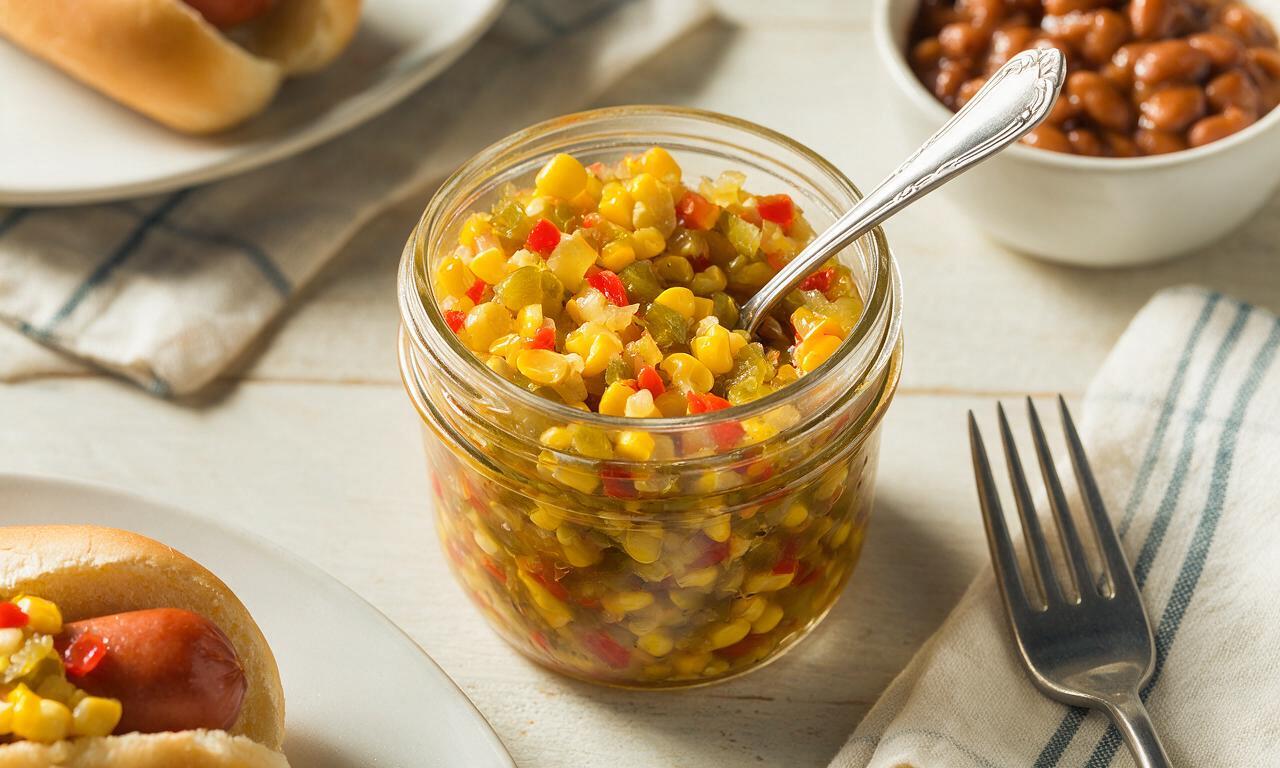
Tangy, crisp pickled vegetable relish, a beloved Southern American staple perfect for topping BBQ fare, hot dogs, and beans at summer gatherings.

Ingredients

Green cabbage 450 grams (4 cups, thinly shredded)
Unripe green tomatoes 340 grams (2 cups, 1/4-inch diced)
Sweet yellow onion 170 grams (1 medium, 1/4-inch diced)
Green bell pepper 115 grams (1 small, seeded, 1/4-inch diced)
Red bell pepper 115 grams (1 small, seeded, 1/4-inch diced)
Pickling salt 2 tablespoons
Apple cider vinegar (5% acidity) 480 ml (2 cups)
Granulated sugar 150 grams (3/4 cup)
Whole yellow mustard seeds 1 tablespoon
Celery seeds 1 teaspoon
Ground turmeric 1/2 teaspoon
Whole black peppercorns 1 teaspoon
Crushed red pepper flakes 1/4 teaspoon

Steps

1

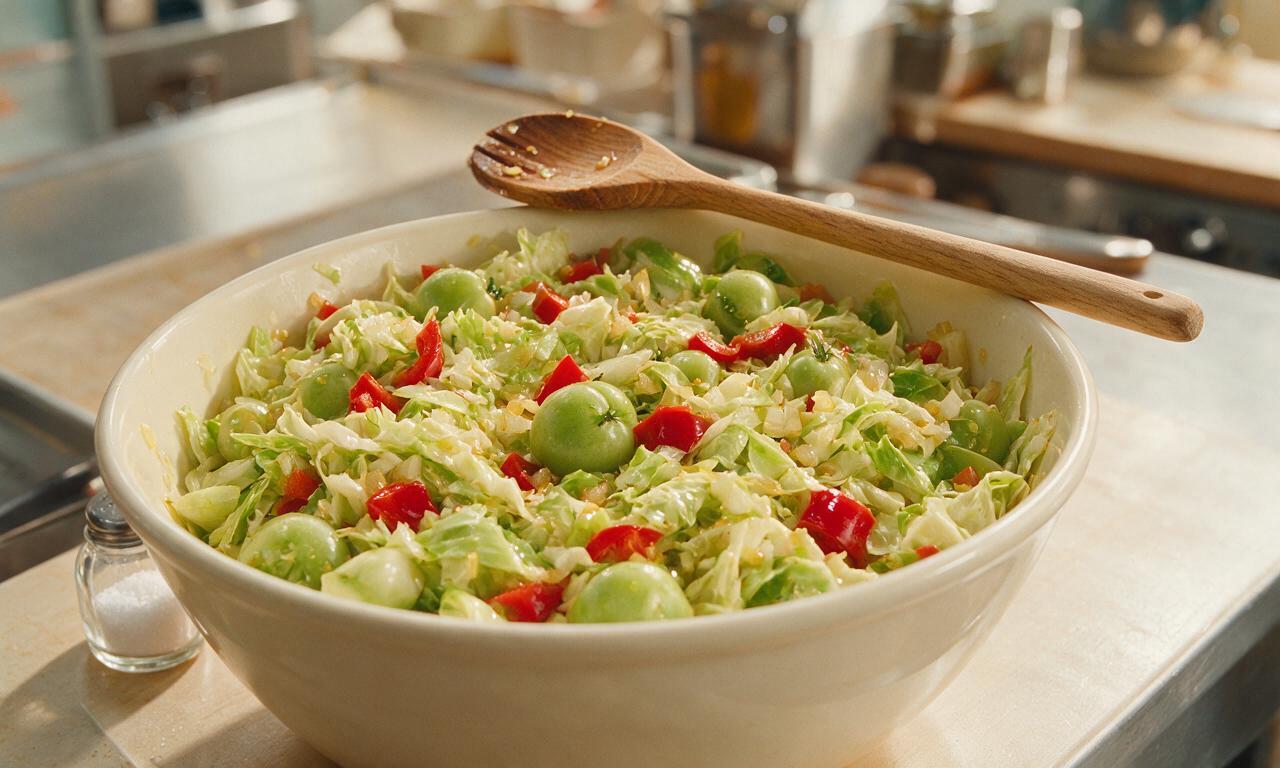
Wash all produce thoroughly under cool running water. Shred 450g green cabbage into thin 1/8-inch strips, then dice 340g unripe green tomatoes, 170g sweet yellow onion, 115g seeded green bell pepper, and 115g seeded red bell pepper into uniform 1/4-inch pieces. Toss all chopped vegetables in a large non-reactive glass or ceramic bowl with 2 tablespoons pickling salt, cover tightly with plastic wrap, and refrigerate for 4 hours (or up to 12 hours overnight) to draw out excess moisture that would dilute the brine.
Step 1
step1:
2

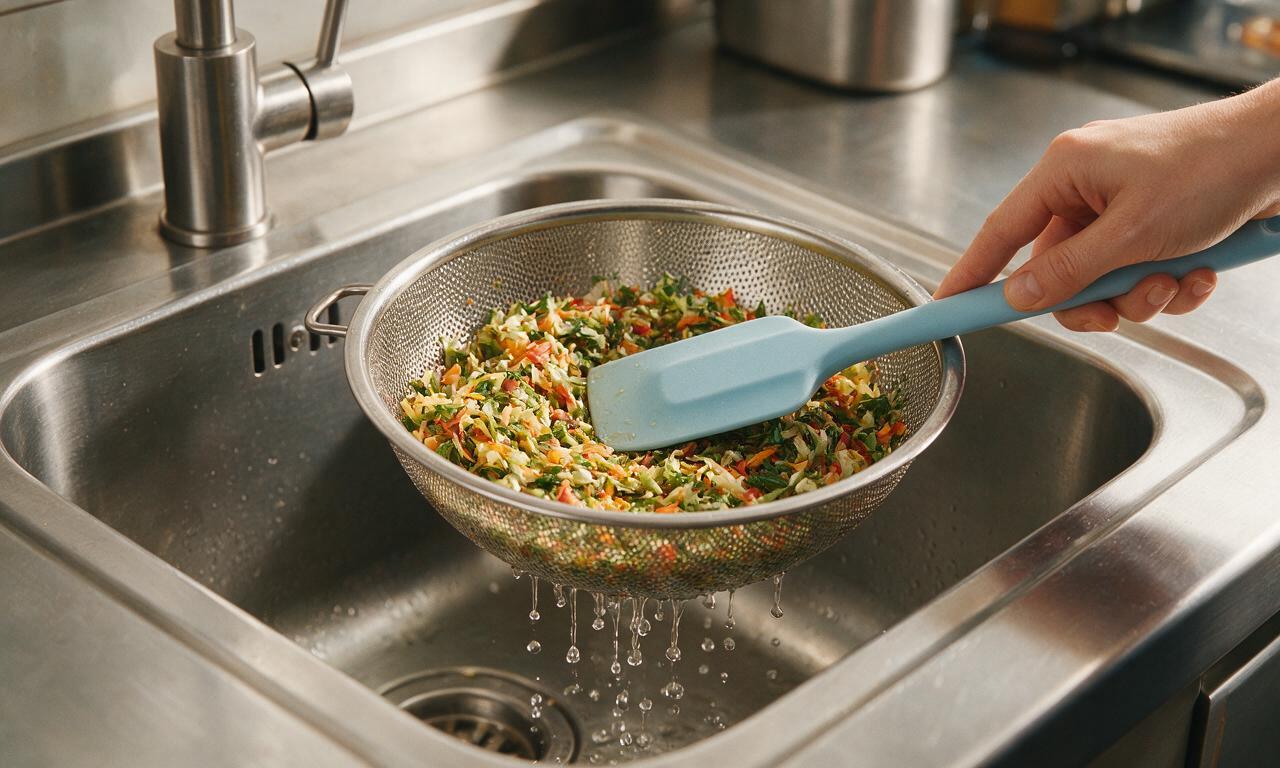
After the salting rest period, remove the vegetable bowl from the refrigerator. Transfer all vegetables to a large fine-mesh colander set over a kitchen sink. Rinse the vegetables 3 full times with cold tap water to wash away all surface salt, then press firmly with a clean silicone spatula for 2-3 minutes to squeeze out as much remaining trapped moisture as possible. Discard all collected salty drained liquid, and set the drained vegetables aside.
Step 2
step2:
3

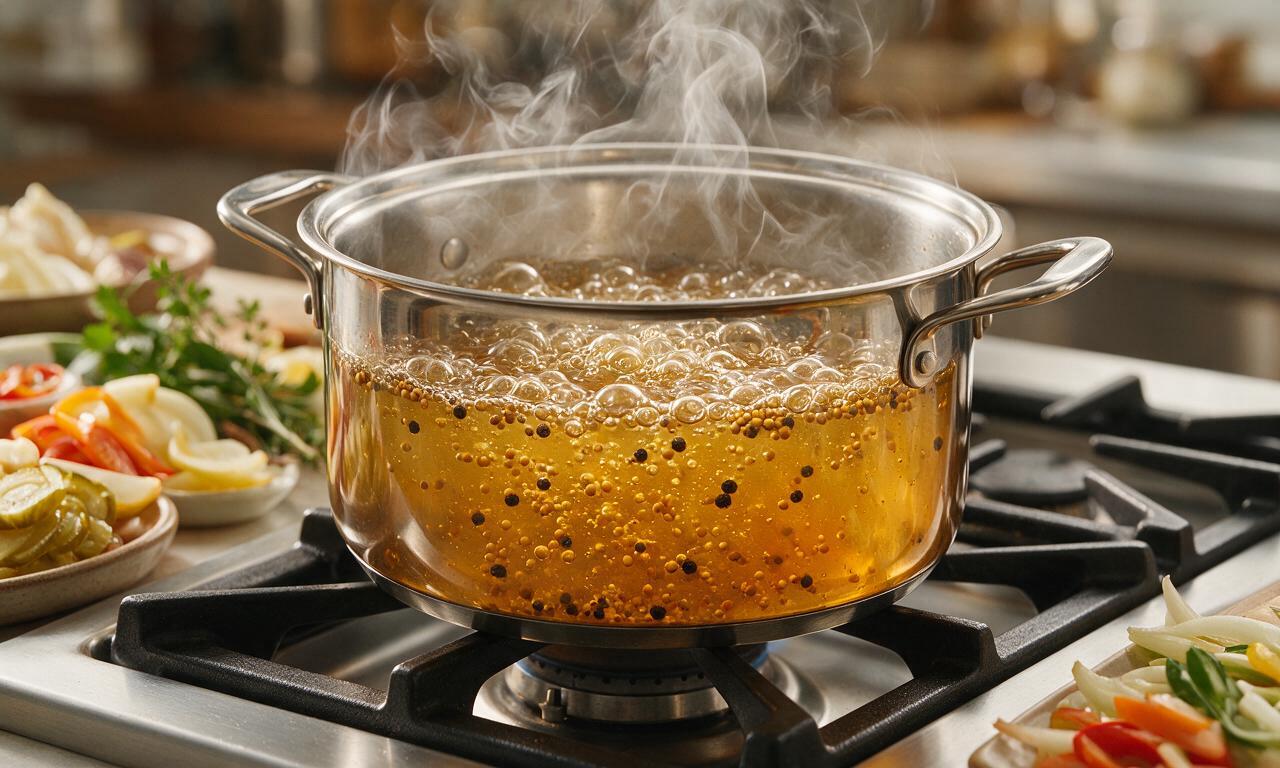
Place a large non-reactive stainless steel stockpot on the stovetop over medium-high heat. Add 480ml 5% acidity apple cider vinegar, 150g granulated sugar, 1 tablespoon whole yellow mustard seeds, 1 teaspoon celery seeds, 1/2 teaspoon ground turmeric, 1 teaspoon whole black peppercorns, and 1/4 teaspoon crushed red pepper flakes to the pot. Stir continuously with a wooden spoon for 7-8 minutes until the mixture reaches a rolling boil and all sugar is fully dissolved.
Step 3
step3:
4

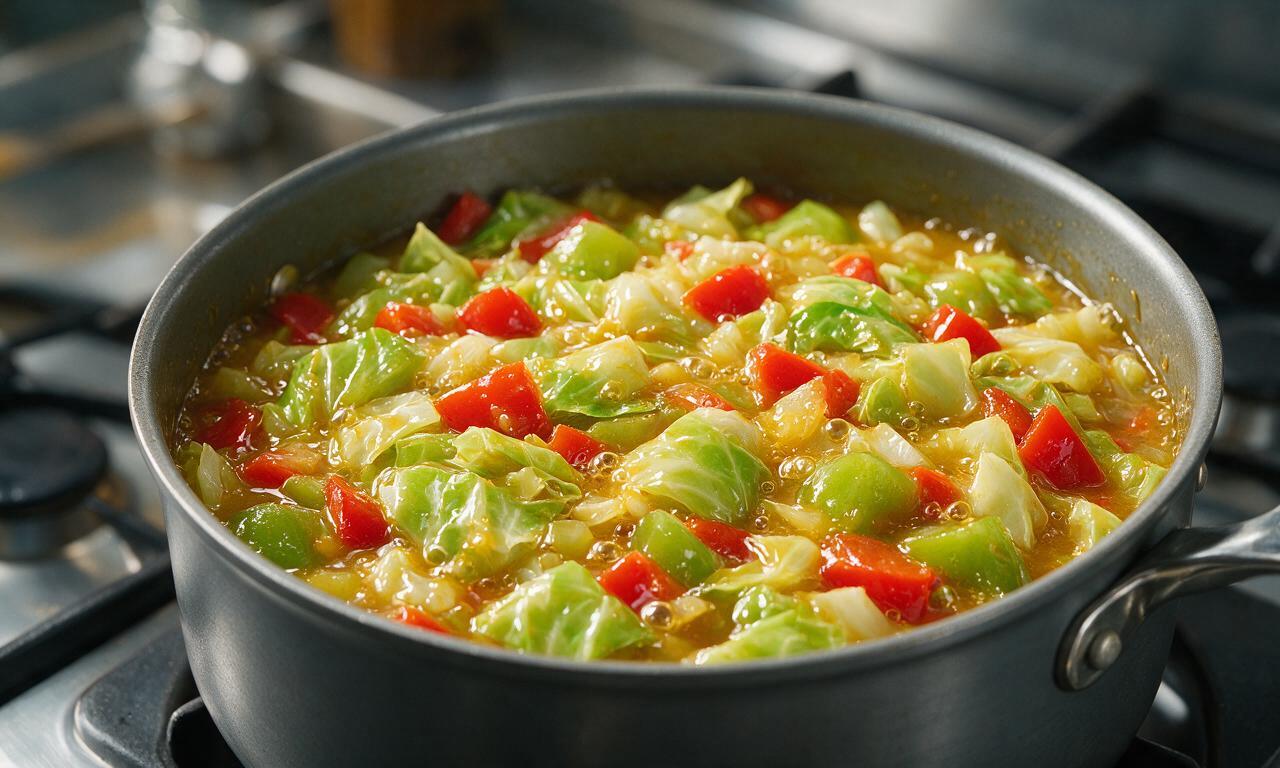
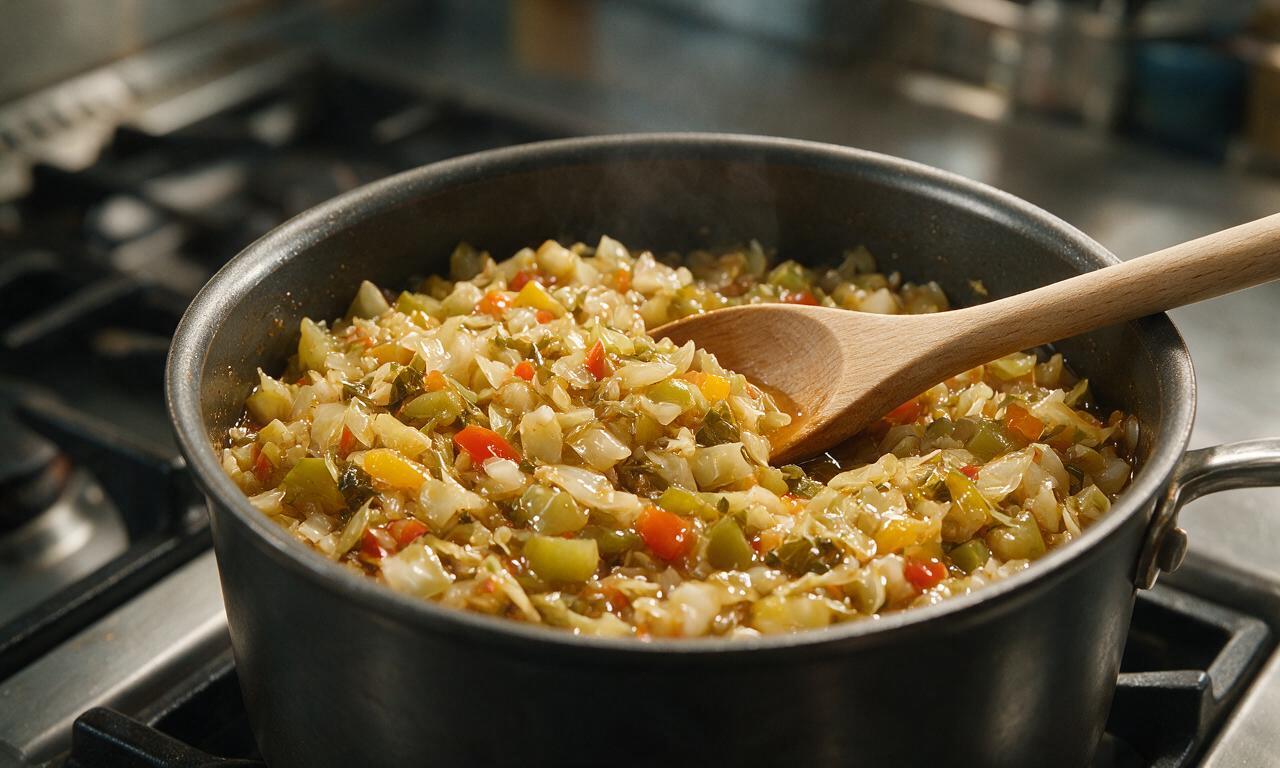
Carefully add the fully drained vegetable mixture to the boiling brine, stirring well to coat every piece in the pickling liquid. Once the mixture returns to a gentle boil, reduce the stovetop heat to medium-low to maintain a steady, low simmer. Cook the relish uncovered for 10 minutes, stirring every 2 minutes, until vegetables are crisp-tender—do not overcook, as mushy vegetables will ruin the relish’s signature snappy texture.
Step 4
step4:
5

Turn off the stovetop heat and move the pot to a cool burner. Let the relish cool completely in the uncovered pot for 1 full hour, stirring once every 15 minutes to release trapped heat and ensure even cooling. Do not cover the pot during cooling, as trapped condensation will water down the brine.
Step 5
step5:
6

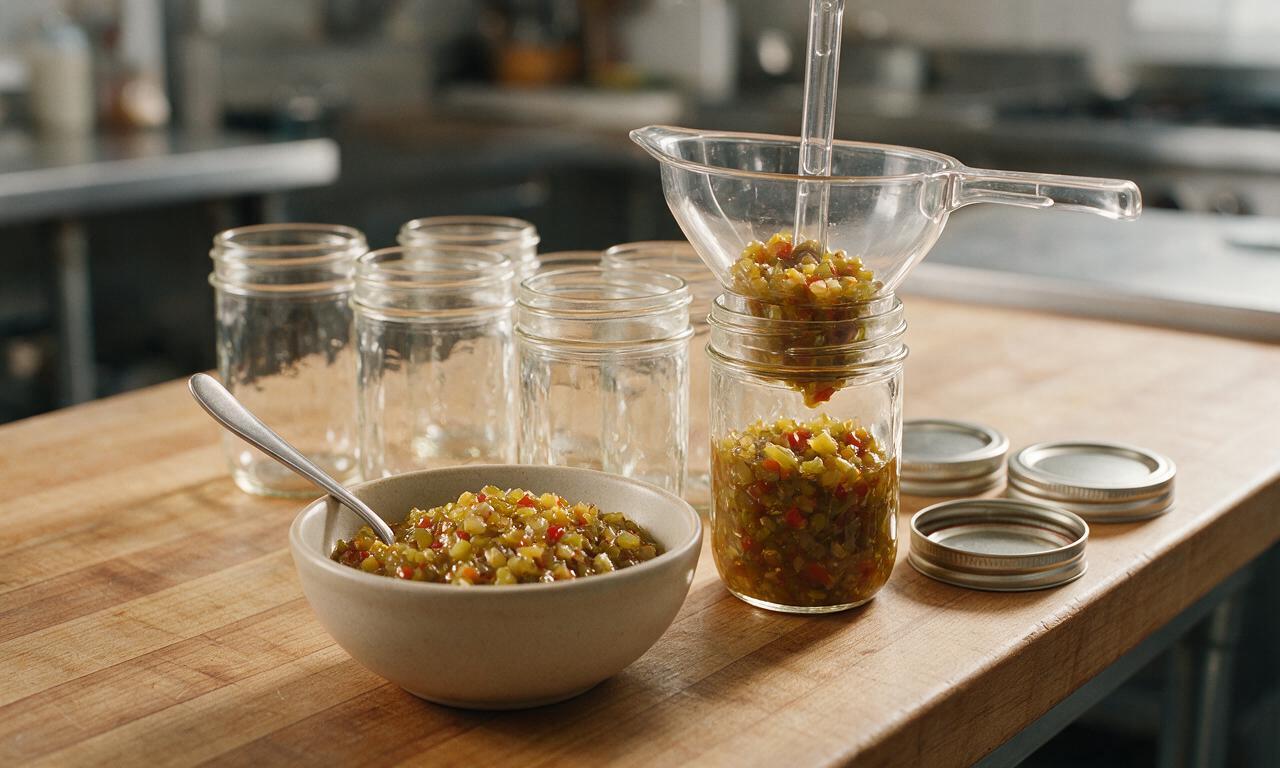
Once fully cooled, transfer the relish to clean, sterilized glass mason jars, leaving 1/2 inch of headspace at the top of each jar. Seal jars tightly with new, clean lids, and refrigerate for a minimum of 24 hours before serving to allow the pickling flavors to fully meld. The relish will stay fresh in the refrigerator for up to 4 weeks; for shelf-stable storage, process sealed jars in a boiling water canner for 10 minutes following USDA safe canning guidelines.
Step 6
step6:

Tips

1.Use only non-reactive cookware (stainless steel, glass, ceramic) when making pickled relishes: aluminum or cast iron will react with vinegar, creating metallic off-flavors and discoloring the final product.
2.Do not skip the salting and draining step for vegetables: removing excess natural moisture prevents the brine from becoming watery and diluted, keeping the relish tangy and flavorful during storage.
3.Adjust heat levels to your preference: increase crushed red pepper flakes to 1/2 teaspoon for a spicy relish, or omit them entirely for a mild, kid-friendly version that pairs with all grilled foods.
✨ You May Also Like

Side Dishes
🍜 India

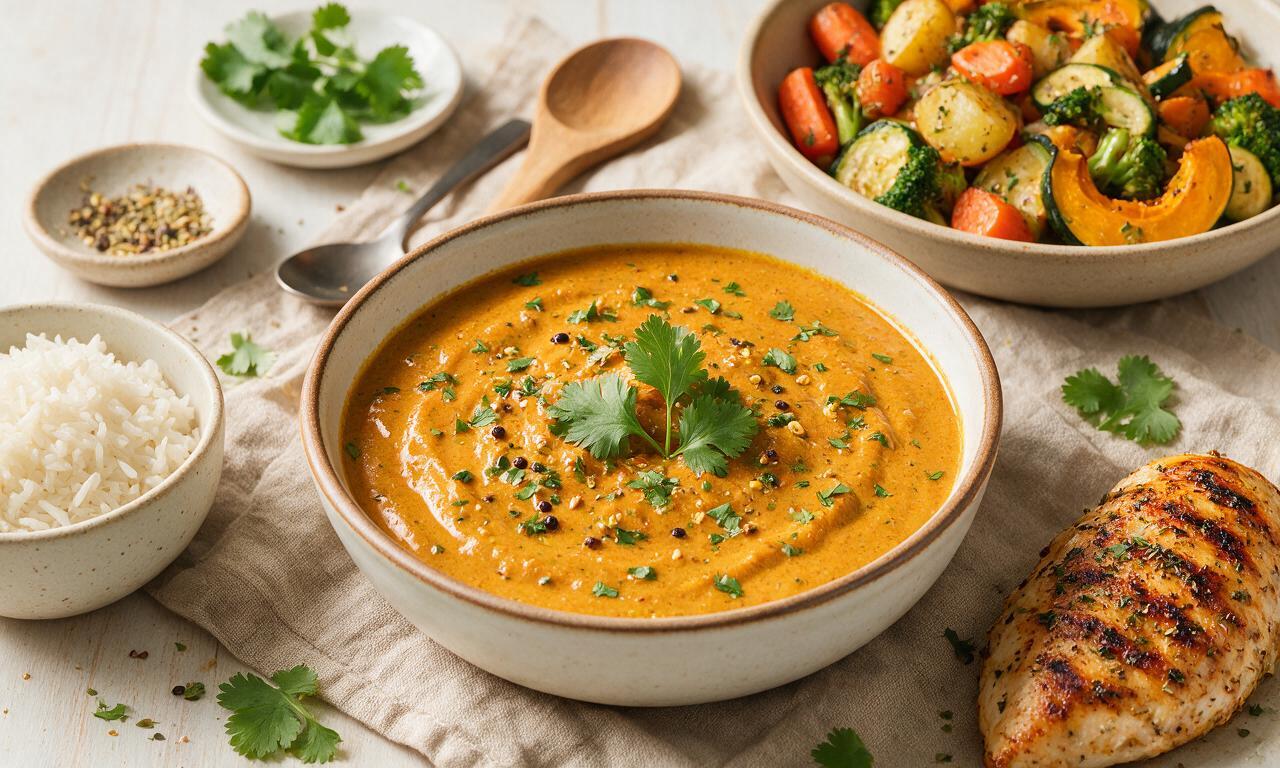
Velvety, aromatic all-purpose curry sauce perfect for tossing with roasted veggies, grilled protein, or rice for fast, cozy, flavorful meals.

⏱️ 25 minuteSide Dishes ★ 4.7
Side Dishes
🍜 Spain

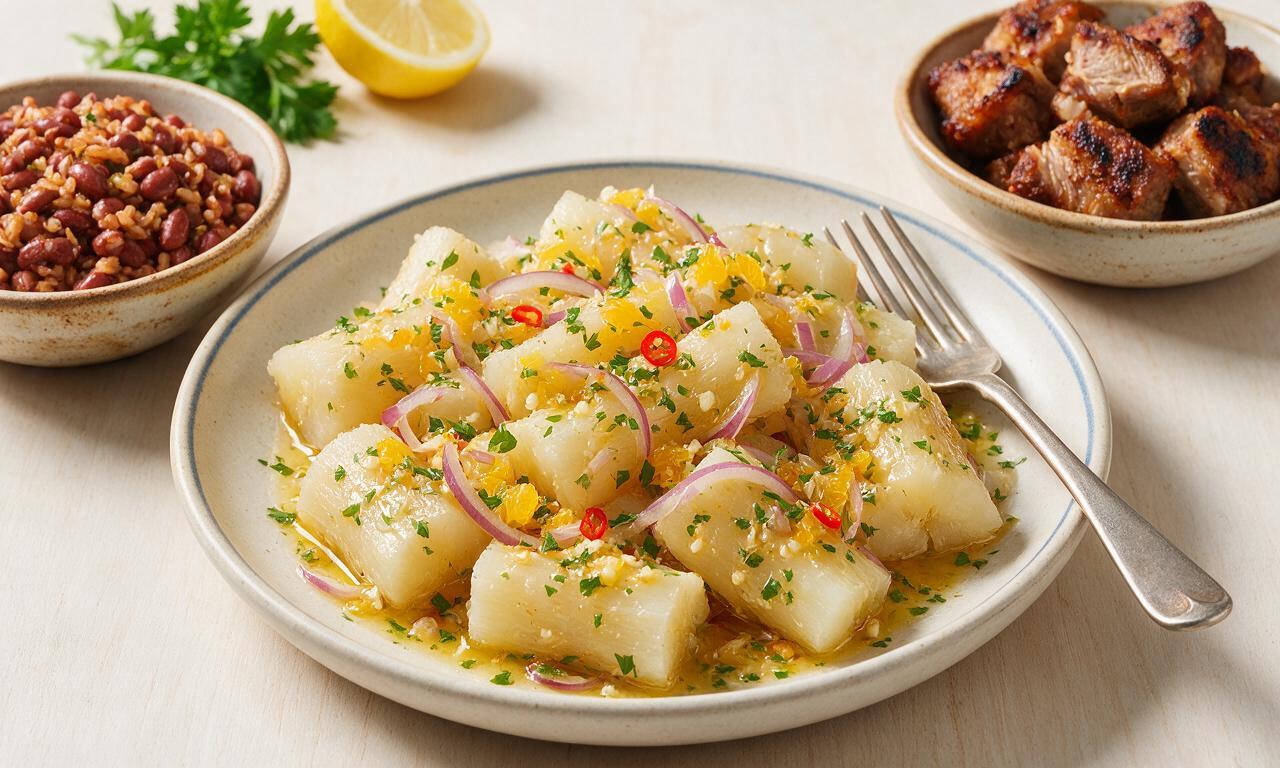
Tender, starchy boiled yuca tossed in bright, garlicky citrus mojo sauce—an iconic, zesty side that pairs beautifully with roasted pork, grilled meats, and rice and beans.

⏱️ 40 minuteSide Dishes ★ 4.8
Side Dishes
🍜 United States

Tender, paper-thin potato flatbread, a beloved Norwegian-American Minnesota Christmas staple, griddled until softly spotted and served warm with butter.

⏱️ 1 hour 30Side Dishes ★ 4.8
Side Dishes
🍜 United States

Rich, deeply savory cured salt pork, a long-lasting kitchen staple perfect for frying crispy as a side or adding umami to stews, beans, and chowders.

⏱️ 7 days (2Side Dishes ★ 4.9
Side Dishes
🍜 United States

Crispy, tangy classic Southern fried green tomatoes with a crunchy cornmeal crust, served hot for a nostalgic, comforting summery bite.

⏱️ 25 minuteSide Dishes ★ 4.9
Side Dishes
🍜 United States

Moist, golden-crusted savory muffins with sweet corn, zesty jalapeño, and melted cheddar, perfect for pairing with smoky summer grilled fare.

⏱️ 30 minuteSide Dishes ★ 4.8

Chow Chow Relish:Frequently Asked Questions

1.What makes classic Southern chow chow different from regular sweet pickle relish?
Unlike standard sweet pickle relish, which is almost exclusively made from pickled cucumbers, chow chow is built from a mix of crisp green cabbage, unripe green tomatoes, sweet yellow onion, and both red and green bell peppers. It has a brighter, more complex tang, less cloying sweetness, and a heartier texture that stands up to rich, savory Southern fare.
2.Can I use ripe red tomatoes instead of unripe green tomatoes in this recipe?
I don’t recommend swapping in ripe red tomatoes—they’re too juicy and soft, and will turn your relish mushy instead of crisp, plus they lack the bright, tart bite unripe green tomatoes bring. If you can’t source green tomatoes, add 1 extra cup of shredded green cabbage and 1 tablespoon extra apple cider vinegar to get close to the classic profile.
3.How long do I need to let chow chow sit before it’s ready to eat?
While you can technically eat it after 24 hours in the fridge, the flavor gets far better if you let it rest for 3 to 5 days first. That resting time gives the tangy brine time to soak into all the veggies, mellow out sharp raw onion and pepper notes, and let all the classic, balanced flavors meld together perfectly.
4.What are the best ways to serve classic chow chow relish?
This relish is incredibly versatile! It’s a mandatory topping for pulled pork sandwiches, grilled hot dogs, smoked sausage, and chargrilled burgers. It also cuts through the richness of slow-cooked pinto beans, black-eyed peas, fried catfish, and pimento cheese, and adds a bright tang to summer potato or pasta salads.
5.Do I have to can this chow chow for it to keep, or can I store it in the refrigerator?
You don’t need any special canning equipment for small batches! Just pack the finished relish into sterilized glass jars with tight-fitting lids, and it will stay fresh in the fridge for up to 2 months. For shelf-stable pantry storage, process sealed jars in a boiling water bath for 10 minutes for up to 1 year of unopened shelf life.
6.My chow chow turned out watery after a day in the fridge—what did I do wrong?
That issue almost always comes from skipping the step of salting the shredded veggies and letting them drain for 2 hours before pickling! Salt draws out excess moisture from cabbage, tomatoes, and peppers that would otherwise dilute the brine and make the relish soggy. Pour off a little excess brine, and it will still taste great, just be less crisp.
7.Can I cut back the sugar to make a less sweet chow chow?
Absolutely! Classic Southern chow chow balances tang and sweetness, but you can cut the called-for sugar by up to half if you prefer a sharper, more tart relish. Just don’t skip the sugar entirely—it doesn’t just add sweetness, it softens vinegar’s sharp edge and helps the brine penetrate veggies evenly for balanced flavor.
8.Is there a good substitute for green cabbage if I don’t have any on hand?
If you don’t have green cabbage, you can swap in an equal amount of finely shredded crisp napa cabbage for a milder bite, or even firm, unripe green papaya in a pinch. Avoid red cabbage, as it will leach deep purple pigment into the brine and turn the whole relish a dull, unappetizing grayish-purple hue.
9.What spices are traditionally used in classic Southern chow chow?
The traditional spice blend is simple, no fancy add-ins required! Most recipes rely on whole mustard seeds, celery seeds, a pinch of red pepper flakes for subtle warm heat, and ground turmeric for that signature pale golden color. A tiny pinch of whole allspice adds warm depth, but skip heavy mixes like curry that overpower bright veggie flavor.
10.Can I add extra veggies to this base chow chow recipe?
You can mix in small amounts of other firm, low-moisture veggies without straying too far from the classic! Finely diced jalapeño for extra heat, shredded carrot for a pop of color and sweetness, or diced pickling cucumber all work great. Skip soft, high-moisture veggies like zucchini or ripe squash, which turn mushy in brine.
11.Why do some recipes call for soaking veggies in ice water after salting them?
That quick ice water soak serves two key purposes: it rinses off excess surface salt so your relish doesn’t end up overly salty, and it shocks the shredded veggies to make them extra crisp and snappy, instead of wilted from the salt-drawing step. After soaking, be sure to squeeze veggies really well to avoid watery relish.
12.Is this chow chow the same as versions from Appalachia or the Northeast?
There are small, fun regional variations! This Lowcountry Southern version is lighter, brighter, and focused on the core five veggie mix with a balanced sweet-tang brine. Appalachian chow chow often adds beans or cauliflower, while Northeastern versions tend to be much sweeter, with warm spices like cinnamon for deeper, less bright flavor.
13.Can I freeze chow chow for longer storage if I don’t want to can it?
Freezing works, but it will slightly change the texture! Pack fully cooled relish into freezer-safe containers, leaving ½ inch of headspace for expansion, and it will keep for up to 6 months. Thaw it in the fridge overnight before serving; note the veggies will be slightly less crisp than fresh fridge-stored chow chow, but the tangy flavor will stay intact.

Comments (4)

2 days ago

OMG this chow chow is SO good! I grew up eating my grandma’s chow chow every summer at family fish fries and I thought I’d never get the flavor right. This recipe was so easy even though it needs a little salting rest time, I prepped the veggies before running my kid to soccer practice and it was ready to cook when I got back. Brought a jar to our neighborhood potluck last weekend and people were begging for the recipe! Total game changer for topping hot dogs, pinto beans, even my breakfast eggs. 10/10 will be canning a double batch next weekend!

30 minutes ago

First time ever making any kind of relish, how long does this keep in the fridge after it’s done? I made a batch last night to top my pulled pork sandwiches for our 4th of July cookout and it tastes amazing already, just don’t want it to go bad before we get through the jar! The crunch is perfect, not too vinegary, just the right amount of sweet and tangy.

5 minutes ago

So glad you loved the flavor on your first batch! If stored in a tightly sealed, sterilized glass jar in the fridge, this chow chow will keep perfectly for up to 6 weeks. It goes so good with pulled pork, that’s one of my all-time favorite ways to serve it too! If you end up canning it for shelf storage, it’ll stay good for up to a year in a cool, dark pantry.

1 week ago

Wait, do you have to use green tomatoes for this? My grocery store was totally out when I went shopping yesterday, so I grabbed a couple extra green bell peppers and some shredded cabbage to bulk it up instead, hoping that works? I love having tangy relishes on hand for my weekday lunch bowls, so this looked perfect for easy meal prep. My kids even snuck a bite of the salted veggies while I was getting the brine ready and said it smelled like the pickles we get at our favorite BBQ spot. Gave it 4 stars for now since I haven’t gotten to taste the finished product, but I already know it’s gonna be a hit!

3 days ago

I did the exact same thing last month when I couldn’t find green tomatoes! I added a little extra turmeric for color and it turned out perfect, no one even noticed the swap. It’s still so tangy and crunchy, great on brats too.

2 days ago

Great question! Green tomatoes add that classic tart, firm texture traditional chow chow is known for, but extra bell peppers and cabbage make a totally delicious swap too. Just make sure you keep the total veggie weight the same as the recipe calls for so the brine ratio stays balanced, and you’ll be golden! So stoked your kids were excited about it too.

2 weeks ago

Made this yesterday to go with our black-eyed peas and collard greens for our New Year’s Day dinner (I know I’m late posting, oops) and it was CHEF’S KISS. I was worried the 4 hour salting step would be a hassle but I just let the veggies sit in the colander while I watched the football game and it was zero extra work. Not too sweet, not too sour, the spice level from the red pepper flakes is just right—my husband ate half the jar straight out of the container with a fork lol. Will absolutely be making this a staple in our house.

1 week ago

Same! My husband does the exact same thing every time I make a batch, he says it’s better than the store-bought chow chow we used to get at the farmers market. I added a handful of diced jalapeños to my last batch for an extra kick and it was incredible on brats at our last tailgate.