Colonial Spoon Bread

title 1
Colonial Spoon Bread
⏱️ cook time 45 minutes
🍽️ servings 6
⚡ Difficulty easy

intro

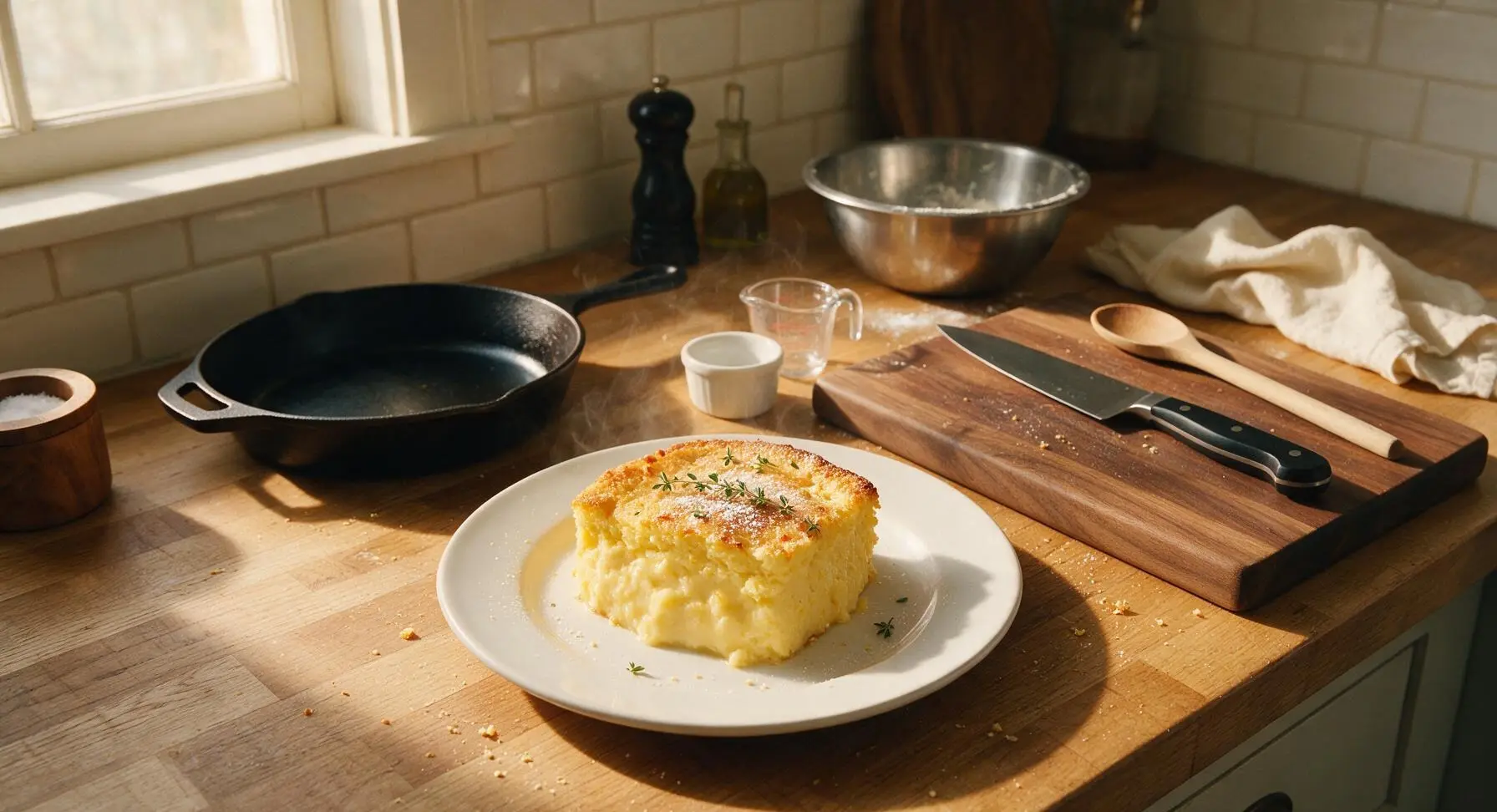
Soft, custardy Colonial Spoon Bread is a centuries-old American Southern staple, with a light, soufflé-like texture and sweet toasty corn flavor, perfect for sopping up gravies and pot roast juices.

Ingredients
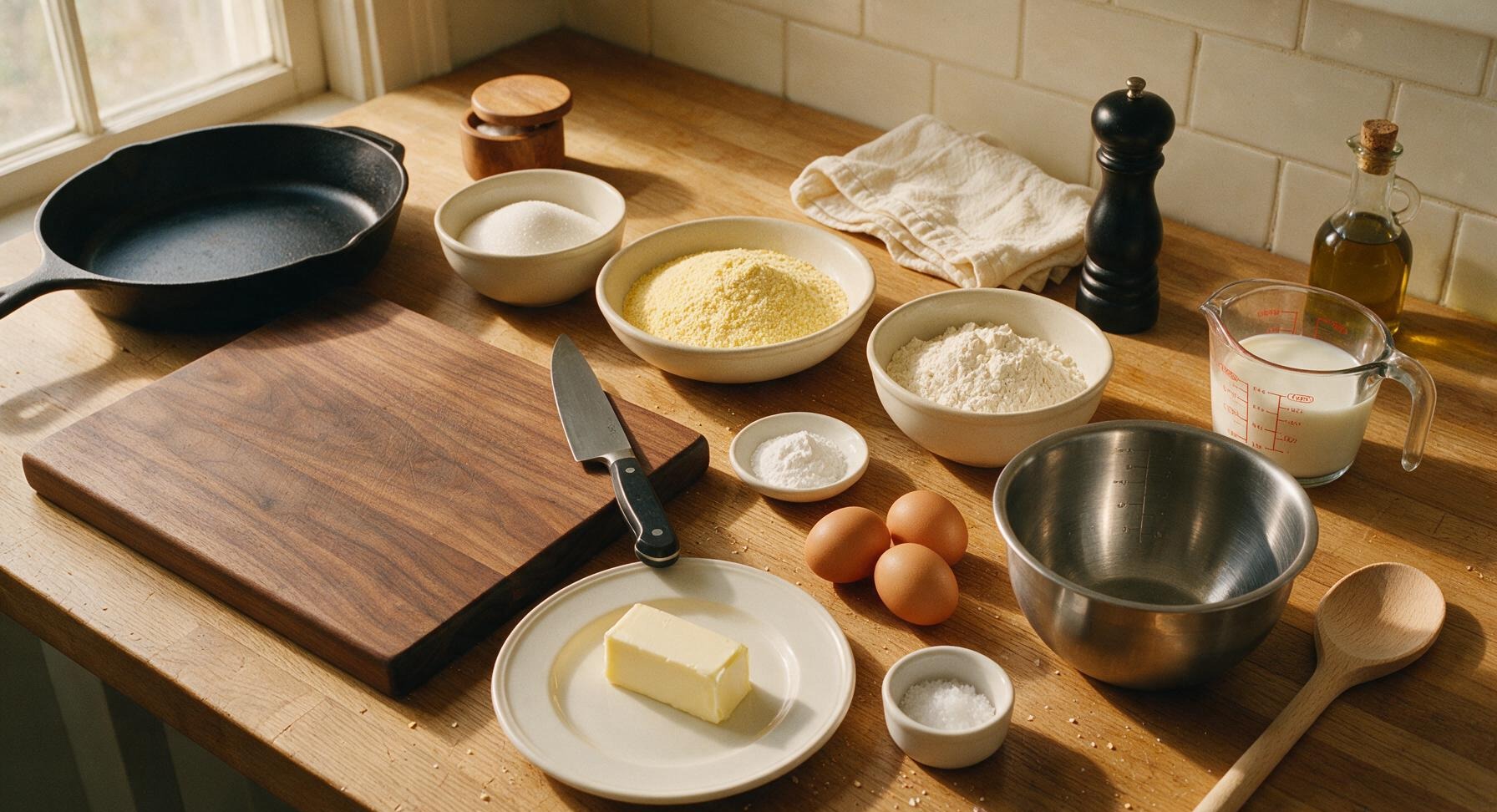
Fine yellow cornmeal 1 cup (140g)
Whole milk 2 cups (480ml)
Unsalted butter 3 tbsp (42g), plus extra for greasing
Large eggs, room temperature 3 each
Baking powder 1 tsp
Kosher salt 1 tsp
Granulated sugar 1 tsp

Steps

1

Preheat and Grease Dish

Preheat your oven to 375°F (190°C). Use a small pat of extra unsalted butter to thoroughly grease the interior bottom and sides of the 8-inch matte cream ceramic baking dish, creating an even, thin coating to prevent sticking during baking. Set the prepared dish aside on the counter near the cooking zone.
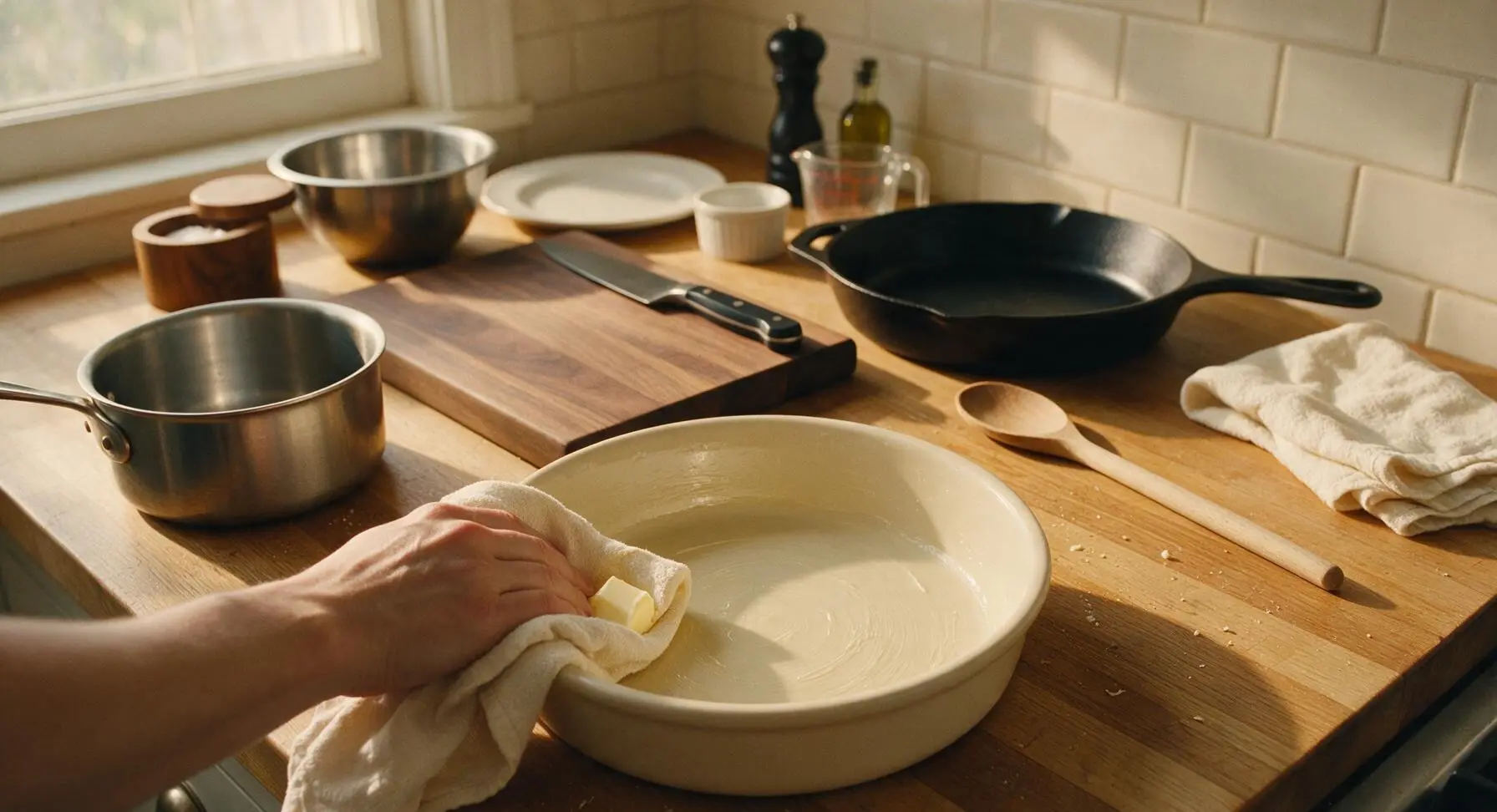
Step 1
step1:Preheat and Grease Dish
2

Heat Milk to Simmer

Pour 2 cups of whole milk into the 2-quart stainless steel saucepan, set over medium-low heat. Warm the milk until it reaches a gentle low simmer (approximately 180°F/82°C), marked by tiny bubbles forming around the pan’s inner edge and thin, light steam rising from the surface. Do not bring the milk to a rolling boil, as this will scald the milk and create an off-flavor.
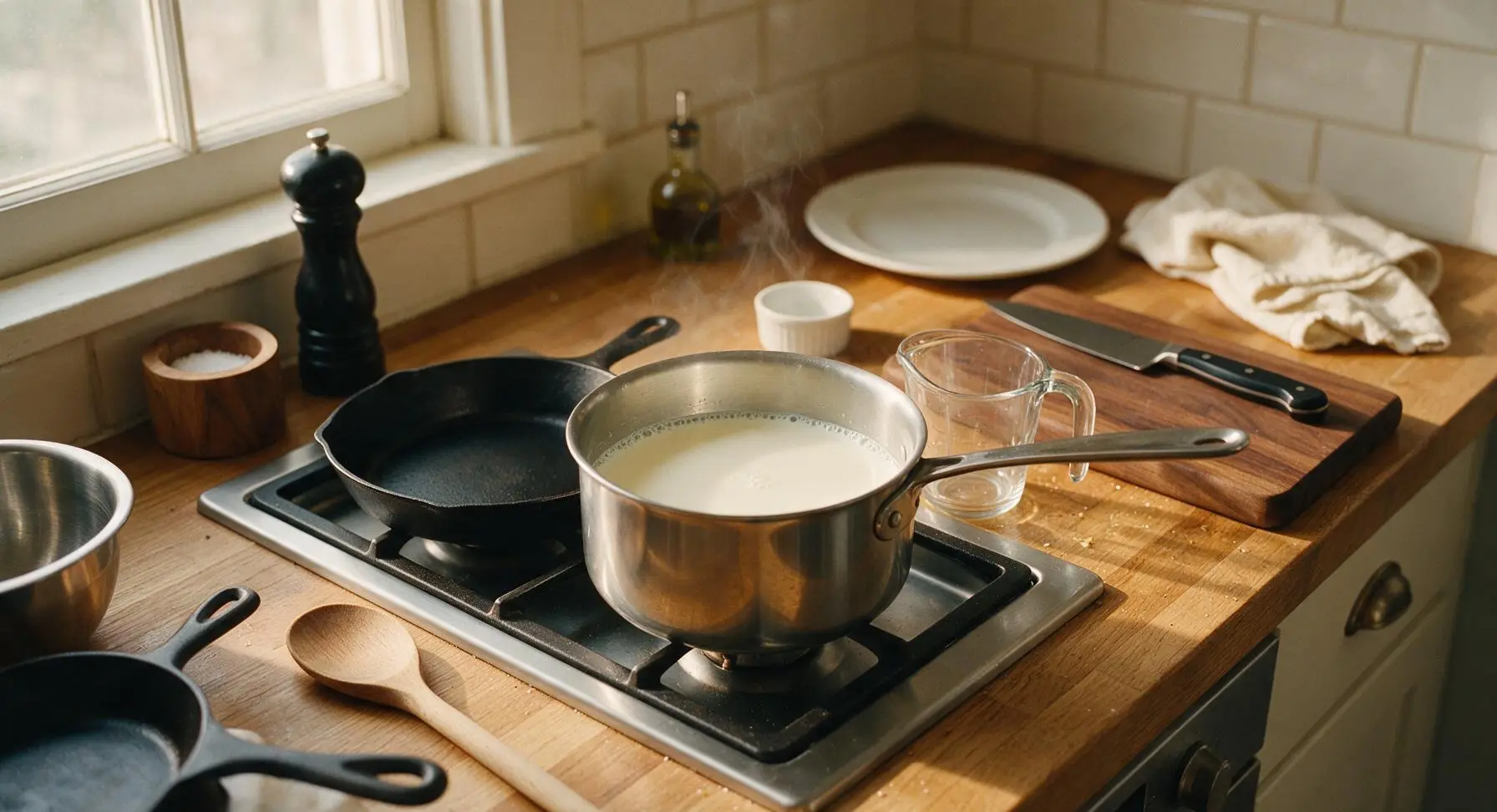
Step 2
step2:Heat Milk to Simmer
3

Cook Cornmeal Base

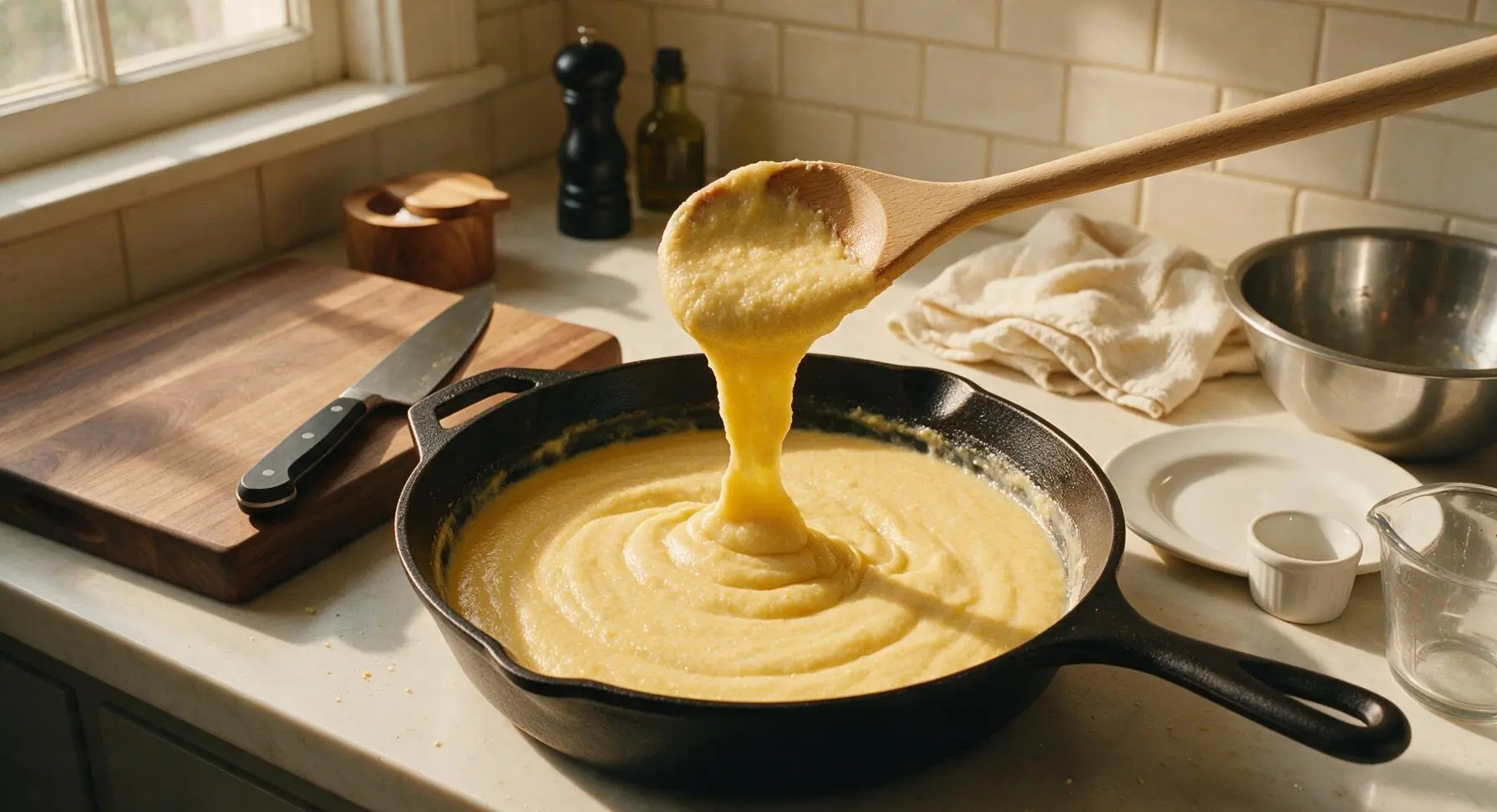
Slowly stream 1 cup of fine yellow cornmeal into the simmering milk, stirring constantly with the long beech wood spoon to prevent lumps. Add 1 tsp kosher salt and 1 tsp granulated sugar, then continue cooking for 3-4 minutes, stirring frequently, until the mixture thickens to a smooth, porridge-like consistency that pulls slightly away from the pan sides when stirred. Remove the pan from heat.
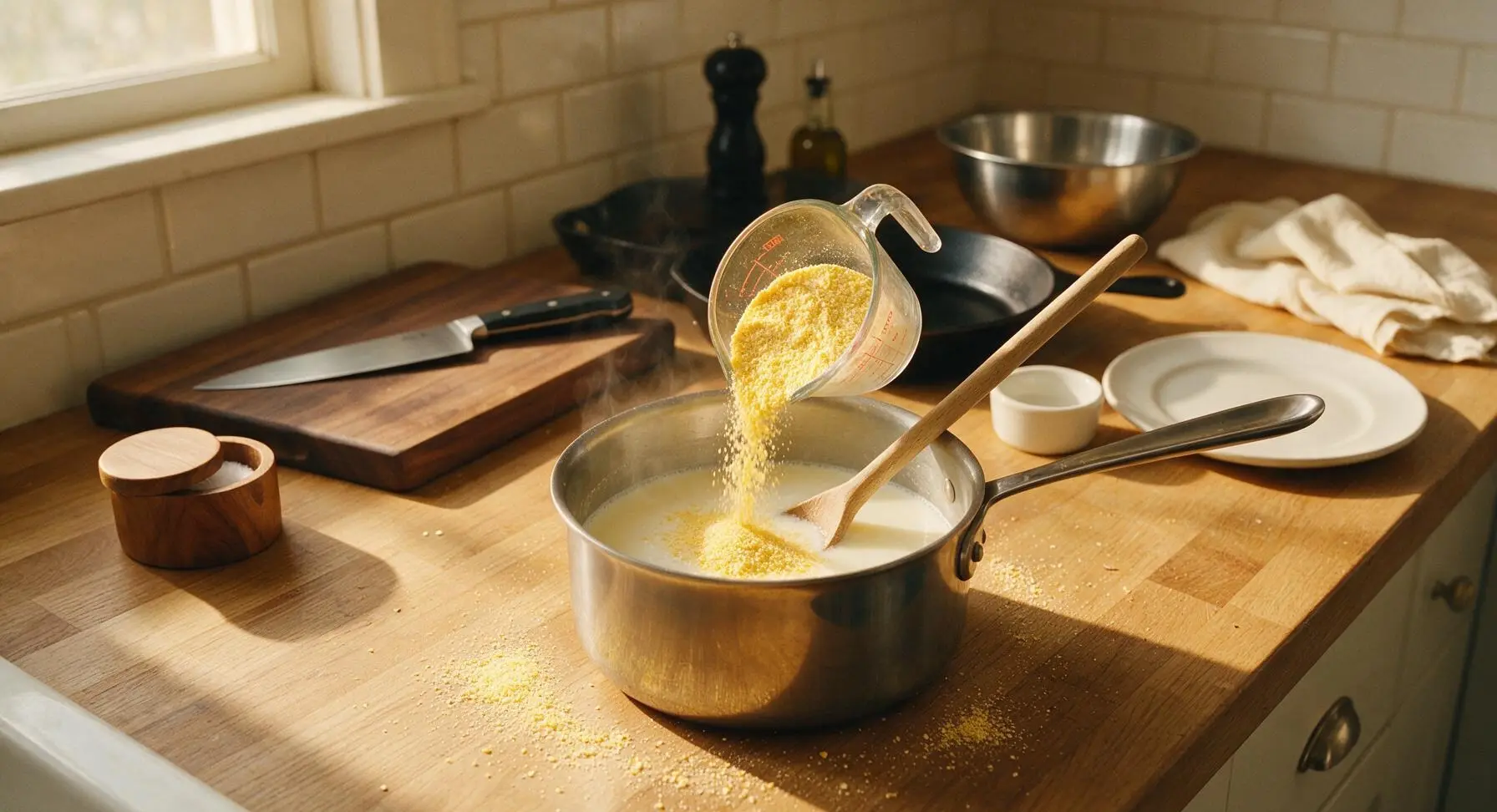
Step 3
step3:Cook Cornmeal Base
Step 3
step3:Cook Cornmeal Base
4

Stir in Butter

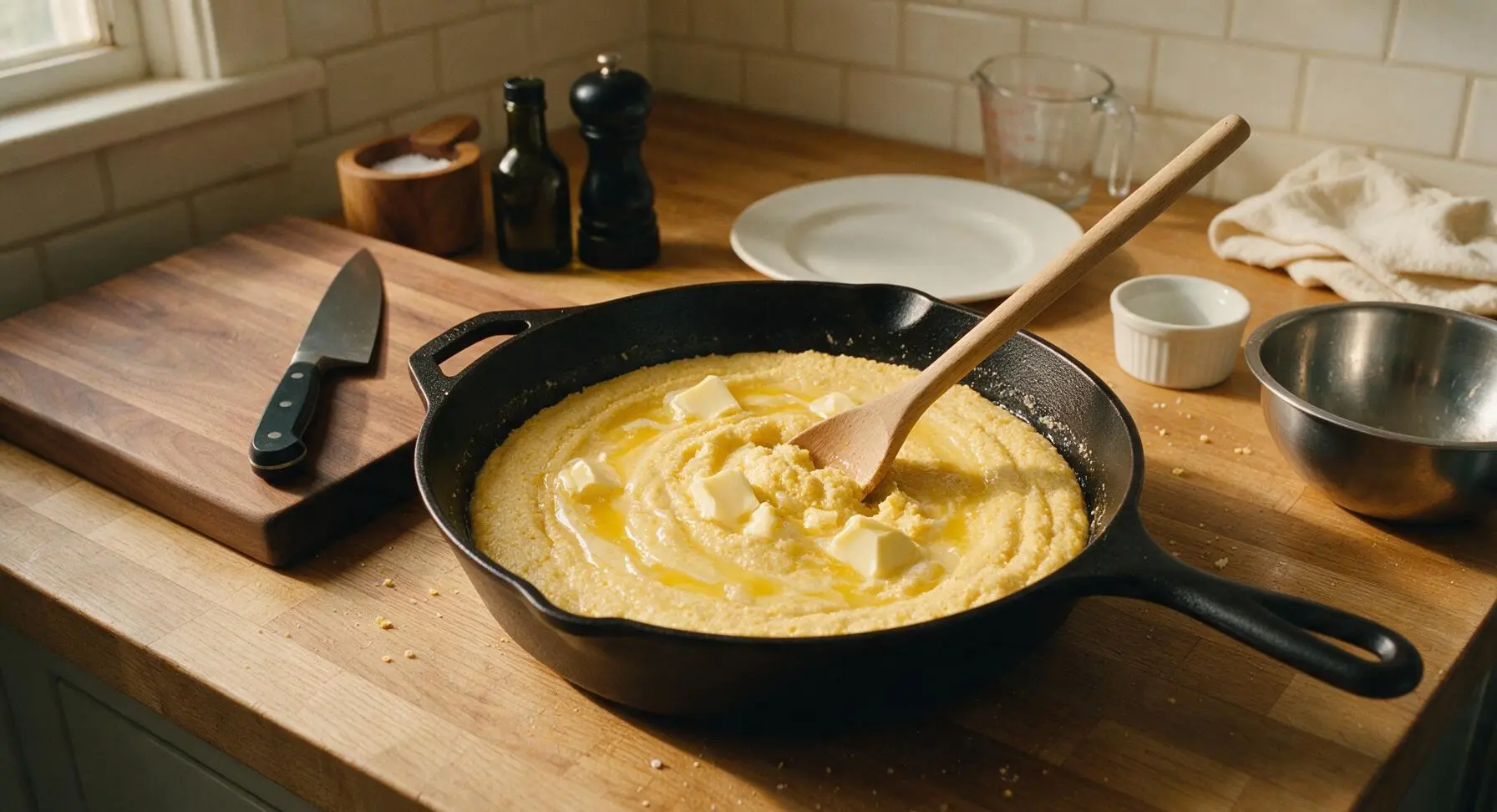
Cut the 3 tablespoons of unsalted butter into small, even cubes, add them to the hot cornmeal base, and stir with the wooden spoon until the butter is fully melted and incorporated, leaving the base glossy and rich. Set the pan aside to cool for 5 minutes, so the mixture is not hot enough to curdle eggs when combined.
Step 4
step4:Stir in Butter
5

Whisk Eggs Lightly

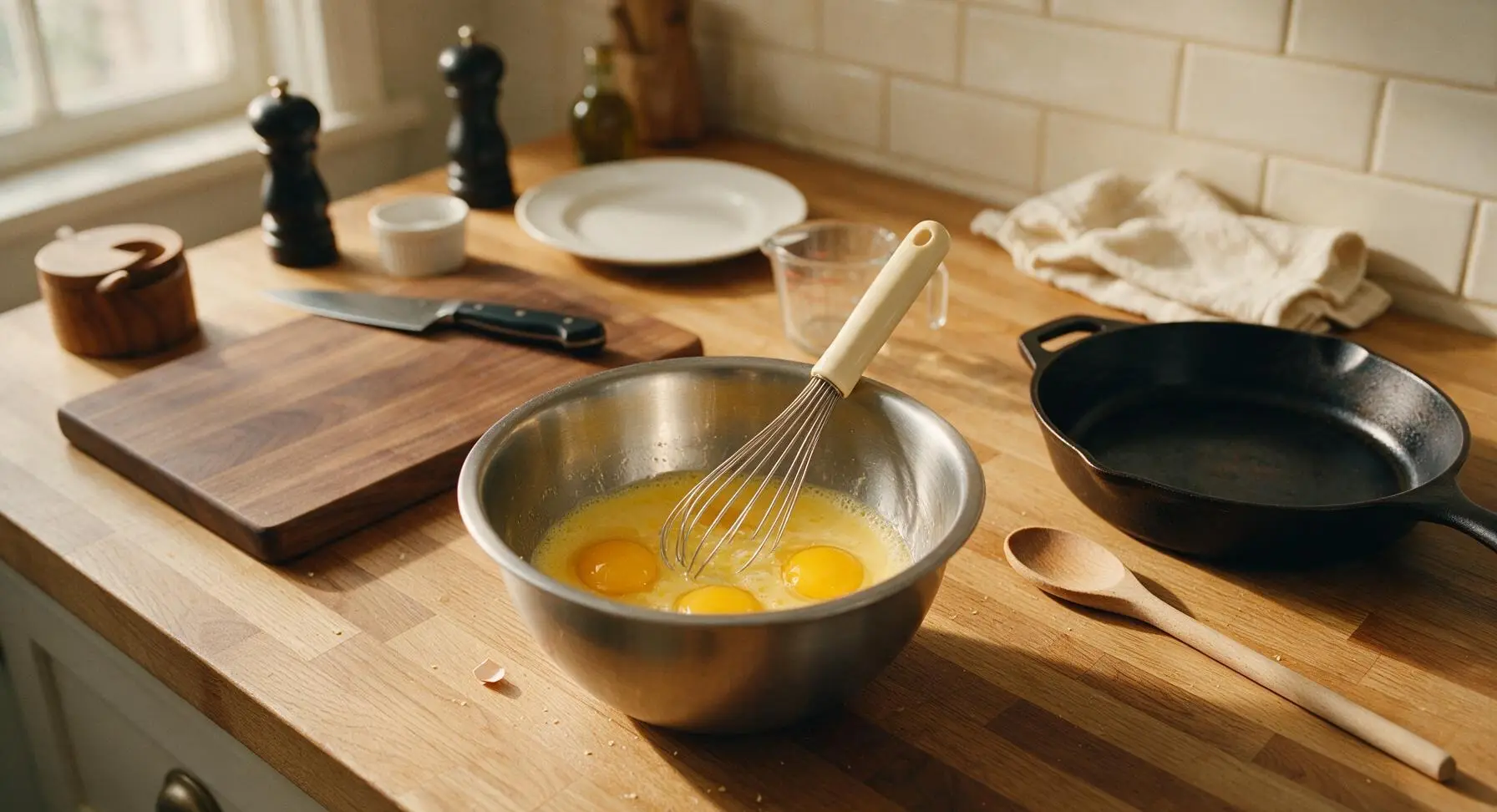
Crack the 3 room-temperature large eggs into the 3-quart stainless steel mixing bowl. Use the cream-handled wire whisk to beat the eggs lightly for 30 seconds, until yolks and whites are fully combined into a uniform pale yellow liquid, with no visible streaks of clear egg white remaining.
Step 5
step5:Whisk Eggs Lightly
6

Temper Eggs Gently

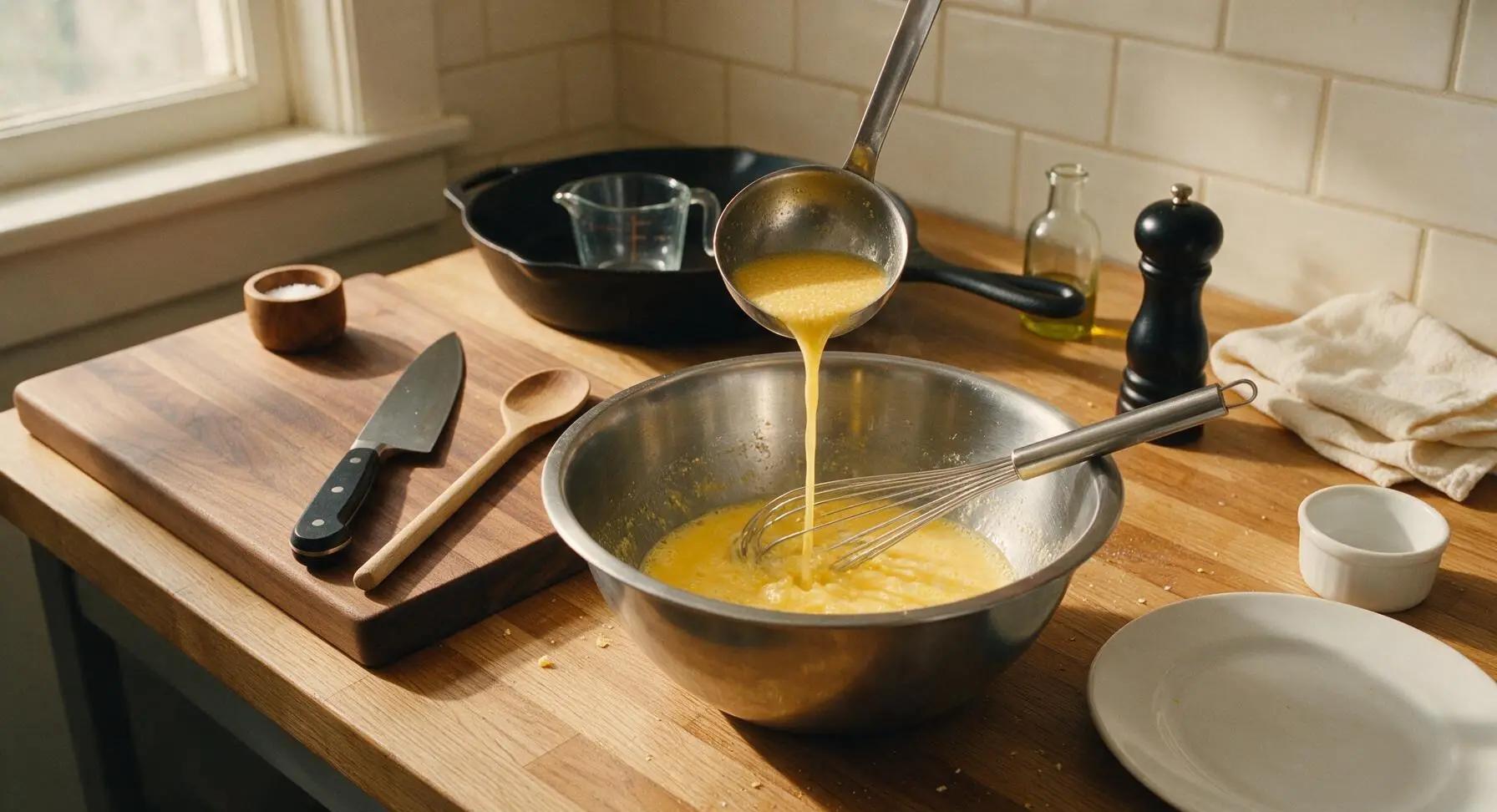
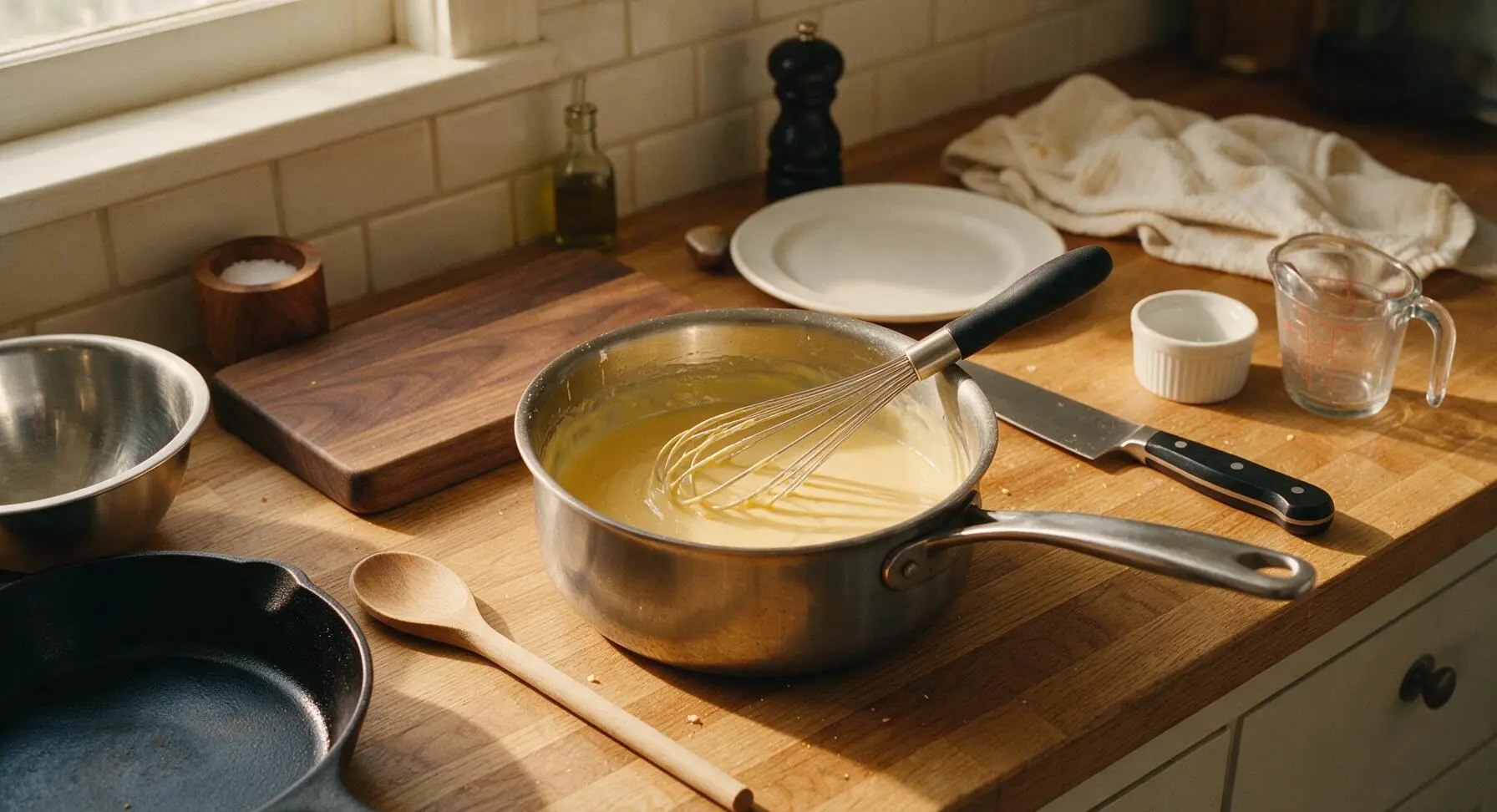
To prevent curdling, slowly ladle 1/2 cup of the warm (not piping hot) cornmeal base into the beaten eggs, whisking constantly and quickly as you pour to distribute the heat evenly. Once the warm cornmeal is fully mixed into the eggs, pour the egg mixture back into the saucepan with the remaining cornmeal base, stirring constantly until smooth. Stir in 1 teaspoon of baking powder until fully incorporated, with no lumps remaining.
Step 6
step6:Temper Eggs Gently
Step 6
step6:Temper Eggs Gently
7

Pour Batter into Dish

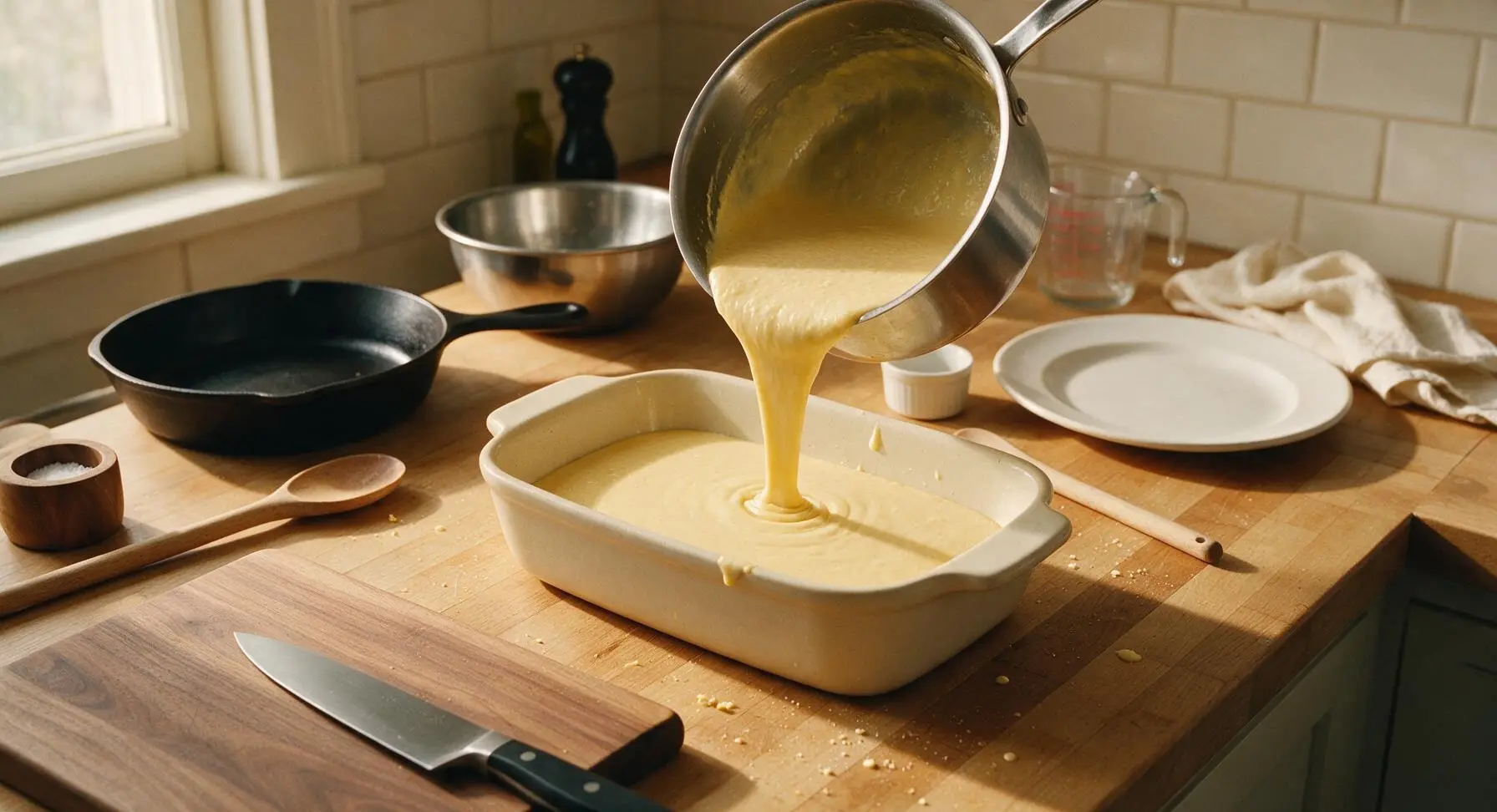
Pour the smooth, combined batter evenly into the pre-greased matte cream ceramic baking dish, smoothing the top lightly with the back of the wooden spoon if needed. The batter should fill the dish to 3/4 of its depth, leaving enough room for the spoon bread to rise as it bakes.
Step 7
step7:Pour Batter into Dish
8

Bake Until Set

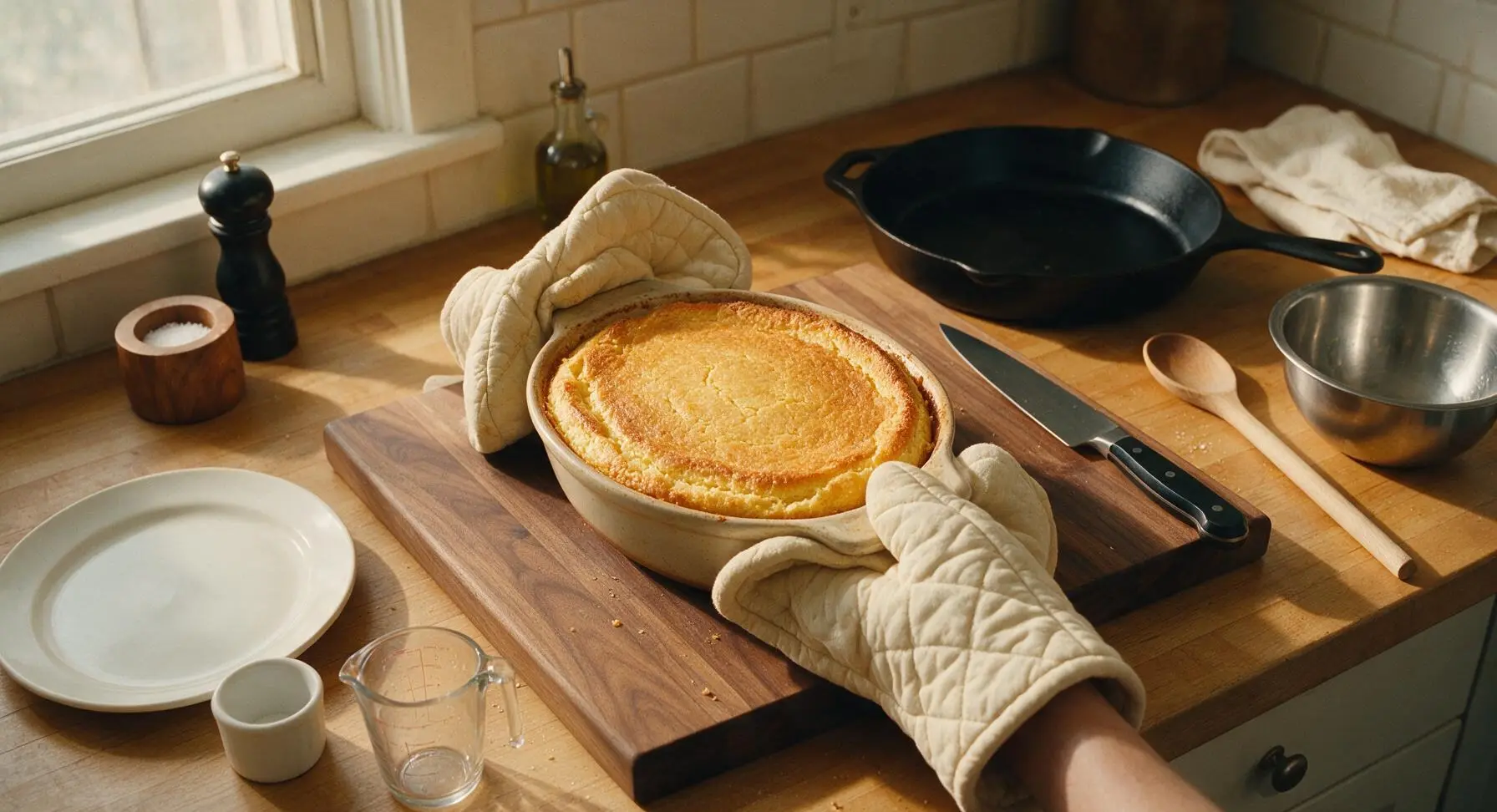
Carefully place the filled baking dish into the preheated 375°F (190°C) oven. Bake for 35-40 minutes, until the top is deep golden brown and slightly puffed, the edges are just starting to pull away from the dish sides, and the center jiggles slightly like firm Jell-O when nudged (it should not be liquidy). Do not overbake, as this will result in a dry, crumbly texture.
Step 8
step8:Bake Until Set
9

Rest Before Serving

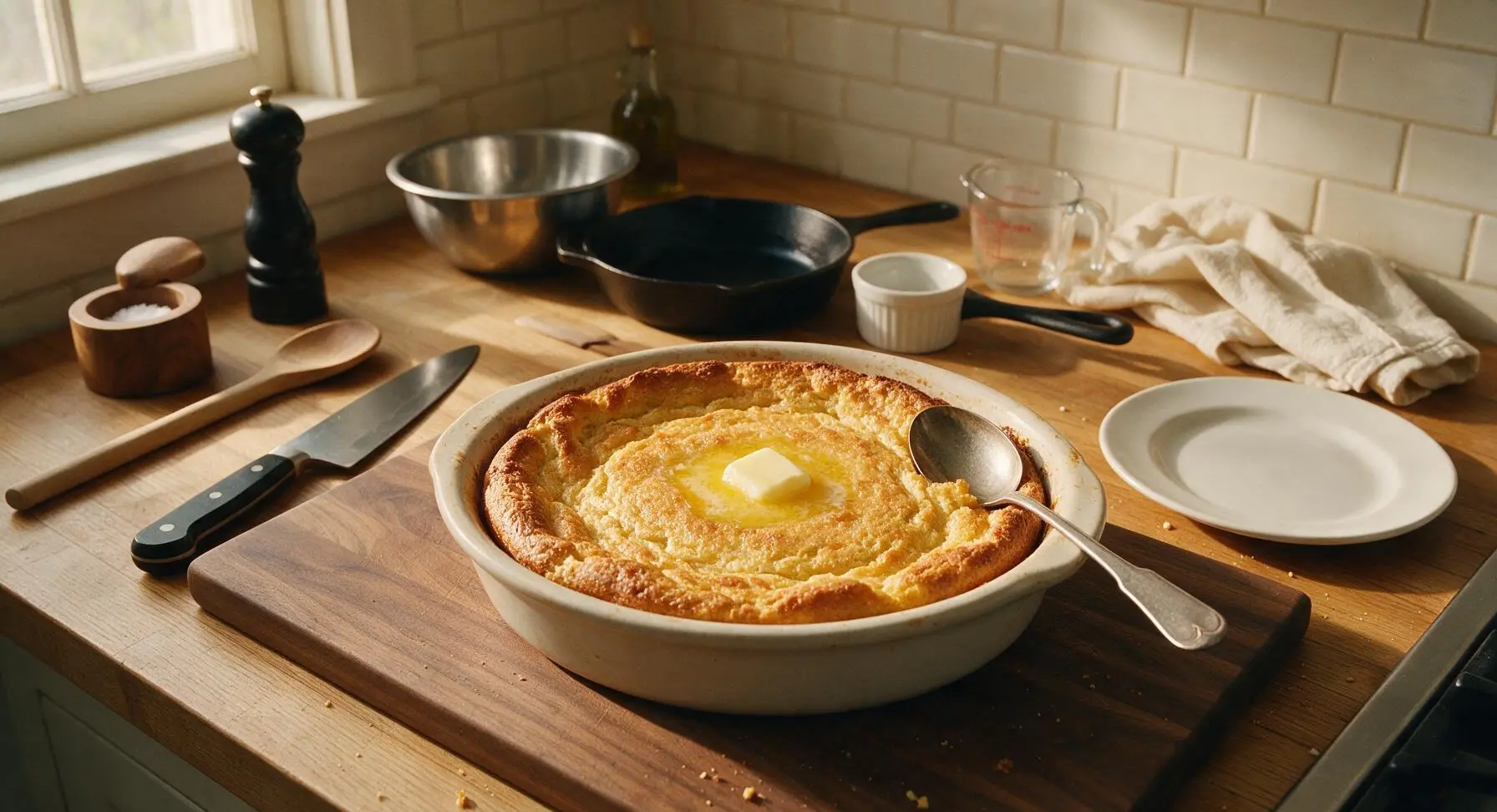
Let the baked spoon bread rest for 5 minutes on the counter before serving; it will deflate slightly as it cools, which is completely normal. The interior will remain soft, light, and custardy, designed to be scooped with a spoon rather than sliced like regular cornbread.
Step 9
step9:Rest Before Serving

Tips

1.Always use room-temperature eggs for this recipe: cold eggs will shock when introduced to the warm cornmeal base, raising the risk of curdling and creating a lumpy, uneven texture, while room-temperature eggs combine smoothly for a light, uniform custard.
2.Resist the urge to overbake your spoon bread: the center should have a soft, Jell-O-like jiggle when you remove it from the oven, as residual heat will finish setting the center during the 5-minute rest. Overbaking produces a dry, crumbly texture closer to regular cornbread, rather than the signature soft, scoopable consistency spoon bread is known for.
3.Pour cornmeal slowly and stir constantly when adding it to simmering milk: cornmeal thickens and gelatinizes almost immediately on contact with hot liquid, so slow, steady pouring paired with continuous stirring prevents dry, floury lumps from forming in the base for a perfectly smooth final dish.
✨ You May Also Like

Side Dishes
🍜 India

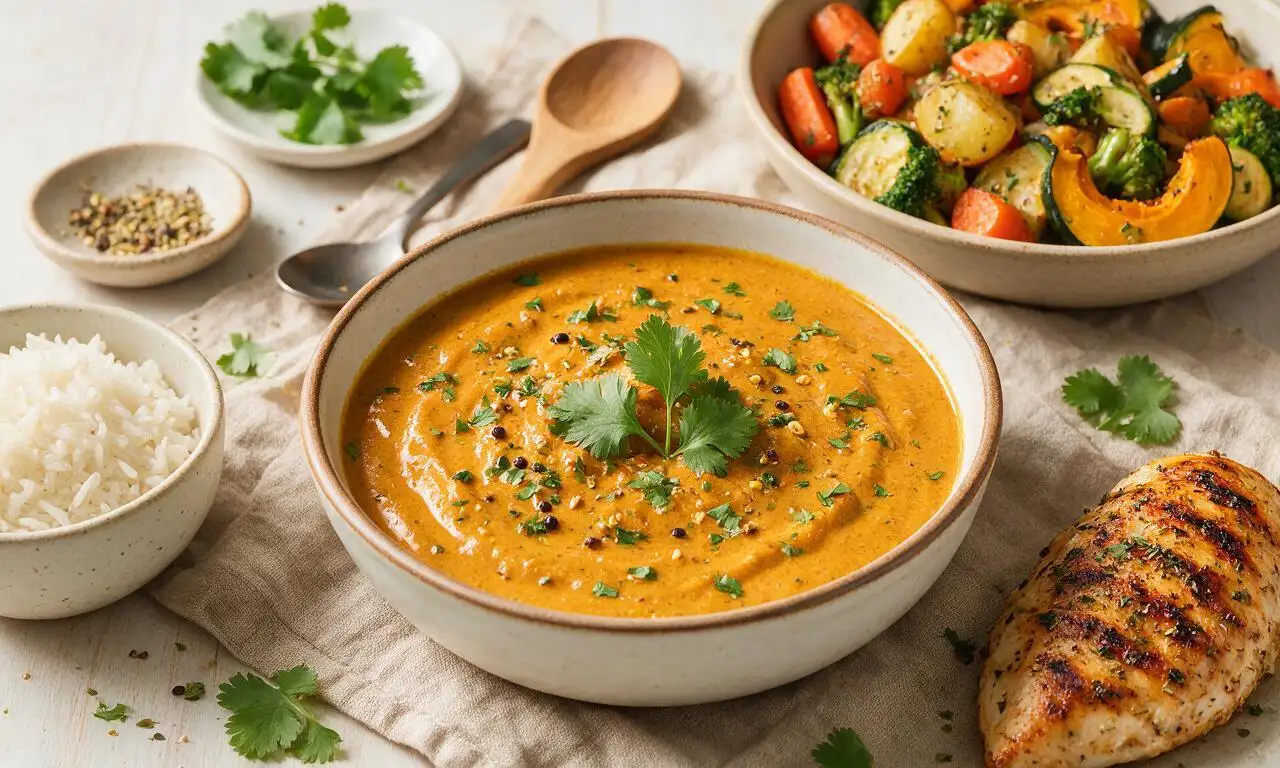
Velvety, aromatic all-purpose curry sauce perfect for tossing with roasted veggies, grilled protein, or rice for fast, cozy, flavorful meals.

⏱️ 25 minuteSide Dishes ★ 4.8
Side Dishes
🍜 Spain

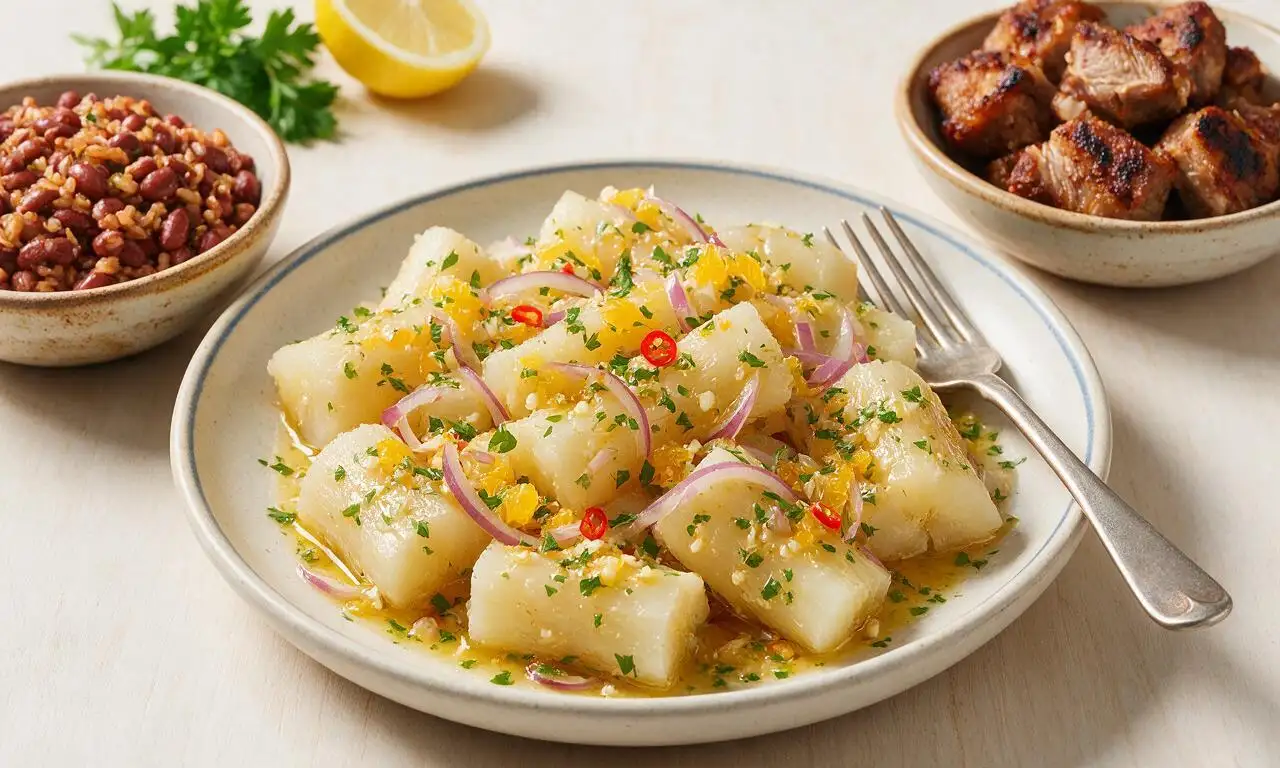
Tender, starchy boiled yuca tossed in bright, garlicky citrus mojo sauce—an iconic, zesty side that pairs beautifully with roasted pork, grilled meats, and rice and beans.

⏱️ 40 minuteSide Dishes ★ 5
Side Dishes
🍜 United States

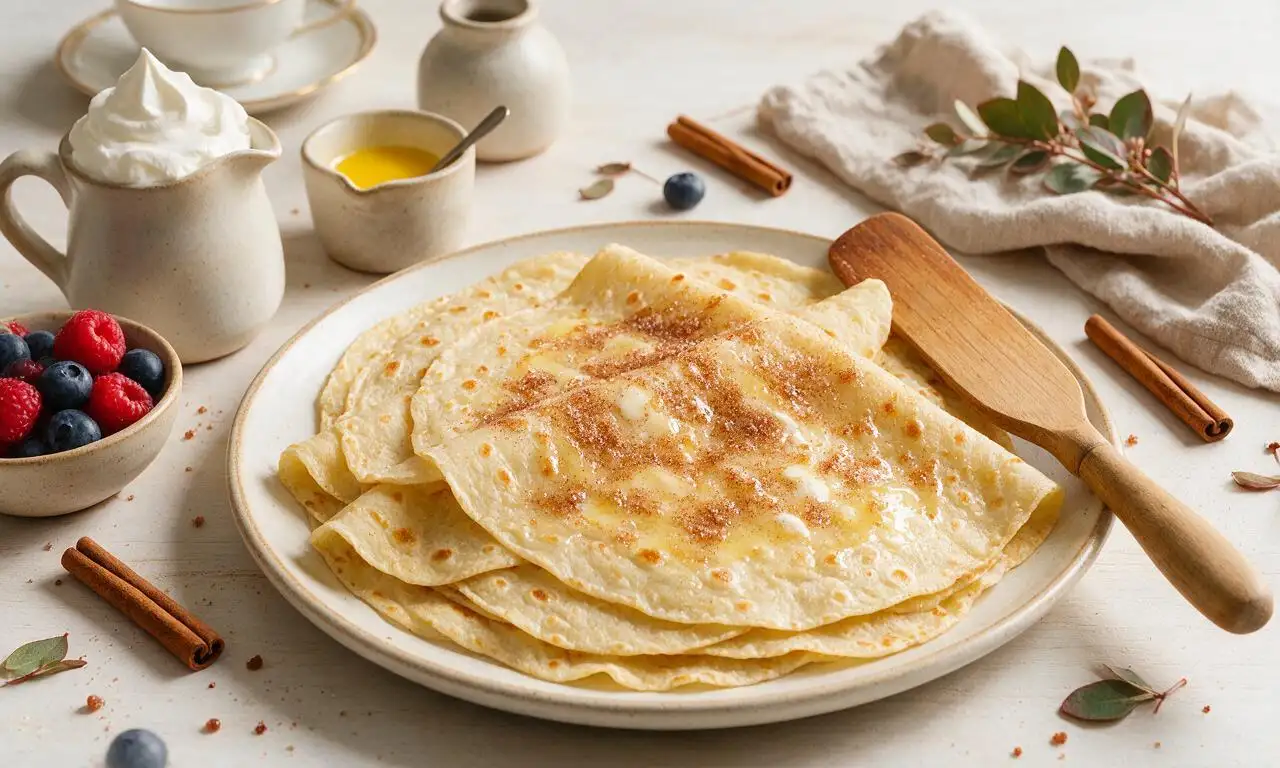
Tender, paper-thin potato flatbread, a beloved Norwegian-American Minnesota Christmas staple, griddled until softly spotted and served warm with butter.

⏱️ 1 hour 30Side Dishes ★ 4.6
Side Dishes
🍜 United States

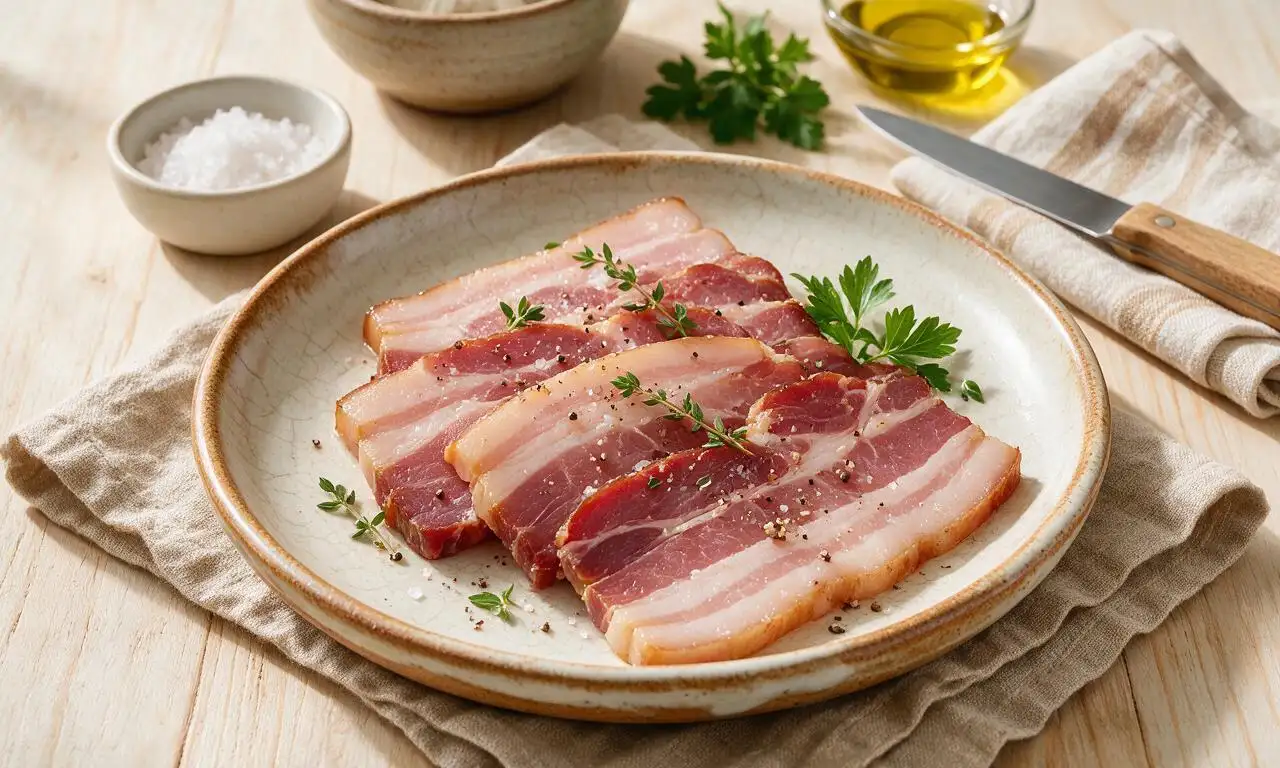
Rich, deeply savory cured salt pork, a long-lasting kitchen staple perfect for frying crispy as a side or adding umami to stews, beans, and chowders.

⏱️ 7 days (2Side Dishes ★ 4.9
Side Dishes
🍜 United States

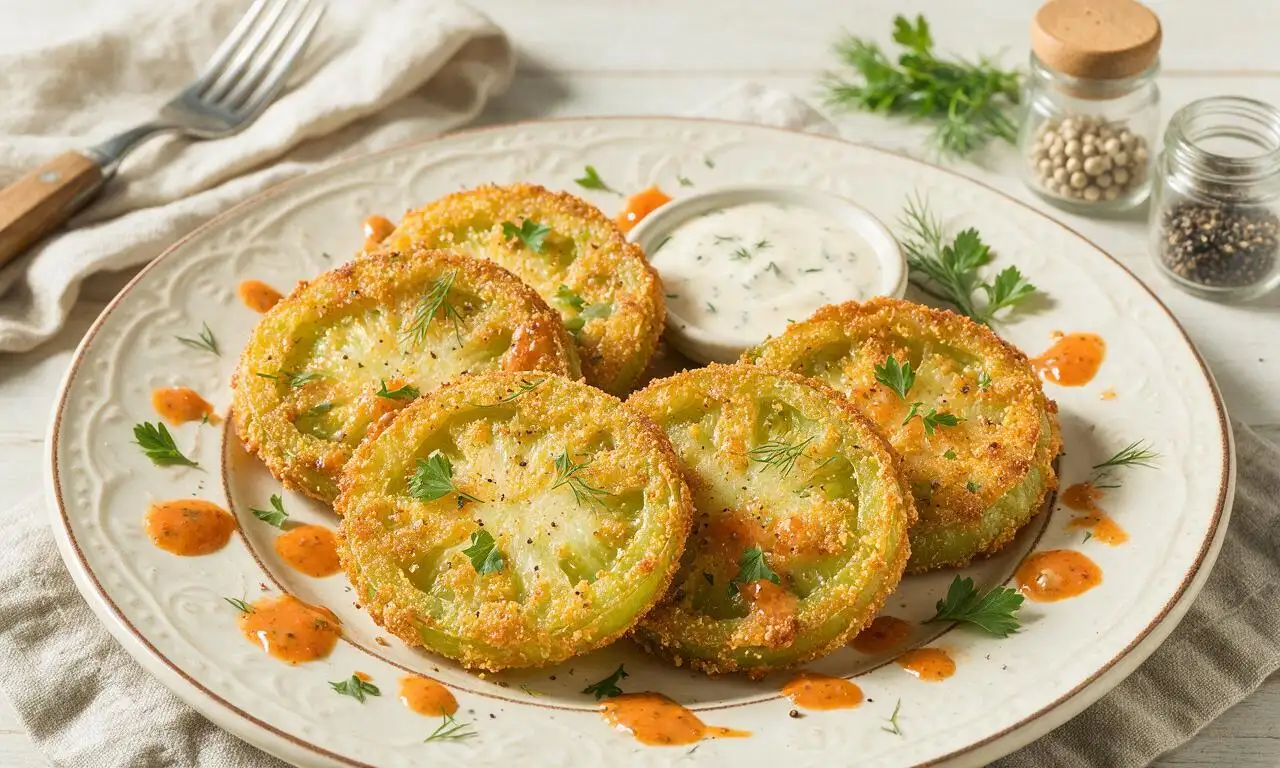
Crispy, tangy classic Southern fried green tomatoes with a crunchy cornmeal crust, served hot for a nostalgic, comforting summery bite.

⏱️ 25 minuteSide Dishes ★ 4.9
Side Dishes
🍜 United States

Moist, golden-crusted savory muffins with sweet corn, zesty jalapeño, and melted cheddar, perfect for pairing with smoky summer grilled fare.

⏱️ 30 minuteSide Dishes ★ 4.9

Colonial Spoon Bread:Frequently Asked Questions

1.What exactly is Colonial Spoon Bread? ▾
Colonial Spoon Bread is a centuries-old Southern American staple with a light, soufflé-like, custardy texture, nothing like dense, sliceable traditional cornbread. It has a warm, toasty sweet corn flavor, and is so soft you serve it with a spoon, making it ideal for sopping up pot roast juices, gravies, and savory pan drippings.
2.Why is this dish called spoon bread? ▾
It gets its name from its signature soft, tender, custardy consistency. Unlike firm, crumbly cornbread you can cut into neat slices to eat by hand, it’s far too delicate to slice with a knife. You serve it straight from the baking dish by scooping portions with a large spoon, which is how it earned its straightforward, memorable name.
3.Can I use coarse cornmeal instead of fine yellow cornmeal for this recipe? ▾
I don’t recommend coarse cornmeal here, as it will create a gritty, dense texture instead of the smooth, light, soufflé-like crumb we want. Stick to fine yellow cornmeal for that delicate, toasty corn flavor and perfectly soft, custardy bite that defines classic colonial spoon bread.
4.Do my eggs really need to be at room temperature for this recipe? ▾
Yes, room temperature eggs are non-negotiable for the best texture. Cold eggs won’t incorporate as smoothly into the batter, and they won’t trap as much air when mixed, which means you’ll end up with a denser, less fluffy final dish instead of that light, soufflé-like lift we’re after.
5.Can I swap whole milk for a lower-fat milk or plant-based alternative? ▾
Whole milk’s higher fat content is key to getting that rich, creamy, custardy mouthfeel classic spoon bread is known for. If you use skim, 2%, or thin, watery plant milks, you’ll end up with a watery, bland, less flavorful result. If you need a non-dairy swap, use full-fat oat milk for the closest texture and richness match.
6.Why is my spoon bread coming out dense instead of light and fluffy? ▾
Dense spoon bread usually comes down to three common missteps: using cold eggs that don’t trap air, overmixing the batter which deflates that light lift, or using old baking powder that’s lost its leavening power. Double check your ingredient temps, mix just until combined, and confirm your baking powder is fresh.
7.Do I need to separate eggs and beat whites separately for a better rise? ▾
While some modern spoon bread recipes call for separated eggs for extra height, traditional colonial spoon bread doesn’t require that extra step. As long as your eggs are room temp, your baking powder is fresh, and you don’t overmix the batter, you’ll get that perfect light, tender lift without extra work.
8.How do I know when my spoon bread is fully done baking? ▾
Your spoon bread is done when the top is golden and toasty around the edges, the center is just set (it will jiggle slightly like a soft custard, not slosh like raw batter), and a toothpick inserted into the middle comes out with a few moist crumbs attached, not wet raw batter.
9.Can I make this spoon bread ahead of time for a holiday meal? ▾
Spoon bread is best served fresh and warm right out of the oven, as it deflates a bit as it cools. If you need to prep ahead, you can mix the dry ingredients and measure out wet ingredients the night before, then combine everything and bake right before you plan to serve for the best texture.
10.What should I serve with Colonial Spoon Bread? ▾
This soft, custardy bread is made for sopping up rich, savory dishes! Serve it alongside slow-cooked pot roast, smothered pork chops, braised greens, fried chicken, or any dish with pan gravy or savory juices. It also pairs beautifully with a pat of melted salted butter on top.
11.Is Colonial Spoon Bread supposed to be sweet or savory? ▾
Classic colonial spoon bread has a mild, naturally sweet toasty corn flavor from the fine yellow cornmeal, with no added sugar in traditional recipes. It’s a savory side dish, designed to complement rich, meaty mains and gravies, not act as a sweet bread or dessert.
12.Can I add mix-ins like cheese or jalapeños to the base recipe? ▾
Absolutely! While the traditional recipe is simple to let the corn flavor shine, you can stir in ½ cup shredded sharp cheddar, 2 tablespoons of diced pickled jalapeños, a pinch of smoked paprika, or crumbled cooked bacon to the batter right before baking for a fun, flavorful twist.
13.What size and type of baking dish works best for this spoon bread? ▾
A standard 8-inch square ceramic or cast iron baking dish works perfectly for this recipe. Cast iron will give you extra toasty, crispy edges around the soft custardy center, while ceramic will bake more evenly for a uniformly soft, tender crumb all the way through.
14.Why does my spoon bread deflate right after I take it out of the oven? ▾
A small amount of deflating is totally normal for spoon bread—its light, soufflé-like texture means it will sink a little as it hits cooler air, that’s not a mistake! To minimize excessive deflation, avoid opening the oven door for the first 20 minutes of baking, and don’t overmix your batter.
15.Can I use salted butter instead of unsalted butter in this recipe? ▾
You can swap in salted butter if that’s what you have on hand, just cut any additional added salt in the recipe by ¼ teaspoon to keep the flavor balanced. Unsalted butter lets you control the exact sodium level, so you don’t end up with a side that’s too salty to pair with savory gravies.
16.Is spoon bread the same thing as corn pudding? ▾
While they’re both soft corn-based Southern sides, they’re not identical. Corn pudding is usually denser, creamier, and often uses creamed corn or extra sugar, while colonial spoon bread is lighter, soufflé-like, leavened with baking powder, and has a cleaner, toasty pure corn flavor.
17.How should I store leftover spoon bread? ▾
Let leftover spoon bread cool completely to room temperature first, then cover it tightly with plastic wrap or transfer it to an airtight container and store it in the fridge for up to 3 days. Reheat individual portions in the microwave for 30 to 45 seconds, or warm the whole dish in a 325°F oven until heated through.
18.My baking powder is over a year old—will that ruin my spoon bread? ▾
Old baking powder that’s lost its leavening power will absolutely lead to a flat, dense spoon bread, since that’s what gives the dish its light lift. Test it first by dropping ½ teaspoon into a cup of hot water—if it fizzes vigorously, it’s good to use; if not, replace it before baking.
19.Do I need to pre-cook the cornmeal before baking, like old colonial recipes suggest? ▾
Traditional colonial recipes often call for scalding the cornmeal with hot milk first to create a smoother, less gritty texture, and I recommend that step! Cooking the cornmeal briefly in hot milk before adding eggs and baking powder gives you that perfectly silky, custardy crumb with no grit.
20.Can I make this recipe gluten-free for guests with dietary restrictions? ▾
This spoon bread is almost naturally gluten-free! The only ingredient you need to double check is your baking powder, as some generic brands contain small amounts of wheat-based anti-caking agents. Use a certified gluten-free baking powder, and the rest of the simple, whole ingredients are totally gluten-free as written.

Comments (3)

2 days ago

OMG this spoon bread was such a massive hit at our Sunday family dinner! I was super nervous to try it at first because I’ve never made any colonial-style recipes before and assumed they’d be super fussy, but this was genuinely so easy to throw together. My kids went back for seconds — even my super picky 7 year old who turns his nose up at anything that isn’t dinosaur-shaped chicken nuggets! Total game changer. I made one tiny tweak by sprinkling a handful of shredded sharp cheddar on top before baking, and it was chef’s kiss. I’m definitely bringing this to our next church potluck!

yesterday

Wait that cheddar sprinkle sounds like absolute genius! Did you mix any cheese into the batter too, or just keep it on top? I’m making this for our neighborhood block party next weekend and I need all the pro tips to make it perfect!

2 hours ago

We love hearing that your family enjoyed this recipe! That cheddar sprinkle hack is such a delicious upgrade — we often pair it with a tiny pinch of smoked paprika for a little extra warmth and depth. This dish travels really well for potlucks too; just keep it covered if you’re transporting it to hold in that moist, fluffy texture!

5 days ago

Perfect easy side for busy weeknights! The 45 minute cook time is totally accurate — I popped this in the oven while I pan-seared pork chops and roasted green beans, and the whole meal was done at the exact same time. It’s creamy, not too heavy, and leftovers held up amazing for my work lunch the next day, which is a huge win for meal prep. My only misstep was not letting it rest long enough after pulling it out; it was a little runnier than I expected on the first scoop, but it set up perfectly after a few minutes. 10/10, this is going in my permanent side dish rotation.

3 days ago

Thanks so much for the great feedback! That rest step is easy to miss — we recommend letting it sit 5-7 minutes out of the oven so it sets up to that perfect soft, scoopable texture everyone loves. We’re thrilled it worked out for your weeknight routine!

30 minutes ago

I grew up eating my grandma’s spoon bread at every Thanksgiving and Easter dinner, and I’ve tried so many recipes that never even came close to that nostalgic flavor — until this one! It has that light, fluffy, almost souffle-like texture and that sweet, subtle corn taste I remember, no weird processed ingredients or overcomplicated steps. It was so easy to make too, which is a huge plus when you’re juggling a dozen dishes for a holiday meal. I’m serving this at our Friendsgiving next month and I already know everyone is gonna beg for the recipe. SO good!