1.What is traditional Bajan cou cou, exactly?
▾
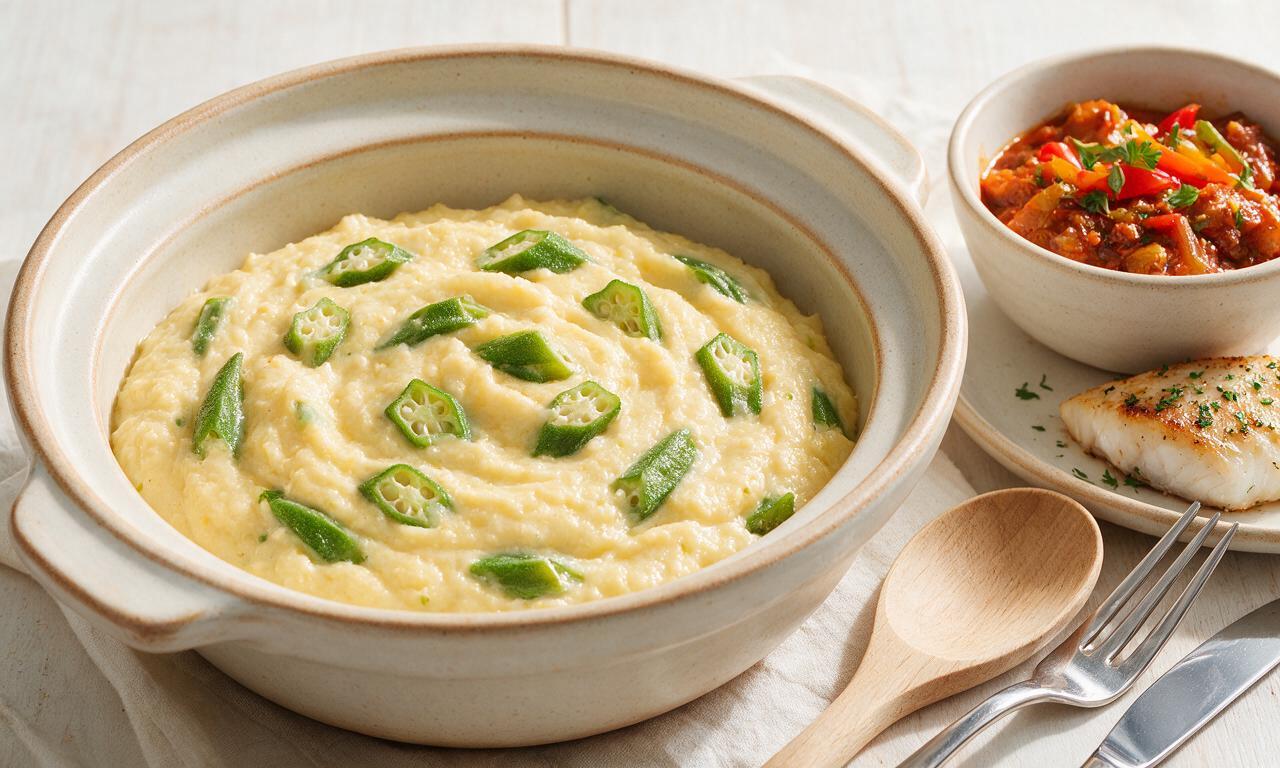
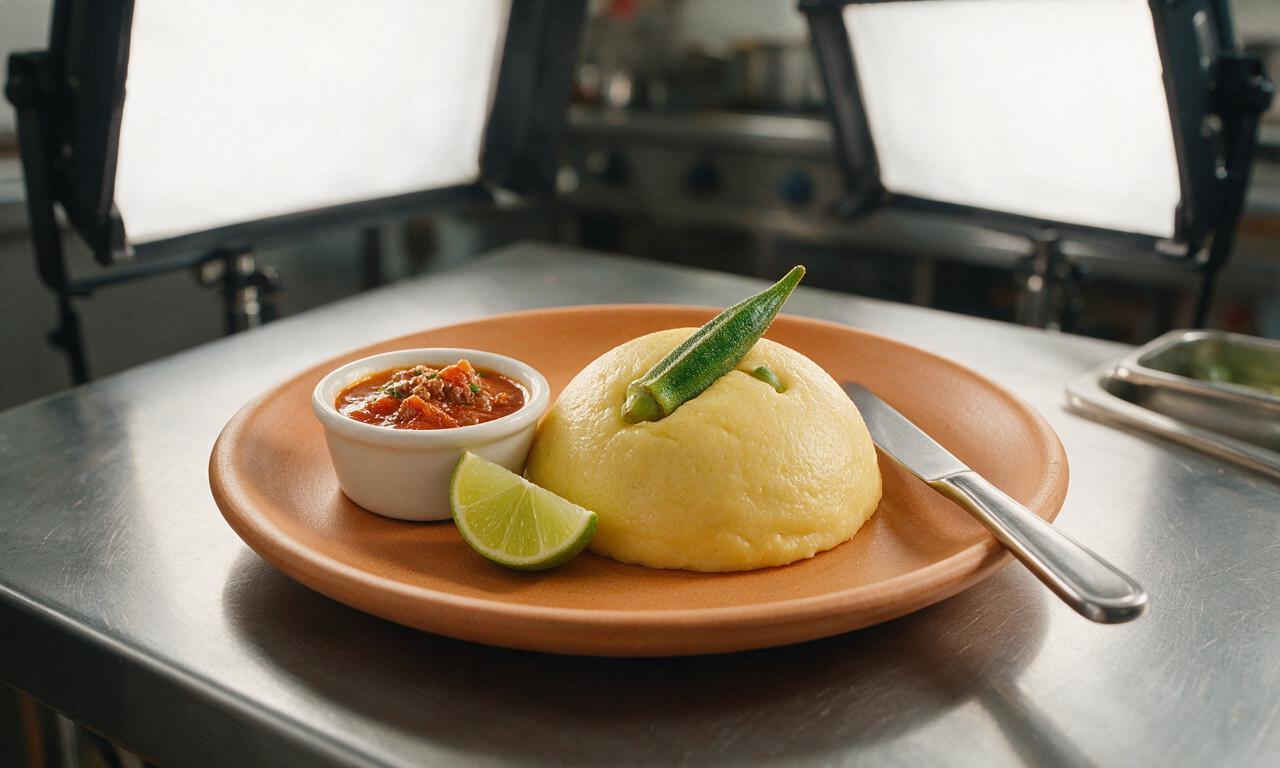
Traditional Bajan cou cou is a beloved creamy, smooth cornmeal staple considered a national dish of Barbados, widely enjoyed across the Caribbean diaspora. Studded with tender cooked okra, it has a luxuriously thick, spreadable texture similar to soft polenta, and is almost always served alongside spiced stews, fried or steamed fish, and pickled sides for cozy family meals.
2.Can I use coarse cornmeal instead of fine yellow cornmeal for cou cou?
▾
Stick to fine yellow cornmeal for the signature silky, lump-free texture traditional cou cou is known for. Coarse cornmeal will result in a gritty, uneven bite that takes far longer to cook, and won’t meld smoothly with the okra. If you only have coarse cornmeal on hand, pulse it briefly in a dry blender to break it down to a fine, flour-like consistency first.
3.Do I have to include okra, or can I leave it out of cou cou?
▾
Okra is a core, traditional component of cou cou—it adds subtle earthy flavor, tender textural contrast, and a slight natural thickness that helps the dish hold its signature smooth shape. Leaving it out will give you plain seasoned cornmeal, not authentic cou cou. If you dislike okra’s texture, chop it extra fine so it blends almost seamlessly into the base.
4.How do I prevent lumps from forming when cooking cou cou?
▾
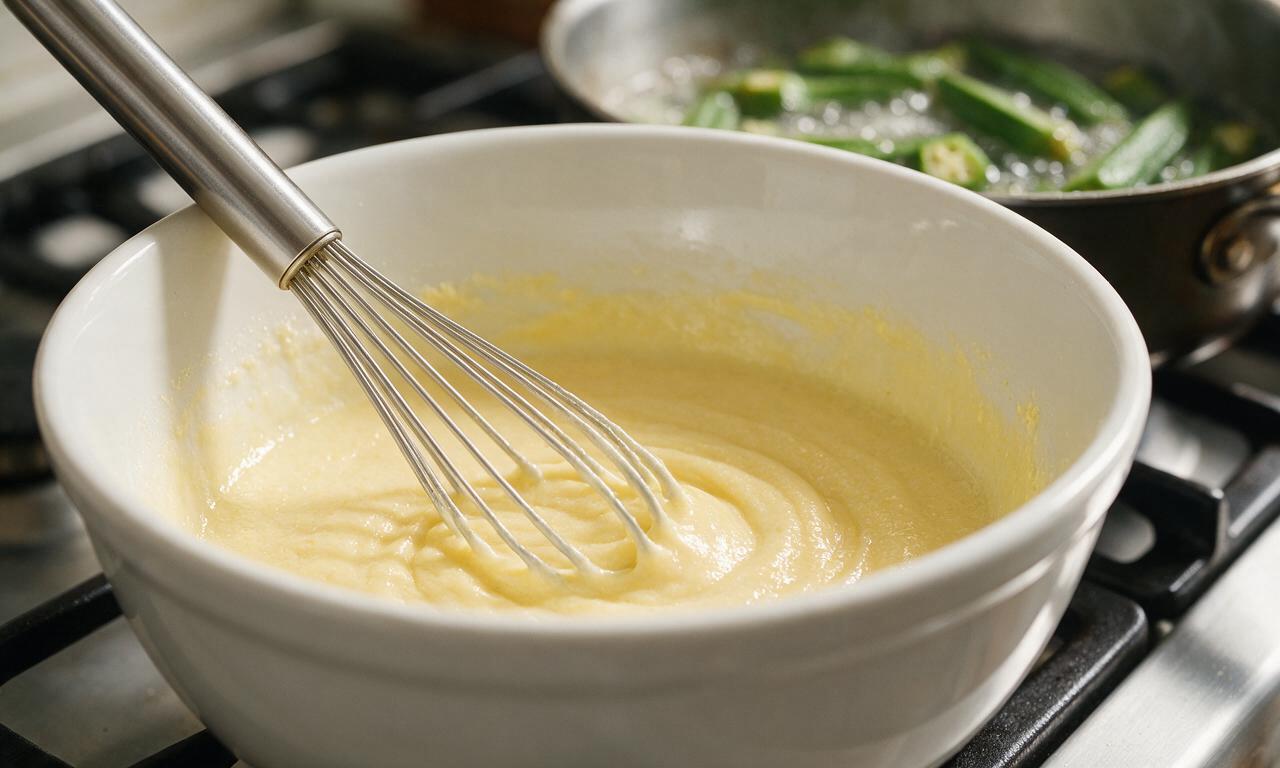
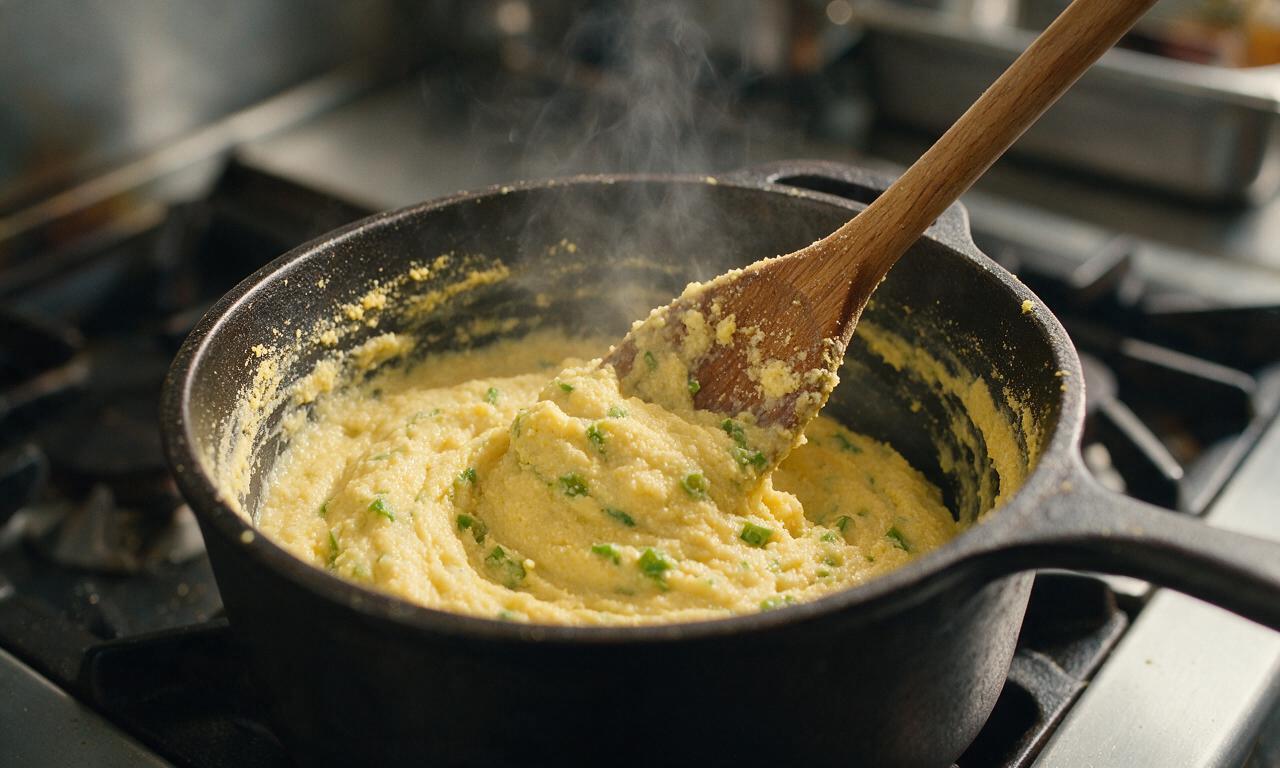
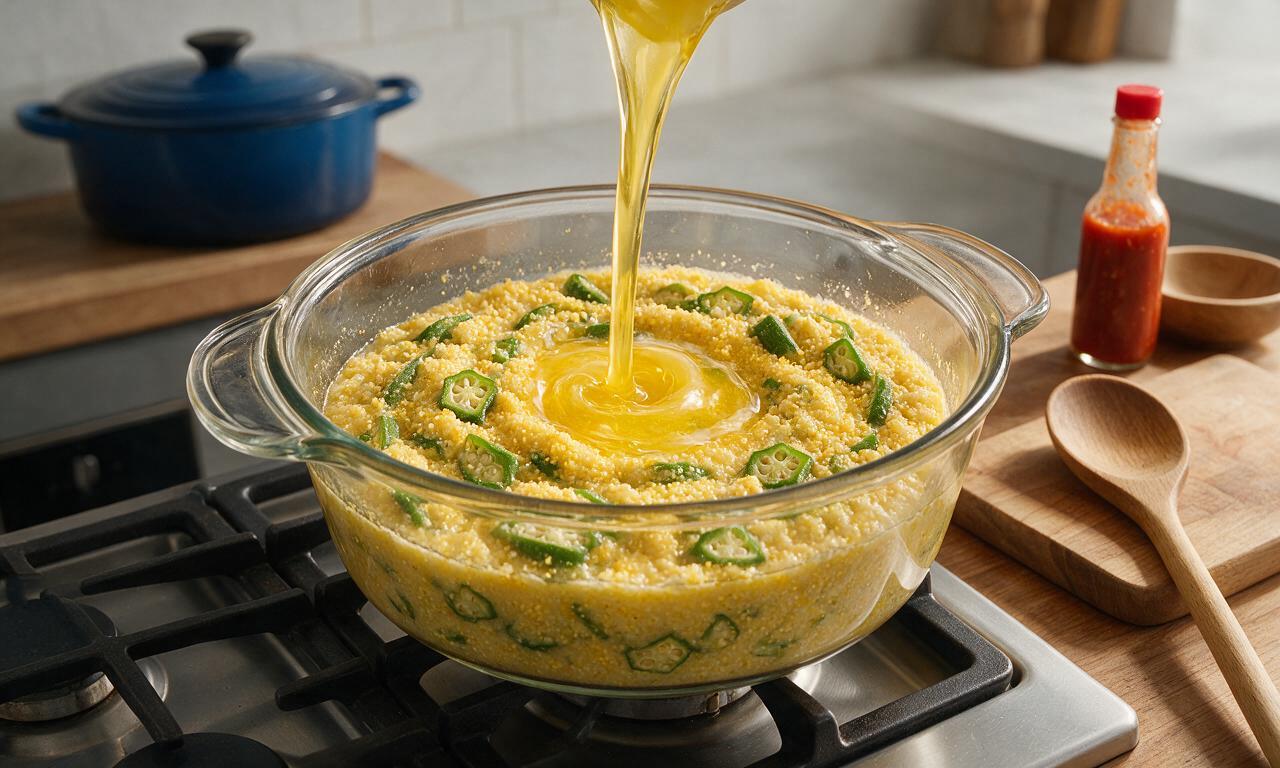
Lumps are the most common cou cou misstep, but they’re easy to avoid. First, whisk your fine cornmeal into cool or lukewarm water before turning on the heat, rather than dumping it straight into boiling liquid. Stir constantly with a sturdy wooden spoon once the pot heats up, making sure to scrape the bottom and sides of the pot as it thickens.
5.What texture should I aim for when cou cou is fully cooked?
▾
Perfectly cooked traditional cou cou is smooth, thick, and creamy, with a spreadable, firm-but-soft consistency that holds its shape lightly when scooped, similar to soft, well-stirred polenta. It should not be runny or soupy, nor so stiff that it’s dry and crumbly. Tender, evenly distributed okra slices should be visible throughout, with no raw cornmeal grit.
6.How much fresh okra do I need for a standard batch of cou cou?
▾
For a standard 4 to 6 serving batch of cou cou, use 8 to 10 fresh, medium-sized okra pods, trimmed and sliced into ¼-inch thick rounds. This ratio gives you the classic subtle okra flavor and tender, evenly distributed bits without making the dish slimy or overwhelming the smooth cornmeal base. Adjust up or down slightly based on your okra preference.
7.How do I keep okra from making my cou cou slimy?
▾
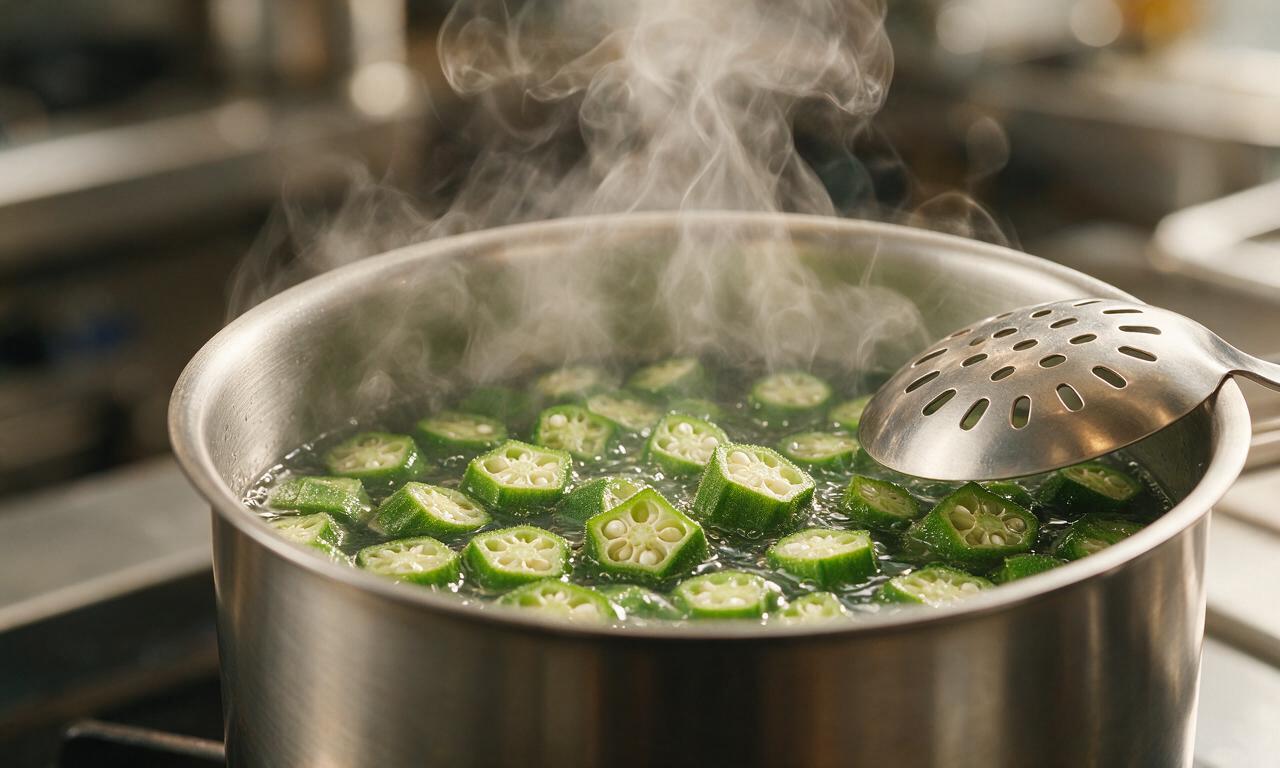
Unpleasant okra slime is easy to minimize with a couple simple tricks. First, make sure your okra is completely dry before slicing it—wet okra releases more mucilage when cut. Cook sliced okra briefly in boiling, lightly salted water for 3 to 4 minutes before adding the cornmeal slurry, and don’t overstir to avoid breaking down okra cell walls too much.
8.Can I use frozen okra instead of fresh for this recipe?
▾
Fresh okra is preferred for the best texture and bright, mild flavor, but high-quality frozen cut okra works as a convenient swap if fresh is hard to find. Thaw the okra completely first, then pat it very dry with paper towels to remove excess moisture before cooking, to cut down on slime and prevent it from watering down your cou cou. Skip breaded frozen okra entirely.
9.Do I need a special cou cou stick to stir the dish properly?
▾
A traditional long wooden cou cou stick (sometimes called a leb) makes stirring easier, as it lets you reach the bottom of deep pots without burning your hand as the thick cornmeal bubbles and sputters, but it’s not required. A sturdy long-handled wooden spoon works perfectly well as a substitute—just make sure it’s strong enough to stir the thickening mixture without bending.
10.Can I make cou cou ahead of time for a family gathering?
▾
Cou cou holds up very well when made ahead, making it ideal for family meals and potlucks. Cook it fully, then transfer it to a lightly buttered airtight container, press a piece of plastic wrap directly to the surface to prevent a tough skin from forming, and refrigerate for up to 3 days. Reheat gently on the stovetop with a splash of warm water, stirring until smooth and creamy again.
11.What dishes are traditionally served alongside cou cou?
▾
The most iconic pairing for cou cou is Bajan spiced flying fish, but it works beautifully as a starchy side with nearly any bold, saucy Caribbean dish. Serve it alongside brown stew chicken, curry goat, saltfish stew, fried red snapper, or callaloo. Its mild, creamy texture cuts through spicy, rich sauces perfectly to balance out bold, bright flavors.
12.How much butter and salt should I add for the best flavor?
▾
For a standard 4 to 6 serving batch, start with 2 tablespoons of unsalted butter and 1 teaspoon of fine sea salt, stirred in once the cornmeal is fully cooked and tender. Taste and adjust from there—using unsalted butter lets you control sodium levels, so add extra salt in small pinches if needed, or a little extra butter for a richer, silkier finish.
13.My cou cou turned out too thick and stiff—how do I fix it?
▾
If your cou cou thickens up too much and feels stiff or dry, it’s an easy fix. Stir in small splashes of hot (not cold) water, 1 tablespoon at a time, stirring vigorously after each addition, until it reaches that smooth, spreadable, creamy consistency you want. Be careful not to add too much water at once, as it can quickly go from too thick to runny if you overdo it.
14.My cou cou is too runny and won’t set—can I save it?
▾
Runny cou cou usually means you used too much water, or didn’t cook it long enough for the cornmeal to fully absorb liquid and gelatinize. Fix it by returning the pot to medium-low heat, stirring constantly, and cooking for 2 to 5 extra minutes to let excess moisture evaporate. If it’s still very loose, whisk 1 to 2 extra teaspoons of fine cornmeal with cool water and stir it in to thicken.
15.Is traditional cou cou naturally gluten-free?
▾
Traditional cou cou made with just fine yellow cornmeal, okra, water, unsalted butter, and fine sea salt is 100% naturally gluten-free, making it a great starchy side option for anyone with gluten sensitivities or celiac disease. Just double-check that your cornmeal is certified gluten-free if serving someone with a severe allergy, to avoid cross-contamination risks from shared processing facilities.
16.Can I add extra seasonings or mix-ins to traditional cou cou?
▾
Traditional cou cou is kept simple to let the sweet corn and mild okra flavors shine, and to complement bold, spicy main dishes, but small customizations work well. You can stir in a pinch of freshly ground black pepper, a tiny grating of nutmeg, a clove of minced garlic cooked with the okra, or chopped fresh chives at the end—skip heavy mix-ins like cheese that overpower its classic flavor.
17.How do I store leftover cou cou, and how long will it keep?
▾
Store leftover cou cou in an airtight container, with a piece of parchment or plastic wrap pressed directly to the surface to prevent a tough, dry skin from forming, for up to 3 days in the refrigerator. You can also freeze it for up to 3 months, though the okra may soften a little more after thawing. Reheat gently on the stovetop or microwave with a splash of water to restore creaminess.
18.Why do some recipes cook okra separately before adding cornmeal?
▾
Cooking okra separately in lightly salted boiling water for 3 to 4 minutes before adding your cornmeal slurry does two key things: it tenderizes the okra evenly so you don’t end up with crunchy, undercooked bits in your smooth cou cou, and it lets a small amount of the okra’s natural mucilage leach into the cooking water, which creates a smoother final texture without making the dish slimy.
19.Can I make cou cou vegan or dairy-free?
▾
It’s very easy to make a vegan or dairy-free version of traditional cou cou without sacrificing that signature rich, creamy texture. Simply swap the unsalted butter for an equal amount of neutral vegan butter, or unrefined coconut oil for a subtle tropical flavor that pairs beautifully with Caribbean spiced mains. Double check that your salt has no hidden dairy additives, and you’re good to go.
20.Is cou cou the same as polenta or other cornmeal sides?
▾
Cou cou is a core Bajan dish with roots in West African cooking traditions, brought to the Caribbean by enslaved people, and it’s closely related to other cornmeal dishes across the African diaspora. It’s similar to Italian polenta but always includes okra for textural depth, and nearly identical to Antiguan fungee. Its signature smooth, okra-studded texture sets it apart from plain cornmeal sides.


OMG I made this for our Sunday family dinner last week and everyone went back for seconds! I was a little intimidated at first because I’d heard cou cou can get lumpy if you don’t stir it right, but the step-by-step tips kept me on track. SO good with the fried flying fish I paired it with, total game changer for my Caribbean food rotation.
Took this to my office potluck last Friday and people were asking me for the recipe before I even set the dish down! Cook time was right around 40 minutes like it said, medium difficulty is fair—you definitely can’t walk away from the pot while it’s cooking, but it’s so worth it. Only note is I added a tiny extra pinch of salt because my family likes things a little more seasoned, but otherwise perfect.
Super solid base recipe! I swapped the regular cornmeal for whole grain to fit my meal prep for the week, and it held up really well in the fridge for 4 days. Will definitely be making this again, maybe with some okra mixed in next time like my mom used to make.
My kids loved it! I was worried they’d turn their noses up at a new side dish, but they ate every bite and asked if we could have it with chicken nuggets next week, ha! The texture was so creamy, no lumps at all even when my 7 year old “helped” stir for a few minutes. 10/10, will be on our monthly dinner rotation.
Okay full transparency, this was my first time ever making cou cou and I messed up the cornmeal ratio at first because I misread the measurement, oops. I added a little extra hot water to fix it and it still turned out edible? Wait no, it was actually really good! I can’t wait to try it again when I actually measure correctly next time.
Made this before a day hike last weekend as a side for our picnic, it was so hearty and kept us full for hours on the trail. The cook time was exactly 40 minutes which was perfect because I was crunched for time before meeting my group. Only knock is I wish the recipe noted how much okra to add if you want the traditional version with it, but I guessed and it worked out fine.
I grew up eating cou cou when my Bajan neighbor would bring it over for block parties, and this recipe tastes exactly like I remember! The medium difficulty rating is spot on—you have to put in the work stirring, but the payoff is that perfect, smooth, creamy texture that doesn’t get gummy. Served it with braised oxtail last night and my husband said it was the best meal I’ve made all month.
Great budget-friendly side! All the ingredients are stuff I already keep in my pantry, so I didn’t have to make a special trip to the grocery store. Cooked up a big batch on Sunday to pair with different proteins all week, and it cost me less than $3 total for the whole pan. Will be making this on repeat for busy weeknights.
Wait a second, is this recipe naturally gluten free? I made it for my friend who has celiac and I didn’t even think to check before I served it, oops. It turned out amazing texture-wise, way better than the gluten free side dishes I usually make, I just panicked a little after the fact!