
Doubles Burnt Ends
intro
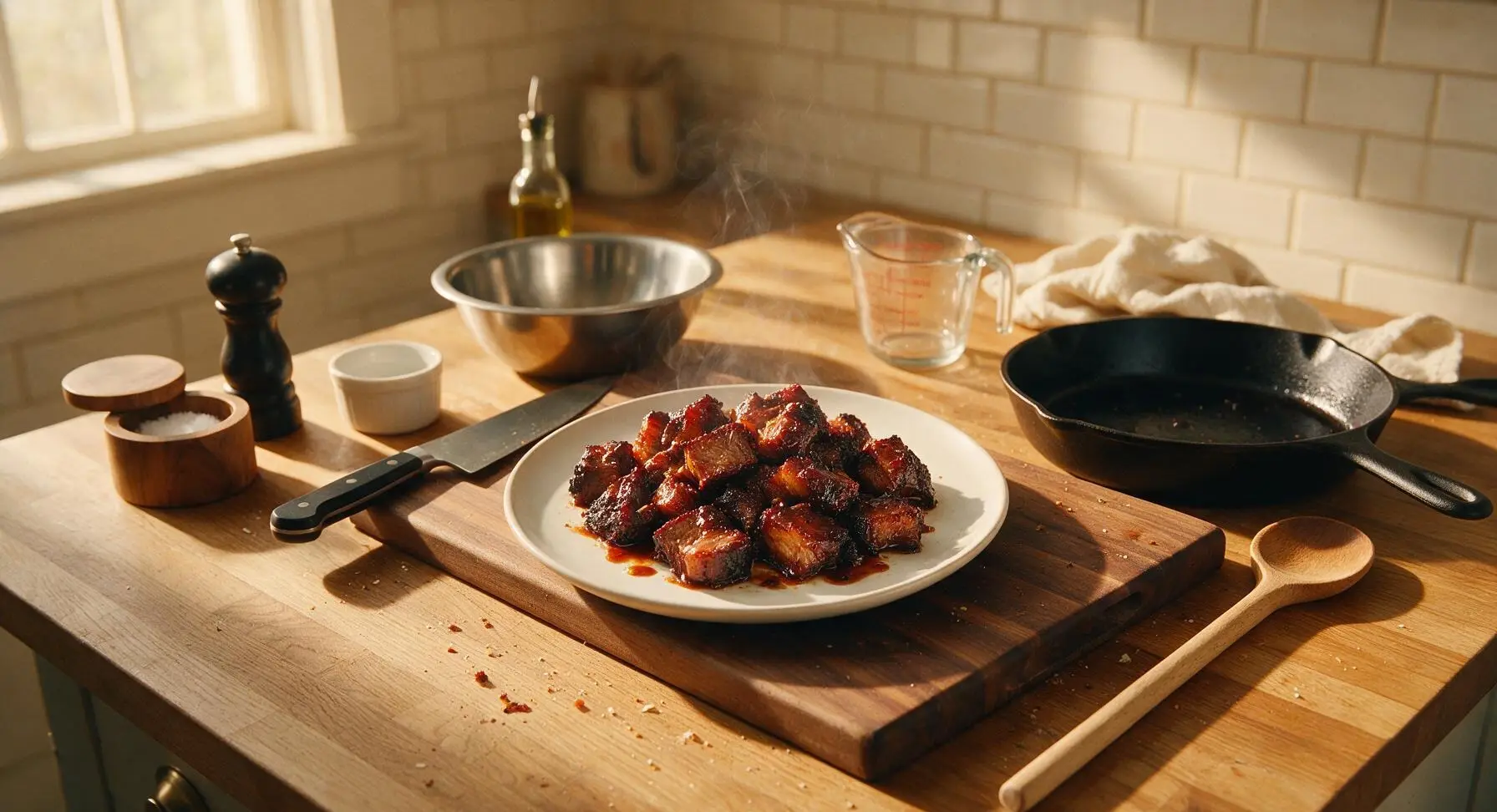
Sticky, smoky doubles burnt ends pair tender brisket point and rich pork belly, slow-smoked then caramelized in tangy BBQ sauce for the ultimate backyard BBQ bite.
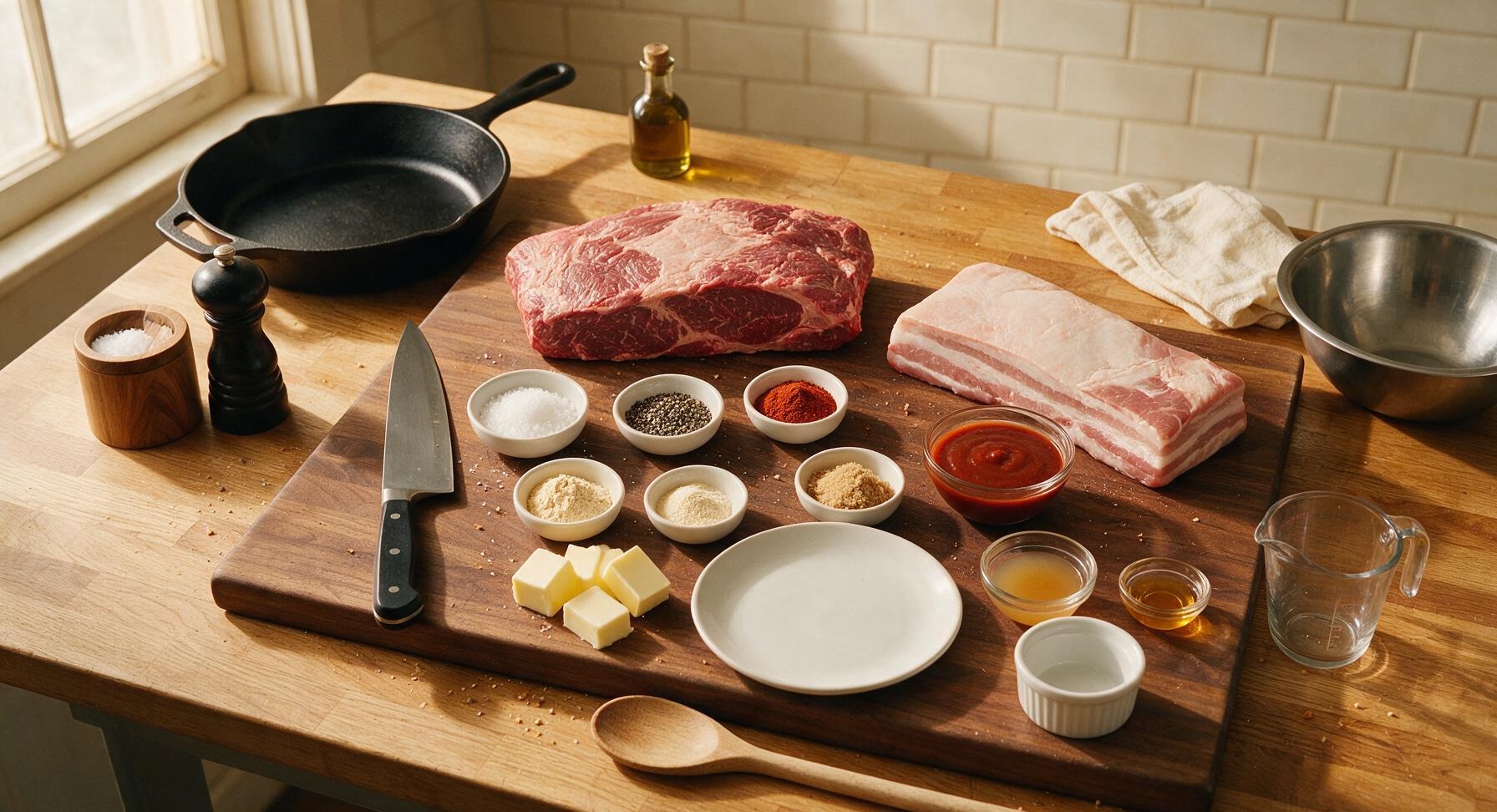
Ingredients
Steps
Trim Meats Evenly
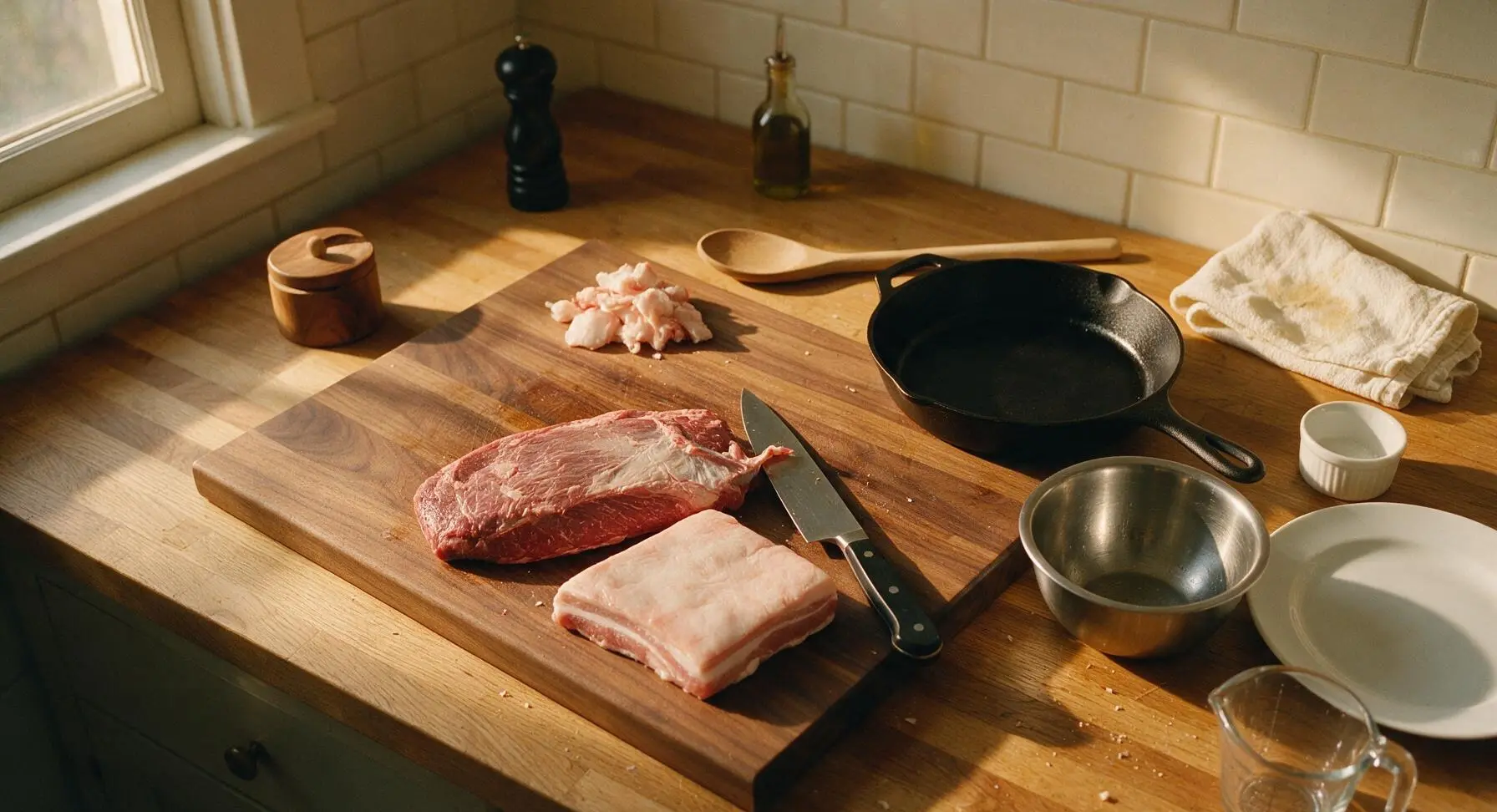
Place the brisket point and skinless pork belly on the large maple cutting board. Use the 8-inch chef knife to trim any excess hard fat or silver skin from both pieces of meat, leaving a uniform 1/4-inch fat cap on each. Cut both meats into roughly equal 4x4 inch blocks to ensure even cooking. Pat surfaces completely dry with a corner of the oatmeal linen towel.
Mix Dry Spice Rub
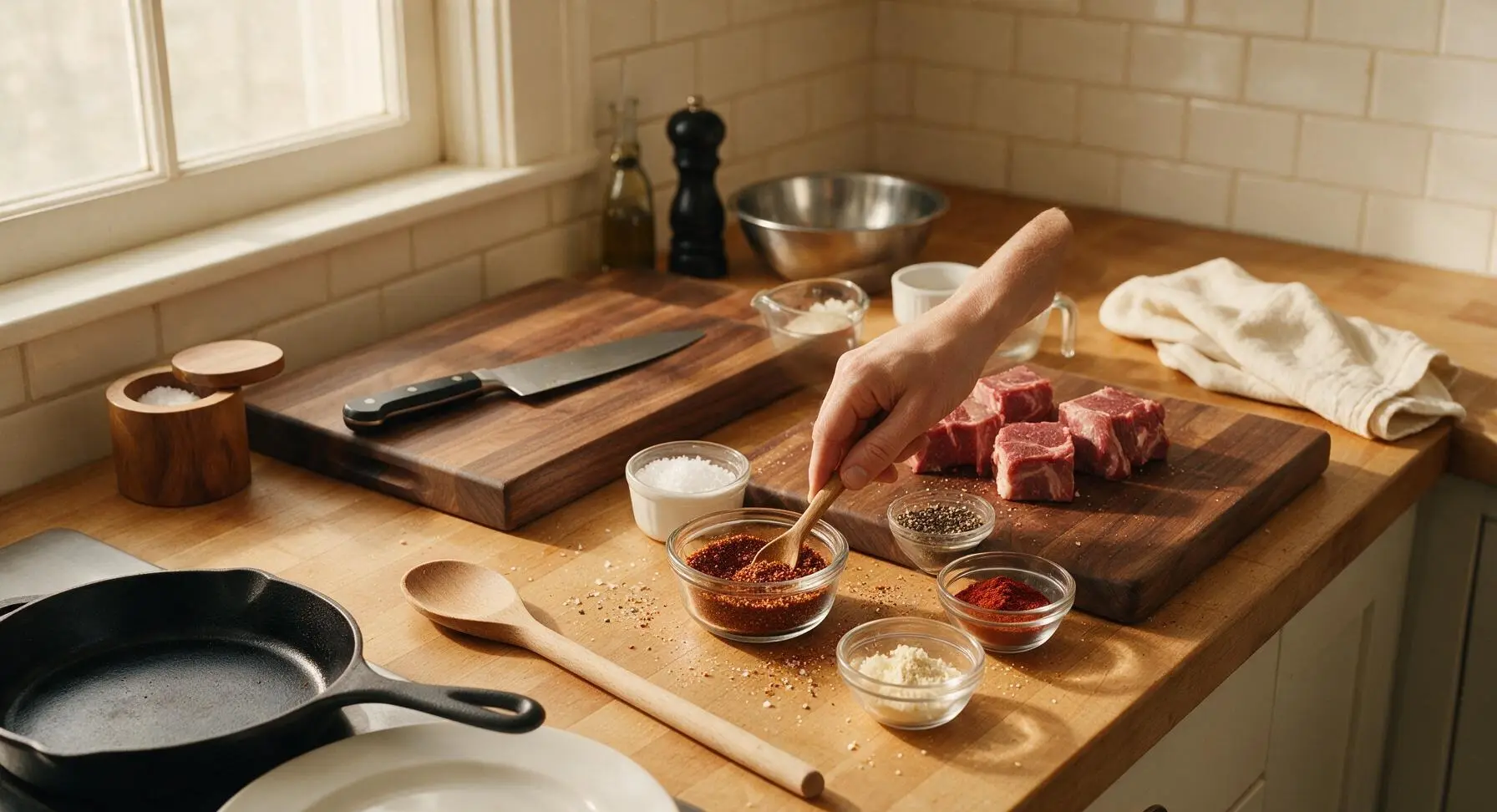
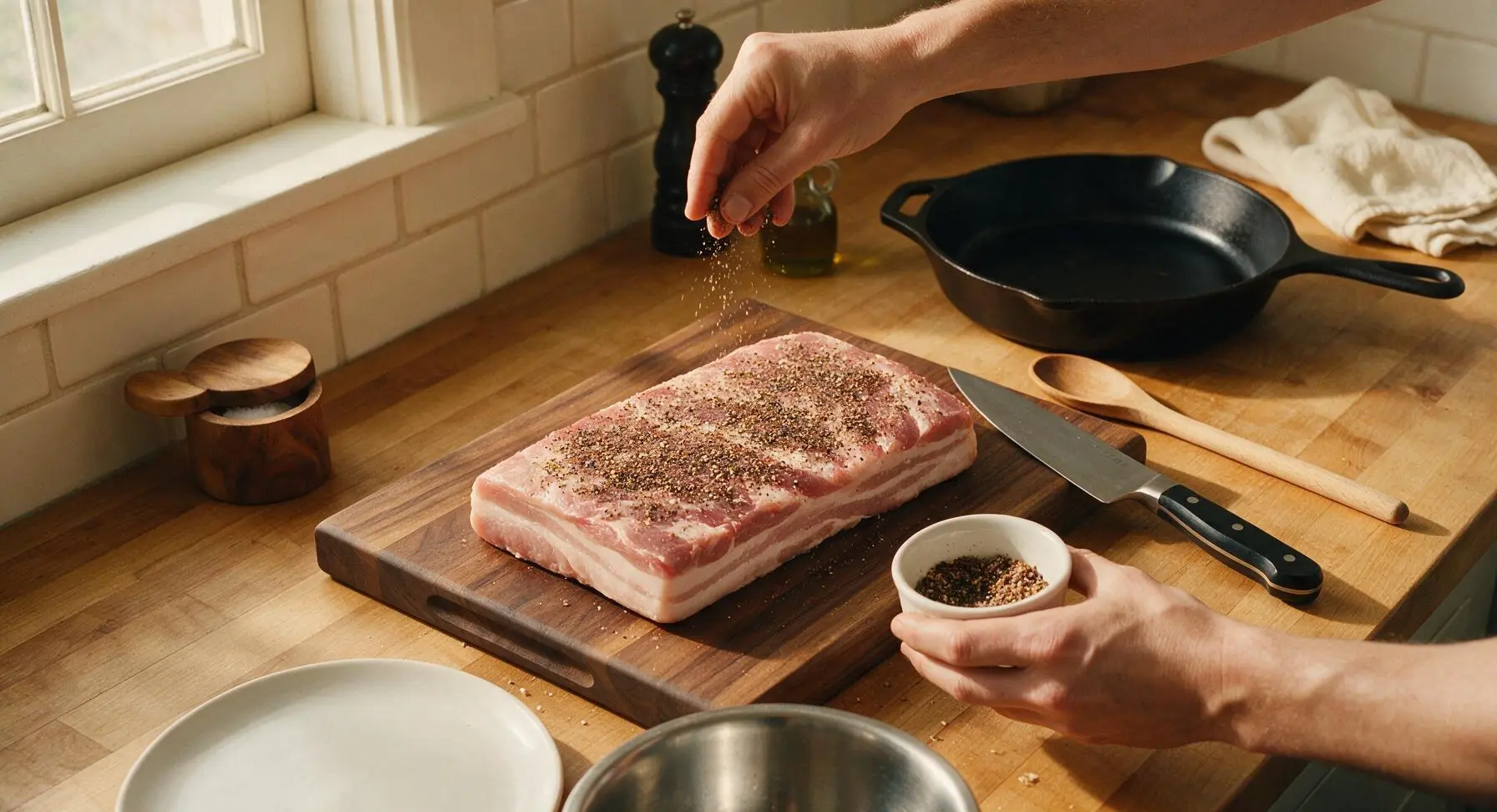
In one of the small clear glass ramekins, combine 2 tbsp coarse kosher salt, 2 tbsp cracked black pepper, 1 tbsp smoked paprika, 1 tbsp garlic powder, 1 tsp onion powder, and 1 tbsp light brown sugar. Stir with a small spoon until evenly mixed, breaking up any clumps of brown sugar with the back of the spoon to create a uniform rub.
Coat Meat with Rub
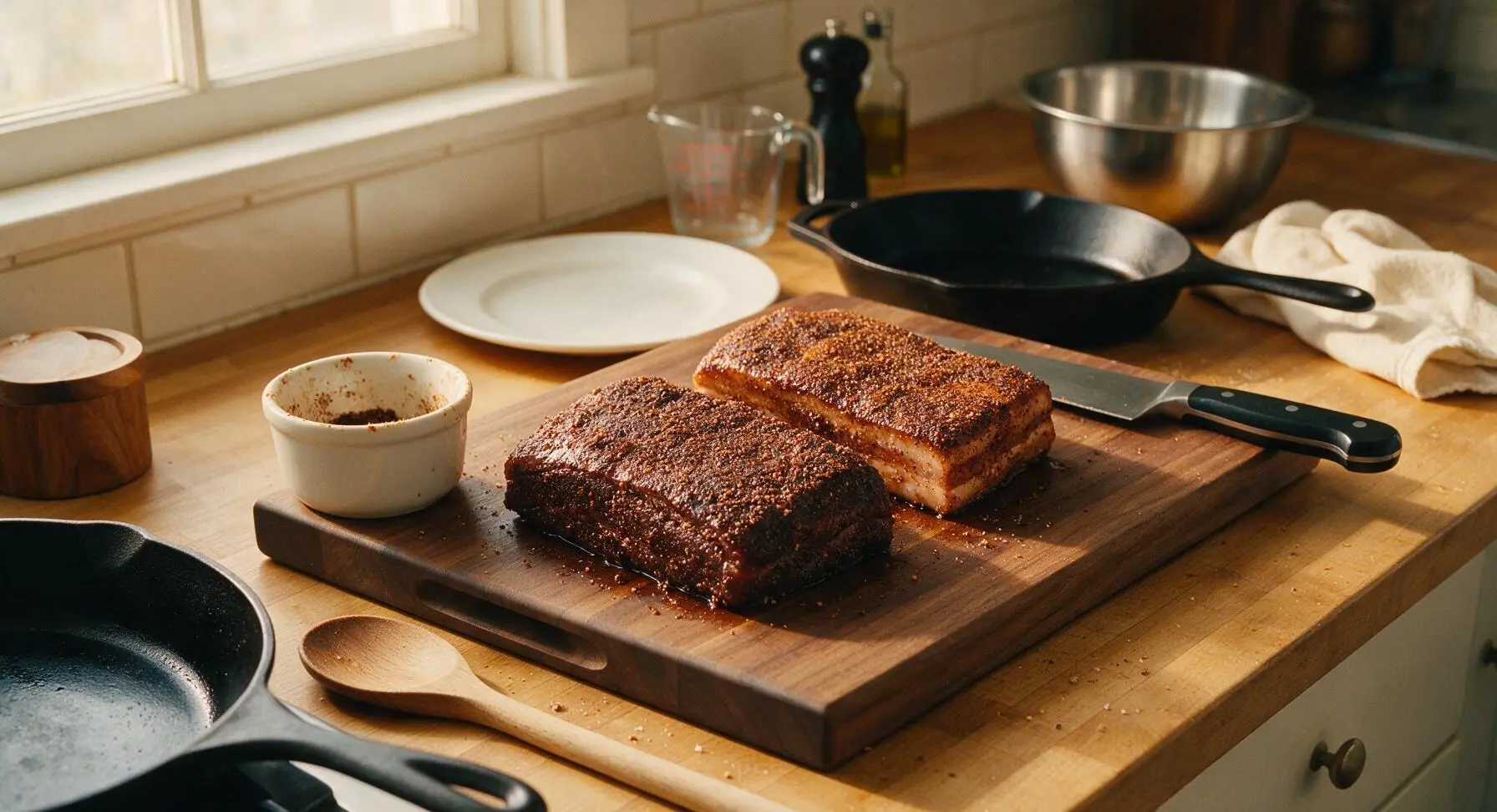
Sprinkle the dry rub evenly over all sides of the brisket and pork belly blocks, pressing the rub gently into the meat surface with your fingertips to ensure it adheres. Do not rub the spices hard into the meat, as this will create an uneven, patchy bark. Let the seasoned meat rest at room temperature for 20 minutes while you preheat your smoker to 225°F (107°C), using hickory wood for a classic smoky flavor.
Smoke to 165°F
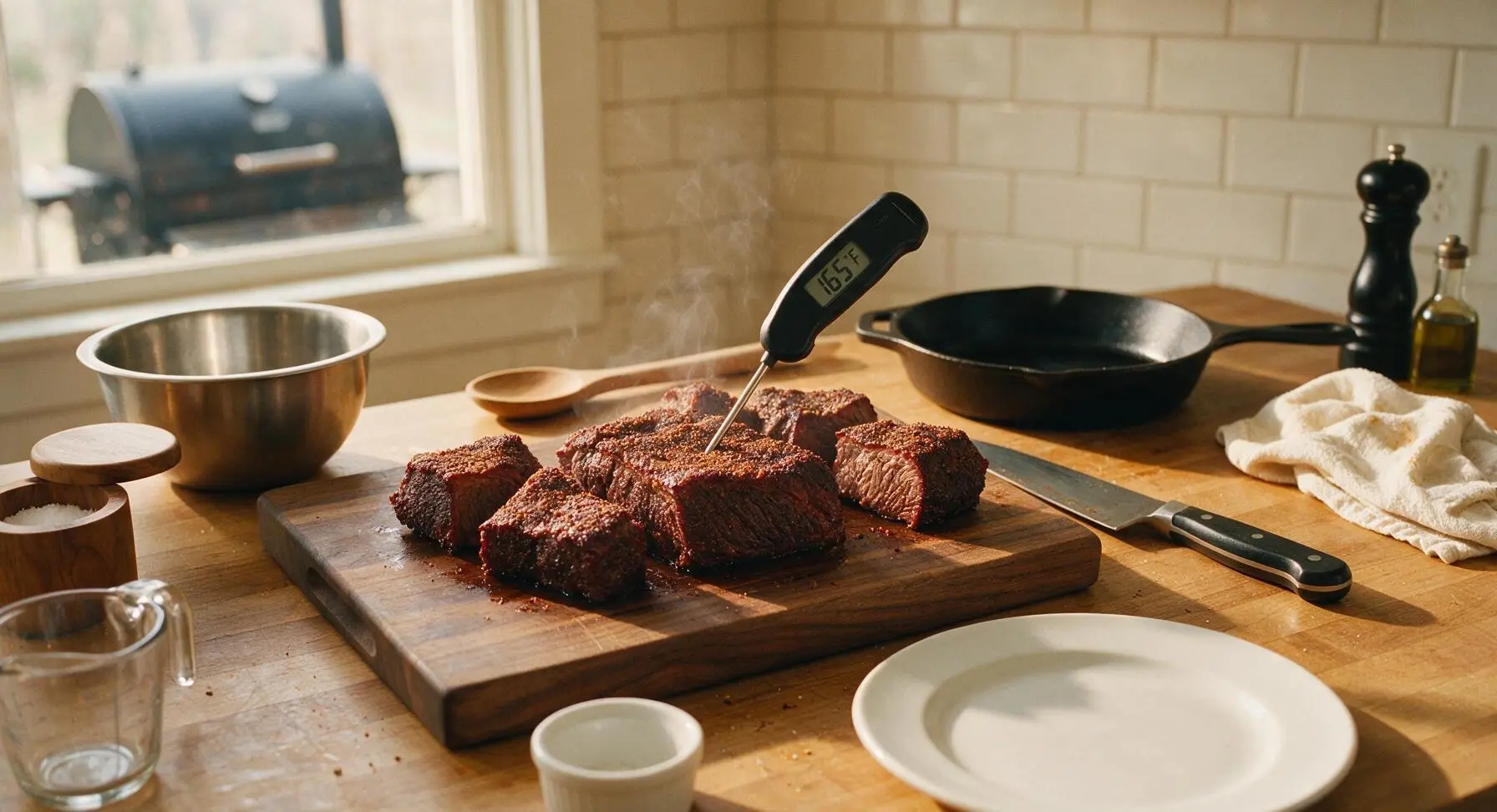
Place the seasoned meat blocks directly on the preheated smoker grates, fat side up. Close the lid and smoke at a steady 225°F for 3.5 to 4 hours, until the internal temperature of both meats reaches exactly 165°F (74°C) when measured with the digital instant-read thermometer. The exterior should have a deep, dark mahogany bark that is dry to the touch, not wet or slimy.
Cube Smoked Meat
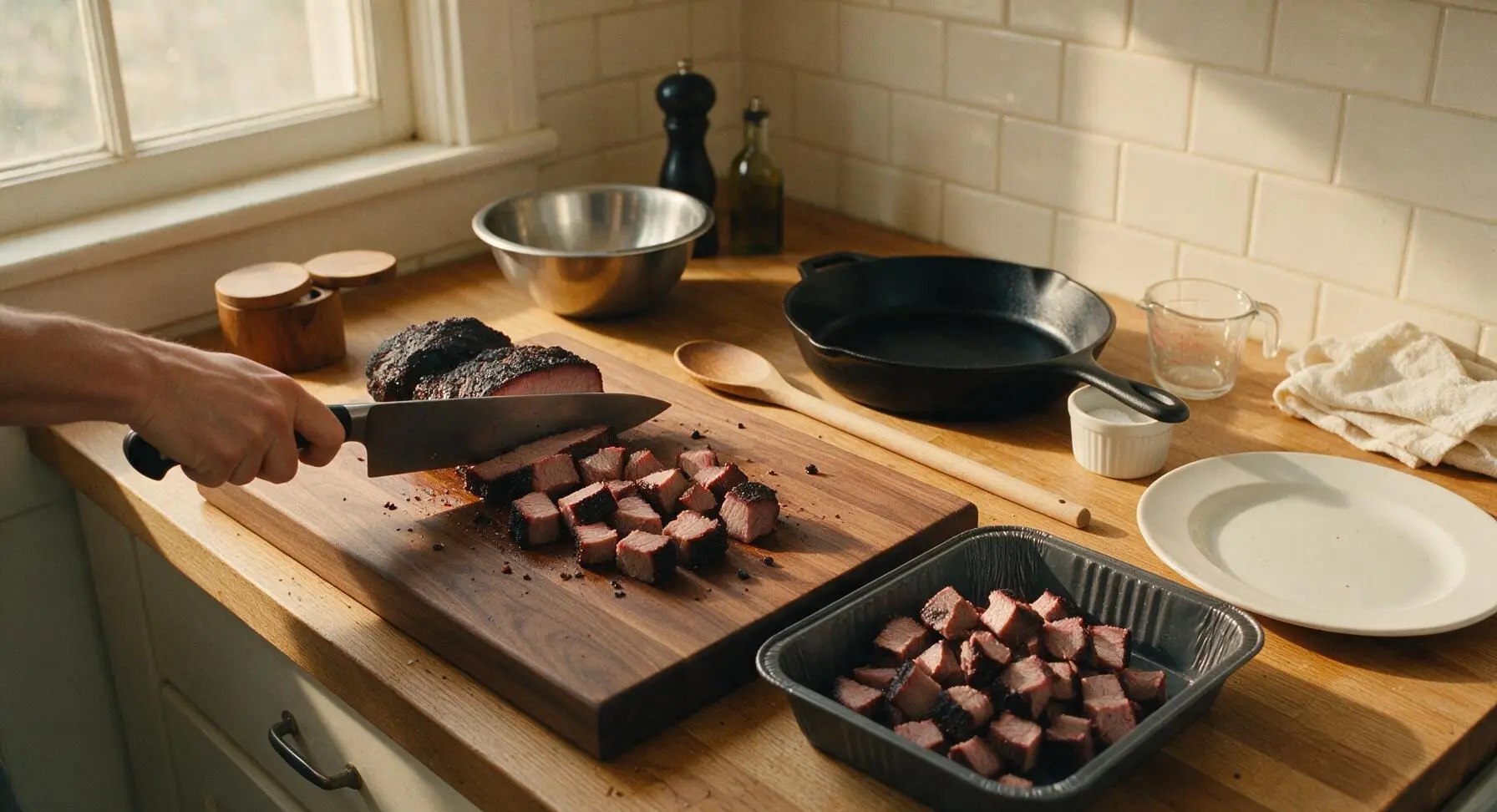
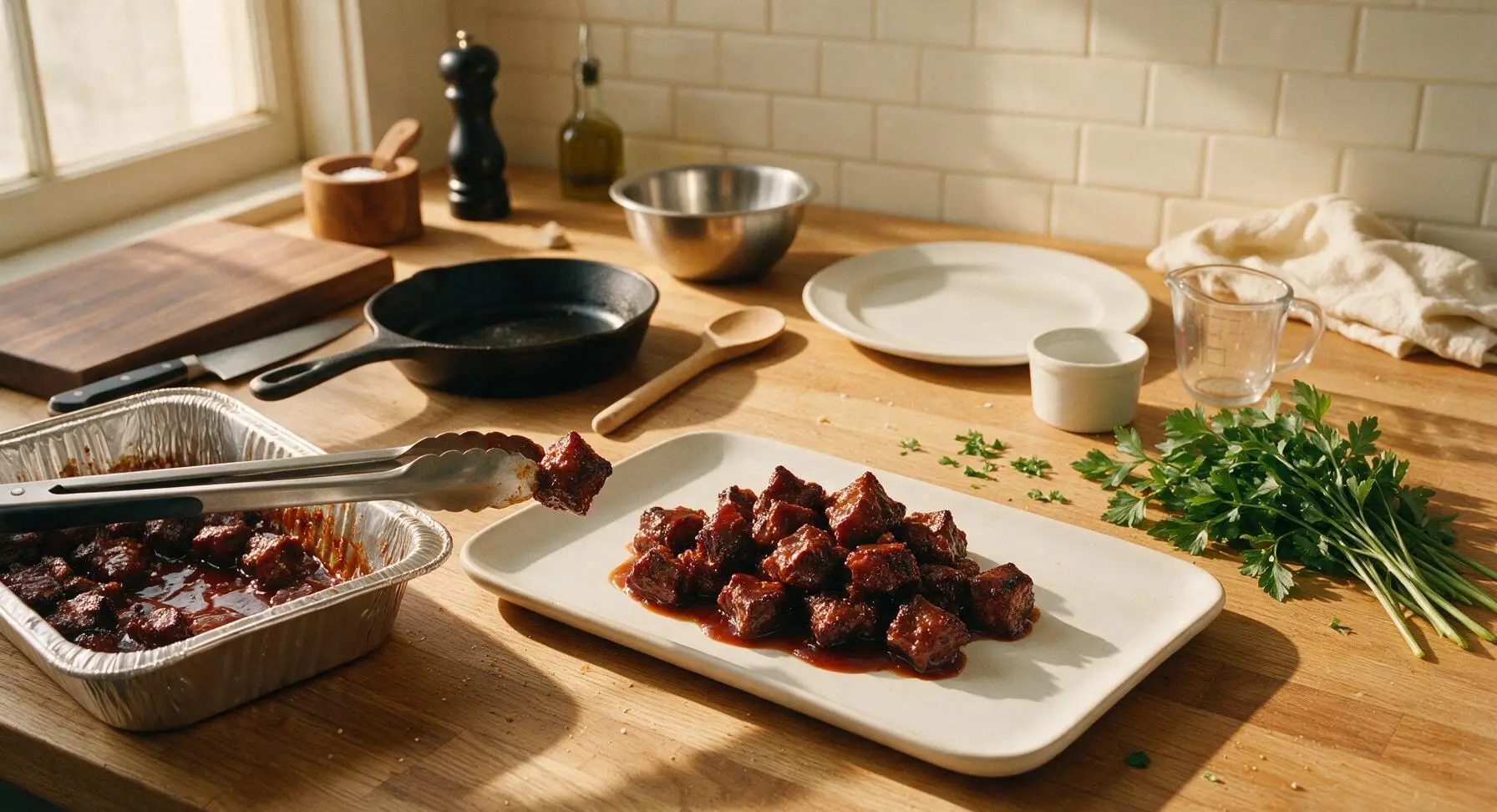
Use the 8-inch chef knife to cut both the smoked brisket and pork belly into uniform 1-inch cubes, taking care not to tear the delicate formed bark as you cut. Transfer all the cubed meat to the heavy-duty disposable aluminum foil pan, leaving no small bark crumbs behind on the cutting board.
Add Sauce and Butter
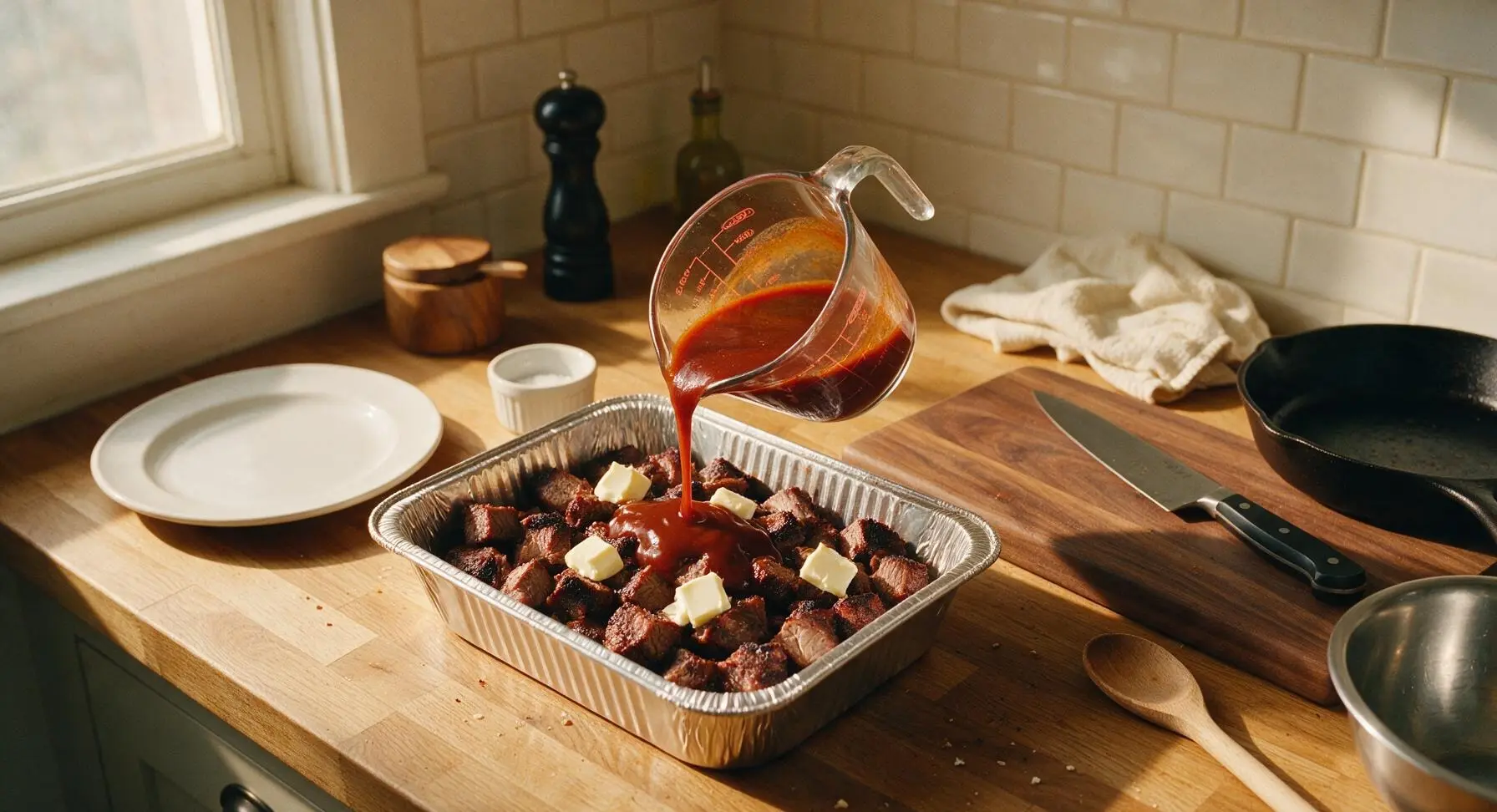
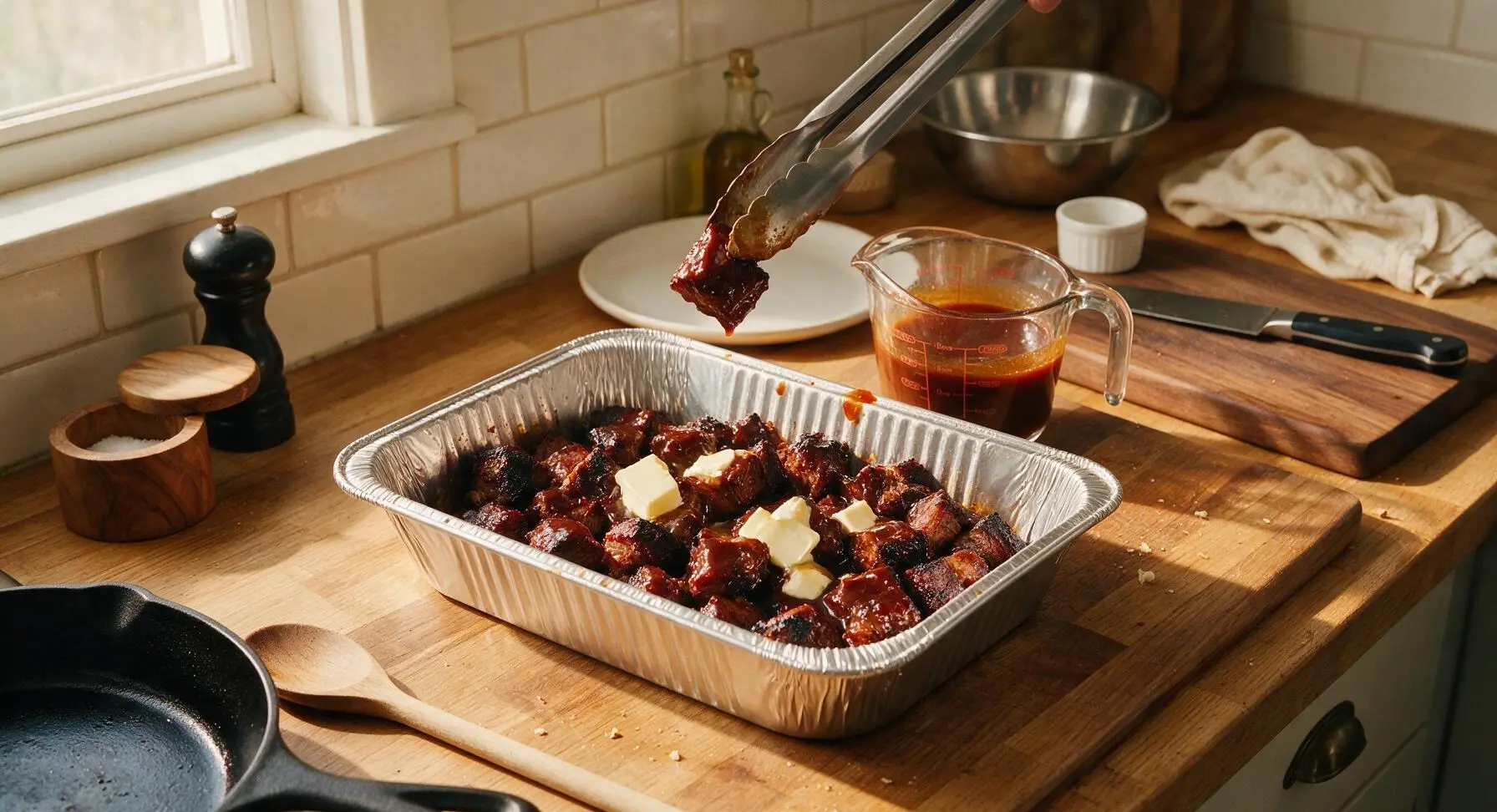
In the 2-cup clear glass measuring cup, stir together 180ml BBQ sauce, 2 tbsp apple cider vinegar, and 1 tbsp honey until completely smooth. Pour the sauce mixture over the cubed meat in the foil pan, then top with 4 tbsp of cold unsalted butter cut into individual 1-tbsp pats. Toss gently with the stainless steel tongs to coat every cube evenly in sauce, taking care not to scrape off the bark.
Braise Until Tender
Cover the foil pan tightly with a double layer of heavy-duty aluminum foil, crimping the edges firmly to create an airtight seal that traps steam. Return the pan to the smoker (still held at a steady 225°F) and cook for 1 hour, until the meat is probe-tender: the thermometer should slide into a cube with no resistance, like sticking into soft room-temperature butter. Remove the foil cover from the pan for the final 15 minutes of cooking to let the sauce caramelize and thicken, forming sticky edges on the cubes.
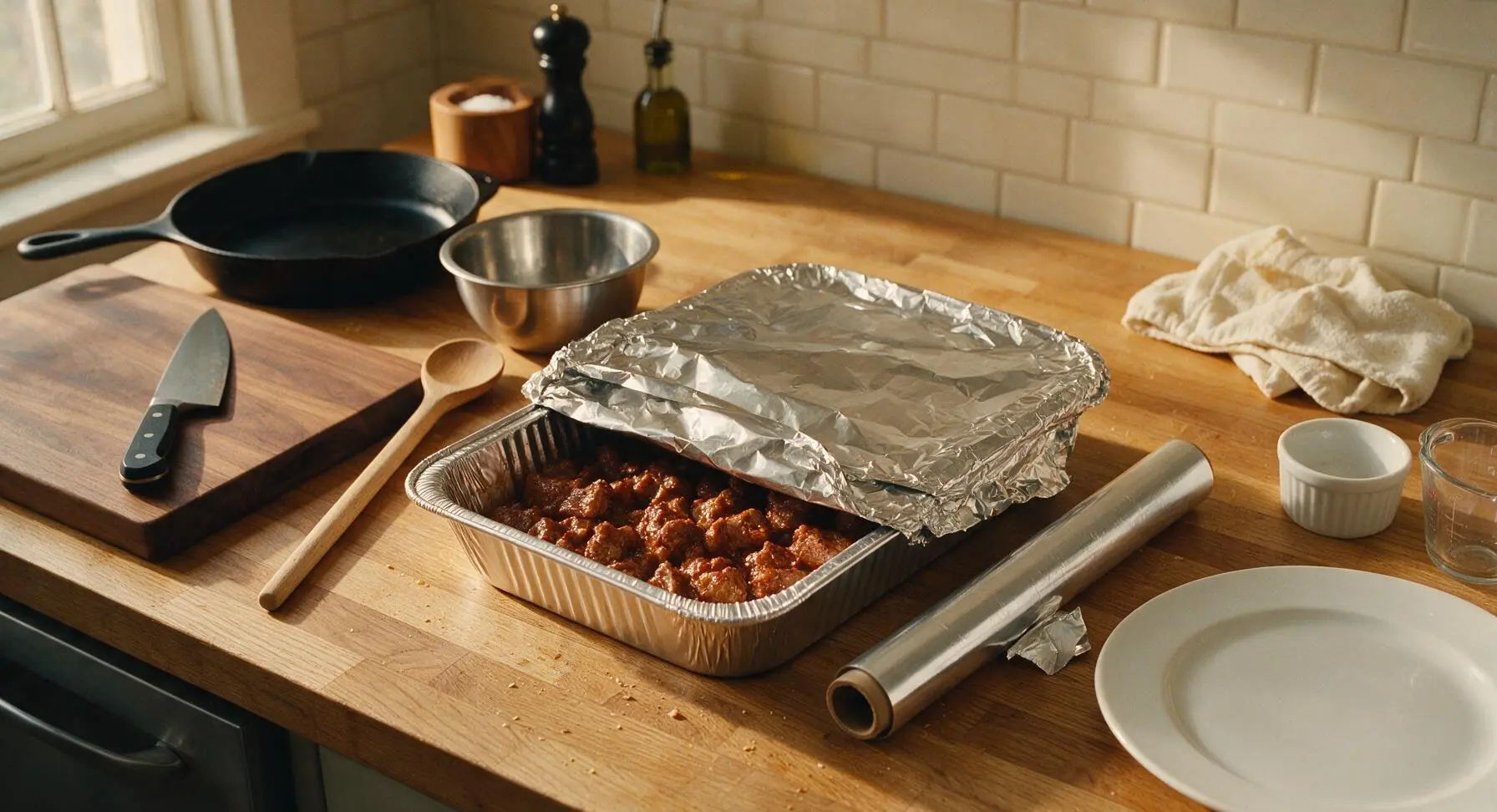
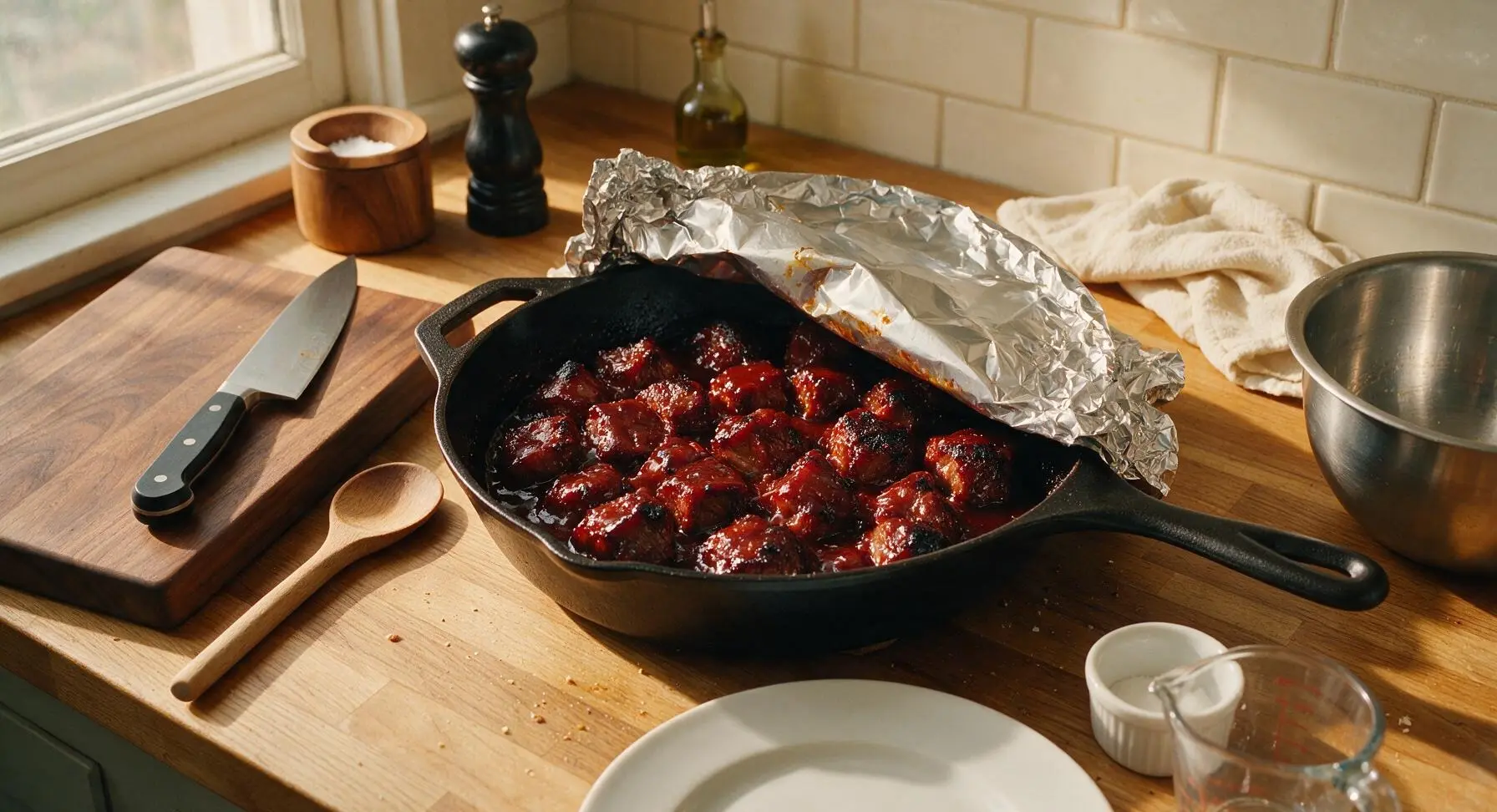
Plate and Garnish
Use the stainless steel tongs to transfer the hot, caramelized burnt ends to the rectangular matte white ceramic serving platter, piling them loosely in the center. Drizzle any remaining thick sauce from the foil pan over the top of the pile, then garnish with a light sprinkle of chopped fresh parsley from the bunch on the counter. Let rest for 3 minutes before serving, so the sauce sets slightly instead of running off.
Tips
2.Cut meat into perfectly uniform 1-inch cubes: unevenly sized pieces cook at different rates, leading to over-charred, tough small cubes and under-rendered, greasy large cubes that lack the signature tender texture.
3.Resist the urge to sauce the cubes too early: waiting to add sauce until after the initial smoke and bark formation prevents the sugar in the sauce from burning during the long smoke, and creates a cleaner, deeper smoky flavor in the meat.
OMG these doubles burnt ends were the absolute star of our neighborhood block party last weekend! I was a little nervous about the 5+ hour cook time, but every single bite was worth it. People were coming back for thirds and asking for the recipe before I even finished serving. Total game changer for my summer BBQ rotation!
Flavor was 10/10, but I definitely messed up the first cook stage because my ends came out a little tougher than I wanted. Still super tasty, my roommates devoured them anyway, but I’ll need to watch my temp closer next time.
I was skeptical a medium difficulty 5 hour recipe would fit into my Sunday meal prep routine, but wow! These reheat so well all week for lunches. I tossed a few in mac and cheese on Wednesday and it felt like a fancy restaurant meal at my desk. SO good.
My kids are super picky and they both ate two servings of these last night for dinner! I swapped the regular BBQ sauce for a honey sweetened version since they don’t love super spicy food, and it worked perfectly. Already have the ingredients on the list to make this again for Father’s Day.
Taste was great, but 5 hours 15 minutes feels a little misleading? Mine took closer to 6.5 hours to get the right render, maybe because I was using a smaller offset smoker? End result was good, just wish I’d planned for extra time so we didn’t eat dinner at 9pm.
Brought these to my office potluck and every single piece was gone in 10 minutes. Coworkers were begging for the recipe so much I just sent the link to the whole team email list. Worth every minute of cook time, the sticky sweet bark is absolutely addictive.
Just pulled these off my brand new smoker 10 minutes ago and I’m already obsessed!! This is the first thing I’ve ever made on a smoker that didn’t come out dry or bland. My husband is already talking about making these for his annual camping trip next month.
Made these for my son’s high school graduation party over the weekend and they were a massive hit. Only complaint is I wish I’d made a double batch—even with 5 pounds of meat, there wasn’t a single leftover. The only tweak I made was adding a little extra apple cider vinegar to the sauce for a tangier kick.
I make a version of burnt ends every year for our annual backcountry camping trip, but this doubles method is a total game changer. The extra char and caramelization is next level, even when I reheat them in a cast iron over the camp stove. My hiking group already voted these the official trip meal from now on.
I’ve been grilling and smoking meat for over 40 years, and I can honestly say this is one of the best burnt end recipes I’ve ever tried. The double cook method builds so much more flavor than the standard single cook I’ve used for decades. Shared it with all my old grill club buddies, they’re all making it this weekend.