
Fermented Kombucha
intro
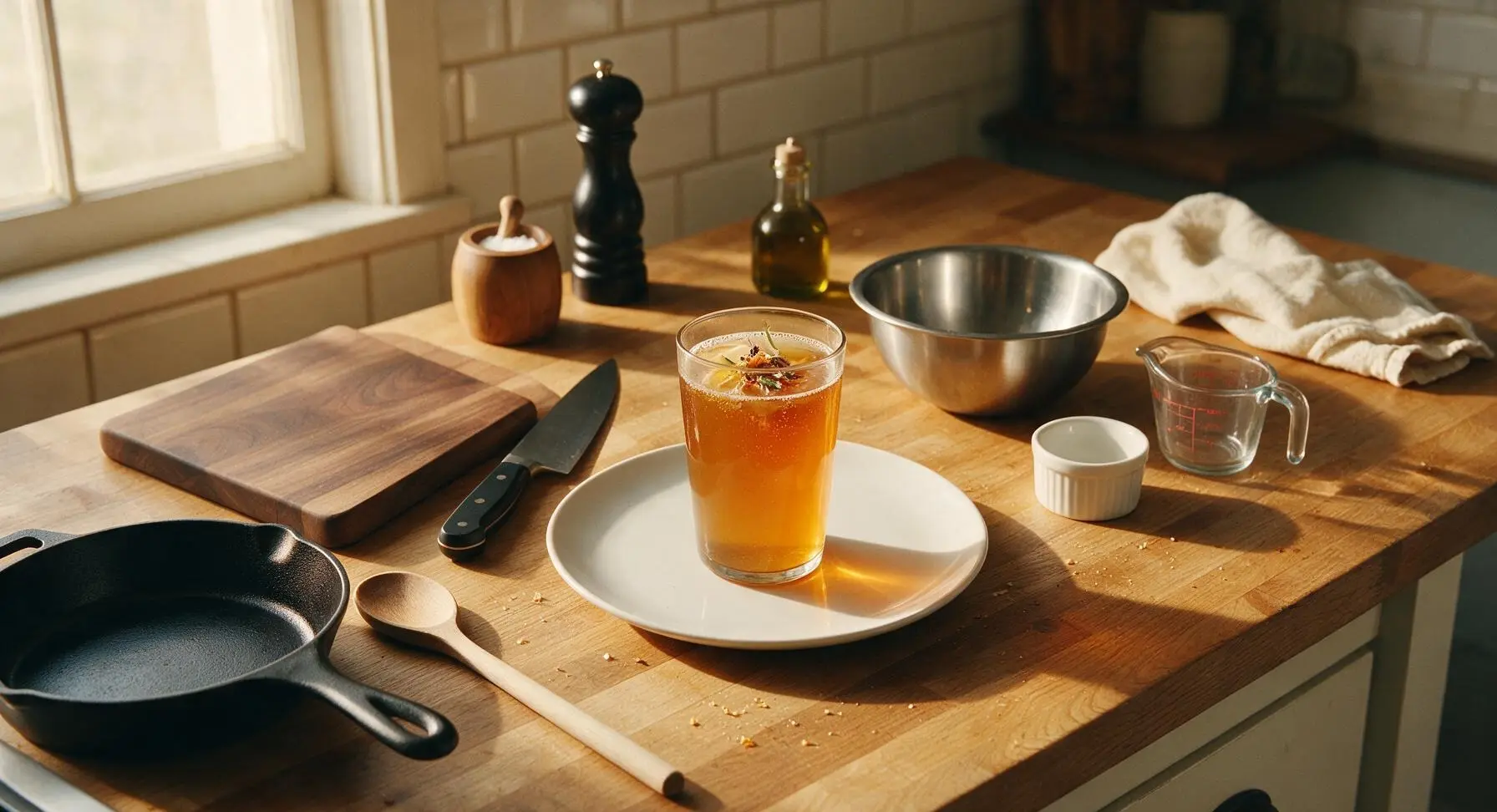
Tart, effervescent probiotic fermented tea, bright and lightly sweet with endless customizable flavors. This homebrewed version is affordable, far fresher than store-bought, and perfect for summer sipping.
Ingredients
Steps
Sterilize Fermentation Gear
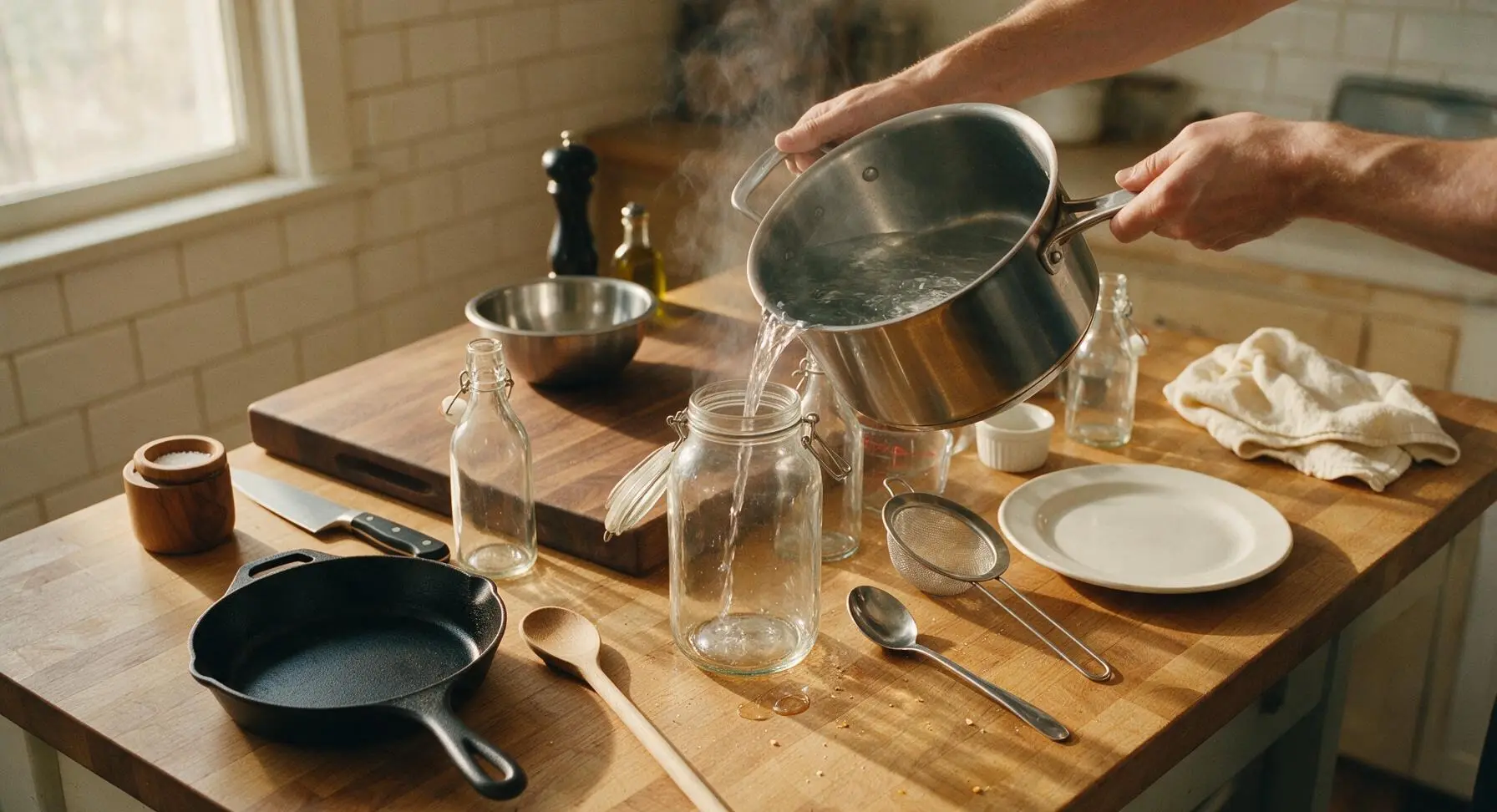
First, wash all tools (stock pot, stirring spoon, strainer, fermentation jar, funnel, swing-top bottles) in hot unscented soapy water, then rinse thoroughly. Pour 2 cups of boiling water into the fermentation jar, swish to coat all interior surfaces, then pour out. Never use harsh bleach or scented soap, as residue will kill the SCOBY and create off-flavors. All surfaces that touch the kombucha must be completely cool before proceeding.
Brew Sweet Tea Base
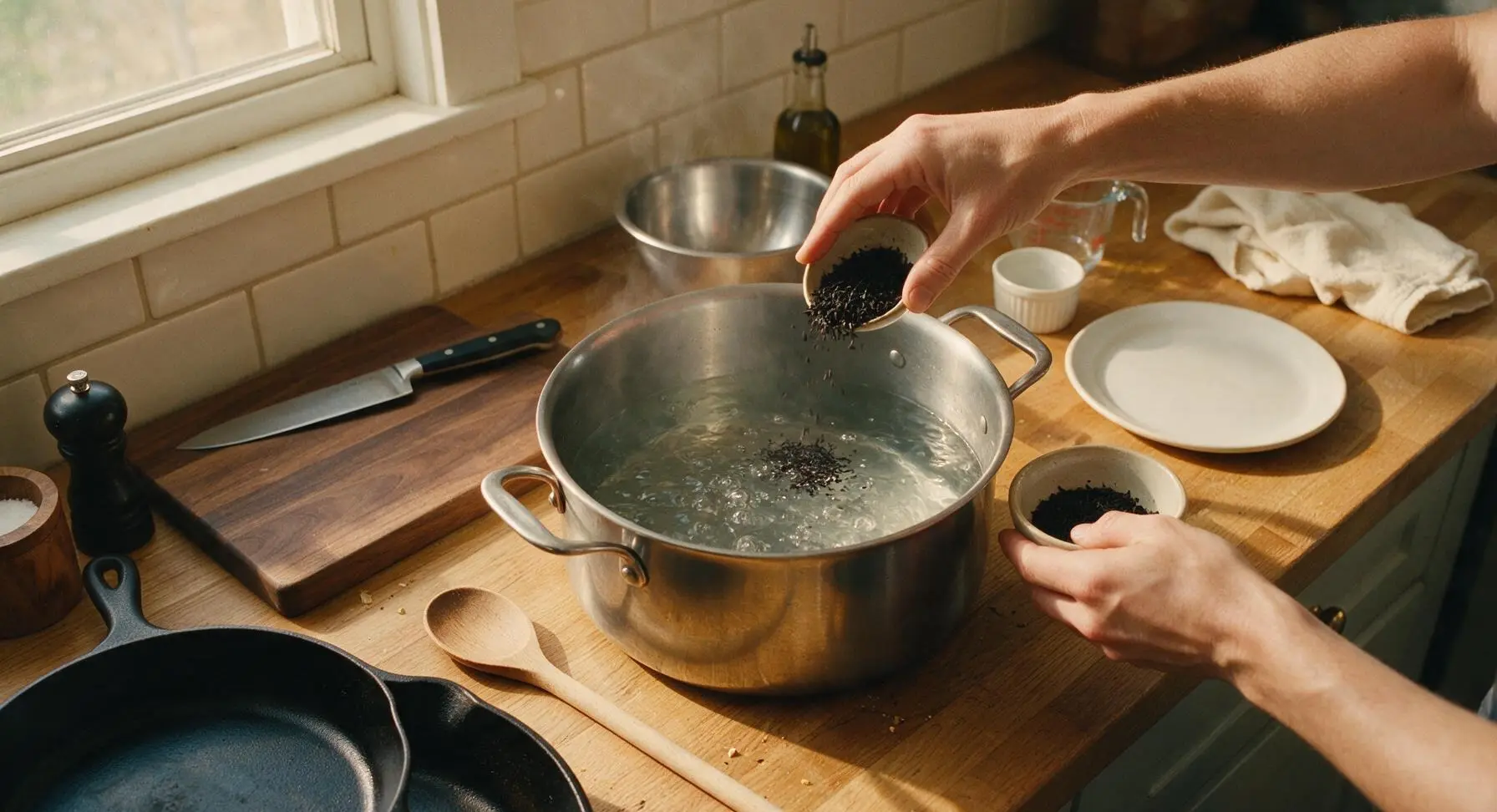
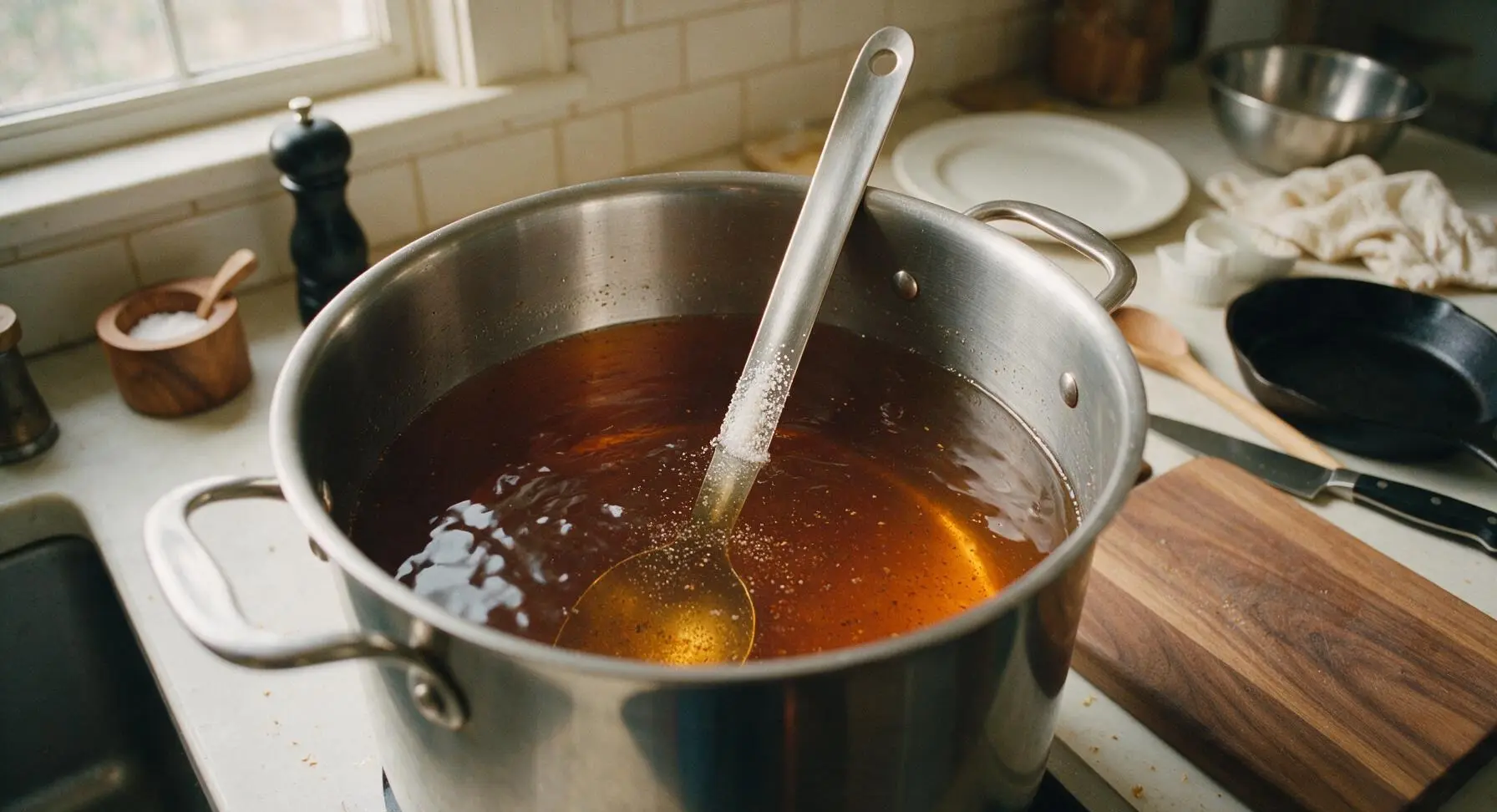
Pour 14 cups filtered water into the sterilized 6-quart stock pot, bring to a rolling boil over high heat. Once boiling, remove the pot from heat, add 1 tablespoon loose black tea (or 4 unflavored black tea bags), cover, and steep for exactly 10 minutes. After steeping, stir in 1 cup white granulated sugar with the long stainless steel stirring spoon until fully dissolved, with no visible sugar grains remaining at the bottom of the pot.
Cool Sweet Tea Fully
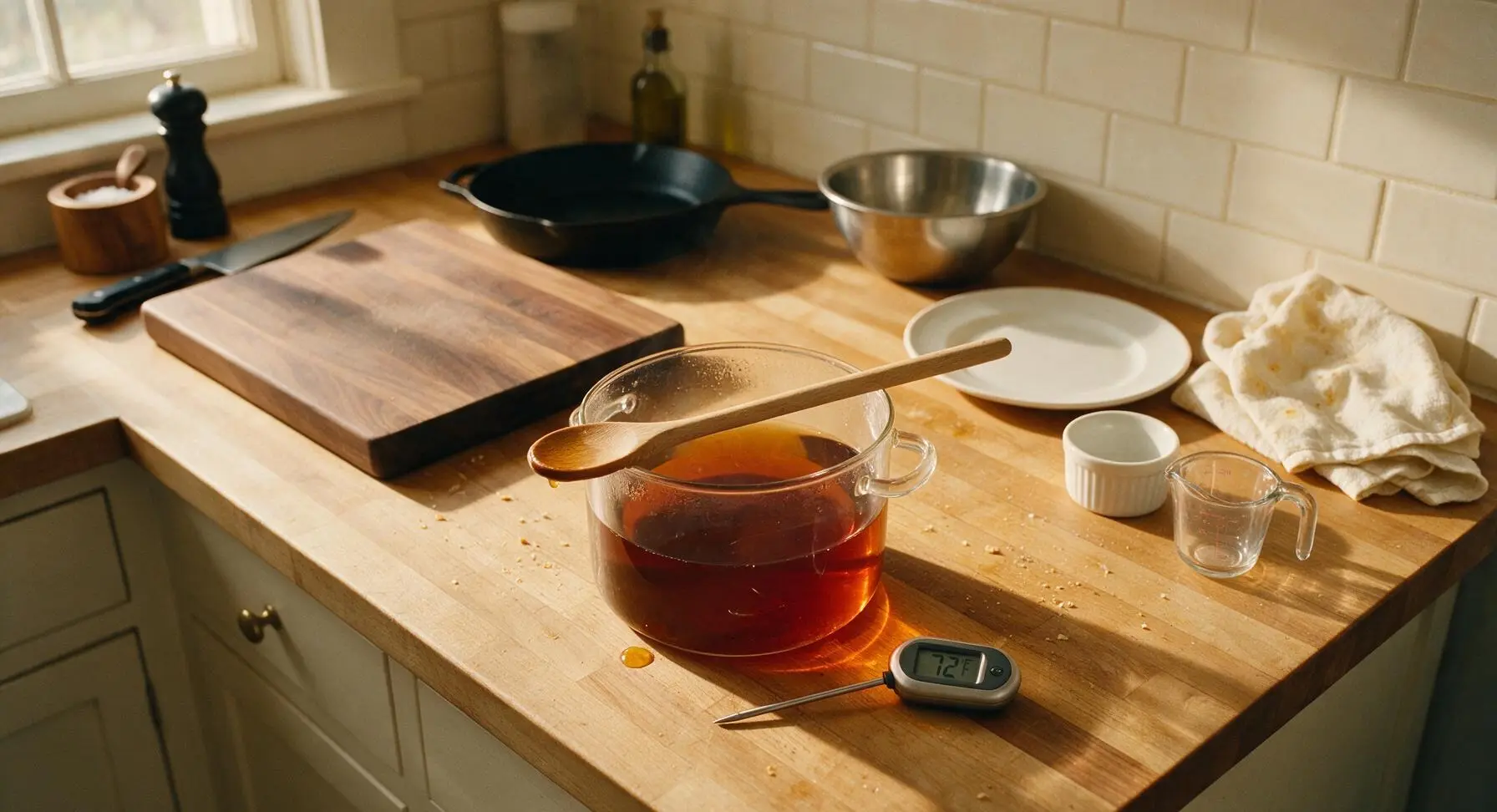
Set the pot of sweetened tea aside, uncovered, to cool to 68-75°F (20-24°C). This will take 2-3 hours at room temperature; do not rush this step by adding ice or rapid-chilling in the fridge, as this creates cloudy tea, and temperatures above 80°F (27°C) will kill the live SCOBY culture. Use the digital kitchen thermometer to confirm the temperature is in the correct range before proceeding. The tea will be clear deep amber, completely still, with no steam rising when ready.
Add SCOBY and Starter
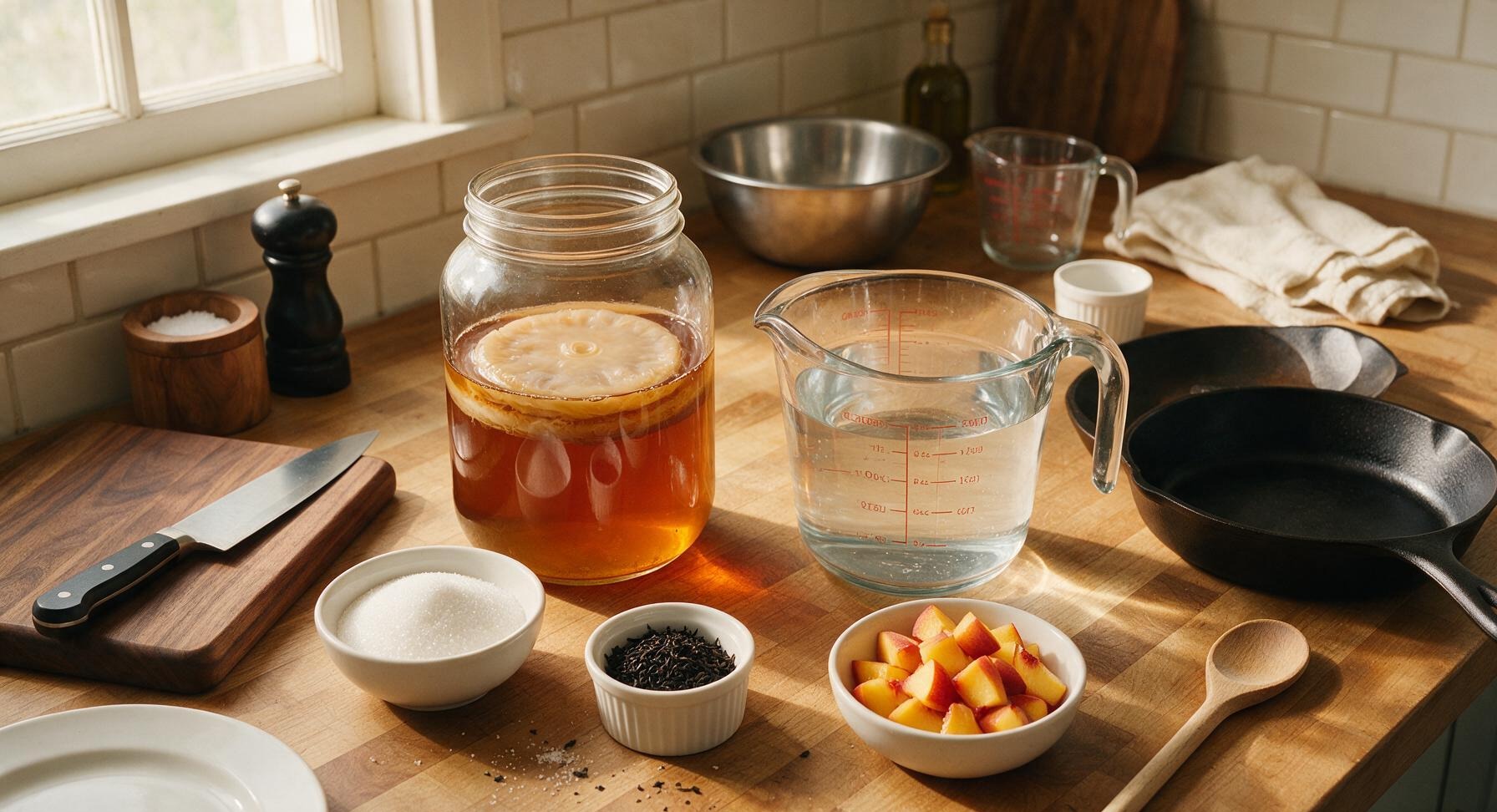
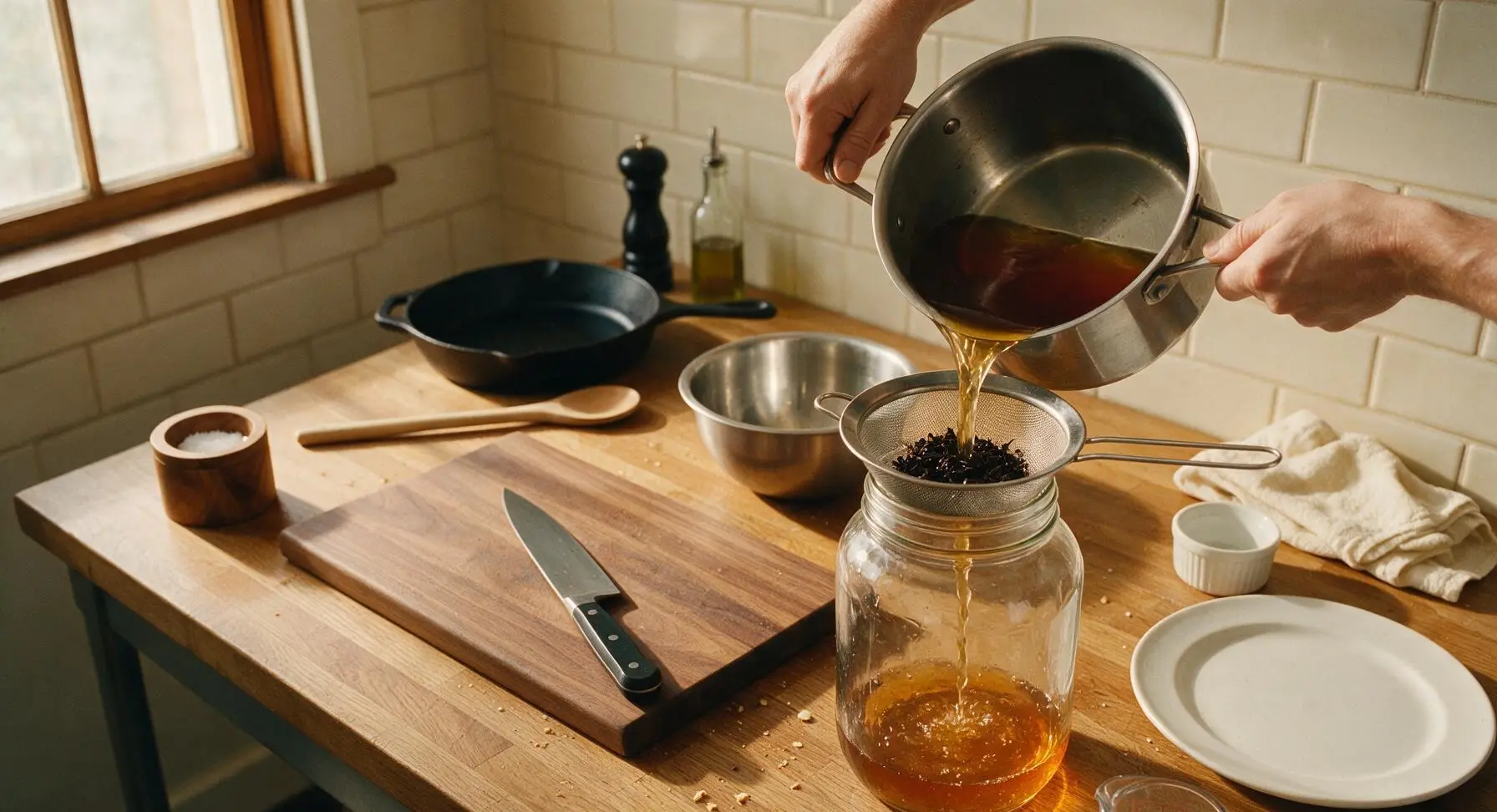
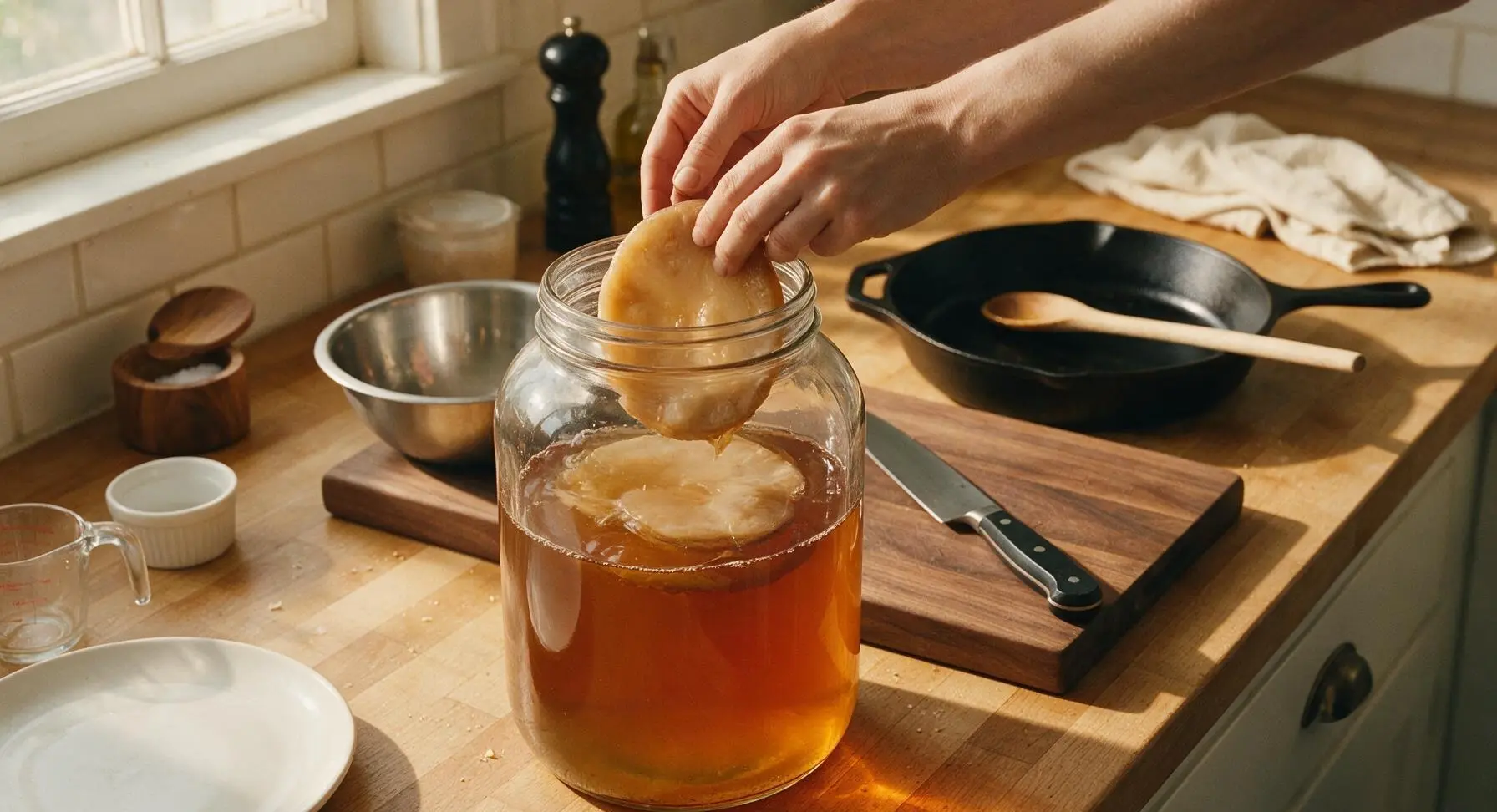
Place the fine-mesh strainer over the opening of the sterilized 1-gallon fermentation jar, and pour the cooled sweet tea through the strainer to catch all tea leaves. Pour the 2 cups of mature starter kombucha into the jar, then gently place the healthy SCOBY on top of the liquid — it may float, sink, or sit sideways, all of which are normal. The liquid should fill the jar to 2 inches below the rim, leaving space for airflow.
Cover for First Ferment
Drape the tight-weave unbleached cotton cloth over the jar opening, pulling it taut, and secure it tightly with the natural rubber band around the jar neck. The cloth allows airflow while keeping fruit flies, dust, and debris out of the fermenting tea. Place the jar in a warm, dark spot away from direct sunlight (68-75°F / 20-24°C) and leave undisturbed for 7-10 days. Do not jostle or open the jar unnecessarily during this time.
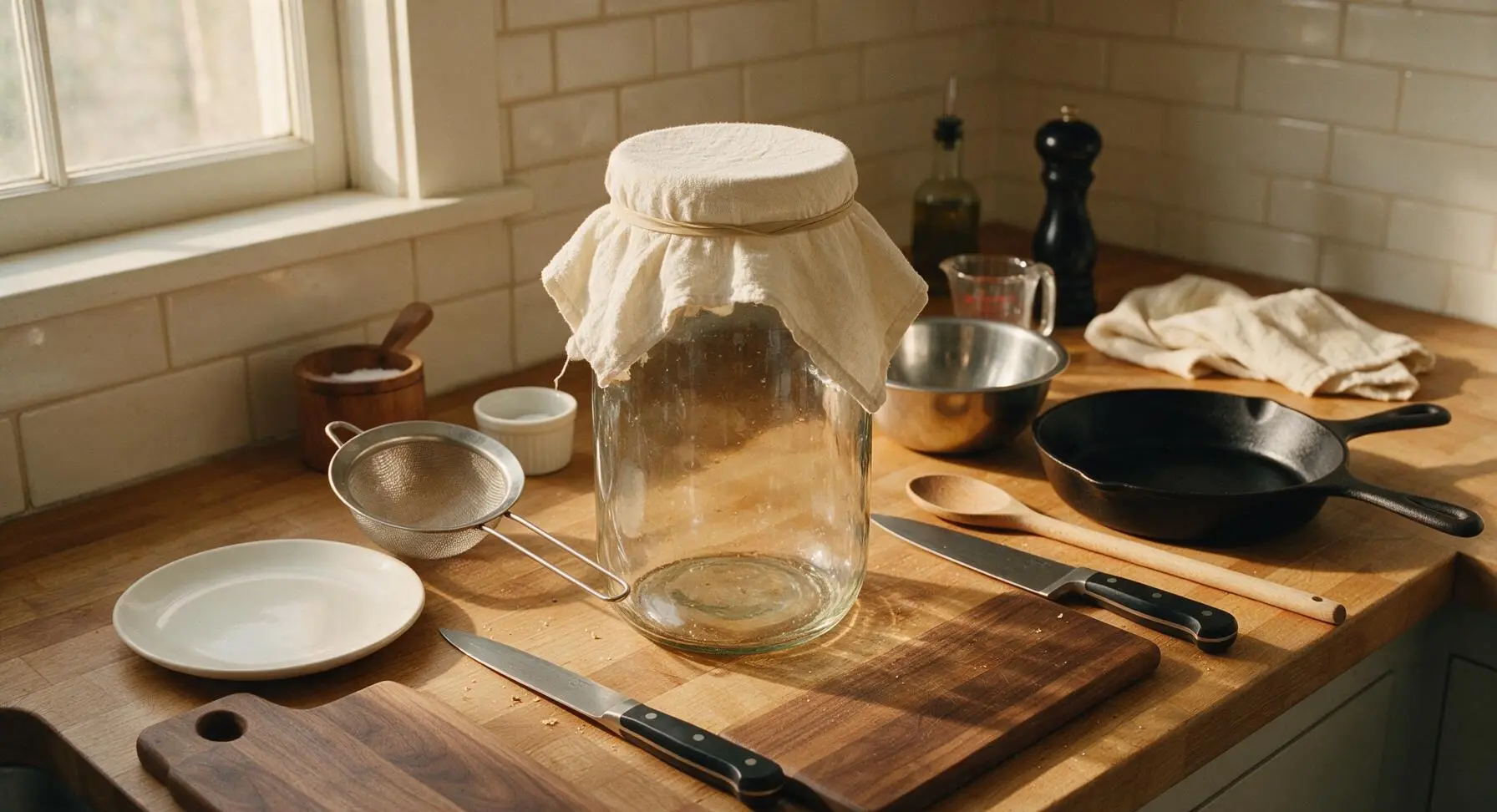
Test Ferment Progress
After 7 days, gently pull back the corner of the cloth and insert a clean straw to taste the kombucha. It is ready when it tastes balanced: lightly tart, not overly sweet, with a faint pleasant vinegary note. If it still tastes very sweet, re-cover and leave for 2-3 more days, testing daily. A new, thin pale translucent SCOBY layer will have formed across the top of the liquid — this is normal, a sign of healthy fermentation.
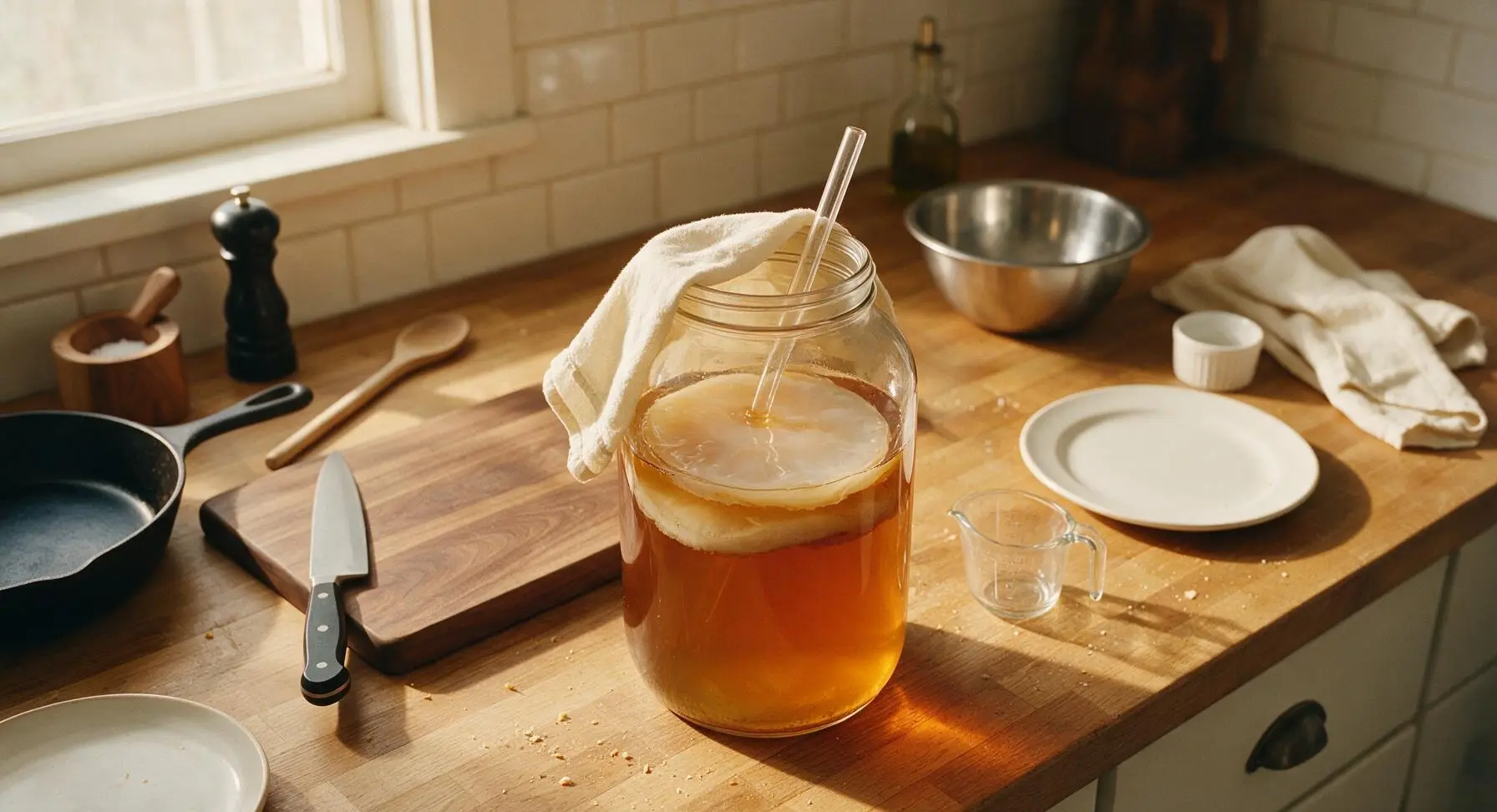
Bottle for Second Ferment
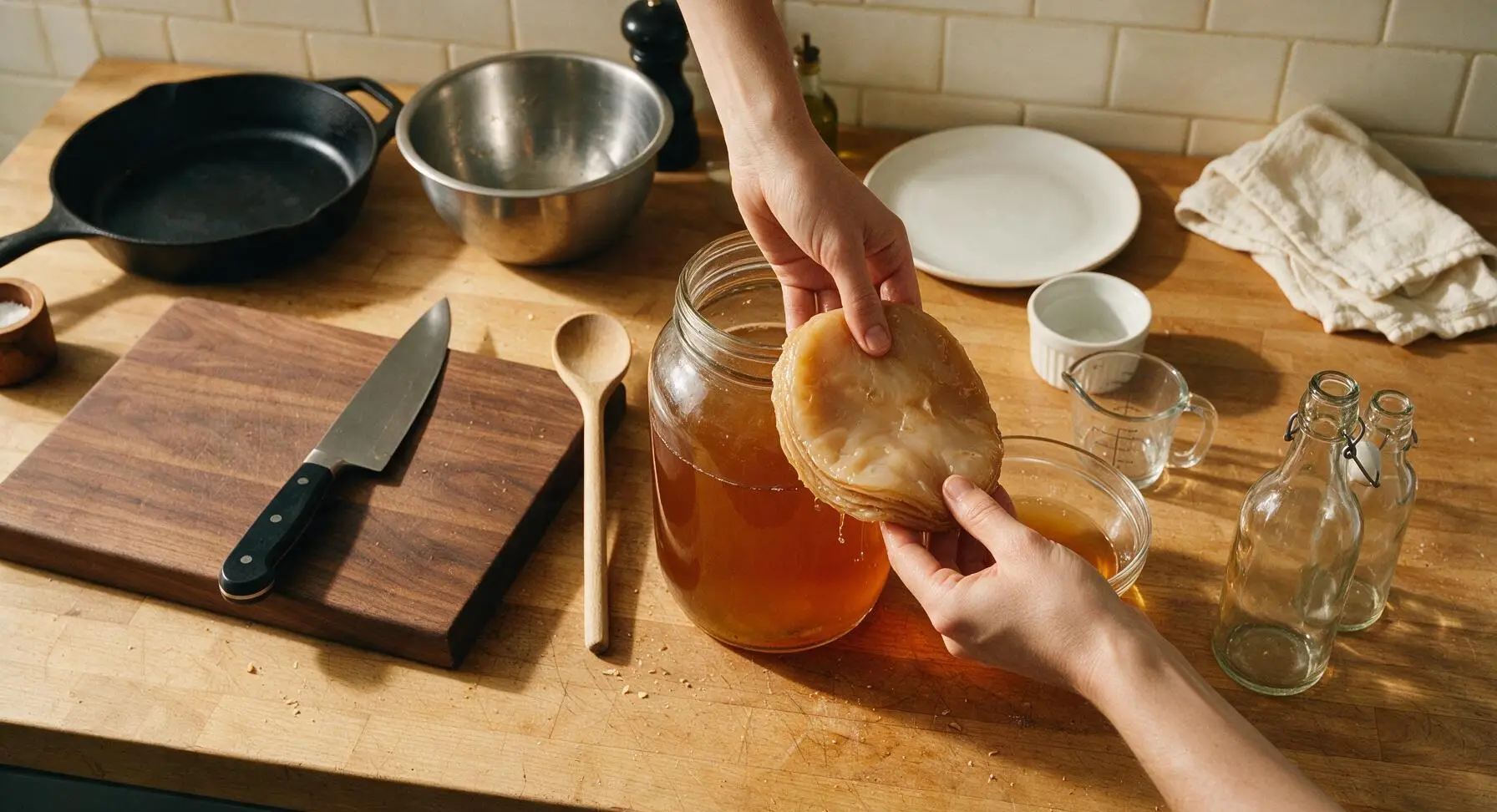
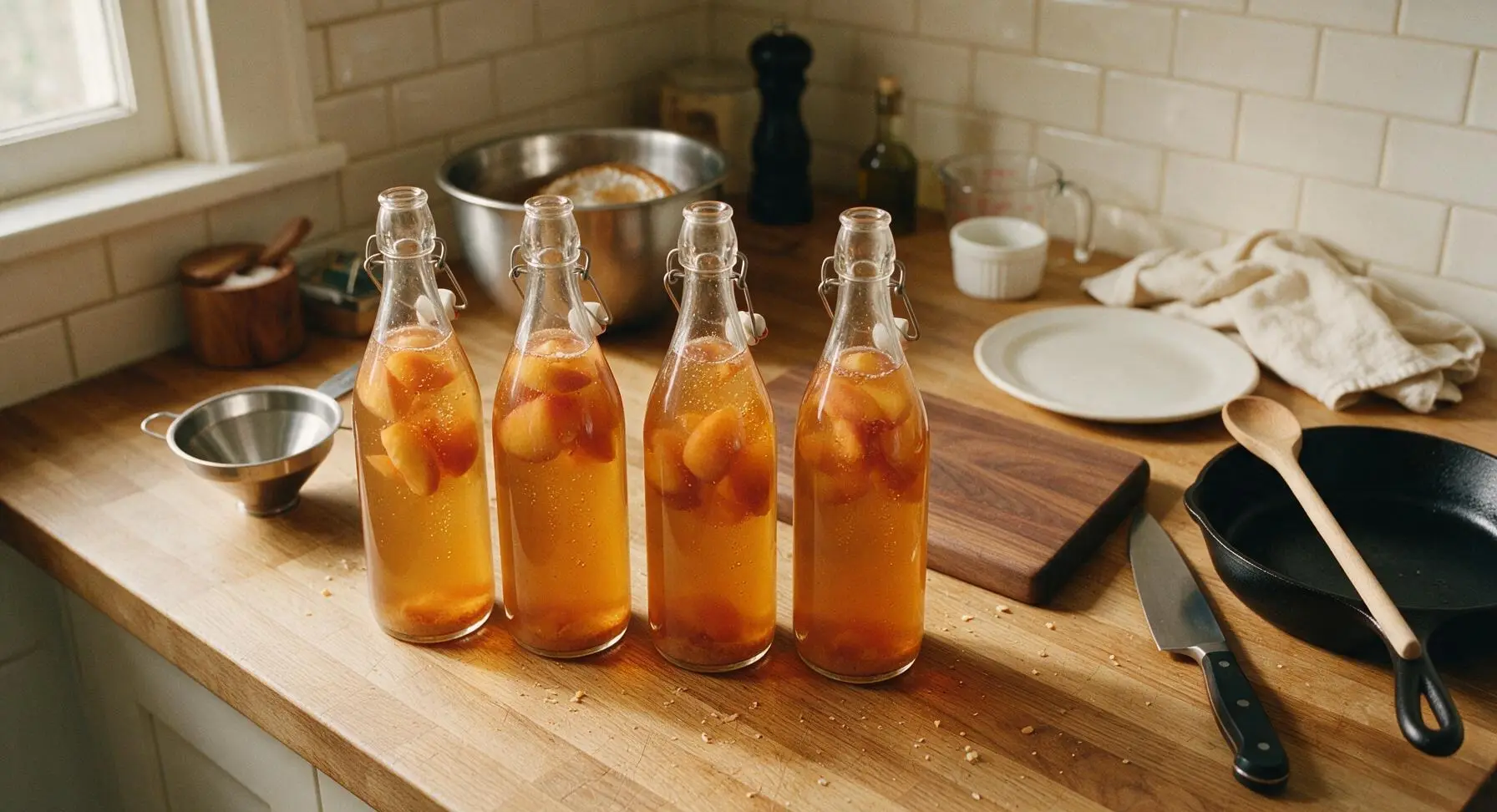
Once the first ferment tastes balanced, wash your hands thoroughly, then gently remove both SCOBY layers from the jar and set them aside in a clean glass bowl with 2 cups of the finished kombucha to use as starter for your next batch. Place the stainless steel canning funnel in the mouth of each sterilized swing-top bottle, add 2 tablespoons of diced fresh peach (or other desired fruit/herb) to each bottle, then pour the remaining kombucha through the funnel into each bottle, leaving 1 inch of headspace at the top. Seal the swing-top clasps tightly.
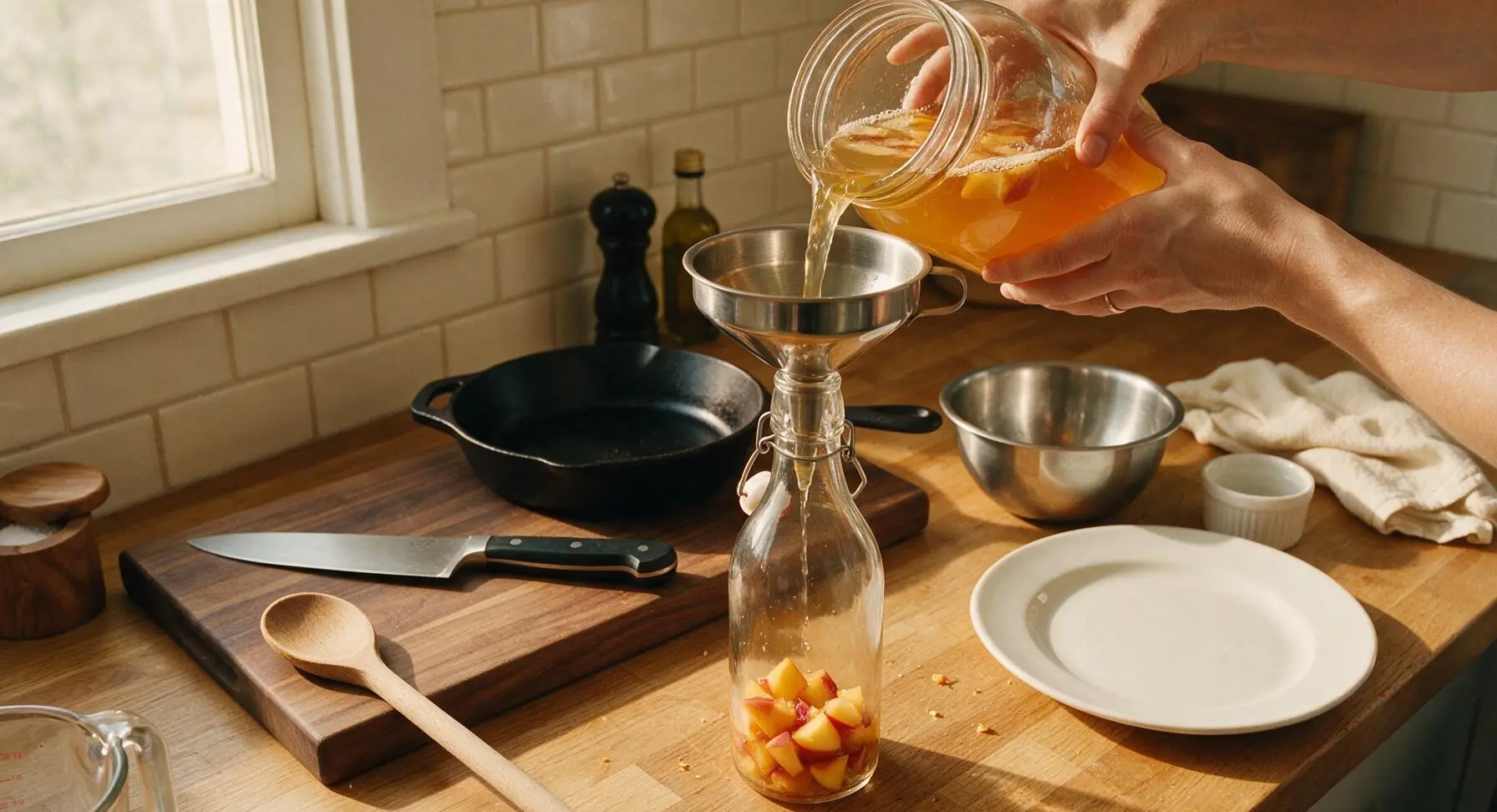
Carbonate and Chill Kombucha
Keep the sealed swing-top bottles in the same warm, dark spot (68-75°F / 20-24°C) for 2-3 days to build natural carbonation. Check carbonation daily by carefully opening one bottle over a sink to avoid overflow — once it fizzes noticeably when opened, move all bottles to the refrigerator to chill for at least 4 hours before serving, which halts fermentation and prevents over-carbonation. Strain out fruit pieces if desired before pouring over ice.
Tips
2.Always leave 1 inch of empty headspace at the top of swing-top bottles during second fermentation. Too little headspace traps excess carbon dioxide pressure, which can cause bottles to leak, overflow when opened, or even crack. If your kitchen is warmer than 75°F, 'burp' bottles daily by cracking the seal briefly to release excess pressure.
3.Discard your entire batch immediately if you see fuzzy green, black, or bright pink mold growing on the SCOBY surface. Healthy SCOBY growth is smooth, gelatinous, and pale creamy tan — fuzzy, discolored, or hairy patches are a sign of harmful bacterial contamination, and the batch is not safe to drink. A new thin SCOBY layer forming across the tea top is normal and a sign of healthy fermentation.






OMG I’ve been scared to try fermenting my own kombucha for years because I thought it’d be super complicated, but this recipe made it so approachable! 10 minute prep time is no joke, I set it up last weekend and my first batch turned out perfectly fizzy. My kids loved the ginger twist I added, already planning my next flavor for our neighborhood potluck next month.
Wait, hold up — do I *have* to use a SCOBY from a previous batch, or can I use the store-bought starter liquid? I tried making this 3 days ago and I’m paranoid I messed it up because I didn’t have a mature SCOBY on hand.
SO good. I’ve been buying $6 kombucha bottles at the grocery store for literal years and I cannot believe how much money this is gonna save me for meal prep. Already made a blueberry basil batch that’s better than any brand I’ve tried.
Game changer, but quick heads up for newbies: don’t seal your second ferment bottles too tight if you’re leaving them out on the counter! I had one explode in my pantry last night and spent 45 minutes cleaning sticky kombucha off my cereal boxes. Oops.
How long do you usually let yours ferment for that perfect not-too-vinegary taste? I left my last batch for 14 days and it was so sour I couldn’t even drink it, had to pour the whole thing down the drain 😭
Made this for my sister’s backyard BBQ last weekend and everyone was asking for the recipe! I did a mango habanero second ferment that had just the right little kick, people were going back for refills all afternoon.
Medium difficulty is fair, I think. I messed up my first two batches because I used tap water that had too much chlorine, killed the starter before it could even get going. Switched to filtered water and the third batch came out perfect. Don’t skip that note!
Is there any way to make this without added cane sugar? I follow a no-added-sugar diet and I miss drinking kombucha so bad, but all the store brands have way too much sugar for my preferences.
My teen daughter has been bugging me for months to make booch with her, we finally tried this recipe last night during our weekly family dinner prep night. She thought the SCOBY looked like a weird alien pancake and spent 20 minutes taking TikTok videos of it. Can’t wait to see how it turns out!
Great base recipe! I add a scoop of electrolytes and a splash of lemon to my glass every morning after my run, it’s way more refreshing than the sugary sports drinks I used to chug. 10/10, will be making this on repeat.
I’ve been homebrewing beer for 5 years so I figured kombucha would be a piece of cake, turns out I overcomplicated it so bad at first. This no-fuss recipe cut through all the weird overcomplicated advice I found online, knocked my first batch out of the park.
Wait, will the kombucha make my whole apartment smell like vinegar? I just moved into a tiny studio and I don’t want my whole space to reek while it ferments, lol.
Brought my first batch of this to our church potluck last Sunday and it was gone in 10 minutes! I did a peach mint flavor that tasted like summer in a glass, so many people asked for the recipe I just sent them this link. Absolute hit.
Quick question — can I reuse the SCOBY for batch after batch, or do I need to get a new one every time? I don’t want to kill my little SCOBY baby now that I finally got a batch to turn out right, lmao.