1.Do I have to soak dried pinto beans before making frijoles?
▾
Soaking is totally optional, but it cuts cook time by about 45 minutes, reduces gassy indigestible compounds, and helps beans cook more evenly without random splitting. If you skip soaking, just rinse beans well, add 1 to 1.5 extra hours of simmer time, and check water levels more often to avoid scorching the pot bottom.
2.Can I use canned pinto beans instead of dried for this recipe?
▾
You can, but the deep, slow-simmered flavor and creamy, intact texture won’t match the authentic homemade version. If you’re short on time, use 3 (15-oz) cans of rinsed pinto beans, simmer with onion, garlic, epazote, and salt for 20 minutes, then mash slightly if you prefer a thicker, creamier consistency.
3.What is epazote, and can I substitute it if I can’t find fresh?
▾
Epazote is a pungent, earthy Mexican herb that adds classic frijoles flavor and helps reduce bean-related digestive discomfort. If you can’t find fresh, use 1 teaspoon of dried epazote per 2 fresh sprigs, or swap for a small handful of fresh cilantro plus a pinch of dried Mexican oregano as a last-resort substitute.
4.How long do these homemade frijoles take to cook from start to finish?
▾
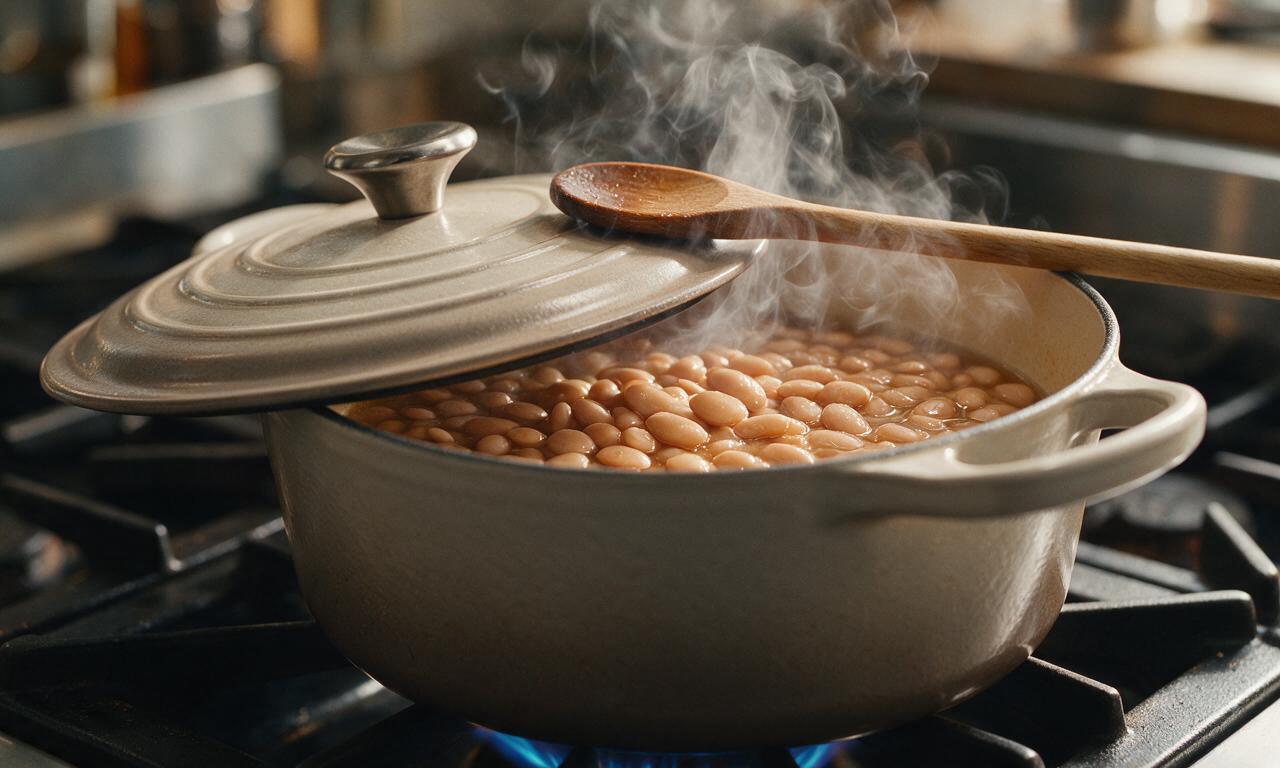
If you pre-soak your beans for 6 to 8 hours (or do a quick 1-hour hot soak), total prep plus simmer time is about 2.5 hours, with only 15 minutes of active hands-on work. If you cook unsoaked beans, plan for 3.5 to 4 hours total, keeping the pot at a gentle, low simmer the whole time.
5.Why do my beans always come out tough even after cooking for hours?
▾
Tough beans usually come from three common mistakes: using old dried beans that have sat in your pantry for over a year, adding salt too early in the cook process, or boiling too hard which breaks skins before interiors soften. Always test bean freshness, add salt only once beans are fork-tender, and keep heat low.
6.Can I make these frijoles in a slow cooker instead of on the stovetop?
▾
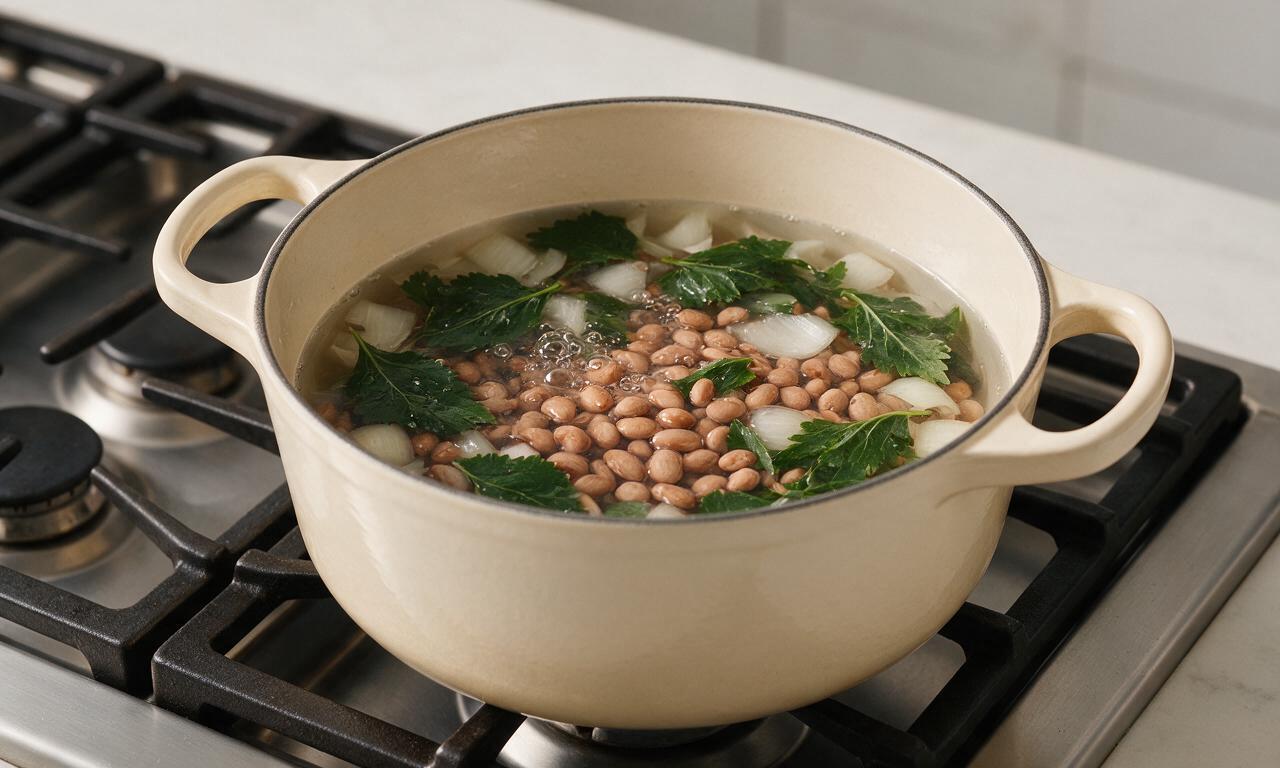
Absolutely! Add rinsed beans, quartered white onion, crushed garlic, epazote, and enough water to cover beans by 2 inches to your slow cooker. Cook on low for 6 to 8 hours (8 to 10 for unsoaked beans), then stir in kosher salt to taste once beans are fully tender and creamy.
7.What’s the best water-to-bean ratio for perfectly creamy frijoles?
▾
Start with 4 cups of cool water for every 1 cup of dried pinto beans, whether you’re cooking on the stovetop or in a slow cooker. You can add a splash more hot water during cooking if levels drop below the beans, but avoid cold water, which can shock beans and leave them with tough, uneven texture.
8.Do I need to add bacon, lard, or other fat to make authentic frijoles?
▾
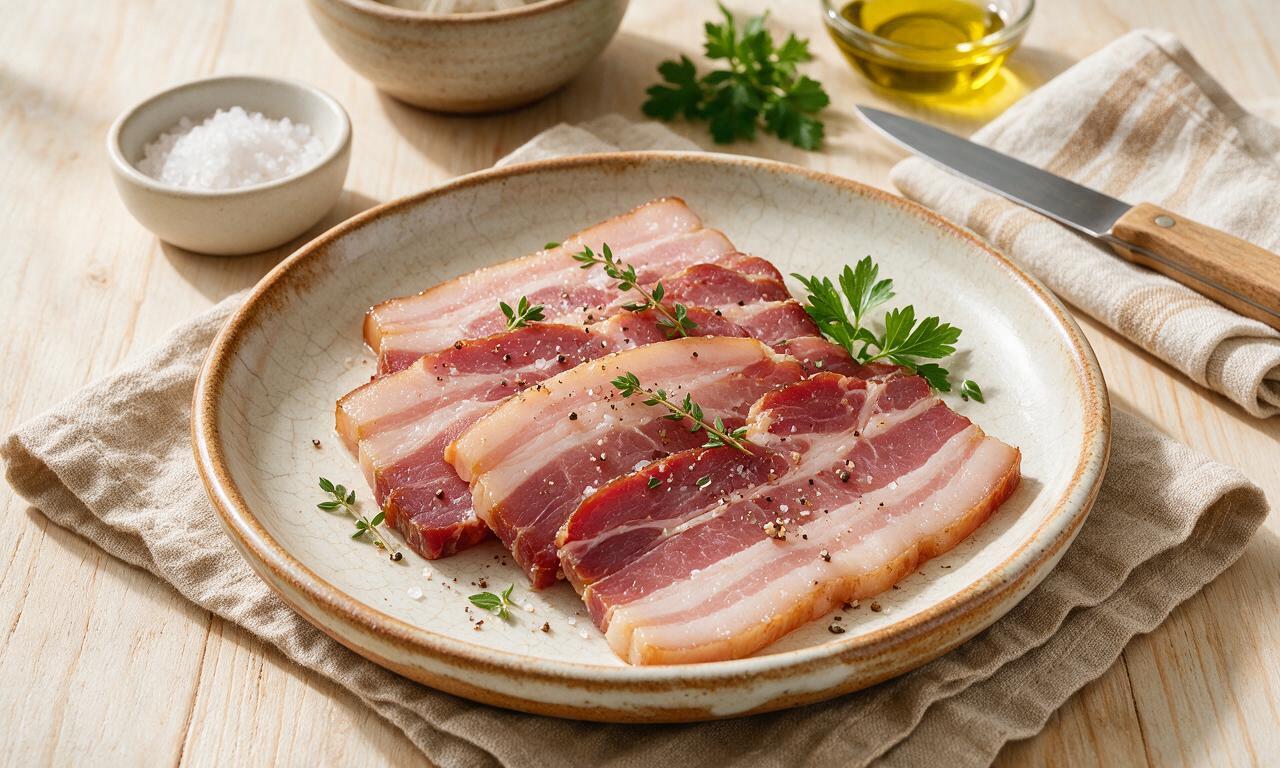
Many regional Mexican versions do use a small amount of lard for extra richness, but this classic home-style recipe relies on slow simmering with aromatics for deep, savory flavor without added fat. If you want a richer finish, stir in 1 tablespoon of lard or bacon drippings after salting, right before serving.
9.How should I store leftover homemade frijoles, and how long do they last?
▾
Let cooked frijoles cool completely to room temperature (don’t leave them out for more than 2 hours for food safety), then transfer to an airtight container and refrigerate for up to 5 days. Beans thicken as they chill, so stir in a splash of water when reheating to bring back your preferred consistency.
10.Can I freeze leftover frijoles for later use?
▾
Yes! Portion cooled beans into freezer-safe bags or rigid containers, leaving ½ inch of headspace to account for expansion as they freeze, and store for up to 6 months. Thaw overnight in the fridge before reheating, and give them a good stir—any slight texture separation will smooth out as they heat.
11.Why is epazote added to frijoles, anyway?
▾
Beyond its bright, herbaceous, slightly piney-citrusy flavor that defines traditional Mexican bean dishes, epazote contains natural compounds that help break down the hard-to-digest oligosaccharides in beans, cutting down on the post-meal gas many people experience after eating legumes.
12.Should I discard the onion and garlic after cooking, or leave them in the beans?
▾
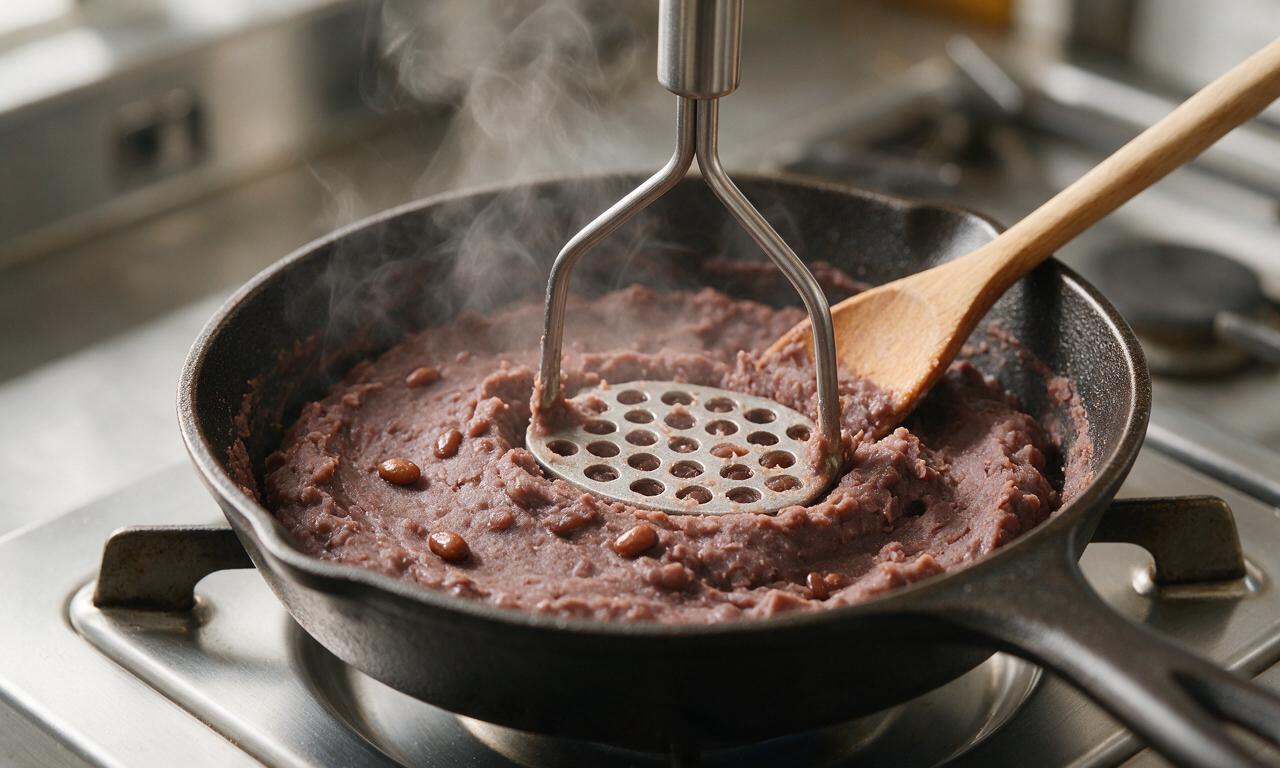
You don’t need to fish them out at all! The long, slow simmer softens the white onion and garlic completely, so they melt right into the bean broth to add subtle, savory depth. If you prefer a super-smooth refried-style consistency, you can blend the whole pot lightly to incorporate the aromatics fully.
13.Can I add other seasonings like cumin, chili powder, or jalapeños to this recipe?
▾
This recipe is the simple, classic home-style base, so you absolutely can customize it to your taste. Add a halved jalapeño, ½ teaspoon of ground cumin, or a pinch of chili powder with the aromatics if you want spicier, more robust flavor—just don’t overdo it so the mild, creamy bean flavor still shines.
14.How do I know when the frijoles are done cooking?
▾
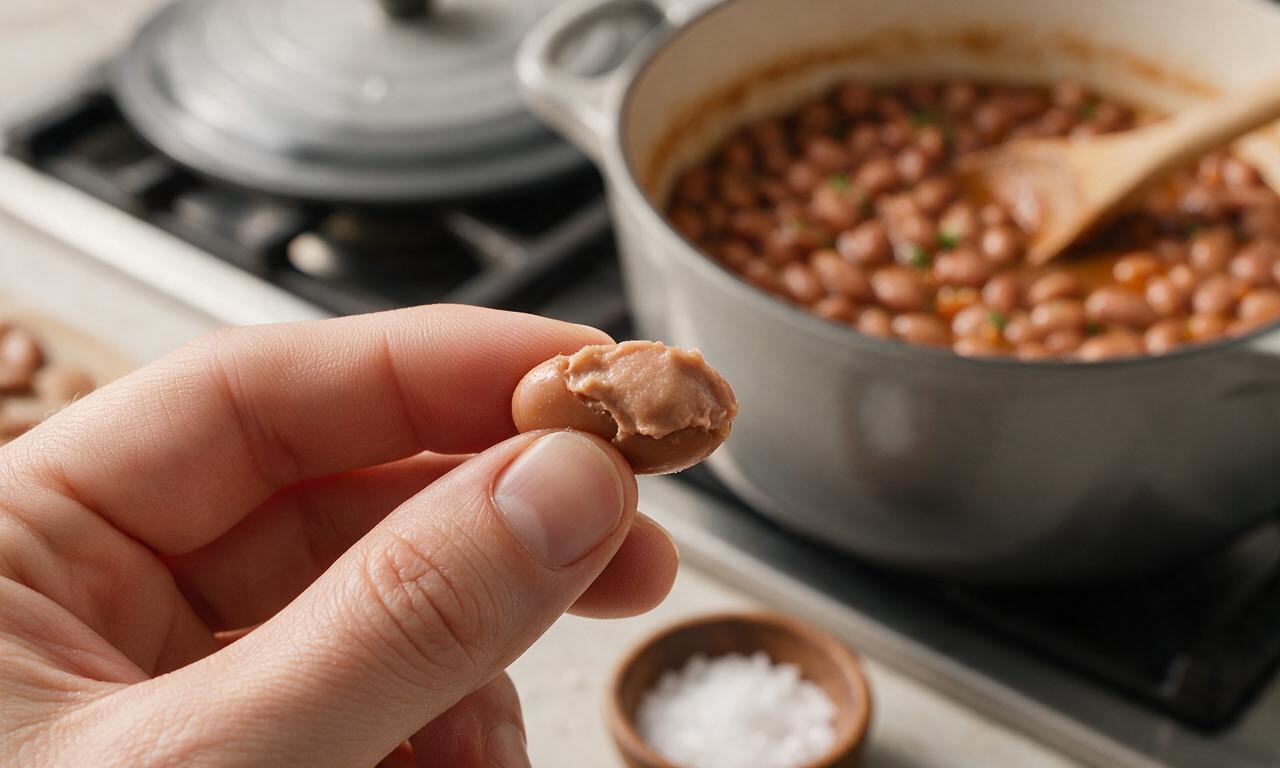
Perfectly done frijoles are tender all the way through when you pierce one with a fork, with no hard, chalky white center, but not so mushy that they split completely apart when stirred. The cooking liquid will be slightly thick and savory, not thin and watery, right before you add salt to finish.
15.My bean broth is really watery—how do I thicken it to that classic creamy consistency?
▾
For a traditional, no-fuss thickener, scoop out ½ cup of cooked beans and their broth, mash them into a smooth paste with a fork, then stir the paste back into the pot. Simmer for 5 more minutes, and the broth will thicken up perfectly without needing cornstarch or other processed thickeners.
16.Is it normal for the beans to foam while they simmer?
▾
That light, grayish-tan foam that rises to the top in the first 30 minutes of cooking is totally normal—it’s just released starch and trapped air from the beans. Simply skim it off with a spoon as it forms to keep the broth clean-tasting and clear, and don’t worry, it’s not a sign you made a mistake.
17.Can I use a pressure cooker like an Instant Pot to make these frijoles faster?
▾
Definitely! Add rinsed unsoaked beans, aromatics, and water to your Instant Pot, cook on high pressure for 35 minutes, then do a natural pressure release for 20 minutes before venting. Add kosher salt to taste after opening, and you’ll have creamy, perfectly cooked beans in under an hour.
18.What dishes do these authentic frijoles pair best with?
▾
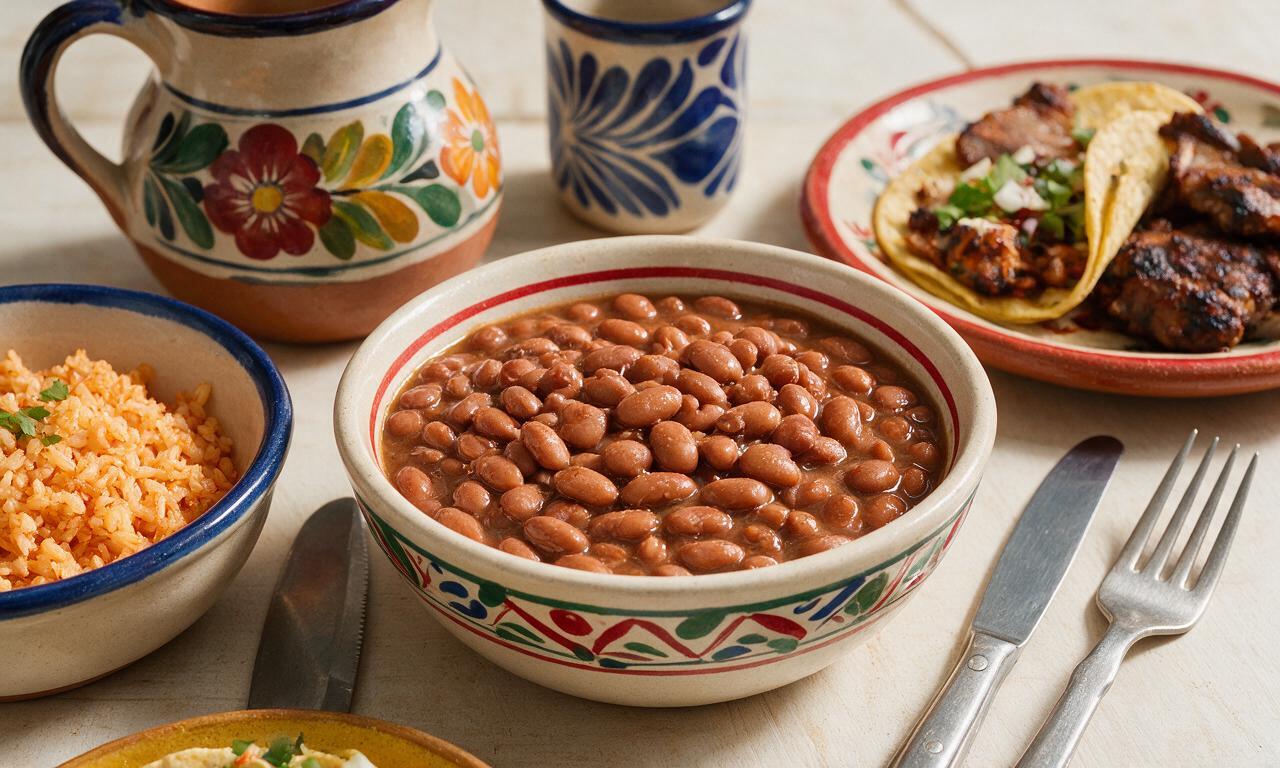
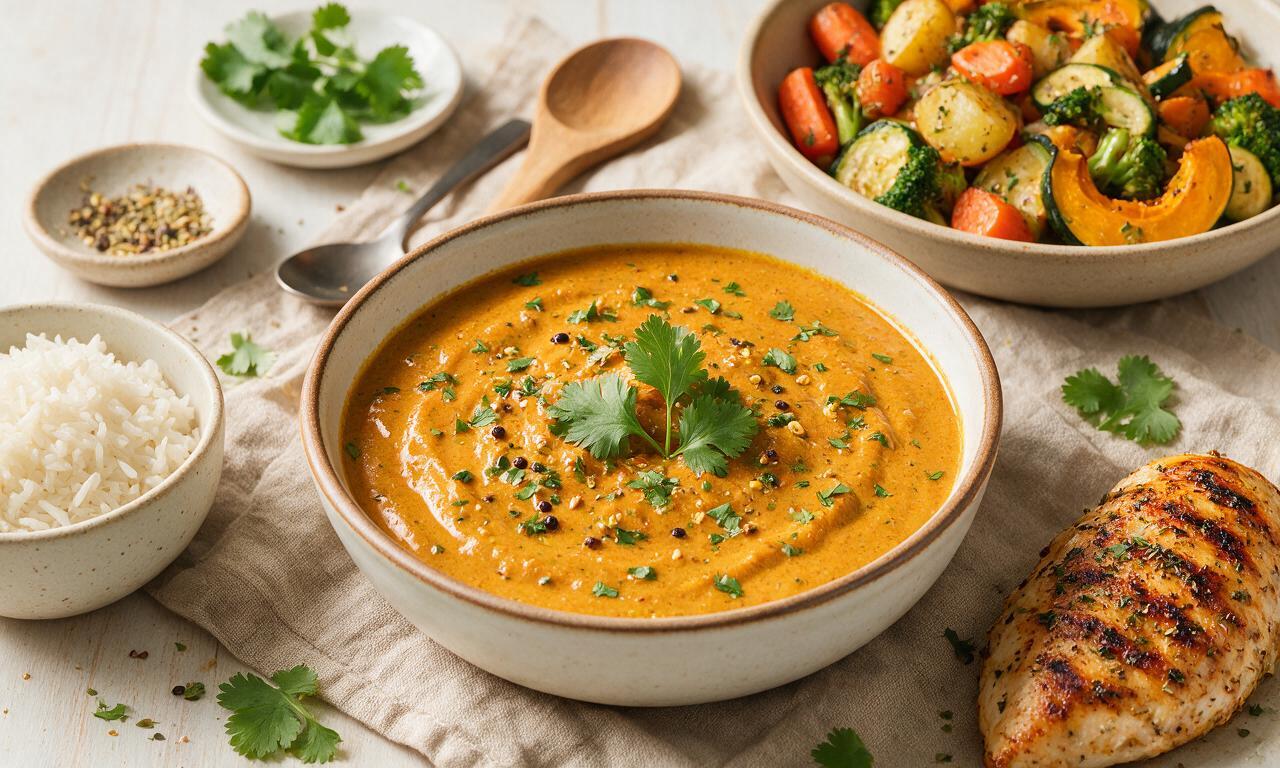
These are the ultimate versatile Mexican staple: serve them alongside cilantro-lime rice, spoon them over tacos and tostadas, pair them with grilled carne asada or carnitas, use them as a filling for vegetarian burritos, or top a bowl with queso fresco and pickled onions for a simple, satisfying meal.
19.Do I really need to sort and rinse dried pinto beans before cooking?
▾
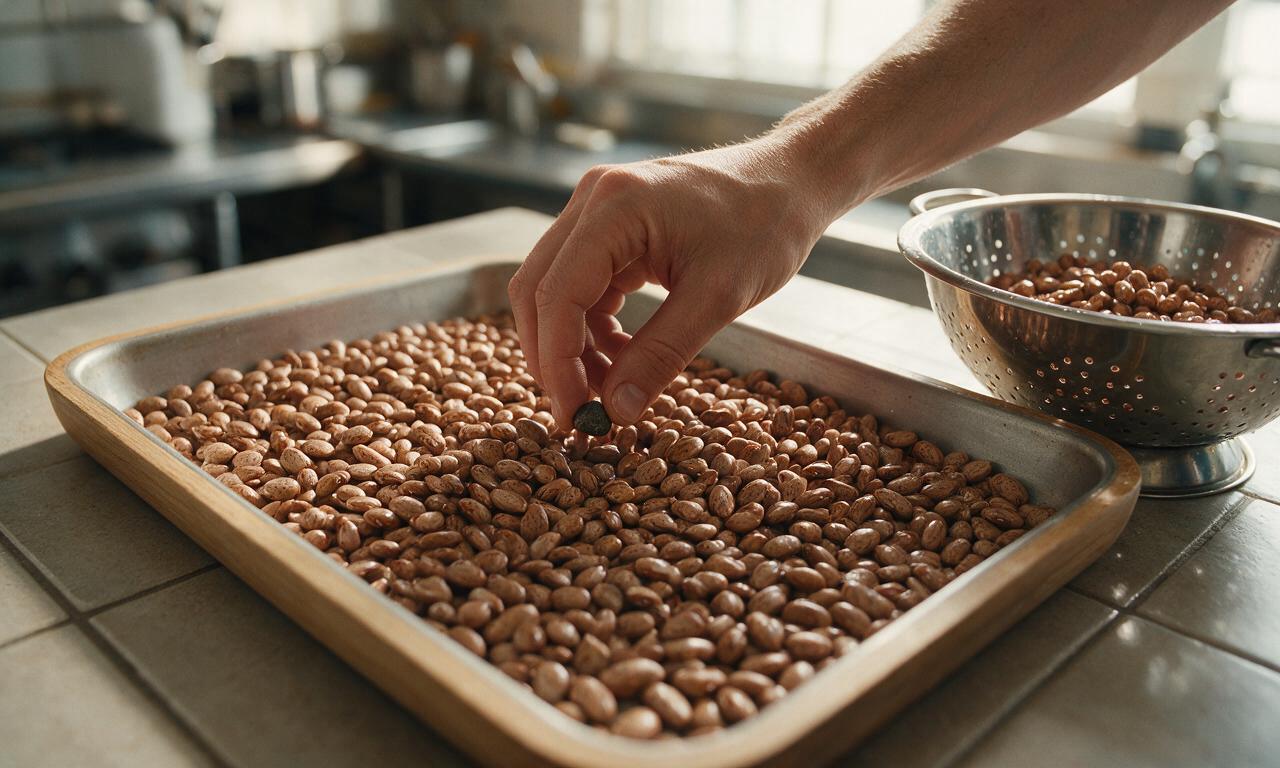
Yes, always! Spread dried beans out on a baking sheet to pick out any small pebbles, broken bean bits, or random field debris that can make its way into dried bean packaging, then rinse under cool running water to remove surface dust and excess starch. This takes 2 minutes and makes a huge difference in the final dish.


OMG these frijoles are SO good! I made them for our Sunday family dinner and everyone was going back for seconds, even my super picky 7 year old. I added a tiny extra pinch of cumin like my abuela used to and it was chef’s kiss. So easy too, I was worried it’d be too fussy for a weeknight prep but totally doable!
Game changer for meal prep! I make a big pot of these every Sunday now, portion them out with rice and grilled chicken for my work lunches all week. They reheat perfectly, no weird mushy texture like the canned beans I used to buy. 10/10, will never go back to store bought.
Brought these to our neighborhood block party potluck last weekend and the bowl was scraped CLEAN in 20 minutes. So many people asked for the recipe I ended up just texting the link to half the block. Pro tip: top with a little crumbled cotija and a squeeze of lime right before serving, people go crazy for it.
Really solid base recipe! I used a mix of pinto and black beans because that’s what I had in the pantry, and it turned out great. Cook time was spot on for me, beans were perfectly tender without being mushy. Will make again.
Wait, this is the first time my frijoles didn’t come out bland! I’ve tried like 3 other online recipes and they all were so boring, but the sautéed onion and garlic base here makes all the difference. My roommate thought I ordered them from our favorite taqueria down the street lmao.
My kids loved it! I was nervous because my boys turn their nose up at anything that isn’t chicken nuggets, but they ate these wrapped up in tortillas with cheese for dinner and asked if we could have them again tomorrow. Super easy to throw together even with chaos going on around the house, 10/10 for busy parents.
Love that this is naturally vegan without any weird substitutions! I’ve been looking for a go-to bean recipe for my taco nights that doesn’t use lard or animal products, and this hits every single note. So flavorful, I don’t even miss the meat when I load these up on tacos with guac and pico.
Solid, straightforward recipe that tastes just like the frijoles I used to make when I worked at a Tex-Mex restaurant back in the 90s. Don’t skip the step of simmering low and slow, that’s where the depth of flavor comes from. People try to rush this part and wonder why their beans don’t taste right. Great work on this one.
Bro this is so cheap to make! A bag of dry beans is like $2 and it feeds me for like 5 days, way better than spending $12 on a burrito bowl every day between classes. I add a little hot sauce on top and it’s perfect for my tiny dorm kitchen, no fancy equipment needed.
I’ve been making frijoles for 40 years and I have to say, this recipe is right up there with my own. The ratio of seasonings is perfect, not too salty, not too bland. I did add a ham hock like I always do for that extra smoky flavor, and it was divine. Will be passing this link to my grandkids.
Made a double batch last week and froze half of it, thawed it out last night for taco Tuesday and it tasted just as fresh as the day I made it. No weird grainy texture after freezing like other bean recipes I’ve tried. Super convenient for busy weeks.
Made these on my camp stove last weekend while we were car camping out in the Rockies! They were the perfect warm, filling meal after a long day of hiking, everyone in my group was raving. We ate them with cornbread we cooked over the fire, chef’s kiss.
First time ever cooking dry beans and I didn’t mess them up! The instructions were so clear, I didn’t have to guess at any steps. They came out creamy and flavorful, I was so proud of myself. Even my girlfriend said they were better than the ones at our local Mexican place. Win.
These are a staple in our taco night rotation now! I make them at least twice a month, they pair perfectly with carnitas, salsa, and homemade tortillas. I love that the cook time is mostly hands off, I can get the rest of the taco toppings ready while the beans simmer.