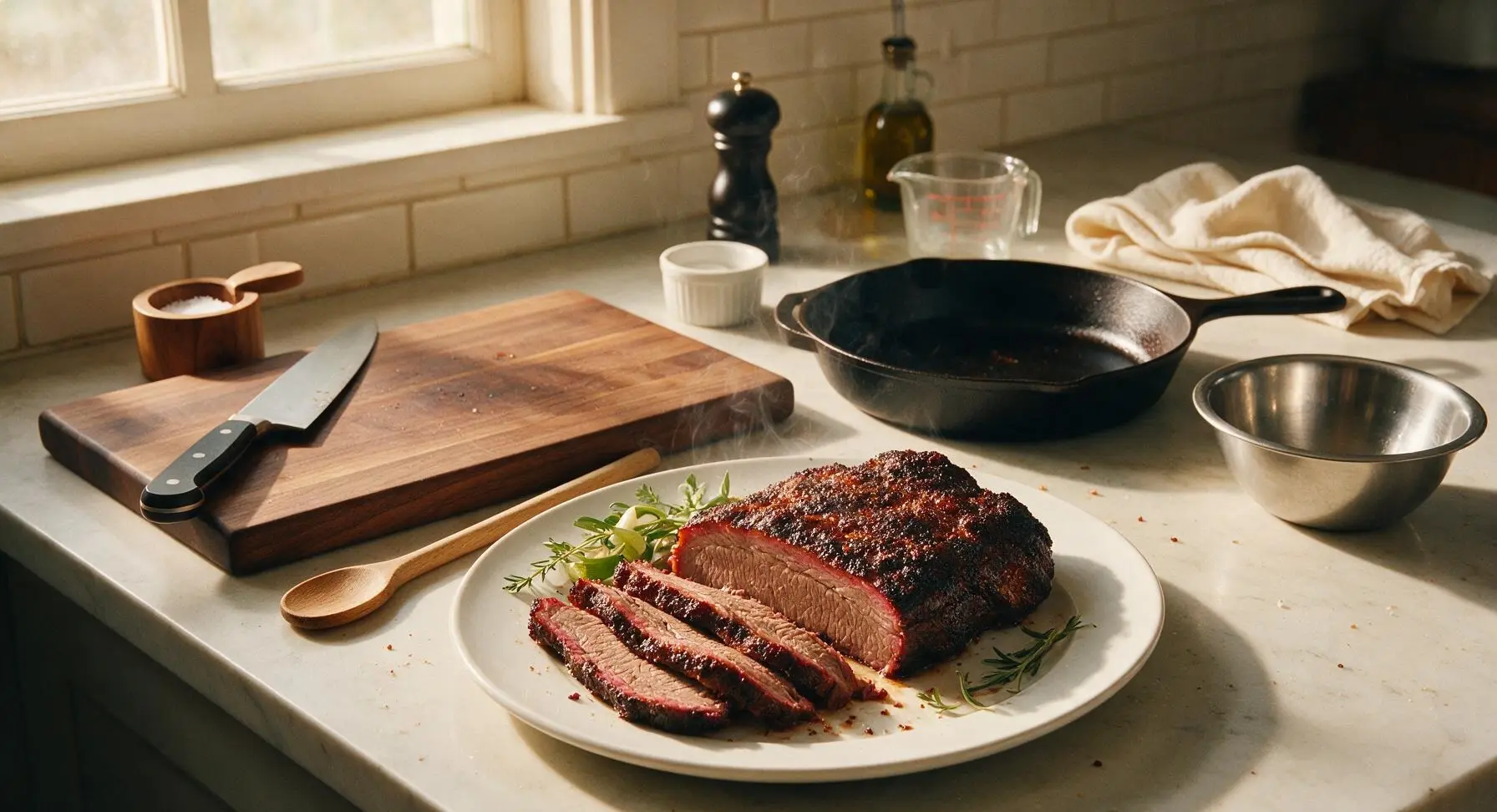
Great Brisket

title 1
Great Brisket
⏱️ cook time 8 hours 30 minutes
🍽️ servings 8
⚡ Difficulty medium

intro

Slow-smoked Texas-style brisket with a crackling mahogany bark, tender juicy interior, and subtle pink smoke ring, ideal for feeding a crowd at warm summer gatherings.

Ingredients
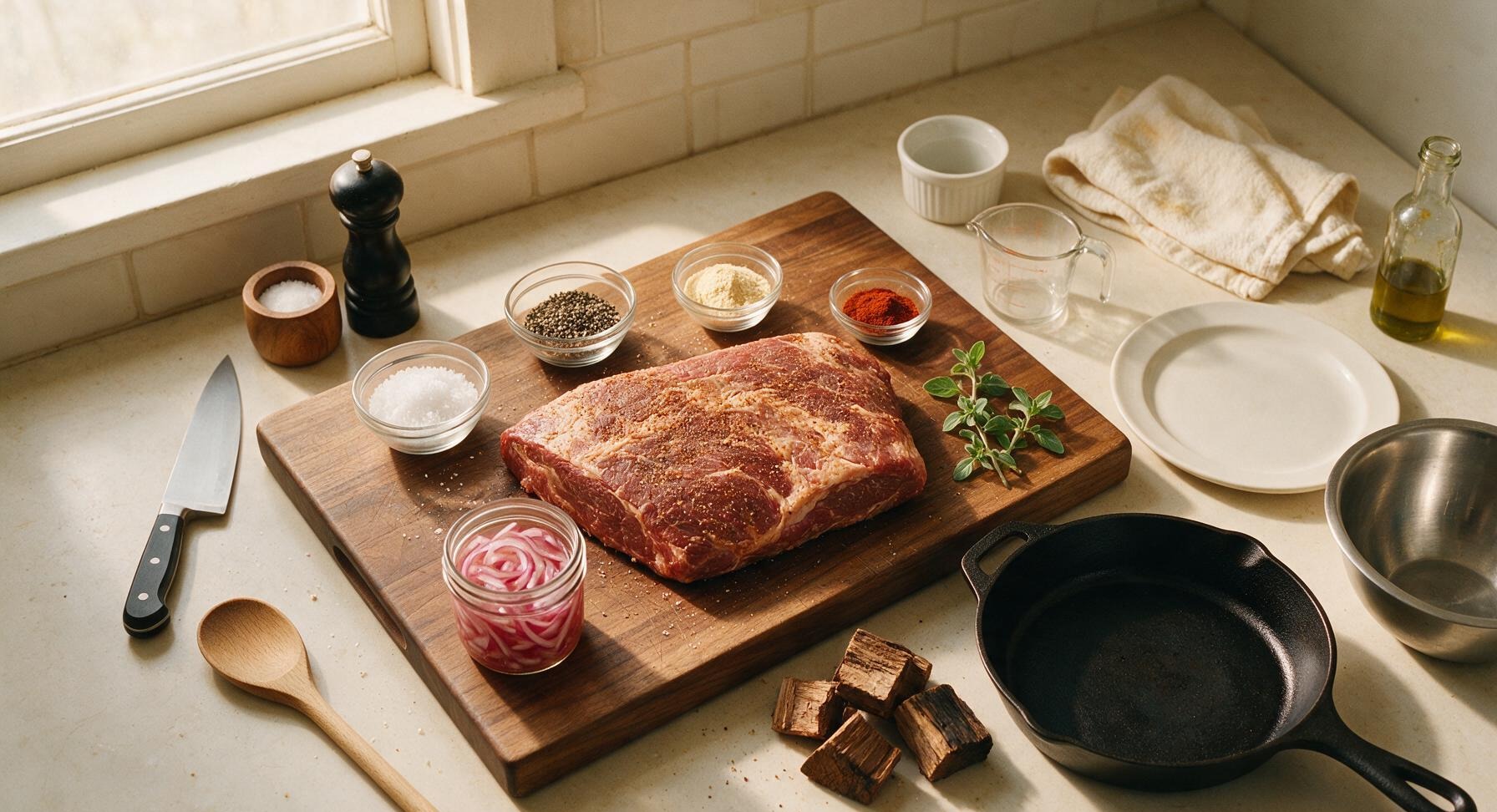
Beef brisket (point end) 2.7kg (6lb)
Coarse kosher salt 3 tbsp
Freshly cracked black pepper 3 tbsp
Garlic powder 1 tbsp
Smoked paprika 1 tsp
Hickory wood chunks 4 chunks (100g each)
Pickled red onions (garnish) 1/2 cup
Fresh oregano sprigs (garnish) 3 sprigs

Steps

1

Trim Brisket Fat Cap

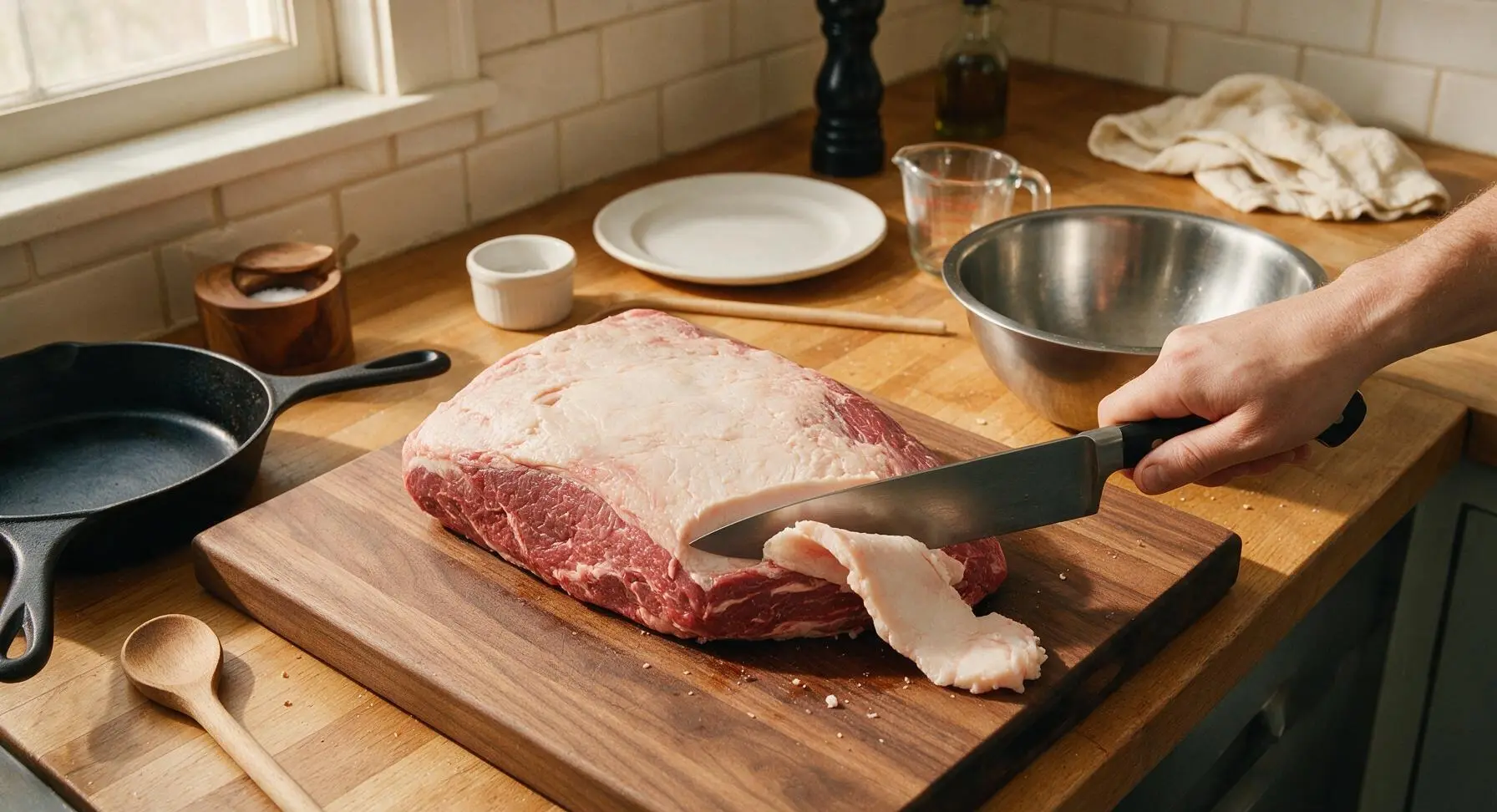
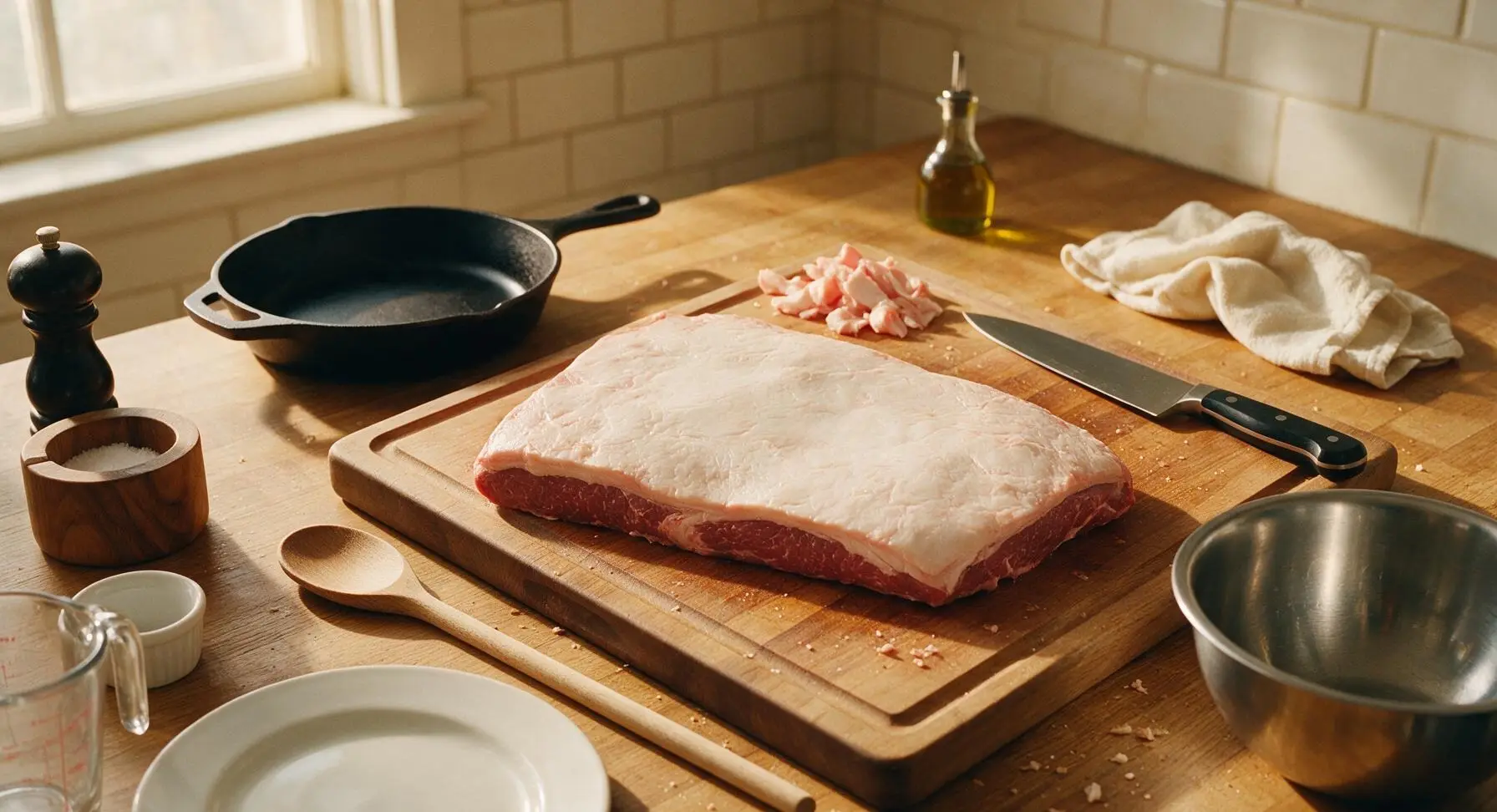
Place the raw brisket fat-side up on the maple cutting board. Use the 8-inch chef knife to trim the thick fat cap down to an even 1/4-inch thickness across the entire surface. Remove all hard, waxy fat deposits and silver skin from the meat side of the brisket, as these will not render during cooking. Round off any sharp, thin edges of the brisket to prevent burning during the long smoke. The finished trimmed brisket should have a smooth, even surface across both sides.
Step 1
step1:Trim Brisket Fat Cap
Step 1
step1:Trim Brisket Fat Cap
2

Mix Spice Dry Rub

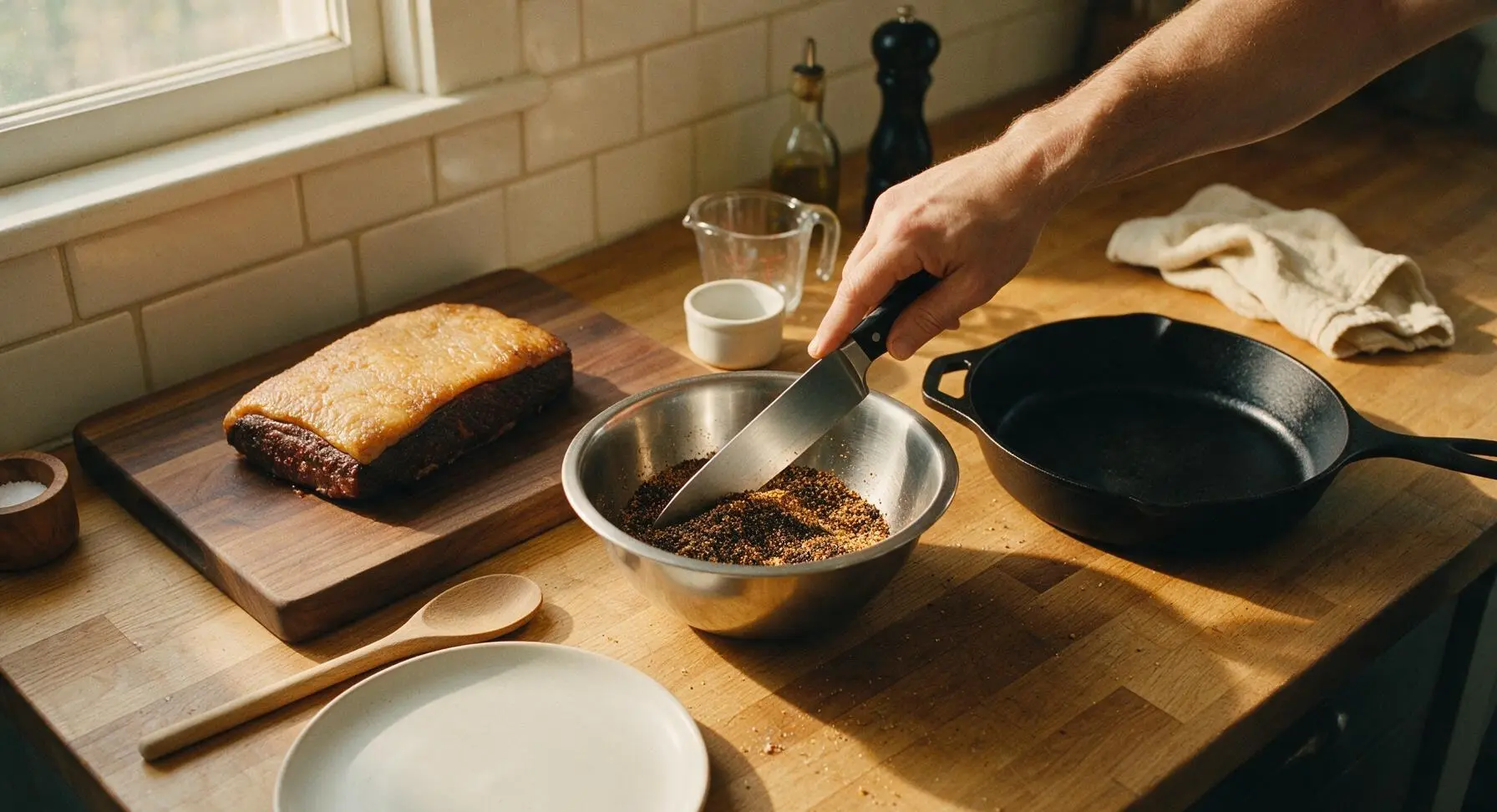
Add the measured kosher salt, black pepper, garlic powder, and smoked paprika to the medium stainless steel mixing bowl. Stir with the tip of the chef knife for 30 seconds until all spices are evenly combined, with no clumps of paprika or garlic powder remaining. Set the bowl next to the cutting board for application.
Step 2
step2:Mix Spice Dry Rub
3

Coat Brisket With Rub

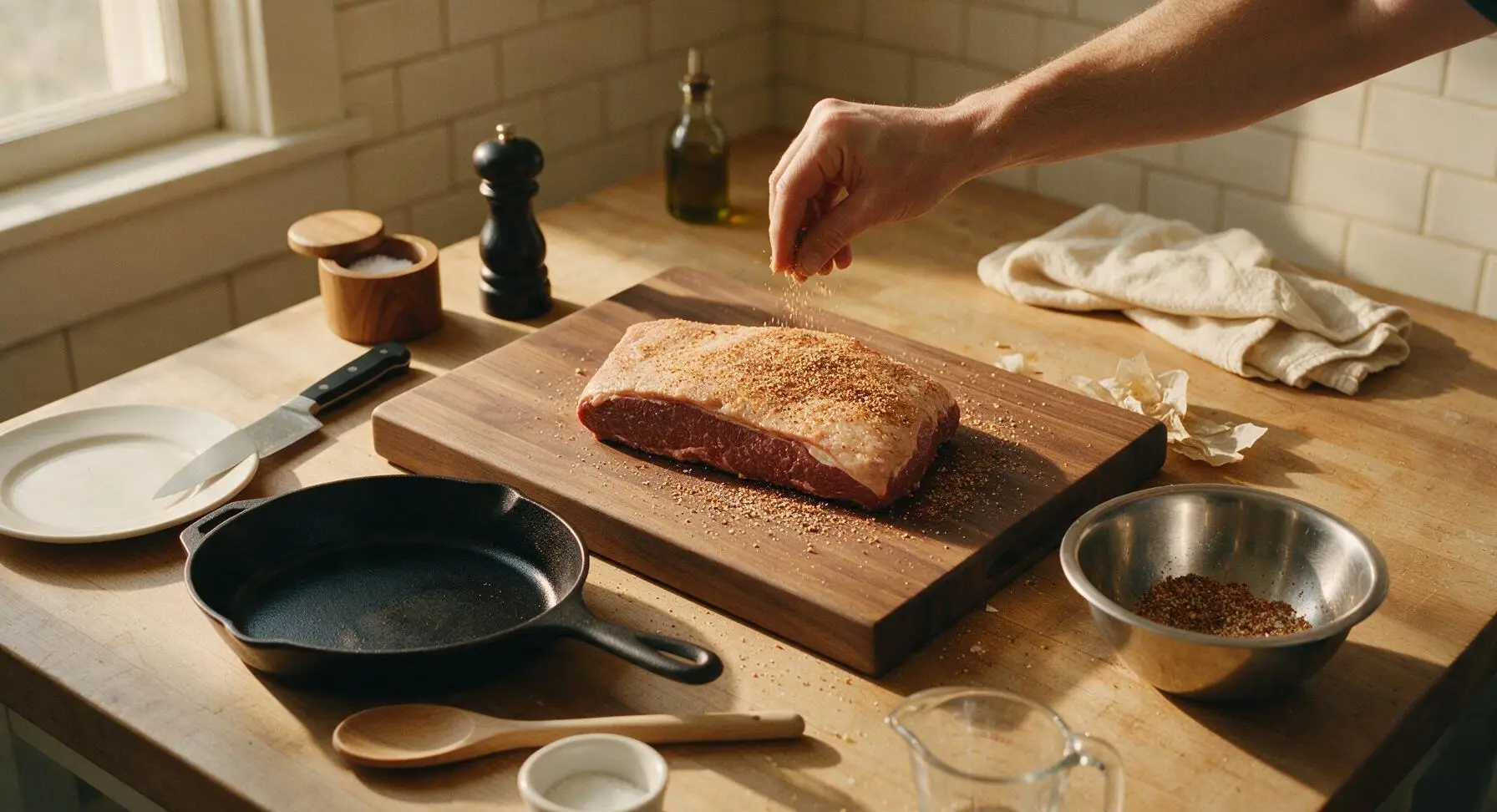
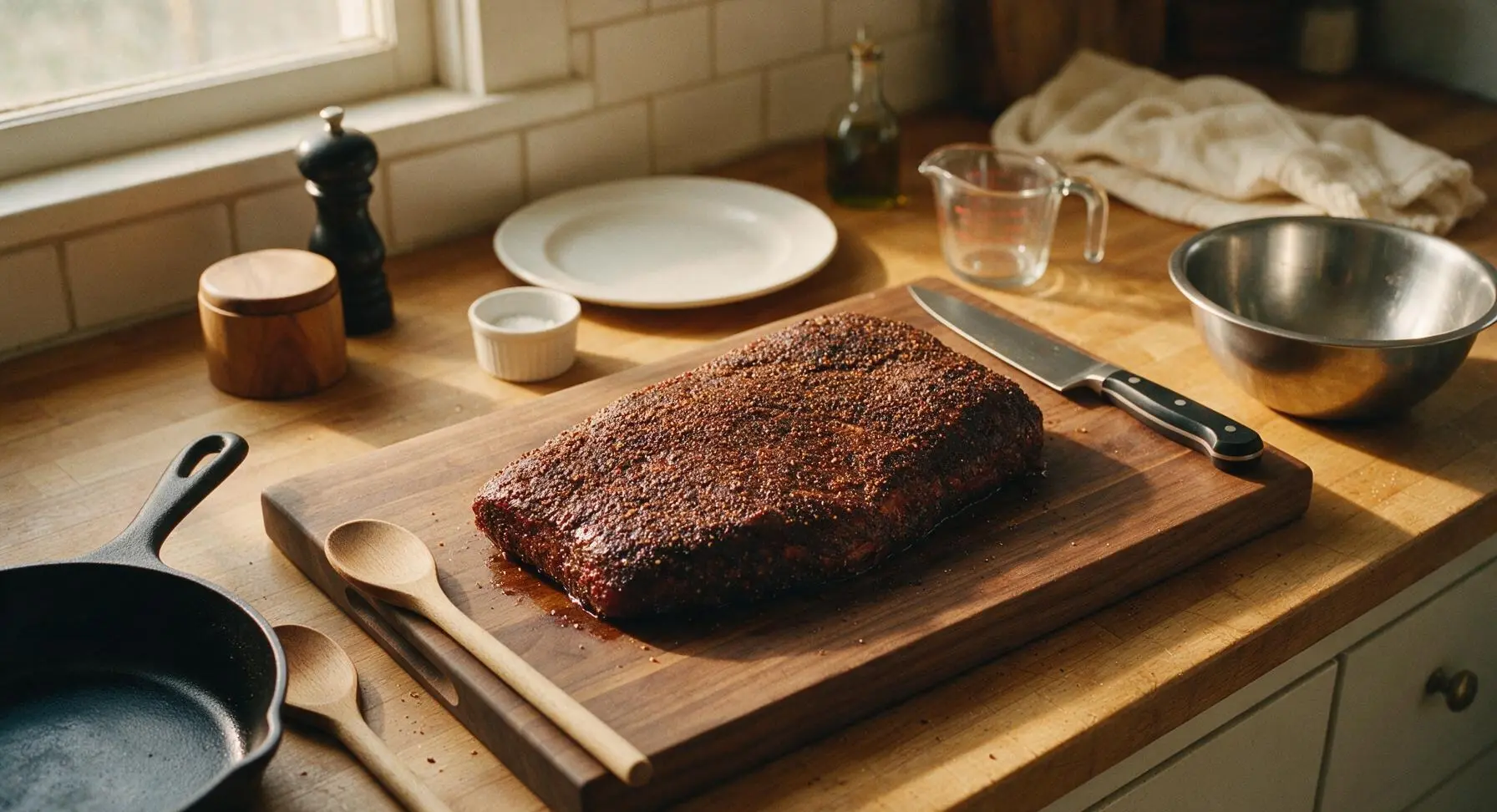
Pat the entire surface of the trimmed brisket dry with a few sheets pulled from the cream paper napkin stack to help the rub adhere. Sprinkle the spice mixture generously over every surface of the brisket — fat cap, meat side, and all edges — pressing gently with your palm to help the rub stick to the meat. Use every last bit of the rub, creating an even, dark coating across the entire brisket with no bare meat patches visible. Let the rubbed brisket rest at room temperature for 45 minutes while you preheat the smoker.
Step 3
step3:Coat Brisket With Rub
Step 3
step3:Coat Brisket With Rub
4

Preheat Smoker To Temp

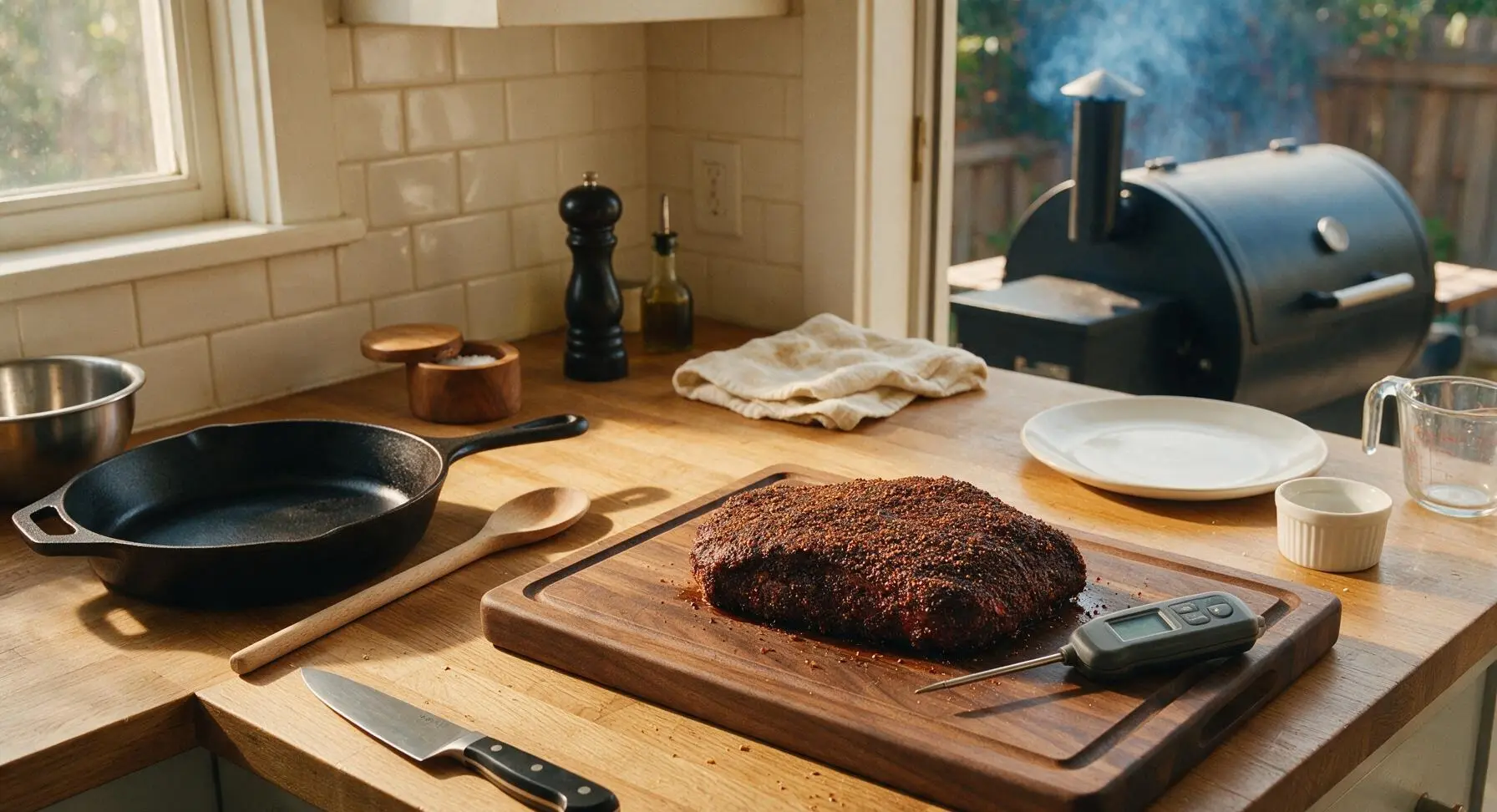
Load the offset smoker with hardwood lump charcoal, light it, and let it burn down to a steady internal temperature of 225°F (107°C). Add 2 hickory wood chunks to the coals once they are covered in a thin layer of gray ash, waiting until thin, wispy blue smoke flows from the smoker stack (thick white smoke will give the brisket a bitter, sooty flavor).
Step 4
step4:Preheat Smoker To Temp
5

Smoke Brisket Low Slow

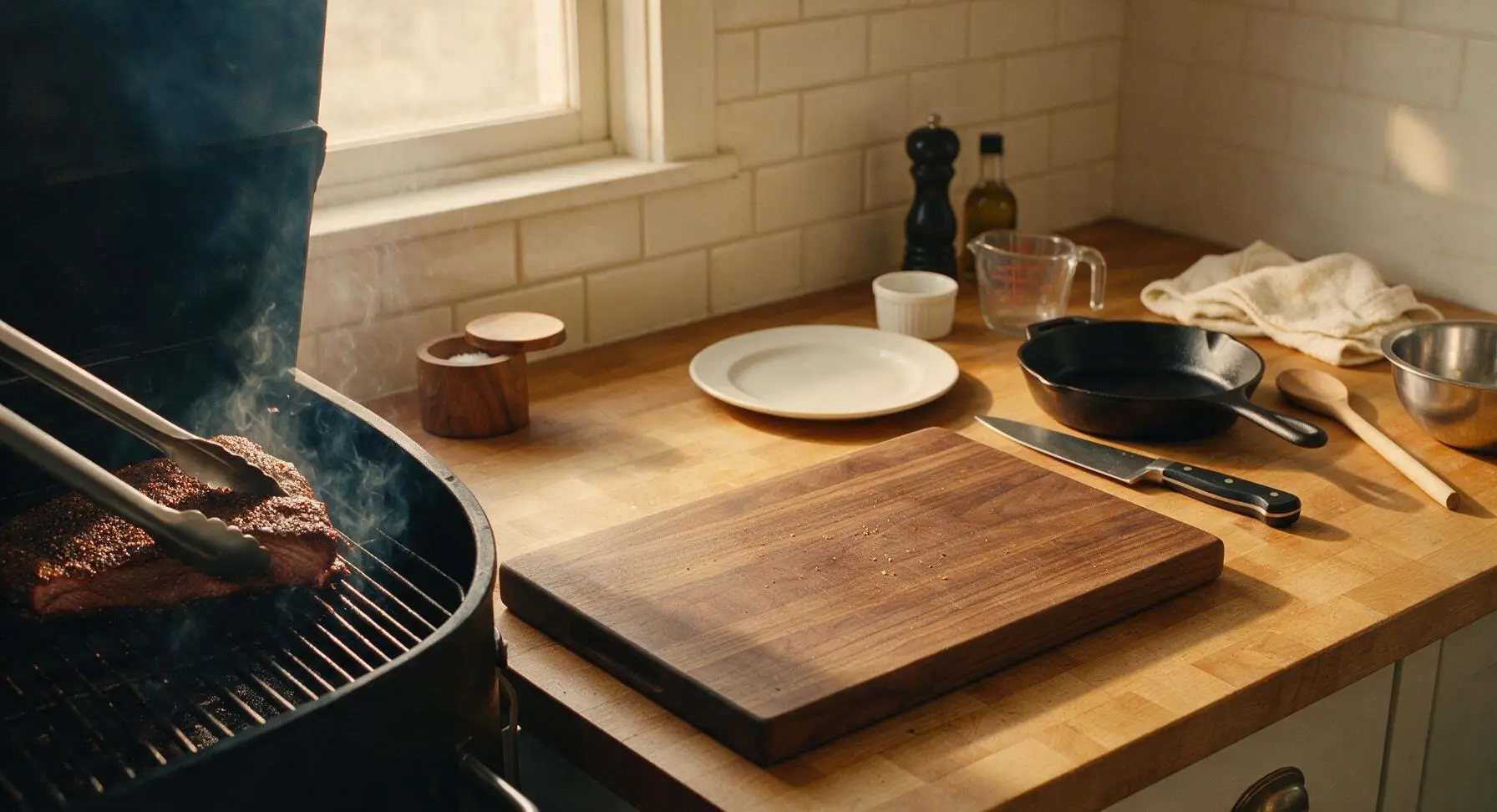
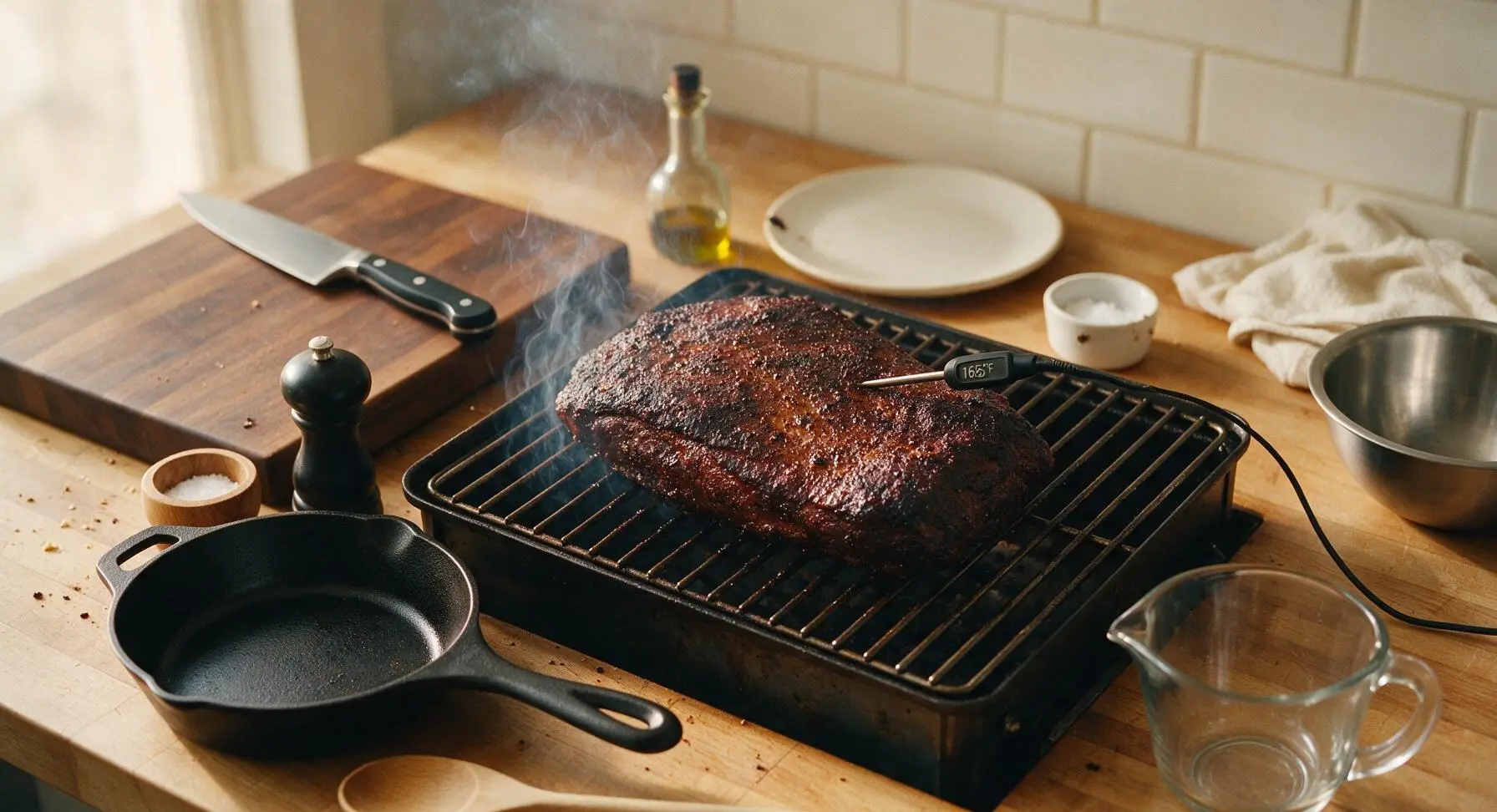
Use the long stainless steel tongs to place the rubbed brisket fat-side up on the smoker grate, positioned away from the direct heat source. Close the smoker lid and maintain a steady 225°F (107°C) temperature for 6 hours, adding additional hickory chunks as needed to maintain thin blue smoke, and avoiding unnecessary lid openings to prevent heat loss. The brisket is ready for wrapping when the internal temperature reaches 165°F (74°C) measured with the digital instant-read thermometer, and the exterior has formed a dark, firm mahogany bark.
Step 5
step5:Smoke Brisket Low Slow
Step 5
step5:Smoke Brisket Low Slow
6

Wrap Brisket In Foil

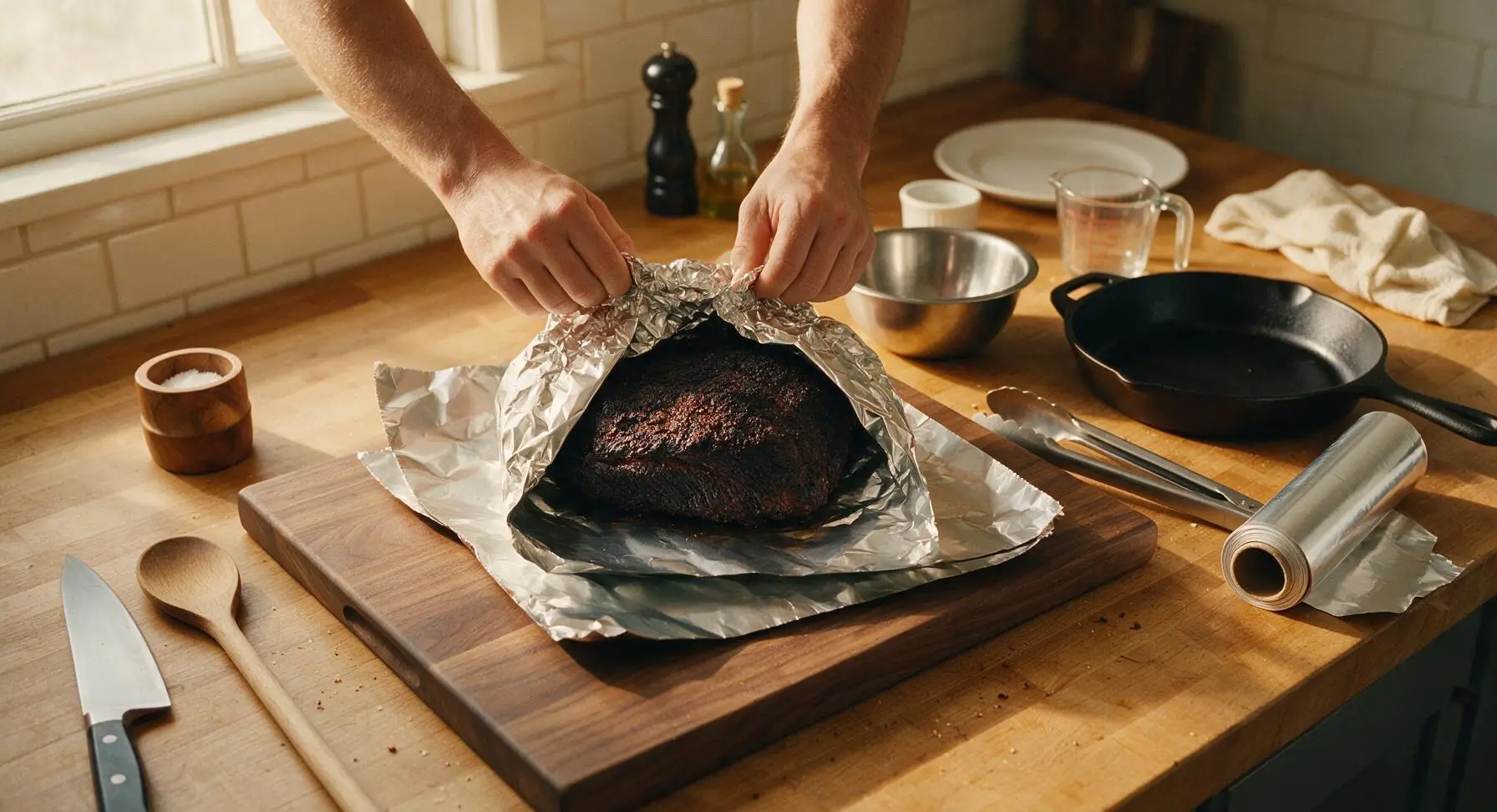
Pull the 165°F brisket from the smoker using the tongs, and place it on a double layer of heavy-duty aluminum foil pulled from the roll on the counter. Wrap the brisket tightly in the foil, crimping the edges to create a fully sealed packet that traps all steam and rendered juice inside. Return the foil-wrapped brisket to the smoker.
Step 6
step6:Wrap Brisket In Foil
7

Cook To Probe Tender

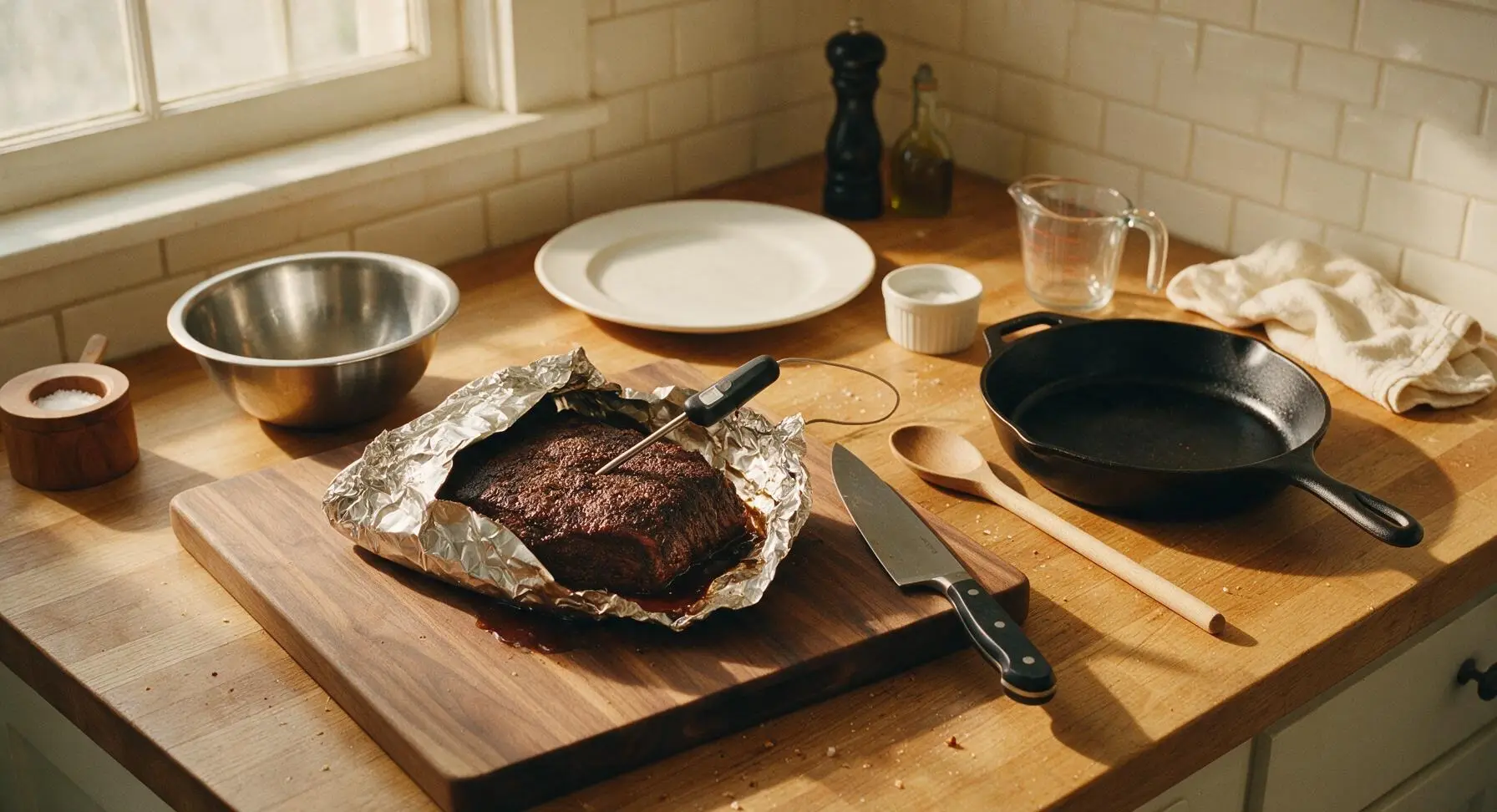
Continue cooking the foil-wrapped brisket at 225°F (107°C) for an additional 2 to 2.5 hours, until the internal temperature reaches 203°F (95°C) and the thermometer probe slides into the thickest part of the brisket with no resistance, like sliding a knife into soft room-temperature butter. Total cook time will be approximately 8 to 8.5 hours, depending on brisket thickness.
Step 7
step7:Cook To Probe Tender
8

Rest Brisket Before Slicing

Remove the foil-wrapped brisket from the smoker, and leave it fully wrapped in foil to rest at room temperature for 1 full hour. Resting allows the tight muscle fibers to relax and reabsorb all the juicy rendered liquid, preventing juice from running out when you slice the meat. Do not skip this step — it is the most critical step for juicy, non-dry brisket.
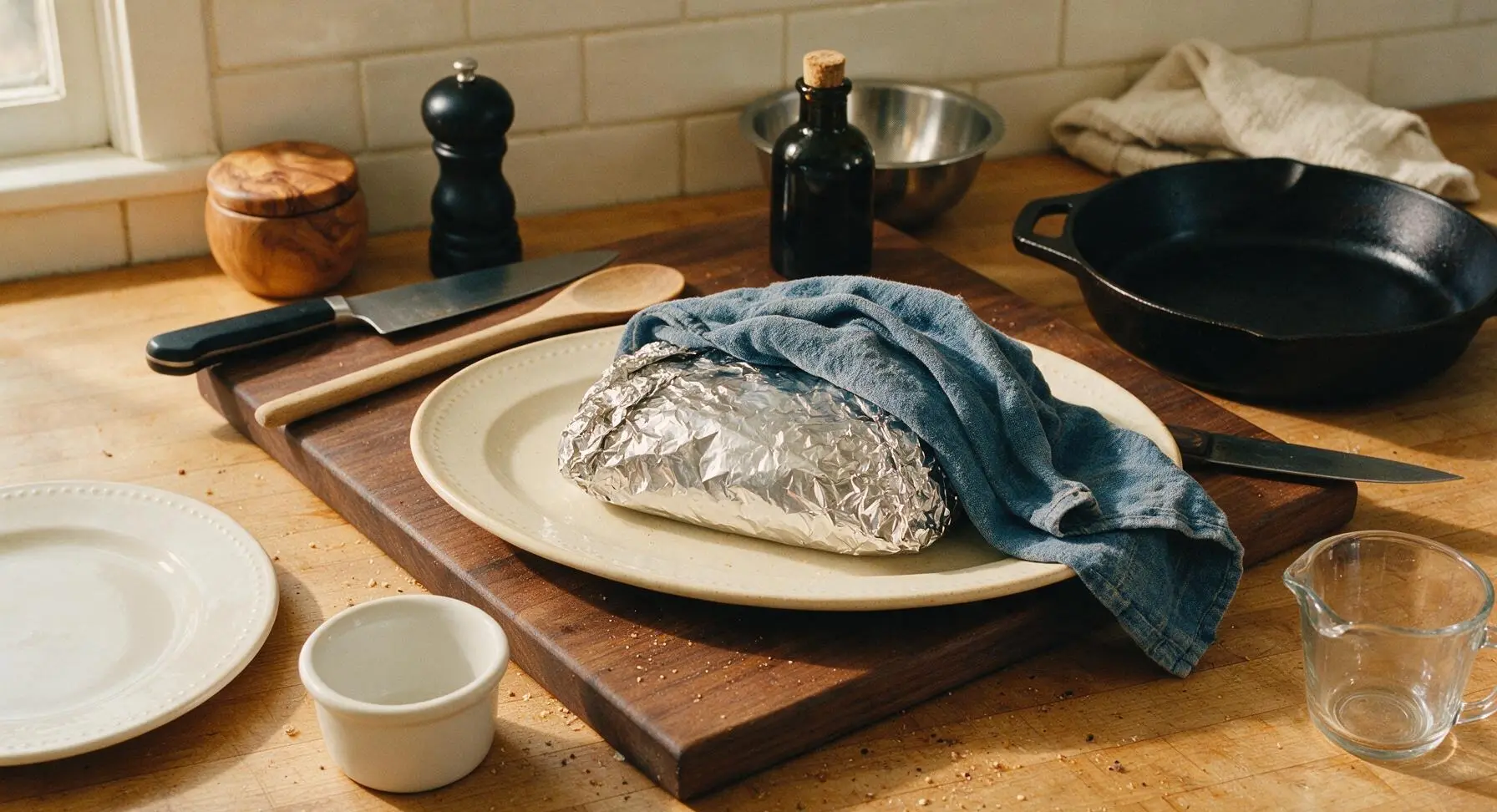
Step 8
step8:Rest Brisket Before Slicing
9

Slice Against The Grain

Unwrap the rested brisket, pouring any collected au jus from the foil packet onto the cream serving platter. Use the long cast iron brisket slicing knife to cut the brisket into 1/4-inch thick slices, cutting directly against the direction of the visible muscle grain to ensure tender, easy-to-chew pieces. Fan the slices out on the platter, top with pickled red onions and fresh oregano sprigs, and serve immediately.
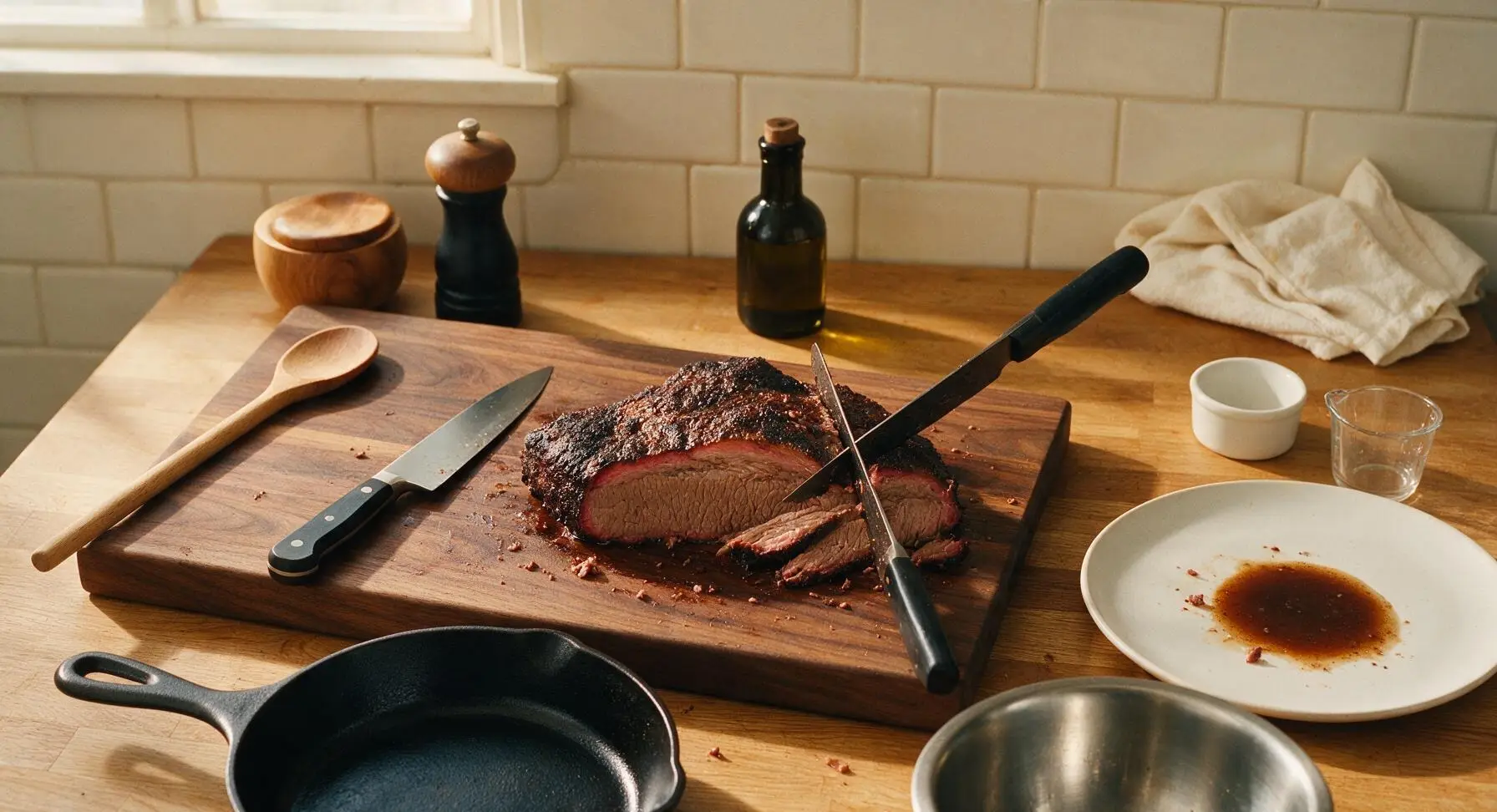
Step 9
step9:Slice Against The Grain

Tips

1.Trim the fat cap to exactly 1/4 inch thickness: any thicker and the fat will not fully render during cooking, leaving chewy, unappetizing waxy patches; any thinner and the meat will dry out during the long low-and-slow cook.
2.Wait for thin, wispy blue smoke before adding the brisket to the smoker: thick, billowing white smoke comes from incomplete wood combustion and will leave a bitter, sooty residue on the brisket bark that cannot be removed.
3.Never cut the resting time short: as brisket cooks, muscle fibers tighten and push moisture toward the center of the meat; a full 1-hour rest lets fibers relax and reabsorb that moisture, so every slice stays juicy instead of leaking all its liquid onto the plate.
✨ You May Also Like

BBQ & Grilling
🍜 United States

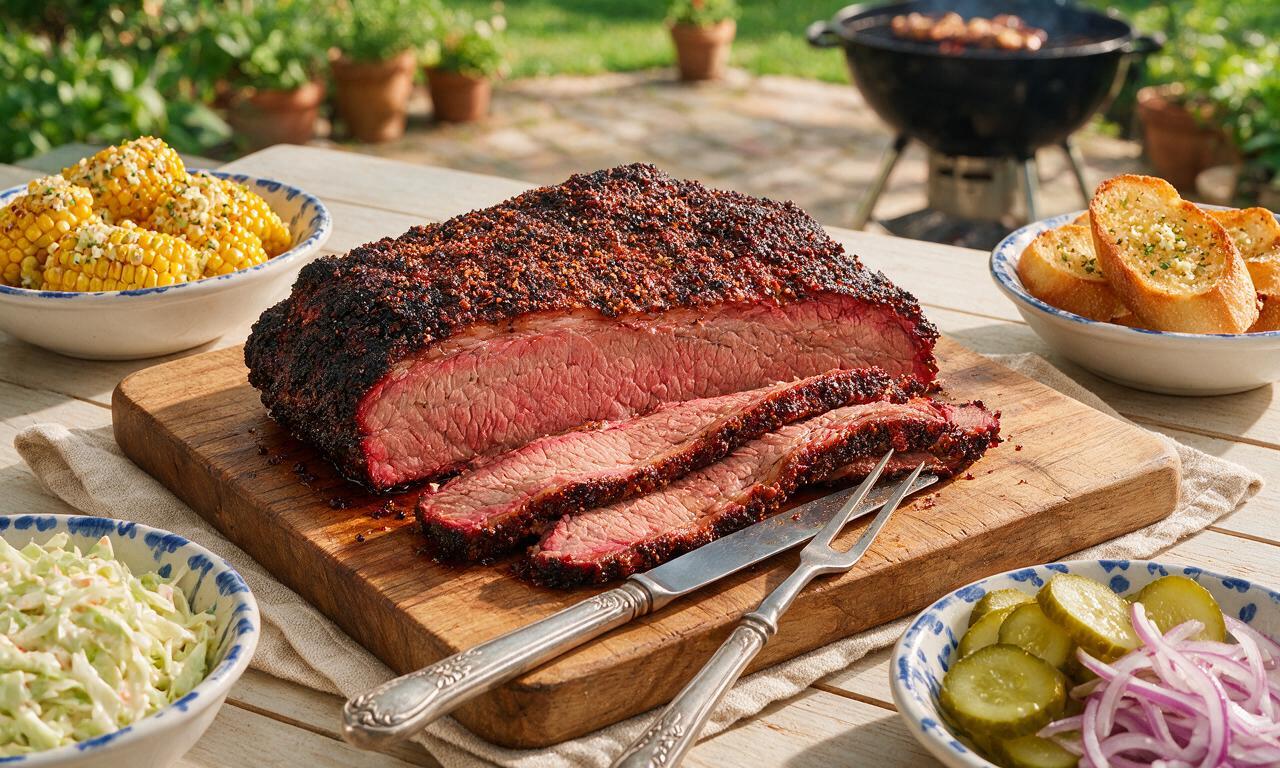
Tender, melt-in-your-mouth beef brisket with a crisp, spiced bark, slow-smoked to deep smoky perfection, the iconic centerpiece of Texas backyard barbecue.

⏱️ 12 hours BBQ & Grilling ★ 4.4
BBQ & Grilling
🍜 Korea

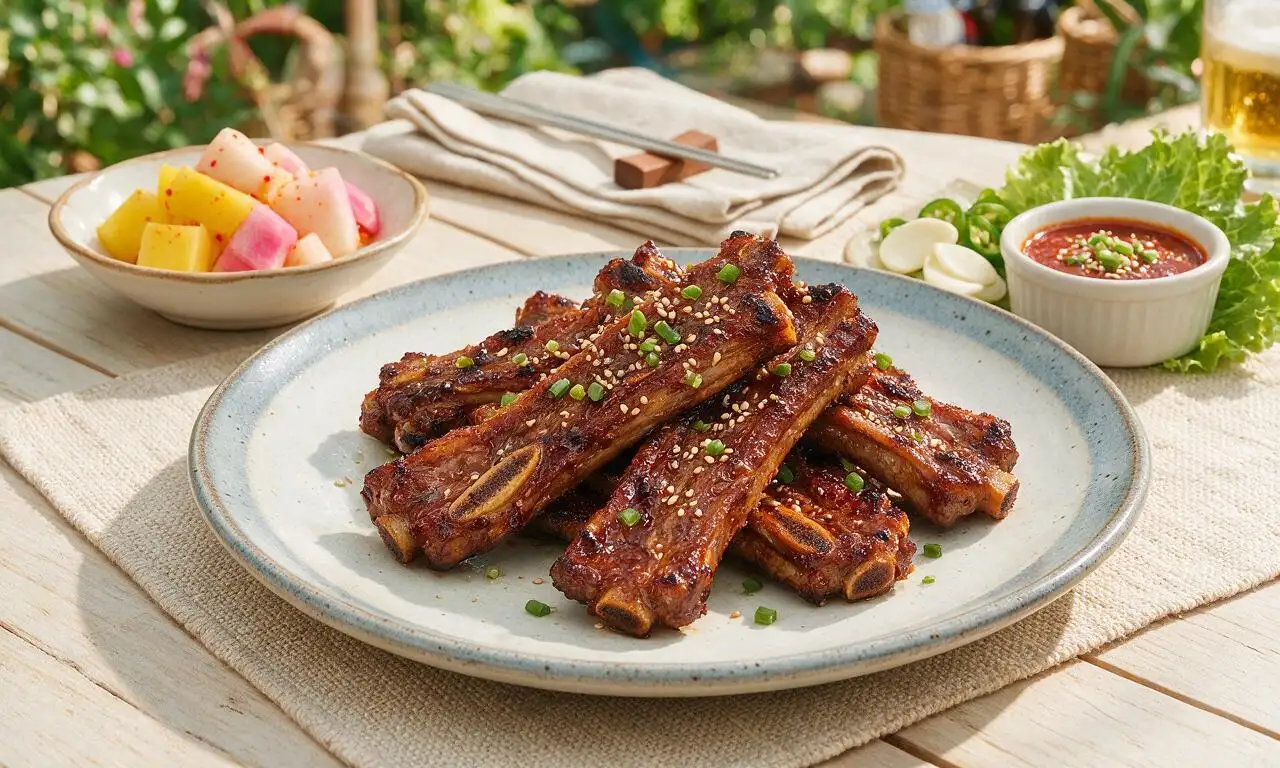
Tender, sweet-savory marinated beef short ribs, a beloved Korean BBQ staple with caramelized, slightly charred edges and deep umami flavor, perfect for outdoor summer gatherings.

⏱️ 4 hours 2BBQ & Grilling ★ 4.8
BBQ & Grilling
🍜 United States

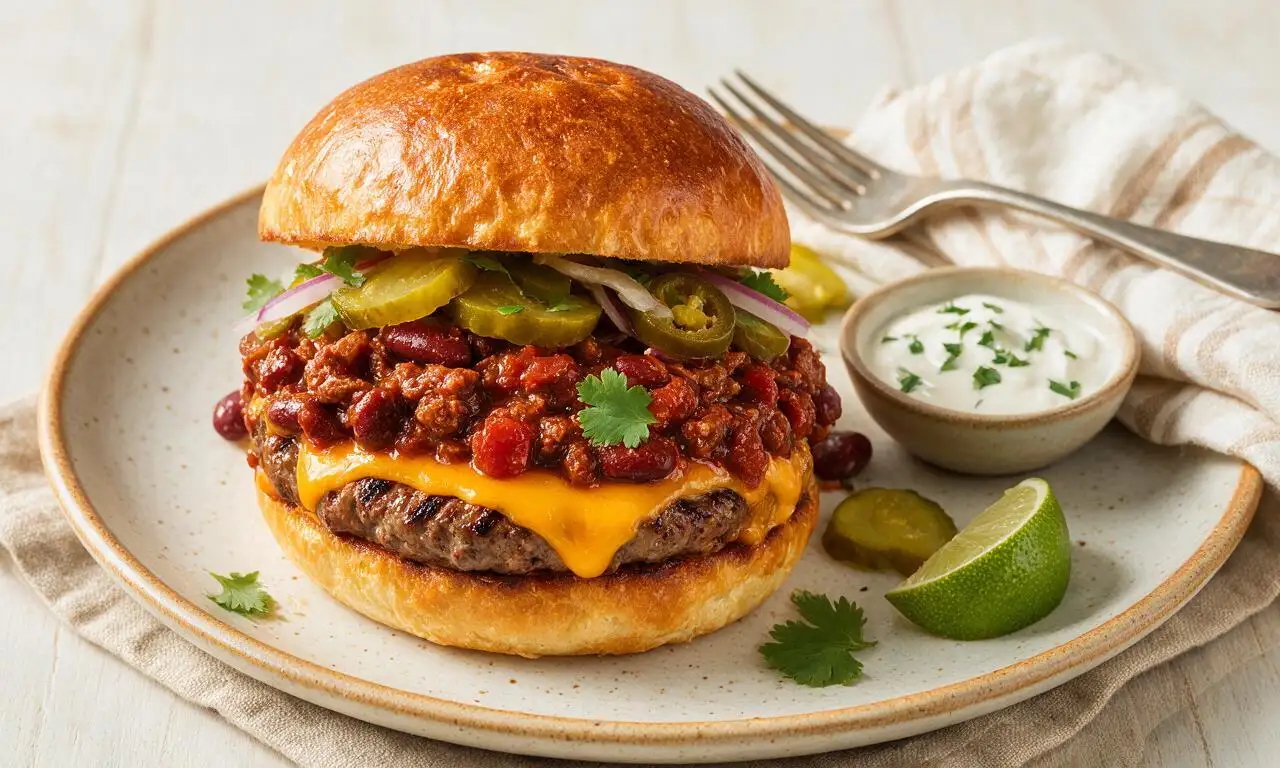
Juicy grilled beef patties topped with smoky homemade chili, melted cheddar, and tangy pickles on toasted brioche buns for a hearty, flavor-packed handheld meal.

⏱️ 40 minuteBBQ & Grilling ★ 4.7
BBQ & Grilling
🍜 United States

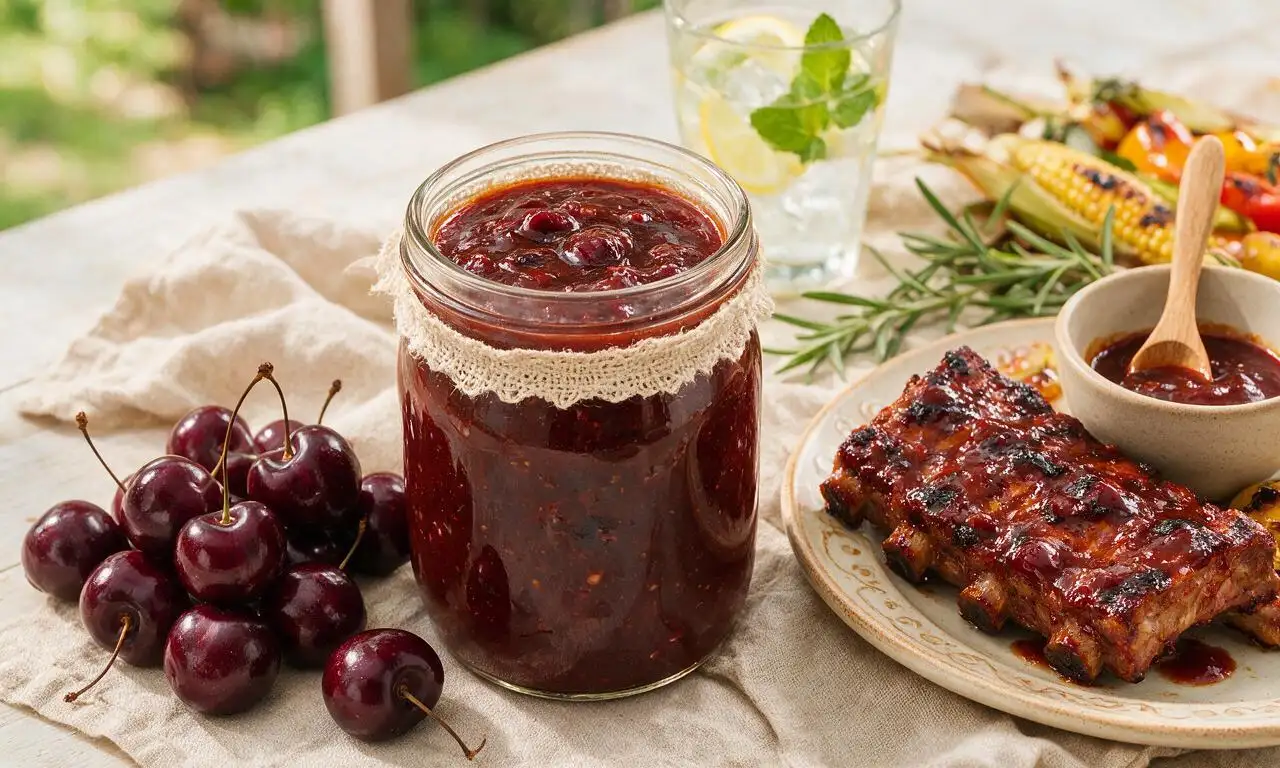
A sweet, smoky, tangy BBQ sauce brightened with peak-season dark cherries, ideal for glazing grilled ribs, chicken, pork, or summer roasted veggies.

⏱️ 35 minuteBBQ & Grilling ★ 4.7
BBQ & Grilling
🍜 United States

Rich, smoky, slightly sweet homemade bourbon BBQ sauce with deep caramel notes, ideal for glazing grilled ribs, chicken, and burgers at cookouts.

⏱️ 25 minuteBBQ & Grilling ★ 4.7
BBQ & Grilling
🍜 United States

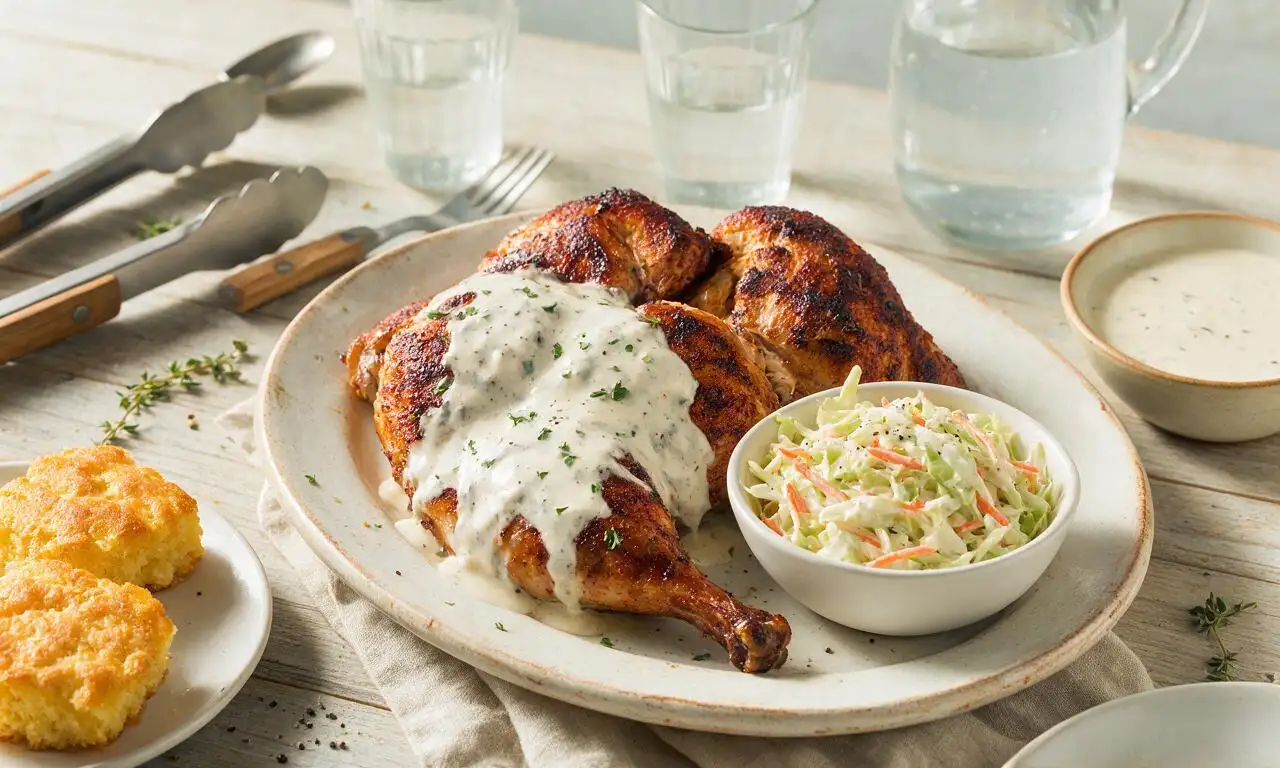
Iconic Alabama-style BBQ featuring tender hickory-smoked chicken slathered in tangy creamy white sauce, a beloved regional Southern cookout staple.

⏱️ 3 hoursBBQ & Grilling ★ 5

Great Brisket:Frequently Asked Questions

1.Why use point-end brisket instead of flat cut for this recipe? ▾
The point end has far more intramuscular marbling than the leaner flat cut, which renders slowly during the long low-temperature smoke to keep the meat juicy, tender, and packed with beefy flavor. It also develops a thicker, more crackling mahogany bark without drying out, which is the signature of classic Texas-style smoked brisket.
2.What’s the ideal rub ratio for this Texas smoked brisket? ▾
Stick to a simple, traditional ratio: 3 parts freshly cracked black pepper, 2 parts coarse kosher salt, 1 part garlic powder, and ½ part smoked paprika. This lets beef flavor shine instead of overpowering it, and the coarse seasoning grind builds that perfect crisp, flavorful bark as it smokes. For a 10-pound point, that’s roughly 6 tbsp pepper, 4 tbsp salt, 2 tbsp garlic powder, 1 tbsp paprika.
3.How far in advance should I apply the rub before smoking? ▾
You can apply the rub 1 to 2 hours before smoking if you’re short on time, letting the meat rest at room temp so salt draws out moisture that acts as a natural binder for the bark. For deeper flavor, apply the rub the night before, wrap the brisket tightly, and hold it in the fridge—just let it come back to room temp for 1 hour before smoking.
4.What type of wood gives the most authentic Texas brisket flavor? ▾
Post oak is the traditional Texas choice, delivering a mild, earthy, slightly sweet smoke that doesn’t overpower the beef. If you can’t find post oak, hickory is a solid backup, or a 70/30 mix of hickory and a touch of mesquite for extra boldness. Skip heavy sweet woods like apple or cherry, as they clash with the simple, beef-forward profile.
5.What smoker temperature should I maintain for the best results? ▾
Hold your smoker steady at 225°F for the entire cook for the most tender, even results. You can bump it to 250°F if you’re short on time, but anything higher will cause outer meat layers to seize up and turn tough before interior fat fully renders, leading to dry, chewy brisket instead of the juicy texture you want.
6.How do I get that iconic pink smoke ring under the bark? ▾
That signature pink ring forms when nitric oxide from smoldering wood reacts with myoglobin in the beef early in the cook. To get it, use clean, smoldering (not flaming) wood, keep smoker temps low for the first 3 hours, and avoid wrapping until the internal temp hits 165°F so smoke can reach the meat surface.
7.When is the right time to wrap the brisket during the cook? ▾
Wrap the brisket in uncoated butcher paper (not foil, if you want to keep bark crisp) when it hits an internal temp of 165°F. This is when the meat hits the “stall,” where evaporative cooling stops temp from rising for hours. Wrapping pushes it through the stall faster without drying the surface or turning bark soggy.
8.What internal temperature tells me the brisket is fully done? ▾
Don’t rely solely on a fixed temperature—start checking for doneness when internal temp hits 195°F. The brisket is ready when a meat probe slides into the thickest part with no resistance, like sticking a knife into soft butter, usually between 200°F and 205°F. If the probe hits tough resistance, keep cooking.
9.How long should I plan for a full point-end brisket to smoke? ▾
Plan for roughly 1 to 1.5 hours per pound at 225°F, so a 10-pound point end will take 10 to 15 hours total, including the rest period. Remember cook times vary based on smoker consistency, outdoor weather, and stall length, so always build in extra time instead of rushing the cook to meet a deadline.
10.Why is resting brisket so important, and how long should I rest it? ▾
Resting lets tight, cooked muscle fibers relax and reabsorb all the juicy rendered fat and moisture, so every bite is juicy instead of having liquid run out onto your cutting board when you slice. Hold the wrapped brisket in a dry, ice-free cooler for a minimum of 1 hour, and up to 4 hours, before slicing.
11.Do I need to spritz or mop the brisket while it smokes? ▾
Traditional Texas brisket doesn’t require spritzing, mopping, or added sauce during the cook, and this recipe sticks to that simple approach to build a thick, crisp bark. If you notice bark getting too dark or dry in the first 3 hours, you can spritz lightly with equal parts apple cider vinegar and water, but go easy to avoid soggy bark.
12.How thick should I slice finished brisket for the best texture? ▾
Slice against the grain in ¼-inch thick slices for the most tender bite. The point end has a slightly different grain direction than the attached flat, so rotate the meat as you slice to make sure you’re always cutting across, not with, muscle fibers. Thicker slices are chewy, while paper-thin slices fall apart.
13.Can I make this brisket on a regular charcoal grill if I don’t own a smoker? ▾
Absolutely! Set up your charcoal grill for indirect heat by piling lit coals on one side, placing a water pan under the cool side, and adding small wood chunks to the coals for smoke. Hold grill temp at 225°F, keep the brisket on the cool side away from direct coals, and follow the same cook, wrap, and rest steps.
14.What causes tough, chewy brisket, and how do I avoid it? ▾
Tough brisket almost always stems from one of three issues: cooking at too high a temperature, pulling it off the smoker before connective tissue and fat fully render, or slicing it with the grain instead of against it. Stick to low steady heat, cook until probe-tender, rest properly, and slice across the grain for perfect results.
15.Why is my bark soft and soggy instead of crisp and crackling? ▾
Soggy bark usually happens if you wrap the brisket too early in foil (which traps excess steam), apply too much spritz or mop during the cook, or use fine-grained seasoning that dissolves instead of crisping. Stick to coarse kosher salt and cracked pepper, wrap in butcher paper at 165°F, and go light on spritzing for crisp bark.
16.Should I trim the fat cap on the point end before applying rub? ▾
Trim the thick fat cap down to a uniform ¼-inch thickness before adding your rub. Any thicker, and the fat won’t fully render down, leaving chewy, unappetizing fat patches and preventing rub from sticking to form bark. You don’t need to trim all fat off—that thin ¼-inch layer will baste the meat as it smokes.
17.How do I store leftover brisket, and how long will it keep? ▾
Wrap leftover sliced brisket tightly in plastic wrap or vacuum seal it, and store it in the fridge for up to 4 days, or in the freezer for up to 3 months. To reheat without drying it out, wrap slices in foil with a splash of beef broth, and warm in a 250°F oven until heated through, about 15 to 20 minutes.
18.Do I need a binder like mustard or oil to get the rub to stick? ▾
You don’t need any mustard, oil, or other binder for this recipe. The coarse salt in the rub will draw out a small amount of natural moisture from the meat surface as it rests before cooking, which is more than enough to hold rub securely and help build thick, flavorful bark without adding extra off-flavors.
19.How do I adjust the cook if it’s rainy or windy outside? ▾
Wind and rain can drop your smoker temperature dramatically and extend cook time. Use a wind guard around your smoker if it’s breezy, keep the lid closed as much as possible to avoid temp swings, and add extra fuel as needed to hold a steady 225°F. Build in 2 to 3 extra hours of buffer time so you don’t serve late.
20.Should I serve this brisket with barbecue sauce, Texas-style? ▾
Traditional Texas brisket is served without heavy, sweet barbecue sauce to let the smoky beef and bark flavor take center stage. If you want sauce on the side, stick to a thin, tangy, vinegar-and-pepper based Texas-style mop sauce instead of thick, sweet Kansas City-style sauce, so it doesn’t overpower the meat.

Comments (5)

2 days ago

OMG y’all, this brisket was an absolute game changer for our Memorial Day cookout! I was so nervous to smoke my first brisket ever since everyone says it’s so easy to mess up, but following this recipe step by step gave me the juiciest, most perfectly barked brisket I’ve ever had. My husband and kids went back for thirds, and even my picky father in law said it was better than the stuff he gets at his favorite Texas BBQ joint. 10/10 will be making this for every family gathering from now on!

yesterday

Wait did you use oak or hickory for the smoke? I’m making this for a potluck next weekend and can’t decide which wood will taste more authentic!

2 hours ago

Great question! Traditional Texas brisket uses post oak, but hickory works beautifully if that’s what you have on hand – just stick to 4-6 hours of smoke time so it doesn’t turn bitter. Good luck with your potluck, I know it’ll be a hit!

3 days ago

Wow, 8.5 hours sounds like a long time but the hands off time is totally worth it! I made this Sunday for meal prep and it lasted us all week for sandwiches, tacos, and even brisket hash for breakfast. My only tiny note is that I wish the recipe mentioned how long to let it rest upfront – I almost skipped resting it because I was in a hurry, and remembered right at the end! Still turned out SO good though.

2 days ago

Thanks so much for the feedback, Liz! You’re totally right, resting is non-negotiable for juicy brisket – I’ve updated the recipe card to highlight the 1 hour rest time right at the top so no one misses it. So glad it worked out for your meal prep!

2 weeks ago

Tried this last weekend for my son’s high school graduation party and it was a smash hit! I was worried about the New York weather messing with my smoker temp, but the tip about keeping the water pan full to stabilize temps saved the day. Everyone was raving about the bark, and we had barely any leftovers even with 25 people showing up. Worth every minute of tending the smoker!

5 days ago

First time ever using my new smoker and I was terrified I’d ruin a $70 brisket, but this recipe was so easy to follow! I will say I had to add an extra 45 minutes of cook time because my smoker runs a little cool, but the temp guide in the recipe helped me check for doneness instead of just relying on the clock. Turned out amazing, my roommate is already begging me to make it again next month.

3 days ago

Oh good to know about the extra cook time! My smoker also runs 20-25 degrees low, so I’ll make sure to budget extra time when I make this for my camping trip next week. Congrats on nailing your first brisket!

1 week ago

I brought this brisket to my neighborhood block party last Saturday and people were literally coming up to me all night asking for the recipe! The rub ratio is perfect – not too salty, just enough pepper and garlic to let the smoky beef shine. I served it with pickles, white bread, and coleslaw just like the recipe suggested, and it felt like I brought a little piece of Texas to our Florida street. 100% recommend!

5 days ago

Did you wrap it in butcher paper or foil when it hit the stall? I’ve always used foil but I’ve heard butcher paper lets the bark stay crispier, curious what worked for you!

3 days ago

I used peach butcher paper per the recipe and the bark was perfect! No soggy spots at all, even after I held it in a cooler for 2 hours before serving. Definitely give it a try!