Hoe Cakes (Southern)

title 1
Hoe Cakes (Southern)
⏱️ cook time 15 minutes
🍽️ servings 4
⚡ Difficulty easy

intro

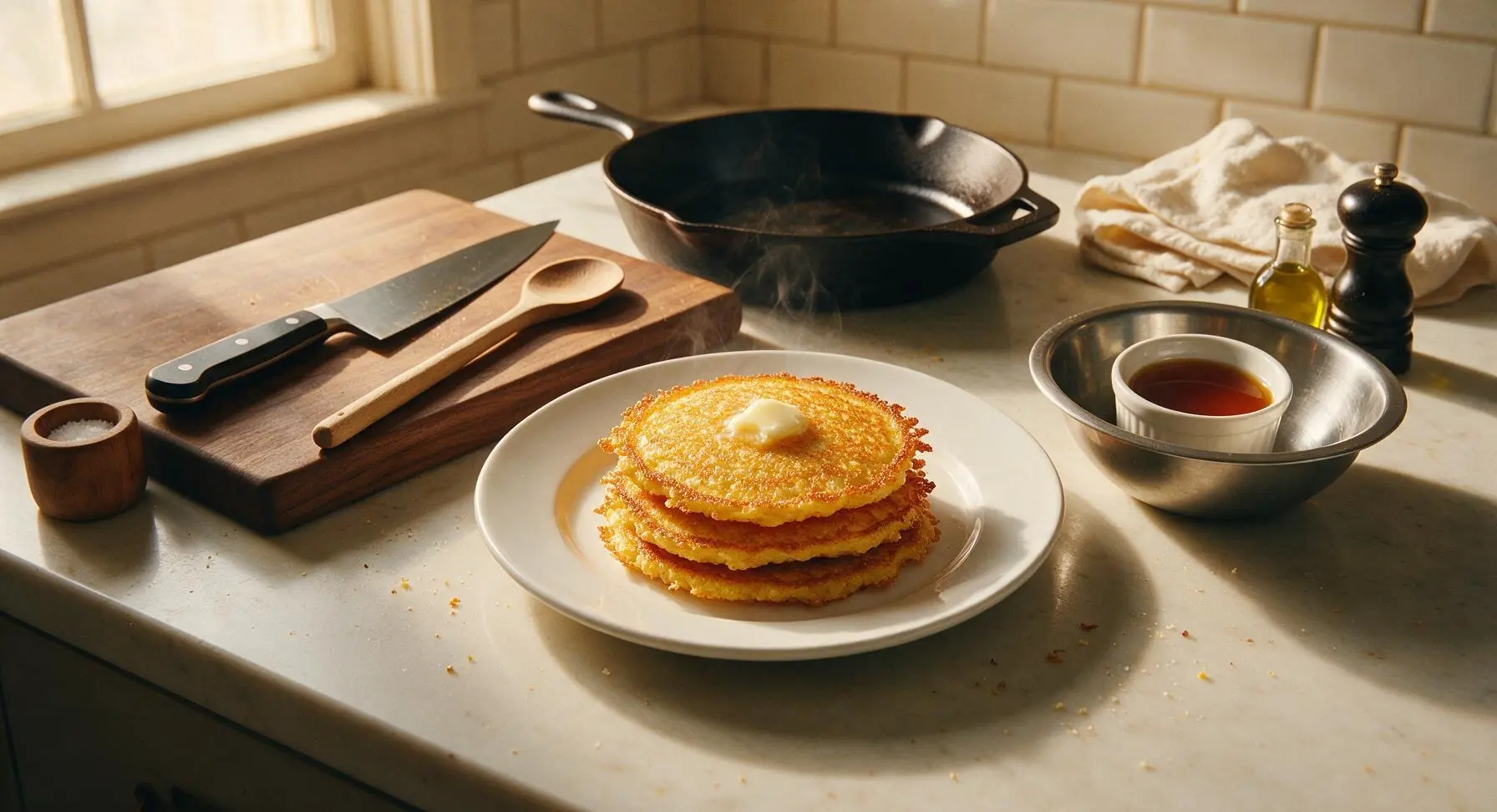
Crispy lacy-edged, tender cornmeal Southern hoe cakes—golden skillet-fried flatbreads perfect for sopping potlikker, slathered with butter, or drizzled with cane syrup.

Ingredients
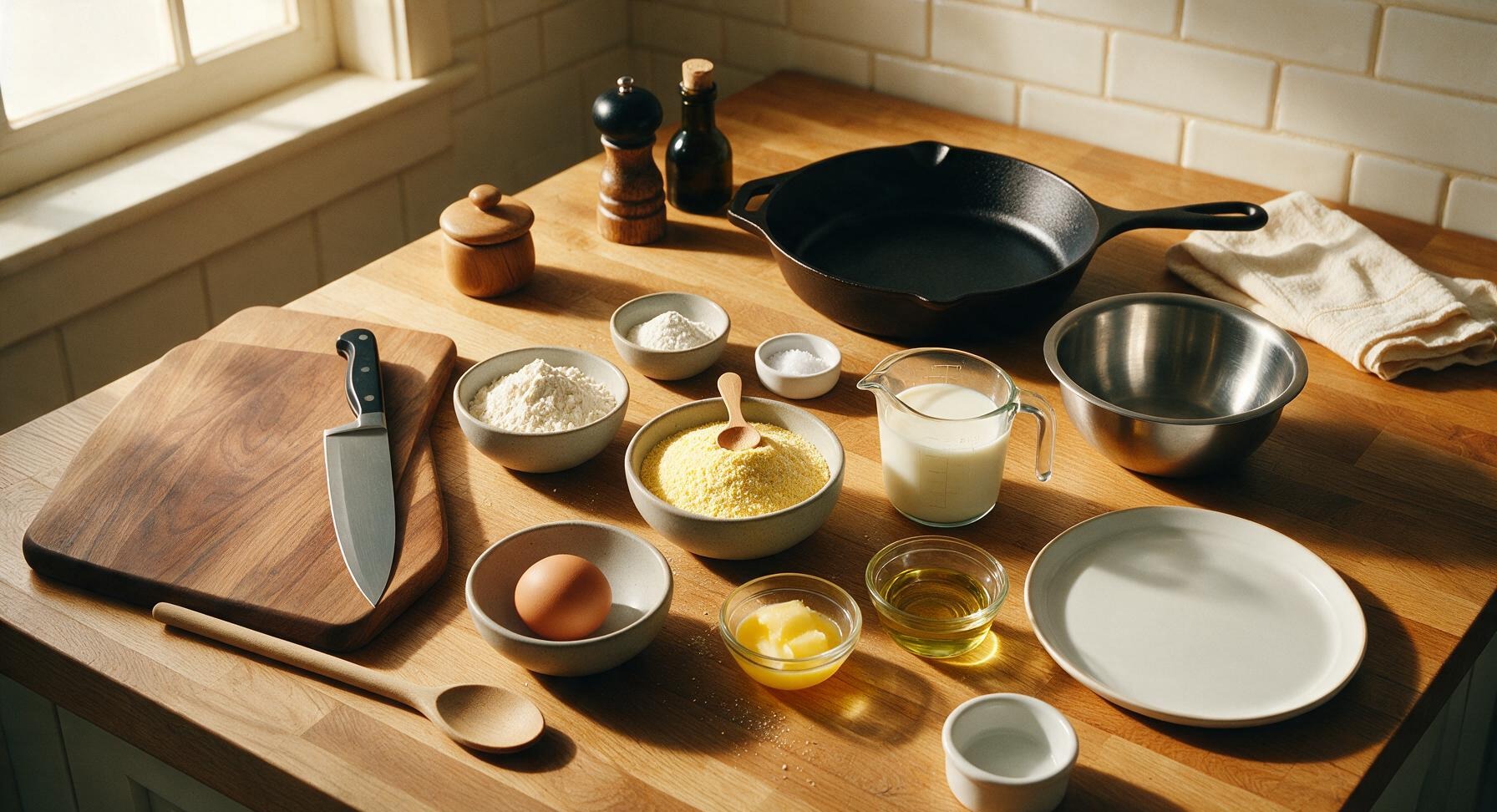
Fine yellow cornmeal 1 cup (140g)
All-purpose flour 1/2 cup (60g)
Baking powder 1 teaspoon
Fine sea salt 1/2 teaspoon
Whole buttermilk 1 cup (240ml)
Large egg 1 each
Melted unsalted butter 2 tablespoons (28g)
Neutral canola oil 3 tablespoons (for frying)

Steps

1

Whisk Dry Ingredients

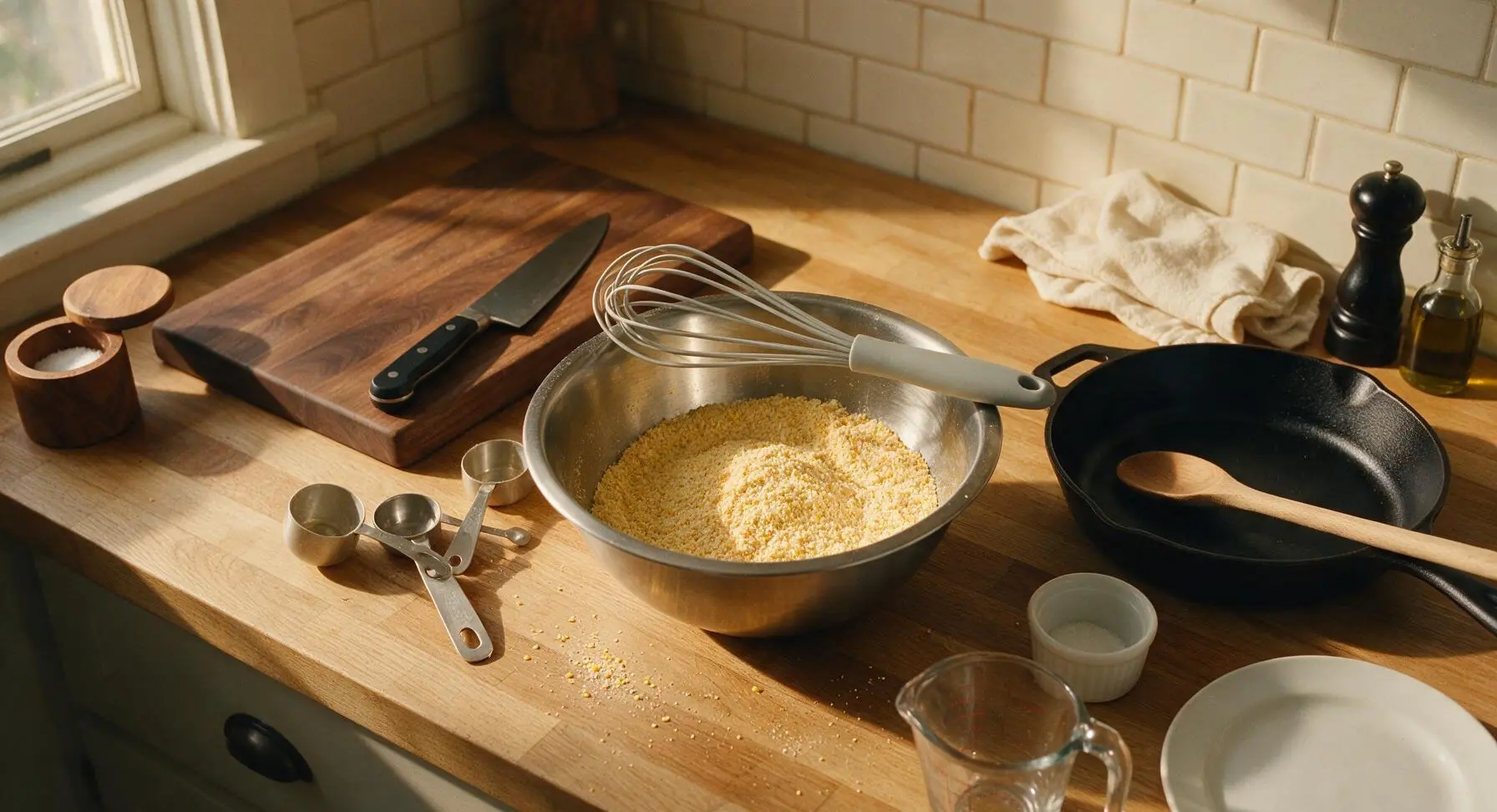
Place the medium stainless steel mixing bowl in the center of the counter. Add 1 cup fine yellow cornmeal, 1/2 cup all-purpose flour, 1 teaspoon baking powder, and 1/2 teaspoon fine sea salt to the bowl, measured with the dry measuring cups and measuring spoons. Use the light gray silicone whisk to stir the dry ingredients for 30 seconds until fully combined, with no clumps of baking powder visible. The finished dry mixture should be a uniform pale golden yellow.
Step 1
step1:Whisk Dry Ingredients
2

Combine Wet Ingredients

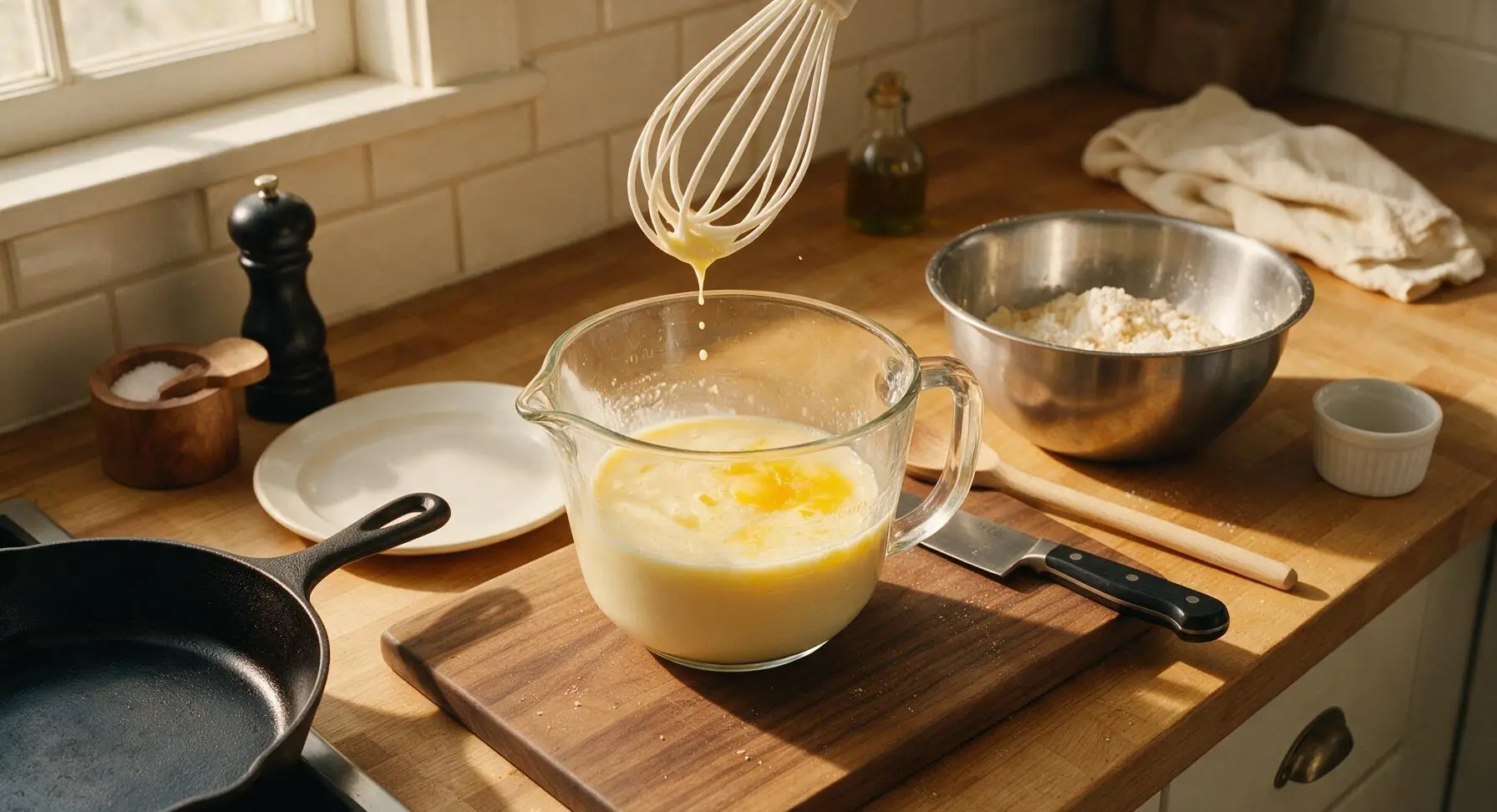
Crack the large egg into the clear glass liquid measuring cup holding 1 cup of whole buttermilk. Add 2 tablespoons of cooled, melted unsalted butter. Whisk gently with the silicone whisk for 20 seconds until the egg is fully beaten, and the mixture is smooth with no visible streaks of egg white.
Step 2
step2:Combine Wet Ingredients
3

Mix Rested Batter

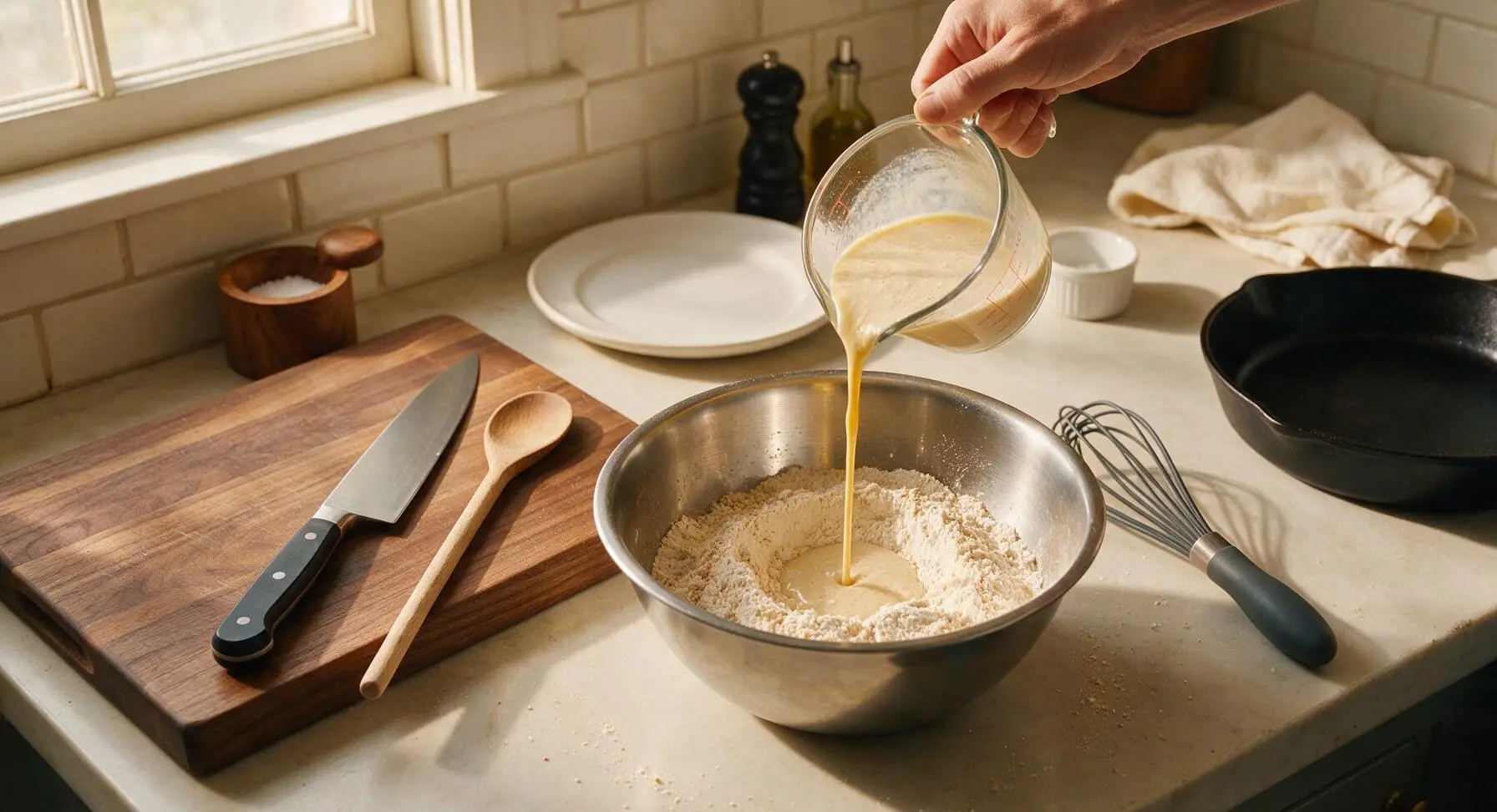
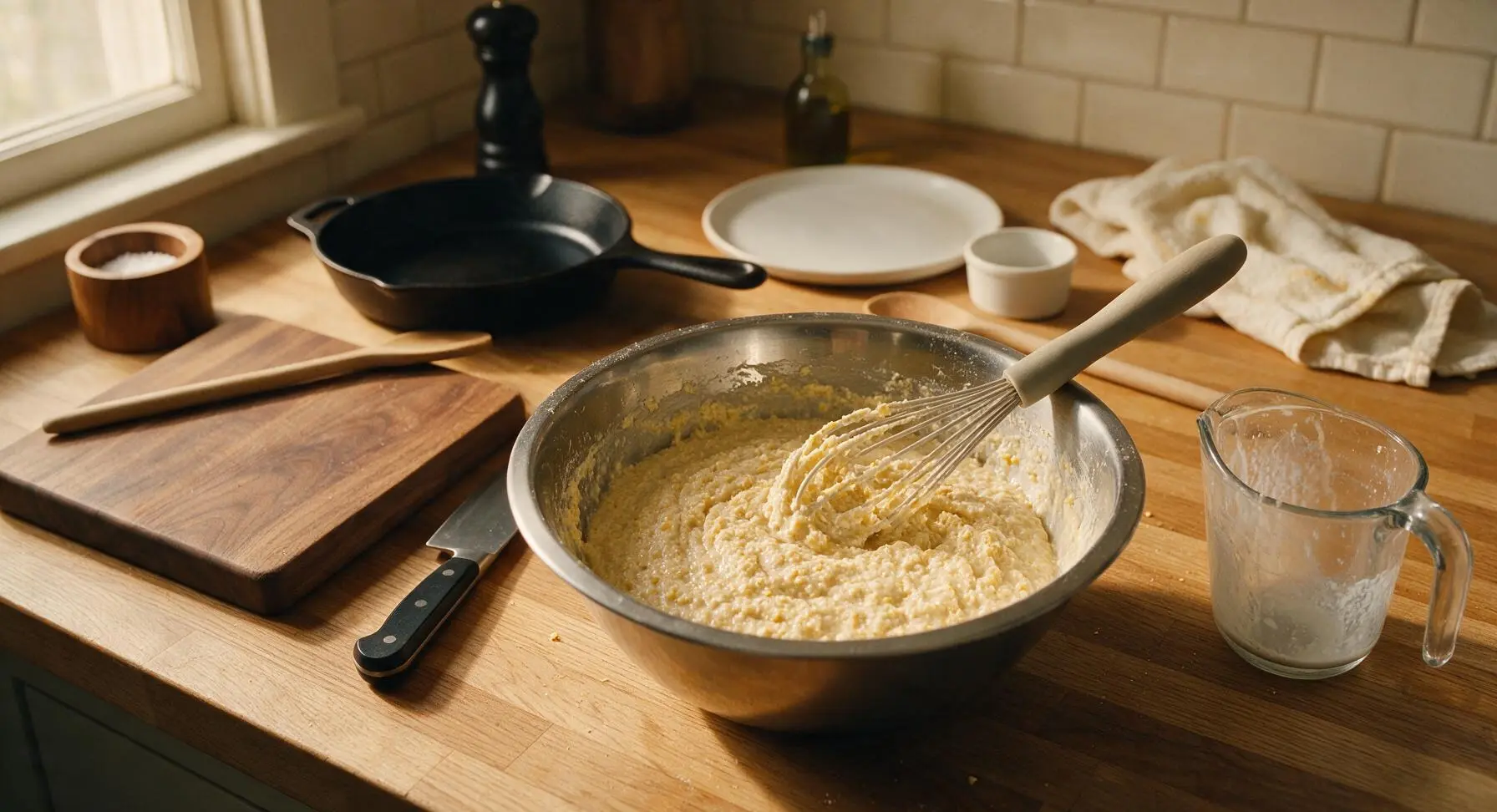
Pour the entire wet ingredient mixture into the mixing bowl with the dry ingredients. Use the silicone whisk to stir just until combined, about 15 seconds. Do not overmix: the batter should be slightly lumpy, with no large dry pockets remaining, and have the consistency of thick pancake batter. Overmixing develops gluten and will result in tough, dense hoe cakes. Let the batter rest for 5 minutes at room temperature to allow the cornmeal to hydrate; it will thicken slightly as it rests.
Step 3
step3:Mix Rested Batter
Step 3
step3:Mix Rested Batter
4

Preheat Cast Iron Skillet

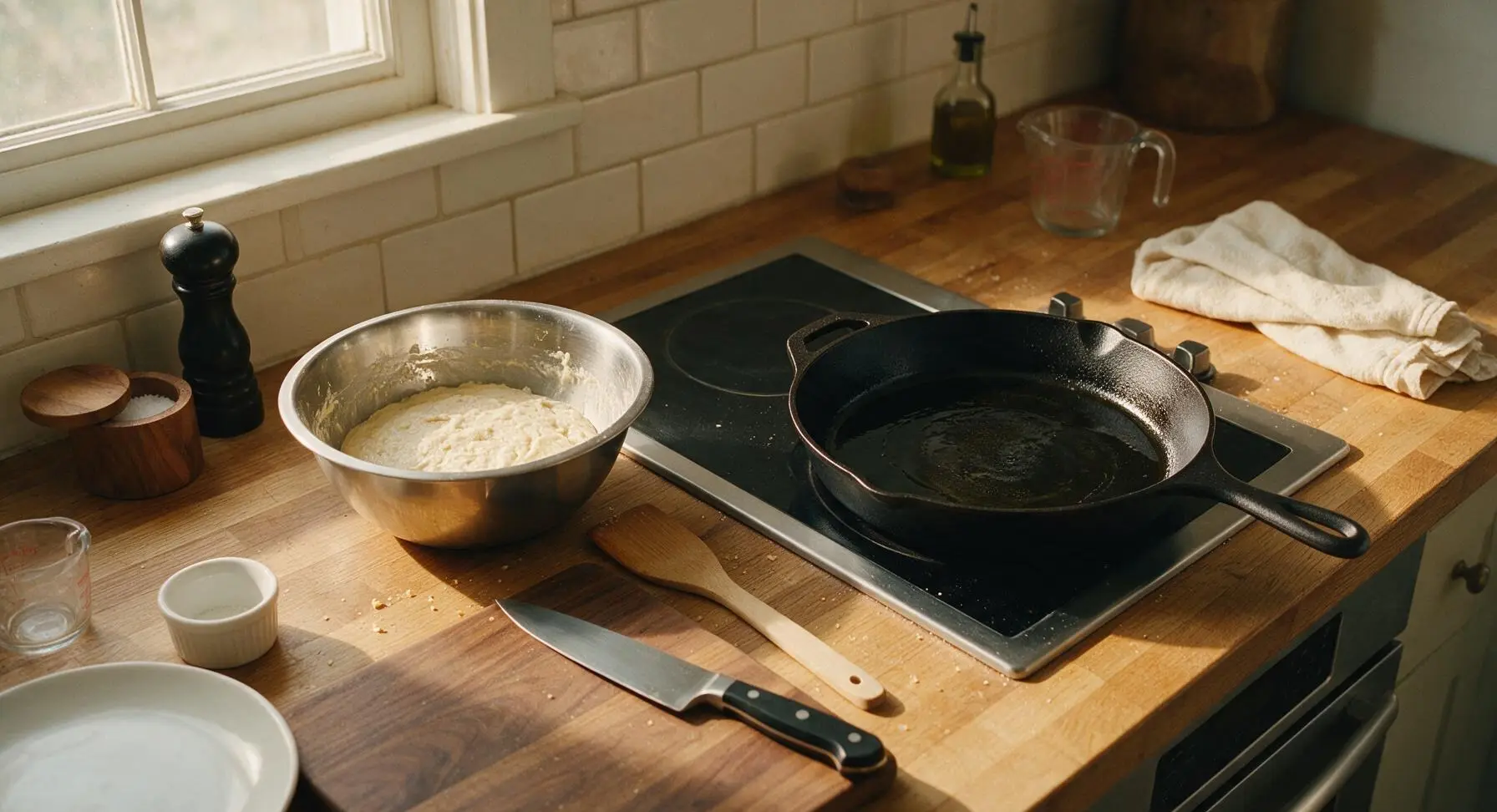
Retrieve the 12-inch matte black cast iron skillet from storage and place it on the right burner of the integrated cooktop. Add 1 tablespoon of canola oil to the skillet, and heat over medium heat for 3 minutes, until the oil shimmers across the pan surface. Test readiness by flicking a single drop of water into the pan: the water should skitter across the surface and evaporate in 2 seconds. If the oil smokes, reduce heat slightly and wait 1 minute before cooking.
Step 4
step4:Preheat Cast Iron Skillet
5

Portion Batter Into Pan

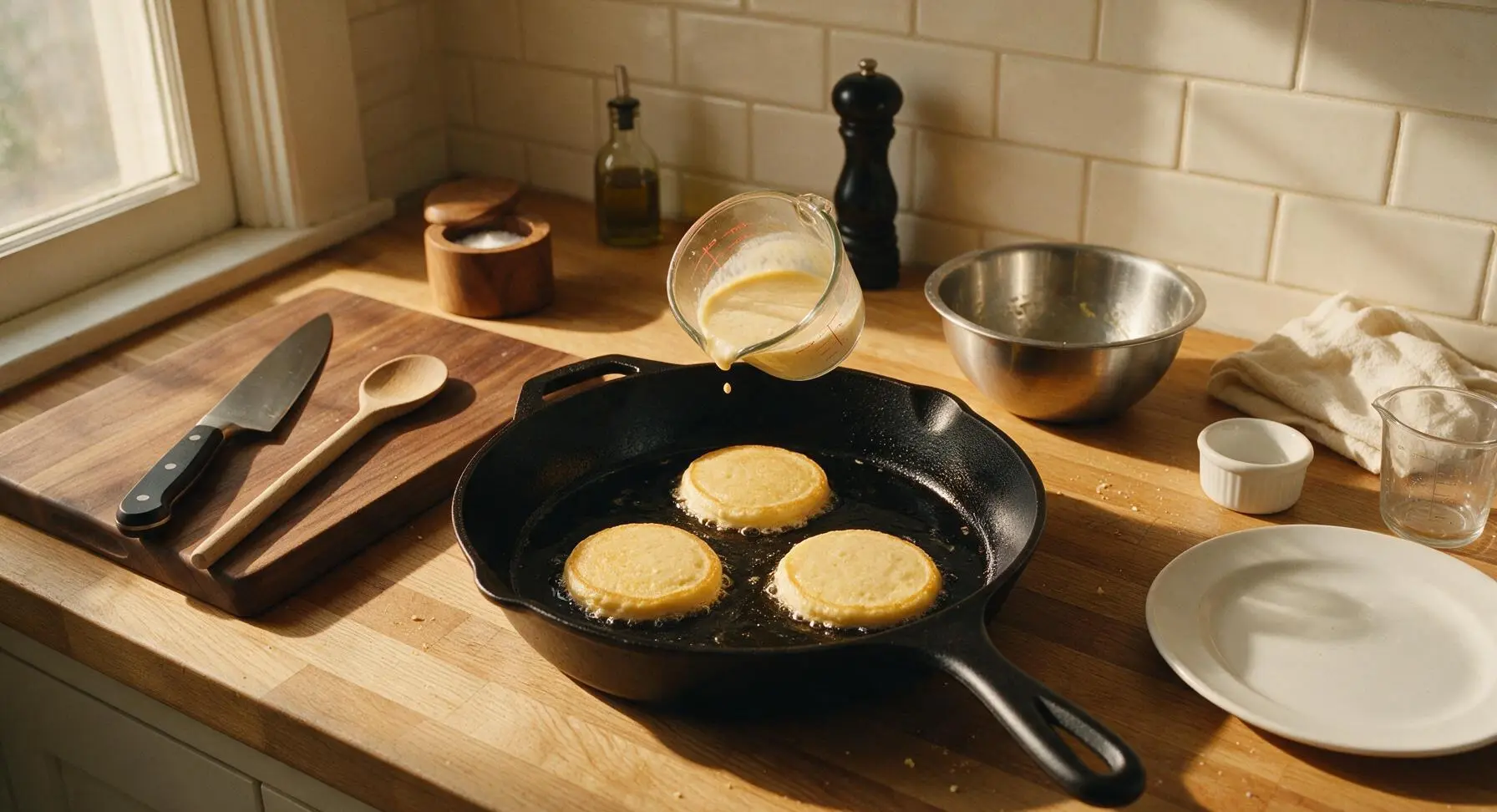
Use the 1/4 cup dry measuring cup to scoop batter, pouring 3 separate portions into the preheated skillet, leaving 2 inches of space between each cake. Do not crowd the pan; working in batches prevents steaming and ensures crisp edges. The batter will spread slightly into 4-inch wide rounds once it hits the hot oil.
Step 5
step5:Portion Batter Into Pan
6

Cook First Side Crisp

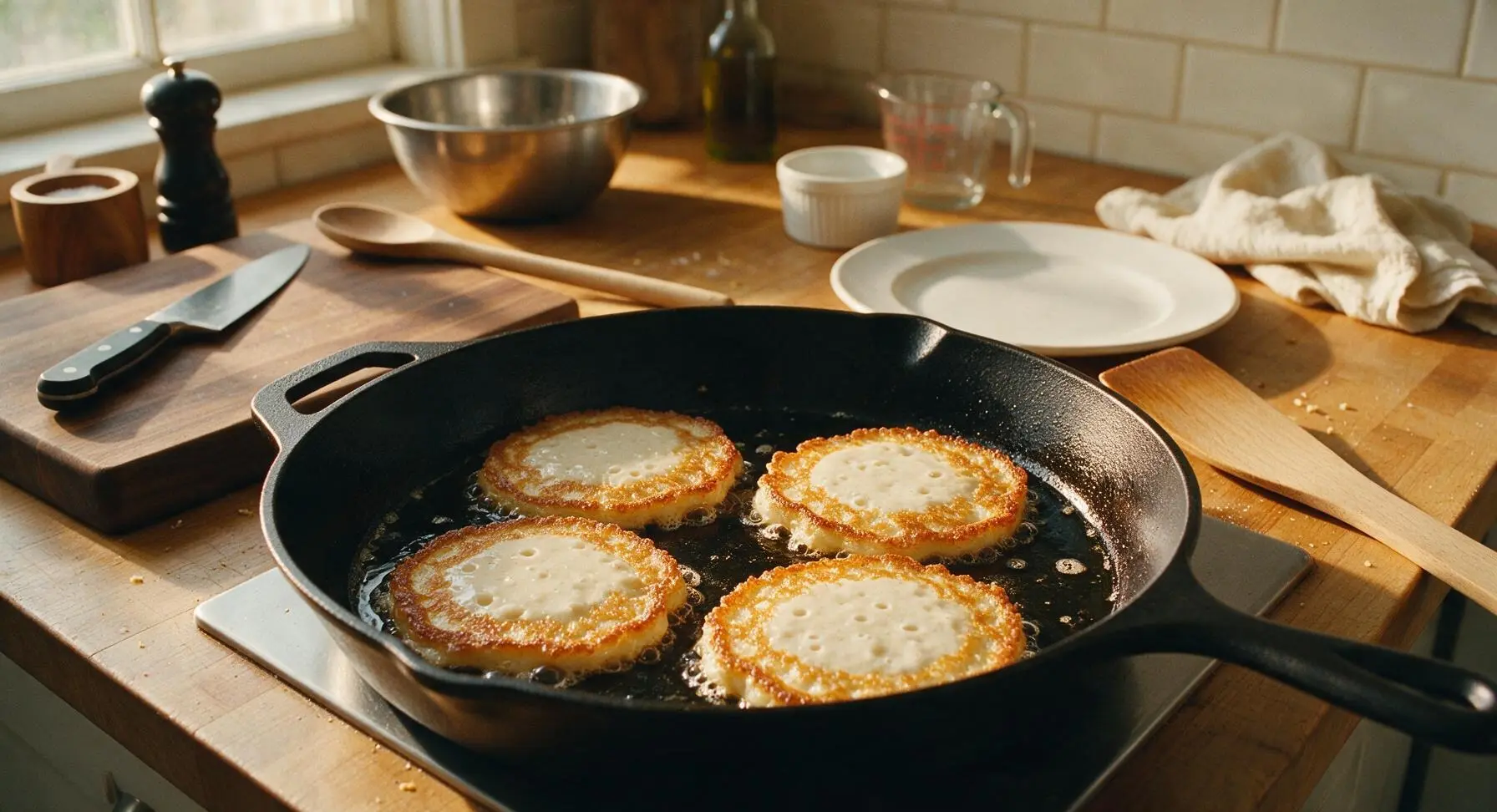
Let the hoe cakes cook undisturbed on the first side for 2 to 2.5 minutes. Watch for key visual cues: the edges will turn deep golden brown and lacy, and small bubbles will form and pop across the top surface of the batter, leaving tiny craters. If edges darken to dark brown before bubbles form, reduce heat to medium-low to prevent burning.
Step 6
step6:Cook First Side Crisp
7

Flip and Cook Through

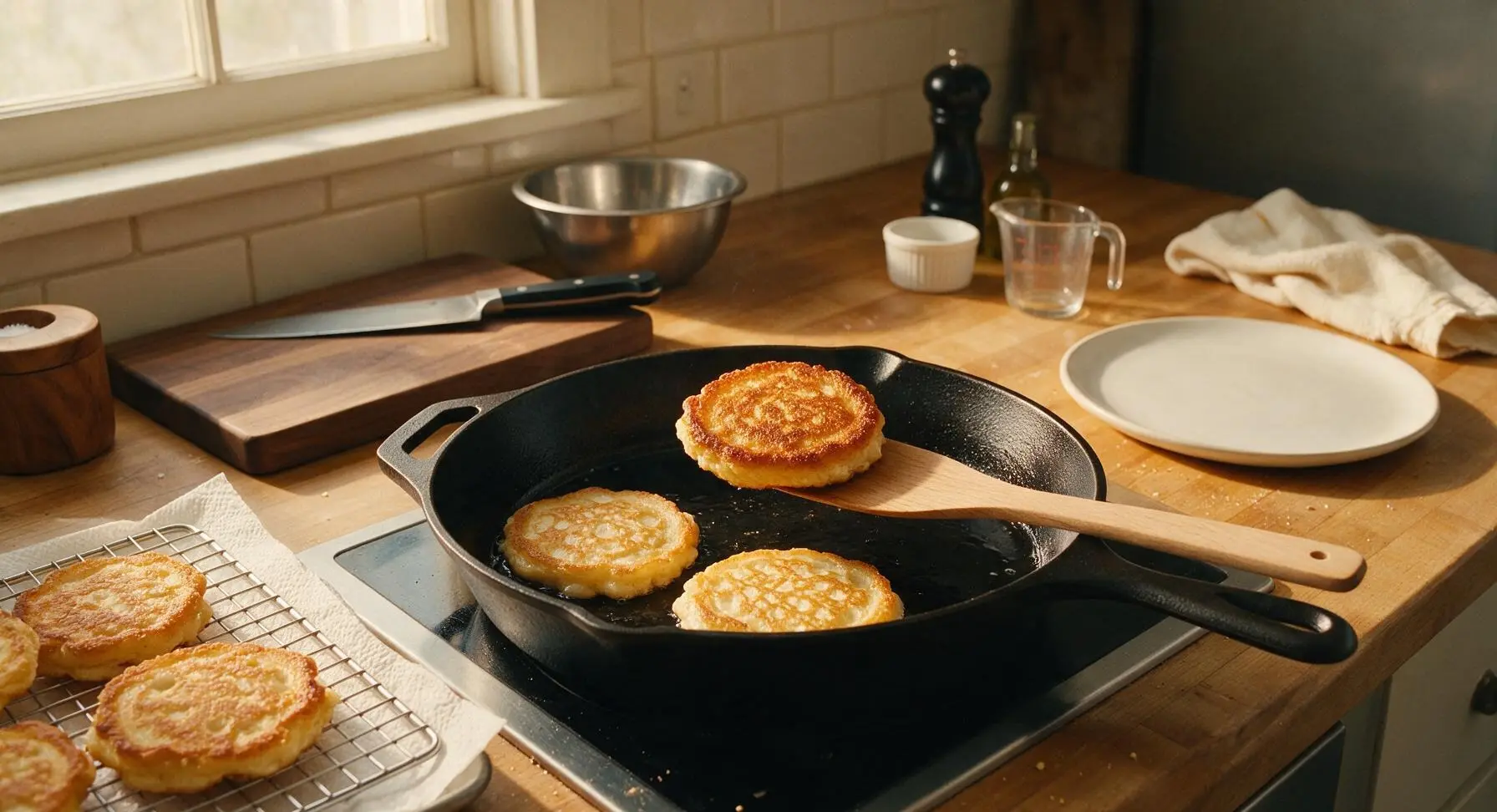
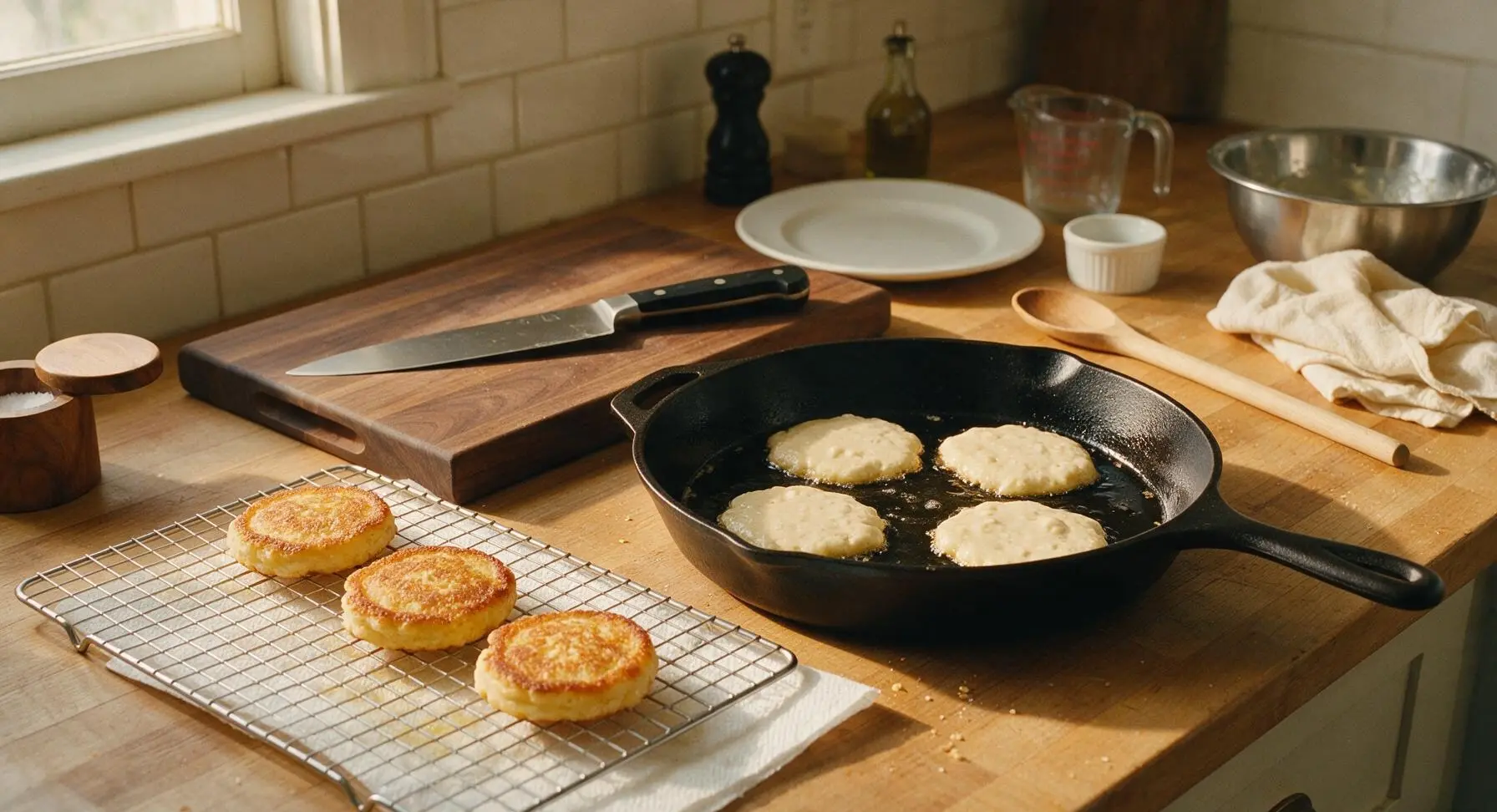
Slide the thin beech wood spatula under each hoe cake, flipping them quickly but gently in one smooth motion. Cook the second side for 1.5 to 2 minutes, until evenly golden brown. Test for doneness by pressing the center of a cake lightly with the spatula tip: the center should spring back, with no wet batter oozing out. Transfer cooked cakes to the paper-towel lined chrome wire cooling rack, set to the left of the skillet. Add 1 teaspoon of oil to the skillet between batches, and repeat the cooking process with remaining batter to make 8 total hoe cakes.
Step 7
step7:Flip and Cook Through
Step 7
step7:Flip and Cook Through
8

Plate and Serve Warm

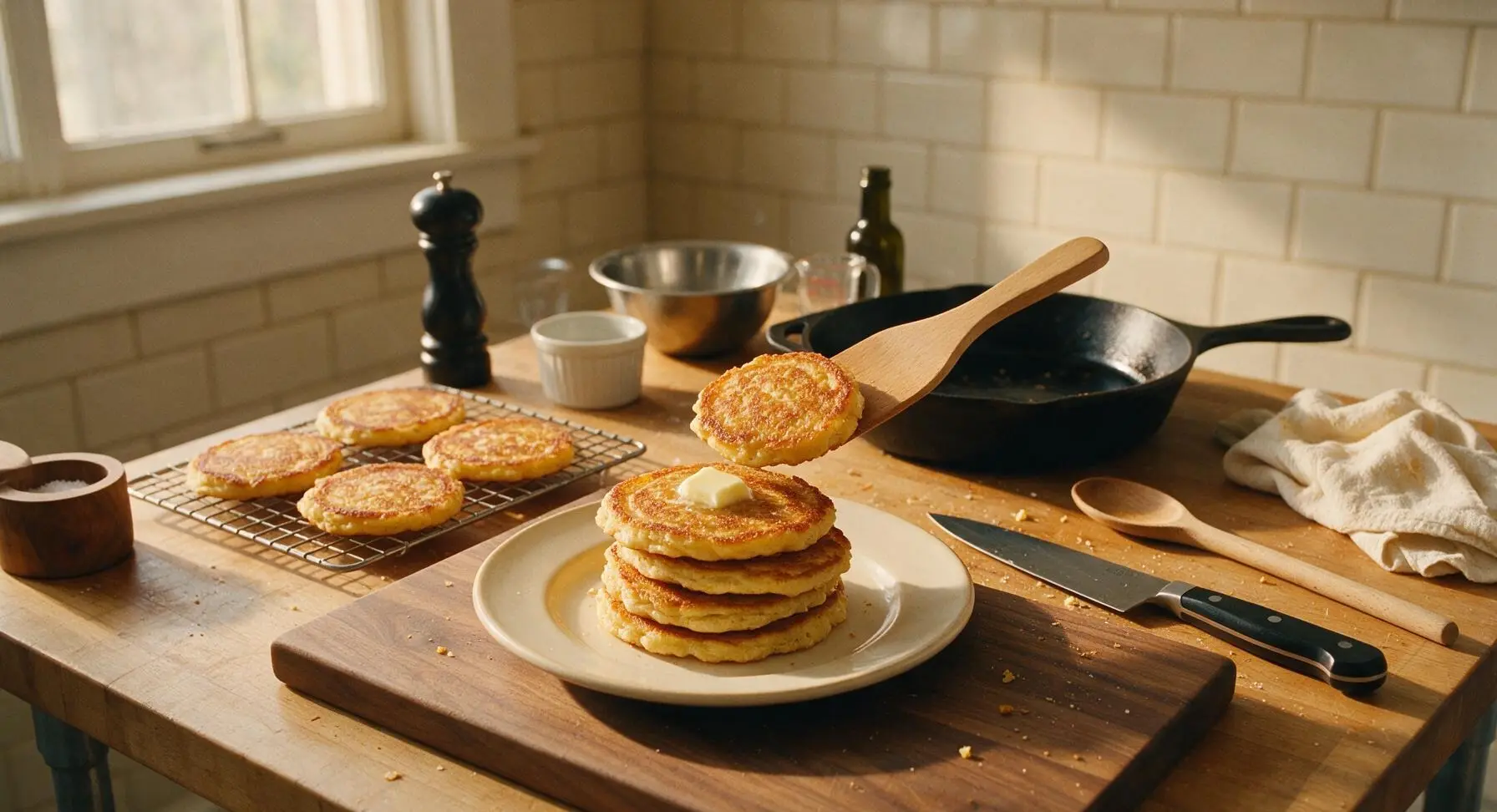
Transfer two cooked hoe cakes to the speckled cream ceramic dinner plate, stacking them slightly offset to show their crisp edges. Serve immediately while warm, topped with a pat of salted butter, a drizzle of cane syrup, or alongside collard greens, black-eyed peas, or fried chicken for a classic Southern Sunday dinner spread.
Step 8
step8:Plate and Serve Warm

Tips

1.Do not overmix the batter: lumps are totally acceptable, as overworking the gluten in the flour will result in tough, chewy hoe cakes instead of tender, crispy-edged ones. Stop stirring as soon as no dry flour pockets remain at the bottom of the bowl.
2.Wait for the oil to shimmer before adding batter: if the oil is too cool, the hoe cakes will absorb excess oil and turn greasy instead of developing their signature crisp lacy edges. Test with a single drop of water—if it skitters and evaporates in 1-2 seconds, the pan is ready.
3.Resist the urge to flip the cakes too early: waiting until bubbles form and pop across the top surface ensures the first side is fully set and crispy, and the cakes won’t break apart when you slide the spatula under them. Flipping too early leads to misshapen, undercooked cakes.
✨ You May Also Like

Side Dishes
🍜 India

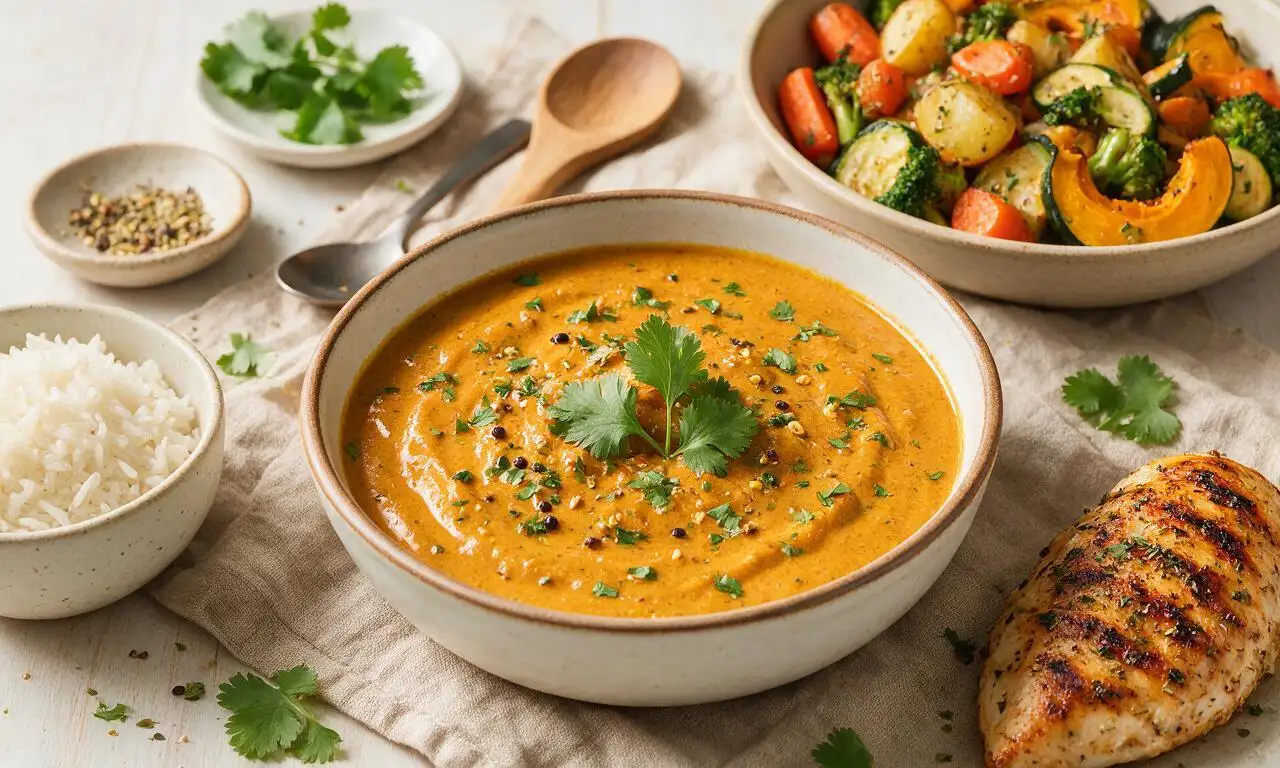
Velvety, aromatic all-purpose curry sauce perfect for tossing with roasted veggies, grilled protein, or rice for fast, cozy, flavorful meals.

⏱️ 25 minuteSide Dishes ★ 4.8
Side Dishes
🍜 Spain

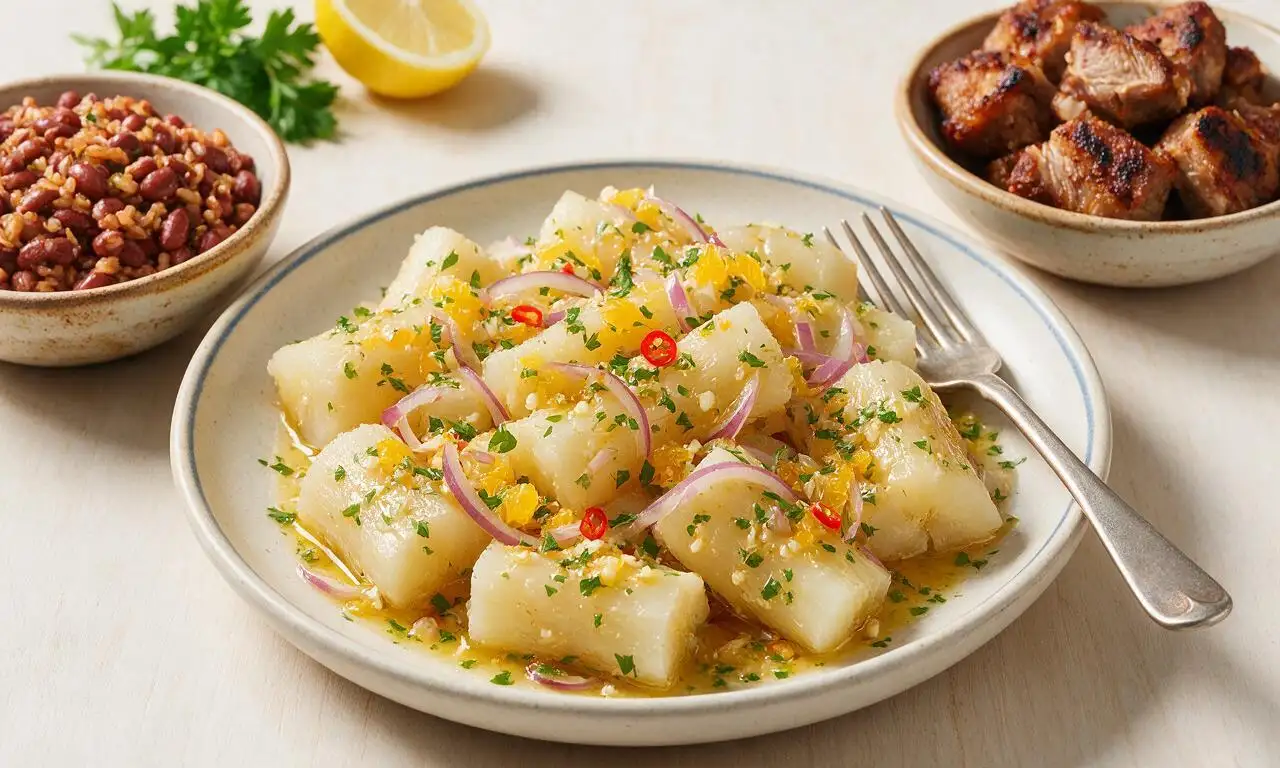
Tender, starchy boiled yuca tossed in bright, garlicky citrus mojo sauce—an iconic, zesty side that pairs beautifully with roasted pork, grilled meats, and rice and beans.

⏱️ 40 minuteSide Dishes ★ 5
Side Dishes
🍜 United States

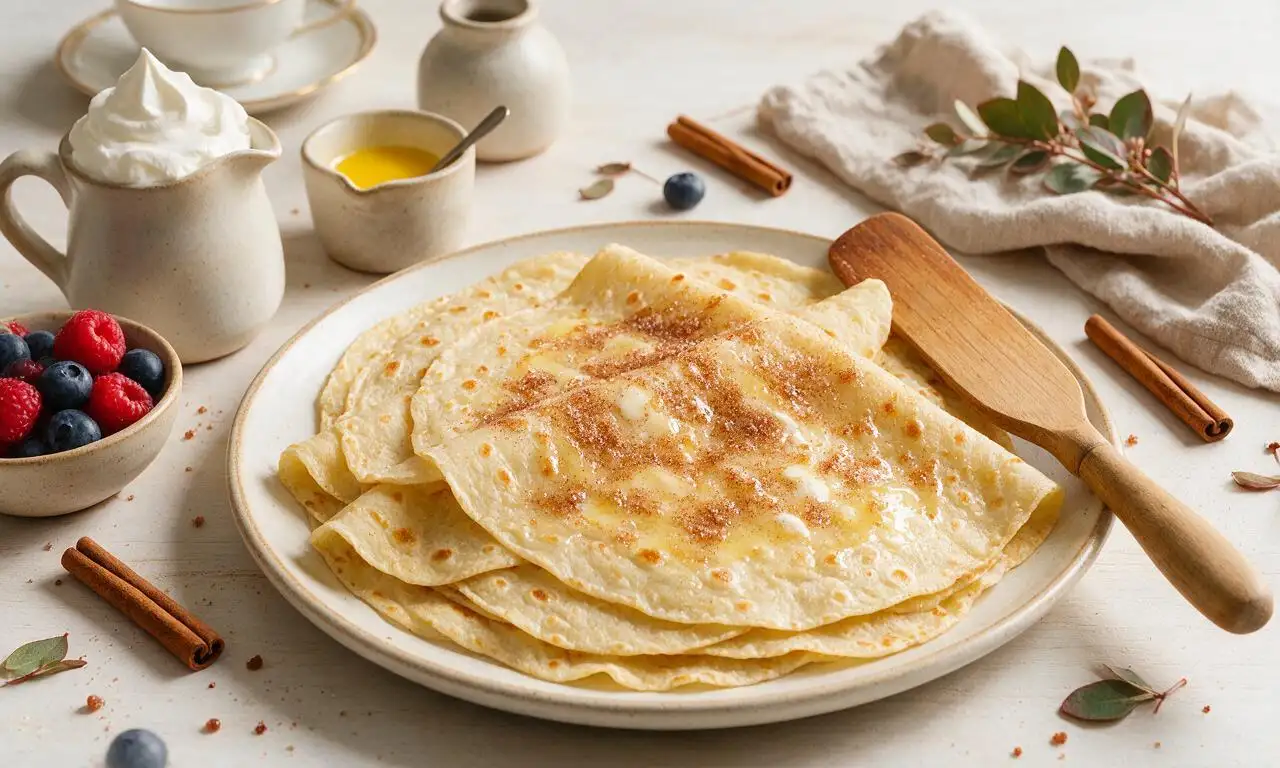
Tender, paper-thin potato flatbread, a beloved Norwegian-American Minnesota Christmas staple, griddled until softly spotted and served warm with butter.

⏱️ 1 hour 30Side Dishes ★ 4.6
Side Dishes
🍜 United States

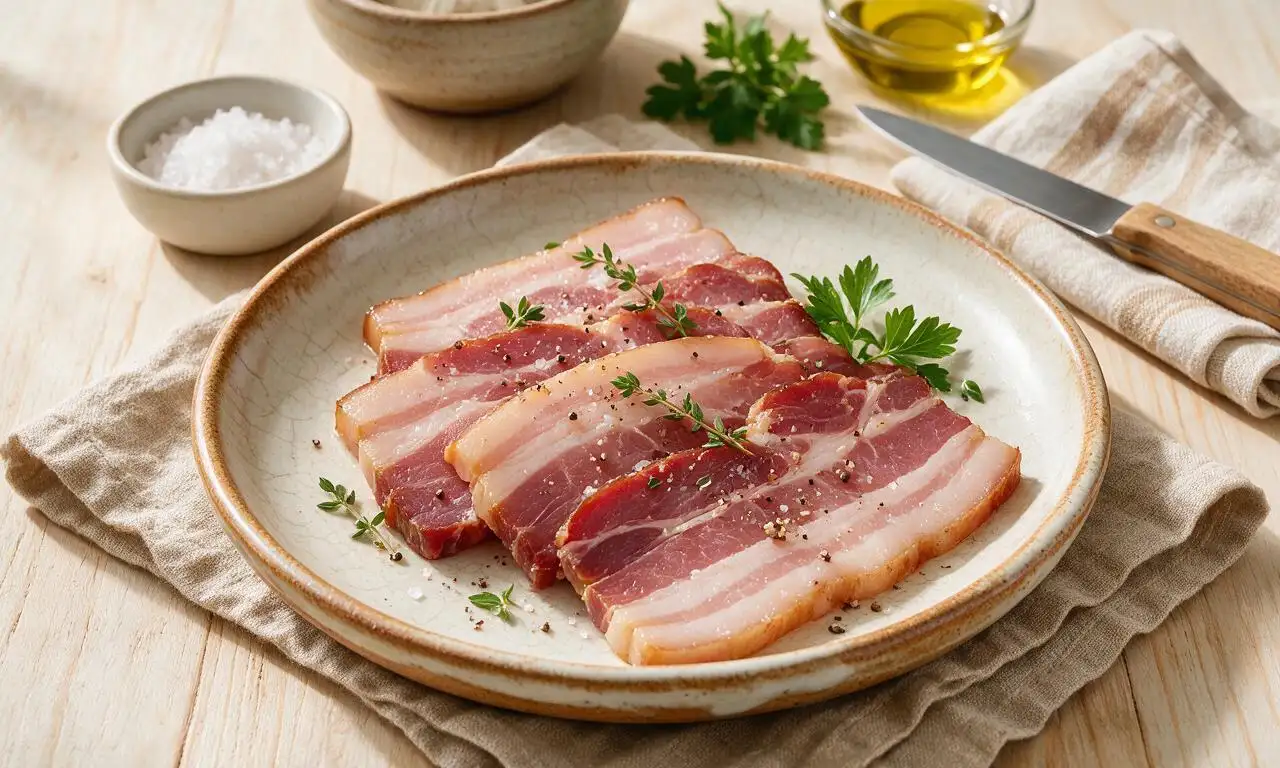
Rich, deeply savory cured salt pork, a long-lasting kitchen staple perfect for frying crispy as a side or adding umami to stews, beans, and chowders.

⏱️ 7 days (2Side Dishes ★ 4.9
Side Dishes
🍜 United States

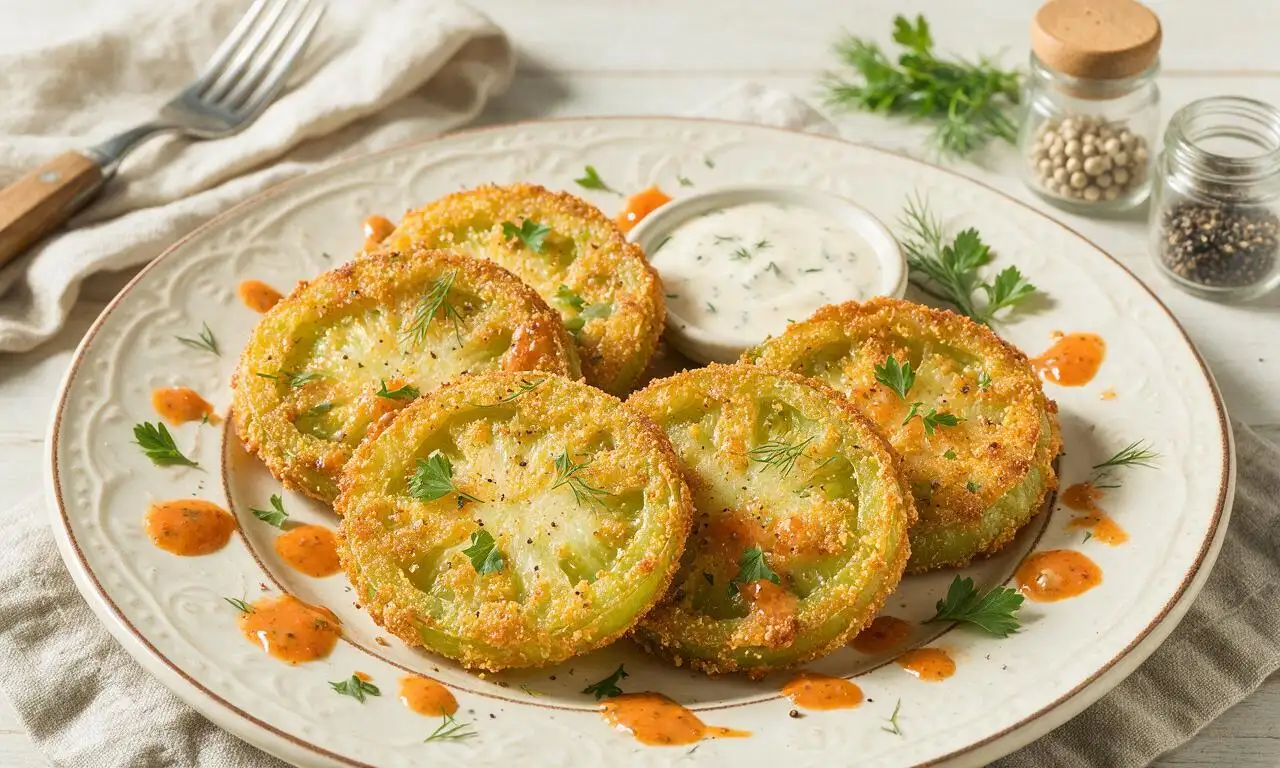
Crispy, tangy classic Southern fried green tomatoes with a crunchy cornmeal crust, served hot for a nostalgic, comforting summery bite.

⏱️ 25 minuteSide Dishes ★ 4.9
Side Dishes
🍜 United States

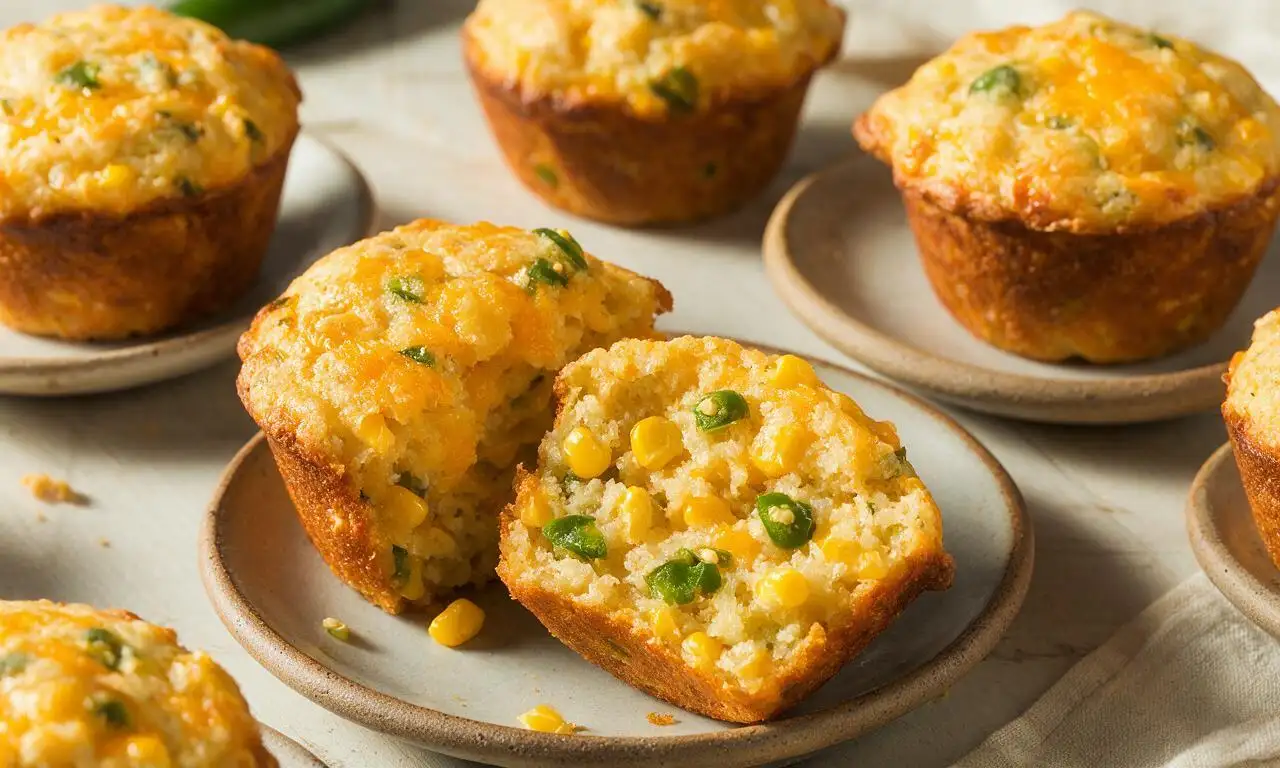
Moist, golden-crusted savory muffins with sweet corn, zesty jalapeño, and melted cheddar, perfect for pairing with smoky summer grilled fare.

⏱️ 30 minuteSide Dishes ★ 4.9

Hoe Cakes (Southern):Frequently Asked Questions

1.What exactly are Southern hoe cakes? ▾
Southern hoe cakes are thin, skillet-fried cornmeal flatbreads with signature lacy, crispy edges and a soft, tender center. Historically a staple of Black Southern foodways, they were designed to sop up potlikker, hold up to sweet syrups, or pair with everything from collard greens to fried chicken for a simple, satisfying bite.
2.How did hoe cakes get their name? ▾
The name traces back to their earliest preparation: enslaved field workers and sharecroppers across the American South would cook simple cornmeal batter on the flat, cleaned blade of a garden hoe held over an open campfire, since they lacked access to kitchen cookware during long workdays in the fields. The name stuck even as cooks shifted to cast iron skillets.
3.Do I have to use fine yellow cornmeal, or can I use coarse grind? ▾
Fine yellow cornmeal is non-negotiable for that classic tender, non-gritty texture and signature lacy edge. Coarse cornmeal makes dense, crumbly hoe cakes with a gritty bite that won’t hold together well for sopping up potlikker. If you only have medium grind, pulse it a few times in a spice grinder to reach a fine, flour-like consistency before mixing.
4.Can I skip the all-purpose flour to make these gluten-free? ▾
The small amount of all-purpose flour in this recipe binds the batter so hoe cakes don’t fall apart while frying, and softens the cornmeal texture just enough. To make them gluten-free, swap the AP flour measure for measure with a 1:1 gluten-free all-purpose baking blend with xanthan gum—skip plain cornmeal-only batter, as it will turn out crumbly and fragile.
5.Why does this recipe use whole buttermilk instead of regular milk? ▾
Whole buttermilk does two critical jobs: its subtle tang gives hoe cakes that iconic bright Southern flavor, and its gentle acidity reacts with baking powder to create a light, tender crumb instead of a dense, heavy flatbread. Lower-fat buttermilk works in a pinch, but whole buttermilk delivers a richer, moister center and crispier lacy edges that skim versions can’t match.
6.What if I don’t have buttermilk on hand? Can I make a substitute? ▾
You can make a quick buttermilk substitute in a pinch if you don’t have the real thing. For every cup of whole buttermilk the recipe calls for, add 1 tablespoon of white vinegar or fresh lemon juice to a liquid measuring cup, then top with whole milk to the 1-cup line. Let it sit 5 minutes at room temperature until slightly curdled, then use as directed.
7.What kind of pan is best for frying hoe cakes? ▾
A well-seasoned cast iron skillet is ideal for hoe cakes, because it holds even, consistent heat and creates perfectly crispy, golden lacy edges without sticking. If you don’t have cast iron, use a heavy-bottomed nonstick or carbon steel skillet—avoid thin, lightweight pans, which create hot spots that burn edges before the center cooks through.
8.What fat should I use to fry these for the most authentic flavor? ▾
For the most authentic, rich Southern flavor, fry hoe cakes in a thin layer of bacon grease, which adds subtle smoky savoriness that pairs perfectly with both sweet and savory toppings. If you don’t have bacon grease, melted lard or neutral canola/vegetable oil works well—skip butter for frying, as it burns too quickly at the medium heat needed for crisp edges.
9.How thick should I pour the batter to get the right texture? ▾
Aim to pour 2 to 3 tablespoons of batter per hoe cake, spreading it gently with the back of a spoon to a ¼-inch thick round about 4 inches across. If you pour batter too thick, you’ll get a doughy, undercooked center and no lacy edges; if spread too thin, the cakes will turn brittle and crack when you lift them.
10.How do I know when it’s time to flip a hoe cake? ▾
Wait to flip your hoe cake until you see tiny bubbles popping across the top surface and the edges turn a deep, golden lacy brown, which usually takes 2 to 3 minutes over medium heat. If you flip too early, uncooked batter will run and the cake will fall apart; once the edge is set and crisp, it will flip cleanly with a thin spatula.
11.My hoe cakes are coming out dense and heavy—what am I doing wrong? ▾
Dense, heavy hoe cakes almost always stem from one of three common missteps: overmixing the batter (which develops gluten in the flour and makes cakes tough), using expired baking powder that’s lost its leavening power, or cooking at too low a temperature, which makes cakes soak up excess grease instead of puffing lightly. Mix just until no dry streaks remain.
12.My edges aren’t getting that signature lacy crispness—how do I fix that? ▾
Signature lacy edges come from a combination of proper batter consistency and pan heat. First, make sure your pan is fully preheated to medium before adding batter—if it’s too cool, batter will spread slowly instead of sizzling on contact. Second, thin batter with an extra splash of buttermilk if it’s too thick, as thick batter won’t form those delicate crisp web-like edges.
13.Are hoe cakes the same thing as johnnycakes? ▾
Hoe cakes are often confused with johnnycakes, but they’re not identical. Traditional New England johnnycakes are made with only cornmeal, water or milk, and salt, with no flour or leavening, for a denser, firmer texture. Southern hoe cakes include a small amount of flour, leavening, and buttermilk for a lighter, tender crumb and crisp lacy edge, closer to a thin cornmeal pancake.
14.What are the best toppings to serve with Southern hoe cakes? ▾
Hoe cakes are incredibly versatile, working for both sweet and savory meals. For classic savory servings, sop up potlikker from collard greens, top with pimento cheese, or serve alongside fried chicken or shrimp. For sweet takes, slather with salted butter and drizzle with cane syrup, honey, or a light sprinkle of powdered sugar, just like you would tender cornbread.
15.Can I make the batter ahead of time for meal prep? ▾
You can mix the dry ingredients (cornmeal, flour, baking powder, salt) ahead of time and store them in an airtight container at room temperature for up to 3 months, but wait to add the buttermilk until right before you cook. If you mix wet and dry ingredients too far in advance, the baking powder will lose leavening power, leading to flat, dense hoe cakes.
16.How do I store leftover cooked hoe cakes, and how long do they keep? ▾
Let cooked hoe cakes cool completely to room temperature, then stack them between sheets of parchment paper to prevent sticking, and store in an airtight container in the fridge for up to 4 days. You can also freeze them for up to 3 months, wrapped tightly in plastic wrap and sealed in a freezer bag, for quick, easy sides on busy weeknights.
17.What’s the best way to reheat leftover hoe cakes so they stay crispy? ▾
Skip the microwave, which will turn hoe cakes soft and rubbery. For the best crisp texture, reheat them in a dry cast iron skillet over medium-low heat for 1 to 2 minutes per side, until warmed through and edges crisp back up. You can also reheat them on a baking sheet in a 350°F oven for 5 minutes, which works great for reheating a whole batch at once.
18.Can I add mix-ins like corn, cheese, or jalapeños to the batter? ▾
You can absolutely customize the base batter with savory mix-ins, as long as you don’t add so much that the batter gets too heavy. Try stirring in ½ cup of fresh or frozen sweet corn, ⅓ cup of shredded sharp cheddar, 2 tablespoons of minced pickled jalapeños, or a sprinkle of crumbled cooked bacon for a loaded, flavorful twist that pairs perfectly with Southern mains.
19.Why does the recipe call for fine sea salt instead of regular table salt? ▾
Fine sea salt dissolves evenly into the batter, so you get consistent, balanced seasoning in every bite without random salty pockets. If you only have regular table salt on hand, cut the salt measure by half—table salt is much denser and saltier per teaspoon than fine sea salt, so using the full amount will make hoe cakes overly salty and throw off the corn and buttermilk balance.
20.Can I cook these on an electric griddle to make a big batch for a crowd? ▾
Absolutely! An electric griddle set to 375°F works perfectly for making large batches of hoe cakes for a crowd, as long as you grease it lightly with your preferred frying fat. The flat, even heat will produce the same crispy lacy edges as a cast iron skillet, and you can cook 6 to 8 cakes at a time instead of 2 or 3, cutting cook time significantly for brunch or potlucks.

Comments (9)

2 days ago

OMG these taste exactly like my grandma used to make! I was so worried I’d never get that crispy edge, soft center texture right after she passed, but this recipe is perfect. I served them with butter and a drizzle of cane syrup for Sunday brunch and my whole family went back for seconds. Even my picky 7 year old ate three! Total game changer for weekend breakfasts.

yesterday

Wait do you think these would hold up on a cast iron griddle over a campfire? We’re doing a camping trip next weekend and I’ve been looking for easy, no-fuss breakfasts that don’t need fancy ingredients.

2 hours ago

They absolutely do! Just make sure your griddle is well-greased and preheated before pouring the batter, and they’ll cook up perfectly over campfire coals. So glad the recipe brought back sweet family memories for you!

5 days ago

So quick and easy! I threw these together on a busy school morning when I realized we were out of bread for toast. 15 minutes total, pantry staple ingredients, no weird prep. The kids dipped theirs in maple syrup, I ate mine with a side of scrambled eggs and hot sauce. Will absolutely be adding these to our regular rotation.

3 days ago

Love that this saved a busy school morning for you! They’re such a great backup for when the pantry is running low – the hot sauce and eggs combo sounds chef’s kiss.

3 days ago

Made these in my tiny dorm kitchen with just a mini electric griddle and they came out SO good. I didn’t have buttermilk so I used the old milk + vinegar trick and it worked perfectly. Way cheaper than buying frozen breakfast stuff, I’m gonna meal prep a batch this Sunday to eat all week between classes.

1 week ago

Brought these to our neighborhood potluck last weekend and people were asking for the recipe before I even set the platter down! I made a little savory version too by adding a handful of shredded cheddar and chopped green onion to half the batter, and both sweet and savory batches were gone in 10 minutes. 10/10, will make for every gathering from now on.

5 days ago

The cheddar and green onion addition sounds insane! Did you adjust the cook time at all for the savory ones, or did they cook the same as the plain batter?

3 days ago

What a fantastic potluck hack! The savory additions won’t change the cook time at all – just keep an eye out for those golden, crispy edges like you would with the plain batter. We might have to test that cheddar scallion version for a future recipe twist!

2 weeks ago

I’ve been making hoe cakes for 60+ years and I have to say, this recipe is spot on. A lot of newfangled versions add too much sugar or extra flour that makes them heavy, but this one has that perfect light cornmeal texture just like how we made them growing up in Alabama. My only tip is to make sure your oil is hot enough before you pour the batter, otherwise they get soggy.

1 week ago

Thanks for the hot oil tip! I tried making these last month from another recipe and they were totally soggy in the middle, I bet that was my problem. Gonna give this version a shot this weekend with your tip in mind.

30 minutes ago

I swapped the regular milk for oat milk and used a flax egg to make these vegan, and they still turned out amazing! Crispy outside, fluffy inside, perfect with a little jam and vegan butter. Didn’t expect such a simple cornmeal cake to be this satisfying, honestly. Great easy recipe for people trying to eat less animal products without giving up comfort food.

2 hours ago

Made these as a side for our ribs and coleslaw night last night, and they were the perfect match! I added a pinch of cayenne to the batter for a little kick, and sopped up extra BBQ sauce with them. Way better than regular cornbread for sopping, tbh, because they’re thinner and get crispy in all the right spots.

5 minutes ago

The cayenne addition sounds incredible with ribs and BBQ sauce! You’re so right about them being perfect for sopping up sauces – that thin, crispy texture holds up way better than fluffy cornbread for that. Great call!

yesterday

Question – has anyone tried freezing these after cooking? I want to make a big batch for quick weekday breakfasts, but I’m worried they’ll get soggy when I reheat them in the toaster. The recipe itself was delicious when I made a test batch last night, just need to figure out the storage for meal prep!

2 hours ago

I freeze mine all the time! Let them cool completely, stack them with parchment paper between each one so they don’t stick, then pop them in a freezer bag. Reheat in the toaster straight from frozen, they get crispy again just like fresh!

30 minutes ago

BusyMomLuna’s tip is spot on! They freeze beautifully for up to 3 months, and toasting them straight from frozen brings back that perfect crisp edge without sogginess. So glad you loved the test batch!

just now

Just made these for the first time and wow, why did I sleep on hoe cakes for so long? I ate mine topped with pulled pork and coleslaw for a quick lunch, and it was better than any restaurant meal I’ve had all week. So simple, so flavorful, zero fancy skills needed. Already sent the recipe to my mom and sister!