1.What makes an Appalachian hoecake different from regular baked cornbread?
▾
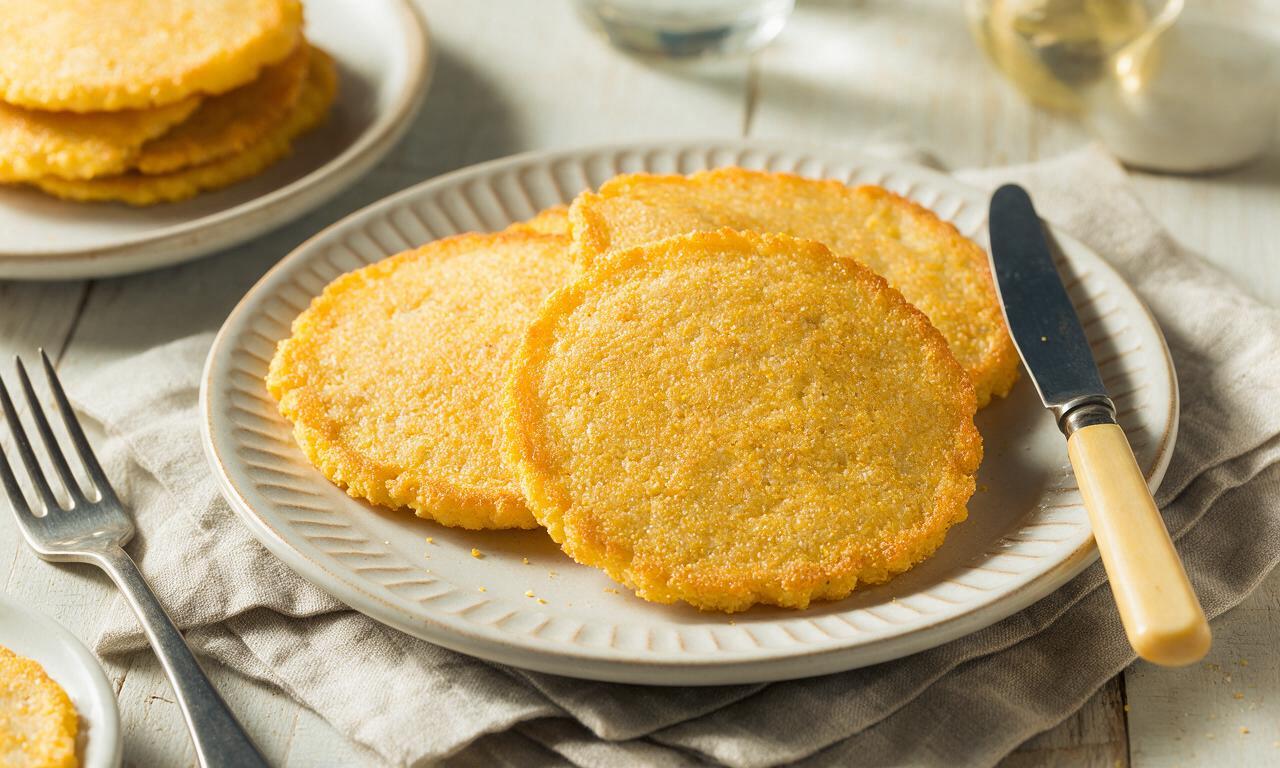
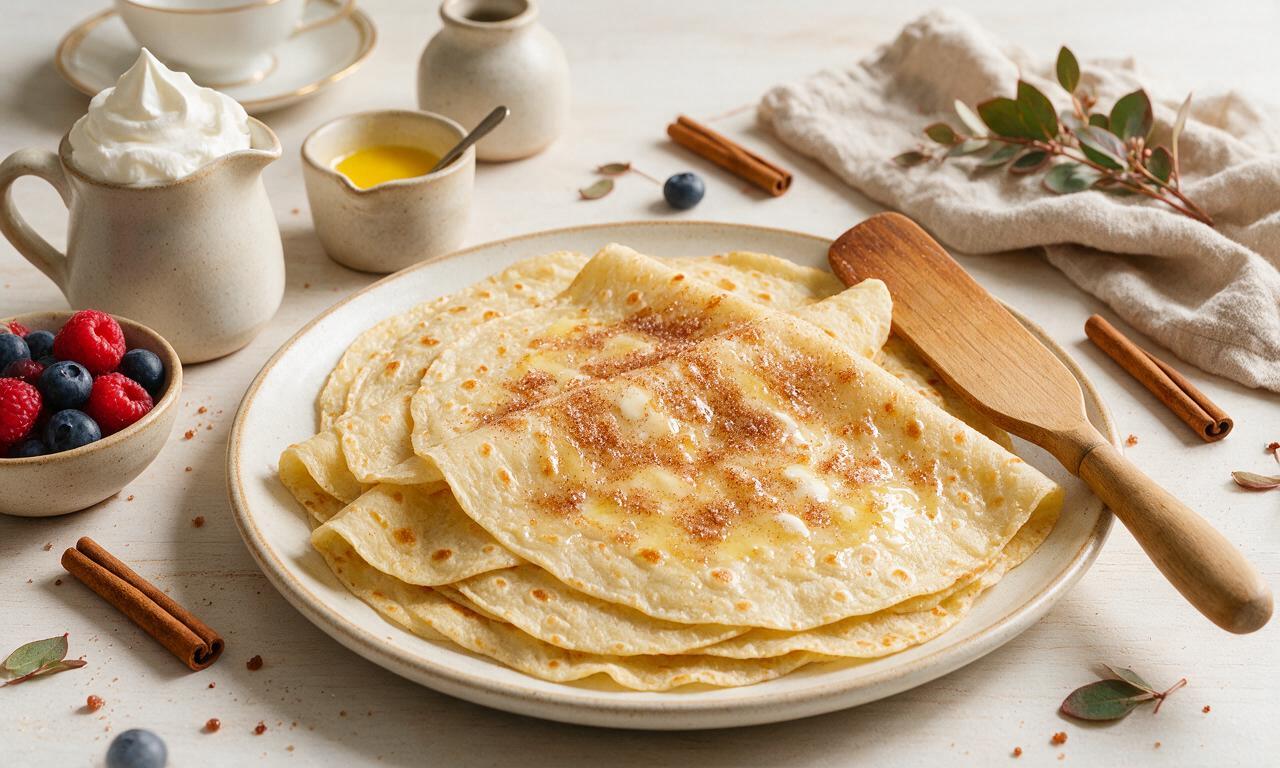
Traditional Appalachian hoecakes are thin, griddle-cooked cornmeal flatbreads with crisp, lacy edges and a tender, slightly coarse center, rather than the thick, cakey, oven-baked texture of standard cornbread. They contain no added sugar, use coarser cornmeal, and were originally designed to be cooked over open fire for a quick, portable staple.
2.Why is coarse-ground yellow cornmeal specified instead of fine-ground?
▾
Coarse-ground cornmeal delivers that signature toothsome, slightly gritty texture and ultra-crisp edges that define classic hoecakes. Fine cornmeal produces a dense, smooth, pasty final product that misses the mark. If you only have fine cornmeal on hand, mix in 1 tablespoon of uncooked stone-ground grits per cup of meal to mimic the traditional texture.
3.Can I use low-fat or non-fat buttermilk instead of whole buttermilk?
▾
Whole buttermilk adds the rich tang and fat needed for a tender, non-dry crumb and helps the edges crisp up nicely. Low-fat buttermilk works in a pinch if you stir in 1 tablespoon of melted unsalted butter per cup to replace missing fat. Skip non-fat buttermilk entirely, as it produces flat, bland, dry hoecakes with no depth of flavor.
4.Do I really need the small amount of all-purpose flour, or can I make these 100% cornmeal?
▾
The small measure of all-purpose flour acts as a gentle binder to keep thin hoecakes from cracking apart when you flip them, without making them taste bready. For a gluten-free version, swap it 1:1 for a fine gluten-free all-purpose baking blend. Hoecakes made with 100% cornmeal will be very crumbly and hard to handle on the griddle.
5.How did hoecakes get their unusual name?
▾
The most well-documented origin traces back to early Appalachian settlers and enslaved people in the region, who cooked these simple, no-fuss cornmeal batter cakes on the flat, clean metal blade of a garden hoe held over an open campfire. This method let them cook a filling meal while working fields or traveling without carrying heavy cookware.
6.What type of pan works best for cooking authentic hoecakes?
▾
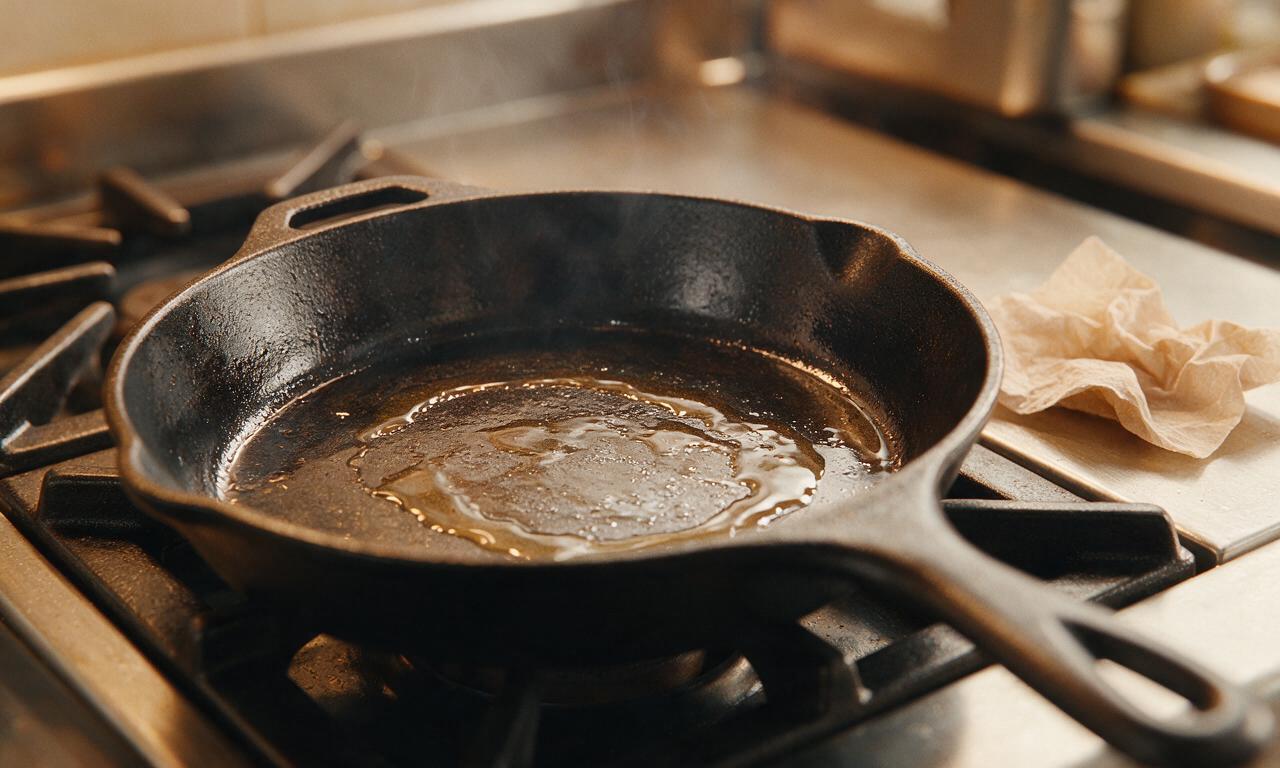
A well-seasoned cast iron skillet or flat cast iron griddle is ideal, as it holds steady, even heat and creates those iconic deep golden, crisp edges without sticking. A heavy-gauge non-stick skillet works too, but you won’t get quite the same rich crust. Avoid thin, lightweight pans that develop hot spots and burn patches of the batter.
7.Is it traditional to add sugar to hoecake batter like I do for sweet cornbread?
▾
Traditional Appalachian hoecakes are never sweetened—they’re meant to be a neutral, savory staple that pairs equally well with salty collard greens, pot beans, and sweet toppings like sorghum syrup. If you prefer a sweeter profile, you can stir in 1 tablespoon of granulated sugar per cup of cornmeal, but that is not the classic preparation.
8.How thick should I pour the batter to get the perfect hoecake texture?
▾
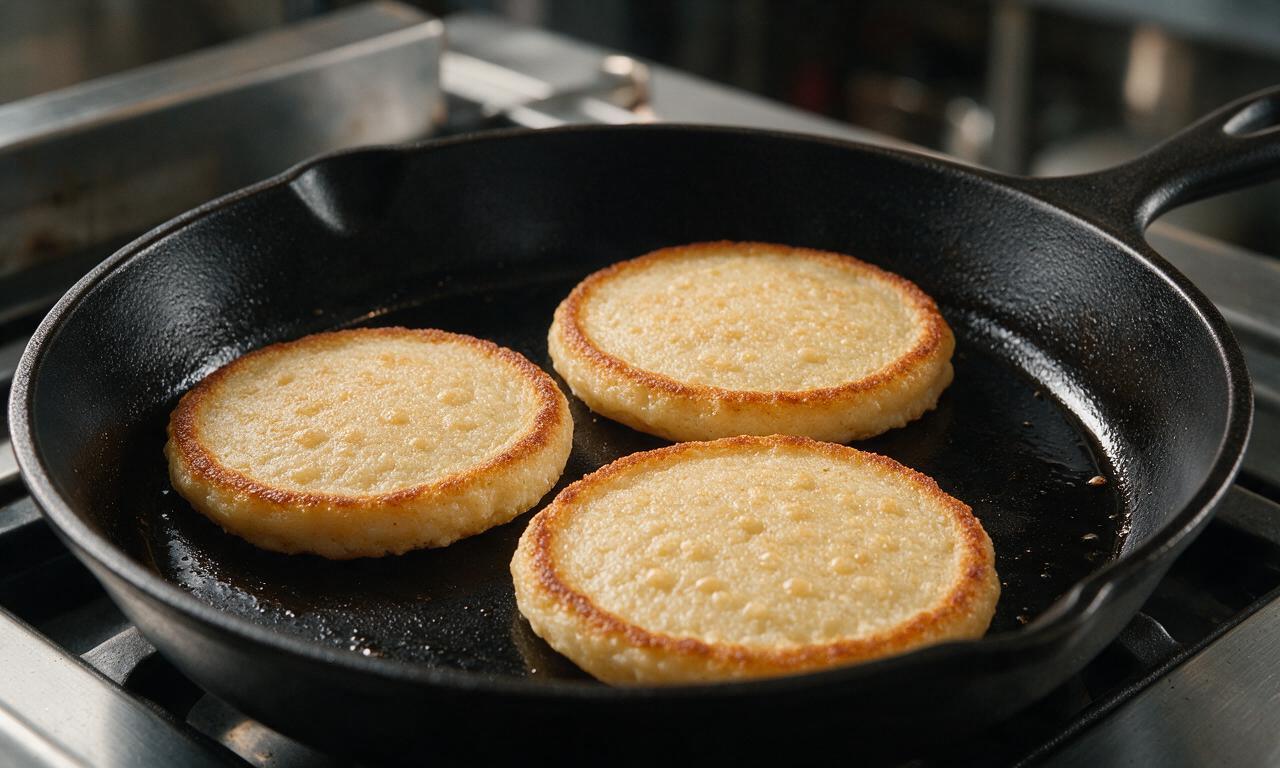
Pour batter to a 1/4-inch thickness, forming roughly 4-inch rounds, for ideal results. That thickness creates crisp, lacy edges, a fully cooked tender center, and enough structure to flip cleanly without breaking. Batter poured too thick will leave a doughy center before edges crisp; batter poured too thin will turn brittle like a corn cracker.
9.How do I know when it’s the right time to flip a hoecake?
▾
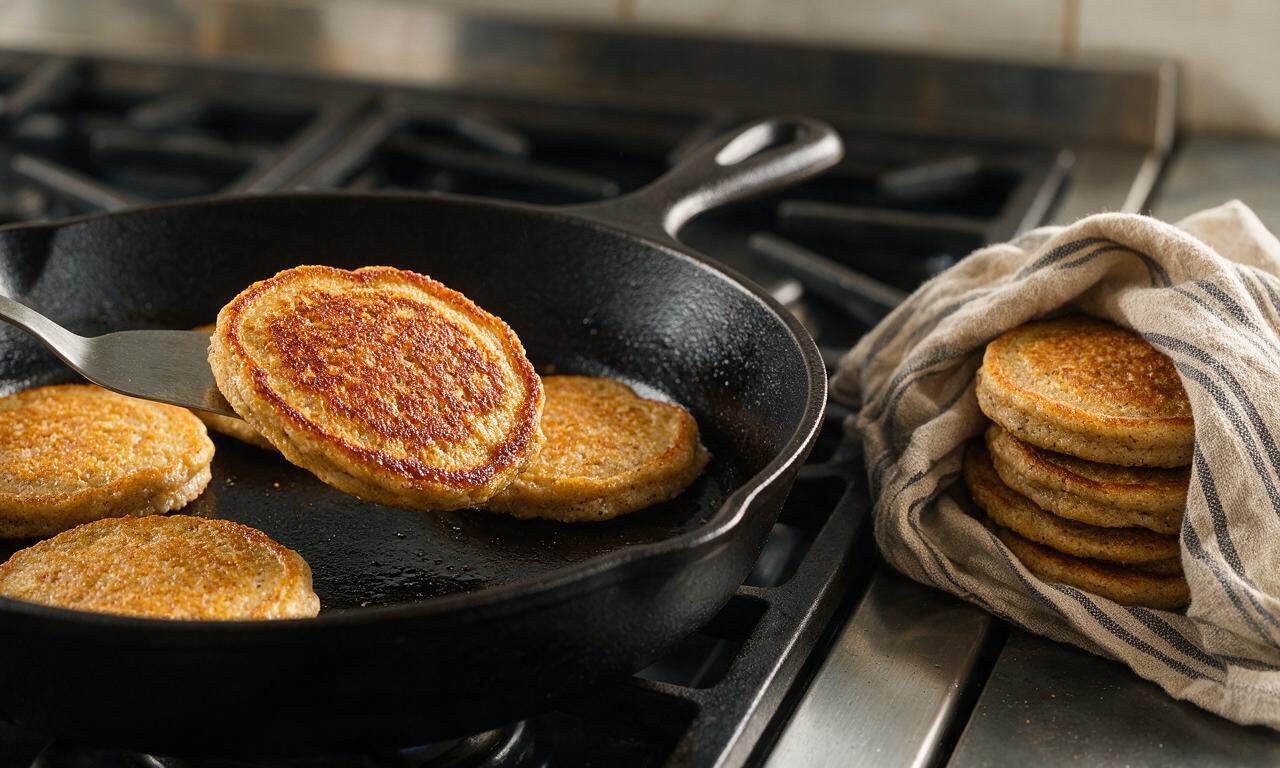
Wait until you see tiny bubbles pop and stay open across the entire top surface of the hoecake, and the edges look dry and deep golden brown—this usually takes 2 to 3 minutes over medium heat. If you try to flip too early, uncooked batter will run and the cake will fall apart. After flipping, cook 1 to 2 minutes more on the second side.
10.Can I mix hoecake batter ahead of time for easy meal prep?
▾
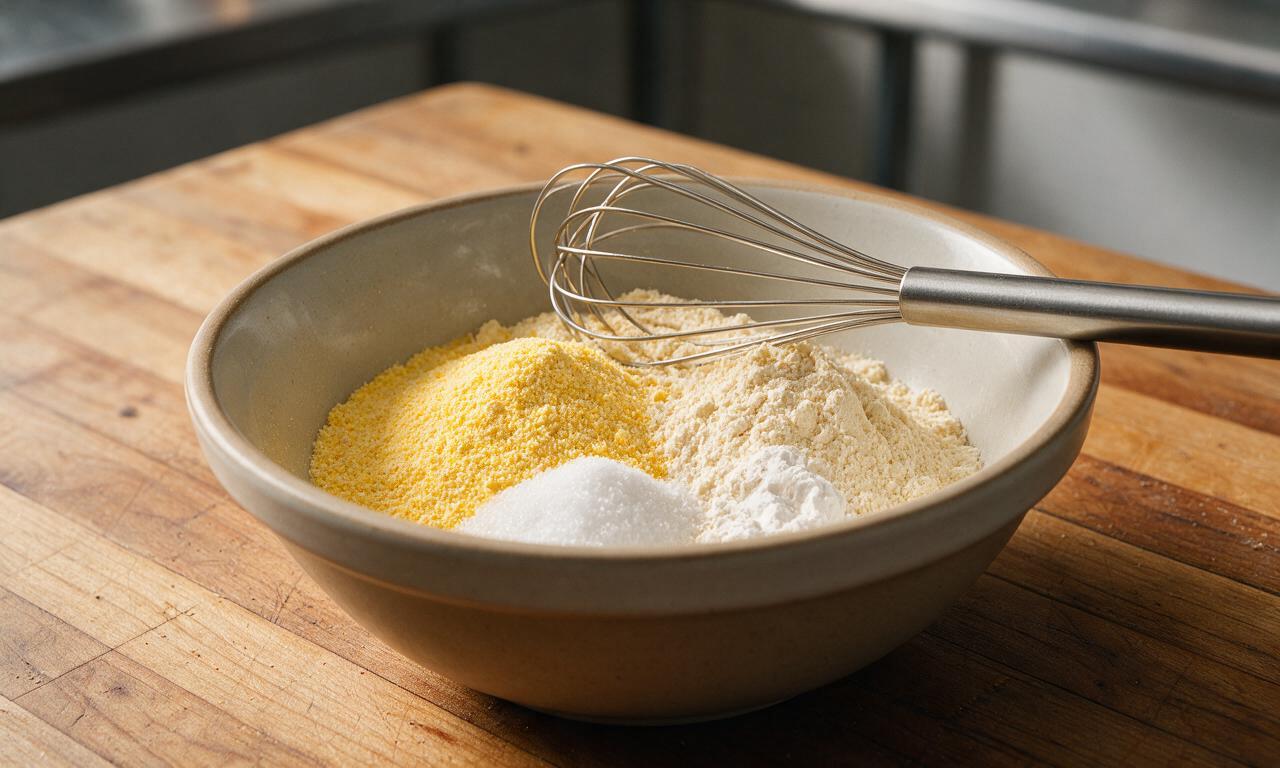
You can pre-mix all the dry ingredients (coarse cornmeal, flour, kosher salt, and baking powder) and store them in an airtight container for up to 3 months for lightning-fast prep, but don’t combine wet and dry ingredients more than 30 minutes before cooking. The baking powder activates as soon as it hits buttermilk, and rested mixed batter will produce flat, dense hoecakes that don’t rise properly.
11.What are the most traditional sides and toppings for hoecakes?
▾
Classic pairings include a pat of melted salted butter, drizzles of sorghum or cane syrup, slow-cooked pinto beans, braised collard greens with ham hock, fried apples, and crispy bacon. Hoecakes are also perfect for tearing and sopping up pot likker from greens or stews, or served as a quick, hearty breakfast bread.
12.Why do my hoecakes always stick to the pan when I cook them?
▾
Sticking almost always stems from one of three common mistakes: your pan isn’t hot enough before adding batter, you skipped the thin layer of traditional fat (bacon grease or lard work best) to coat the cooking surface, or you tried to flip the hoecake too early before the crisp crust fully set. Aim for a steady pan temperature of 375°F.
13.Can I freeze cooked hoecakes to eat later?
▾
Absolutely! Let cooked hoecakes cool completely to room temperature, then stack them between small sheets of parchment paper to prevent sticking, seal them in a freezer-safe zip-top bag, and freeze for up to 3 months. Reheat directly from frozen on a warm griddle or in a toaster oven for 2 to 3 minutes until crisp and warmed through.
14.I don’t have buttermilk—can I use plain water instead?
▾
For the best results, make a quick buttermilk substitute by adding 1 tablespoon of white vinegar or lemon juice to a 1-cup measuring cup, then topping it with whole milk and letting it sit 5 minutes to curdle. Plain water will work in a true pinch, but it produces flat, bland hoecakes with none of the signature tang and tender crumb buttermilk provides.
15.Are Appalachian hoecakes the same thing as New England johnnycakes?
▾
The two are close cornmeal flatbread cousins, but not identical. Johnnycakes, common in New England and coastal Southern areas, are usually made with just cornmeal, water, and salt, rolled thin and cooked crisp. Appalachian hoecakes use a touch of flour, leavening, and buttermilk for a softer, slightly puffier, more tender crumb.

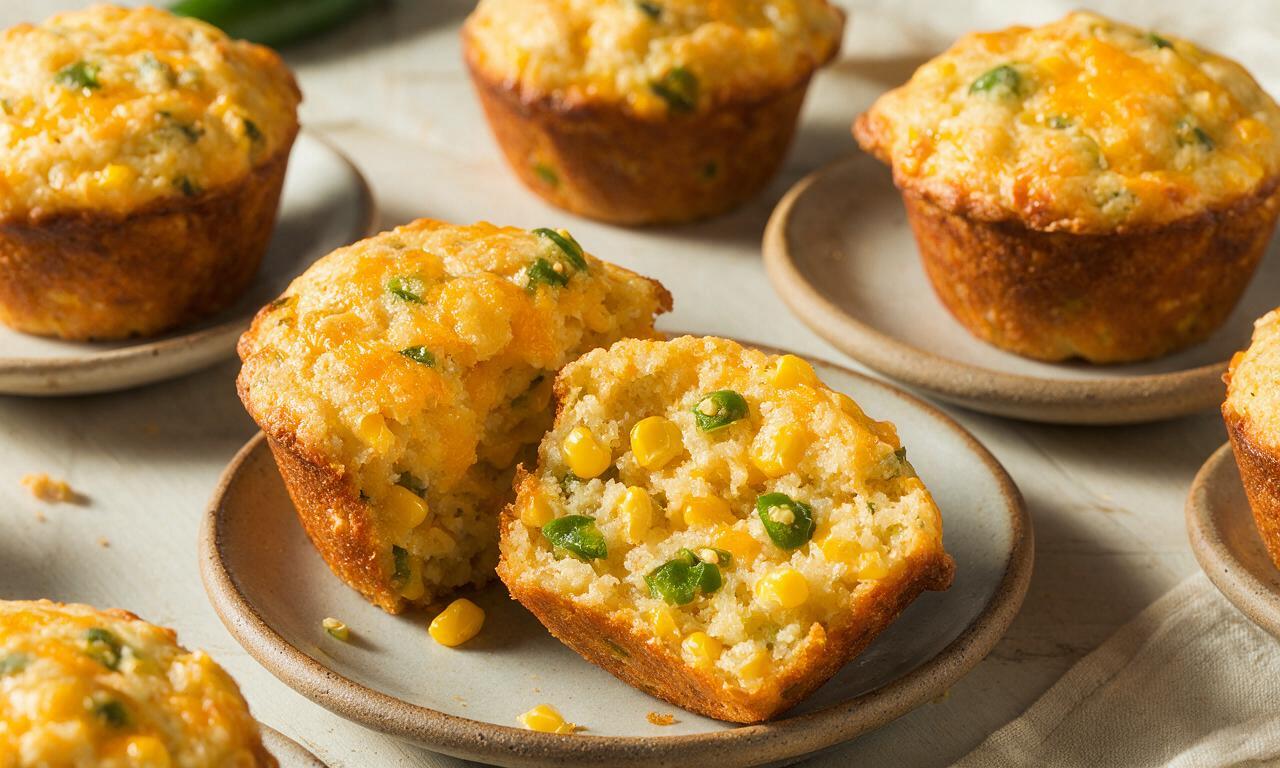
OMG, I grew up eating my grandma’s hoecakes in eastern Kentucky and I’ve been chasing that exact flavor for YEARS. This recipe is spot on! So easy to throw together on a busy weeknight, I served them with pinto beans and collards for our Sunday family dinner and my kids went back for seconds (and thirds, oops). Crispy on the edges, soft in the middle—absolute perfection. Game changer to not have to dig through grandma’s messy old recipe box for this!
Brought these to our neighborhood block party potluck last weekend and they were gone in 10 minutes flat! Everyone was asking for the recipe, I felt so fancy. I added a tiny sprinkle of cheddar and a pinch of garlic powder to half the batch for a little twist, and both versions were a hit. Cook time was way shorter than I expected too, perfect for when you need a quick side to bring somewhere.
SO good! I made a big batch of these on Sunday for meal prep and they reheated perfectly in the toaster oven all week for quick breakfasts. I slathered them with a little apple butter each morning and it was chef’s kiss. Super easy recipe with barely any cleanup, which is my favorite thing when I’m prepping for the work week. Will be making these on repeat from now on!