
Lefse
intro
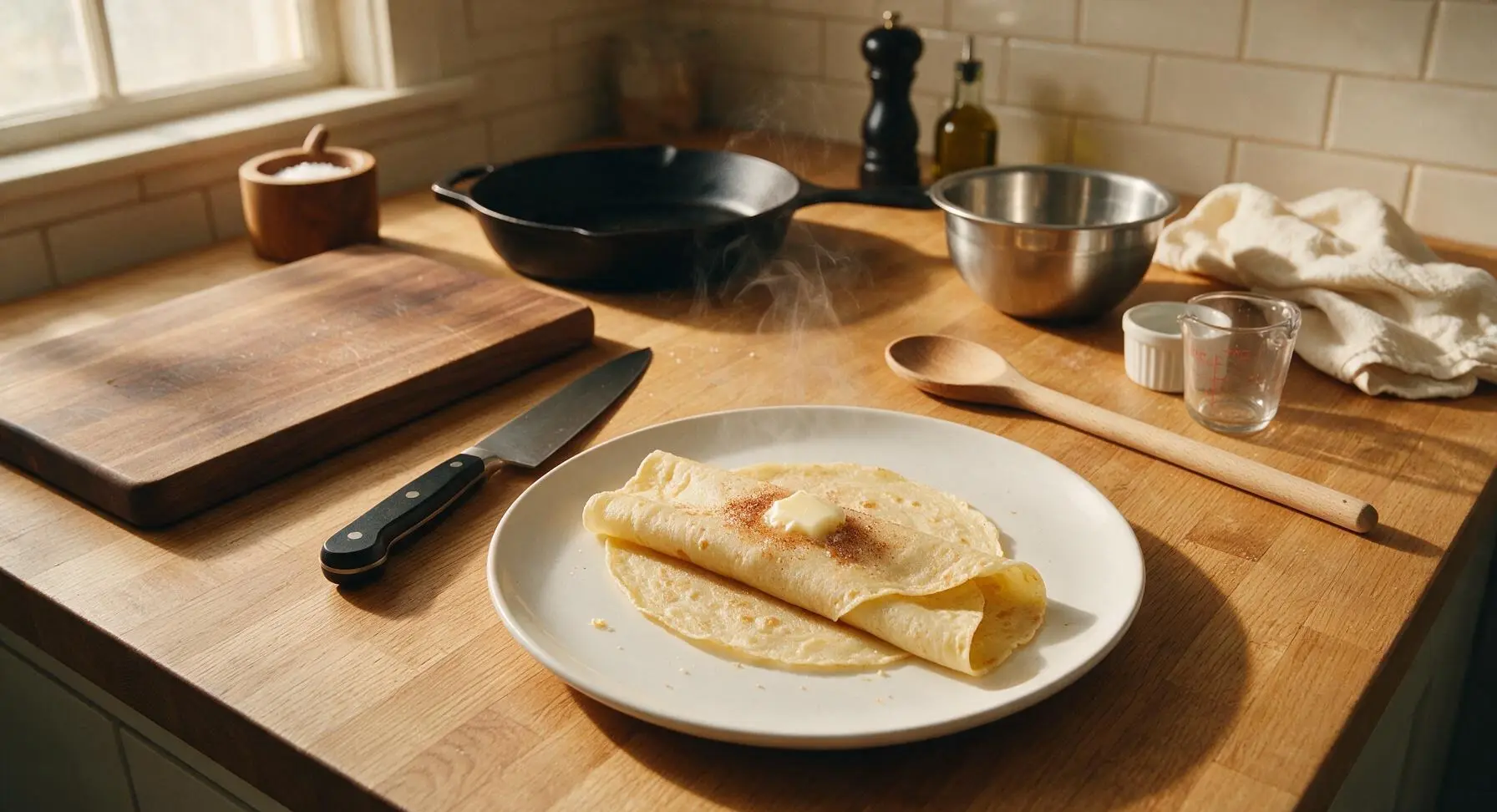
Soft, paper-thin potato flatbread, a beloved Nordic-American Christmas staple, tender and lightly sweet, perfect rolled with butter and cinnamon sugar.
Ingredients
Steps
Boil Russet Potatoes
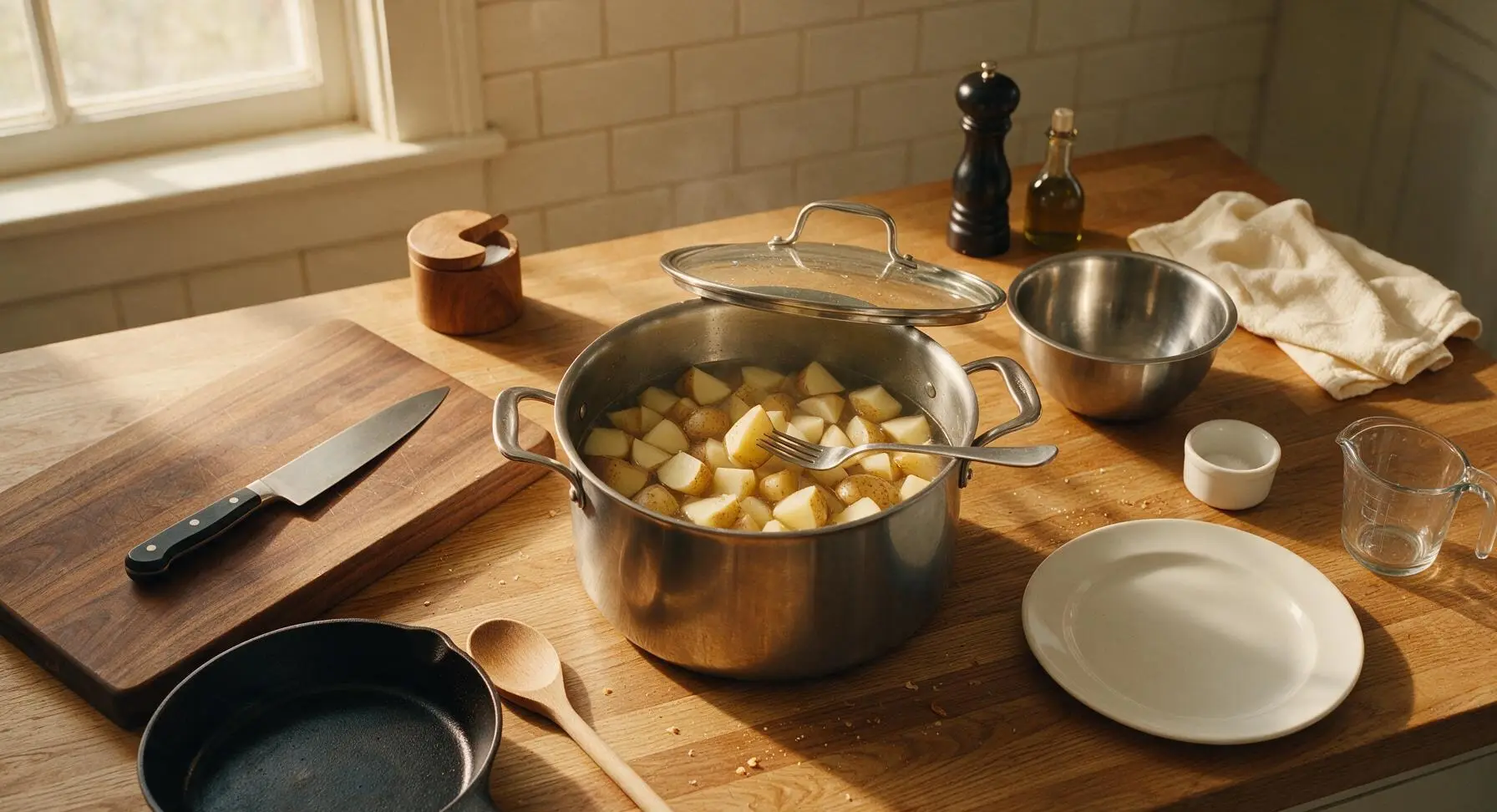
Peel the 1kg russet potatoes and cut into 5cm even chunks. Place chunks in the large stainless steel stock pot, cover with cold salted water by 2cm, bring to a rolling boil over medium-high heat. Cook for 15-18 minutes until a fork pierces the center with no resistance, but potatoes are not mushy or falling apart. Drain completely, shaking off all excess water to avoid soggy dough.
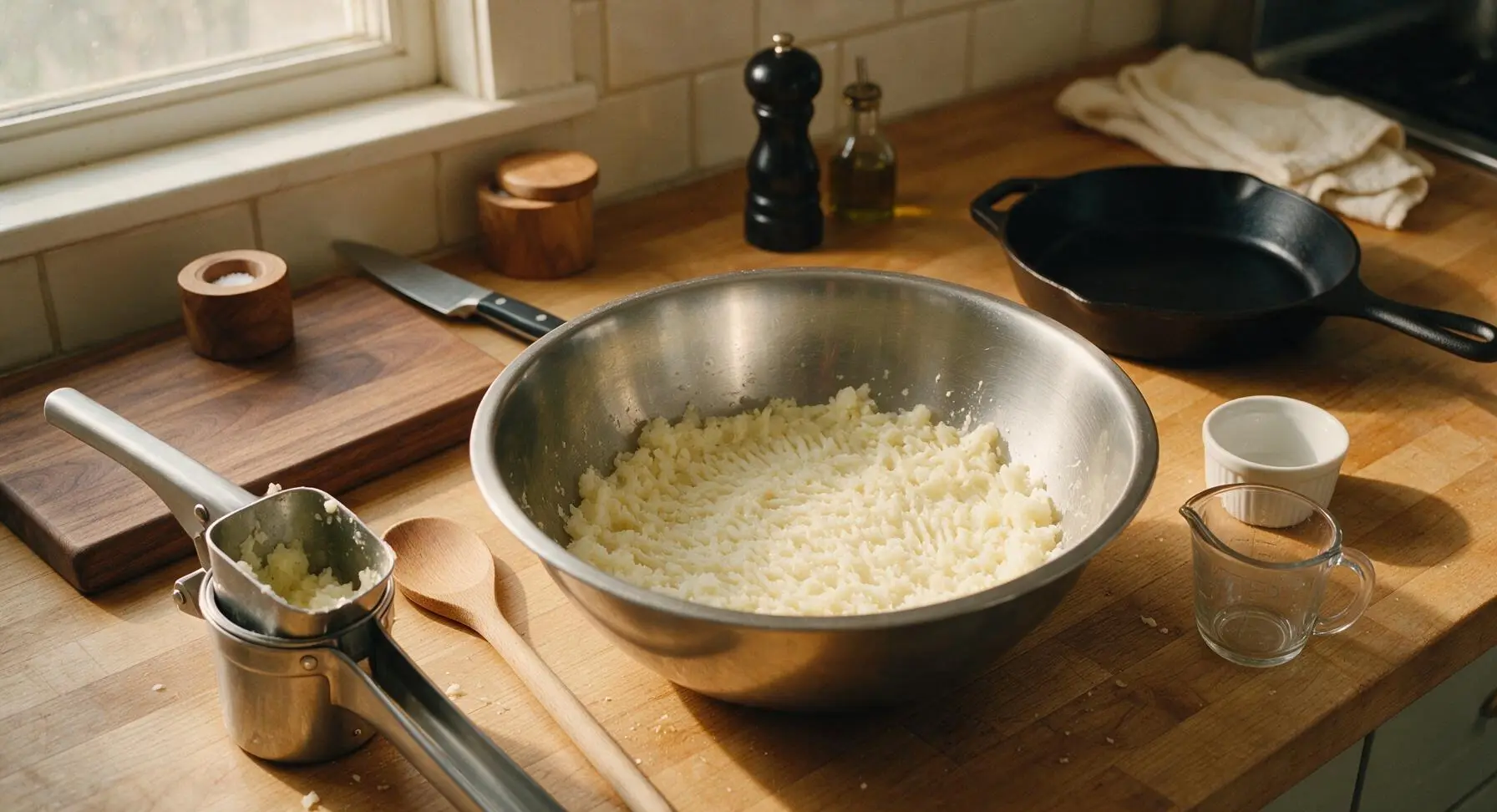
Rice Cooked Potatoes
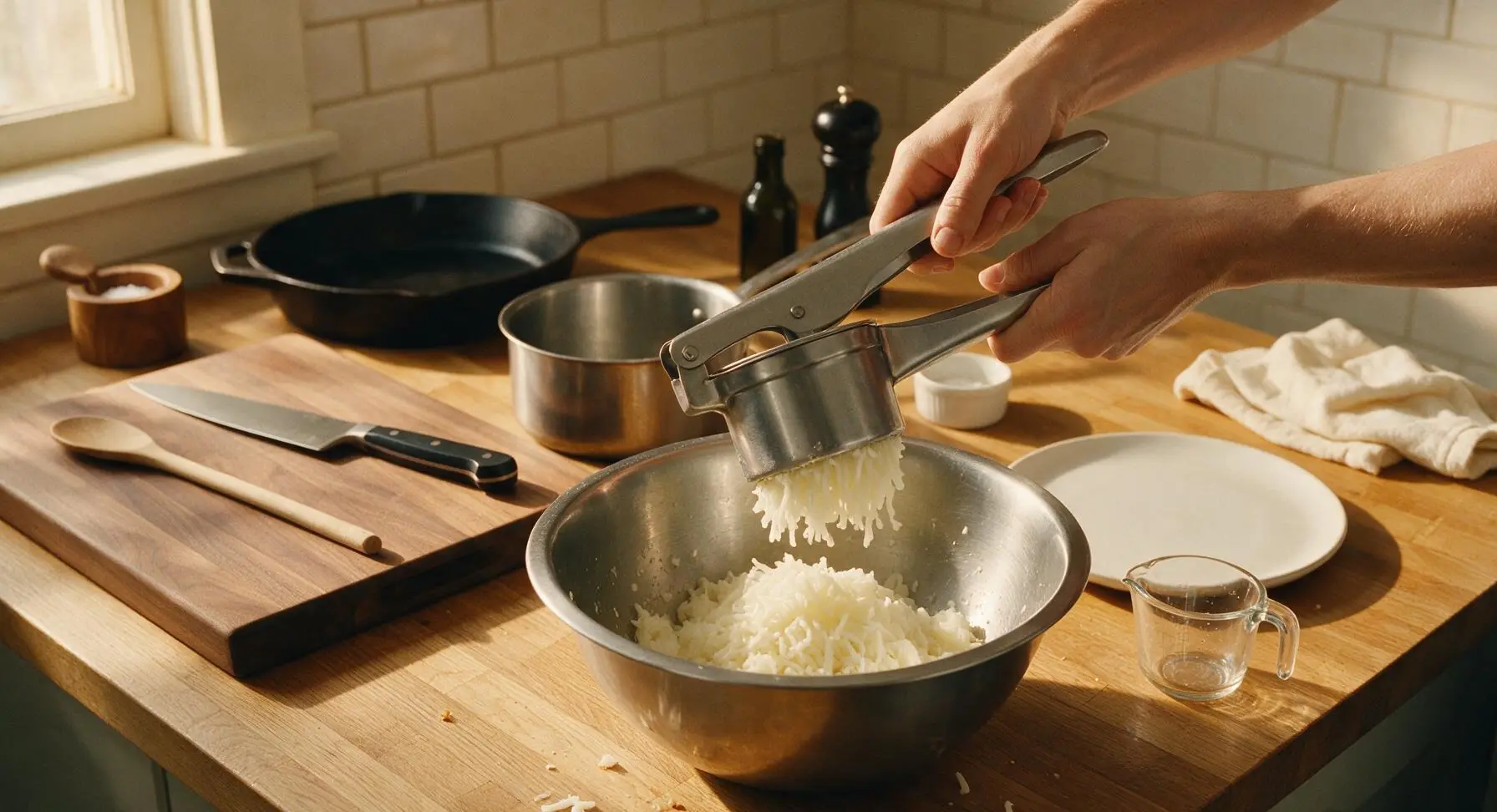
Working in 2-cup batches, press the hot drained potatoes through the matte silver stainless steel potato ricer directly into the large brushed stainless steel mixing bowl. Discard any small lumps or un-riced bits left in the ricer. Spread the riced potatoes in a thin, even layer across the bottom of the bowl to cool for 20 minutes to room temperature; warm potatoes will absorb too much flour and make tough lefse.
Mix Soft Lefse Dough
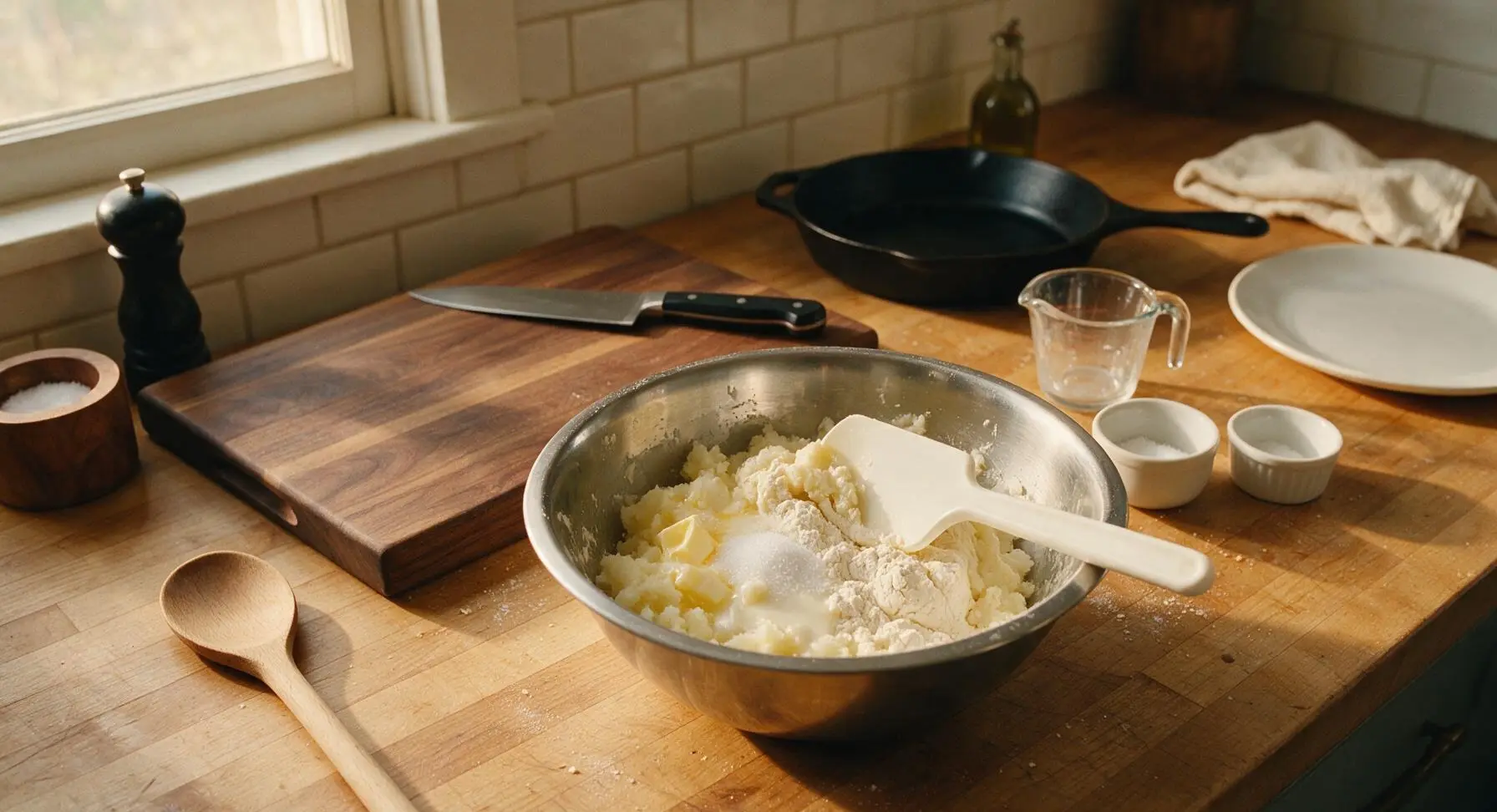
Once riced potatoes are fully cooled, pour in the 60g melted unsalted butter, 80ml warmed heavy cream, 1 tbsp granulated sugar, and 1 tsp fine sea salt. Stir gently to combine evenly. Gradually add the 180g all-purpose flour, 1/4 cup at a time, mixing with the flexible white plastic dough scraper just until a soft, non-sticky dough forms – do not overmix, as this will develop gluten and make chewy lefse. The dough should hold its shape when squeezed, without sticking to clean fingers.
Portion Dough Balls
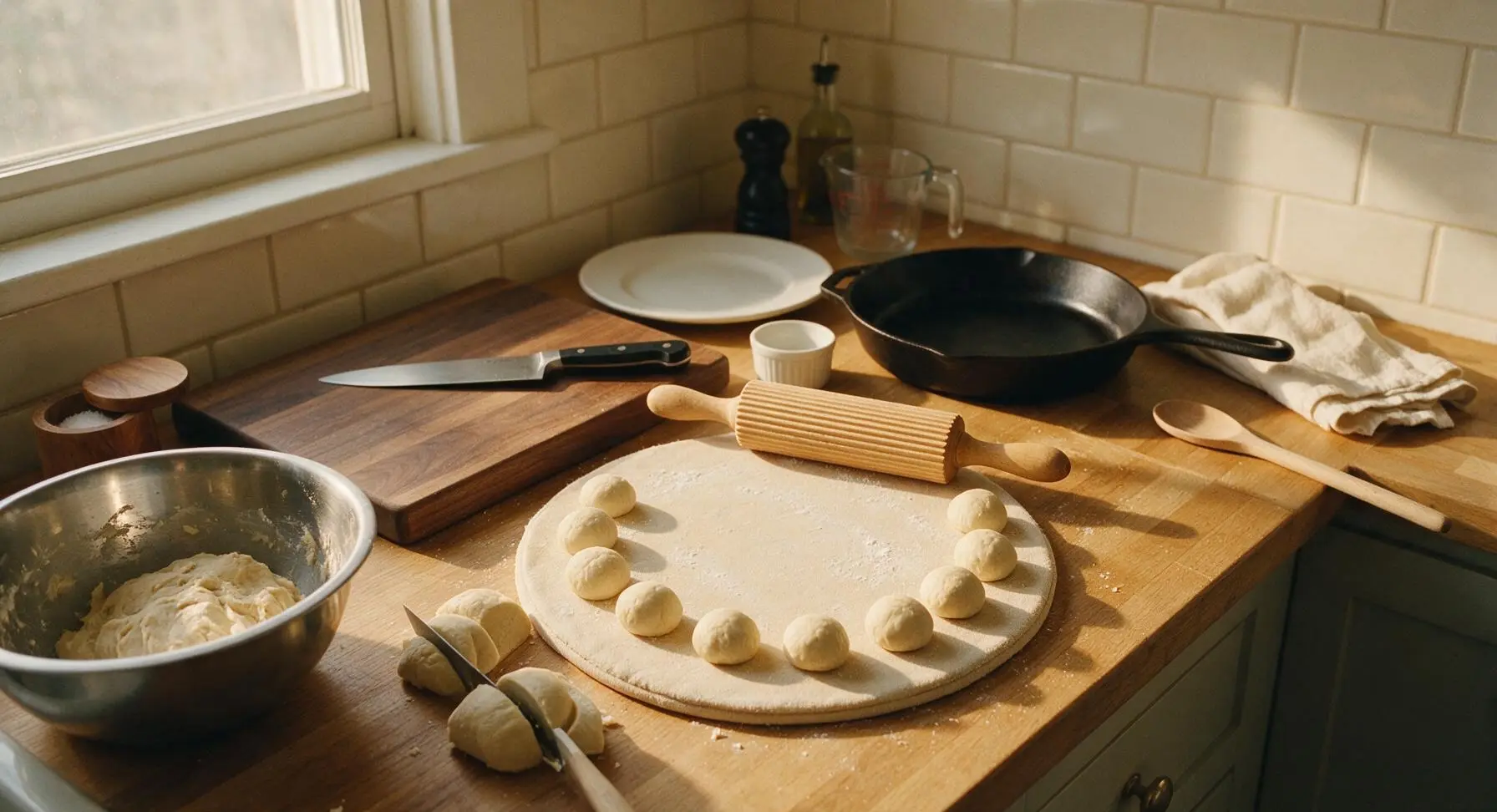
Lightly dust the round canvas pastry board with a thin layer of extra flour. Use the dough scraper to divide the dough into 12 equal portions, each about 50g in weight. Roll each portion between your palms into a smooth, tight round ball, placing them 2cm apart on the edge of the pastry board. Cover the dough balls loosely with a corner of a flour sack towel to prevent them from drying out while you work.
Roll Paper-Thin Rounds
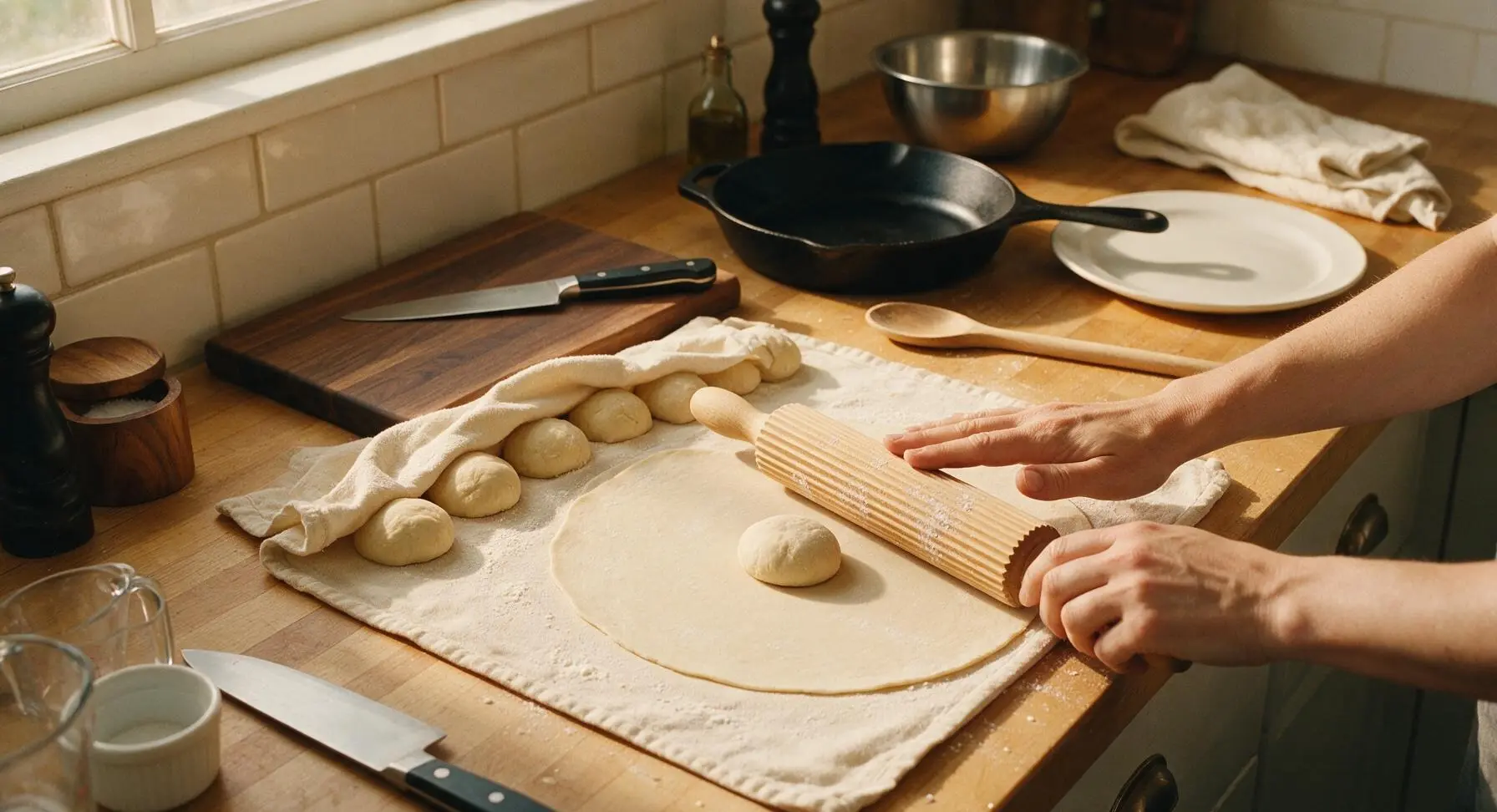
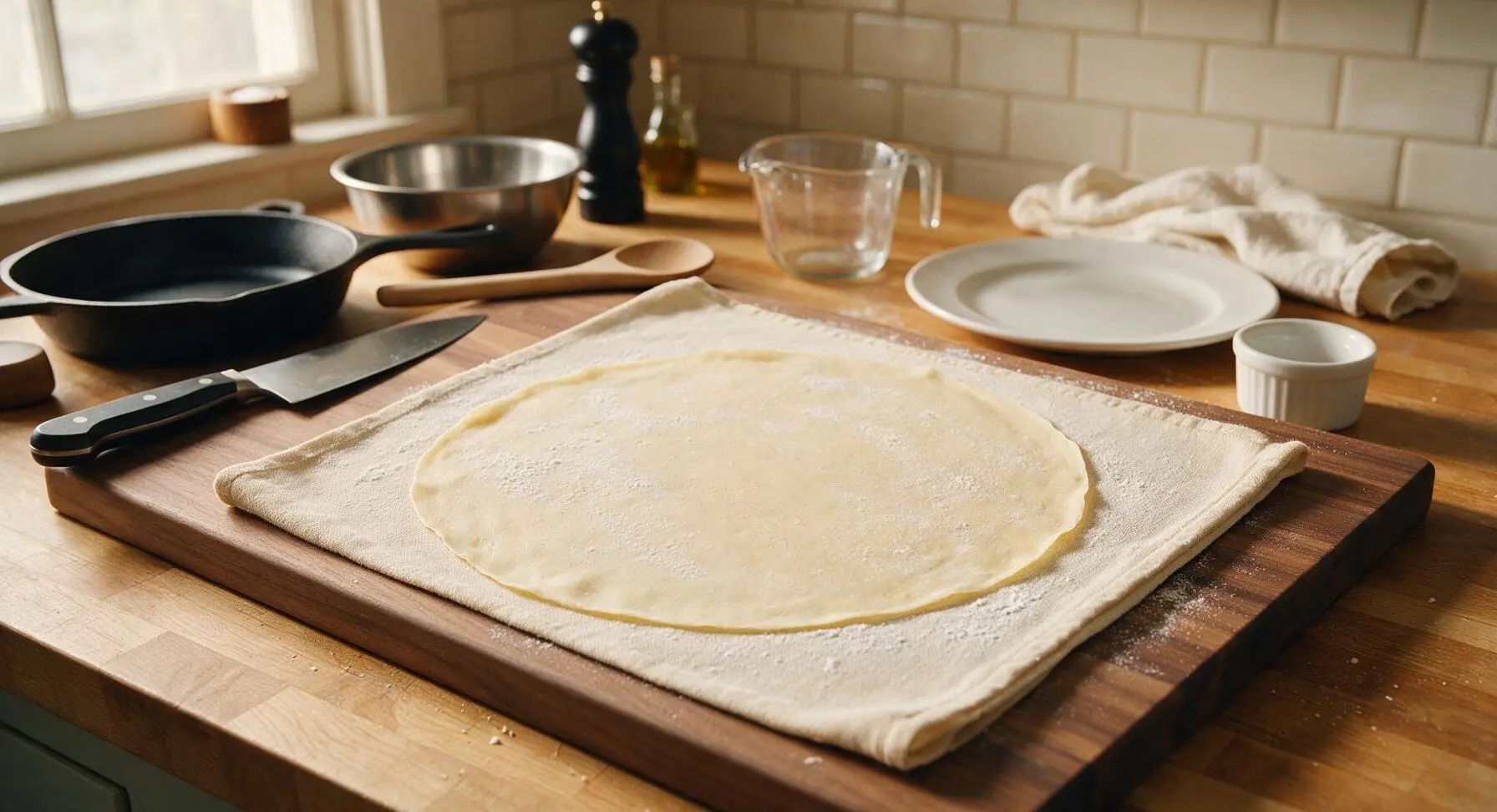
Place one dough ball in the center of the floured canvas pastry board. Dust the top of the dough lightly with flour, then use the corrugated maple lefse rolling pin to roll the dough into an even 30cm (12-inch) round, rolling from the center outward and turning the dough a quarter turn after every 2 rolls to prevent sticking. The finished round should be almost paper-thin, thin enough to faintly see the pattern of the canvas board through the dough. Repeat with remaining dough balls, keeping unrolled dough covered to prevent drying.
Preheat Lefse Griddle
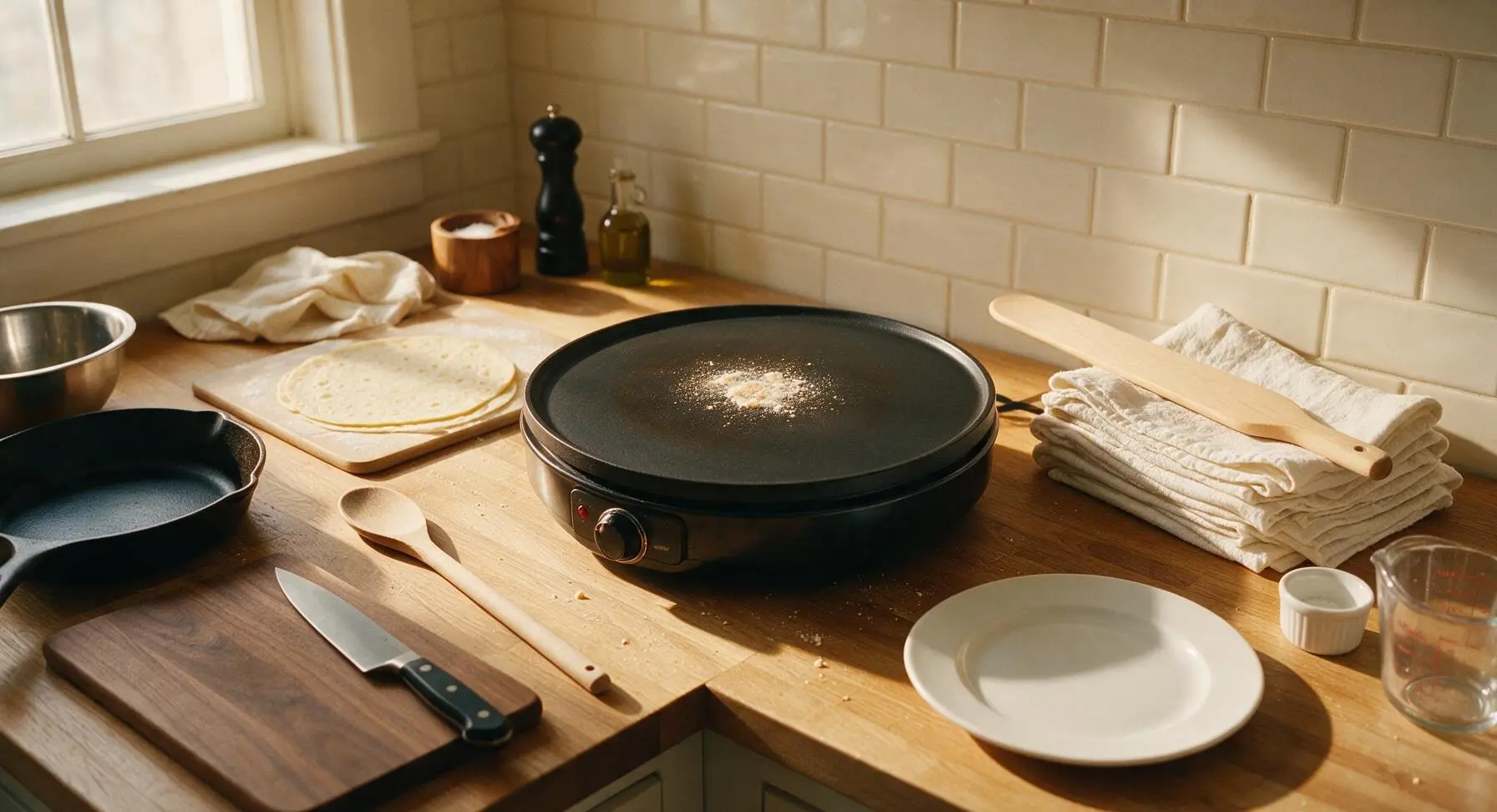
Place the 16-inch electric lefse griddle on the center of the counter, plug it in, and preheat to 400°F (200°C). Test the temperature by sprinkling a pinch of flour on the surface – the flour should turn light golden brown in 10 seconds, not burn instantly. Lay a stack of thin unbleached cotton flour sack towels next to the griddle to wrap cooked lefse immediately, as exposure to air will make them stiff and dry.
Cook Until Golden Spotted
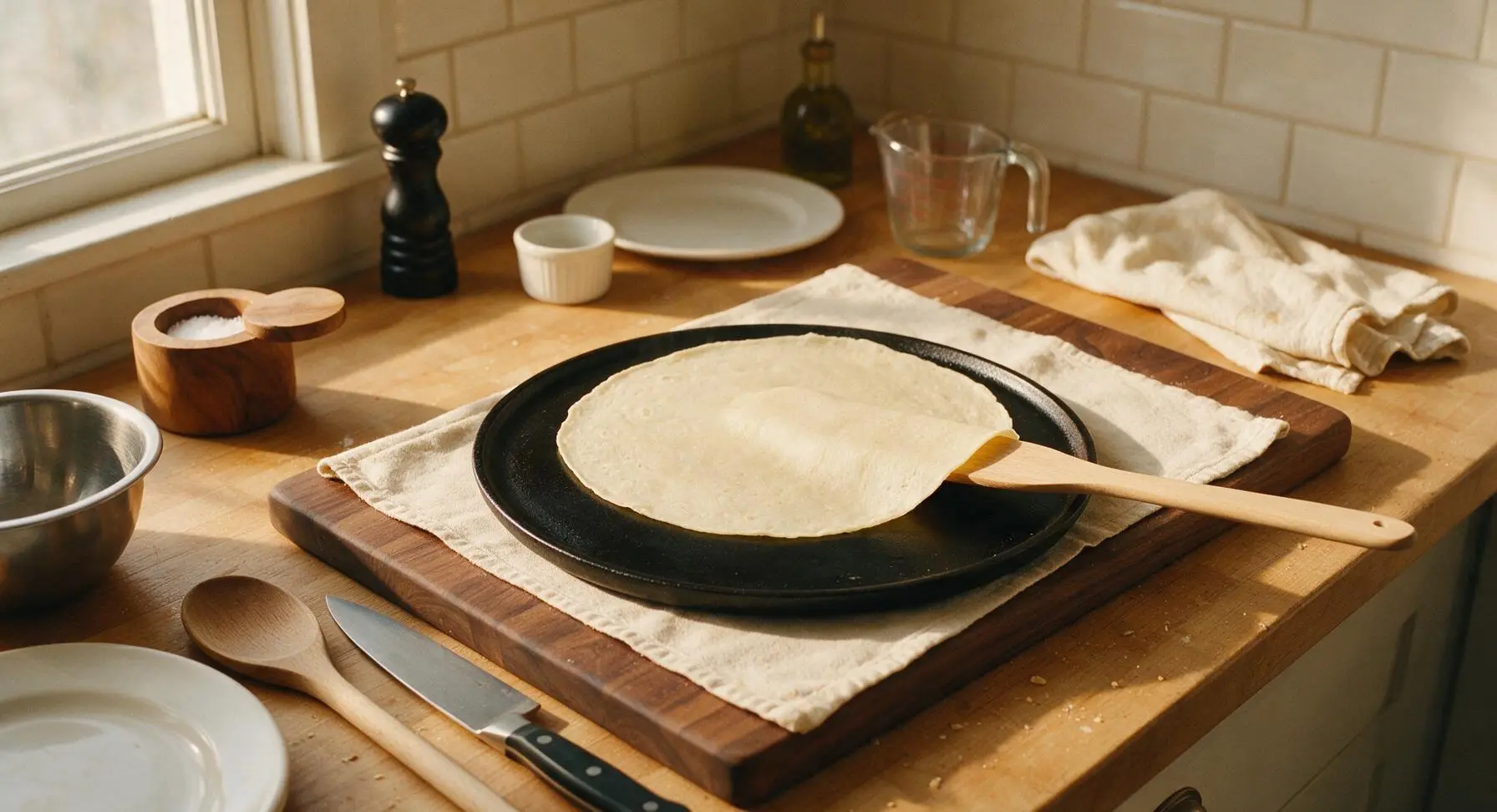
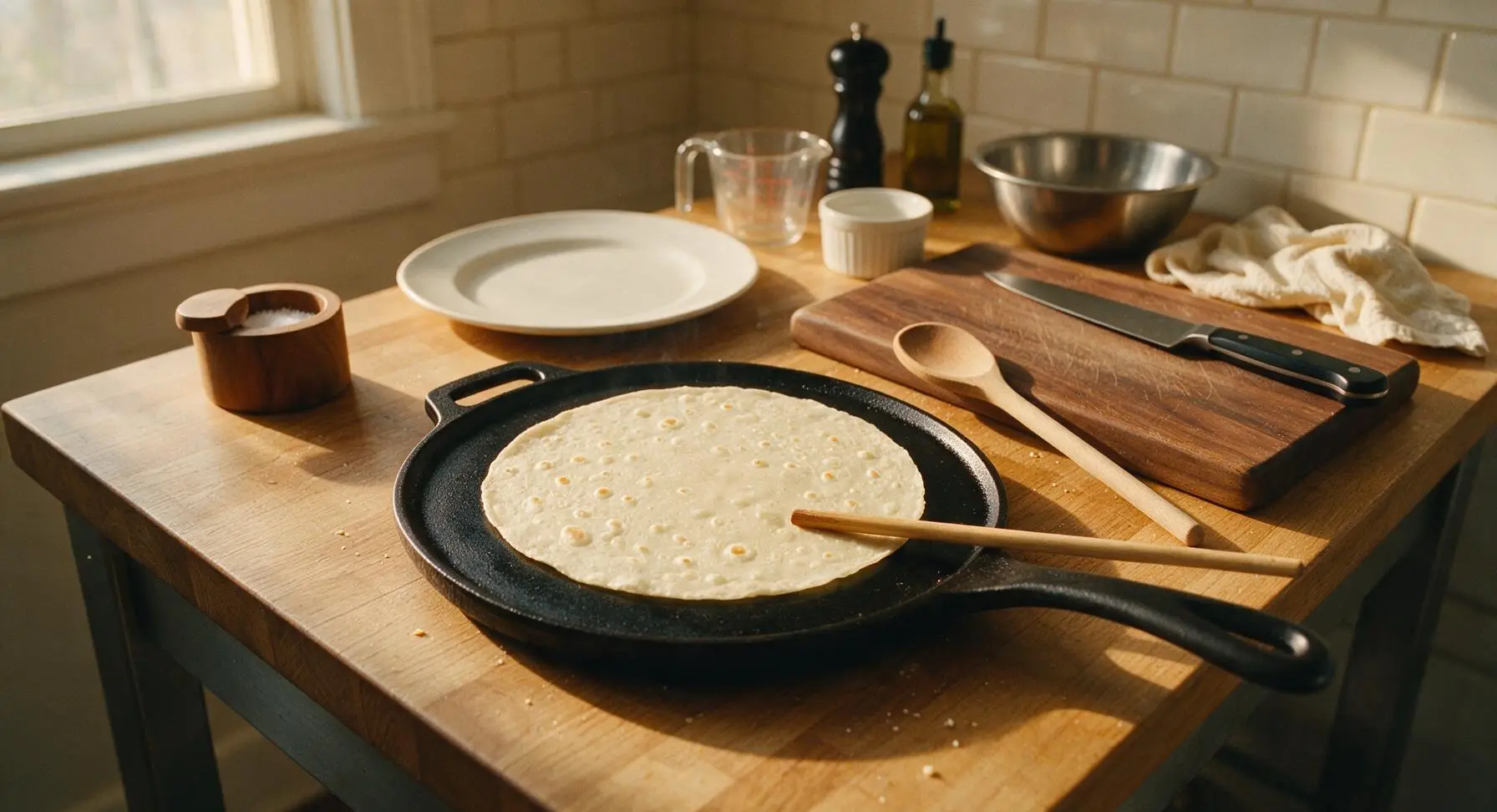
Use the birch wood lefse turning stick to gently slide under a rolled lefse round, lifting it carefully to avoid tearing, and lay it flat on the preheated griddle. Cook for 45-60 seconds on the first side, until small pale golden brown spots appear across the surface and the dough looks set and no longer translucent. Slide the turning stick under the center of the lefse, flip it quickly, and cook for another 30-45 seconds on the second side, until matching golden spots form. Do not overcook, as this will make the lefse crispy instead of soft and pliable.
Wrap to Soften
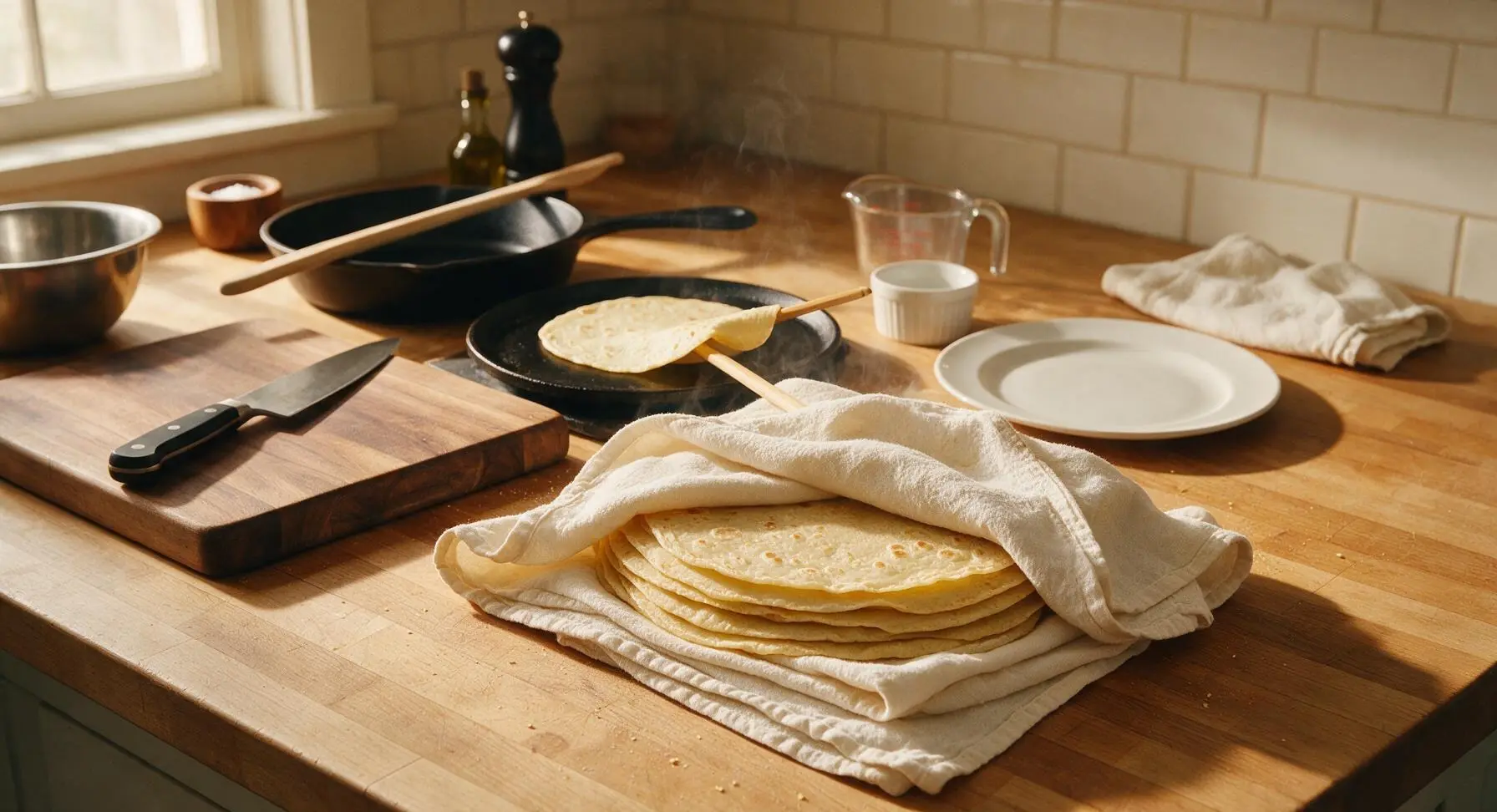
As soon as each lefse finishes cooking, use the turning stick to lift it off the griddle and place it directly between the layers of the stacked flour sack towels, folding the top towel over to trap steam. Continue cooking remaining rounds, stacking them between the towel layers as you go. Let the wrapped lefse rest for 10 minutes to steam and soften fully before serving.
Tips
2.Wait until riced potatoes are fully cooled to room temperature (about 20 minutes) before adding flour. Warm potatoes absorb excess flour rapidly, leading to dense, chewy lefse instead of the delicate, soft texture that defines good homemade lefse.
3.Always layer cooked lefse between thin flour sack towels immediately after coming off the griddle. Trapped steam from the hot bread keeps rounds pliable; lefse left exposed to open air will dry out and turn stiff and cracker-like in under 5 minutes.






OMG this lefse recipe is a total game changer! I grew up eating my great-aunt’s lefse at Christmas every year and never thought I could nail it at home. Took a couple tries to get the rolling thin enough without tearing, but the end result tasted exactly like I remembered. Brought a batch to my neighborhood potluck last weekend and people were begging for the recipe! SO good slathered with salted butter and a sprinkle of cinnamon sugar.
My kids went absolutely crazy for this! I was worried it’d be too time consuming for a weeknight dinner side, but the 20 minute cook time was totally accurate once I had the potatoes prepped ahead on Sunday for meal prep. We ate ours rolled up with leftover meatballs and it was chef’s kiss. Only knock is I definitely need more practice rolling it evenly — half my pieces were lumpy but the kids didn’t care one bit.
I’ve been searching for a no-fuss traditional lefse recipe for YEARS and this one checks every box. No weird additives, just simple ingredients, and it comes out so soft and flexible even when it cools down. I stored mine in a ziplock bag with parchment between layers and it stayed perfect for 4 days in the fridge. 10/10 will be my go-to from now on.
Tried this for the first time last night and uh… mine turned out more like thick potato pancakes than actual lefse 😂 I think I overworked the dough? Also I didn’t have a griddle so I used a regular frying pan, which might have been the issue. Flavor was great though, so I’m gonna try again this weekend!
This is going to be a new staple for our annual Christmas Eve smorgasbord! I tested a batch this week to make sure it was good enough for the family dinner, and my husband ate half the batch before it even cooled off. Tastes just like the lefse we used to buy at the Scandinavian festival when I was a kid.
Made this for my Norwegian grandma’s 82nd birthday and she cried. Said it tasted exactly like her mom’s recipe from the old country. I was so nervous I’d mess it up since I’m still pretty new to baking, but the instructions were super clear. 10/10 would recommend even if you don’t have fancy equipment.
I swapped the all purpose flour for a 1:1 gluten free baking flour and it worked PERFECTLY. I was so worried I’d never get to have lefse again after going gluten free, but this recipe adapted so well. Texture was soft, flavor was spot on, no weird gritty aftertaste. Will be making this monthly for sure.
Wait a second, how are you guys getting these done in 20 minutes cook time? I spent almost an hour rolling out all the individual pieces, my arms are so sore! The end result was delicious, don’t get me wrong, but I must be doing something wrong because it took me way longer than advertised.
Brought this to my office potluck yesterday and it was the first empty plate on the table! I set out little dishes of butter, cinnamon sugar, lingonberry jam, and even peanut butter for people to top it with, and everyone was going back for seconds and thirds. Multiple people asked if I bought it from a specialty bakery, little do they know how simple it was!
Used homegrown russet potatoes from my garden for this and the flavor was next level. I froze half the batch between parchment paper sheets and pulled a couple pieces out for breakfast this morning, toasted them up quick on the griddle, and they tasted just as good as fresh. Super versatile, will be making this all fall and winter.
Full transparency: I burned the first three pieces because my griddle was way too hot. Once I turned it down to medium and waited for it to cool off a little, the rest came out perfect! They get those little brown bubbly spots just like the lefse I had at a food festival last summer. Don’t give up if your first few pieces are trash, it gets easier fast!
I’ve been making lefse for over 40 years and this recipe is hands down one of the best out there for home cooks. The ratio of potato to flour is perfect — not too gummy, not too dry, and it doesn’t get tough if you have to re-roll scraps a couple times. I’ll be passing this along to my grandkids for their own recipe boxes.
Served this for brunch last weekend with smoked salmon, dill cream cheese, and pickled red onions and it was such a hit! Way more interesting than regular bagels, and it felt fancy even though it was super affordable to make. All my friends were posting pics of their lefse wraps on Instagram, I felt like a professional chef.