1.Do I really need to stick to the equal 1:1:1 ratio of gin, Campari, and sweet vermouth for a classic Negroni?
▾
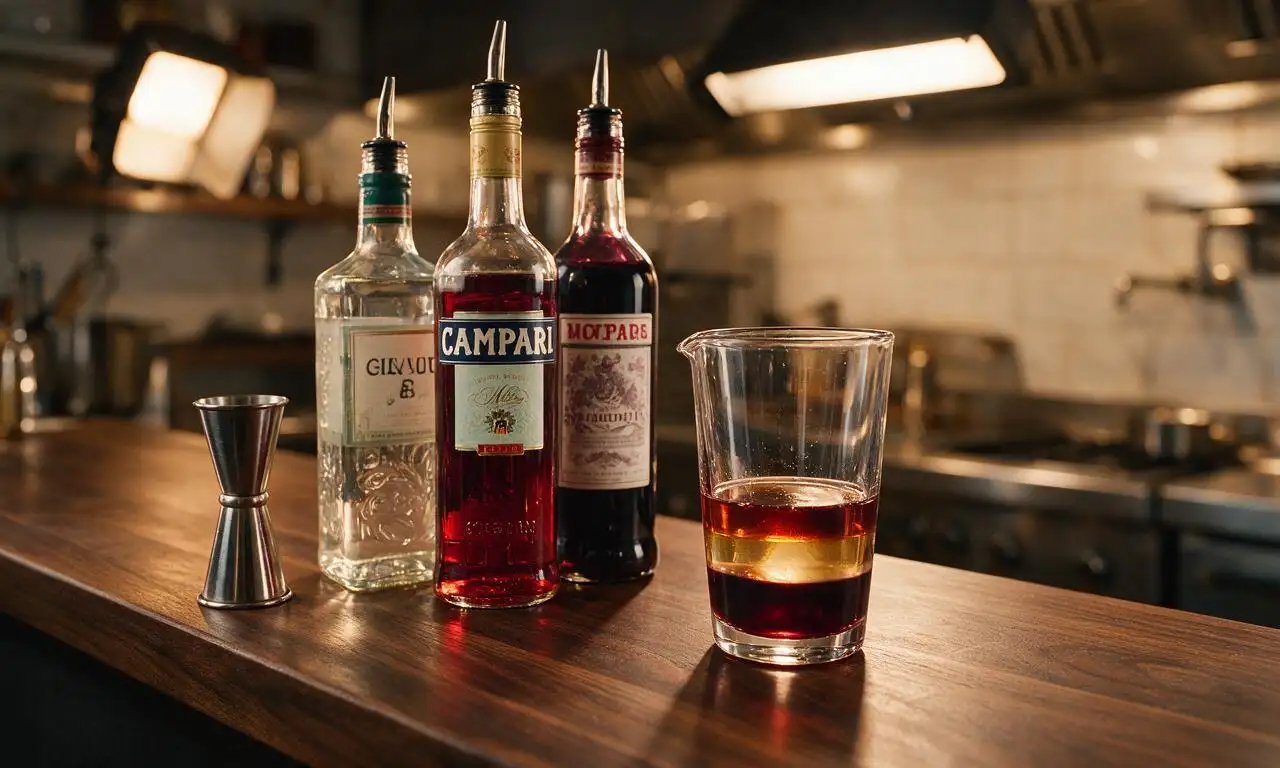
That iconic equal-parts pour is what gives the Negroni its legendary perfectly balanced bitter-sweet profile, with no single ingredient overpowering the others. You can tweak measurements by a quarter-ounce max to suit personal taste, but straying further means you’re not making a classic Negroni—stick to 1 ounce of each ingredient for the traditional, time-tested pour.
2.Why does the recipe specify London dry gin? Can I use another style of gin?
▾
London dry gin’s crisp, juniper-forward, bright citrus backbone cuts through Campari’s sharp bitterness and vermouth’s rich sweetness to keep the drink bright, not cloying. You can use a softer, modern craft gin if you prefer, but skip heavily flavored gins like sloe gin or spiced barrel-aged gins, as they will throw off the drink’s classic balance.
3.What’s the point of using separate ice for mixing vs. serving?
▾
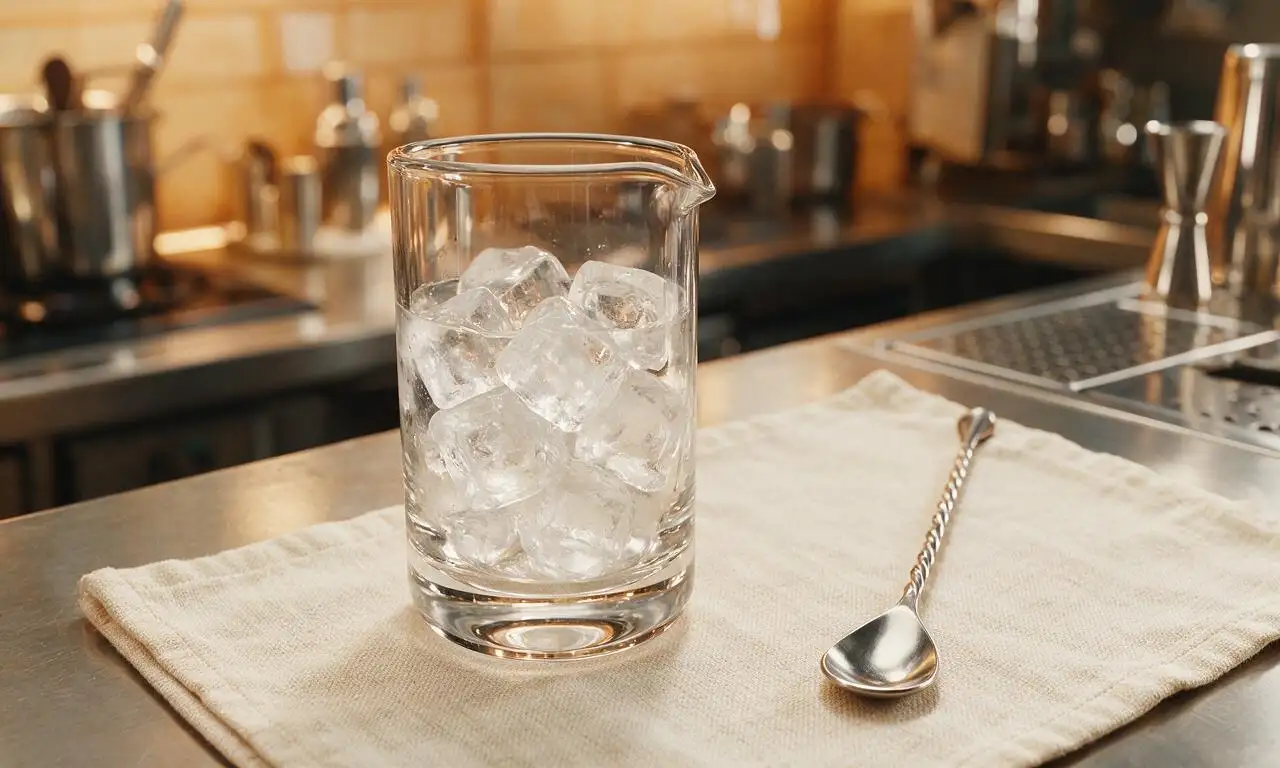
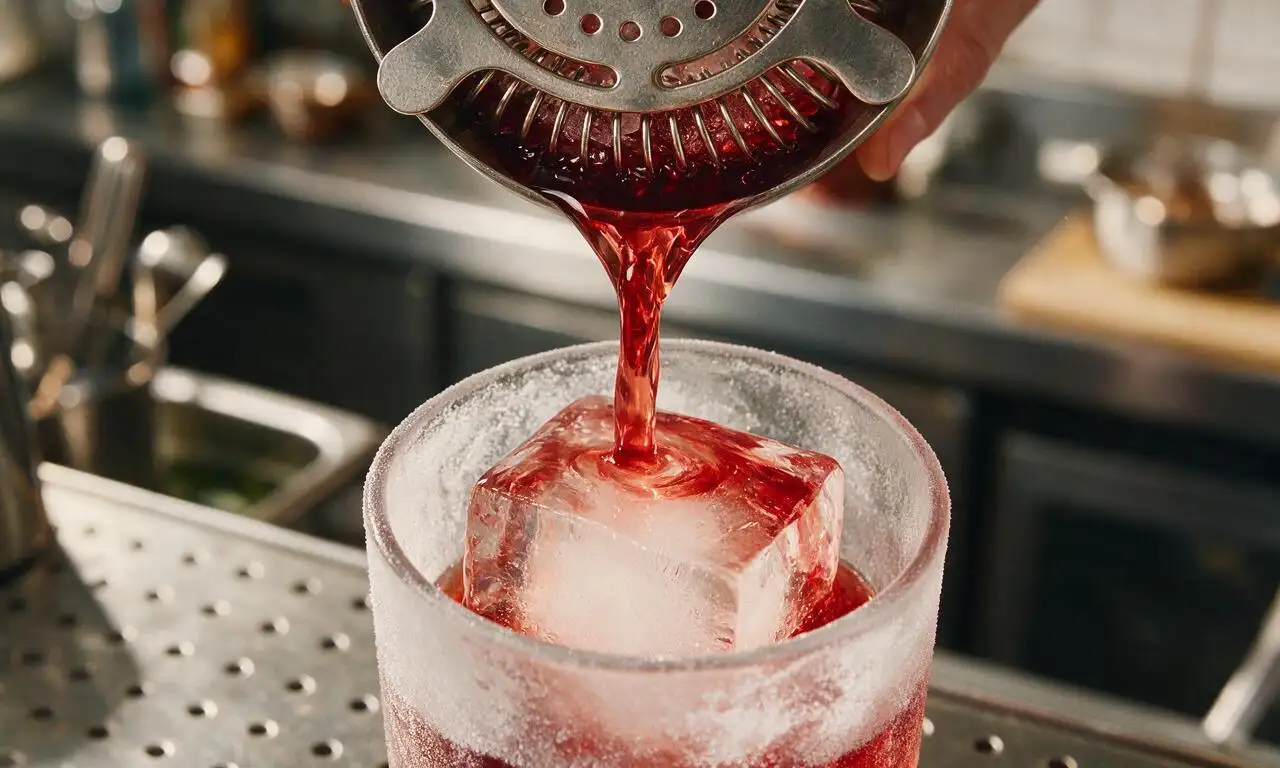
The large clear mixing ice chills your cocktail fast as you stir, with minimal excess dilution thanks to its low surface area. The king-sized serving ice melts far slower than small standard cubes or crushed ice, so your Negroni stays perfectly chilled and balanced from first sip to last, without getting watery and flat halfway through drinking.
4.Should I stir or shake a classic Negroni? I’ve seen both methods used.
▾
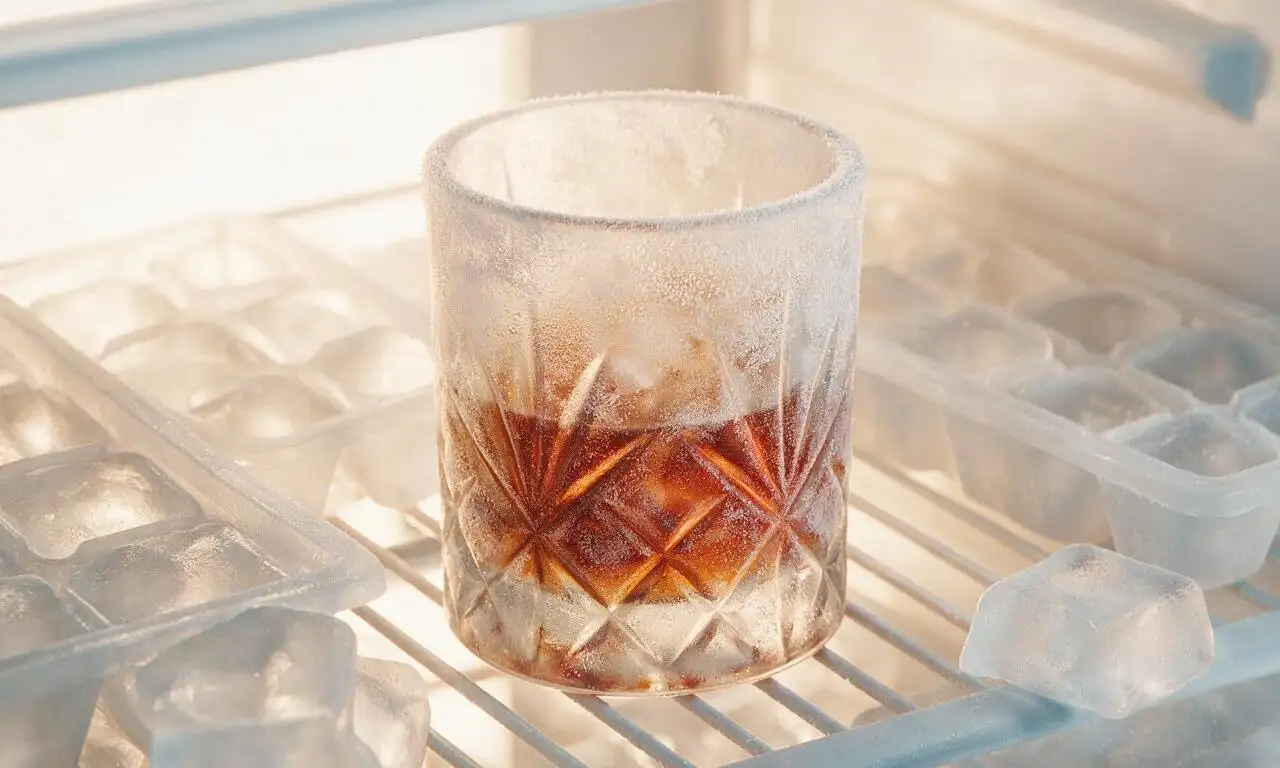
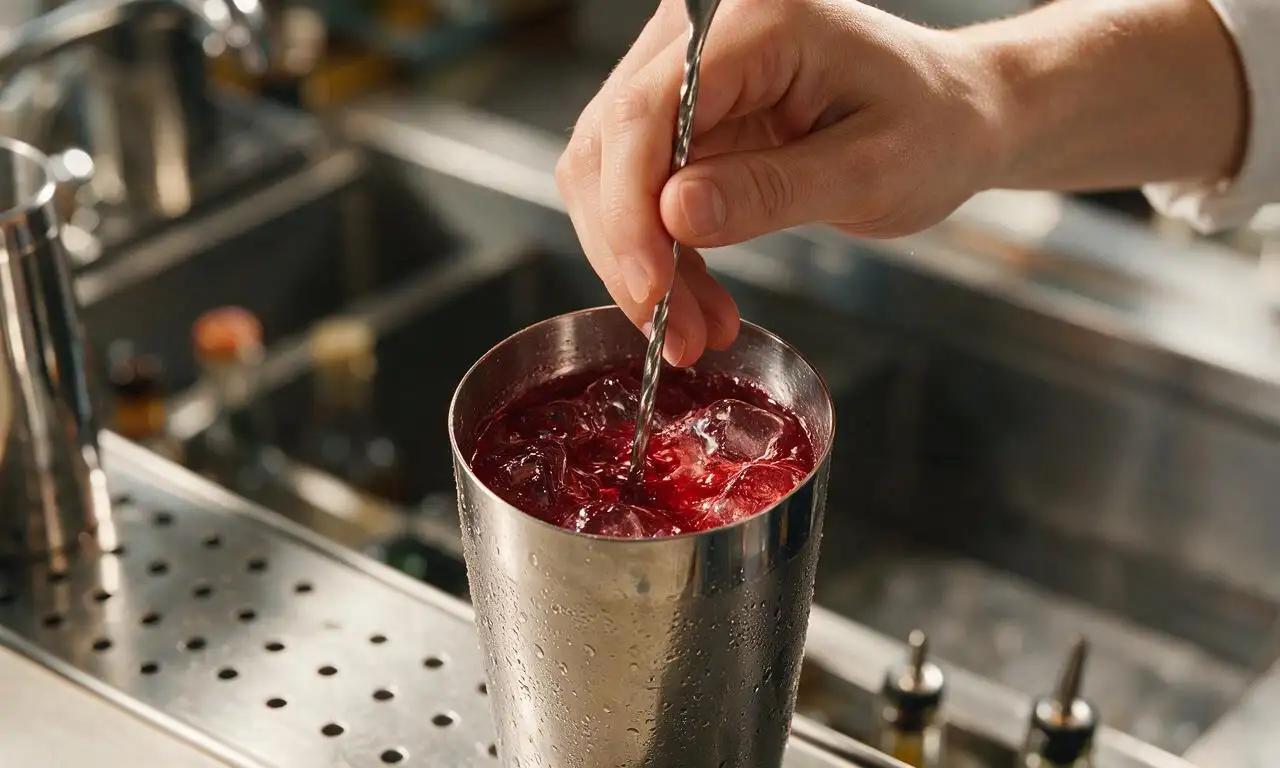
Always stir a classic Negroni! Shaking aerates the drink, creates tiny suspended ice chips, and over-dilutes it, leaving it cloudy and thin instead of the silky, crystal-clear, rich texture you want. Stir gently with mixing ice for 20 to 25 seconds to hit the ideal ice-cold temperature with just the right amount of water dilution.
5.Can I swap dry vermouth for sweet red vermouth if that’s all I have on hand?
▾
If you use dry vermouth, you’re actually making a different cocktail called a Negroni Secco, not a classic Negroni. Sweet red vermouth adds that rich, caramelized, slightly fruity sweet note that balances Campari’s bold bitterness. If you only have dry vermouth, add a tiny bar spoon of simple syrup to mimic that sweetness, but grab sweet red vermouth for the real deal.
6.Is there a good non-alcoholic version of a classic Negroni I can make at home?
▾
Absolutely! Swap the London dry gin for a non-alcoholic juniper-forward spirit alternative, replace Campari with a non-alcoholic bitter orange aperitivo, and use a non-alcoholic sweet red vermouth substitute. Keep the same 1:1:1 ratio, stir over ice just like the original, and garnish with orange peel for a near-identical balanced, bitter-sweet sip without the alcohol.
7.Why use an orange peel garnish instead of an orange slice or maraschino cherry?
▾
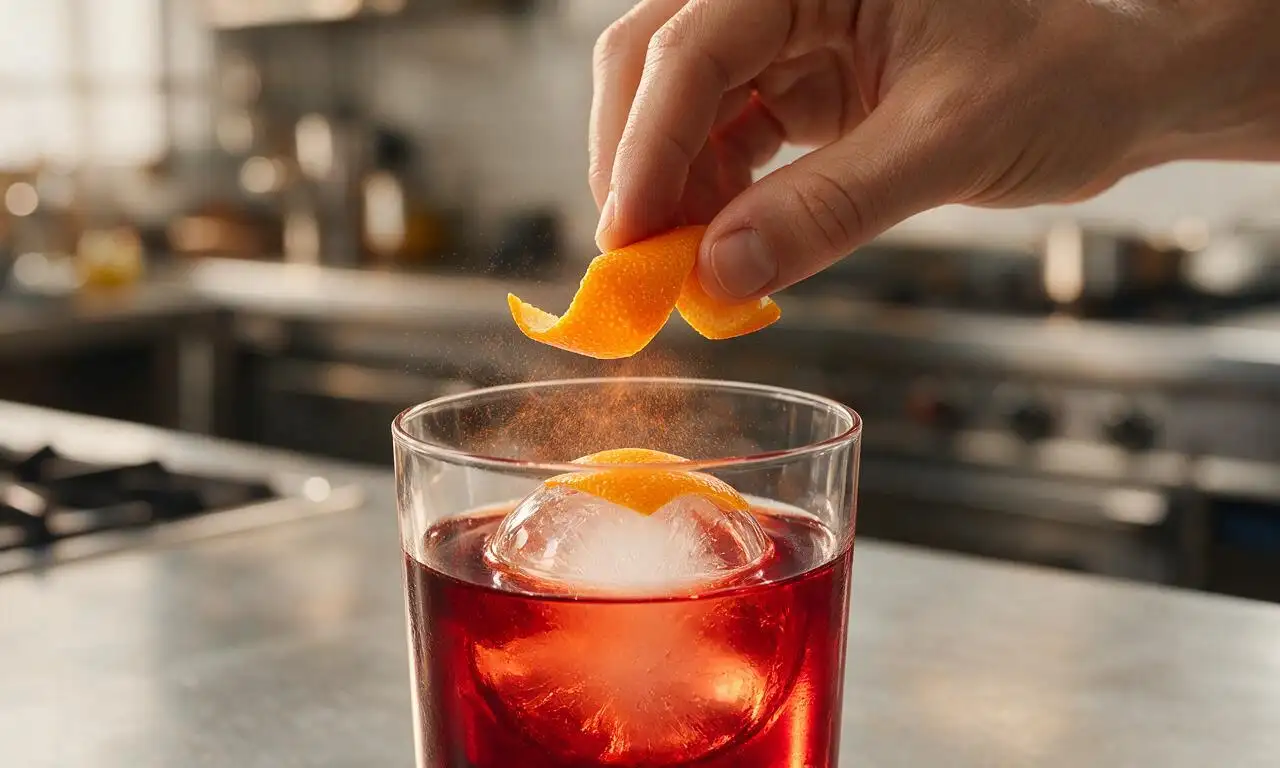
The orange peel isn’t just decorative! When you express (squeeze) the peel over the drink, you release bright, zesty citrus oils onto the cocktail’s surface that add a perfect aromatic top note. An orange slice adds too much excess juice and pulp, while a maraschino cherry adds an overly sweet, cloying note that clashes with the classic Negroni profile.
8.How long does open sweet vermouth stay good for? I’ve had a bottle on my bar cart for months.
▾
Sweet red vermouth is a fortified wine, not a shelf-stable spirit, so it will spoil if left out at room temperature after opening. Seal it tightly and store it in the fridge, and it will stay fresh and flavorful for 4 to 6 weeks. After that, it turns flat, nutty, and slightly vinegary, which will make your Negroni taste dull and off-balance.
9.Can I batch-make Negronis ahead of time for a party, instead of making them one by one?
▾
Definitely! Batching Negronis is extra easy thanks to the simple equal-parts ratio. Multiply the 1-ounce per ingredient measurement by your number of guests, mix them in a sealed bottle, and store it in the fridge for up to a month. Skip adding ice ahead of time; just pour over a king ice cube when guests arrive, add a garnish, and serve.
10.Do I have to use Campari, or can I use another red bitter aperitivo like Aperol?
▾
For a true classic Negroni, Campari is non-negotiable—it has a specific blend of bitter herbs, bright citrus, and signature depth that the original recipe was built around. Other red aperitivi like Aperol are much sweeter, lower in alcohol, and less bitter, so they produce a much milder, unbalanced drink that doesn’t match the classic Negroni profile.
11.What type of glass is traditionally used to serve a Classic Negroni?
▾
The classic serving vessel is a short, sturdy lowball (also called an old fashioned or rocks) glass, perfectly sized to hold your king-sized ice cube and 3 ounces of cocktail with a little room for garnish. You can serve it up in a chilled coupe if you prefer no serving ice, but the on-the-rocks pour over a large cube is the traditional, most common presentation.
12.Why is the Negroni considered an aperitivo, and when is the best time to serve it?
▾
As an iconic Italian aperitivo, the Negroni’s bright, bitter profile is designed to wake up your palate before a meal, so it’s traditionally served 15 to 20 minutes before dinner, often alongside small salty snacks like olives or marcona almonds. The balanced bitter-sweet kick stimulates your appetite without being too heavy or sweet, making it the ideal pre-dinner sipper.
13.My last homemade Negroni tasted way too bitter—what did I do wrong?
▾
The most common culprit is over-stirring, which adds excess watery dilution that makes bitter notes stand out instead of melding with the sweet vermouth. It could also be that your sweet vermouth was old and flat, so it didn’t add enough sweet balance, or you poured extra Campari by accident. Stick to the 1:1:1 ratio, stir 20-25 seconds, and use fresh vermouth for perfect balance.
14.Do I need fancy professional bar tools to make a great Negroni at home?
▾
You don’t need high-end pro gear at all! A basic mixing glass (a regular large mason jar works great), a long spoon for stirring, a small measuring cup or jigger to nail your ratios, and a small sharp knife to cut your orange peel is all you need. You don’t need a shaker, fancy strainer, or expensive gadgets to pull off a perfect classic Negroni.








OMG, this is the perfect Negroni ratio! I’ve been messing up my batches for years by pouring too much gin, but this equal parts split is chef’s kiss. Made these for my friend’s potluck pregame last weekend and everyone was begging for the recipe. SO good, I’ll never use another Negroni recipe again!
Solid Negroni recipe, super easy to throw together after work when I don’t feel like making a fancy cocktail. My only note is I swapped the sweet vermouth for a dry one because that’s what I had in the liquor cabinet, still turned out great. Served these at our family dinner on the patio last night and my wife loved it!
Game changer! I always thought Negronis were too bitter for me until I tried this exact ratio. Made a big batch for my girls’ beach trip last weekend and we went through the whole pitcher in an hour. 10/10, will be making these all summer long!
As someone who’s worked behind a bar for 4 years, I can confirm this is the classic, no-fuss Negroni recipe everyone needs in their back pocket. It’s so easy even total beginners can nail it in 5 minutes, just like the recipe says. I taught my teen cousin to make these for our family holiday gathering last month and even my super picky uncle raved about it!
Brought these to our neighborhood block party potluck last week and people were coming back for thirds! I pre-batched the bottles ahead of time so I didn’t have to mix drinks at the party, which made meal prep (well, drink prep?) a total breeze. So easy, so tasty, zero complaints from the crew!
Super quick and easy recipe, perfect for last minute date nights in. I didn’t have an orange garnish so I used a lemon peel instead, and it still tasted great. My partner said it was better than the Negronis we got at that fancy cocktail bar downtown last month, so that’s a huge win!