Paska (Ukrainian/Russian Easter Bread)

title 1
Paska (Ukrainian/Russian Easter Bread)
⏱️ cook time 4 hours 20 minutes (includes rising and cooling time)
🍽️ servings 8
⚡ Difficulty medium

intro

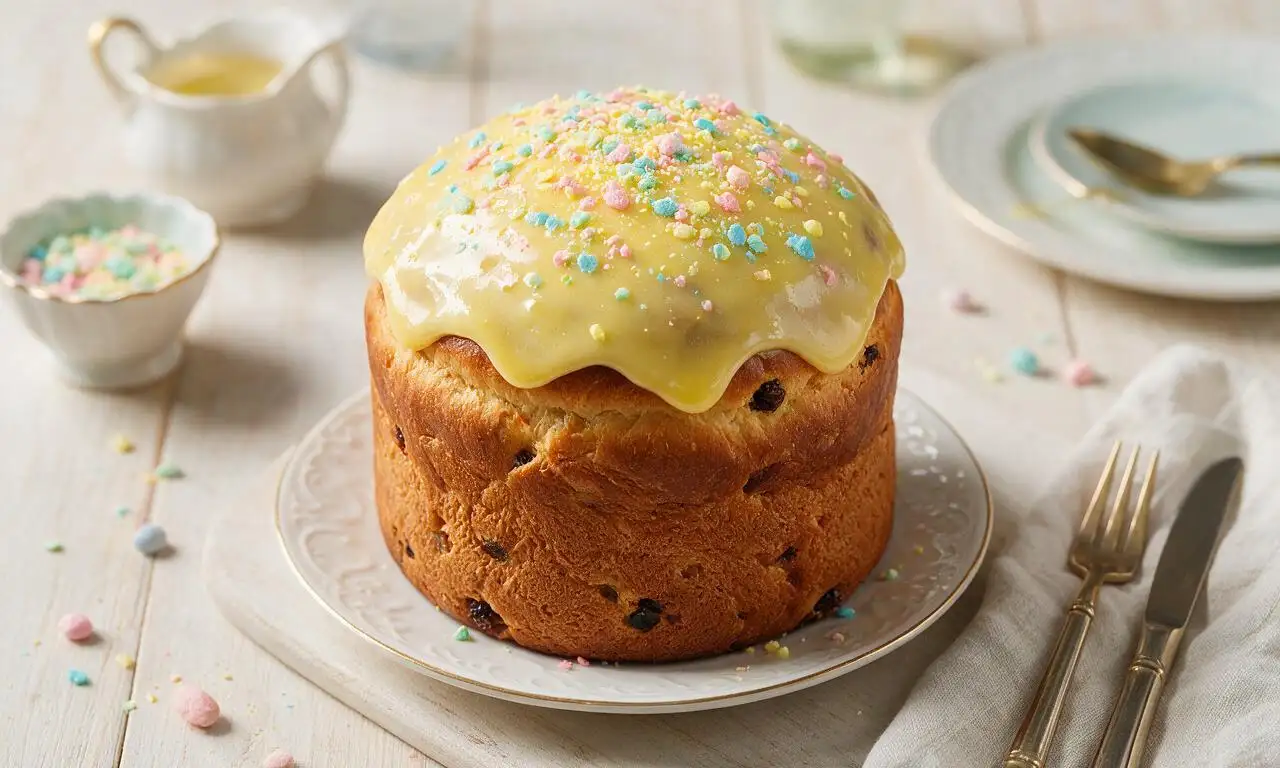
A rich, soft, slightly sweet yeast bread studded with dried fruit, traditionally baked for Easter, topped with a glossy lemon sugar glaze and pastel sprinkles.

Ingredients

All-purpose flour (spooned and leveled) 600g (5 cups)
Active dry yeast 7g (1 standard packet / 2 1/4 tsp)
Whole milk 240ml (1 cup), warmed to 43°C (110°F)
Granulated sugar 100g (1/2 cup)
Unsalted butter 113g (1/2 cup), melted and cooled, plus 1 tsp for greasing
Large eggs (for dough) 3, room temperature
Fine sea salt 5g (1 tsp)
Vanilla extract 5ml (1 tsp)
Mixed dried fruit (golden raisins, chopped candied orange peel) 150g (1 cup)
Large egg (for egg wash) 1, room temperature
Water (for egg wash) 15ml (1 tbsp)
Powdered (confectioners') sugar 180g (1.5 cups), sifted
Fresh lemon juice 15ml (1 tbsp)
Pastel decorative sprinkles 30g (2 tbsp)

Steps

1

Activate the yeast

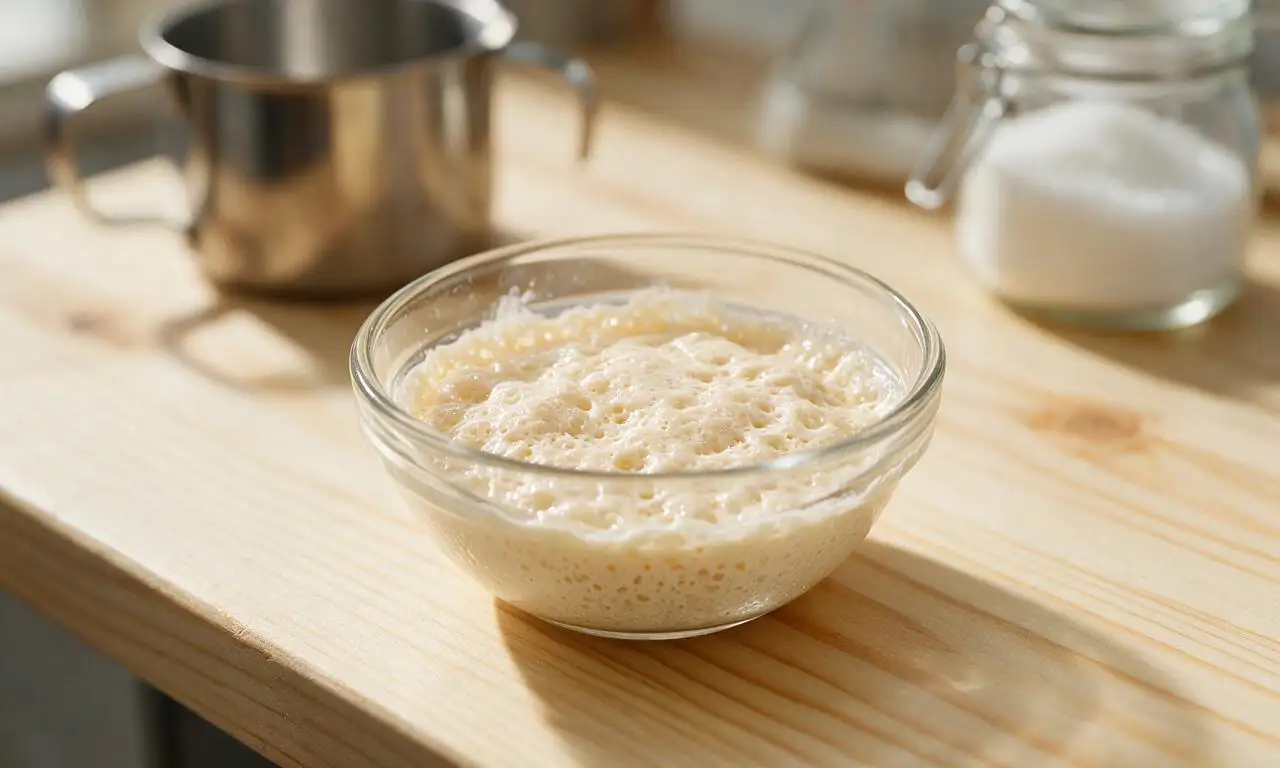
In a small mixing bowl, combine warmed 240ml whole milk (heated to exactly 43°C/110°F, no hotter to avoid killing yeast), 1 tablespoon of the measured granulated sugar, and the 7g packet of active dry yeast. Stir gently to combine, then let rest for 5-7 minutes in a warm, draft-free spot until the mixture is foamy and frothy across the surface, confirming the yeast is active and alive.
Step 1
step1:Activate the yeast
2

Mix the dough base

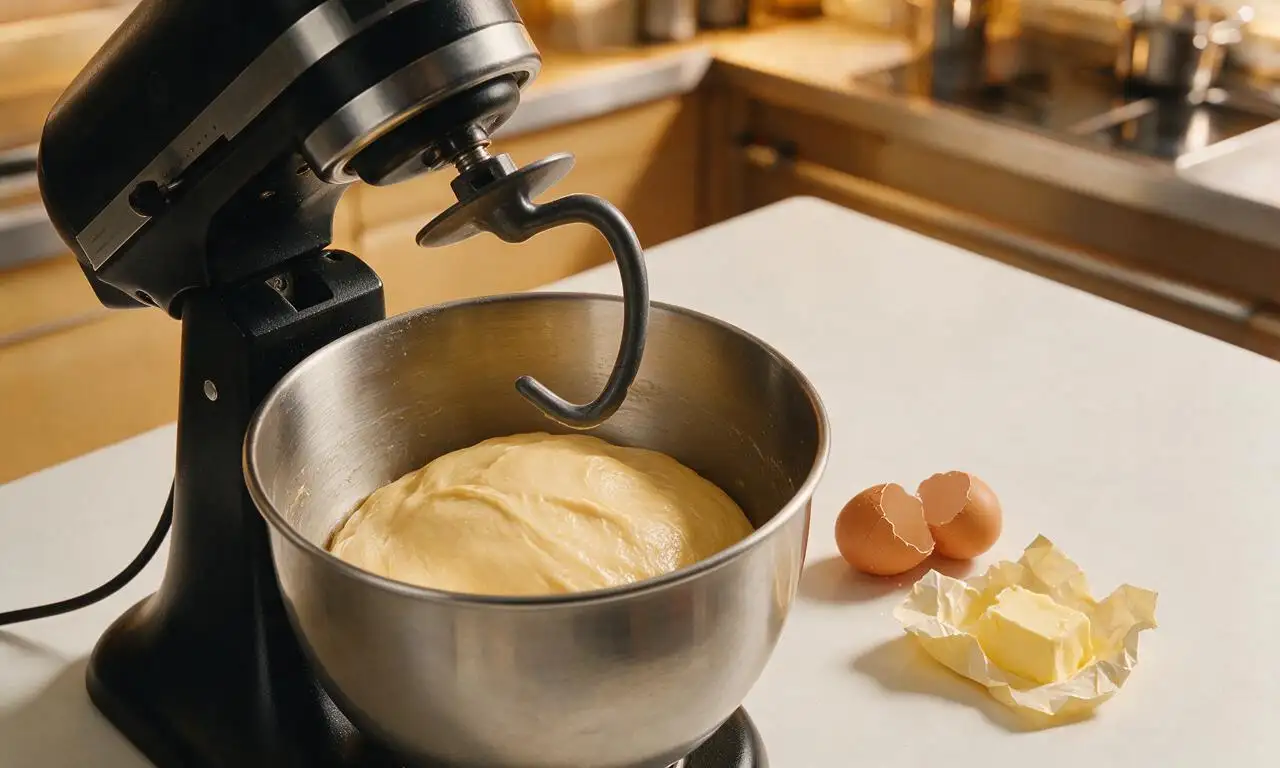
In the large bowl of a stand mixer fitted with a dough hook attachment, combine the foamy yeast mixture, remaining granulated sugar, 3 room-temperature large eggs, cooled melted unsalted butter, vanilla extract, and fine sea salt. Mix on low speed (mixer setting 2) for 1 full minute until all ingredients combine into a smooth, pale yellow liquid with no lumps of egg remaining.
Step 2
step2:Mix the dough base
3

Knead and first proof

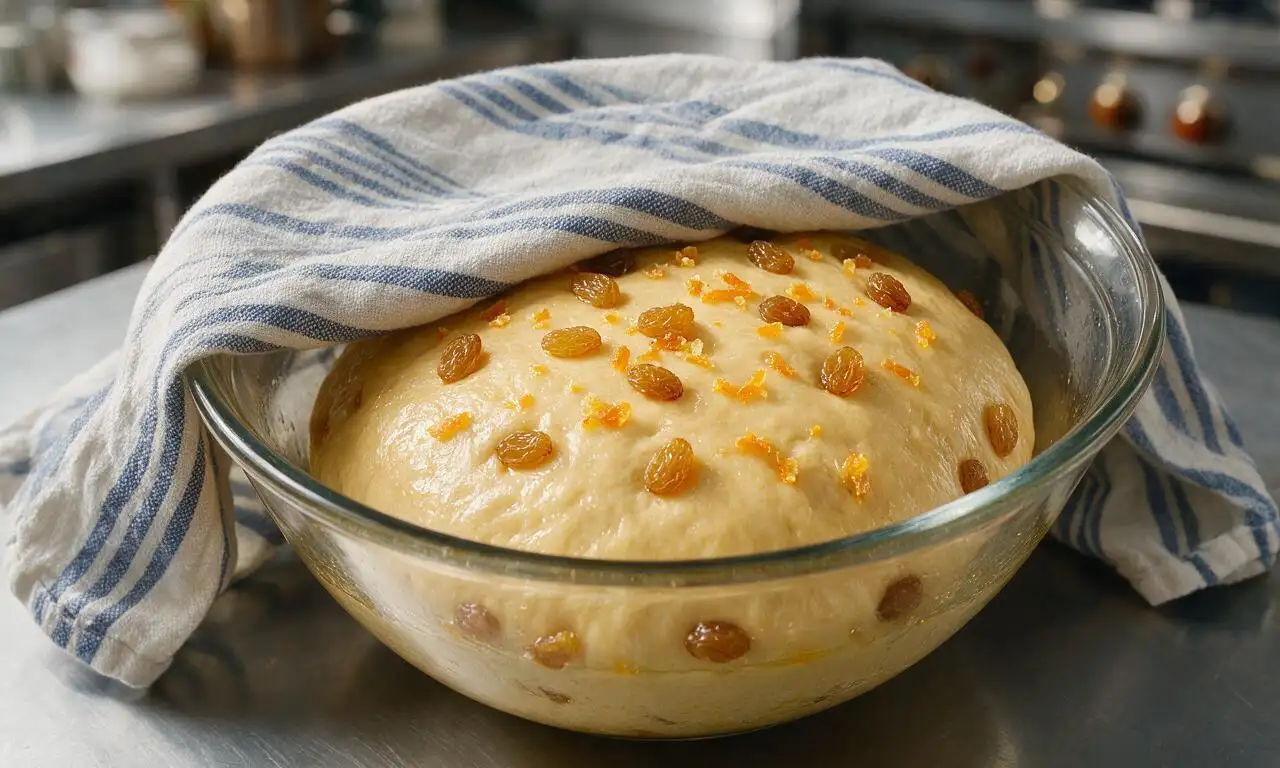
Toss the mixed dried fruit with 1 teaspoon of the measured all-purpose flour to coat, then set aside. Gradually add the remaining all-purpose flour to the mixer bowl, 1 cup at a time, mixing on low speed between each addition to prevent flour from flying out of the bowl. Once all flour is incorporated, increase mixer speed to medium-low (setting 3) and knead for 8 full minutes, until the dough is smooth, elastic, and pulls cleanly away from the sides of the bowl. Add the flour-coated dried fruit during the last 30 seconds of kneading to distribute it evenly. Grease the interior of the bowl with 1 teaspoon of softened butter, cover the bowl with a clean damp cotton kitchen towel, and let rise in a 24°C (75°F) draft-free spot for 1.5 hours, until the dough has doubled in volume.
Step 3
step3:Knead and first proof
4

Shape and second proof

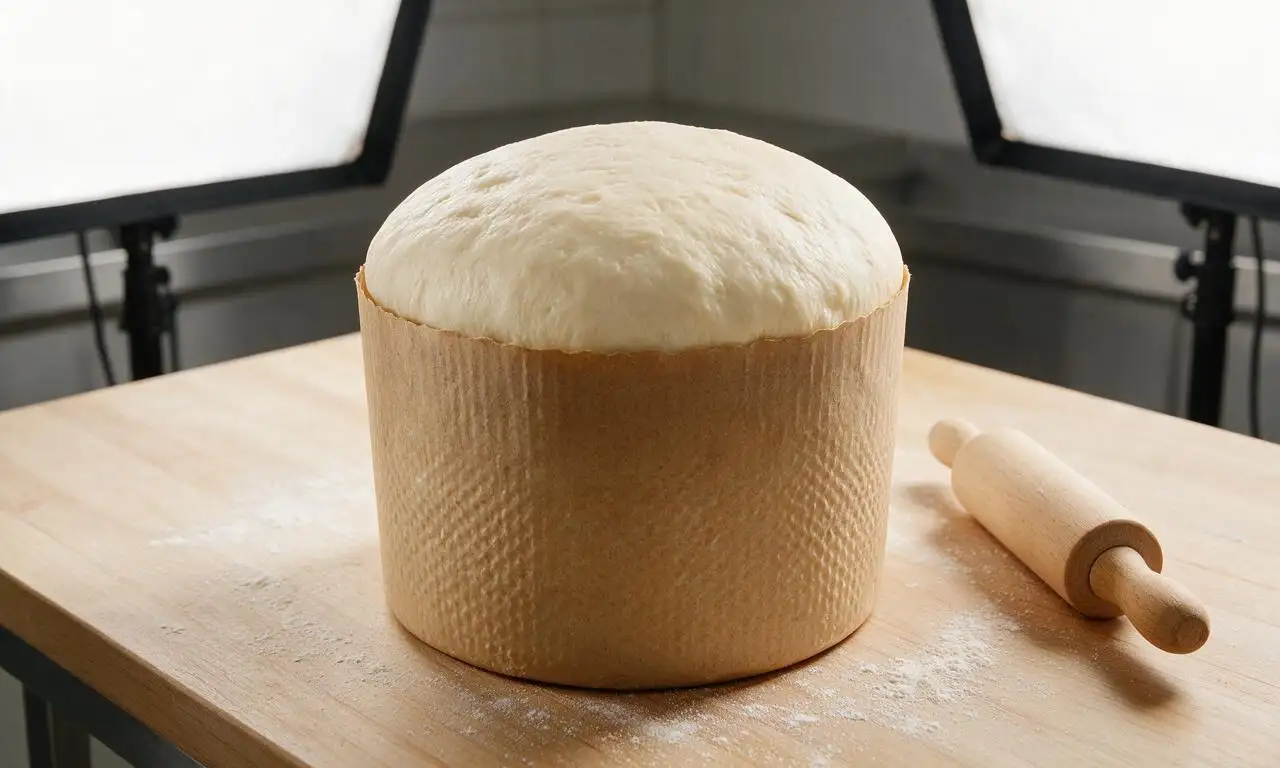
Punch the fully risen dough down firmly in the center to release all trapped air bubbles, then transfer it to a lightly floured work surface. Shape the dough into a smooth, tight round ball by tucking the edges underneath, and place it seam-side down into a well-greased 18cm (7 inch) diameter, 15cm (6 inch) tall cylindrical paska mold or tall metal cake pan lined with parchment paper. Cover the pan again with the damp kitchen towel, and let the dough rise for 45 minutes in the same warm 24°C (75°F) spot, until the dough domes 2.5cm (1 inch) above the top edge of the pan.
Step 4
step4:Shape and second proof
5

Bake the paska loaf

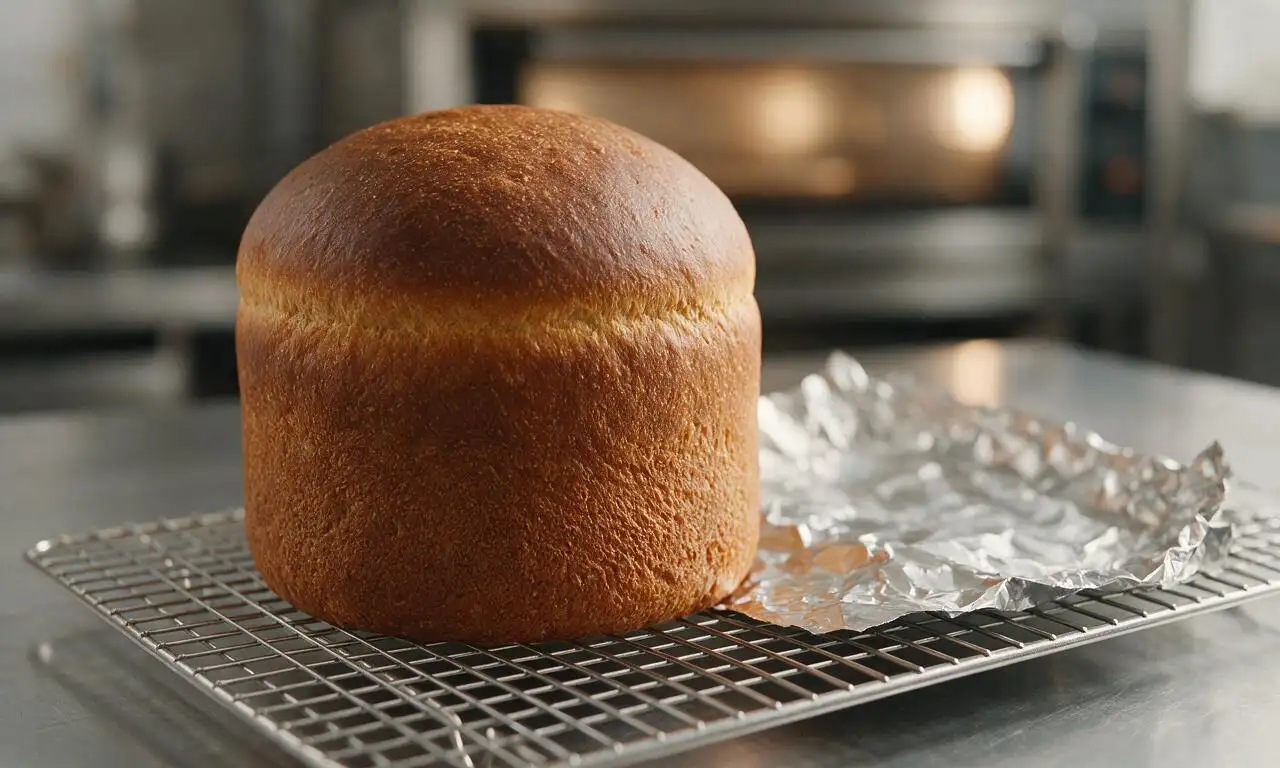
Preheat your oven to 180°C (350°F) with an oven rack positioned in the middle of the oven. Whisk the remaining 1 room-temperature egg with 15ml water to make egg wash, then gently brush the entire exposed top of the risen dough with the wash, taking care not to press hard and deflate the risen dough. Bake for 35-40 minutes total, loosely tenting the top of the loaf with aluminum foil after the first 20 minutes of baking to prevent the top from over-browning. The bread is done when it reaches an internal temperature of 93°C (200°F) on a digital instant-read thermometer and the crust is a deep, even golden brown. Remove the bread from the oven and transfer it to a wire cooling rack to cool completely for 1 full hour before applying glaze.
Step 5
step5:Bake the paska loaf
6

Glaze and decorate

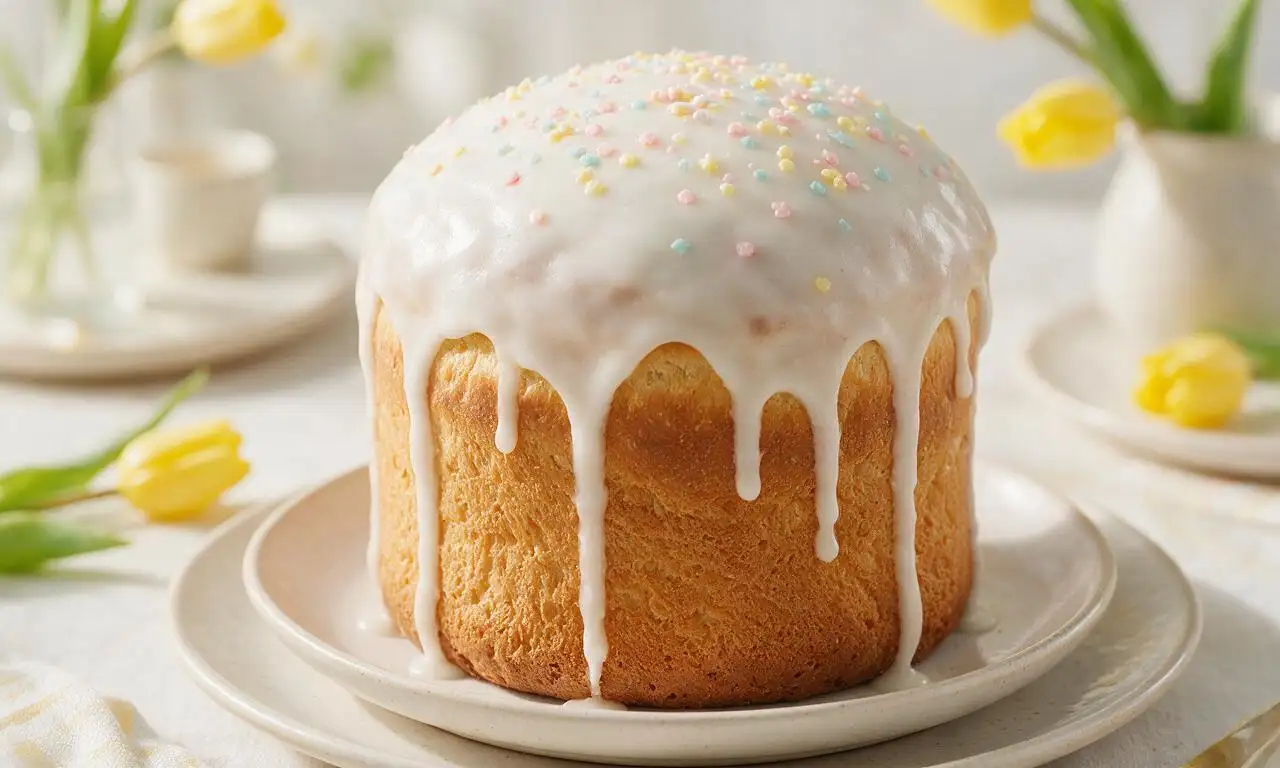
While the bread cools, prepare the glaze by whisking 180g of sifted powdered sugar and 15ml of fresh lemon juice in a small bowl until completely smooth, with a thick, pourable consistency similar to heavy cream. Once the bread is fully cooled (no residual warmth when you touch the top crust), pour the glaze evenly over the domed top of the loaf, letting it drip naturally down the sides. Immediately top the wet glaze with pastel decorative sprinkles before the glaze sets, then let the glaze harden for 15 minutes at room temperature before slicing and serving.
Step 6
step6:Glaze and decorate

Tips

1.Never use milk warmer than 43°C (110°F) to activate yeast, as high heat will kill live yeast cells and prevent your bread from rising properly; test milk temperature with a thermometer if you are unsure.
2.Tossing dried fruit in a light 1-teaspoon coating of flour before adding it to the dough prevents fruit from sinking to the bottom of the loaf during proofing and baking, ensuring even distribution in every slice.
3.Wait until the paska is completely cooled to room temperature before applying the sugar glaze, as warm bread will melt the glaze, causing it to slide off the loaf instead of setting into a smooth, firm, glossy coating.
✨ You May Also Like

Desserts & Baking
🍜 Italy

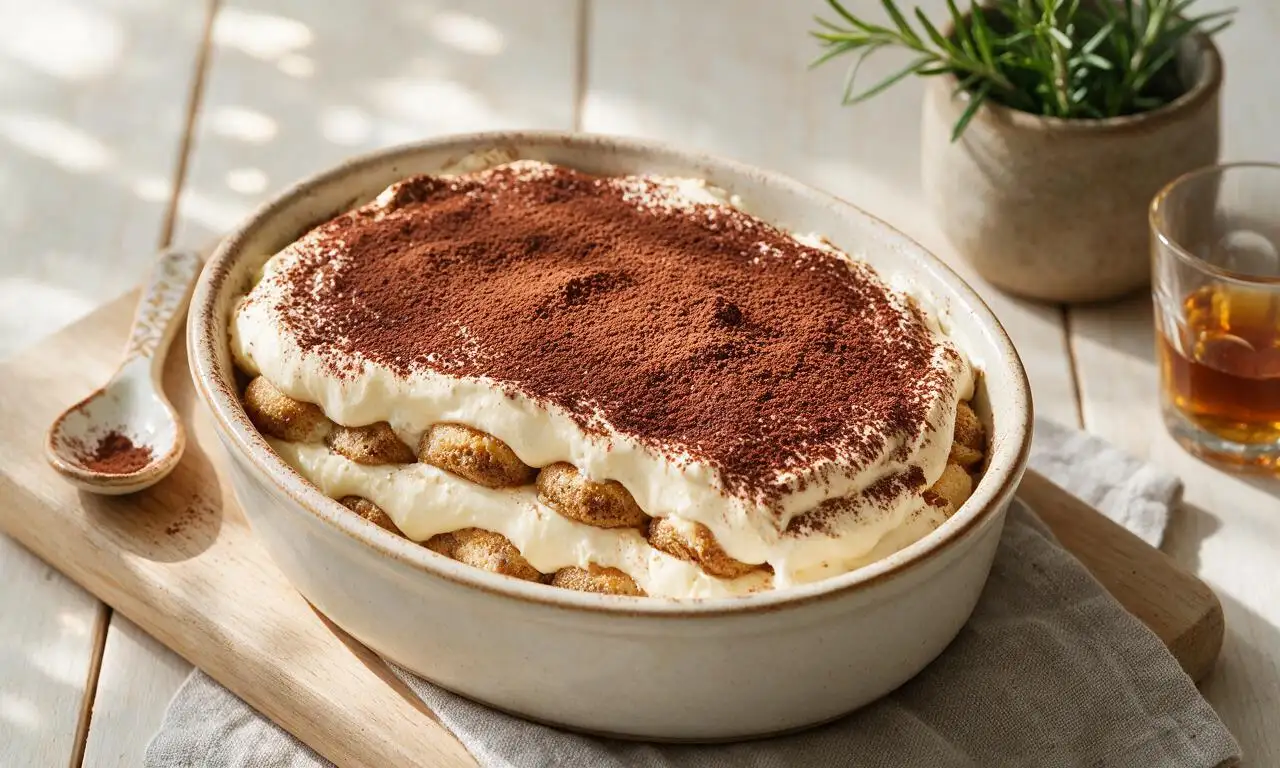
Creamy, coffee-kissed classic Northern Italian no-bake dessert, with layers of rum-spiked mascarpone cream, soft ladyfingers, and a rich cocoa dusting.

⏱️ 4 hours 3Desserts & Baking ★ 4.7
Desserts & Baking
🍜 France

Flaky, shatteringly crisp, buttery French croissants with golden exteriors and soft, airy layered interiors, perfect for pairing with coffee for a special morning treat.

⏱️ 12 hours Desserts & Baking ★ 4.5
Desserts & Baking
🍜 United States

Warm, spiced baked apples topped with a fluffy golden biscuit crust, this cozy dessert pairs perfectly with vanilla ice cream for cool-weather comfort.

⏱️ 55 minuteDesserts & Baking ★ 4.6
Desserts & Baking
🍜 United States

A star-spangled classic American blueberry pie with buttery flaky crust and bright sweet-tart filling, perfect for summer patriotic gatherings.

⏱️ 1 hour 25Desserts & Baking ★ 4.7
Desserts & Baking
🍜 United States

A beloved no-bake regional Maine candy with a chewy coconut-potato center coated in rich dark chocolate, a New England holiday staple since the 1870s.

⏱️ 2 hours 3Desserts & Baking ★ 4.8
Desserts & Baking
🍜 France

Luxuriously creamy, floral frozen custard made with aromatic Tahitian vanilla beans, boasting a smooth, rich texture that melts slowly on the tongue.

⏱️ 3 hours 3Desserts & Baking ★ 4.5

Paska (Ukrainian/Russian Easter Bread):Frequently Asked Questions

1.Can I use instant yeast instead of active dry yeast for this paska recipe? ▾
Yes, you absolutely can! Swap 1 ¾ teaspoons of instant yeast for every 2 ¼ teaspoons (1 standard packet) of active dry yeast called for. Skip the step of proofing yeast in warm milk, and mix it directly in with your dry ingredients. Cut your first rise time by 15-20 minutes, since instant yeast activates faster than the active dry variety.
2.Why does my paska turn out dense instead of soft and fluffy? ▾
Dense paska almost always traces back to inactive yeast, under-kneaded dough, or insufficient rise time. Make sure your milk is 105-110°F when proofing yeast—too hot kills it, too cold slows activation. Knead until dough pulls clean from the bowl and passes the windowpane test, and let it double fully in a warm, draft-free spot before shaping.
3.Do I have to use whole milk, or can I substitute lower-fat milk? ▾
Whole milk gives paska its signature rich, tender crumb thanks to its higher fat content, but you can swap in 2% milk if that’s all you have. Avoid skim milk, as it produces a drier, less flavorful loaf. If you only have skim, stir in 2 tablespoons of melted unsalted butter per cup of skim to mimic whole milk’s fat content for better results.
4.What kind of dried fruit works best in traditional paska? ▾
Classic paska uses a mix of golden raisins, dark raisins, and chopped dried apricots, but you can customize the blend to your taste! Toss dried fruit in a light dusting of flour before folding it into dough to keep it from sinking to the loaf bottom during baking. Skip overly sticky, heavily syruped candied fruit, which creates soggy crumb pockets.
5.How do I keep my paska from developing a hard, thick crust while it rises? ▾
The easiest fix is to cover rising dough loosely with a clean, damp kitchen towel or greased plastic wrap pressed lightly to the dough’s surface. This traps just enough moisture to prevent a dry skin from forming, which would block rising and create a tough, cracked crust once baked. Avoid wrapping too tight, as dough needs room to expand as it proofs.
6.Can I make paska dough ahead of time to bake on Easter morning? ▾
Absolutely! After your first knead, place dough in a tightly greased, covered bowl and let it slow-rise in the refrigerator for 8-12 hours (or overnight). The cold temperature slows yeast activity to develop deeper, nuttier flavor. Pull it out 1 hour before shaping to come to room temp, then proceed with the second rise and bake as directed.
7.What size baking tins are traditional for paska, and can I use regular loaf pans? ▾
Traditional paska is baked in tall, cylindrical metal tins for its signature high, domed shape, but standard 9x5 inch loaf pans work perfectly for home bakers. You can also use clean, label-free 28-oz metal food cans (like large tomato cans) for small individual loaves—just grease them well and line the bottom with a parchment circle to prevent sticking.
8.How do I know when my paska is fully baked without undercooking the center? ▾
Start checking doneness at the 35-minute mark for large loaves, 20 minutes for small individual loaves. The top should be a deep, even golden brown, and a long wooden skewer inserted all the way to the center should come out clean with just a few moist crumbs attached, no wet dough. Tent the top with foil if it browns too fast late in baking.
9.Why is my lemon sugar glaze runny and not setting properly on top of the paska? ▾
Runny glaze usually means you added too much lemon juice to your powdered sugar, or your paska was still too warm when you glazed it. Let the loaf cool completely for at least 1 hour before glazing, and add liquid 1 teaspoon at a time to sifted powdered sugar until you get a thick, slow-drizzling consistency. Let glazed loaves sit 20 minutes to set.
10.Can I freeze baked paska to save it for Easter celebrations? ▾
Yes, paska freezes beautifully! Let the loaf cool completely, skip the glaze and sprinkles, and wrap it tightly in two layers of plastic wrap followed by a layer of aluminum foil. Freeze for up to 3 months. Thaw in the fridge overnight, bring to room temperature, then top with fresh lemon glaze and sprinkles right before serving for best texture.
11.My dried fruit always sinks to the bottom of my paska—how do I fix that? ▾
This is a super common issue with an easy fix! First, pat dried fruit completely dry with paper towels if you soaked it in rum or warm water first, then toss it in 1-2 tablespoons of your measured all-purpose flour until every piece is lightly coated. Fold the floured fruit in during the last 2 minutes of kneading to keep it evenly suspended.
12.Is it okay to add extra butter to make the paska richer? ▾
A little extra butter is fine, but don’t add more than 2 extra tablespoons per standard 2-loaf recipe. Too much fat coats gluten strands in the dough, preventing them from trapping the gas yeast produces, which leads to a dense, heavy loaf that won’t rise properly. Stick close to the recipe measurement for the reliable soft, light crumb paska is known for.
13.What’s the difference between paska and other sweet Easter breads like kulich or hot cross buns? ▾
While paska is often confused with Russian kulich, traditional Ukrainian paska is slightly less sweet, has a softer, butterier crumb, and is topped with simple lemon glaze and pastel sprinkles instead of kulich’s thick, fluffy meringue topping. Hot cross buns are smaller, spiced, denser, and marked with a piped cross, rather than paska’s tall, light loaf shape.
14.Can I make this recipe without dairy for a vegan version? ▾
You can make a great dairy-free paska with a few simple swaps! Swap whole milk for unsweetened oat milk (it has the closest fat content and neutral flavor), use vegan unsalted butter in place of dairy butter, and confirm your active dry yeast is vegan (most are, but some use animal-derived processing aids). All proofing, kneading, and baking steps stay exactly the same.
15.Why do I need to spoon and level my all-purpose flour instead of scooping it directly from the bag? ▾
Scooping flour straight from the bag packs it tightly into your measuring cup, adding up to 3 extra tablespoons of flour per cup—enough to turn soft, tender paska into a tough, dry, dense loaf. Spoon flour loosely into your measuring cup, then sweep the top flat with the back of a knife for consistent, accurate measurements that match the tested recipe.
16.How long will baked paska stay fresh after I make it for Easter? ▾
Properly stored, unglazed paska stays soft and fresh for 3-4 days at room temperature. Keep it in an airtight container or tightly wrapped in plastic in a cool, dark spot away from direct sunlight. Once you add the lemon sugar glaze, store it in the fridge for up to 5 days, as the high-sugar glaze can get sticky or mold if left out in warm weather.

Comments (15)

1 week ago

OMG, I made this for my family’s Easter potluck last weekend and everyone went back for seconds! I was nervous because I’ve never made a sweet yeast bread before, but the instructions were so clear. The crumb was so soft and the citrus zest added the perfect bright note. My Ukrainian grandma even said it tasted just like her mom’s recipe! Total game changer for holiday baking.

5 days ago

Wait did you do the egg wash on top? Mine came out a little pale last time I tried a paska recipe, wondering if that’s the trick!

3 days ago

So happy it was a hit with your grandma, that’s the highest compliment! A quick egg wash (1 whole egg + 1 tbsp milk) right before baking will give you that perfect glossy golden top, and tenting with foil halfway through if it’s browning too fast keeps it from burning before the inside cooks through.

2 weeks ago

This was SO good, but I messed up the first rise because my kitchen was super cold last week (thanks, random Texas cold snap!). The dough didn’t double in size after the first hour so I panicked, but I moved it next to my preheating oven and it finally puffed up. Took a little extra time but totally worth it! My kids devoured half the loaf before we even got to Easter dinner.

2 weeks ago

Cold kitchen temps are such a common culprit for slow rising dough! Great quick fix moving it next to the oven — pro tip for next time, you can also turn your oven on for 1 minute, turn it off, then set the covered dough inside to rise for perfectly consistent temp every time. So glad your kids loved it!

5 days ago

Took me 4 and a half hours total because I added a handful of golden raisins and a little extra vanilla, but wow, this is the best paska recipe I’ve tried that doesn’t require a stand mixer. I did the traditional glaze with powdered sugar and sprinkles on top for the kids at our church Easter brunch, it was gone in 20 minutes flat.

3 days ago

Wait how much extra vanilla did you add? I’m a vanilla fiend and always want to bump it up but worried I’ll throw the dough balance off!

2 days ago

@CoffeeAndCarbs Just an extra teaspoon! It didn’t mess with the texture at all, I also soaked my raisins in a little warm rum first for extra depth but you can totally skip that if you’re making it for little kids.

3 days ago

I was worried this would be too complicated for a medium difficulty recipe as someone who mostly does boxed brownies and no-bake cookies, but I pulled it off! The only thing I changed was using all purpose flour instead of bread flour because that’s what I had in the pantry, and it still came out fluffy and delicious. Already planning to make it again for my mom’s birthday next month.

2 days ago

Wait did you notice a big texture difference with AP flour vs bread flour? I only keep AP at home and have been too nervous to try yeast breads because of all the bread flour requirements!

yesterday

Y’all, this recipe is chef’s kiss but I had a massive fail when I tried to make it in my new bundt pan instead of the traditional tall paska mold. The middle sank! Still tasted amazing but it looked so lopsided for our family dinner. Any tips for using a regular loaf or bundt pan if I don’t have the special mold?

yesterday

Great question! If you’re using a bundt or loaf pan, fill it no more than ⅔ full so the dough has room to rise without spilling over and sinking as it bakes. You’ll also want to reduce the bake time by 10-15 minutes depending on your pan size, and test for doneness with a toothpick inserted in the center coming out clean. It’ll still taste amazing no matter the pan shape!

2 days ago

Made two loaves this Easter — one for my household, one to drop off for my elderly neighbor who grew up in Kyiv. She teared up when she smelled it, said it smelled exactly like Easter when she was a kid. 10/10, will be a yearly staple in our house now. I added a simple powdered sugar and lemon juice glaze with rainbow sprinkles per my neighbor’s tip, it was chef’s kiss.

yesterday

That is such a sweet thing to do for your neighbor! I love recipes that double as a little way to connect with people, saving this to make next year for sure.

2 hours ago

This made my whole day reading this — food is so often tied to our favorite memories, and there’s no better compliment than making something that feels like home for someone. So glad you and your neighbor loved it, that lemon glaze sounds incredible!

2 hours ago

Meal prepped a mini version of this for my dorm fridge to snack on all week, and my roommates keep begging me for the recipe. It’s slightly sweet, not too heavy, and pairs so good with coffee for early morning classes. Didn’t think I could pull off a 4 hour recipe in our tiny dorm kitchen but I proved myself wrong lmao. 10/10.

30 minutes ago

Tried this yesterday and it’s so tasty, but I found the dough to be a little stickier than I expected when I was kneading it, I ended up adding almost an extra half cup of flour. Did I do something wrong? It still baked up fine but I want to get it perfect next time.

5 minutes ago

Sticky dough is totally normal for this recipe depending on the humidity in your kitchen and how you measure your flour! The key is to add flour 1 tablespoon at a time while kneading, just until the dough pulls away from the sides of the bowl, to avoid adding too much which can make the final loaf dense. Next time try spooning your flour into the measuring cup instead of scooping directly from the bag for a more accurate measurement, it makes a huge difference!

3 days ago

Game changer! I’ve been buying store bought paska for Easter for years because I thought making it from scratch would be too time consuming with two little kids under 5. I split the prep over two days — did the first rise in the fridge overnight, then baked it the next morning while the kids dyed eggs. It came out perfect, zero stress! Will never go back to store bought.

2 days ago

Wait the overnight rise trick? How long did you let it sit out before baking the next day? I have a 1 year old and a 3 year old so I’m always looking for make-ahead hacks for holiday meals!

2 days ago

@TwinMomEats I took it out of the fridge about an hour before I wanted to shape it, let it come up to room temp and puff a little more, then shaped it, did the second rise for 45 minutes, then baked! Worked like a charm, no fussy timing while I was trying to get the kids dressed for church.

1 week ago

This was my first time making Paska for my Russian husband’s family Easter gathering, and I was so nervous I’d mess up a family staple. All of his aunts asked for the recipe! The subtle saffron note is such a nice touch, I didn’t see that in other recipes I looked at. So happy I found this.

5 days ago

The saffron is non-negotiable for me! My great aunt always added a pinch to her paska, it gives it that beautiful pale yellow color and that warm, special flavor that makes it feel like a holiday. So glad it went over well with the in-laws!

5 days ago

Solid recipe, but I wish it had notes for adding cheese filling? I grew up eating the cheese filled version from the Russian bakery down the street from my childhood house, and I tried adding a sweet farmer cheese swirl but it oozed out everywhere while baking. Still tasty, just messy.

3 days ago

I had the same issue the first time I tried cheese filling! You have to make sure your farmer cheese is really well drained (I squeeze mine in cheesecloth for an hour) and don’t overfill the center, it’ll stay put that way. Game changer when you get it right!

2 weeks ago

I’ve been making paska for 60 years, and I tried this recipe on a lark to compare to my old handwritten one. It’s fantastic! The ratio of sugar to yeast is perfect, no weird artificial flavors, just that classic soft, sweet bread we all wait all year for. I passed the recipe along to my granddaughter who’s just learning to bake, she’s going to love it.

5 minutes ago

I was worried this would be way too sweet for my usual low-sugar eats, but it’s perfectly balanced! I sliced up the whole loaf after it cooled and froze half to pull out for quick breakfasts, and it toasts up SO good with a little salted butter on top. Perfect treat without being cloying. 10/10, will make again even outside of Easter.

just now

Made this for our neighborhood Easter block party and it was a total hit! I was a little intimidated by the medium difficulty rating but the step-by-step instructions were foolproof, even for a guy who usually only grills and makes frozen pizza. Multiple neighbors asked for the link to the recipe before I left. Win!

2 hours ago

This was such a fun slow weekend bake! I tossed in a little extra orange zest and topped the loaf with sliced almonds before baking for a little crunch, and it turned out chef’s kiss. Having a slice with my morning chamomile tea after a long hike this weekend was pure bliss. Already brainstorming fun mix-ins to try when I make it next year!