Poi

Poi
⏱️ cook time 1 hour (plus 12-24 hours fermentation time)
🍽️ servings 4
⚡ Difficulty easy

intro

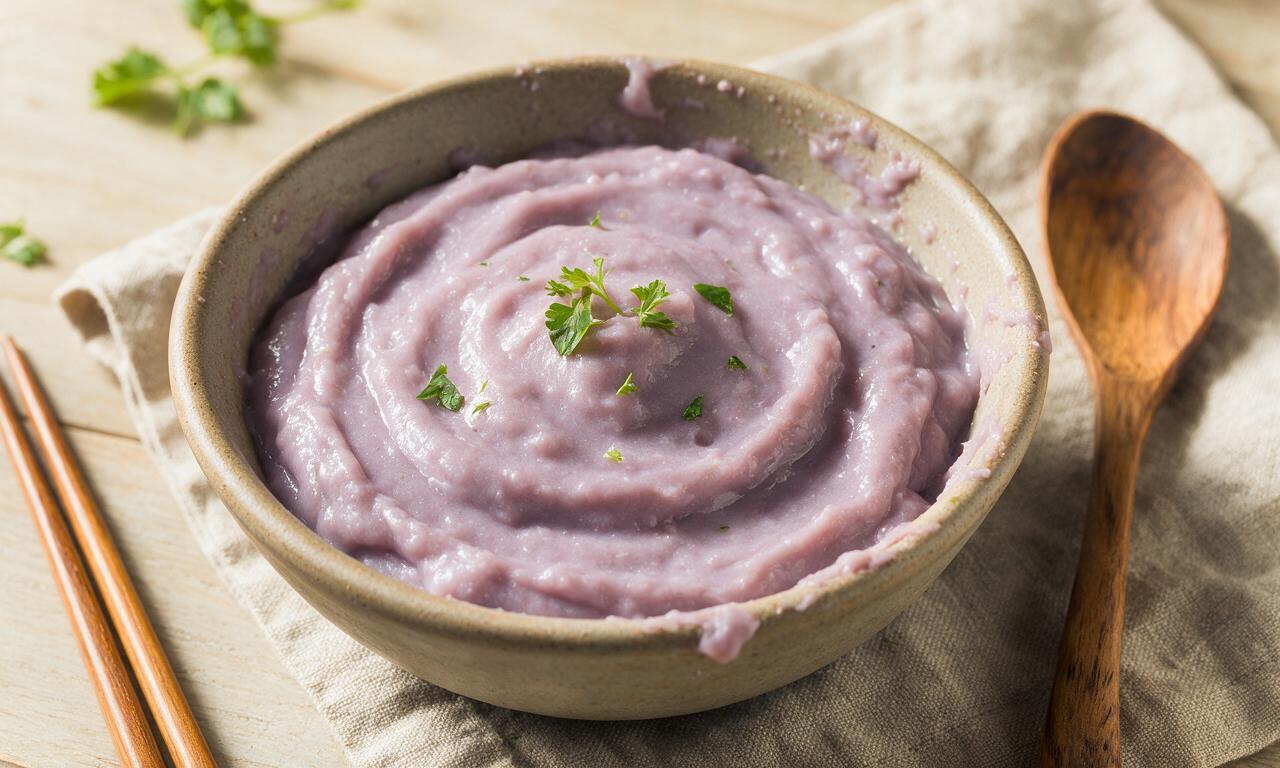
Smooth, gently tangy traditional Native Hawaiian staple made from steamed, pounded taro root, with a creamy texture ideal for pairing with savory island dishes.

Ingredients

Fresh unpeeled taro corms 900g (2 lbs)
Filtered water 480ml (2 cups), divided

Steps

1

Prep the taro corms

Scrub 900g fresh taro corms thoroughly under cool running water with a stiff vegetable brush to remove all surface dirt. Wear disposable gloves to avoid skin irritation from calcium oxalate, then peel the tough outer skin with a sharp paring knife and cut corms into uniform 5cm (2-inch) chunks for even cooking.
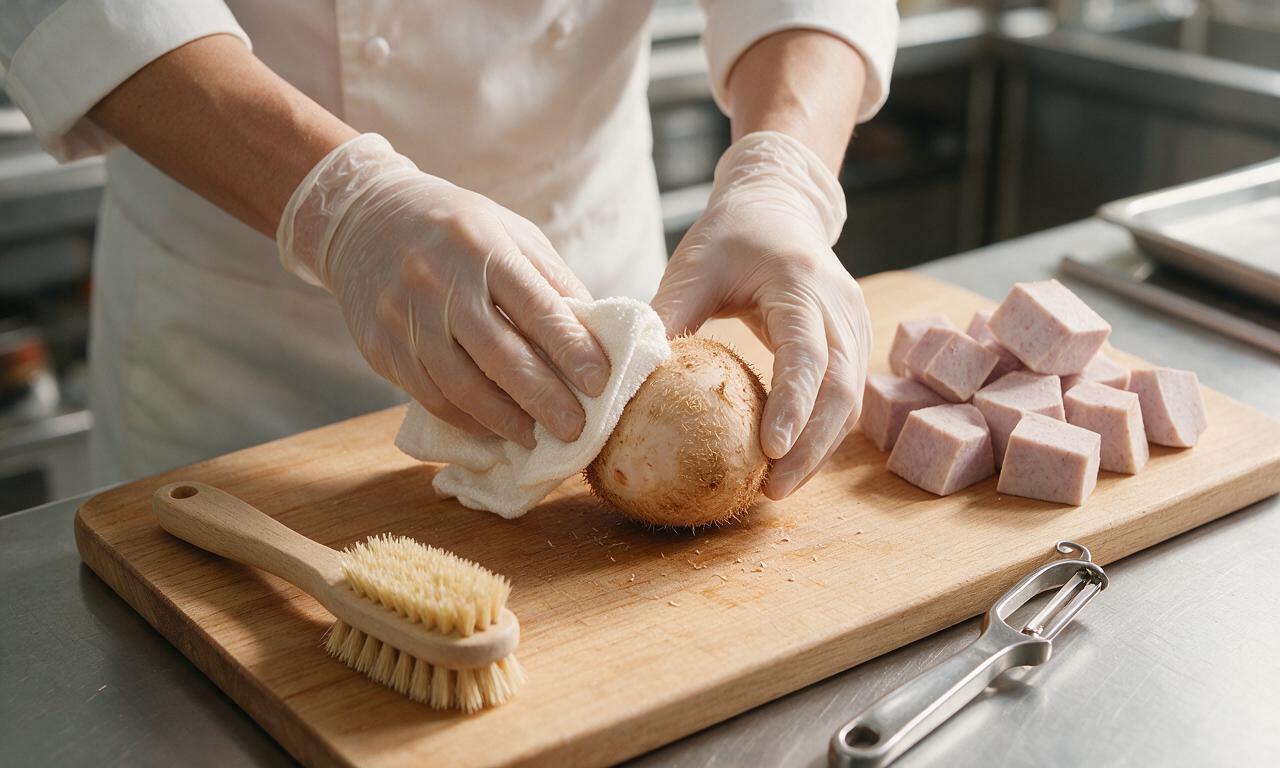
Step 1
step1:Prep the taro corms
2

Steam the taro chunks

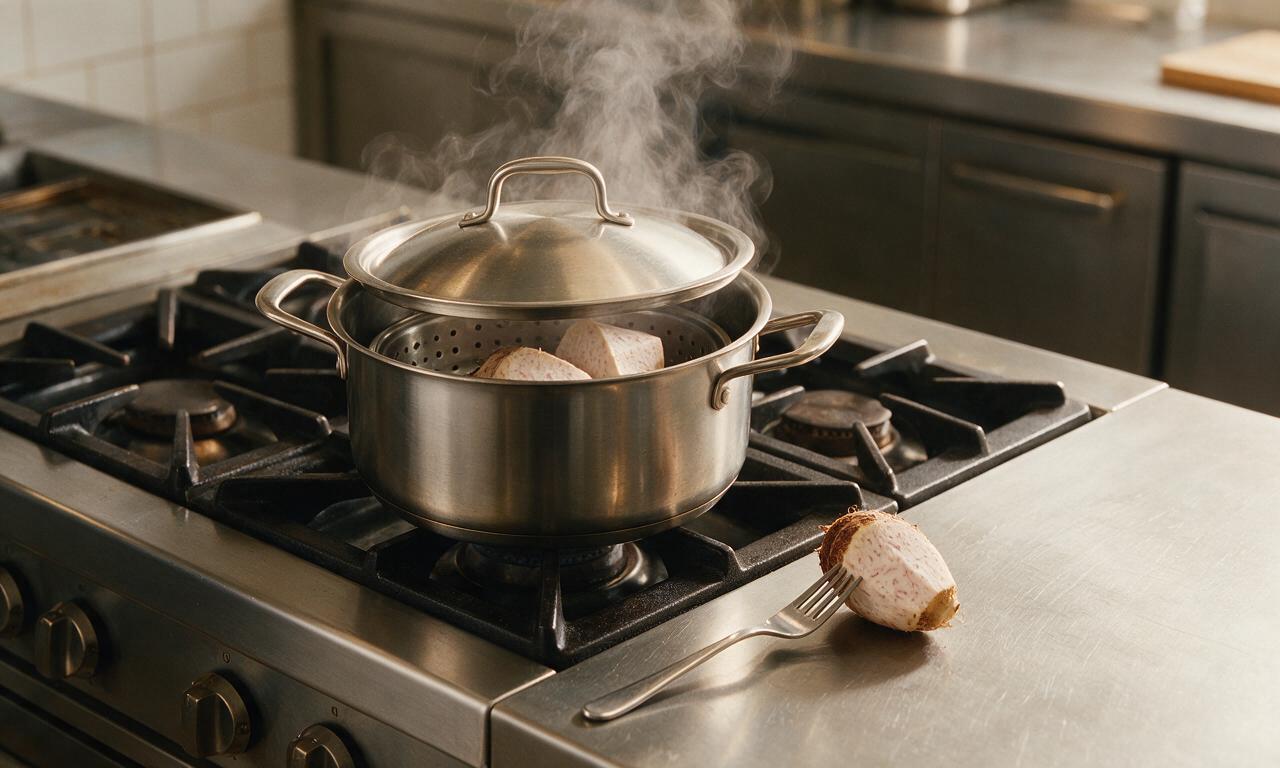
Place cut taro chunks in a steamer basket set over a pot of rapidly boiling water, ensuring water does not touch the base of the basket. Cover the pot, reduce heat to medium to maintain a steady gentle boil, and steam for 40-45 minutes, until taro is completely tender with no hard core when pierced with a fork.
Step 2
step2:Steam the taro chunks
3

Pound cooked taro

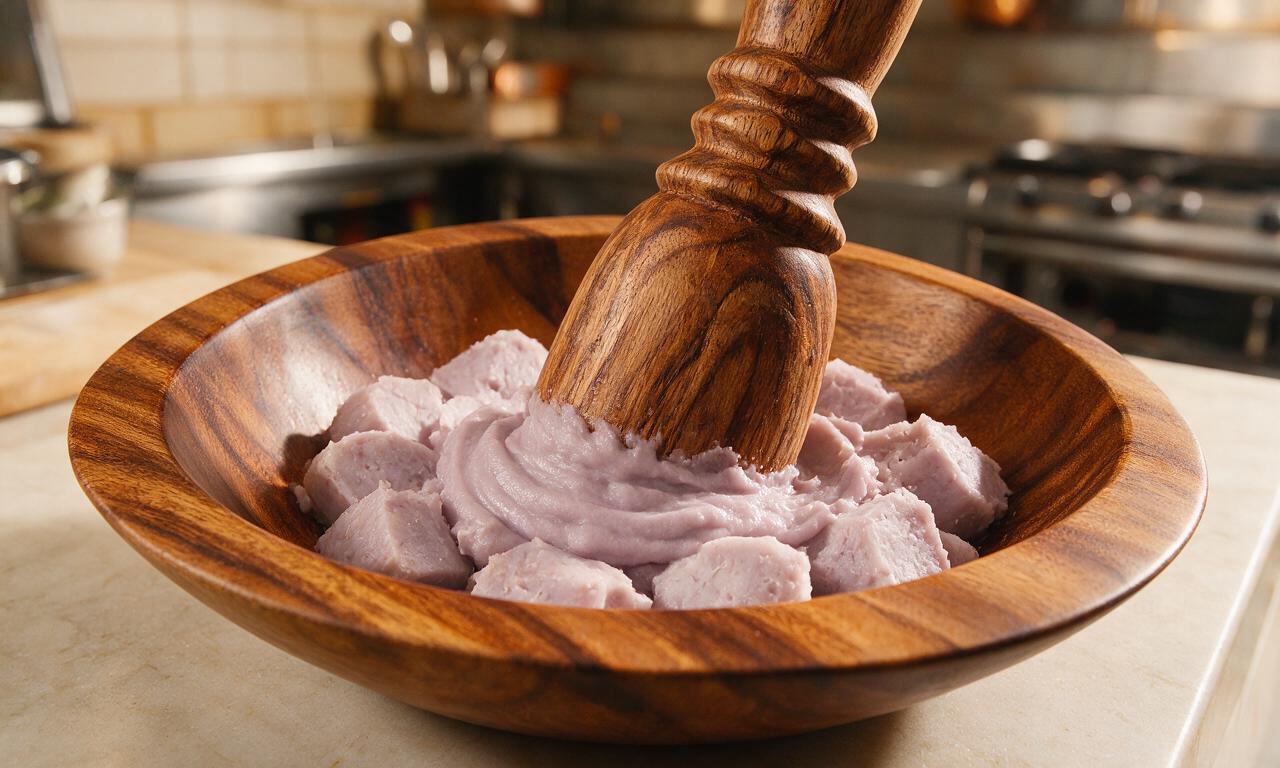
Transfer hot, fully cooked taro chunks to a large sturdy wooden bowl. Use a heavy wooden pestle or potato masher to pound the taro for 5 minutes, pressing out every lump until you achieve a thick, completely smooth, grain-free paste.
Step 3
step3:Pound cooked taro
4

Thin to desired consistency

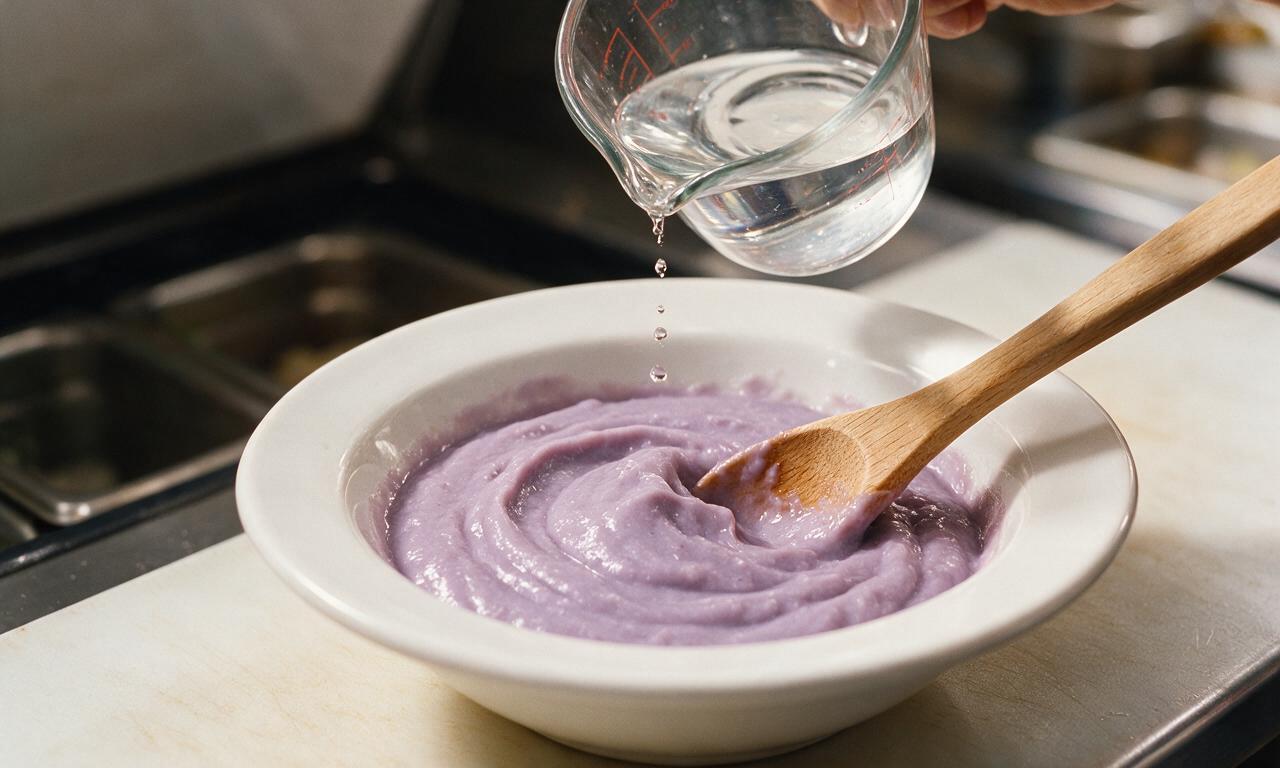
Gradually stir in 360ml (1.5 cups) of room temperature filtered water into the pounded taro, mixing continuously with a wooden spoon. Add the remaining 120ml (0.5 cups) water 1 tablespoon at a time until you reach your desired thickness: thick 'one-finger' poi holds its shape when scooped, while thinner 'three-finger' poi is easily pourable.
Step 4
step4:Thin to desired consistency
5

Ferment for tangy flavor

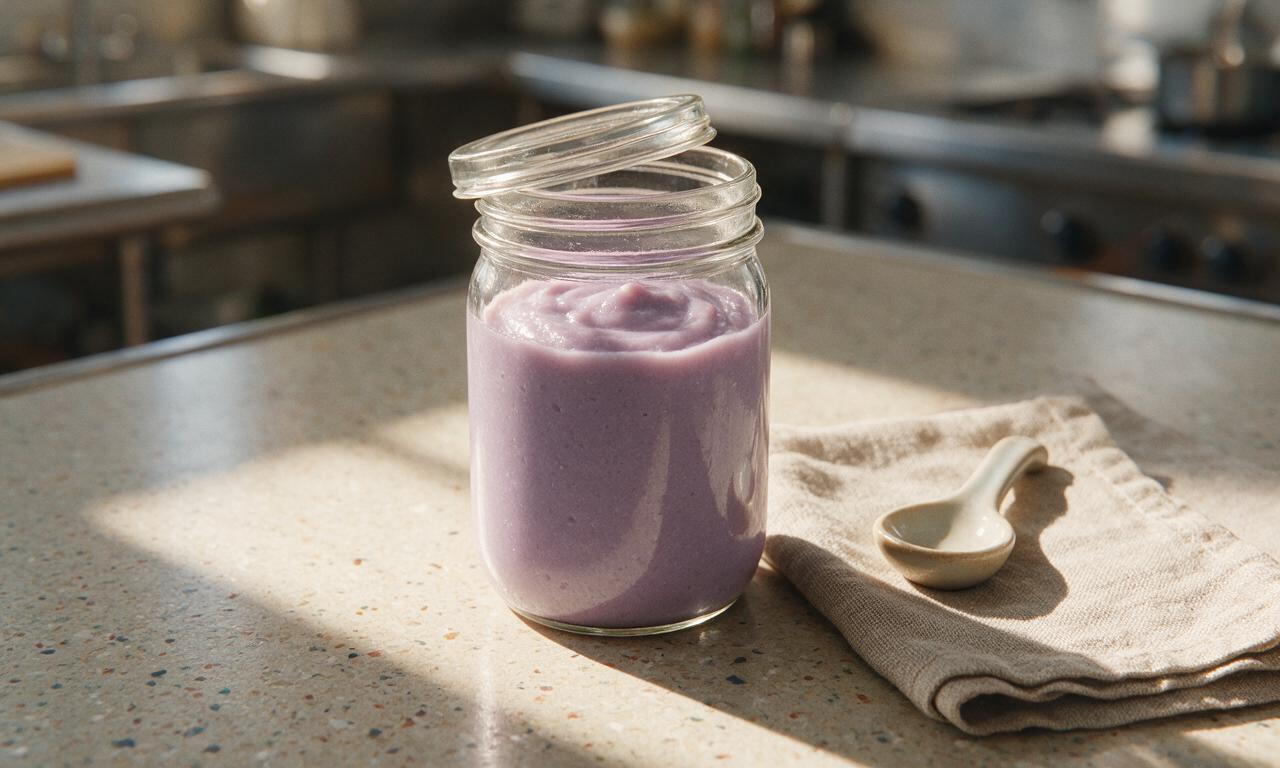
Transfer mixed poi to a clean glass jar, leaving 2.5cm (1 inch) of headspace to allow for expansion. Set the lid loosely on the jar (to let fermentation gases escape) and rest at cool room temperature (18-21C / 65-70F) for 12-24 hours, tasting every 6 hours, until it develops a mild tang similar to plain yogurt.
Step 5
step5:Ferment for tangy flavor
6

Chill before serving

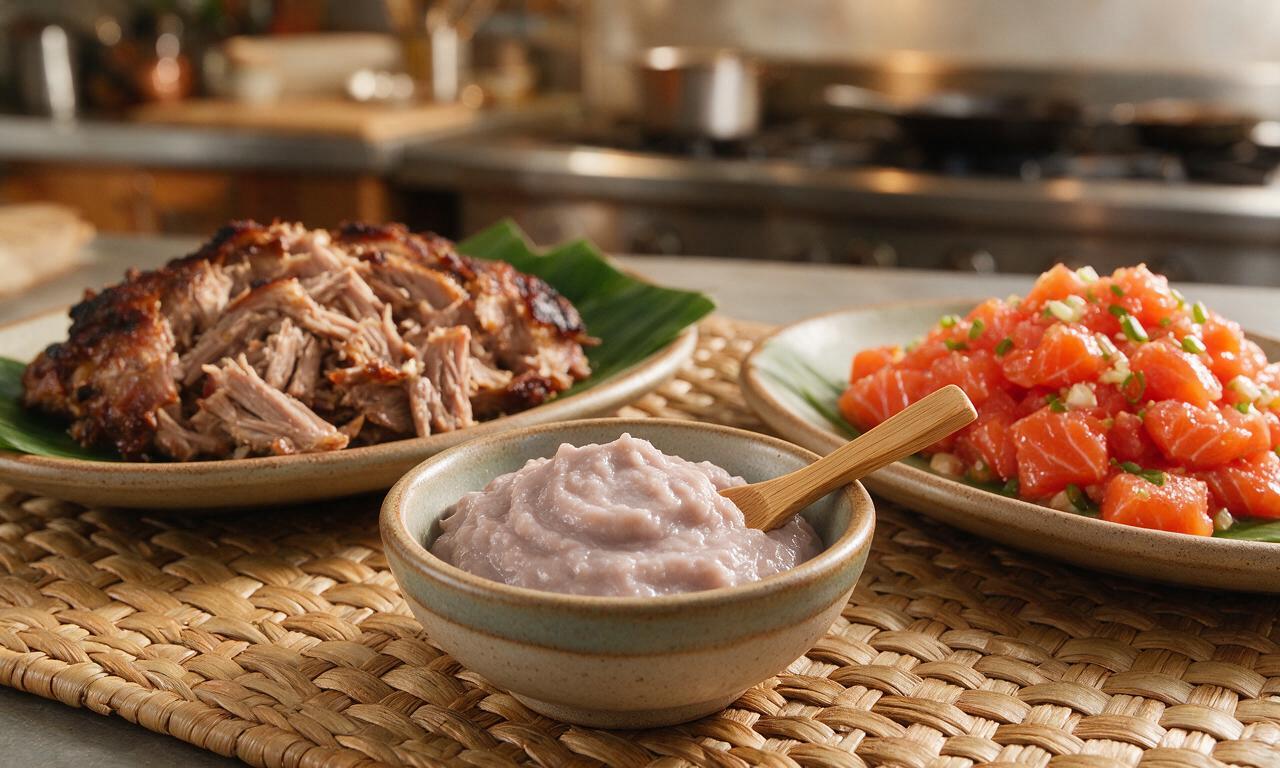
Once fermented to your taste, seal the jar tightly and refrigerate poi for a minimum of 2 hours to chill. Stir thoroughly before serving, adding 1-2 tablespoons of cold water if the poi has thickened in the fridge, and serve alongside grilled or roasted savory island dishes.
Step 6
step6:Chill before serving

Tips

1.Always wear disposable gloves when handling raw taro, as its calcium oxalate crystals can cause itchy skin irritation; never eat undercooked taro, as it will cause uncomfortable throat and mouth itch.
2.Skip the 12-24 hour room temperature fermentation step if you prefer fresh, sweet poi; freshly pounded, thinned taro is ready to eat immediately after cooking for a milder, non-tangy flavor.
3.Store leftover poi in a sealed airtight container in the refrigerator for up to 5 days; stir in 1-2 tablespoons of cold water before each serving to restore its smooth, creamy texture if it thickens while chilled.
✨ You May Also Like

Side Dishes
🍜 India

Velvety, aromatic all-purpose curry sauce perfect for tossing with roasted veggies, grilled protein, or rice for fast, cozy, flavorful meals.

⏱️ 25 minuteSide Dishes ★ 4.7
Side Dishes
🍜 Spain

Tender, starchy boiled yuca tossed in bright, garlicky citrus mojo sauce—an iconic, zesty side that pairs beautifully with roasted pork, grilled meats, and rice and beans.

⏱️ 40 minuteSide Dishes ★ 4.8
Side Dishes
🍜 United States

Tender, paper-thin potato flatbread, a beloved Norwegian-American Minnesota Christmas staple, griddled until softly spotted and served warm with butter.

⏱️ 1 hour 30Side Dishes ★ 4.8
Side Dishes
🍜 United States

Rich, deeply savory cured salt pork, a long-lasting kitchen staple perfect for frying crispy as a side or adding umami to stews, beans, and chowders.

⏱️ 7 days (2Side Dishes ★ 4.9
Side Dishes
🍜 United States

Crispy, tangy classic Southern fried green tomatoes with a crunchy cornmeal crust, served hot for a nostalgic, comforting summery bite.

⏱️ 25 minuteSide Dishes ★ 4.9
Side Dishes
🍜 United States

Moist, golden-crusted savory muffins with sweet corn, zesty jalapeño, and melted cheddar, perfect for pairing with smoky summer grilled fare.

⏱️ 30 minuteSide Dishes ★ 4.8

Poi:Frequently Asked Questions

1.What makes traditional Hawaiian poi different from most store-bought versions I’ve tried?
Traditional poi uses just two simple ingredients—fresh unpeeled steamed taro corms and filtered water—pounded to a smooth, creamy consistency with no added preservatives, thickeners, or sugar. Unlike shelf-stable store-bought poi, it develops that signature gentle tang from short, natural fermentation, with a silkier texture that pairs perfectly with savory island dishes like kalua pork or lomi lomi salmon.
2.Do I need special traditional tools to make poi at home?
You don’t need a carved poi board and heavy stone pohaku pounder to make great homemade poi, though those traditional tools work beautifully. A sturdy food processor or high-powered blender works perfectly for home cooks; just stream in filtered water gradually while blending to avoid over-thinning the signature creamy texture once your taro is fully steamed.
3.Why does my homemade poi sometimes turn out gummy or gluey instead of smooth?
Gummy, gluey poi almost always stems from two common missteps: undercooking your taro corms, or adding too much water too fast while pounding or blending. Make sure you steam unpeeled taro until a fork slides all the way through the center with no resistance, then add filtered water 1 tablespoon at a time as you blend, until you hit that perfect silky, spreadable consistency.
4.How long does fresh poi last in the fridge, and when does it develop that classic tangy flavor?
Fresh, unfermented poi will keep in an airtight container in the fridge for up to 3 days. That signature gentle tang develops naturally after 1 to 2 days of chilled storage, as the natural starches in taro undergo light, natural fermentation. If it develops a sharp, overly sour smell or visible mold, it’s past its prime; stir in a splash of water if it thickens as it sits.
5.Is it safe to handle or eat raw taro when making poi?
Never eat raw taro—it contains sharp calcium oxalate crystals that cause intense mouth and throat irritation, which is why traditional poi always uses fully steamed, thoroughly cooked taro corms. Wear disposable gloves when peeling steamed taro if you have sensitive skin, as residual sap can cause mild itchiness for some people, even after cooking.
6.What consistency should I aim for when making traditional poi?
Traditional poi is categorized by consistency, measured by how many fingers you need to scoop it: one-finger poi is thick and firm enough to scoop with one finger, two-finger is a medium creamy consistency, and three-finger is thinner, almost pourable. Start with less water than you think you need, since you can always thin it with extra filtered water later.
7.What dishes pair best with poi for a traditional Hawaiian meal?
Poi is a mild, gently tangy staple designed to cut through rich, savory island dishes. It pairs perfectly with kalua pig, lomi lomi salmon, fresh poke, lūʻau stew, and even sweet haupia for contrast. Its soft, starchy creaminess balances salty, smoky, and bright flavors, much like rice or mashed potatoes anchor meals in other cuisines.
8.Can I freeze leftover poi if I make a large batch?
Yes, poi freezes exceptionally well for up to 6 months with almost no texture or flavor loss. Portion it into airtight, freezer-safe containers, leaving ½ inch of headspace to allow for expansion, and press a piece of plastic wrap directly to the poi surface before sealing to prevent freezer burn. Thaw in the fridge overnight, and stir in a splash of water if it separates.
9.Why do some recipes call for boiling taro instead of steaming it for poi?
Steaming is the traditional, preferred method because it prevents taro corms from becoming waterlogged, which leads to thin, watery poi with a muted, washed-out flavor. Boiling leaches taro’s subtle, earthy sweetness into the cooking water and can create an uneven, grainy texture. Stick to steaming unpeeled taro for the most authentic, rich, creamy final result.

Comments (7)

2 days ago

OMG I grew up eating poi at my grandma’s lūʻaus on Maui and was so nervous to make it myself for our family potluck last weekend! This recipe was SO easy to follow, even the fermentation step didn’t feel intimidating. My kids loved it, they kept dipping their kalua pork bites straight into the bowl before we even sat down for dinner. Game changer, will be making this on regular rotation now!

1 day ago

Aloha Malia! That makes my day to hear – nothing beats poi paired with kalua pork, right? So glad it was a hit at your potluck, and that the fermentation steps felt approachable for you. Pro tip: if you like it a little sweeter, you can shorten the ferment time to 12 hours next time!

1 week ago

First time ever trying poi, I made this to go with our smoked kalua pork for a backyard tiki night with the neighbors. I will say I was super skeptical at first because the texture is so different from anything I usually make, but after the 18 hour ferment it had that nice subtle tang everyone was raving about. Only knock is I over-mashed it at first so it was a little gluey, totally my bad though. Will definitely adjust that next time.

5 days ago

Oh I made that same over-mashing mistake my first go-round! Try mashing with a traditional poi pounder if you can find one, or even use a potato masher on the lowest setting and add water a tablespoon at a time, it makes such a difference. My grandma swears by never using a blender for poi, it gets too gummy!

4 days ago

So glad you gave poi a try even if the texture felt new at first! @SurferGirl22 is totally right about adding water slowly and skipping the blender – overworking the taro is the #1 reason for that gluey texture. Next batch will be perfect, I promise!

3 days ago

Added this to my weekly meal prep rotation and I am obsessed! I portion it out with lomi lomi salmon and some grilled chicken for easy work lunches, and it holds up so well in the fridge for 3-4 days. I did the full 24 hour ferment for extra tang and it is chef’s kiss. So easy to throw together even on a busy Sunday, the long cook time is totally hands off so I could fold laundry and help the kids with homework while it went. 10/10!

5 days ago

I was really excited to try this but I think I messed up the fermentation? I left it on the counter for 20 hours and it had a really sharp, almost sour taste that I wasn’t expecting, and the color was a little grayish? Did I do something wrong? I used taro root from my local Asian market, not sure if that was the issue.

3 days ago

Hi there! Sorry to hear your first batch didn’t turn out as expected. That sharp sour taste usually means the ferment spot was too warm – poi ferments best between 70-75°F, any warmer and it sours much faster. The gray tinge is totally normal for longer ferments though! Next time, try fermenting in a slightly cooler spot, taste it at 12 hours, and stop when it hits that mild tang you like. Hope that helps!

yesterday

Brought this to our office potluck yesterday and people were lined up to try it! So many of my coworkers had never had poi before and were shocked how much they loved it with the kalua pork sliders I brought. I did a 16 hour ferment and it was the perfect balance of sweet and tangy, not too thick, not too runny. Such a fun, unique dish to bring to a gathering when you’re sick of the same old pasta salad and chips!

12 hours ago

Wait this is such a good potluck idea! I’ve been trying to find something new to bring to our monthly block party and everyone always brings the exact same sides. How far in advance can you make it before it goes bad? I don’t want to make it too early and have it get too sour!

6 hours ago

Love that you introduced poi to your coworkers! To answer @PotluckKing99’s question – poi will keep in the fridge for up to 5 days, just note that it will get slightly tangier each day as it slowly ferments. If you’re making it for a party, I recommend making it 2 days ahead, stopping the ferment when it’s at your preferred tang by popping it in the fridge, and giving it a good stir before serving!

2 weeks ago

As someone who’s gluten free and always looking for easy, whole food side dishes, this is an absolute dream! No weird additives, just taro and water, that’s it. I love that I can adjust the thickness to my liking – I make mine a little thinner so it’s almost like a porridge for breakfast sometimes, topped with a little coconut sugar and mango. Obsessed doesn’t even cover it, SO good.

1 week ago

Wait the coconut sugar and mango topping sounds insane! I’ve only ever eaten poi savory with pork and lomi lomi salmon, I never thought to have it for breakfast sweet. I’m trying that this weekend, thank you for the idea!

30 minutes ago

Super easy recipe for a college dorm cook! I made this in my tiny rice cooker (no fancy steamer needed, worked perfectly) and left it on my desk to ferment for 14 hours and it turned out pretty good! My roommates thought I was weird for mushing up a random purple root vegetable but they all tried it and agreed it was actually pretty tasty, especially with the spam musubi I made to go with it. Only downside is my whole dorm room smelled like taro for two days, oops.