Poi (Hawaii)

Poi (Hawaii)
⏱️ cook time 70 minutes (plus 12-24 hour optional fermentation time)
🍽️ servings 4
⚡ Difficulty easy

intro

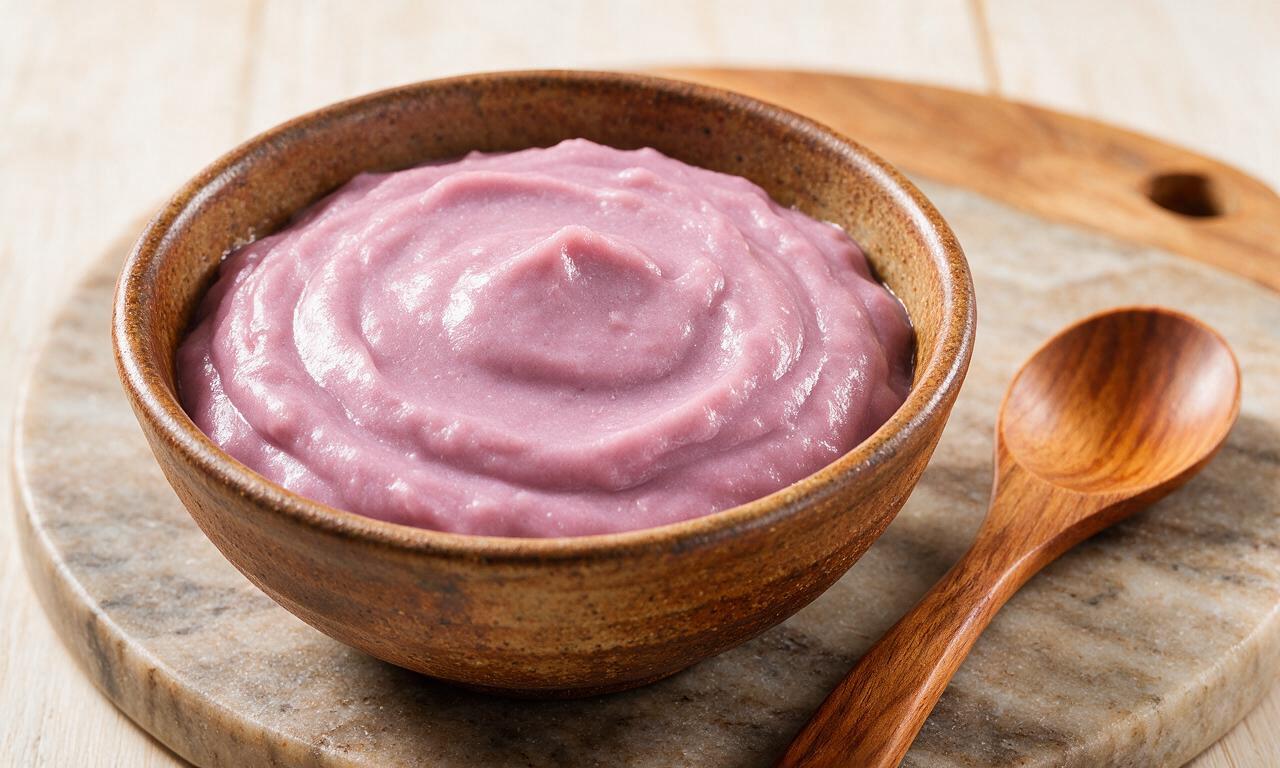
Smooth, subtly tangy fermented taro root staple, a classic Native Hawaiian side with gentle earthy flavor, served at lūʻau and everyday family meals.

Ingredients

Fresh taro corms (whole taro root) 900 grams (2 lbs, unpeeled)
Filtered water 240-360 ml (1-1.5 cups, as needed for consistency)

Steps

1

Steam the taro corms

Scrub whole unpeeled taro corms under cool running water to remove all surface dirt. Place corms in a steamer basket set over 5 cm (2 inches) of boiling water in a large stockpot, cover tightly, and steam over medium-high heat for 45-50 minutes until a fork slides easily through the thickest part with no resistance. Do not boil taro directly in water, as this creates a watery, bland final texture.
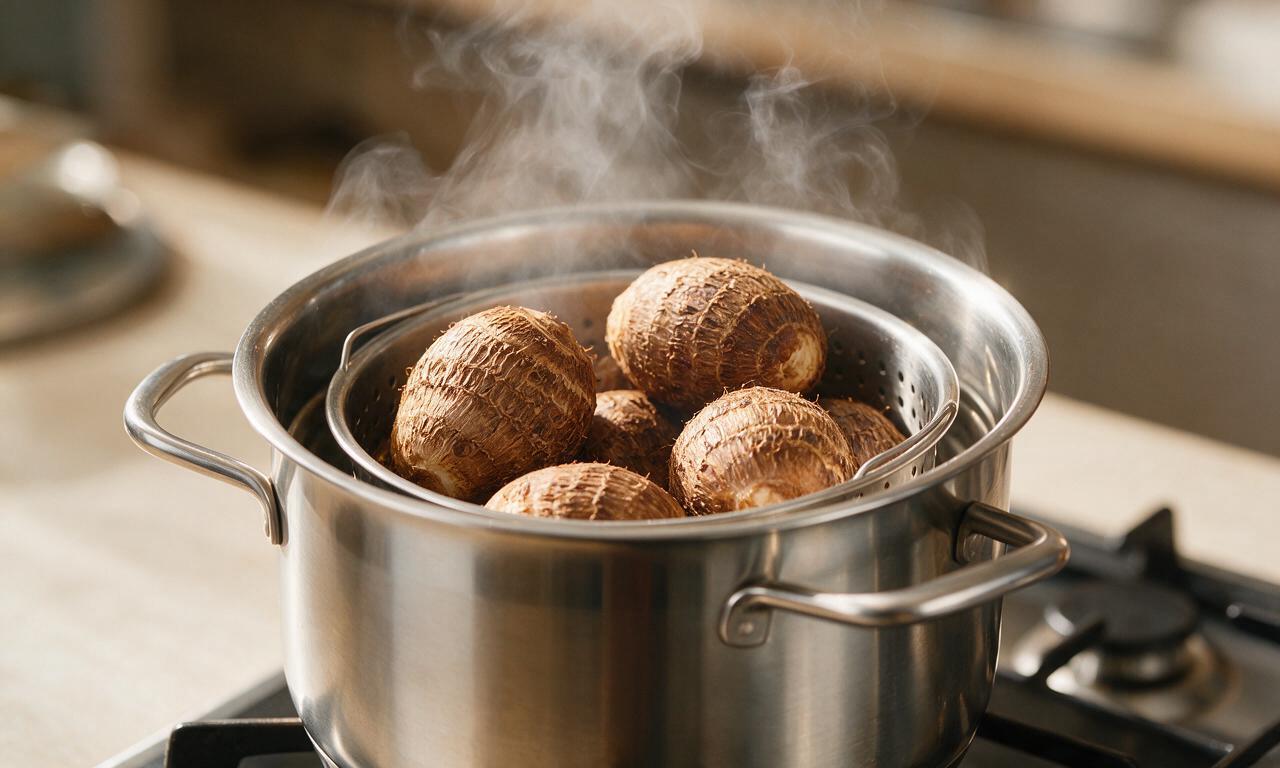
Step 1
step1:Steam the taro corms
2

Peel cooked taro

Lift the steamer basket from the pot and let taro cool for 10 minutes until it is safe to handle but still warm. Use a small paring knife to slip off the thick, fibrous outer skin and trim away any dark, discolored spots from the corms; discard skins and trimmed bits. Weigh out 800 grams (1.75 lbs) of peeled cooked taro for pounding, setting aside any extra for other uses.
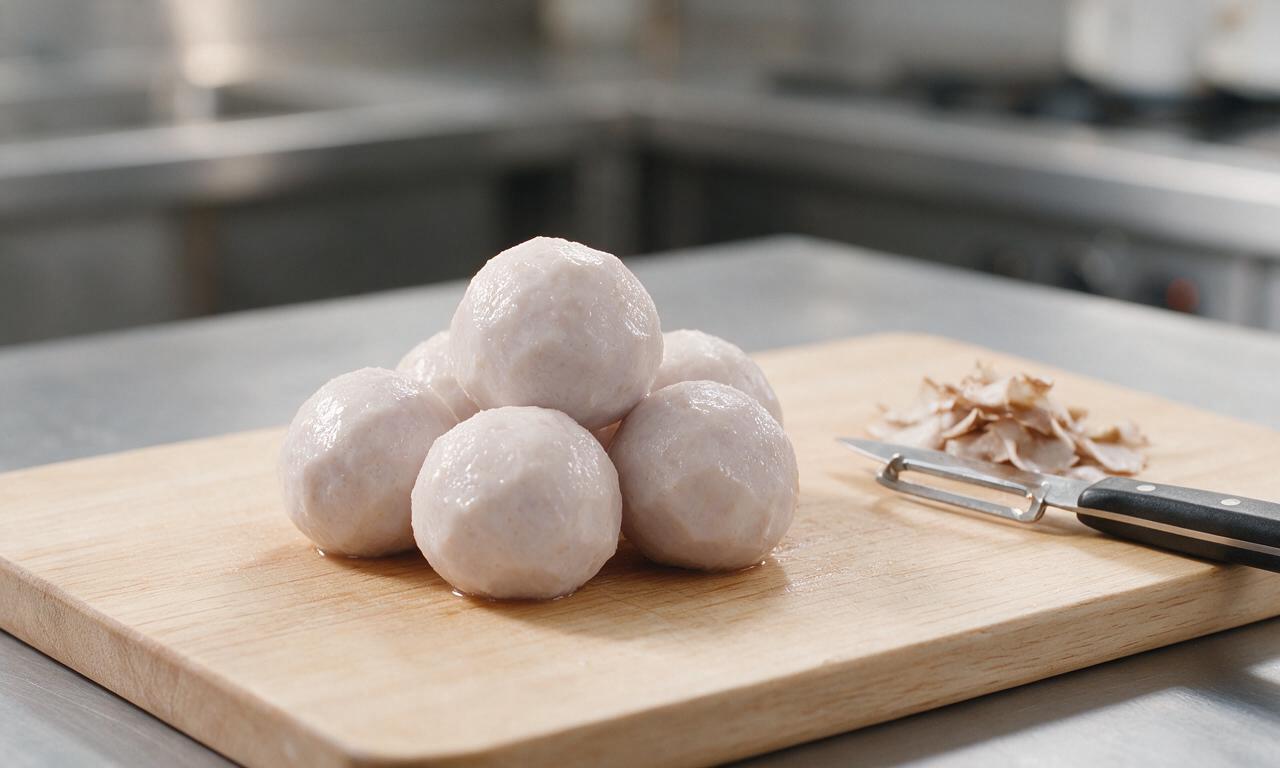
Step 2
step2:Peel cooked taro
3

Pound taro to paste

Place warm peeled taro in a large heavy wooden bowl (use a sturdy food processor for a convenient modern shortcut). If pounding by hand, use a traditional stone poi pounder or heavy wooden muddler to mash taro for 8-10 minutes, working out every lump to create a completely smooth, thick paste. If using a food processor, run on low speed for 2-3 minutes, scraping down the bowl sides every 30 seconds to avoid over-processing that makes taro gummy.
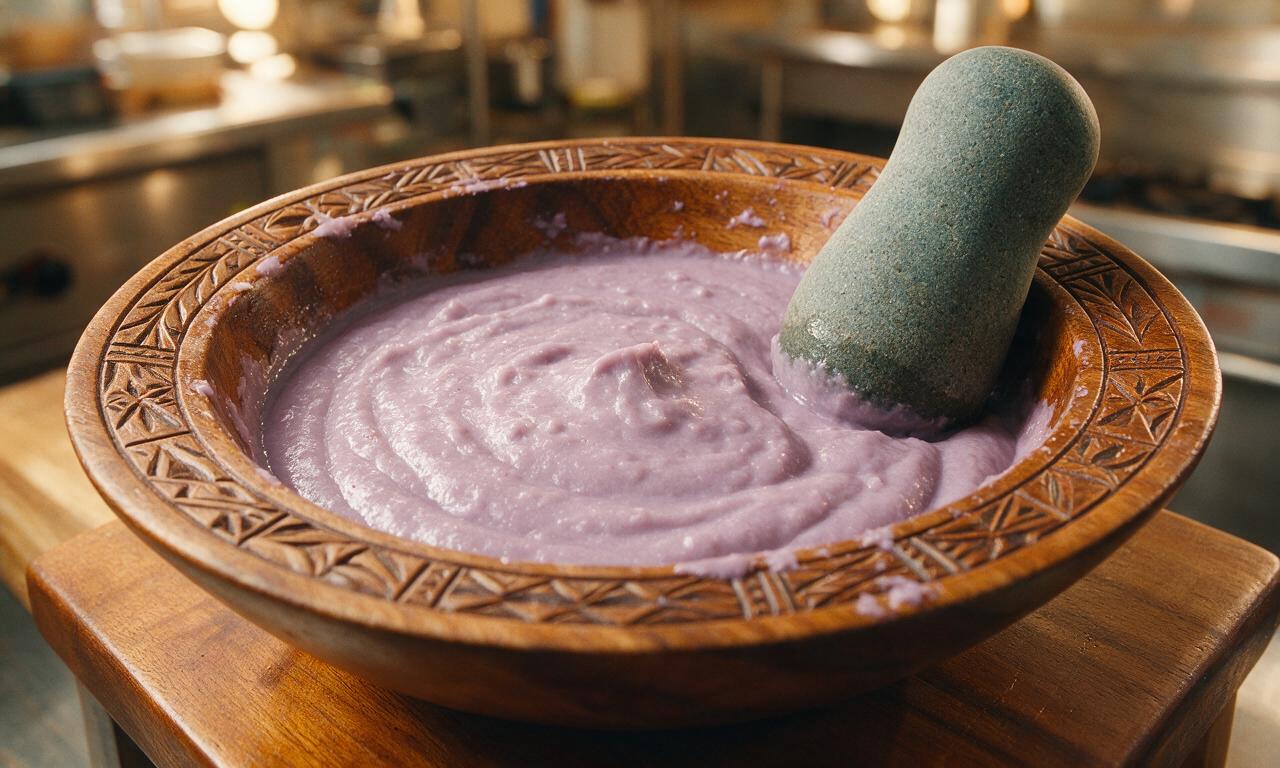
Step 3
step3:Pound taro to paste
4

Thin to desired consistency

Add filtered water 2 tablespoons (30 ml) at a time to the pounded taro, mixing thoroughly with a wooden spoon after each addition. Stop adding water when the poi reaches your preferred texture: thick 1-finger poi (similar to thick mashed potatoes) uses ~240 ml (1 cup) water, medium dip-able 2-finger poi uses ~300 ml (1.25 cups), and thin pourable 3-finger poi uses ~360 ml (1.5 cups).
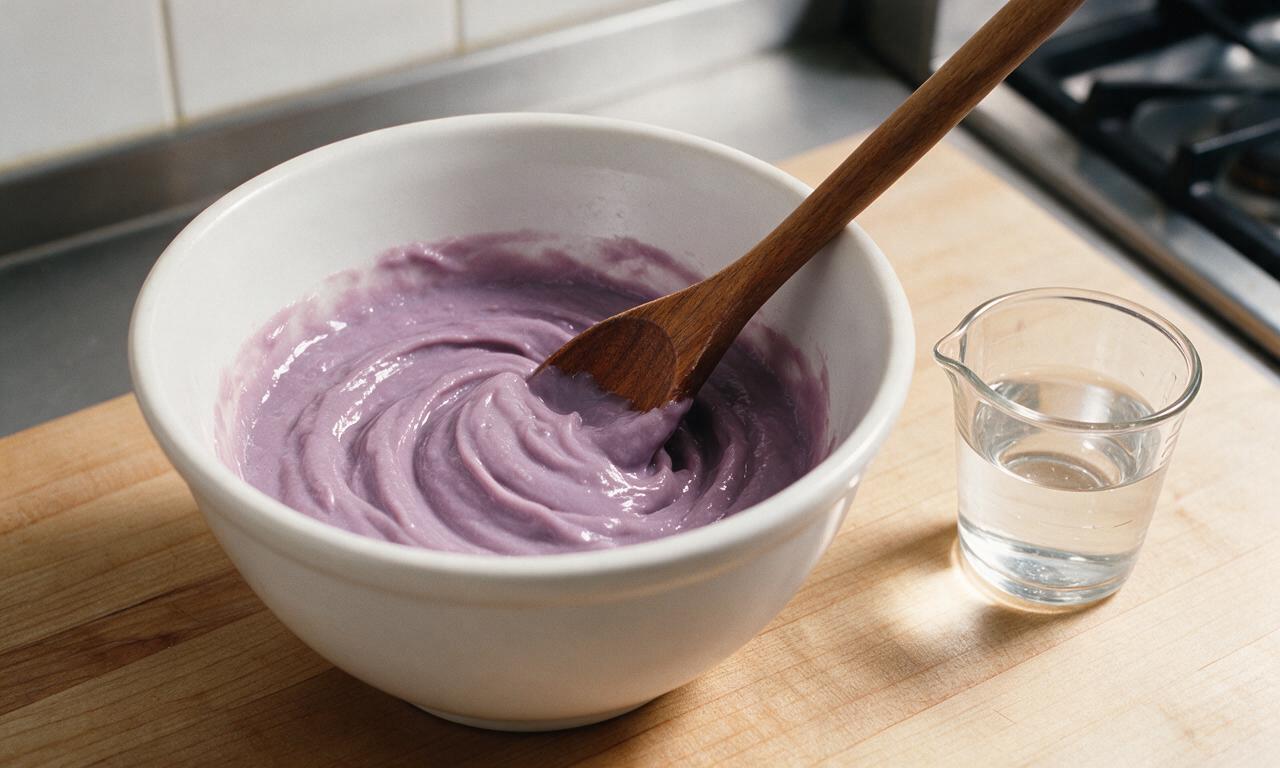
Step 4
step4:Thin to desired consistency
5

Ferment for classic tang

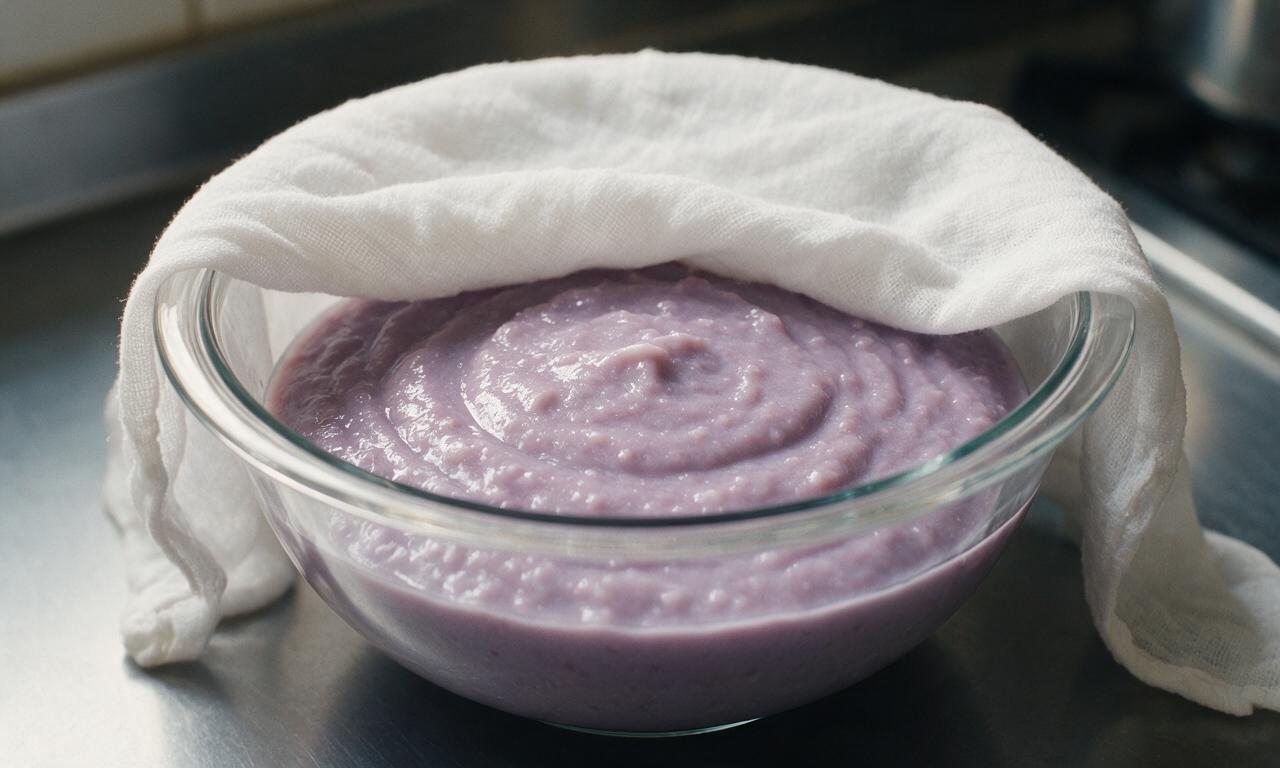
Transfer the mixed poi to a clean glass or ceramic bowl, cover the poi surface directly with a piece of damp cheesecloth to prevent a dry skin from forming, then cover the bowl with a tight-fitting lid. Let it sit at cool room temperature (20-22°C / 68-72°F) for 12-24 hours, tasting every 6 hours, until it develops a subtle, pleasant tang with no sharp sour off-notes.
Step 5
step5:Ferment for classic tang
6

Serve or store poi

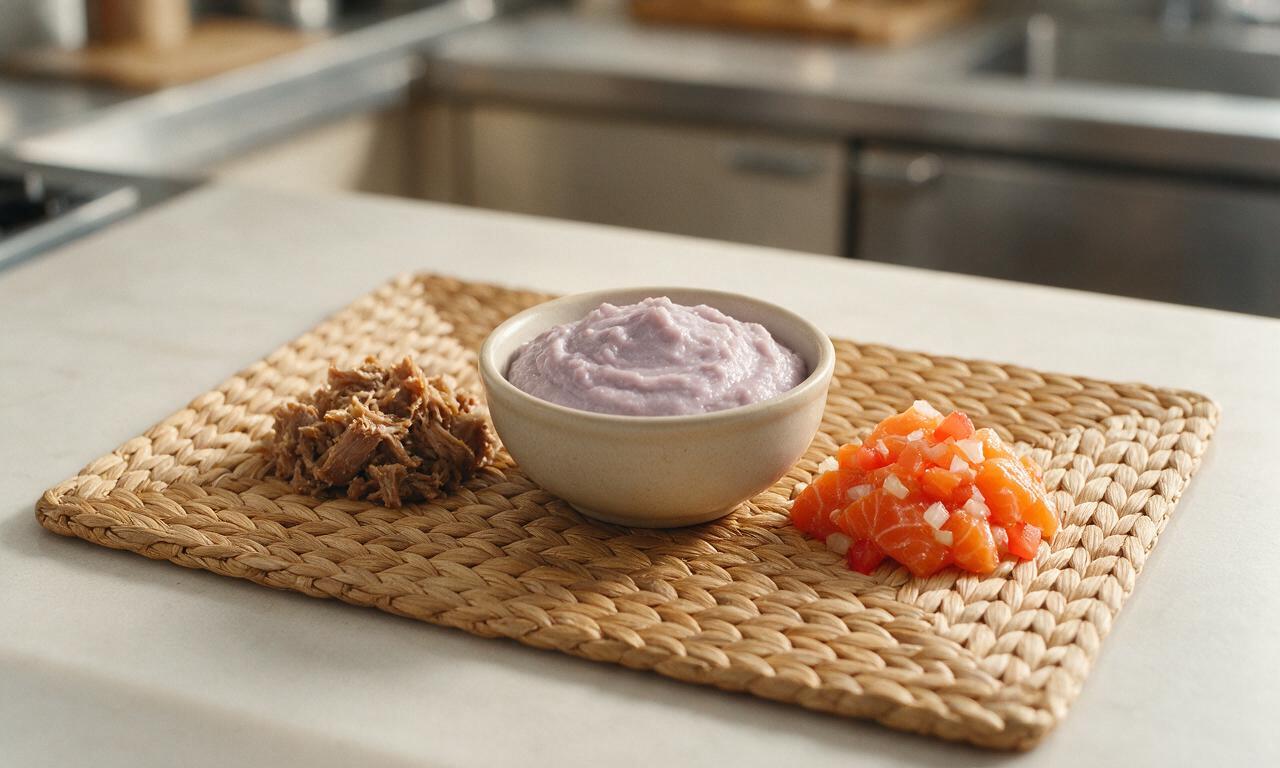
Once fermented to your taste, stir the poi gently to recombine any small amount of separated water. Serve at room temperature as a side dish, paired with classic Hawaiian dishes like lomi lomi salmon, kalua pork, or poke. Store leftover poi in an airtight container in the refrigerator for up to 5 days, stirring in 1-2 teaspoons of extra water if it thickens too much when chilled.
Step 6
step6:Serve or store poi

Tips

1.Never eat raw or undercooked taro, as it contains sharp calcium oxalate crystals that cause painful mouth and throat irritation; always cook taro until completely fork-tender before consuming.
2.If you prefer mild, sweet fresh poi instead of tangy fermented poi, skip the resting step and serve immediately after mixing to your desired consistency.
3.Avoid adding hot water to thin poi, as high heat can break down the taro starches and create an unpleasantly gummy texture; always use cool or room temperature filtered water.
✨ You May Also Like

Side Dishes
🍜 India

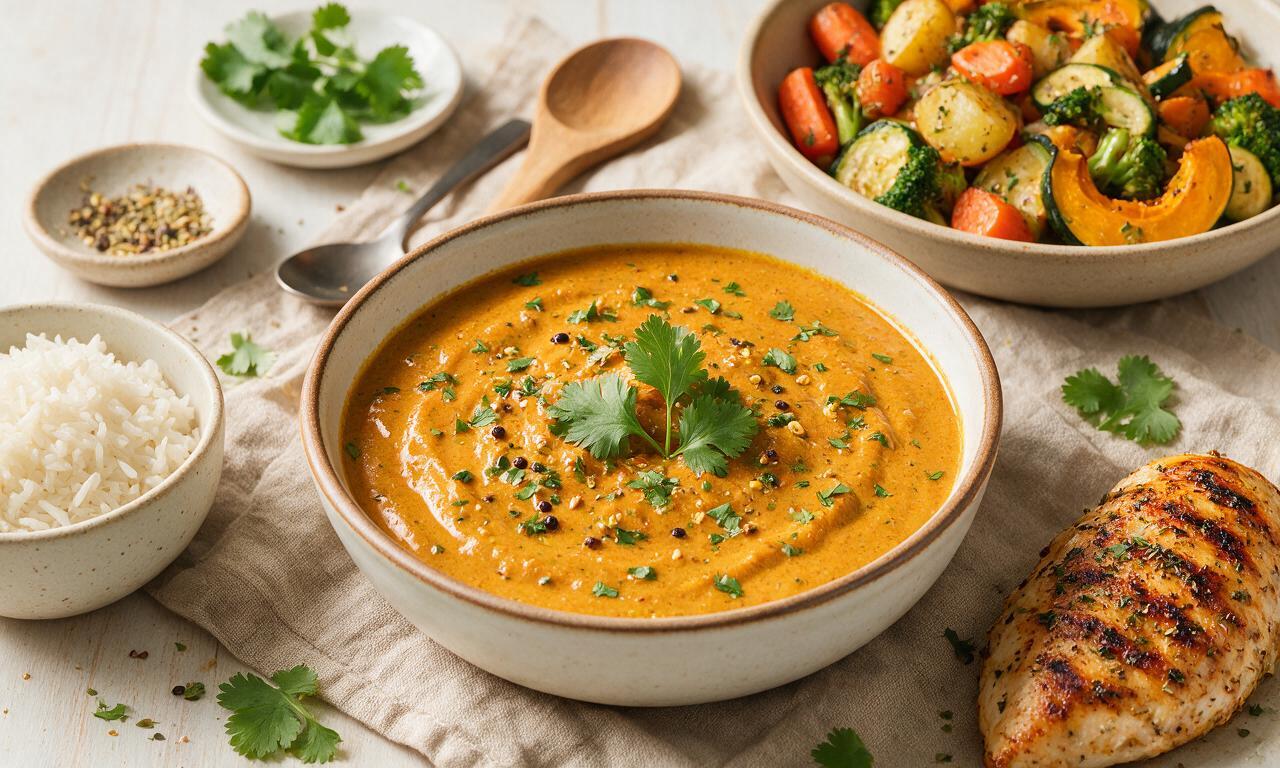
Velvety, aromatic all-purpose curry sauce perfect for tossing with roasted veggies, grilled protein, or rice for fast, cozy, flavorful meals.

⏱️ 25 minuteSide Dishes ★ 4.7
Side Dishes
🍜 Spain

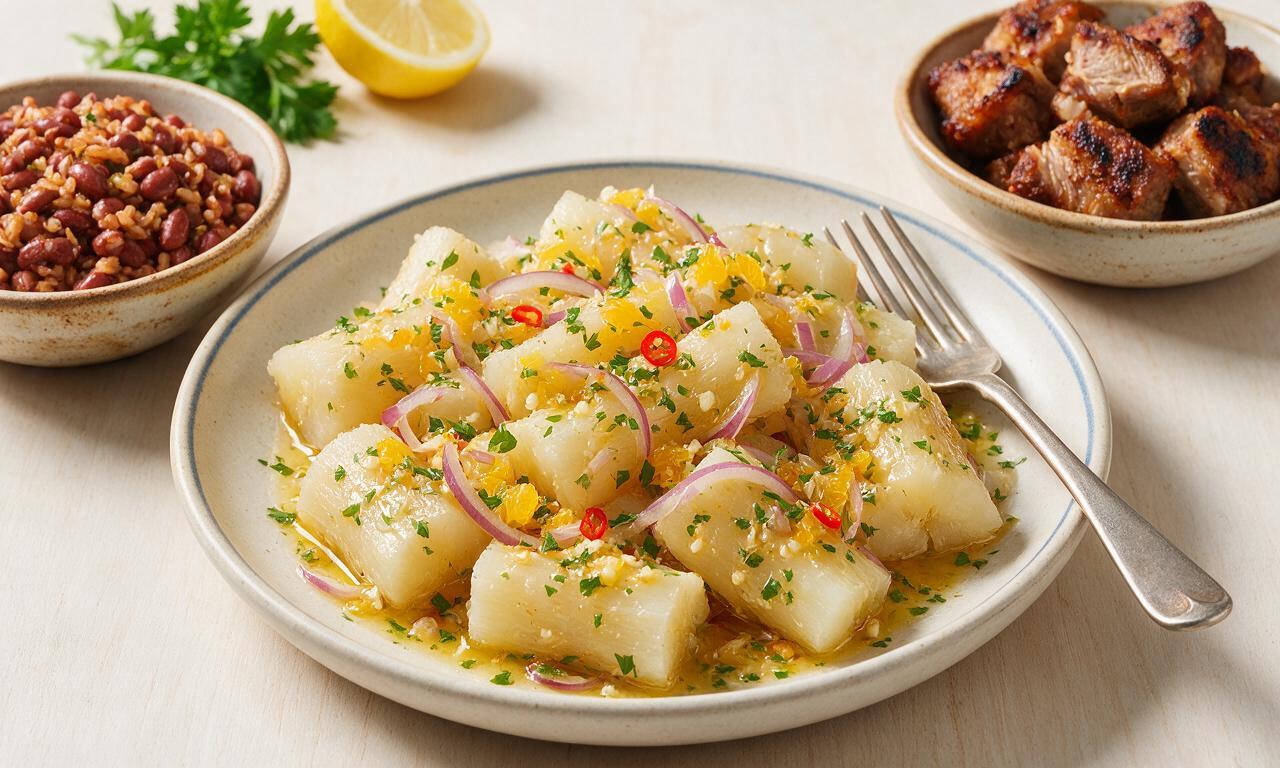
Tender, starchy boiled yuca tossed in bright, garlicky citrus mojo sauce—an iconic, zesty side that pairs beautifully with roasted pork, grilled meats, and rice and beans.

⏱️ 40 minuteSide Dishes ★ 4.8
Side Dishes
🍜 United States

Tender, paper-thin potato flatbread, a beloved Norwegian-American Minnesota Christmas staple, griddled until softly spotted and served warm with butter.

⏱️ 1 hour 30Side Dishes ★ 4.8
Side Dishes
🍜 United States

Rich, deeply savory cured salt pork, a long-lasting kitchen staple perfect for frying crispy as a side or adding umami to stews, beans, and chowders.

⏱️ 7 days (2Side Dishes ★ 4.9
Side Dishes
🍜 United States

Crispy, tangy classic Southern fried green tomatoes with a crunchy cornmeal crust, served hot for a nostalgic, comforting summery bite.

⏱️ 25 minuteSide Dishes ★ 4.9
Side Dishes
🍜 United States

Moist, golden-crusted savory muffins with sweet corn, zesty jalapeño, and melted cheddar, perfect for pairing with smoky summer grilled fare.

⏱️ 30 minuteSide Dishes ★ 4.8

Poi (Hawaii):Frequently Asked Questions

1.What type of taro corms should I use for authentic traditional poi?
For the most authentic, smooth poi, choose firm, unblemished mature taro corms—ideally native Hawaiian varieties like Lehua Maoli if you can source them. Skip soft, mushy, or mold-spotted corms, and avoid pre-cooked frozen taro for your first batch, as fresh whole corms deliver the signature earthy, gently tangy flavor and velvety texture.
2.Is raw taro safe to handle or eat when prepping poi?
Raw taro contains irritating calcium oxalate crystals that can cause itchy skin or an uncomfortable scratchy throat if eaten, so never taste raw taro during prep. Wear disposable gloves when peeling corms if you have sensitive skin to avoid irritation, and always cook taro fully before mashing, as heat completely breaks down those harsh compounds.
3.How long does poi need to ferment to get its signature subtle tang?
Fermentation time depends on your taste preference and room temperature. At a cool 65–70°F, poi develops a mild, gentle tang in 2–3 days, and a sharper, more pronounced sour tang in 4–5 days. Stir it once daily during fermentation, taste starting on day 2, and refrigerate once it hits your ideal flavor level.
4.My poi turned out too thick and gluey—how can I fix that?
Thick, gluey poi is almost always caused by adding too little water during mashing, or working with taro that cooled too much before processing. Fix it by stirring in small, 1-tablespoon increments of room-temperature filtered water, mixing thoroughly between additions, until it reaches a smooth, thick yogurt-like consistency that spreads easily.
5.Do I need a traditional stone poi pounder to make poi at home?
Traditionally, poi is mashed with a pohaku kuʻi ʻai, a carved stone poi pounder, on a solid wooden board, but you don’t need special tools for great homemade results. A high-powered blender or food processor works perfectly for smooth poi—just work in small batches, add water gradually, and scrape down sides often to avoid grainy texture.
6.How long does finished poi stay fresh in the refrigerator?
Fresh, unfermented poi stays good in an airtight refrigerated container for up to 3 days. Fermented tangy poi lasts much longer, up to 2 weeks chilled, as the natural lactic acid from fermentation acts as a gentle preservative. If you notice fuzzy mold, sharp off odors, or slimy texture that won’t stir smooth, discard it immediately.
7.Why is my poi faintly purple or gray instead of bright white?
That subtle color variation is completely normal and tied directly to the taro variety you use! Some taro corms have pale white flesh, while others have light lavender, soft purple, or faint gray undertones that show after cooking and mashing. As long as your taro was fully cooked and has no off smells, this color is not a sign of spoilage.
8.How is traditional poi typically served at lūʻau and family meals?
Poi is served slightly chilled or at room temperature as a mild, starchy side to balance rich, salty Hawaiian dishes like kālua pork, lomi lomi salmon, and poke. It’s traditional to eat it with your fingers (thickness is often rated by how many fingers you need to scoop it!), but small serving bowls with spoons work perfectly for casual home meals.
9.Can I freeze leftover poi to use later?
You absolutely can freeze leftover poi for up to 6 months with minimal texture change. Store it in a sealed freezer-safe container, leaving ½ inch of headspace for expansion, and press a piece of plastic wrap directly on the poi surface before sealing to prevent freezer burn. Thaw in the fridge overnight, and stir well before serving.

Comments (7)

3 days ago

OMG I made this for my family’s backyard luau potluck last weekend and everyone was raving! I grew up eating poi on trips to visit my grandma on Oahu and this tastes exactly like what she used to make. I did the full 24 hour fermentation and it had that perfect subtle tang, not too sour at all. Game changer for my summer cookouts, 10/10!

2 days ago

Wait how did you keep it from getting too thick while it fermented? I tried making poi once before and it turned into a total gluey mess 😂

yesterday

Great question! If it thickens up too much during fermentation, just stir in a tablespoon of cold filtered water at a time until you hit that smooth, pourable consistency you’re looking for. Be sure to cover it tightly while it rests to keep it from drying out too!

5 days ago

Super easy recipe, even for someone who’s never made Hawaiian food before! I skipped the fermentation step because I was short on time, and it still tasted really good paired with my kalua pork sliders. Only knock is I wish I’d added a tiny bit more salt? Wait no, is traditional poi usually unsalted? Idk, I’ll make it again soon.

3 days ago

So glad you enjoyed it with your kalua pork! Traditional poi is usually served unsalted to balance out the rich, salty flavors of other luau dishes, but you can absolutely stir in a tiny pinch of sea salt if that fits your taste preference—no rules here!

1 week ago

SO good and so simple! I’ve been looking for easy, whole food side dishes to add to my weekly meal prep and this is perfect. It’s naturally gluten free, vegan, no weird additives, and it stays good in the fridge for almost a week. My kids loved it dipped in fresh fruit, who knew? Will be making this on repeat.

2 weeks ago

Okay so maybe I messed this up? I followed the cook time exactly but the taro was still a little lumpy even after mashing for like 15 minutes. I was hosting a tiki night and was kinda embarrassed because it wasn’t as smooth as the poi I’ve had at restaurants. Did I do something wrong?

2 weeks ago

Oh girl you gotta let the taro steam a little longer! I’ve made this mistake before—if the taro isn’t fork tender all the way through when you take it off the heat, you’ll never get those lumps out. I usually test with a fork after 70 minutes and give it 10 extra minutes if it needs it.

1 week ago

That’s such great advice from @IslandFoodFan! Taro root can vary a lot in size and density, so the 70 minute cook time is a baseline. You’ll know it’s ready when a fork slides in with zero resistance, just like you’d test a boiled potato. A high speed blender or immersion blender also works great if you want ultra-smooth poi without all the hand mashing!

yesterday

I remember eating poi out of little plastic cups at a Hawaiian themed diner when I was a kid, and I’ve spent literal years trying to find a recipe that matches that memory. This is it! It’s so creamy, mild, and just the right consistency. I ate half the batch warm right after mashing it, no ragrets.

2 hours ago

This makes our day! So many people have fond memories of poi from childhood trips or local restaurants, and there’s nothing better than nailing that nostalgic flavor at home. Pro tip: leftover warm poi is amazing with a little drizzle of coconut milk for a quick breakfast, too!

2 days ago

Brought this to our neighborhood block party last Saturday and I had so many people asking for the recipe! I fermented mine for 18 hours so it had just a hint of tang, and I served it alongside laulau and lomi lomi salmon that I picked up from the local Hawaiian market. Everyone went back for seconds, even the people who said they “hated poi” before! Total win.

5 minutes ago

I was so intimidated to make poi because I’d heard it was super finicky, but this recipe was so straightforward! The step-by-step instructions for mashing made it totally foolproof, even for me. I did the 12 hour fermentation because I was nervous about it getting too sour, and it was perfect for first time poi makers like me. Only thing is I wish there was a note about what to serve it with, I just ate mine with some teriyaki chicken and it was great!

just now

Oh you have to try it with poke! The cool, mild poi cuts the spice and salt from the ahi poke so perfectly, it’s the classic pairing for a reason. I also love it with some kalua pork and a side of mac salad, total island plate lunch vibe.