
Poke Sallet
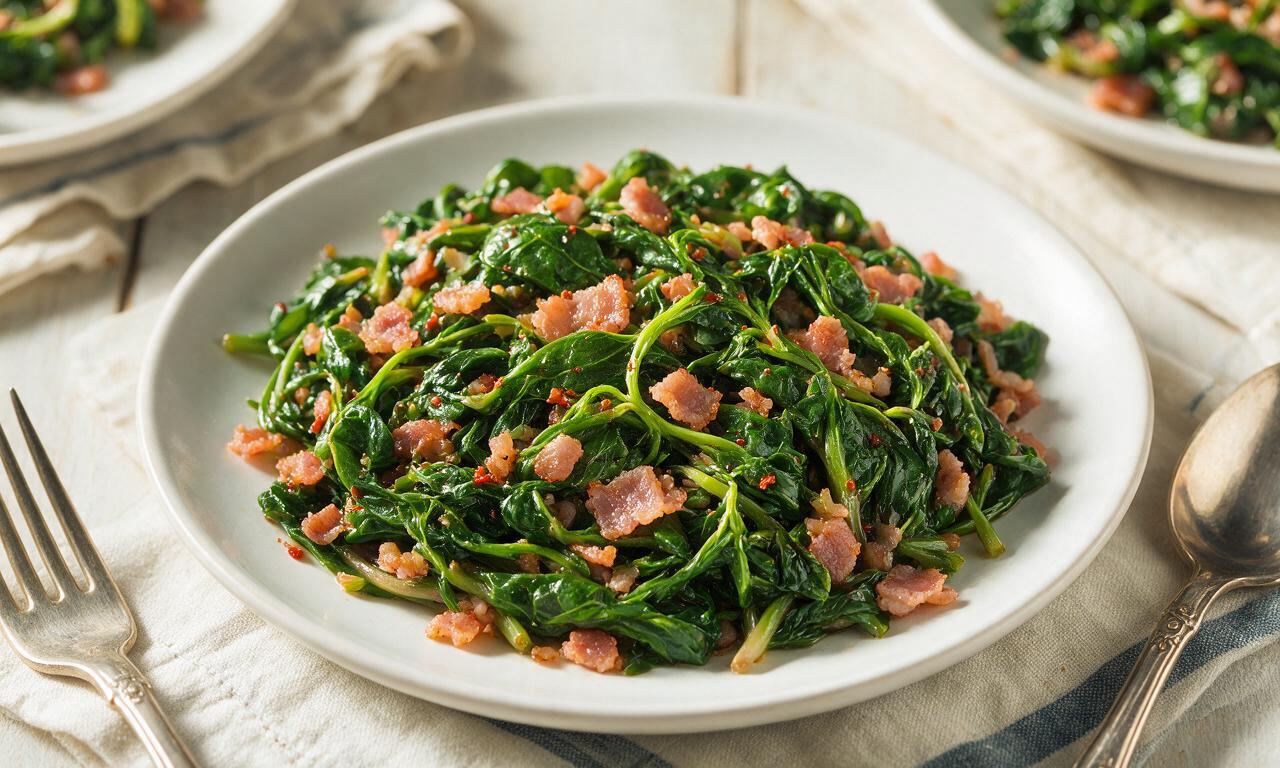
intro
A beloved Appalachian Southern dish made with tender young spring pokeweed shoots, safely prepared and sautéed with bacon and aromatics for a rich, earthy, savory flavor.
Ingredients
Steps
Prep foraged poke shoots
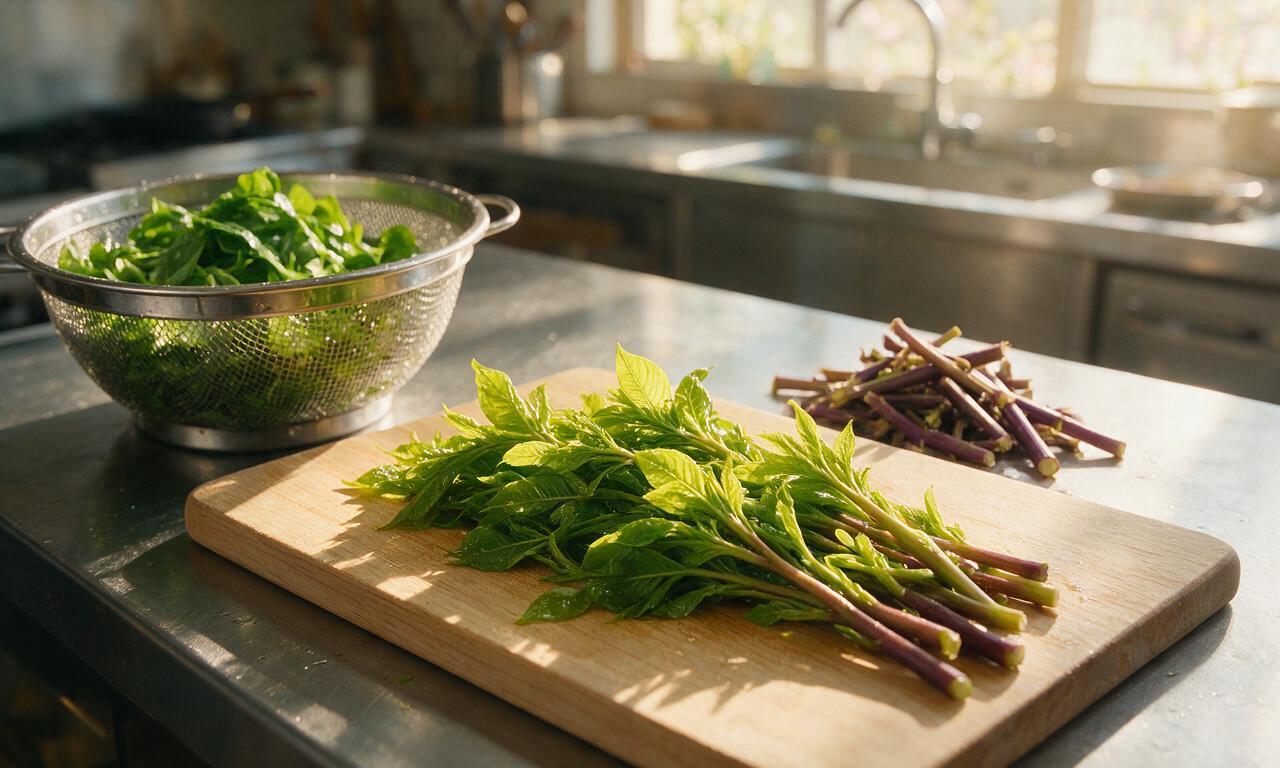
Sort through 450g of young spring poke shoots, discarding any purple, woody, or wilted pieces that are not safe to eat. Rinse the tender shoots thoroughly under cold running water for 2 minutes to remove all dirt, bugs, and forest debris, then pat lightly dry with a clean kitchen towel.
First detox boil
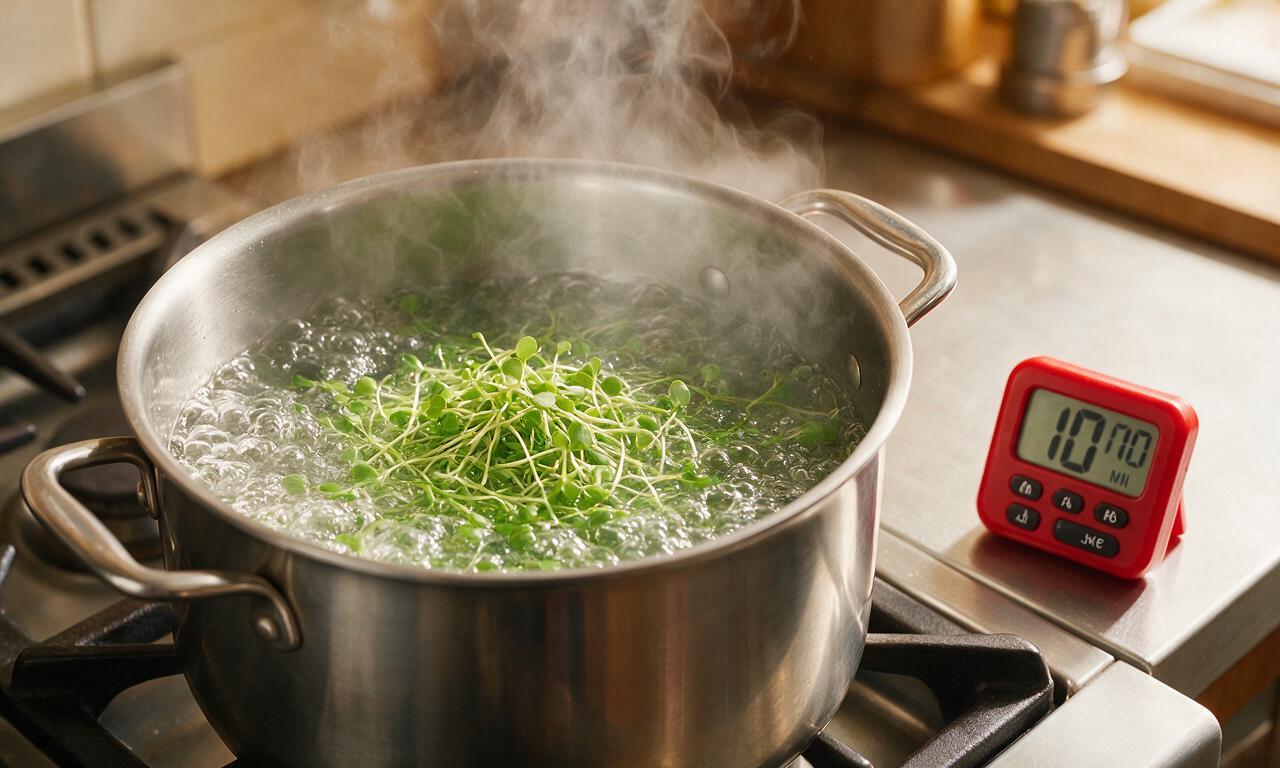
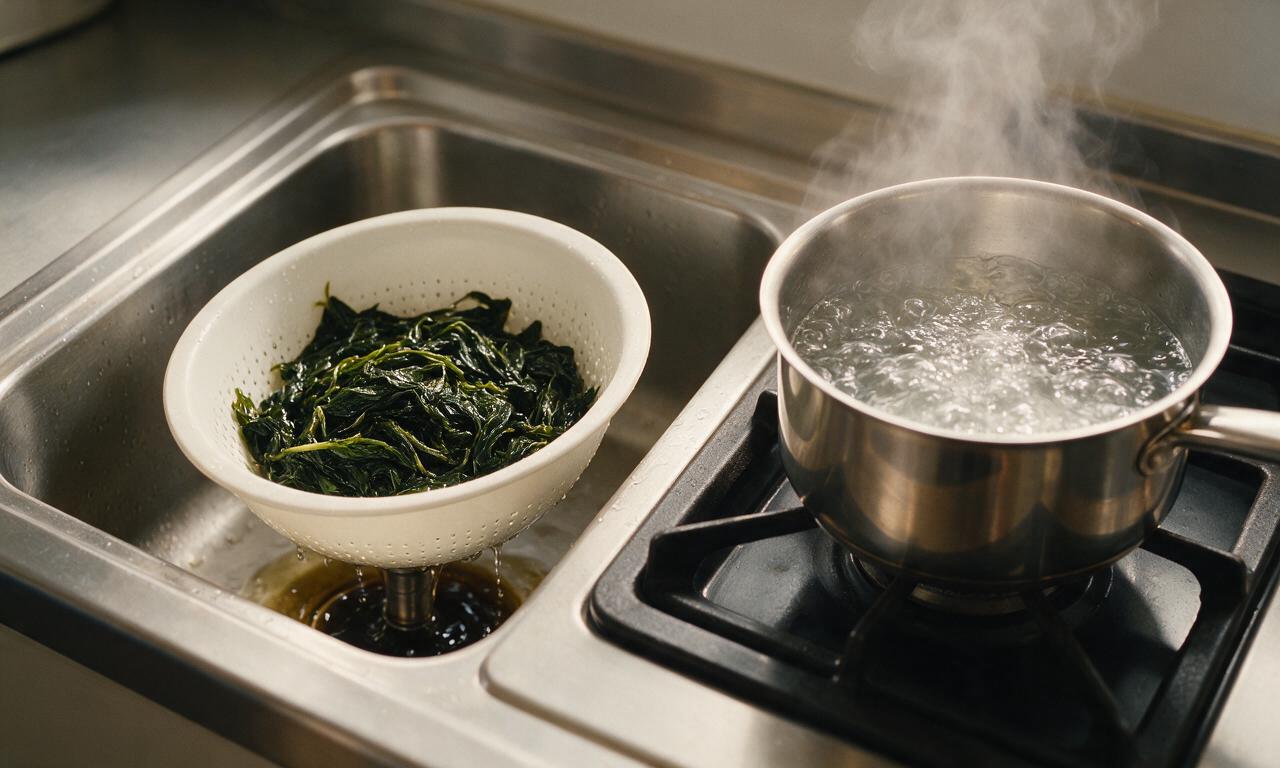
Fill a large stockpot with 2L of cold water, bring to a rolling boil (100°C/212°F) over high heat. Add all the rinsed poke shoots, set a timer for 10 minutes, and boil uncovered (do not cover, as this traps bitter compounds). After 10 minutes, drain the shoots completely in a colander, discarding all the dark green used boiling water which contains leached toxins.
Repeat boiling process
Return the empty pot to the stove, add 2L of fresh cold water, and bring back to a rolling boil over high heat. Add the drained poke shoots, boil for 10 minutes, then drain fully and discard the water. Repeat this process one final time with the remaining 2L of fresh water (for 3 total 10-minute boils in fresh water) to fully remove toxic oxalates and phytolaccatoxin. The greens will be dark, tender, and fully wilted after the final drain.
Sauté bacon and aromatics
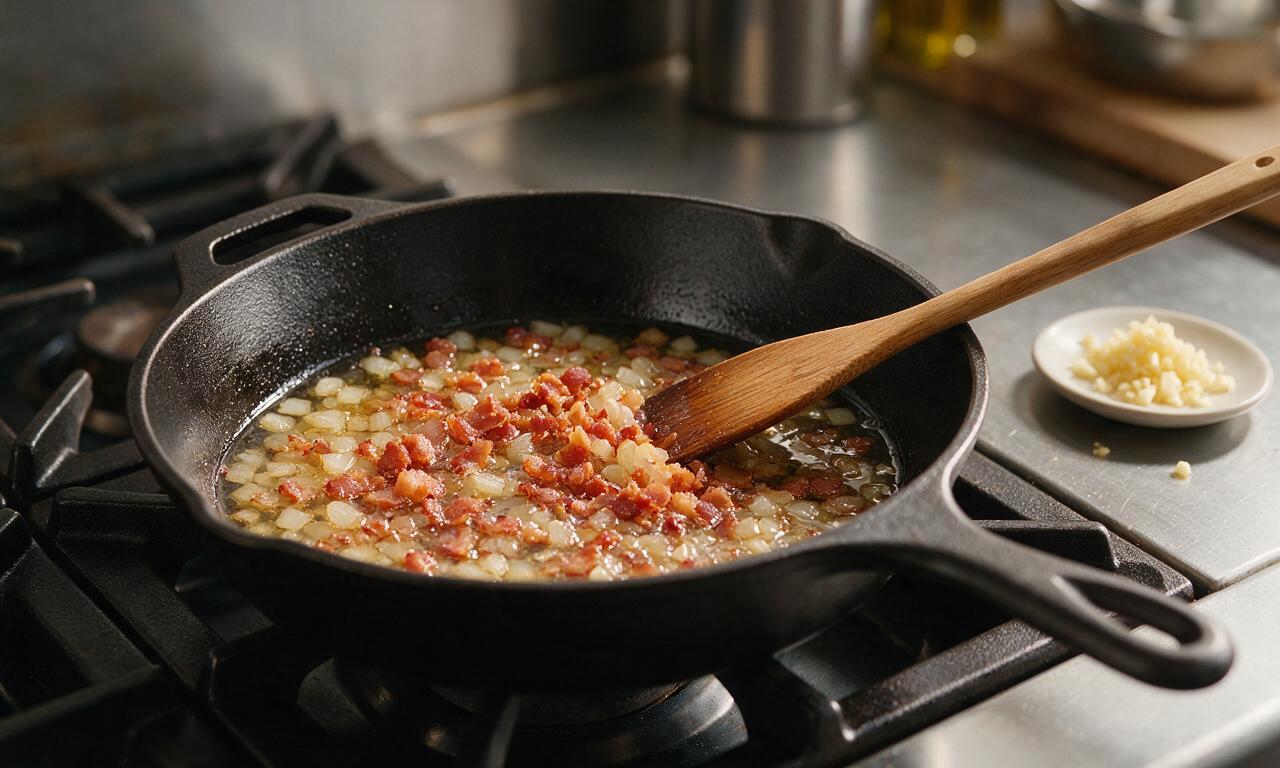
While the poke drains after the final boil, heat a large cast-iron skillet over medium heat (160°C/325°F). Add 113g of chopped thick-cut bacon, and cook for 6-7 minutes, stirring occasionally, until the bacon is crispy and has rendered all its fat. Add 100g of diced yellow onion to the skillet, sauté for 3 minutes until soft and translucent, then add 9g of minced garlic and cook for 30 seconds until fragrant, taking care not to burn the garlic which will add a bitter flavor.
Sauté poke with seasonings
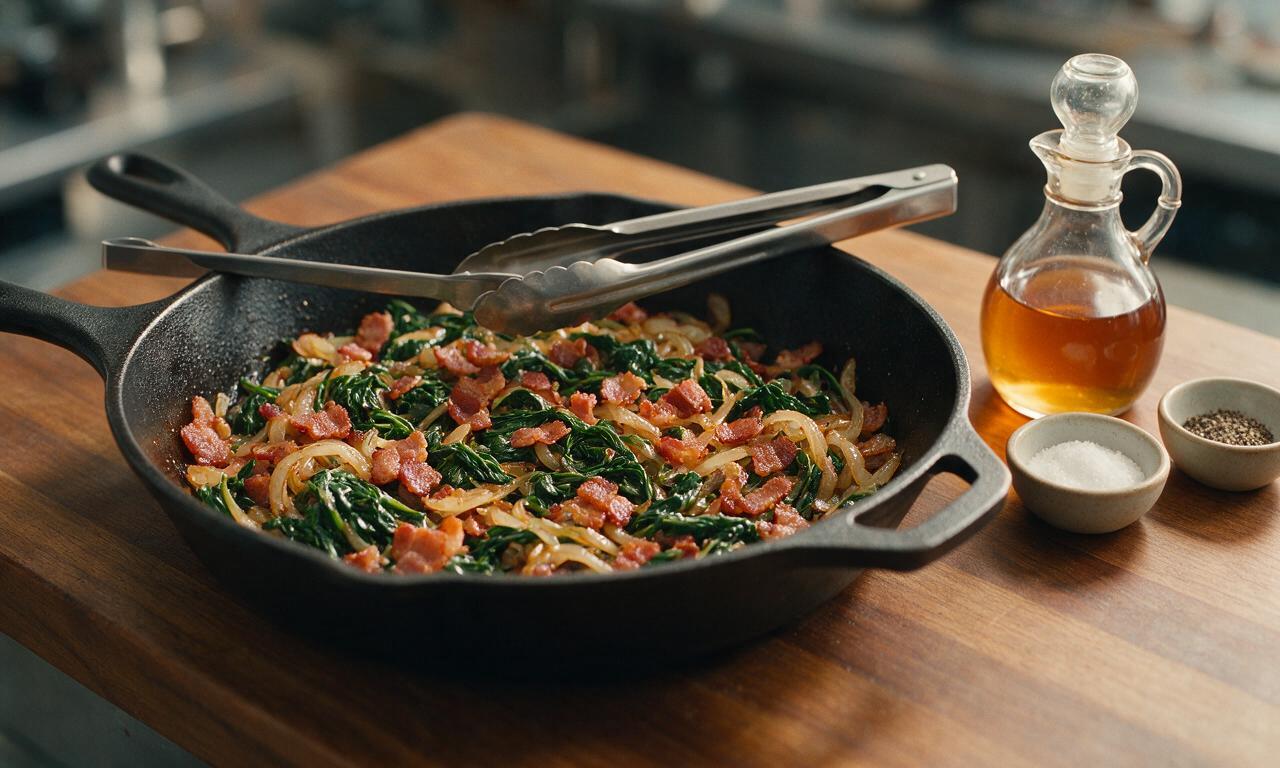
Add the fully drained, triple-boiled poke shoots to the cast-iron skillet, tossing with tongs to coat evenly in the rendered bacon fat. Sauté over medium heat for 5 minutes, stirring occasionally, until the greens are fully heated through and infused with bacon flavor. Stir in 15ml of apple cider vinegar, 5g of kosher salt, and 2g of freshly ground black pepper, tossing thoroughly to distribute seasonings evenly.
Rest and serve hot
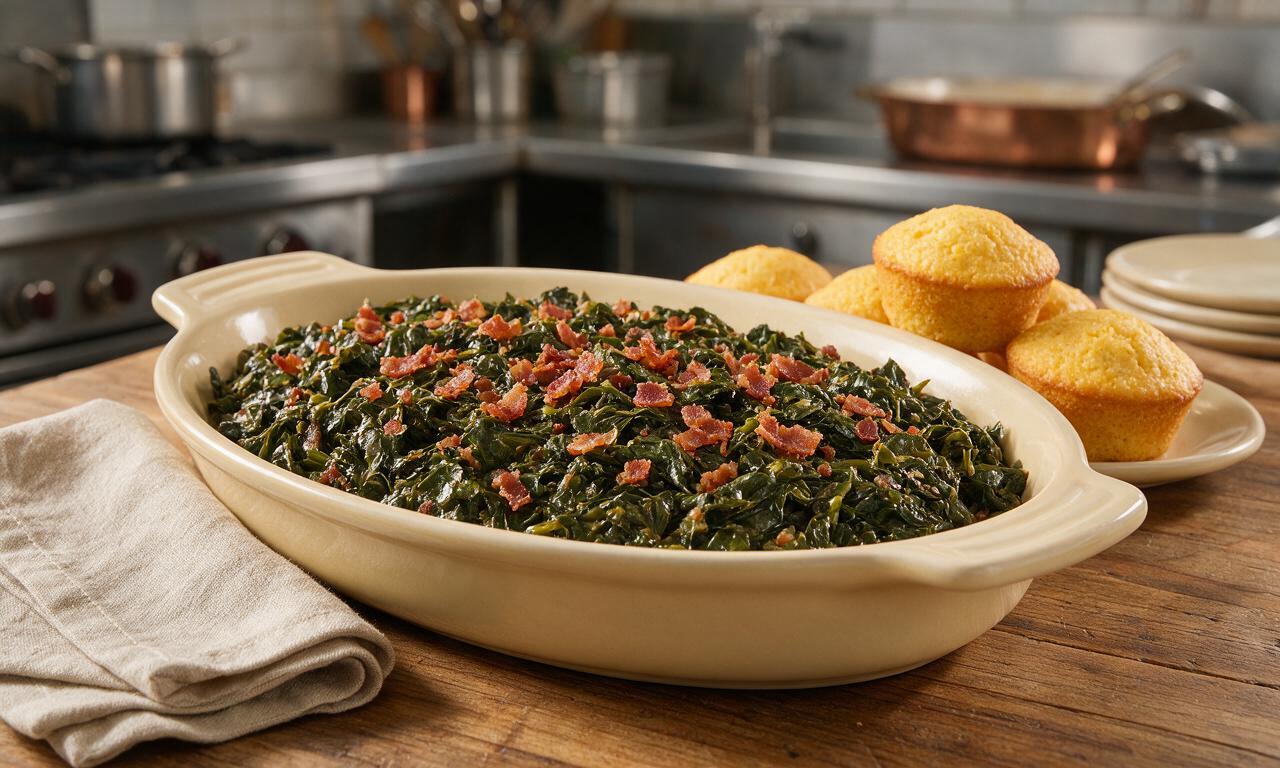
Turn off the stovetop heat, let the poke sallet rest in the skillet for 2 minutes to allow the flavors to meld. Taste and adjust salt or pepper if needed, then transfer to a warm serving platter and serve hot alongside cornbread or fried potatoes.
Tips
2.Never cover the stockpot while boiling poke shoots, as trapping steam locks in bitter, acrid compounds that make the finished dish taste harsh and unpleasant.
3.For a heartier traditional variation, crack 2 large (50g each) eggs over the sautéed poke during the last 2 minutes of cooking, scrambling gently until fully set, to turn the side into a filling one-pan meal.





OMG y’all, I grew up eating my grandma’s poke sallet down in south GA and I’ve been chasing that taste for DECADES. This recipe is spot on! I did add a little extra bacon grease like she always did, and served it up with fried catfish and cornbread for our Sunday family dinner. My picky 10 year old even went back for seconds! Only note: make sure you boil those leaves extra long like the recipe says, don’t skip that step or you’ll have a tummy ache for sure.
As someone who’s super into foraging, I was so excited to try a traditional preparation for pokeweed instead of just writing it off as a toxic weed! This turned out SO good, I served it at my last potluck with grilled tofu and hot honey cornbread muffins and everyone was asking for the recipe. A little labor intensive with all the boiling, but totally worth the effort for that unique, earthy, almost spinach-like flavor. Will 100% be making this again while poke is in season!
Game changer! I’ve always been scared to mess with poke because I heard so many stories about people getting sick from cooking it wrong, but your step-by-step instructions made it totally foolproof. Cooked this up for my husband and the ranch hands after we found a huge patch down by the creek, and every single plate was cleaned. Served it with pinto beans, fried pork chops, and cast iron skillet cornbread – pure comfort food. Only thing I’ll do different next time is add a splash of apple cider vinegar at the end like my mom used to!
Wait, hold up – I saw poke sallet mentioned in an old Southern novel and was so curious what it tasted like, I had to order frozen poke greens online because they don’t grow wild up here! This recipe was so easy to follow even though I’d never cooked the greens before, but mine came out a little more bitter than I expected? Did I do something wrong? I only did one 15 minute boil instead of the multiple boils because I was short on time, oops.
Made a big batch of this for my weekly meal prep and it held up so well all week! I portioned it out with roasted chicken thighs and sweet potato mash, and it was the perfect quick, hearty lunch to grab on busy work days. I added a little extra garlic and a pinch of red pepper flakes for a tiny kick, and it was chef’s kiss. Love finding new veggie recipes that aren’t the same old roasted broccoli I make every week!
Took this to my neighborhood block party last weekend and everyone thought I was some fancy Southern chef, lmao. I didn’t tell anyone it was a random recipe I found online! The only thing was I couldn’t find fresh poke, so I used canned poke sallet from the grocery store – still turned out great, but I bet fresh is way better. Next year I’m gonna go foraging for my own now that I know what to look for.
This was fine, but honestly it just tasted like cooked spinach with bacon to me? I don’t know if I got bad greens or what, but I was expecting a way more unique flavor. It was easy enough to make, and my family ate it, but I don’t know if I’ll go out of my way to make it again. Maybe it’s one of those nostalgia things that hits different if you grew up eating it?
Found a ton of wild poke growing on my favorite hiking trail last weekend and I was so stoked when I found this recipe! I was nervous I’d misidentify it, so I cross-checked with three different foraging guides first (always be safe foraging, y’all!) and it turned out perfect. Sautéed it with a little onion and bacon like the recipe says, and it was the best post-hike dinner I’ve had in months. So hearty and flavorful!
My kids loved it! I was convinced they’d turn their noses up at a “weird green vegetable” they’d never had before, but I told them it was “Southern style super spinach” and they ate every bite. I served it with baked mac and cheese and crispy baked chicken thighs for our weeknight dinner, and even my 7 year old asked if we could have it again next week. Total mom win!
I’ve been making poke sallet for years, but I always just boiled it once and sautéed it with butter. Your tip to boil it three times and cook it down with bacon and onion? Total game changer. It cut out that last little bit of bitter aftertaste I could never get rid of, and the smoky bacon pairs so perfectly with the earthy greens. Brought a big pot to my local foraging group meetup and everyone was raving about it!
Made this for my partner’s birthday dinner since he grew up in Alabama and has been talking about his grandma’s poke sallet for years. He teared up a little when he took the first bite! Said it tasted exactly like he remembered. I’d never had it before, but I totally get the hype now – it’s so cozy and savory, perfect with a side of buttermilk biscuits and collard greens. 10/10, will be a regular in our dinner rotation from now on.
I remember picking poke sallet with my mom every spring when I was a kid, and I haven’t made it since she passed 10 years ago. This recipe was exactly how she made it, right down to the three boils and the crumbled bacon on top. I made a pan and took it over to my elderly neighbor who grew up eating it too, and she said it was the best she’d had in years. Thank you so much for sharing this traditional recipe, it means a lot to have these old recipes preserved so the next generation can enjoy them too.