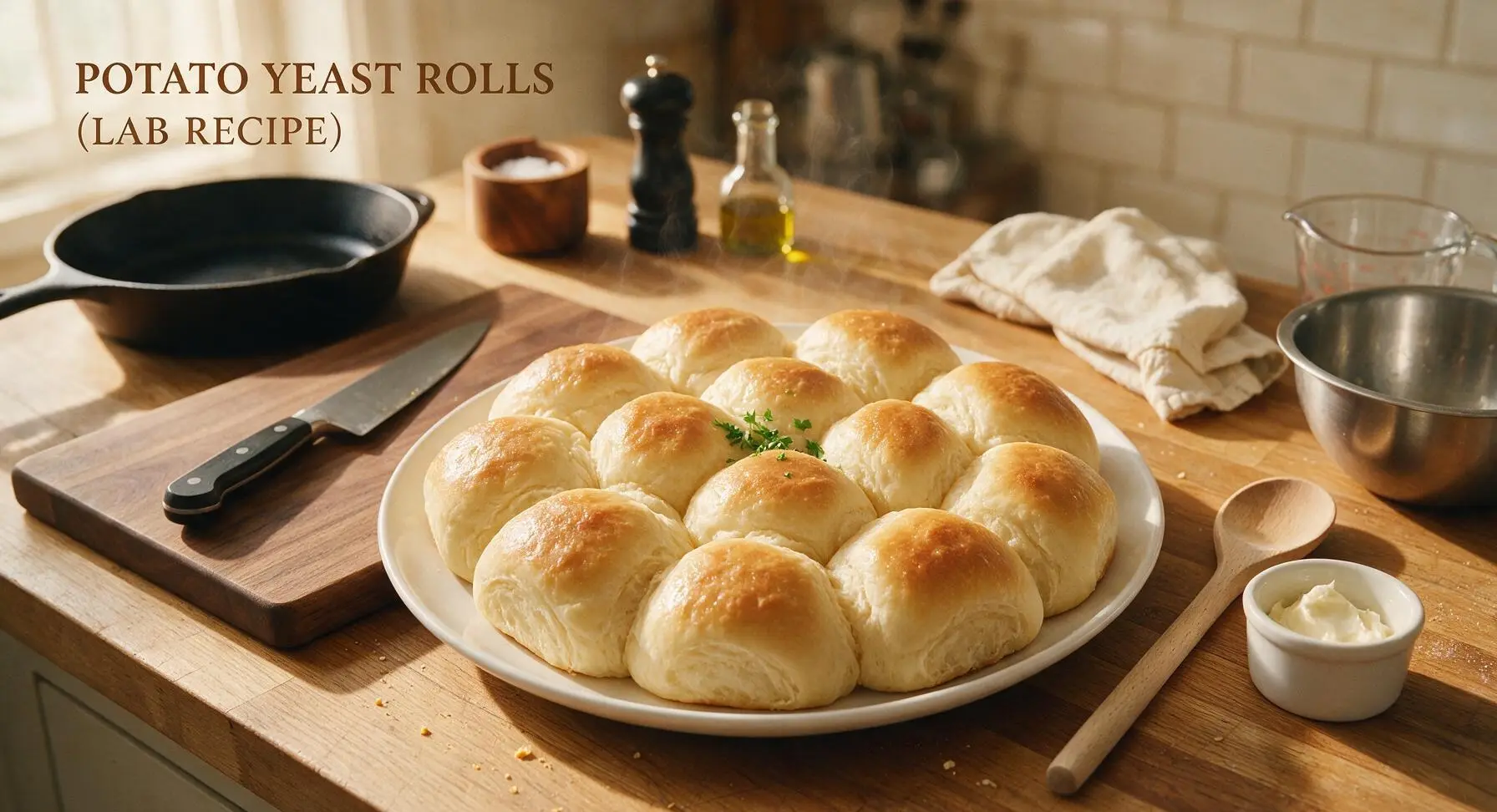
Potato Yeast Rolls (Lab Recipe)

title 1
Potato Yeast Rolls (Lab Recipe)
⏱️ cook time 18 minutes
🍽️ servings 12
⚡ Difficulty medium

intro

Ultra-soft, pillowy potato yeast rolls with a subtle buttery, earthy sweetness, perfect for sopping up gravy or spreading with jam fresh from the oven.

Ingredients
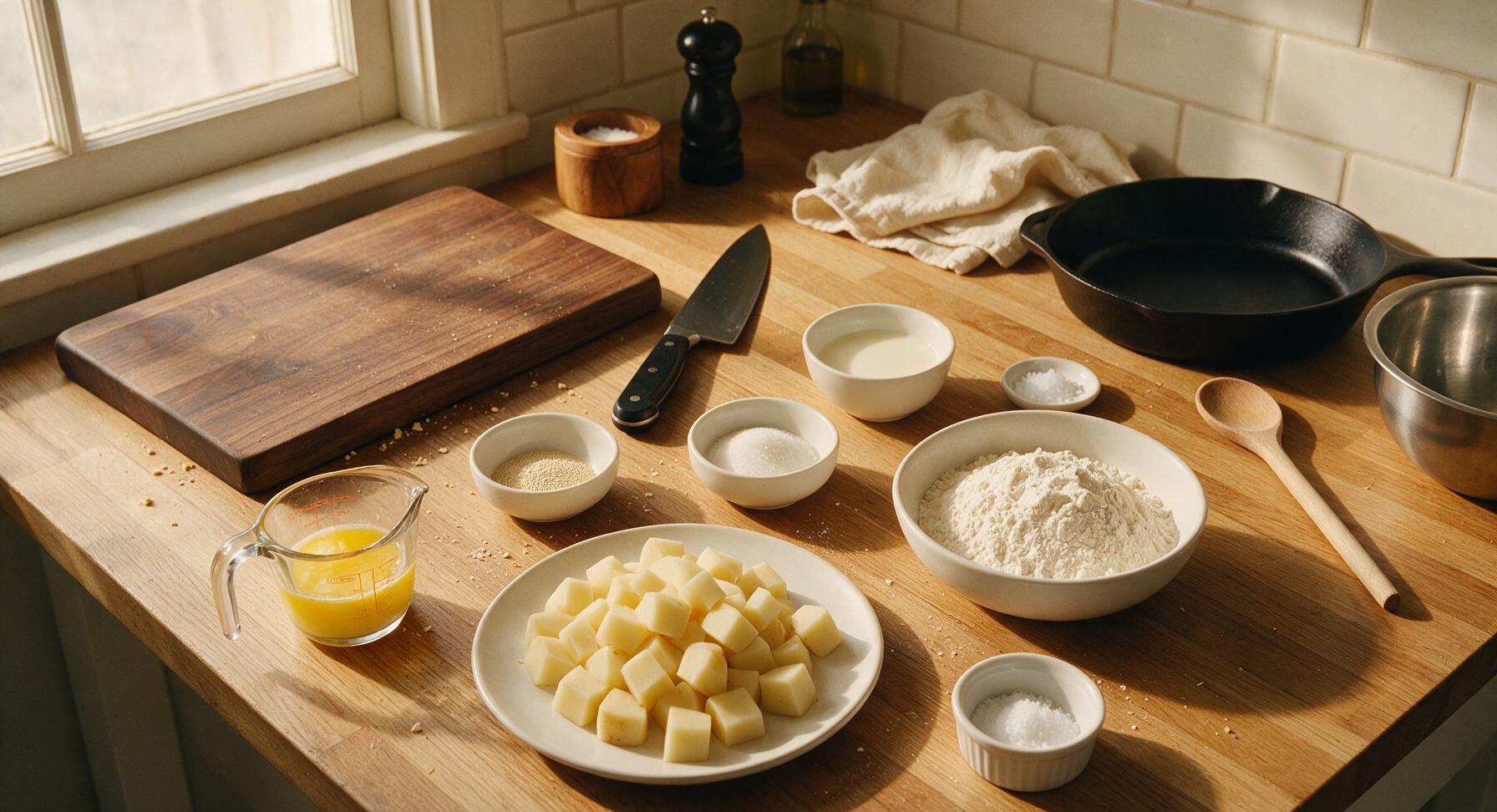
Russet potato 150g (1 medium, peeled, cut into 2cm cubes)
All-purpose flour 480g (4 cups, spooned and leveled)
Active dry yeast 7g (1 standard 1/4oz packet)
Unsalted butter 57g (4 tbsp, melted, divided)
Granulated sugar 25g (2 tbsp)
Fine sea salt 10g (2 tsp)
Whole milk 120ml (1/2 cup, warmed to 43C/110F)
Large egg 1 unit, room temperature, lightly beaten
Flaky sea salt 1g (1/4 tsp, for topping)

Steps

1

Cook and Mash Potato

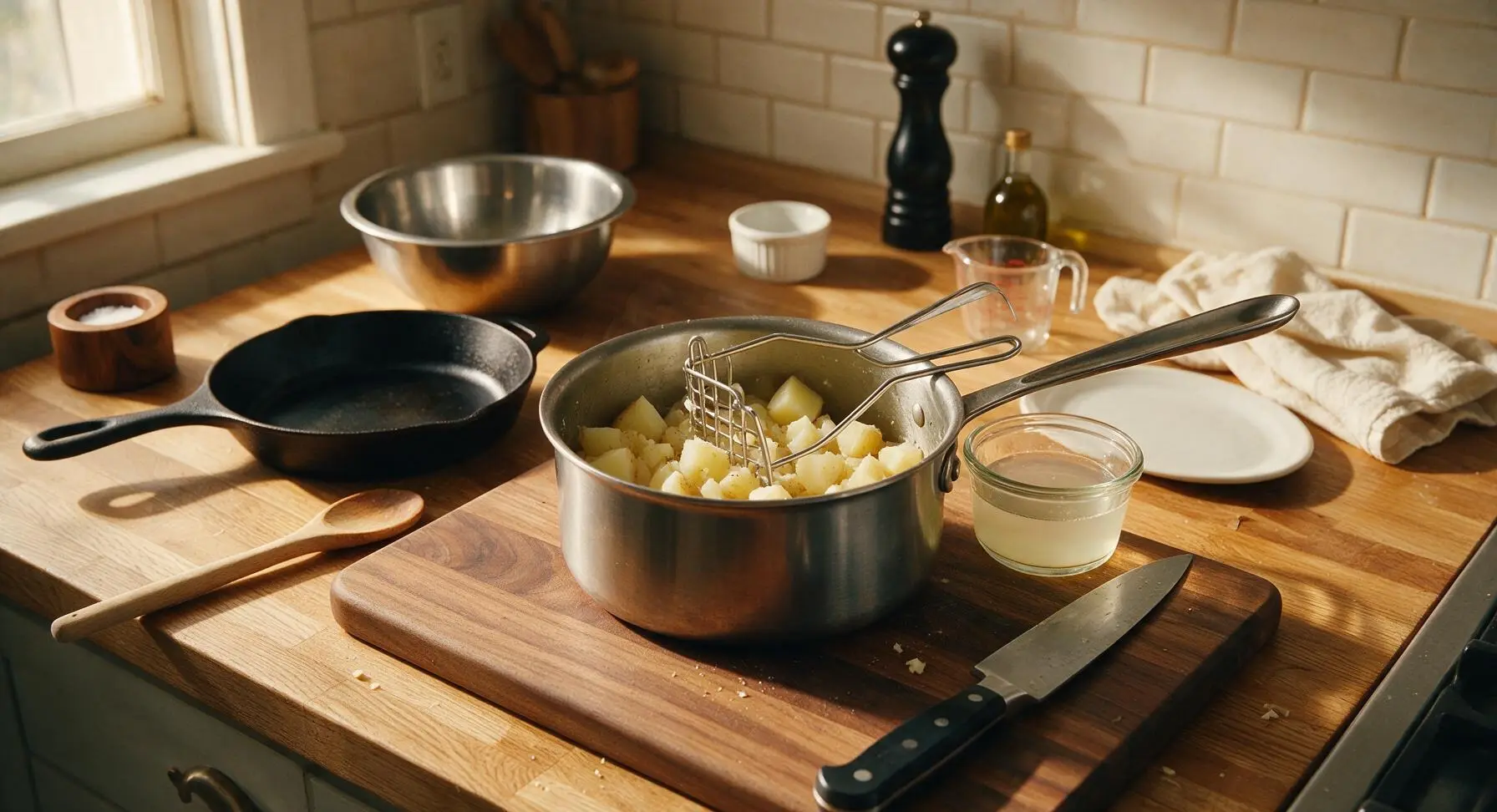
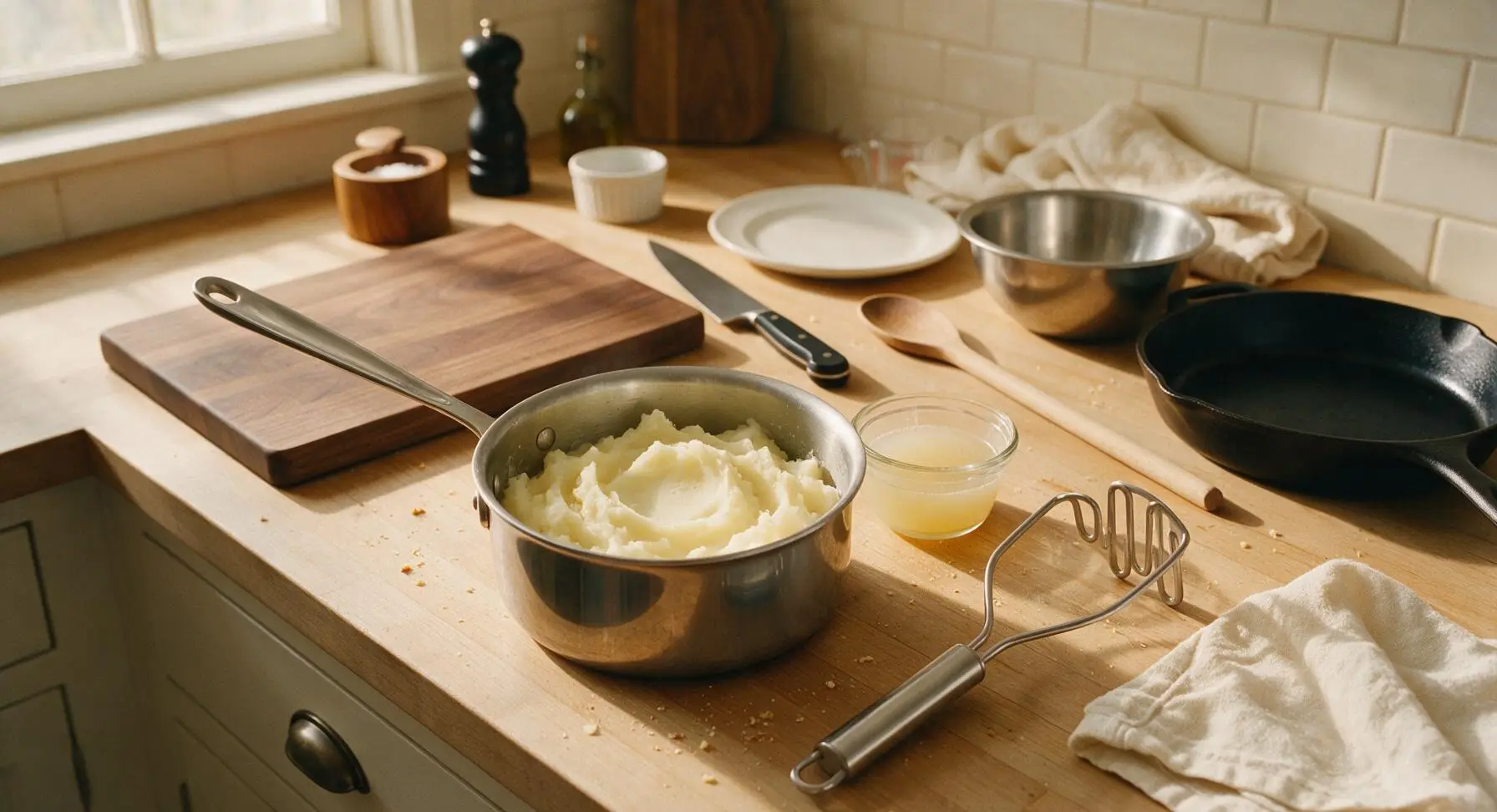
Place the 150g cubed peeled russet potato in the 2-quart stainless steel saucepan, cover with 5cm of cold water, and bring to a rolling boil over medium-high heat. Cook for 10-12 minutes until the potato is fork-tender (a fork slides in with no resistance). Reserve 120ml of the starchy potato cooking water in the clear glass ramekin, then drain the potato completely. Mash the cooked potato smoothly with the stainless steel potato masher, leaving no lumps, then set aside to cool to 43C (110F).
Step 1
step1:Cook and Mash Potato
Step 1
step1:Cook and Mash Potato
2

Activate the Yeast

Pour the 120ml reserved potato water (cooled to 43C/110F, confirm temperature with the digital instant-read thermometer—water hotter than 49C/120F will kill yeast) and 120ml warmed whole milk from the glass measuring cup into the large glass mixing bowl. Stir in 1 tsp of the measured granulated sugar, then sprinkle the 7g active dry yeast over the surface. Let rest for 5-7 minutes until the mixture is foamy and smells distinctly of fresh bread yeast, confirming the yeast is active.
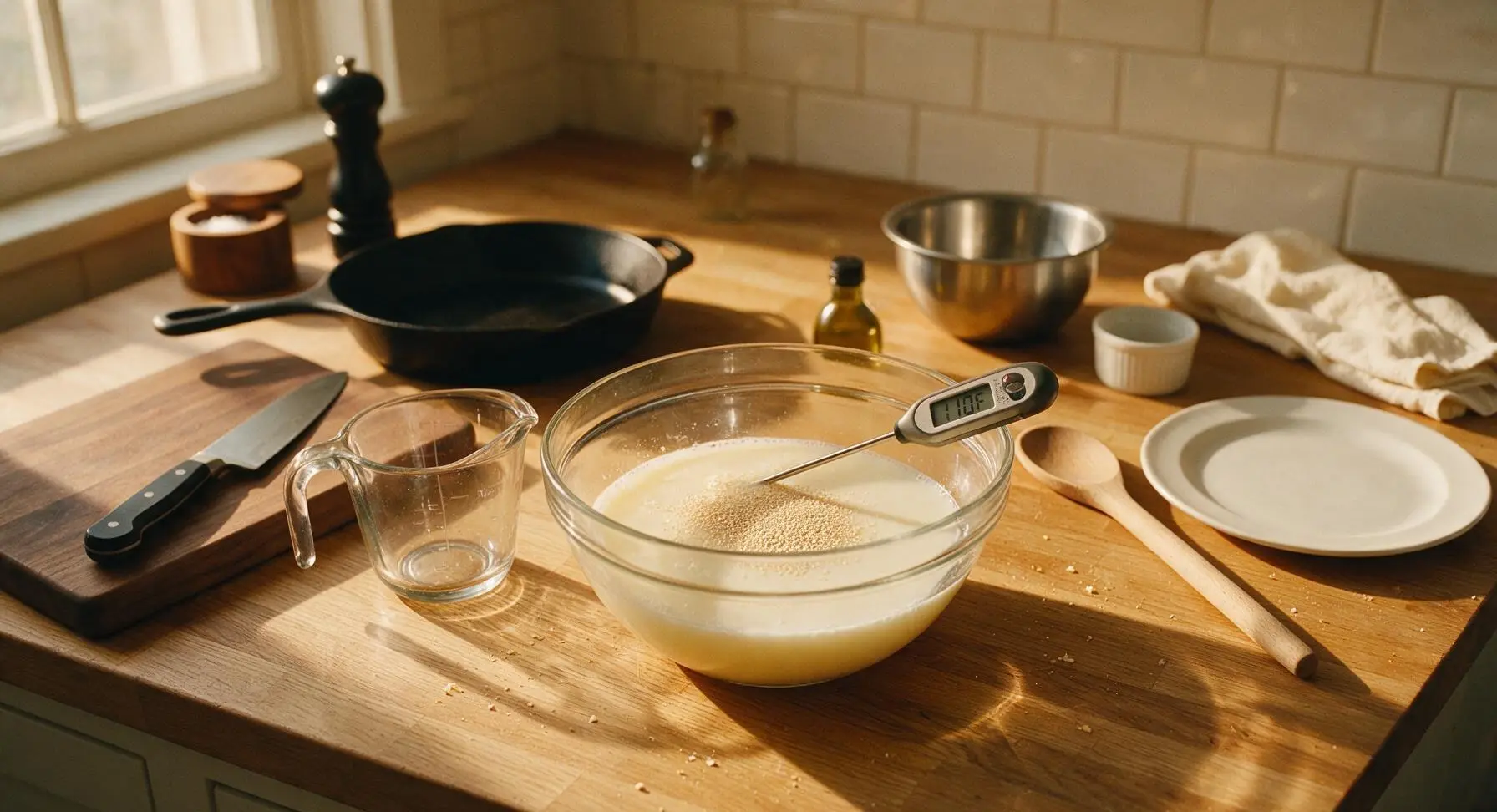
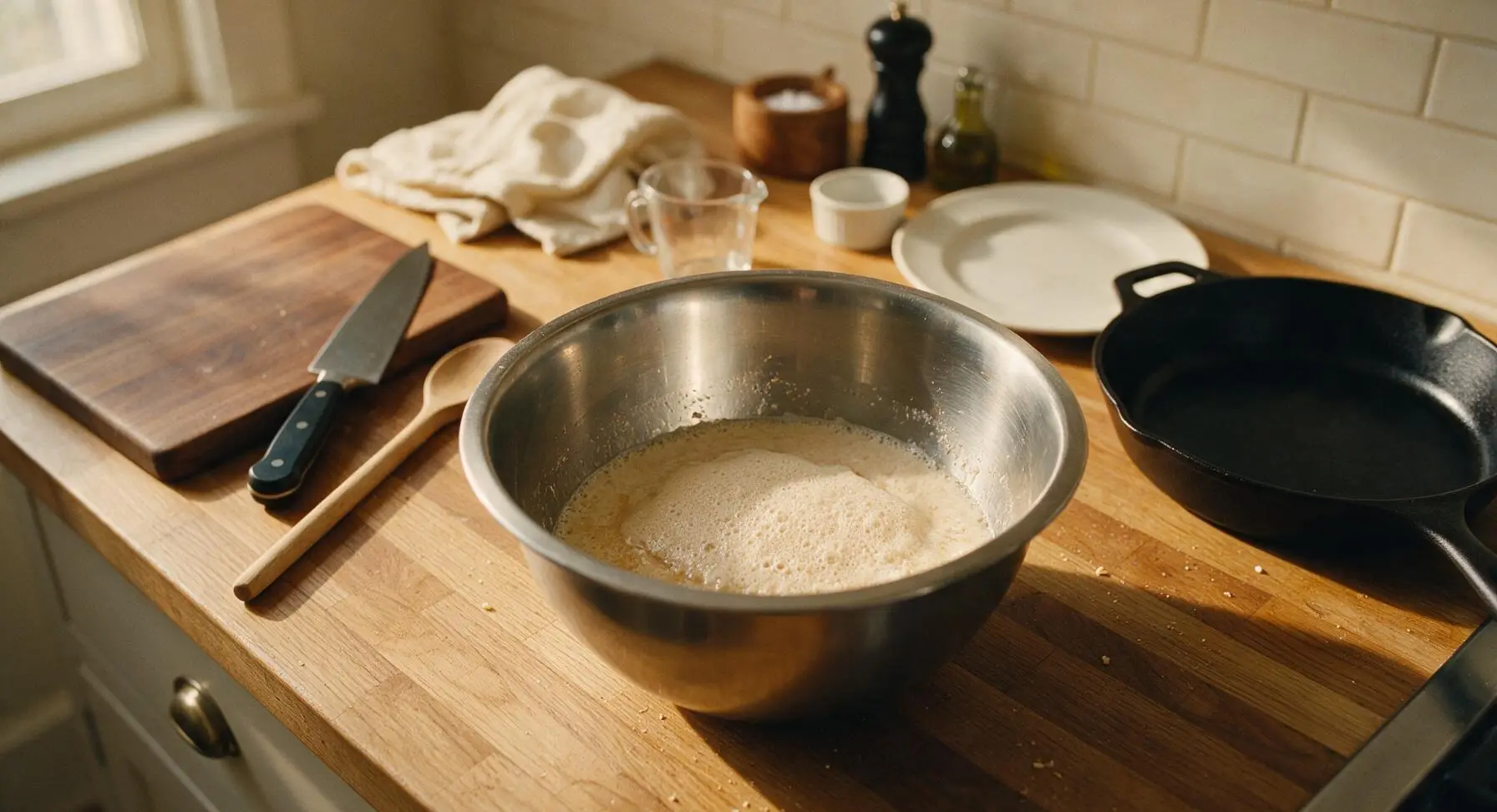
Step 2
step2:Activate the Yeast
Step 2
step2:Activate the Yeast
3

Combine Dough Ingredients

Add the cooled smooth mashed potato, remaining granulated sugar, 2 tbsp melted unsalted butter, lightly beaten room-temperature egg, and 2 tsp fine sea salt to the foamy yeast mixture in the glass bowl. Stir with the silicone dough scraper to combine evenly. Gradually add the 480g all-purpose flour, 120g at a time, stirring after each addition, until a shaggy, slightly sticky dough forms that pulls away from the sides of the bowl.
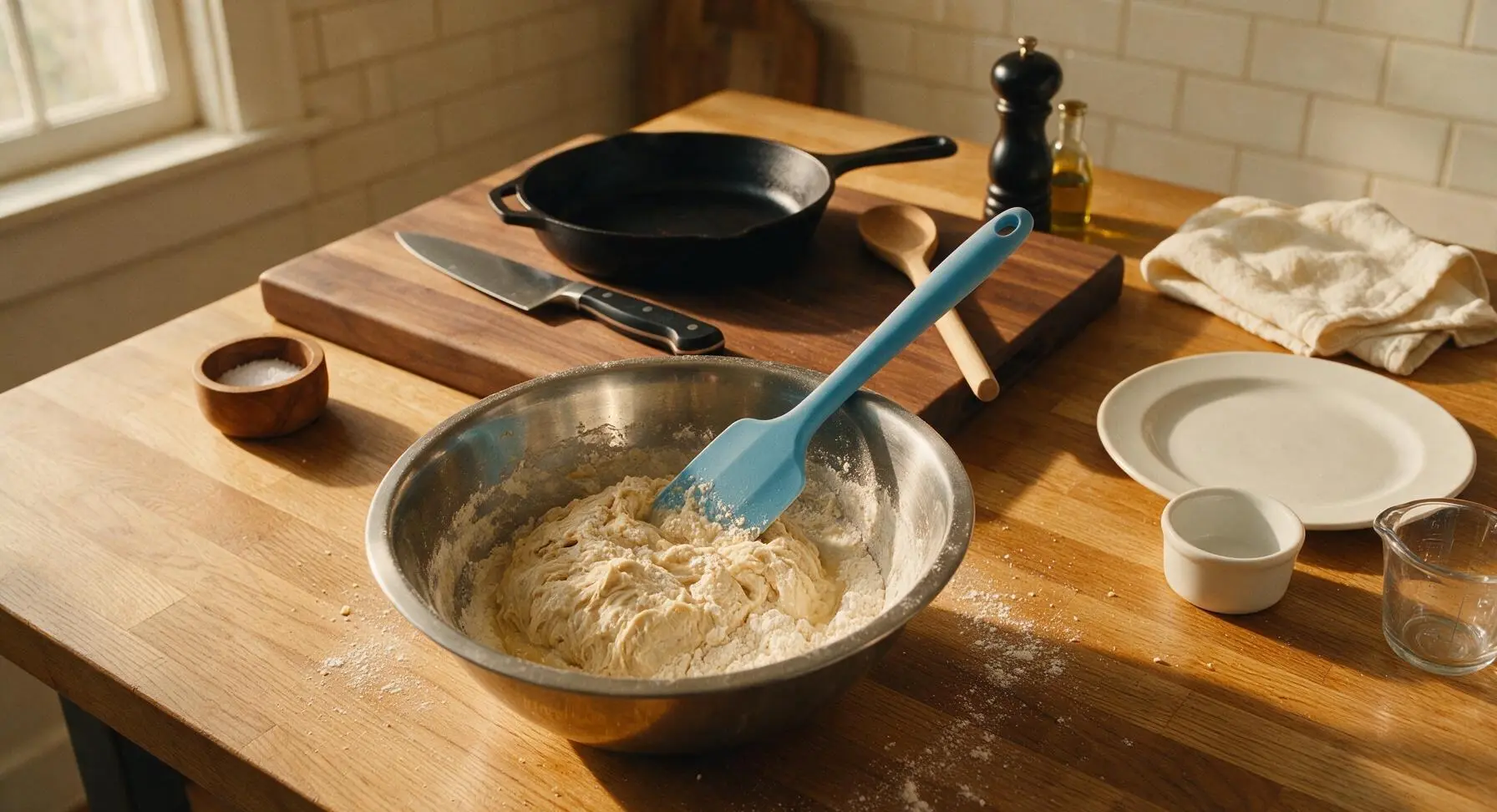
Step 3
step3:Combine Dough Ingredients
4

Knead and First Rise

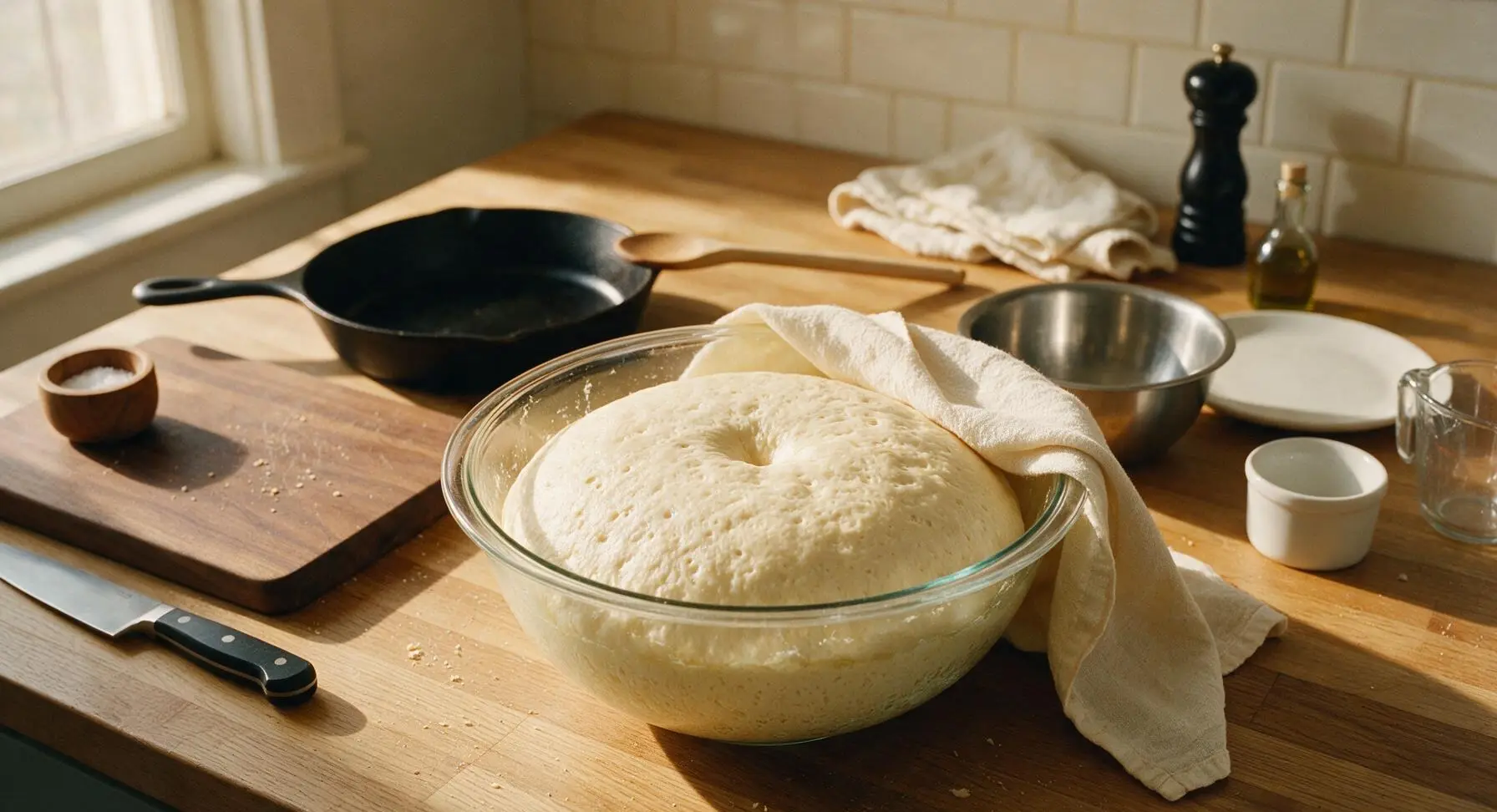
Turn the shaggy dough out onto a lightly floured section of the maple counter. Knead with the heels of your hands for 8-10 minutes, using the dough scraper to lift sticky bits from the counter, until the dough is smooth, elastic, and springs back slowly when poked with a finger. Form the dough into a tight ball, wipe out the glass mixing bowl and grease it lightly with a tiny swipe of melted butter, place the dough ball back in the bowl, and cover with the cream linen towel. Let rise in a warm spot for 1 hour, until doubled in volume.
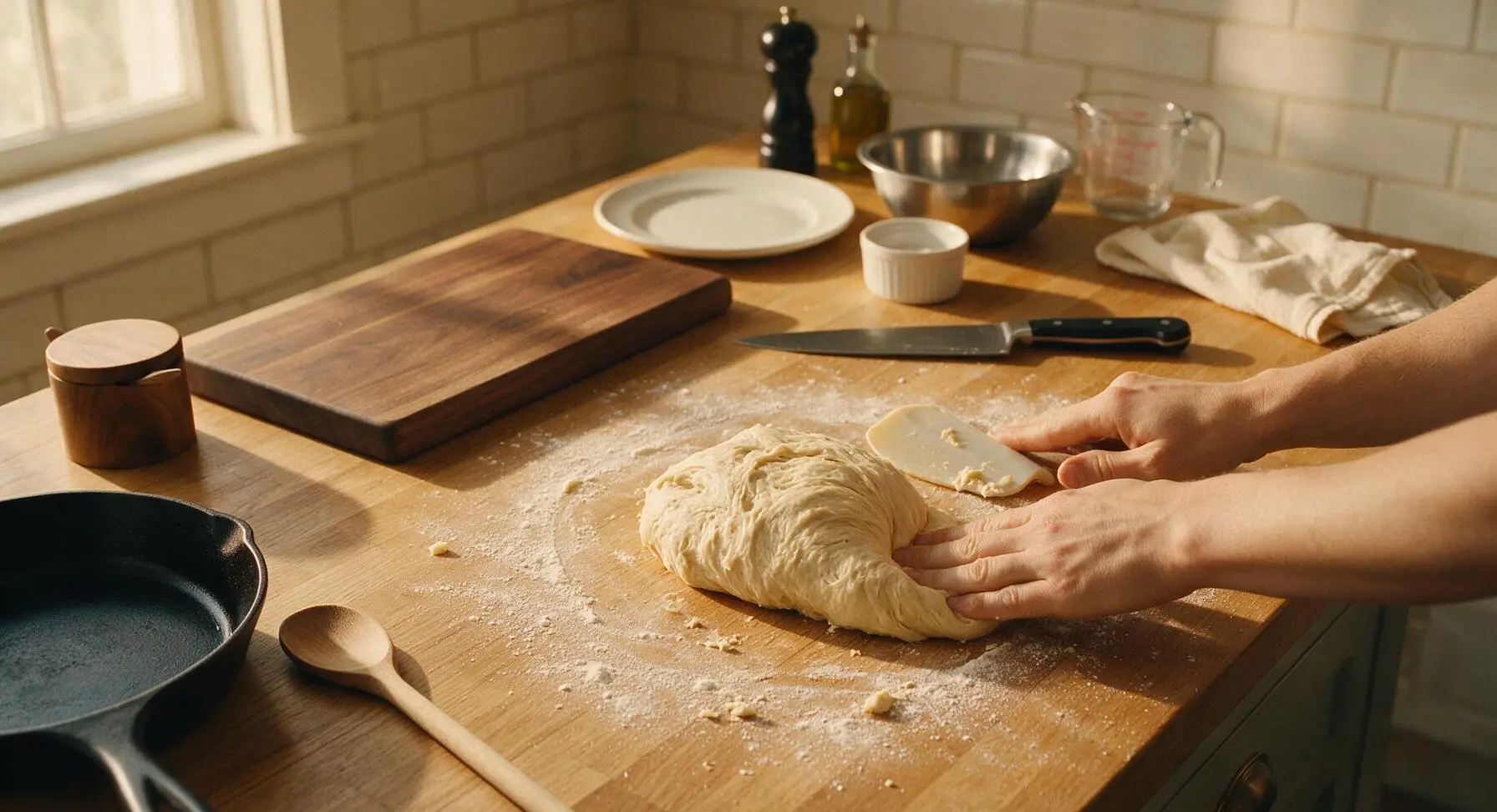
Step 4
step4:Knead and First Rise
Step 4
step4:Knead and First Rise
5

Shape and Pan Rolls

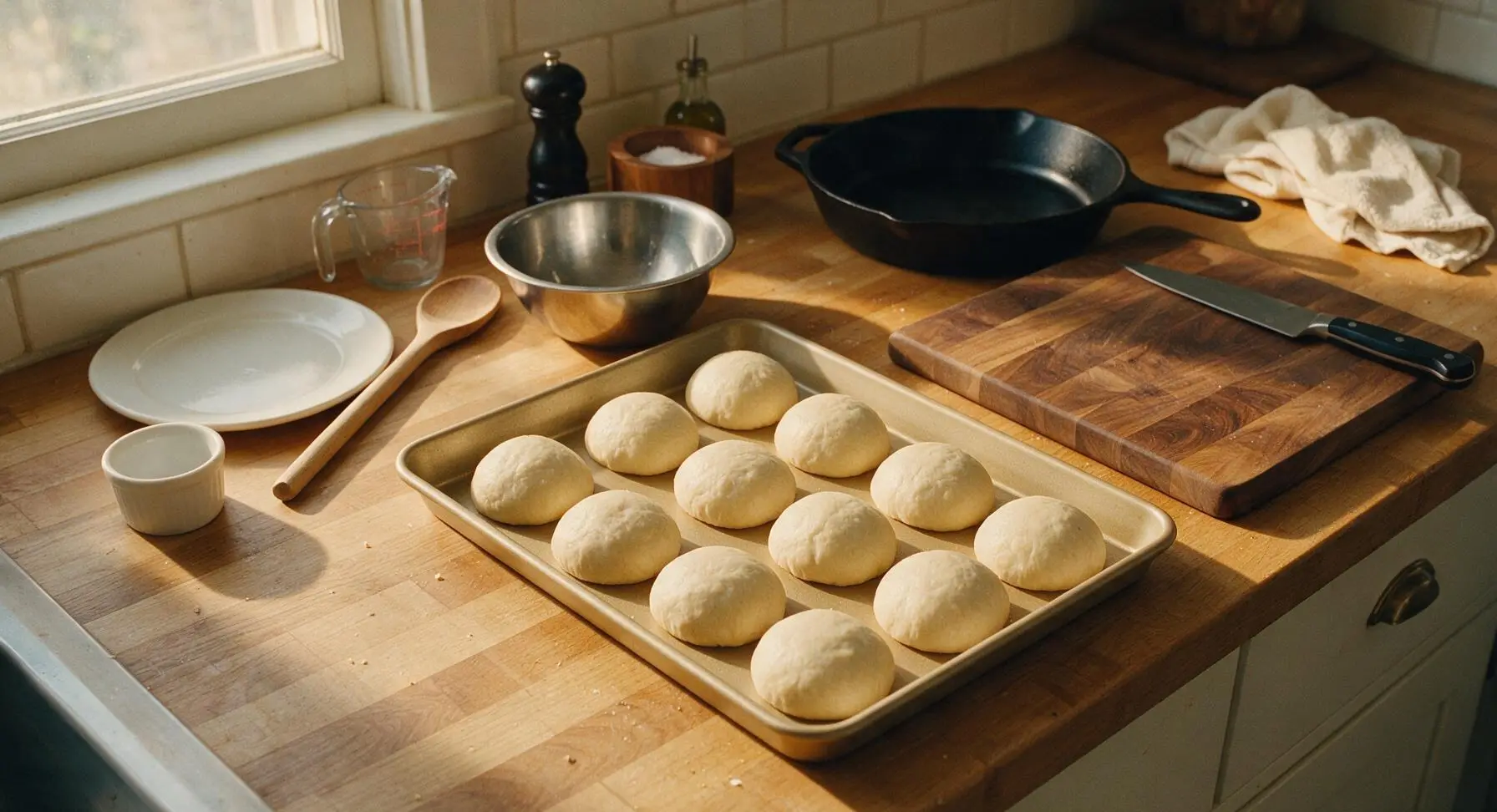
Punch the risen dough down firmly to release all trapped air, then turn it out onto the lightly floured counter. Divide the dough evenly into 12 pieces (each ~65g), rolling each piece into a tight, smooth ball by tucking the edges under to create a taut top. Arrange the dough balls in the 9x13 inch light gold non-stick baking pan, spaced evenly in 3 rows of 4, leaving 1cm between each roll to allow for rising.
Step 5
step5:Shape and Pan Rolls
6

Proof and Bake Rolls

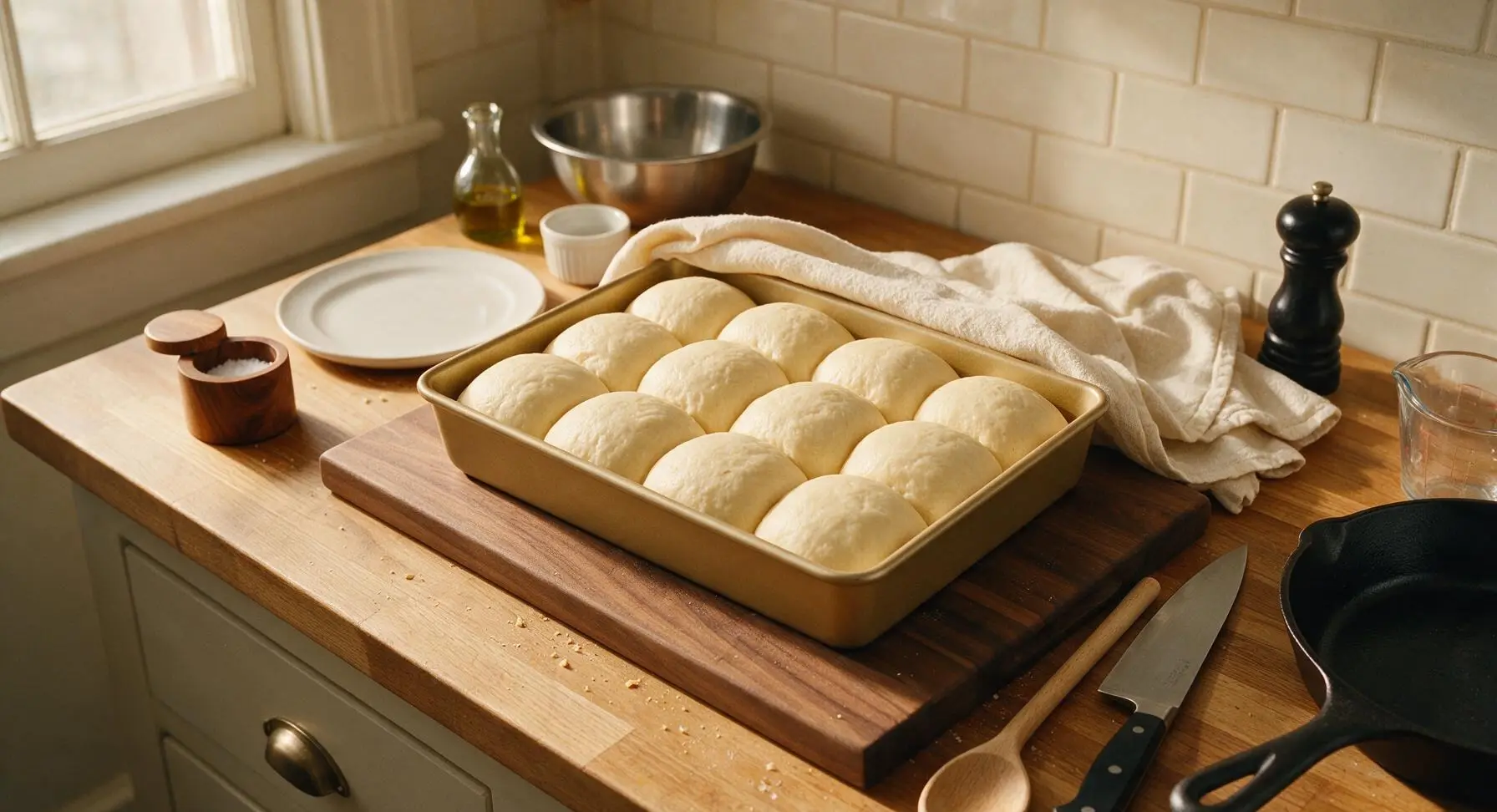
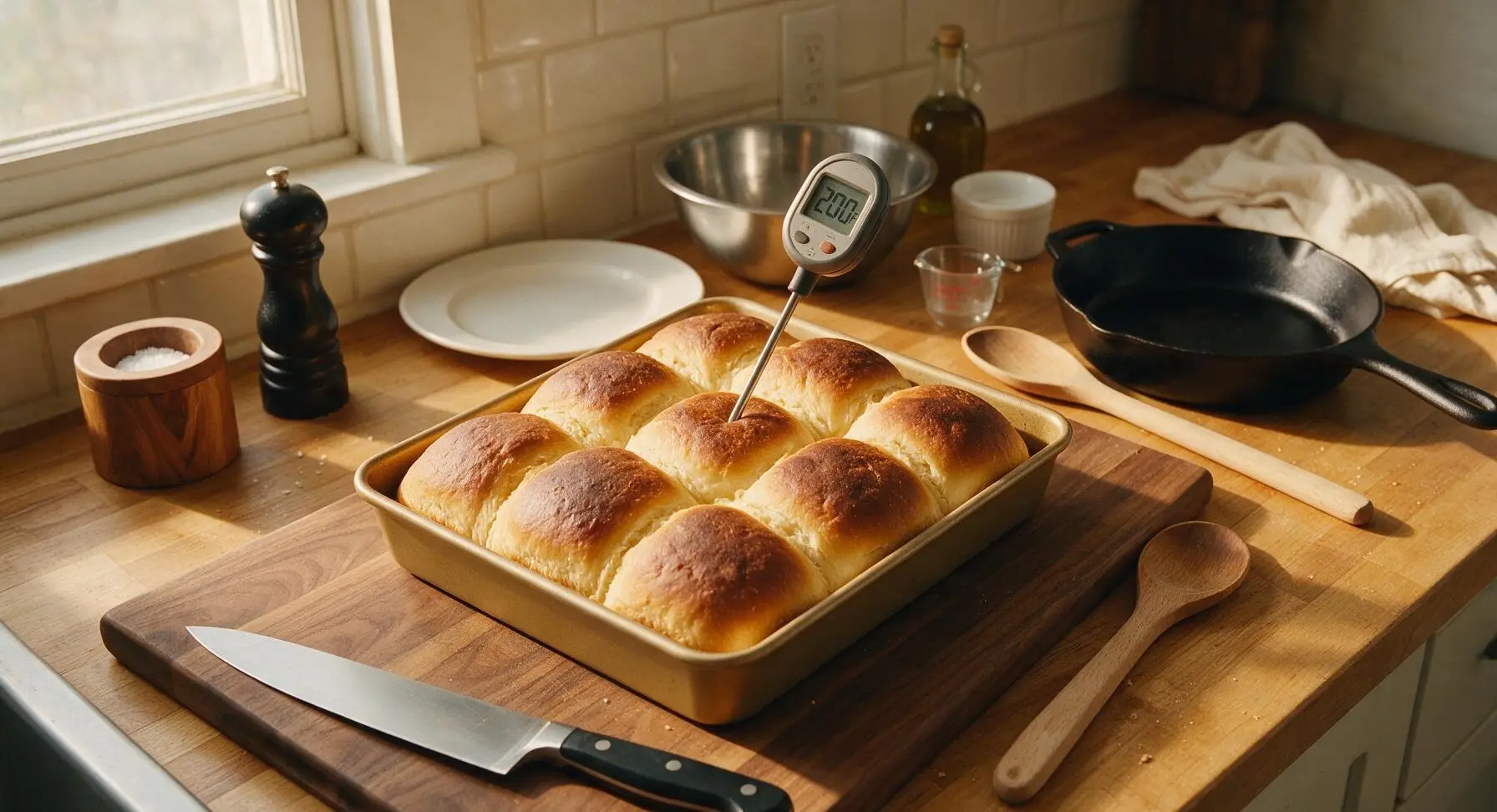
Cover the pan of shaped rolls with the linen towel again, and let rise for a second 45 minutes, until the rolls are puffy, touching each other, and have doubled in size. Preheat oven to 190C (375F). Once risen, bake the rolls for 15-18 minutes on the middle oven rack, until the tops are deep golden brown and the internal temperature of a center roll reads 94C (200F) on the instant-read thermometer.
Step 6
step6:Proof and Bake Rolls
Step 6
step6:Proof and Bake Rolls
7

Butter and Cool Rolls

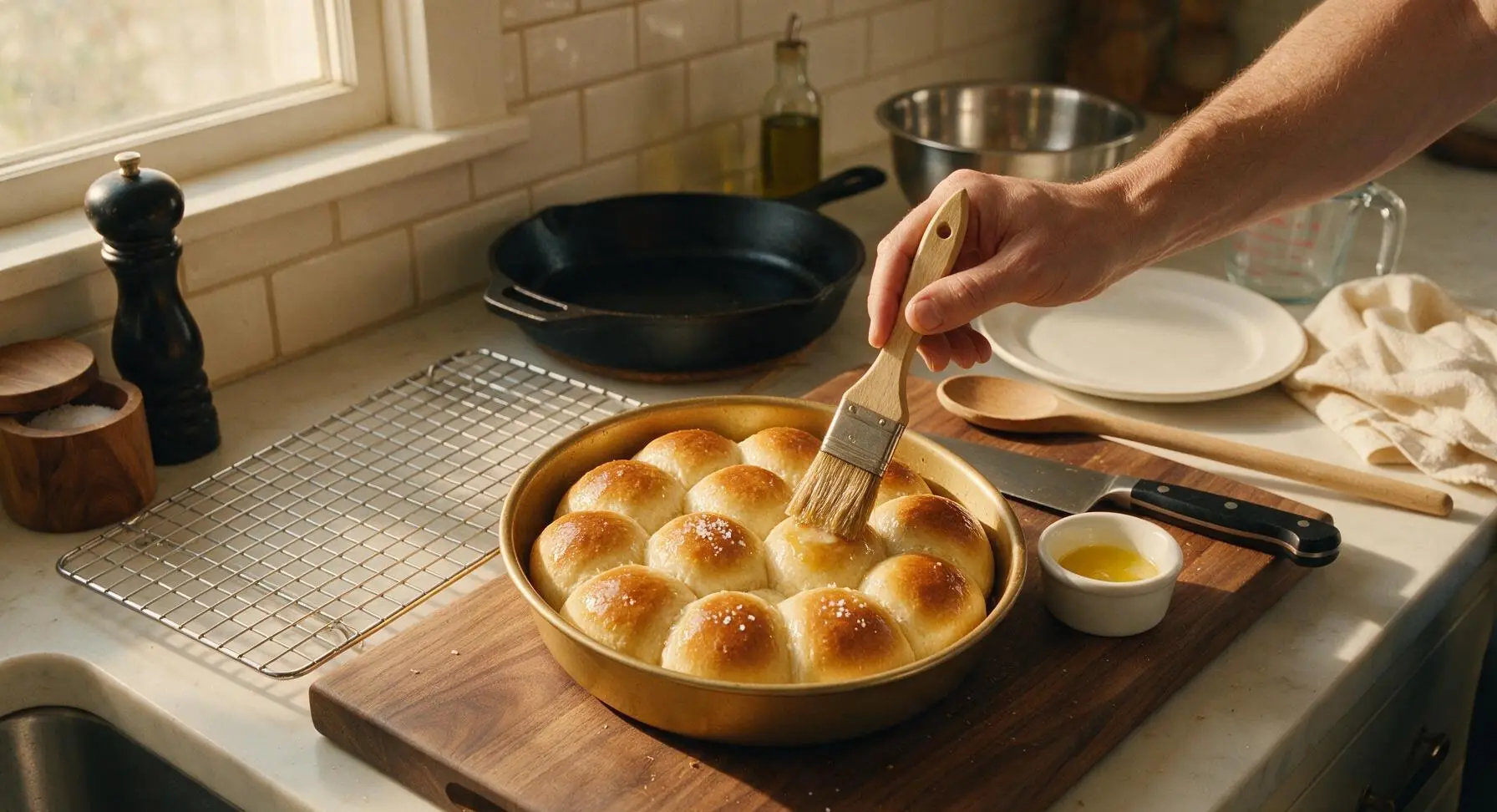
As soon as the rolls come out of the oven, use the small boar-bristle pastry brush to brush the tops with the remaining 2 tbsp melted unsalted butter (held in the glass ramekin), then sprinkle lightly with flaky sea salt. Let the rolls cool in the pan for 5 minutes, then transfer them to the chrome wire cooling rack to cool for an additional 10 minutes before serving on the cream ceramic platter.
Step 7
step7:Butter and Cool Rolls

Tips

1.Reserve the starchy potato cooking water instead of using plain tap water: dissolved potato starch creates the signature ultra-soft, pillowy crumb and helps the rolls stay fresh for 2–3 days at room temperature, rather than turning stale quickly.
2.Always verify warm liquid temperature with a thermometer before adding yeast: liquids hotter than 49C (120F) will kill live yeast cells, leading to dense, flat rolls that fail to rise properly.
3.For stress-free holiday prep, arrange shaped, unrisen rolls in the baking pan, cover tightly, and refrigerate for up to 16 hours. Pull them out 1 hour before baking to come to room temperature and finish proofing, for fresh hot rolls without last-minute work.
✨ You May Also Like

Side Dishes
🍜 India

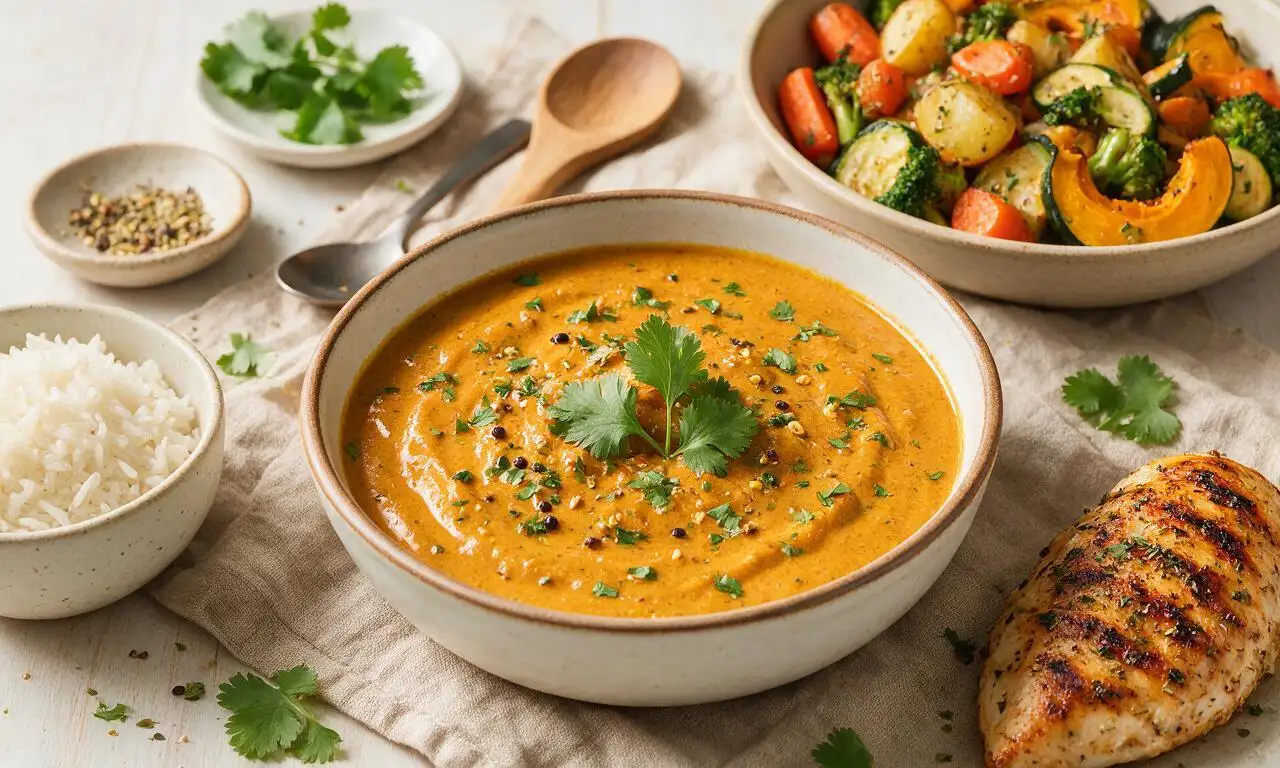
Velvety, aromatic all-purpose curry sauce perfect for tossing with roasted veggies, grilled protein, or rice for fast, cozy, flavorful meals.

⏱️ 25 minuteSide Dishes ★ 4.8
Side Dishes
🍜 Spain

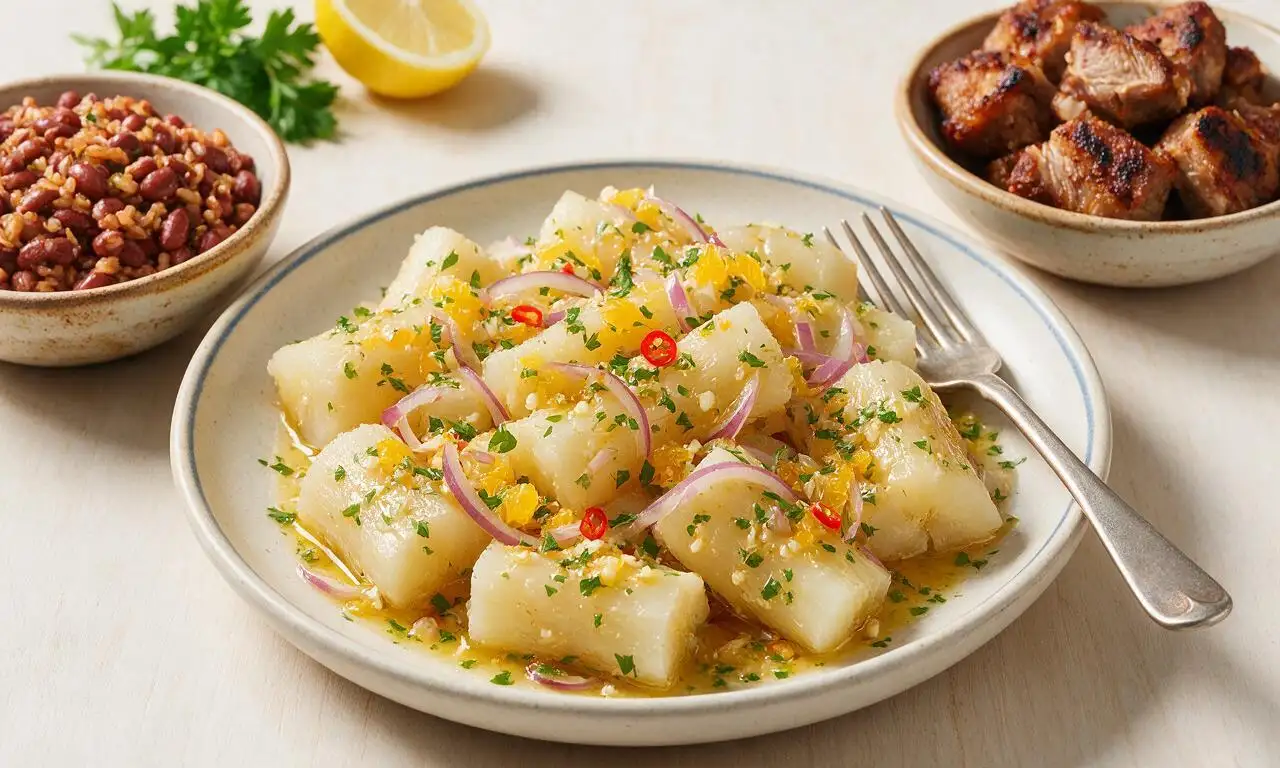
Tender, starchy boiled yuca tossed in bright, garlicky citrus mojo sauce—an iconic, zesty side that pairs beautifully with roasted pork, grilled meats, and rice and beans.

⏱️ 40 minuteSide Dishes ★ 5
Side Dishes
🍜 United States

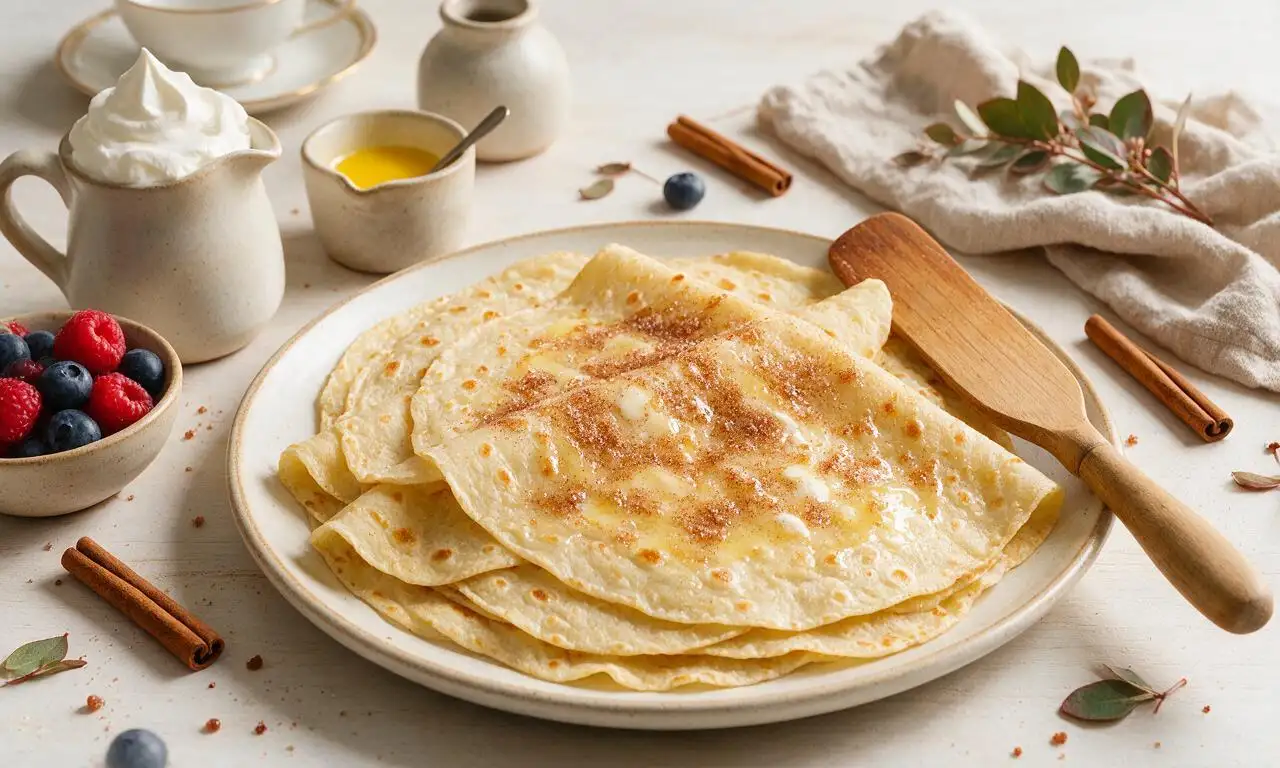
Tender, paper-thin potato flatbread, a beloved Norwegian-American Minnesota Christmas staple, griddled until softly spotted and served warm with butter.

⏱️ 1 hour 30Side Dishes ★ 4.6
Side Dishes
🍜 United States

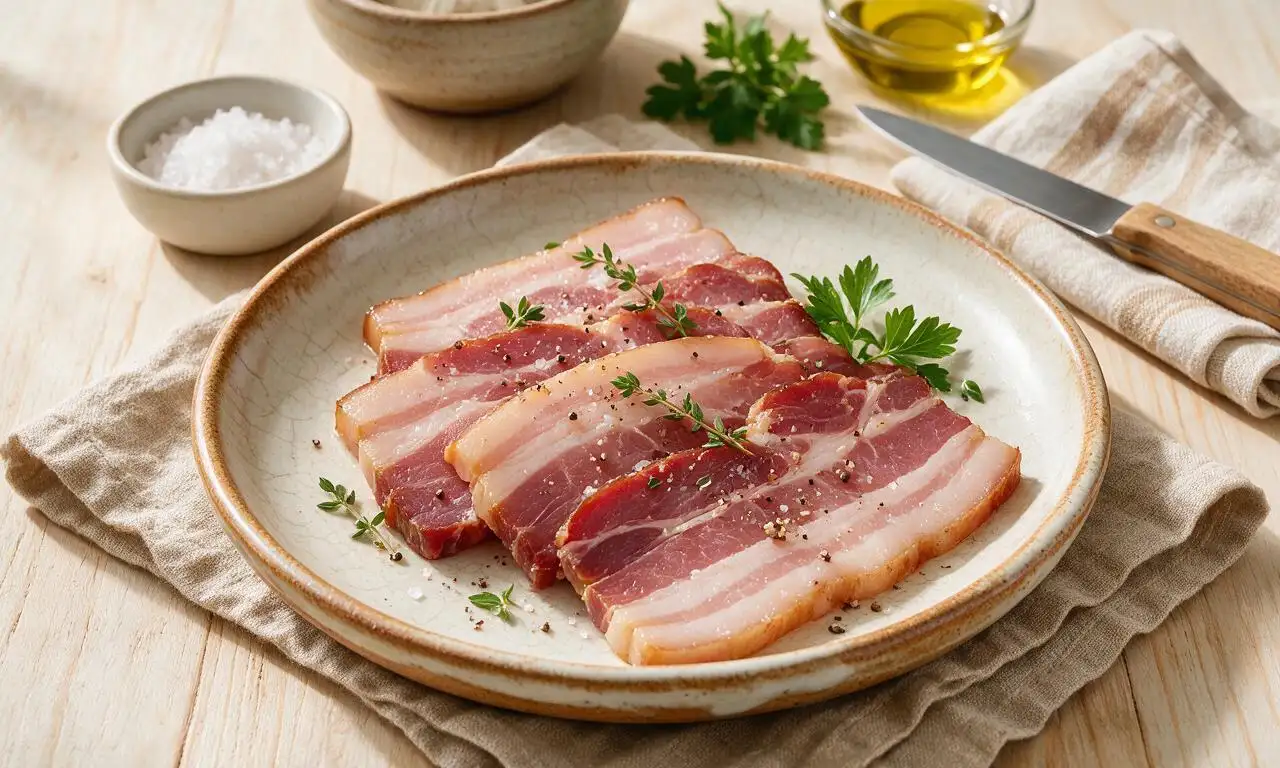
Rich, deeply savory cured salt pork, a long-lasting kitchen staple perfect for frying crispy as a side or adding umami to stews, beans, and chowders.

⏱️ 7 days (2Side Dishes ★ 4.9
Side Dishes
🍜 United States

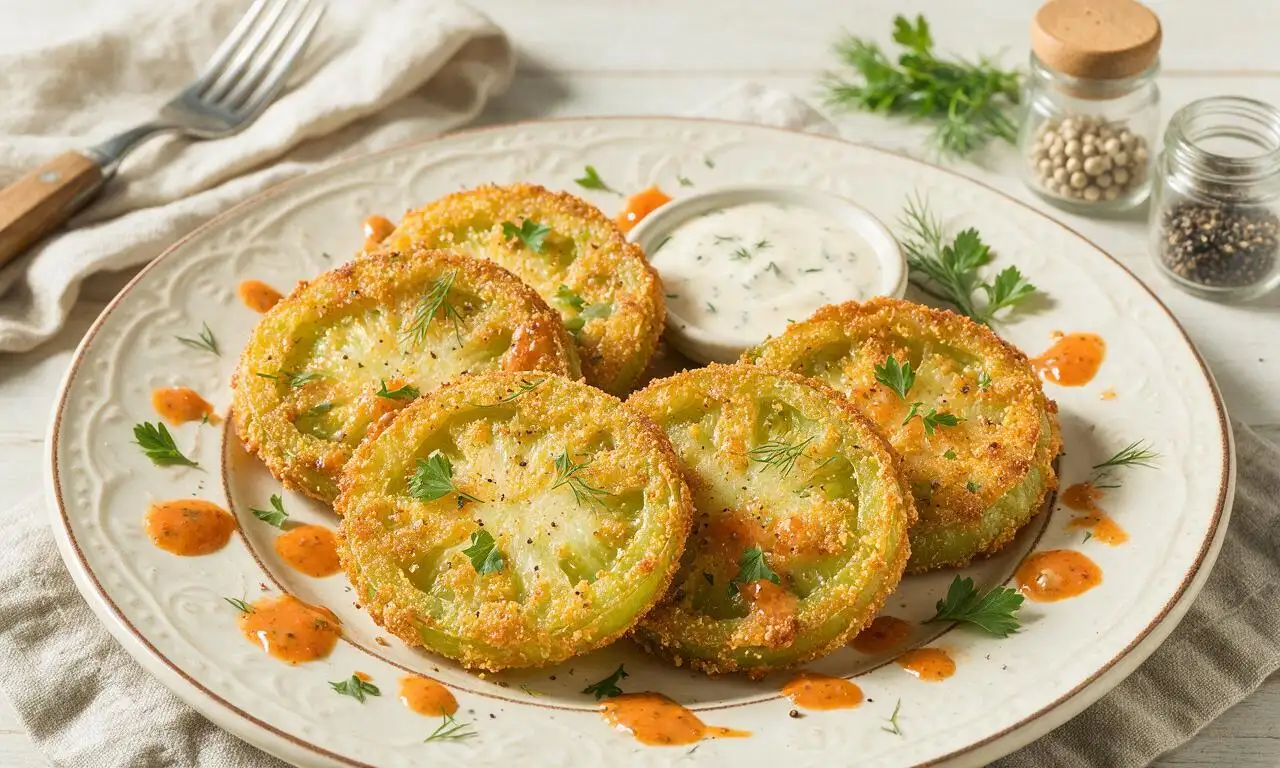
Crispy, tangy classic Southern fried green tomatoes with a crunchy cornmeal crust, served hot for a nostalgic, comforting summery bite.

⏱️ 25 minuteSide Dishes ★ 4.9
Side Dishes
🍜 United States

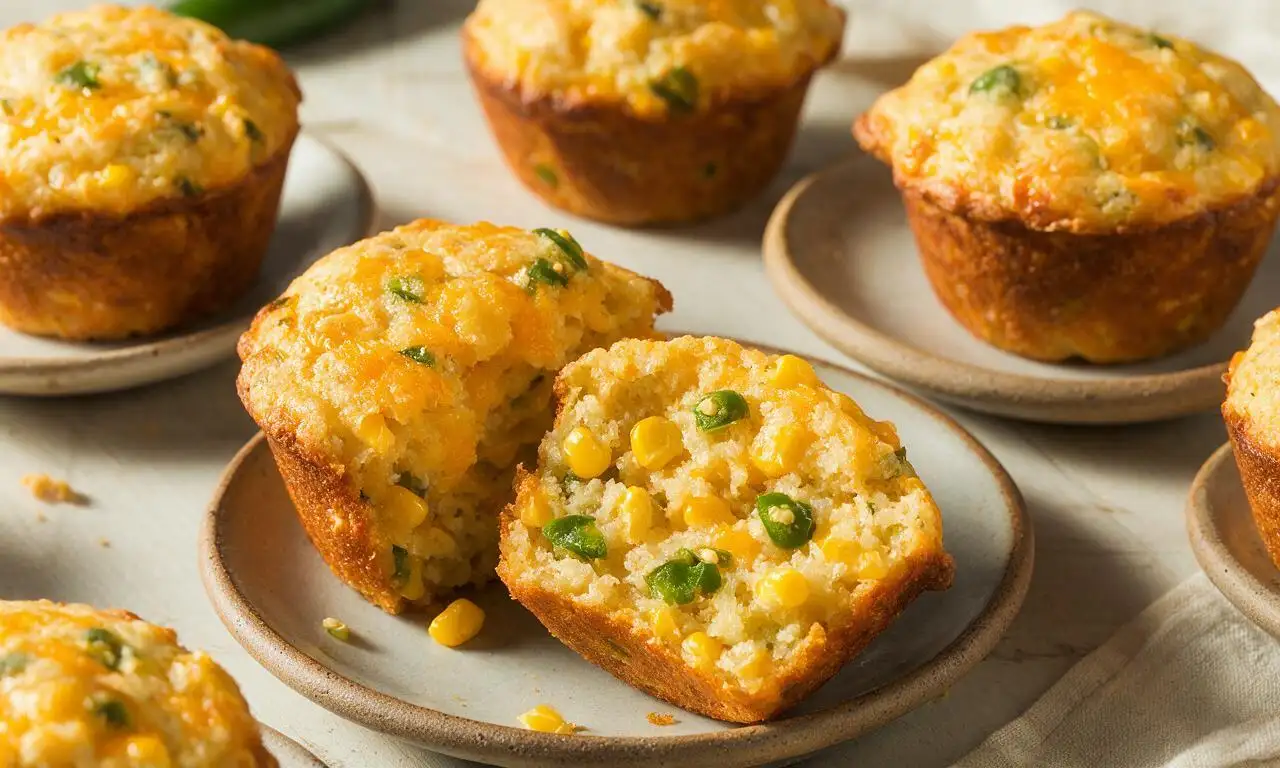
Moist, golden-crusted savory muffins with sweet corn, zesty jalapeño, and melted cheddar, perfect for pairing with smoky summer grilled fare.

⏱️ 30 minuteSide Dishes ★ 4.9

Potato Yeast Rolls (Lab Recipe):Frequently Asked Questions

1.Why does this recipe call for russet potatoes instead of other potato varieties? ▾
Russets have a high starch content and lower moisture than waxy varieties like red potatoes or Yukon Golds, which creates that signature ultra-light, pillowy crumb without making dough gummy. Be sure to fully drain and mash russets completely smooth so they integrate evenly, rather than creating dense, lumpy spots in your finished rolls.
2.Can I substitute instant yeast for the active dry yeast listed in the ingredients? ▾
Absolutely! Swap active dry yeast for instant yeast at a 3:4 ratio (¾ teaspoon instant for every 1 teaspoon active dry called for). You won’t need to proof instant yeast in warm liquid first—just mix it directly with dry ingredients, and expect to cut your first rise time by 10 to 15 minutes, since it activates much faster.
3.My dough turned out extremely sticky and hard to knead—what went wrong? ▾
This most often happens if you didn’t fully drain your cooked potato before mashing, which adds unplanned extra moisture. Resist dumping in heaps of extra flour right away; instead, lightly oil your hands and work surface, knead gently, and only add 1 tablespoon of flour at a time if dough still sticks persistently after 2 minutes of kneading.
4.Is the double rise step really necessary to get soft rolls? ▾
The double rise isn’t just a tedious formality—it builds that light, airy texture and subtle yeasty, sweet flavor that makes these rolls special. Skipping the second rise after shaping will leave you with denser, less pillowy rolls that lose their soft texture faster once cooled, so the extra 30 to 45 minute wait is well worth it.
5.Can I prep these rolls ahead of time for a holiday or dinner party? ▾
Definitely! After shaping the rolls and arranging them in your baking pan, cover them tightly and refrigerate for up to 16 hours. When you’re ready to bake, pull them out, let them come to room temperature and puff fully for 45 minutes to an hour, then bake as directed for that same fresh, warm flavor.
6.Why did my rolls turn out dense and heavy instead of light and pillowy? ▾
Dense rolls usually trace back to one of three common missteps: you killed the yeast with liquid hotter than 110°F, you didn’t let the dough rise long enough to fully double, or you added too much flour while kneading. Test older yeast for activity first, and let dough rise on its own timeline, even if it takes longer than the recipe states.
7.Can I use leftover plain mashed potatoes instead of cooking a fresh potato? ▾
You can, as long as your leftover mashed potatoes don’t have heavy add-ins like garlic, sour cream, chives, or excess salt and butter. Plain, unseasoned mashed russets work perfectly—just let them cool to lukewarm before mixing into dough, so their heat doesn’t kill off the active yeast and prevent a good rise.
8.How do I get that glossy, golden buttery top on finished rolls? ▾
Right before sliding your fully risen rolls into the oven, gently brush the tops with 2 tablespoons of melted unsalted butter, taking care not to press hard and deflate the puffed dough. As soon as you pull the baked rolls out of the oven, brush them with a second thin coat of melted butter for that perfect, rich, shiny crust.
9.What’s the best way to store leftover rolls to keep them soft? ▾
Let baked rolls cool completely to room temperature first, then seal them in an airtight plastic bag or lidded container at room temperature for up to 3 days. Skip the fridge, as cold temperatures make bread go stale much faster. To reheat, wrap rolls in foil and warm in a 300°F oven for 5 to 7 minutes.
10.Can I freeze these rolls to enjoy later? ▾
Absolutely! Fully cooled, baked rolls freeze beautifully for up to 3 months when wrapped tightly in two layers of plastic wrap and a top layer of aluminum foil to block freezer burn. Thaw them at room temperature for a couple of hours, then reheat wrapped in foil in a 325°F oven for 10 minutes to bring back that fresh-baked softness.
11.Do I need a stand mixer to make these rolls, or can I knead by hand? ▾
You absolutely don’t need a stand mixer for great results! Kneading by hand works perfectly, and takes about 8 to 10 minutes of gentle folding and pressing on a lightly floured surface until the dough is smooth and elastic. A stand mixer with a dough hook cuts that time to 4 to 5 minutes on low speed, but it’s never required.

Comments (3)

2 days ago

OMG these potato yeast rolls are a total game changer! I made them for our Sunday family dinner last night and every single person went back for seconds, even my super picky 7 year old who turns his nose up at almost every bread I make. They were so soft and fluffy, way better than the store-bought rolls I usually grab for holidays. Only thing I messed up at first was letting the yeast get too hot when I proofed it, oops, but the second batch came out perfect. 10/10 will be making these for our neighborhood potluck next month!

yesterday

Wait I had the exact same issue with killing the yeast on my first try too! I started using a candy thermometer to check the temp of the potato water before adding it and now it turns out perfect every time. These rolls are chef’s kiss for meal prep too, I freeze half the batch and they reheat so well.

yesterday

So glad your family loved them! Quick tip for anyone worried about yeast temp: aim for 105-110°F for the liquid you mix with active dry yeast, and if you don’t have a thermometer, it should feel like warm bath water, not hot to the touch. Can’t wait to hear how they turn out at the potluck!

3 days ago

I was a little intimidated because this is marked medium difficulty, I’m still pretty new to baking with yeast! I followed the steps exactly and mine came out a little denser than I expected, did I maybe not knead them long enough? They still tasted really good, slathered with honey butter, I just want that super fluffy texture everyone is talking about for next time.

2 days ago

Hi Liz! Dense rolls usually come down to either not kneading enough to develop the gluten, or not letting the dough rise long enough in the first proof – it should double in size, and leave an indent that doesn’t bounce back right away when you poke it. Next time give it an extra 15-20 minutes of rise time if your kitchen is on the cooler side, that should do the trick! So glad they still tasted great with that honey butter, that’s my favorite way to eat them too.

1 week ago

SO good. I brought these to my office holiday lunch last week and people were begging me for the recipe before we even got to dessert. The potato adds such a nice subtle moistness that regular dinner rolls just don’t have, honestly. I brushed the tops with melted garlic butter right when they came out of the oven and *chef’s kiss* total crowd pleaser. Cook time was spot on 18 minutes for my oven too, no adjustments needed.