1.Can I use instant grits instead of stone-ground grits for this recipe?
▾
You can use instant grits in a pinch, but you’ll sacrifice the deep, nutty, hearty texture stone-ground grits deliver. If swapping, cut total cook time to 2–3 minutes, reduce liquid by ¼ cup since instant grits absorb less moisture, and add cheese off-heat to avoid a gummy final dish. For that classic creamy, velvety bite, stone-ground is always worth the extra time.
2.Can I swap whole milk for a lower-fat dairy option to cut calories?
▾
You can swap whole milk for 2% milk, but skip skim or non-dairy creamers that won’t deliver the same rich mouthfeel. If using 2%, add an extra 1 tablespoon of butter to make up for lost fat, and stir slowly over low heat to avoid curdling. For extra creamy results without a heavy feel, half whole milk and half half-and-half works beautifully too.
3.My smoked gouda grits turned out lumpy—what did I do wrong?
▾
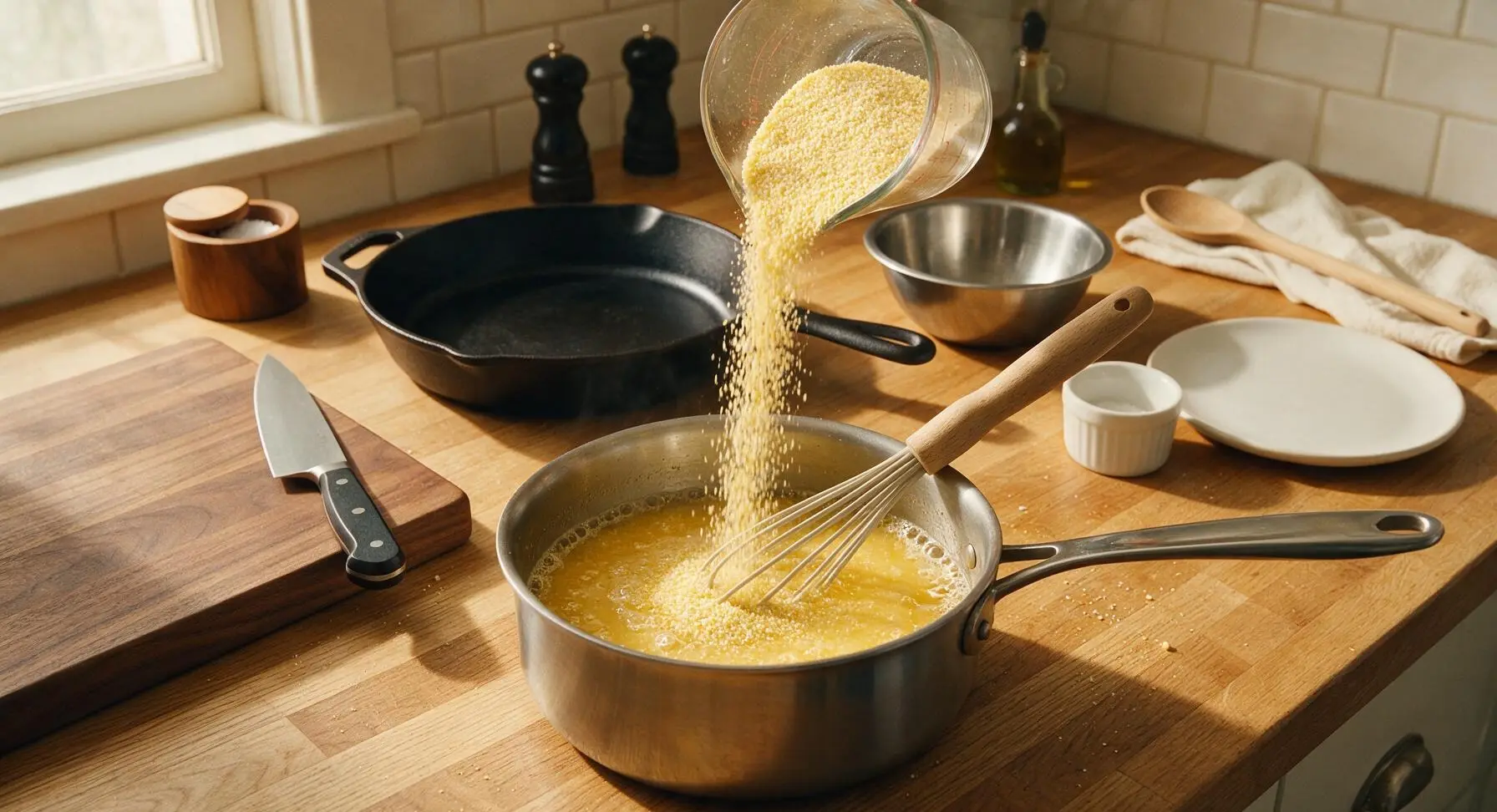
Lumpy grits almost always come from adding grits too quickly to boiling liquid, or not stirring frequently enough as they cook. Fix this by whisking constantly as you slowly pour grits into simmering (not rolling boil) broth and milk, then reduce heat to low and stir every 2–3 minutes during cooking. If lumps form, a quick 2-second blast with an immersion blender will smooth them right out.
4.Can I make these smoked gouda grits ahead of time for a dinner party?
▾
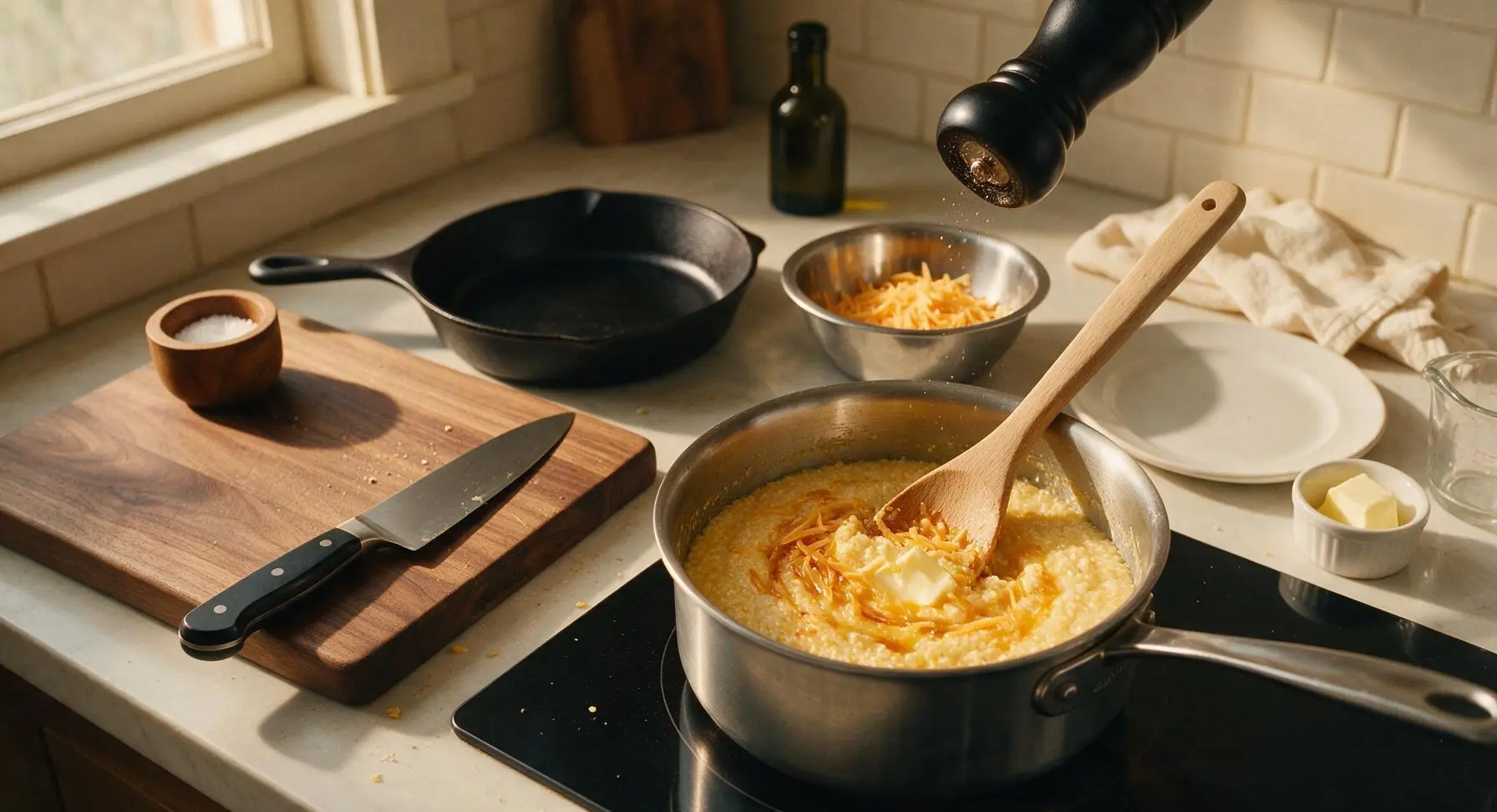
Absolutely! Cook the grits fully except for adding the cheese, then store them in an airtight container in the fridge for up to 3 days. When ready to serve, reheat gently over low heat, stirring in 2–3 tablespoons of extra milk or broth to loosen the texture, then stir in the shredded smoked gouda and butter right before serving for that fresh, creamy taste.
5.Do I need to remove the rind from the smoked gouda before adding it to the grits?
▾
Yes, always remove the hard, waxed outer rind from smoked gouda before shredding it for your grits. The rind won’t fully melt even with prolonged heat, and it can leave tough, chewy bits scattered through your otherwise smooth dish. Save those rinds to simmer in soups or homemade stock for extra smoky, cheesy depth later, if you’d like.
6.What if I don’t have low-sodium chicken broth on hand?
▾
If you only have regular chicken broth, that works perfectly—just hold off on adding any extra salt to the grits until after you stir in the cheese, since regular broth and smoked gouda both carry noticeable sodium. For a vegetarian swap, use low-sodium vegetable broth in the same measurement; it pairs beautifully with the smoky cheese and butter.
7.Can I add extra mix-ins to these grits for more flavor?
▾
Absolutely! These grits are a fantastic neutral, creamy base for fun add-ins. Try stirring in roasted garlic, crumbled crispy bacon, chopped fresh chives, a pinch of cayenne for subtle heat, or a dash of smoked paprika to amp up the gouda’s smoky note. Wait to stir in delicate mix-ins like fresh herbs until right before serving to keep their flavor bright.
8.How do I keep grits from getting thick and gluey during family-style service?
▾
Grits thicken rapidly as they cool, so keep them in a slow cooker set to the 'warm' setting for family-style meals, stirring in an extra splash of warm milk or broth every 15 minutes to maintain that velvety, pourable consistency. Avoid leaving them on direct stovetop heat while serving, as this will scorch the bottom and turn the texture gluey quickly.
9.Is pre-shredded smoked gouda okay to use for this recipe?
▾
Pre-shredded smoked gouda works in a pinch, but be aware it’s coated in anti-caking agents like potato starch that can make your grits slightly grainy instead of perfectly smooth. For the silkiest texture, shred your gouda fresh off the block right before you add it to the hot grits—it melts faster, blends more evenly, and has a brighter, nuttier flavor.
10.What main dishes pair best with these smoked gouda grits?
▾
These rich, smoky grits are incredibly versatile. They’re a classic match for pan-seared shrimp, crispy fried chicken, braised short ribs, roasted pork tenderloin, or even grilled bratwurst. For a lighter brunch option, top them with a runny poached egg, a sprinkle of green onions, and a dash of hot sauce for a cozy, satisfying meal.
11.My grits have a gritty, undercooked texture even after following the recommended cook time—why?
▾
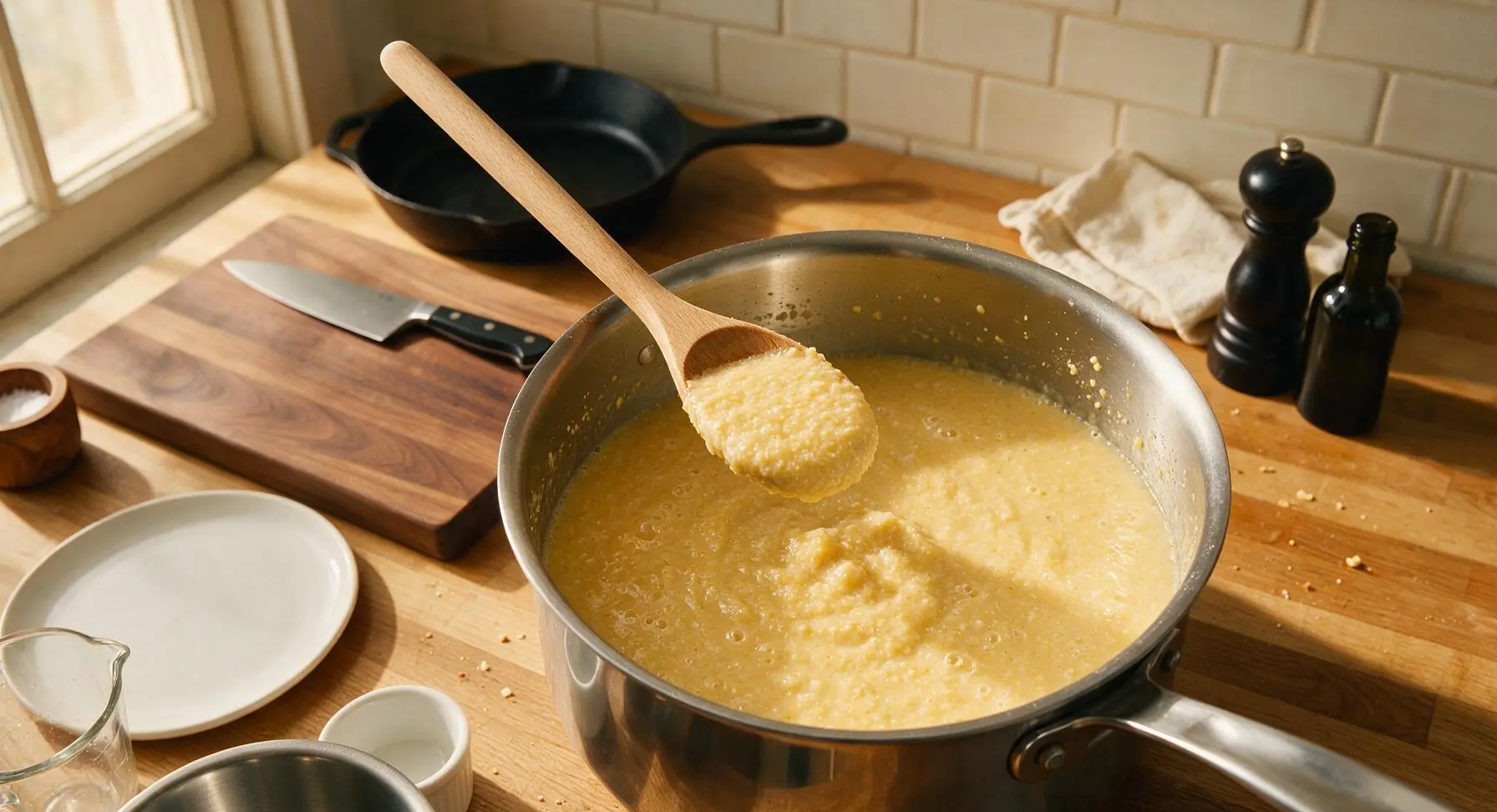
Undercooked, crunchy grits usually happen when heat is too high, causing the outside of the grit particles to cook too fast while the center stays hard. Fix this by adding an extra ¼ cup of warm broth or milk, reducing heat to the lowest setting, covering the pot, and letting them simmer 5–10 extra minutes, stirring every couple of minutes until tender.
12.Can I make these grits dairy-free for guests with dietary restrictions?
▾
You can make a dairy-free version with a few easy swaps: use unsweetened oat milk (it has the closest creamy texture to whole milk) instead of dairy milk, swap butter for vegan butter, and use a dairy-free smoked gouda alternative. Note that dairy-free cheeses can be less melty, so shred them extra fine and stir them in off-heat to avoid a stringy texture.
13.Can I use regular (non-smoked) gouda if I don’t have the smoked variety?
▾
You can use regular gouda if that’s what you have on hand, but you’ll miss that signature warm, smoky note that makes these grits feel special. To mimic that smoky flavor, add ¼ teaspoon of smoked paprika and a tiny pinch of garlic powder when you stir in the cheese. For extra depth, you can also stir in 2 slices of crumbled crispy cooked bacon.
14.Should I cook the grits covered or uncovered?
▾
Cook stone-ground grits mostly covered, with the lid tilted slightly to let steam escape and prevent bubbly, messy boil-overs. Keeping them mostly covered traps just enough heat to cook the grits evenly at a low simmer without drying them out too fast, and the tilted lid lets you easily stir every few minutes to prevent sticking to the pot bottom.
15.Can I freeze leftover smoked gouda grits?
▾
You can freeze leftover grits for up to 3 months in a sealed, freezer-safe container, but note that the texture will be slightly less creamy once thawed. To reheat, thaw them in the fridge overnight, then warm over low heat, stirring in 2–3 tablespoons of warm milk or broth and an extra pat of butter to bring back that smooth, velvety consistency.
16.Why do my grits sometimes curdle when I add the milk?
▾
Curdling happens when milk is heated too quickly over high heat, causing milk proteins to separate. Avoid this by heating the broth and milk together over medium-low heat until it just reaches a gentle simmer, not a rolling boil, before adding your grits. If curdling does start, turn the heat down immediately and whisk vigorously for 10–15 seconds to bring the liquid back together.
17.Can I use white stone-ground grits instead of yellow for this recipe?
▾
White stone-ground grits work perfectly as a 1:1 swap for yellow grits in this recipe. The only difference is a slightly milder, less sweet corn flavor compared to yellow grits, which actually lets the nutty, smoky notes of the gouda shine a little more. Cook time, liquid ratios, and all other steps stay exactly the same no matter which grit color you use.
18.How do I add garlic to these grits without it tasting bitter or burnt?
▾
Mince 1–2 cloves of fresh garlic very fine, and sauté it in 1 tablespoon of the recipe’s butter over low heat for 30–60 seconds just until it smells fragrant, before adding the broth and milk to the pot. Never let garlic turn golden brown, as that’s when it develops that harsh, bitter taste. For a mellower garlic flavor, you can use ½ teaspoon of garlic powder instead.
19.Do I need to rinse my grits before cooking them?
▾
Give stone-ground grits a quick rinse in a fine-mesh sieve under cold water before cooking to wash away any fine, dusty corn particles that can make your final dish taste chalky. Don’t soak them for long periods, though—this will wash away the starchy compounds that help create that thick, creamy texture that makes these grits so luxurious. A quick 10-second rinse is all you need.
20.What’s the best way to reheat leftover grits so they don’t turn rubbery?
▾
The best way to reheat leftovers is low and slow, either in a small saucepan over the lowest stovetop heat or in the microwave at 50% power, stirring every 30 seconds. Stir in 1–2 tablespoons of warm milk, broth, or even a splash of heavy cream per serving as you reheat to loosen the thickened grits back to their original creamy, smooth consistency without making them rubbery or watery.


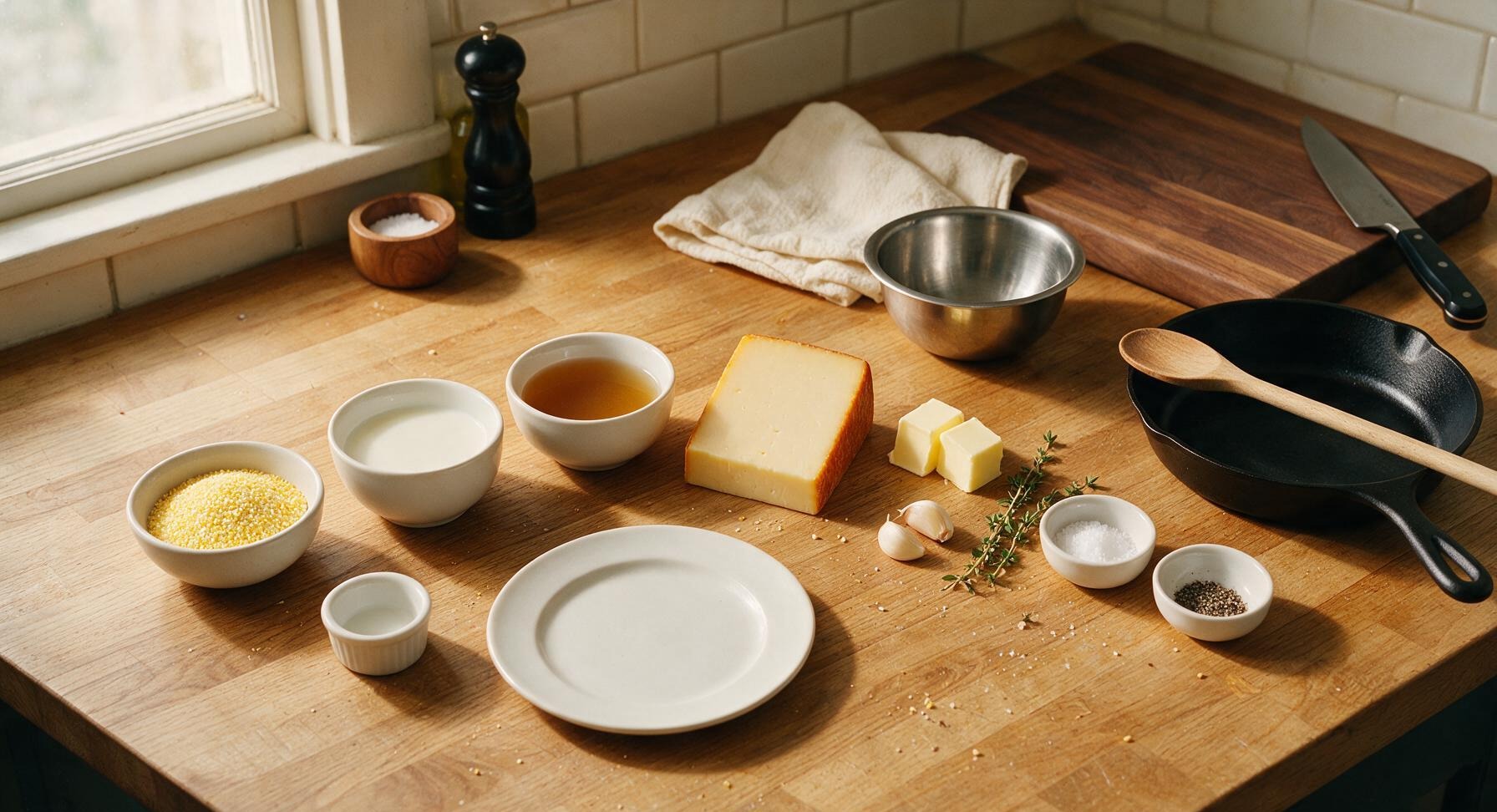
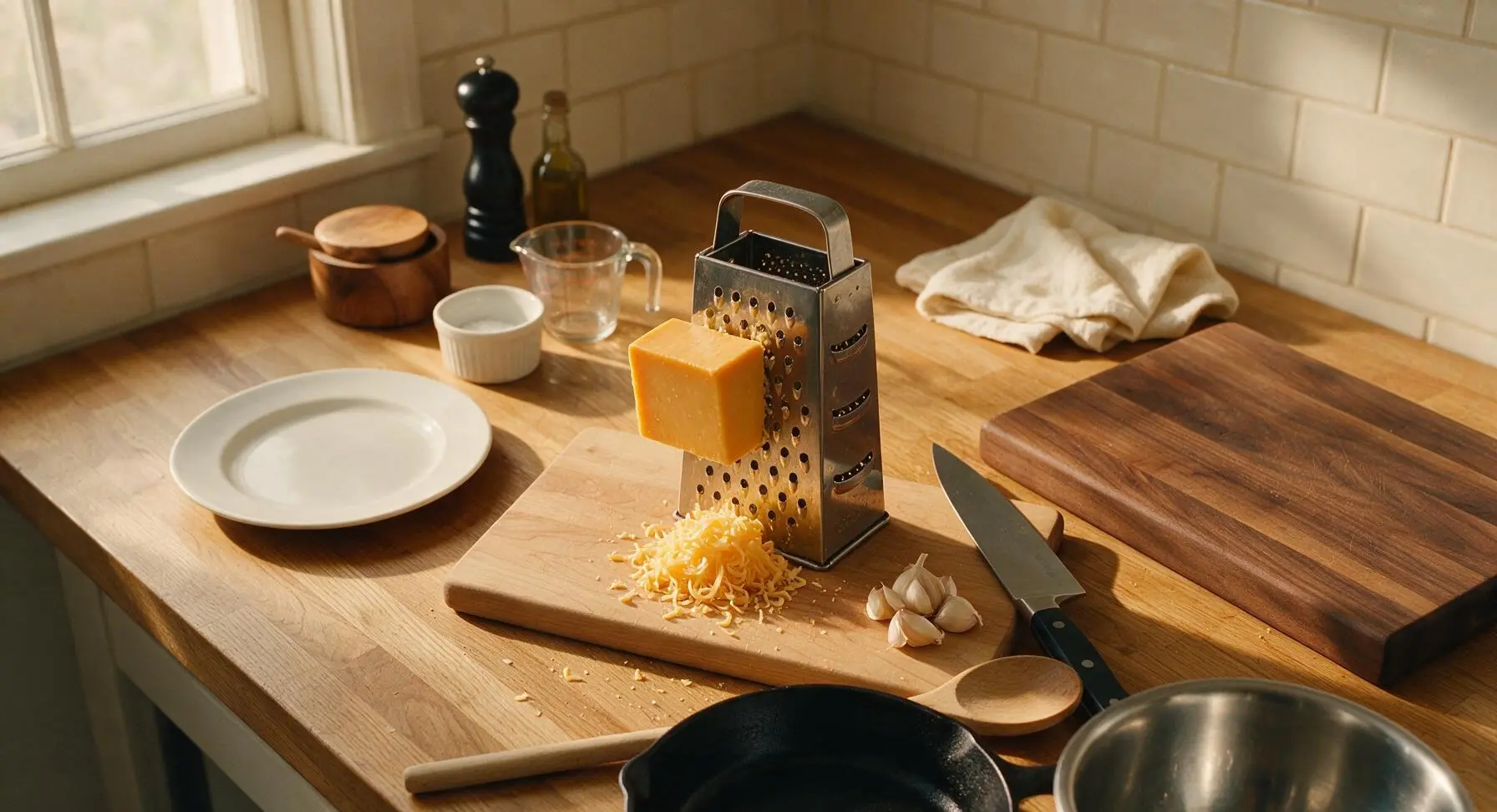
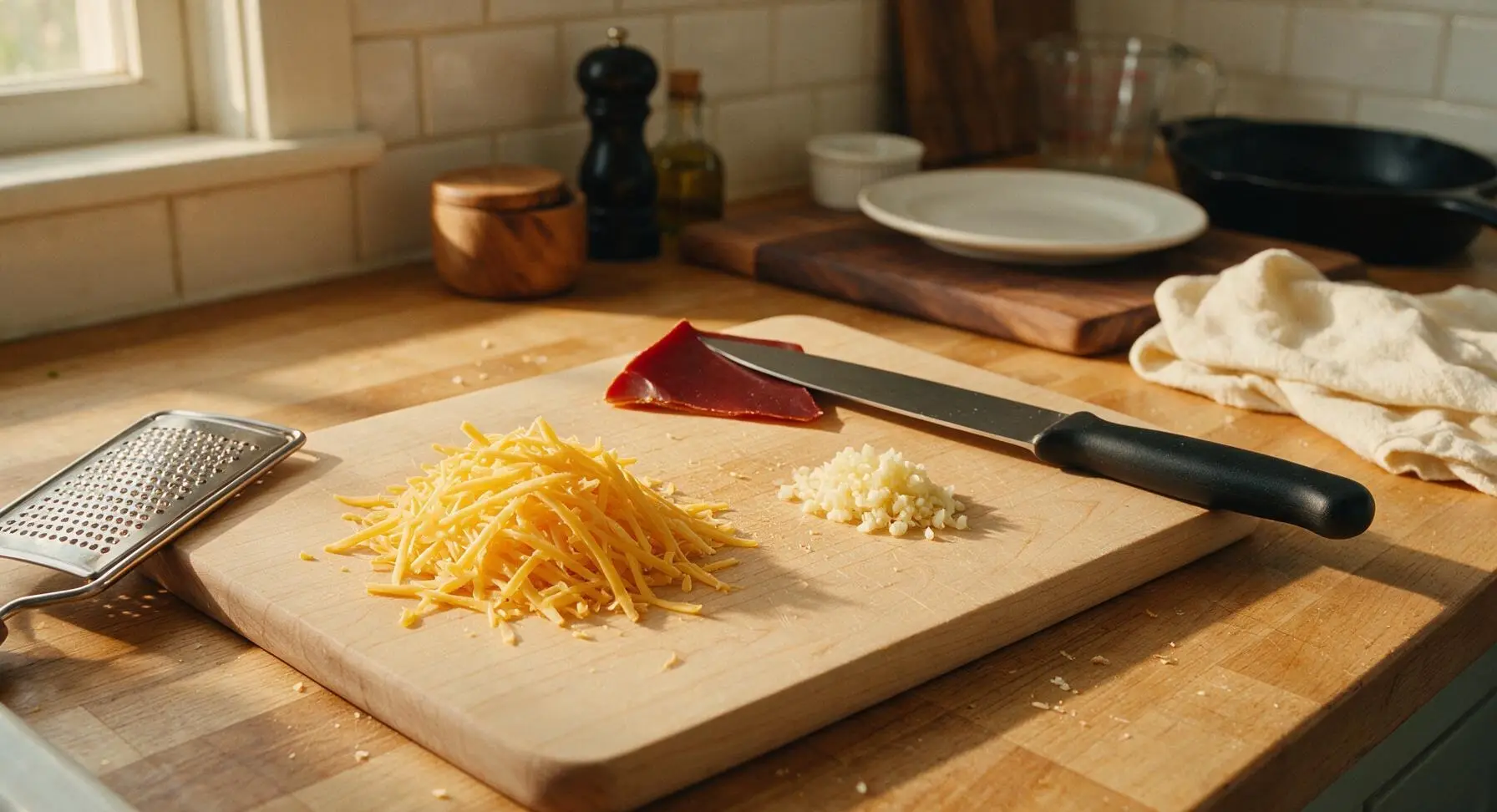
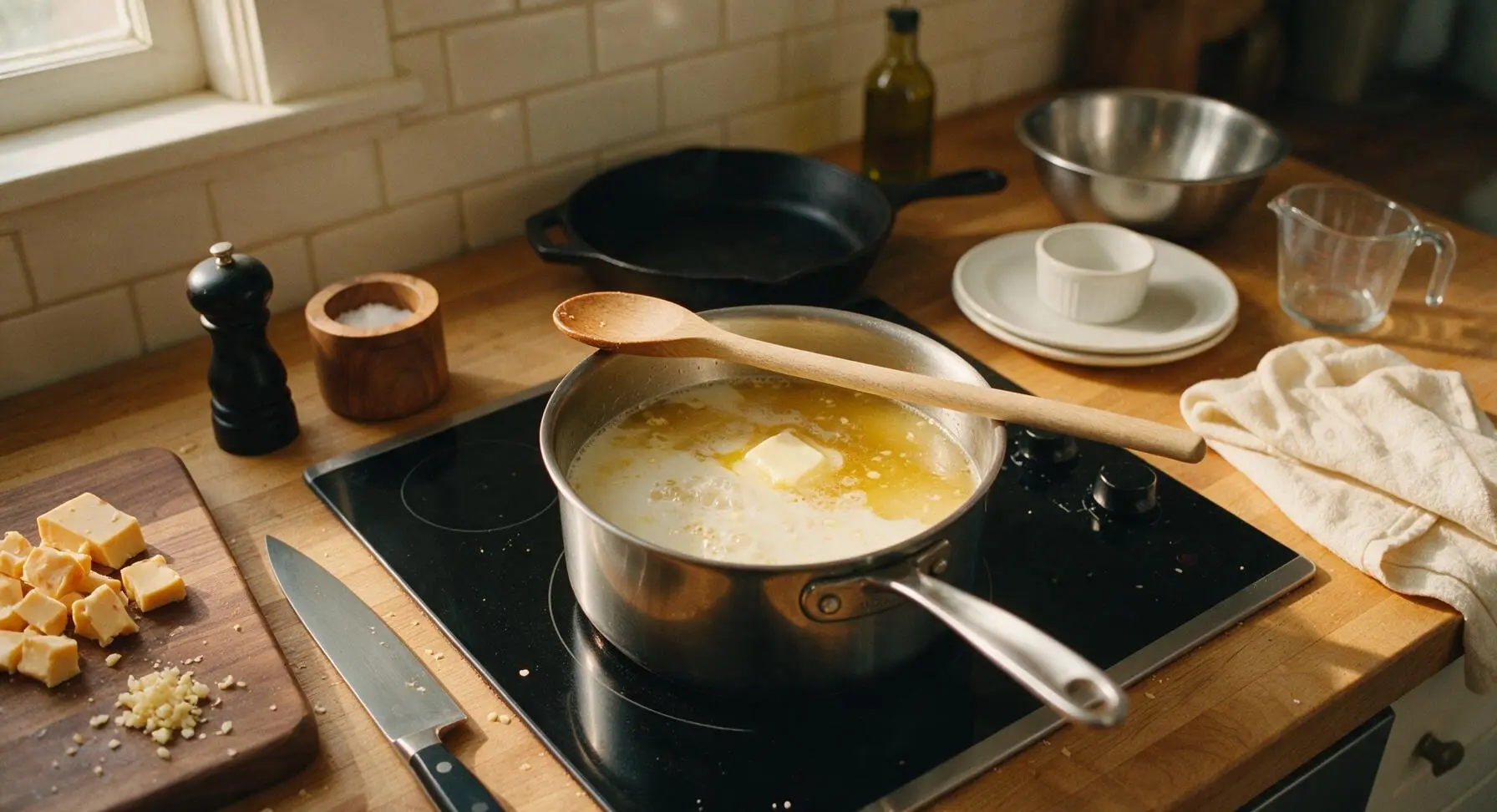
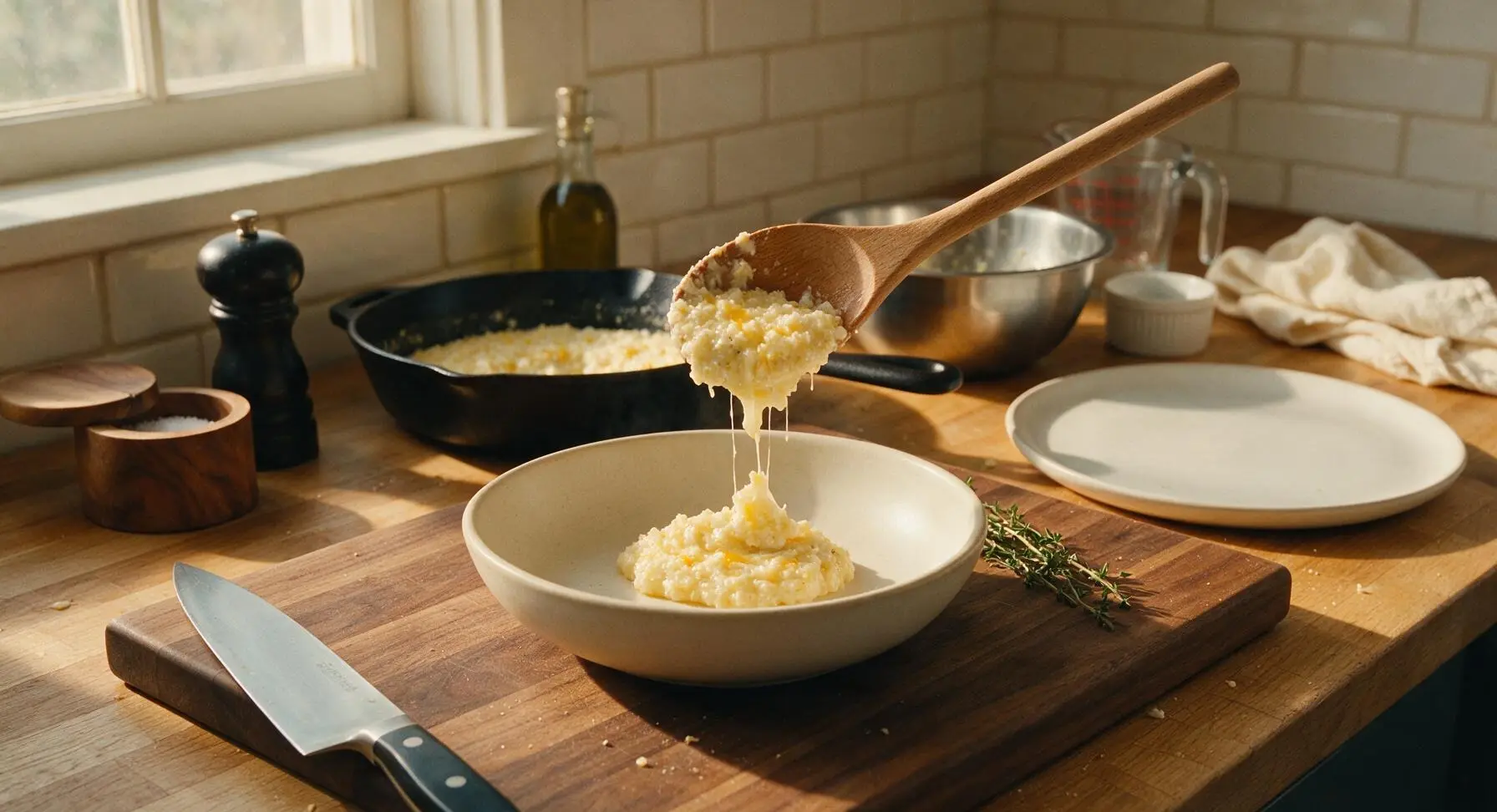





OMG these smoked gouda grits were a total game changer for our Sunday family dinner! I was worried they’d be too rich or fancy for my picky 7 and 9 year old, but they both asked for seconds before I even sat down at the table. They’re so creamy, the smoky cheese flavor isn’t overpowering at all, and the whole thing came together in 25 minutes just like the recipe said? No way I’m going back to plain butter grits ever again.
Made these for my weekly meal prep a few days back and they held up so well all week! I portioned them out with grilled chicken thighs and roasted broccoli, and the gouda flavor didn’t get weird or grainy when I reheated them in the microwave at the office. Super easy, zero fancy skills needed, even for a guy who burns toast half the time. 10/10, these are going on my regular rotation.
SO good! I served these alongside blackened salmon for my date night in last night and my partner kept raving about how the whole meal tasted like it came from a fancy downtown restaurant. I used a slightly sharper smoked gouda I picked up from our local cheese counter and it gave the grits such a deep, cozy, comfort food vibe. My only tiny gripe is I wish the recipe made a little more, because we ate almost the whole batch in one sitting! Will absolutely be making these for our Friendsgiving potluck in a few weeks!