
Traditional Potato Lefse

intro
Soft, paper-thin potato flatbread, a beloved Nordic-American holiday staple, perfect rolled with butter, sugar, or savory fillings for cozy festive meals.
Ingredients
Steps
Cook and rice potatoes
Peel 900g russet potatoes, cut into 5cm (2 inch) uniform chunks, and place in a large pot of heavily salted cold water. Bring to a rolling boil over medium-high heat, then reduce heat to medium-low to simmer for 15-18 minutes until fork-tender (a fork pierces chunks with no resistance). Drain fully, then push through a potato ricer into a large mixing bowl while hot for a lump-free texture; never use a blender or food processor, as this creates gluey potatoes.
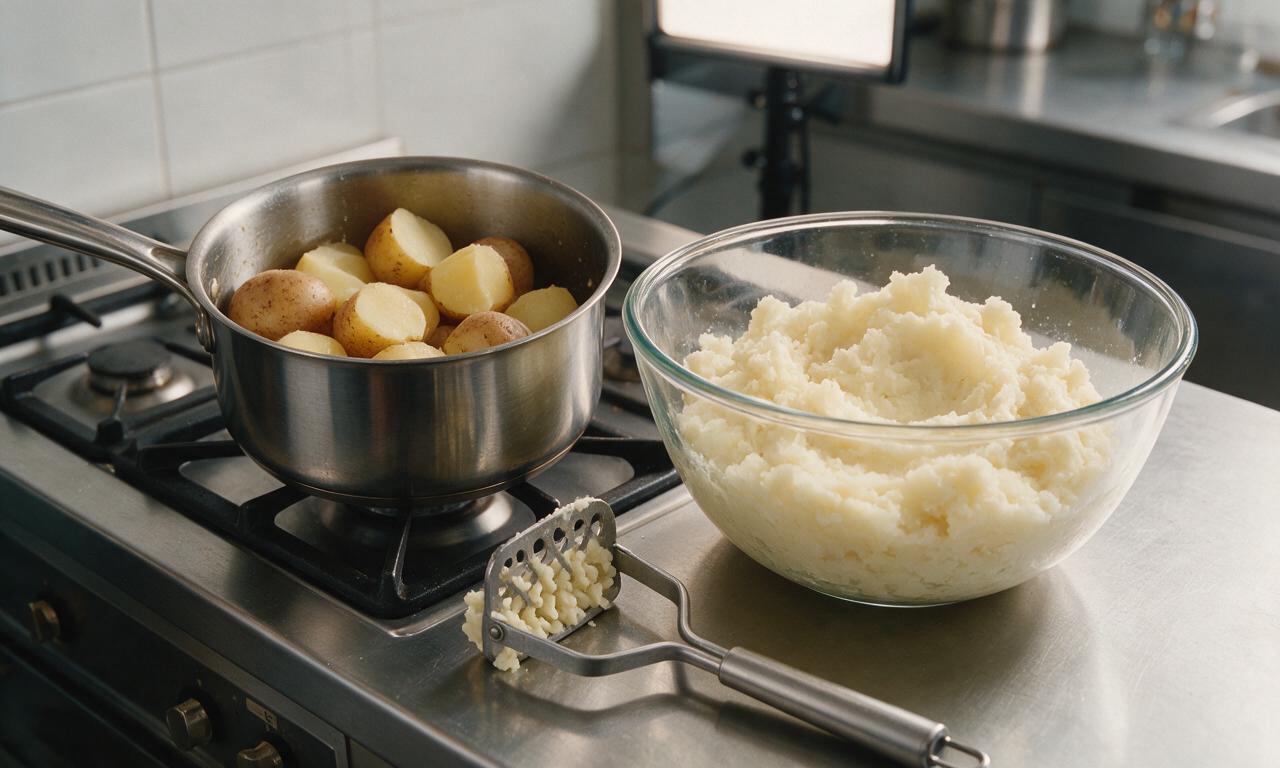
Mix potato base
Add 113g melted unsalted butter, 60ml warmed heavy cream, 1 tablespoon granulated sugar, and 1 teaspoon fine sea salt to the hot riced potatoes. Stir thoroughly with a wooden spoon until fully combined, then spread the mixture in a 1cm thin even layer on a rimmed baking sheet to cool completely to room temperature (about 30 minutes); warm potato dough will absorb excess flour and turn tough.
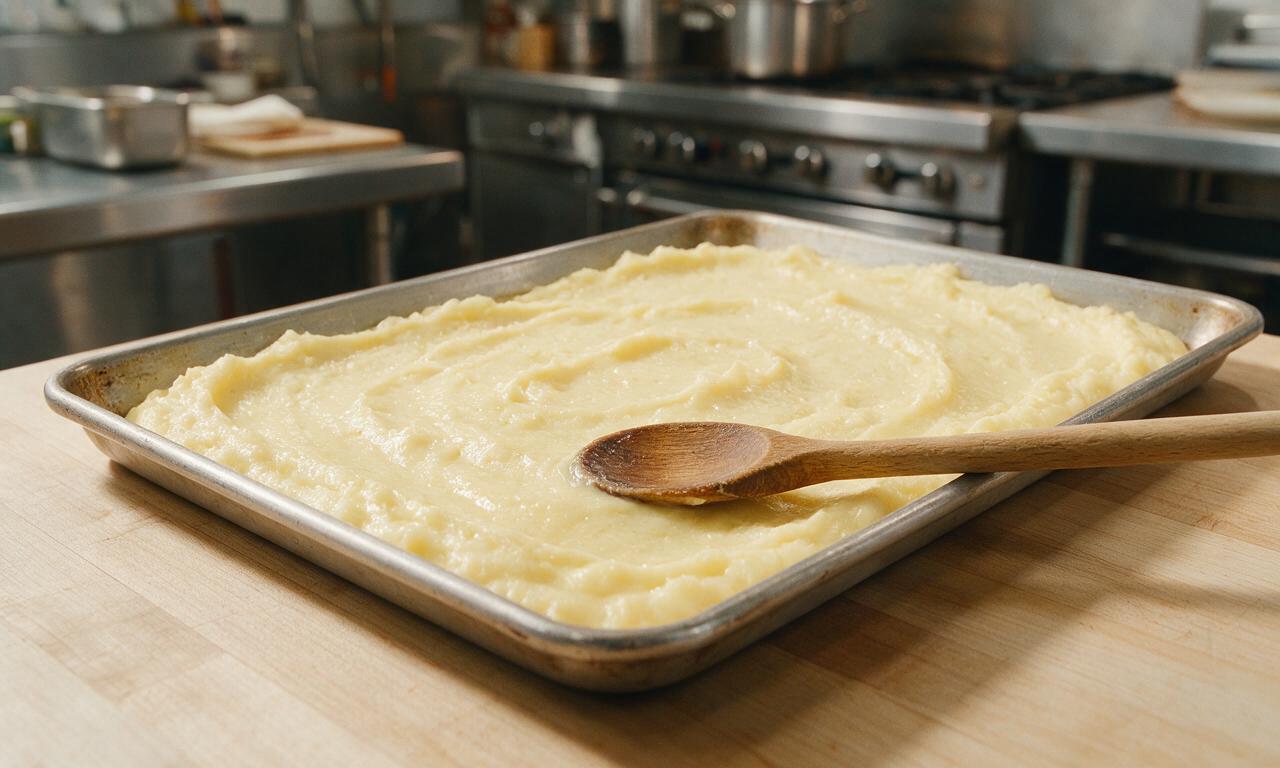
Knead lefse dough
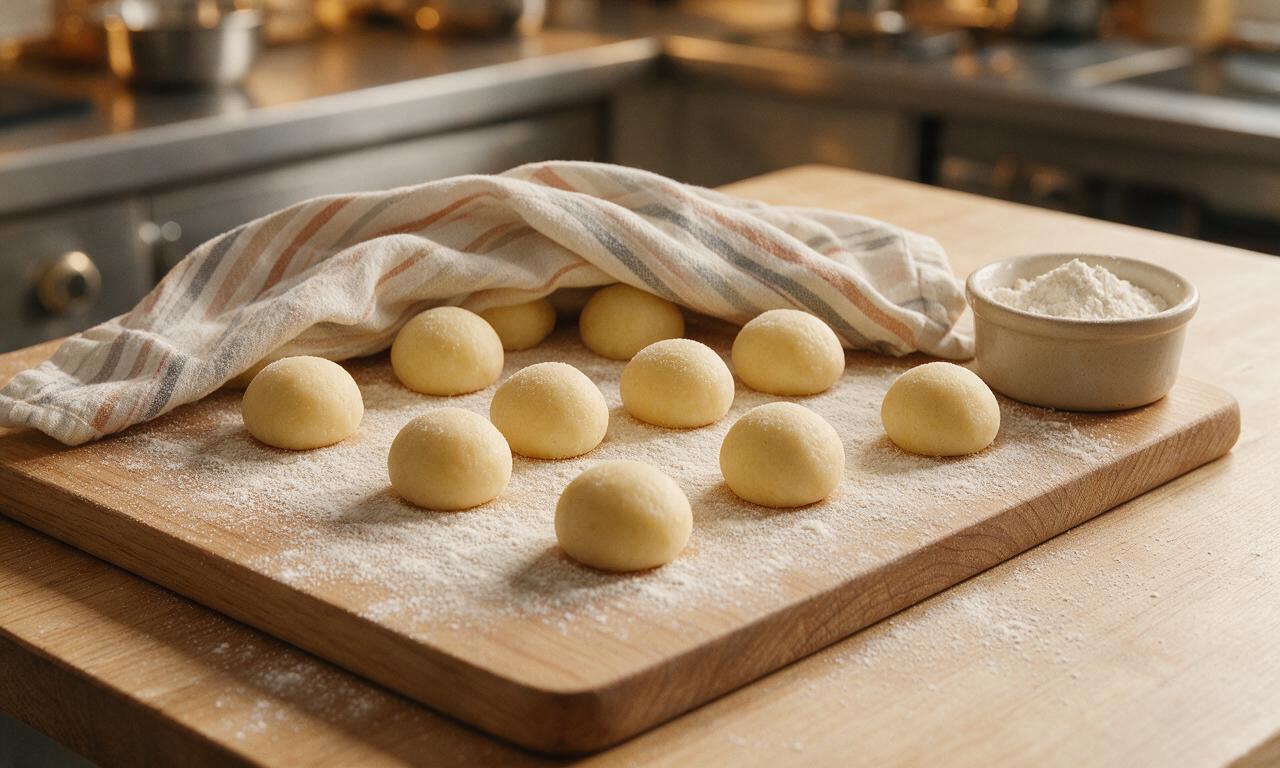
Transfer fully cooled potato mixture back to the mixing bowl, then gradually add 180g all-purpose flour, stirring gently with a fork until a shaggy dough forms. Turn dough out onto a lightly floured work surface and knead for 2-3 minutes just until smooth, adding up to 2 extra tablespoons of flour only if dough sticks heavily; over-kneading produces tough lefse. Divide dough into 12 equal 50g portions, roll each into a tight ball, and cover with a damp kitchen towel to prevent drying.
Preheat cooking griddle
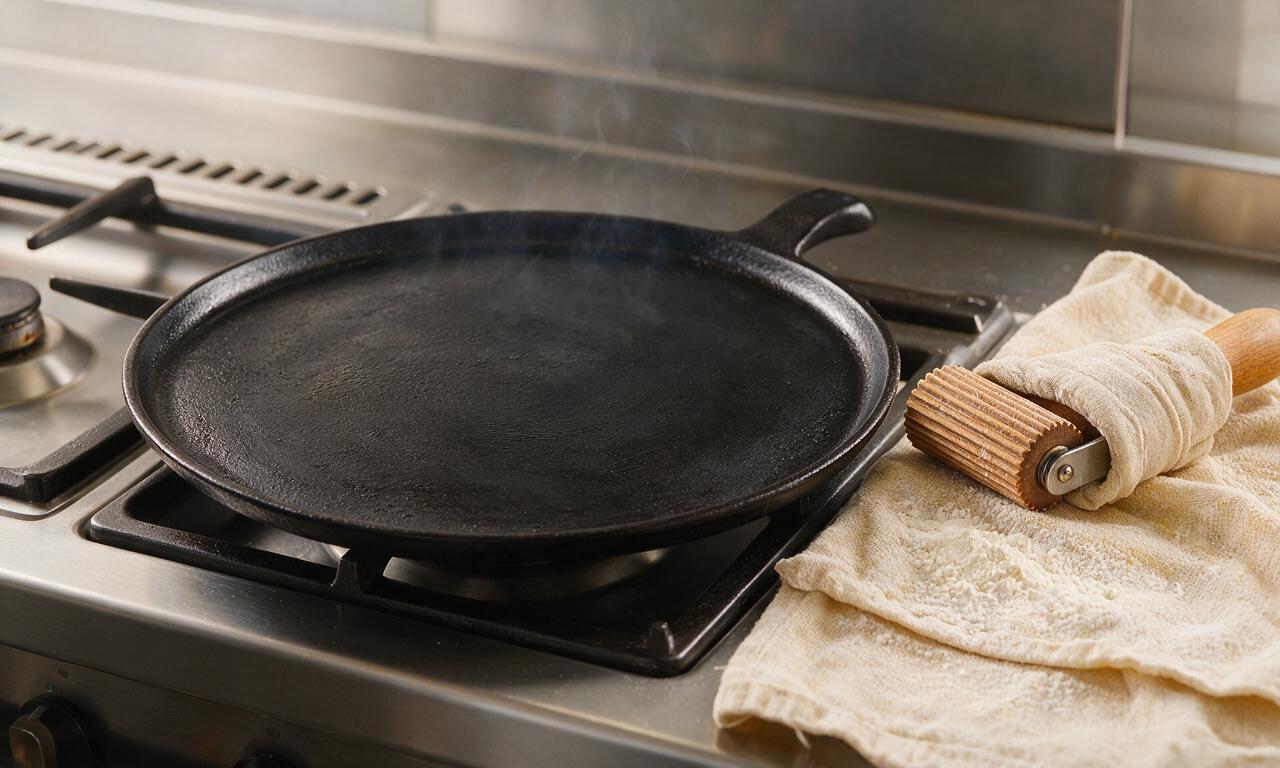
Preheat a flat cast iron griddle or specialized lefse grill to 204°C (400°F). Test heat readiness by sprinkling a single drop of cold water: it should dance across the surface and evaporate in 2-3 seconds when at the correct temperature. Lightly flour a cloth-covered grooved lefse rolling pin and pastry cloth to prep for rolling, to prevent thin dough from sticking.
Roll dough ultra-thin
Working with one dough ball at a time (keep remaining balls covered to prevent drying), press the ball into a 5cm (2 inch) disc, then roll evenly in all directions, turning frequently and dusting with minimal extra flour as needed, until it forms a 30cm (12 inch) wide circle that is almost paper-thin (you should faintly see the pastry cloth pattern through the dough). Carefully lift the thin dough circle using a long, thin wooden lefse stick to avoid tears.
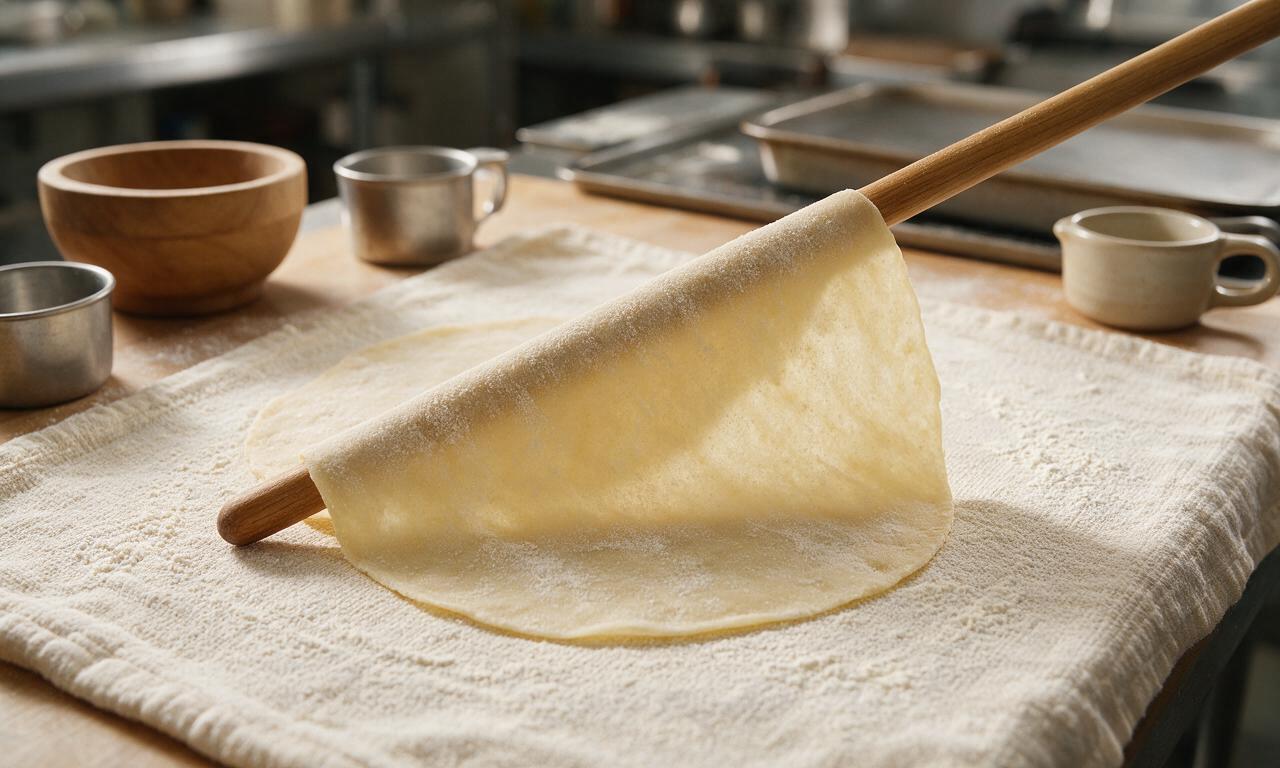
Cook lefse rounds
Gently lay the rolled dough circle onto the preheated 400°F griddle, and cook for 45-60 seconds until the surface forms small bubbles and develops light golden brown speckles on the bottom. Flip carefully with the lefse stick, then cook the second side for 30-45 seconds until matching light brown spots appear; overcooking will make lefse crisp instead of soft and pliable.
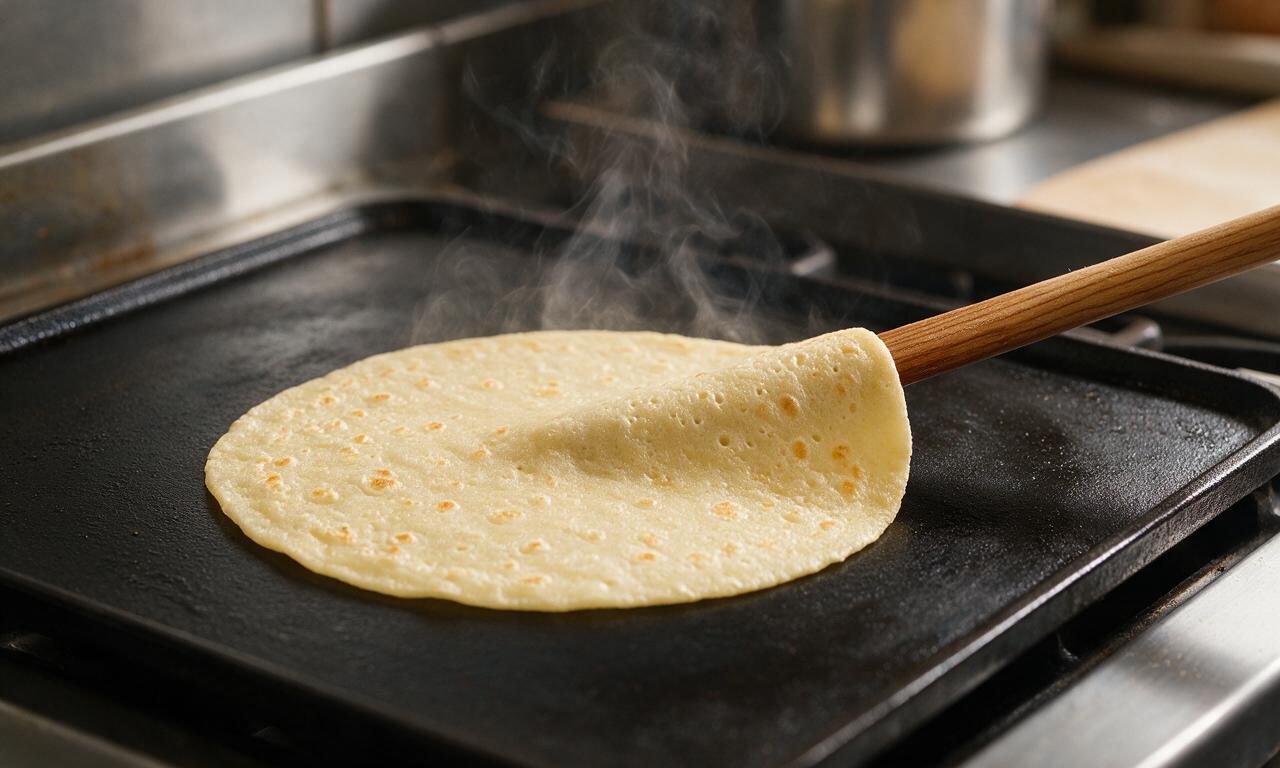
Cool and store lefse
Transfer each cooked lefse immediately to a clean cotton kitchen towel laid on a wire rack, folding the towel over the top to cover the bread as you stack cooked pieces. Trapping residual steam keeps lefse soft instead of stiff. Let the stack cool completely for 10 minutes before serving, or wrap tightly in plastic wrap to refrigerate for up to 1 week, or freeze for up to 3 months.
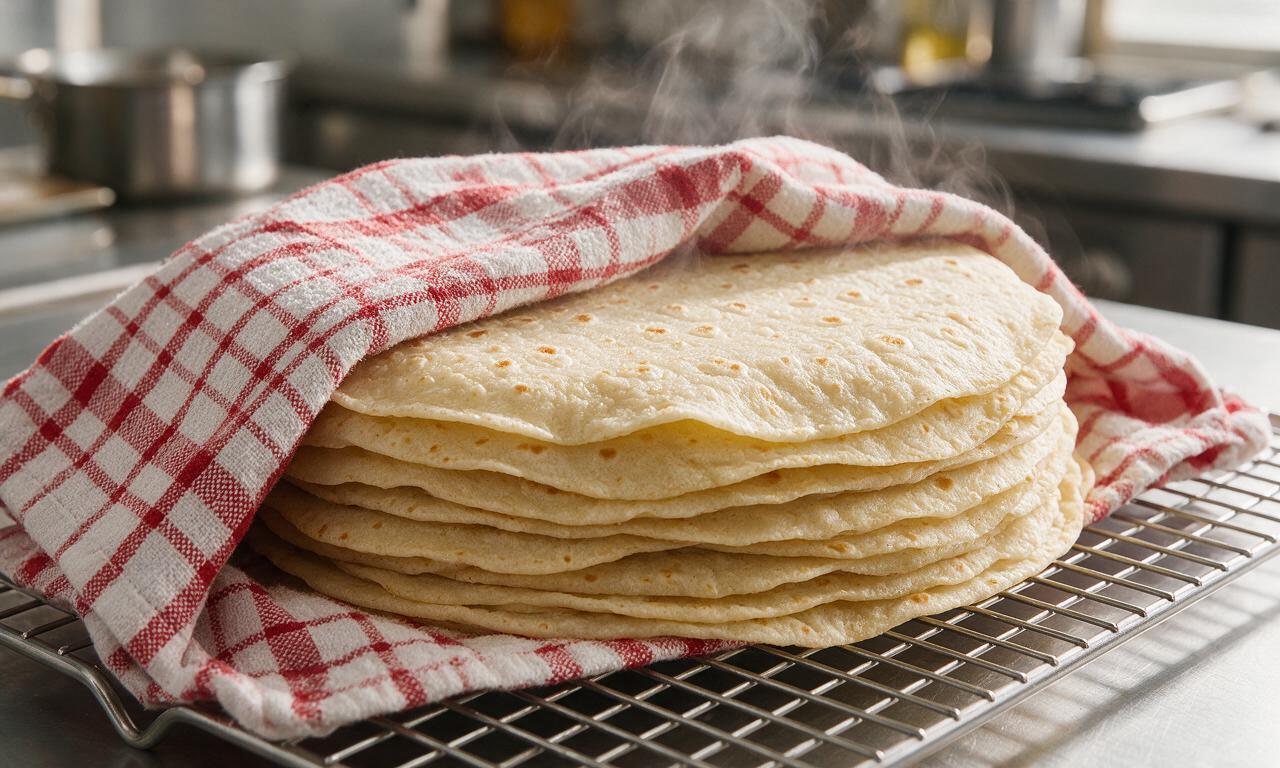
Tips
2.Never add flour to warm potato mixture: warm potatoes absorb far more flour than cool ones, leading to dense, bread-like lefse instead of the signature tender, melt-in-your-mouth texture.
3.Keep cooked lefse covered with a cotton towel as you work: exposed lefse dries out quickly and becomes brittle, while trapped steam keeps it soft and flexible for rolling with fillings.


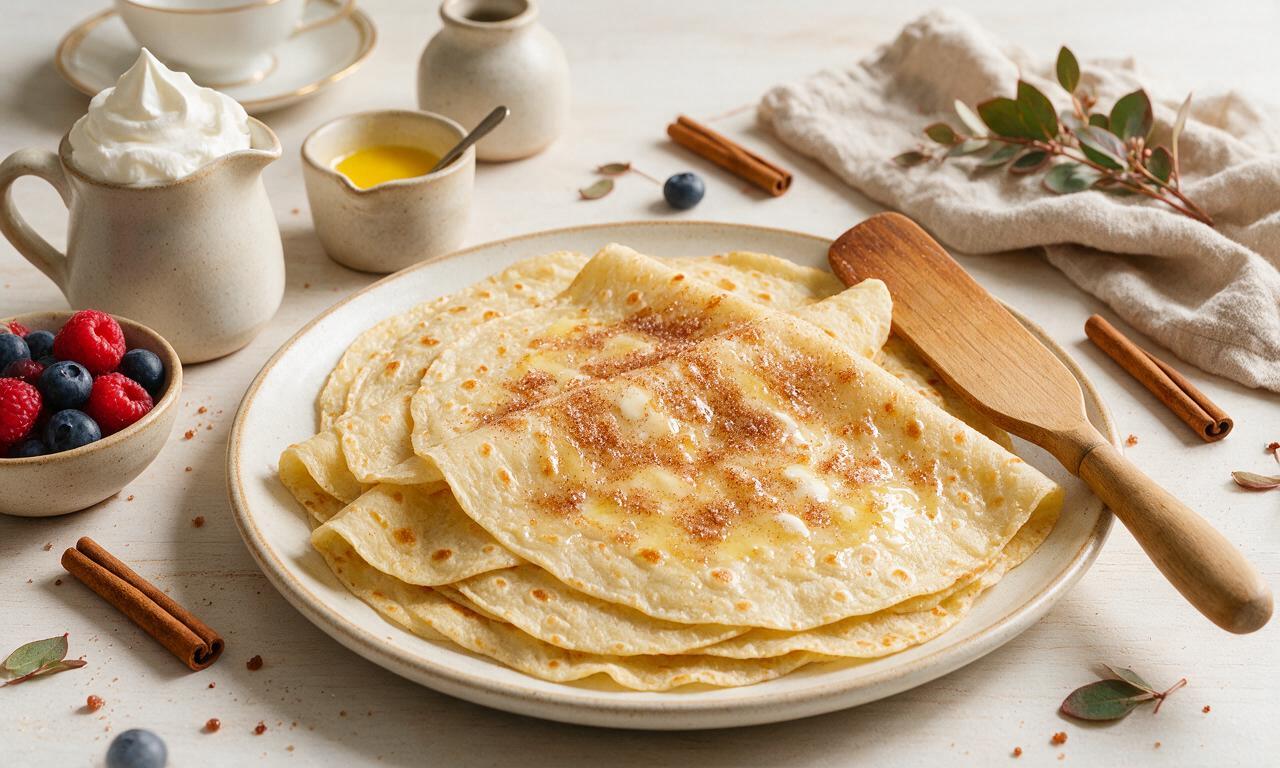


OMG I’ve been trying to nail my great grandma’s lefse recipe for YEARS and this one is dead on! I brought it to our family Thanksgiving potluck and everyone was begging for the recipe. The tip to rice the potatoes while they’re still hot was a total game changer, no lumps at all! Rolling it thin took a little practice but by the third one I had it down. SO good with butter and cinnamon sugar.
Made this for my kids’ Sunday dinner last night and they loved it — they devoured three pieces each! I was worried the medium difficulty rating meant I’d mess it up, but the steps were super straightforward. I did meal prep a big batch on Sunday and we’ve been eating it with breakfast (eggs and bacon!) and lunch all week. Only thing I messed up was salting the potato water a little too much first go round, so I’d go light on that if you’re sensitive to salt.
Took this to my office holiday potluck last week and it was the first empty plate on the table! I will say, make sure you give yourself enough time to let the potato mixture chill fully before rolling — I didn’t realize that step wasn’t included in the listed cook time so I was running late to the potluck because I tried to rush that part! First rushed batch was super sticky, but once I chilled it for the full 4 hours like the recipe says it rolled like a dream. So delicious, just plan ahead for that chill step!
This recipe tastes exactly like the lefse my Norwegian mother-in-law used to make for Christmas Eve! I was so nervous I wouldn’t be able to replicate it now that she’s gone, but this brought back so many good memories. I used my old cast iron griddle to cook them just like she did and they turned out perfectly soft and foldable, no crispy edges at all.
Wait I thought this would be way harder as a college student with basically no fancy kitchen tools! I used a regular potato masher instead of a ricer, a nonstick pan instead of a griddle, and it still came out so good. Super cheap to make too, potatoes are like $2 a bag right now. I’ve been wrapping them up with peanut butter and banana for quick snacks between classes.
Solid recipe, but I found the dough a little too dry when I followed the flour measurement exactly. I added an extra tablespoon of heavy cream and that fixed it right up. Flavor was spot on though, even my picky brother-in-law who swears he “doesn’t like potato stuff” had three pieces. Will make again, just adjust the flour/cream ratio for my kitchen’s dry climate.
I swapped the all purpose flour for a 1:1 gluten free flour blend and it worked perfectly! I was so worried I wouldn’t get to eat lefse this holiday after my celiac diagnosis last year, and this turned out just as soft and tasty as the regular version I grew up with. Game changer for us gluten free folks!
My grandma used to make lefse for our church lutefisk dinners every year and this recipe is so close to hers! I love that it doesn’t use any weird fancy ingredients, just basic pantry and fridge staples. I served it with warm lingonberry jam just like we did back home and my whole family went crazy for it. SO good, will be in our regular rotation for sure.