Traditional Potato Lefse

Traditional Potato Lefse
⏱️ cook time 1 hour 30 minutes
🍽️ servings 8
⚡ Difficulty medium

intro

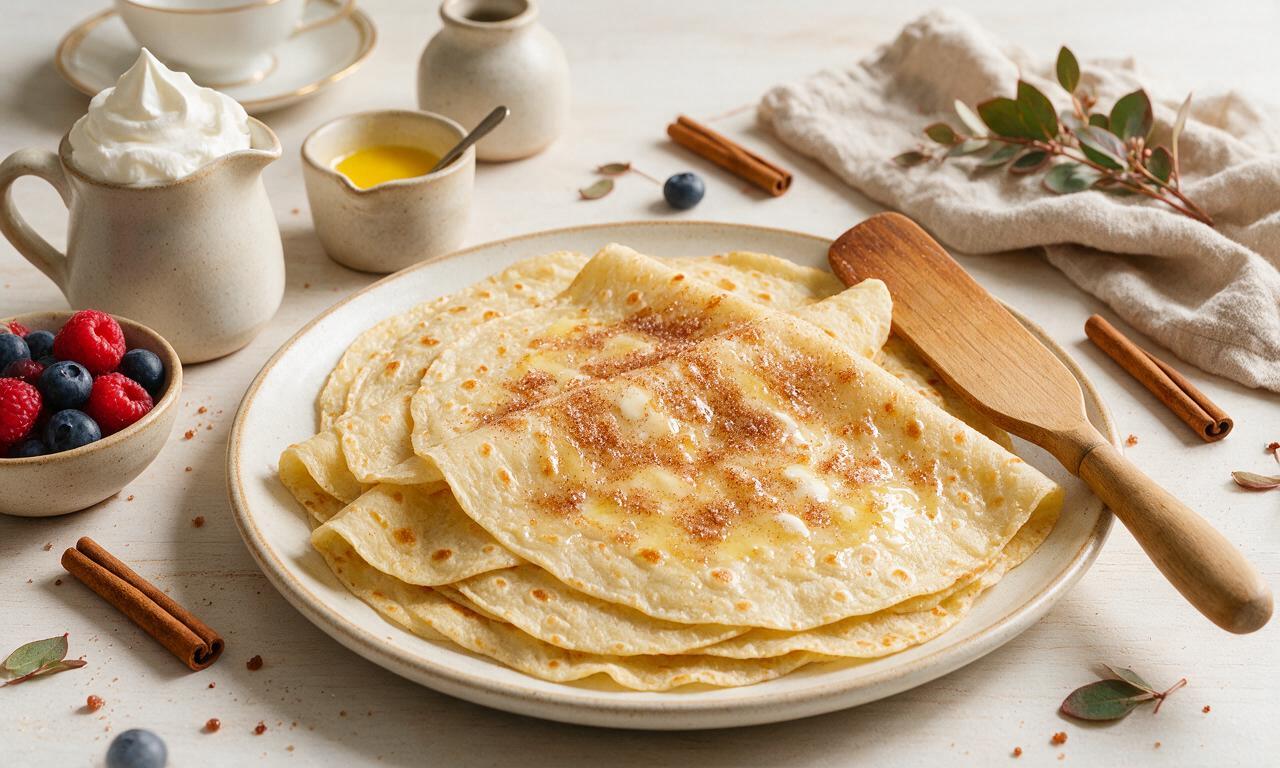
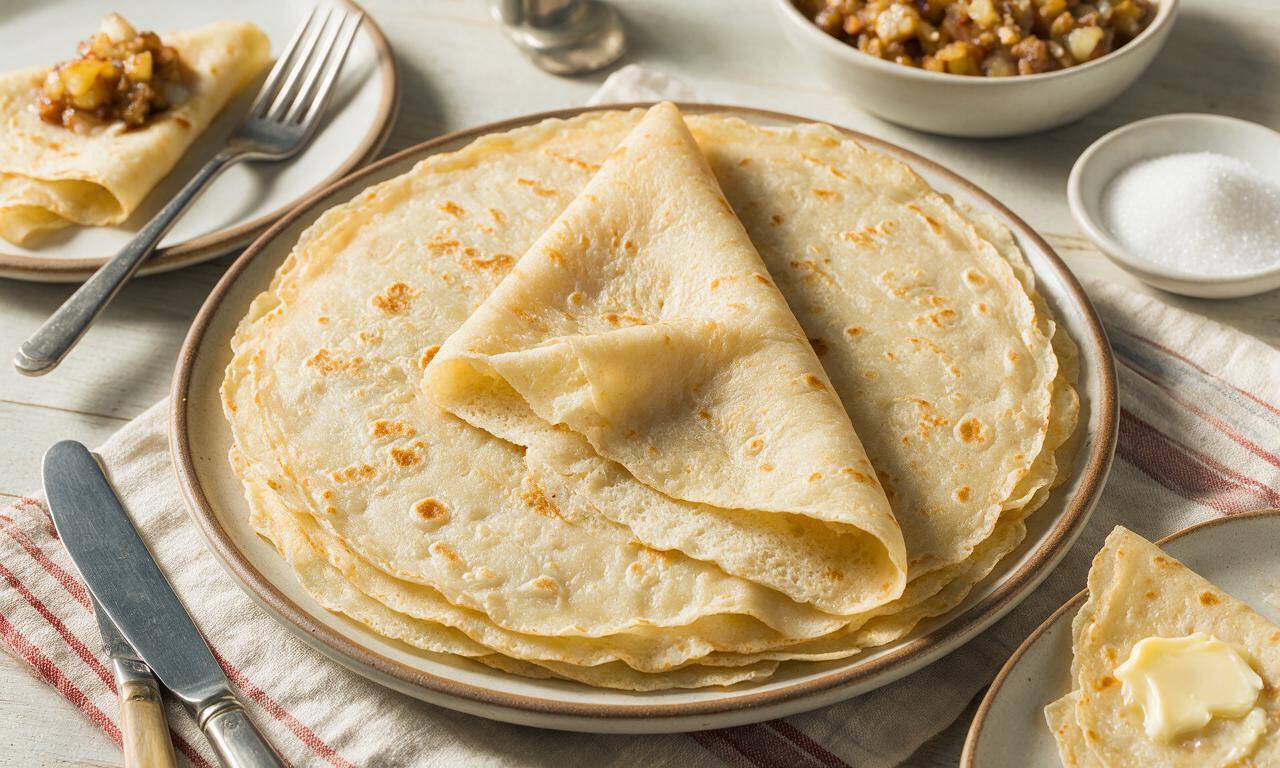
Soft, paper-thin potato flatbread, a beloved Nordic-American Christmas staple, griddle-cooked and served with butter, sugar, or savory holiday fillings.

Ingredients

Russet potatoes (peeled, cut into 5cm cubes) 900 grams (about 4 large)
All-purpose flour (plus extra for dusting) 180 grams (1.5 cups)
Unsalted butter (melted, plus tiny amount for griddle) 60 grams (4 tablespoons)
Heavy cream (warmed) 45 ml (3 tablespoons)
Granulated sugar 15 grams (1 tablespoon)
Fine table salt 5 grams (1 teaspoon)

Steps

1

Cook and dry potatoes

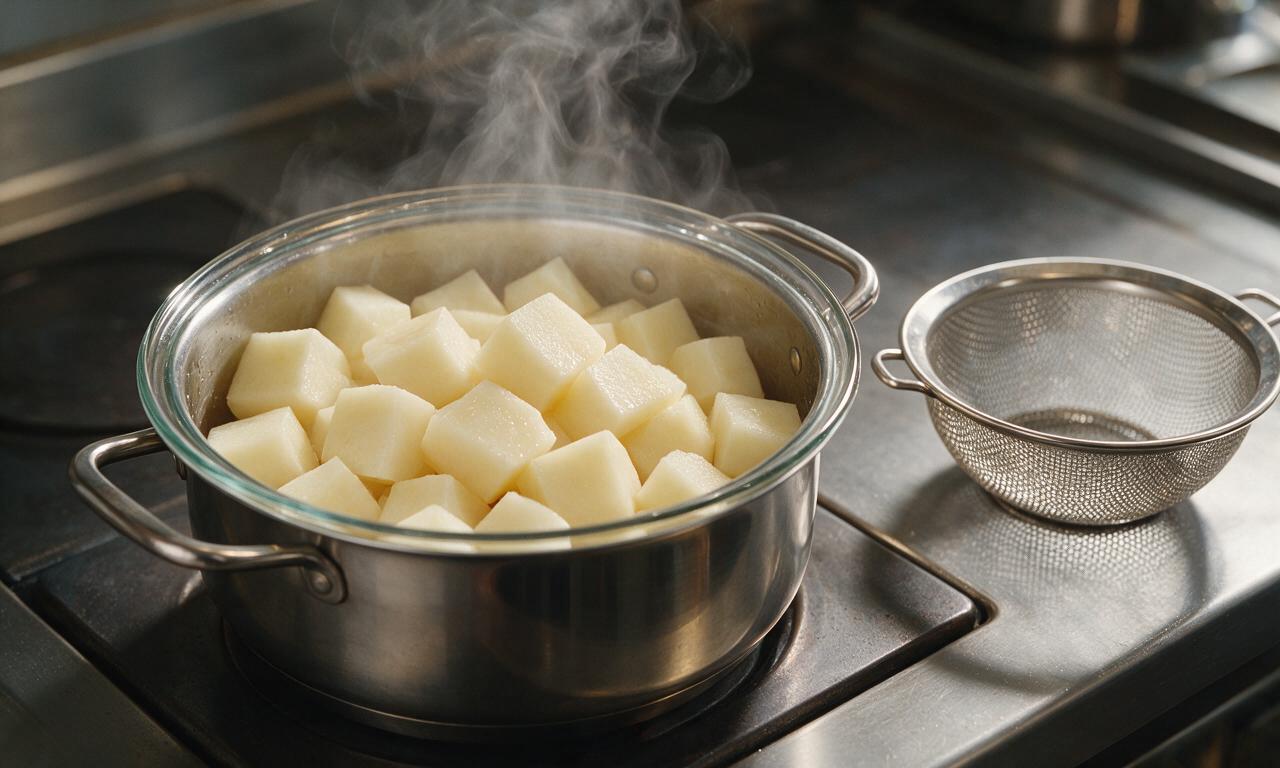
Place 900 grams of peeled, cubed russet potatoes in a large pot of lightly salted boiling water. Cook over medium-high heat for 18-20 minutes until fork-tender, then drain completely. Return drained potatoes to the warm pot over low heat for 2 minutes to evaporate all excess surface moisture, as wet potatoes will make unworkable sticky dough.
Step 1
step1:Cook and dry potatoes
2

Mix the lefse dough

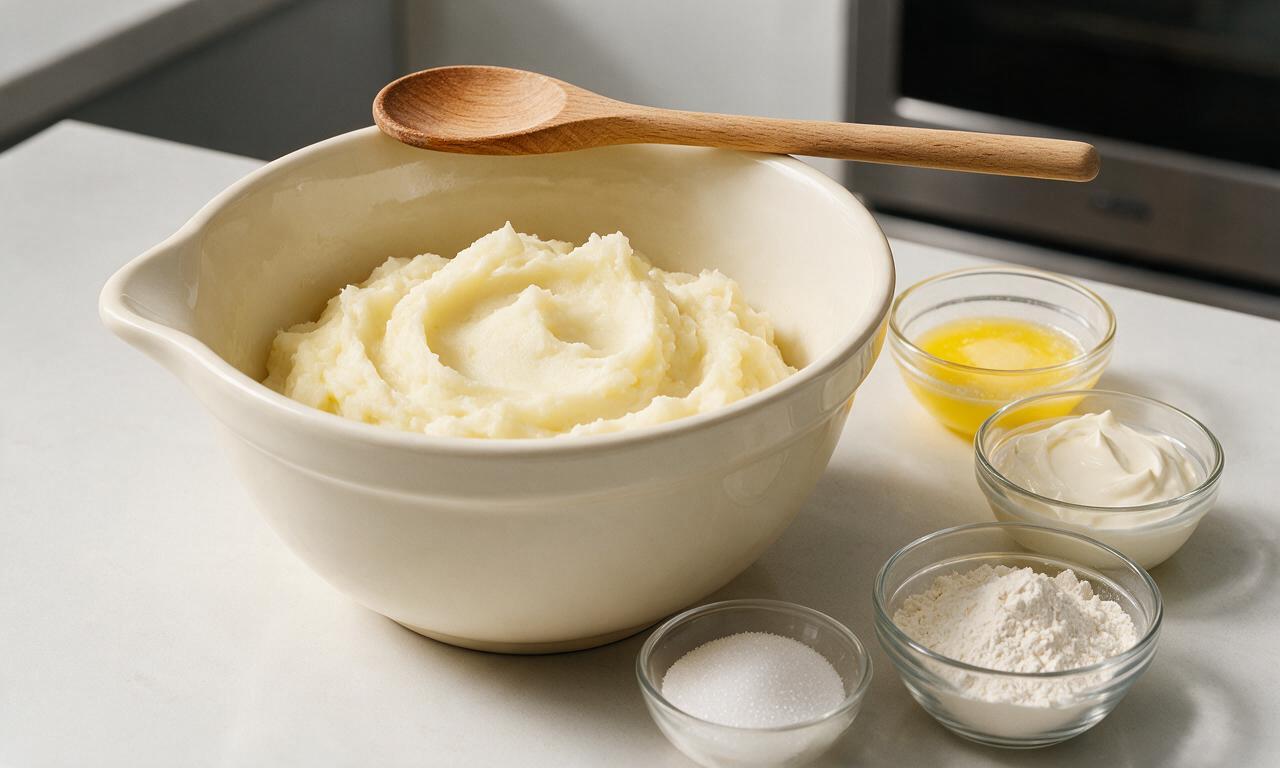
Press the hot dried potatoes through a potato ricer into a large ceramic mixing bowl to create a smooth, lump-free texture. Stir in 60 grams melted unsalted butter, 45 ml warm heavy cream, 15 grams granulated sugar, and 5 grams fine table salt until evenly combined. Let the mixture cool to room temperature (approximately 25 minutes), then gently fold in 180 grams all-purpose flour until a soft, pliable, non-sticky dough forms; do not overmix, as this will make tough lefse.
Step 2
step2:Mix the lefse dough
3

Portion and rest dough

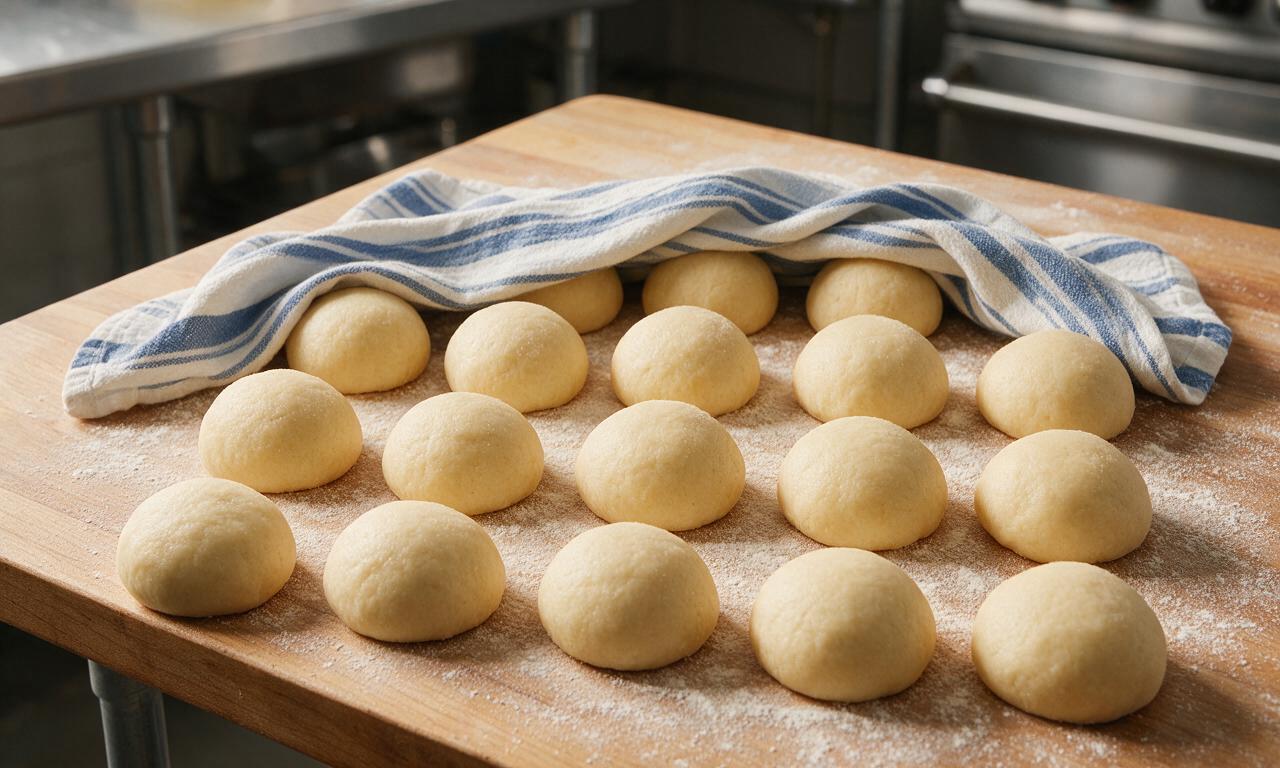
Lightly flour a clean wooden work surface, then turn the dough out and divide it into 16 equal 40-gram pieces, rolling each into a tight, smooth ball. Cover all dough balls with a clean damp cotton kitchen towel and let rest for 10 minutes at room temperature; this relaxes gluten to prevent shrinking when rolling.
Step 3
step3:Portion and rest dough
4

Preheat the griddle

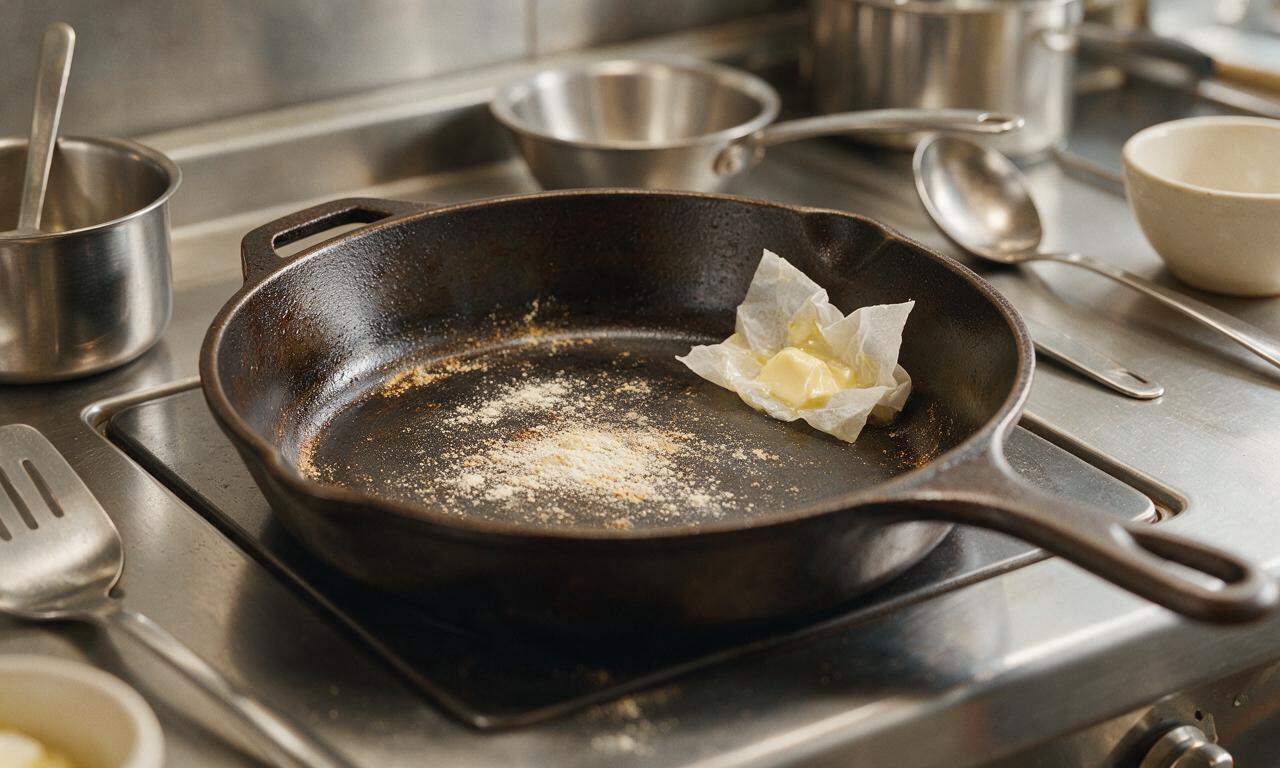
Place a large cast iron griddle or heavy non-stick frying pan over medium heat, bringing the surface to a steady 200°C (400°F). Test the temperature by sprinkling a pinch of flour: it should turn light golden brown in 10 seconds when ready. Wipe the griddle surface lightly with a butter-dipped paper towel to prevent sticking, taking care not to leave excess grease.
Step 4
step4:Preheat the griddle
5

Roll thin lefse rounds

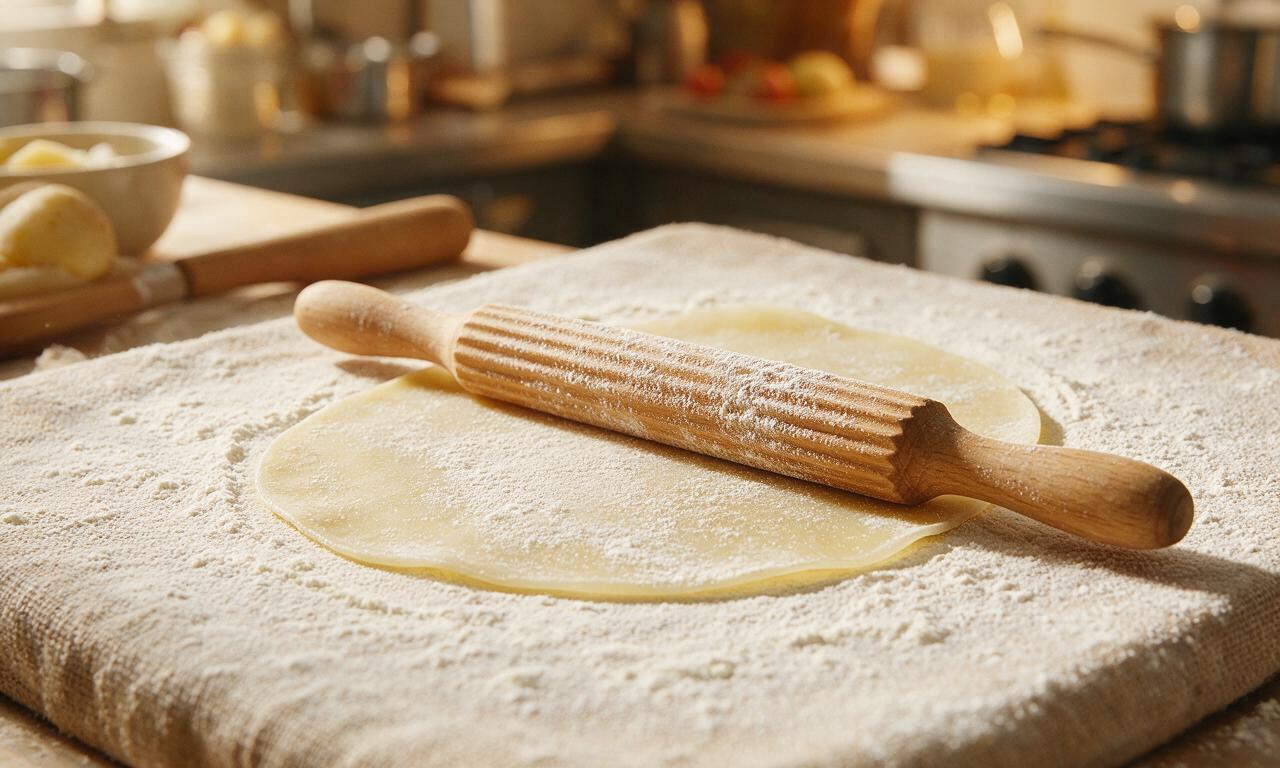
Working with one dough ball at a time (keep remaining balls covered to prevent drying), place it on a well-floured cloth-covered rolling board. Use a floured rolling pin (grooved lefse pin preferred, standard pin works) to roll the dough into a 20cm (8-inch) wide, paper-thin round approximately 2mm thick. Turn the dough a quarter turn after every few rolls, adding extra flour as needed to prevent sticking, and take care not to tear the thin sheet.
Step 5
step5:Roll thin lefse rounds
6

Cook on the griddle

Carefully lift the thin dough round with a wide, flat spatula or traditional lefse stick and transfer it to the preheated griddle. Cook for 45-60 seconds on the first side, until small light golden brown bubbles appear across the surface, then flip and cook for 30-45 seconds on the second side. Do not overcook, as lefse will turn crispy instead of soft and pliable.
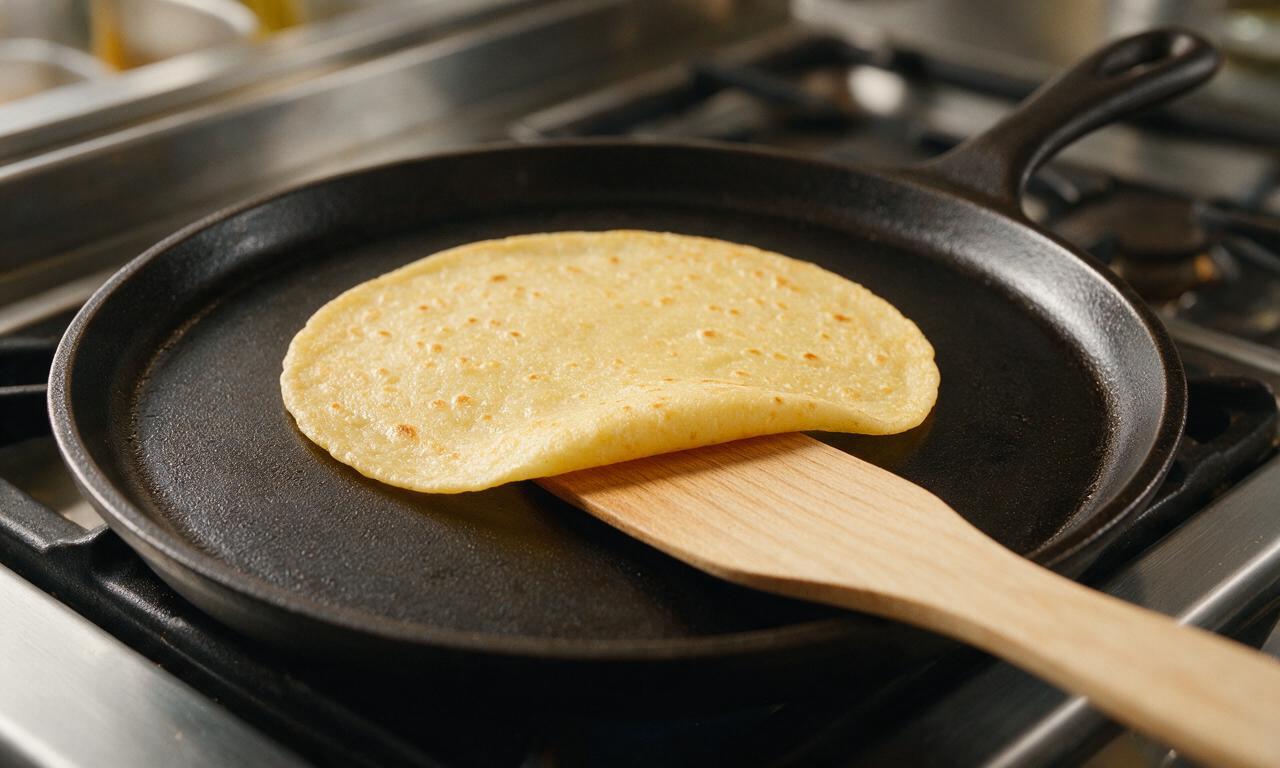
Step 6
step6:Cook on the griddle
7

Cool and store lefse

As each piece of lefse finishes cooking, transfer it to a wire rack and stack between layers of clean, dry cotton tea towels to trap gentle steam and keep the bread soft as it cools (about 15 minutes total cooling time). Serve immediately with butter, cinnamon sugar, or lingonberry jam, or wrap tightly in plastic wrap and store in the refrigerator for up to 5 days.
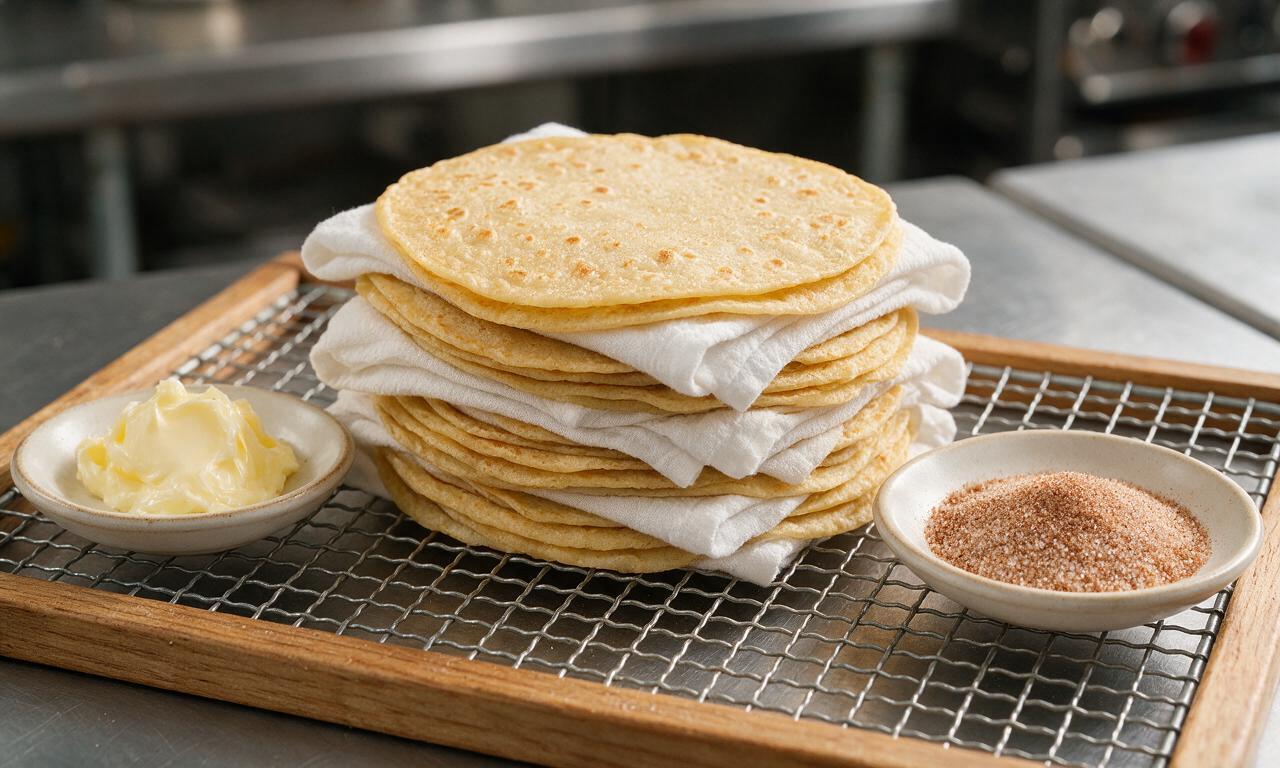
Step 7
step7:Cool and store lefse

Tips

1.Always dry cooked potatoes thoroughly after draining—excess moisture creates sticky, unrollable dough that tears easily.
2.You do not need a specialty grooved lefse rolling pin; a standard smooth wooden pin works perfectly if floured generously between each round.
3.Never stack hot, freshly cooked lefse directly on top of each other without towel layers, as trapped condensation will make the bread soggy.


✨ You May Also Like

Side Dishes
🍜 India

Velvety, aromatic all-purpose curry sauce perfect for tossing with roasted veggies, grilled protein, or rice for fast, cozy, flavorful meals.

⏱️ 25 minuteSide Dishes ★ 4.7
Side Dishes
🍜 Spain

Tender, starchy boiled yuca tossed in bright, garlicky citrus mojo sauce—an iconic, zesty side that pairs beautifully with roasted pork, grilled meats, and rice and beans.

⏱️ 40 minuteSide Dishes ★ 4.8
Side Dishes
🍜 United States

Tender, paper-thin potato flatbread, a beloved Norwegian-American Minnesota Christmas staple, griddled until softly spotted and served warm with butter.

⏱️ 1 hour 30Side Dishes ★ 4.8
Side Dishes
🍜 United States

Rich, deeply savory cured salt pork, a long-lasting kitchen staple perfect for frying crispy as a side or adding umami to stews, beans, and chowders.

⏱️ 7 days (2Side Dishes ★ 4.9
Side Dishes
🍜 United States

Crispy, tangy classic Southern fried green tomatoes with a crunchy cornmeal crust, served hot for a nostalgic, comforting summery bite.

⏱️ 25 minuteSide Dishes ★ 4.9
Side Dishes
🍜 United States

Moist, golden-crusted savory muffins with sweet corn, zesty jalapeño, and melted cheddar, perfect for pairing with smoky summer grilled fare.

⏱️ 30 minuteSide Dishes ★ 4.8

Traditional Potato Lefse:Frequently Asked Questions

1.What type of potatoes work best for traditional lefse, and can I substitute a different variety?
Russet potatoes are non-negotiable for authentic, soft, thin lefse—their high starch, low moisture content creates that tender, non-gummy texture we want. If you only have waxy varieties like Yukon Gold on hand, you’ll need extra flour to reduce stickiness, but this will yield a slightly tougher, less delicate final flatbread.
2.Why does my lefse turn out tough or chewy instead of soft and pliable?
Tough lefse almost always traces back to two common missteps: overworking the dough, which develops too much gluten in the flour, or adding too much extra flour while rolling. Mix just until the dough comes together, use only a light dusting of flour for your pin and board, and cook quickly on a hot griddle to avoid drying it out.
3.How thin do I need to roll lefse to get that traditional, delicate texture?
Traditional lefse should be rolled almost paper-thin, roughly 1/16 of an inch thick, so you can just barely see the pattern of your rolling board through the dough. If it’s too thick, it will turn out dense and bready instead of soft. Turn the dough often as you roll to keep it from sticking and ensure even thickness.
4.What temperature should my griddle be to cook lefse properly?
Heat your griddle to 400°F for best results, swiping on just a tiny amount of unsalted butter first to prevent sticking. You’ll know it’s hot enough when a drop of water dances across the surface and evaporates in 2 to 3 seconds. Cook each piece 45 to 60 seconds per side until light golden speckles form, then stack between clean tea towels to stay soft.
5.Do I really need to warm the heavy cream and melt the butter before mixing them into the potatoes?
Yes, warming that heavy cream and melting the butter ahead of mixing makes a huge difference in your final dough. Cold dairy cools the potato mixture down, making it harder to mix evenly without overworking, leading to lumpy, sticky dough that needs extra flour, which makes finished lefse tough instead of tender.
6.What are the most traditional ways to serve finished potato lefse?
The most classic Nordic-American serving style is to spread warm lefse with soft unsalted butter, sprinkle it with a light layer of granulated sugar, roll it up tight, and eat it as a sweet Christmas treat. You can also use it as a wrap for savory fillings like meatballs, sliced cured sausage, or leftover roasted turkey for a hearty bite.
7.How do I store leftover lefse to keep it soft, and how long will it stay fresh?
Let cooked lefse cool completely between clean tea towels first, then stack pieces between sheets of parchment paper, seal them in an airtight bag or container, and refrigerate for up to 1 week. To serve, warm individual pieces for 10 seconds in the microwave or a few seconds on the griddle to bring back that soft, pliable texture.
8.Why does my potato dough keep sticking to my rolling pin and board when I roll it out?
Sticky dough usually means your potato mixture had too much residual moisture, either from under-draining the cooked 2-inch potato cubes or over-mashing them until watery. Drain Russets very well after boiling, use a light, even dusting of all-purpose flour on your pin, board, and dough, and turn the dough often as you roll.
9.Can I make lefse dough ahead of time to cut down on holiday prep work?
Absolutely! Mix up the lefse dough, wrap it tightly in plastic wrap, and store it in the refrigerator for up to 2 days before rolling and cooking. Chilled dough is actually slightly firmer and easier to roll out thin without sticking; just let it sit at room temperature for 10 minutes before rolling for best pliability.

Comments (12)

2 weeks ago

OMG, this lefse tastes EXACTLY like the kind my Norwegian grandma used to make for our Christmas Eve smorgasbord! I was so nervous I’d mess up the rolling since I’ve heard it’s finicky, but the tip about chilling the potato dough for 2 hours first was a total game changer. My kids ate 3 pieces each slathered with butter and sugar before I even got the rest of the batch off the griddle. SO good, will be making this for every family holiday from now on!

1 week ago

Wait, how thick did you roll yours? I tried last weekend and mine kept tearing every time I tried to lift them off the rolling pin to get to the griddle, I was so frustrated!

5 days ago

Great question! For best results, roll the dough to about 1/8 inch thickness, and make sure your pastry cloth and rolling pin cover are well dusted with flour to prevent sticking. It also helps to only work with small, golf ball sized portions of dough at a time so it doesn’t get too warm while you’re rolling!

3 days ago

Made this for our neighborhood block party potluck last weekend and it was a huge hit! I will say, I didn’t have a potato ricer so I used a masher and there were a few tiny lumps in the dough, but no one seemed to notice. Next time I’m going to pick up a ricer to see if it makes the texture even silkier. Only reason I’m not giving 5 stars is I wish the recipe noted how hot the griddle should be upfront—I had to mess with the temp for the first 3 pieces before I got it right.

2 days ago

So glad it was a hit at your potluck! Great call on the ricer for extra smooth texture, and we’ve updated the recipe to note that the griddle should be set to 400°F for perfect, evenly browned lefse without burning. Thanks for the helpful feedback!

5 minutes ago

Just pulled my first batch off the griddle and WOW. I’ve been buying store-bought lefse for years because I thought making it from scratch would be too much work, but 90 minutes total time was totally manageable even for a weeknight? The texture is so soft and buttery, way better than any pre-made version I’ve ever had. Already texted the recipe to my whole family.

3 days ago

Game changer for my weekly meal prep! I made a double batch on Sunday, wrapped the lefse tightly in plastic wrap, and it’s held up perfectly all week for quick breakfast wraps with eggs and cheese, or even sweet snacks with cinnamon butter. I was worried it would get dried out in the fridge, but it stayed just as soft as day one. Such a versatile recipe!

2 days ago

Wait, did you freeze any of your double batch? I’m curious how well this holds up in the freezer for longer term meal prep, I’d love to stock up!

yesterday

It freezes beautifully! Just stack cooled lefse between pieces of parchment paper, seal in an airtight freezer bag, and it will keep for up to 3 months. Thaw in the fridge overnight or pop individual pieces in the microwave for 10 seconds to reheat.

1 week ago

I’ve been making lefse for 60 years so I was curious to see how this “traditional” recipe stacked up to mine. It’s pretty solid! I do add a tiny pinch of nutmeg to my dough which gives it a little extra warmth, but the base ratios here are spot on. New bakers: don’t skimp on chilling the dough, that’s the secret that so many modern recipes skip.

5 days ago

Oh the nutmeg tip sounds amazing! I’m making this for my in-laws’ first visit next month, I’m definitely going to add that little pinch to impress them, thanks for sharing!

yesterday

Brought this to my office potluck today and people were literally asking for the recipe before they even finished their first bite! I served it with both sweet (butter + cinnamon sugar, lingonberry jam) and savory (smoked salmon, cream cheese) toppings so there was something for everyone. Zero leftovers, that’s how you know it’s a hit.

5 days ago

Grew up eating lefse at every family holiday back in Wisconsin, and now that I live out in Denver I’ve been craving it something fierce. This recipe hit the spot! My only note is that my dough was a little stickier than I expected, so I had to add about an extra tablespoon of flour while I was rolling. Turned out perfect once I adjusted, though. Tasted just like home.

3 days ago

So glad this brought back those home memories! Dough consistency can vary a little based on the moisture content of your potatoes, so adding a touch more flour if it’s too sticky is absolutely the right call. Great job troubleshooting!

30 minutes ago

Made this in my tiny dorm kitchen with just a regular nonstick pan (no fancy griddle or lefse stick!) and it still turned out amazing. I was worried I didn’t have the right equipment, but you don’t need any special gadgets to pull this off. My roommates are already begging me to make it again this weekend.

5 minutes ago

Wait no way, I only have a tiny nonstick pan too! What heat setting did you use on your stove, I don’t want to burn mine before my roommates get home.

just now

I kept my burner on medium! Just cooked each side for about a minute until it had those light brown spots, and flipped it with a regular spatula, no fancy tools needed. It worked perfectly!

yesterday

This is going to be a new staple on our Thanksgiving table from now on! I tested it out this weekend to make sure it was good enough for the big day, and my wife (who is super picky about traditional recipes) said it’s even better than the lefse her family used to get from the local Norwegian bakery in Minnesota. Total win.

2 hours ago

Really tasty recipe, but I definitely struggled with the rolling part at first! My first three pieces tore completely when I tried to move them, but once I got the hang of how much flour to use on my work surface it got way easier. The end result was so worth the learning curve, even if my first few looked a little wonky. My family still ate every last bite.

30 minutes ago

So glad you stuck with it! Lefse definitely has a little bit of a learning curve when you first make it, even for experienced bakers. Those wonky first pieces taste just as good as the perfectly round ones, I promise 😊

5 minutes ago

Came back to say I tried the tips from Chef Admin on my second batch today, and it worked perfectly! No more tearing, every piece rolled out smooth and cooked up so soft. I brought a plate over to my next door neighbor who’s from Norway, and she said it tasted just like home. Can’t believe I pulled that off as a total beginner!

just now

This is so encouraging! I’ve been scared to try making lefse for ages because I’ve heard how tricky it is, but seeing a total beginner nail it makes me want to pick up the ingredients this weekend.

1 week ago

SO good! I made these for a lazy Sunday brunch with my friends, and we rolled them up with cinnamon butter and sliced apples on the side. It felt like such a fancy, cozy spread but the recipe was straightforward enough that I didn’t stress about prep while I was cleaning my apartment before people came over. 10/10, will make again.