Wapato (Native)

Wapato (Native)
⏱️ cook time 45 minutes
🍽️ servings 4
⚡ Difficulty easy

intro

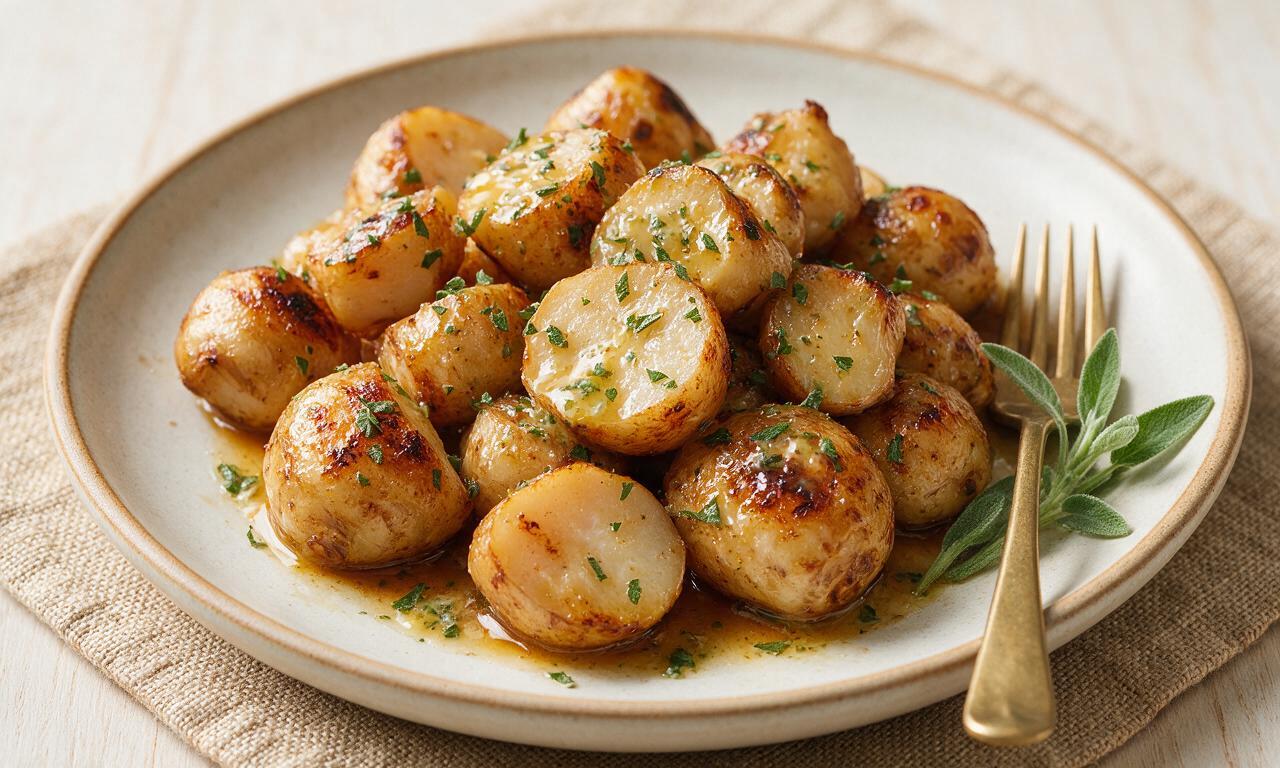
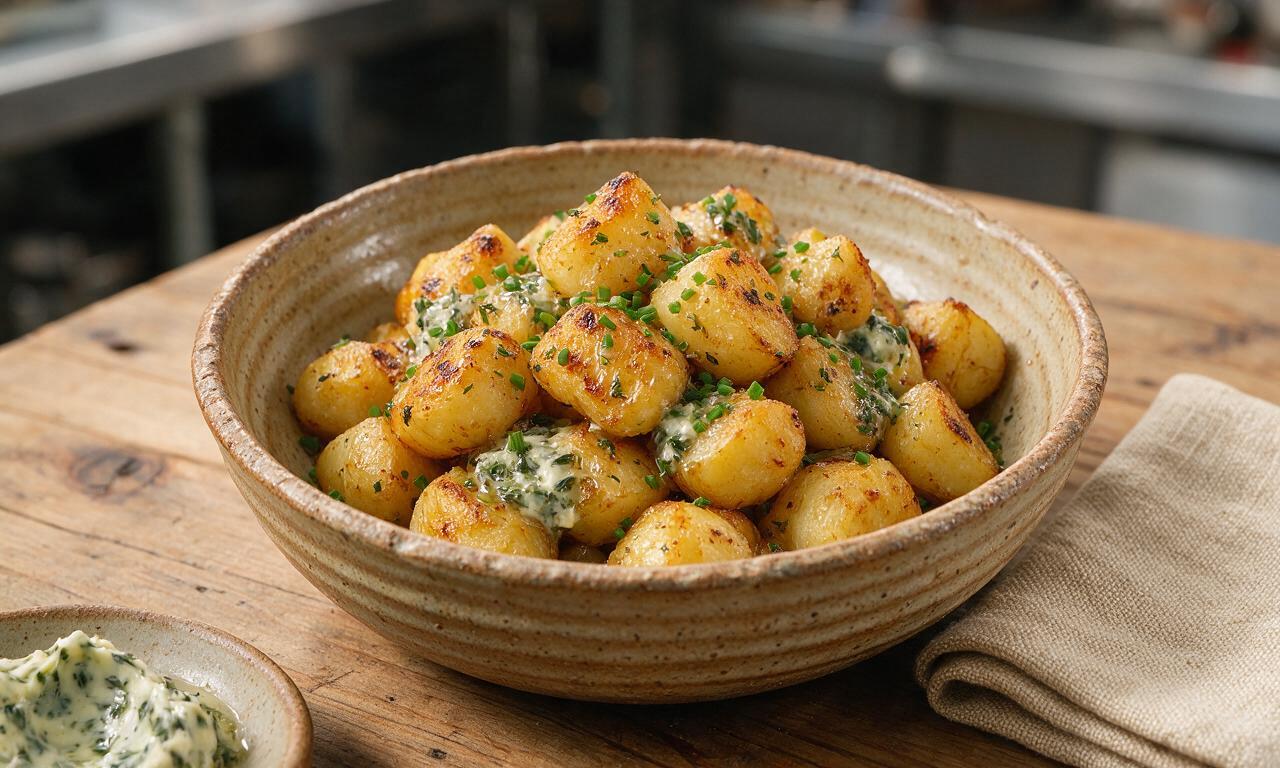
Nutty, starchy roasted wapato tubers tossed in wild sage butter, a traditional foraged staple of Indigenous communities across the Pacific Northwest.

Ingredients

Fresh wapato tubers (Sagittaria latifolia, Indian potato) 680 grams (scrubbed, trimmed, cut into 2.5cm / 1-inch uniform cubes)
Unsalted butter 4 tablespoons (56g, melted)
Dried culinary white sage 1 teaspoon, crumbled
Fine sea salt 1.5 teaspoons
Freshly cracked black pepper ½ teaspoon
Pure maple syrup 1 teaspoon
Fresh wild onion (or chives, for garnish) 2 tablespoons (6g, finely chopped)

Steps

1

Preheat the Oven, Rinse Wapato

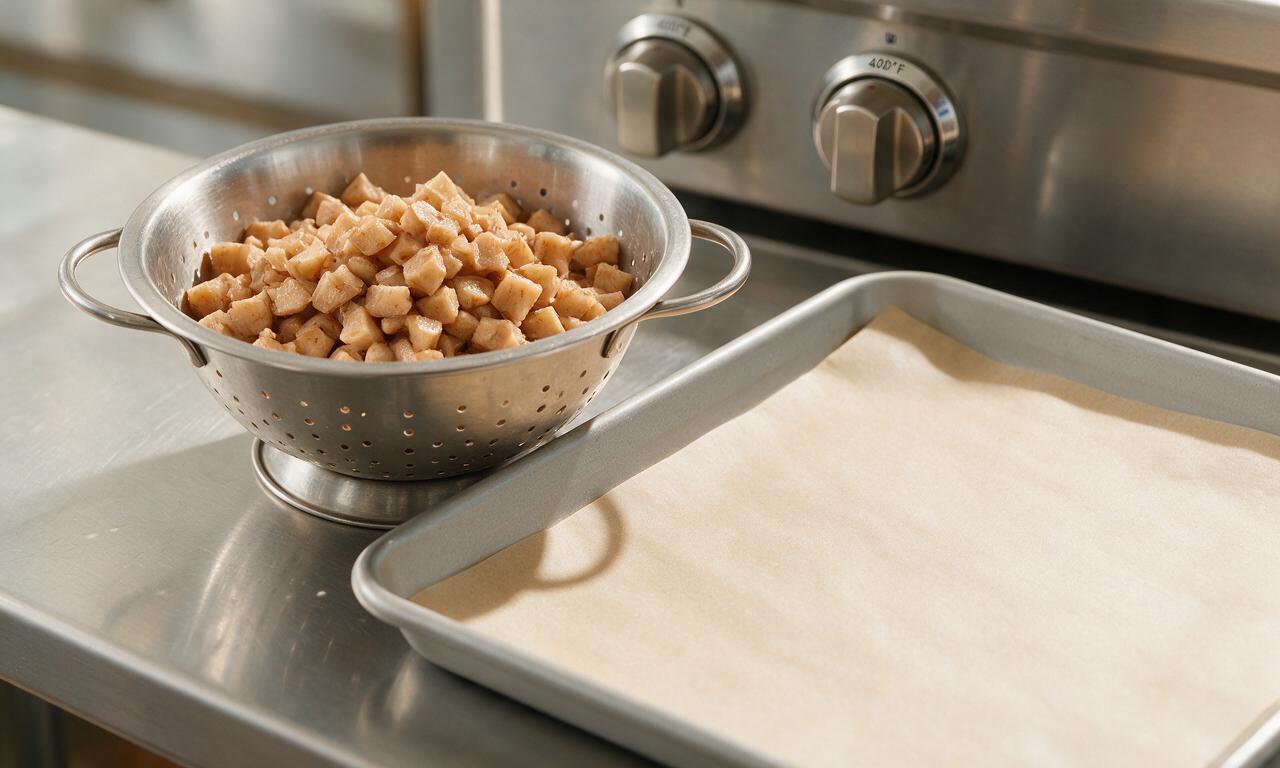
Preheat your oven to 205°C (400°F) and line a large rimmed baking sheet with unbleached parchment paper. While the oven preheats, place the cut 1-inch wapato cubes in a colander, rinse under cold running water for 2 minutes to wash away excess surface starch, then pat completely dry with clean kitchen towels or paper towels.
Step 1
step1:Preheat the Oven, Rinse Wapato
2

Prepare the Wild Sage Butter

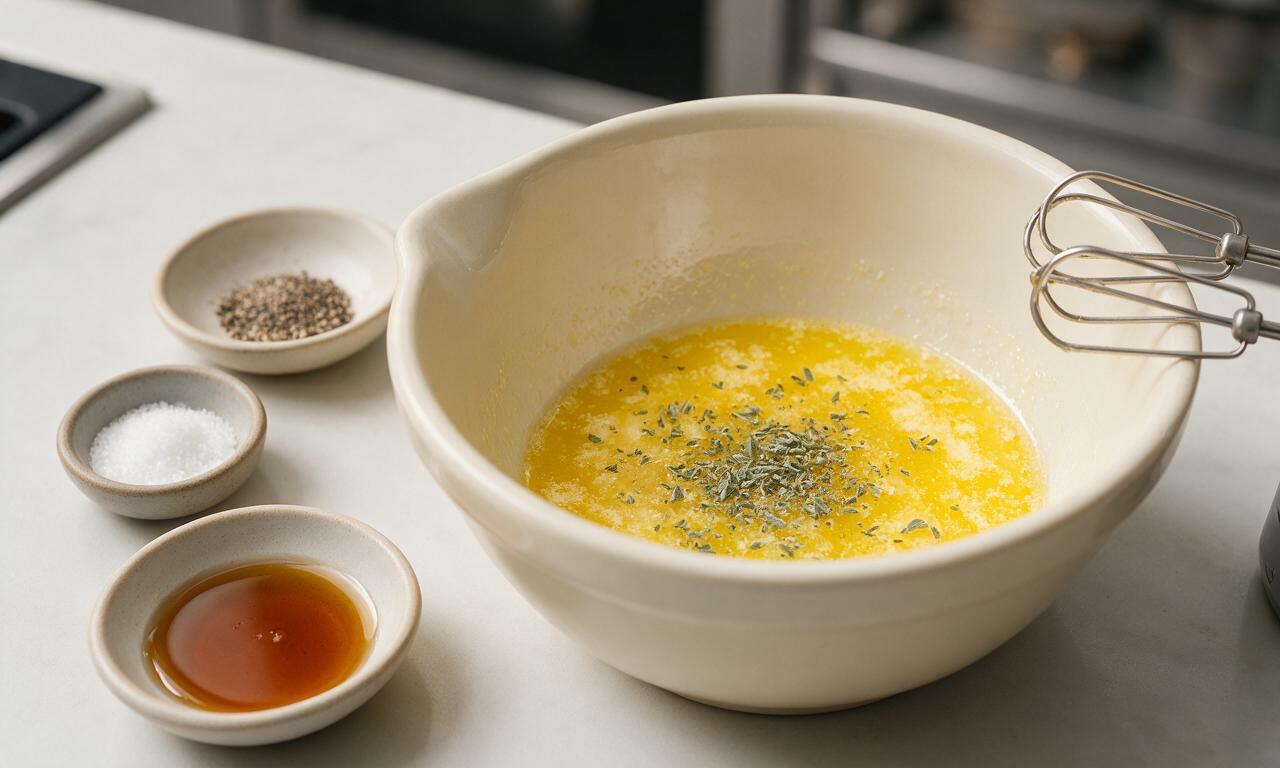
In a large 3-quart mixing bowl, combine the 4 tablespoons melted unsalted butter, 1 teaspoon crumbled dried white sage, 1.5 teaspoons fine sea salt, ½ teaspoon cracked black pepper, and 1 teaspoon pure maple syrup. Whisk the mixture steadily for 30 seconds until it is fully smooth and evenly combined.
Step 2
step2:Prepare the Wild Sage Butter
3

Toss Wapato in Sage Butter

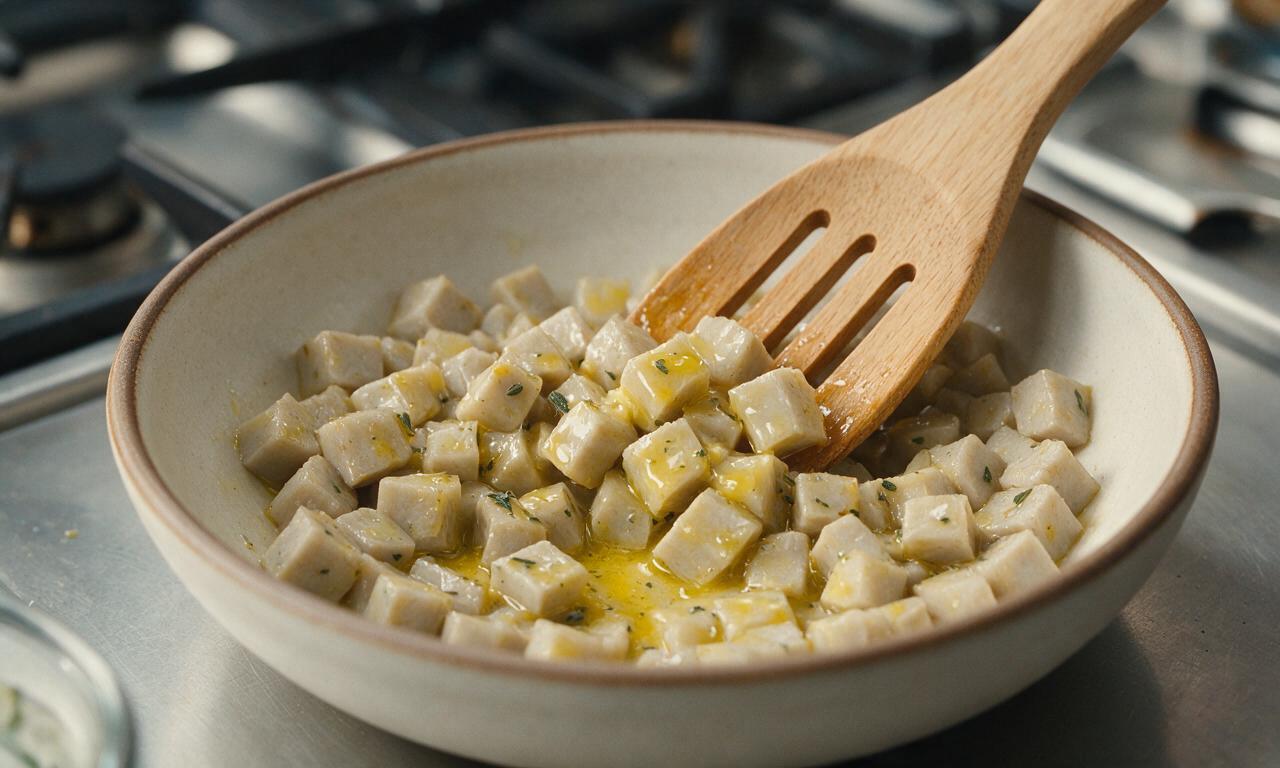
Add the fully dried wapato cubes to the bowl with the seasoned herb butter. Toss continuously with a large slotted spoon for 1 full minute, until every wapato cube is evenly coated in butter, with no dry, unseasoned patches remaining on the vegetable surfaces.
Step 3
step3:Toss Wapato in Sage Butter
4

Arrange Wapato on Baking Sheet

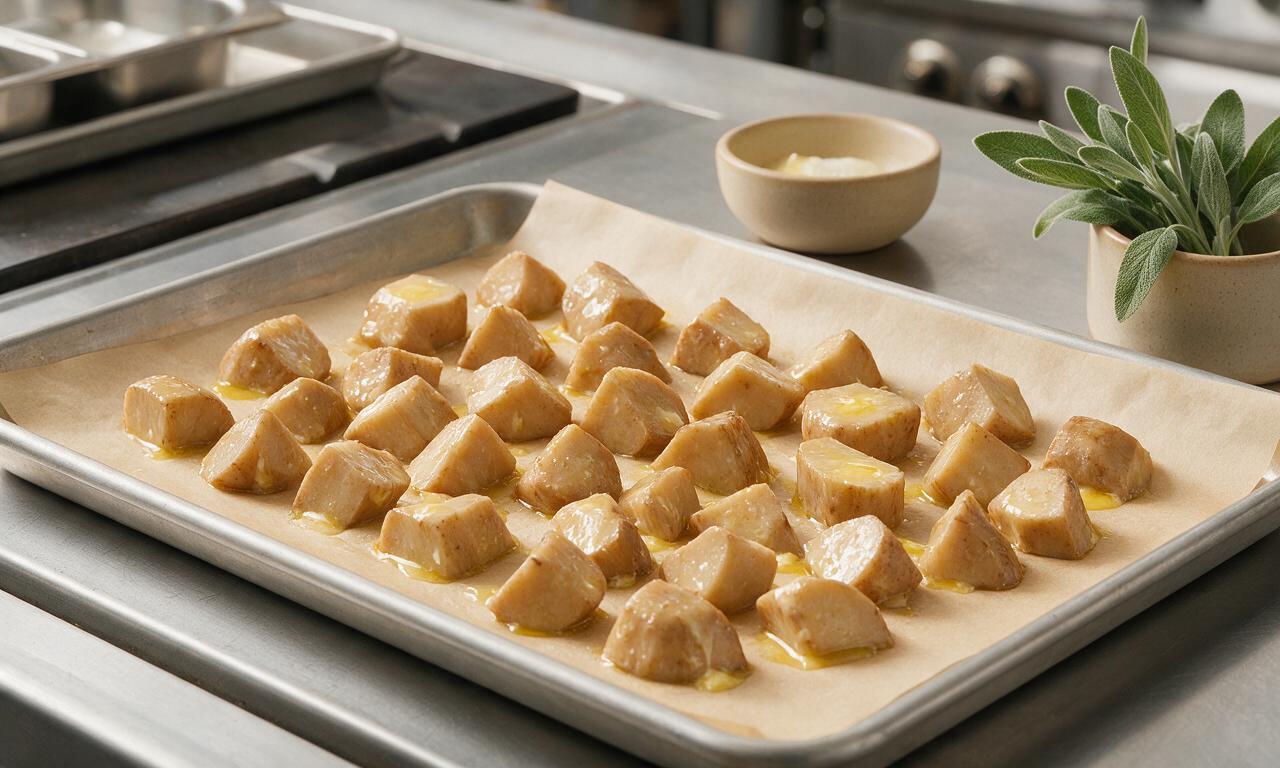
Arrange the butter-coated wapato cubes in a single, even layer across the prepared baking sheet, ensuring no pieces are touching or overlapping; use a second parchment-lined sheet if needed to avoid crowding, which causes steaming instead of crisping.
Step 4
step4:Arrange Wapato on Baking Sheet
5

Roast and Flip the Wapato

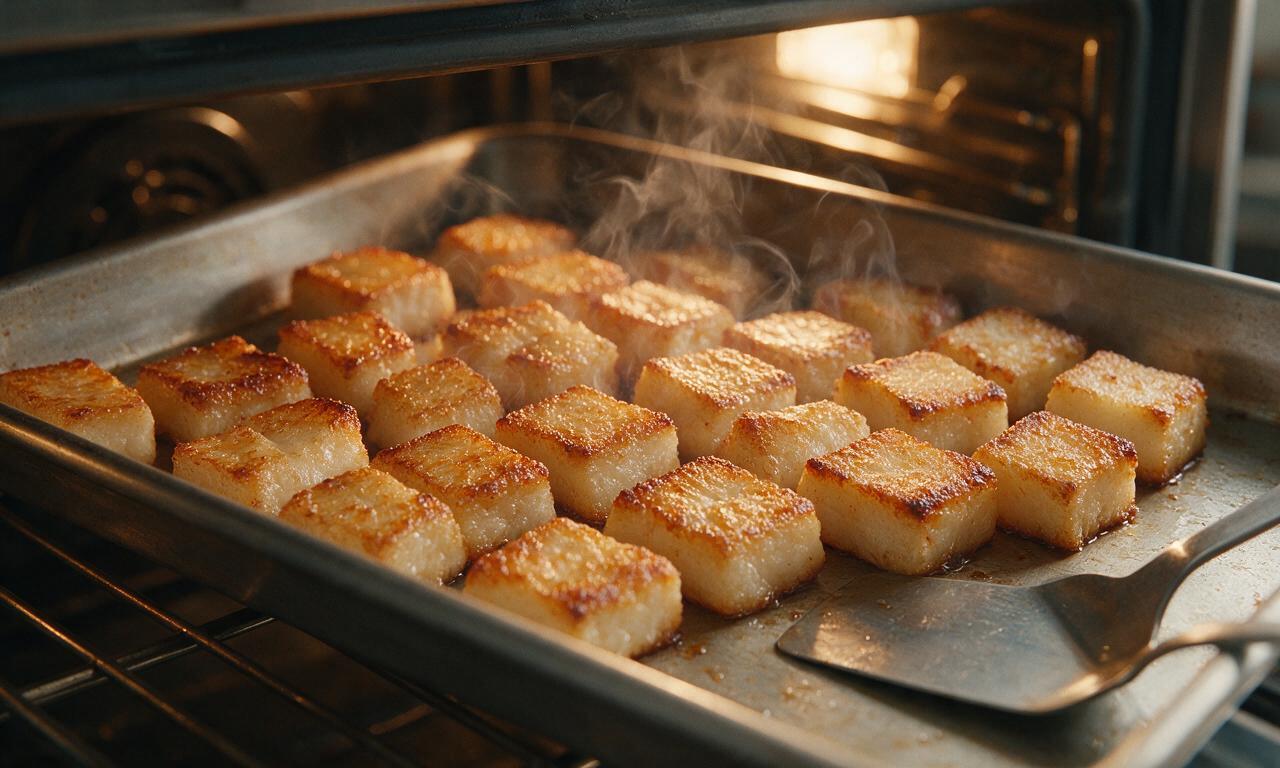
Place the baking sheet on the middle rack of the preheated 205°C (400°F) oven. Roast for 25 minutes, then use a thin metal spatula to carefully flip each wapato cube. Roast for an additional 10–12 minutes, until exteriors are deep golden and crispy, and interiors are fully tender with no resistance when pierced with a fork.
Step 5
step5:Roast and Flip the Wapato
6

Garnish and Serve the Wapato

Transfer the hot roasted wapato to a pre-warmed serving bowl, toss with the 2 tablespoons finely chopped fresh wild onion to garnish, taste and add a pinch more salt if needed, then serve immediately while the exteriors are still crisp.
Step 6
step6:Garnish and Serve the Wapato

Tips

1.If foraging wild wapato yourself, always harvest from clean, unpolluted wetland areas away from agricultural runoff or busy roadways, and confirm identification with an experienced local forager to avoid toxic lookalike wetland plants.
2.Patting wapato cubes completely dry before tossing in butter is non-negotiable for crispy roasted results; excess surface moisture will make the tubers steam rather than develop a crisp, caramelized crust in the oven.
3.Wapato has a delicate, nutty-sweet flavor similar to a cross between russet potato and water chestnut; avoid adding heavy, overpowering seasonings to let its unique native flavor take center stage.

✨ You May Also Like

Side Dishes
🍜 India

Velvety, aromatic all-purpose curry sauce perfect for tossing with roasted veggies, grilled protein, or rice for fast, cozy, flavorful meals.

⏱️ 25 minuteSide Dishes ★ 4.7
Side Dishes
🍜 Spain

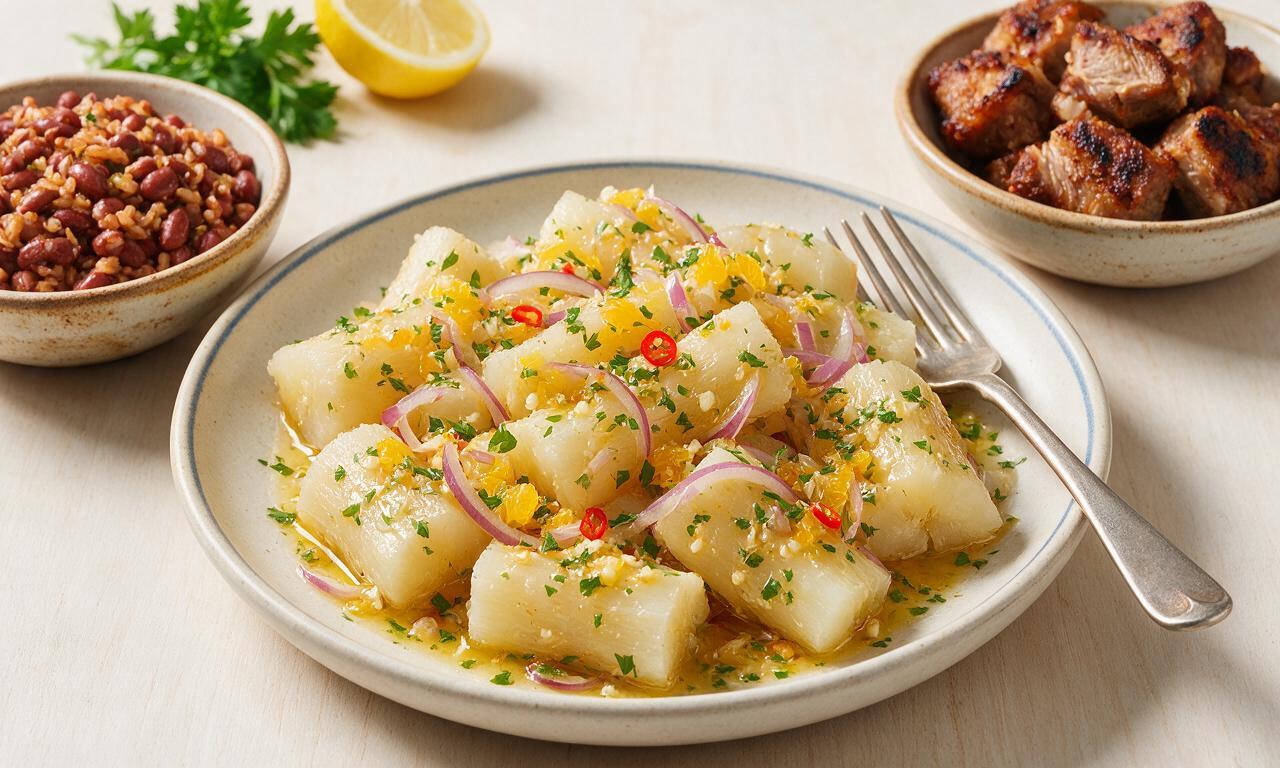
Tender, starchy boiled yuca tossed in bright, garlicky citrus mojo sauce—an iconic, zesty side that pairs beautifully with roasted pork, grilled meats, and rice and beans.

⏱️ 40 minuteSide Dishes ★ 4.8
Side Dishes
🍜 United States

Tender, paper-thin potato flatbread, a beloved Norwegian-American Minnesota Christmas staple, griddled until softly spotted and served warm with butter.

⏱️ 1 hour 30Side Dishes ★ 4.8
Side Dishes
🍜 United States

Rich, deeply savory cured salt pork, a long-lasting kitchen staple perfect for frying crispy as a side or adding umami to stews, beans, and chowders.

⏱️ 7 days (2Side Dishes ★ 4.9
Side Dishes
🍜 United States

Crispy, tangy classic Southern fried green tomatoes with a crunchy cornmeal crust, served hot for a nostalgic, comforting summery bite.

⏱️ 25 minuteSide Dishes ★ 4.9
Side Dishes
🍜 United States

Moist, golden-crusted savory muffins with sweet corn, zesty jalapeño, and melted cheddar, perfect for pairing with smoky summer grilled fare.

⏱️ 30 minuteSide Dishes ★ 4.8

Wapato (Native):Frequently Asked Questions

1.What is wapato, and is there a good substitute if I can’t forage or source fresh tubers?
Wapato, also called Indian potato, is a starchy, nutty aquatic tuber long a staple food for Pacific Northwest Indigenous communities. If you can’t source fresh, sustainably harvested wapato, firm waxy new potatoes or sunchokes make a close textural substitute, though you’ll miss that signature earthy, slightly sweet nutty edge unique to wild wapato.
2.How do I properly clean fresh wapato tubers before roasting?
Since wapato grows in wet, muddy marsh soil, start by scrubbing each tuber firmly under cool running water with a stiff vegetable brush to dislodge caked-on mud. You don’t need to peel them—their thin skin roasts up tender and crisp and holds lots of nutty flavor, just trim off any small blemishes or tough root ends with a paring knife.
3.Can I use regular garden sage instead of dried culinary wild white sage for the butter?
You can, but note that wild white sage has a softer, more piney, less sharply bitter profile than common garden sage. If substituting, use about 25% less dried garden sage to avoid overpowering wapato’s delicate nutty flavor, and never use sage from ceremonial smudge sticks, as those are often not food-grade.
4.What oven temperature and roast time works best for tender, not mushy, wapato?
Preheat your oven to 400°F (200°C) for ideal texture. Toss uniform 1-inch wapato chunks with a light coating of neutral oil first, roast on a rimmed baking sheet for 35 to 40 minutes, flipping once halfway through, until edges are golden crisp and centers pierce easily with a fork without turning mushy.
5.How do I know if I’m harvesting or buying sustainably sourced wapato?
Wapato grows in sensitive marsh ecosystems, so never harvest wild wapato without explicit permission from the Indigenous nation whose traditional lands you’re on, and never take more than 10% of a patch to support healthy regrowth. When buying, seek vendors affiliated with Pacific Northwest tribal food sovereignty projects to support Indigenous harvesters.
6.Should I boil wapato first before roasting to cut down on cook time?
You don’t need to parboil wapato, and doing so can leach out its delicate nutty flavor and leave you with mushy, waterlogged tubers once roasted. If you’re short on time, simply cut wapato into ½-inch chunks instead of 1-inch pieces to shave 10 to 12 minutes off total roast time without sacrificing that perfect crisp-tender texture.
7.Can I make this recipe vegan, and what butter substitute works best?
This recipe is super easy to make vegan while honoring its simple, foraged roots. Swap the unsalted dairy butter for a high-quality, plain unsalted plant-based butter with no added artificial flavors, and keep the same measurements of sage, salt, and pepper. Skip strongly flavored substitutes like coconut oil, which will clash with the earthy sage and nutty wapato.
8.How do I prevent the wild sage butter from burning and turning bitter?
Wait to toss hot roasted wapato with the sage butter until right after you pull the tray out of the oven, rather than cooking sage butter on high stovetop heat. Melt butter gently over low heat, stir in dried sage to let it bloom for 30 seconds, then take it off the heat before it can brown or develop sharp, bitter notes.
9.What dishes pair well with roasted wapato and wild sage butter?
This dish pairs beautifully with other traditional Pacific Northwest Indigenous foods, like smoked salmon, roasted venison, foraged spring greens with berry vinaigrette, or baked camas. For a more modern spread, it works just as well alongside roasted chicken, grilled mushrooms, or a bright green salad to cut through the rich butter.
10.How should I store leftover roasted wapato, and how long will it keep?
Let leftover roasted wapato cool completely to room temperature within two hours of cooking, then transfer it to an airtight container and store it in the refrigerator for up to 4 days. To reheat, spread pieces on a baking sheet and warm at 375°F for 8 to 10 minutes until crisp—skip the microwave, which turns tubers rubbery and mushy.
11.I’ve heard wapato can sometimes taste bitter—how do I avoid that?
Bitter flavor in wapato usually comes from harvesting tubers too early in the season before the first light frost, or leaving the thin, papery outer husk attached after cleaning. Stick to tubers harvested after the first fall frost, and rub off any flaking papery skin during scrubbing to mellow out any potential sharp, bitter notes.
12.Can I use fresh sage instead of dried for the wild sage butter?
You can absolutely use fresh wild white sage if you have access to food-grade, sustainably harvested leaves. Use three times the volume of dried sage called for (3 teaspoons fresh for every 1 teaspoon dried), chop it finely, and stir it into melted butter to release its aromatic oils without leaving tough, chewy leaf bits.
13.What toxic lookalikes should I watch out for if I’m foraging wild wapato myself?
Wapato has distinct arrowhead-shaped leaves that grow above marsh water, but its tubers can be confused with the extremely toxic roots of water hemlock, which thrives in the same wetland habitats. Always forage with an experienced local Indigenous guide or certified foraging expert, and never eat any wild tuber you cannot identify with 100% certainty.

Comments (16)

2 weeks ago

OMG I’ve been foraging wapato out near the Columbia River for years and never thought to roast it with wild sage butter! This was such a perfect nod to the traditional foods I grew up eating with my grandma. SO good, I brought it to our tribal community potluck last weekend and everyone asked for the recipe.

1 week ago

That makes our day so happy to hear! Honoring traditional preparation methods and community is exactly what this recipe is all about, so glad it was a hit at your potluck.

3 days ago

Game changer! I was nervous I wouldn’t find wapato at first but my local natural foods store had it in the root veggie section. Roasted up so easy, 45 minutes was exactly the right cook time, and the sage butter made the whole house smell amazing. My kids loved it, even my super picky 7 year old asked for seconds!

2 days ago

Wait did you find fresh or frozen wapato? My store only had frozen and I’m worried it’ll turn out mushy if I roast it!

yesterday

Great question! Frozen wapato works perfectly, just pat it really dry with paper towels before tossing with oil and it’ll get that same crispy roasted edge as fresh.

yesterday

Really tasty! I didn’t have wild sage so I used regular garden sage and it still came out great. Only reason I knocked a star is I had to roast mine an extra 10 minutes because the chunks were still a little firm at 45. Will definitely make again though, perfect for fall dinners!

5 days ago

I made this for my partner’s Indigenous food themed dinner party last night and people could not stop raving. It’s so simple but the flavors are so deep and earthy, it felt really special without being fussy at all. Total win for easy entertaining!

3 days ago

Love that menu idea! This pairs beautifully with salmon, roasted squash, or even wild rice—your dinner party is going to be a hit!

1 week ago

I’ve been trying to incorporate more Indigenous North American ingredients into my weekly cooking and this was the perfect entry point! Super easy, minimal ingredients, I even foraged my own wild sage from my yard (made sure it was the right kind first, don’t worry!).

5 days ago

Wait how did you ID the wild sage? I have some growing around my cabin but I’m scared to pick the wrong thing!

3 days ago

I used the iNaturalist app to confirm! Took a few close up photos of the leaves and stems and it matched perfectly, plus I double checked with a local foraging group on Facebook. Better safe than sorry!

2 days ago

Tasted really good but I had such a hard time tracking down wapato down here in South Florida! I ended up ordering it online and it was a little pricy, but the flavor was really nice, nutty almost like a potato but better. Might make again for a special occasion.

yesterday

We hear you! Wapato can be tricky to find in some regions—if you can’t source it locally, a lot of Indigenous food co-ops ship it frozen at a pretty reasonable price, worth checking out for next time!

30 minutes ago

Just pulled this out of the oven and OMG it smells incredible. I sprinkled a little flaky sea salt on top right after it came out and it’s *chef’s kiss*. Can’t wait to dig in with my family for Sunday dinner!

2 hours ago

Meal prep win! I made a big batch of this on Sunday to eat for lunches all week and it reheats so well in the air fryer, gets all crispy again. The wild sage butter is so flavorful I don’t even need to add extra seasoning when I reheat it.

30 minutes ago

Wait how do you store it? Fridge or freezer? I need easy lunch ideas for work!

5 minutes ago

It’ll keep great in an airtight container in the fridge for up to 5 days, or you can freeze it for up to 3 months! Reheating in the air fryer or oven works way better than the microwave to keep that crispy texture.

1 week ago

Made this after a backpacking trip last weekend where we found a bunch of wapato growing in a mountain pond. We cooked some over the campfire but wanted to try the proper roasted version with sage butter when we got home. It did not disappoint, tasted like the mountains in a dish!

5 days ago

That sounds like such a dream! I’m so jealous you got to harvest your own, I can never find it when I’m out hiking.

5 days ago

Really yummy! I swapped the regular butter for vegan wild sage butter (used my go-to plant based butter) and it turned out amazing. The wapato gets so creamy on the inside and crispy on the outside, way better than regular roasted potatoes if you ask me. Only thing is I wish there was a little more seasoning recommendation, I added a pinch of paprika too.

3 days ago

Oh the vegan swap is such a good call! I’m vegan too and was wondering if that would work, definitely gonna try that next week.

2 days ago

Love the vegan swap! We’ve tested it with plant-based butter too and it works just as well. Great call adding paprika, a little smoked paprika goes so nicely with the earthy sage and wapato, we’ll add that note to the recipe tips!

just now

First time cooking wapato, followed this recipe exactly, and it’s perfect. Used wild sage I harvested last fall on a hunting trip, so that made it extra special. Easy enough for a weeknight, fancy enough for when we have guests over. Will be a regular rotation for sure.

2 weeks ago

Served this at our ranch harvest party last weekend alongside grilled venison and cornbread, and it was the star of the spread! Everyone was asking what the root veggie was, none of our guests had tried wapato before, and they were all obsessed. So easy to make for a big crowd too.

1 week ago

That menu sounds absolutely perfect! Wapato pairs so well with game meats like venison, we’re so glad it was a hit with your first-time wapato tasters!

yesterday

Wait why have I been sleeping on wapato this whole time?? This is so much more flavorful than regular roasted potatoes, the nutty, earthy taste with the sage butter is insane. I made it for taco night last night? Wait weird combo I know but it worked so well with the spicy tacos.

2 hours ago

Wait that combo slaps? I would’ve never thought to pair this with tacos but now I need to try it, I love weirdly perfect food pairings.

30 minutes ago

Right?! I served it with chili last week and it was chef’s kiss, the earthy flavor cuts through spicy food so good.

1 week ago

I remember eating wapato when I was a kid growing up in Minnesota, I haven’t had it in probably 60 years! Found some at a local farmers market last week and decided to make this recipe, and it tasted exactly like I remembered. The wild sage butter just elevates it even more, what a lovely trip down memory lane.

3 days ago

I made this with my 4th grade class when we were learning about Native American traditional foods! It was so easy the kids could help toss the wapato in oil and brush the sage butter on, and almost all of them tried it and liked it! Such a fun, educational recipe.

2 days ago

This is our absolute favorite thing to hear! Teaching kids about traditional Indigenous foods is such a wonderful way to share culture, we’re so glad your class loved it!

5 minutes ago

Testing this out for our college football tailgate next weekend! It’s hearty, easy to make in big batches, and doesn’t get soggy when it sits out for a couple hours, which is perfect for tailgating. The sage butter gives it such a cozy fall flavor, everyone’s gonna lose their minds over this.