Water kefir (fermented)

title 1
Water kefir (fermented)
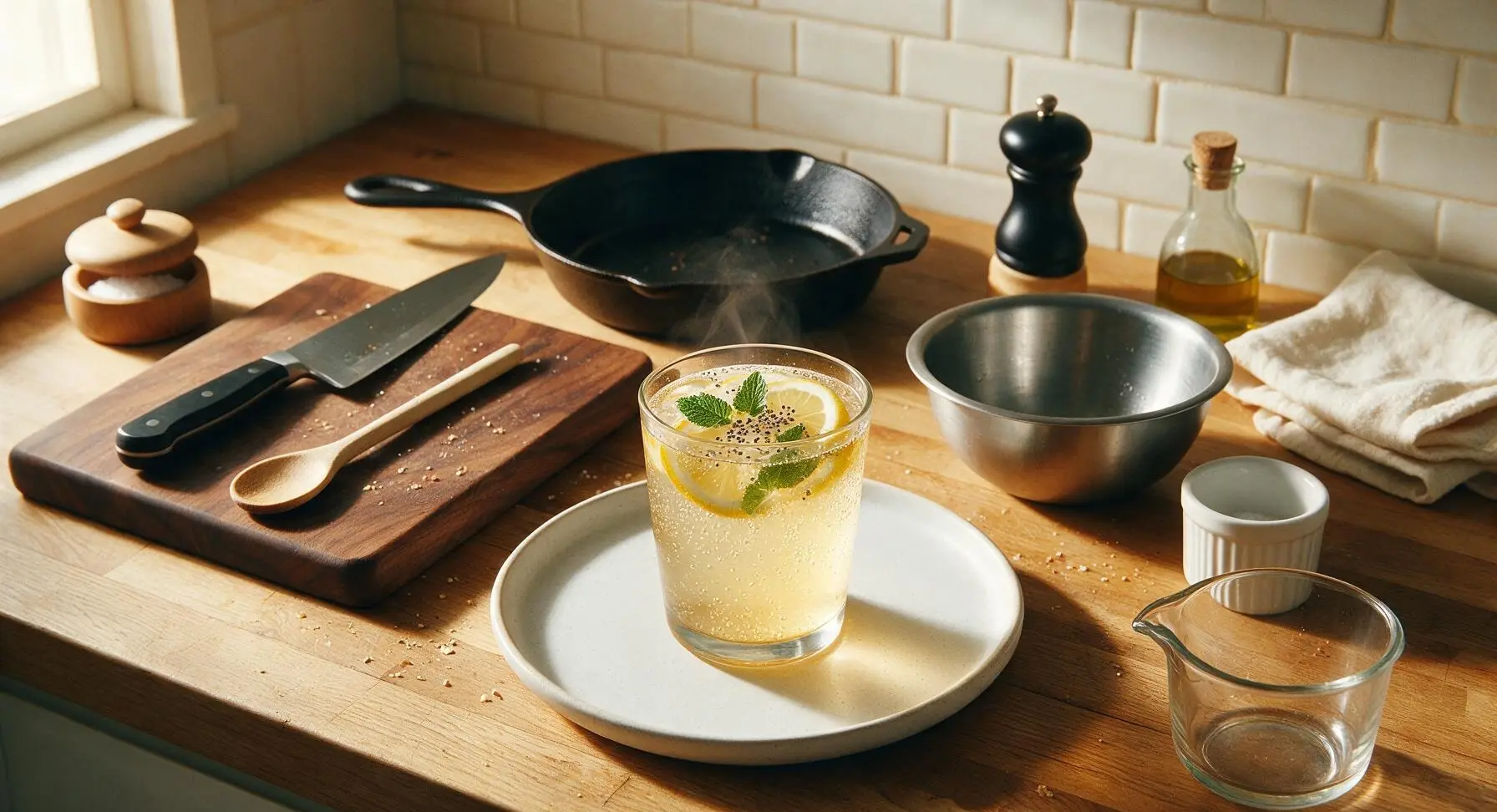
⏱️ cook time 3 days total (48hr first ferment + 24hr second ferment, inactive, no heat)
🍽️ servings 4
⚡ Difficulty easy

intro

Lightly bubbly, tart-sweet probiotic water kefir is a crisp, non-dairy fermented drink packed with gut-friendly bacteria, perfect for sipping ice-cold on hot summer days.

Ingredients
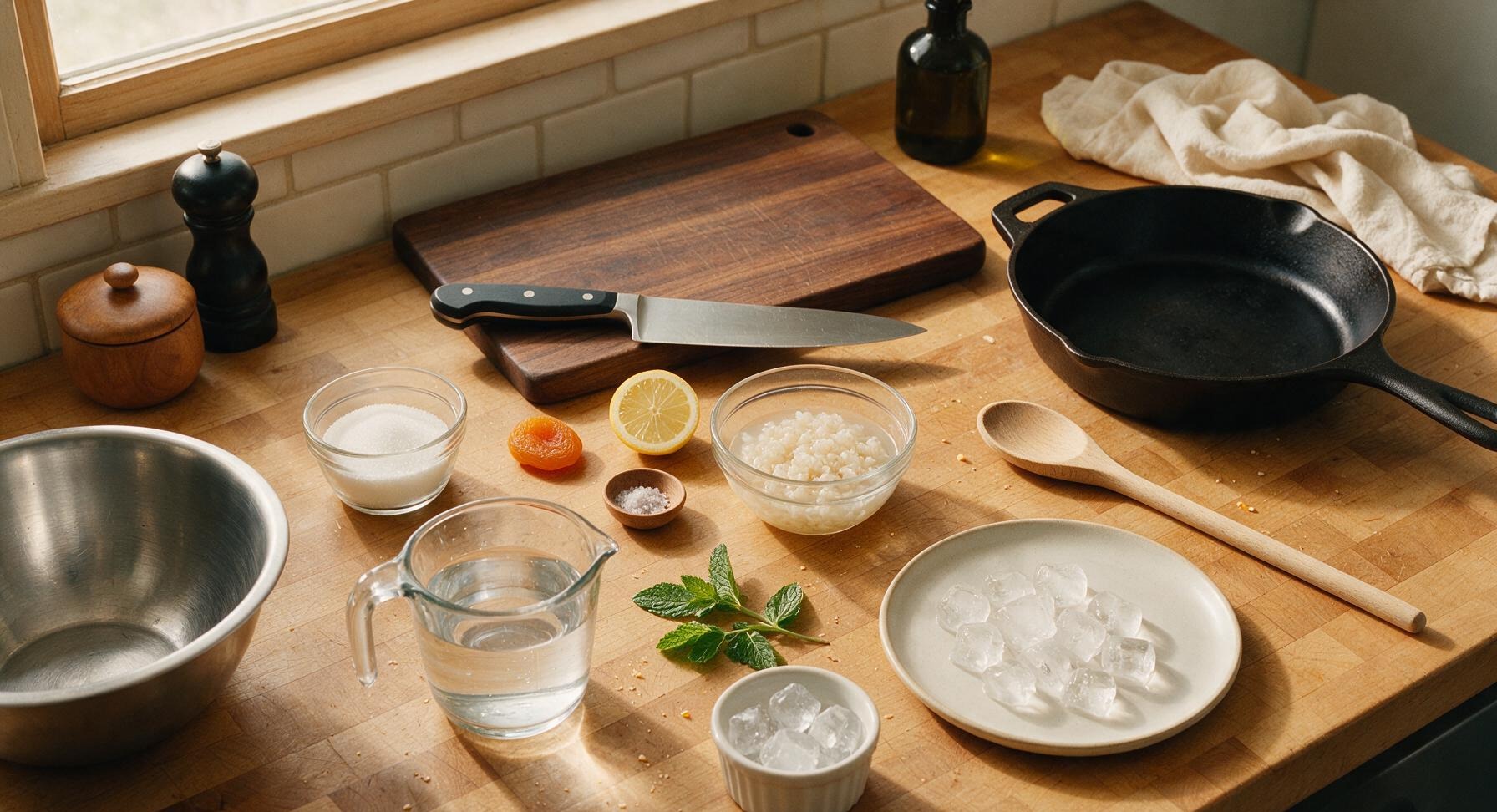
Active water kefir grains ¼ cup (50g)
Non-chlorinated filtered water 4 cups (960ml)
White granulated sugar ¼ cup (50g)
Unsulfured dried apricot 1 whole
Fresh lemon 1 thin slice (5g)
Unrefined mineral salt 1/8 teaspoon
Fresh mint sprigs 4 sprigs
Ice cubes 1 cup

Steps

1

Mix Sugar Solution

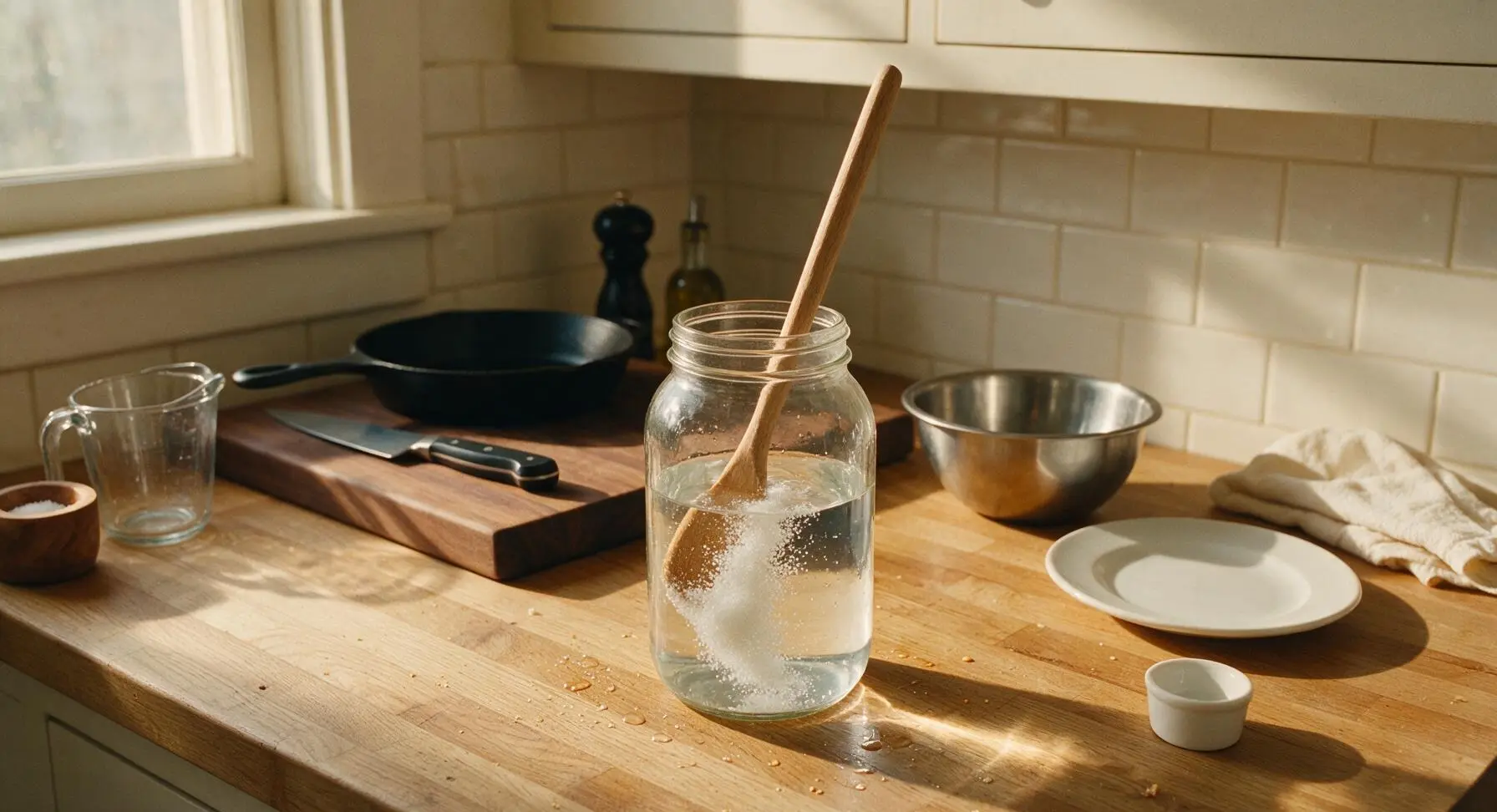
Pour 4 cups of room-temperature non-chlorinated filtered water into the 1-liter wide-mouth glass mason jar positioned at center counter. Add ¼ cup white granulated sugar and 1/8 teaspoon unrefined mineral salt. Stir slowly with the beech wood stirring spoon until all sugar and salt crystals are fully dissolved, with no grit remaining at the bottom of the jar. Never use honey, artificial sweeteners, or chlorinated tap water here, as these will damage or kill the kefir culture.
Step 1
step1:Mix Sugar Solution
2

Add Kefir Grains

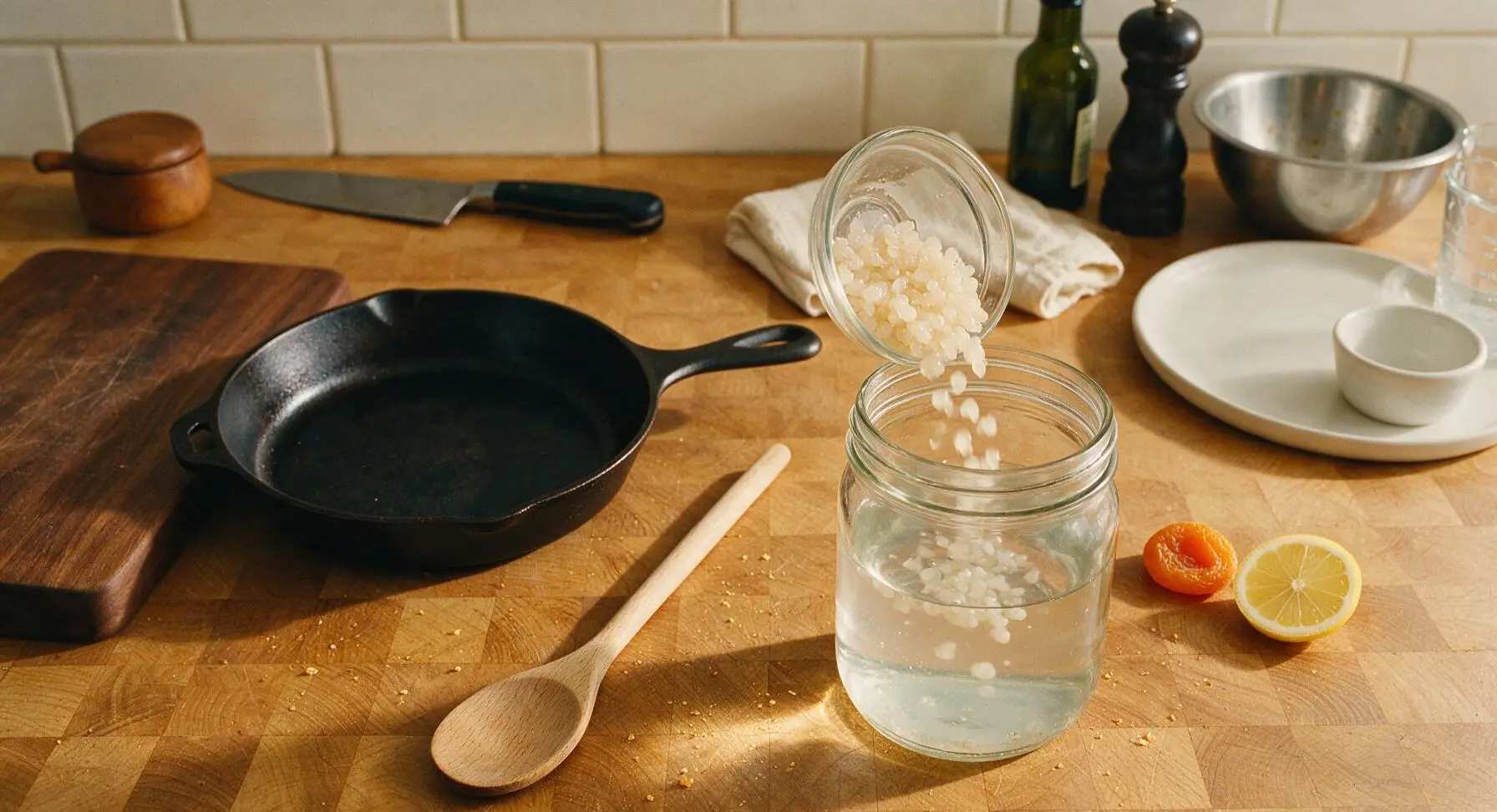
Gently pour the ¼ cup of active water kefir grains into the dissolved sugar water solution. Drop the whole unsulfured dried apricot and thin lemon slice into the jar; these act as a mineral source to feed the grains and add subtle base flavor. Avoid touching the grains with metal utensils, as reactive metal can weaken the probiotic culture over time.
Step 2
step2:Add Kefir Grains
3

Cover Jar Securely

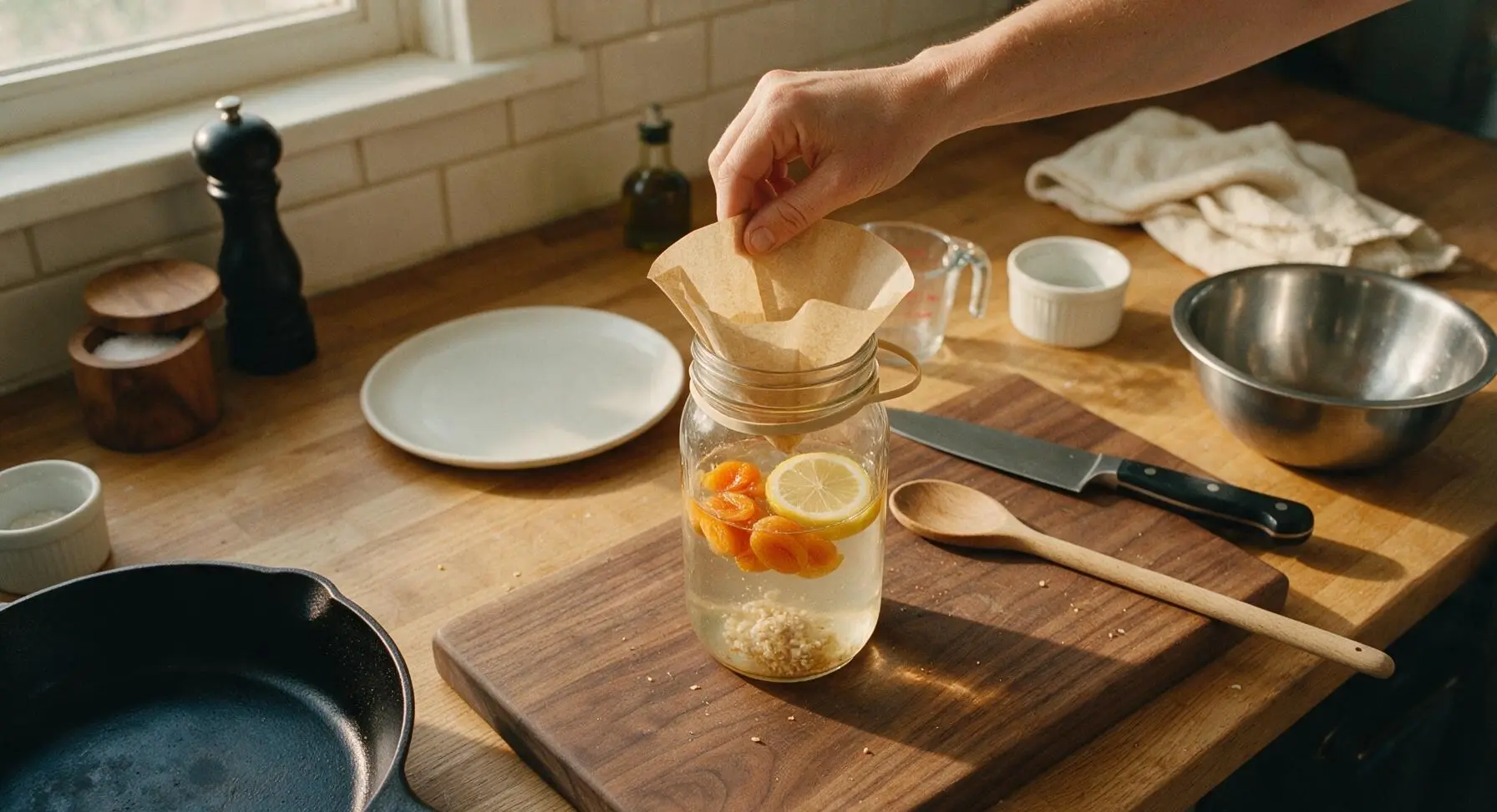
Place the unbleached paper coffee filter over the wide mouth of the mason jar, pulling it taut across the rim. Secure the filter tightly with the beige rubber band to hold it in place. The porous filter allows oxygen flow for healthy fermentation while blocking dust, fruit flies, and other contaminants. Never seal the jar with a tight lid at this stage, as trapped carbonation can cause dangerous pressure buildup.
Step 3
step3:Cover Jar Securely
4

Complete First Ferment

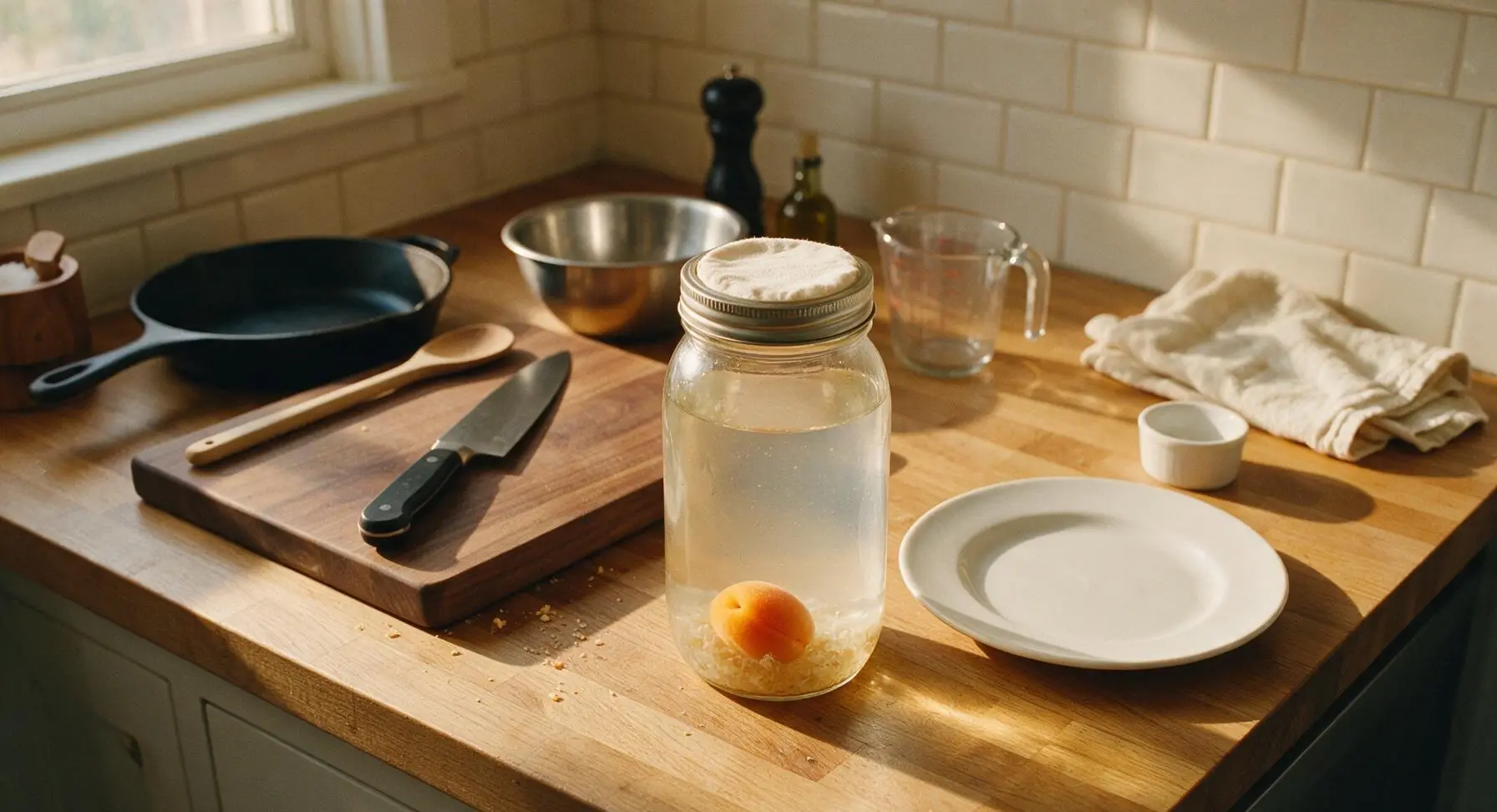
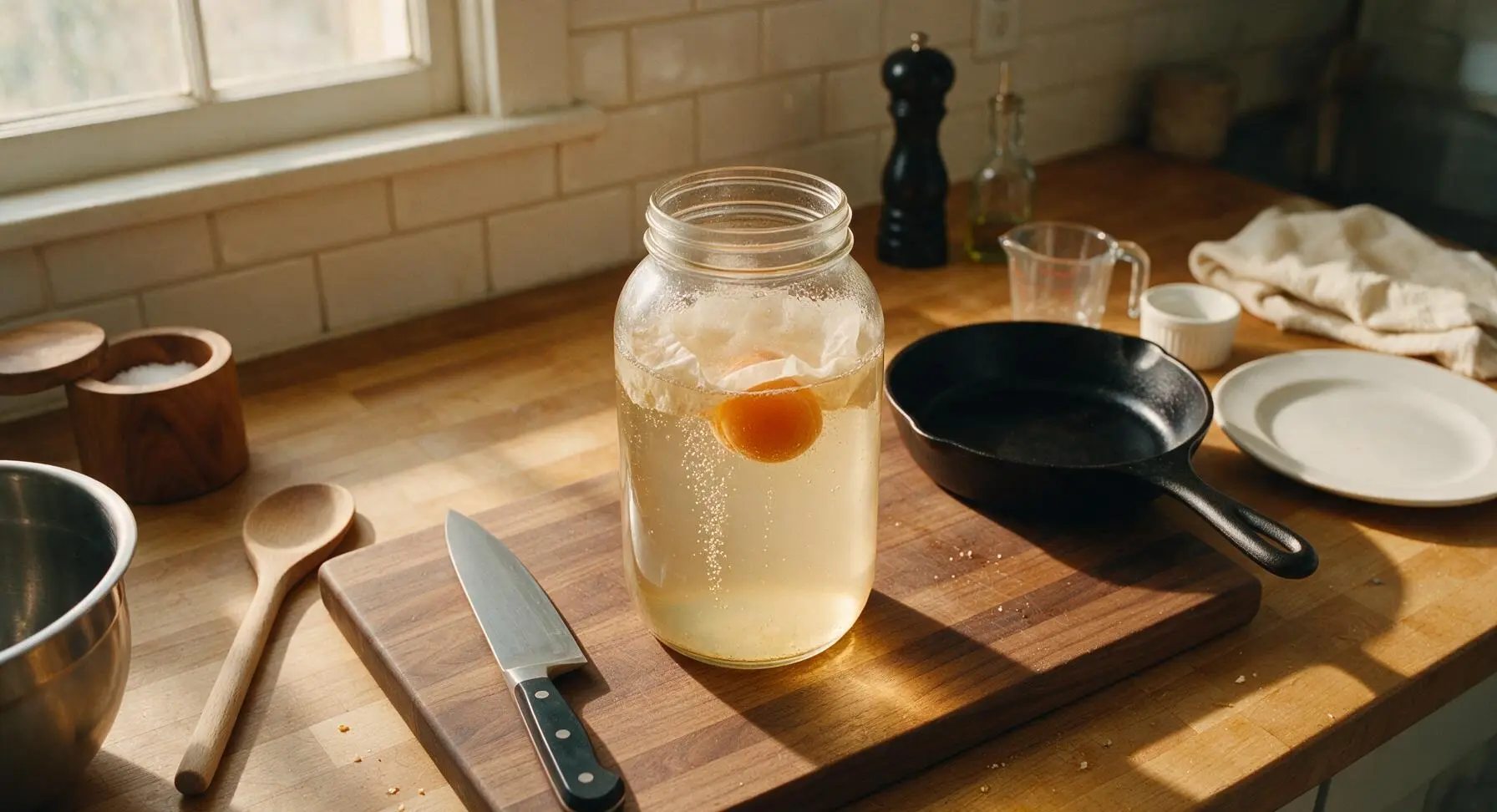
Leave the covered jar in a spot out of direct sunlight at a steady 65-75°F (18-24°C) for 48 hours. Check progress at 24 hours: active fermentation is confirmed when the apricot floats to the surface, and tiny bubbles rise along the jar sides when the jar is gently nudged. Do not stir or fully uncover the jar during this period to avoid contamination.
Step 4
step4:Complete First Ferment
Step 4
step4:Complete First Ferment
5

Strain Out Grains

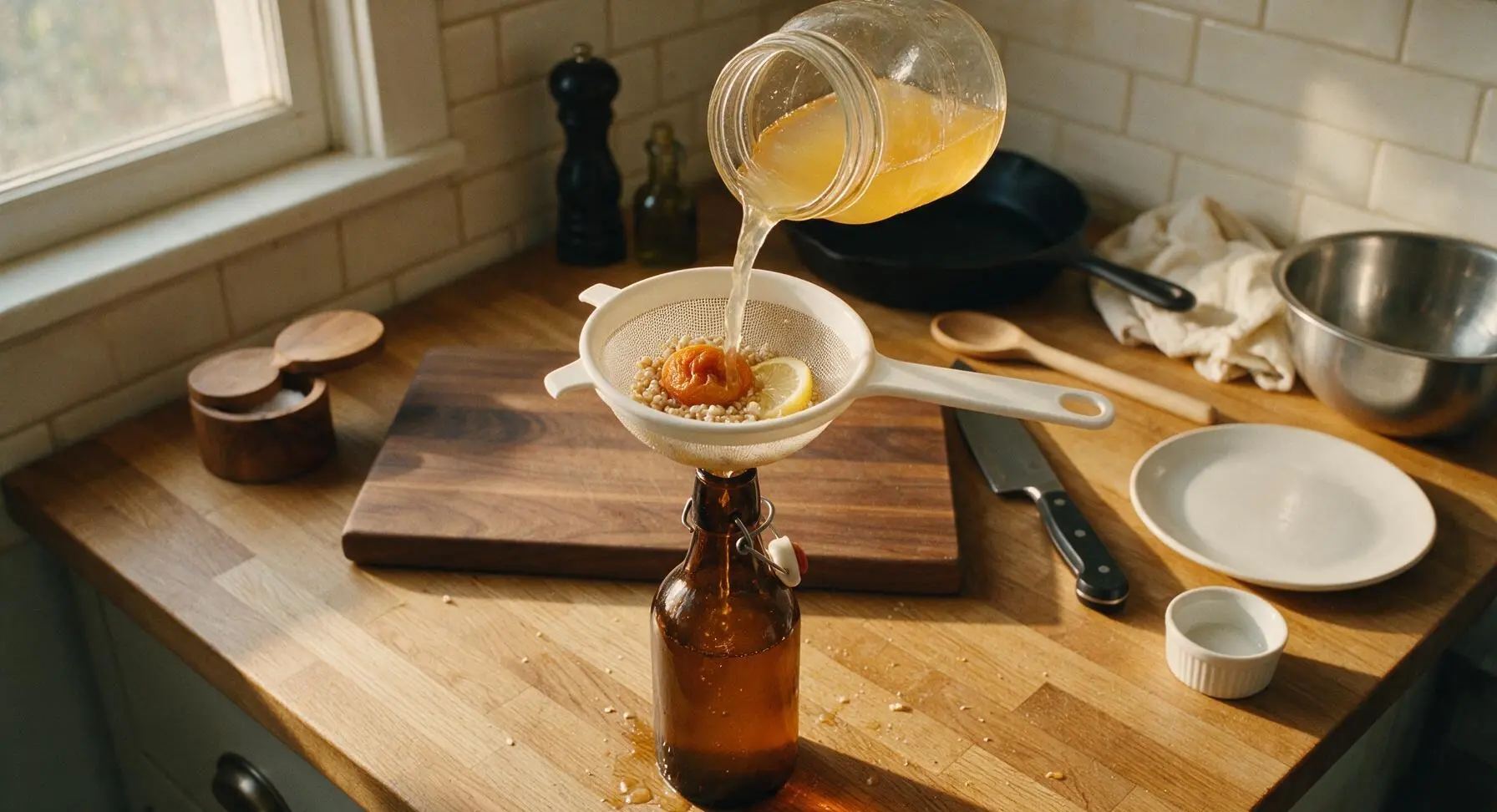
After 48 hours, remove the rubber band and coffee filter from the jar. Set the white plastic fine-mesh strainer over the mouth of the first swing-top bottle, and slowly pour the entire jar contents through the strainer. The kefir grains, spent wrinkled apricot, and lemon slice will be caught in the mesh, while the fermented kefir liquid drains into the bottle below. Set the strained grains aside to use for your next batch.
Step 5
step5:Strain Out Grains
6

Seal For Carbonation

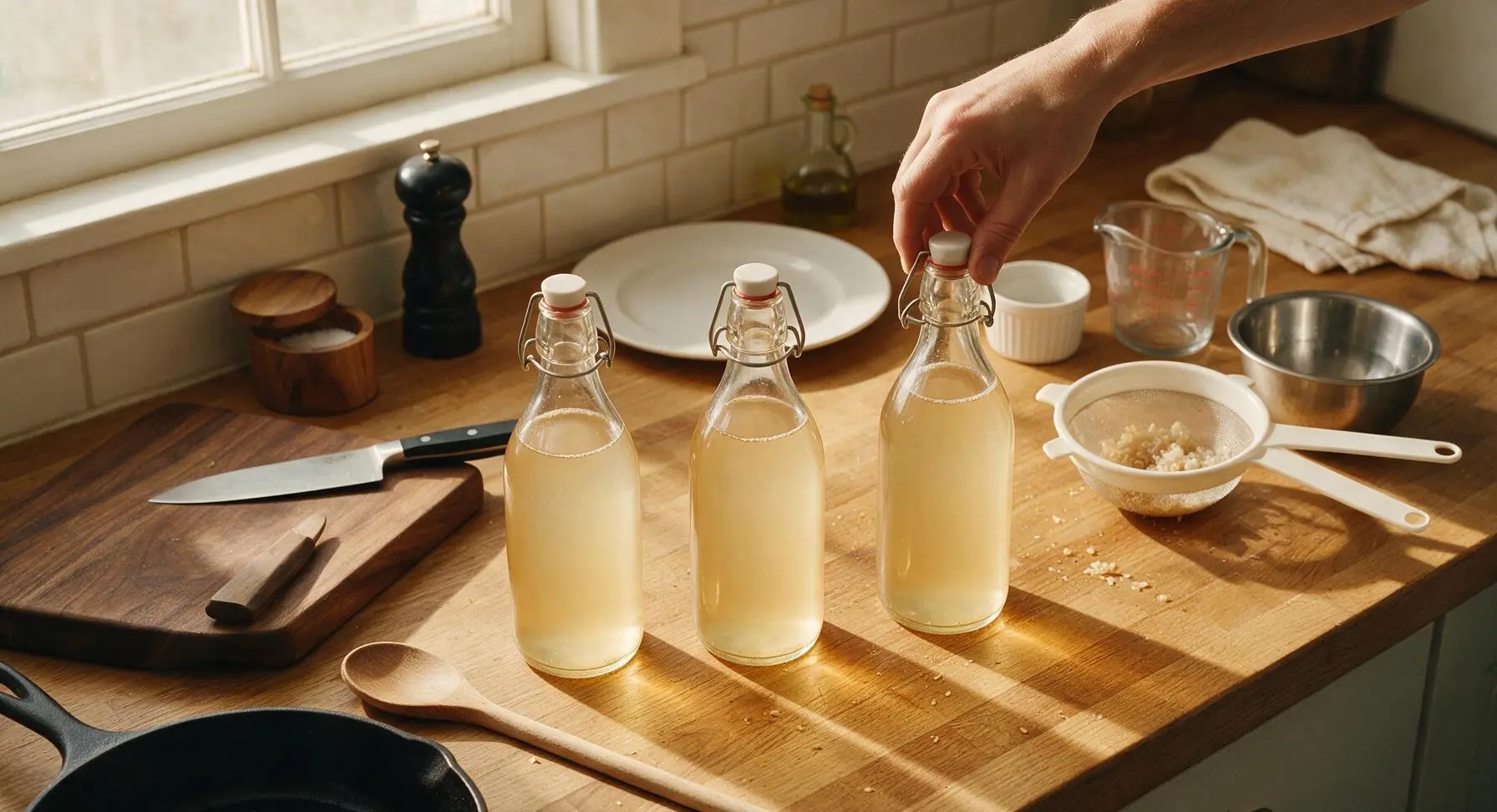
Divide the strained kefir evenly between the three 500ml swing-top bottles, leaving exactly 2.5cm (1 inch) of empty headspace at the top of each bottle to allow for carbonation buildup. Clasp the swing tops tightly to create an airtight seal. Let the sealed bottles sit at room temperature out of direct sunlight for 24 hours to build natural fizz. Burp each bottle once after 12 hours by quickly opening and re-clasping the seal to release excess pressure and prevent bursting.
Step 6
step6:Seal For Carbonation
7

Chill And Serve

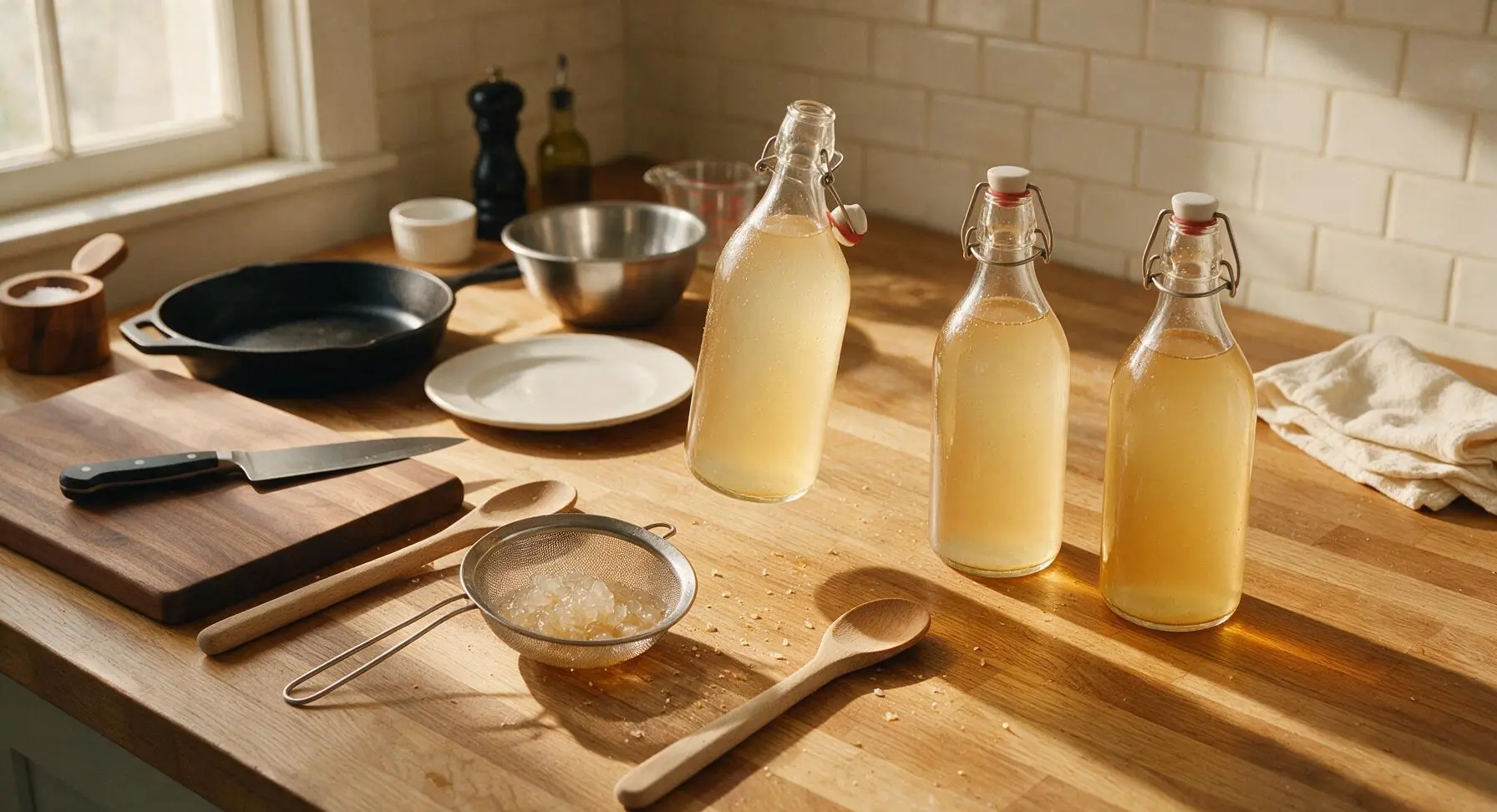
After 24 hours of second fermentation, transfer the sealed swing-top bottles to the refrigerator to chill for a minimum of 4 hours; cold temperatures halt active fermentation, resulting in a crisp, balanced drink. To serve, pour kefir over ice in the clear highball glass, and garnish with a fresh mint sprig and extra lemon slice if desired. Reserved kefir grains can be stored in fresh sugar water in the fridge for up to 3 days between batches.
Step 7
step7:Chill And Serve

Tips

1.Avoid extended contact between kefir grains and reactive metal (including stainless steel utensils): metal can damage the delicate probiotic culture, weakening grains over time and leading to flat, unfermented batches. Stick to plastic, wood, or glass tools when handling grains directly.
2.Always burp sealed second-ferment bottles after 12 hours: carbonation builds quickly in airtight containers, and un-burped bottles can build enough pressure to shatter or spray kefir when opened. A quick open-and-reseal releases just enough excess pressure to retain fizz without risk.
3.Adjust fermentation time to match your taste preference: if your kefir tastes too sweet after 48 hours, ferment for an extra 12-24 hours to let the grains consume more residual sugar, creating a tarter, more probiotic-dense drink. Taste daily after the 48-hour mark to avoid over-fermenting into a sharp, vinegary flavor.
✨ You May Also Like

Drinks & Beverages
🍜 Mexico

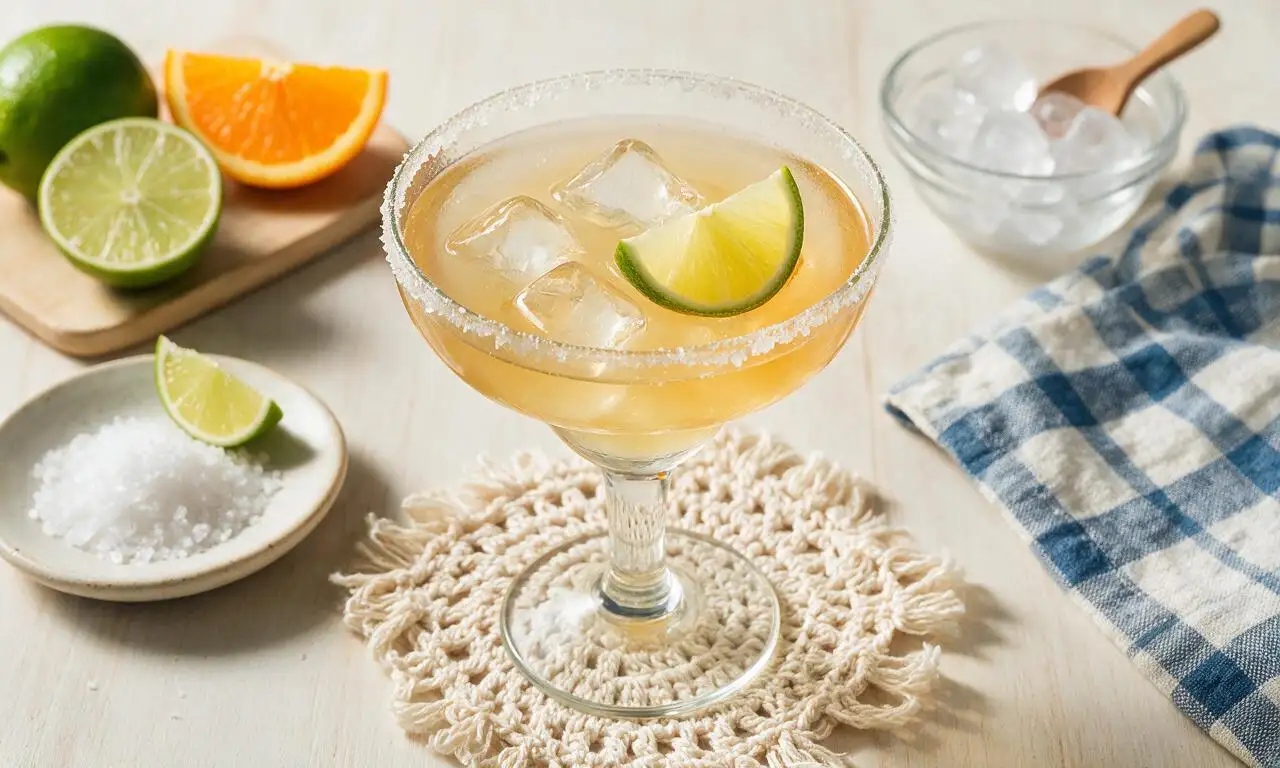
A bright, balanced tequila-based cocktail with zesty fresh lime, smooth orange liqueur, and a signature salt rim, perfect for warm summer sipping.

⏱️ 5 minutesDrinks & Beverages ★ 4.9
Drinks & Beverages
🍜 United States

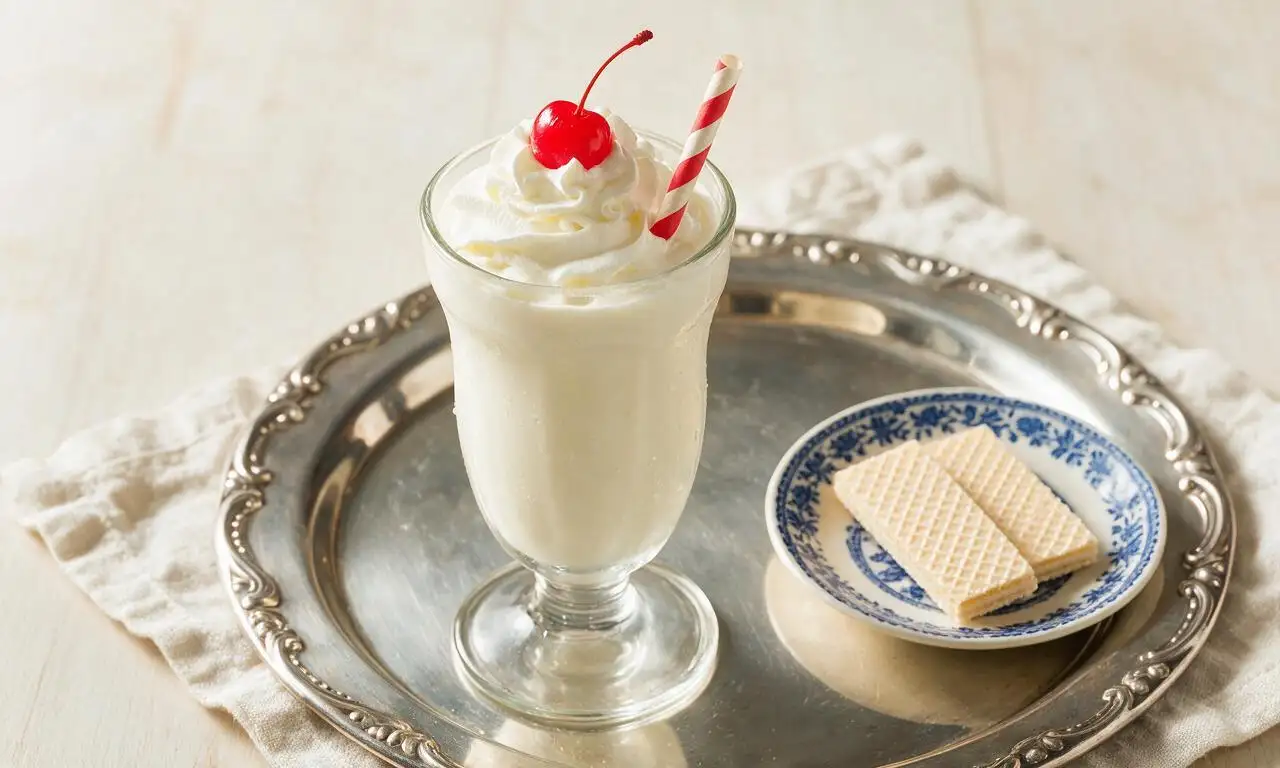
Thick, creamy, nostalgic classic vanilla milkshake with a rich, smooth texture, topped with whipped cream and a cherry for cool, sweet refreshment.

⏱️ 5 minutesDrinks & Beverages ★ 4.7
Drinks & Beverages
🍜 United States

A bright, golden strong ale with fruity banana-clove notes, subtle hop spice, and soft carbonation, brewed in classic Trappist Tripel tradition.

⏱️ 2 hours aDrinks & Beverages ★ 4.5
Drinks & Beverages
🍜 United States

A frothy, nostalgic American soda fountain treat pairing bubbly cold root beer with creamy vanilla ice cream, perfect for cooling down at warm weather gatherings.

⏱️ 20 minuteDrinks & Beverages ★ 4.8
Drinks & Beverages
🍜 United States

Tart, funky, effervescent American Wild Ale is a complex fruity craft beer brewed with wild yeast, delivering bright, zesty notes perfect for warm-weather sipping.

⏱️ 2 hours aDrinks & Beverages ★ 4.4
Drinks & Beverages
🍜 United States

Bright, bubbly copycat of the iconic American caramel cola, balanced with citrus and warm spice, perfect for sipping ice-cold on hot days.

⏱️ 15 minuteDrinks & Beverages ★ 4.8

Water kefir (fermented):Frequently Asked Questions

1.Why do I need to use non-chlorinated filtered water for water kefir? ▾
Chlorine and chloramine in regular tap water kill the delicate beneficial bacteria and yeast that make up active water kefir grains, which will stall fermentation completely and can permanently damage your grains. If tap water is your only option, leave it uncovered on the counter for 24 hours to let chlorine dissipate, or run it through a carbon filter first.
2.Can I use a different sweetener instead of white granulated sugar? ▾
White granulated sugar is the most reliable, gentle food source for water kefir grains, which feed on its simple sucrose to produce probiotics and that signature light fizz. Avoid honey, artificial sweeteners, or heavy unrefined sugars for the primary ferment, as these can harm grains—you can add small amounts of those for flavor during a second ferment, if you like.
3.Why does the recipe specify unsulfured dried apricot? ▾
Unsulfured dried apricot adds key trace minerals that feed water kefir grains, supporting consistent fermentation and better fizz. The sulfur dioxide preservative used in sulfured dried fruit kills probiotic cultures just like chlorine does, leading to weak ferments, off-flavors, and eventual damage to your kefir grains, so always skip sulfured options.
4.How do I tell when my first ferment is finished? ▾
Your first ferment is ready 24–48 hours after mixing, when held at a room temperature of 65–75°F. Look for these cues: the dried apricot floats to the top of the jar, tiny bubbles cling to the sides, and the liquid tastes lightly tart instead of cloyingly sweet. Don’t ferment longer than 72 hours on the first round, as this can starve your grains.
5.What do I do with the kefir grains after straining finished water kefir? ▾
Strained kefir grains can go straight into a fresh batch of sugar water with a new unsulfured apricot slice and fresh lemon wedge to start your next ferment right away. If you need a short break, store grains in fresh sugar water in the fridge for up to 3 weeks, replacing the sugar water every 2 weeks to keep them fed and healthy.
6.Why isn’t my water kefir getting bubbly? ▾
Weak fizz usually traces back to three easy-to-fix issues: first, double check you’re using active, healthy grains and non-chlorinated water. Second, make sure your ferment spot stays 65–75°F, as cold temperatures slow yeast activity. For extra fizz, do a 12–24 hour sealed second ferment after removing grains, with a splash of fruit juice if you’d like.
7.Can I eat the apricot and lemon used in the first ferment? ▾
You absolutely can! The fruit will be less sweet than unfermented dried apricot or fresh lemon, since the kefir grains consumed much of its sugar during fermentation, with a light tangy flavor and a dose of probiotics. Just don’t save used fruit to reuse in future batches, as it will be mushy and won’t support healthy fermentation.
8.How much alcohol is in homemade water kefir? ▾
Standard homemade water kefir fermented for 24–48 hours is very low in alcohol, usually measuring under 0.5% ABV—about the same trace amount found in ripe fruit or regular kombucha. Longer, sealed second ferments can bump that content slightly, so adjust ferment time if you are strictly avoiding all alcohol.
9.How long does finished water kefir stay fresh in the fridge? ▾
Strained, finished water kefir will stay fresh and probiotic-rich for up to 2 weeks when stored in a sealed, airtight glass bottle in the refrigerator. It will get slightly tarter and fizzier the longer it chills, so burp your bottles every 2–3 days to release excess pressure and prevent lids from popping or glass from cracking.

Comments (13)

2 days ago

OMG this is such a game changer! I’ve been dropping $6 a bottle on storebought probiotic drinks for months and this is SO much better. My kids beg for the berry second ferment version in their lunch boxes every day. Super easy even for someone who kills every houseplant I own lmao

1 week ago

Made this for a neighborhood potluck last weekend and people were hounding me for the recipe all night. Did the second ferment with fresh ginger and a splash of pineapple juice, perfect amount of fizz. Will absolutely be making this on repeat for meal prep

just now

Wait why did I wait so long to try water kefir? This was so low effort! I kept thinking ferments were super high maintenance but the inactive time means I just set it and forget it. The plain first ferment is mild enough to mix into smoothies too

5 days ago

Took a couple batches to get the fizz level right for my family, but once I got the hang of sealing the second ferment jars tight? Chef’s kiss. Way less sugar than soda, my husband hasn’t grabbed a root beer from the garage fridge in two weeks!

30 minutes ago

Quick question! Can I use raw honey instead of the white sugar for the first ferment? I try to avoid refined sugars when I can, just want to make sure it won’t hurt the kefir grains

5 minutes ago

Great question! We don’t recommend raw honey for the first ferment, as it has natural antimicrobial properties that can damage your water kefir grains over time. Plain white table sugar works best because it’s the easiest for the grains to consume during fermentation — very little residual sugar is left by the end of the ferment!

2 weeks ago

Bro this fizz is INSANE. I did the second ferment with a couple slices of jalapeño and a squeeze of lime and it tastes like a healthy spicy soda. Way better than the sugary seltzers I used to chug after work

1 week ago

Wait the jalapeño lime combo sounds elite, I’m trying that on my next batch! Did you leave the seeds in for extra heat or take em out?

2 hours ago

Super easy recipe, but my first batch came out way less fizzy than I expected. Did I do something wrong? I followed the timings exactly for both ferments

30 minutes ago

Sorry to hear your first batch was low on fizz! The most common culprit is not sealing your second ferment jars tightly enough — you need an airtight seal to trap the carbonation. Also, try adding a tiny bit of extra fruit (a few raisins work great!) to the second ferment to give the cultures a little extra food to produce more fizz. You’ve got this on the next batch!

yesterday

I’ve been adding a half cup of finished water kefir to my morning smoothie bowls instead of kefir made from dairy and it’s *chef’s kiss*. No weird tangy aftertaste, just light and refreshing. Perfect for my lactose intolerant bestie who comes over for brunch every Sunday

2 hours ago

Oh that’s such a good hack! I’m dairy free too and have been missing that probiotic kick in my smoothies, can’t wait to try this

5 days ago

As a college student on a super tight budget, this is a game changer. One set of kefir grains lasts forever right? I calculated it’s like 10 cents a serving compared to $5 probiotic shots at the campus market. Insane savings

3 days ago

So glad this works for your budget! Your water kefir grains will last indefinitely as long as you care for them properly, straining them out after each first ferment and giving them a quick rinse with cool (not hot!) water before starting a new batch. That’s infinite probiotics for pennies a serving!

1 week ago

Wait hold on, I did a second ferment with fresh mango and a pinch of chamoy and it tastes like a healthy mangonada? I’m obsessed. I was worried ferments would be too vinegary for me but this is perfectly sweet and tart with tons of fizz

5 days ago

MANGONADA KEFIR??? Why didn’t I think of that? I have a bottle of chamoy in my pantry right now, starting a batch tonight

3 days ago

That flavor combo sounds absolutely incredible — we love seeing all the creative second ferment twists people come up with! Just a quick note: if you’re using fresh fruit, make sure to strain it out after the 24 hour second ferment if you plan to store it for more than a day or two to avoid over-fizzing!

2 days ago

First time doing any kind of ferment ever, super nervous! Where do you guys recommend getting good quality water kefir grains? I don’t want to buy dead ones off a random site and waste my time

yesterday

I got mine from a local fermenting group on Facebook for free! Lots of people have extra grains they give away once their colonies grow, it’s the best deal

2 hours ago

Great question! Reputable online fermenting supply shops are a great bet if you don’t have a local group, and you can also often find viable grains at local natural food stores. Just make sure they’re stored in sugar water when you get them, not dried out, for the best results!

2 weeks ago

My 7 year old is obsessed! She picked out fresh strawberries for our second ferment and helped me stir the first ferment sugar water, she’s so proud of “her soda”. We’ve already made three batches this month. Way better than fighting her to take a probiotic gummy every morning

1 week ago

Ugh that’s so cute! My boys refuse anything that says “probiotic” on it but if we call it homemade soda they’ll chug it. Gotta let them pick the fruit next time to get them involved

5 days ago

Seriously! If you frame it as a science experiment where they get to make their own soda, they don’t even realize it’s good for them. My daughter brought tiny sample cups to her class for show and tell last week and all the kids loved it

30 minutes ago

Quick question before I make this: does water kefir have any alcohol in it? I’m fully sober and want to make sure this fits with my lifestyle before I dive in

5 minutes ago

From what I understand, if you follow the ferment times exactly it’s less than 0.5% ABV, which is the same as most kombucha, basically trace amounts that won’t have any effect. Longer ferments can bump it up a little though!

just now

Great question! When made as directed with the timings listed (48 hour first ferment, 24 hour second ferment), water kefir contains less than 0.5% ABV, which is classified as non-alcoholic by FDA standards (the same trace amount you’ll find in many fruit juices or kombucha). If you’d like to keep levels as low as possible, avoid extending the second ferment longer than 24 hours at room temperature!