Watermelon Rind Pickles

title 1
Watermelon Rind Pickles
⏱️ cook time 10 minutes
🍽️ servings 8
⚡ Difficulty easy

intro

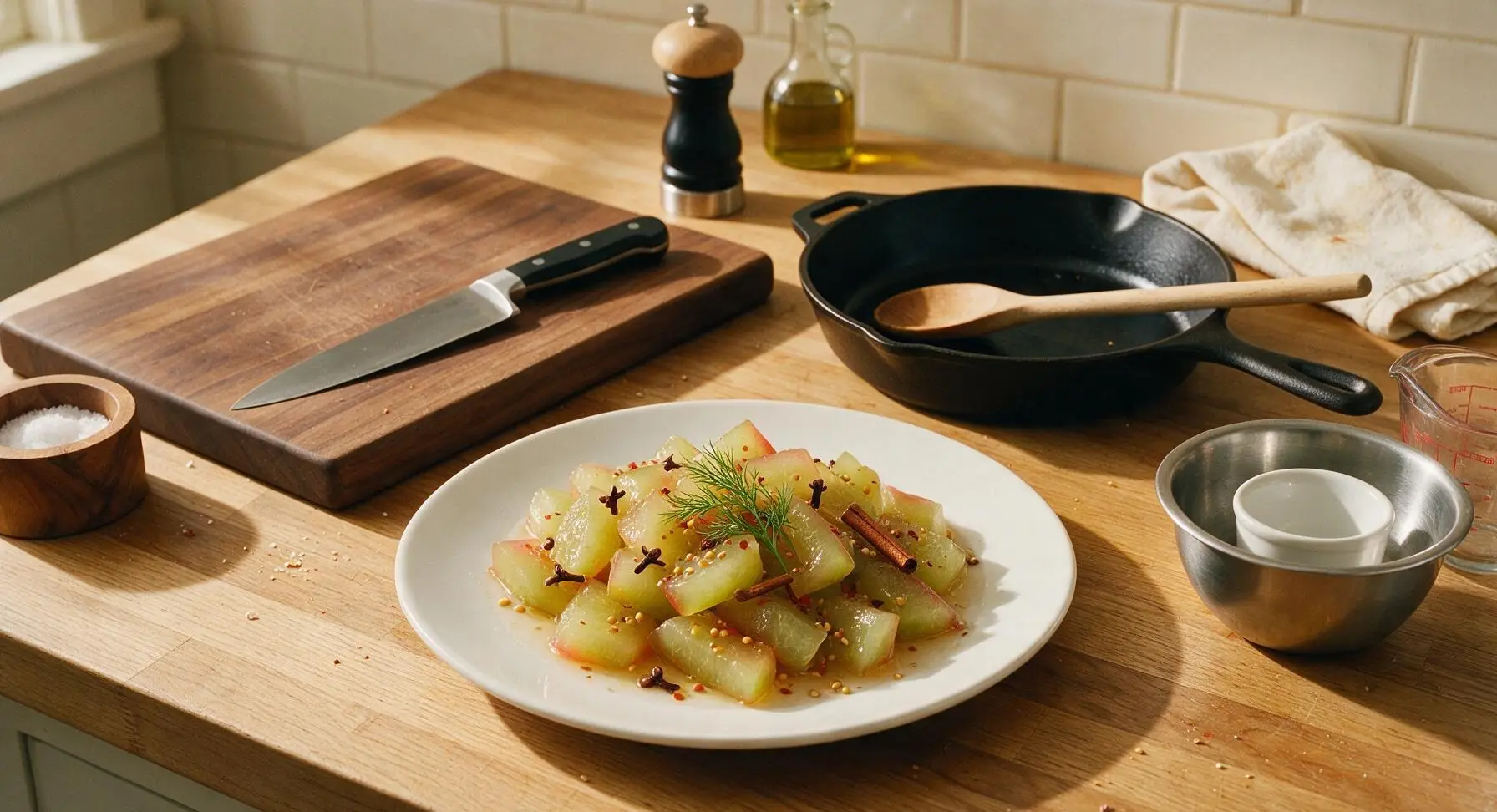
Crisp, sweet-tangy spiced pickles made from often-discarded watermelon rind, a classic zero-waste Southern summer side perfect for cutting through rich BBQ fare.

Ingredients
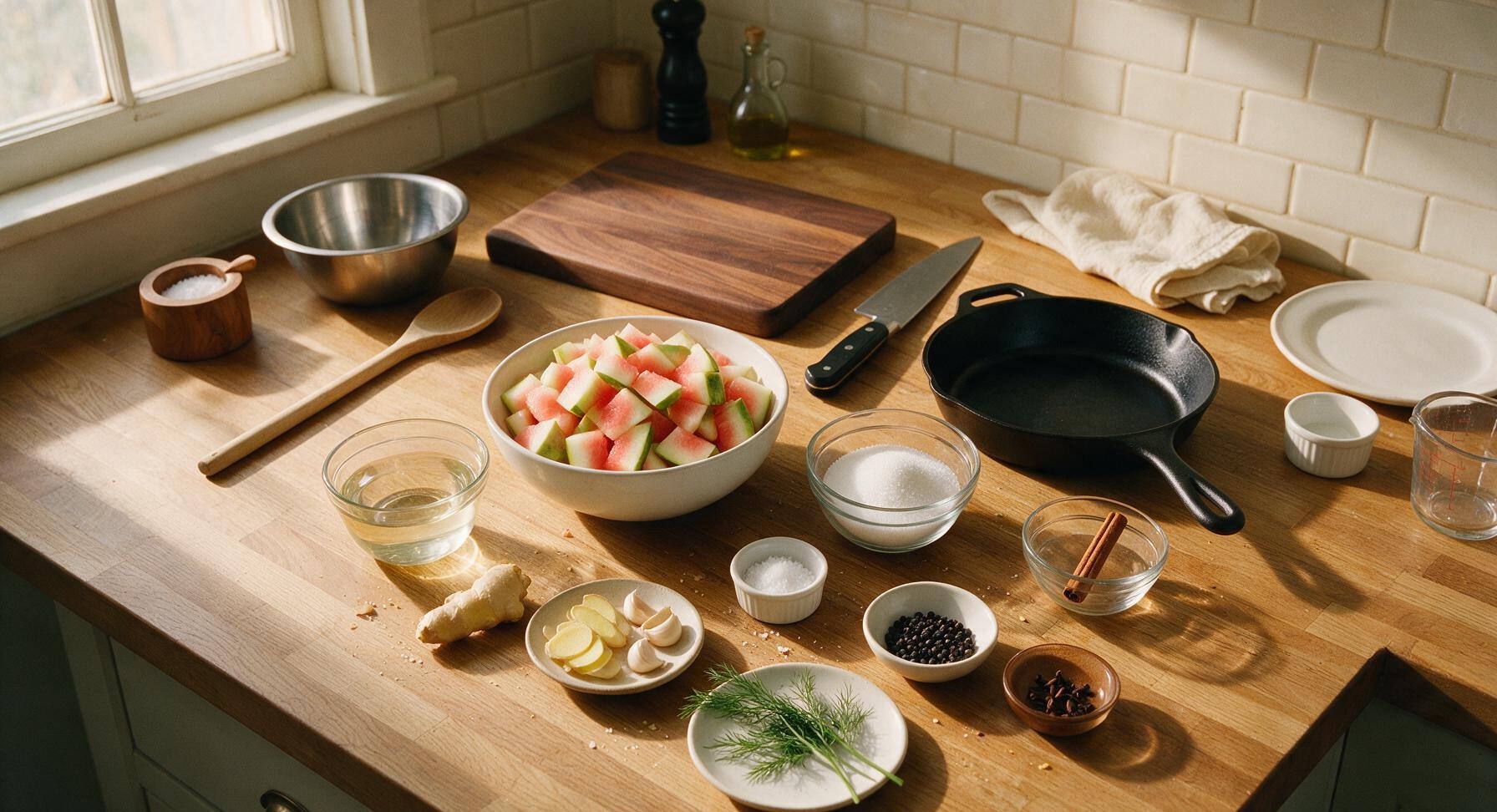
Watermelon rind (with 1/4 inch pink flesh attached, outer green skin removed) 4 cups (600g)
White distilled vinegar 2 cups (480ml)
Granulated sugar 1 cup (200g)
Kosher salt 2 tablespoons, divided
Fresh ginger 5cm piece, peeled and thinly sliced
Garlic cloves 4, lightly crushed
Whole black peppercorns 1 tablespoon
Whole cloves 6
Cinnamon stick 1 (7cm)
Fresh dill sprigs 4

Steps

1

Prep Watermelon Rind

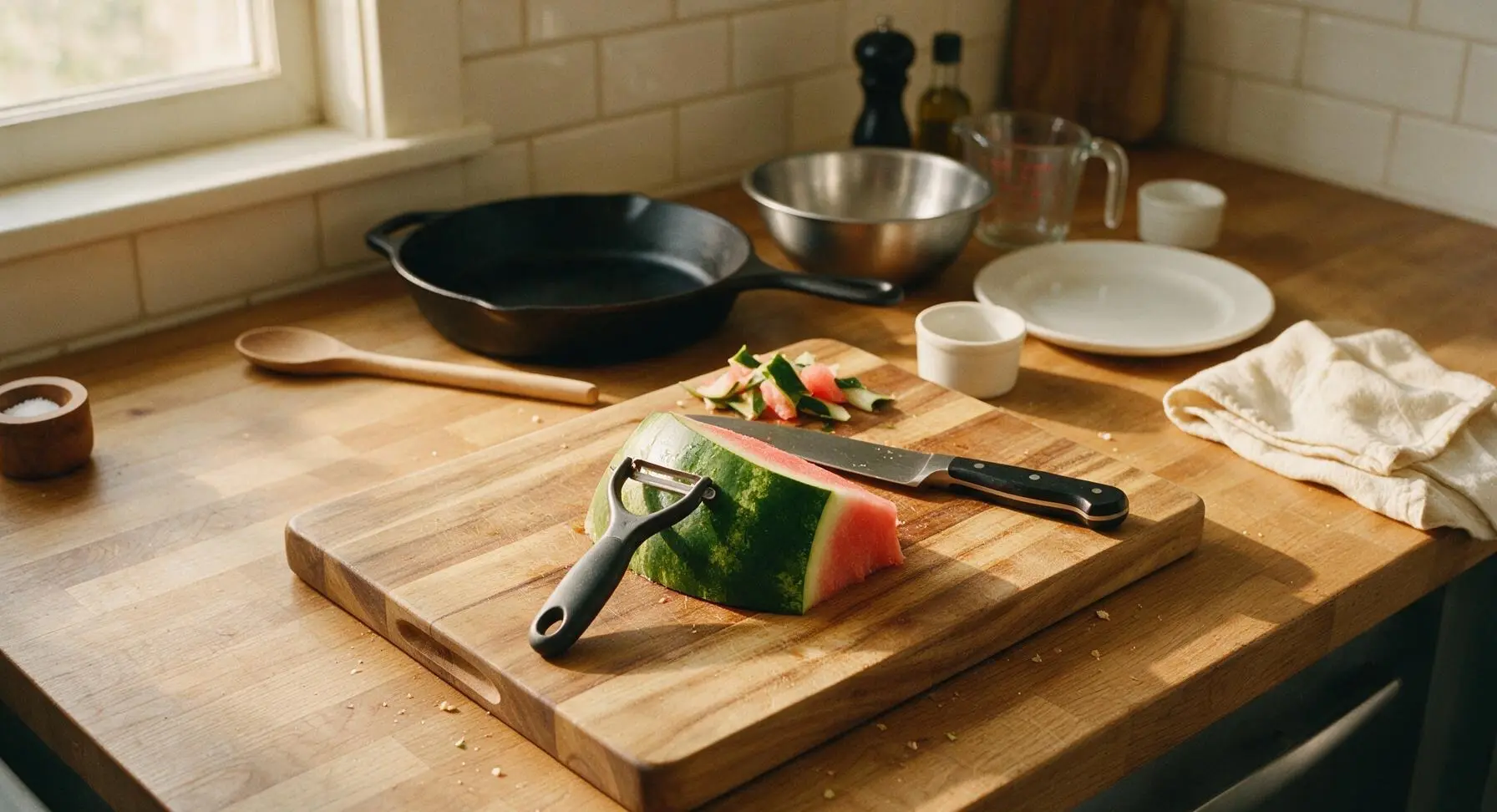
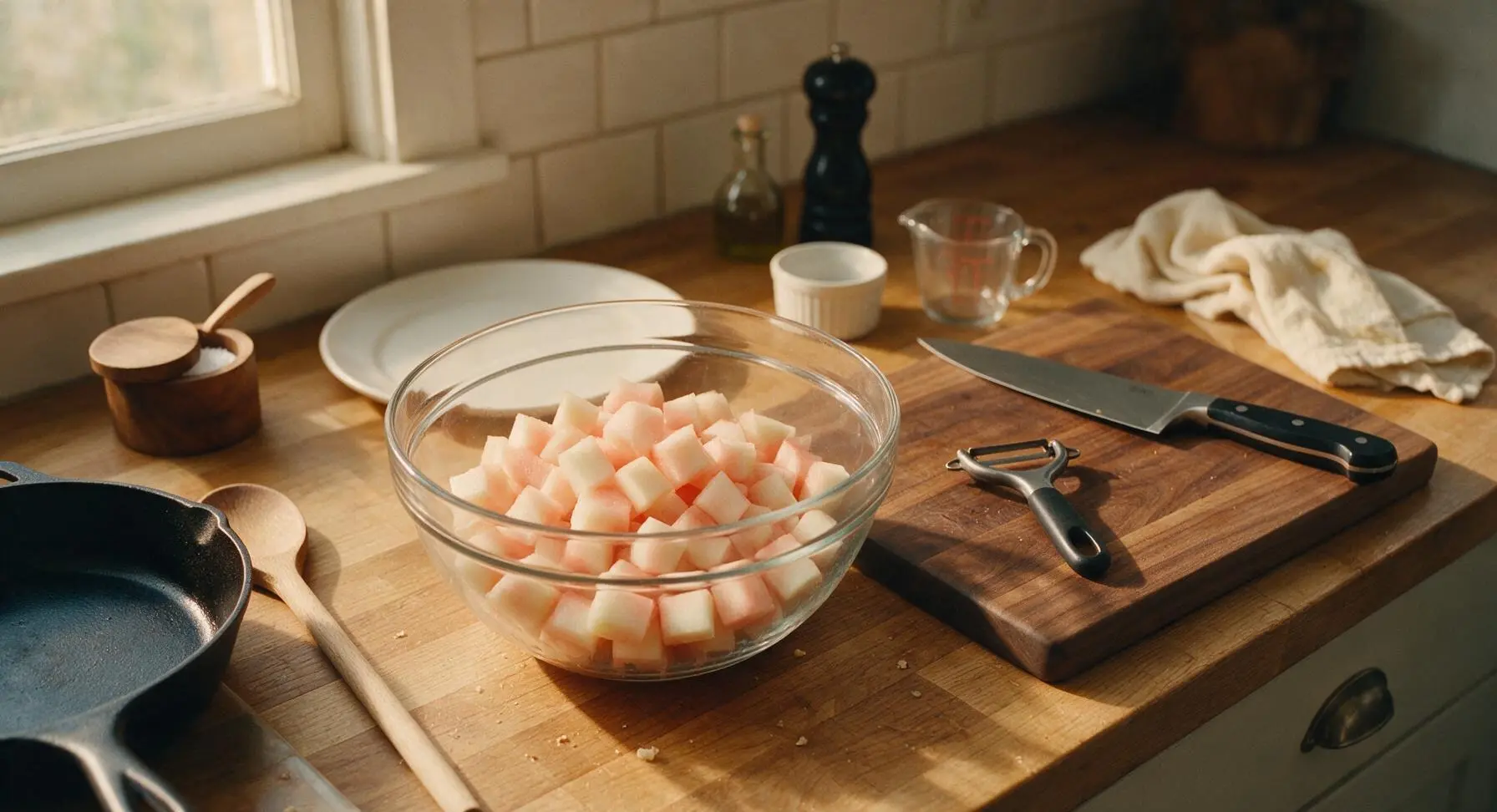
Lay a quartered section of fresh watermelon on the acacia wood cutting board. Use the 8-inch chef knife to trim away all but 1/4 inch of the bright pink edible flesh (reserve flesh for snacking). Use the Y-shaped vegetable peeler to strip away the thick, tough dark green outer skin from the rind, leaving only the crisp pale white rind with its thin attached layer of pink flesh. Cut the peeled rind into uniform 1-inch cubes, for a total of 4 cups prepared rind.
Step 1
step1:Prep Watermelon Rind
Step 1
step1:Prep Watermelon Rind
2

Salt Rind for Brining

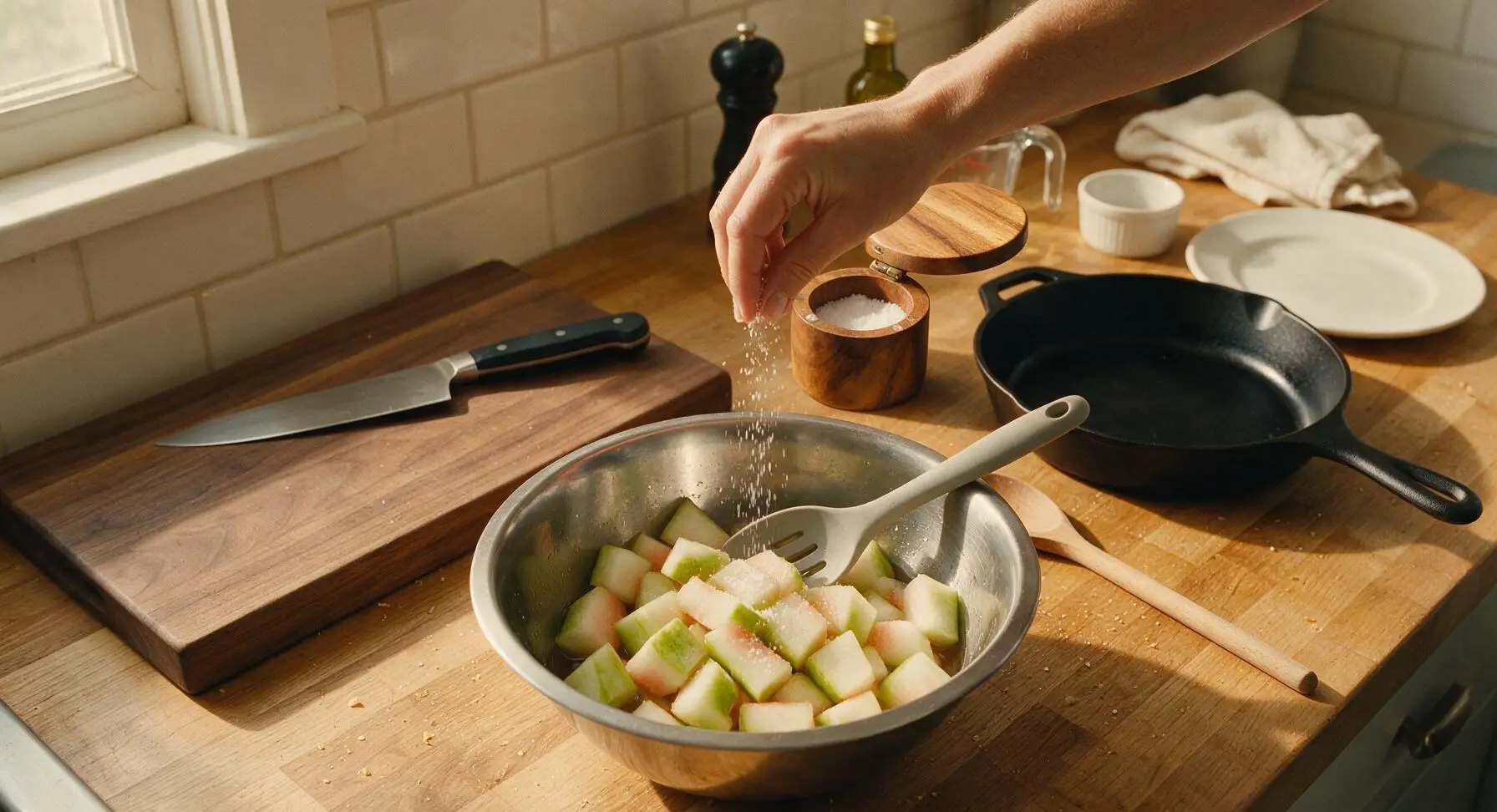
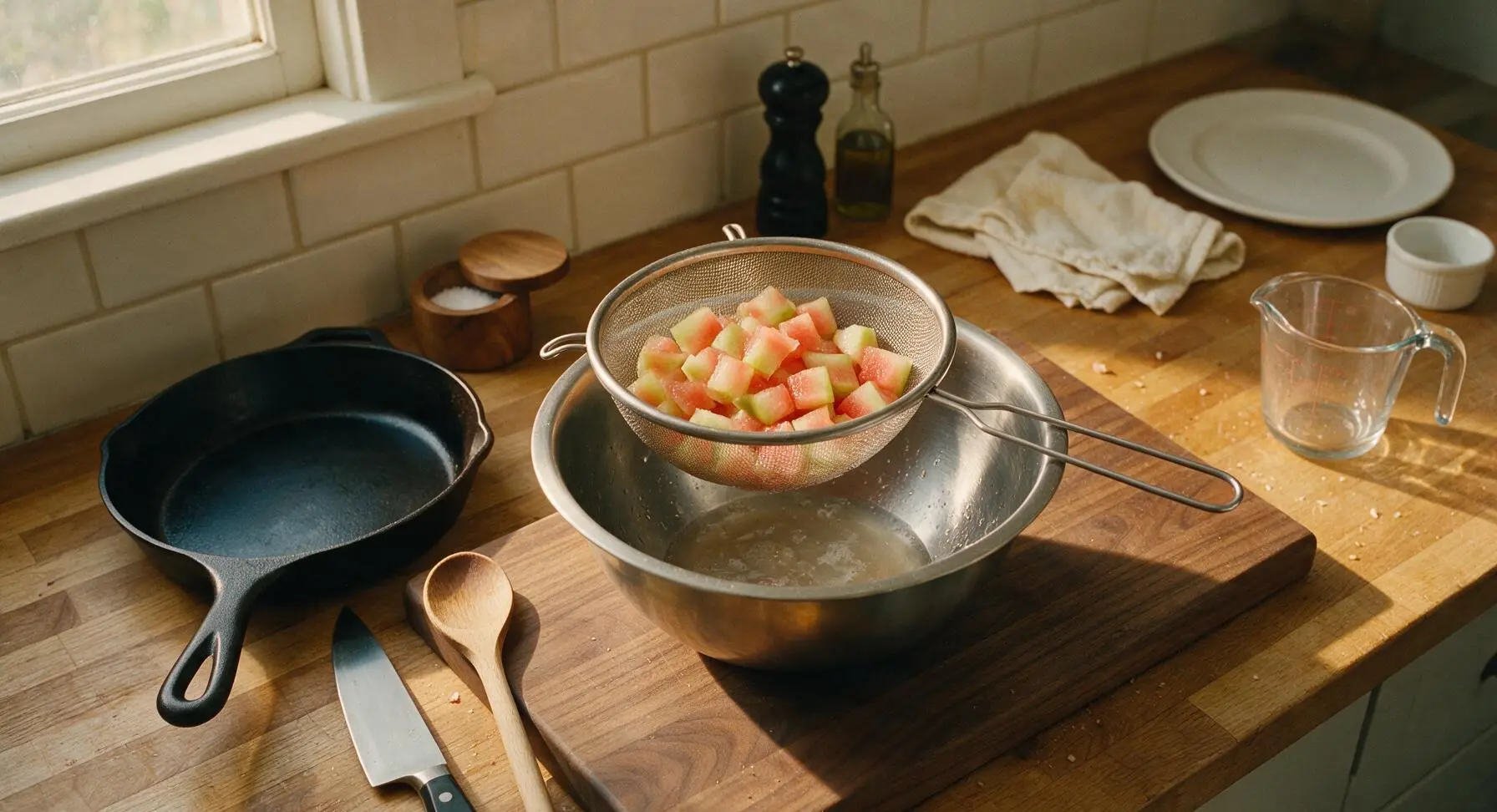
Sprinkle 1 tablespoon of kosher salt over the cubed rind in the mixing bowl, toss well with the silicone slotted spoon to coat every cube evenly. Cover the bowl loosely, let sit at room temperature for 2 hours until the rind releases visible water and feels slightly softened to the touch. Drain off all collected liquid, then rinse the rind thoroughly under cool running water, and drain fully in the fine-mesh sieve.
Step 2
step2:Salt Rind for Brining
Step 2
step2:Salt Rind for Brining
3

Measure Pickling Spices

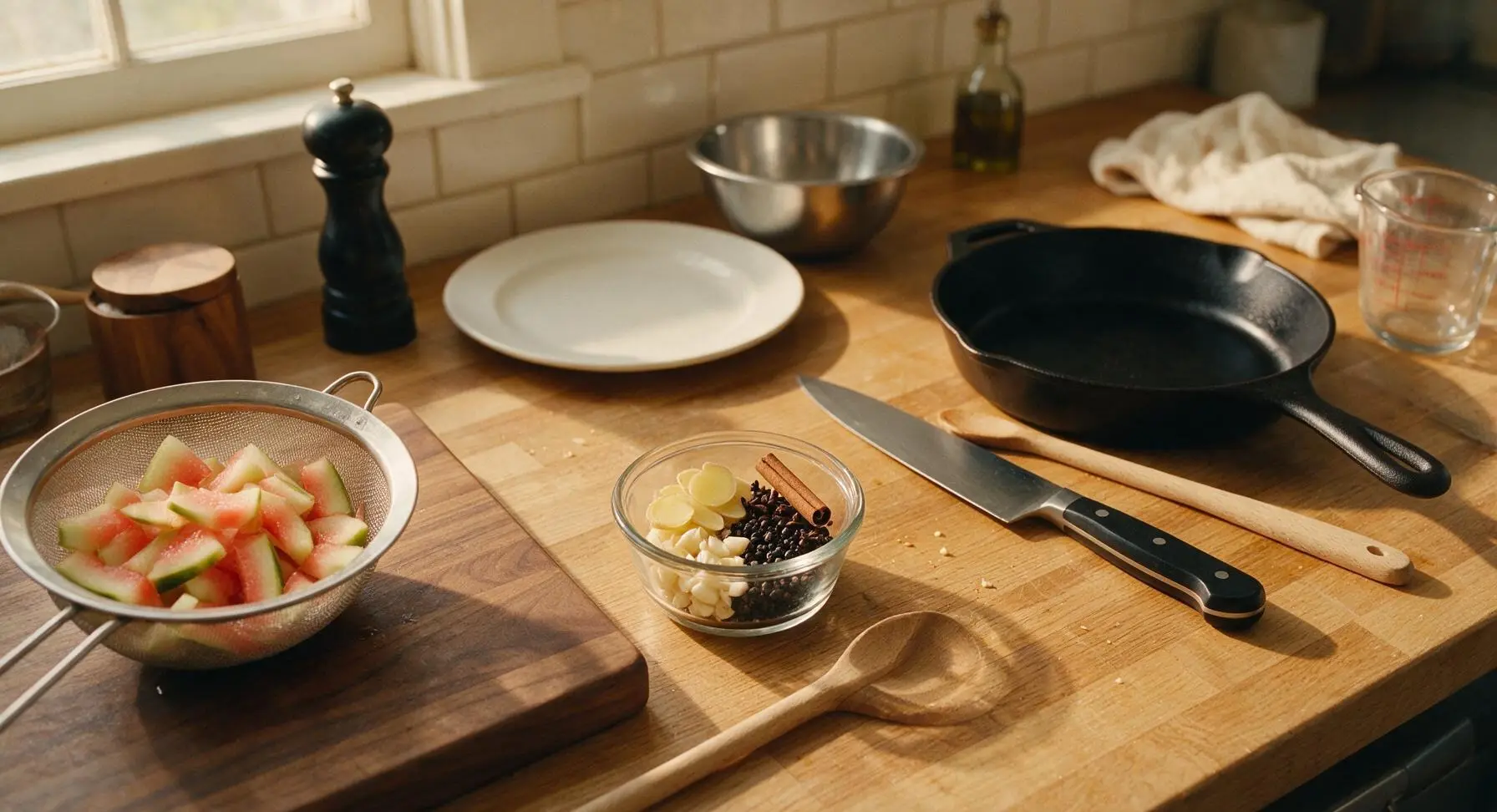
While the rind drains, gather the thinly sliced peeled ginger, lightly crushed garlic cloves, whole black peppercorns, whole cloves, and cinnamon stick in the small glass ramekin. There is no need to tie spices in a cheesecloth sachet; they will infuse the brine directly, and can be left in or strained out before jarring based on preference.
Step 3
step3:Measure Pickling Spices
4

Simmer Pickling Brine

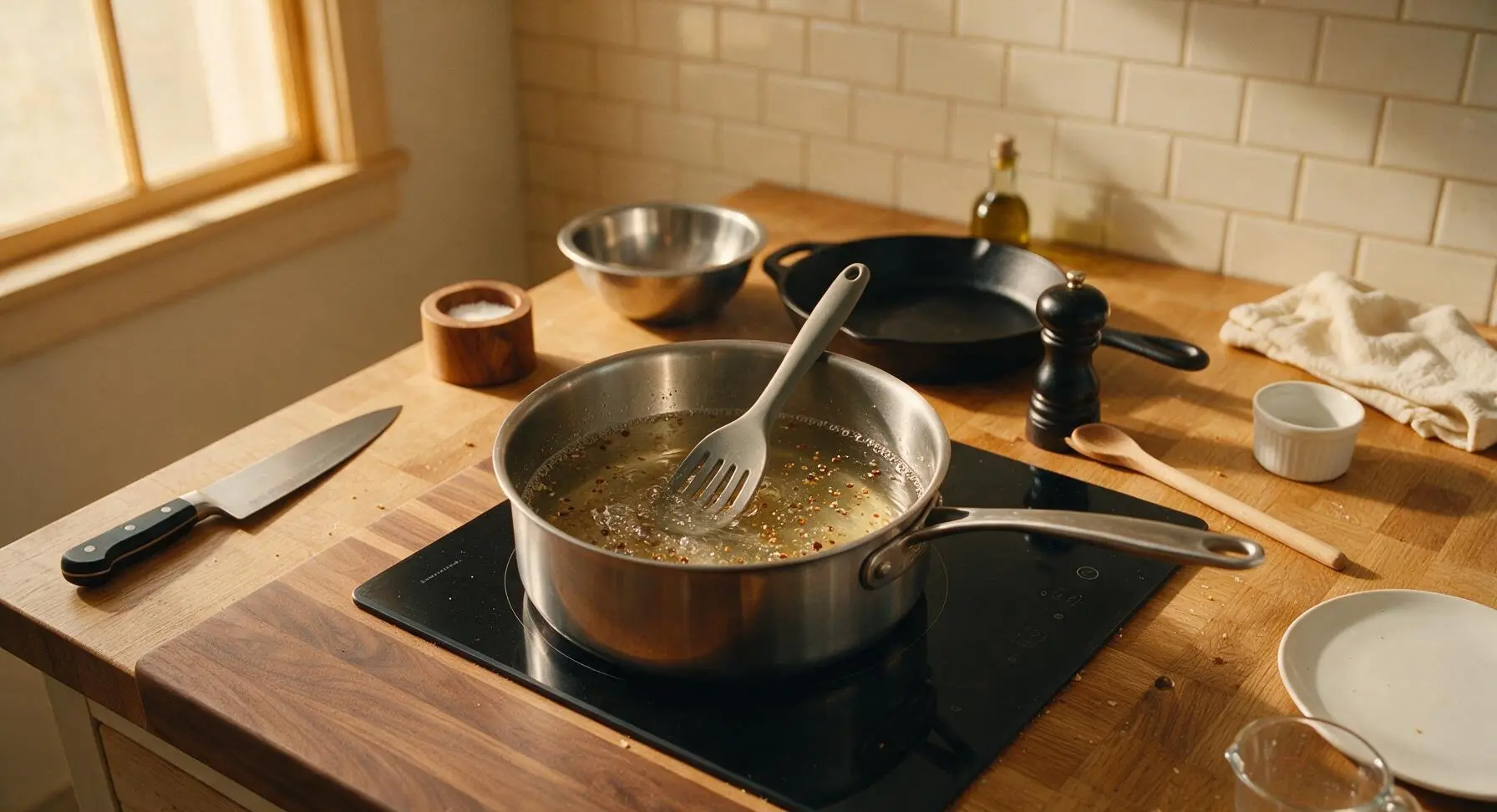
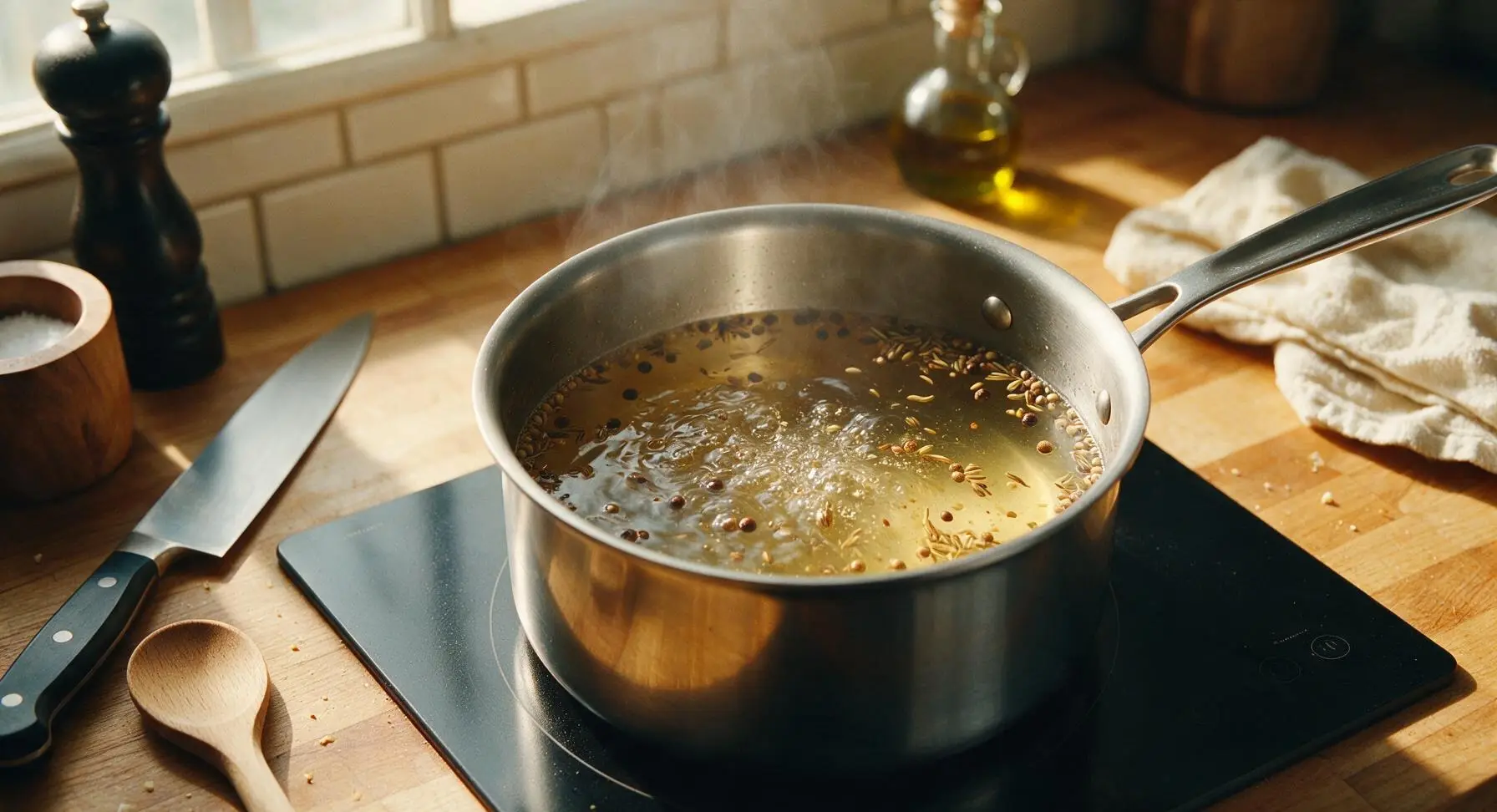
Place the 3L stainless steel saucepan on the matte black induction cooktop set to medium heat. Pour in 2 cups white distilled vinegar, 1 cup granulated sugar, remaining 1 tablespoon kosher salt, and the measured pickling spices. Stir with the silicone slotted spoon until sugar and salt fully dissolve, then bring the brine to a gentle rolling simmer (180°F, avoid a hard rolling boil) and cook for 3 minutes to meld the spice flavors.
Step 4
step4:Simmer Pickling Brine
Step 4
step4:Simmer Pickling Brine
5

Simmer Rind in Brine

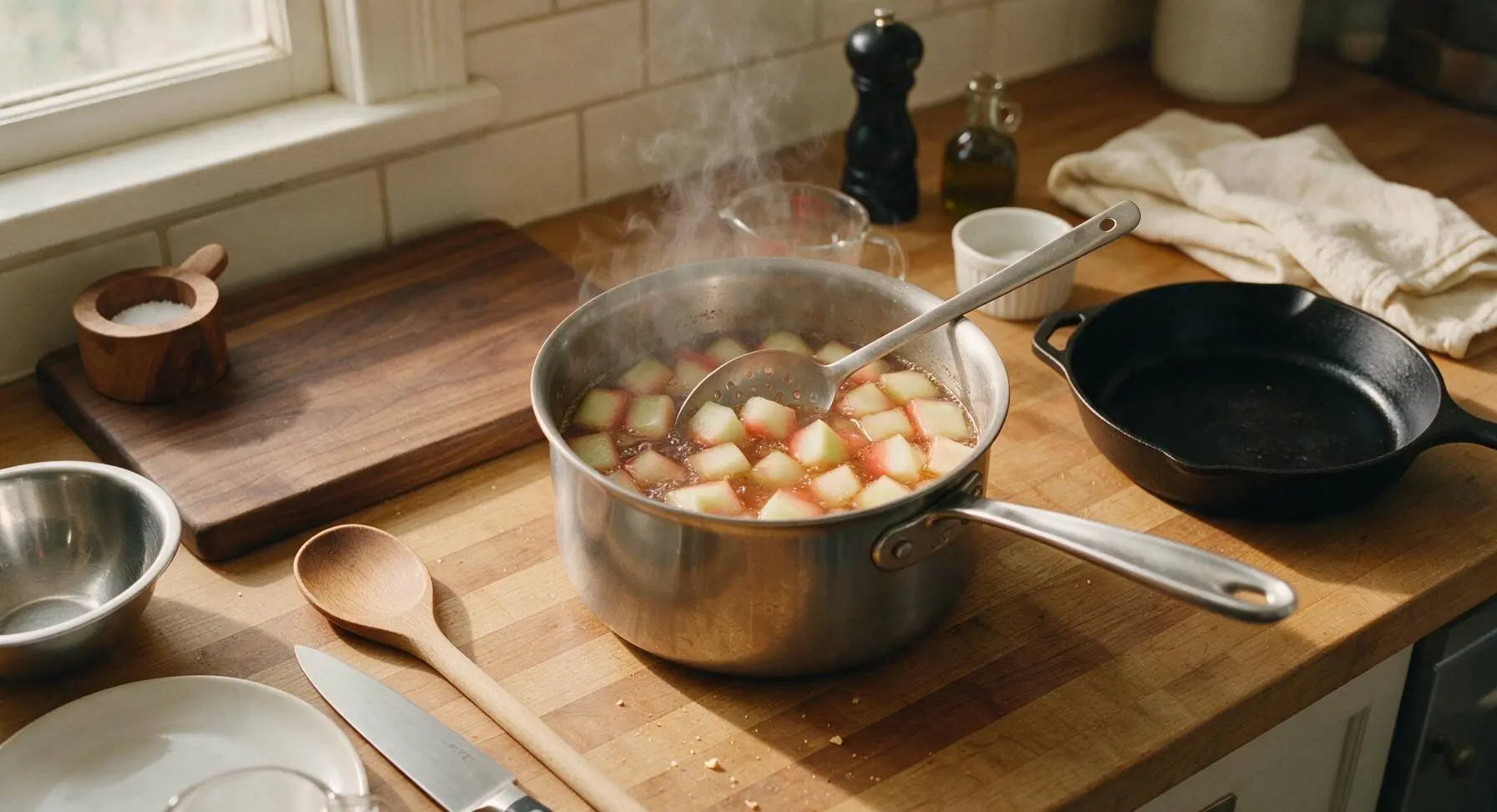
Carefully add the fully drained, rinsed watermelon rind cubes to the simmering brine, stirring gently to submerge all pieces. Reduce heat to medium-low to maintain a soft simmer, and cook for 5 minutes, until the rind turns translucent at the edges but still retains a firm, crisp-tender bite. Do not overcook, as extended heat will turn the rind mushy. Remove the pan from heat, and let the rind cool in the brine for 30 minutes at room temperature.
Step 5
step5:Simmer Rind in Brine
6

Pack Rind into Jars

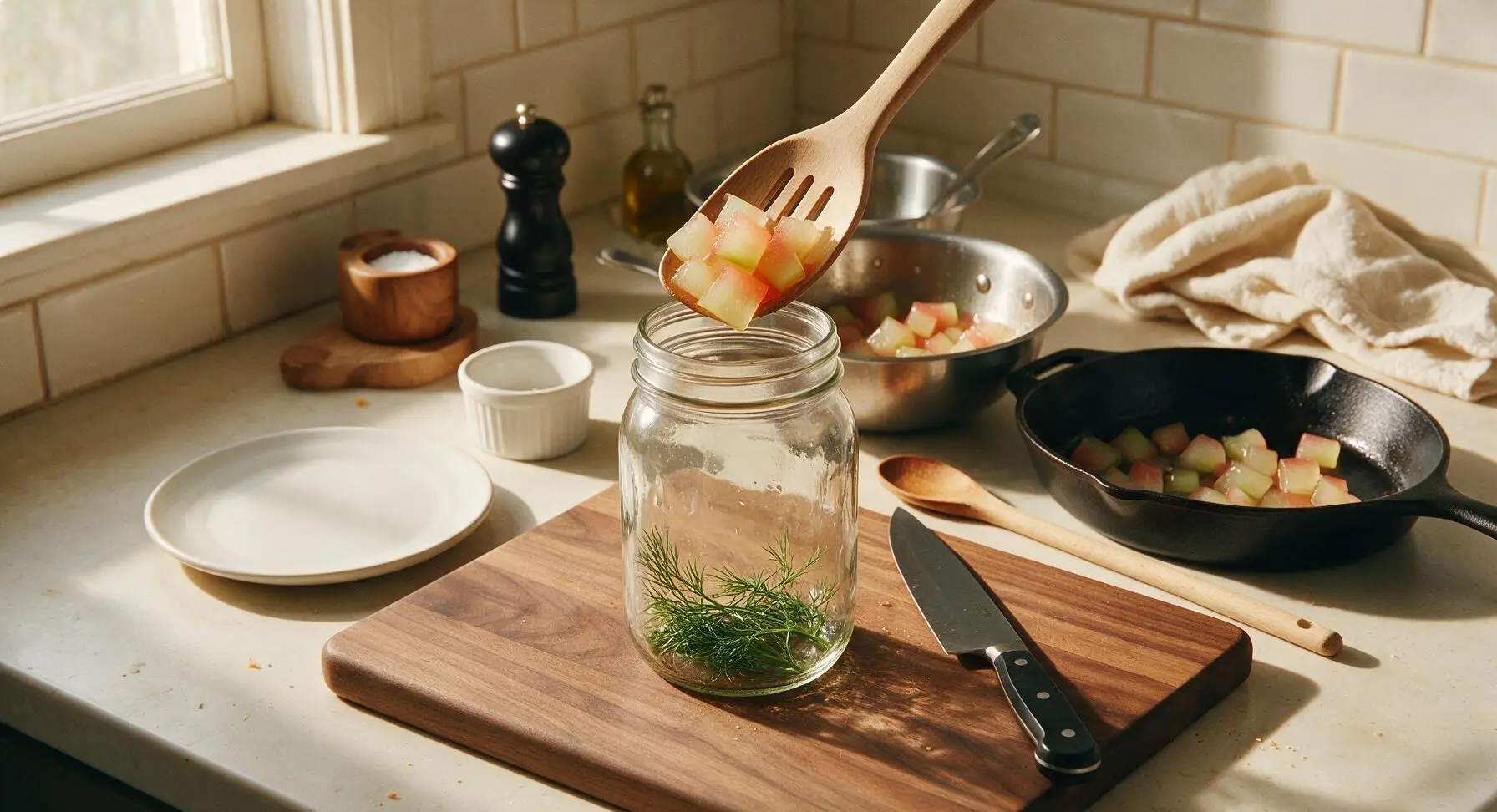
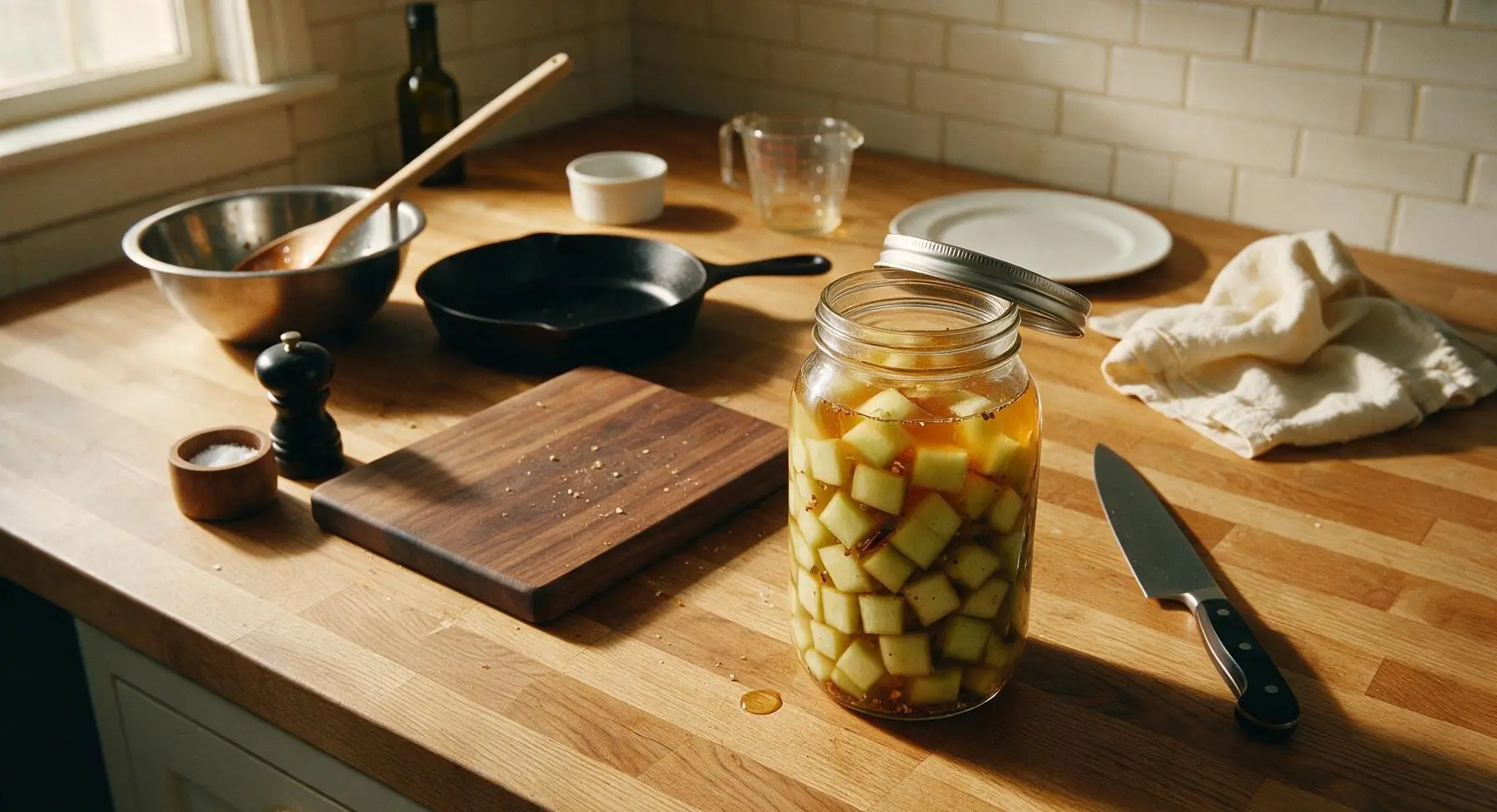
Place the fresh dill sprigs in the bottom of the clean 1L wide-mouth glass canning jar. Use the slotted spoon to transfer the cooled rind cubes and spices into the jar, packing them gently without crushing the pieces. Pour the cooled pickling brine over the rind until all pieces are fully submerged, leaving 1/2 inch of headspace at the top of the jar. Wipe the jar rim clean, then seal tightly with the silver two-part screw lid.
Step 6
step6:Pack Rind into Jars
Step 6
step6:Pack Rind into Jars
7

Chill to Develop Flavor

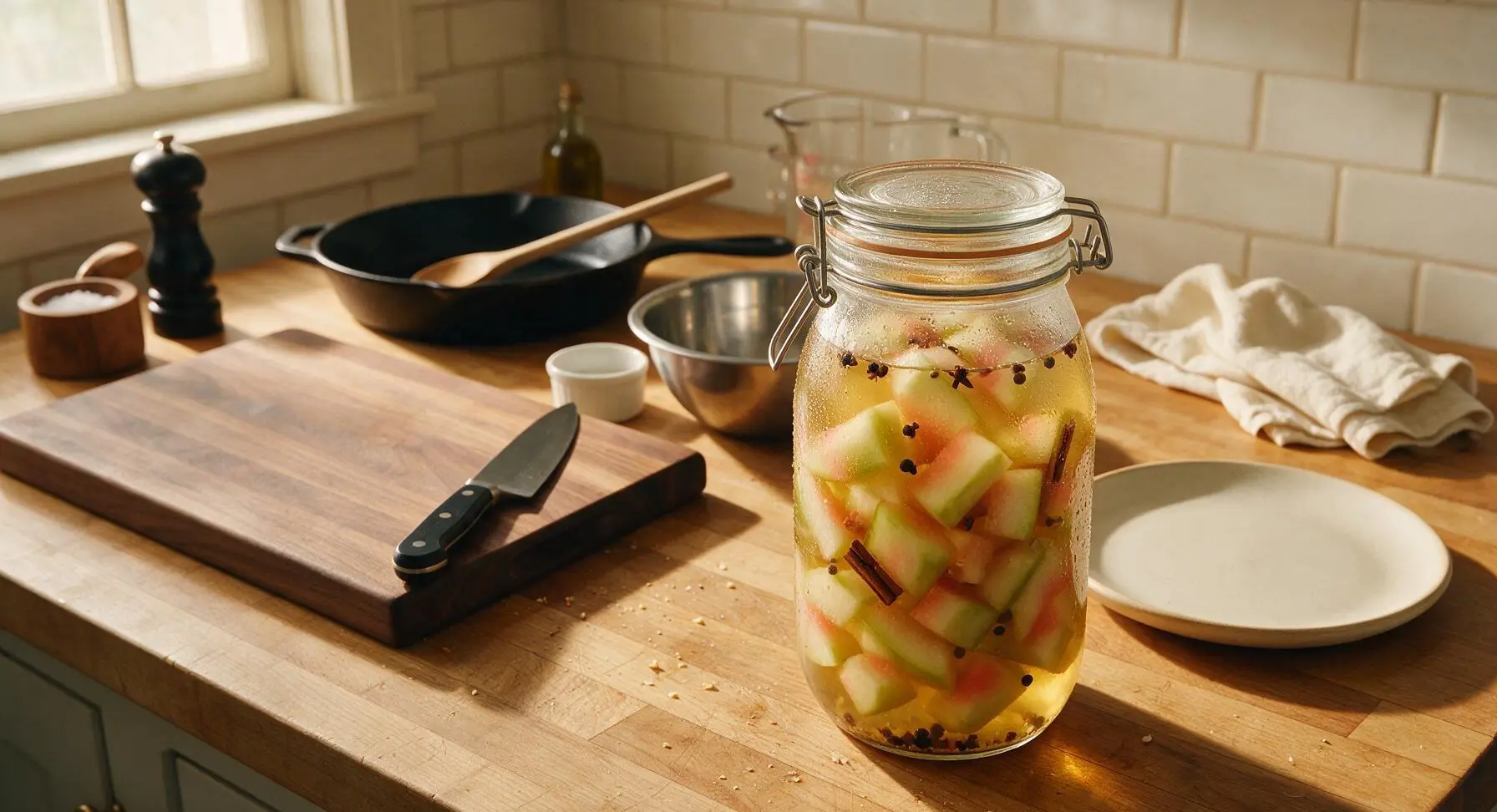
Transfer the sealed jar to the refrigerator, and let chill for a full 24 hours before serving to allow the sweet, tangy, spiced flavors to fully penetrate the rind. The finished pickles will keep refrigerated for up to 1 month.
Step 7
step7:Chill to Develop Flavor

Tips

1.Do not overcook the rind in the brine: simmer for exactly 5 minutes, as longer cooking will break down the rind's cell structure and turn pickles mushy instead of crisp-tender.
2.Always leave a 1/4-inch layer of pink watermelon flesh attached to the rind: this adds a subtle, bright fruity sweetness that balances the sour vinegar and warm spices, rather than using only the plain white rind.
3.Let pickles rest a full 24 hours before eating: the first 4 hours of chilling only impart surface flavor, while the full rest allows the sweet, sour, and spiced notes to penetrate all the way through the rind cubes for a balanced bite.
✨ You May Also Like

Side Dishes
🍜 India

Velvety, aromatic all-purpose curry sauce perfect for tossing with roasted veggies, grilled protein, or rice for fast, cozy, flavorful meals.

⏱️ 25 minuteSide Dishes ★ 4.8
Side Dishes
🍜 Spain

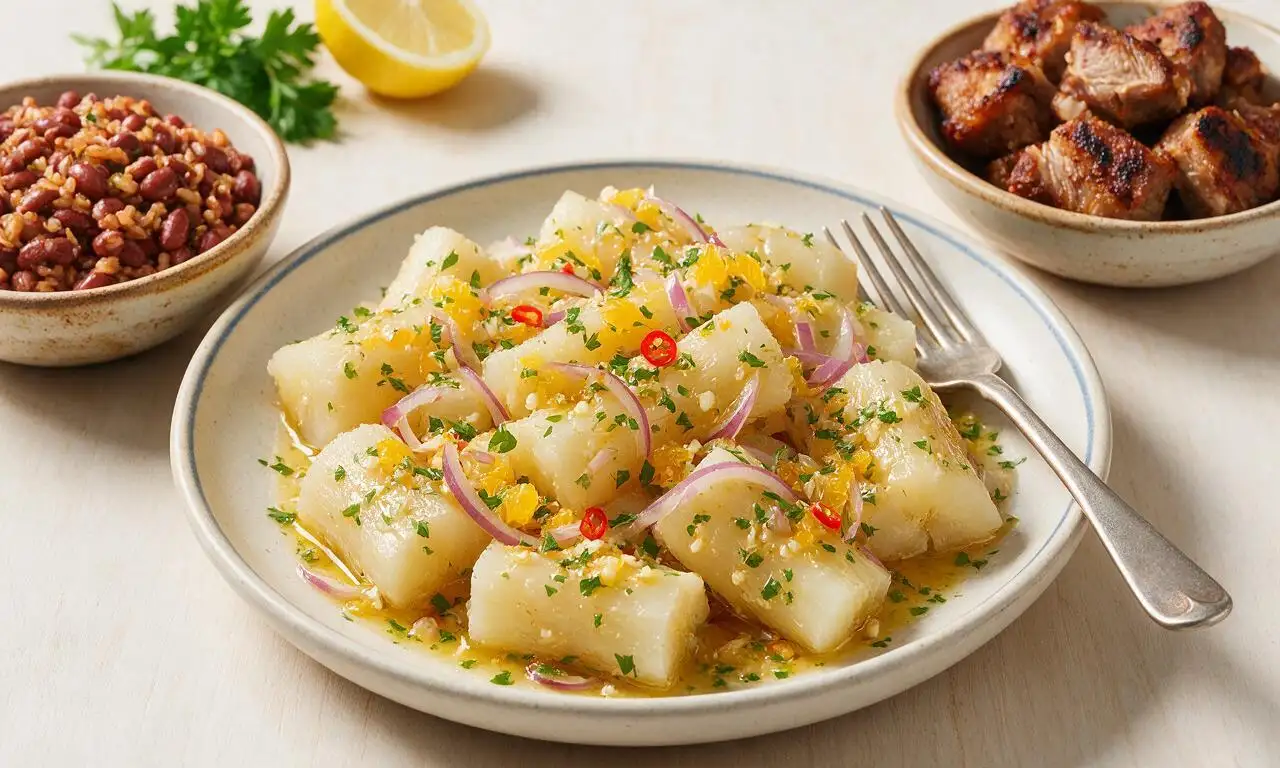
Tender, starchy boiled yuca tossed in bright, garlicky citrus mojo sauce—an iconic, zesty side that pairs beautifully with roasted pork, grilled meats, and rice and beans.

⏱️ 40 minuteSide Dishes ★ 5
Side Dishes
🍜 United States

Tender, paper-thin potato flatbread, a beloved Norwegian-American Minnesota Christmas staple, griddled until softly spotted and served warm with butter.

⏱️ 1 hour 30Side Dishes ★ 4.6
Side Dishes
🍜 United States

Rich, deeply savory cured salt pork, a long-lasting kitchen staple perfect for frying crispy as a side or adding umami to stews, beans, and chowders.

⏱️ 7 days (2Side Dishes ★ 4.9
Side Dishes
🍜 United States

Crispy, tangy classic Southern fried green tomatoes with a crunchy cornmeal crust, served hot for a nostalgic, comforting summery bite.

⏱️ 25 minuteSide Dishes ★ 4.9
Side Dishes
🍜 United States

Moist, golden-crusted savory muffins with sweet corn, zesty jalapeño, and melted cheddar, perfect for pairing with smoky summer grilled fare.

⏱️ 30 minuteSide Dishes ★ 4.9

Watermelon Rind Pickles:Frequently Asked Questions

1.Can I make these pickles with rind leftover from eating fresh watermelon, or do I need a special melon? ▾
This is the perfect zero-waste recipe for repurposing rind leftover from fresh-eaten watermelon! Most seeded or seedless varieties work, but avoid overripe, mushy melons—firm, dense rind is non-negotiable for crisp pickles. Skip small personal watermelons with thin, tender rinds that turn soggy during brining, and opt for rind from large, thick-rinded field melons for best results.
2.How much pink flesh should I leave attached to the rind? ▾
Stick to the recommended 1/4 inch of pink flesh attached to the white rind for that classic subtle, fresh watermelon sweetness. Leaving too much pink will make your pickles overly soft and watery, while trimming all pink off will strip away that bright, fruity base note that balances the tangy, spiced brine.
3.Do I really have to remove the tough outer green skin? ▾
Yes, that thick, waxy dark green outer rind is completely inedible even after extended brining, and it will leave your pickles with a tough, chewy, bitter texture. Use a sharp vegetable peeler or thin paring knife to trim it all away evenly, making sure you don’t leave any patchy green spots on the white rind before brining.
4.Can I substitute white distilled vinegar for another vinegar type? ▾
White distilled vinegar is traditional for these pickles because its clean, sharp tang doesn’t overpower the delicate rind flavor and keeps the pickles’ bright, translucent look. You can swap up to 25% of it for apple cider vinegar for a softer, fruitier tang, but avoid dark, bold vinegars like balsamic that muddle flavor and discolor the rind.
5.How do I keep my pickles crisp instead of soggy? ▾
The number one trick for crisp pickles is starting with ultra-firm, fresh rind, not rind from an overripe melon that’s sat cut in the fridge for days. Add one food-grade pickling grape leaf per jar if you have them—their natural tannins lock in crispness without adding flavor—and avoid overcooking the rind during the brining boil.
6.Do these pickles require a pressure canner for long-term storage? ▾
No, these are high-acid pickles thanks to the vinegar brine, so you don’t need a pressure canner for shelf-stable storage. If you want pantry-stable jars, process them in a boiling water bath for 10 minutes (adjust for altitude above 1,000 feet) and they’ll stay good for up to a year in a cool, dark spot.
7.How long do these need to sit before they’re ready to eat? ▾
While you can technically eat them after 24 hours in the fridge, the flavor really melds and improves after 3 to 5 days of resting in the brine. That wait time lets the sweet, tangy, ginger-spiced brine soak all the way through the rind, softening the sharp initial vinegar bite and letting subtle watermelon flavor come through.
8.Can I adjust the amount of sugar to make them less sweet? ▾
Traditional Southern watermelon rind pickles are distinctly sweet-tangy, but you can cut the granulated sugar by up to 1/3 without ruining the texture or safety of the brine. Don’t cut sugar more than that, though—sugar doesn’t just add sweetness, it helps keep the rind crisp and balances the sharp bite of vinegar and ginger.
9.What’s the best way to cut the rind for even pickling? ▾
Cut your trimmed rind into uniform 1-inch cubes or 1/2-inch thick spears so every piece absorbs brine at the same rate. Avoid cutting pieces larger than 1 inch, as they’ll take too long to brine all the way through, and don’t cut them too small or they’ll turn overly soft and lose their satisfying crisp bite faster.
10.Do I need to salt the rind ahead of brining? ▾
A short pre-salt step—tossing cut rind with kosher salt and letting it rest 2 to 3 hours in the fridge, then rinsing well—draws out excess watery sap from the rind, which helps keep pickles crisp and prevents brine dilution. Don’t skip rinsing after salting, or your pickles will end up unpleasantly salty instead of balanced.
11.Can I add other spices besides fresh ginger? ▾
Fresh ginger adds that bright, warm zing classic to this Southern recipe, but you can add complementary spices if you like. Common additions include a cinnamon stick per jar, a few whole cloves, a pinch of whole allspice, or a strip of lemon zest, but go light—strong spices can easily overpower the delicate, mild rind flavor.
12.How long do refrigerator pickles (not water bath canned) last? ▾
If you store them in a tightly sealed glass jar in the coldest part of your fridge (usually the back of the lower shelf, not the door), these pickles will stay crisp and flavorful for up to 2 months. Always use a clean utensil to fish pickles out of the jar to avoid introducing bacteria that speeds up spoilage.
13.Why did my pickles turn out bitter? ▾
Bitter pickles almost always come from leaving patches of the dark green outer waxy rind on your pieces, since that layer has bitter compounds that leach into the brine. Less commonly, using old, oxidized ginger or vinegar that’s past its expiration date can add off, bitter notes, so always taste your brine before pouring it over rind to adjust.
14.Can I use rind from a seedless watermelon? ▾
Absolutely! Seedless watermelons work just as well as seeded varieties for these pickles, as long as they have a thick, firm white rind layer. The only type to avoid is tiny personal seedless melons, which often have paper-thin rinds that turn mushy during brining—stick to full-size seedless melons from summer farmers’ markets for best results.
15.What do these pickles pair best with? ▾
These bright, sweet-tangy pickles are a classic Southern BBQ side, made to cut through rich, fatty foods like pulled pork, smoked brisket, fried chicken, or creamy potato salad. They also make a great addition to charcuterie boards, tossed in chopped salads, or eaten straight out of the jar as a cool, low-effort summer snack.
16.Can I reuse the brine for a second batch of pickles? ▾
You can reuse the brine once for a quick refrigerator batch, but boil it first and add a splash of fresh vinegar and pinch of salt to make up for dilution from the first batch of rind. Don’t reuse brine for water bath canning, as the acid level will be too low for safe shelf storage, and discard brine after two uses once its flavor fades.
17.Do I need to use pickling salt instead of kosher salt? ▾
Kosher salt works perfectly for this recipe, as long as it’s non-iodized—iodized salt will make your brine cloudy and give pickles a weird metallic aftertaste. Pickling salt is just finer-grained non-iodized salt, so if you do swap it, use 25% less pickling salt than the kosher salt measurement to avoid over-salting your brine.
18.Why are my pickles floating in the jars after canning? ▾
A small amount of floating is totally normal, especially right after processing when air bubbles are still rising from the rind. As long as your jars sealed properly (the lid doesn’t pop up when you press the center) and you used the correct vinegar ratio, floating pickles are completely safe to eat—just give the jar a gentle shake before opening.
19.Can I freeze these pickles for longer storage? ▾
Freezing isn’t recommended for watermelon rind pickles, as the high water content in the rind will form large ice crystals that break down the crisp texture, leaving you with mushy, limp pickles once they thaw. Stick to either refrigerator storage for short-term use or boiling water bath canning for long-term shelf-stable storage instead.

Comments (9)

2 days ago

OMG y’all, I made these for our neighborhood potluck last weekend and people were begging me for the recipe! I remember my grandma making watermelon rind pickles when I was a kid in Georgia and these taste EXACTLY like hers. So easy too — 10 minute cook time? No way I thought it’d take all day. Game changer for using up every part of the watermelon this summer! My kids loved it, even though they usually turn their noses up at most pickled things.

yesterday

That makes our day to hear, Jill! There’s nothing better than a recipe that brings back sweet childhood family memories, right? So glad your picky kids gave them a shot too — we love sharing zero-waste recipes that the whole crew can enjoy.

2 hours ago

Wait I’m making these for our church potluck next Sunday! Did you add any extra red pepper flakes for a little kick, or stick straight to the recipe?

30 minutes ago

Super excited to try these! Quick question — do I have to let them sit in the brine in the fridge for a few days before eating, or can I eat them right after cooking? I’ve never made pickles of any kind before so I’m a little nervous I’ll mess it up 😅

5 minutes ago

Great question! You can absolutely eat them right after they cool if you want a lighter, crispier pickle, but the flavor gets so much better if you let them hang out in the fridge for 2-3 days for the brine to really soak in. No fancy canning skills needed for this recipe, you’ve got this!

1 week ago

Made these to go with our smoked brisket and ribs for our 4th of July cookout and they were the perfect sweet-tart side! Everyone kept saying how they cut through the richness of the meat perfectly. I was skeptical about pickled watermelon rind at first but wow, SO good. Will be making these every watermelon season from now on.

3 days ago

Y’all, this is such a genius way to cut down on food waste! I meal prep for the whole week every Sunday and added a little jar of these to each of my lunch containers this week. They add such a nice bright pop of flavor to my turkey sandwiches and grain bowls. 10 minute cook time is chef’s kiss for busy weeknights too.

2 days ago

Oh that’s such a good idea for meal prep! I never thought to add these to lunch boxes, my teen loves tangy snacks so I know he’d devour these.

yesterday

Love that meal prep hack! They last for up to 2 weeks in the fridge so they’re perfect for prepping ahead to add a little zing to all your meals.

5 days ago

I’ve been making watermelon rind pickles for over 50 years and this recipe is the easiest one I’ve ever come across! I usually do the old-fashioned canned version that takes hours of brining and boiling, but this quick version is just as tasty. I added a cinnamon stick to my last batch and it gave it that warm, cozy flavor I love.

3 days ago

Oh the cinnamon stick addition sounds incredible! I’m making my first batch tomorrow and I’m definitely throwing one in. Did you use one small stick per jar?

2 weeks ago

Grew up in NYC never even heard of watermelon rind pickles until I saw this recipe! I picked up a giant watermelon at the farmers market last weekend and figured I’d give this a shot instead of tossing the rind. Wow, I’ve been missing out! They’re sweet, tangy, crisp — I’ve been snacking on them straight out of the jar.

2 hours ago

I tried this recipe last night and my pickles turned out a little mushier than I expected? Did I do something wrong? I boiled them for the full 10 minutes like the recipe said, maybe I cut the rind too thin?

30 minutes ago

Sorry to hear they turned out mushy! Thinner rind pieces can definitely get soft faster during the boil — next time try cutting them into 1-inch thick chunks, and you can even reduce the boil time by 2 minutes if you prefer extra crisp pickles. Hope that helps for your next batch!

yesterday

Brought these to our college football tailgate last weekend and they were gone in 10 minutes flat! People kept going back for more between burgers and hot dogs. I didn’t even tell people they were made from watermelon rind until after they ate them, everyone was shocked. So fun!

2 hours ago

No way, I’m an Ohio State fan too! These are going on my tailgate menu for the Michigan game for sure, can’t wait to trick my friends into eating watermelon rind pickles lmao

5 minutes ago

Wait a second, I just made these and they taste exactly like the pickles my great-aunt used to bring to our family reunions every summer! I added a little clove and allspice like she used to and it’s perfect. So easy, I’ll never throw away watermelon rind again. I already gave a jar to my next door neighbor and she texted me this morning asking for the recipe!

just now

Oh I love adding cloves to pickles! I’ve been looking for more zero-waste summer recipes and this one looks perfect. Do you peel the green outer skin off the rind completely before cooking?

just now

So glad you loved them, Katie! Love the clove and allspice addition — those warm spices pair so well with the sweet watermelon rind. And to answer Zoe’s question: yes, you’ll want to peel off the tough dark green outer skin completely, leaving just the pale white rind (a little bit of pink watermelon flesh attached is totally fine for extra flavor!)