1.How far in advance can I assemble my classic Italian antipasto platter before a party?
▾
You can prep all individual components—cured meats, cheeses, marinated veggies, and melon—up to 2 days ahead, stored in sealed containers in the fridge. Wait to fully assemble the platter 1 to 2 hours before guests arrive, keep it chilled, then let it rest at room temp for 15 minutes before serving so flavors pop. Add crispy cracker elements right before serving to avoid sogginess.
2.What’s the right portion size per person for this antipasto platter?
▾
Plan for 2 to 3 ounces of total cured meats, 1.5 to 2 ounces of total cheese, ¼ cup of briny veggies, and 2 to 3 small melon slices per person if this is a pre-dinner starter. If you’re serving the platter as a light, standalone happy hour spread, bump those portions up by 50% to make sure no one goes hungry while mixing and mingling.
3.Can I make a vegetarian version of this classic Italian antipasto platter?
▾
Absolutely! Simply skip the Prosciutto di Parma and Genoa salami, and swap in extra vegetarian-friendly bites to fill the gap: oil-packed sun-dried tomatoes, roasted red peppers, marinated olives, and stuffed cherry peppers. Keep all the original cheeses and marinated artichoke hearts, and tuck in a few fresh basil sprigs for extra bright, herby flavor.
4.How do I keep the thinly sliced prosciutto from drying out on the platter?
▾
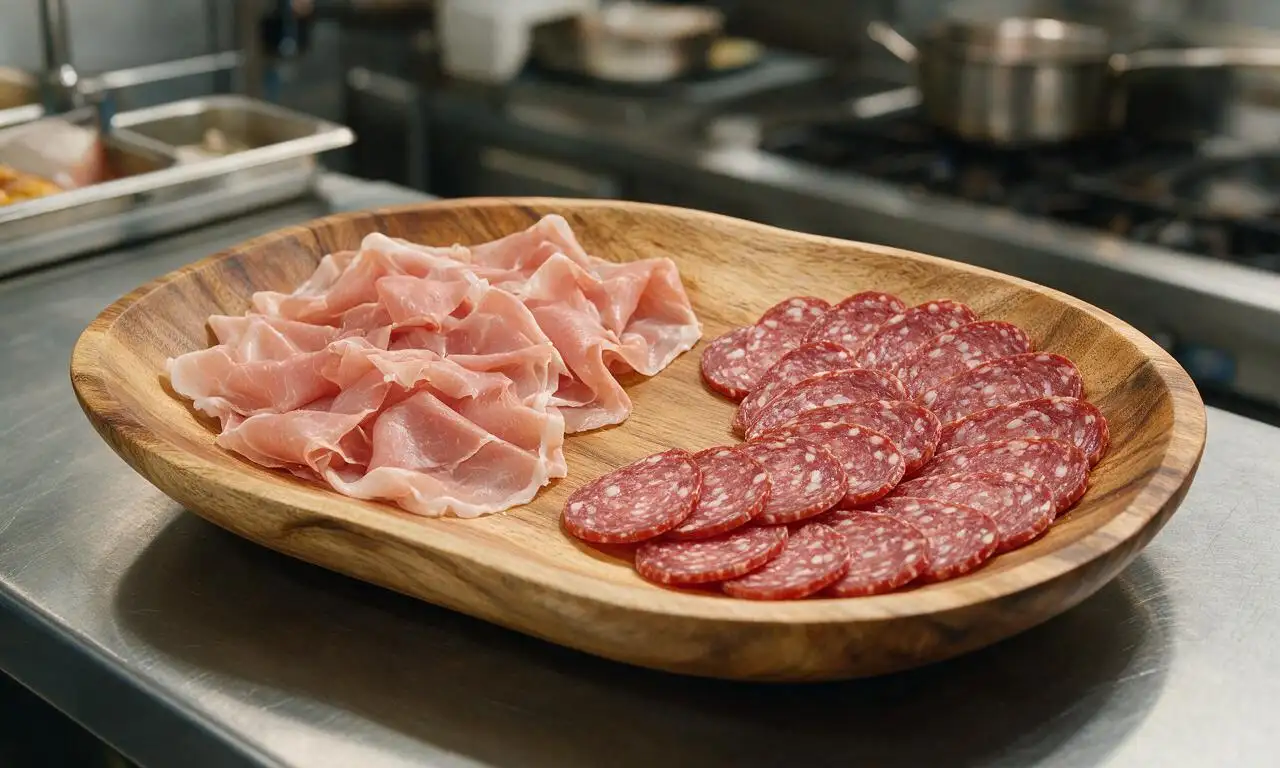
The easiest trick is to loosely drape or ruffle prosciutto slices instead of laying them flat in a thin, exposed layer, and keep the platter out of direct sunlight or hot outdoor heat. If serving for longer than 2 hours, keep a backup plate of chilled prosciutto in the fridge to refresh the platter halfway through, rather than piling all meat on at once.
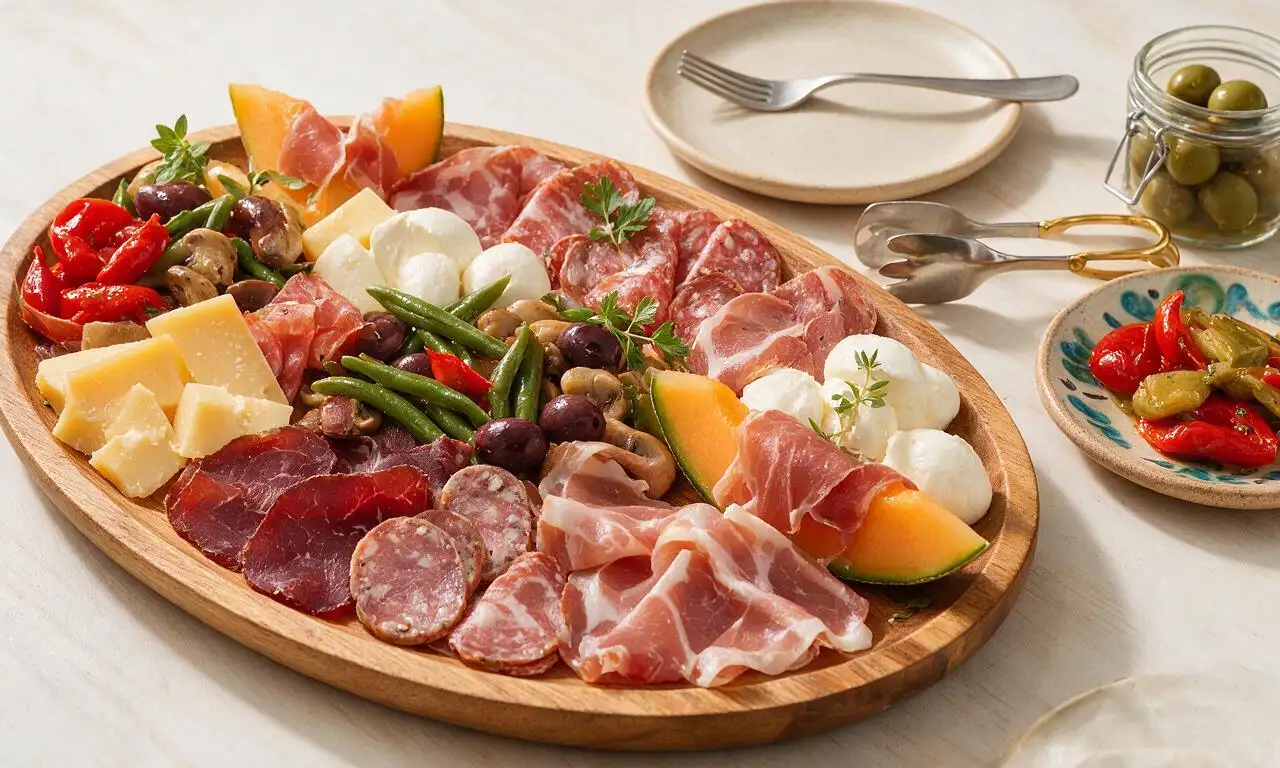
5.What type of melon pairs best with the salty cured meats on this platter?
▾
Ripe cantaloupe is the classic, traditional pairing for Prosciutto di Parma—its juicy, honeyed sweetness perfectly cuts through the salt and fat of the cured meats. If cantaloupe isn’t in season, use ripe honeydew or fresh, in-season figs as a sweet, juicy swap, just make sure whatever fruit you use is perfectly ripe, not under-ripe or mushy.
6.Do I have to use marinated bocconcini, or can I use regular fresh mozzarella?
▾
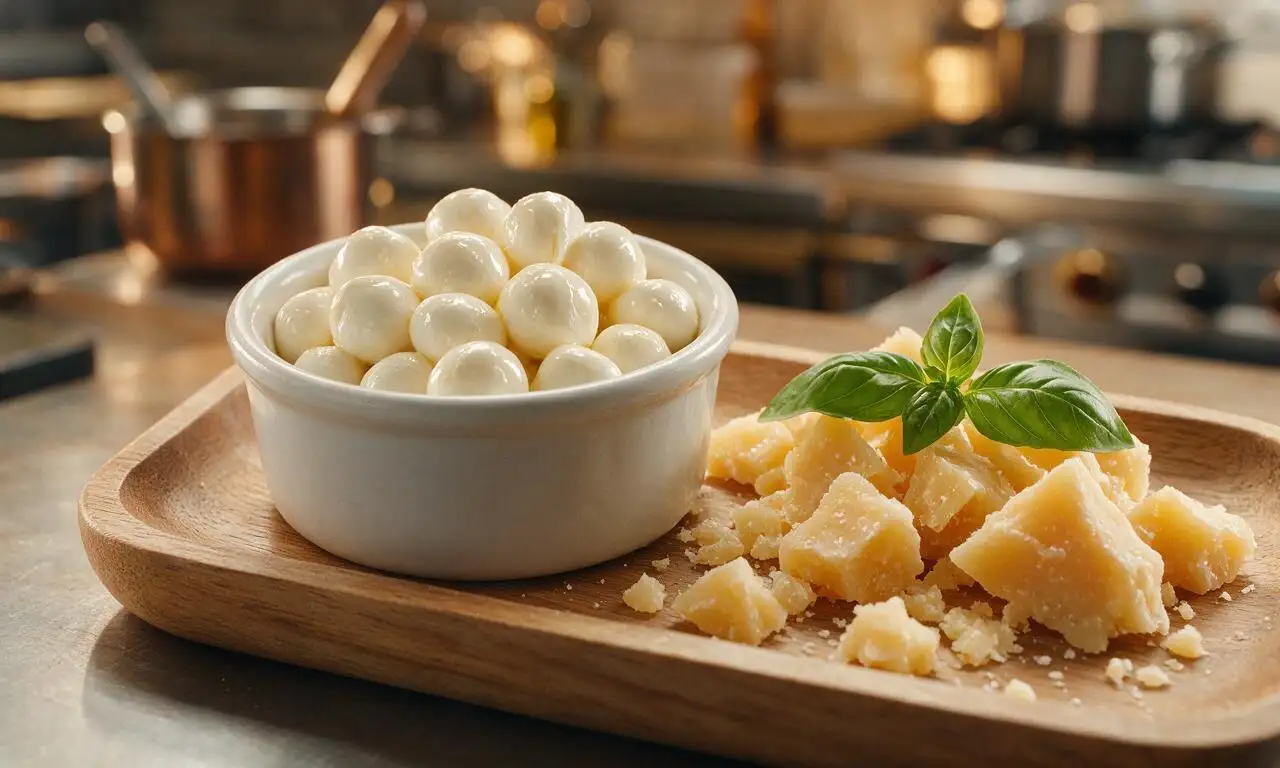
You can absolutely use plain fresh bocconcini, but the marinated version (usually tossed in olive oil, garlic, herbs, and a splash of red wine vinegar) adds an extra punch of bright, herby flavor that ties the whole platter together. If using plain bocconcini, toss it in extra virgin olive oil, dried oregano, salt, and pepper 30 minutes before adding it for a quick upgrade.
7.What’s the best way to serve Parmigiano-Reggiano on an antipasto platter?
▾
Skip finely grating it—instead, use a sharp vegetable peeler or small paring knife to shave Parmigiano-Reggiano into rough, bite-sized chunks and thin shards. These texturally varied pieces are easy for guests to pick up with toothpicks or crackers, and their crumbly, nutty, salty flavor pairs perfectly with both the cured meats and sweet melon on the spread.
8.Why use marinated artichoke hearts instead of plain canned ones?
▾
Plain canned artichoke hearts tend to be flat, briny, and a little metallic-tasting straight from the can. Marinated artichoke hearts are packed in olive oil, herbs, garlic, and vinegar, which gives them a bright, tangy, rich flavor that complements salty cured meats and creamy cheeses perfectly. Just pat them lightly dry before adding to avoid oily drips.
9.How long is it safe to leave the antipasto platter out at a summer gathering?
▾
Since this platter features cured meats and fresh dairy cheeses, follow standard food safety rules: don’t leave it out for more than 2 hours total at room temperature, and if outdoor temps are above 90°F, cut that time down to 1 hour. Set your platter on a bed of crushed ice if serving outside on a hot day to keep ingredients at a safe, cool temp.
10.Is there a budget-friendly swap for pricey Prosciutto di Parma?
▾
If authentic Prosciutto di Parma is out of your budget, look for domestic dry-cured prosciutto from a reputable brand—it will have a similar salty, delicate, melt-in-your-mouth texture at a lower price point. Avoid honey-cured or smoked ham swaps, as those have a much sweeter, heavier flavor that throws off the platter’s classic flavor balance.
11.Do I need to serve bread or crackers alongside this antipasto platter?
▾
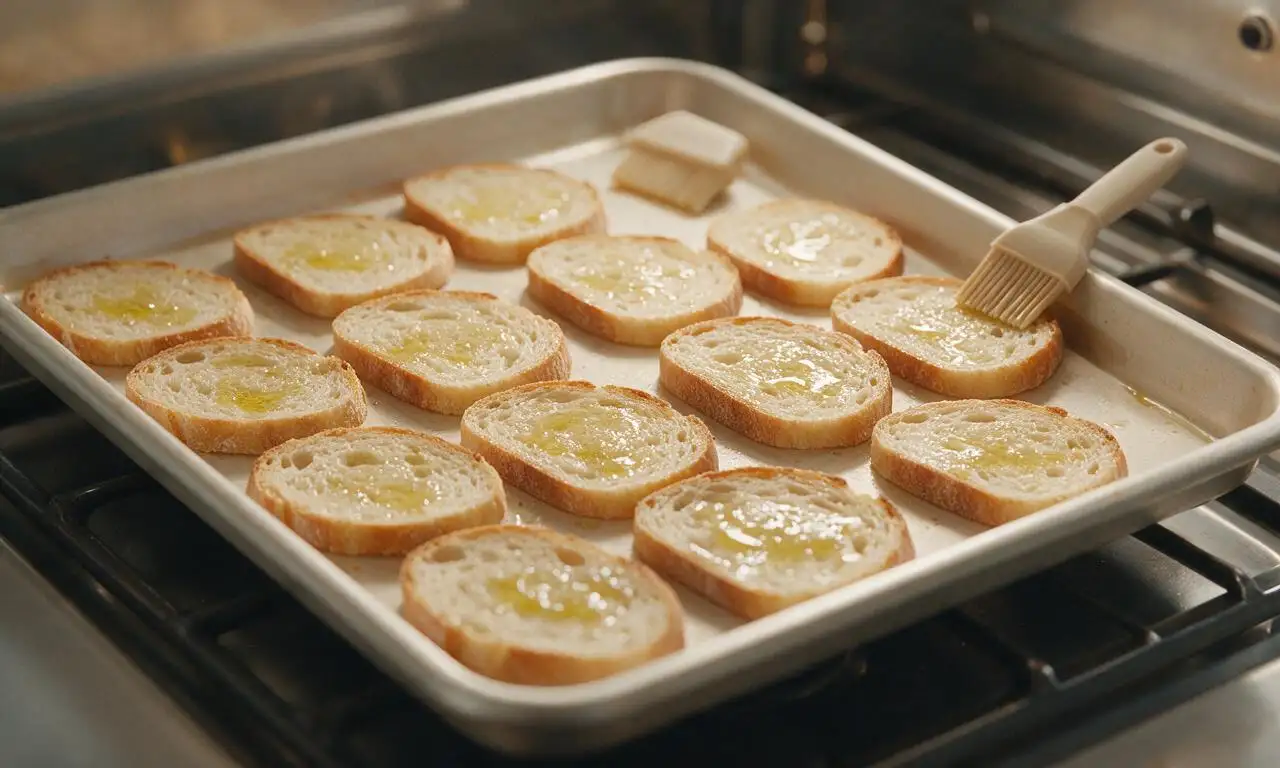
It’s not strictly required, but offering a small selection of plain crostini, thin grissini breadsticks, and mild water crackers gives guests a neutral base to stack bites of meat, cheese, and veggies on. Skip strongly flavored crackers like rosemary or cheddar varieties, as those will overpower the delicate, balanced flavors of the traditional antipasto ingredients.
12.How do I arrange the platter so it looks nice without being fussy?
▾
Start by placing small bowls of marinated items (like the bocconcini and artichoke hearts) on the platter first as anchor points, then fill in the gaps with ruffled cured meats, cheese chunks, and melon slices. Group like items together instead of scattering them, and tuck fresh basil sprigs in empty spots for a pop of color—no fancy design skills required.
13.Can I add extra ingredients to the platter, or should I stick to the core recipe?
▾
Classic antipasto is meant to be flexible, so feel free to add small amounts of complementary bites you love: briny Castelvetrano olives, spicy pickled pepperoncini, oil-packed sun-dried tomatoes, or a small dish of fig jam for pairing with cheese. Just avoid adding too many heavy, strongly flavored items that compete with the core recipe ingredients.
14.How should I store leftover antipasto platter ingredients?
▾
Separate any leftover ingredients by type, and store them in sealed airtight containers in the fridge within that 2-hour room temperature window. Cured meats and hard Parmigiano-Reggiano will keep for up to 1 week, while fresh bocconcini, marinated artichokes, and cut melon stay good for 3 to 4 days. Don’t store leftovers mixed together, as flavors will muddle and textures turn soggy.
15.What’s the best way to balance flavors so the platter doesn’t taste too salty?
▾
The key is balancing salty cured meats and briny veggies with sweet, creamy, and tangy elements—this is exactly why the recipe includes sweet melon and creamy, mild marinated bocconcini. If you’re extra sensitive to salt, rinse briny items like artichoke hearts or olives lightly before adding them, and skip extra salty toppings like salted nuts or heavily seasoned crackers.
16.Is this platter kid-friendly, or do I need to make separate snacks for kids?
▾
Most kids love the mix of mild, creamy cheese, sweet melon, and salty salami, so this platter usually works great for younger guests! Set aside a small section of the platter with plain bocconcini, rolled salami slices, melon chunks, and Parmesan shards, and keep tangier, brinier items like artichoke hearts and olives on the other side for adult guests.
17.What’s the difference between Genoa salami and other salamis for this platter?
▾
Genoa salami is a mild, garlicky, slightly tangy dry-cured salami with a good ratio of fat to lean meat, which makes it perfect for antipasto—it doesn’t have the strong, spicy kick of soppressata or the hard, dry texture of firmer aged salamis. If you want a little heat, swap ⅓ of the Genoa salami for spicy soppressata, but keep the majority mild for classic flavor.
18.Should I take the cheeses out of the fridge ahead of time to warm up?
▾
Yes! Cheeses like Parmigiano-Reggiano and fresh bocconcini taste best when they’re not ice-cold, because cold dulls their nutty, creamy flavors. Pull your cheeses out of the fridge 20 to 30 minutes before you plan to assemble the platter—keep them wrapped so they don’t dry out, and don’t leave them out so long that fresh mozzarella gets soft and mushy.
19.Can I make this platter for guests with gluten-free dietary needs?
▾
Absolutely! All the core recipe ingredients—Prosciutto di Parma, Genoa salami, marinated bocconcini, Parmigiano-Reggiano, marinated artichoke hearts, and melon—naturally contain no gluten. Just be sure to serve certified gluten-free crackers or breadsticks on the side, and double-check that marinated items don’t have hidden gluten-containing additives in their marinade.

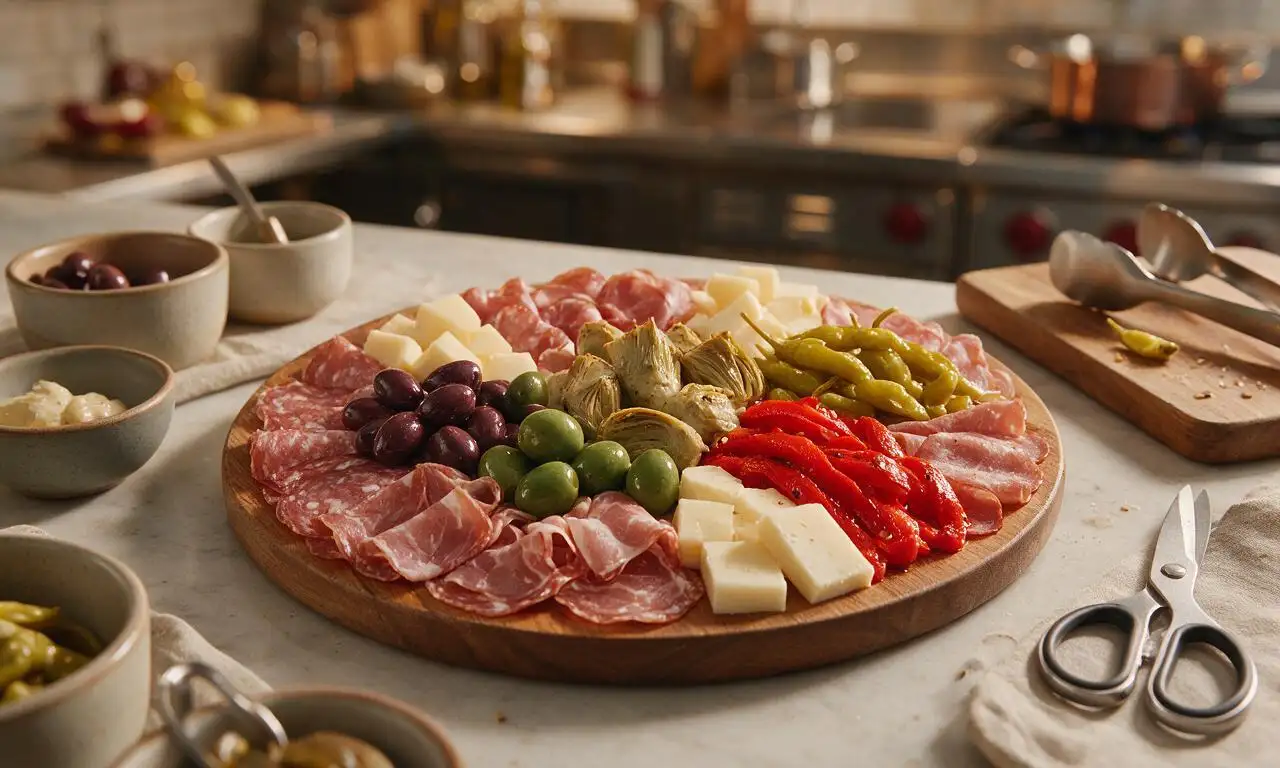
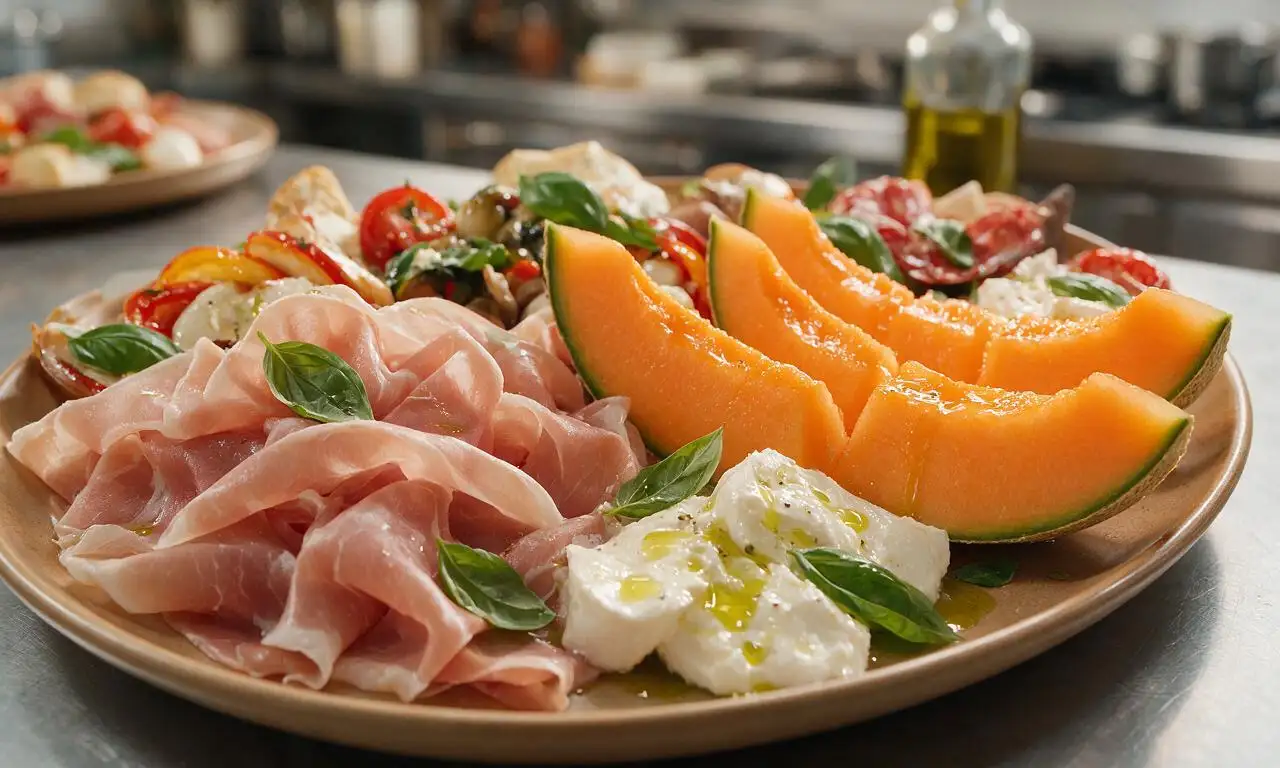
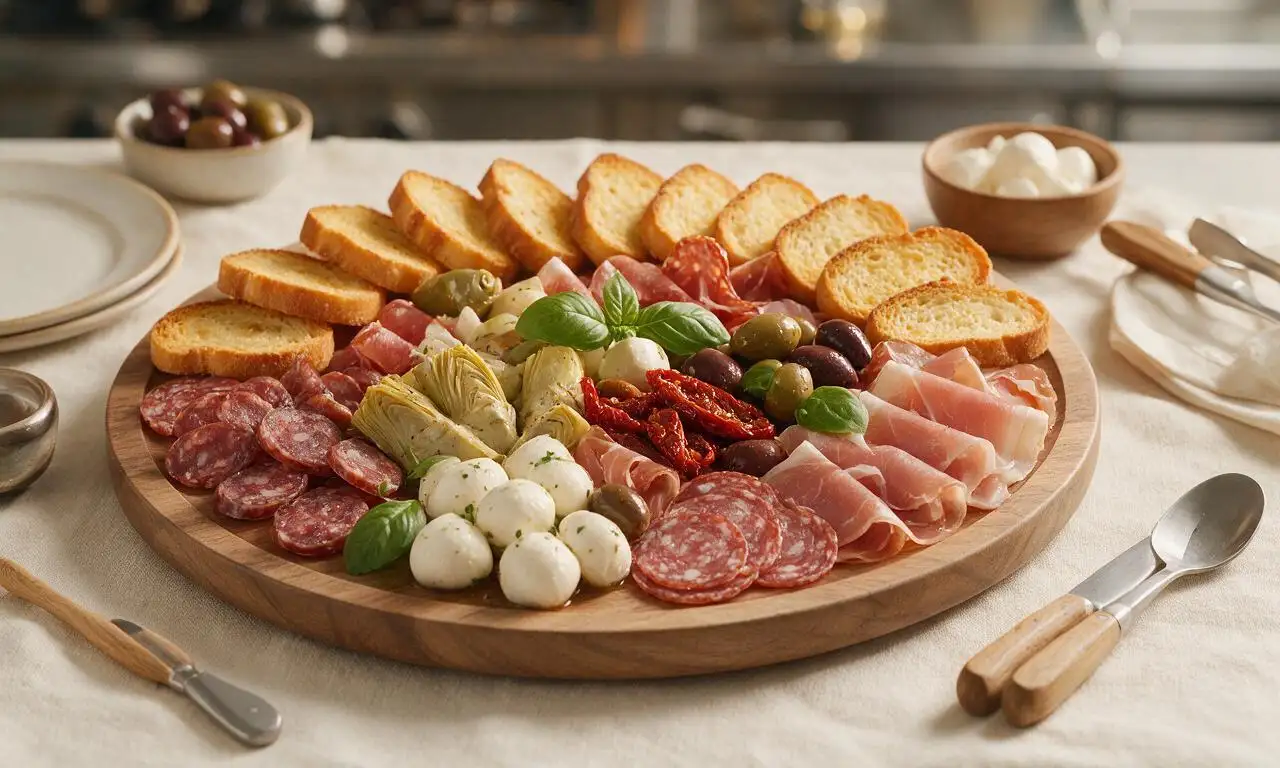

OMG this antipasto platter was such a game changer for our Sunday family dinner! I was stressing about finding a quick appetizer to serve before our baked ziti main, and this came together in literally 20 minutes just like the recipe says. I tossed in some extra kalamata olives and fresh fig slices because we had them sitting in the fridge, and everyone went back for seconds. Even my super picky 10-year-old ate three slices of prosciutto! SO good, I’m already planning to make a bigger version for our next neighborhood potluck.
Super easy to throw together! I pulled this together last minute when my buddies showed up unannounced to watch the Sunday football game. Only misstep was forgetting to grab marinated artichoke hearts at the grocery store, so I subbed in some pickled asparagus I canned last summer and it still slapped. 10/10, zero stress, perfect no-cook app for when you don’t have time to mess around in the kitchen.
I prepped all the components for this on Sunday and kept them separated in small storage containers so I could throw together mini antipasto plates for my work lunches all week. It feels so fancy to have a little charcuterie-style lunch at my desk instead of my usual sad desk salad! The cured meats, cheeses, and marinated veggies held up perfectly all week with zero sogginess. Will absolutely be adding this to my regular meal prep rotation.