1.Can I use regular long-grain white rice instead of short-grain sushi rice for this roll?
▾
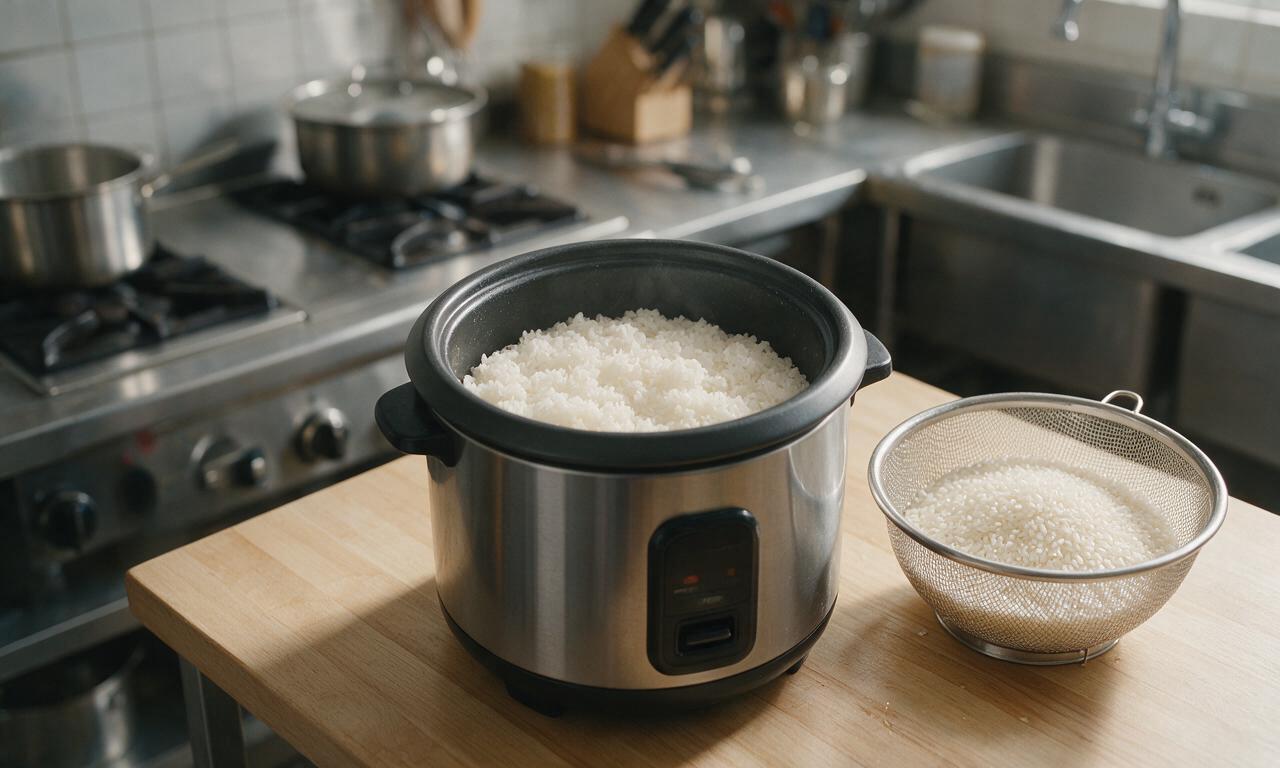
Short-grain sushi rice has the high amylopectin starch content that creates that signature chewy, clingy texture sushi is known for. Long-grain rice cooks up fluffy and separate, so it won’t hold the roll shape and will fall apart when you slice it. It’s absolutely worth picking up short-grain rice to get the right classic texture.
2.How do I pick a perfectly ripe Hass avocado for these rolls?
▾
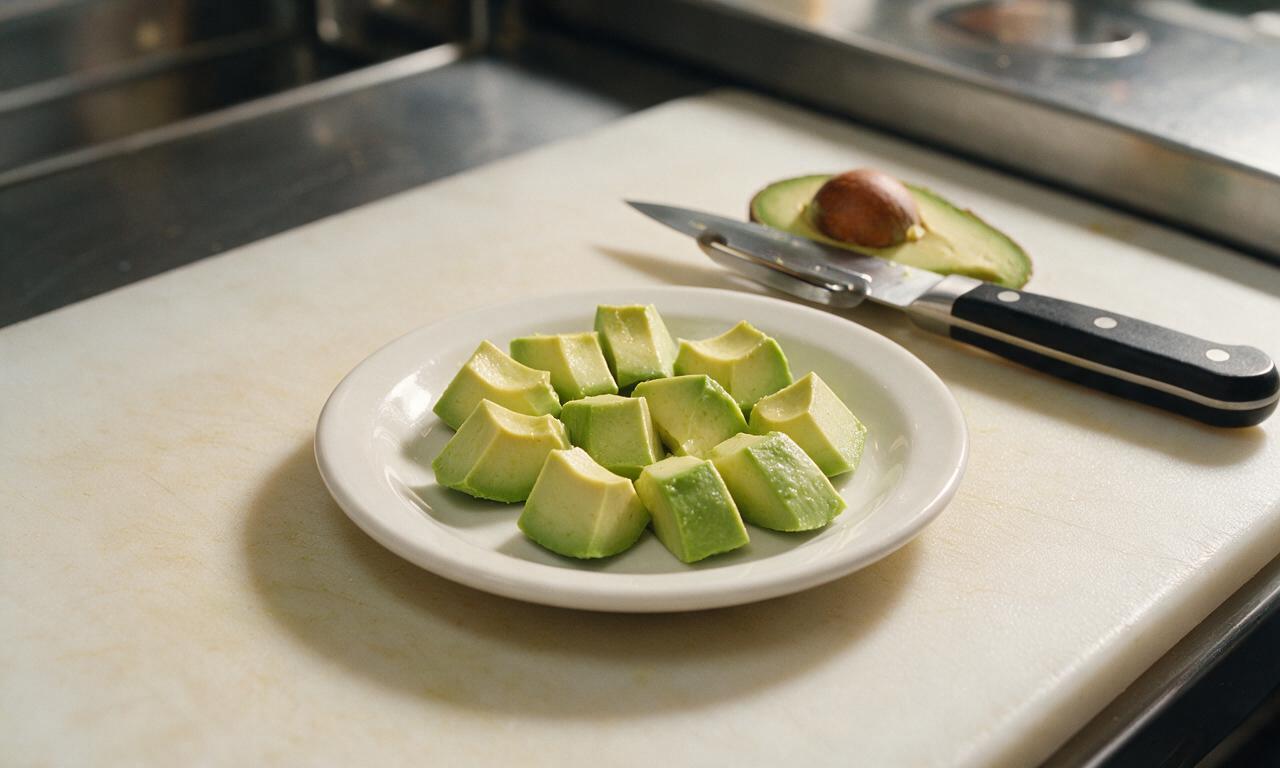
Look for Hass avocados with dark, pebbly skin that gives slightly when you press gently with your thumb—skip any with squishy dark spots, which signal bruising. If it’s bright green and rock hard, let it ripen on the counter for 2-3 days; if it’s perfectly ripe but you’re cooking a day later, stash it in the fridge to slow over-ripening.
3.What’s the right ratio of rice vinegar and sugar to season the sushi rice?
▾
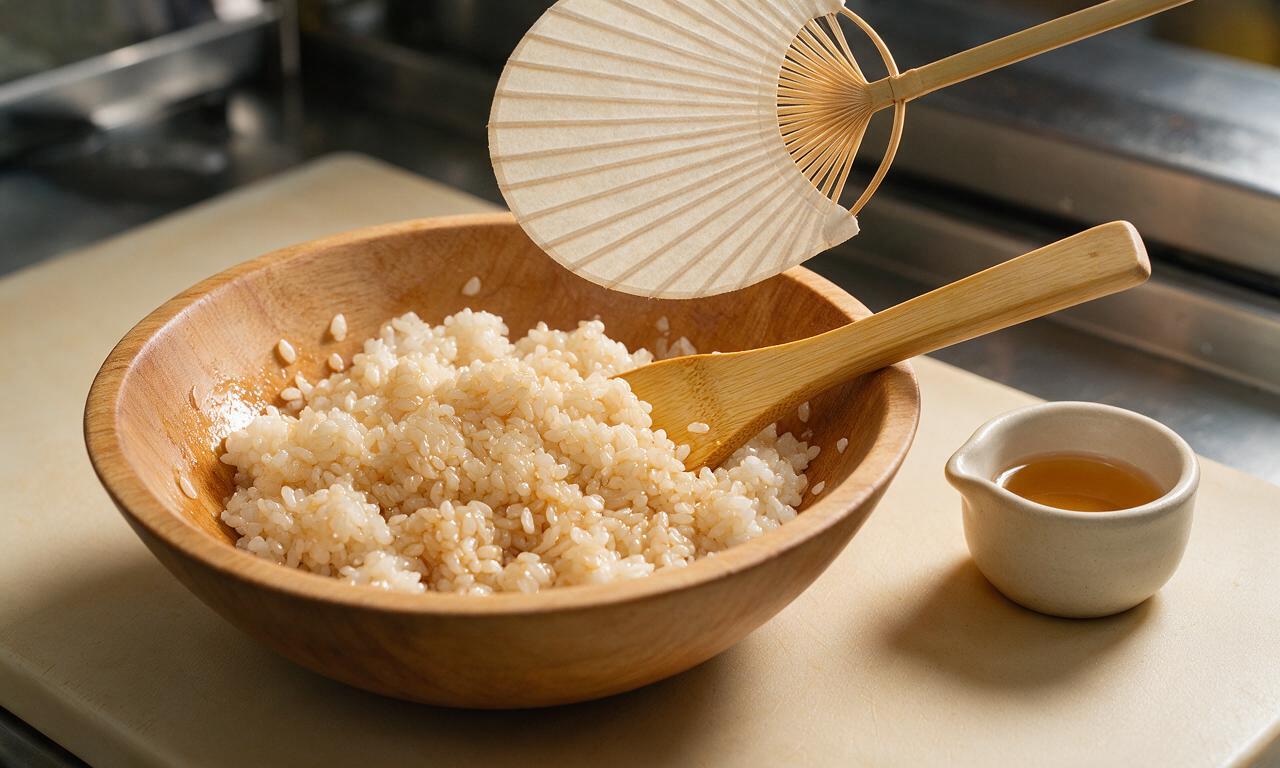
For 2 cups of uncooked short-grain rice (which makes roughly 4 cups cooked), use 1/3 cup unseasoned rice vinegar mixed with 2 tablespoons granulated sugar, warmed just until the sugar fully dissolves. Fold this mixture gently into hot, spread-out rice to cool it evenly without mashing the tender, individual grains.
4.Why does my nori get chewy and soggy right after I roll the avocado roll?
▾
Soggy, chewy nori usually stems from two common mistakes: your rice is too hot when you spread it on the nori, or you’re letting finished rolls sit too long before slicing and serving. Make sure seasoned rice is cooled to just above room temperature before assembling, and serve rolls within 10 minutes of rolling for crisp, snappy nori.
5.Do I need a bamboo rolling mat to make these avocado rolls, or can I improvise?
▾
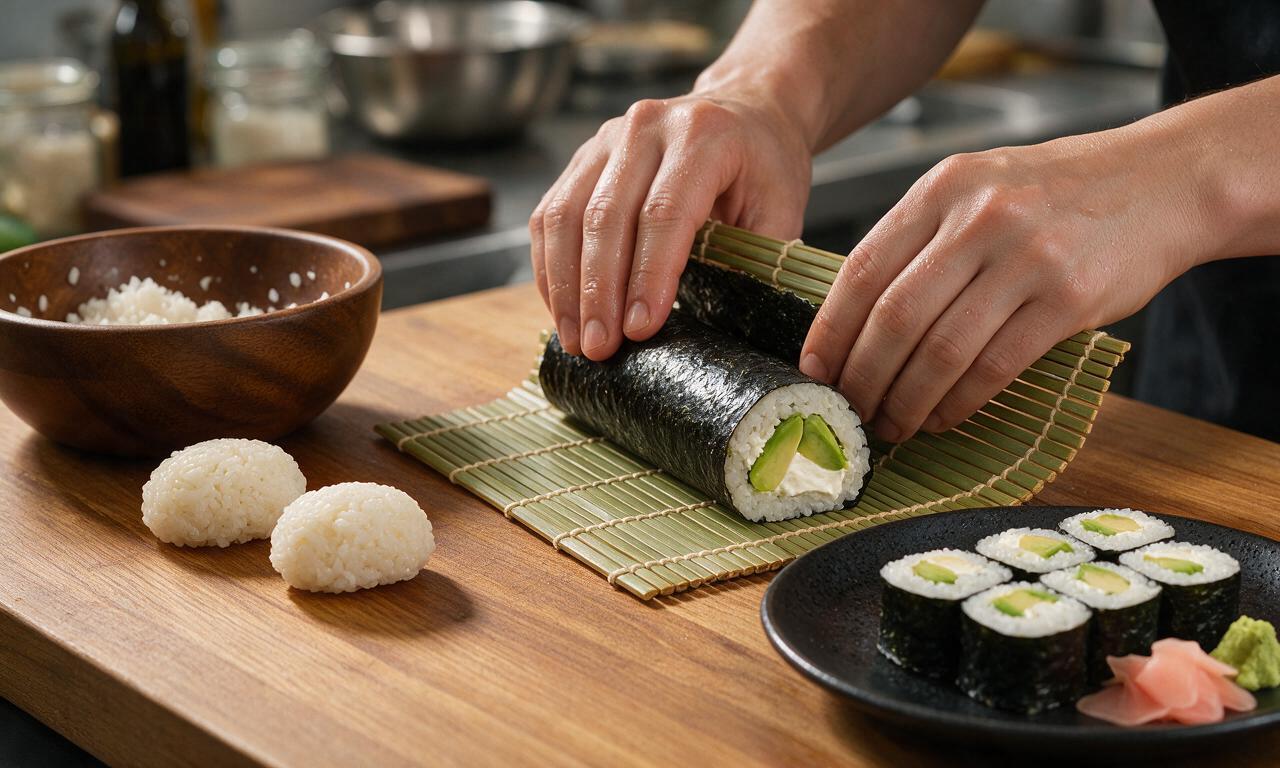
A bamboo makisu mat makes tight, even rolls much easier, but you can absolutely improvise if you don’t have one on hand. Use a sheet of parchment paper laid over a clean kitchen towel, applying even, gentle pressure as you tuck and roll just like you would with a bamboo mat, to get a tight roll that holds its shape.
6.How do I keep the avocado from turning brown in the rolls if I’m prepping ahead?
▾
Avocado oxidizes and browns quickly once cut, so for best results, slice your avocado right before assembling rolls. If you need to prep slices 15-20 minutes early, toss them very lightly in a tiny bit of fresh lemon juice—don’t overdo it, or you’ll add strong citrus flavor that clashes with the mild, creamy avocado.
7.How thick should I spread the rice on the nori sheet to get the right rice-to-filling ratio?
▾
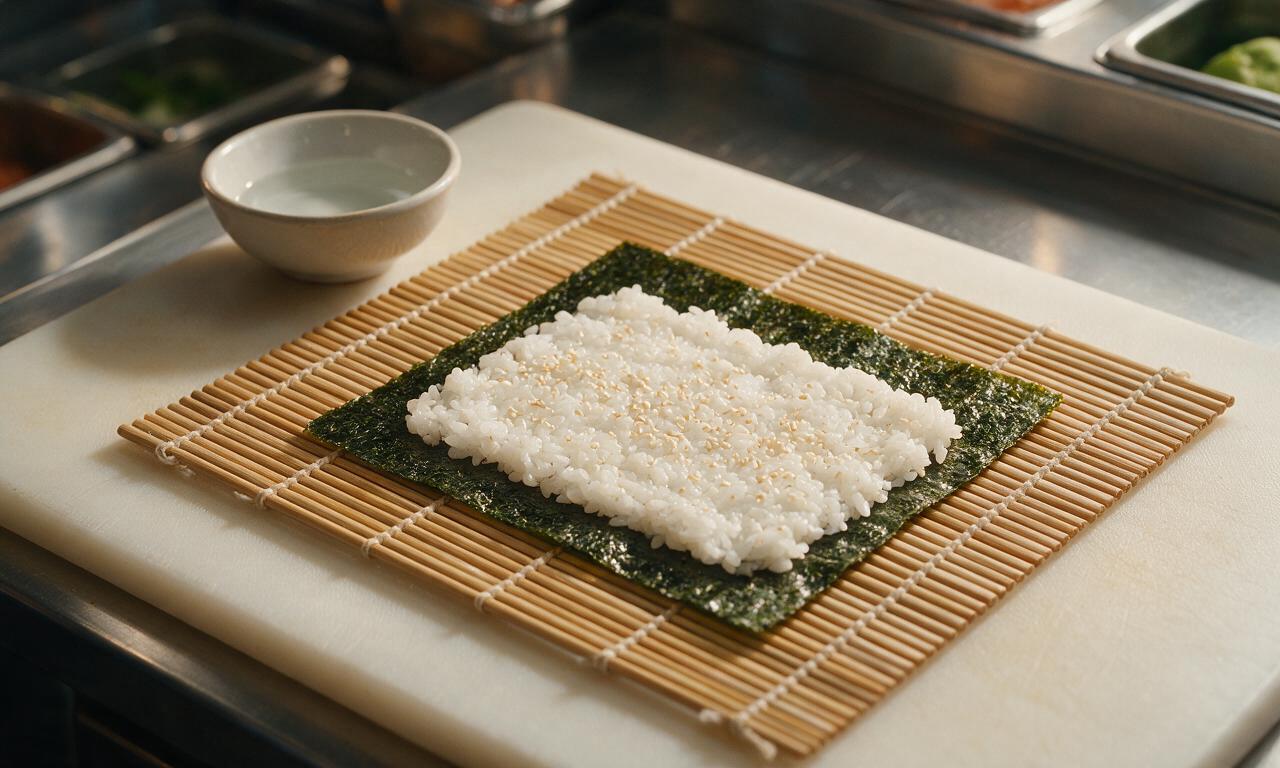
Spread roughly 1/4 inch of seasoned sushi rice evenly across the nori, leaving a 1-inch bare strip along the top edge to seal the roll. Don’t pack the rice too thick, or you’ll end up with a bulky, rice-heavy roll that pushes avocado filling out when you roll; a thin, even layer gives perfect balance.
8.What’s the best way to slice the rolls without squishing the avocado out or mashing the rice?
▾
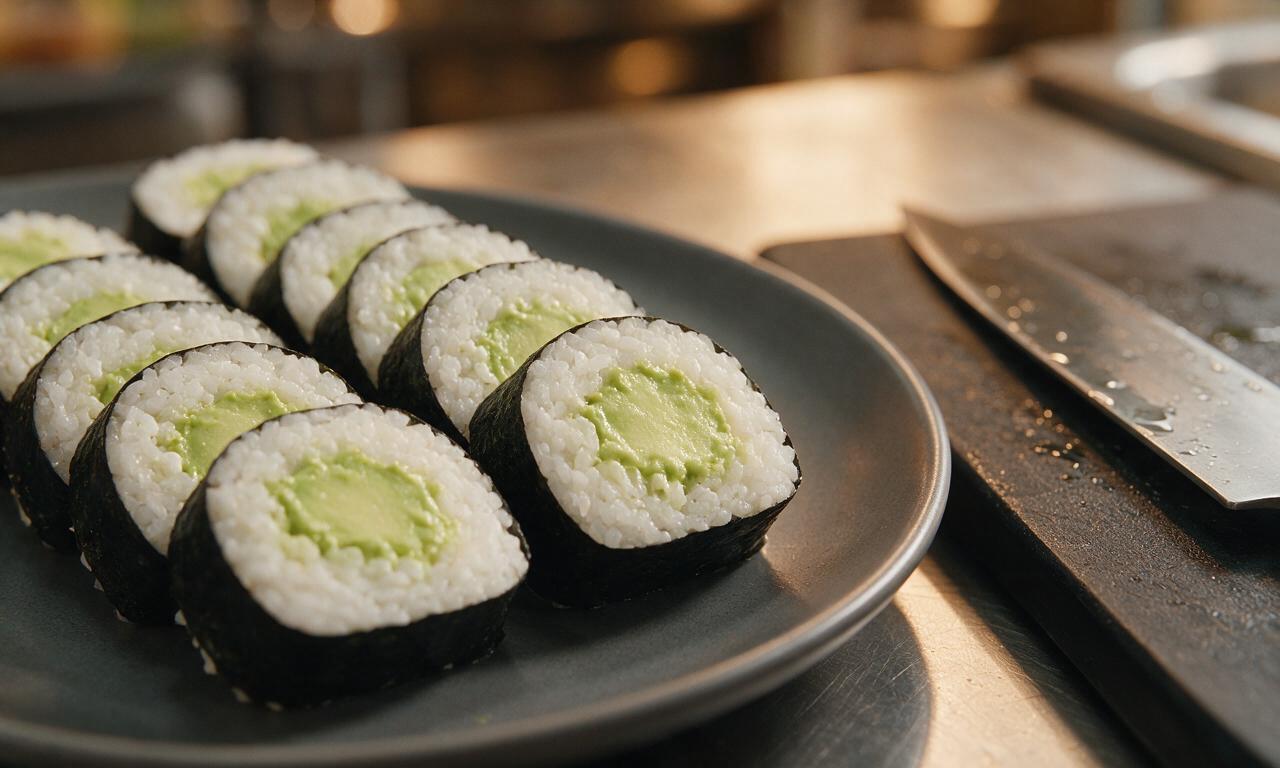
First, dip your sharp, thin-bladed knife in a bowl of cold water mixed with a tiny splash of rice vinegar between every slice—this keeps rice from sticking to the blade. Slice the full roll in half first, then cut each half into 3-4 even pieces using gentle sawing motions instead of pressing straight down.
9.Can I make this roll with brown sushi rice instead of white short-grain rice for a whole-grain swap?
▾
You can absolutely swap in short-grain brown sushi rice, just note it has a nuttier flavor and chewier texture than classic white sushi rice. It requires a longer cook time (about 45 minutes, plus a 10-minute steam) and a little extra seasoned vinegar-sugar mixture to get that same balanced, sticky consistency that holds the roll together nicely.
10.Why does my sushi rice turn out mushy instead of chewy and clingy?
▾
Mushy sushi rice almost always comes from using too much cooking water, or skipping the step of rinsing rice before cooking. Rinse short-grain rice in cold water until the water runs completely clear to remove excess surface starch, then use a 1:1.2 ratio of rice to water for perfect, chewy, not mushy, grains.
11.Is there a good substitute for roasted nori sheets if I can’t find them locally?
▾
Roasted nori has a specific crisp, briny, mild flavor that’s core to these sushi rolls, so there’s no perfect 1:1 swap. If your regular grocery store doesn’t carry it with the Asian ingredients, look for it at local Asian markets or online, and skip unroasted raw nori, which is tough, overly fishy, and not ideal for rolling.
12.Should I put the rice on the inside or outside of the nori for a classic creamy avocado roll?
▾
The classic preparation of this simple roll has the nori on the outside (called maki), with rice spread on the inner surface of the nori and avocado strips laid in the center. If you prefer a rice-outside uramaki roll you can flip the nori after spreading rice, but the traditional version keeps crisp nori as the outer layer.
13.How much avocado should I put in the center of each roll to avoid overstuffing?
▾
For each standard full nori sheet roll, use 1/4 of a ripe Hass avocado, cut into long, 1/2-inch thick strips laid in a single line down the center of the rice. Piling on extra avocado might sound appealing, but it will make the roll impossible to seal tightly, with filling squeezing out the sides as you roll and slice.
14.Do I need to add cream cheese or mayo to the avocado to get that signature creamy texture?
▾
No extra add-ins are needed! The “creamy” in the recipe name comes from perfectly ripe, buttery Hass avocado itself, not cream cheese or mayo. Adding those rich mix-ins will overpower the fresh, mild, bright flavor of the avocado. If you want a tiny pop of extra texture and flavor, a light sprinkle of toasted sesame seeds works great.
15.How long can I store leftover avocado rolls in the fridge before they go bad?
▾
Avocado rolls don’t hold up particularly well in storage, since cut avocado browns quickly and nori gets soggy as it sits. If you have leftovers, wrap them tightly in plastic wrap and store in an airtight container in the fridge for no more than 24 hours. Expect the texture to be much less crisp and fresh than when served immediately.
16.Why won’t my roll seal shut when I get to the end of rolling?
▾
Rolls usually fail to seal for two common reasons: you spread rice all the way to the top edge of the nori, leaving no bare strip to stick to, or you didn’t dampen that bare edge with a tiny bit of water before finishing the roll. Keep that 1-inch nori strip clear, dab it with a wet finger, and apply gentle pressure for 10 seconds to set the seal.

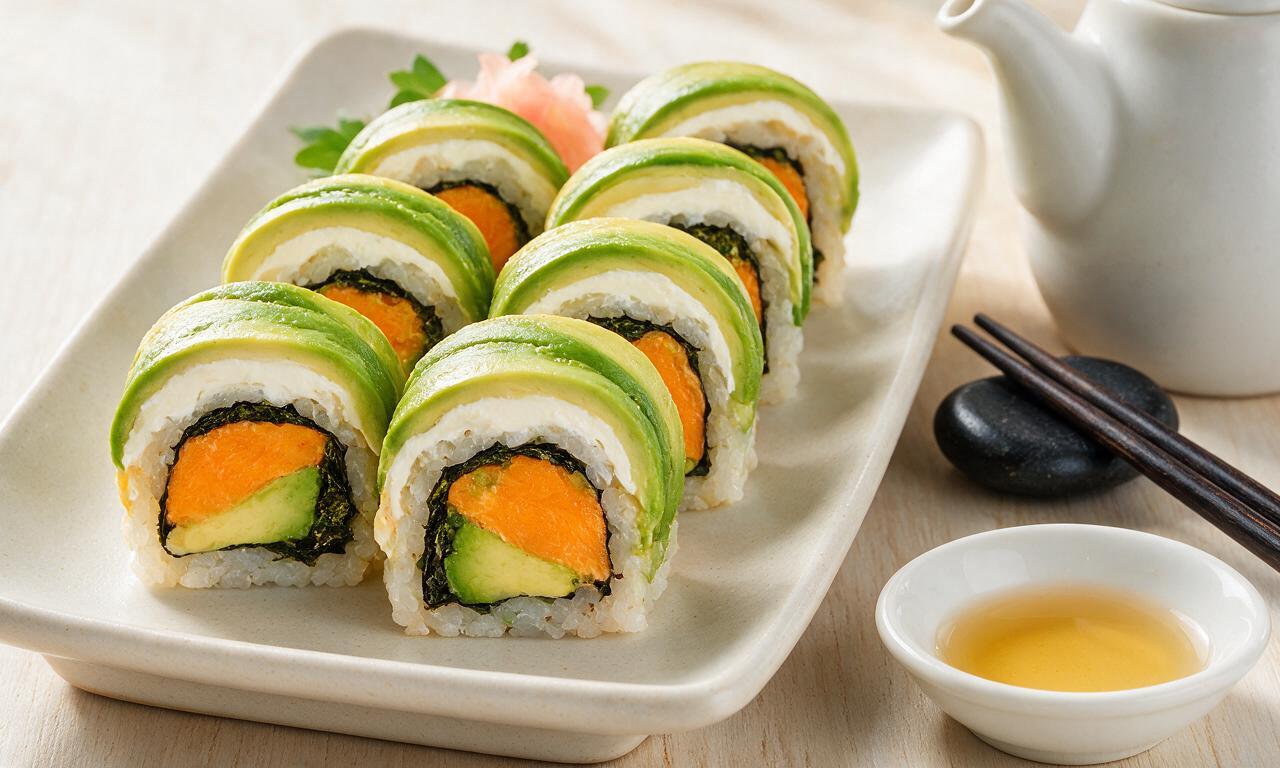
OMG these creamy avocado rolls were SUCH a hit at our weekend potluck! I was nervous they’d get soggy prepping them an hour early but they held up perfectly, and even my super picky 7 year old asked for seconds. The cream cheese and avocado combo is *chef’s kiss*—total game changer for quick weeknight dinners too. 10/10, will be making these on repeat for meal prep!
Super easy recipe for a total beginner! I’ve never made sushi rolls at home before and these came out way better than I expected. Only thing I messed up was not spreading the sushi rice thin enough at first, so my first two rolls were a little lumpy, but by the third I had the hang of it. SO good paired with a little spicy mayo dip on the side.
Such an easy, flexible recipe! I swapped the regular cream cheese for dairy-free vegan cream cheese and these tasted just like the fancy restaurant avocado rolls I used to get before cutting out dairy. Made them for my sister’s casual birthday dinner and everyone was raving, even the non-vegan folks at the table. Will definitely be adding this to my regular weeknight rotation!