1.Do I need to prick bockwurst before poaching to keep them from bursting?
▾
No, skip pricking your bockwurst—pricking lets the savory, fatty internal juices leach out into the poaching liquid, leaving you with dry, bland sausages. The low, gentle poaching temperature keeps casings from splitting as long as you never let the water reach a rolling boil. If you’re extra cautious, you can make one tiny pinprick at each curled end, but it’s rarely necessary.
2.Why do you add white distilled vinegar to the poaching water?
▾
Great question! The small amount of vinegar does two key jobs: first, it lightly tenderizes sausage casings so they stay snappy but not tough, and second, if a casing does split accidentally, the vinegar helps exposed meat proteins set fast so less filling leaks out. You won’t taste any vinegar in the finished sausage, I promise.
3.What temperature should the poaching water be to cook bockwurst perfectly?
▾
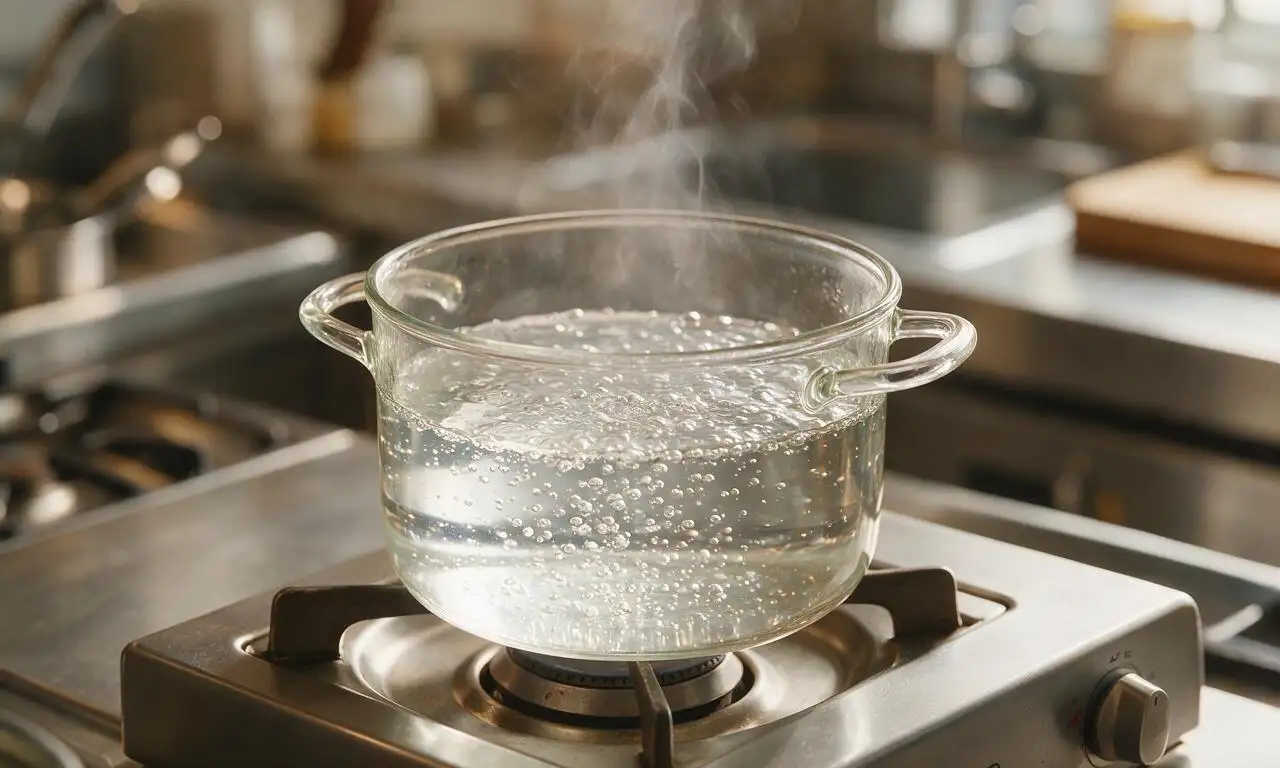
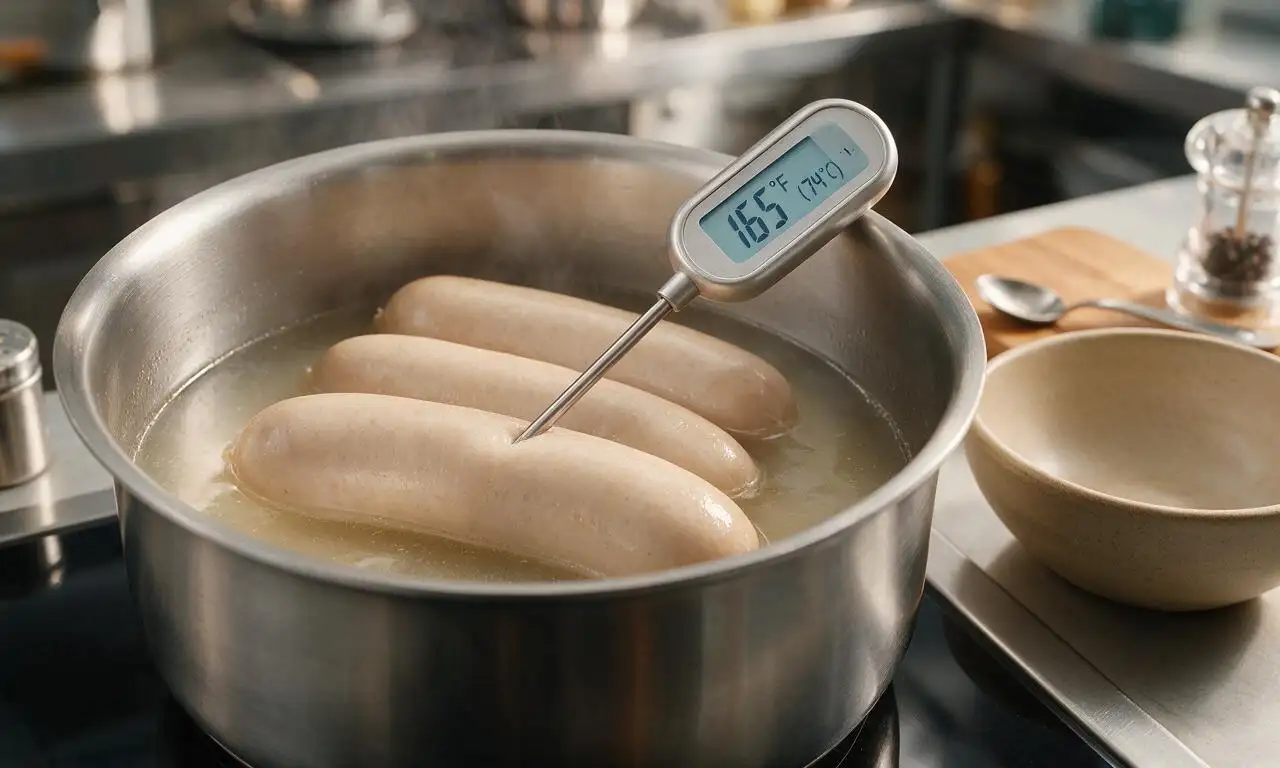
Aim to hold your poaching liquid right between 160–170°F, well below a rolling boil. At this temp, the sausages cook gently and evenly from edge to center without casings splitting, and the delicate veal-pork filling stays juicy instead of turning rubbery and grainy, which happens if you boil them too hard.
4.Can I use all-pork bockwurst if I can’t find the traditional veal-pork blend?
▾
Absolutely! Traditional bockwurst is a veal-pork mix, but high-quality all-pork bockwurst works beautifully for this recipe. Just skip any bockwurst with added strong mix-ins like cheese or jalapeño if you want that classic beer garden flavor, and add 30 seconds to your poaching time if the sausages are extra thick.
5.How long does it take to poach bockwurst all the way through?
▾
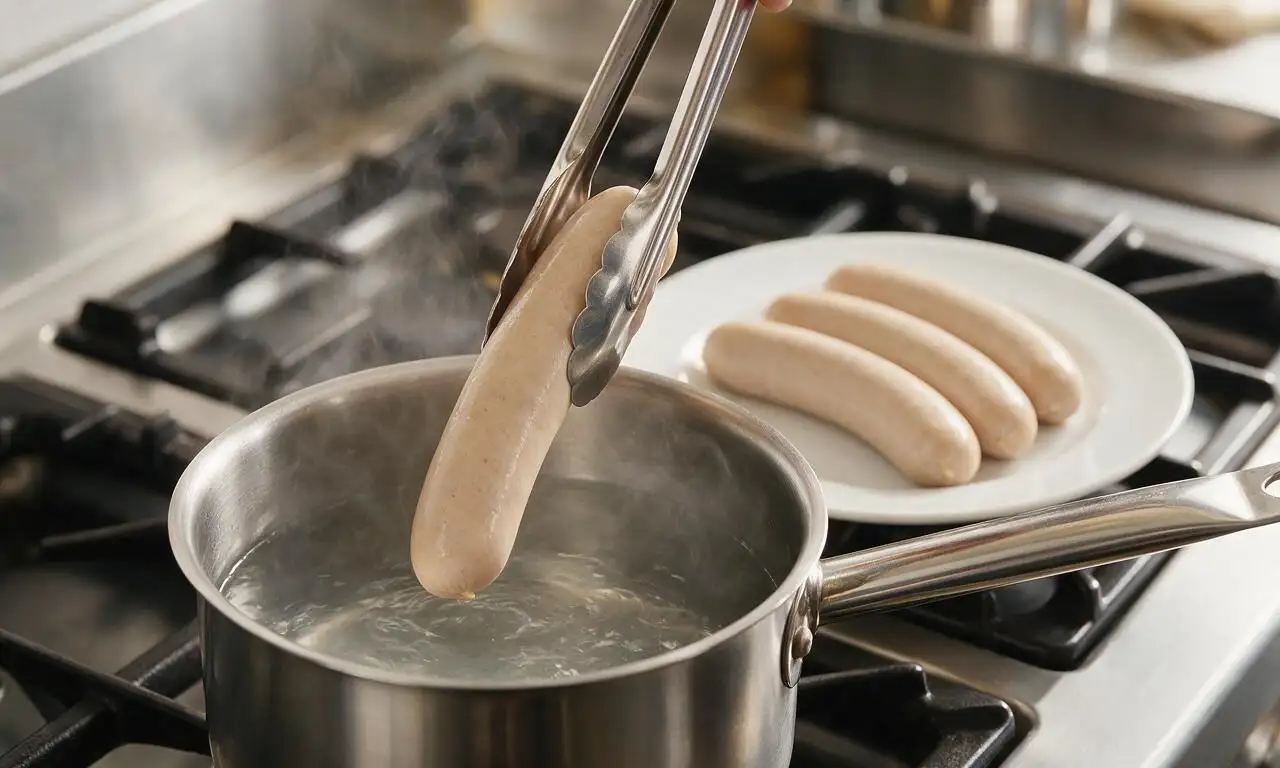
For standard-sized (3–4 ounce) bockwurst straight from the fridge, 8–10 minutes in that 160–170°F poaching liquid is perfect. You’ll know they’re done when they feel plump and firm to a light touch, and an instant-read thermometer inserted into the center reads 160°F. Don’t overcook them, or they’ll turn tough and dry.
6.Do I have to serve poached bockwurst with sweet Bavarian mustard and soft pretzels?
▾
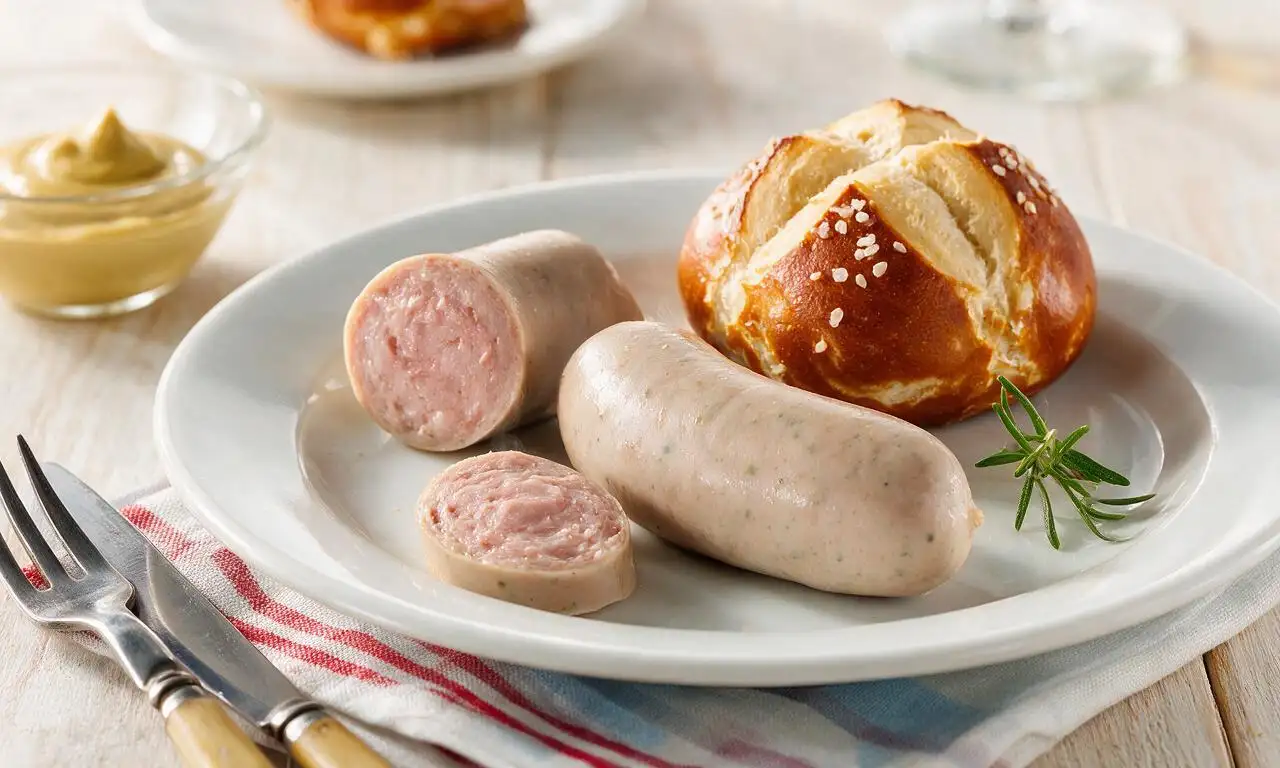
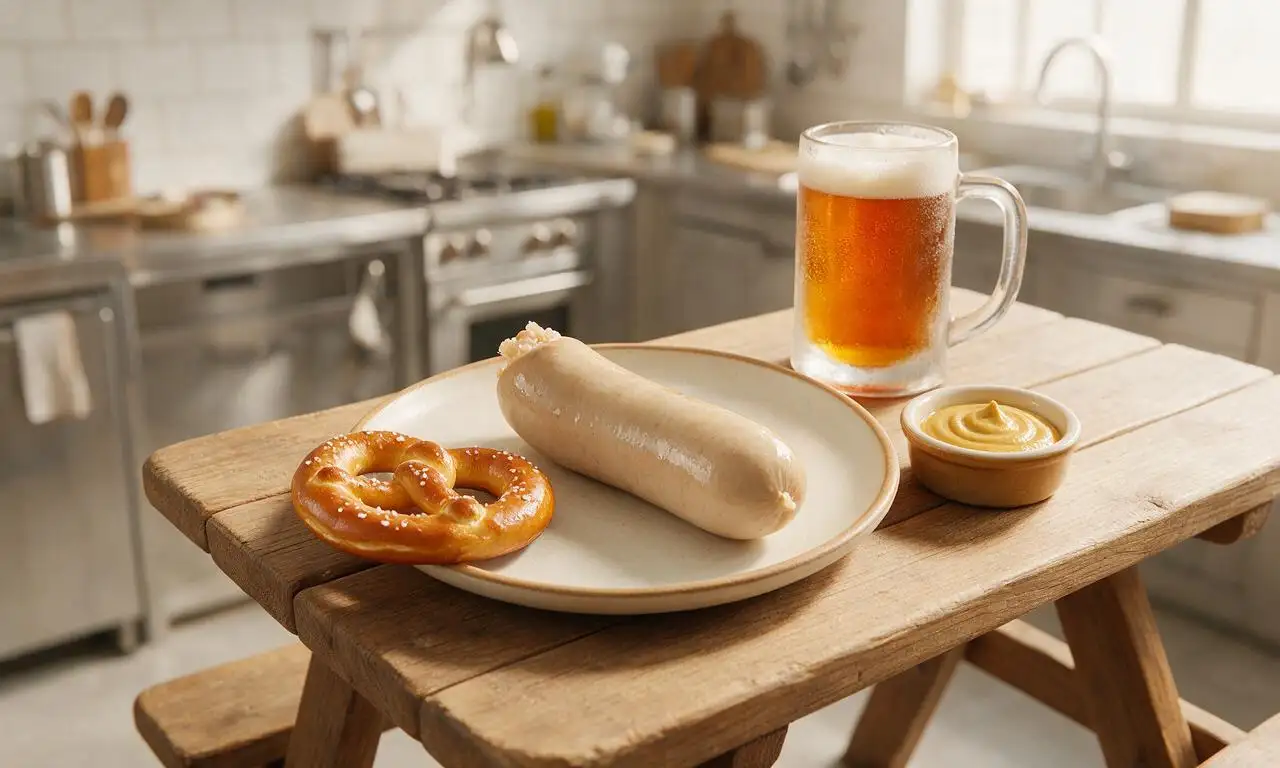
Those are the classic, traditional beer garden pairings, but you absolutely don’t have to stick to them! They’re also great with tangy sauerkraut, warm German potato salad, crusty rye bread, or sharp whole-grain mustard if you don’t have the sweet Bavarian style. Skip heavy, overpowering sauces that mask the sausage’s mild, delicate flavor.
7.Why does the recipe call for starting bockwurst in cold water instead of dropping them into hot water?
▾
Starting sausages in cold, seasoned water lets them heat up gradually along with the liquid, which cuts down on casing shock that causes splits, and ensures the sausage cooks evenly all the way through before the outer layer gets overcooked. If you drop cold sausages straight into hot water, the outer casing tightens fast and is far more likely to burst.
8.Can I poach frozen bockwurst without thawing them first?
▾
You can, but you’ll need to adjust your cook time slightly. Add 4–5 minutes to the standard 8–10 minute poach time, and double-check the internal temp hits 160°F at the center before serving. Just make sure you still keep the water at that gentle 160–170°F range—don’t crank the heat to rush the process, or you’ll end up with split casings.
9.What’s the point of adding onion and whole peppercorns to the poaching liquid?
▾
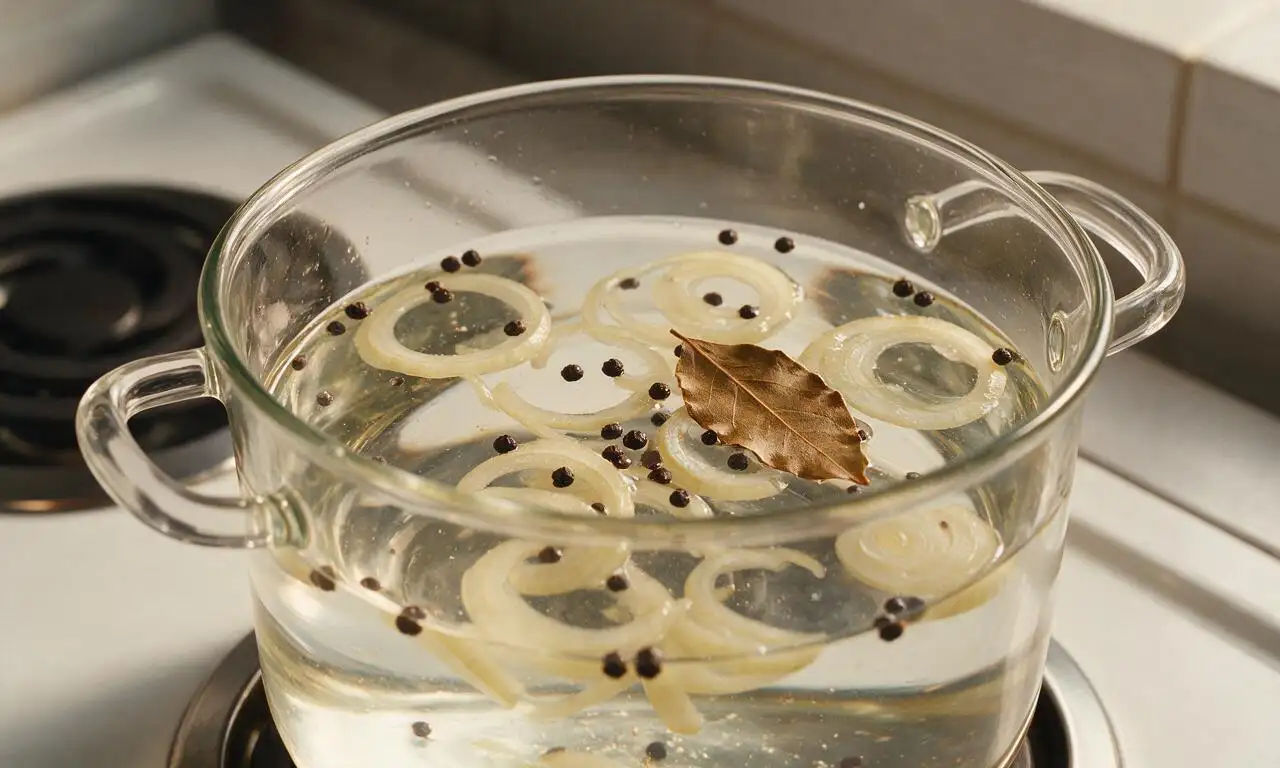
Those aromatic ingredients add a subtle, savory depth of flavor to the sausages as they poach, infusing right through the casing without overpowering the bockwurst’s mild, delicate taste. You don’t need to chop the onion fancy—just peel it and cut it into 4 big wedges so it’s easy to fish out once the sausages are done cooking.
10.My bockwurst casings always get wrinkly after poaching—what am I doing wrong?
▾
Wrinkly casings almost always come from one of two common missteps: either you cooked the sausages at too high a temperature (a rolling boil instead of that gentle 160–170°F poach), or you let them sit exposed to air for 5+ minutes after pulling them from the water. Serve them immediately after poaching for snappy, smooth casings.
11.Can I reuse the poaching liquid after cooking the bockwurst?
▾
You can strain it and save it for 3–4 days in the fridge to poach more sausages, or use it as a light base for simple German-style soups or braising liquid for cabbage and onions. Skim off any stray fat or leaked sausage bits before storing, and bring it back up to temperature slowly when you’re ready to use it again.
12.Is it okay to brown the bockwurst after poaching for a little extra crisp?
▾
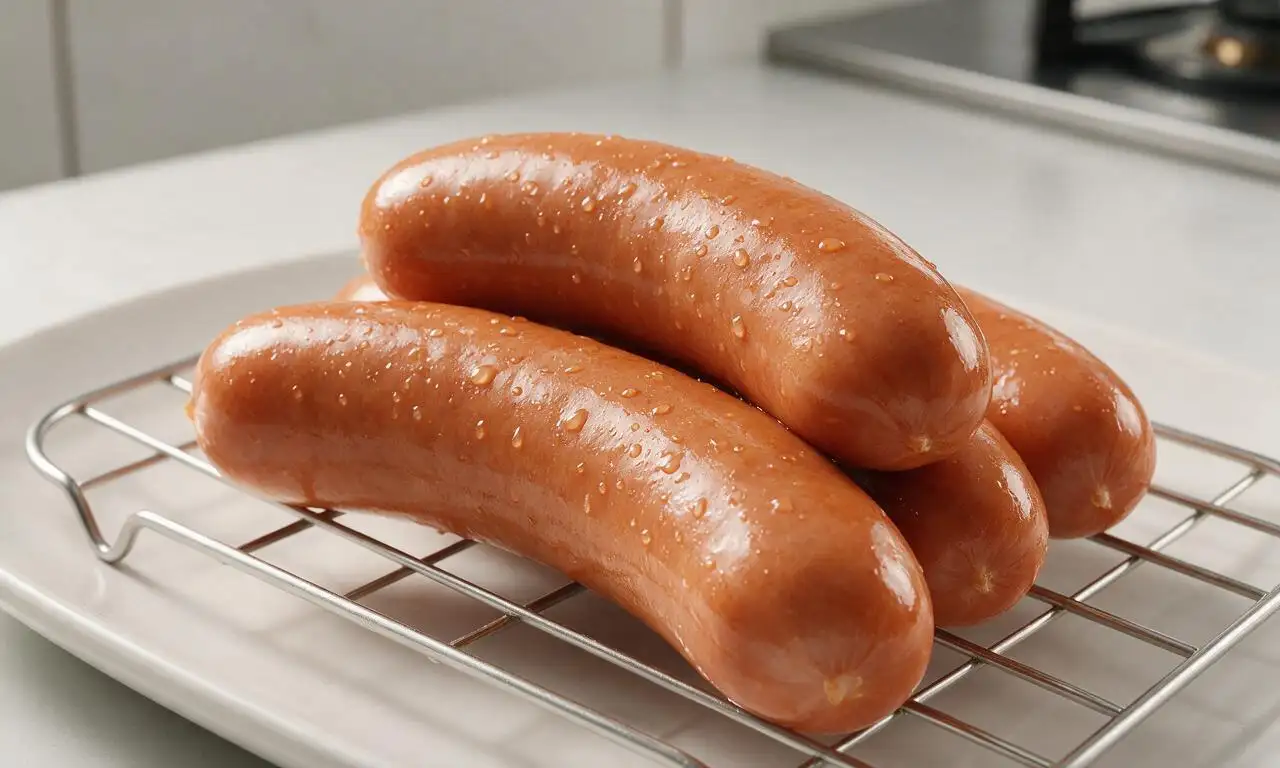
Totally! A quick 30-second sear on each side in a tiny bit of butter over medium heat after poaching adds a lovely, lightly crisp outer layer without drying out the sausage. Just don’t sear them too long—bockwurst is delicate, and you don’t want to burn the casing or cook out all that juicy, tender interior from poaching.
13.How do I know if I added too much vinegar to the poaching water?
▾
The recipe only calls for 2 tablespoons of vinegar per quart of water, so if you added significantly more than that, you might pick up a faint sour tang on the sausage casings. If you accidentally overpour before heating, just dump out a bit of the liquid and top off with extra plain cold water to dilute it. A little extra won’t ruin the dish, though.
14.Can I make poached bockwurst ahead of time for a party?
▾
You can poach them up to 2 days ahead, store them in an airtight container in the fridge, and reheat them gently in 150°F water for 3–4 minutes right before serving. Don’t reheat them in the microwave, as that will make the casings tough and the filling rubbery. Keep them submerged in warm water until guests are ready to eat for the best texture.
15.What kind of white vinegar works best for this recipe? Can I use white wine vinegar instead?
▾
Plain, affordable white distilled vinegar works best here, since it has a neutral, sharp acid profile that tenderizes casings without adding any extra flavor. You can use white wine vinegar in a pinch, but it has a slightly fruitier, milder acid, so add an extra half tablespoon to get the same effect, and skip herb- or garlic-infused white vinegars.
16.My poached bockwurst tastes watery—what did I do wrong?
▾
Watery bockwurst almost always comes from pricking casings before poaching, which lets water seep into the sausage and dilute the rich, savory flavor, or from cooking them at too low a temperature for too long, which makes the filling break down and release excess moisture. Next time, skip pricking, hold temp steady at 160–170°F, and pull them once they hit 160°F internal.
17.Do I need to peel the casing off the bockwurst after poaching?
▾
No! Bockwurst casings are edible, thin, and snappy, and they hold all that juicy filling in place once you serve the sausages. The only time you’d want to remove a casing is if you bought lower-quality bockwurst with a thick, chewy natural casing that feels rubbery when you bite into it, but most standard grocery store bockwurst has perfectly pleasant, edible casings.
18.What drinks pair best with classic poached bockwurst?
▾
The classic beer garden pairing is a cold, malty bock beer, which matches the mild, savory sausage and sweet mustard perfectly. If you don’t drink beer, a crisp, slightly sweet hard cider, light-bodied dry riesling, or even sparkling lemonade works beautifully—you want something bright and carbonated to cut through the subtle richness of the veal-pork filling.





Made these for last weekend’s backyard cookout when we ran out of regular hot dogs and OMG, they were a total hit! So juicy, way better than I thought poached sausage could be. 20 minutes total? No fuss, no messy grill flare ups? Game changer for quick summer meals. My neighbor already asked for the recipe!
Super easy weeknight win! Served these with sautéed sauerkraut and whole grain mustard for the kids, and even my super picky 7 year old ate two! Will absolutely be adding this to our regular dinner rotation, perfect for those nights we have zero energy to cook something complicated.
Wait, I always thought you had to boil bockwurst forever and they’d get all rubbery? This method had them come out perfectly tender every single time I’ve made it (three times in two weeks, no shame). Great for dorm cooking since I only have a single hot plate and a pot, no fancy equipment needed.
I’ve been making bockwurst for my family for over 50 years, and this poaching method is exactly how my mother taught me! No fancy tricks, just gentle cooking, served with warm potato salad and a cold beer. It’s so nice to see classic, simple recipes getting shared instead of all those overcomplicated viral food trends.
Brought these to our office potluck today and they vanished in 10 minutes! I set out a little topping bar with sauerkraut, diced onions, spicy brown mustard, and curry ketchup so people could dress them how they wanted. Nobody could believe how little time they took to make. 10/10 will be making these for every get together from now on.
Great base recipe! I added a little bay leaf and a splash of white vinegar to the poaching liquid like my grandpa used to, and it gave the bockwurst such a nice subtle flavor. Super easy, clean up was basically zero, which is a huge win for me after a long day at work.
I was so worried I’d overcook these when I made them for my German partner’s birthday dinner, but they turned out perfect! Tasted exactly like the ones he gets from the corner stand in Munich when he visits family. He was so impressed, he thought I ordered them from a specialty deli. SO good, will be making these again for sure.
Tested these out for our pre-game tailgate last weekend and they were way easier than grilling brats in the parking lot! I poached them at home first, then kept them warm in a cooler until we got to the stadium, and they were still juicy and delicious. Way less mess than firing up a tiny grill in the wind.
Wait, can you prep these ahead for the week? I’m always looking for high protein lunches I can grab and go between meetings, and these look way better than my usual sad turkey sandwich.
Made these last night with some local craft mustard and homemade dill pickle spears on the side. The poaching method was so straightforward, even my teen who’s just learning to cook was able to make them without any help. They loved it so much they asked to make them for their friend when they come over this weekend.
Quick question — are these safe for someone with a gluten allergy? I’ve had bockwurst before that had hidden wheat fillers, so I always have to check before making a new sausage recipe. Would love to make these for our family’s Oktoberfest party next month!