
Witbier

title 1
Witbier
⏱️ cook time 21 days total (75 minutes active prep/boil time)
🍽️ servings 4
⚡ Difficulty medium

intro

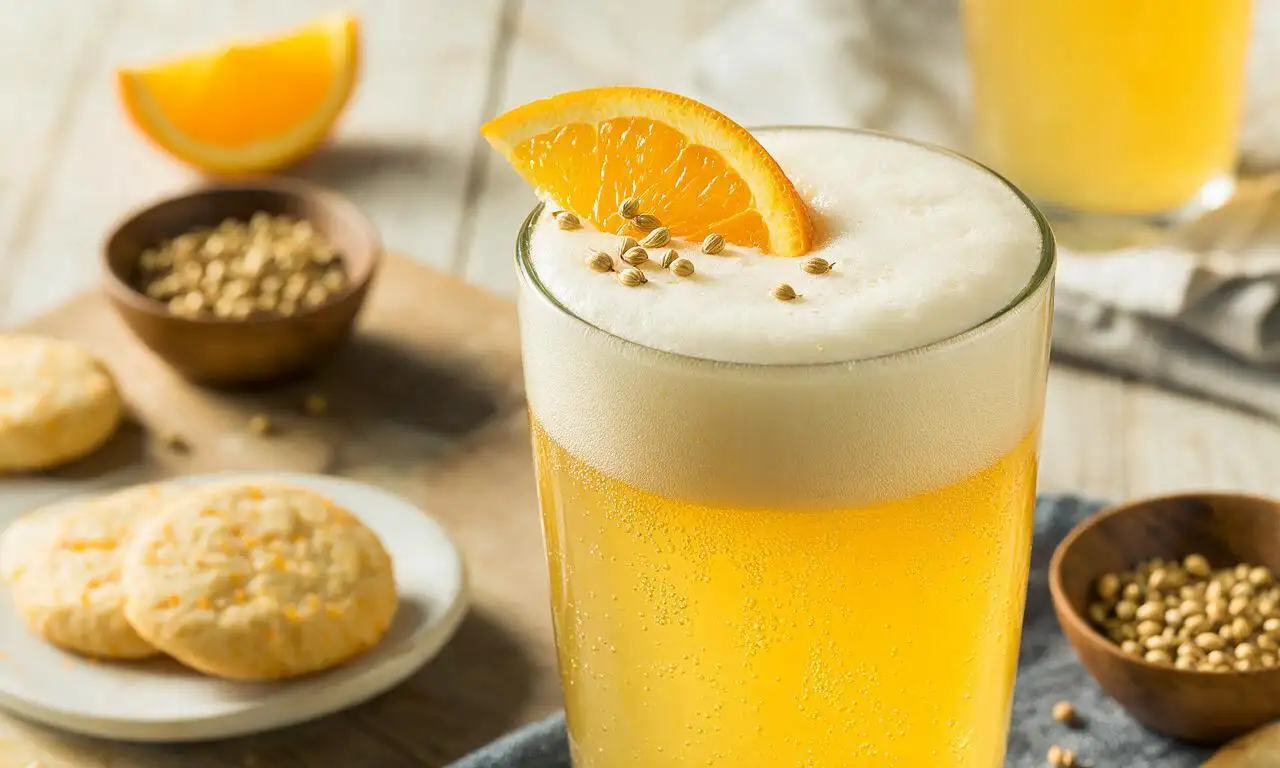
Hazy, light-bodied spiced wheat beer with bright orange and subtle coriander notes, crisp and perfectly carbonated for warm-weather sipping.

Ingredients

Crushed pilsner malt 200g
Crushed raw wheat 150g
Flaked oats 50g
Saaz hops (3.5% alpha acid) 5g
Crushed coriander seed 2g
Dried Curaçao orange peel 3g
Belgian witbier brewing yeast 5g (1 standard sachet)
Corn sugar (for carbonation) 8g
Filtered water 2L

Steps

1

Sanitize All Brewing Equipment

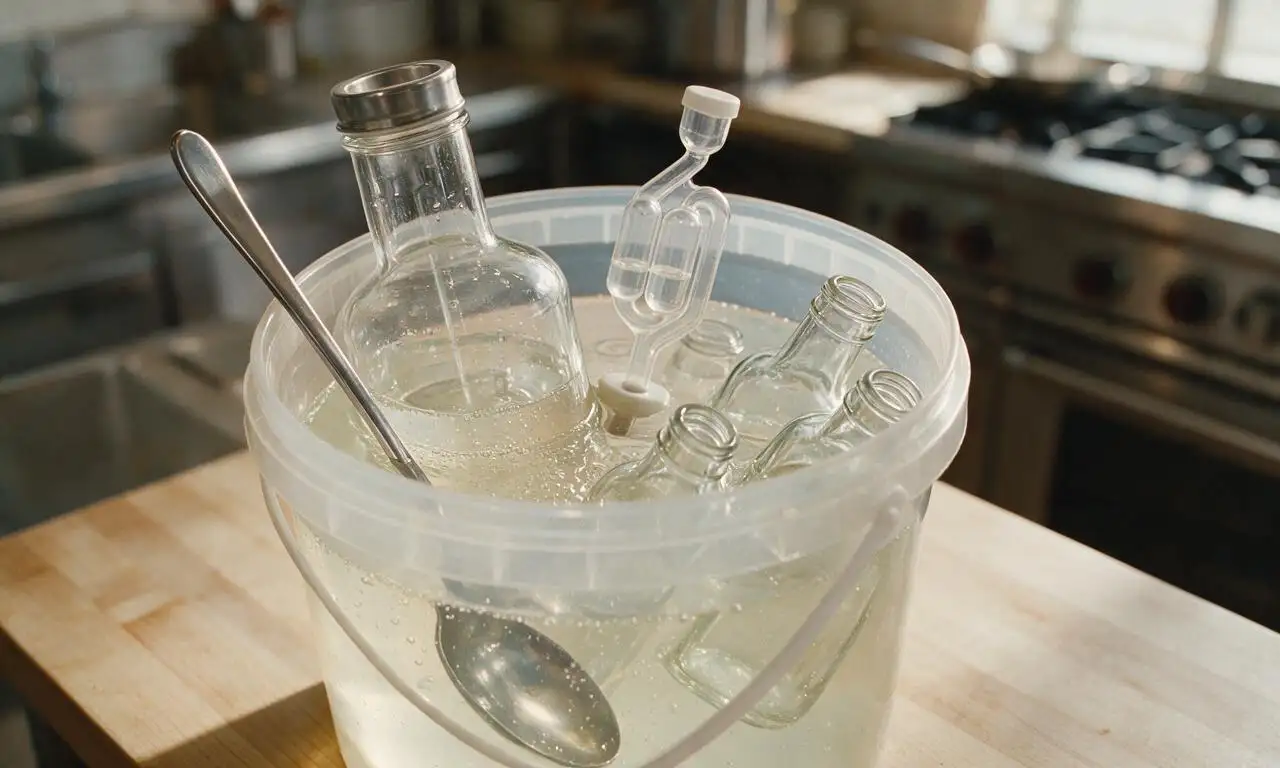
Sanitize all brewing equipment (1.5L glass fermenter, airlock, stirring spoon, siphon, 4 x 355ml/12oz glass bottles, capper) by mixing 1 tablespoon of no-rinse brewing sanitizer per 4L of cool water, submerging items for 1 full minute before draining completely; do not wipe dry, as residual sanitizer is flavorless and safe. This prevents off-flavors from unwanted bacteria.
Step 1
step1:Sanitize All Brewing Equipment
2

Heat and Mash Grains

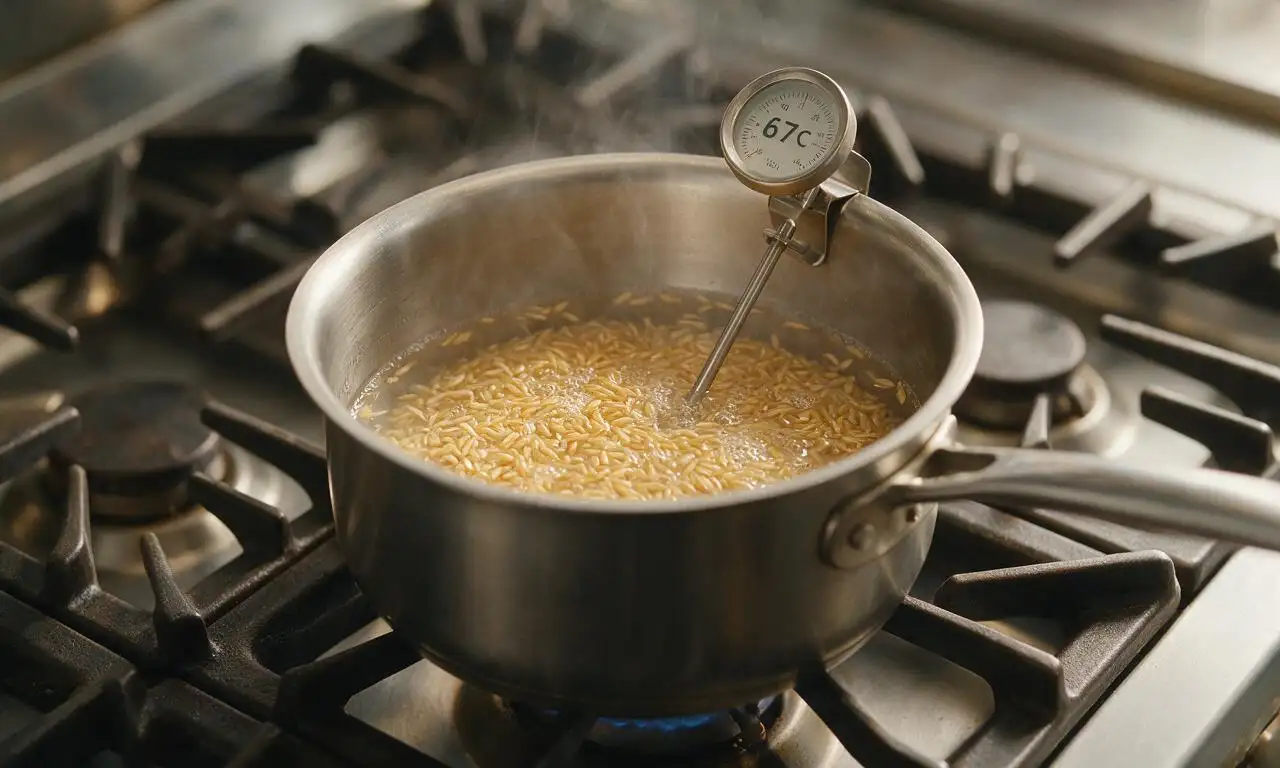
Heat 1.2L of filtered water in a 3L stainless steel stockpot over medium-low heat to 67C (153F). Add crushed pilsner malt, raw wheat, and flaked oats, stirring thoroughly to break up dry clumps. Hold the mash temperature steady at 65–68C (149–154F) for 60 minutes, adjusting heat to low as needed and covering the pot between temperature checks to convert grain starches to fermentable sugar.
Step 2
step2:Heat and Mash Grains
3

Strain and Rinse Grains

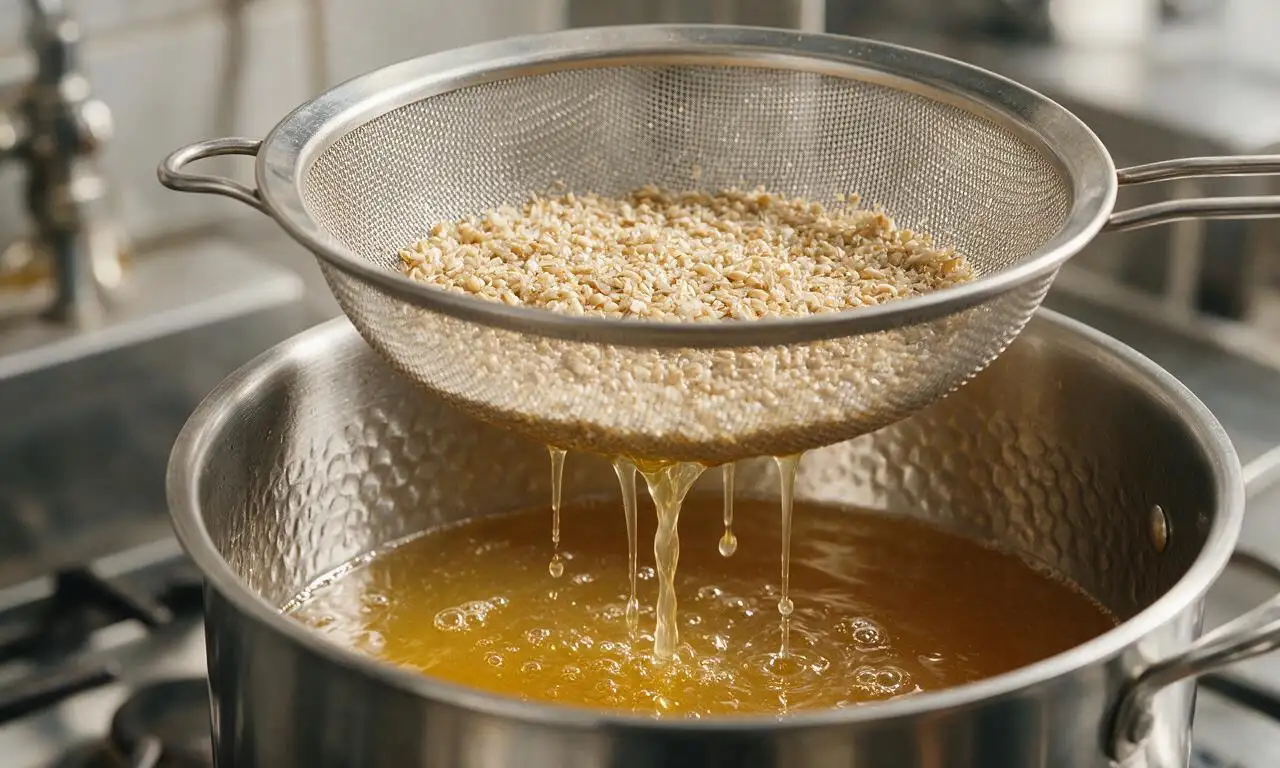
After the 60-minute mash, pour the grain and water mixture through a fine-mesh strainer into a second clean 3L stockpot. Gently rinse the trapped spent grains with 500ml of 77C (170F) filtered water to extract remaining sugars, then discard the grains. Bring the collected sweet, golden wort to a rolling boil over medium-high heat, watching closely to prevent sticky boilovers.
Step 3
step3:Strain and Rinse Grains
4

Boil Wort and Add Hops

Once the wort reaches a steady rolling boil, add 3g of Saaz hops, set a timer for 60 minutes, and adjust heat to medium to maintain a gentle, non-violent boil. With 15 minutes remaining on the timer, add the remaining 2g of Saaz hops, crushed coriander seed, and dried Curaçao orange peel. Keep the pot uncovered for the full boil to allow harsh, off-flavor compounds to evaporate.
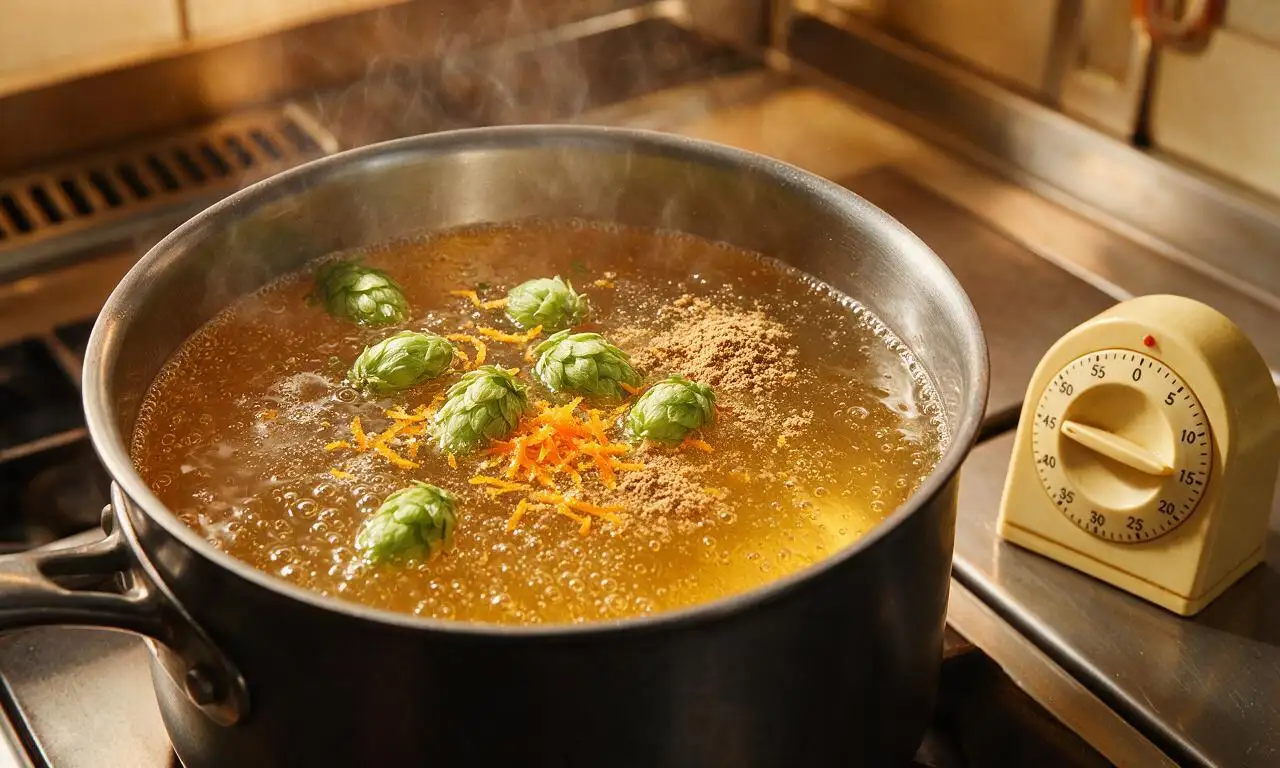
Step 4
step4:Boil Wort and Add Hops
5

Cool Wort in Ice Bath

When the 60-minute boil ends, immediately remove the pot from heat, cover it, and set it in an ice bath in a clean kitchen sink filled with cold water and ice until the wort cools to exactly 20C (68F), about 15 minutes. Pour the cooled wort into the sanitized fermenter, sprinkle the full 5g sachet of witbier yeast evenly over the wort surface, seal the fermenter lid, fill the airlock to the marked line with sanitizer, and attach the airlock.
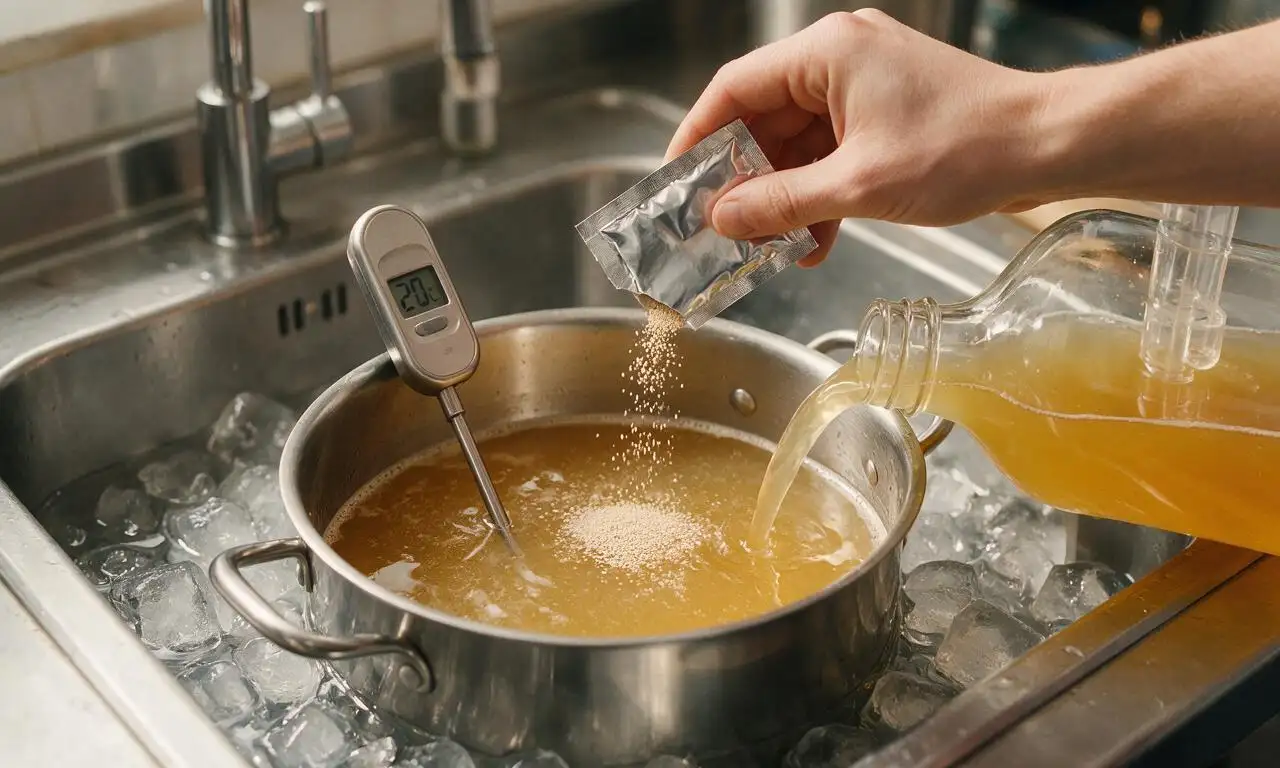
Step 5
step5:Cool Wort in Ice Bath
6

Ferment Beer for 14 Days

Move the sealed fermenter to a dark, temperature-stable spot (like a closet or pantry) held at a steady 18–22C (64–72F) to ferment for 14 days. Leave the fermenter completely undisturbed for the first 7 days, then check that bubbling in the airlock has stopped to confirm primary fermentation is complete.
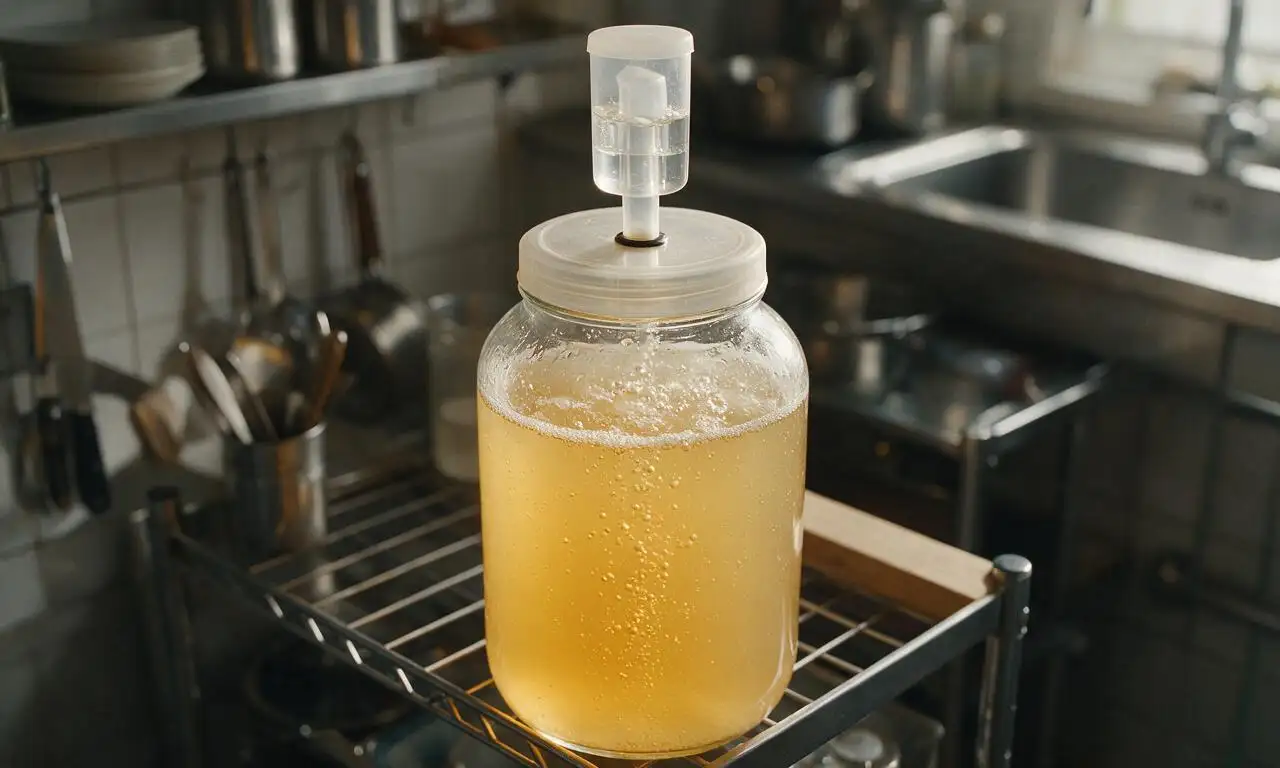
Step 6
step6:Ferment Beer for 14 Days
7

Add Sugar and Siphon Beer

Once fermentation finishes, dissolve 8g of corn sugar in 30ml of boiling water, cool to 20C (68F), and add the solution to a sanitized bottling bucket. Siphon the beer from the fermenter into the bucket, stirring gently to evenly distribute the sugar, then siphon into sanitized 355ml (12oz) bottles and cap tightly. Store bottles at 18–22C (64–72F) for 7 days to carbonate, then chill for 24 hours before serving.
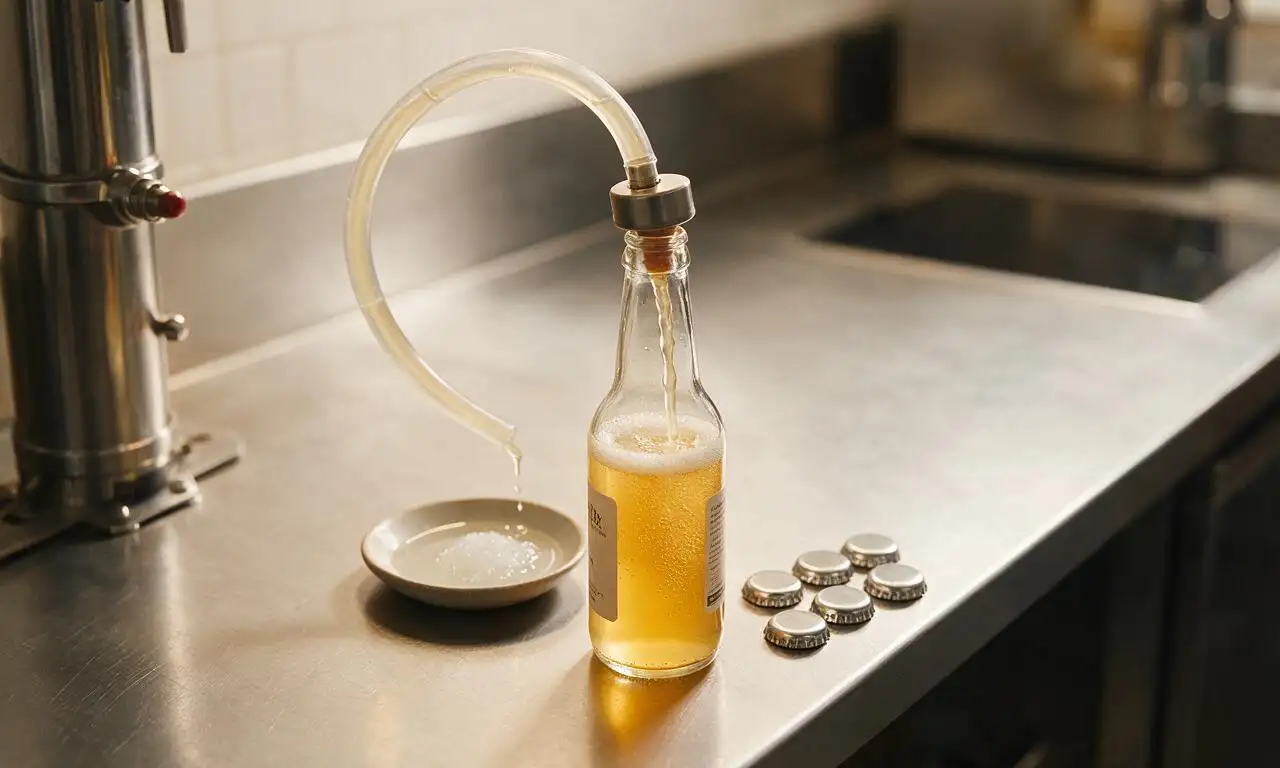
Step 7
step7:Add Sugar and Siphon Beer

Tips

1.Never skip or rush sanitization: every surface that touches cooled wort or finished beer must be fully sanitized, as even trace amounts of bacteria can create sour, soapy, or rotten off-flavors that ruin the batch.
2.Keep mash temperatures as stable as possible: temperatures above 70C (158F) will produce a heavy, cloyingly sweet beer, while temperatures below 64C (147F) will create a thin, overly dry, watery final product.
3.Do not add coriander or orange peel earlier than the last 15 minutes of the boil: extended boiling breaks down these ingredients into harsh, soapy, bitter compounds instead of the bright, citrusy, aromatic notes classic to witbier.


✨ You May Also Like

Drinks & Beverages
🍜 Mexico

A bright, balanced tequila-based cocktail with zesty fresh lime, smooth orange liqueur, and a signature salt rim, perfect for warm summer sipping.

⏱️ 5 minutesDrinks & Beverages ★ 4.9
Drinks & Beverages
🍜 United States

Thick, creamy, nostalgic classic vanilla milkshake with a rich, smooth texture, topped with whipped cream and a cherry for cool, sweet refreshment.

⏱️ 5 minutesDrinks & Beverages ★ 4.7
Drinks & Beverages
🍜 United States

A bright, golden strong ale with fruity banana-clove notes, subtle hop spice, and soft carbonation, brewed in classic Trappist Tripel tradition.

⏱️ 2 hours aDrinks & Beverages ★ 4.5
Drinks & Beverages
🍜 United States

A frothy, nostalgic American soda fountain treat pairing bubbly cold root beer with creamy vanilla ice cream, perfect for cooling down at warm weather gatherings.

⏱️ 20 minuteDrinks & Beverages ★ 4.8
Drinks & Beverages
🍜 United States

Tart, funky, effervescent American Wild Ale is a complex fruity craft beer brewed with wild yeast, delivering bright, zesty notes perfect for warm-weather sipping.

⏱️ 2 hours aDrinks & Beverages ★ 4.4
Drinks & Beverages
🍜 United States

Bright, bubbly copycat of the iconic American caramel cola, balanced with citrus and warm spice, perfect for sipping ice-cold on hot days.

⏱️ 15 minuteDrinks & Beverages ★ 4.8

Witbier:Frequently Asked Questions

1.Why isn’t my homemade witbier as hazy as the commercial versions I’ve tried? ▾
That classic soft haze comes from suspended wheat and oat proteins, so skip over-filtering your finished beer, and avoid cold crashing for more than 2 days at temperatures below 38°F, which drops all those fine particles to the bottom. A very gentle stir of the fermenter right before bottling will help retain that signature haze without making your beer gritty.
2.Can I substitute Saaz hops if I can’t find them at my local homebrew shop? ▾
Absolutely! Saaz is a delicate 3.5% alpha acid noble hop, so swap it for equal amounts of other low-alpha noble varieties like Hallertau Mittelfruh or Tettnang to keep that soft, earthy, slightly floral backbone. Skip bold, high-alpha hops like Cascade or Citra—they’ll overpower the subtle coriander and soft wheat notes that define this easy-drinking style.
3.Do I have to use raw wheat, or can I swap it entirely for wheat malt? ▾
You can swap up to 30% of the raw wheat for white wheat malt in a pinch, but don’t replace it entirely. Raw wheat contributes that soft, bready, creamy mouthfeel and stable, fine haze classic to witbier, while 100% wheat malt adds a sharper, toastier note that mutes the bright, light character perfect for warm-weather sipping.
4.How fine should I crush the coriander seed to get the best, most balanced flavor? ▾
Aim for a coarse crack, not a fine powder—use a mortar and pestle or the flat side of a chef’s knife to split most seeds open, rather than grinding them in an electric spice grinder. Finely ground coriander leaches harsh, soapy, bitter notes during fermentation, while fully uncrushed seeds won’t release their bright, citrusy, slightly nutty flavor at all.
5.The intro mentions bright orange notes, but I don’t see orange peel in the key ingredient list—did I miss something? ▾
Great catch! The subtle bright orange note comes primarily from natural citrusy terpenes in freshly crushed, lightly toasted coriander seed, which reads as bright orange to most palates. If you want a more pronounced orange pop, add 0.75 oz of dried bitter Curacao orange peel in the last 10 minutes of the boil, skipping sweet orange peel that tastes like artificial candy.
6.How long do I need to condition this witbier before it’s ready to drink? ▾
After primary fermentation wraps up in 7-10 days, bottle or keg your beer to build carbonation, then let it condition for a minimum of 2 weeks at 65-70°F to let spice notes mellow and bubbles integrate. It’s drinkable at 2 weeks, but hits its peak crisp, balanced flavor at 3-4 weeks, and stays fresh for up to 3 months stored in a cool, dark spot.
7.What causes that weird soapy off-flavor I’ve gotten in past spiced wheat beer batches? ▾
That off-note almost always comes from two common missteps: either you ground your coriander too fine and added it too early in the boil, leaching harsh linalool compounds, or you left residual soap on your brewing equipment. Stick to coarsely cracked coriander added in the last 5 minutes of the boil, and rinse all gear with plain hot water after washing to avoid this.
8.Is this witbier recipe approachable for a total homebrewing beginner with minimal equipment? ▾
This is a fantastic first homebrew project! You don’t need a fancy all-grain rig for a 1-gallon small batch: use a 3-gallon stock pot, a cheap food-grade plastic fermentation bucket with an airlock, and basic bottling supplies from a local homebrew shop. Just follow strict sanitation practices for every surface that touches cooled wort for great results.
9.Can I leave out the flaked oats without ruining the final beer? ▾
Don’t skip the flaked oats! They add that signature soft, silky, slightly creamy mouthfeel that balances bright carbonation and spice notes, without adding heavy starchy grit when used in the standard 10-15% ratio for witbier. Leaving them out will leave you with a thinner, sharper wheat beer that lacks the smooth, easy-drinking quality perfect for hot days.
10.How carbonated should this witbier be compared to other common beer styles? ▾
Witbier should be more highly carbonated than most ales, clocking in at 2.5-3 volumes of CO2, to get that crisp, bubbly, refreshing bite that pairs so well with warm weather. That’s about 10-15% more carbonation than a standard IPA or pale ale. Don’t carb it past 3 volumes, though, or you’ll end up with gushy bottles that foam over when opened.
11.Can I add extra spices like chamomile or ginger to customize the base recipe? ▾
You absolutely can, but add small amounts to avoid overpowering the classic coriander and soft wheat base. Stick to 0.25 oz or less of dried chamomile, or 1 oz of thinly sliced fresh ginger, added in the last 5 minutes of the boil for subtle depth. Skip heavy spices like cinnamon or clove, which will clash with the bright, delicate flavor profile.
12.What fermentation temperature will give me the cleanest, most classic witbier flavor? ▾
Ferment at a steady 62-68°F for the first 7 days, using a standard Belgian wit yeast strain (like Wyeast 3944 or White Labs WLP400) to get subtle, pleasant fruity notes without heavy banana or clove off-flavors. Fermenting over 72°F leads to solvent-like, overly fruity notes, while fermenting too cold will stall fermentation and leave beer flat and cloyingly sweet.
13.Do I need a long protein rest during the mash, given the high wheat and oat content in the grain bill? ▾
You don’t need a dedicated 20+ minute protein rest for this recipe if you’re using modern, well-modified crushed pilsner malt. A standard 60-minute mash at 152°F will break down enough proteins for smooth runoff, while leaving just enough long-chain proteins to create that signature soft haze and silky mouthfeel, without causing stuck mashes or gritty beer.

Comments (6)

1 week ago

OMG, this witbier came out SO good! I brought a growler to our neighborhood potluck last weekend and everyone was begging for the recipe. The orange peel and coriander balance is perfect, not too overpowering like some store-bought spiced wheat beers I’ve tried. Total game changer for my homebrew setup, already planning a second batch with a little extra chamomile next time!

3 days ago

Really solid witbier recipe! My only hiccup was that I missed the note about not boiling the spices for too long — I left them in for the full 60 minute boil and the coriander got a little soapy tasting. Otherwise, the wheat base turned out perfectly smooth, carbonation was spot on after the 2 week bottle condition. Would definitely make again, just paying closer attention to the spice timing next time!

2 days ago

So glad you enjoyed the base recipe! The soapy coriander flavor is such a common misstep — for anyone else reading, add the spices in the last 5-10 minutes of the boil to keep those bright, citrusy notes without the harsh soapy bite. Hope your next batch turns out even better!

5 days ago

Made this for my husband’s birthday backyard BBQ and it was a total hit! Even my friends who “don’t like beer” were going back for seconds. The 75 minute active time was totally manageable even with my chaotic weekend schedule, and 21 days felt like forever but it was so worth the wait. We served it chilled with a slice of orange on the rim, chef’s kiss.

3 days ago

Wait did you use dried bitter orange peel or fresh? I’m gathering supplies for my first batch this weekend and can’t decide which will taste better!

2 days ago

Great question! We recommend dried Curacao orange peel for that classic witbier flavor, but fresh orange peel (just the colored zest, no white pith!) works great too if that’s what you have on hand. Just double the amount if using fresh, since dried peel is more concentrated.

2 weeks ago

I’ve tried 3 different witbier recipes over the last year and this one is hands down the best. No weird off-flavors, the haze is perfect, and the spice blend is exactly what I remember from the Belgian witbiers I tried on my trip to Amsterdam a few years back. Don’t skip the small step of doing a quick diacetyl rest mid-fermentation, makes such a huge difference in the smoothness.

1 week ago

Second the diacetyl rest tip! I almost skipped it on my first batch and remembered your comment last minute, turned out so much smoother than my friend’s batch that skipped that step. Thanks for the heads up!

yesterday

First time ever homebrewing and this felt doable even as a total newbie! I was intimidated by how long the total process is, but the active steps were way simpler than I thought. My batch is a little cloudier than the photos but it tastes great, so I’m not mad about it. Quick question: has anyone tried adding a little grapefruit peel to this for a twist?

2 hours ago

I added a half ounce of fresh grapefruit zest to my last batch along with the regular orange and coriander, it was SO good! Super bright and summery, perfect for hanging by the pool. Just make sure you don’t get any of the white pith in there or it’ll turn bitter.

30 minutes ago

Love that grapefruit twist idea! If you try it, just add that grapefruit zest at the same time as the other spices (last 5 minutes of the boil) to keep that bright flavor. The extra cloudiness on your first batch is totally normal too — that’s classic for witbier, no need to worry about it!

just now

My partner and I made a double batch of this for our annual fall camping trip and it was gone in 2 nights! Everyone kept saying it tasted way better than the craft witbier we usually pick up from the local brewery. We added a tiny pinch of grains of paradise per the recipe note and that little peppery kick is chef’s kiss. Will absolutely be adding this to our regular homebrew rotation!



