1.What cut of pork is best for this braised pork and sauerkraut recipe?
▾
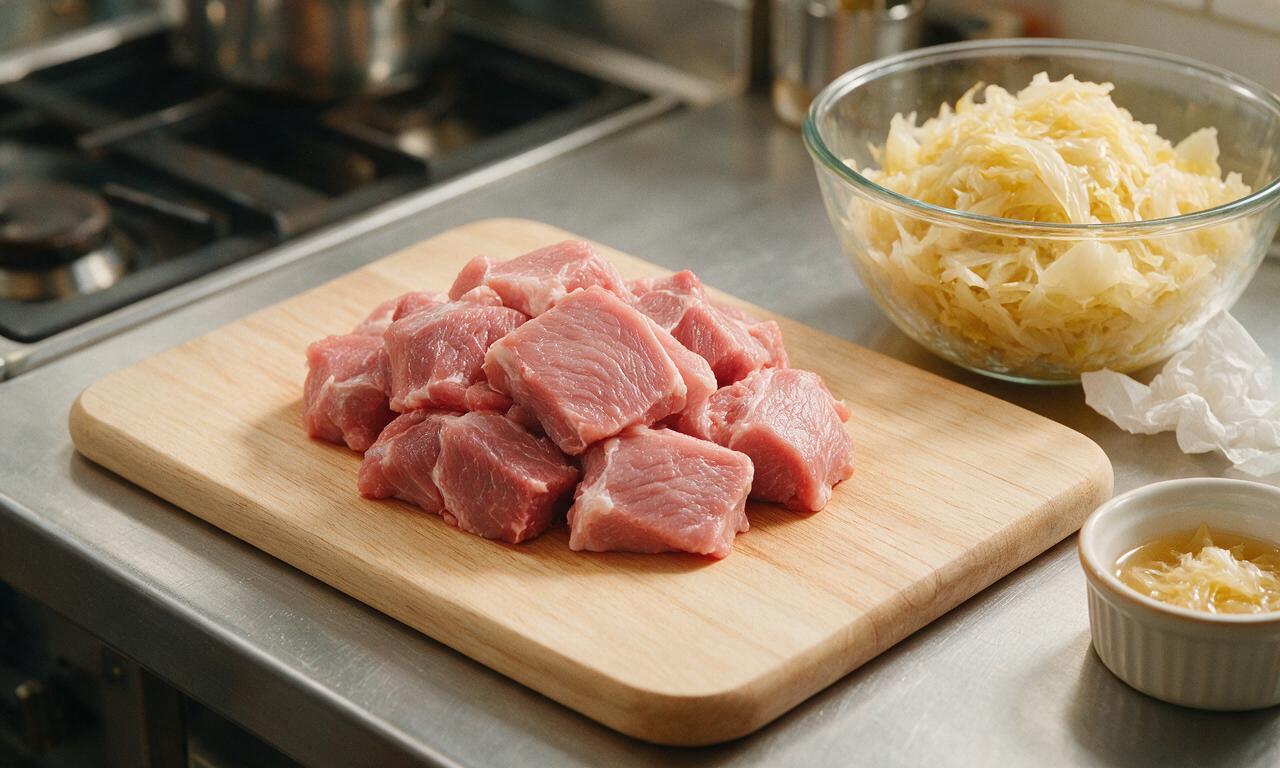
Boneless pork shoulder, as called for in the recipe, is my absolute top pick. Its generous marbling and connective tissue melt slowly during braising, creating fall-apart tender meat that never dries out, even with long cook times. Skip lean cuts like pork loin—they’ll turn tough and chalky, since they lack the fat to stay juicy through the slow cook.
2.How large should I cut the pork chunks for even, consistent cooking?
▾
Aim for uniform 5cm (roughly 2-inch) chunks, exactly as the recipe specifies. This size ensures every piece sears evenly, cooks at the same rate, and absorbs the tangy sauerkraut and spice flavors fully. Cut pieces too small and they’ll fall apart prematurely; too large, and the centers will stay tough and under-seasoned.
3.Do I need to rinse store-bought fermented sauerkraut before adding it to the braise?
▾
You don’t have to rinse it, and I recommend skipping the rinse if you love that bright, signature tang. If you’re sensitive to very sour flavors, give it a quick 10-second cold rinse and drain well, but be sure to reserve the 2 tablespoons of brine first—that brine adds irreplaceable fermented savoriness.
4.Why does the recipe call for reserving sauerkraut brine, anyway?
▾
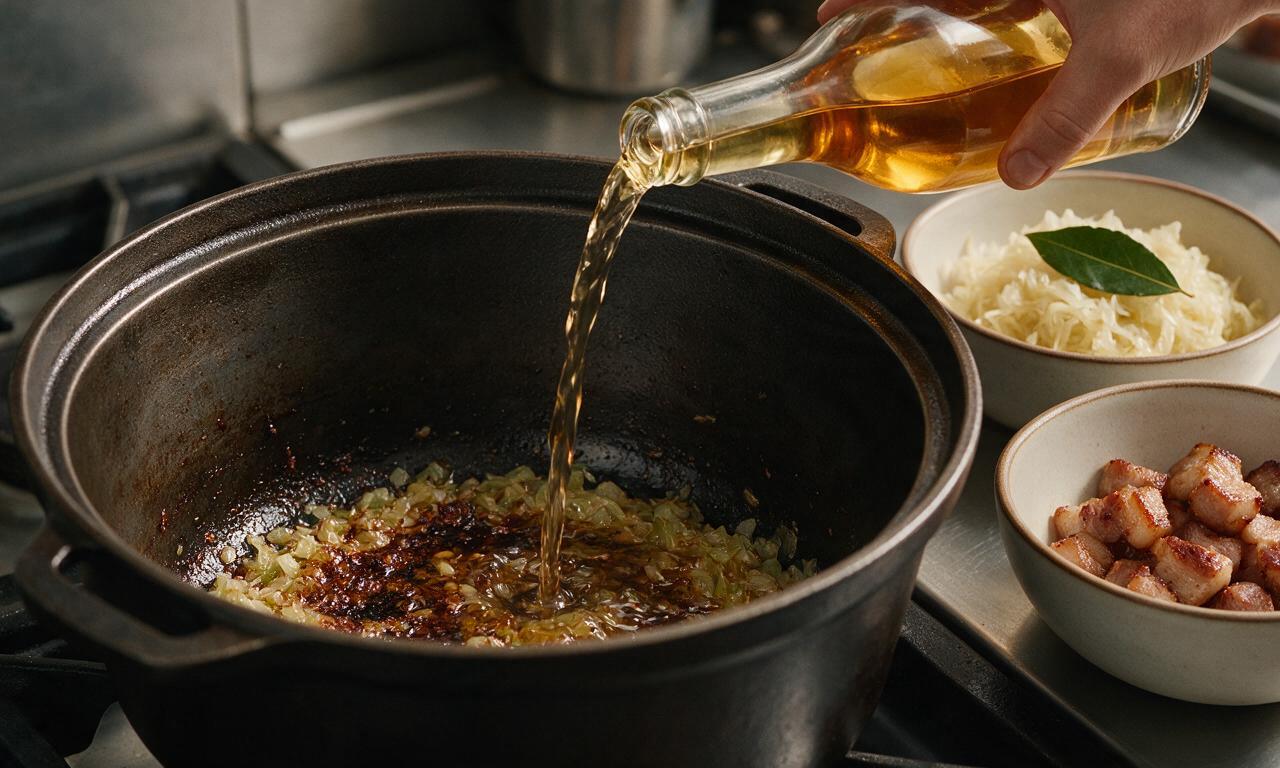
That 2 tablespoons of reserved sauerkraut brine is a secret flavor weapon! It has concentrated, tangy, umami-rich fermented notes that are brighter and more complex than plain vinegar or extra sauerkraut. Stir it in during the last 15 minutes of braising to preserve its zing, rather than cooking it the whole time which mutes its sharp, pleasant bite.
5.Can I make this braised pork and sauerkraut in a slow cooker?
▾
Absolutely! First, sear your pork chunks and sauté the diced onion, carrot rounds, and minced garlic to build deep, savory flavor, then transfer everything to your slow cooker. Cook on low for 6 to 7 hours, or high for 3 to 3.5 hours, adding the reserved sauerkraut brine in the last 20 minutes to keep its bright tang intact.
6.How thick should I cut the carrots so they don’t turn mushy while braising?
▾
Cut carrots into uniform 2cm (about ¾-inch) thick rounds, just as the recipe directs. This thickness holds up perfectly to long, slow braising, cooking through to a tender-but-firm texture without dissolving into the dish. Thinner cuts will turn mushy and lose their subtle sweet contrast to the sour sauerkraut and rich pork.
7.Is it really necessary to sear the pork chunks before braising?
▾
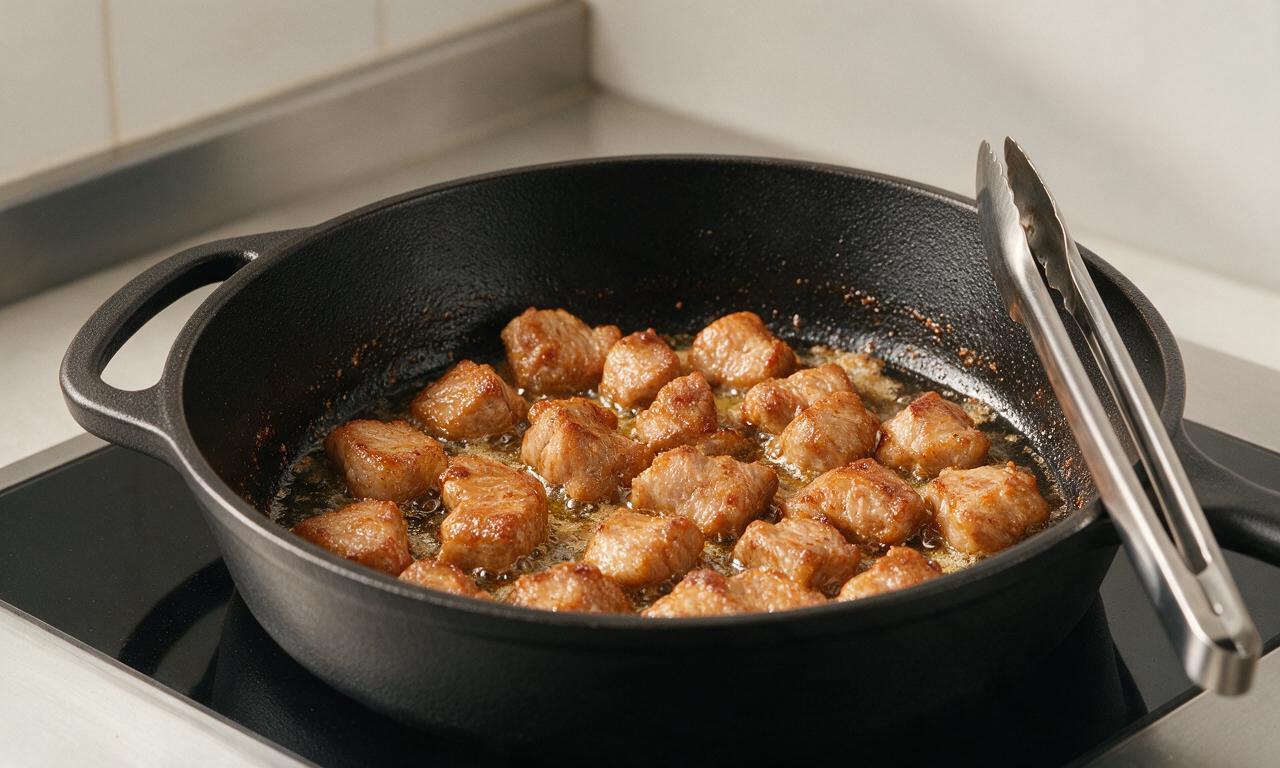
I strongly recommend searing pork in batches over medium-high heat before adding any liquid, even though it adds 10 minutes of prep time. That deep golden crust from the Maillard reaction builds layers of rich, meaty flavor that makes the whole braise taste deeper and more complex. Skip this step, and your final dish will taste surprisingly flat.
8.Can I use fresh cabbage instead of fermented sauerkraut if I don’t have any on hand?
▾
Fresh cabbage won’t deliver the signature tangy, fermented depth that makes this dish a cold-weather staple, but it works in a pinch. Toss shredded fresh cabbage with 2 tablespoons of apple cider vinegar and a teaspoon of salt, let it sit 30 minutes to soften, and use it in place of sauerkraut—just know it will lack that classic umami kick.
9.What warm spices work best with this pork and sauerkraut?
▾
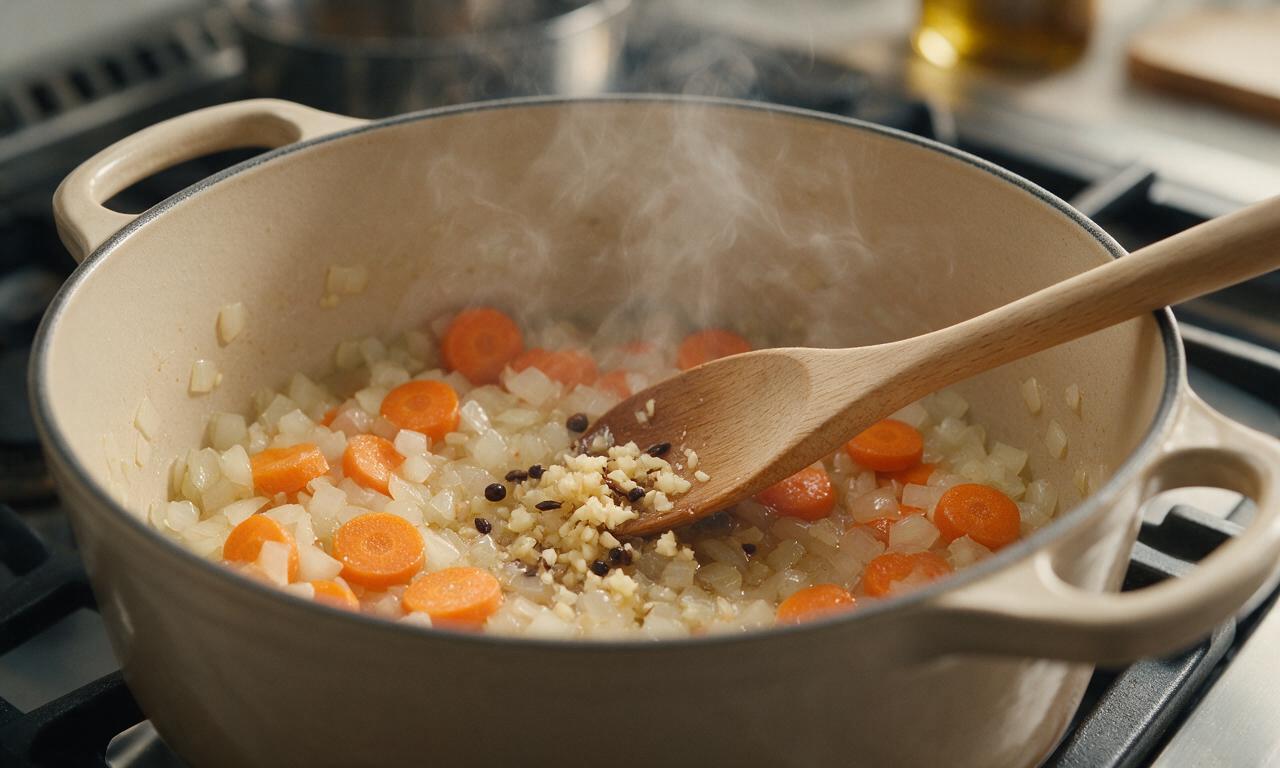
Stick to warm, earthy spices that don’t overpower the dish’s core balance of rich pork and bright sauerkraut: a single bay leaf, ½ teaspoon of caraway seeds, a pinch of smoked paprika, and a few whole black peppercorns are my go-tos. Avoid heavy, sweet spices like cinnamon or clove in large amounts, as they clash with the sour notes.
10.How do I keep the pork from turning tough and chewy during braising?
▾
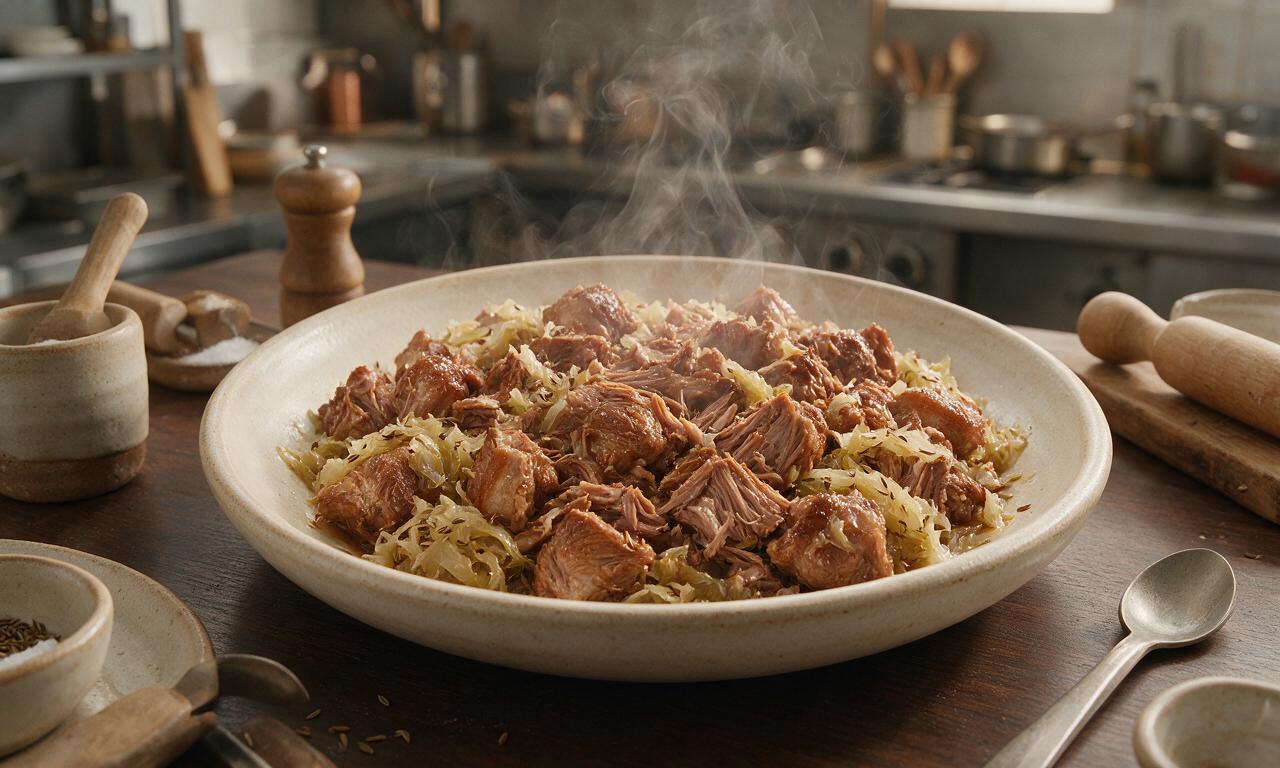
The key to melt-in-your-mouth tender pork is low, slow, steady heat—don’t crank the temperature to rush cook time. Keep your braise at a gentle simmer, not a rolling boil, and use a tight-fitting lid to trap moisture. With marbled pork shoulder, you’ll get perfectly tender meat after about 2.5 hours in a 325°F oven.
11.Does this braised pork and sauerkraut taste better made ahead of time?
▾
It absolutely does! In fact, I think this dish tastes best when made 1 to 2 days ahead. As it chills in the fridge, the tangy sauerkraut, savory pork, and sweet carrot and onion flavors meld together beautifully. Reheat gently on the stovetop over low heat, adding a splash of chicken stock if it feels too thick.
12.What type of cookware is best for making this braise in the oven or on the stovetop?
▾
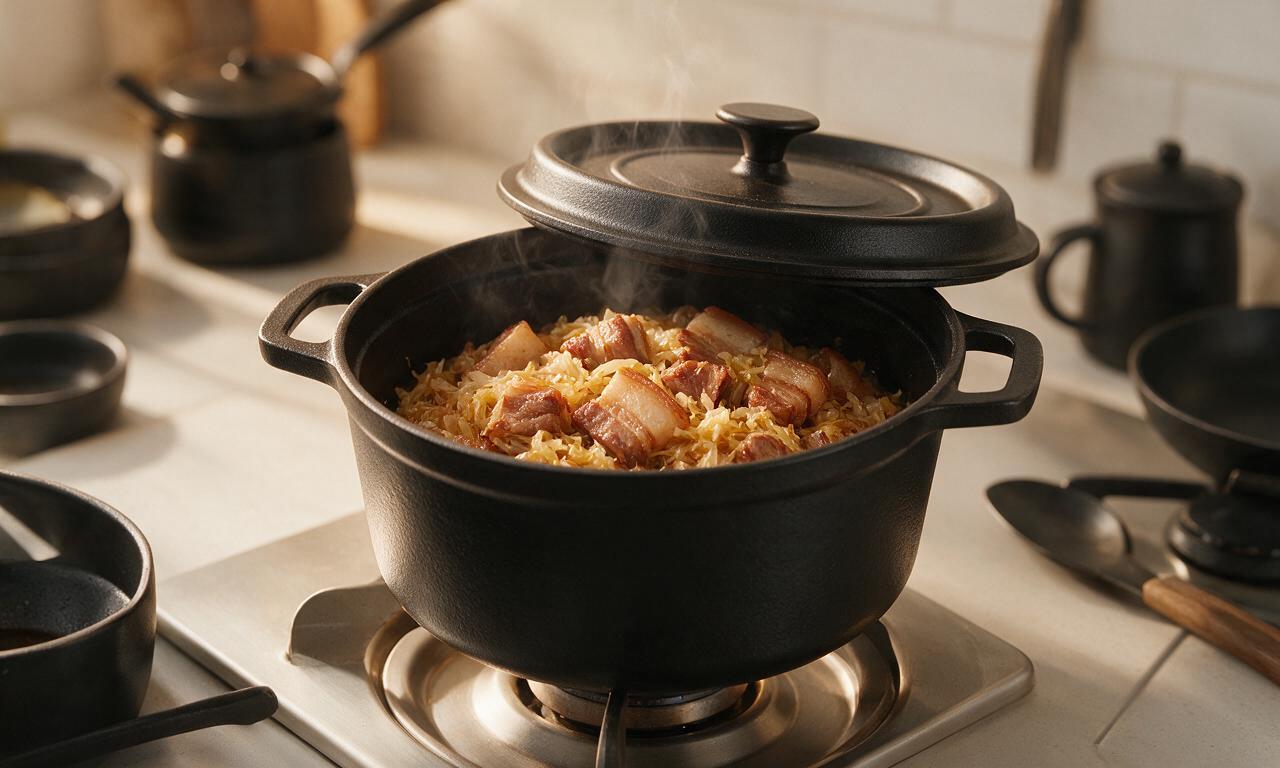
A heavy-bottomed Dutch oven with a tight-fitting lid is ideal here. It distributes heat evenly to avoid hot spots that burn the bottom of the braise, and it holds heat consistently through the long cook time. If you don’t have a Dutch oven, use a deep, oven-safe stock pot, sealing the lid edge with foil to trap steam if needed.
13.Should I skim all the rendered fat off the top of the braise before serving?
▾
You don’t need to skim every bit of fat—that fat carries tons of flavor and keeps the pork moist! If you see a very thick layer of rendered fat on the surface after braising, skim off 1 to 2 tablespoons for a lighter dish, but leave the rest to keep that silky, rich mouthfeel that balances the sharp sauerkraut tang.
14.Can I add extra vegetables to this recipe without ruining the classic flavor?
▾
Sturdy root vegetables make wonderful additions, as they hold up to long braising. Diced parsnips, cubed Yukon gold potatoes, or chunks of celeriac work great—just cut them to a similar size as your carrot rounds so they cook evenly. Skip soft veggies like zucchini or bell peppers, which will turn mushy and throw off the flavor balance.
15.What are the best sides to serve with this hearty braised dish?
▾
This cold-weather staple pairs perfectly with simple, starchy sides to soak up the flavorful braising liquid. Creamy mashed potatoes, crusty rye bread, buttered egg noodles, or steamed dumplings are all classic picks. A small side of crisp green salad or pickled beets also adds a nice bright contrast to the rich, tangy main.
16.Why did my sauerkraut turn slightly bitter after cooking?
▾
Bitter sauerkraut usually happens for one of two reasons: either you cooked the braise at a rolling boil, which breaks down fermented compounds into bitter off-notes, or you used an older jar of sauerkraut that was over-fermented. Stick to a gentle simmer, and stir in a tiny pinch of brown sugar to balance any unexpected bitterness if it pops up.
17.Can I use bone-in pork shoulder instead of the boneless cut the recipe calls for?
▾
Bone-in pork shoulder works wonderfully here, and it will even add extra deep, meaty flavor to your braising liquid! Just add about 10 minutes of extra braise time to account for the bone, and cut the meat into even 5cm chunks where possible. Fish out any loose bone fragments before serving to avoid surprises for your guests.
18.How do I tell when the pork is perfectly done and ready to serve?
▾
Your pork is perfectly done when you can pierce a chunk easily with a fork with almost no resistance, and the meat pulls apart gently when you nudge it with the fork tines. For 5cm pork shoulder chunks at a steady low simmer, this takes roughly 2 to 2.5 hours. If it feels tough, it just needs more time to break down its connective tissue.
19.Can I freeze leftover braised pork and sauerkraut for later meals?
▾
Yes, this dish freezes beautifully for up to 3 months! Let it cool completely first, then portion it into airtight, freezer-safe containers, leaving ½ inch of headspace to account for expansion as it freezes. Thaw it in the fridge overnight, then reheat gently on the stovetop over low heat, adding a tiny splash of broth if the sauce is too thick.
20.My finished braise is too sour for my family’s taste—how can I fix that?
▾
If the tang is too sharp, you don’t have to start over! Stir in a small amount of a balancing ingredient to mellow the sour: a teaspoon of light brown sugar, a splash of heavy cream, or a spoonful of whole grain mustard all work beautifully. Add it a little at a time, tasting as you go, so you don’t lose that signature bright sauerkraut note entirely.






OMG this braised pork and sauerkraut was SO good! I made it for Sunday family dinner last night and even my super picky 7 year old asked for seconds. The pork got so fall-apart tender after an hour and 20 minutes, I didn't even have to use my pressure cooker! Total game changer for cold weather meals.
Took this to my neighborhood potluck over the weekend and people were asking me for the recipe before I even set the dish down! I added an extra pinch of caraway seed because my grandma always did that with sauerkraut, and it paired perfectly. Super easy recipe even for a guy who burns toast half the time, no joke.
Great meal prep recipe! I made a big batch on Sunday, portioned it out over mashed potatoes for my weekday lunches, and it tasted even better on day 3 as the flavors melded. The only reason I'm not giving 5 stars is I wish the cook time was a tiny bit shorter, but honestly the end result is so cozy and flavorful it's worth every minute.
Made this last night when it was 30 degrees out and it hit so hard. I used bone-in pork shoulder like the recipe said, and the sauerkraut cut through the richness of the pork perfectly. I served it with some crusty rye bread to soak up all the juice, 10/10.
My three teenage boys ate almost the entire pan in one sitting, I should have doubled the recipe! I've made a lot of pork and sauerkraut recipes over the years for New Year's luck, but this one is by far the easiest and most flavorful — even my mother in law asked for the recipe, which is basically the highest compliment I can get.
Pretty solid recipe, super straightforward even for a beginner cook like me. I used a store-bought sauerkraut that was a little extra tangy so I added a tiny splash of apple cider to balance it out, turned out great. Will make again once the weather cools down more.
Wait this was so easy?? I've always been intimidated to make braised dishes because I thought they required fancy chef skills, but this had like 5 ingredients total and came together in 10 minutes of prep time before it just simmered on the stove. My husband said it tastes like something we'd get at the German restaurant downtown. SO good.
Made this for our weekly church potluck last night and it was a total hit! I swapped the regular pork shoulder for a pork tenderloin I had in the freezer by accident, and it still turned out moist and delicious, even with my mistake. Will absolutely be adding this to my regular rotation.