
cheese with worms
intro
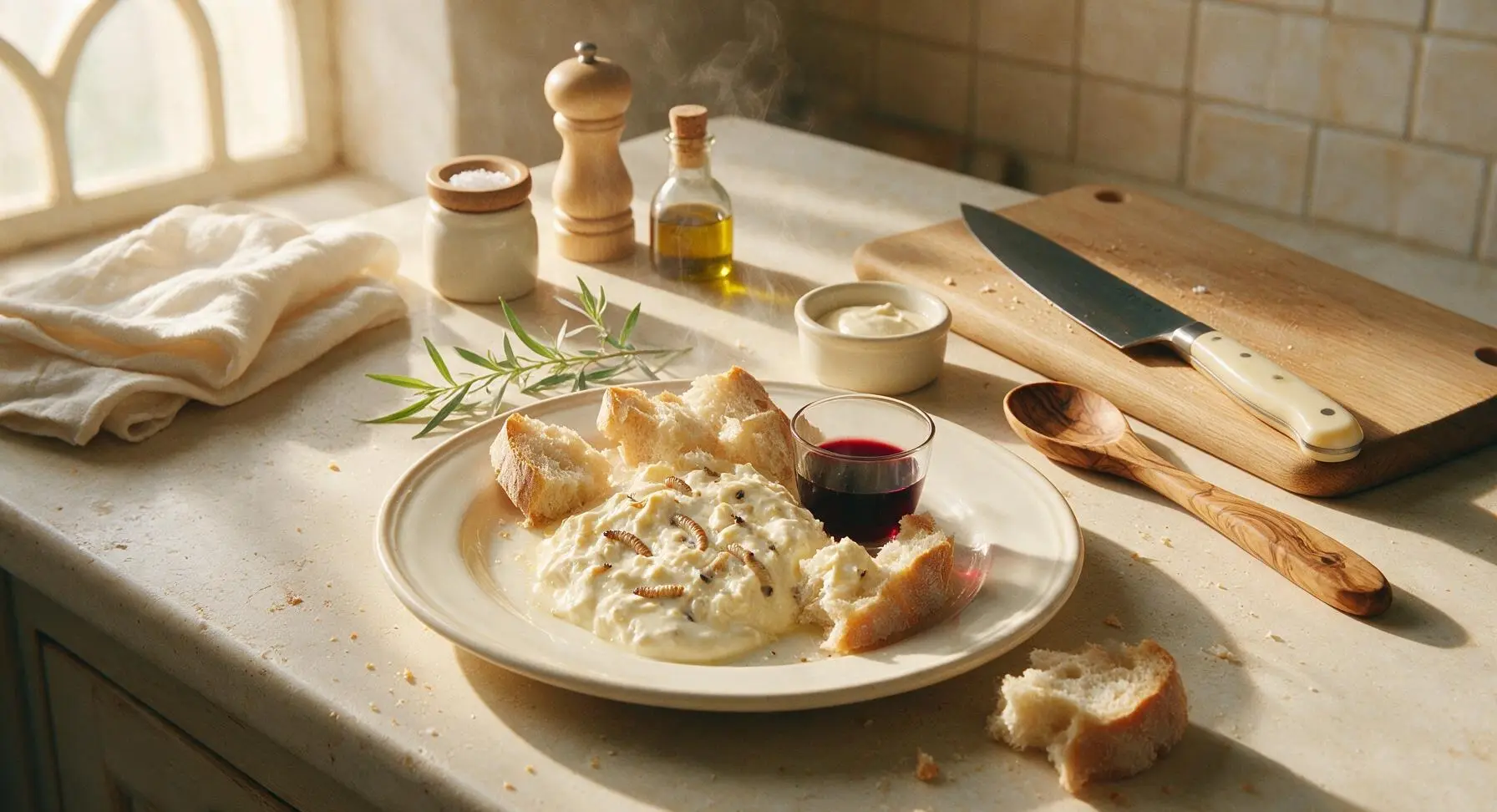
A bold, creamy traditional Sardinian fermented sheep’s milk cheese, transformed by cheese fly larvae into a soft, spreadable delicacy with pungent umami flavor, served with crusty bread and red wine.
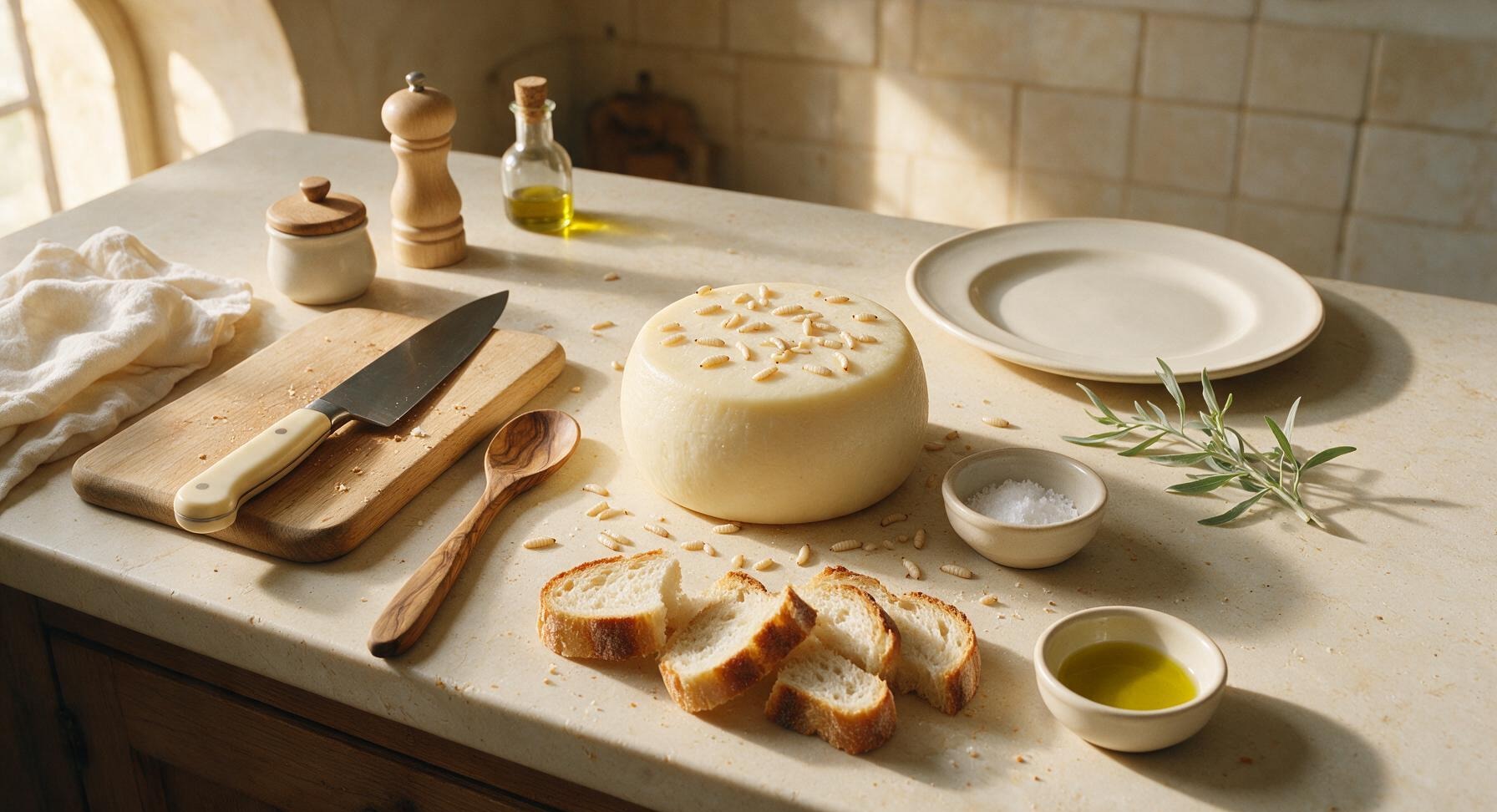
Ingredients
Steps
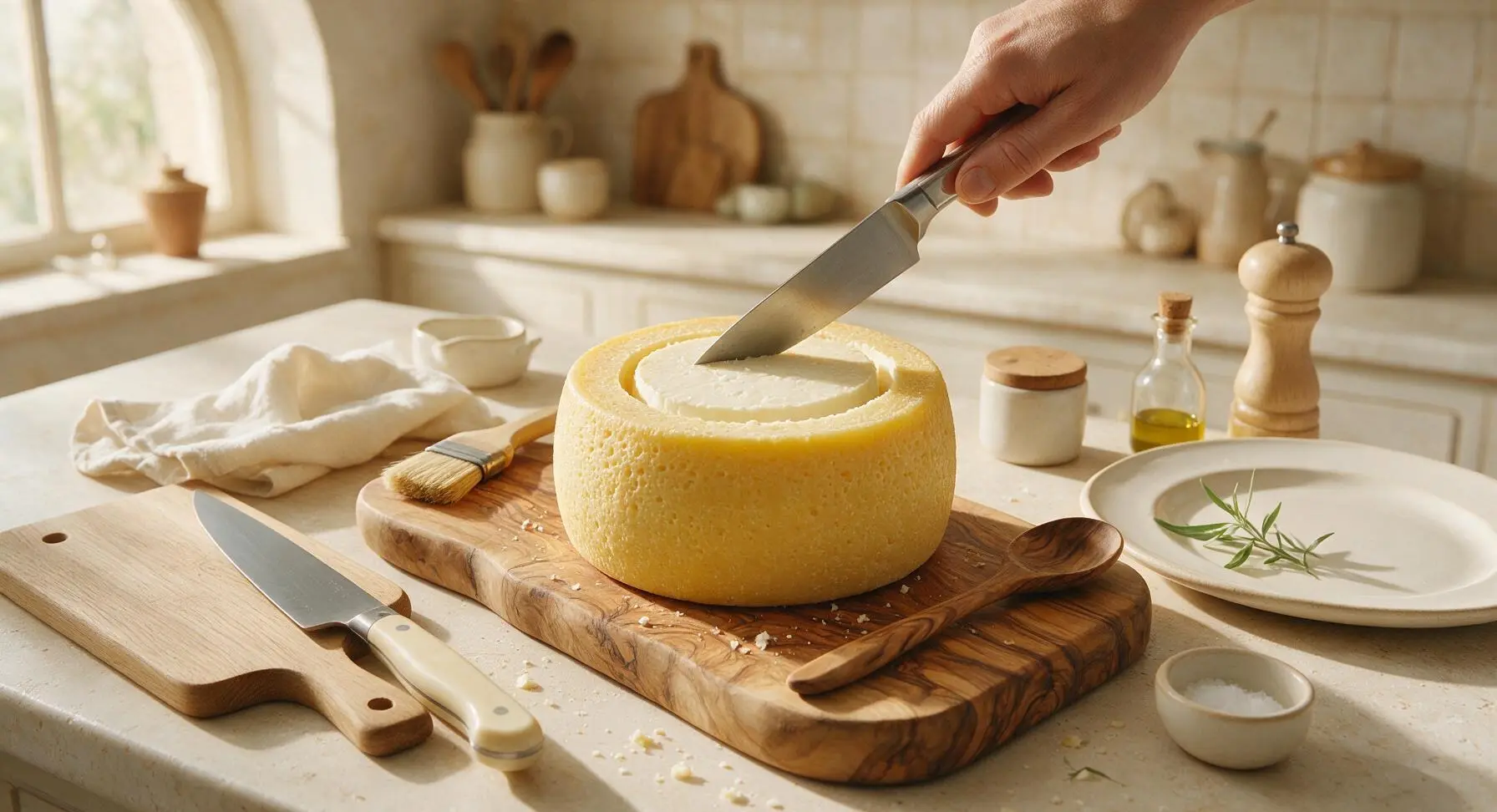
Cut Rind Access Cap
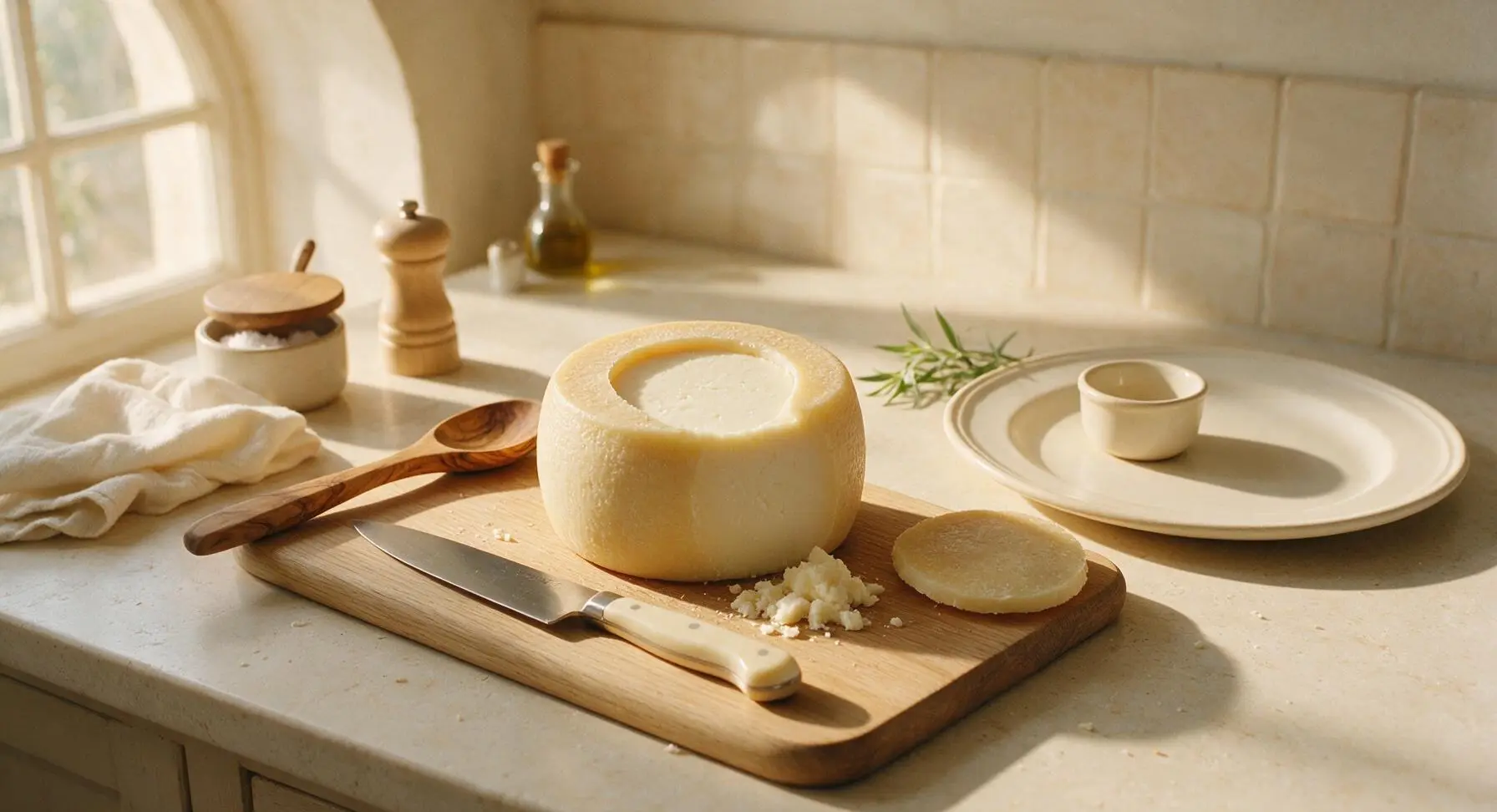
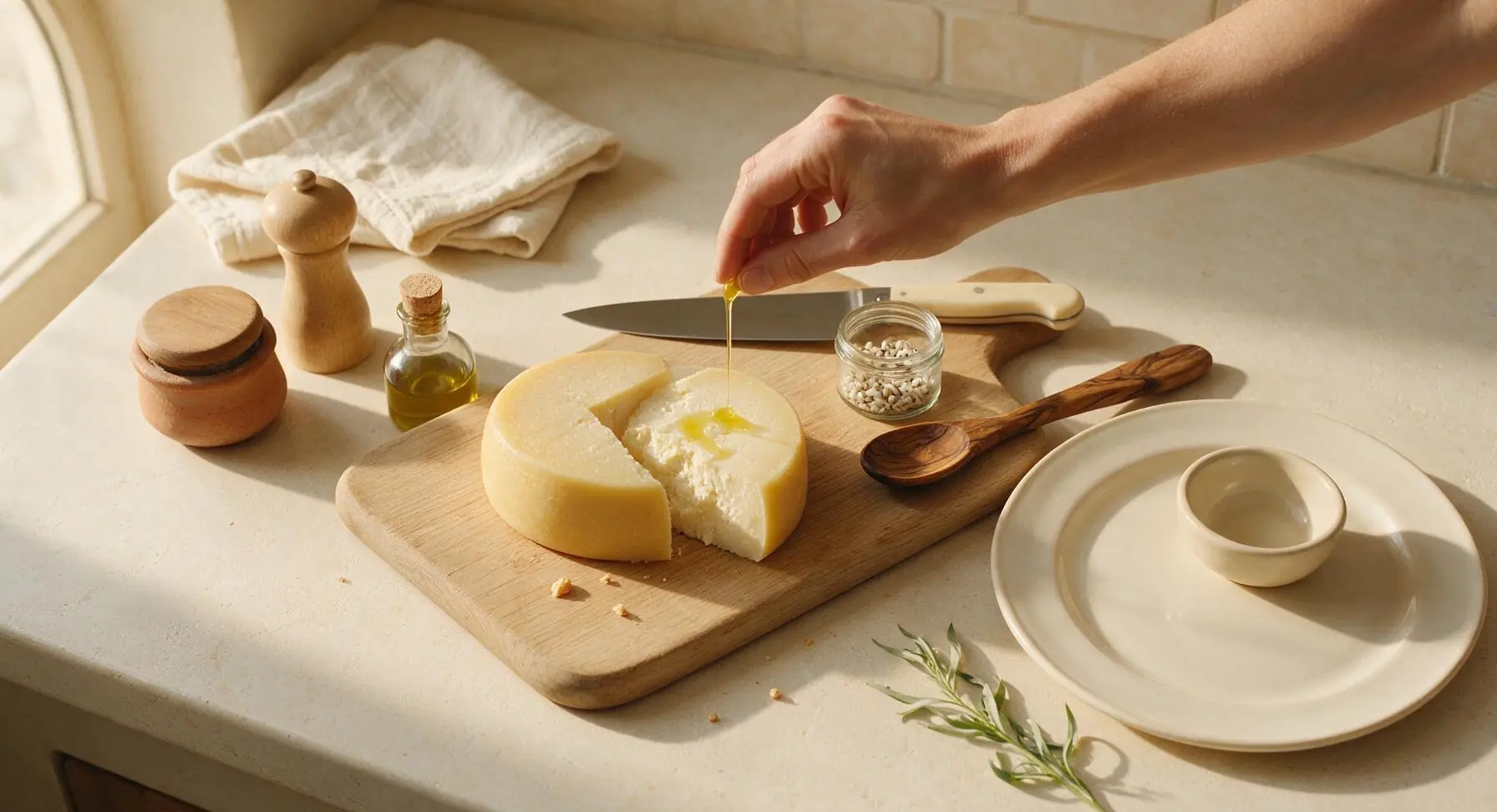
Set the whole young pecorino sardo wheel on the center of the olive wood cutting board. Hold the rounded-tip stainless steel cheese knife at a 45-degree angle, and cut a 10cm diameter circular cap into the top rind, cutting 2cm deep into the firm curd without piercing the bottom or side rinds. Lift the cut rind cap free and set it temporarily on the right edge of the cutting board. Use the soft bristle pastry brush to sweep loose curd crumbs from the cut edge, leaving a clean, even opening.
Inoculate with Larvae
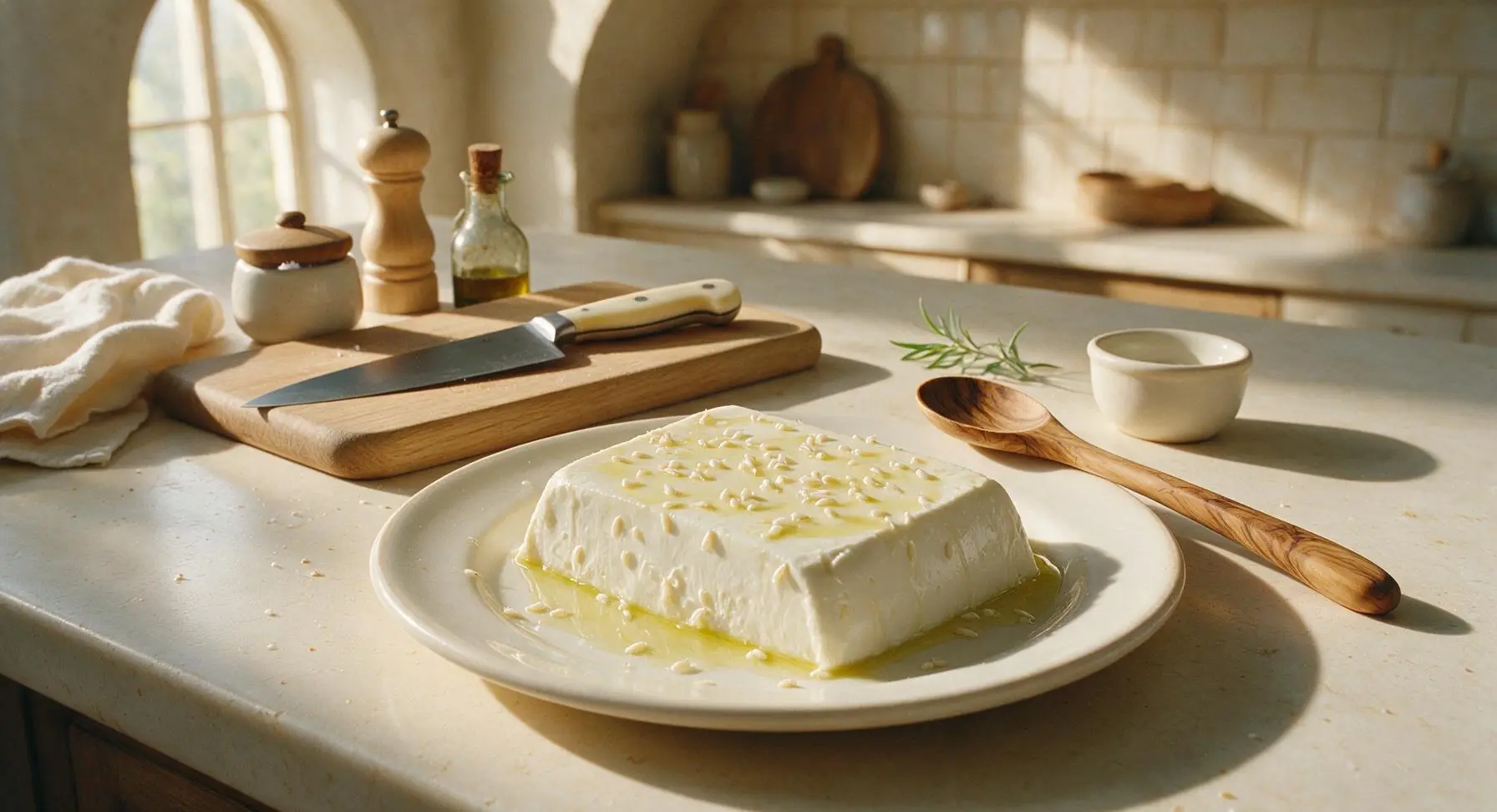
Drizzle 1 teaspoon of extra-virgin olive oil from the vintage glass oil bottle over the exposed curd surface, rubbing it gently with clean fingertips to create a thin, even coat. Evenly distribute the 50 clean, lab-raised cheese fly larvae across the oiled curd surface; the larvae will immediately begin burrowing tiny holes into the soft curd. Never use wild-caught larvae or leave the cheese exposed to wild flies, as this introduces dangerous pathogenic bacteria.
Seal Cheese for Fermentation
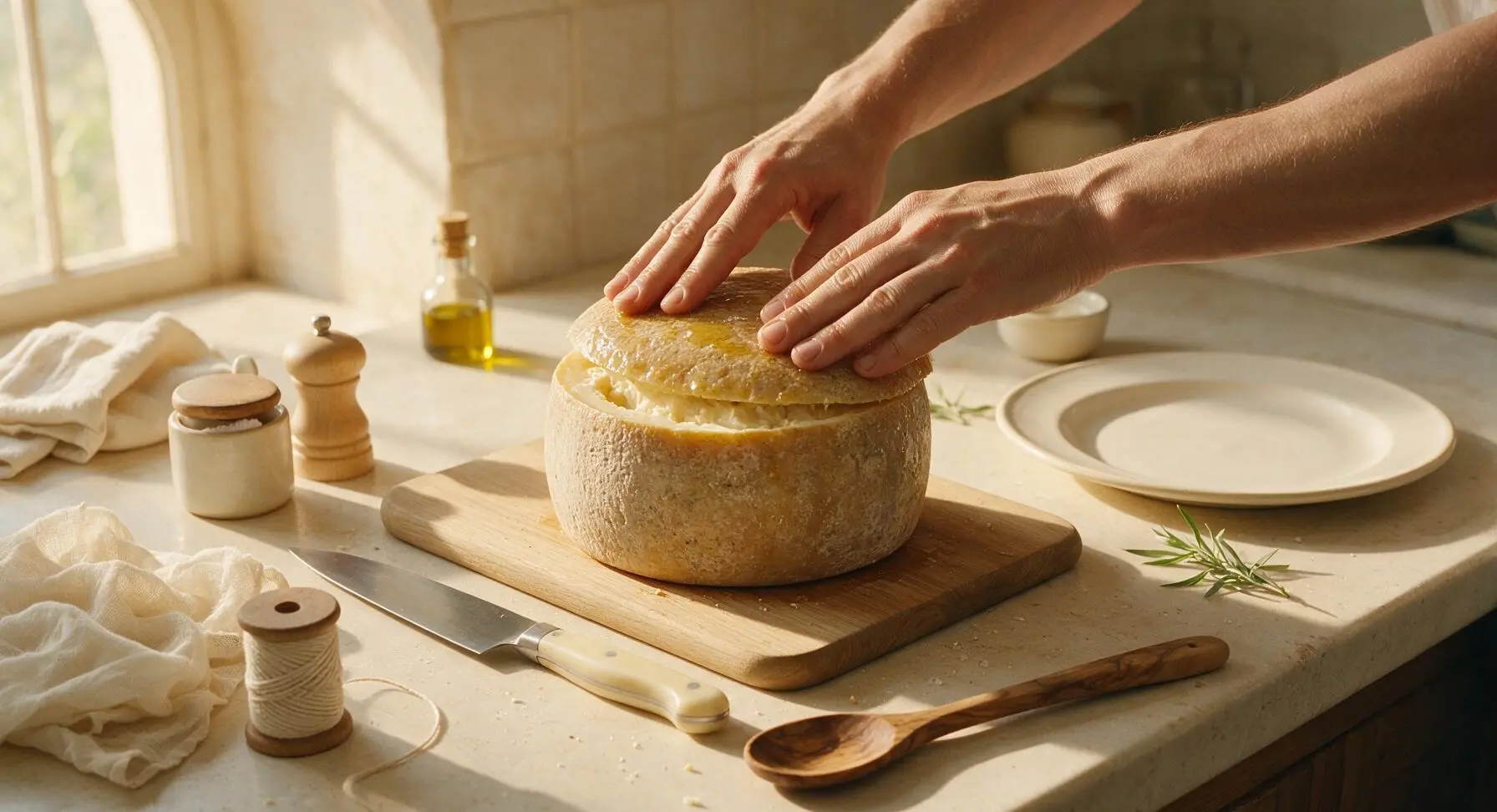
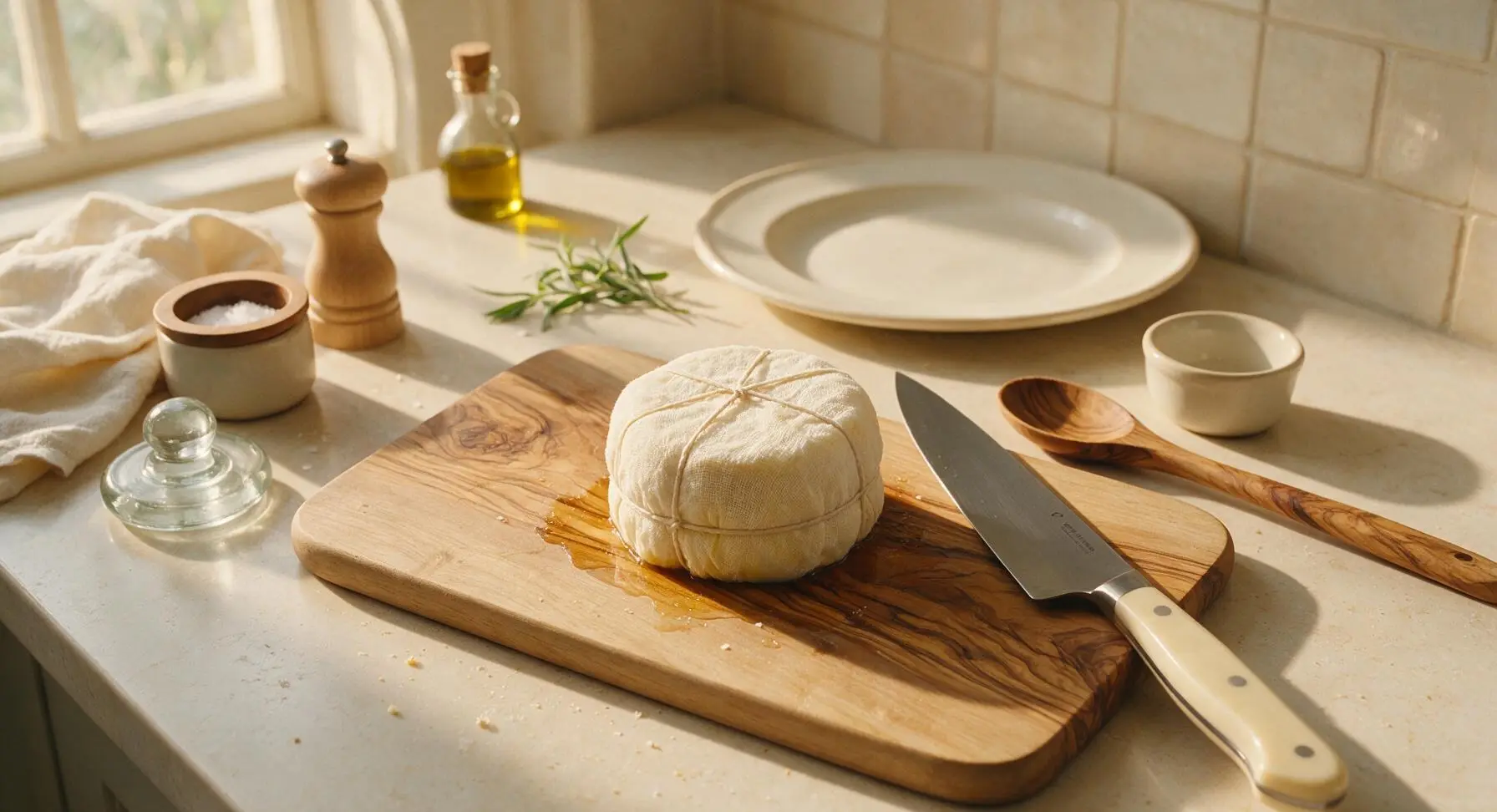
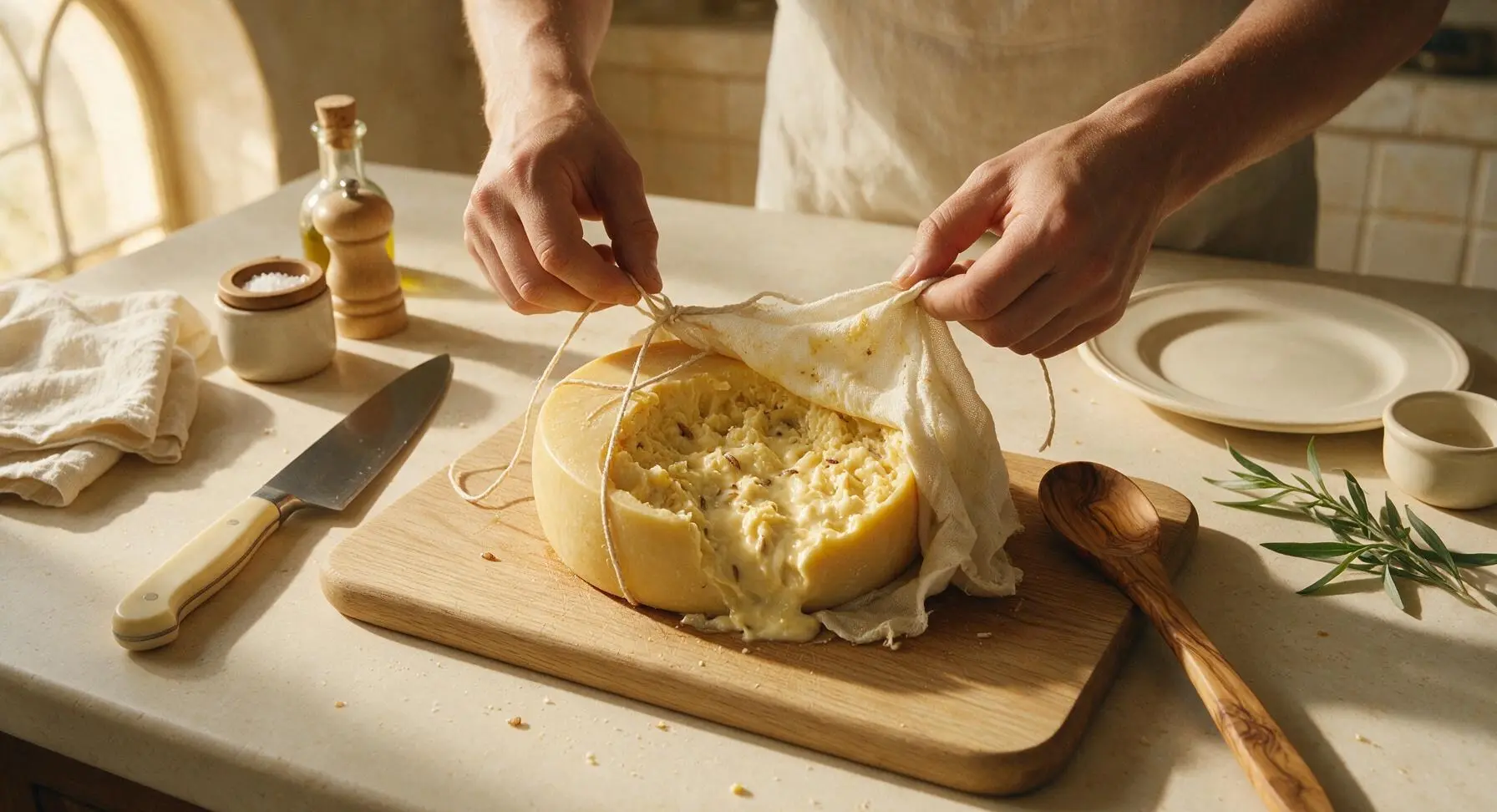
Press the cut rind cap firmly back into place over the opening, applying even pressure around the edges to create a tight seal that prevents contaminants from entering. Rub the remaining 2 teaspoons of olive oil over the entire outer rind of the cheese wheel to prevent drying and cracking during aging. Set the oiled wheel on the folded unbleached cheesecloth, wrap it loosely to allow air flow, and tie the bundle closed with natural cotton twine from the ash wood spool.
Age in Cool Conditions
Move the wrapped cheese wheel to a cool, dark, well-ventilated storage space with a consistent temperature of 12-15C (54-59F) and 75% relative humidity. Leave the cheese undisturbed to ferment for 3 full months. During this time, the larvae will move through the curd, secreting enzymes that break down the hard sheep's milk cheese into a soft, spreadable, umami-rich paste.
Check Fermentation Readiness
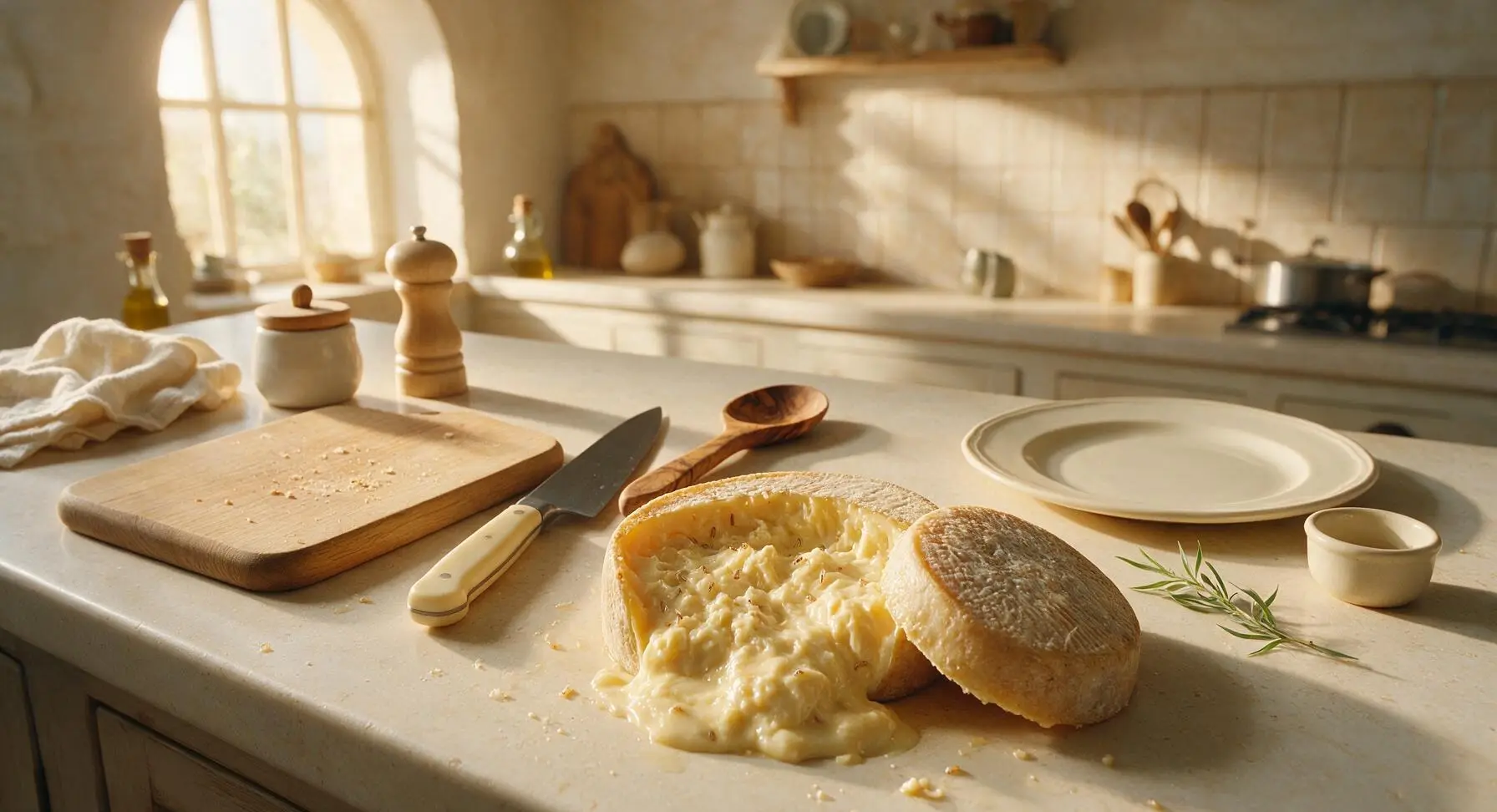
After 3 months, bring the cheese wheel back to the kitchen counter. Unwrap the cheesecloth and twine, set them aside, and gently lift the rind cap to check texture. The cheese is ready when the once-firm curd has broken down into a thick, soft, almost runny pale yellow paste, with live, wiggling larvae visible throughout. If the curd is still firm, replace the cap, rewrap, and age for 2 additional weeks before rechecking.
Chill Cheese Briefly
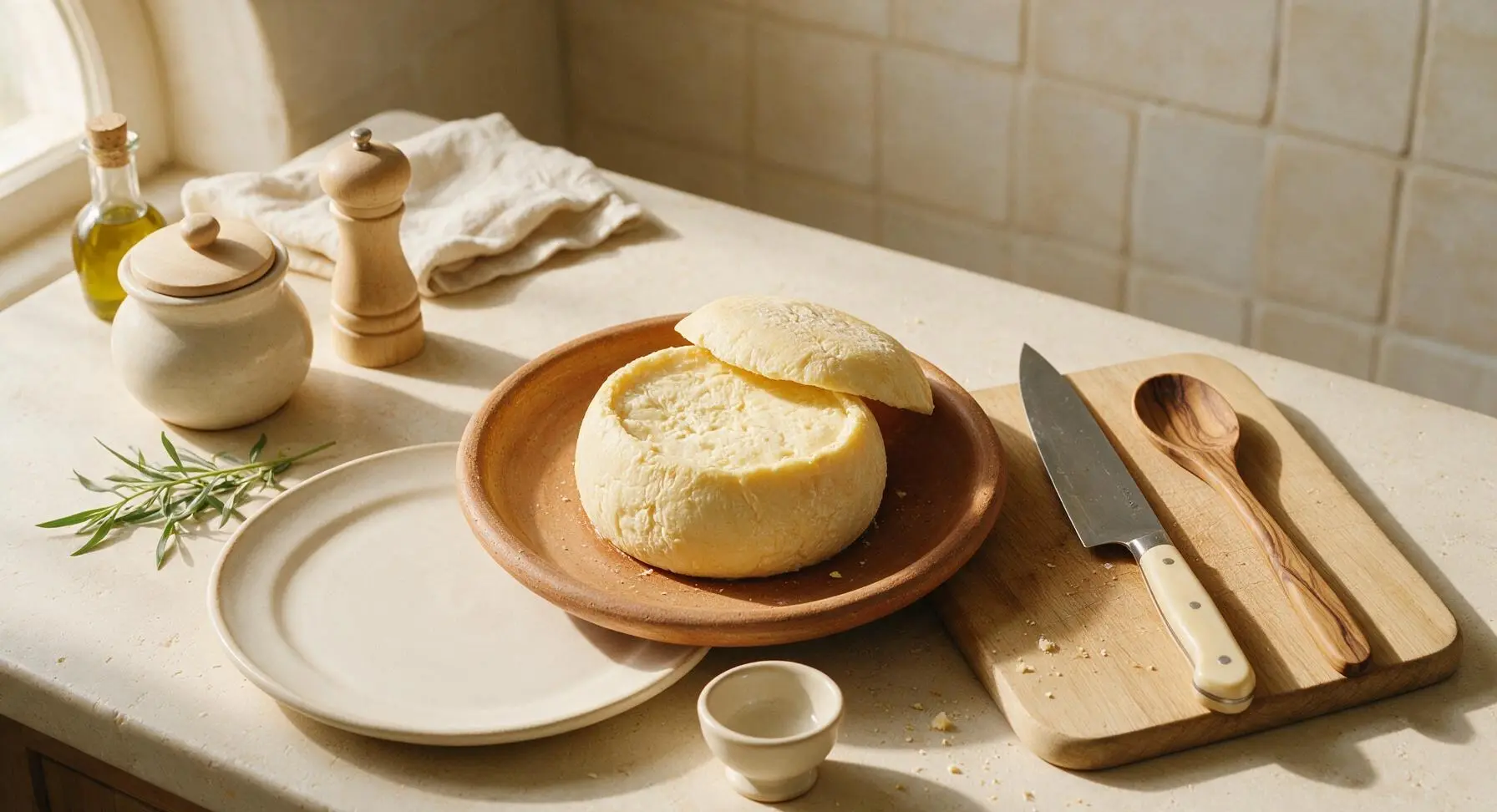
Lift the unwrapped cheese wheel onto the hand-thrown terracotta serving platter, setting the rind cap loosely over the opening. Place the platter in the refrigerator for 15 minutes to let the soft cheese firm slightly, making it easier to spread. Do not chill for longer than 20 minutes, as over-chilling will mute the cheese's signature bold flavor and stiffen the creamy texture.
Toast Sourdough Slices
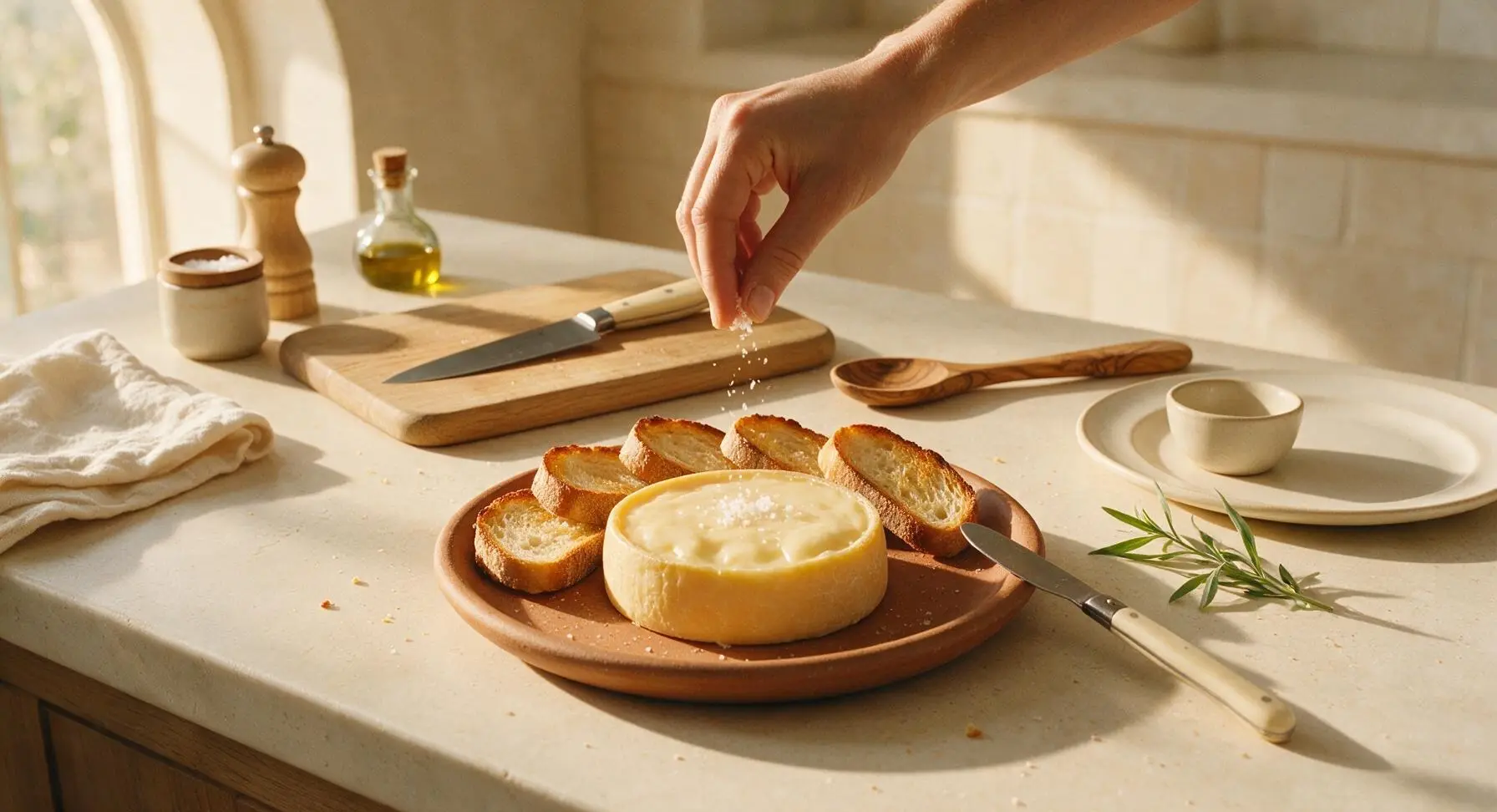
While the cheese chills, cut four 2cm thick slices from the sourdough loaf on the oak bread board, and broil on high for 1 minute per side until the edges are golden and crisp, with a soft, chewy center. Remove the platter from the refrigerator, arrange the toasted bread slices in a half-circle around the cheese wheel, and sprinkle a light pinch of flaky sea salt from the terracotta ramekin over the exposed creamy cheese surface.
Serve Traditionally
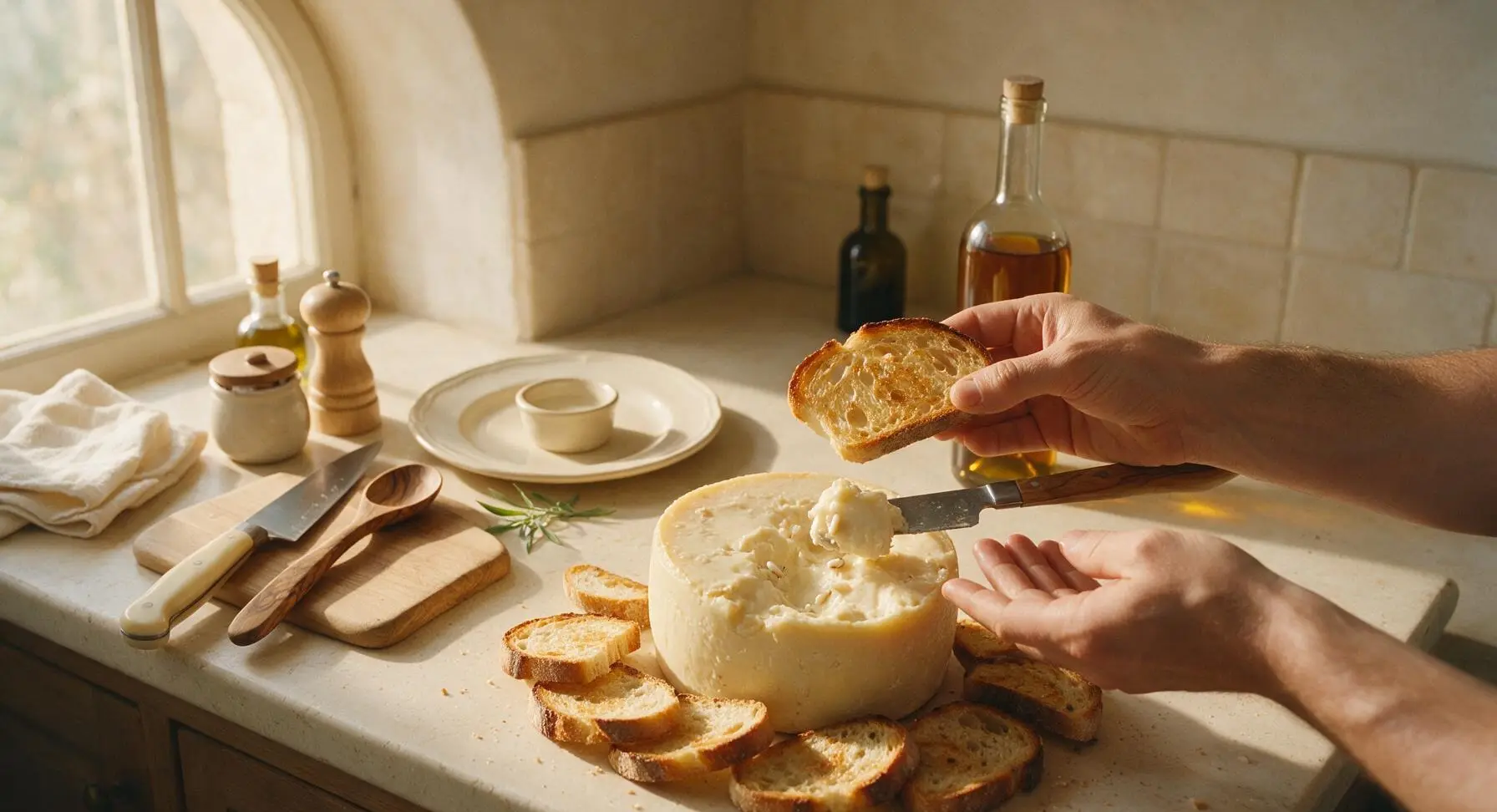
Hold a slice of toasted sourdough in one hand, and use the cheese knife to spread a thick, even layer of the soft creamy cheese across the toast, including a few larvae per traditional Sardinian service. Hold your other hand 5cm above the open cheese while spreading to catch any larvae that may jump when disturbed, as they can launch up to 15cm when startled. Serve immediately with a glass of bold Cannonau red wine.
Tips
2.Never eat the cheese if larvae are dead or absent. Live larvae are a traditional safety indicator: they only survive in properly fermented, non-toxic cheese, while dead larvae signal spoilage or dangerous compound development.
3.Hold an open palm 5cm above the cheese when scooping or spreading. Disturbed larvae can jump up to 15cm as a defensive reaction, and this simple step prevents larvae from landing on clothing, table surfaces, or diners.





OMG I’ve been dying to find a legitimate casu marzu recipe ever since I tried it on a trip to Sardinia 5 years ago! I know it’s a ton of work and super hard to get right but that creamy, tangy, next-level pecorino flavor is UNMATCHED. Quick question before I start—do I really need to leave the cheese outside uncovered to let the cheese flies get to it? I’m in Colorado and I’m worried about random other bugs getting in and ruining the batch. Game changer if this works, I’m already planning to bring a wedge to my family’s Labor Day cookout if it turns out!
Y’all. I just finished reading the whole recipe and I’m equal parts hyped and low-key terrified. I love weird fermented foods, I make my own kimchi and sourdough and natto, but intentionally letting maggots grow in my cheese? That’s next level. My roommate said he’ll move out if I do this in our apartment lmao. Wish me luck, I’m picking up a wheel of pecorino this weekend to start.
Wait wait wait—this cheese has LIVE WORMS in it? I almost clicked away but then I saw the 3 month ferment time and had to do a double take. My kids love stinky cheese but there is zero chance I’m serving them bug cheese, no matter how traditional it is. Y’all are wild for this, no thanks 😂
As someone whose nonna was from a tiny village outside of Alghero, I can confirm this recipe is the real deal! So many online versions skip the step of cracking the top rind just right to let the flies in, and you end up with regular old pecorino instead of the good stuff. My cousins still make this every spring back home, and nothing beats it spread on thin crusty bread with a glass of cannonau wine. SO good.
I made a small test batch of this a couple months ago after visiting a Sardinian cultural festival in Austin, and y’all—people at my neighborhood potluck lost their MINDS. Half the group refused to go near it, the other half was hovering around the plate going back for seconds. Even my 12 year old who turns his nose up at every cheese that isn’t string cheese loved it! The flavor is insane, nutty and rich and so much more complex than regular pecorino. 10/10 will make again, just maybe label it a little better next time so the squeamish folks don’t accidentally grab a bite 😂
Wait, so I have to buy a whole wheel of pecorino, wait 3 months, and possibly end up with bug cheese that doesn’t turn out? That seems like such an expensive, time-consuming fail waiting to happen for a home cook. I’ll stick to buying my cheese from the grocery store, thanks.
Y’all, I need some real talk here. I tried making this last spring and total failure. I did everything the old Sardinian guy at my local cheese shop told me to, but after 3 months I cut it open and there were zero worms, just regular slightly over-fermented pecorino. Tasted fine, but definitely not casu marzu. What did I do wrong? I’m so frustrated I wasted a whole $40 wheel of cheese on it.
Wait a second—isn’t this cheese illegal in the US? I remember seeing a travel show that said the FDA banned it because of the maggots, is it even safe to make at home? I’m not trying to get a visit from the feds over a cheese wheel lmao. That said, it sounds absolutely insane and I’m weirdly curious.
Wait a 3 month fermentation time? I thought this was going to be a quick weekend recipe I could meal prep for the week, no way I’m waiting that long for cheese, especially one with bugs in it. I’ll stick to my quick mozzarella recipe that’s done in an hour, that’s more my speed. Good for y’all that have the patience for this though!