1.How far in advance can I assemble this antipasto platter before guests arrive?
▾
You can prep individual components (draining cheeses, portioning cured meats, draining briny items) up to 2 days ahead in sealed fridge containers, but assemble the platter no more than 1–2 hours before guests arrive. Cover loosely with plastic wrap to chill, then pull it out 20 minutes before serving so meats and cheeses reach cool room temp for best flavor; assembling too early dries out cured meats and makes fresh mozzarella slimy.
2.Do I have to use the exact cured meats listed in the recipe, or can I make swaps?
▾
The listed prosciutto and Genoa salami are classic baseline picks, but you can absolutely swap in other Italian cured meats to match taste or budget. Great options include spicy soppressata for a gentle kick, fennel-forward finocchiona for herby depth, or rich, marbled coppa. Just stick to thinly sliced, high-quality Italian-style meats, and skip thick, overly processed generic deli meats for the best flavor.
3.Why is it so important to thoroughly drain the bocconcini and marinated artichoke hearts?
▾
Draining these components fully prevents soggy, drippy messes that make adjacent items like cured meats, bread, or crackers turn unpleasantly mushy. For artichokes, pat them lightly with a paper towel after draining to wipe off excess oily marinade; for bocconcini, let them sit in a fine sieve for 5 minutes first so excess whey doesn’t pool across your serving surface.
4.What kind of serving surface works best for this antipasto platter?
▾
A large, flat wooden or food-safe slate board 18–24 inches across works perfectly, as it gives you enough space to spread components out without overcrowding. If you don’t have a dedicated antipasto or charcuterie board, a large rimmed baking sheet lined with parchment paper works as a budget-friendly backup. Just make sure the surface is completely dry before arranging items to prevent sogginess.
5.Can I add extra ingredients to the platter beyond the core recipe items?
▾
Of course—this spread is designed to be flexible for group preferences. Great complementary add-ins include briny Castelvetrano olives, thin cantaloupe slices to pair with prosciutto, roasted red peppers, crusty baguette slices, crispy grissini breadsticks, marinated mushrooms, or a small dish of balsamic glaze for dipping. Just avoid overcrowding the board so guests can easily grab each bite.
6.How much antipasto should I plan per person for my gathering?
▾
Plan for 3–4 ounces of total food per person if this is a pre-dinner appetizer served before a larger main meal. If you’re serving the platter as the main light spread for a cocktail party with no other heavy food, bump that portion up to 6–8 ounces per person. For 8 pre-dinner guests, that adds up to roughly 1.5 pounds of combined meats, cheeses, and briny bites.
7.Do I need to serve any side items alongside the antipasto platter?
▾
You’ll want a few simple carb-forward sides to make the spread feel complete, since the core ingredients are rich, briny, and protein-heavy. Thinly sliced crusty baguette, plain crispy grissini (Italian breadsticks), and neutral water crackers are all classic picks that won’t compete with the bold flavors of the platter components. Skip strongly flavored crackers that overpower delicate prosciutto and fresh mozzarella.
8.How do I keep the antipasto platter food-safe at warm outdoor parties?
▾
For outdoor events over 70°F, nestle small dishes of cured meats and cheeses on a bed of crushed ice under a thin parchment layer to keep them at a safe cool temperature. Never leave perishable items like fresh mozzarella out for more than 2 hours total—drop that to 1 hour if temperatures climb over 90°F. Keep the platter in full shade to prevent greasy meats and sweating cheese.
9.What’s the easiest way to arrange the platter so it looks nice and is easy for guests to serve themselves?
▾
Start by placing larger items (artichoke servings, Parm chunks, clumps of bocconcini) evenly across the board first, then fill gaps with loosely ruffled or folded slices of cured meats. Group complementary flavors near each other, like prosciutto next to cantaloupe if you add it, and leave small gaps between items so guests don’t have to dig through other foods to grab a bite.
10.Can I adapt this antipasto platter for guests with common dietary restrictions?
▾
It’s easy to tweak this spread for most dietary needs! For gluten-free guests, swap bread and cracker sides for certified gluten-free options, and double-check that cured meats and marinated artichokes have no hidden gluten additives. For dairy-free guests, swap the cheeses for high-quality marinated vegan mozzarella and dairy-free Parm, then add extra olives and roasted veggies to bulk up the spread.
11.Why does the recipe call for 2cm chunks of Parmigiano-Reggiano instead of thin shavings?
▾
Bite-sized chunks of Parmigiano-Reggiano hold their firm, crumbly texture far better on a room-temperature platter than thin shavings, which dry out and curl up quickly. The 2cm chunk is also perfectly sized for popping straight in your mouth or pairing with a slice of salami and a breadstick, no serving utensils required. Thin shavings tend to stick to other items and create messy, hard-to-grab bites.
12.What’s the difference between this classic Italian antipasto platter and a regular charcuterie board?
▾
Classic Italian antipasto focuses specifically on Italian-origin ingredients balanced between briny, fresh, rich, and creamy profiles, with very few sweet or heavily processed add-ins. Unlike many modern charcuterie boards that include jams, spiced nuts, non-European cheeses, and global cured meats, this antipasto uses simple, traditional pairings designed to wake up the palate before an Italian-style main course.
13.What’s the best way to store leftover antipasto ingredients after a party?
▾
Leftover cured meats can be stored in sealed airtight containers in the fridge for up to 5 days, and work great for sandwiches, pasta tosses, or homemade pizza toppings. Leftover cheeses keep for 1–2 weeks (hard Parm lasts up to a month), and briny items like artichokes can go back in their original marinade for up to a week. Discard any items left out at room temp for over 2 hours for food safety.
14.Do I need to add fancy dips or spreads to the platter?
▾
You don’t need elaborate dips for a classic antipasto platter, since the marinated items, cured meats, and cheeses have plenty of bold, balanced flavor on their own. If you want a small accent, a tiny ramekin of aged balsamic glaze for drizzling over mozzarella or prosciutto, or a small dish of good extra-virgin olive oil for bread dipping, is all you need. Skip heavy creamy dips that clash with the bright, briny profile.

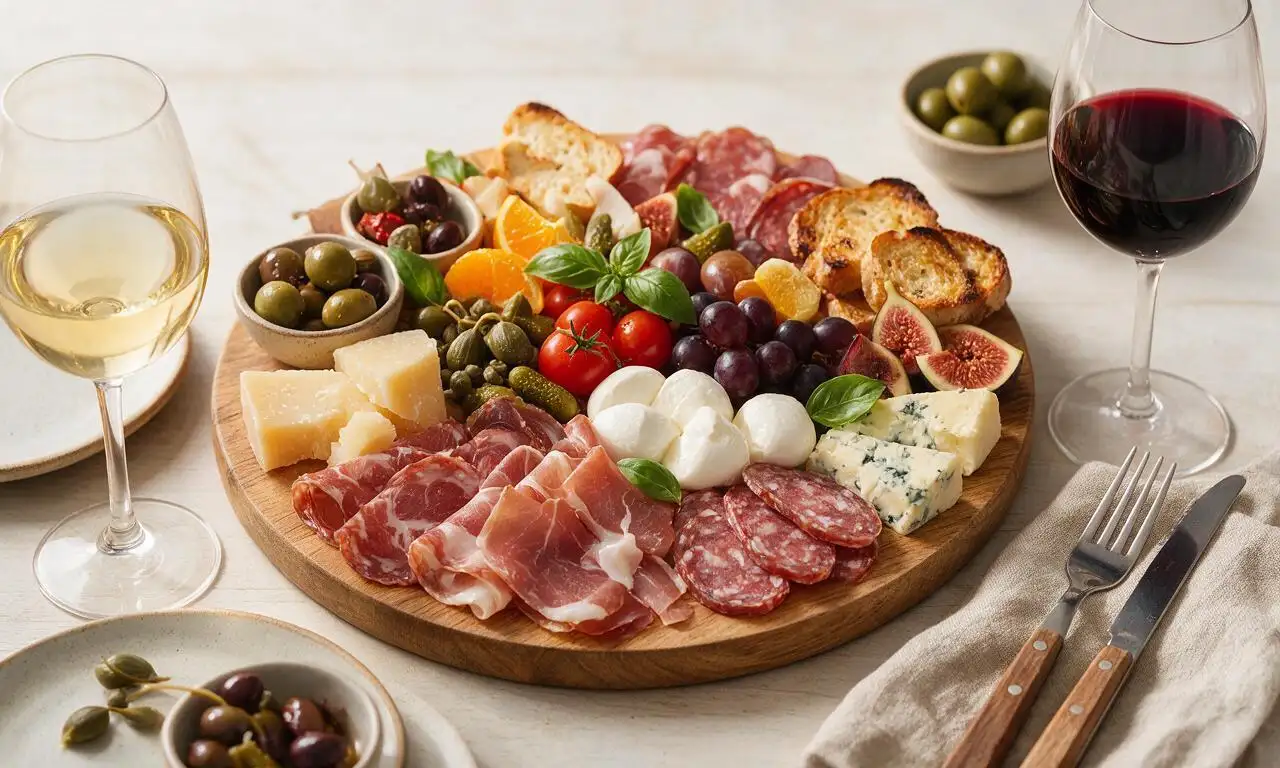
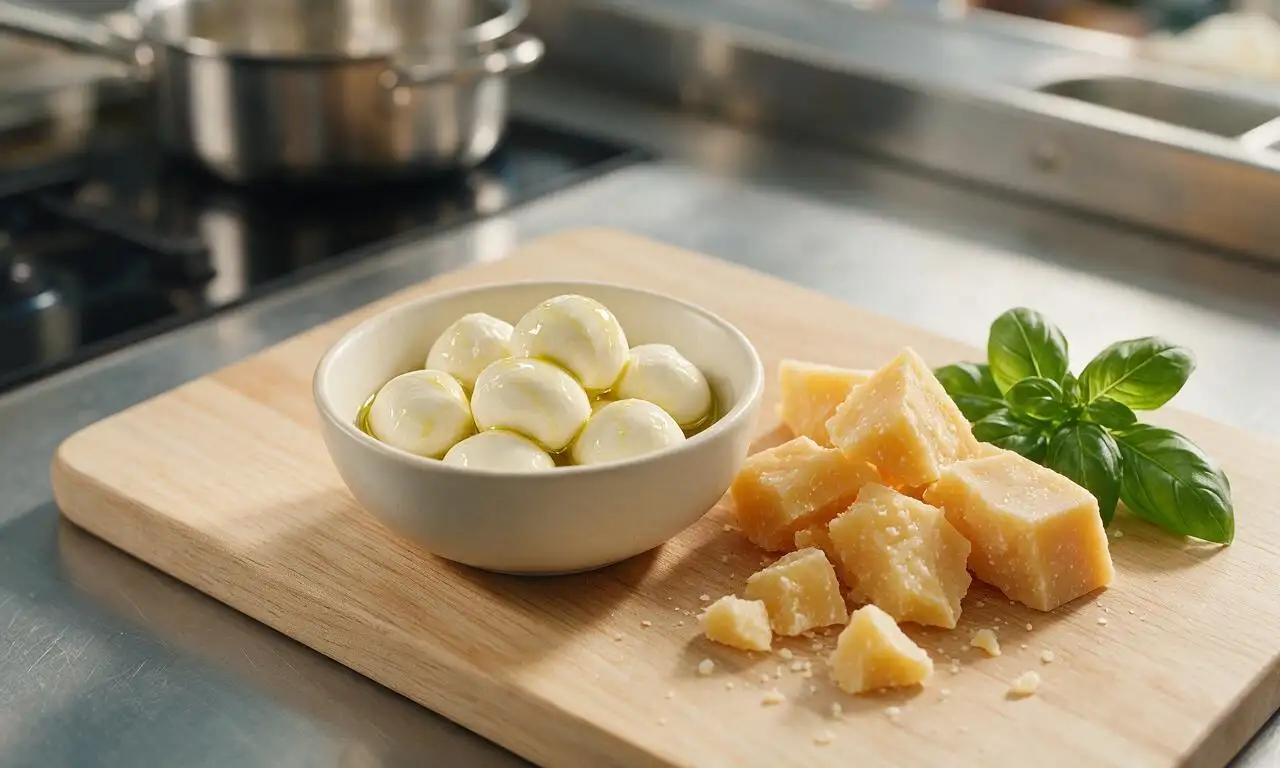
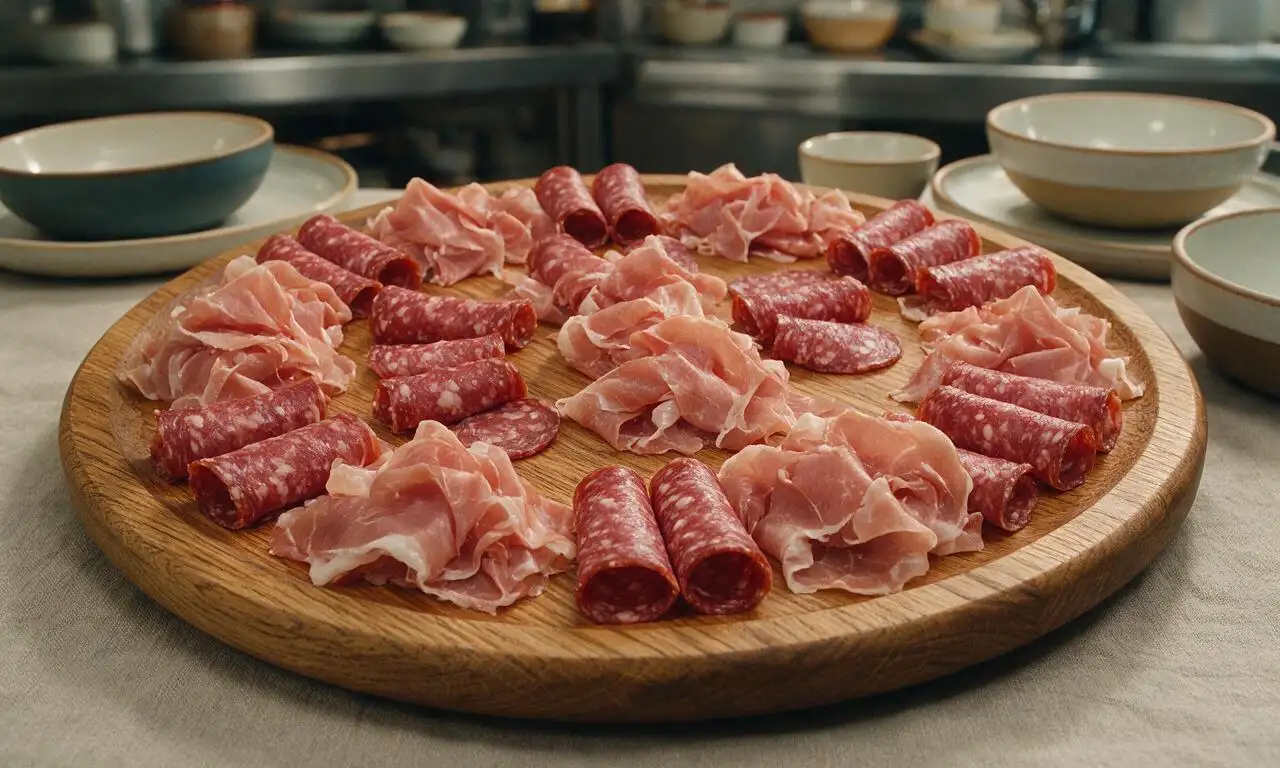
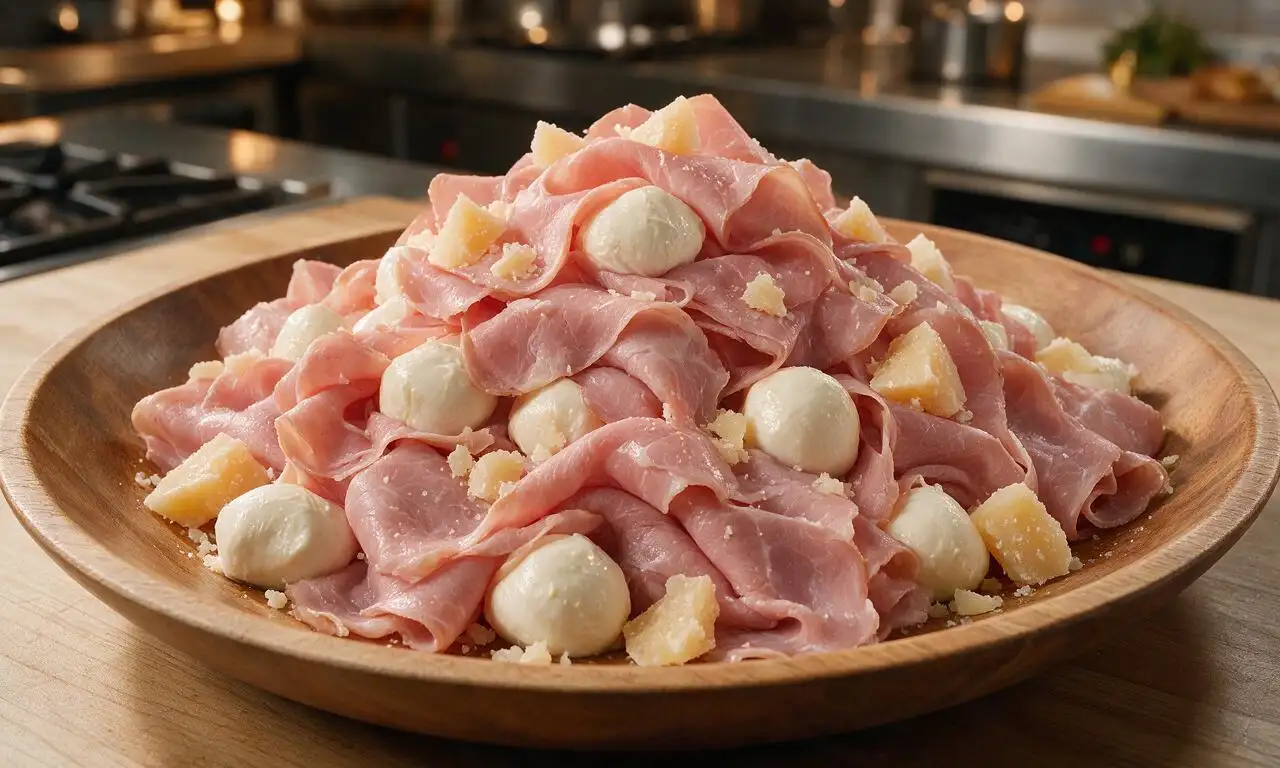
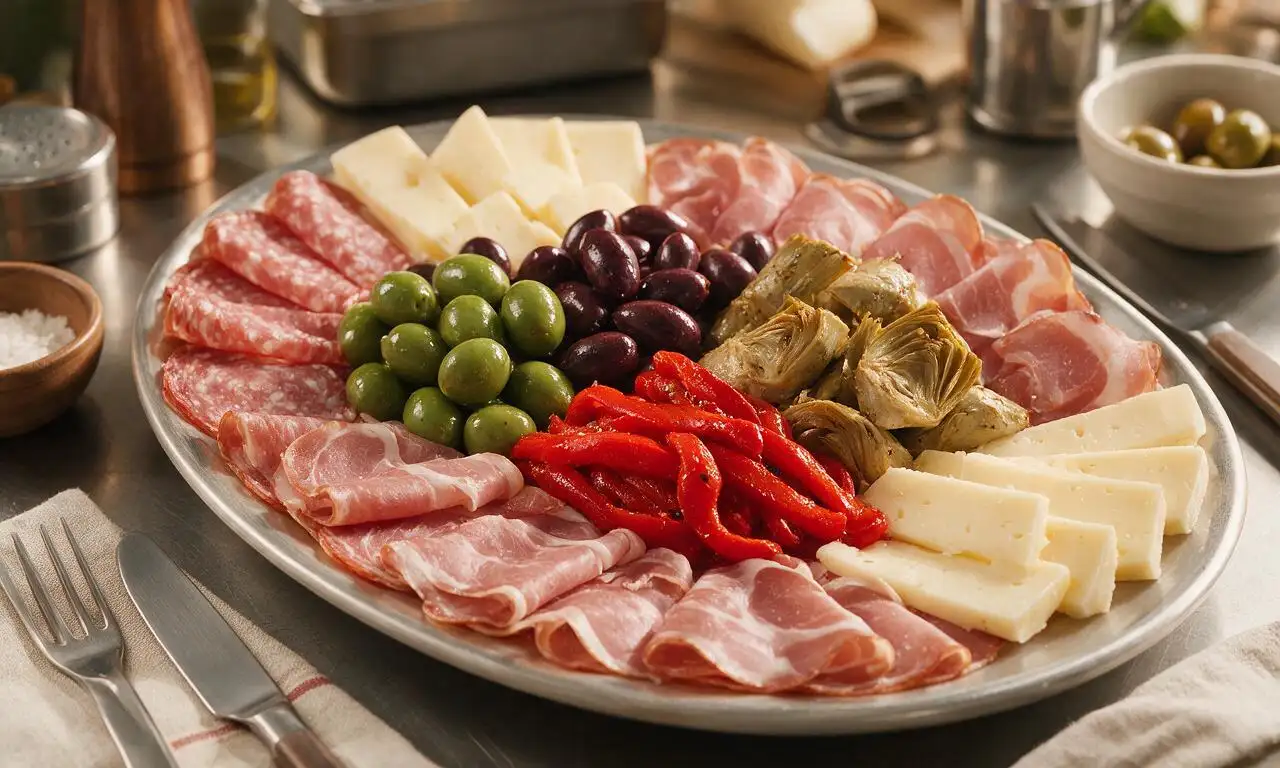
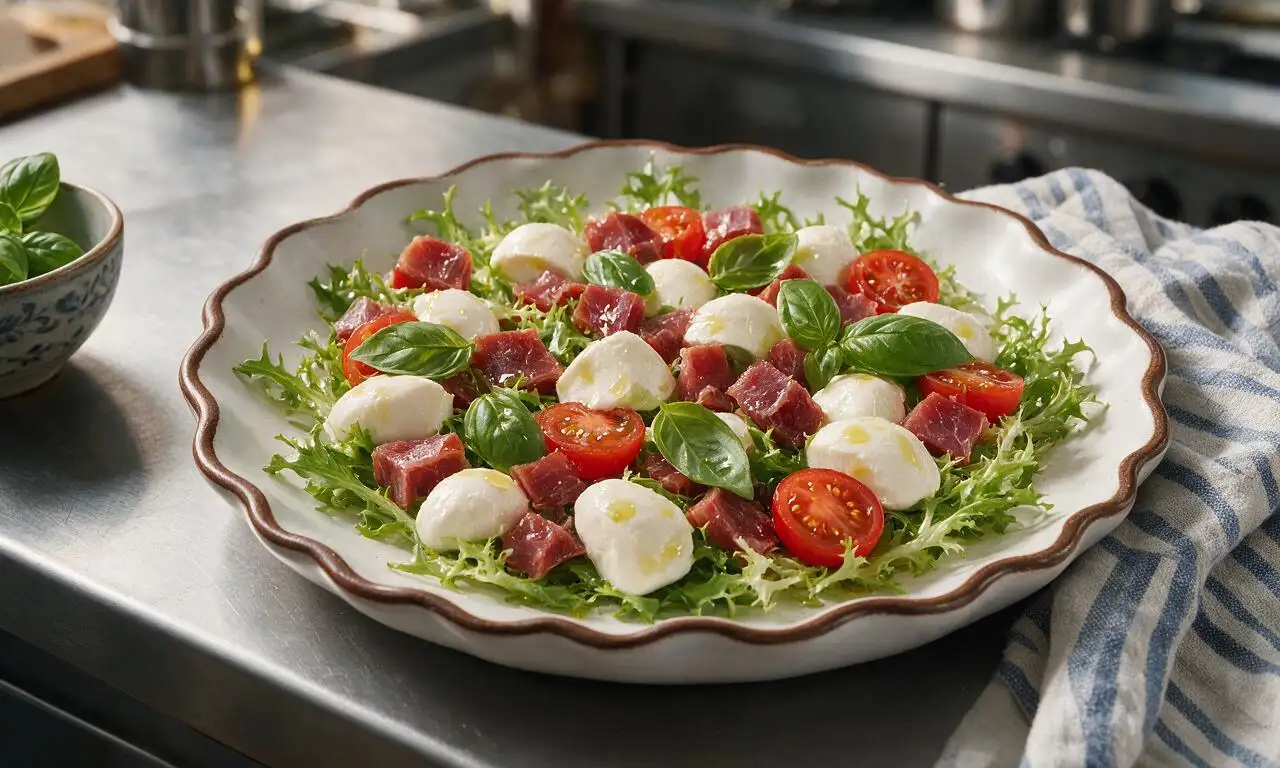
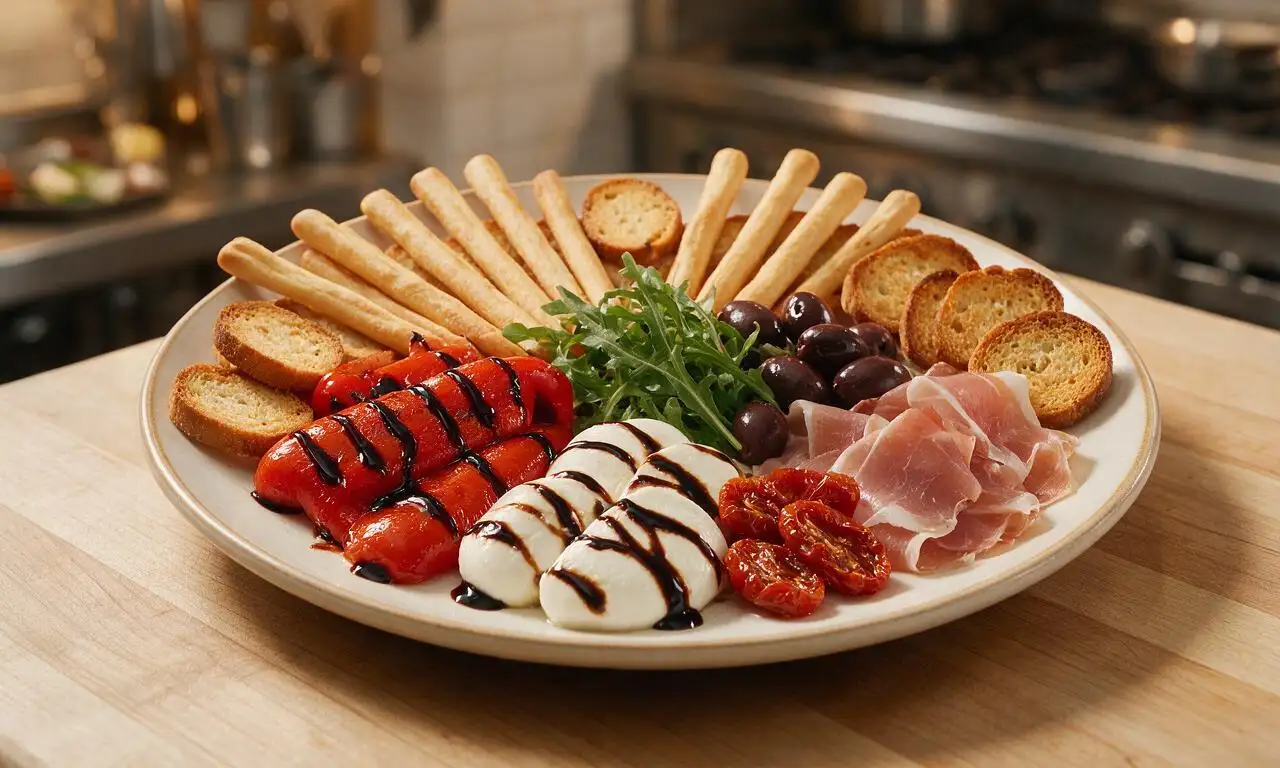

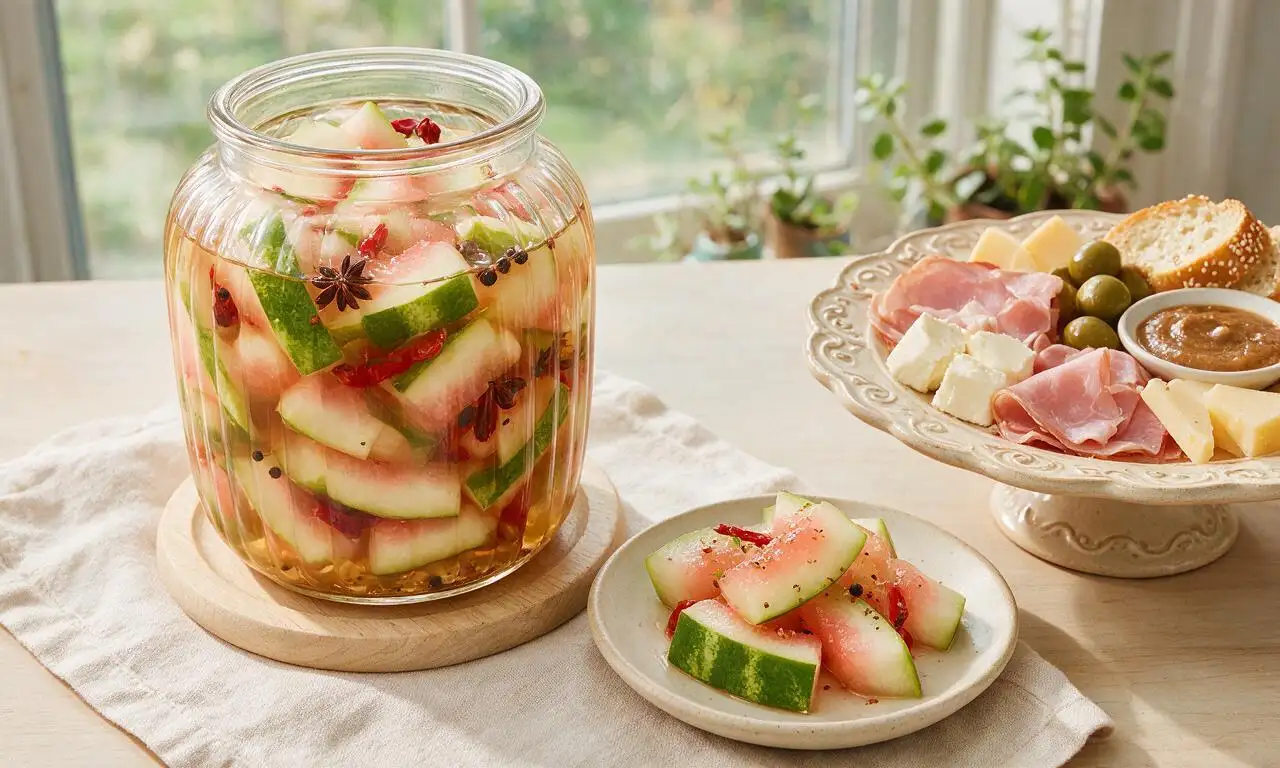


OMG this antipasto platter was such a hit at my neighborhood potluck last weekend! I followed the 20 minute prep time to a T and didn’t even stress about throwing it together last minute. I tossed in extra marinated kalamata olives because my husband is obsessed, and everyone kept coming back for seconds and hounding me for the recipe. SO good, will absolutely be pulling this out for our next family game night too!
Total game changer for quick weeknight dinners when I don’t feel like cooking a full hot meal! My kids are ridiculously picky but they went crazy for the rolled prosciutto and mozzarella cubes, even ate a few of the roasted red peppers which never, ever happens. So easy to throw together right after work too, zero fancy skills required.
Threw this together for my weekly meal prep to have quick grab-and-go snacks for work, and it held up perfectly all week in the fridge. I swapped the regular genoa salami for turkey salami to cut down on a little saturated fat, and it still tasted just as good as the antipasto platters I order at our go-to local Italian spot. 10/10, no notes.