Japanese Fried Oysters

title 1
Japanese Fried Oysters
⏱️ cook time 10 minutes
🍽️ servings 4
⚡ Difficulty medium

intro

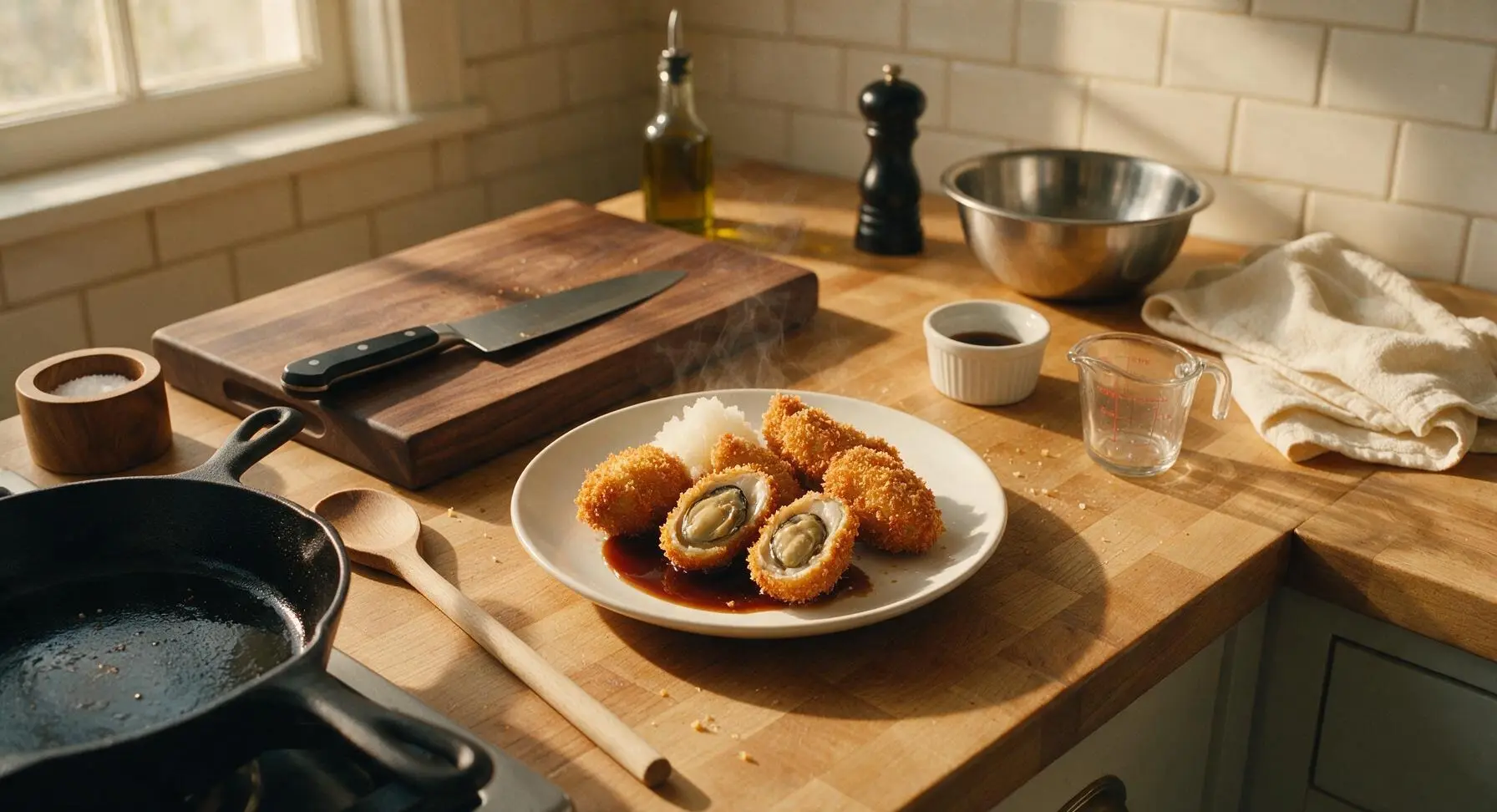
Crisp, golden panko-crusted oysters with juicy briny centers, served with tangy tonkatsu sauce and grated daikon—classic Japanese izakaya comfort food.

Ingredients
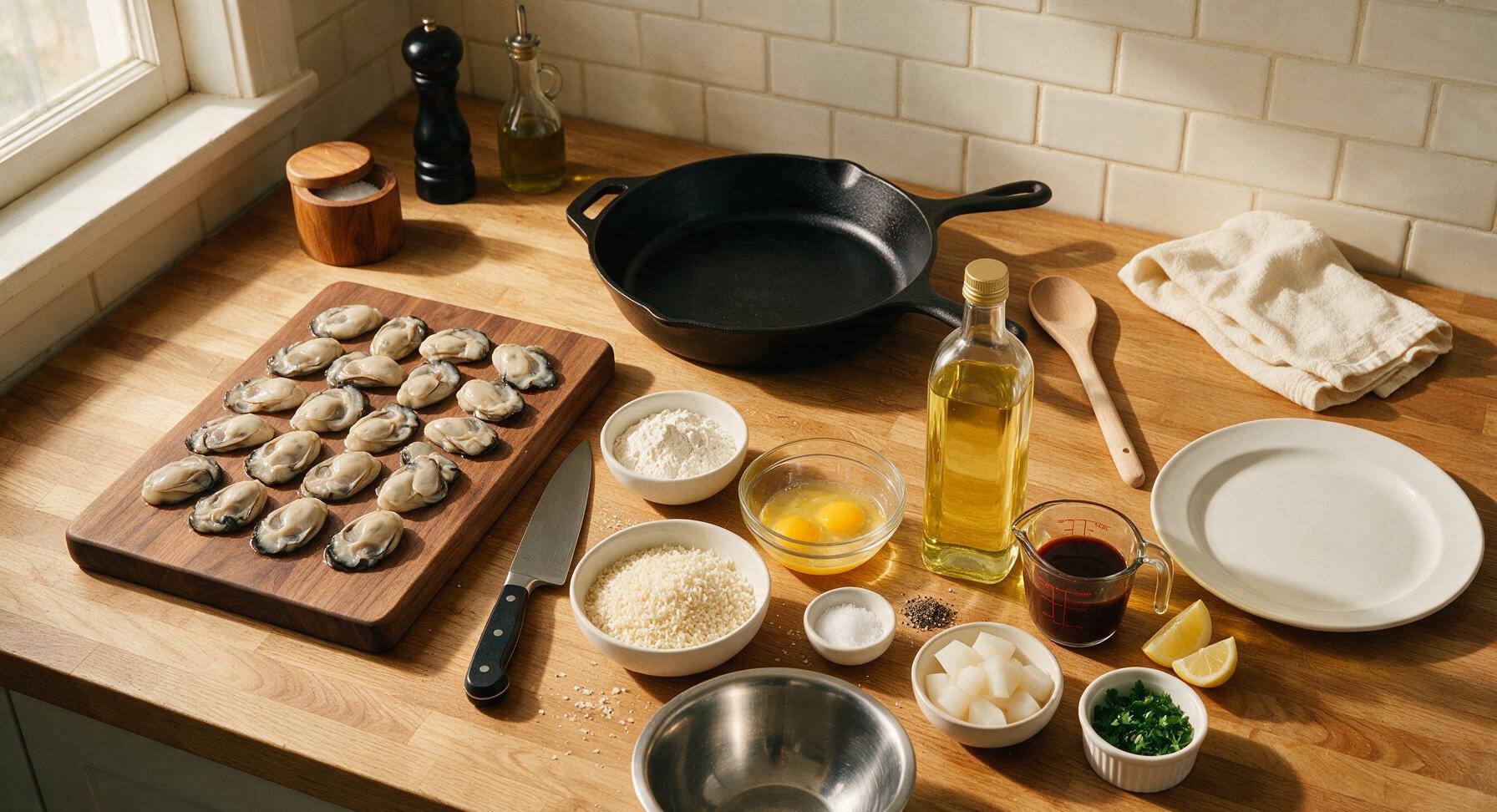
Shucked raw Pacific oysters 20 pieces (500g, drained)
All-purpose flour ½ cup (65g)
Large eggs 2, lightly beaten
Japanese panko breadcrumbs 1 ½ cups (90g)
Kosher salt 1 tsp
Freshly ground black pepper ½ tsp
Neutral canola oil 1L (for deep frying)
Daikon radish (peeled) 100g, for garnish
Japanese tonkatsu sauce ¼ cup, for serving
Fresh lemon 1, cut into wedges
Fresh flat-leaf parsley 2 tbsp, chopped, for garnish

Steps

1

Rinse and Dry Oysters

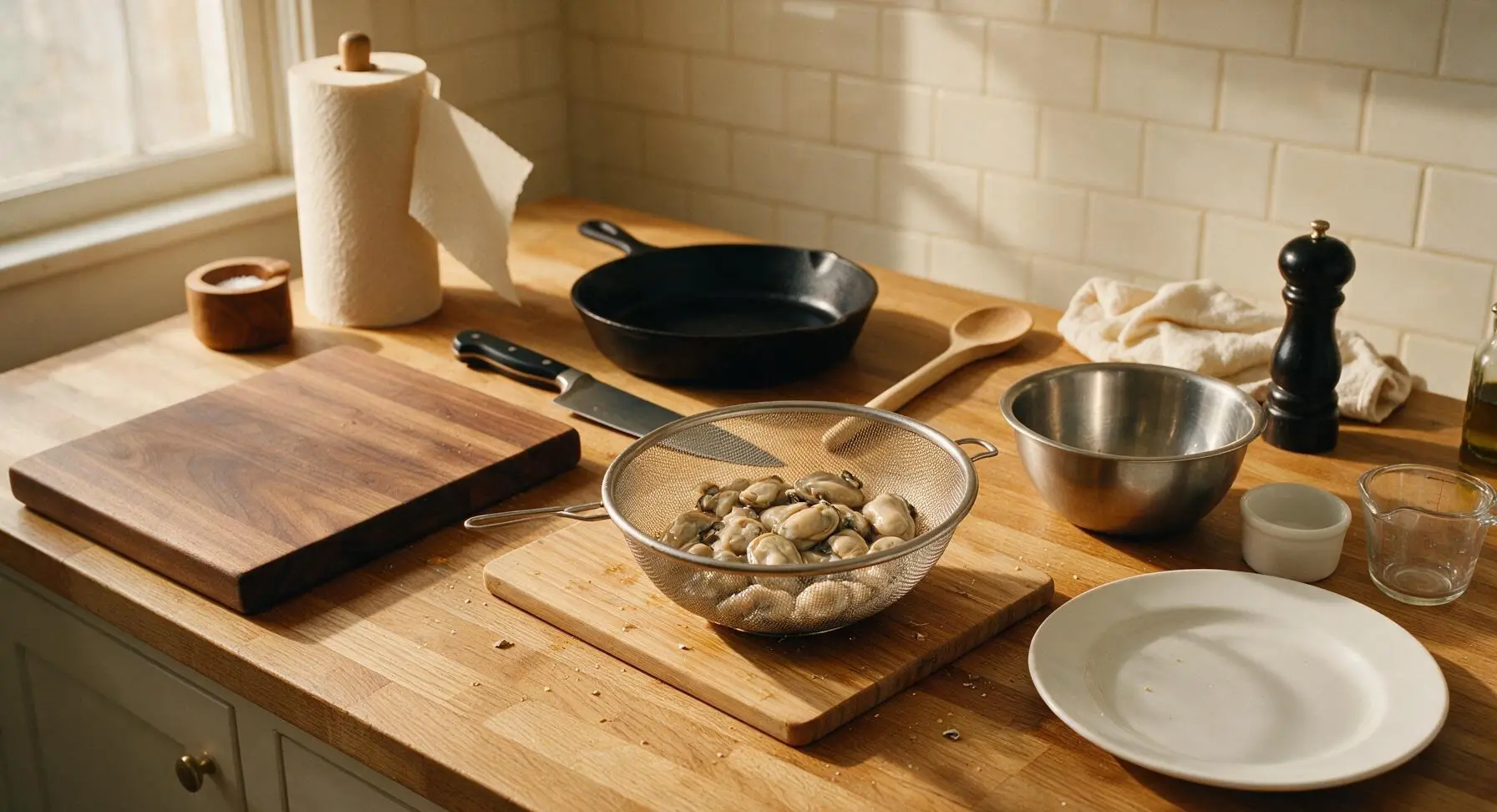
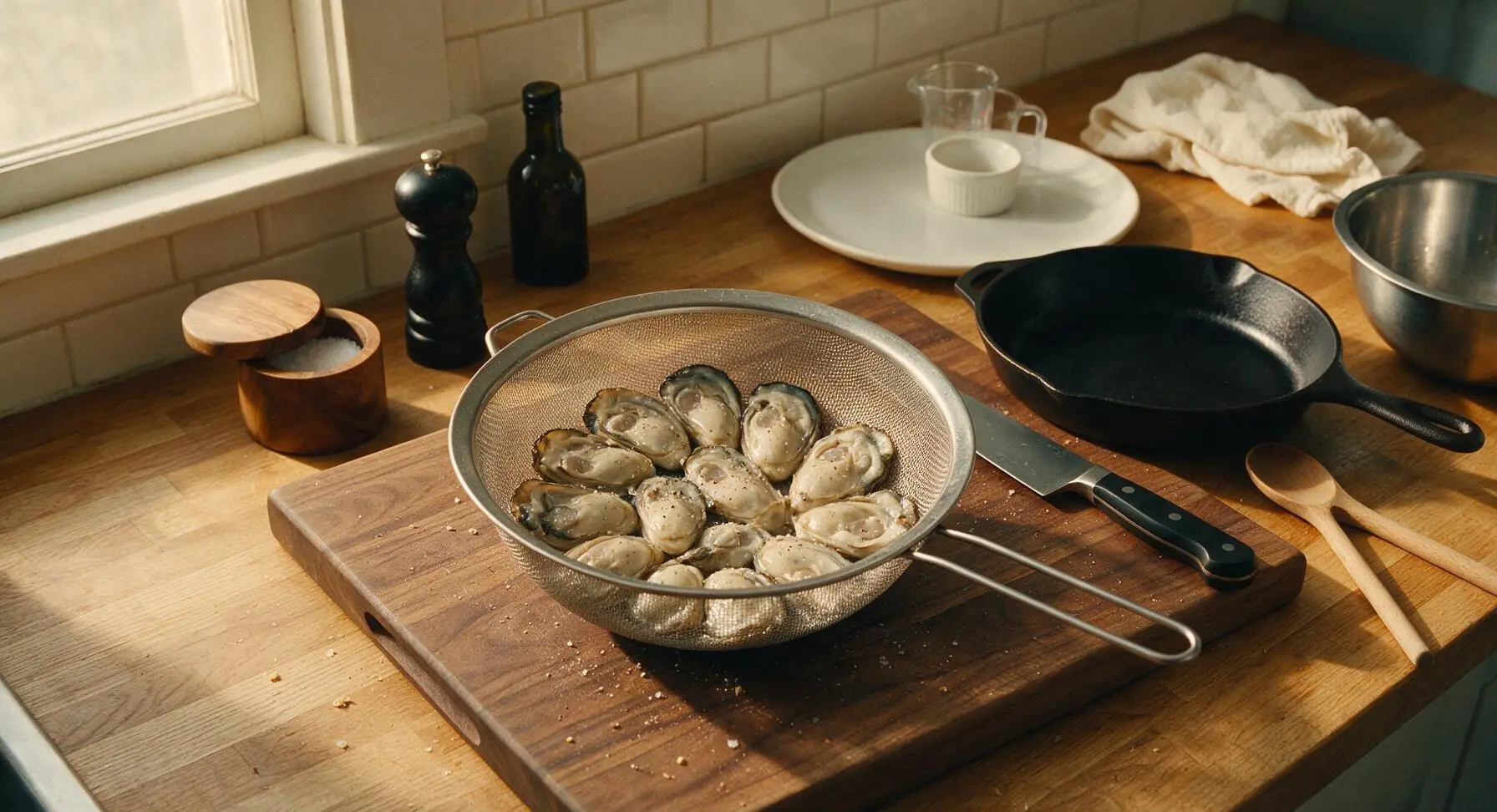
Place the shucked oysters in the fine mesh stainless steel strainer set atop the bamboo cutting board. Pick out any tiny dark shell fragments from the oysters, then pat each oyster completely dry with sheets of unbleached paper towel, taking care not to tear the delicate oyster flesh. Season lightly with ½ tsp kosher salt and ¼ tsp freshly ground black pepper. Complete dryness is critical to prevent hot oil splatters and help breading adhere evenly.
Step 1
step1:Rinse and Dry Oysters
Step 1
step1:Rinse and Dry Oysters
2

Set Up Dredging Station

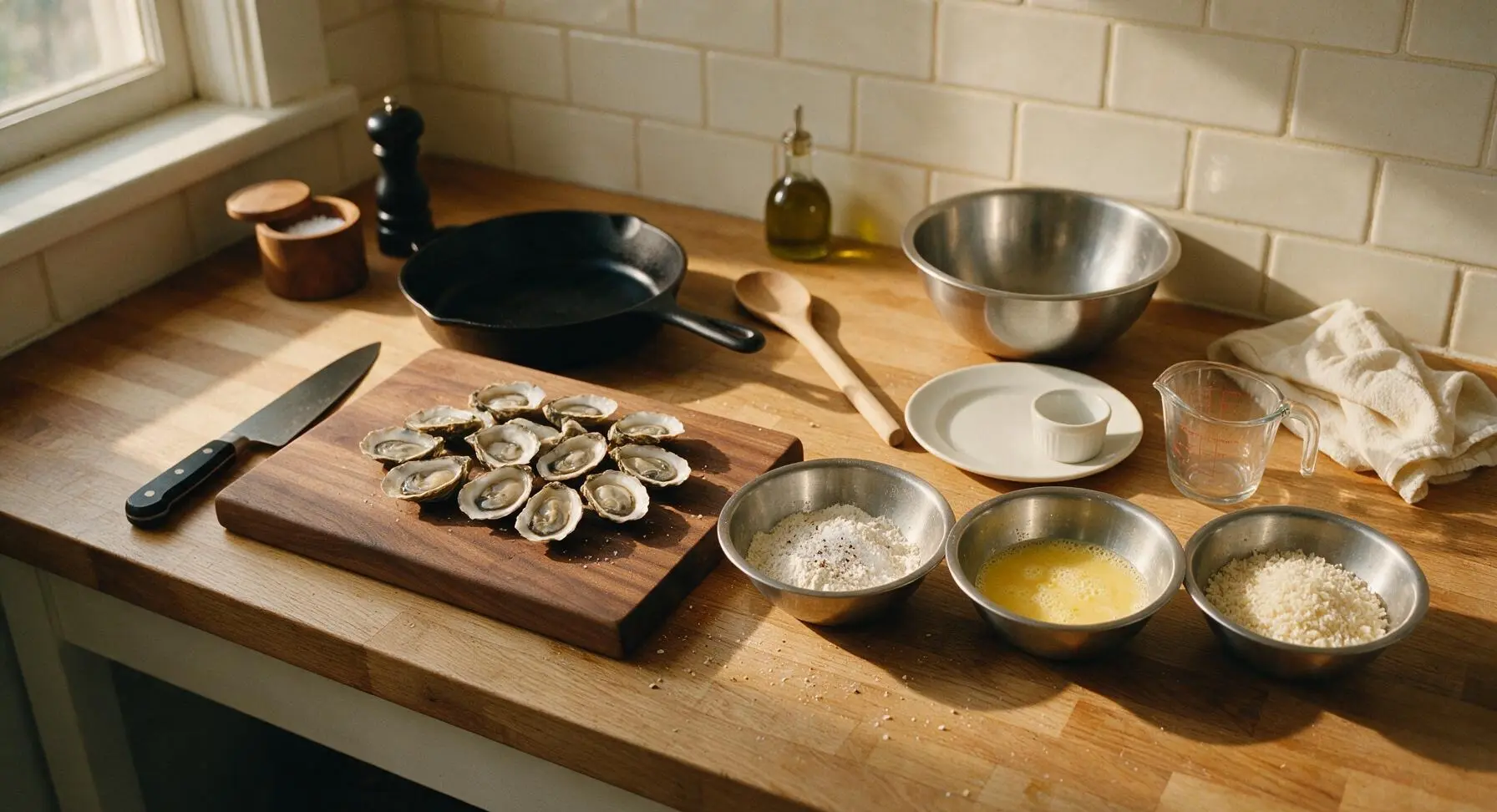
Arrange the three identical small stainless steel mixing bowls in a straight row to the right of the cutting board. Fill the left bowl with all-purpose flour mixed with the remaining ½ tsp kosher salt and ¼ tsp black pepper, the middle bowl with two lightly beaten large eggs, and the right bowl with panko breadcrumbs. This ordered setup creates a one-way breading flow to minimize messy, crumb-covered fingers.
Step 2
step2:Set Up Dredging Station
3

Bread Oysters Evenly

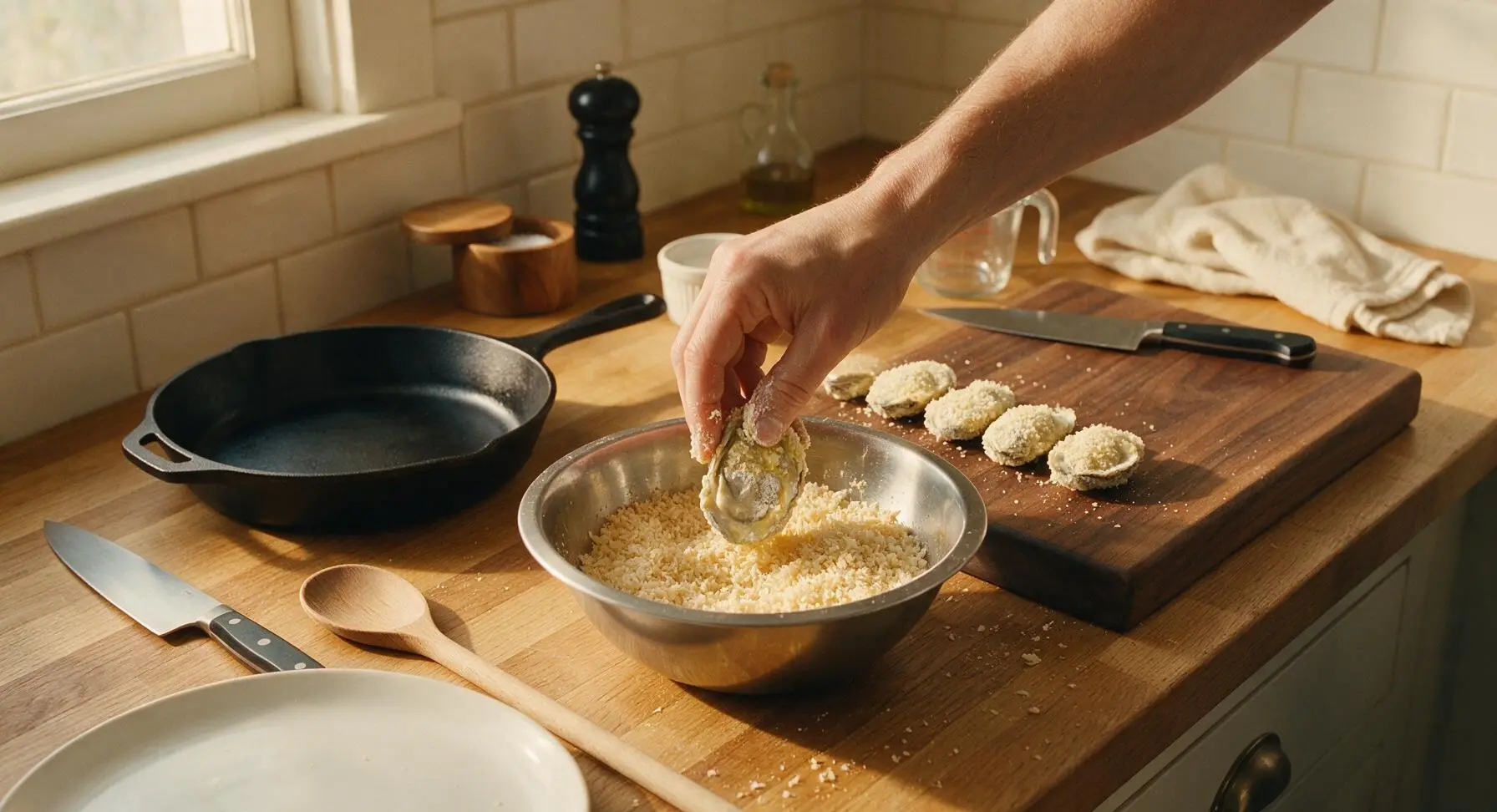
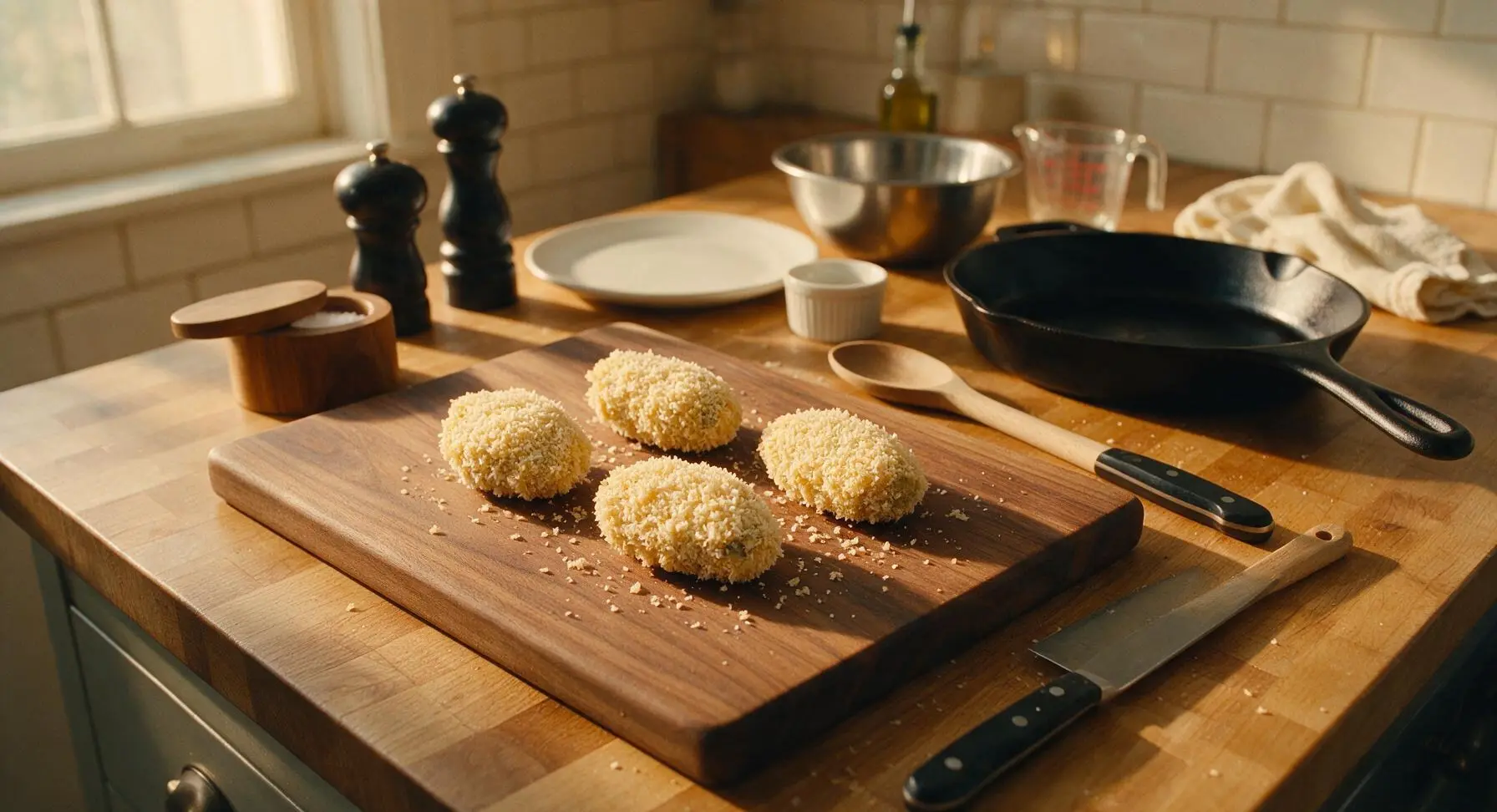
Working one oyster at a time, dredge first in the seasoned flour, shaking off all excess to leave only a thin, even coating. Next, dip the floured oyster fully in the beaten egg, letting excess egg drip back into the bowl. Finally, press the oyster firmly into the panko breadcrumbs, turning to coat every surface completely, pressing crumbs gently to ensure they adhere. Set breaded oysters on the empty edge of the cutting board as you work, then let them rest for 5 minutes before frying to help the coating set and prevent it from falling off during cooking.
Step 3
step3:Bread Oysters Evenly
Step 3
step3:Bread Oysters Evenly
4

Heat Oil to Temperature

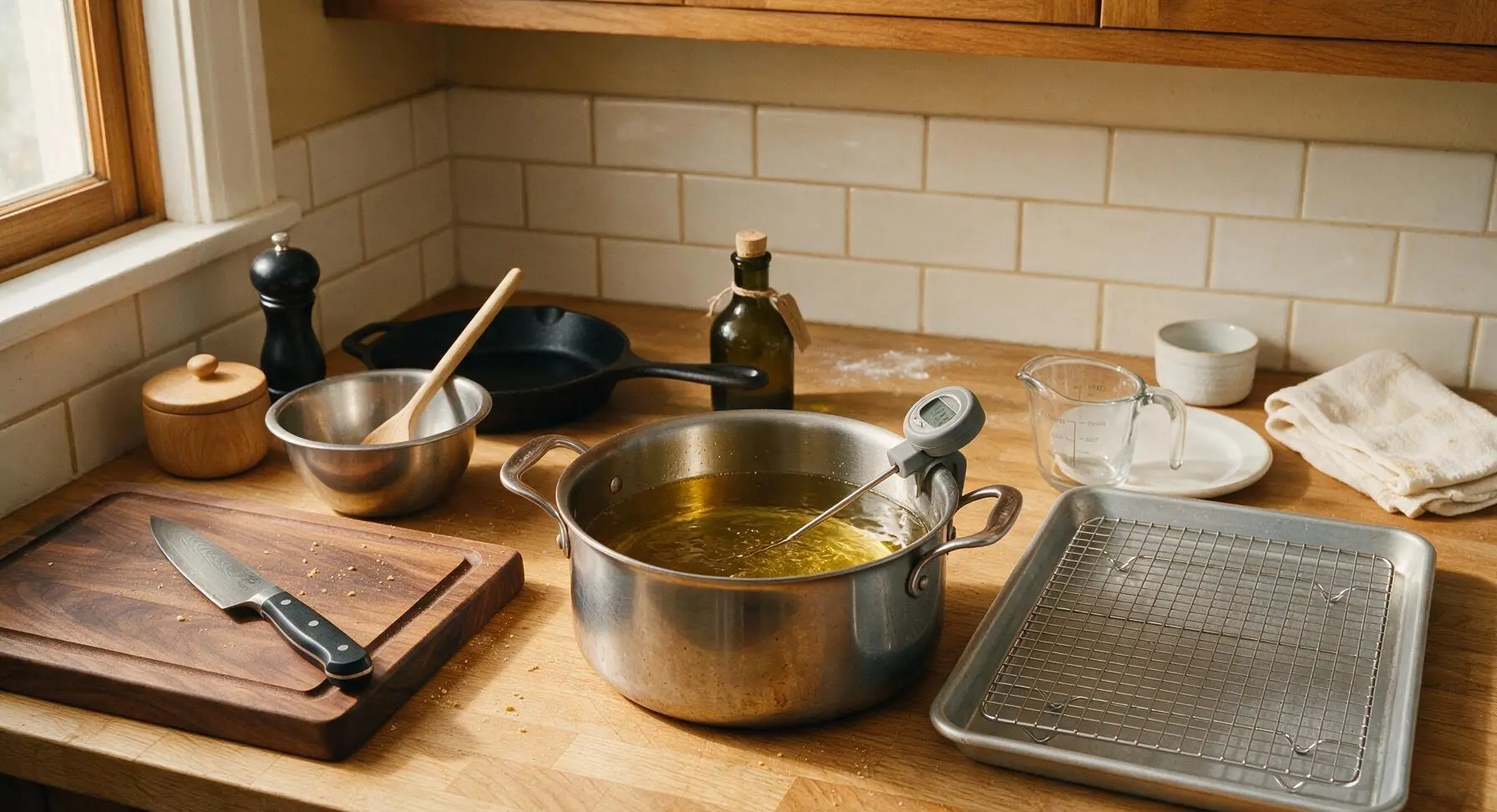
Pour 1L of canola oil into the 3L heavy-bottomed stainless steel deep fry pot, and heat over medium heat until the oil reaches exactly 170C (340F), measured by clipping the digital instant-read thermometer to the pot edge with the probe fully submerged. Do not let the oil reach smoking point; if it exceeds 180C (355F), remove the pot from heat briefly to cool. Consistent oil temperature is the key to a light, crisp, non-greasy crust.
Step 4
step4:Heat Oil to Temperature
5

Fry Oysters in Batches

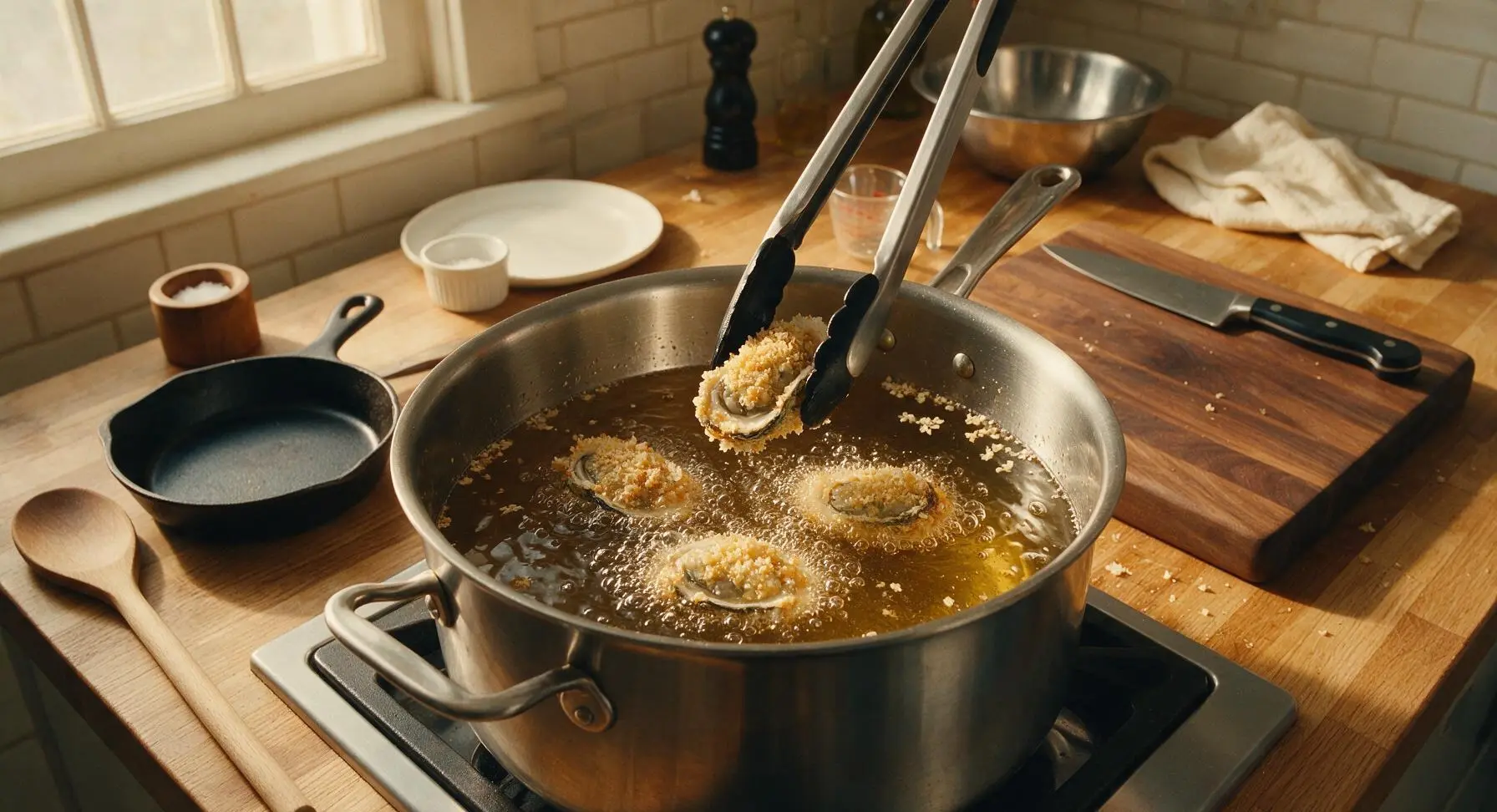
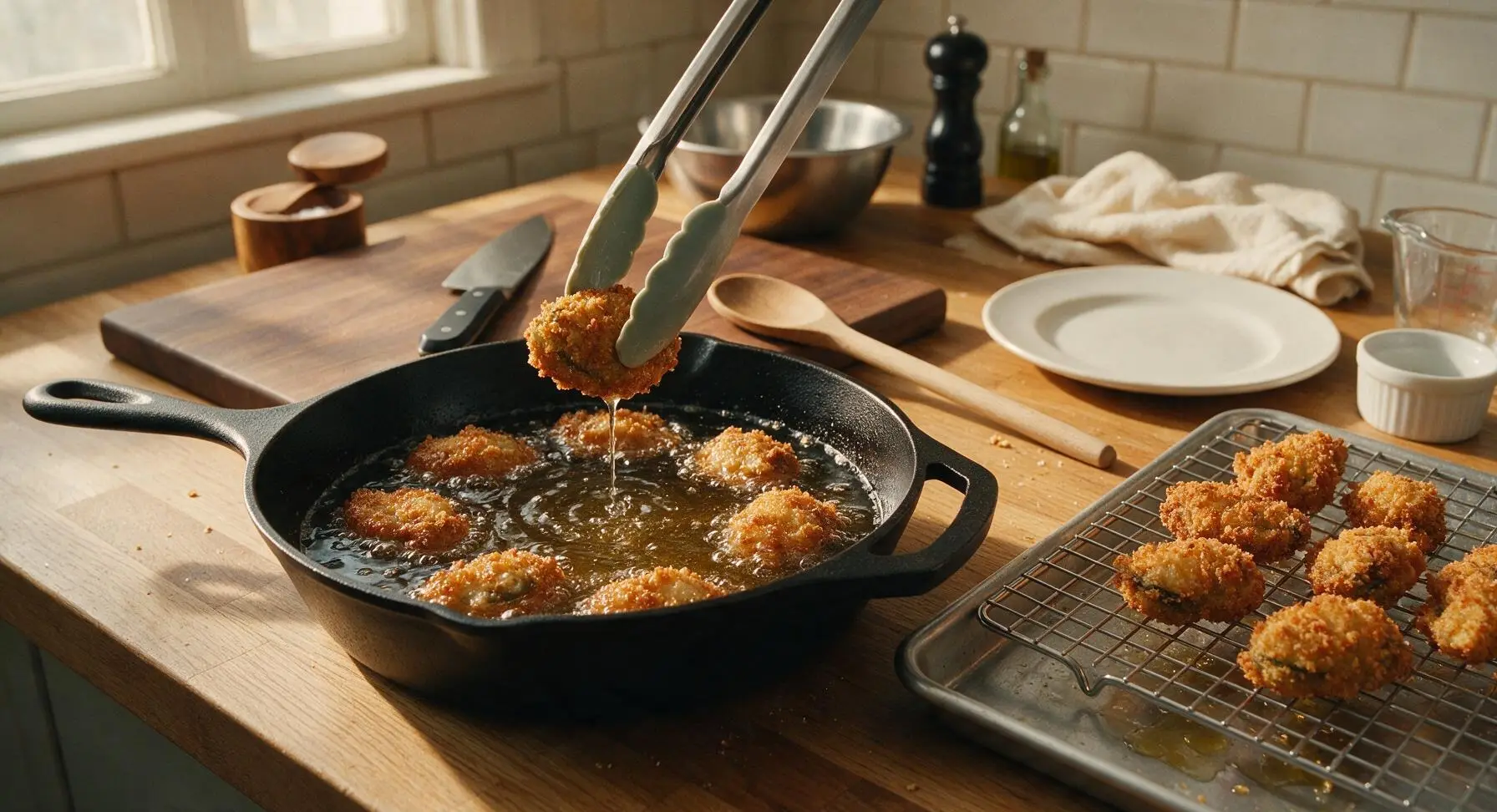
Using the long silicone-tipped stainless steel tongs, carefully lower 4-5 breaded oysters into the hot oil at a time, taking care not to drop them from a height to avoid splatters. Do not overcrowd the pot, as this drops oil temperature rapidly and leads to greasy crusts. Fry for 2 minutes per side, turning once halfway through, until the panko crust turns a deep, uniform golden brown. Remove cooked oysters with the tongs, holding them above the pot for 3 seconds to let excess oil drip off, then transfer to the wire cooling rack to drain for 1 minute. Wait for the oil to return to 170C before adding the next batch.
Step 5
step5:Fry Oysters in Batches
Step 5
step5:Fry Oysters in Batches
6

Prep Serving Garnishes

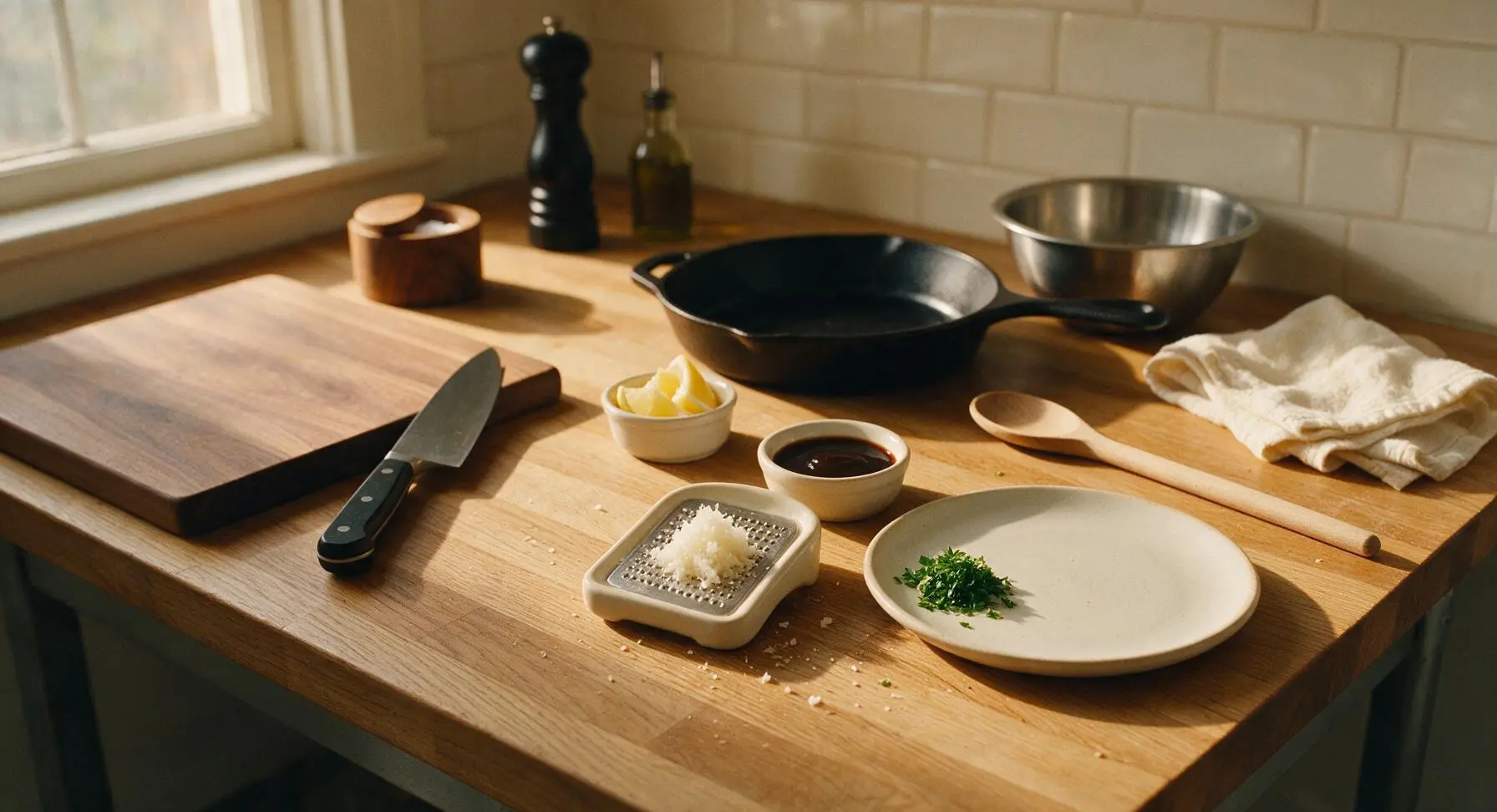
While the last batch of oysters drains, use the small off-white ceramic grater to grate the peeled daikon radish into fine, soft shreds, gathering the shreds in the clear glass condiment dish and squeezing out excess moisture gently to prevent sogginess. Cut the whole lemon into 8 thin wedges, and finely chop the fresh parsley. Pour the tonkatsu sauce into one of the small off-white ceramic ramekins.
Step 6
step6:Prep Serving Garnishes
7

Plate and Serve Hot

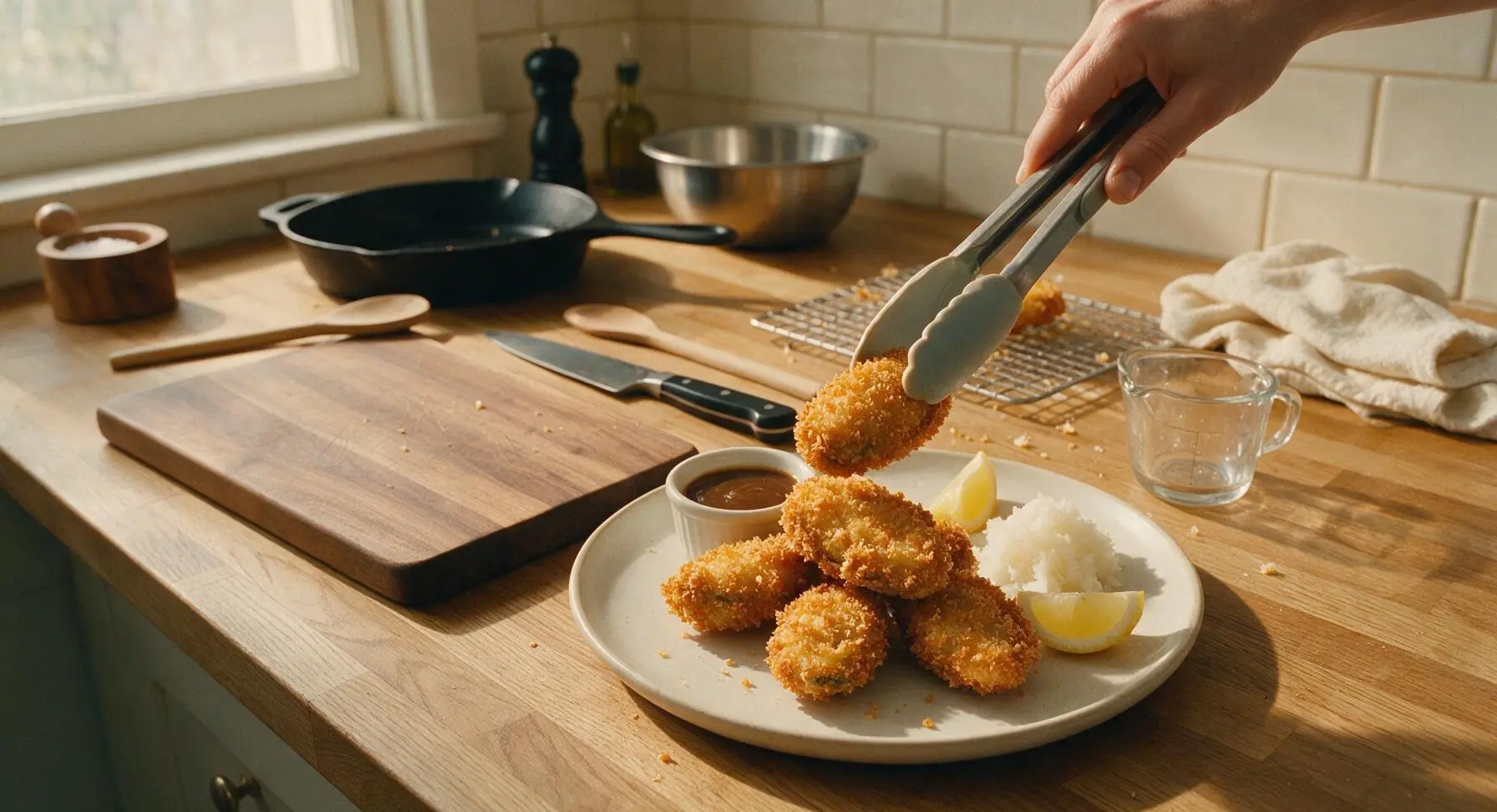
Arrange the hot, drained fried oysters on the matte off-white ceramic dinner plate in a slightly overlapping stack. Place the dish of grated daikon next to the oysters, sprinkle lightly with chopped parsley, and arrange the lemon wedges alongside. Serve immediately while the crust is hot and crisp, with tonkatsu sauce for dipping.
Step 7
step7:Plate and Serve Hot

Tips

1.Pat oysters completely dry before breading: excess surface moisture will cause the breading to slide off during frying, create dangerous hot oil splatters, and result in a soggy, rather than crisp, crust.
2.Let breaded oysters rest for 5 minutes before frying: this short rest allows the flour, egg, and panko layers to bind together, preventing the crust from separating from the oyster while it cooks and leaving bare, greasy spots.
3.Never overcrowd the fry pot: adding too many oysters at once drops the oil temperature by 20-30C, which makes the panko absorb excess oil and results in heavy, greasy oysters instead of light, crisp ones. Always let the oil return to 170C between batches.
✨ You May Also Like

Snacks & Appetizers
🍜 Mexico

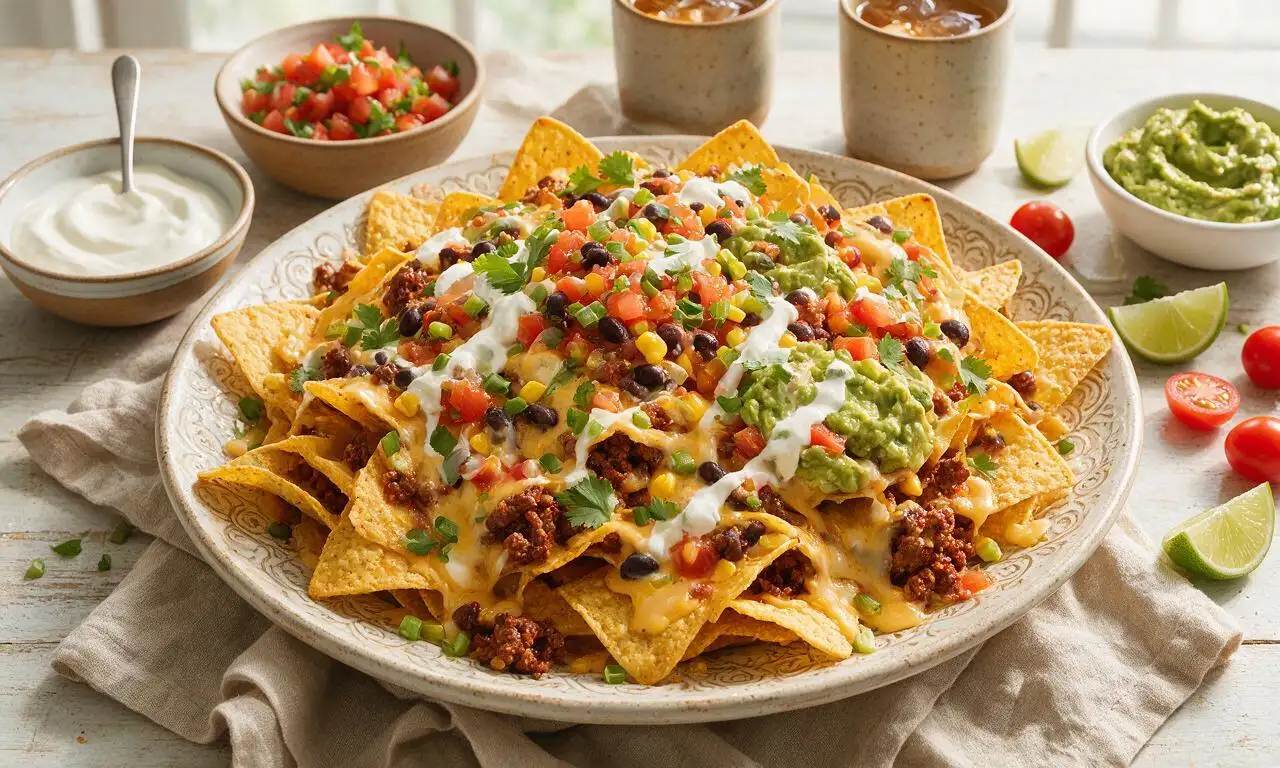
Crispy thick-cut tortilla chips piled high with seasoned beef, melted cheese, and bright fresh toppings for a shareable, crowd-favorite bite.

⏱️ 25 minuteSnacks & Appetizers ★ 4.8
Snacks & Appetizers
🍜 United States

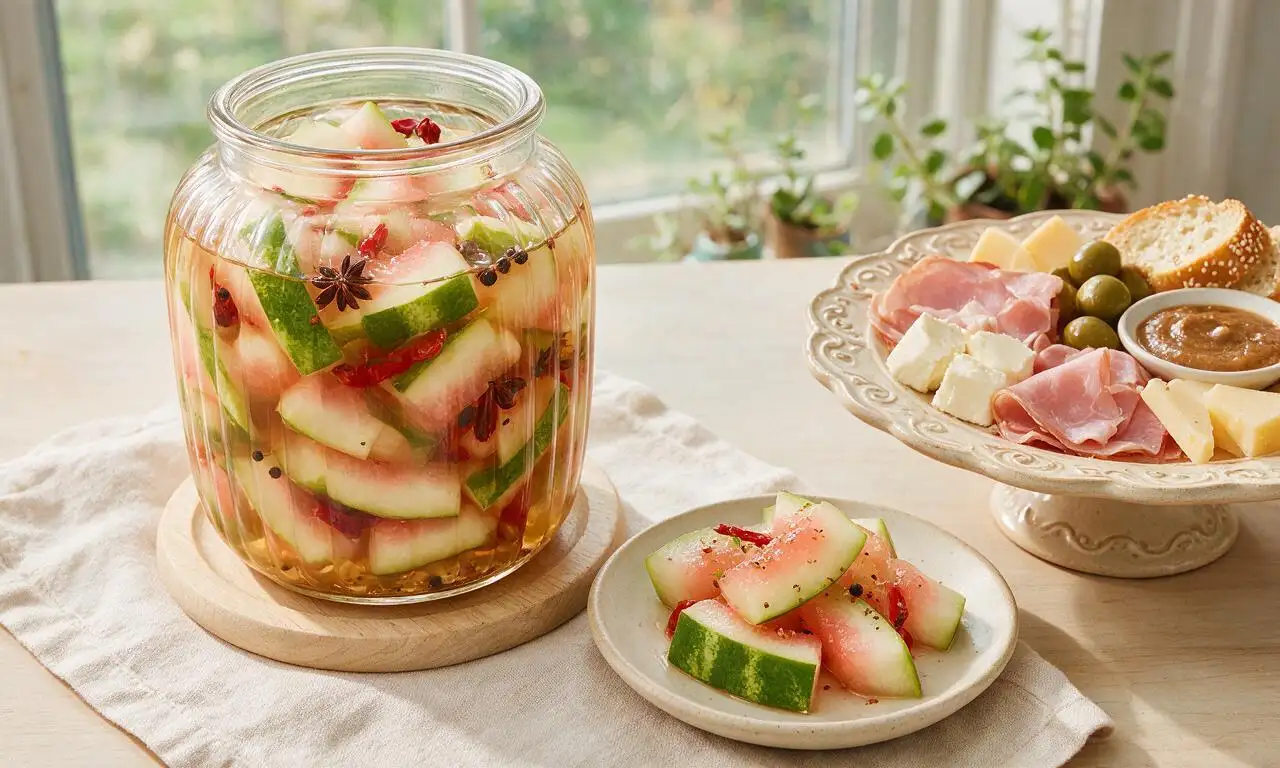
Crisp, sweet-tangy spiced pickled watermelon rind is a zero-waste summer staple, perfect with grilled meats, charcuterie, or eaten straight from the jar as a bright snack.

⏱️ 30 minuteSnacks & Appetizers ★ 4.6
Snacks & Appetizers
🍜 Germany

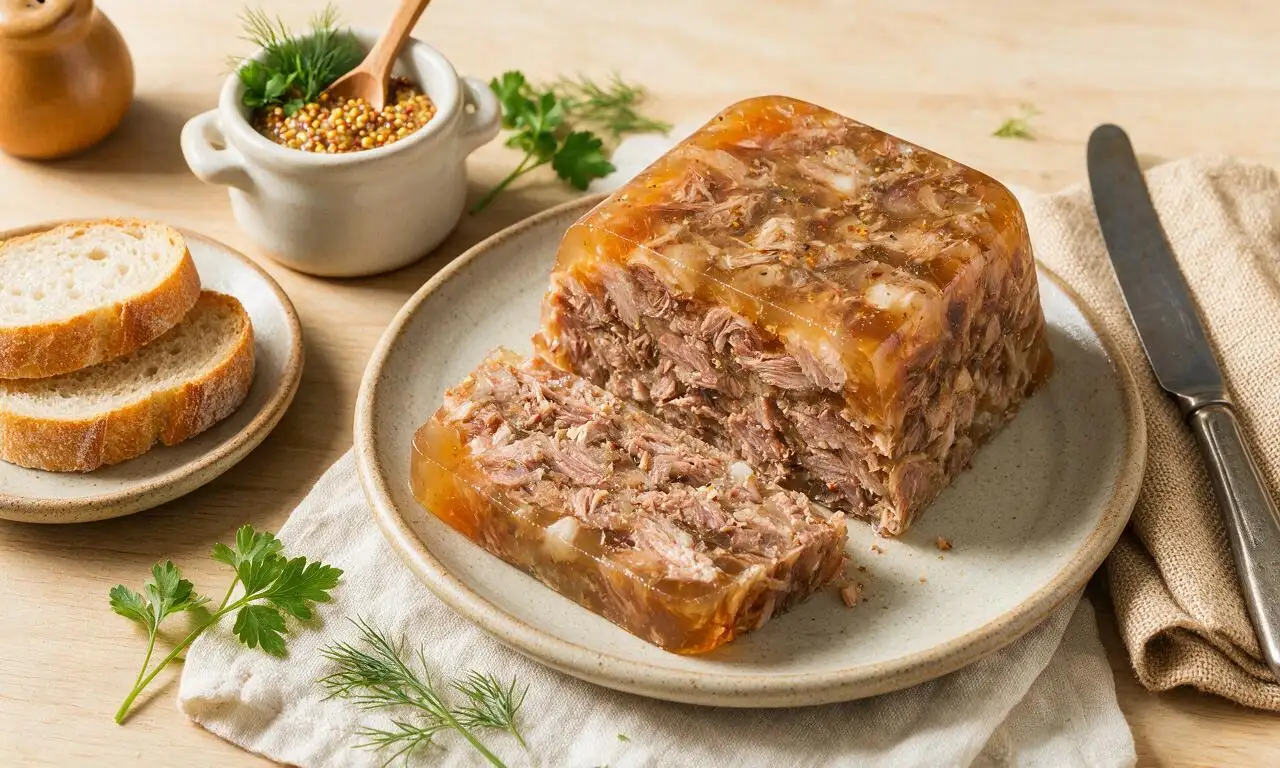
A tangy, jellied pork cold cut slow-simmered with aromatic spices, set into a firm sliceable loaf, served cold with mustard and crusty bread.

⏱️ 3 hours 4Snacks & Appetizers ★ 4.8
Snacks & Appetizers
🍜 United States

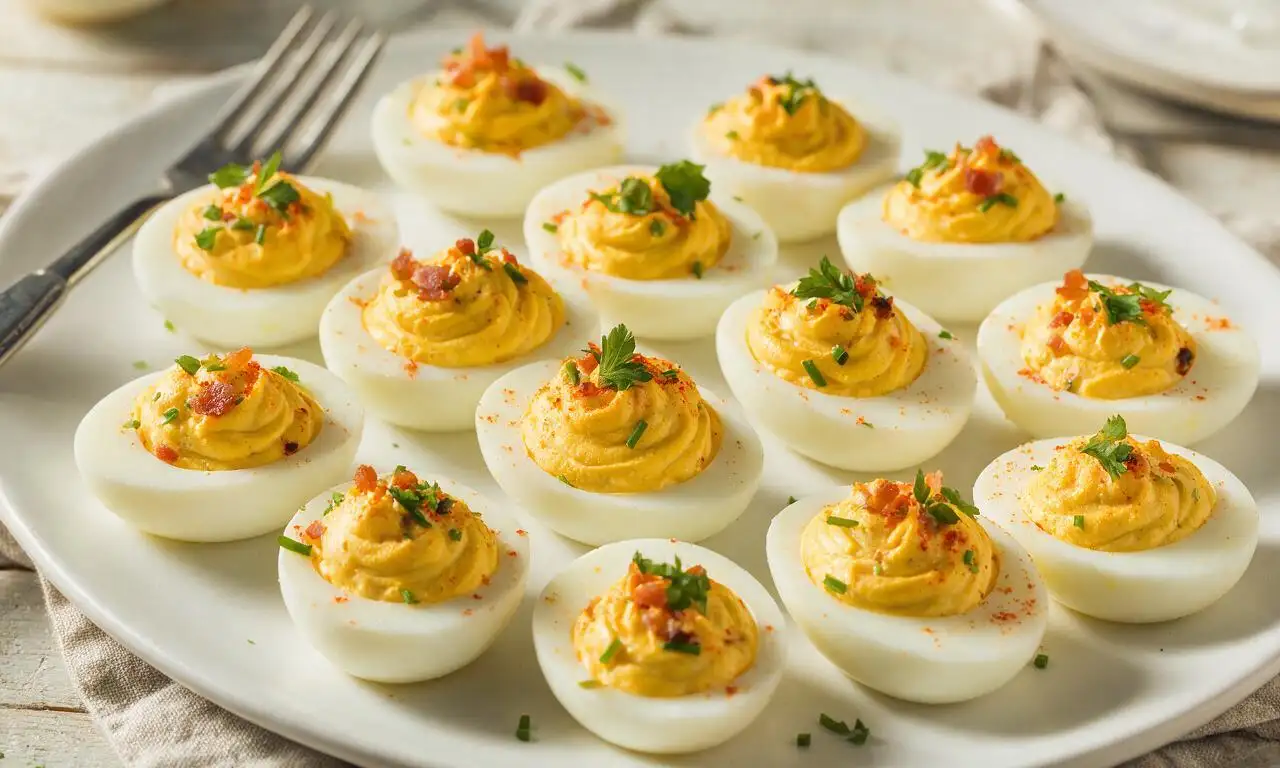
Creamy, tangy, perfectly seasoned hard-boiled egg halves filled with a rich, smooth yolk mixture, a timeless, crowd-pleasing bite for holiday and casual gatherings alike.

⏱️ 40 minuteSnacks & Appetizers ★ 4.8
Snacks & Appetizers
🍜 Russia

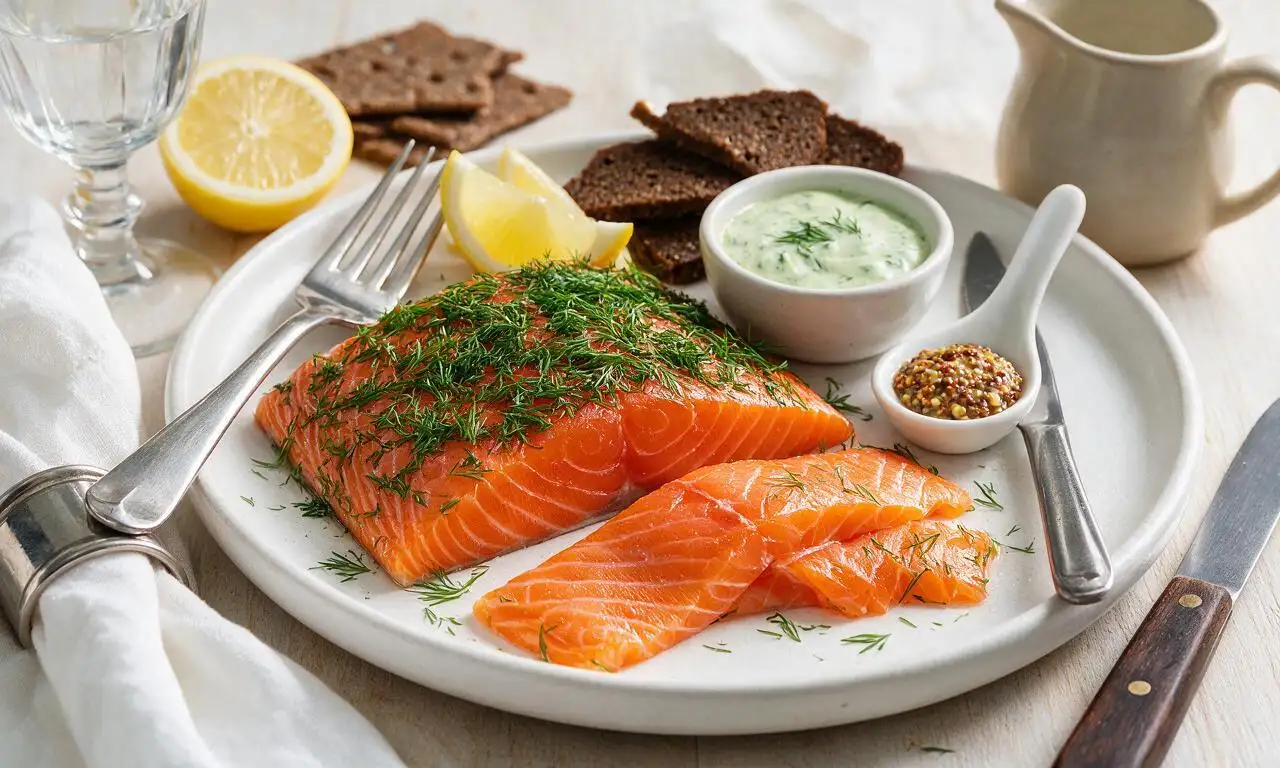
Silky, dill-forward no-smoke cured salmon, a Scandinavian classic with bright salty-sweet flavor, ideal for holiday starter platters and open-faced rye sandwiches.

⏱️ 48 hours Snacks & Appetizers ★ 4.7
Snacks & Appetizers
🍜 Japan

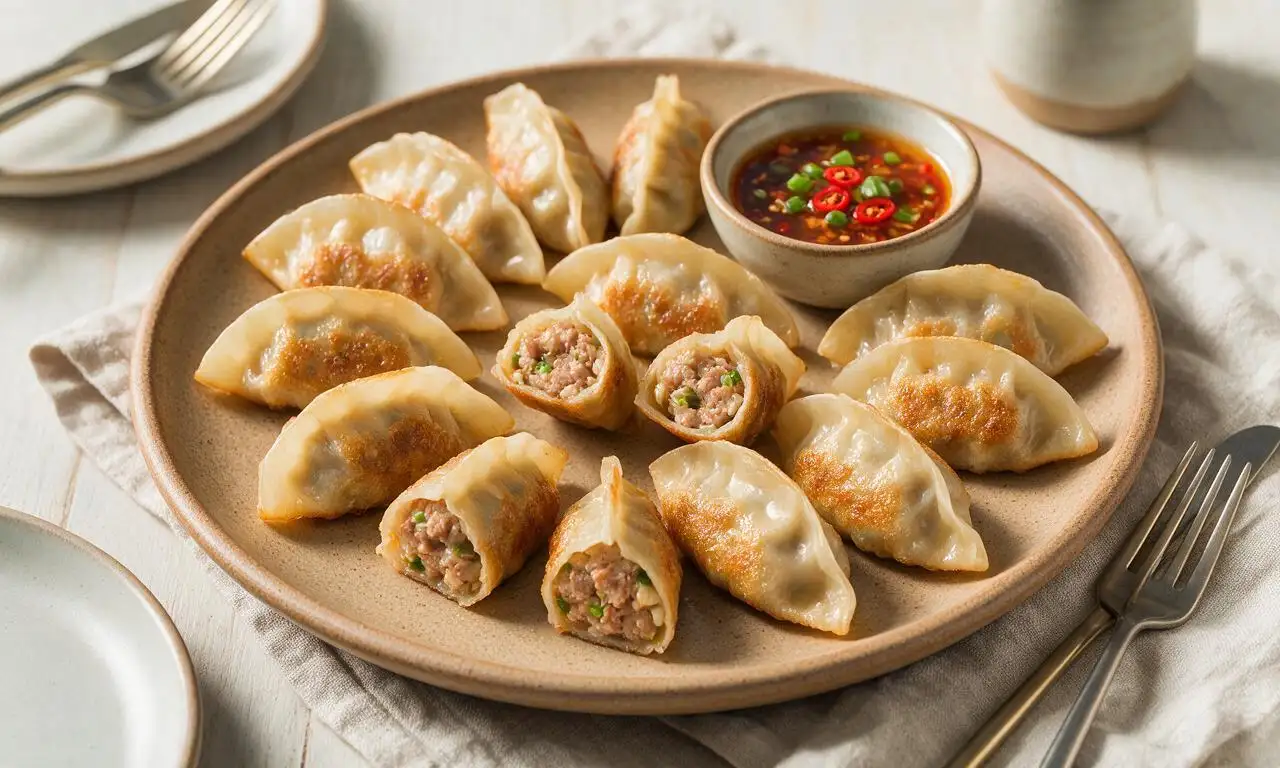
Crisp golden bottoms, juicy savory pork and vegetable filling, and tangy dipping sauce make these pan-fried gyoza a beloved shareable bite.

⏱️ 45 minuteSnacks & Appetizers ★ 4.8

Japanese Fried Oysters:Frequently Asked Questions

1.What kind of oysters are best for kaki fry, and is it okay to use pre-shucked oysters from the grocery store? ▾
Medium (2–3 inch) shucked Pacific oysters are traditional, with a mild, briny sweetness that holds up perfectly to frying. Pre-shucked oysters work great as a time-saver—just drain them well and pat completely dry with paper towels before breading, or the crust will slip off while cooking. Skip tiny cocktail oysters, as they shrink drastically when fried.
2.Why does my panko crust fall off the oysters when I fry them? ▾
Crust slippage almost always traces back to excess moisture on the oysters, or skipping the standard breading order. Pat oysters fully dry before a light, even dusting of flour, then dip in beaten egg, then press firmly into panko to adhere. Let breaded oysters rest 10 minutes in the fridge before frying to help the coating set.
3.Can I use regular breadcrumbs instead of Japanese panko for this recipe? ▾
You can use regular fine breadcrumbs, but you won’t get the signature light, shatteringly crisp crust that defines kaki fry. Panko’s coarser, airier crumbs stay crisp longer and don’t get soggy as quickly as fine breadcrumbs. If you only have regular breadcrumbs, mix them with a handful of crushed cornflakes to add extra crunch.
4.What oil temperature is ideal for frying kaki fry, and how do I check it without a thermometer? ▾
Aim for a steady 350°F (175°C) oil temperature for best results—too hot, and the panko will burn before the oyster cooks through; too cool, and the crust will absorb excess oil and turn greasy. Without a thermometer, drop a single panko crumb into the oil: it should sizzle immediately, float, and turn golden in 15 seconds.
5.How long do I fry the oysters so they’re cooked through but not rubbery? ▾
Most medium oysters only need 1.5 to 2 minutes of total frying time at 350°F. They’re done when the panko is a deep, even golden brown and the oysters float to the top of the oil. Overcooking is the #1 cause of rubbery, shrunken oysters, so pull them as soon as they hit that mark and drain on a wire rack.
6.Do I need to rinse the oysters before breading them? ▾
Give shucked oysters a very quick, gentle rinse in cold salted water to remove any stray bits of shell or grit, then drain immediately and pat completely dry with paper towels. Don’t soak oysters in fresh water, as that leaches out their briny, savory flavor and makes them waterlogged, which ruins the crust and texture.
7.What’s the traditional way to serve kaki fry, and can I make the dipping sauce at home? ▾
Kaki fry is classically served with grated, gently squeezed daikon radish and thick tonkatsu sauce for dipping. If you don’t have store-bought tonkatsu sauce, mix 3 parts ketchup, 2 parts Worcestershire sauce, 1 part soy sauce, 1 part sugar, and a pinch of garlic powder for a quick, spot-on homemade substitute.
8.Can I bread the oysters ahead of time to make prep easier for a party? ▾
You can bread oysters up to 4 hours ahead of time, as long as you store them in a single layer on a wire rack set over a baking sheet in the fridge. Don’t stack them or store them in an airtight container, as trapped moisture will make the panko soggy. Frying straight from the fridge actually helps the crust stay extra crisp.
9.My fried oysters come out really greasy every time—what am I doing wrong? ▾
Greasy kaki fry almost always comes from frying at too low an oil temperature, which lets panko absorb oil instead of searing crisp immediately. Don’t overcrowd the fry pot, which drops oil temp fast, and drain cooked oysters on a wire rack instead of paper towels, which can make the underside of the crust steam and turn soggy.
10.Is there a way to make kaki fry in an air fryer instead of deep frying? ▾
Yes, air fryer kaki fry works great for a lighter version. Spray breaded oysters generously on all sides with neutral cooking oil, then air fry at 400°F for 6 to 8 minutes, flipping halfway through, until the crust is golden and oysters are cooked through. The crust won’t be quite as shatteringly crisp as deep-fried versions, but it’s still delicious.
11.Should I season the oysters, flour, or panko for the best flavor? ▾
Stick to light seasoning to let the oysters’ briny flavor shine: add a pinch of kosher salt and tiny grind of black pepper to the all-purpose flour before dredging. You don’t need to season the panko or egg wash, since the dipping sauce adds plenty of flavor. Skip heavy seasonings like paprika in the breading, as they overpower the delicate oyster.
12.Can I freeze breaded, uncooked oysters to fry later for quick meals? ▾
Absolutely! Arrange breaded, uncooked oysters in a single layer on a baking sheet, freeze until solid, then transfer to a labeled freezer bag for up to 3 months. Don’t thaw them before frying: cook straight from frozen at 340°F for 3 to 4 minutes, until golden and cooked through, to keep the crust crisp and oyster tender.
13.What’s the point of serving grated daikon with kaki fry? Can I skip it? ▾
Grated, lightly squeezed daikon adds a bright, peppery, fresh contrast to the rich, fried crust and briny oyster, and it helps cut through oiliness for a more balanced bite. You can skip it if you don’t have it, but a squeeze of fresh lemon over the oysters will add a similar bright, acidic balance as a substitute.
14.How do I keep kaki fry crisp if I’m making a big batch for a group? ▾
Keep cooked batches of kaki fry warm in a 200°F oven on a wire rack set over a baking sheet while you fry the rest of the oysters. Don’t pile oysters on top of each other, and don’t cover them with foil, as trapped steam will make the crisp panko go soggy. They’ll stay perfectly crisp for 20 to 30 minutes held this way.
15.What are the most common mistakes that ruin kaki fry texture? ▾
The three biggest texture mistakes are not drying oysters fully before breading, overcooking oysters until they’re rubbery, and frying at the wrong temperature. Also, don’t press panko so hard that it compacts—you want a loose, even coating that stays light and airy, for that signature crisp bite against the juicy, briny center.

Comments (5)

yesterday

OMG these were SO good! I made them for our Friday family dinner last night and my picky 8 year old asked for seconds, which never happens. I was worried the panko would get too soggy but it stayed perfectly crispy. Total game changer for our weekly seafood night!

2 hours ago

Wait did you use fresh or frozen oysters? I’ve only got frozen on hand and don’t want to mess it up!

30 minutes ago

So glad your family loved them! Frozen oysters work totally fine as long as you pat them completely dry before breading — that’s the secret to keeping the panko crispy, no sogginess guaranteed!

3 days ago

Took me a couple tries to get the oil temp right the first time I made these, but once I did? Chef’s kiss. I served them with that tangy tonkatsu sauce and a side of shredded cabbage just like the izakayas I went to when I visited Osaka. Will absolutely be adding this to my regular rotation.

2 days ago

Great call serving with shredded cabbage and tonkatsu sauce! Pro tip for next time: use a candy thermometer to keep oil at 350°F, that takes all the guesswork out of getting the perfect crisp without burning the panko.

1 week ago

Brought these to my neighborhood potluck last weekend and they were gone in 10 minutes flat! Everyone was asking for the recipe, I felt like such a rockstar. I added a tiny bit of Old Bay to the flour for a little extra kick, highly recommend that hack.

2 hours ago

Wait I thought this would be way harder to make, medium difficulty had me nervous but it was actually so straightforward! 10 minute cook time is no joke, I had a whole batch done faster than it took my husband to pick up takeout sushi. Only note: make sure you don’t overcrowd the pan when frying, that makes the oil temp drop fast.

5 minutes ago

Totally agree about not overcrowding the pan! I did that on my first batch and they were so soggy, total bummer. Second batch I did 3-4 at a time and they were perfect.

2 weeks ago

Finally, a kaki fry recipe that tastes exactly like what I get at the little spot near my grandma’s house in Tokyo! I’ve tried so many versions that get the breading ratio wrong or overcook the oysters until they’re rubbery, but this one nails it. The tip to let the breaded oysters rest for 5 minutes before frying? Total game changer, no breading sliding off mid-fry.

1 week ago

Has anyone tried making these with gluten free panko? I’m gluten intolerant and would love to make these for my partner who loves oysters!

5 days ago

Gluten free panko works beautifully here! Just make sure you follow the same breading steps (flour, egg, panko) and you won’t notice a difference in texture or crunch.