1.Why do you recommend skin-on boneless chicken thighs instead of chicken breast for karaage?
▾
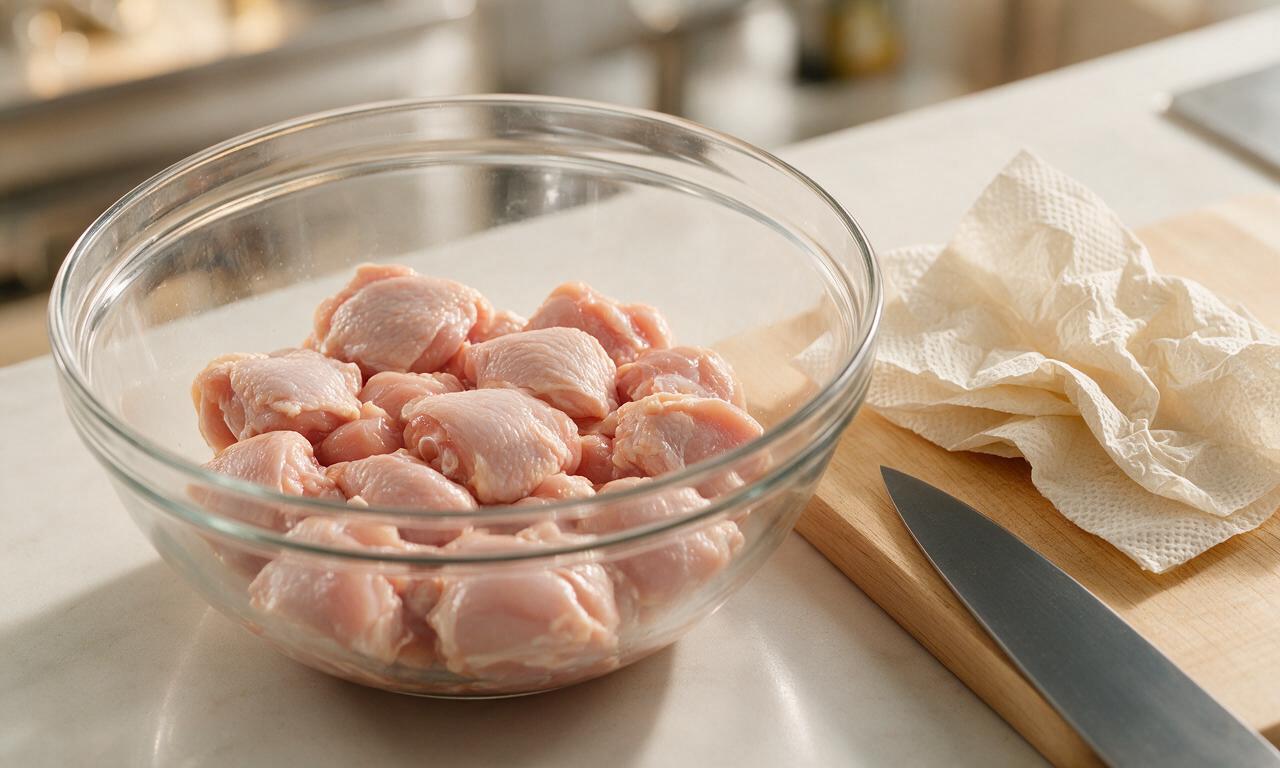
Skin-on thighs are ideal because their higher intramuscular fat keeps bites juicy even after high-heat frying, and the attached skin renders to create that signature shatteringly crisp outer layer. Lean breast dries out extremely quickly at frying temperatures, leading to tough, bland bites even with a long marinade. If you must use breast, cut pieces smaller and reduce cook time by 1 minute.
2.Can I use regular soy sauce instead of low-sodium soy sauce for the marinade?
▾
You absolutely can, just cut the total soy amount by 25% and skip any added salt in the recipe to avoid overly salty chicken. Regular soy sauce has roughly 30% more sodium per tablespoon than low-sodium, so adjusting the quantity prevents the marinade from overpowering the delicate ginger, garlic, and sake notes that make classic karaage taste balanced.
3.How long should I marinate the chicken to get the best flavor and texture?
▾
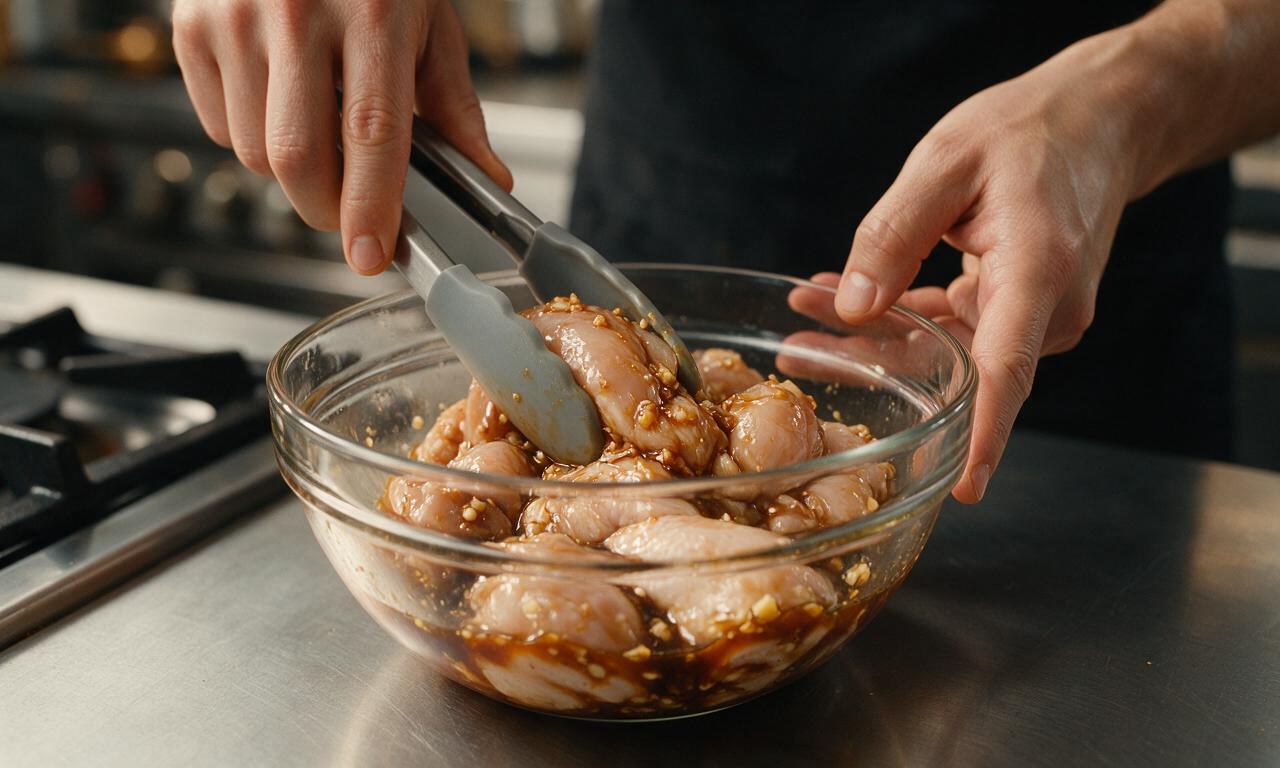
Aim for 30 minutes to 1 hour at room temperature, or up to 4 hours covered in the fridge. Any longer than that, and the high salt content in the soy sauce will break down chicken proteins too much, leading to mushy texture instead of tender, juicy bites. Skip overnight marinating—it’s a common mistake that also ruins final crust crispness.
4.Do I really need Japanese cooking sake for the marinade, or can I skip it?
▾
Sake does three key jobs: it tenderizes the chicken, cuts through subtle gamey poultry notes, and adds a gentle umami depth you can’t get from other ingredients. If you don’t have it, swap in dry sherry at a 1:1 ratio, or use mirin plus 1/4 teaspoon rice vinegar per tablespoon of sake, and skip any added sugar if you use mirin.
5.Why is my karaage soggy instead of crispy after frying?
▾
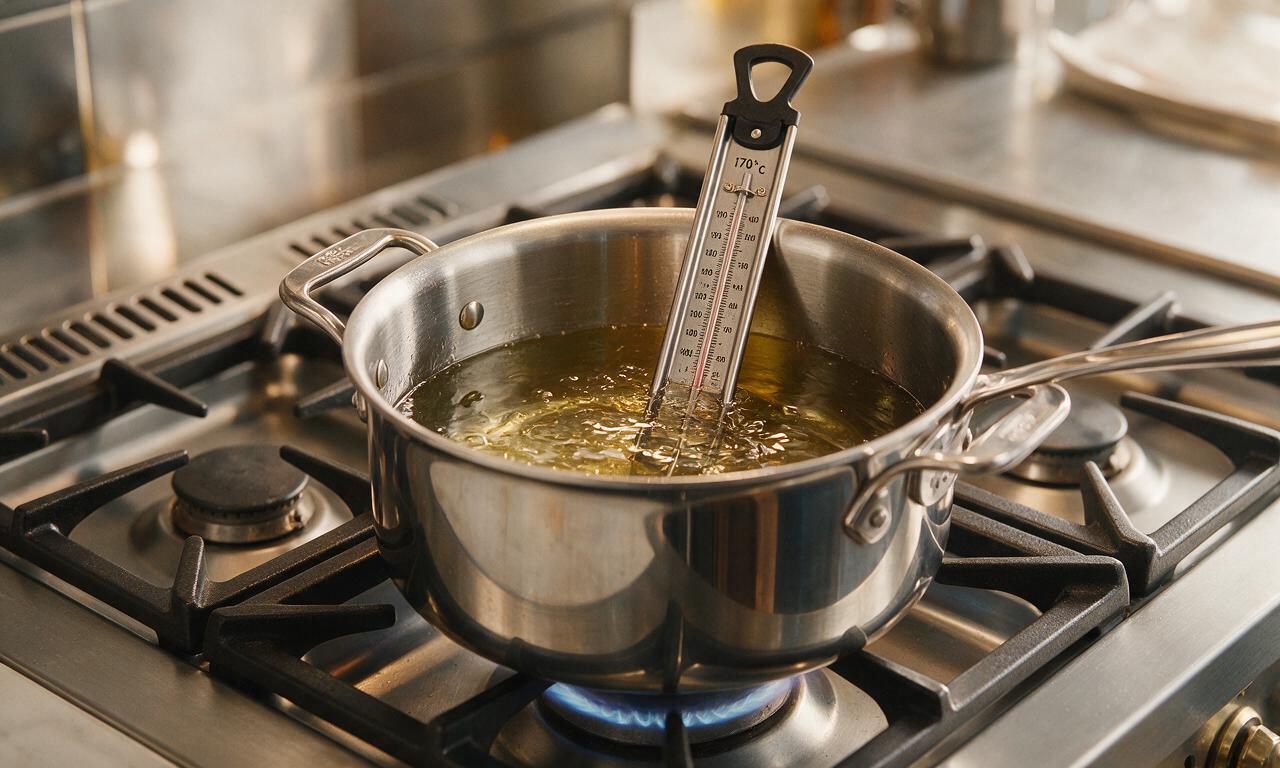
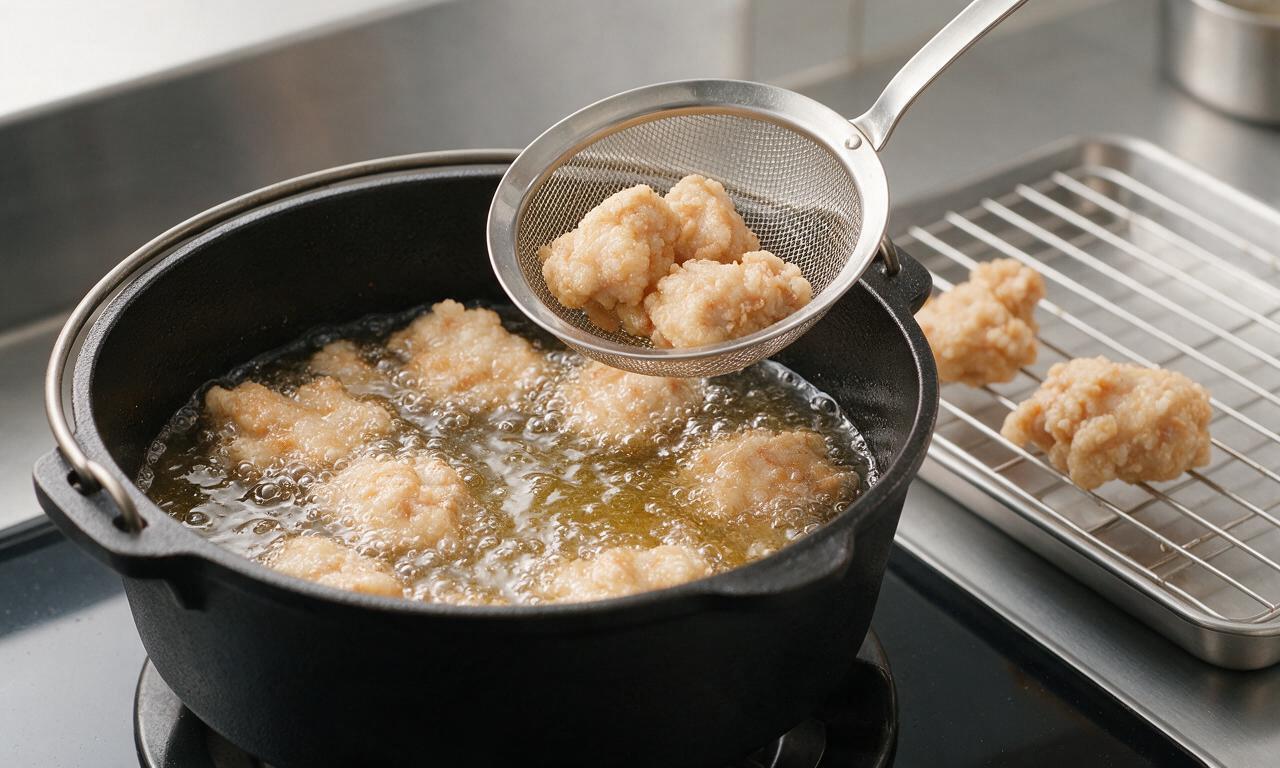
Sogginess almost always traces back to one of three issues: your oil temperature was too low (under 320°F for the first fry), you overcrowded the pan which dropped oil temperature fast, or you didn’t let coated chicken rest 5 minutes before frying to let starch adhere properly. Use a candy thermometer to track temp, and fry in small batches for consistent crispness.
6.What coating creates that signature shatteringly crisp karaage crust?
▾
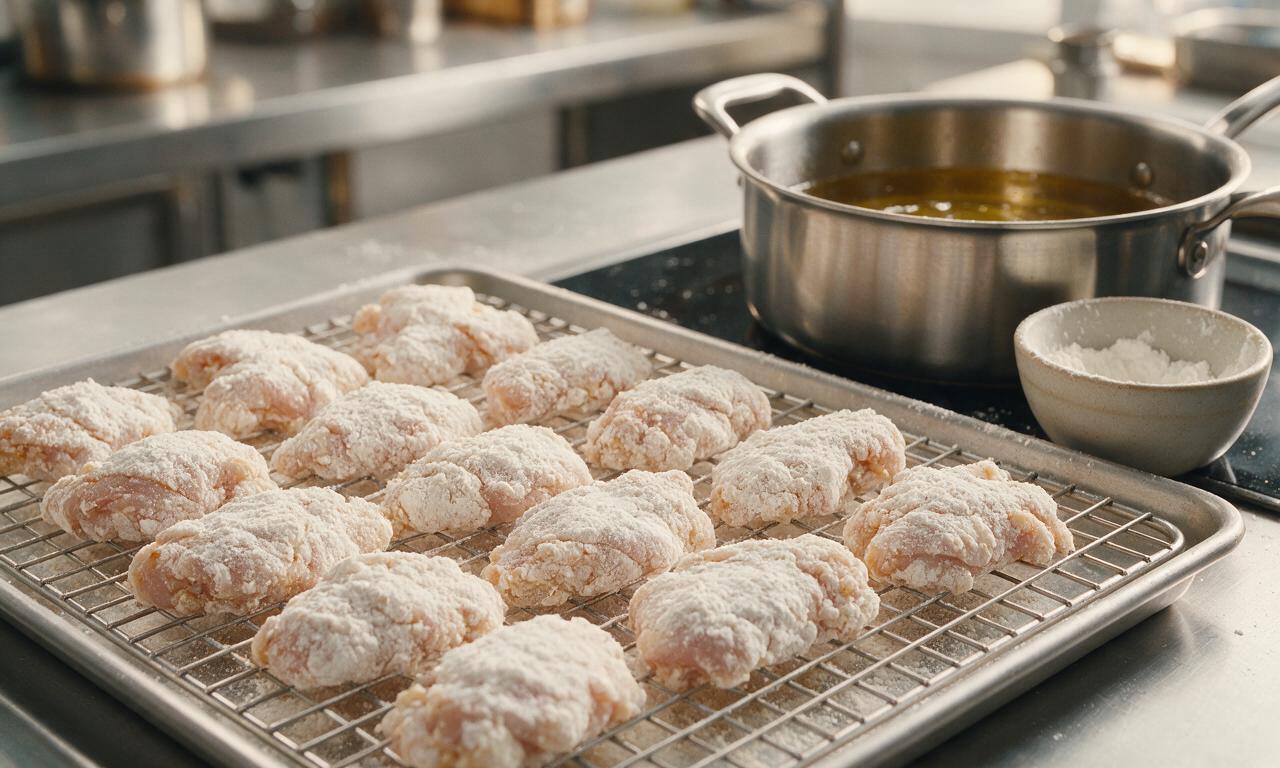
For authentic texture, use potato starch (katakuriko) instead of wheat flour or cornstarch. Potato starch creates a lighter, crunchier crust that doesn’t get greasy even as it cools, and it adheres beautifully to marinated chicken without clumping. Toss marinated pieces in starch right before frying—don’t let coated pieces sit too long or the crust will turn gummy.
7.Can I prep karaage ahead of time for a party or gathering?
▾
You can marinate the chicken up to 4 hours in advance, and even do the first low-temperature fry (320°F for 2 minutes) up to 2 hours before guests arrive. When you’re ready to serve, do the second high-heat fry (350°F for 1 minute) to re-crisp the crust and heat the chicken all the way through. This two-fry method makes party prep totally stress-free.
8.How fine should I prep the fresh ginger and garlic for the marinade?
▾
Grate them on a microplane to get a smooth, pulp-like consistency so their flavor distributes evenly across every chicken bite, instead of leaving big chunks that burn easily during frying. You don’t need to peel ginger if you scrub it well first—just grate off tough outer nubs, and discard any stringy fibrous bits that don’t break down.
9.What size should I cut chicken thighs for perfect bite-sized karaage?
▾
Cut them into rough 1.5-inch cubes, and don’t stress about making them perfectly uniform. This size cooks through evenly in the two-stage fry, stays juicy in the center, and is easy to pick up with chopsticks or toothpicks for serving. Pieces cut too small dry out fast; too large, and the center is undercooked before the crust crisps.
10.Is the double fry step really necessary, or can I do a single fry?
▾
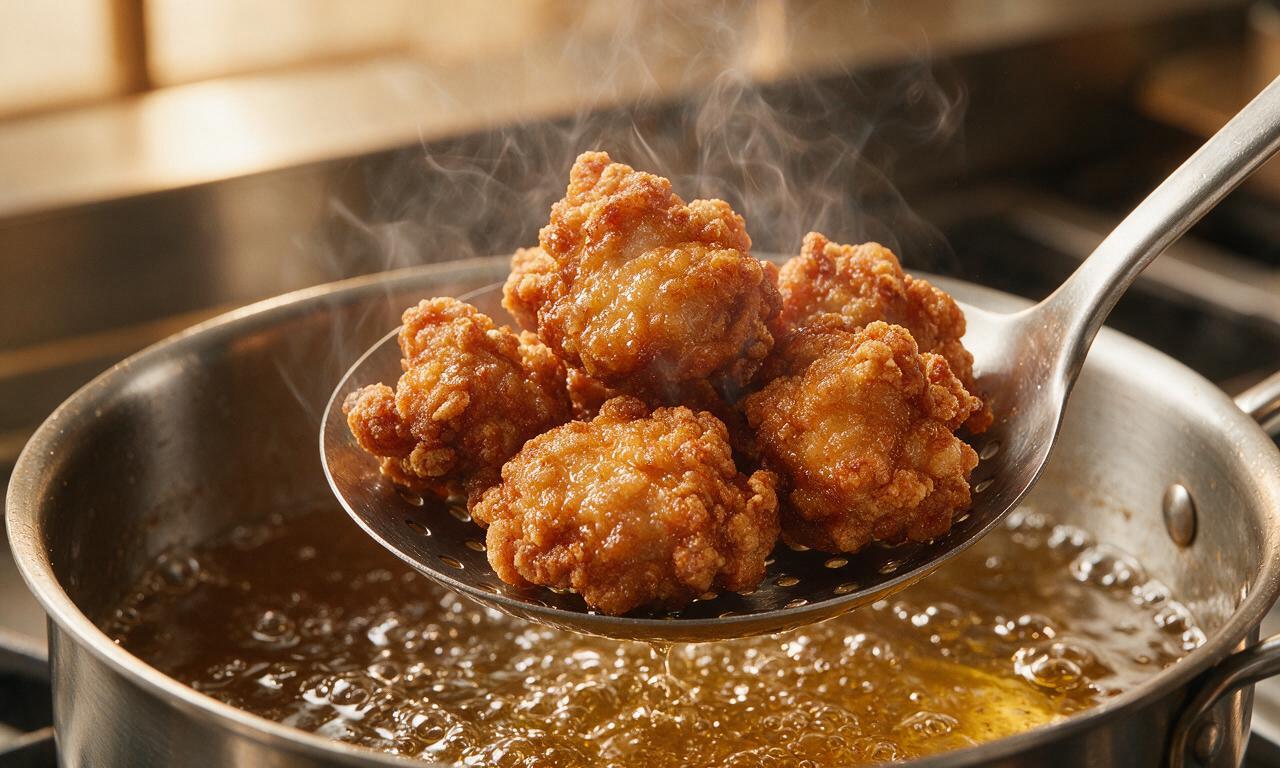
The double fry is what creates that long-lasting, shatteringly crisp crust without overcooking the chicken. The first lower-temp fry cooks the chicken through gently, and the second higher-temp fry crisps the exterior and drives off excess oil. A single fry will leave you with either raw centers or a burnt, tough crust that gets soggy within minutes.
11.Can I make karaage in an air fryer instead of deep frying?
▾
You can, though the texture won’t be quite as shatteringly crisp as traditional deep-fried karaage. Toss starch-coated chicken pieces with 1 tablespoon of neutral oil, arrange in a single air fryer layer, and cook at 375°F for 12 to 14 minutes, flipping halfway. Spray the basket lightly with oil first to prevent sticking, and work in small batches.
12.What type of oil is best for frying karaage?
▾
Use a neutral, high-smoke-point oil like canola, vegetable, peanut, or rice bran oil. Avoid strongly flavored oils like toasted sesame oil, extra-virgin olive oil, or unrefined coconut oil—they’ll overpower the delicate ginger, garlic, and soy flavor of the chicken, and many have low smoke points that burn easily at frying temps.
13.How do I know when karaage is done without cutting into every piece?
▾
Use an instant-read thermometer to check the thickest part of a bite—it should hit 165°F internal temp right after the second fry. If you don’t have a thermometer, look for a deep golden, crisp crust, and listen for loud crackling from the oil, which signals excess moisture is cooking off. Let pieces rest 1 minute so carryover heat finishes cooking.
14.What are classic dipping sauces and sides to serve with karaage?
▾
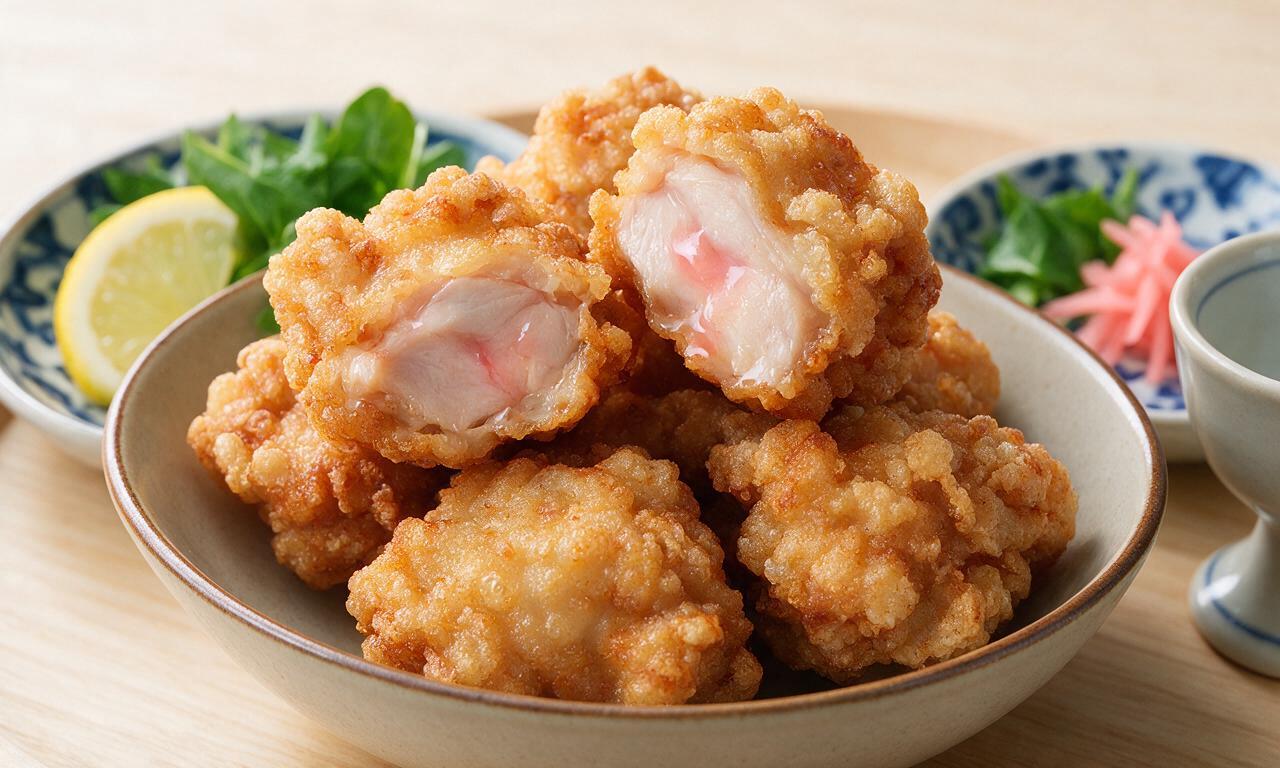
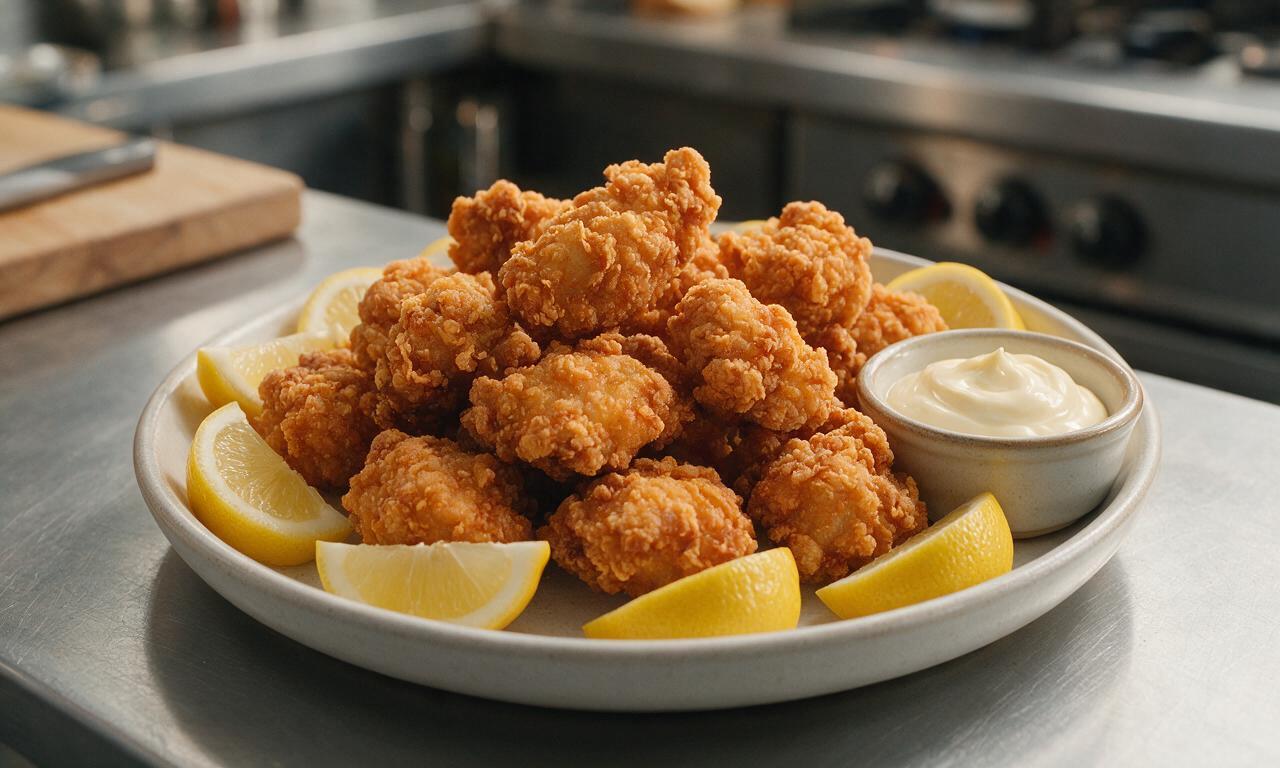
The most traditional serving is a wedge of fresh lemon to squeeze over top, plus a side of creamy Japanese Kewpie mayo for dipping, sometimes mixed with a pinch of shichimi togarashi for gentle heat. Pair it with steamed rice, shredded cabbage salad, or cold edamame for a full izakaya-style spread perfect for sharing.
15.Can I freeze leftover karaage, and how do I reheat it to stay crispy?
▾
Yes, freeze fully cooled leftover karaage in an airtight container for up to 1 month. To reheat, skip the microwave—it will turn the crust soggy fast. Instead, spread pieces on a baking sheet and bake at 400°F for 8 to 10 minutes, or pop them in the air fryer at 375°F for 4 to 5 minutes, until the crust is crisp and centers are warm.
16.I don’t have potato starch for the coating—what’s the best substitute?
▾
If you can’t find potato starch, use cornstarch as a close second, though the crust will be slightly less shatteringly crisp and a touch chewier than the traditional version. Skip all-purpose flour entirely—it creates a heavy, bready crust more like American fried chicken that doesn’t match the light, crisp texture karaage is known for.
17.Should I pat marinated chicken completely dry before tossing it in starch?
▾
Don’t pat it fully dry—you want a thin layer of marinade clinging to the chicken so starch adheres evenly and creates that craggy, crisp crust. Just let excess marinade drip off each piece before tossing in starch, otherwise too much liquid will cause starch to clump into thick, gummy spots on the crust that never crisp up during frying.
18.Why do my ginger and garlic burn and turn bitter when I fry karaage?
▾
That happens if you leave large, coarse chunks of ginger or garlic on the outside of chicken pieces, instead of grating them finely into the marinade. Those chunks hit hot oil and burn in seconds, leaving a harsh, bitter off-flavor. Grate aromatics finely, and wipe any large bits off chicken before coating in starch to avoid acrid, burnt bites.
19.Can I add extra flavors to the marinade without making it inauthentic?
▾
Absolutely—traditional karaage has tons of regional variations across Japan! You can add a tiny splash of mirin for subtle sweetness, a pinch of grated yuzu peel for bright citrus notes, or a dash of togarashi for gentle heat. Just keep the core ratio of soy, sake, ginger, and garlic intact to retain that classic balanced umami flavor.

I’ve been making Southern fried chicken for 40 years and decided to try this recipe for my grandson’s birthday since he’s obsessed with Japanese food. Let me tell you, that ginger-garlic marinade is unreal! I didn’t have mirin so I used a tiny bit of rice vinegar mixed with a pinch of sugar, and nobody could tell the difference. Even my old-school, “if it ain’t broke don’t fix it” husband said this might be better than my usual recipe!
Swapped the regular soy sauce for tamari and double checked my potato starch was certified gluten free, and this was the best gluten free fried chicken I’ve ever made at home! I’ve missed takeout karaage so much since going GF three years ago, and this tastes exactly like the stuff from my favorite local spot. I could cry happy tears right now.
Tested this for my weekly meal prep and it reheats so well in the air fryer! I was worried fried chicken wouldn’t hold up for 4 days in the fridge, but 5 minutes at 400F and the crunch comes right back. Paired it with steamed rice and quick pickled cucumbers for easy lunches all week, SO good. Only knock is I wish the marinade had a tiny bit more ginger kick for my taste, but that’s just personal preference!
Brought a double batch of this to my office potluck earlier this week and it was GONE in 10 minutes flat. People were hovering over the platter asking for the recipe before I even set it down! Only tweak: I added a tiny extra splash of sake to the marinade because I had an open bottle in the fridge, and it came out chef’s kiss. 10/10 will make again for my next Browns watch party this Sunday.
Made this on a random Tuesday night after work and it came together faster than I expected! The 40 minute total cook time was totally accurate, I didn’t even have to adjust the heat on my stove mid-cook. My only tiny gripe is I wish I’d made more — my partner ate half the batch before I even got the roasted broccoli on the table.
OMG, made this for our family dinner last night and everyone went back for thirds! The crust was so shatteringly crispy even after sitting out for 20 minutes while we wrangled the kids to the table. My 7 year old asked if we can have this every Friday now, total game changer. I used boneless skinless thighs like the recipe said and the meat was so juicy, no dry bites at all!
This recipe looks so good, I’m already pulling ingredients out to make it for dinner! Quick question though — do I have to use potato starch? I only have cornstarch in my pantry right now and don’t feel like running to the grocery store in the rain, would that work as a substitute?
Guys I am the WORST at frying things, I always burn the outside before the inside is done, but this recipe was totally foolproof! The instructions were so clear, I didn’t even need a candy thermometer to get the oil temp right. I’m so proud of how these turned out, I felt like a real chef making restaurant-worthy fried chicken in my own kitchen.
Added a teaspoon of shichimi togarashi to the coating and a drizzle of kewpie spicy mayo on top when they came out of the fryer, absolute fire. This recipe is so easy to customize to your taste, the base marinade is perfect. 10/10 would make again, probably tomorrow tbh.
Made this in my tiny dorm kitchen with a $20 countertop deep fryer I got off Facebook Marketplace, and it turned out insane! The ingredients are cheap, the steps are easy, and it tastes way better than the fast food fried chicken spot right off campus. My roommates are already begging me to make it again this weekend.