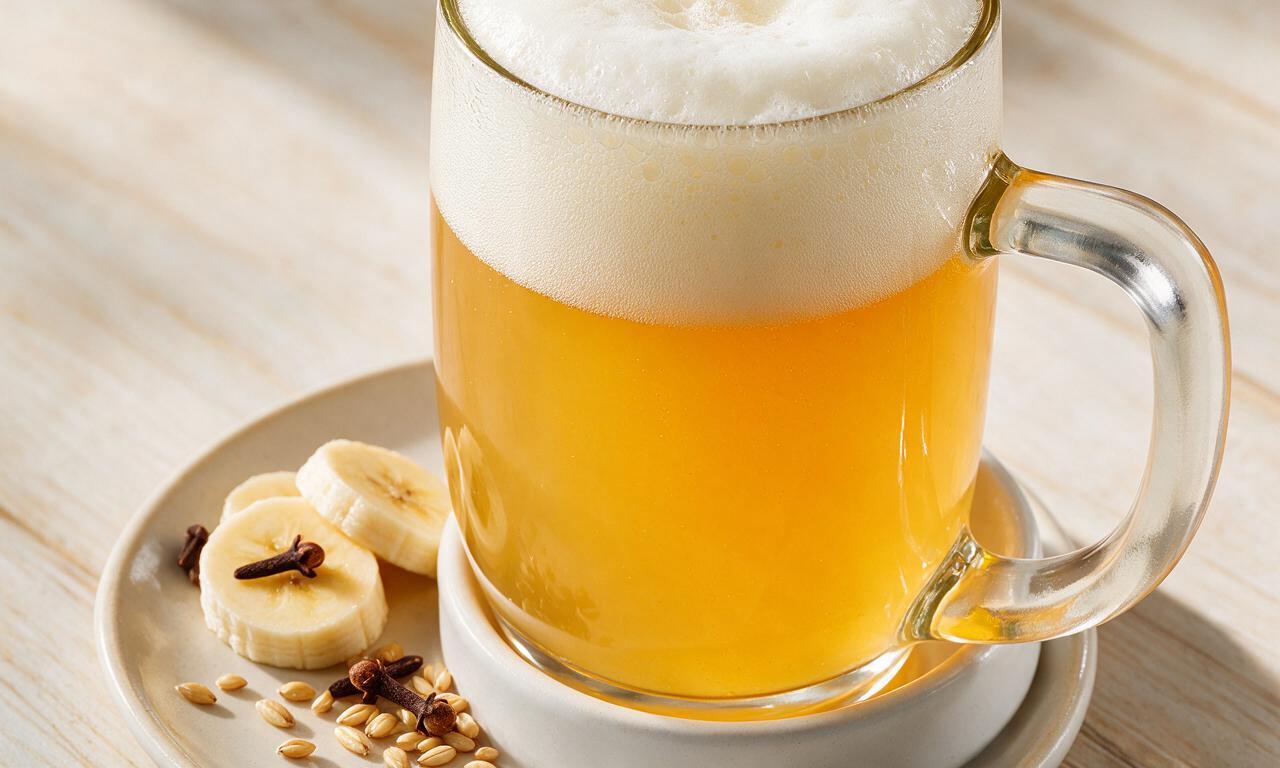
1.What gives this hefeweizen its signature banana and clove flavors?
▾
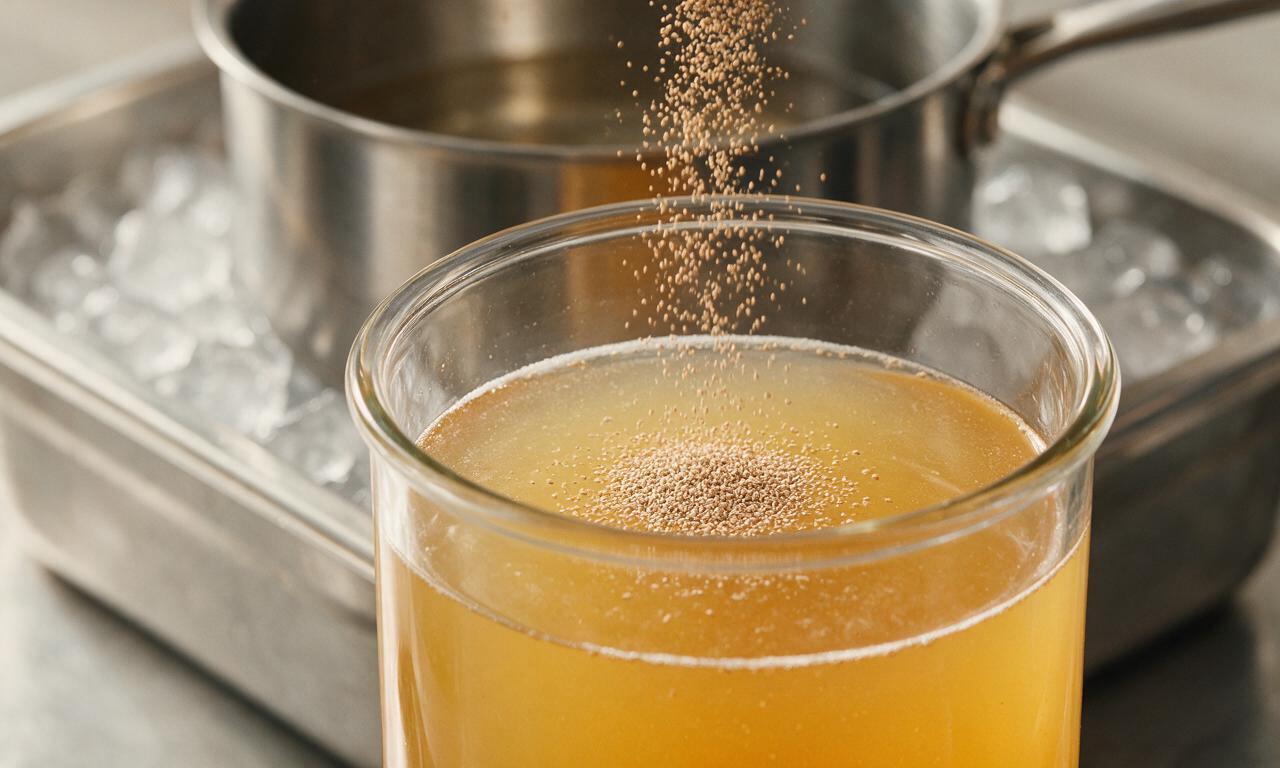
That iconic banana-clove profile comes almost entirely from the Bavarian hefeweizen ale yeast, not added fruit or spices! Fermenting on the warmer end of the yeast’s recommended range (68–72°F) boosts banana notes, while slightly cooler temps (62–66°F) amp up clove character, so you can tweak batches to match your taste preference.
2.Can I use tap water instead of filtered water for this brew?
▾
Stick to filtered water if you can! Tap water often has chlorine or chloramine that creates off, medicinal flavors in finished beer that mask that soft wheat sweetness. If tap is your only option, boil it for 15 minutes and let it cool first, or use a campden tablet to neutralize those chemical additives before you start brewing.
3.Why use dry wheat malt extract instead of whole grain wheat for this recipe?
▾
Dry wheat malt extract cuts out the complicated, time-intensive mashing step required for whole grains, making this recipe far more accessible for homebrew beginners, while still delivering that classic cloudy, bready wheat base. It’s shelf-stable, consistent, and produces the same smooth malt backbone as traditional all-grain batches.
4.What makes Hallertau noble hops the right pick instead of other hop varieties?
▾
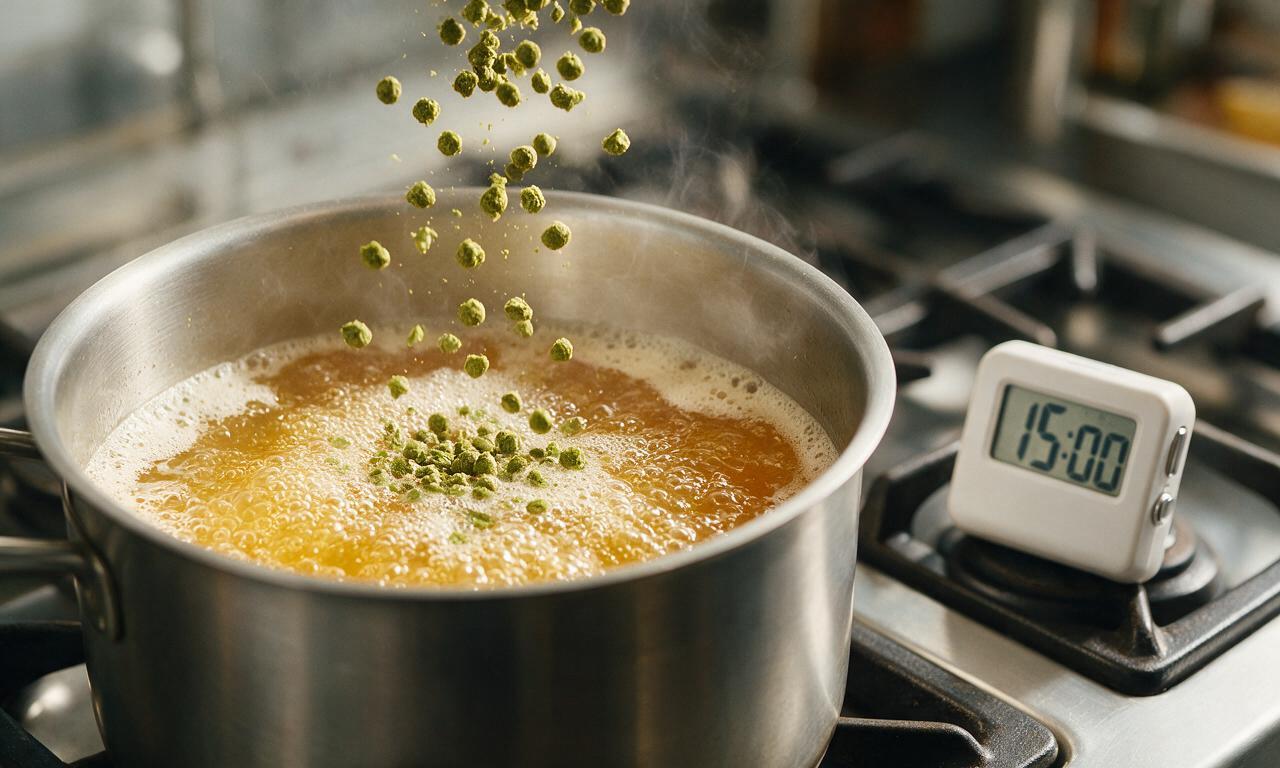
Hallertau is a classic German noble hop with mild, earthy, slightly floral bitterness that never overpowers the delicate yeast and wheat flavors in hefeweizen. Bolder, high-alpha hops like Cascade or Citra create harsh, piney or citrusy notes that clash with the traditional banana-clove profile, so stick to this mild variety for authenticity.
5.How cloudy is this hefeweizen supposed to be, and is cloudiness a sign of a bad batch?
▾
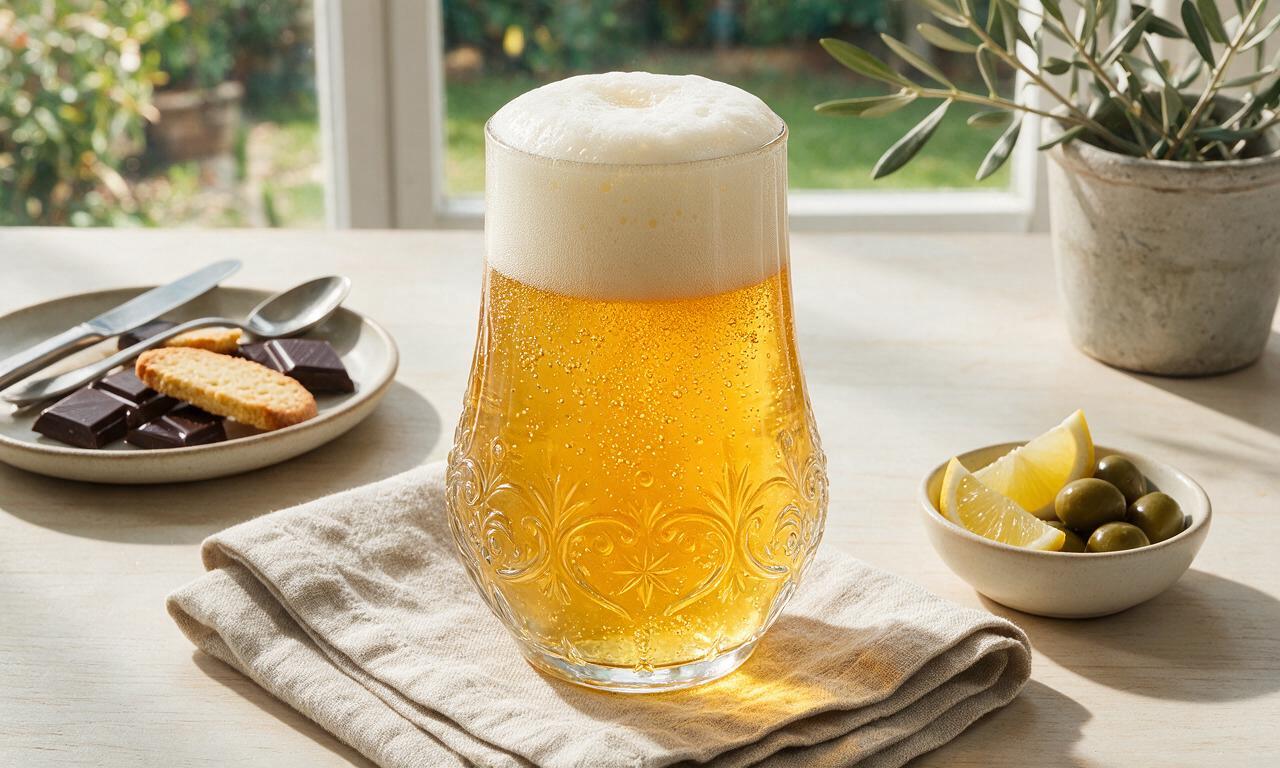
That hazy, pale golden cloudiness is totally intentional and a hallmark of traditional Bavarian hefeweizen! The cloudiness comes from suspended wheat proteins and yeast sediment, not spoilage. If your batch comes out perfectly clear, you either over-filtered sediment or used a non-traditional yeast that settles too heavily.
6.What is corn sugar used for in this recipe, and can I substitute it?
▾
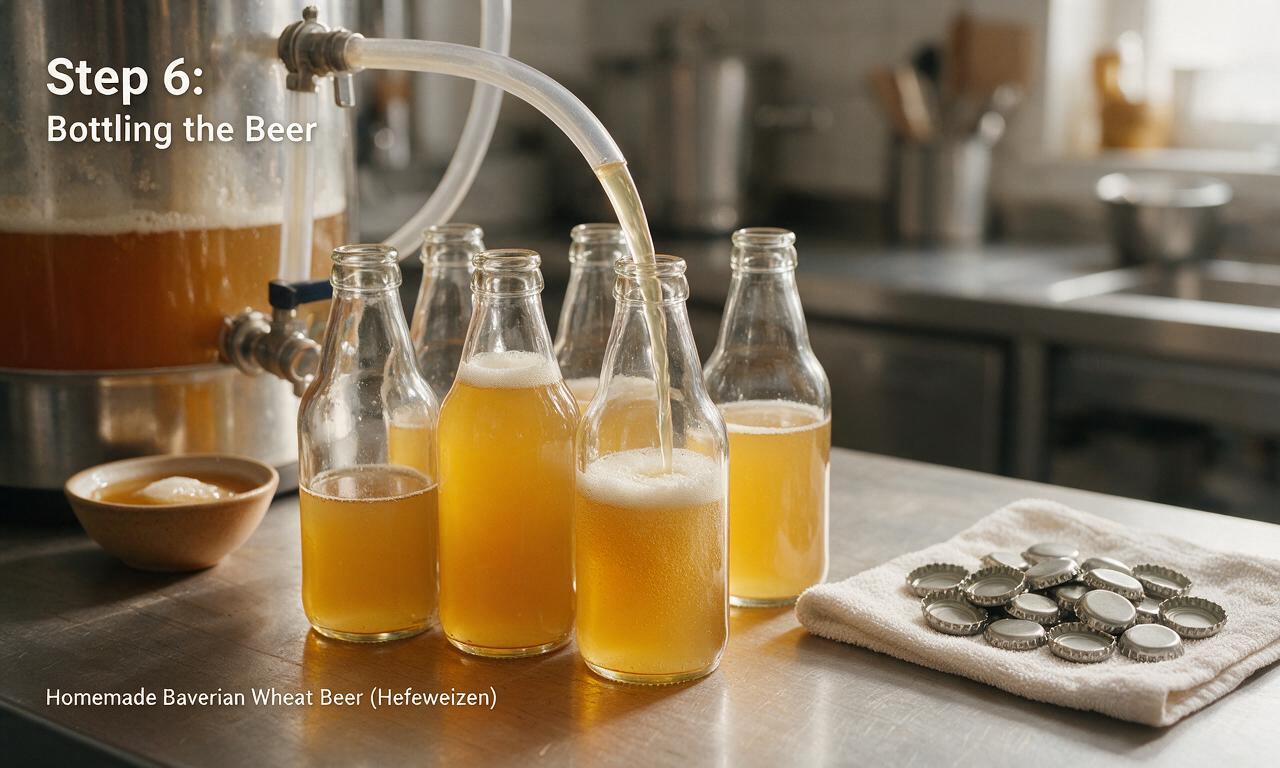
Corn sugar is your priming sugar, added right before bottling to feed residual yeast a small amount of sugar to create natural carbonation inside sealed bottles. You can substitute equal weight table sugar if needed, but corn sugar ferments completely clean with no leftover cidery off-flavors, making it the preferred pick for homebrewing.
7.How long does fermentation take before this hefeweizen is ready to bottle?
▾
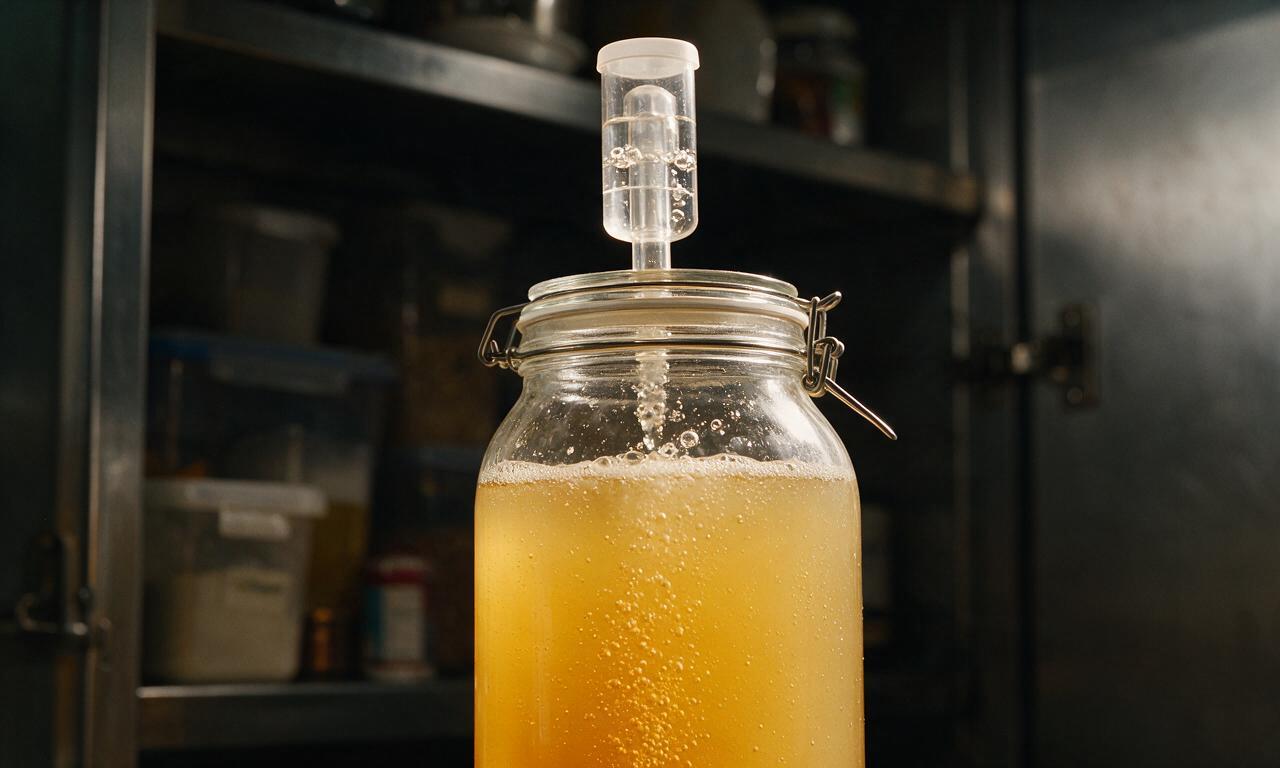
Plan for 7–10 days of primary fermentation at the yeast’s recommended temperature range, starting once you pitch your rehydrated Bavarian hefeweizen yeast. You’ll know it’s ready to bottle when your airlock stops bubbling for 48 straight hours, and specific gravity readings hold steady for two consecutive days to avoid over-carbonation.
8.Do I need special professional equipment to brew this at home?
▾
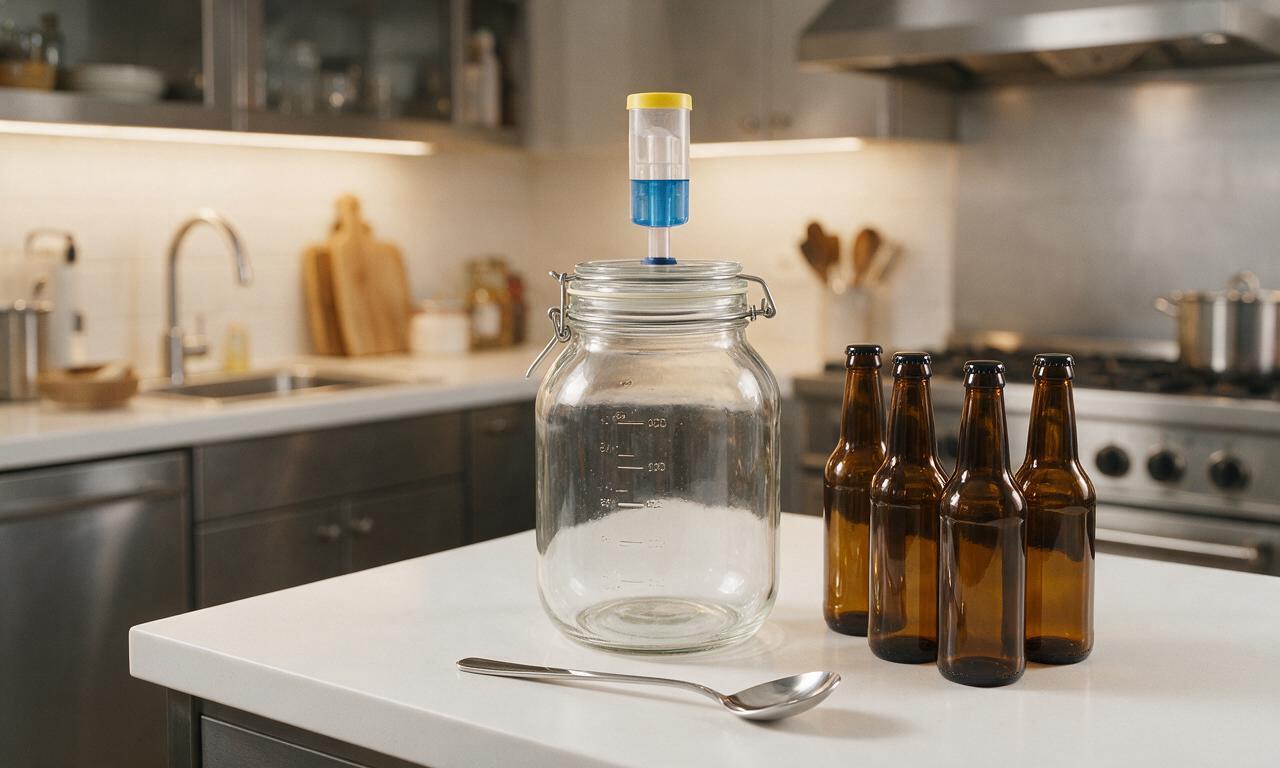
You only need a few basic homebrew supplies: a food-grade 5-gallon fermentation bucket with an airlock, an auto-siphon for racking, no-rinse brew sanitizer, pry-off bottles, and bottle caps. Skip porous kitchen gear like wooden spoons, which hold bacteria that spoil batches; stick to smooth, easy-to-sanitize plastic, glass, or stainless steel tools.
9.Why is sanitizing all my equipment so critical for this recipe?
▾
Sanitizing every surface that touches your beer after the boil is non-negotiable to avoid off-flavors or spoiled batches. Wild bacteria or stray yeast from unsanitized gear can create sour, vinegary, or moldy notes that ruin that soft, sweet wheat and delicate yeast character. No-rinse food-grade brew sanitizer makes this step fast and foolproof.
10.How carbonated should this finished hefeweizen be?
▾
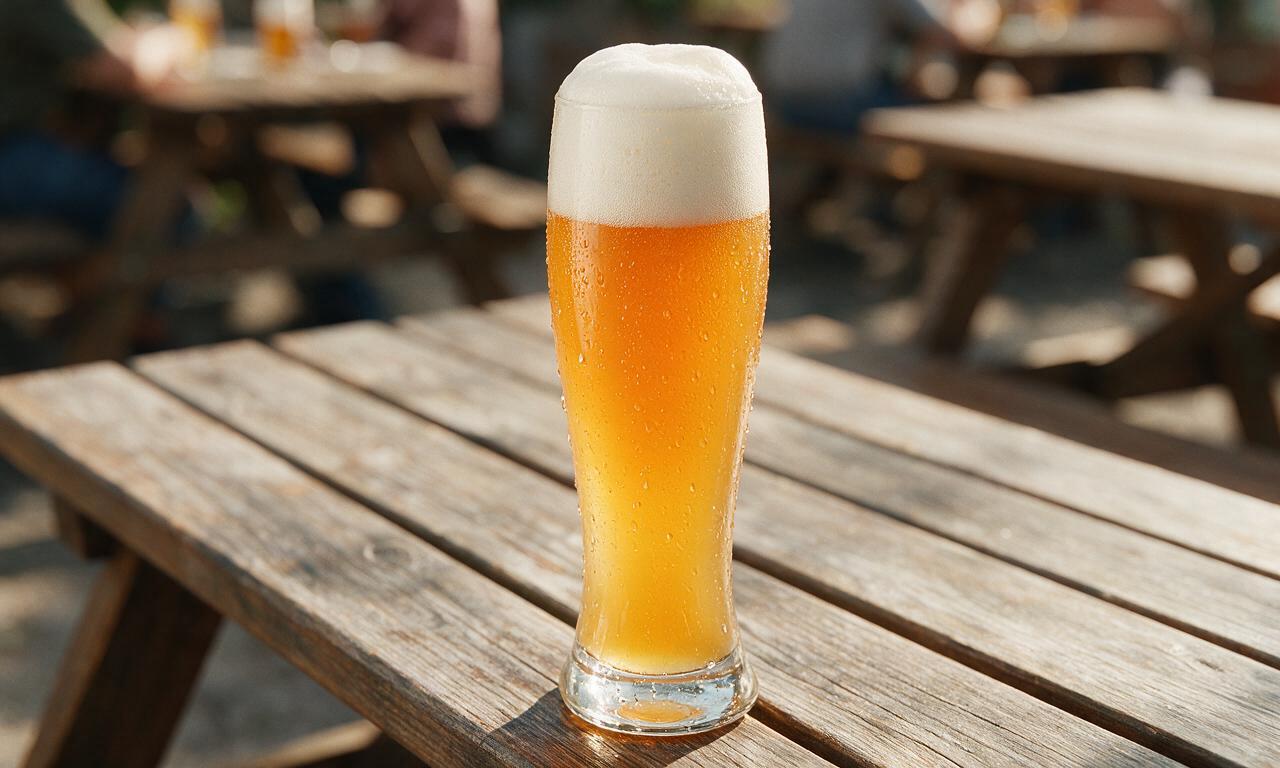
Traditional Bavarian hefeweizen is highly carbonated, with a thick, fluffy long-lasting white head, usually around 2.5–3 volumes of CO2. That’s a little fizzier than standard American lagers, so don’t skimp on measured corn sugar at bottling time—too little priming sugar leaves you with flat, lifeless beer lacking that classic crisp mouthfeel.
11.Can I add fruit like banana or berries to this hefeweizen for extra flavor?
▾
You absolutely can, but stick to small additions (1–2 lbs per 5-gallon batch) so you don’t overpower the natural yeast-derived banana and clove notes. Add pasteurized, pureed fruit to the fermenter after primary fermentation wraps to avoid introducing bacteria, then let it sit 3–5 extra days before bottling to let flavors meld smoothly.
12.How long do bottled hefeweizens need to condition before they’re ready to drink?
▾
After bottling, let your hefeweizen condition for a minimum of 2 weeks at room temperature (65–70°F) to let yeast fully carbonate the beer and round out any harsh young flavors. You can drink it after 1 week if you’re impatient, but the signature banana and clove notes will be far softer and more balanced if you wait the full two weeks.
13.What temperature should I serve this homemade hefeweizen at?
▾
Skip the ice-cold serving temp you’d use for light American lagers! This hefeweizen tastes best served at 45–50°F, which is cool enough to feel crisp on a warm day but warm enough to let those delicate banana, clove, and soft wheat malt flavors come through. Serving it too cold will mute all those signature notes.
14.Why did my first batch taste more like cloves than banana, and how do I fix it?
▾
That clove-heavy profile happens when fermentation temperatures run too cool, below 65°F, which triggers the yeast to produce more clove-like eugenol instead of banana-like isoamyl acetate. For a more balanced profile next batch, keep your fermenter in a consistent 68–70°F spot for the first 3 days of fermentation to amp up fruity banana notes.
15.How long will this homemade hefeweizen stay fresh after bottling?
▾
For the best flavor, drink your hefeweizen within 3–4 months of bottling, stored in a cool, dark spot away from direct sunlight. Unlike heavy, high-alcohol beers that age well, hefeweizen’s delicate banana and clove notes fade quickly over time, and UV light exposure can create skunky off-flavors even in sealed dark glass bottles.
16.Do I need to do a secondary fermentation for this hefeweizen recipe?
▾
You don’t need a secondary fermentation for this straightforward hefeweizen, especially if you’re a beginner. Transferring beer to a second fermenter adds extra risk of exposure to bacteria or oxygen that creates stale, cardboard-like off-flavors. Primary fermentation alone will give you a perfectly balanced, great-tasting batch if you follow temperature guidelines.
17.What causes skunky, light-struck flavor in hefeweizen, and how do I avoid it?
▾
That skunky, rotten-vegetable flavor happens when UV light from sunlight or bright fluorescent bulbs reacts with hop compounds in the beer, even in sealed bottles. Avoid it by fermenting and storing batches in a dark closet or cabinet, and use amber glass bottles instead of clear or green glass, which offer almost no UV protection for finished beer.
18.Can I keg this hefeweizen instead of bottling it with corn sugar?
▾
Kegging works perfectly for this recipe, and it cuts down on conditioning time too! Instead of adding corn sugar for bottle conditioning, force-carbonate the keg to 2.5–3 volumes of CO2 at 40°F for 5–7 days for perfectly fizzy, ready-to-drink hefeweizen faster than the bottle method. Just make sure all keg lines and parts are fully sanitized first.
19.My batch has a thin, tart flavor instead of soft malt sweetness—what went wrong?
▾
That thin, tart flavor almost always comes from either insufficient sanitization that let wild lactic acid bacteria get into your fermenter, or fermenting at temperatures above 75°F, which creates harsh off-flavors from stressed yeast. Next batch, double-check that all gear is fully sanitized, and keep your fermenter in a temperature-controlled spot to support healthy yeast.
20.Is it normal to have a thick layer of yeast sediment at the bottom of each bottle?
▾
That pale tan yeast sediment at the bottom of your bottles is totally normal for unfiltered hefeweizen! When pouring, you can leave the last half-ounce of beer in the bottle to keep sediment out of your glass, or swirl the last bit in for extra cloudiness and a richer, yeast-forward bready flavor, per traditional Bavarian serving style.

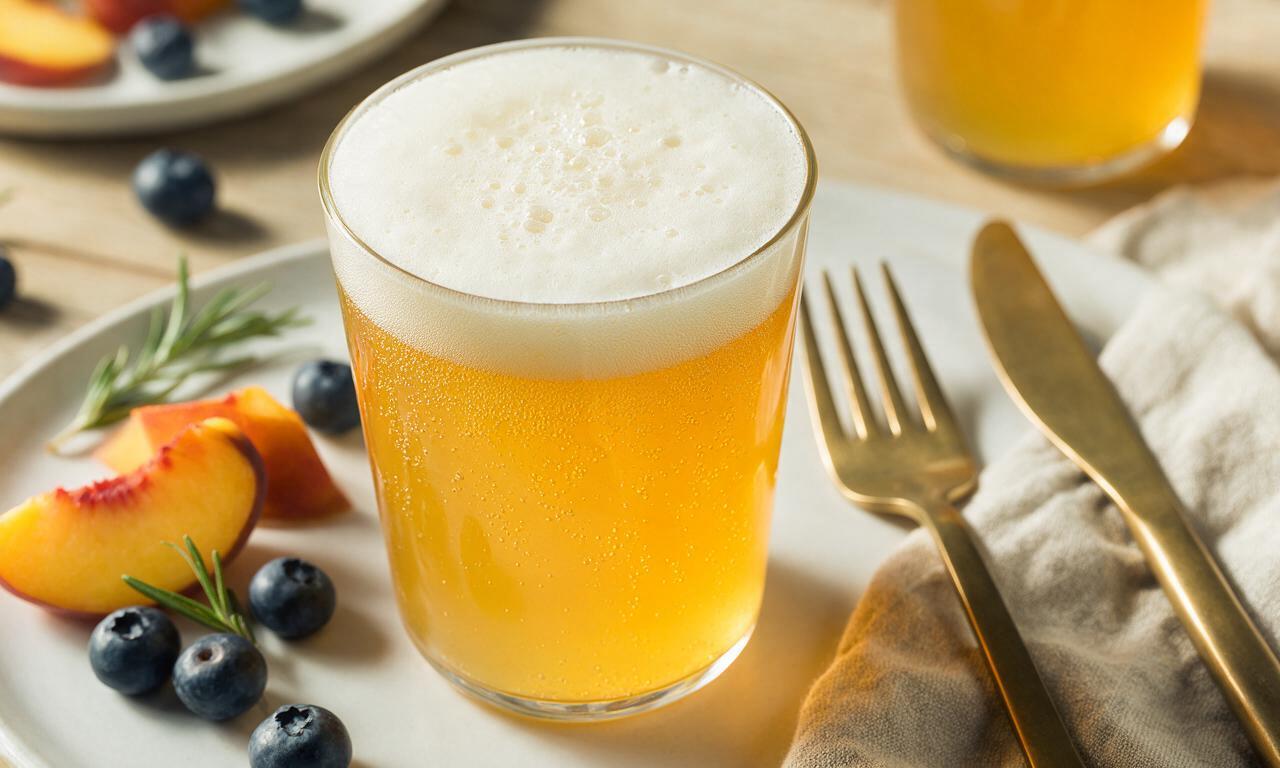

OMG this hefeweizen came out exactly like the stuff I drank at that little beer garden in Munich last summer! The banana and clove notes are spot on, no weird off flavors at all. Brought a growler to our group hike potluck last weekend and everyone was begging for the recipe. Total game changer for my home brew setup, I’ll never buy store bought hefe again!
First time attempting a wheat beer and I was nervous about the 2 week fermentation wait, but man was it worth it! Served it chilled at our family BBQ last night and even my father-in-law who swears by imported German hefe said it was top tier. SO good, already planning my next batch.
Tweaked this a tiny bit by adding a half ounce of Hallertau hops at whirlpool and it turned out incredible. Perfectly hazy, that classic soft mouthfeel, zero harsh bitterness. Great base recipe to play around with if you like experimenting too!
Only my second ever home brew batch and I messed up the temperature a little on the first day of fermentation, but even with my user error it still came out drinkable! Definitely gonna follow the temp guide exactly next time, because I can tell it’ll be perfect if I nail that step. Super approachable for a medium difficulty recipe, don’t overthink it!
Quick question—do I really need to do the diacetyl rest like the recipe says? My brew space stays a pretty consistent 68 degrees the whole time, was wondering if I could skip that step without messing up the flavor?
Bottled this exactly 2 weeks ago today, cracked my first one last night and WOW. Tastes like summer in a glass! Paired it with homemade soft pretzels and cheese for our neighborhood block party and people were lining up for refills.
Wait how much priming sugar do I use for bottling? I got to the end of the recipe steps and realized I didn’t see that noted, I don’t wanna over carbonate and end up with beer geysers all over my kitchen lol.
Used White Labs WLP300 yeast for this batch instead of the dry yeast recommended and it still turned out perfectly! Got that really nice bright banana note that I love, didn’t have any issues with fermentation stalling at all.
Made this for my husband’s birthday party since he’s obsessed with hefeweizens, and he said it was better than any of the craft brewery ones we buy locally! Total win, I got major spouse points for this one.
Do I need any super fancy equipment for this? I only have a basic 5 gallon fermenter and bottling wand, no fancy temperature controller or anything. Don’t wanna drop a ton of cash on gear if I can make it work with what I already have.
Wait a second, mine came out way clearer than the hefeweizen I get at restaurants, did I do something wrong? It tastes great, I just expected that classic super cloudy look. Did I accidentally siphon too carefully off the trub or something?
Cracked open my first bottle of this last night while watching the football game, and my roommate who claims he “hates wheat beer” drank three of them! It’s so smooth and drinkable, no weird bitter aftertaste, I’m already prepping to make a double batch for tailgates this season.