1.Why does this recipe specify 20% fat ground pork instead of a leaner grind?
▾
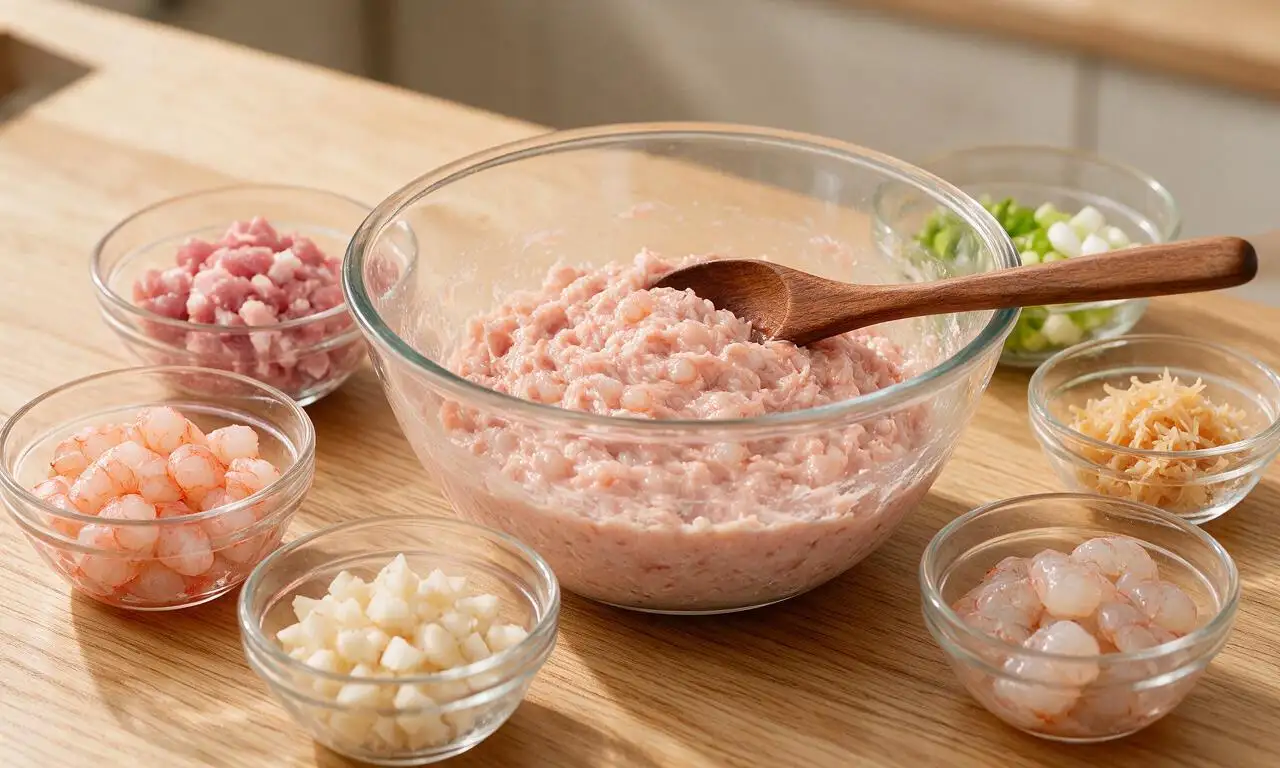
That 20% fat ratio is non-negotiable for that signature juicy, silky shumai filling you get at good dim sum restaurants! Leaner ground pork will turn dry, crumbly, and tough after steaming, with none of the rich, mouth-coating savoriness. If you only have 10% fat pork on hand, mix in 2 tablespoons of finely minced fresh pork fat to bump up the fat content before mixing your filling.
2.Can I use pre-cooked shrimp for the filling instead of raw peeled deveined shrimp?
▾
Skip pre-cooked shrimp for this recipe—it will turn tough and rubbery when re-steamed, and won’t contribute that sweet, briny, bouncy texture that makes shumai so good. Raw, finely chopped shrimp releases just enough natural moisture as it cooks to bind the filling, and lends that bright, fresh seafood flavor that balances the rich pork perfectly. Just pat shrimp dry before chopping to avoid watery filling.
3.Where can I find the 3-inch thin round wheat shumai wrappers if my local regular grocery store doesn’t carry them?
▾
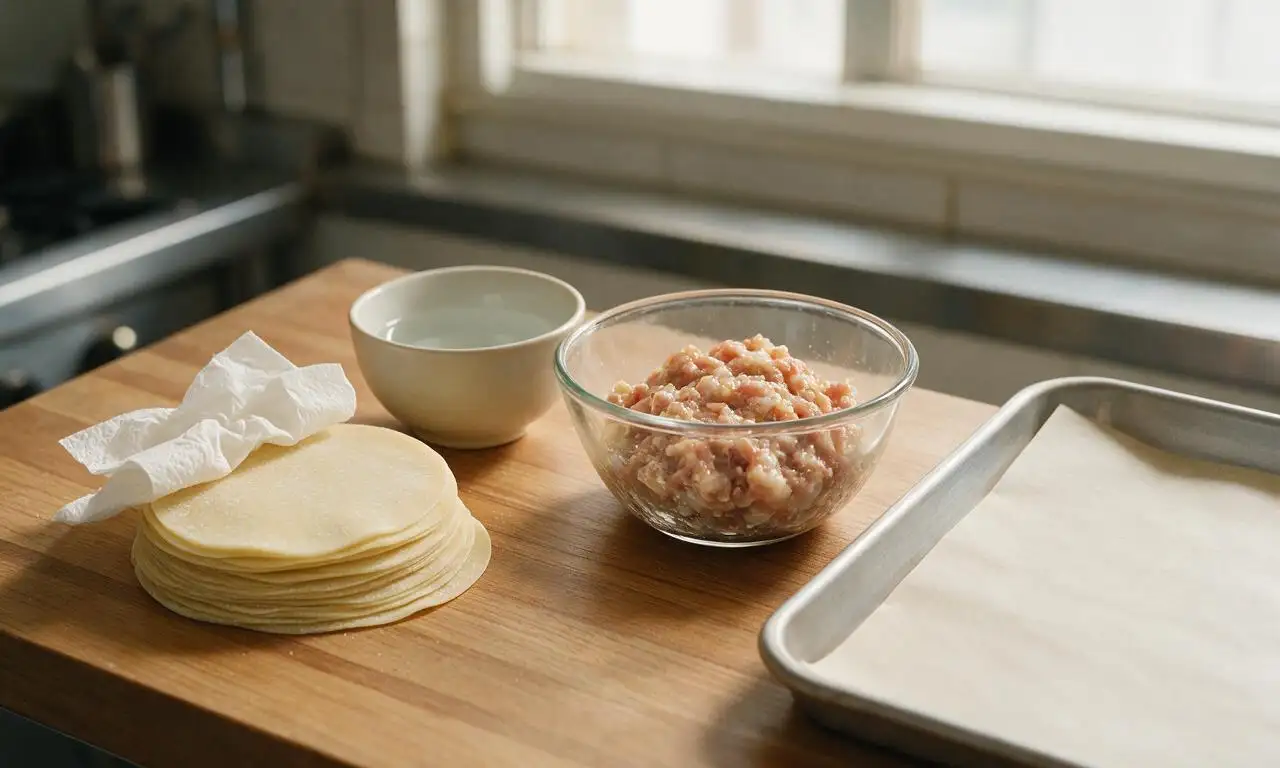
You’ll almost always find these thin 3-inch wheat wrappers in the refrigerated fresh noodle section of well-stocked East Asian grocery stores, often labeled siu mai wrappers. If they’re out, you can substitute regular thin round wonton wrappers of the same size—just trim off any thick, doughy outer edges so they match the delicate thinness of shumai wrappers. Skip thick egg roll or potsticker wrappers, they’ll turn chewy and doughy when steamed.
4.Do I have to use rehydrated dried shiitake mushrooms, or will fresh shiitakes work as a substitute?
▾
Rehydrated dried shiitake mushrooms deliver that deep, concentrated umami, slightly earthy savoriness that defines classic shumai filling—fresh shiitake simply don’t have that same rich, rounded flavor. If you’re in a total pinch, you can use finely minced fresh shiitake, but first pan-roast them over medium heat for 3 minutes to cook off excess moisture and concentrate their flavor, so they don’t make your filling watery or bland.
5.Why are my finished shumai watery and falling apart when I pick them up out of the steamer?
▾
Watery, falling-apart shumai almost always traces back to excess unbound moisture in your filling. Be sure to pat chopped shrimp fully dry, squeeze every last drop of soaking water out of your rehydrated shiitakes before mincing, and avoid adding extra watery seasonings. You also don’t need to overmix the filling—stir just until ingredients hold together, as overmixing can break down pork and release extra liquid.
6.How do I fold shumai properly so they stand up and stay open on top without spilling filling?
▾
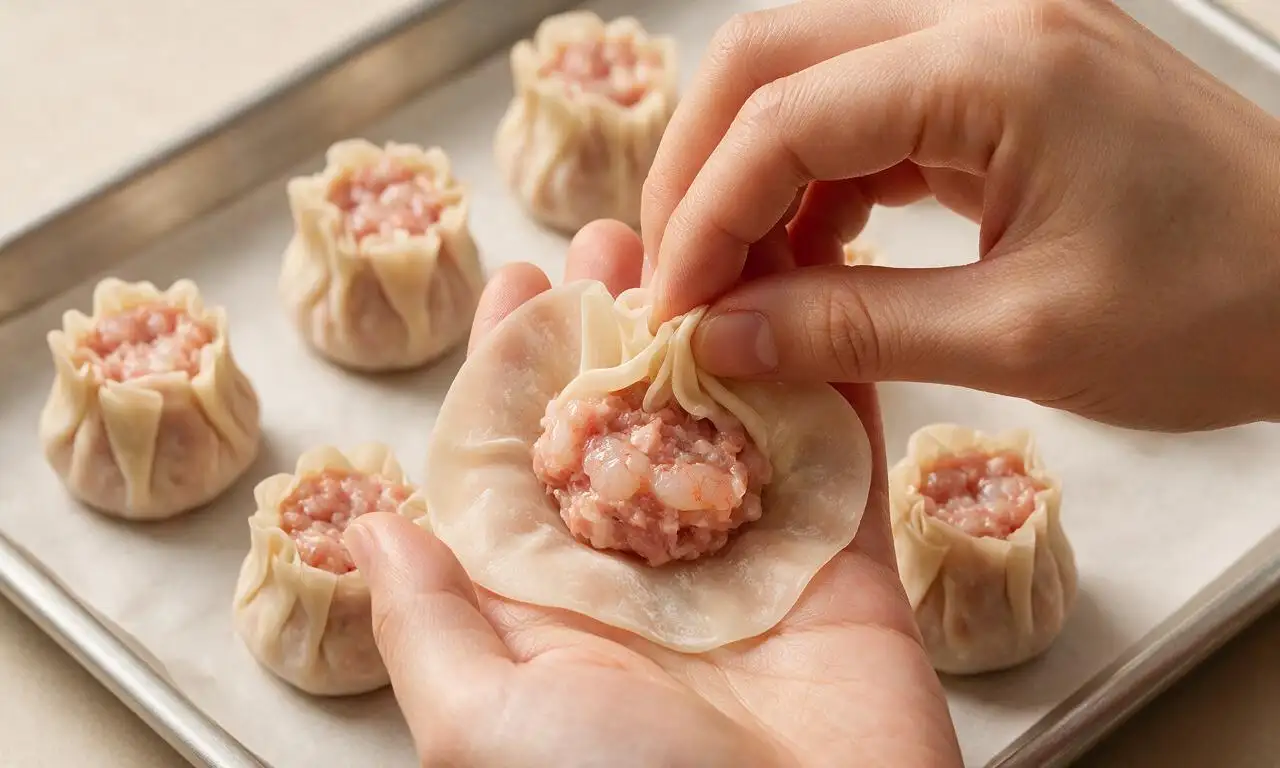
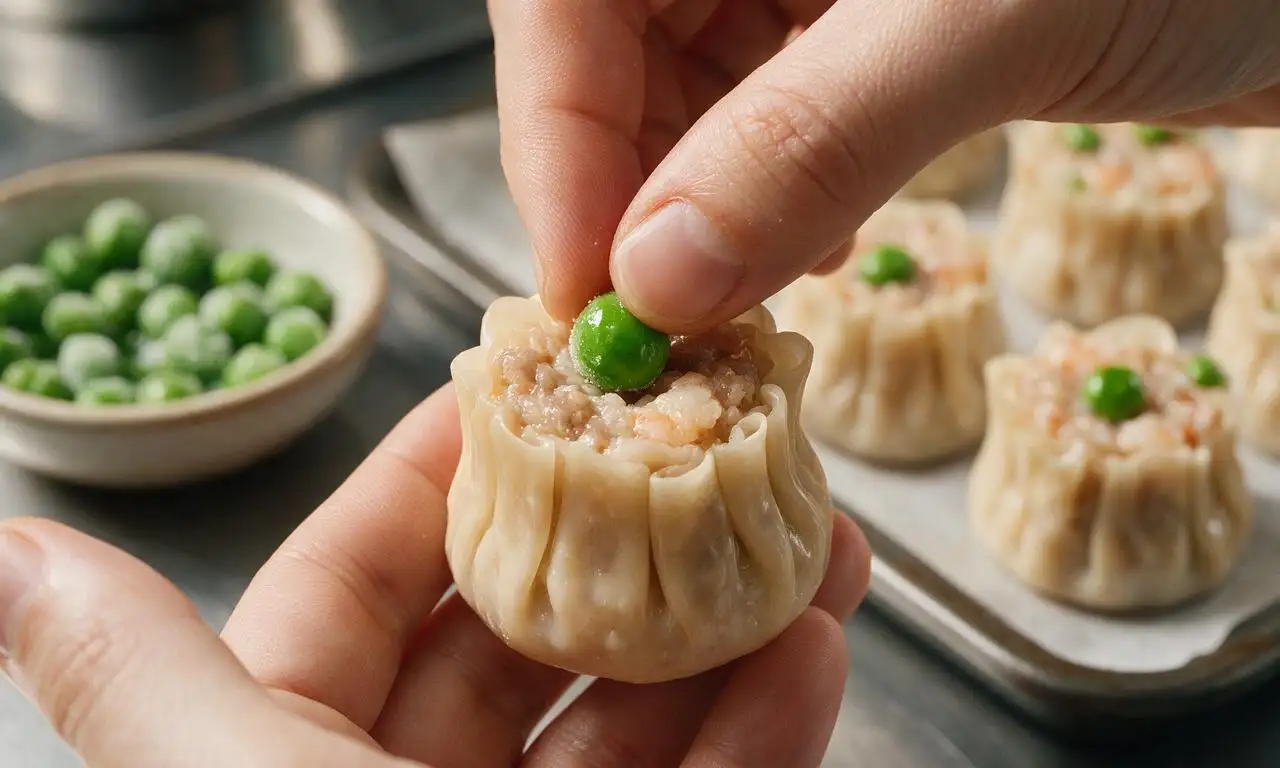
Folding shumai is far easier than most fancy folded dumplings! Hold one wrapper flat in your palm, place 1 heaping tablespoon of filling dead center, then gently cup your hand to squeeze the wrapper snug around the sides of the filling, leaving the very top of the filling exposed. Tap the flat base of the dumpling on your counter a couple times so it stands upright—no fancy pleats or sealed tops required.
7.Can I make the shumai filling ahead of time, and how long will it stay good in the fridge?
▾
You absolutely can, and making filling a day ahead actually makes your shumai taste better! The extra time lets the soy, shiitake, pork, and shrimp flavors meld into a more cohesive, savory mix. Store tightly covered filling in the coldest part of your fridge for up to 2 days before wrapping. Wait to wrap the shumai until right before steaming, though—wrapped uncooked shumai will get soggy if left in the fridge longer than 4 hours.
8.How long do I need to steam these shumai to make sure the pork and shrimp are fully cooked through?
▾
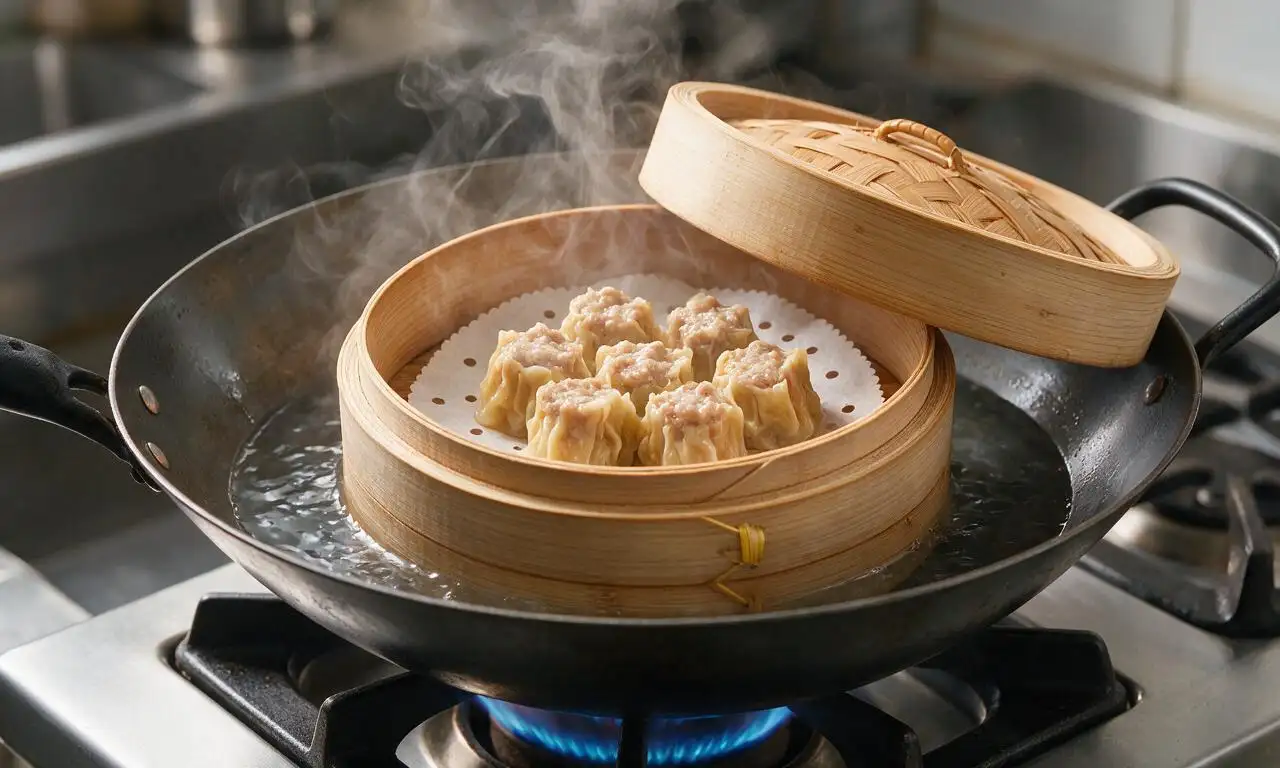
If you’re using a standard bamboo steamer set over rapidly, vigorously boiling water, 8 to 10 minutes is all you need, depending on how large you portion your filling. You’ll know they’re done when the pork is no longer pink at the center, the shrimp is opaque and bouncy to the touch, and the wrappers turn slightly translucent around the edges. Don’t steam longer than 12 minutes, or the pork will turn dry and tough.
9.Do I need to line my steamer basket to keep the shumai wrappers from sticking?
▾
You absolutely should, otherwise the delicate thin wrappers will stick and tear when you try to lift the shumai out, leaving half your dumpling stuck to the basket. You can use perforated steamer parchment paper, lightly oiled napa cabbage leaves, or even a thin round slice of carrot under each shumai. The carrot slices pull double duty as a non-stick liner and a pretty, edible little garnish for serving.
10.Can I freeze uncooked shumai for quick meals later, and how do I cook them from frozen?
▾
These shumai freeze incredibly well, which makes them perfect for quick weeknight meals or impromptu dim sum nights. Arrange uncooked shumai in a single layer on a parchment-lined baking sheet, freeze until rock solid (about 2 hours), then transfer to an airtight freezer bag for up to 3 months. Don’t thaw them when you’re ready to cook—steam straight from frozen for 12 to 14 minutes, until heated all the way through.
11.What’s the most authentic, classic dipping sauce to serve with these Cantonese shumai?
▾
The classic Cantonese dipping sauce for shumai is light, bright, and made to complement rather than cover the filling’s delicate flavor. Mix 2 parts light soy sauce, 1 part unseasoned rice vinegar, a tiny pinch of sugar, and a little grated fresh ginger, with a dash of chili oil if you like a little heat. Skip thick, heavy sauces like hoisin or sweet and sour—they’ll completely overpower the sweet, savory pork and shrimp.
12.The recipe calls for light soy sauce—can I use dark soy sauce instead if that’s all I have?
▾
Stick to light soy sauce for this recipe for the most authentic flavor and look. Dark soy sauce is thicker, more concentrated, has a deep caramelized note, and will turn your filling a murky dark brown, while overpowering the delicate sweet flavor of the shrimp. If you only have dark soy sauce on hand, use half the called-for amount and add a tiny pinch of sugar to mellow its sharp, rich flavor.
13.How finely should I chop the shrimp and mince the shiitake mushrooms for the best filling texture?
▾
You don’t want to puree any of your filling add-ins! Aim for rough ¼-inch chunks of shrimp, so you get little satisfying pops of sweet, bouncy seafood in every bite. Mince your rehydrated shiitakes into tiny, rice-sized pieces so they distribute evenly through the pork without creating big, chewy, distracting chunks. Chopping everything too fine will turn your filling into a smooth, boring paste with no textural contrast.
14.Why are shumai left open on top instead of sealed shut like most other steamed dumplings?
▾
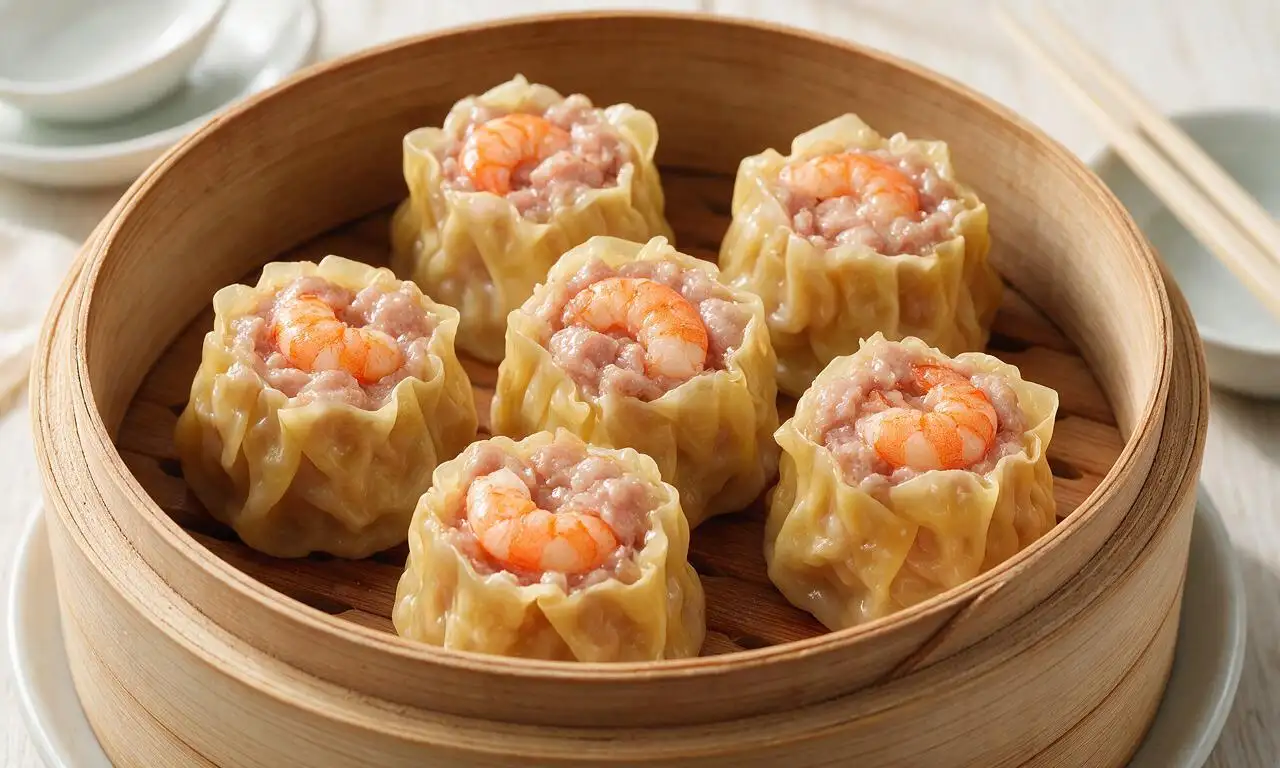
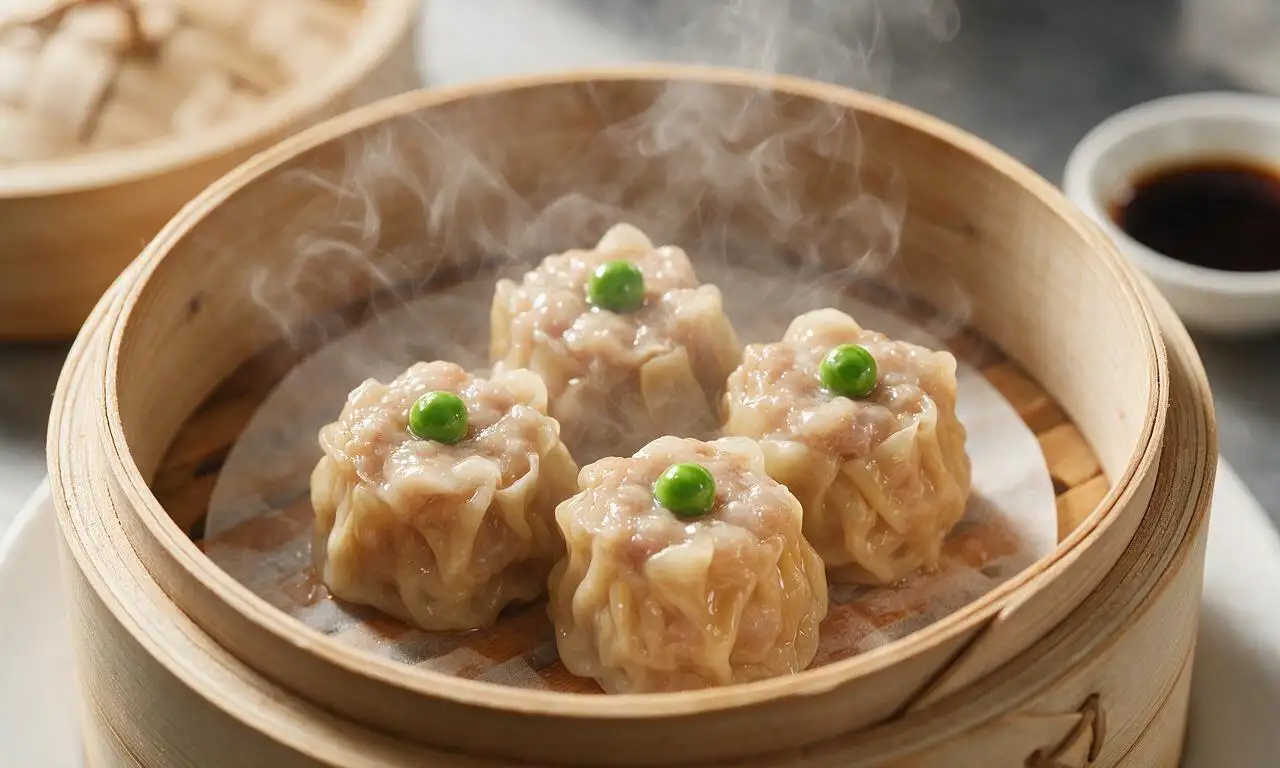
That iconic open top is a defining feature of Cantonese shumai, and it’s not just for looks! Leaving the top exposed lets direct steam hit the surface of the filling as it cooks, creating a slightly firm, savory top layer, and prevents trapped steam from making the wrappers soggy. It also shows off the pretty flecks of shrimp and mushroom in the filling, a classic dim sum visual cue for what’s inside the dumpling.
15.My shumai wrappers are drying out and cracking as I fold them—how do I fix that?
▾
Thin wheat shumai wrappers dry out incredibly quickly when exposed to open air, so cracking is super common if you leave them out while you fold. Only pull 4 to 5 wrappers out of the package at a time, and keep the remaining stack covered with a slightly damp (not soaking wet) paper towel to keep them soft and pliable. If you spot a tiny crack in a wrapper, dab a pinprick of cold water on the spot to seal it before adding filling.
16.Can I mix extra ingredients like water chestnuts or bamboo shoots into the filling?
▾
You can absolutely add small amounts of extra mix-ins for texture! Finely minced, well-drained water chestnuts are a classic addition that adds a nice subtle crunch, and finely diced blanched bamboo shoots work too. Just be sure to squeeze every bit of excess moisture out of canned add-ins before mixing them in, and keep total add-ins under ¼ cup per pound of pork-shrimp mix so you don’t throw off the classic juicy, balanced flavor and texture.


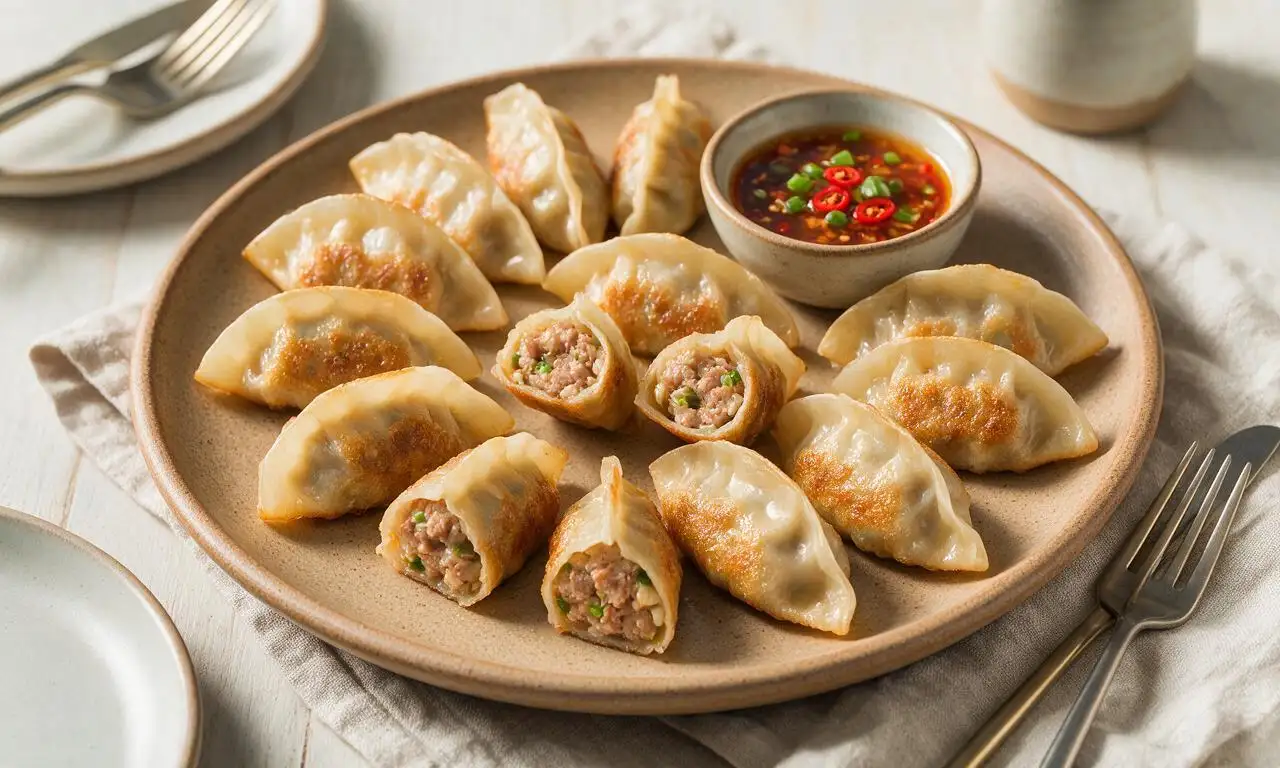
OMG these shumai came out SO good for my first ever dim sum attempt! I was nervous about the pleating but the instructions were super clear, and my whole family devoured two whole batches at our Sunday dinner last night. Even my super picky 7 year old asked for seconds! Total game changer for weekend takeout fakeout nights.
Brought these to my office potluck earlier this week and they were gone in 10 minutes flat! Coworkers kept asking which local dim sum spot I ordered them from, they couldn’t believe I made them from scratch. Total cook time was a little longer than I expected with all the fine chopping for the filling, but it was 100% worth the effort. I added a tiny extra splash of toasted sesame oil per my grandma’s old tip and it hit so hard.
Made a double batch of these for my weekly meal prep and they reheat perfectly! I was worried the shrimp would get rubbery after I froze half the batch for quick weeknight lunches, but they stayed juicy and tender even after a quick 2 minute steam. 10/10 will be adding this to my regular rotation, way better than the sad frozen shumai I used to grab from the grocery store.