1.What does alligator meat taste like?
▾
Alligator tail meat has a wonderfully mild, approachable flavor that lands somewhere between firm, lean white fish and juicy dark chicken, with zero overly gamey notes when properly trimmed of fat and silver skin. The texture is pleasantly firm but tender, especially after a buttermilk soak, so it picks up Cajun seasoning beautifully.
2.Where can I buy alligator tail meat for this recipe?
▾
You can find trimmed alligator tail meat at most well-stocked specialty seafood markets, many regional grocery stores across the Gulf South, and reputable online exotic meat retailers that ship frozen. Always look for pale pinkish-white meat with no gray discoloration, and thaw frozen meat fully in the fridge for 24 hours before prepping.
3.Can I use a different cut of alligator besides tail?
▾
Stick to tail or tenderloin cuts for this recipe if you can, as those are the most tender, lean options perfect for quick frying. Body or leg meat is much tougher, with dense connective tissue that requires long, slow braising to be palatable, so it will turn out chewy and tough if used for these quick-fried bites.
4.How long do I need to marinate the alligator in buttermilk?
▾
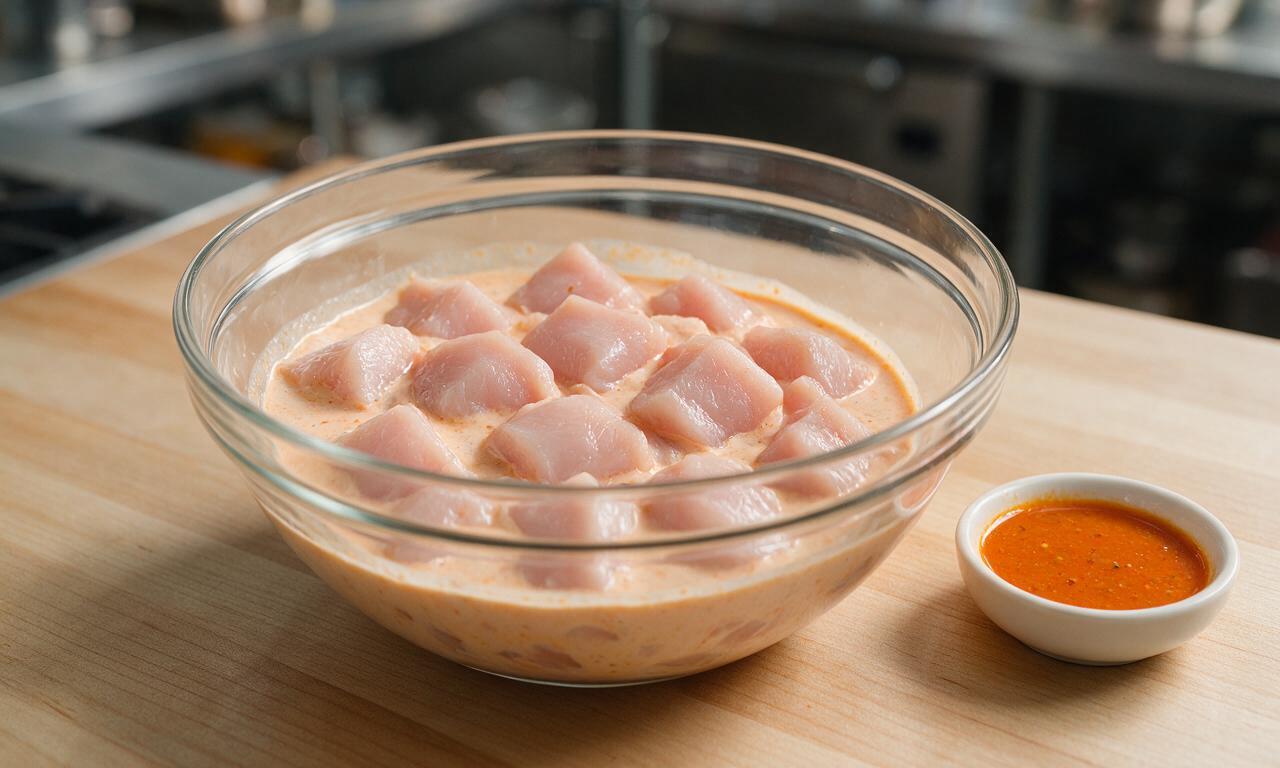
Aim for a minimum of 4 hours, and up to 12 hours, marinating cut alligator bites in buttermilk and hot sauce in the fridge. The lactic acid in buttermilk gently tenderizes the lean meat without making it mushy, while the hot sauce infuses subtle heat deep into every bite. Don’t marinate longer than 12 hours, as texture can turn unpleasantly soft.
5.Do I have to use Louisiana-style hot sauce for the marinade?
▾
Louisiana-style hot sauce (like Tabasco or Crystal) gives the marinade that classic tangy, vinegary heat that pairs perfectly with Cajun flavors, but you can substitute your favorite mild vinegar-based hot sauce if needed. Avoid thick, sweet hot sauces like sriracha here, as they throw off the bright, balanced flavor of the marinade and breading.
6.Why do you mix cornmeal and flour for the breading?
▾
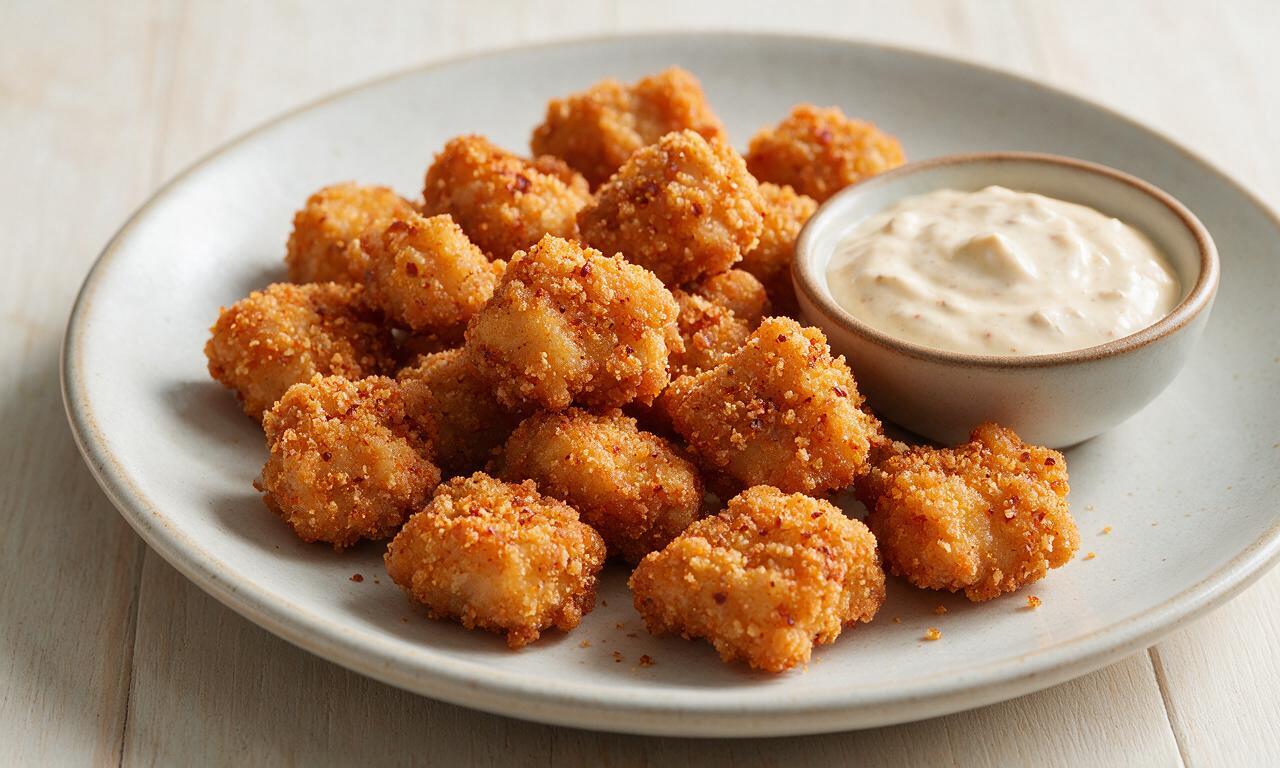
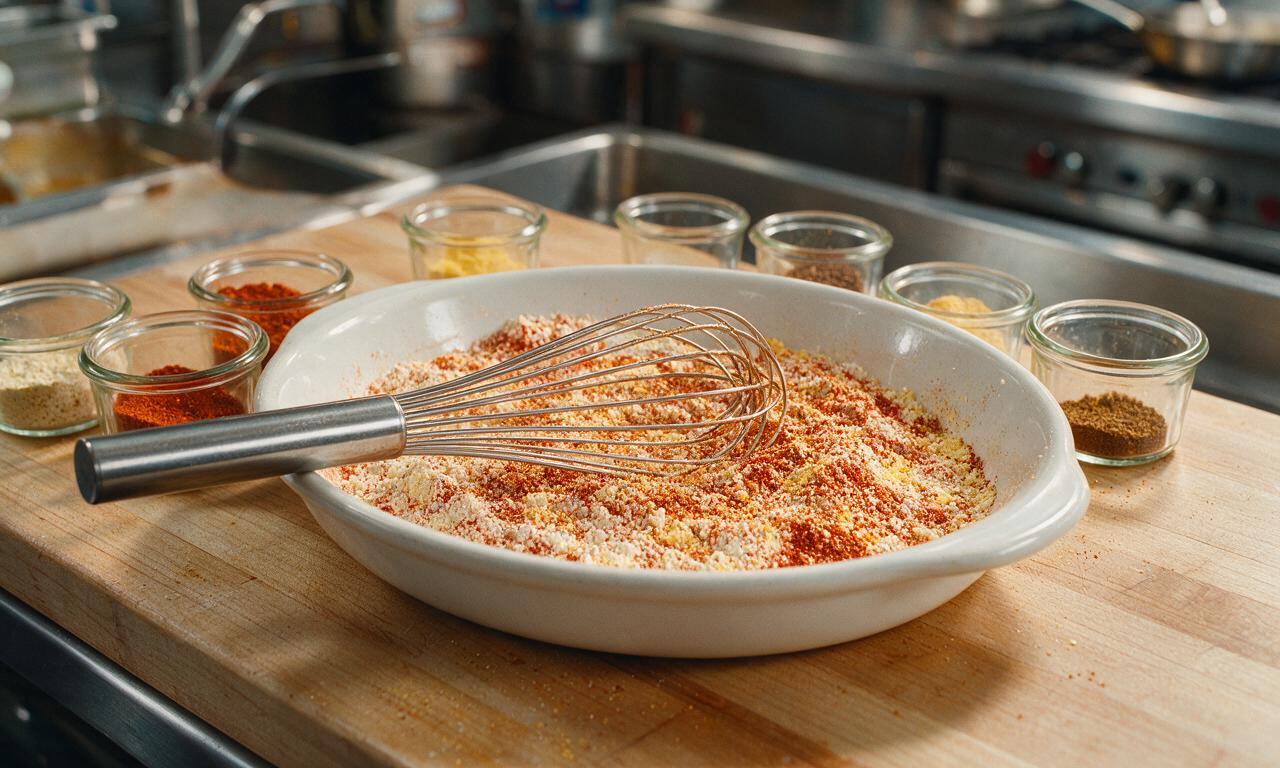
Mixing fine yellow cornmeal with all-purpose flour creates the absolute best crispy, crunchy texture that stays crisp even after a few minutes out of the fryer, instead of turning soggy. Flour alone makes a softer, bready coating, while cornmeal alone can be gritty and fall off easily; the blend hits that perfect shatteringly crisp sweet spot.
7.What temperature should I heat my frying oil to?
▾
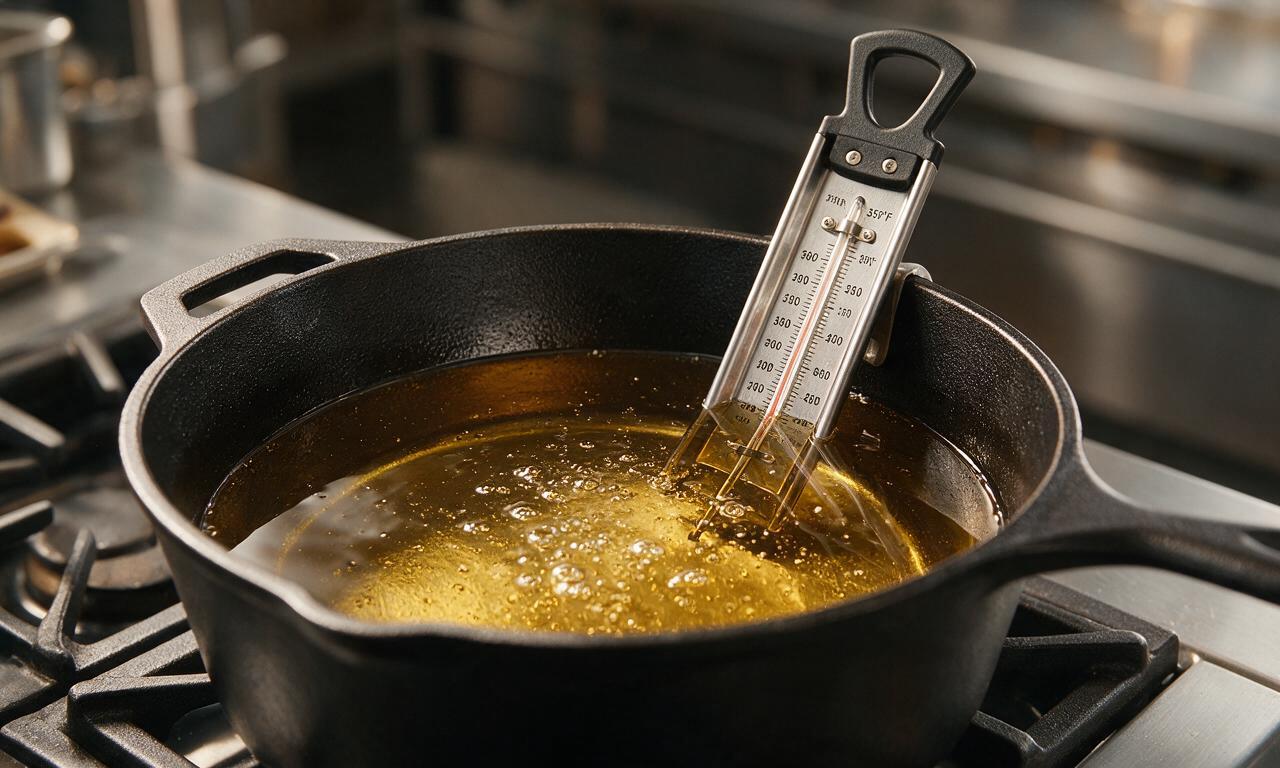
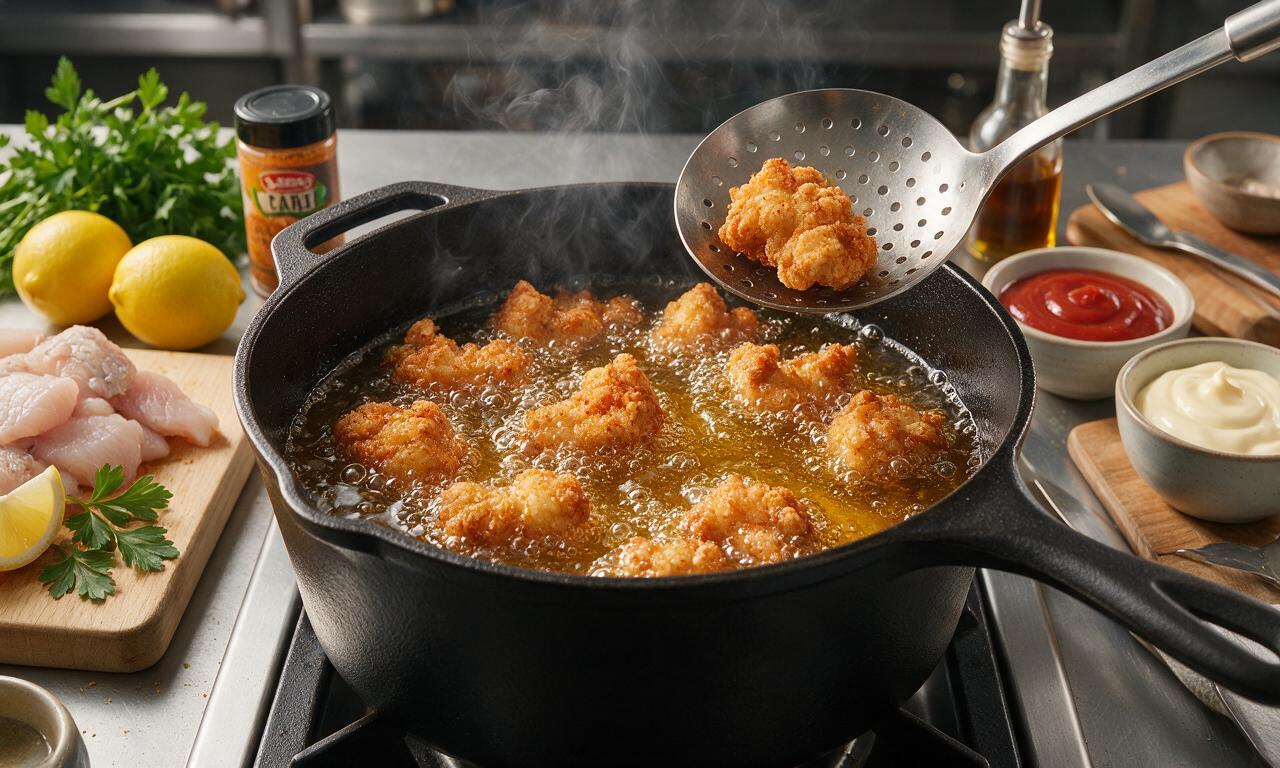
Heat your frying oil (peanut or canola work best for high heat) to a steady 350°F, using a clip-on candy thermometer to monitor temperature closely. Frying at too low a temp makes breading soak up excess oil and turn greasy, while too high a temp burns the spiced coating before the alligator inside cooks through.
8.How long do the alligator bites take to fully cook?
▾
These bite-sized pieces cook incredibly fast, usually just 3 to 4 minutes total, when fried in small batches at 350°F. You’ll know they’re done when the breading is deep golden brown, crispy all over, and the internal temperature of the alligator hits 160°F on an instant-read thermometer, with no translucent pink left in the center.
9.Can I bake these instead of deep frying for a lighter option?
▾
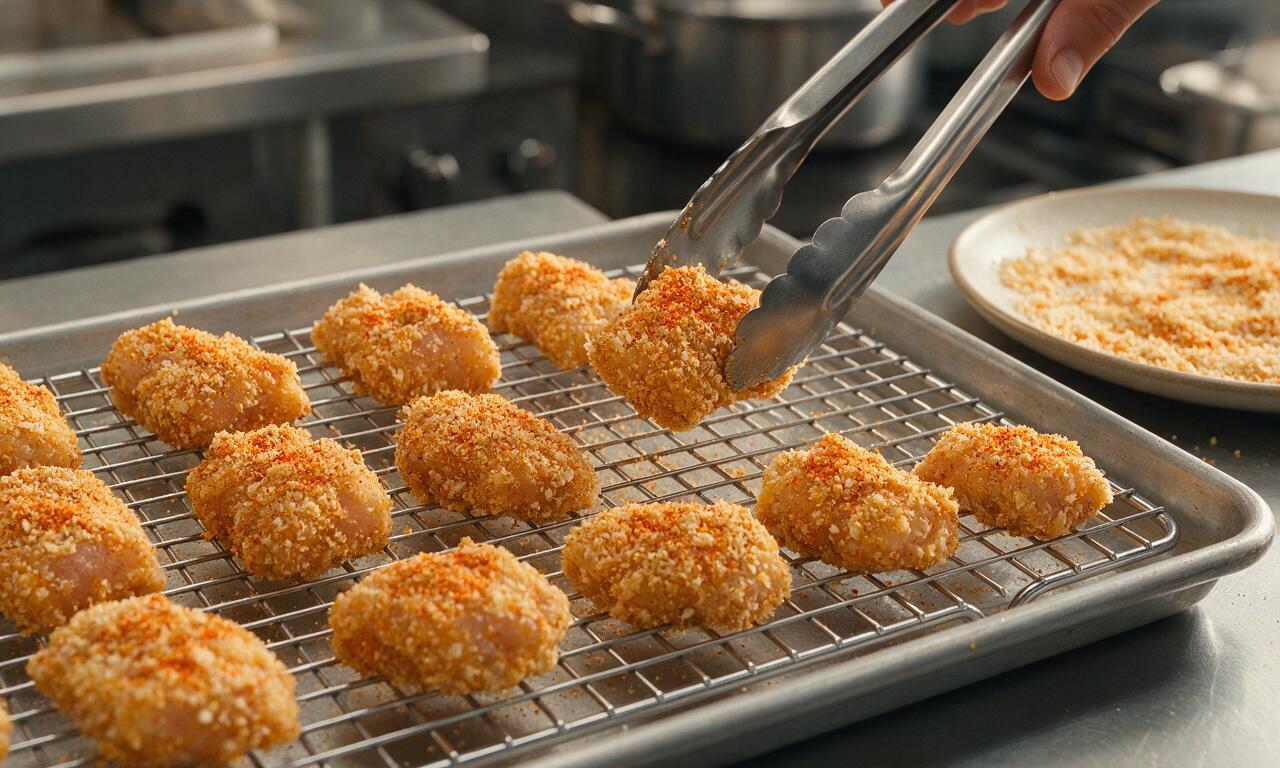
You can absolutely bake these for a lighter take, though the texture won’t be quite as shatteringly crisp as the fried version. Arrange breaded bites on a wire rack set over a baking sheet, spritz generously with cooking spray, and bake at 425°F for 12 to 15 minutes, flipping halfway, until golden and cooked through.
10.Can I make these alligator bites in an air fryer?
▾
Air frying works great for these bites! Preheat your air fryer to 375°F, arrange breaded bites in a single layer with space between them (work in batches if needed), spritz lightly with oil, and cook for 8 to 10 minutes, flipping halfway, until breading is crisp and meat reaches 160°F internally. Don’t overcrowd the basket, or bites will get soggy.
11.What’s in the zesty remoulade served with these bites?
▾
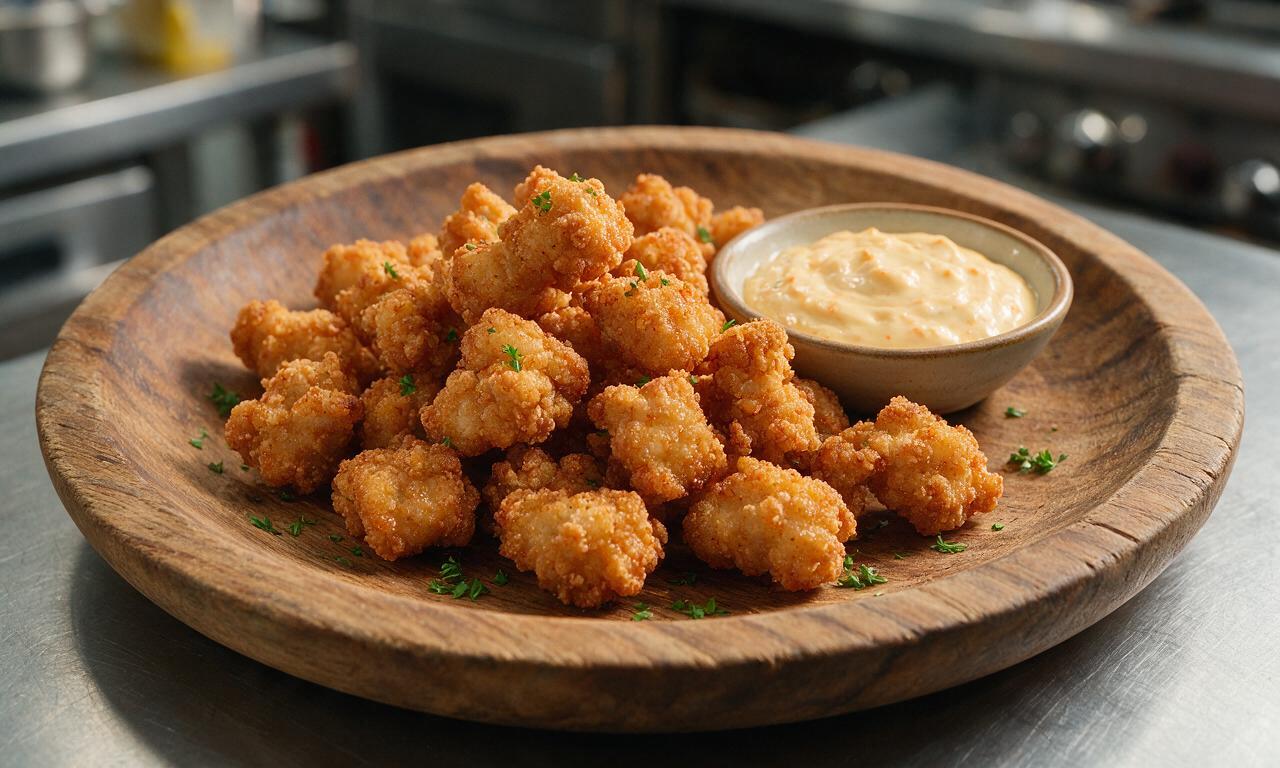
Classic Cajun remoulade for these bites is a zesty, creamy mix of mayonnaise, extra Louisiana hot sauce, whole-grain mustard, diced dill pickles, a pinch of Cajun seasoning, a squeeze of fresh lemon, and a tiny bit of minced garlic and horseradish for kick. It’s cool, tangy, and cuts through the rich, crispy fried coating perfectly.
12.Can I prep these alligator bites ahead of time for a party?
▾
You can prep components up to a day ahead: marinate the alligator in the buttermilk mix in the fridge, and pre-mix your dry breading blend in an airtight container. Wait to bread and fry the bites until 20 to 30 minutes before serving, though, as the breading will get soggy if you let coated bites sit too long before frying.
13.How do I keep the bites crispy when serving a crowd?
▾
As you fry batches, transfer cooked bites to a wire rack set over a baking sheet in a 200°F oven to hold them while you finish cooking the rest. Don’t stack them on a paper towel-lined plate, as trapped steam will make the crispy coating turn soft and soggy within minutes. They’ll stay perfectly crisp for up to 30 minutes held this way.
14.How do I trim unprocessed alligator tail if I can’t find pre-trimmed meat?
▾
If you buy untrimmed alligator tail, carefully remove all tough silver skin, white fat, and connective tissue from the meat before cutting it into 1-inch bites. Use a sharp, thin-bladed knife to slide under the silver skin and pull it away as you cut, as any leftover connective tissue will turn chewy and rubbery even after marinating.
15.How spicy are these Cajun fried alligator bites?
▾
As written, the recipe has a mild, approachable heat that most people find pleasant, not overwhelming, from hot sauce in the marinade and Cajun seasoning in the breading. If you’re sensitive to spice, cut the hot sauce in half and use a Cajun blend without added cayenne; if you love heat, add an extra ¼ teaspoon cayenne to the breading.
16.Can I freeze leftover fried alligator bites?
▾
You can freeze leftover fully cooked bites for up to 3 months, stored in an airtight container with sheets of parchment between layers to prevent sticking. Reheat them straight from frozen on a wire rack in a 400°F oven for 10 to 12 minutes, until crisp and heated through—skip the microwave, as it turns breading soggy and meat rubbery.
17.What size should I cut the alligator pieces for even cooking?
▾
Cut your trimmed alligator tail into uniform 1-inch cubes for the best results. Pieces that are too large will undercook in the center before the breading browns, while pieces that are too small will overcook and turn tough and dry in the time it takes the coating to crisp. Uniform sizing ensures every bite cooks at the exact same rate.
18.Do I need to brine or pound the alligator to tenderize it before marinating?
▾
You don’t need any extra brining or mechanical tenderizing (like pounding with a mallet) as long as you trim the meat properly and let it soak in the buttermilk marinade for the recommended time. Pounding the meat will break it up too much and make it fall apart during frying, and extra brining can make the lean meat overly salty.
19.Is alligator meat safe to eat?
▾
Alligator meat is completely safe to eat when cooked to the recommended 160°F internal temperature, just like chicken or pork. It’s a lean, low-fat protein that’s farm-raised and USDA-inspected for food safety in the U.S., so there’s no extra risk compared to other common meats as long as you follow standard food safety practices.

OMG, I made these for our family crawfish boil last weekend and they were the first thing gone! Everyone kept asking where I got the recipe, the Cajun spice blend was perfectly balanced – not too salty, just enough kick. The crispy breading stayed crunchy even when they sat out for a bit on the picnic table. 10/10 will make again for every backyard gathering!
Game changer! I’ve tried frying gator a handful of times and it always came out tough and chewy, but the buttermilk soak tip here made it so tender! I did add a little extra cayenne because my crew likes extra heat, and it worked perfectly. Only question – can I air fry these if I don’t want to pull out the deep fryer for a small batch?
Made these for my teen son’s birthday potluck for his football team and I was so nervous no one would try gator! Turns out I should’ve made a double batch, the boys devoured them in 10 minutes flat. My 8 year old daughter even asked for seconds, which never happens with new foods. The only mishap was I ran out of Tony Chachere’s so I used a generic Cajun seasoning, still turned out great!
SO good! I brought these on our camping trip last week, prepped the buttermilk soak ahead of time at home and fried them up over the camp stove. They were the perfect post-hike snack, crispy, savory, just the right amount of zing. Will 100% be adding these to our regular camp menu rotation.
I was worried these would be too gamey for my taste, but the seasoning and buttermilk completely mellowed out any weird flavor! They tasted like extra juicy, extra crispy chicken nuggets but with that fun Cajun kick. Dipped them in remoulade just like the recipe suggested, *chef’s kiss*. No notes, this is a perfect recipe.
Wait, I’ve never cooked alligator before – where do you even buy it? My local grocery store doesn’t carry it, and I don’t want to order something sketchy online. Also, do I have to tenderize it a ton before the soak? I’m nervous I’ll mess it up since it’s a medium difficulty recipe!
I made these gluten free by swapping the regular flour for a 1:1 GF all purpose flour and added a little extra cornmeal for crunch, and they came out amazing! My husband who doesn’t even eat GF couldn’t tell the difference. We served them with a side of coleslaw and pickles for our Sunday dinner, total hit.
Made these for our college football watch party this past Saturday, paired them with a spicy garlic dip and they were a total touchdown (pun intended). I did notice that my first batch came out a little oilier than I wanted, I think my oil temp was too low initially, but once I cranked it up to 375 like the recipe said the rest came out perfect and crispy.
I was skeptical these would reheat well, but I stored the leftover bites in an airtight container in the fridge and reheated them in the air fryer at 390 for 5 minutes, and they were almost as crispy as fresh! Saved me a snack for lunch all week, total win. The Cajun flavor gets even better the next day if you can believe it.
The recipe itself was really easy to follow, and the breading was super crispy, but the full amount of Cajun seasoning was way too spicy for my family! I ended up scraping off half the breading for my kids, next time I’ll cut the spice in half and add extra paprika for flavor without the heat.
I brought these to our neighborhood block party last weekend and I swear people followed me around the cul-de-sac asking for the recipe! I used the optional Cajun ranch dip from the recipe notes and it was the perfect pairing, so creamy and cool against the spicy crispy bites. Only regret is I didn’t make more, I didn’t even get a third bite!
I used frozen alligator bites from my local grocery store (they were way cheaper than I expected!) and skipped the extra step of tenderizing since they were pre-cut, and they still came out so juicy and crispy. Cook time was spot on, no raw centers, no burnt edges. Great recipe for anyone looking to try something fun without spending a ton.
Paired these with a cold hazy IPA and some homemade cajun fries for my buddy’s birthday dinner, and he said it was the best birthday meal he’s ever had. The crispiness of the bites against the cold beer is unbeatable, I’ll be making these for every guy’s night from now on.
These look insane! I’m dairy free so I can’t do the buttermilk soak – what would be a good substitute? I have oat milk and apple cider vinegar at home, would that work to make a faux buttermilk, or is there a better swap? I don’t want the meat to be tough!
I grew up eating fried gator down in the south, and this recipe is just as good as the ones I had at the little seafood shacks on the coast growing up! The breading has the perfect amount of crunch, the seasoning is spot on, it brought back so many good memories. My grandma would be proud.
Made these for my anniversary dinner with my partner, who’s originally from Louisiana, and he said they tasted just like home! I served them with remoulade, hushpuppies, and collard greens for a full Cajun spread, and he was so impressed. He even asked me to make them again for his family when they visit next month!
OMG, these are the ultimate game day snack! I made a big batch for the Super Bowl party earlier this year (I know, I’m late leaving a review) and people still text me asking for the recipe. The crispy outside, tender inside, that perfect Cajun zing – there’s nothing better. Don’t sleep on the hot honey drizzle option, it’s life changing.
Wait, the cook time says 55 minutes total – is that including the buttermilk soak time? I only have about 30 minutes to get dinner on the table tomorrow night, can I shorten the soak or will that make the gator tough? I really want to make these for my kids after they saw gator on a nature show and begged to try it!
I don’t have a deep fryer, so I fried these in my cast iron skillet with about an inch of oil, and they came out perfectly crispy! I flipped them halfway through cooking to make sure both sides got golden, and it worked just as well as a deep fryer without all the extra oil waste. Great recipe, super versatile.
I love trying weird, unusual meats, and these are by far my favorite preparation I’ve tried! I’ve had gator jerky, gator sausage, even gator tacos, but these crispy fried bites beat all of them. The Cajun seasoning doesn’t overpower the natural mild flavor of the gator, it just complements it perfectly. Already planning to make these for my next weird food potluck!