1.Can I use canned oysters instead of fresh shucked oysters for this recipe?
▾
Fresh shucked oysters deliver the best plump, briny texture and signature coastal flavor, but high-quality, water-packed canned oysters work in a pinch. Drain them thoroughly, pat very dry with paper towels before dredging, and add a tiny pinch of fine sea salt to your coating to make up for the missing reserved fresh oyster liquor.
2.Why do I need to reserve 2 tablespoons of oyster liquor for this recipe?
▾
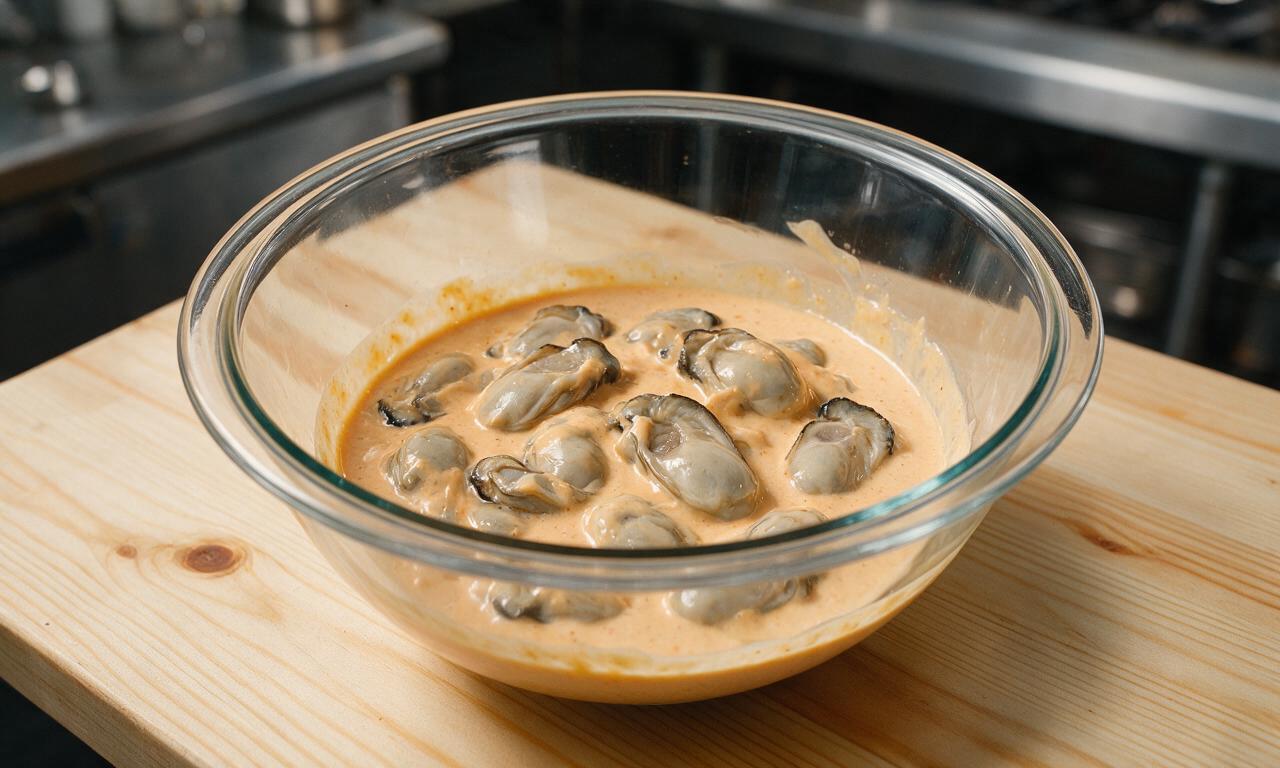
That reserved briny oyster liquor is a classic Southern secret to amp up flavor! Whisk it into your buttermilk and hot sauce soak to add deep, natural oyster savoriness that doesn’t taste salty or artificial. It also helps the cornmeal and flour coating stick better for an even, crunchier crust that won’t slide off while frying.
3.What kind of hot sauce works best for the buttermilk soak?
▾
A classic vinegar-forward Louisiana-style hot sauce like Tabasco is ideal here, because its bright tang cuts through the rich, crunchy coating and complements the oysters’ brininess without overpowering it. Skip thick, creamy hot sauces or super spicy, smoky varieties for the soak—save those for serving as a dip if you like.
4.Can I use coarse cornmeal instead of fine yellow cornmeal for the coating?
▾
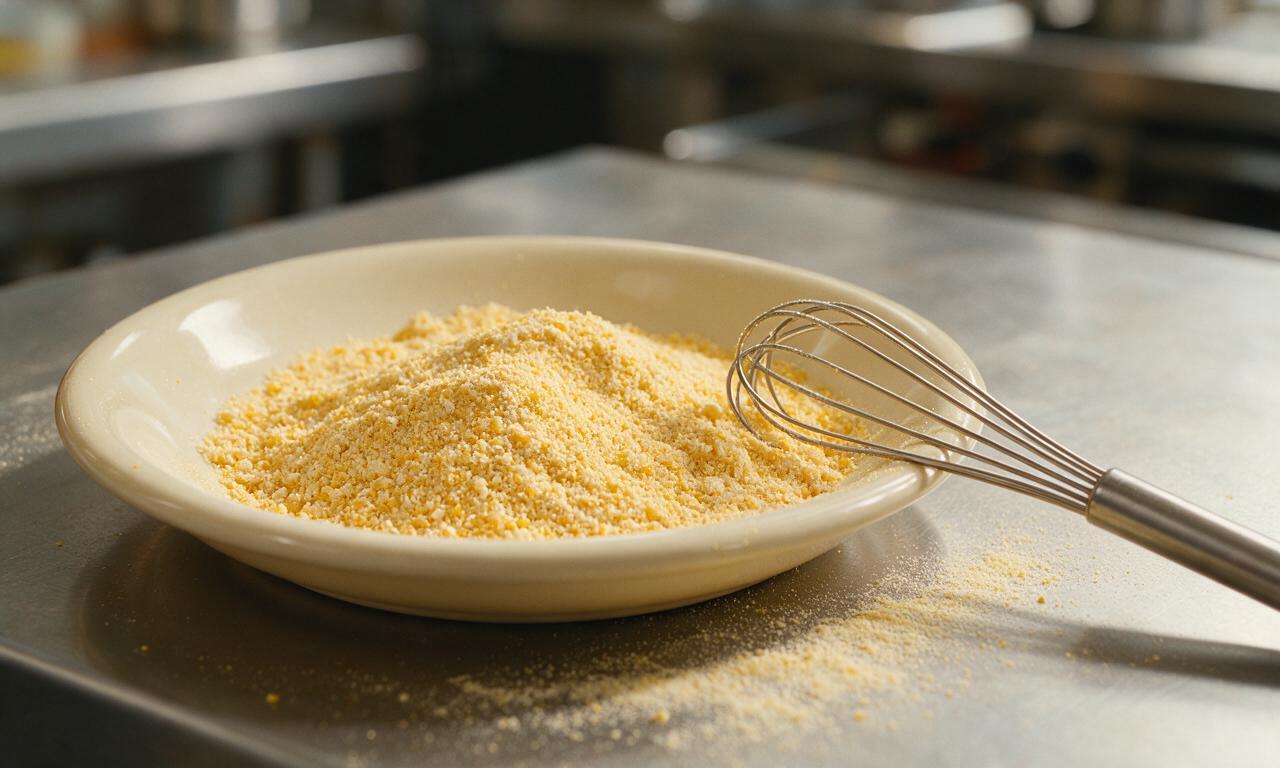
Fine yellow cornmeal is recommended for that signature delicate, shattery crisp crust that sticks evenly to every oyster. Coarse cornmeal creates a crunchier, grittier texture that falls off more easily during frying. If coarse is all you have, blitz it briefly in a spice grinder to break it down to a finer consistency before mixing with flour.
5.How long should I let oysters soak in the buttermilk and hot sauce mixture?
▾
You don’t need a long soak here—15 to 20 minutes at room temperature is perfect. That’s just enough time for the buttermilk’s tang to tenderize the oysters and for hot sauce flavor to infuse, without making oysters mushy or waterlogged. Any longer, and excess moisture will make your coating soggy instead of crispy when it hits hot oil.
6.What oil is best for frying these Southern fried oysters?
▾
Reach for a neutral, high-smoke-point oil like peanut, canola, or regular vegetable oil for best results. These oils won’t add off-flavors to your oysters as they heat, and they can hold the steady 350°F temperature you need for a crisp, non-greasy crust. Avoid olive oil or butter, which have low smoke points and will burn or make oysters taste heavy.
7.How do I keep the coating from falling off the oysters while frying?
▾
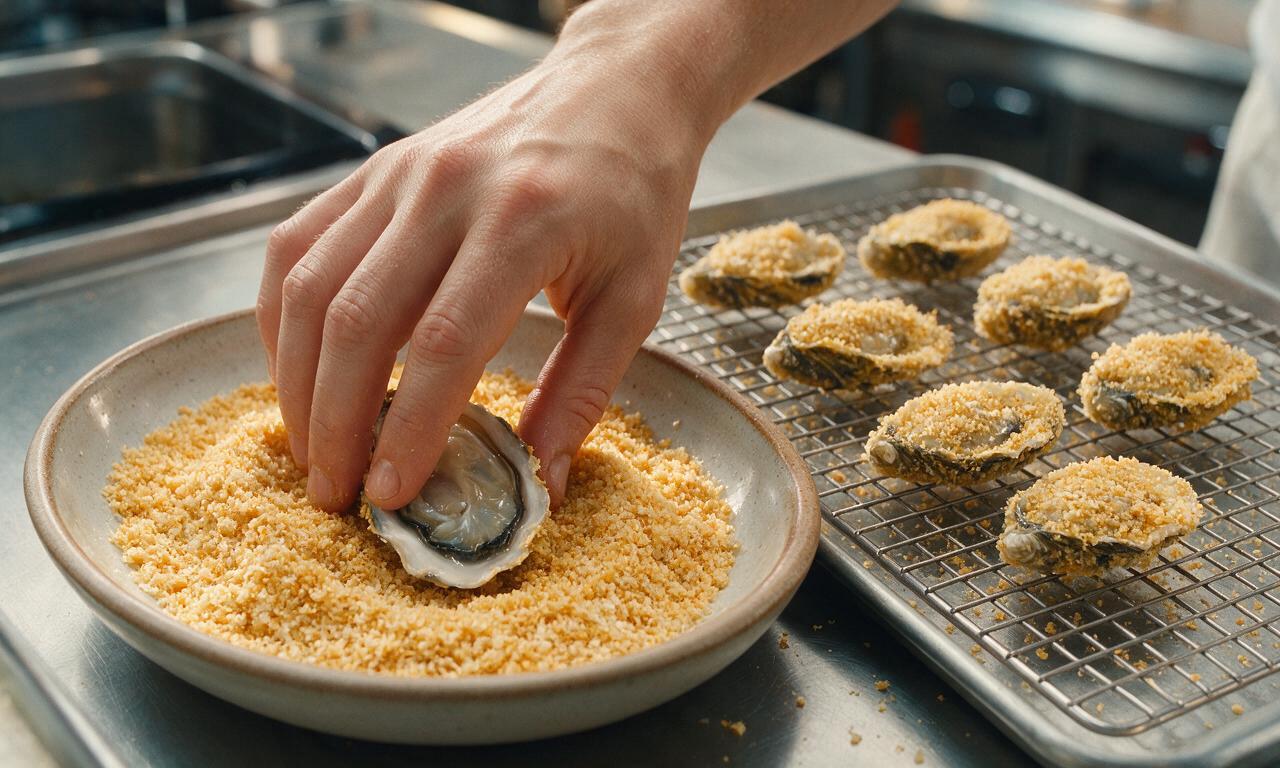
First, pat drained oysters gently dry before dipping them in the buttermilk soak, and whisk that reserved oyster liquor into the soak to help the coating adhere. After dredging oysters in the flour-cornmeal mix, let them rest on a wire rack for 5 minutes before frying—this lets the coating set so it stays put, instead of sliding off into hot oil.
8.What temperature should the oil be to get perfectly crispy oysters?
▾
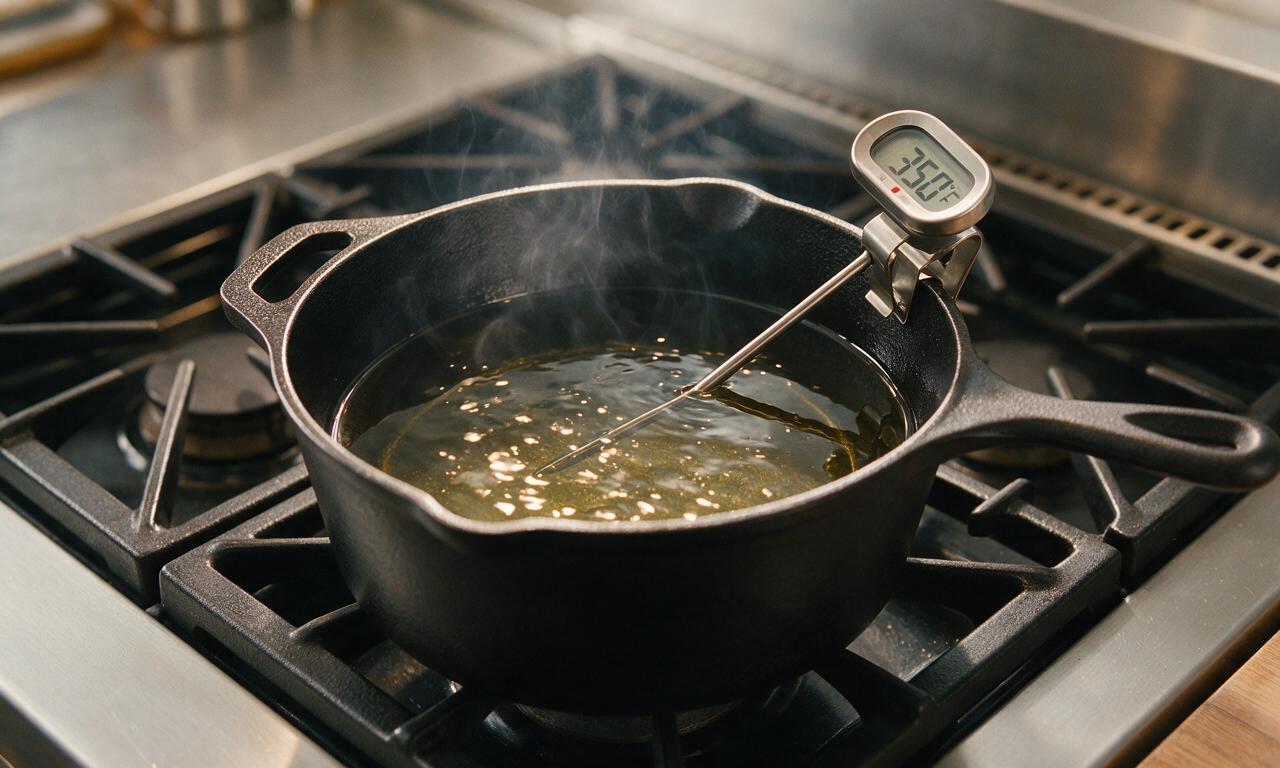
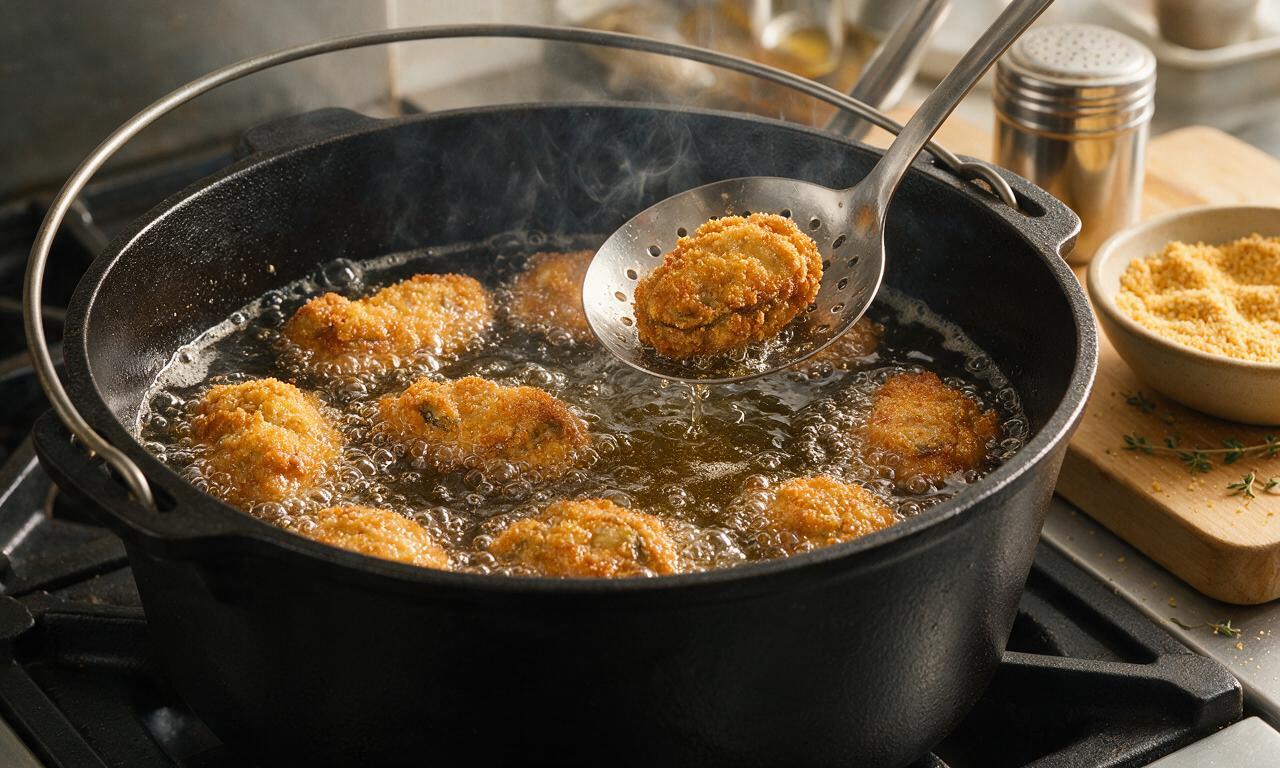
Hold your oil at a steady 350°F for the best results, using a clip-on candy thermometer to monitor temperature. If oil is too cool, oysters will absorb excess oil and turn soggy and greasy; if it’s too hot, the cornmeal coating will burn before oysters cook through. Fry in small batches so you don’t drop the oil temperature too much.
9.How long do the oysters need to fry to cook all the way through?
▾
These come together really fast—most oysters only need 2 to 3 minutes total in the hot oil. They’re done when the cornmeal coating is a deep, even golden brown and the oysters are just firm around the edges. Don’t overcook them, or they’ll turn tough and rubbery instead of tender and briny inside that crisp crust.
10.Can I make these oysters in an air fryer instead of deep frying?
▾
You absolutely can, for a lighter take! Spray dredged oysters generously with oil on all sides, arrange them in a single layer in your air fryer basket, and cook at 400°F for 8 to 10 minutes, flipping halfway, until the coating is crisp and golden. They won’t have the exact same shattery deep-fried crunch, but they’ll still be tasty.
11.How do I keep fried oysters crispy while I cook batches for a crowd?
▾
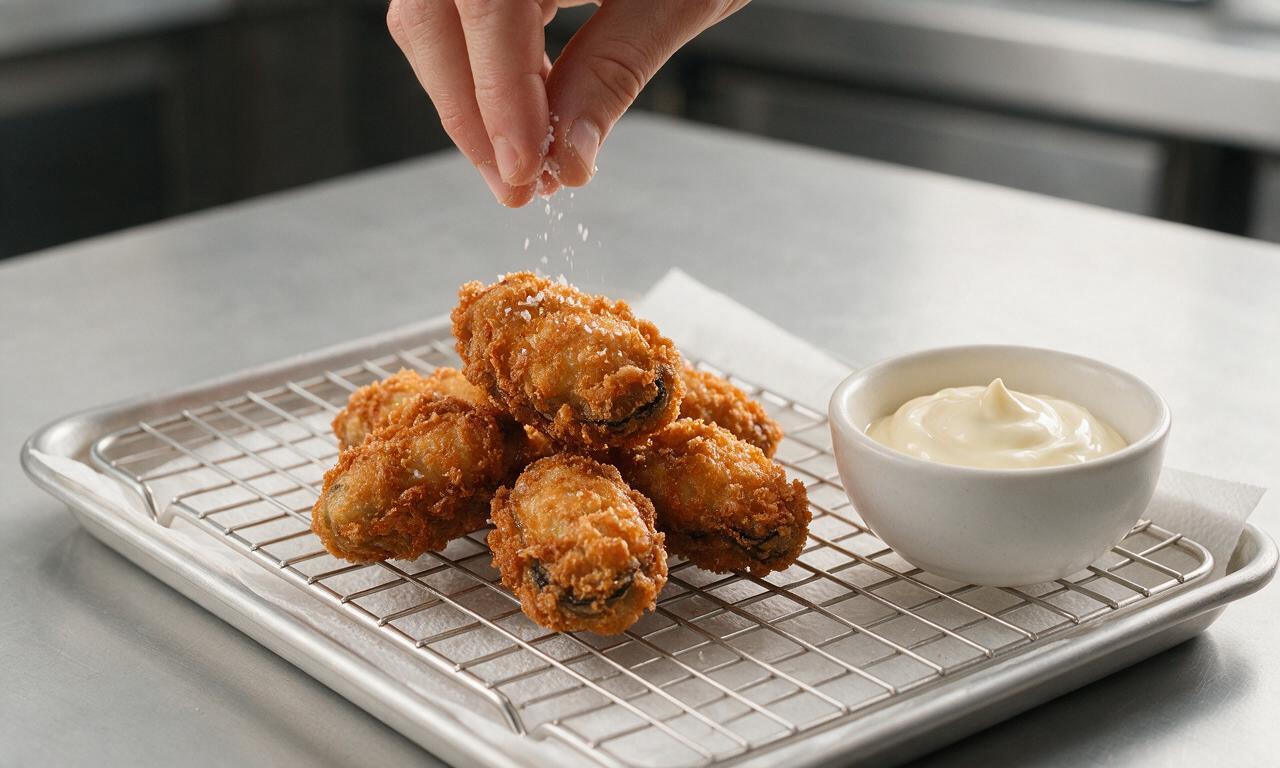
Skip the paper towel-lined plate, which traps steam and makes crusts soggy. Instead, set a wire rack inside a rimmed baking sheet, and place cooked oysters on the rack in a 200°F oven while you finish frying the rest. This lets air circulate around every oyster, keeping the coating crisp and warm for up to 30 minutes before serving.
12.What are the best dipping sauces to serve with these fried oysters?
▾
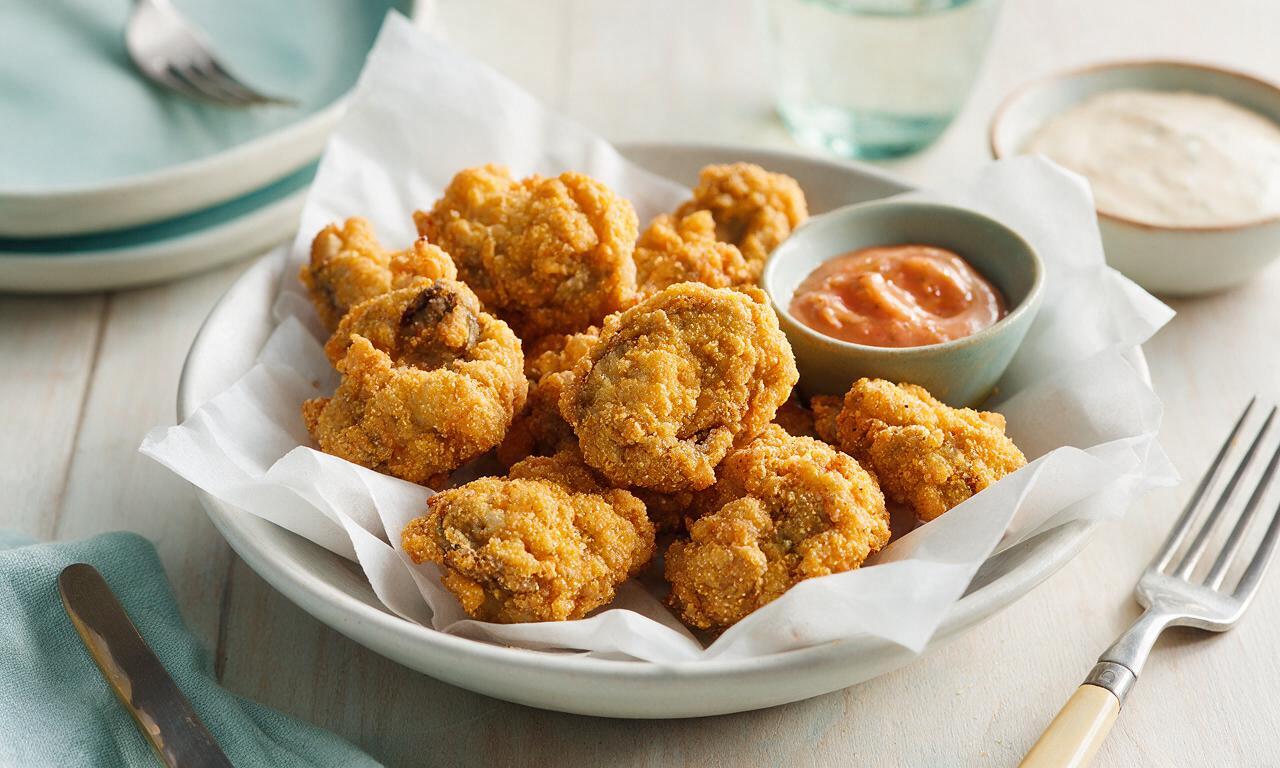
Classic Southern pairings are always a hit: tangy cocktail sauce, zesty remoulade, creamy tartar sauce, or extra vinegar-based hot sauce. For a simple coastal twist, try a squeeze of fresh lemon with a dash of Old Bay, or quick garlic aioli. Stick to bright, tangy, or lightly creamy dips that don’t overpower the oysters’ briny flavor.
13.Do I need to rinse the shucked oysters before using them?
▾
Give them a very quick, gentle rinse under cold water to pick out any tiny bits of broken shell left from shucking, then drain them thoroughly right away. Don’t soak them in fresh water, though—that will leach out all that delicious briny oyster flavor you want, and leave you with bland, watery oysters that make your coating soggy.
14.Can I make the coating mix ahead of time for faster weeknight prep?
▾
Definitely! Mix your all-purpose flour, fine yellow cornmeal, and any dry seasonings (like black pepper, garlic powder, or a pinch of cayenne) in an airtight container, and store it in your pantry for up to 3 months. Wait to add salt or the reserved oyster liquor until right before you’re ready to dredge and fry, to keep the coating dry.
15.Why are my fried oysters coming out greasy instead of crispy?
▾
Greasy oysters almost always come from oil that’s too cool, or overcrowding the fryer. When oil drops below 340°F, the coating can’t seal quickly, so it absorbs oil instead of crisping up. Preheat oil to a steady 350°F, fry 6 to 8 oysters at a time max, and let oil come back up to temp between batches for light, crisp results.
16.Can I use regular milk instead of buttermilk for the soak?
▾
Buttermilk’s tang and thick texture is key for that classic Southern flavor and good coating adhesion, but you can make a quick substitute if you don’t have it on hand. Stir 1 tablespoon of white vinegar or lemon juice into 1 cup of whole milk, let it sit 5 minutes until slightly curdled, and use it exactly as you would buttermilk. Skim milk is too thin for this swap.
17.How do I know if fresh shucked oysters are safe to cook and eat?
▾
Fresh shucked oysters should smell clean and briny, like the ocean—skip any that have a strong, sour, or overly fishy off-odor, as that means they’ve spoiled. They should be plump and pale gray or tan, not slimy or discolored. Keep them refrigerated at 40°F or below until prep, and cook within 2 days of purchase for best safety and quality.
18.Can I freeze leftover fried oysters to reheat later?
▾
You can, though they’re best eaten fresh for maximum crunch. Let leftover oysters cool completely, then freeze them in a single layer on a baking sheet before transferring to an airtight freezer bag for up to 1 month. Reheat on a wire rack in a 400°F oven for 10 to 12 minutes, until crisp—skip the microwave, which makes coating soggy and oysters rubbery.
19.Should I season the flour and cornmeal coating, or is the hot sauce and oyster liquor enough?
▾
The reserved oyster liquor and hot sauce add great base flavor, but a light hand with dry seasonings in the coating takes these over the top. Add 1 teaspoon each of garlic powder, smoked paprika, black pepper, and ½ teaspoon of kosher salt to your flour-cornmeal mix for extra depth. Skip heavy, clumpy seasonings that will make the coating gritty or uneven.
20.What size oysters work best for this fried oyster recipe?
▾
Medium-sized “select” oysters, about 2 to 3 inches long, are perfect for frying. They’re tender enough to cook quickly in the time it takes the crust to crisp, and they’re easy to pick up and dip in one or two bites. Skip extra-large oysters, which get rubbery fast, and tiny cocktail oysters, which overcook almost instantly and get lost in the crunchy coating.

OMG these fried oysters came out SO crispy! I’ve tried making them three other times and they always turned out soggy, but the cornmeal crust trick here is a total game changer. Served them for Sunday family dinner and even my picky 10 year old asked for seconds. Will 100% make these again for our next backyard cookout!
Super easy recipe, even for a guy who barely cooks! Threw these together for a potluck at work last week and they were gone in 10 minutes flat. Only thing I added was a little extra Old Bay to the breading because I like that extra zing, paired it with homemade remoulade and everyone was asking for the recipe.
This recipe looks so good! Has anyone tried making these in an air fryer instead of deep frying? I’m trying to cut back on oil but I’m craving that crispy fried oyster flavor so bad.
These hit exactly like the fried oysters I grew up eating at my grandma’s house in South Carolina! The crust is perfectly seasoned, not too heavy, and the oysters stay juicy inside. Made a big batch for my fantasy football watch party last weekend and the guys raved the whole time. 10/10, no notes.
I was so nervous to make seafood for my in-laws who are from the Gulf Coast, but this recipe made me look like a total pro! The cook time was way shorter than I expected too, only took me about 25 minutes total just like the recipe said. Served them with hushpuppies and coleslaw and it was the perfect Southern spread.
Made these on our camping trip last weekend using a cast iron skillet over the campfire and they turned out *chef’s kiss*. I was worried the breading would fall off while cooking over uneven heat, but it stayed perfectly crispy the whole time. Even my friend who swears she hates oysters ate three of them!