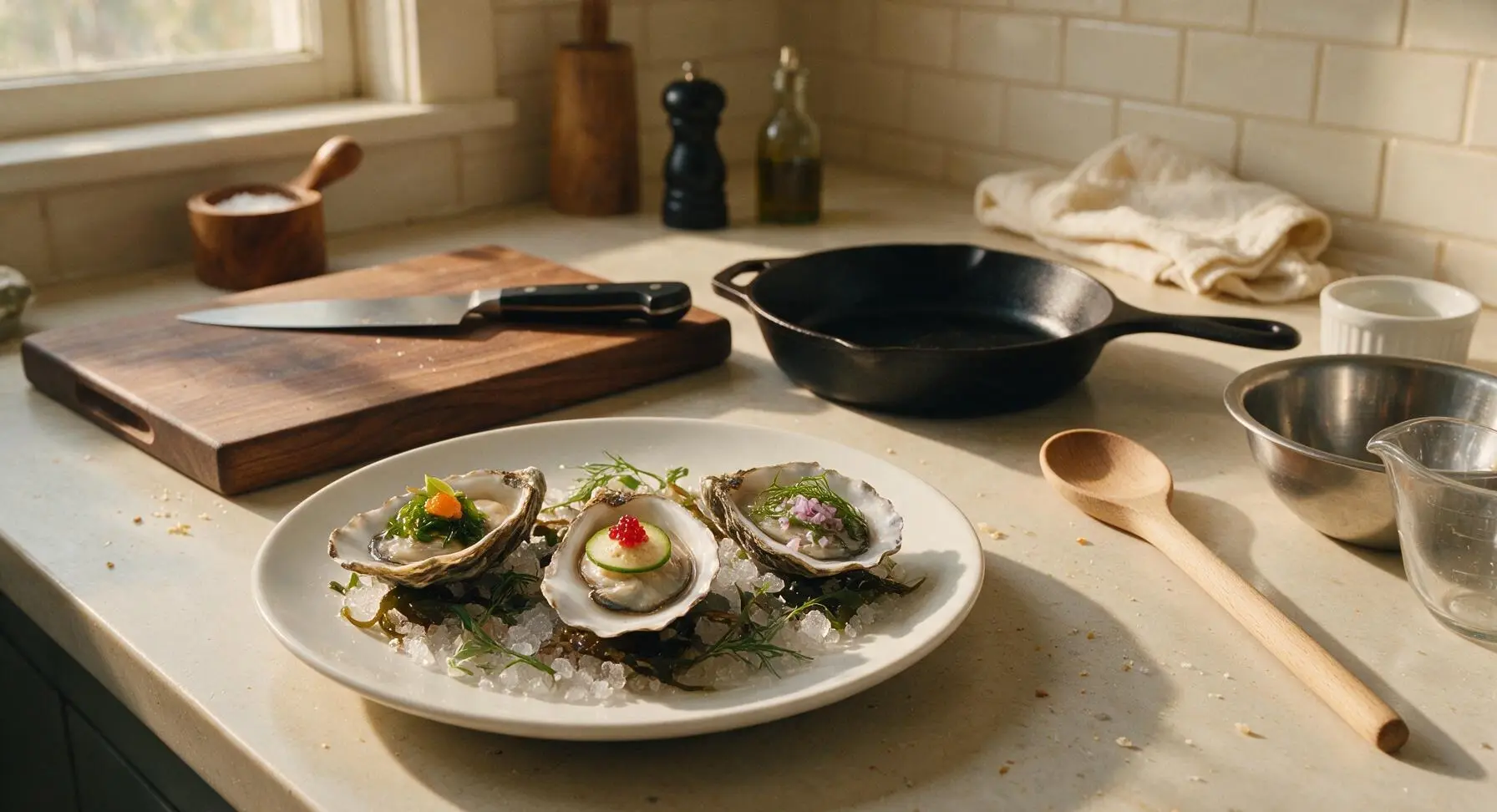
Oyster Flight

title 1
Oyster Flight
⏱️ cook time 0 minutes
🍽️ servings 2
⚡ Difficulty medium

intro

A curated tasting of three distinct oyster varieties, served on the half shell with bright, complementary accompaniments that highlight their unique brininess, sweetness, and crisp mineral notes.

Ingredients
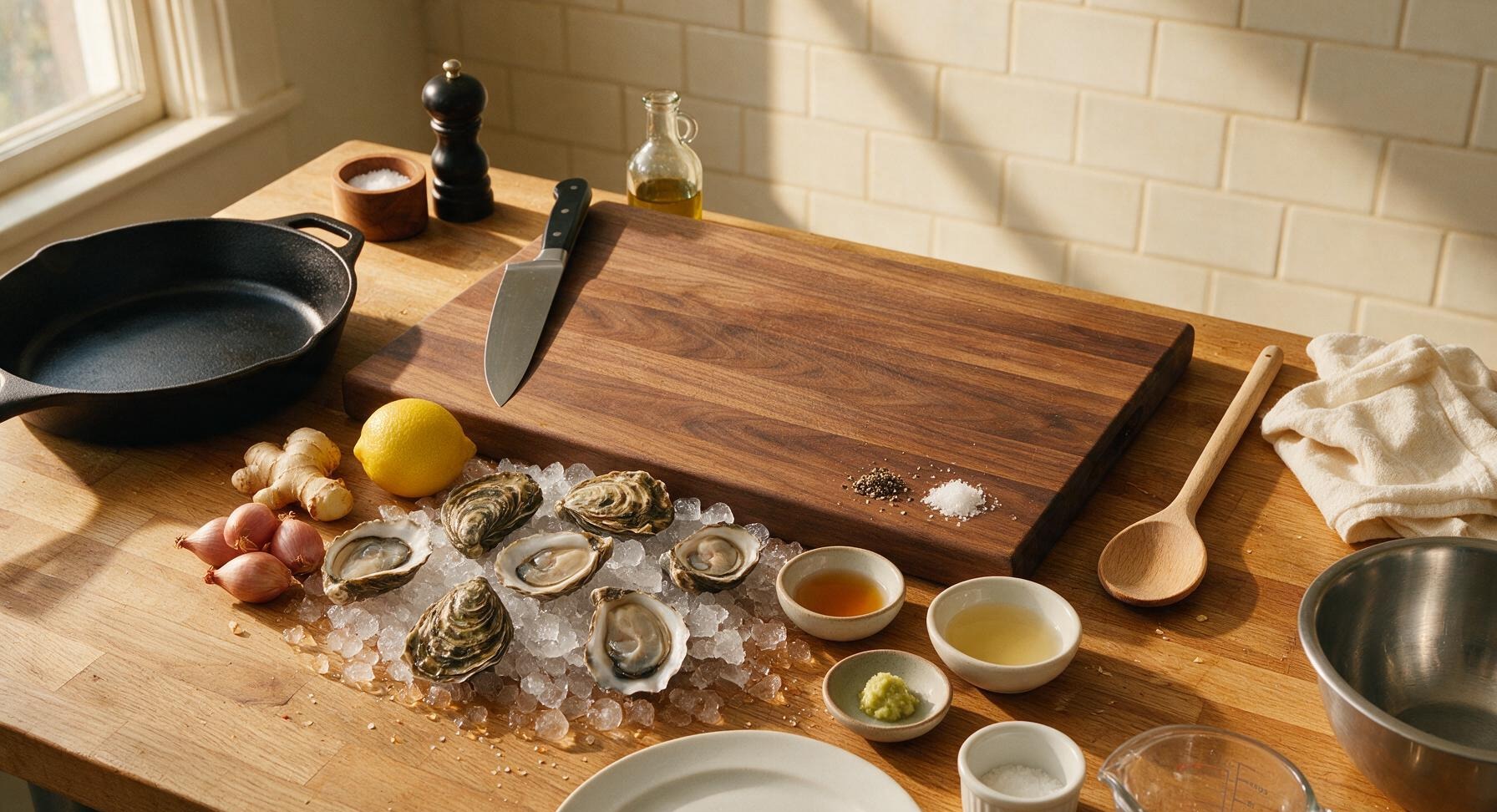
Mixed raw oysters (2 Pacific, 2 Belon, 2 Kumamoto) 6 total (about 120g edible meat)
Small shallot 30g (1 small)
Champagne vinegar 2 tbsp
Cracked black pepper 1/2 tsp
Unseasoned rice vinegar 1 tbsp
Yuzu kosho paste 1/2 tsp
Fresh horseradish root 20g
Fresh lemon 1 medium
Coarse sea salt 1/4 tsp
Crushed ice 4 cups

Steps

1

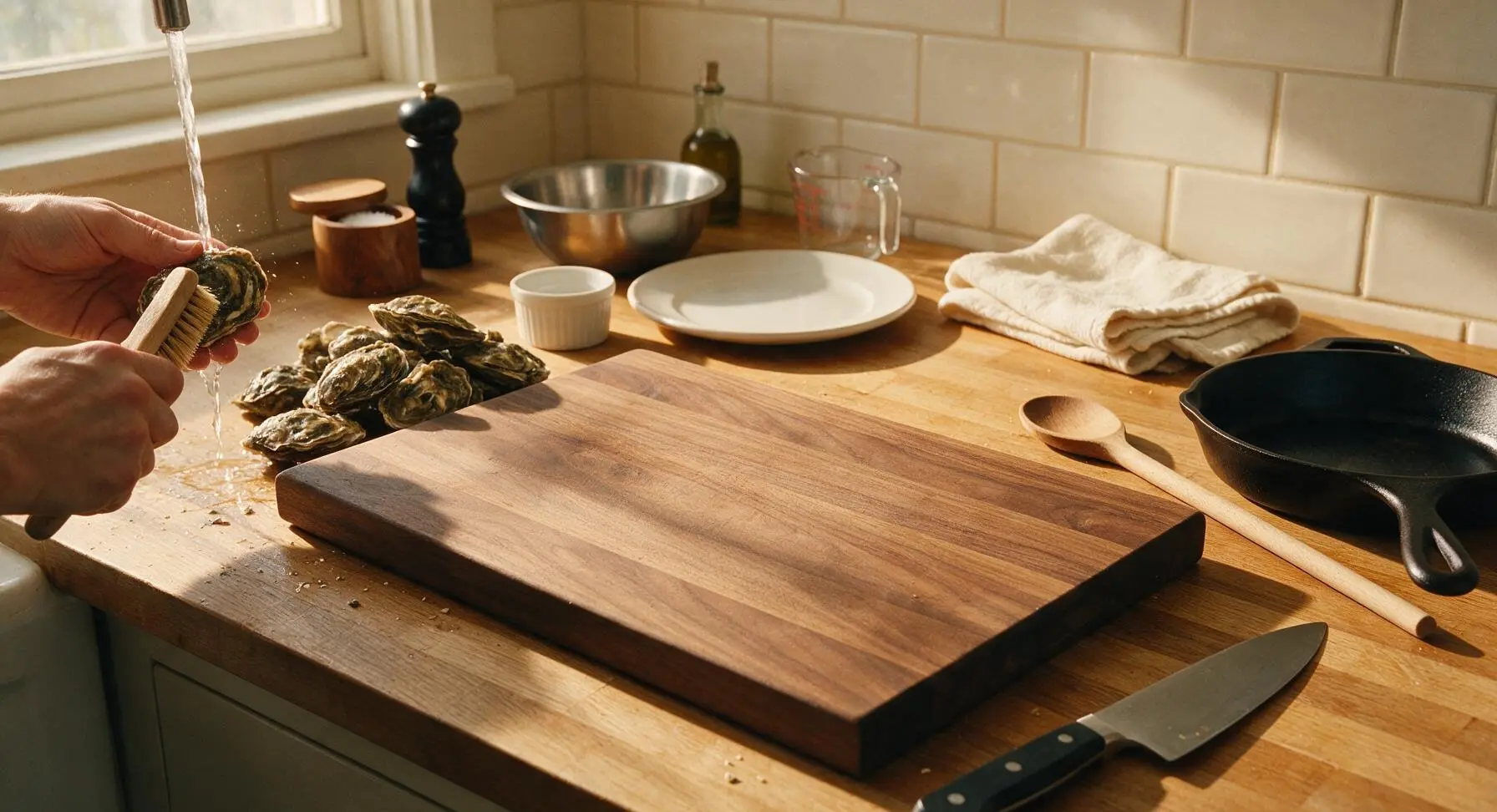
Scrub and Chill Oysters

Hold each oyster under cold running water, using the stiff bristle scrub brush to scrub away all mud, barnacles, and surface debris from the rough shells. Tap any open oysters firmly: discard any that do not snap closed immediately, as these are unsafe to eat. Place cleaned oysters in a small bowl and refrigerate for 10 minutes at 40°F (4°C) to chill while you prepare accompaniments.
Step 1
step1:Scrub and Chill Oysters
2

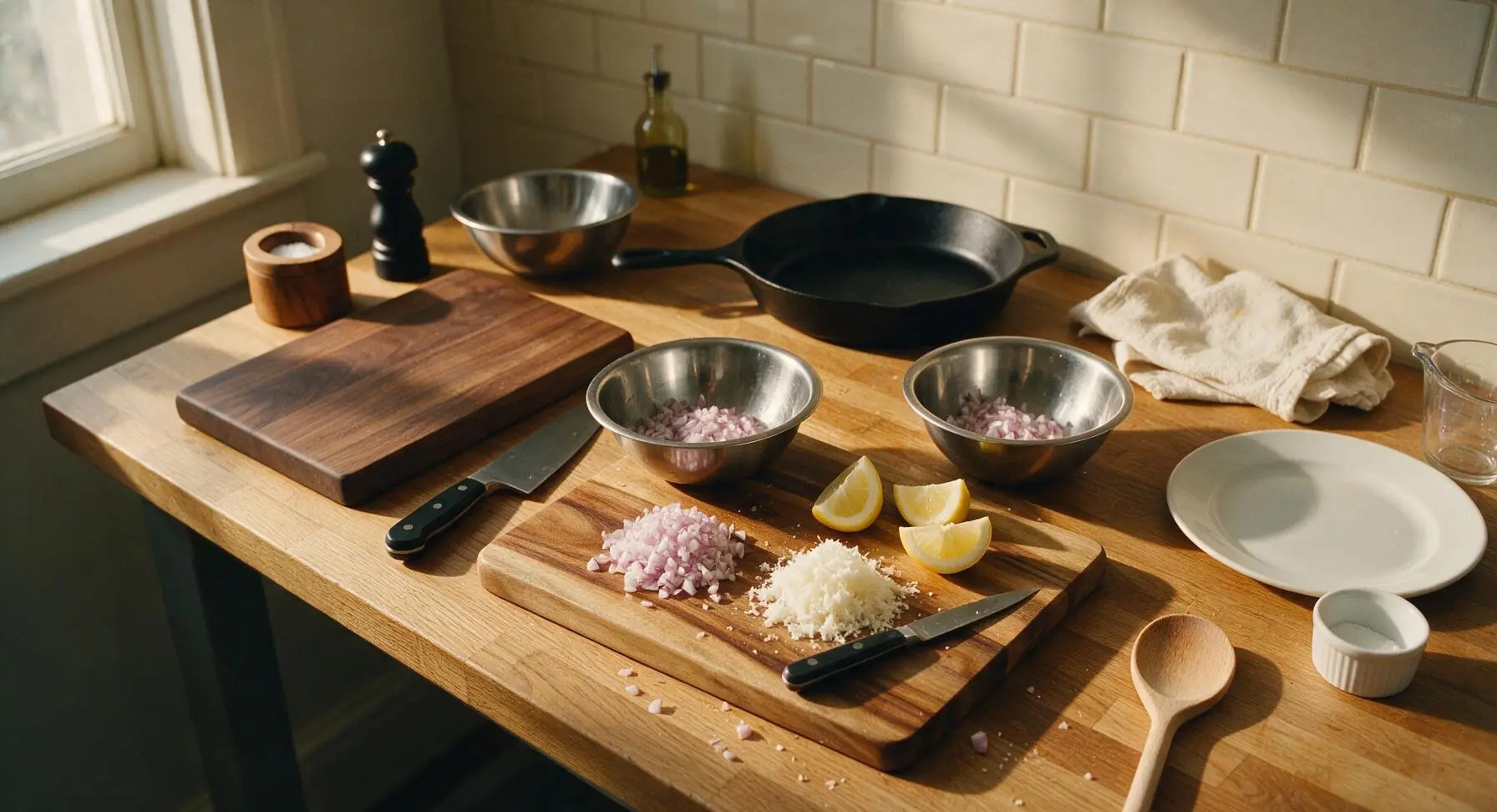
Chop Sauce Aromatics

Set the acacia cutting board in the center of the work surface. Use the paring knife to finely dice the shallot into uniform 1mm pieces, splitting the diced shallot evenly between the two stainless steel mixing bowls. Peel the outer skin from the horseradish root, grate it into fine, fluffy shreds, and set aside in a small pile on the edge of the cutting board. Cut the lemon into 4 equal wedges, pick out any visible seeds, and set next to the horseradish.
Step 2
step2:Chop Sauce Aromatics
3

Mix Classic Mignonette

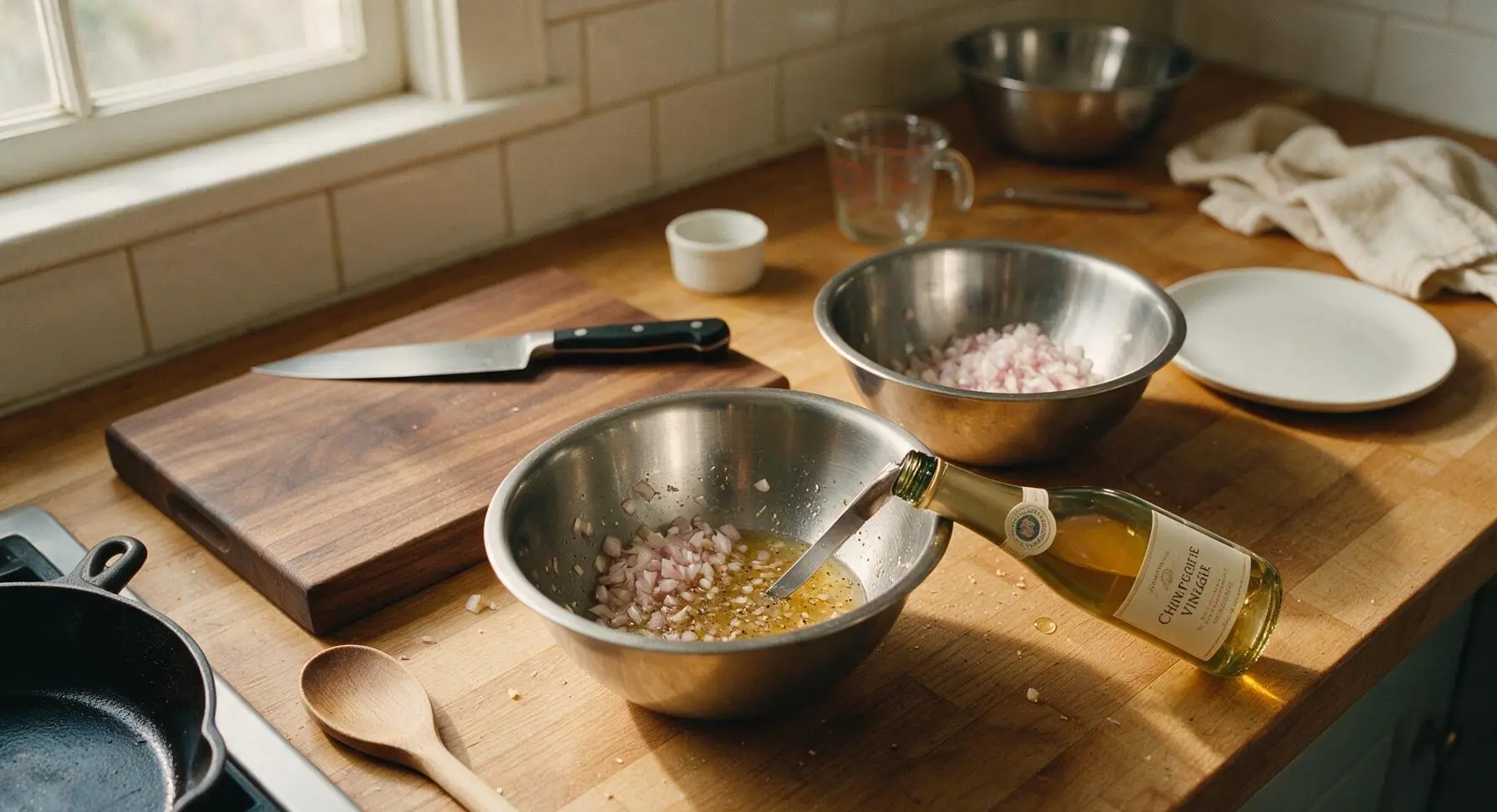
To the first stainless steel bowl with half the diced shallot, add 2 tablespoons champagne vinegar, 1/2 teaspoon cracked black pepper, and 1/4 teaspoon coarse sea salt. Stir gently with the tip of the paring knife to combine, then set aside at room temperature for 10 minutes to let the shallot mellow and flavors meld. The finished sauce will be pale translucent gold, flecked with dark pepper and pale shallot bits.
Step 3
step3:Mix Classic Mignonette
4

Mix Yuzu Mignonette

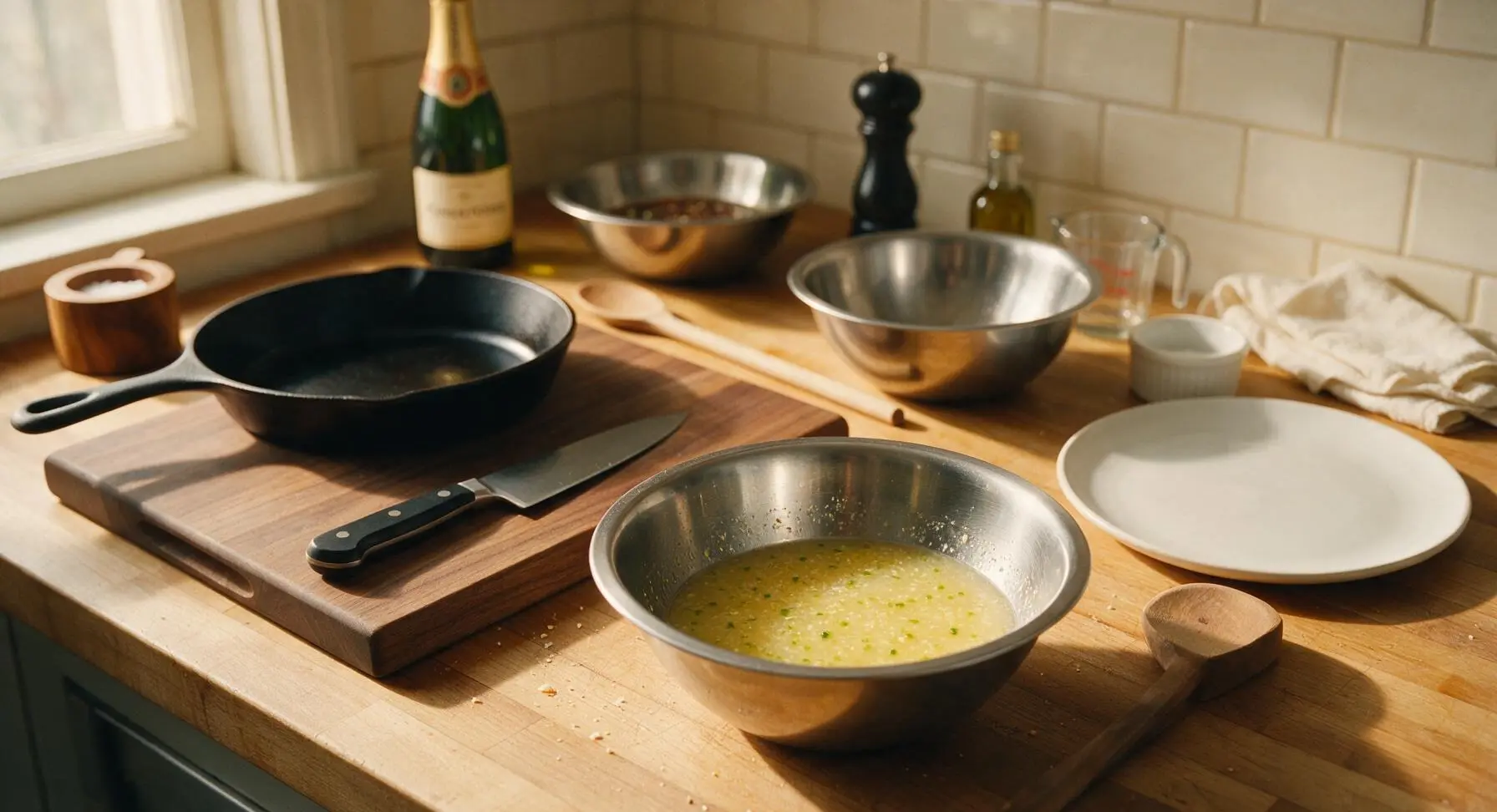
To the second stainless steel bowl with the remaining diced shallot, add 1 tablespoon unseasoned rice vinegar and 1/2 teaspoon yuzu kosho paste. Stir gently until the paste fully dissolves into the vinegar, creating a pale cloudy yellow sauce dotted with tiny green chili flecks. Set aside to meld alongside the classic mignonette.
Step 4
step4:Mix Yuzu Mignonette
5

Shuck Chilled Oysters

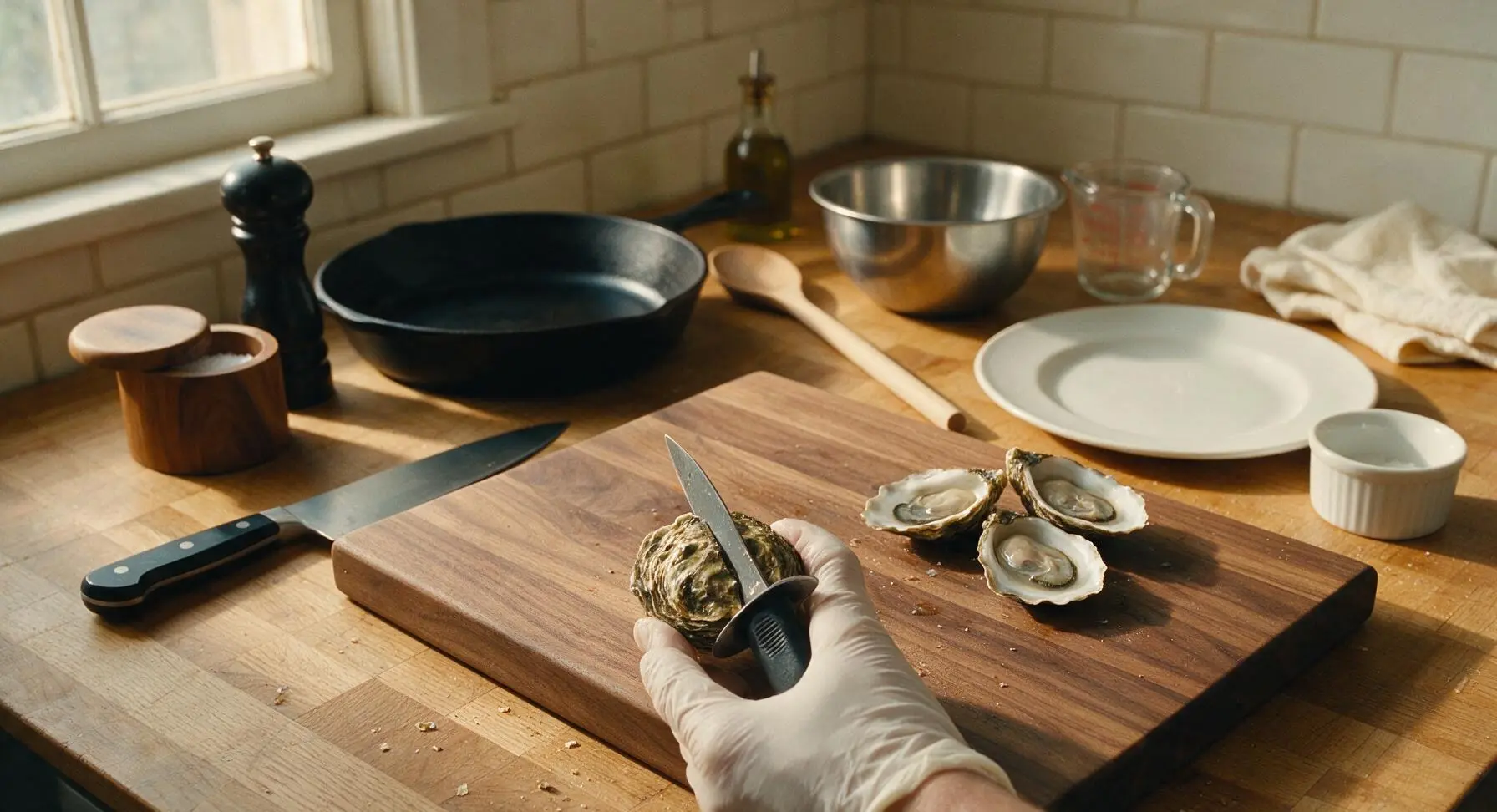
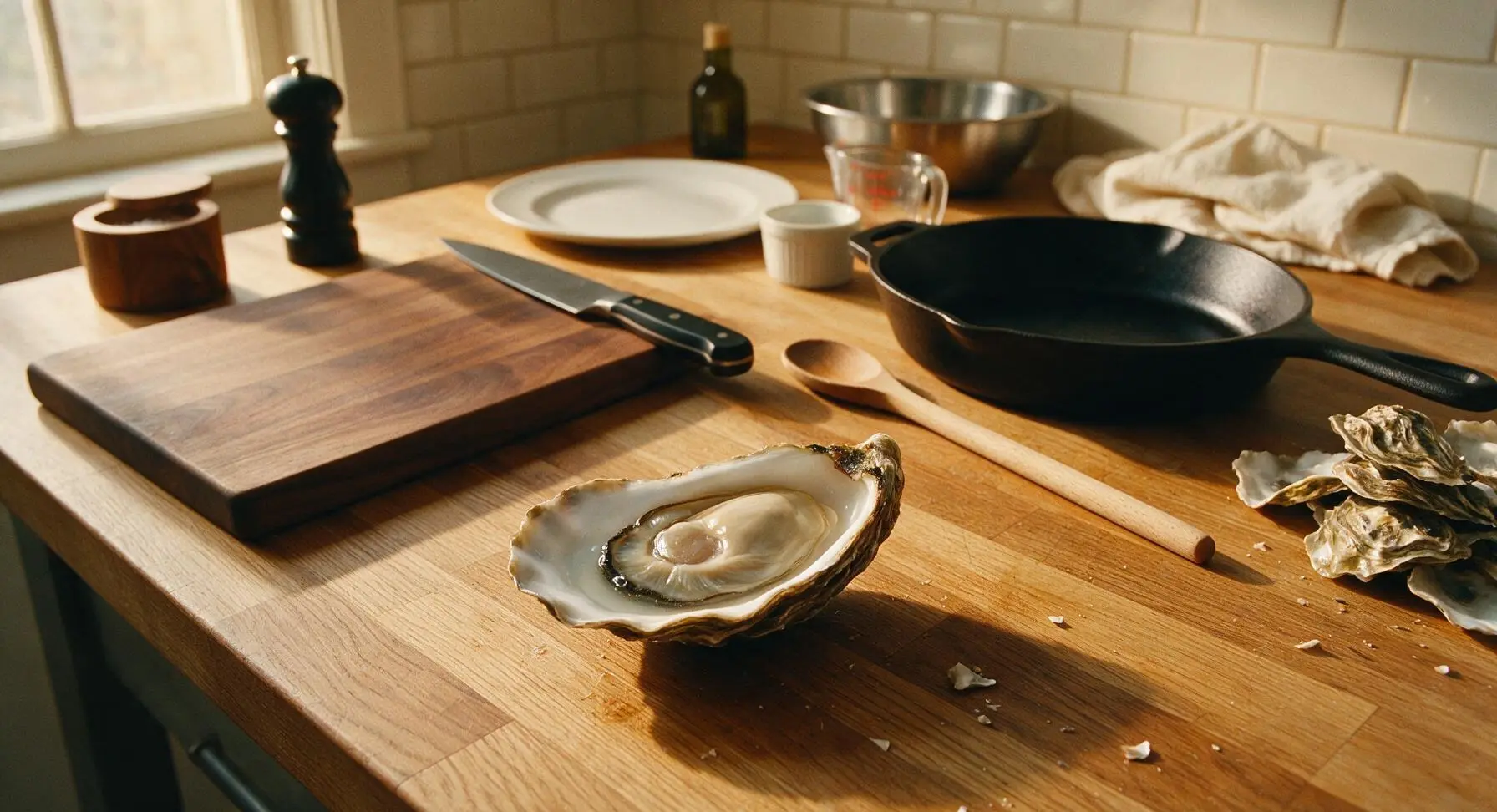
Slip the canvas oyster glove onto your non-dominant hand. Hold one chilled oyster cupped-side down, flat-side up, firmly on the edge of the acacia cutting board. Wedge the rounded tip of the oyster shucking knife into the narrow hinge of the shell, twist firmly to pop the seal, then slide the blade along the inside of the top shell to cut the adductor muscle. Lift off the top shell, then run the knife under the oyster meat to release it from the bottom cupped shell, taking care not to spill the clear, briny oyster liquor. Pick out any small shell fragments that fall into the meat, then set the shucked oyster aside on the empty edge of the counter. Repeat with all 6 oysters.
Step 5
step5:Shuck Chilled Oysters
Step 5
step5:Shuck Chilled Oysters
6

Build Ice Platter Base

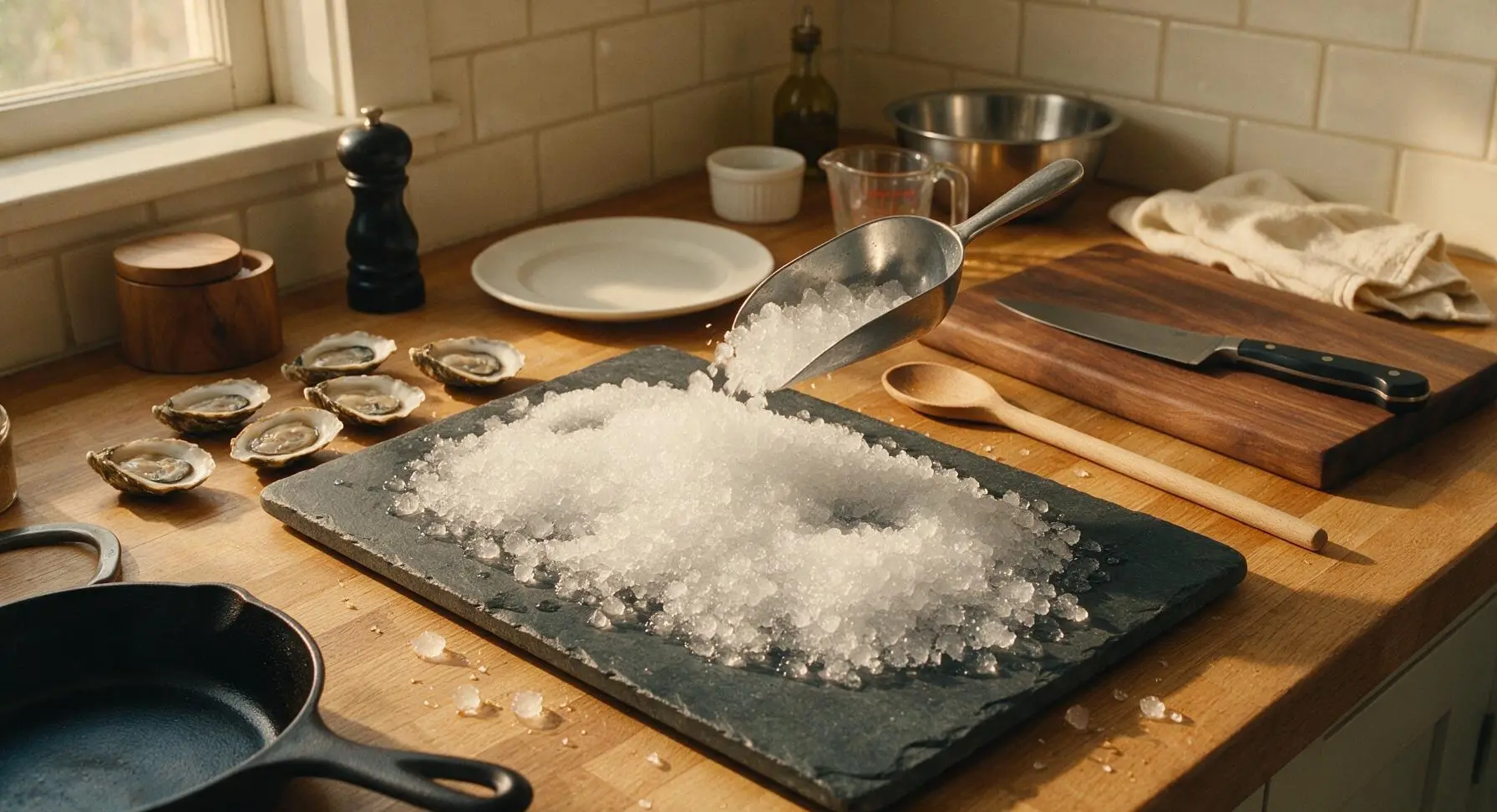
Set the large rectangular slate platter center on the counter. Use the stainless steel ice scoop to mound 4 cups of crushed ice across the center of the platter, creating a gently sloped, uneven surface. Pat the ice down lightly with the back of the scoop to create small, stable indentations that will hold the oyster shells level and prevent liquor from spilling.
Step 6
step6:Build Ice Platter Base
7

Arrange and Garnish Flight

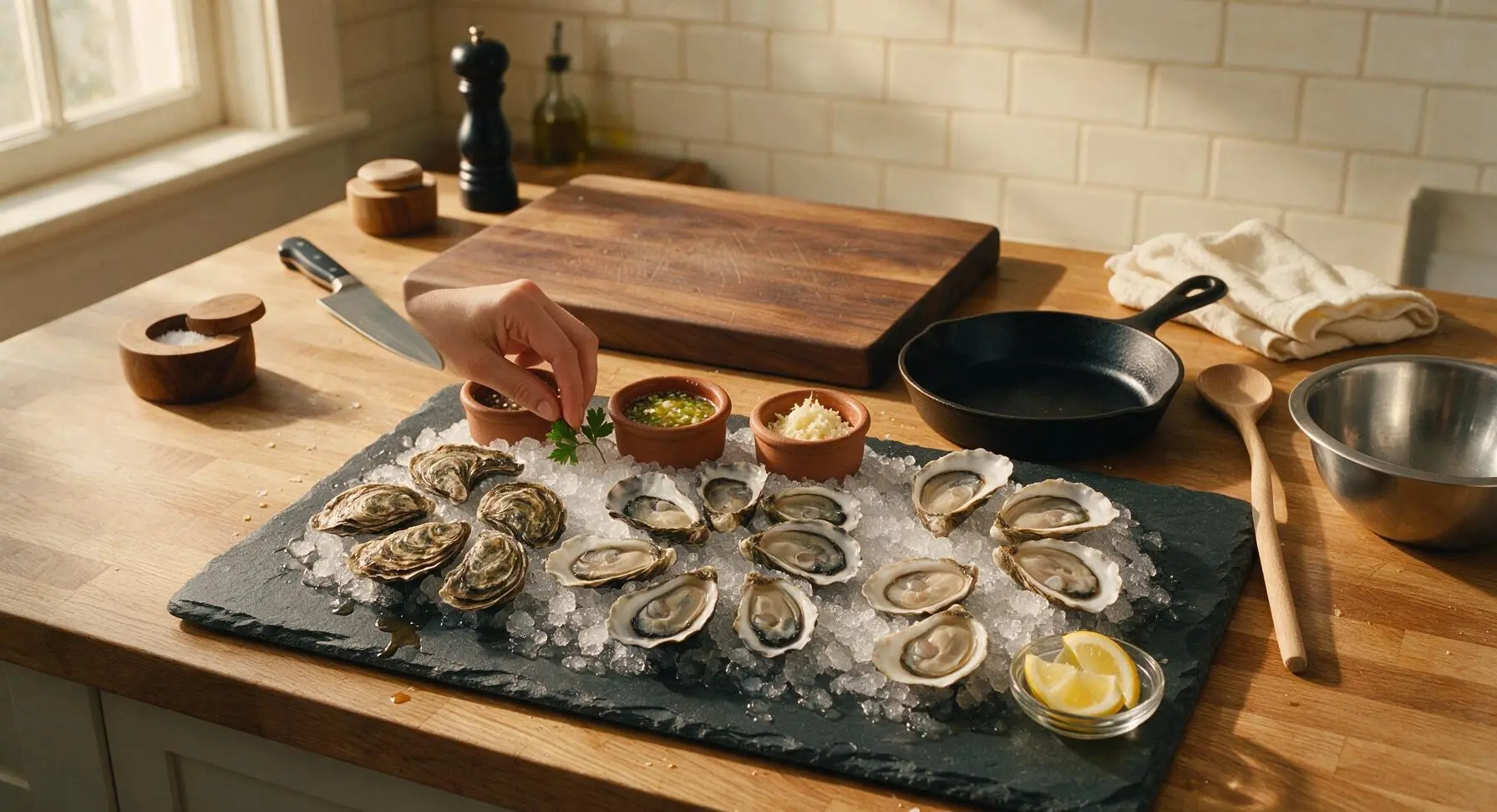
Nestle the shucked oysters into the ice indentations, grouped by variety for easy tasting: place the sweet, mild Kumamoto oysters on the right, briny Pacific oysters in the center, and mineral-rich Belon oysters on the left. Press each shell gently into the ice to ensure it sits level. Spoon the classic mignonette, yuzu kosho mignonette, and fresh grated horseradish into the three terracotta ramekins, then nestle the ramekins into the ice at the top edge of the platter. Set the clear glass dish of lemon wedges on the bottom right of the platter, tucking one small sprig of flat-leaf parsley into the ice near the ramekins as a subtle garnish. Serve immediately.
Step 7
step7:Arrange and Garnish Flight

Tips

1.Never use a regular paring knife to shuck oysters: the thin, sharp blade can slip on wet shells and cause serious cuts. A dedicated oyster knife with a thick, blunt tip and protective hand glove is non-negotiable for safe shucking.
2.Keep oysters chilled at 40°F (4°C) or below right up until shucking and serving: warm oysters lose their bright briny flavor and pose a higher food safety risk, so avoid leaving them at room temperature for longer than 10 minutes at a time.
3.Taste oysters from mildest to strongest for the best experience: start with the sweet, fruity Kumamotos paired with bright yuzu mignonette, move to the briny, cucumber-noted Pacific oysters paired with fresh lemon, and finish with the bold, mineral-forward Belons paired with classic shallot mignonette to fully appreciate each oyster's unique terroir.
✨ You May Also Like

Snacks & Appetizers
🍜 Mexico

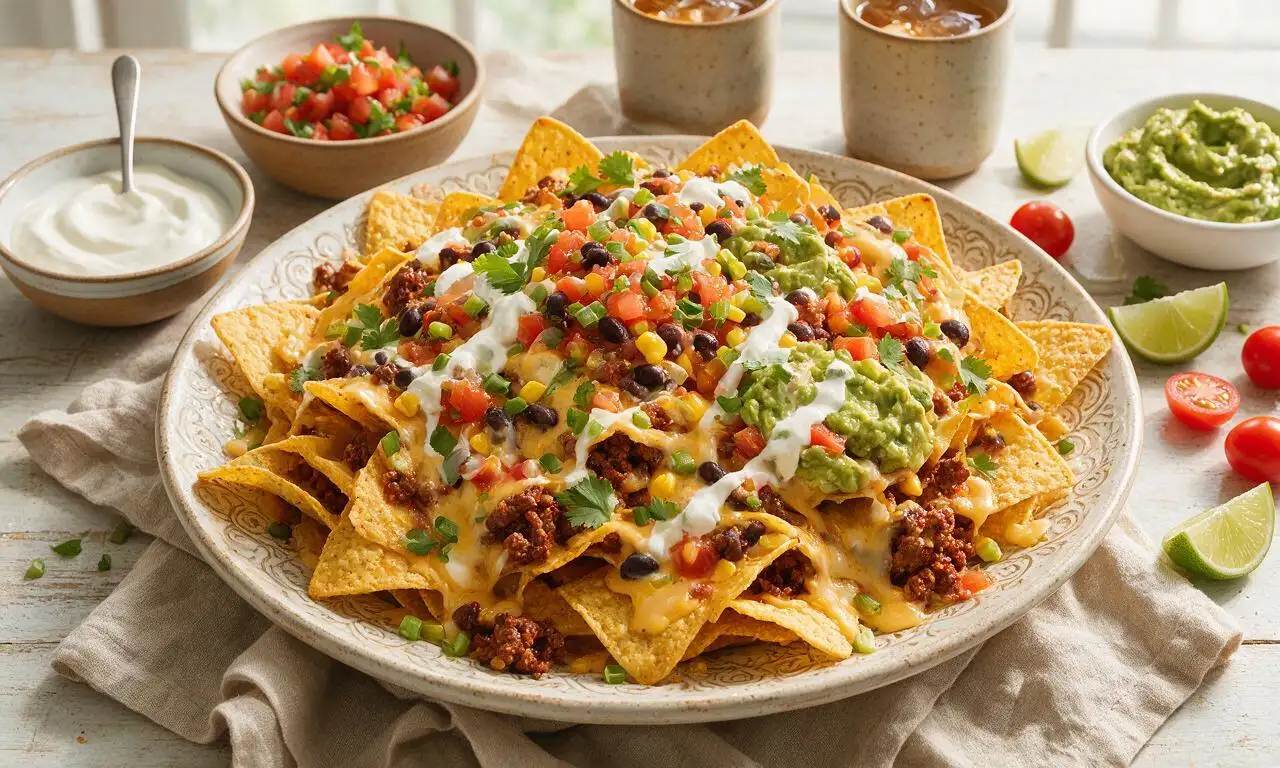
Crispy thick-cut tortilla chips piled high with seasoned beef, melted cheese, and bright fresh toppings for a shareable, crowd-favorite bite.

⏱️ 25 minuteSnacks & Appetizers ★ 4.8
Snacks & Appetizers
🍜 United States

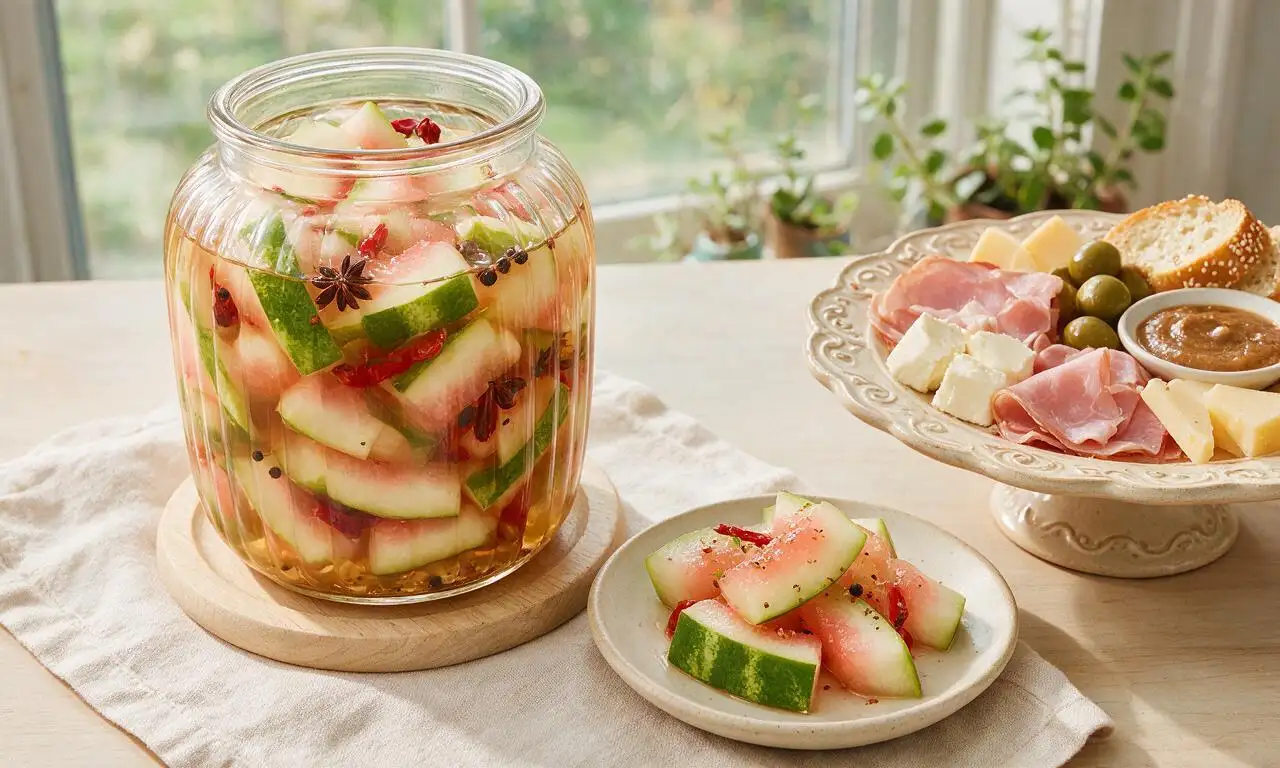
Crisp, sweet-tangy spiced pickled watermelon rind is a zero-waste summer staple, perfect with grilled meats, charcuterie, or eaten straight from the jar as a bright snack.

⏱️ 30 minuteSnacks & Appetizers ★ 4.6
Snacks & Appetizers
🍜 Germany

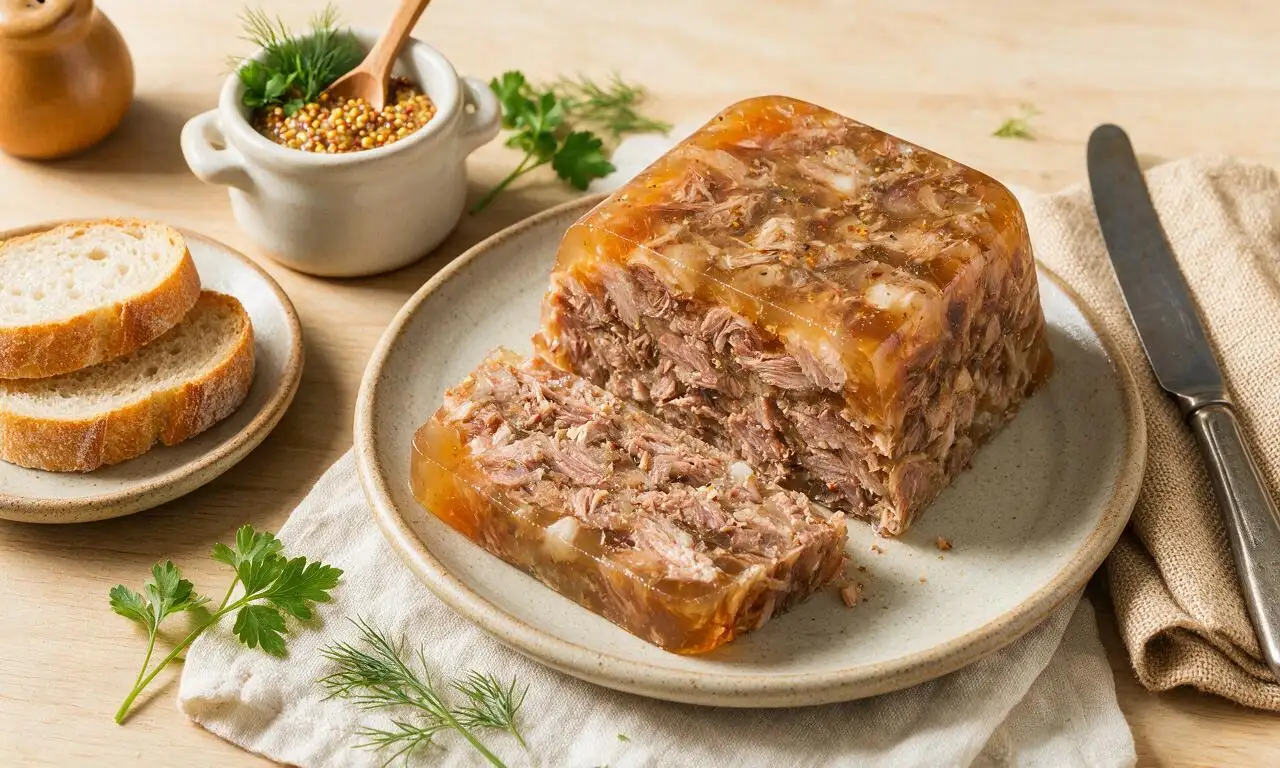
A tangy, jellied pork cold cut slow-simmered with aromatic spices, set into a firm sliceable loaf, served cold with mustard and crusty bread.

⏱️ 3 hours 4Snacks & Appetizers ★ 4.8
Snacks & Appetizers
🍜 United States

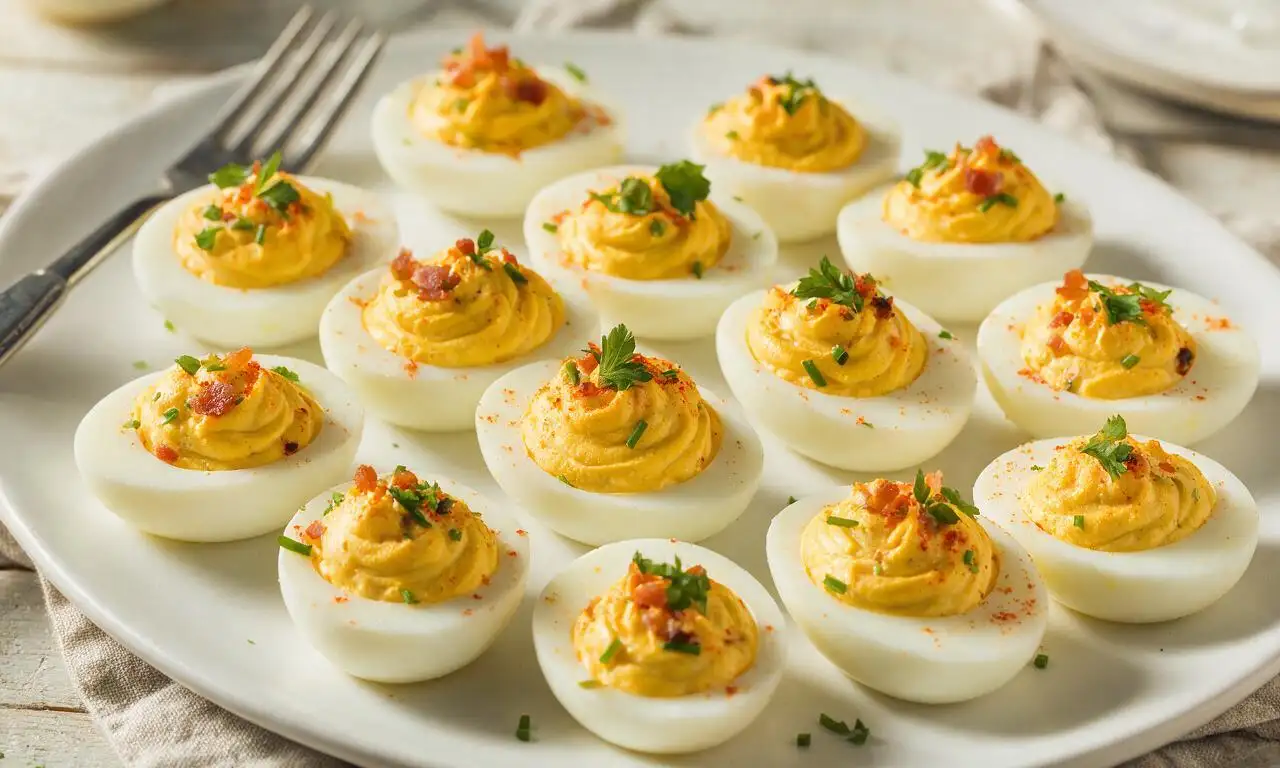
Creamy, tangy, perfectly seasoned hard-boiled egg halves filled with a rich, smooth yolk mixture, a timeless, crowd-pleasing bite for holiday and casual gatherings alike.

⏱️ 40 minuteSnacks & Appetizers ★ 4.8
Snacks & Appetizers
🍜 Russia

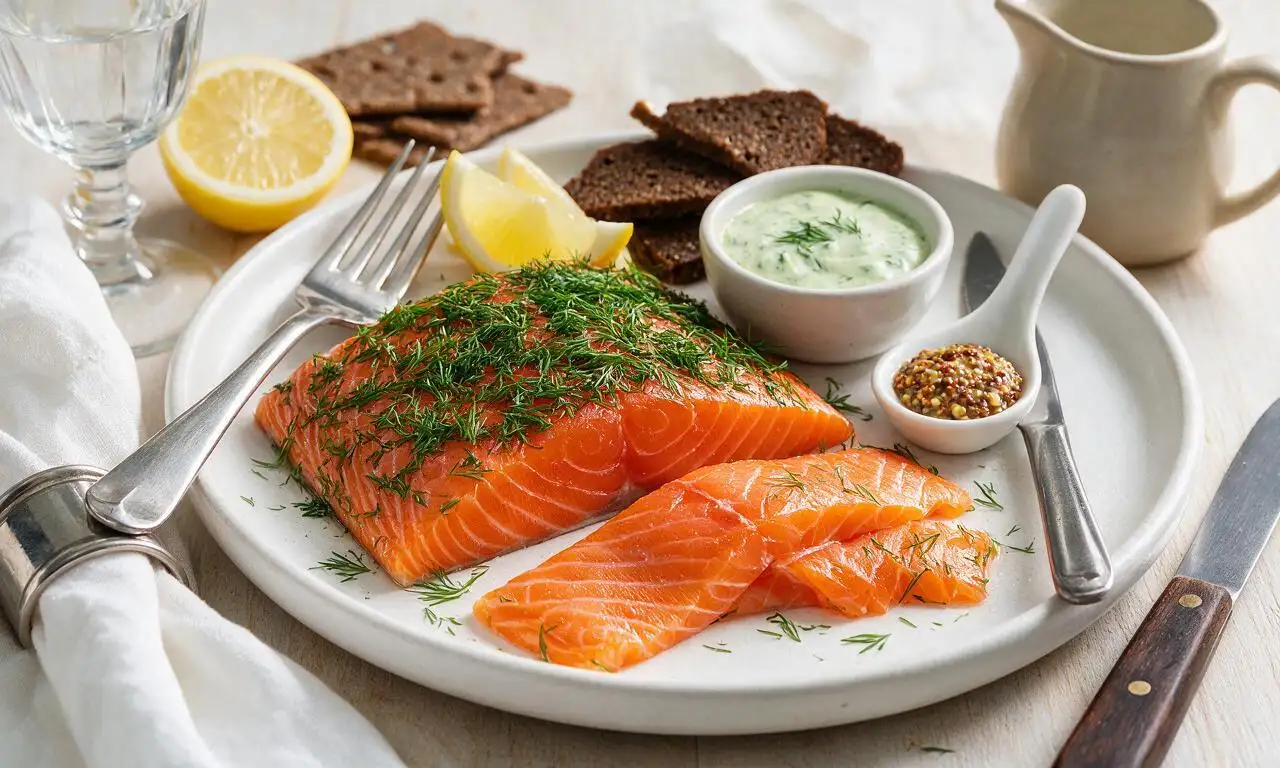
Silky, dill-forward no-smoke cured salmon, a Scandinavian classic with bright salty-sweet flavor, ideal for holiday starter platters and open-faced rye sandwiches.

⏱️ 48 hours Snacks & Appetizers ★ 4.7
Snacks & Appetizers
🍜 Japan

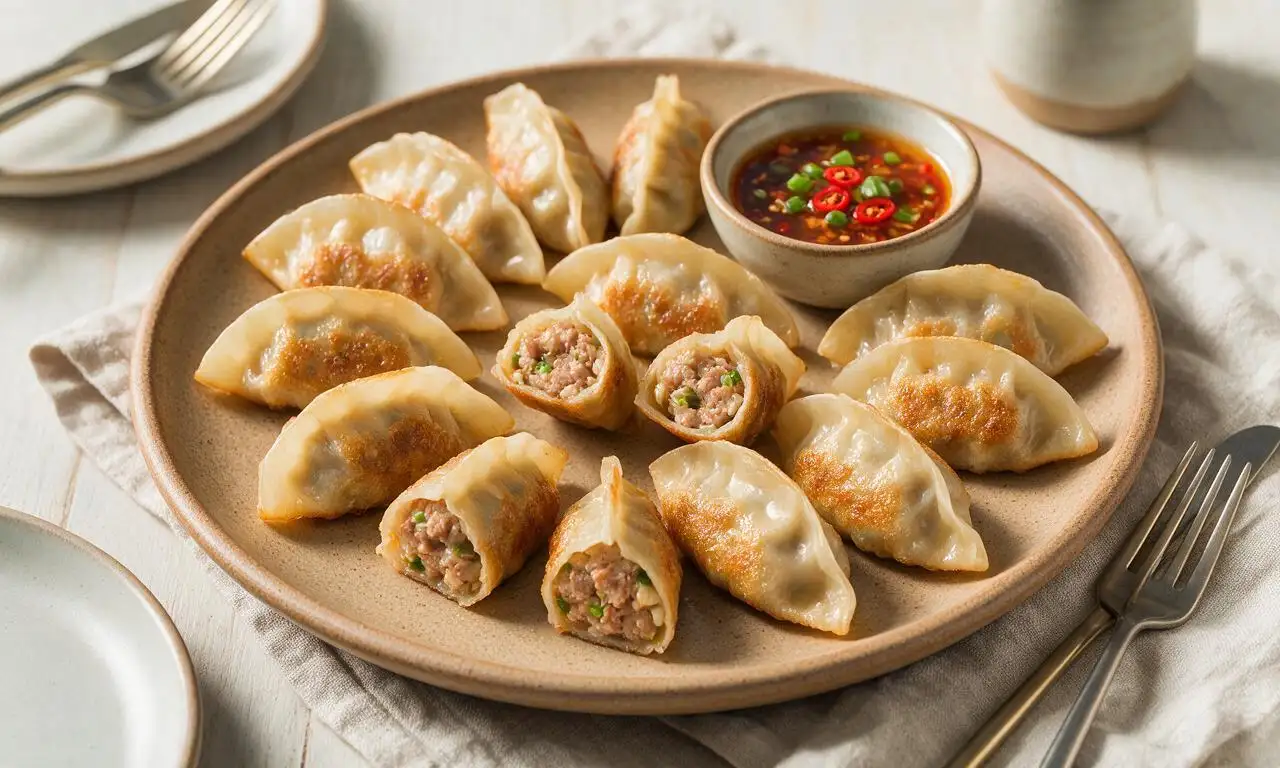
Crisp golden bottoms, juicy savory pork and vegetable filling, and tangy dipping sauce make these pan-fried gyoza a beloved shareable bite.

⏱️ 45 minuteSnacks & Appetizers ★ 4.8

Oyster Flight:Frequently Asked Questions

1.What makes this curated raw oyster flight different from a standard half-dozen raw oyster order? ▾
Great question! Unlike a random half-dozen pick, this flight is intentionally structured to walk you through three distinct oyster profiles—briny Pacific, crisp mineral-forward Belon, and sweet, creamy Kumamoto—with light, balanced vinegar accompaniments designed to highlight, not overpower, each oyster’s unique traits instead of masking them.
2.What order should I taste the oysters in to get the best experience? ▾
Always taste from lightest, sweetest to boldest, briniest to avoid overwhelming your palate early on. Start with the mild, buttery Kumamotos, move to the bright, briny Pacific oysters, and finish with the bold, mineral-dense Belons. This order lets you pick up every subtle nuance without strong flavor carryover throwing off your taste buds.
3.Can I shuck the oysters for this flight ahead of time if I’m hosting guests? ▾
I don’t recommend shucking more than 30 minutes before serving, even if you keep them cold. Raw oysters lose their briny, flavorful internal liquor quickly once shucked, and can dry out or pick up off-flavors from the fridge. If you’re short on time, ask your fishmonger to shuck them day-of, packed tightly on ice to retain freshness.
4.What are the key flavor differences between the three oyster varieties in this flight? ▾
Each has a distinct signature profile: Kumamotos are small, deep-cupped, with sweet, melon-like notes and very low brininess. Pacific oysters are medium-sized, bright, briny, with a crisp cucumber finish. Belons (European flats) have a bold, metallic, mineral-forward bite, often described as having subtle coppery, fresh seaweed notes.
5.Do I really need both Champagne vinegar and unseasoned rice vinegar for the accompaniments? ▾
Absolutely! The two vinegars serve different purposes for different oysters. Bright, tart Champagne vinegar mixed with shallot and pepper pairs beautifully with brinier Pacific and bold Belon oysters, while milder, slightly sweet unseasoned rice vinegar complements the delicate, sweet flavor of Kumamotos without overwhelming their soft notes.
6.How should I store fresh, unshucked oysters before preparing this flight? ▾
Store unshucked oysters cup-side down in a single layer on a tray in the coldest part of your fridge (34–38°F), covered with a damp paper towel, for up to 3 days. Never store them in an airtight container or submerged in fresh water—they need to breathe to stay alive, and fresh water will kill them quickly and ruin their briny flavor.
7.Is it okay to serve cocktail sauce or horseradish with this oyster flight? ▾
You absolutely can, but I’d recommend trying the oysters first with the simple vinegar accompaniments to taste each oyster’s natural profile. Bold, spicy cocktail sauce and sharp horseradish will overpower the delicate sweetness of Kumamotos and nuanced mineral notes of Belons, so save those toppings for brinier Pacific oysters if you use them.
8.How do I tell if an oyster is bad and unsafe to eat? ▾
First, toss any unshucked oyster that’s already open and doesn’t snap closed when you tap it firmly—that means it’s dead. Once shucked, any oyster with a strong, sour, or rotten sulfur smell is unsafe; fresh oysters should smell like clean, cold ocean brine with no off odors. When in doubt, throw it out—it’s never worth the risk of foodborne illness.
9.What’s the best way to serve this flight to keep oysters cold during a meal? ▾
Crushed ice is your best bet! Pile crushed ice onto a large shared platter or individual small tasting plates, nestle shucked oysters half-shell into the ice cup-side down to hold their precious liquor, and tuck small ramekins of the two vinegars and cracked pepper on the side. The ice keeps oysters at a safe, crisp cold temperature for 1–2 hours at room temp.
10.Should I rinse oysters under water after shucking them for the flight? ▾
Skip the rinse entirely! That clear, slightly briny liquid inside the shell (called oyster liquor) is packed with the oyster’s signature fresh, sea-forward flavor. Rinsing will wash that away and leave you with a bland, watery oyster. Just pick out any tiny bits of broken shell with the tip of your shucking knife after opening, and you’re good to go.
11.Can I substitute other oyster varieties if I can’t find Belon, Kumamoto, or Pacific oysters? ▾
Definitely! Just stick to the core flavor profile structure to keep the tasting balanced: pick one mild, sweet, low-brine oyster (like East Coast Wellfleets as a Kumamoto swap), one bright, medium-brine oyster (like Blue Points for Pacific), and one bold, mineral-heavy oyster (like Malpeques for Belon) to mirror the original flight’s range.
12.How finely should I chop the shallot for the Champagne vinegar mignonette? ▾
Chop it as finely as you can, aiming for 1/8-inch dice at most. Large, chunky shallot pieces will overpower the oyster with sharp, raw onion bite when you take a bite. Once chopped, let it sit in the Champagne vinegar for 10 minutes before serving to mellow that sharp raw edge and let the flavors meld together.
13.Is this oyster flight a good option for people who have never eaten raw oysters before? ▾
It’s actually perfect for first-timers! The mix of profiles lets new eaters test a range of flavors without jumping straight to the boldest, briniest oysters. Start with the sweet, mild Kumamoto to get comfortable with the texture, then work your way up, using a tiny splash of mild rice vinegar for extra brightness if you’d like.
14.How much cracked black pepper should I add to the vinegar accompaniment? ▾
Start with 1/4 teaspoon of freshly cracked coarse black pepper per 1/4 cup of Champagne vinegar, then adjust to taste. You want just enough warm, peppery bite to cut the richness of the oysters and brighten the vinegar, not so much that it adds noticeable heat that covers up the oyster’s natural flavor. Skip pre-ground pepper—it tastes flat and dusty.
15.What drinks pair best with this curated raw oyster flight? ▾
Stick to crisp, dry, high-acid drinks to match the oysters’ brine. Classic pairings include dry Champagne or brut sparkling wine, cold crisp pilsner or dry hard cider, or a non-alcoholic option like sparkling water with a squeeze of fresh lemon. Avoid oaky, heavy chardonnays or sweet drinks, which will clash with the oysters’ mineral notes.
16.Can I make the vinegar accompaniments ahead of time to cut down on day-of prep? ▾
You can make the Champagne-shallot mignonette up to 3 days ahead, stored in a sealed jar in the fridge—this resting time actually lets the shallot mellow and the flavors blend really nicely. Hold off on adding cracked pepper until right before serving, though, because it will turn bitter if it sits in vinegar too long. The plain rice vinegar needs no advance prep.

Comments (3)

2 hours ago

OMG I made this for my husband’s birthday dinner last weekend and it was such a hit! I picked up 3 different oyster varieties like the recipe suggested — Kumamotos from WA, Blue Points from NY, and those briny PEI ones — and paired them with the mignonette, horseradish, and lemon wedges exactly as laid out. Everyone kept asking where I learned to put together such a fancy spread, I felt like a total pro! SO good, will absolutely be doing this for our next dinner party instead of paying $40 a dozen at the downtown oyster bar.

30 minutes ago

Wait did you shuck all the oysters yourself? I’ve been scared to mess up shucking for guests, I always worry I’ll get shell bits in them or waste half the oyster! This looks so doable though, might have to bite the bullet for our next neighborhood potluck.

just now

So glad this was a birthday hit, Katie! Quick tip for anyone nervous about shucking: pop your oysters in the freezer for 10-15 minutes before shucking to relax the muscle, it makes prying them open so much easier and cuts down on broken shell bits!

2 days ago

Really solid guide for putting together an oyster flight at home! I docked one star because I wish there were more specific pairing notes for hot sauce vs mignonette for each oyster type, but the breakdown of picking different brininess levels was a total game changer. I brought this out for my family’s Sunday seafood boil and even my teen kid who swears he hates raw seafood tried one and said it wasn’t bad! Saved me a ton of money instead of going out for happy hour oysters.

yesterday

Thanks for the feedback, Jake! Great note on the sauce pairings — I’m adding a quick cheat sheet for matching oyster brininess to different toppings next week, so check back soon! So stoked your teen gave them a shot, that’s a huge win.

3 days ago

I was so intimidated to serve raw oysters at my book club potluck because I thought you needed super fancy restaurant equipment, but this guide made it totally approachable! I laid the oysters out on a big tray of crushed ice like the recipe suggested, printed little name tags for each variety so people knew what they were trying, and there were zero leftovers. My friends kept raving about how fancy and fun it was, total game changer for easy, impressive party food. 10/10, will be making this all summer long!