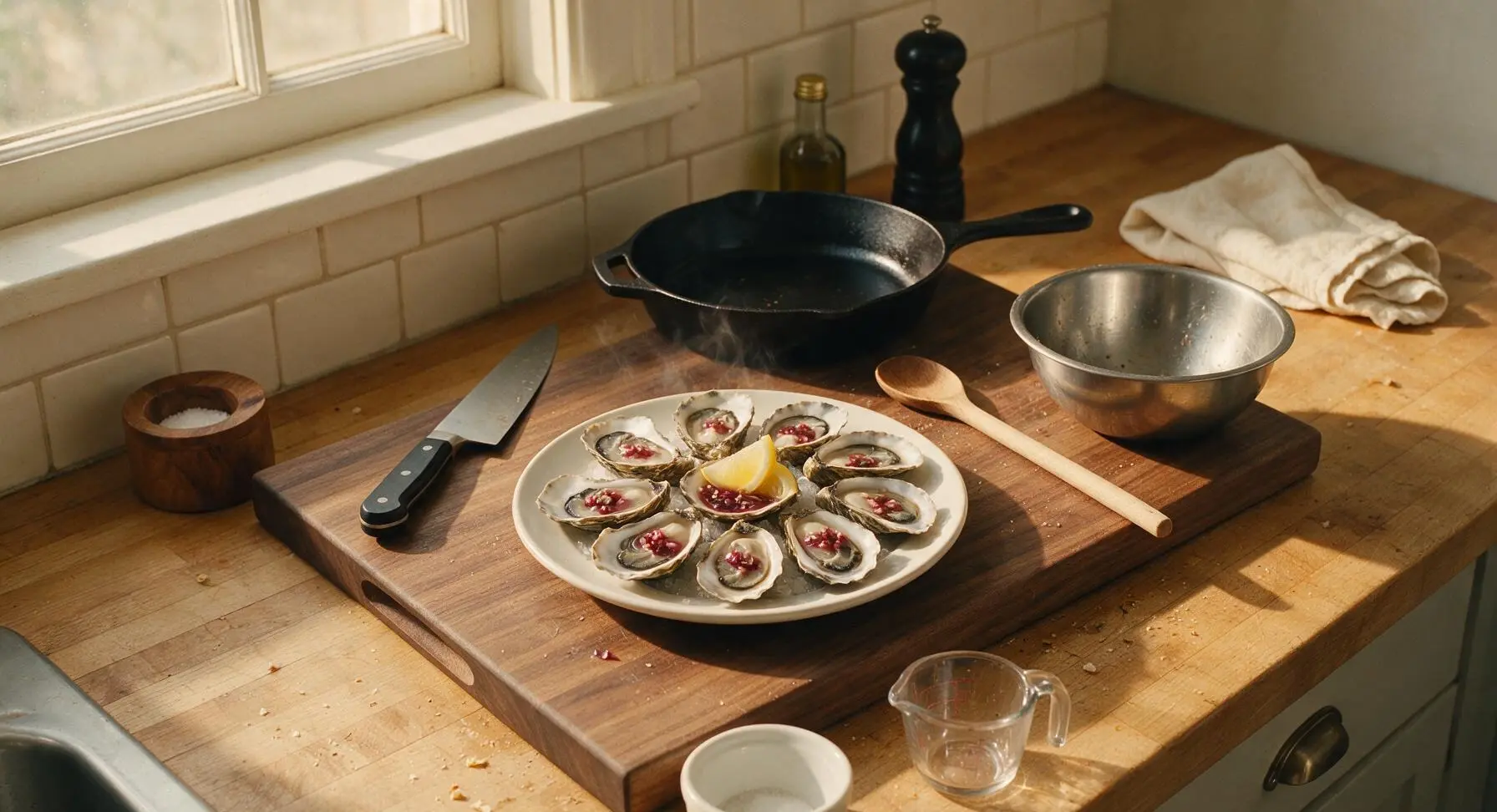
Pacific Oysters

title 1
Pacific Oysters
⏱️ cook time 0 minutes (no-cook raw preparation)
🍽️ servings 2
⚡ Difficulty medium

intro

Briny, creamy Pacific oysters on the half shell with tangy red wine mignonette and bright lemon, a light, luxurious starter for intimate autumn evenings.

Ingredients
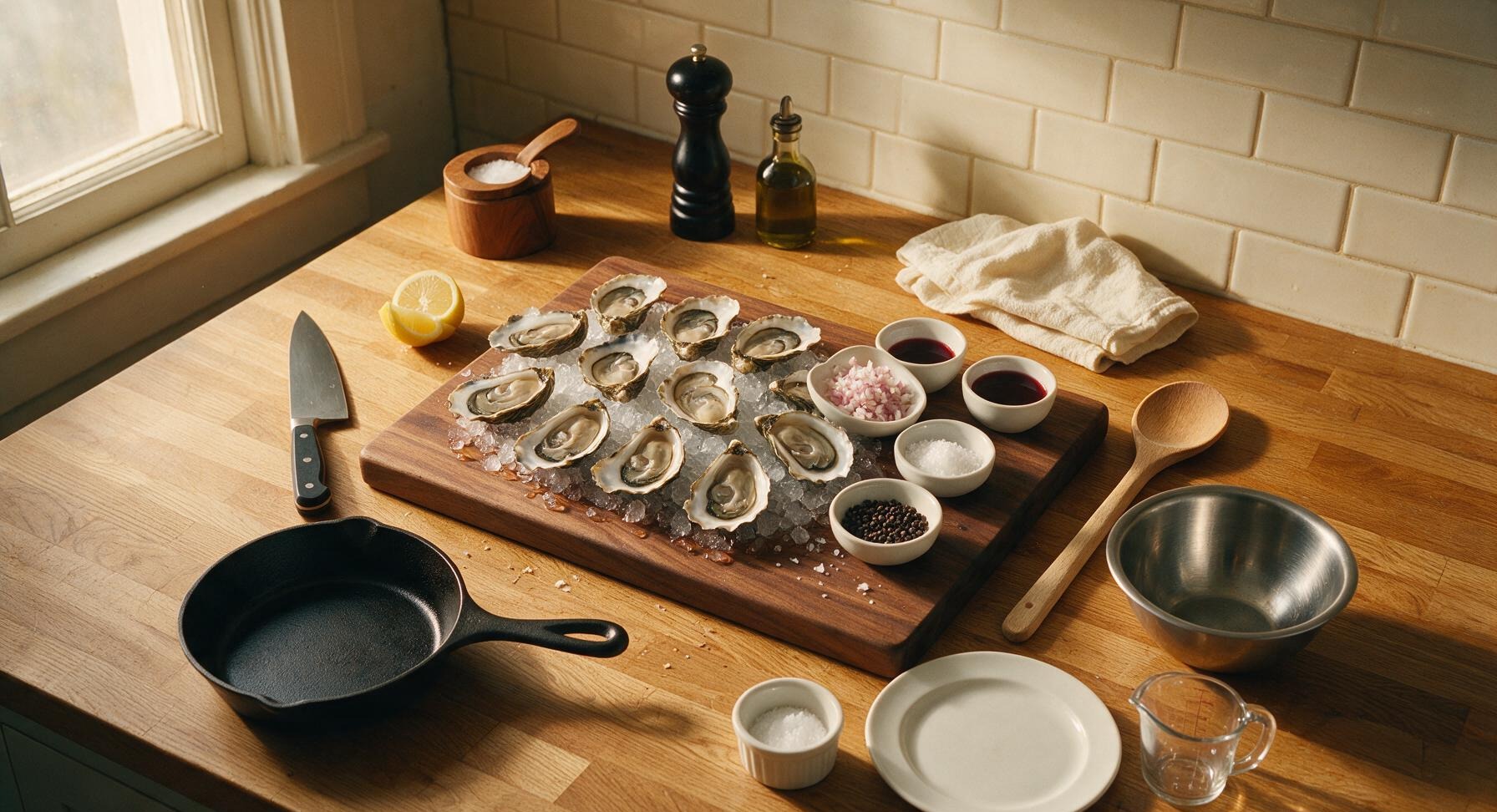
Pacific oysters (in shell) 12 medium (approx 1.2kg total, deep-cupped)
Shallot 1 small (30g, finely minced)
Red wine vinegar 2 tbsp (30ml)
Whole black peppercorns 1/4 tsp, freshly cracked
Flaky sea salt 1 pinch
Fresh lemon 1 medium (100g, cut into wedges)
Crushed ice 2 cups (for serving)

Steps

1

Make Red Wine Mignonette

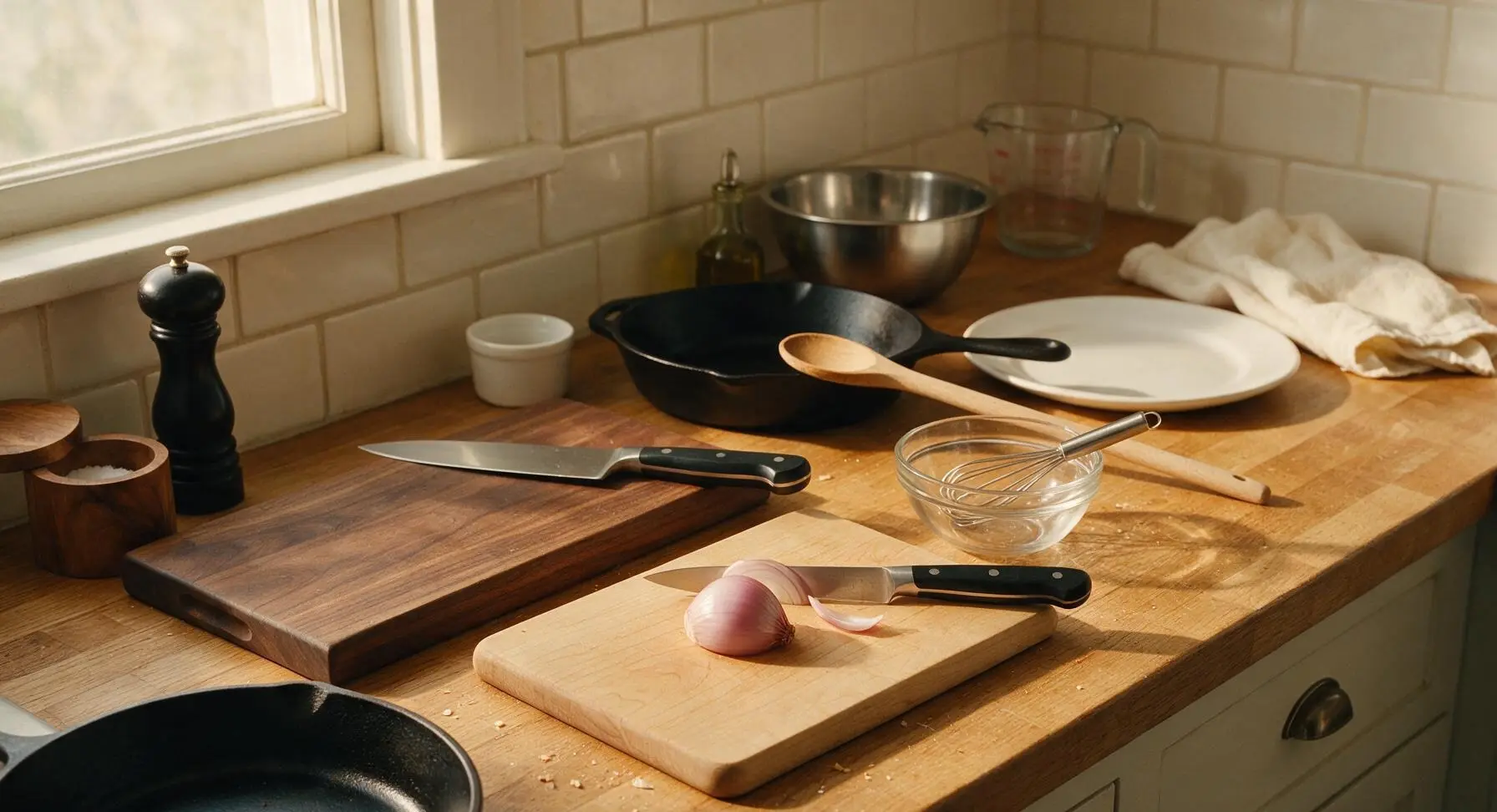
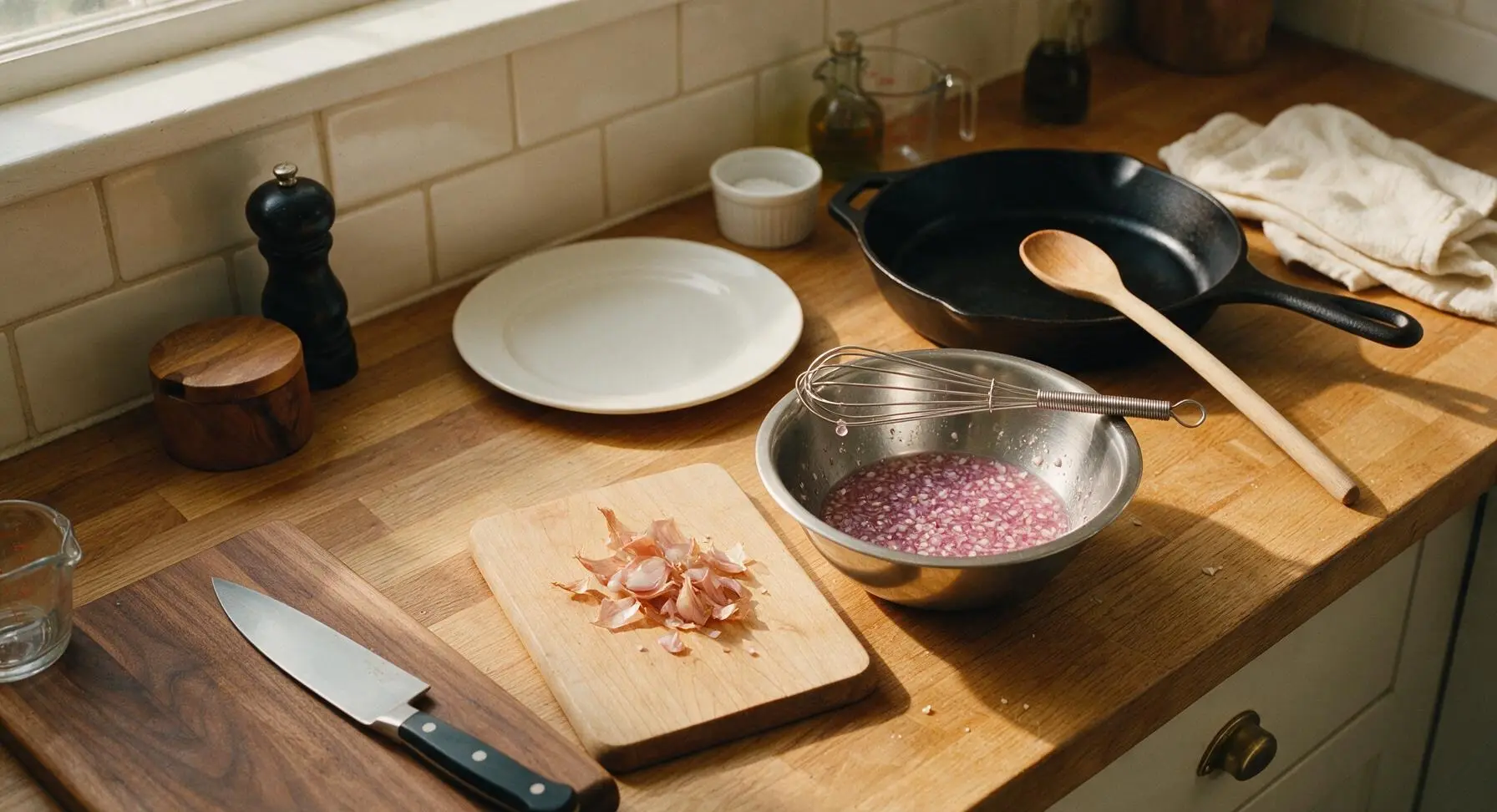
Place the small maple cutting board in the center of the work surface. Use the paring knife to peel the 30g shallot and mince it into uniform 1mm pieces, taking care not to crush the shallot (crushing releases bitter, harsh compounds). Transfer the minced shallot to the small clear glass mixing bowl, add 2 tbsp red wine vinegar, 1/4 tsp freshly cracked black pepper, and a tiny pinch of flaky sea salt. Stir with the mini stainless steel whisk until fully combined, then set the bowl aside at room temperature for 15 minutes to let flavors meld. The finished sauce will be pale pinkish-purple, with tiny flecks of shallot evenly suspended in the vinegar.
Step 1
step1:Make Red Wine Mignonette
Step 1
step1:Make Red Wine Mignonette
2

Scrub Oyster Shells

Working one at a time under cold running water (off-frame sink), use the stiff bristle seafood scrub brush to scrub away all mud, barnacles, and loose shell debris from the outer surface of each oyster. Tap any open oysters firmly; discard any that do not snap closed immediately, as these are dead and unsafe to eat. Pat scrubbed oysters dry with the edge of the navy cotton towel, then set them in a neat pile on the maple cutting board. Fully cleaned shells will feel rough but free of grit, with no slimy residue or visible mud.
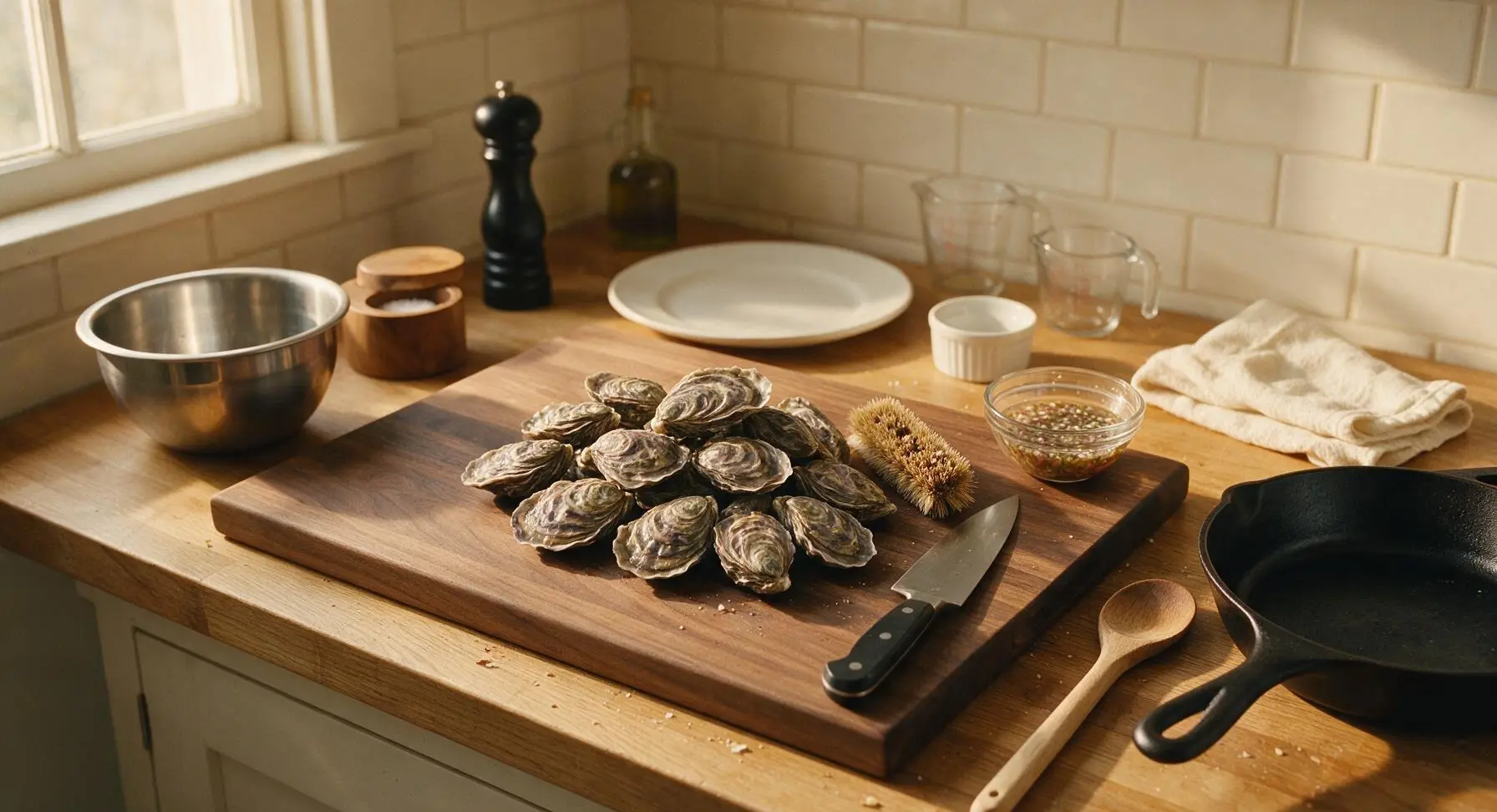
Step 2
step2:Scrub Oyster Shells
3

Set Up Shucking Station

Fold the thick navy blue cotton towel into a 10cm square padded grip and place it in the center of the maple cutting board. Arrange the stack of clean, dry oysters to the left of the towel pad, and set the oyster shucking knife to the right of the pad. Move the large matte white oyster platter to the right of the cutting board, and spread 2 cups of crushed ice evenly across its base, filling the indented wells slightly to hold oyster shells level during serving.
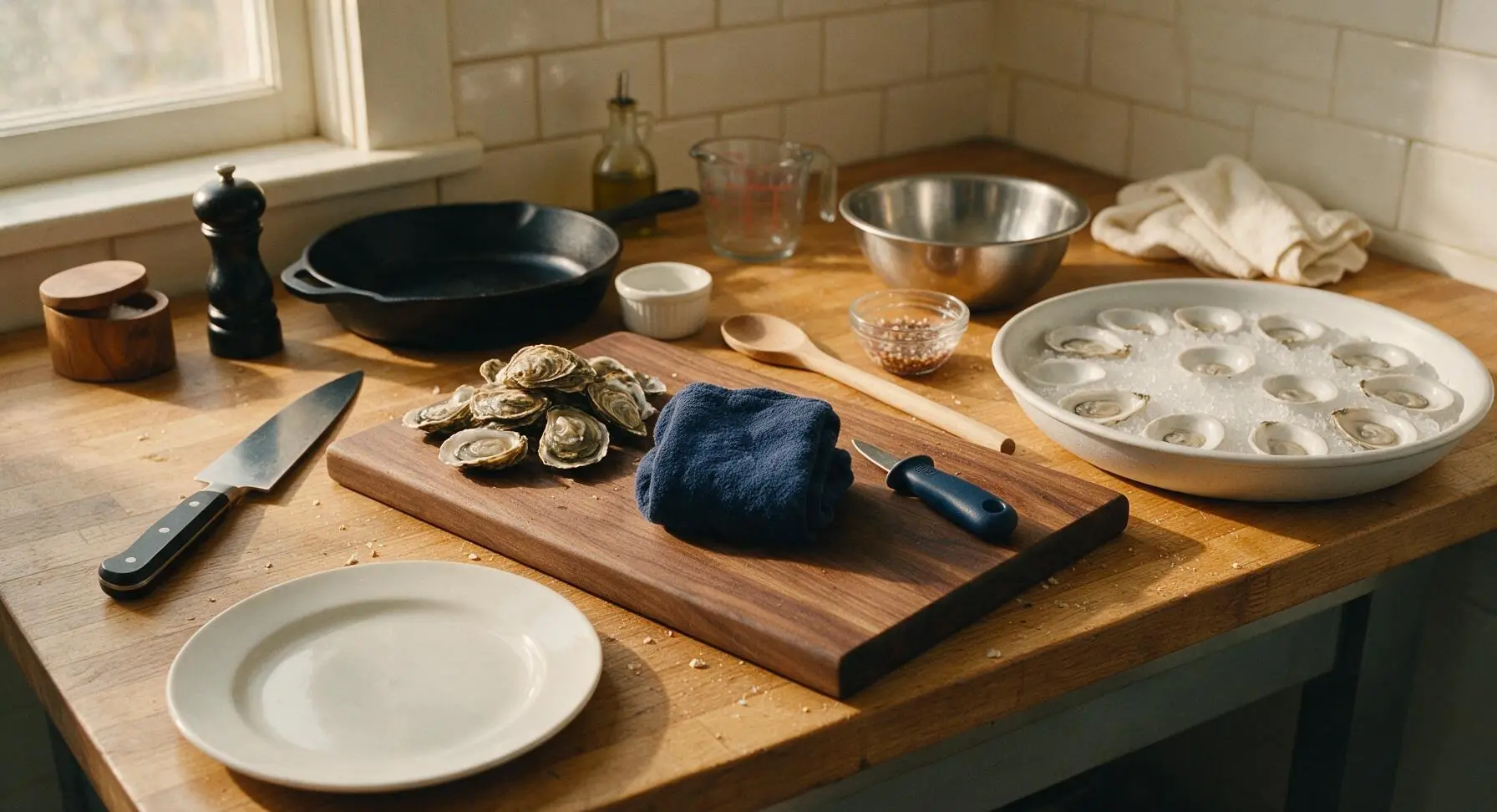
Step 3
step3:Set Up Shucking Station
4

Shuck Oysters Carefully

Hold one oyster firmly in the folded navy towel, cupped (deep) shell side down against the board, flat shell facing up, with the pointed hinged end pointing toward your dominant hand. Wedge the tapered tip of the oyster knife into the small natural gap at the hinge, applying firm steady pressure while twisting the knife 45 degrees to pop the hinge open with a quiet 'pop'. Run the blade along the inside of the top flat shell to sever the adductor muscle, then lift off and discard the top flat shell. Slide the knife under the oyster meat in the bottom cupped shell to sever the lower muscle attachment, taking care to keep all natural brine inside the shell and avoid dropping shell fragments into the meat. Repeat for all 12 oysters.
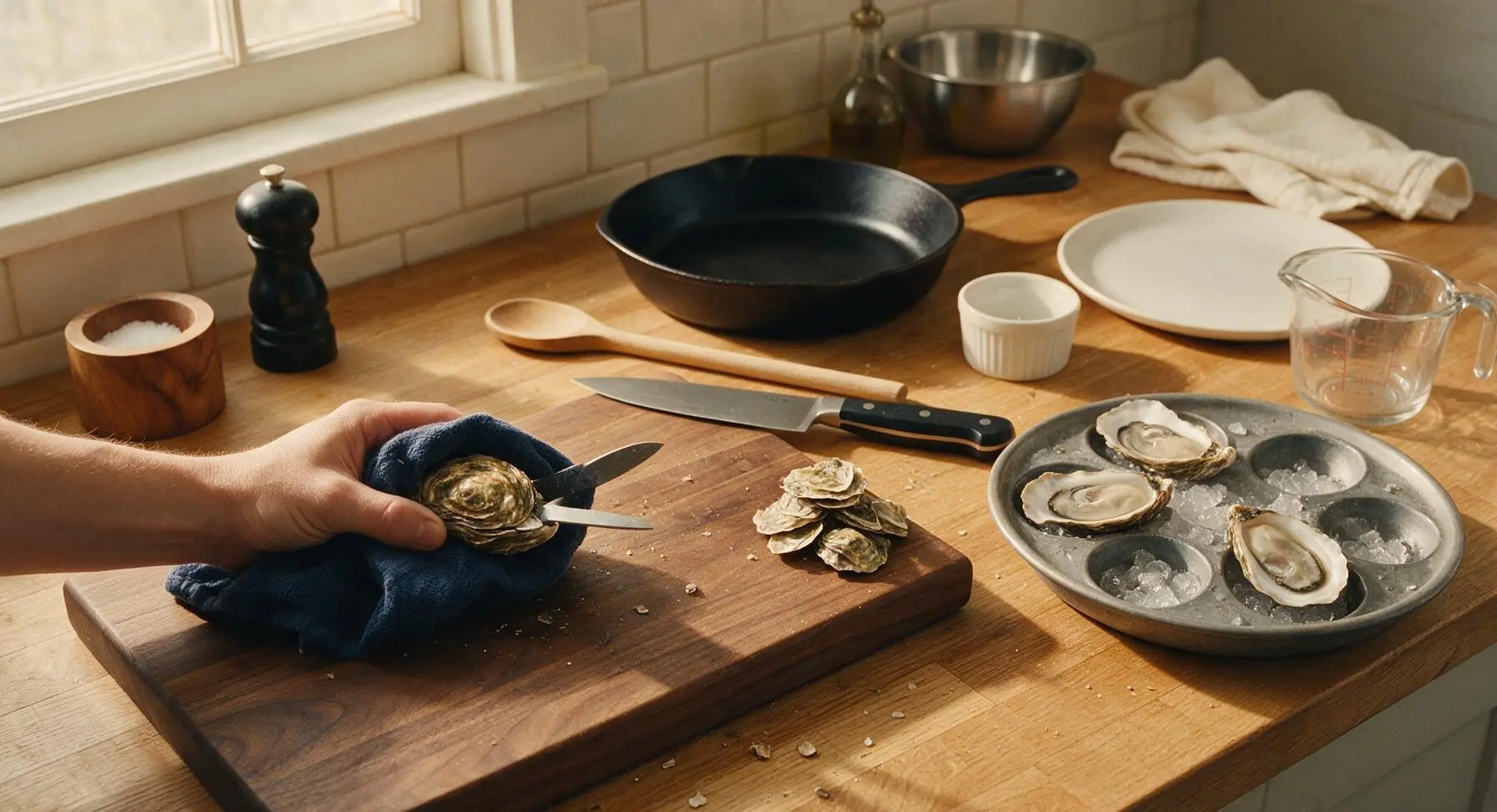
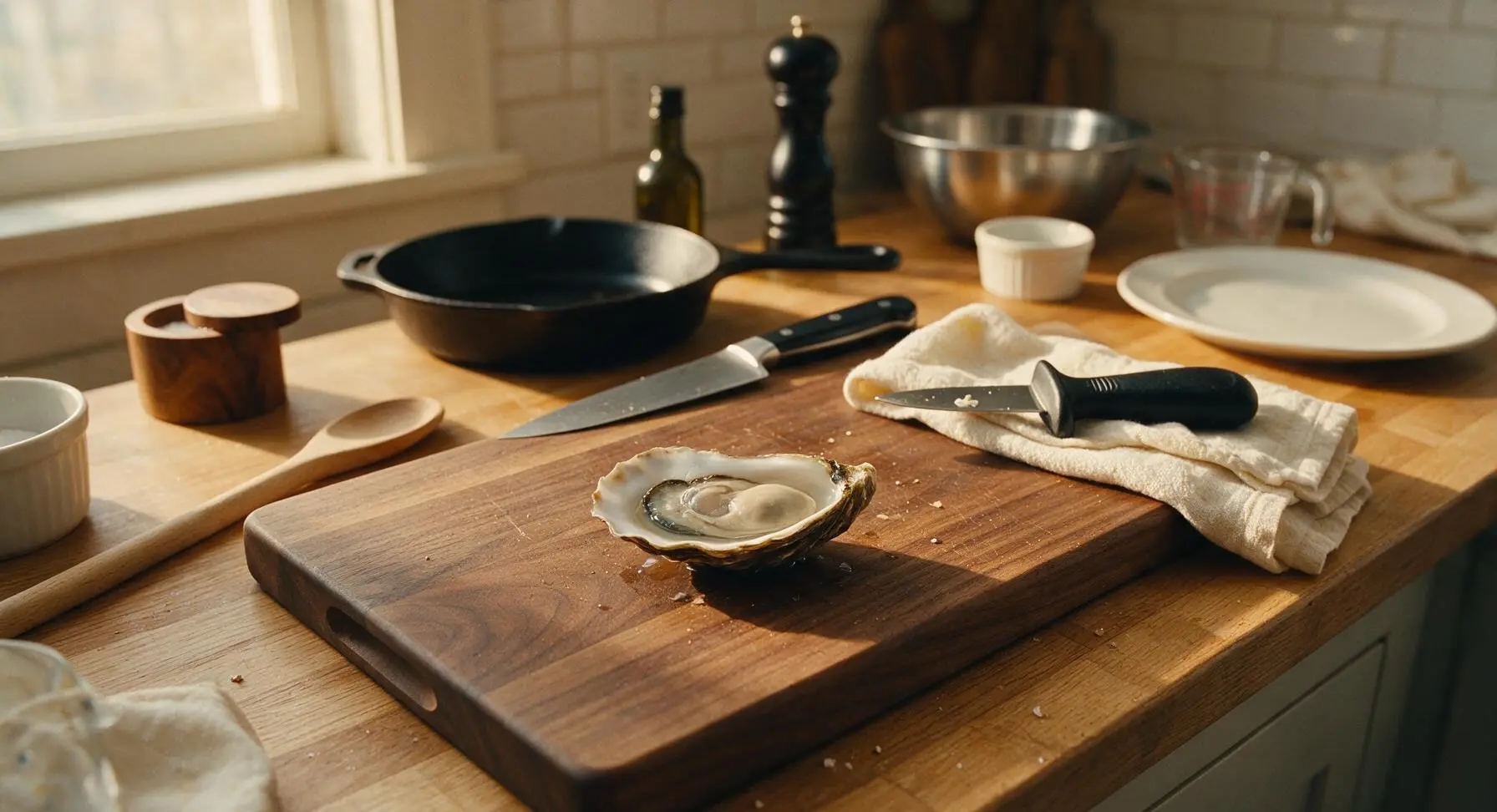
Step 4
step4:Shuck Oysters Carefully
Step 4
step4:Shuck Oysters Carefully
5

Arrange Oysters on Platter

Nestle each shucked oyster (in its deep cupped shell) into the indented wells on the ice-lined platter, arranging them evenly around the platter edge with the oyster meat facing up. Inspect each oyster for tiny shell fragments, removing any found with the tip of the oyster knife. Adjust each shell to sit perfectly level so brine does not spill out. The bed of ice will keep oysters at a food-safe 40°F (4°C) throughout serving.
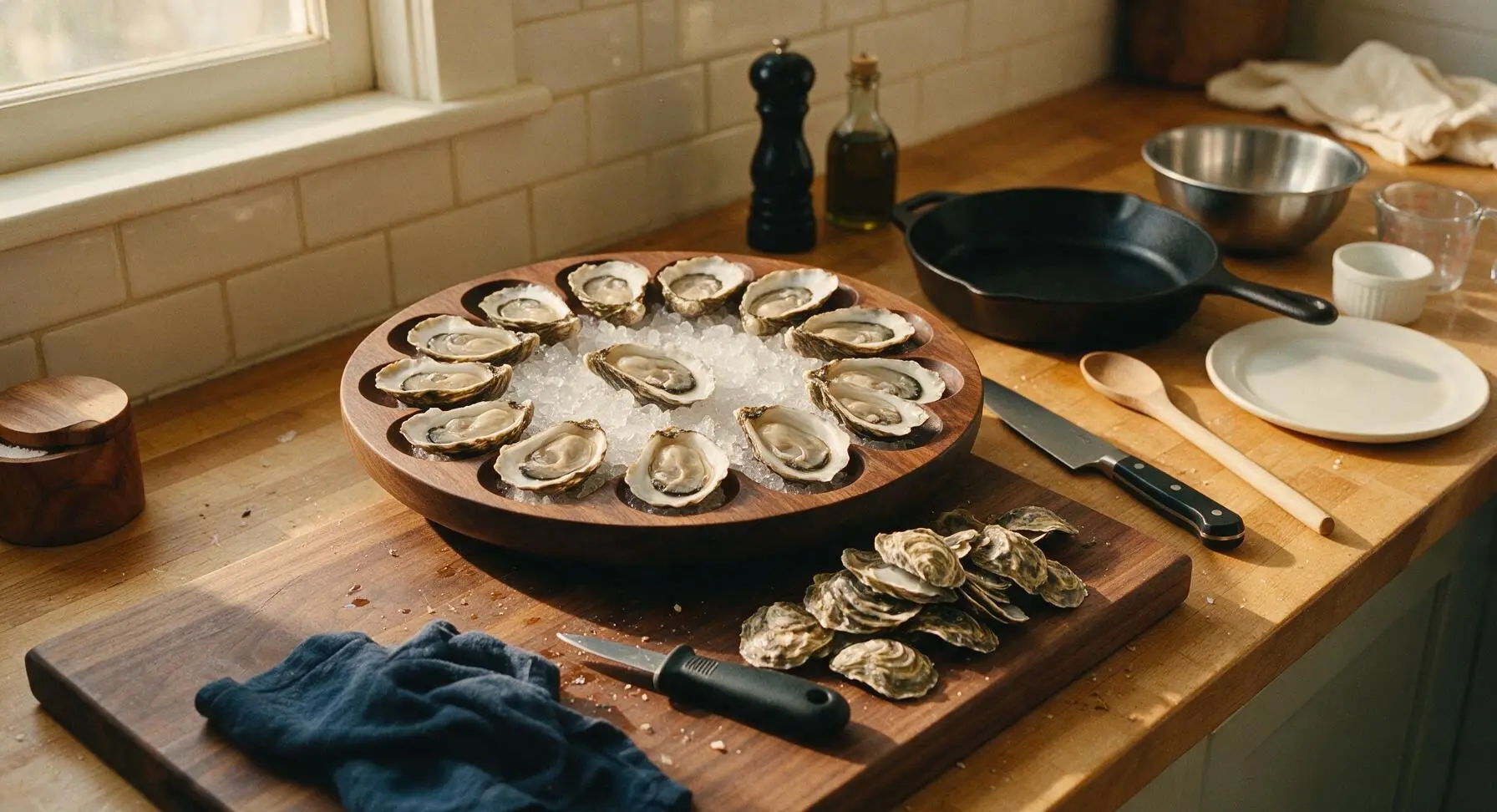
Step 5
step5:Arrange Oysters on Platter
6

Add Sauce and Garnish

Give the mignonette sauce a final quick stir with the mini whisk, then pour it into one of the small matte white ramekins, wiping any drips from the ramekin rim. Place the filled mignonette ramekin in the open center of the oyster platter. Use the paring knife to cut the lemon into 4 equal wedges, pick out any visible seeds, and place the wedges in the second small white ramekin, setting it next to the mignonette ramekin. Tuck a single small sprig of fresh flat-leaf parsley between the two ramekins for a bright green garnish.
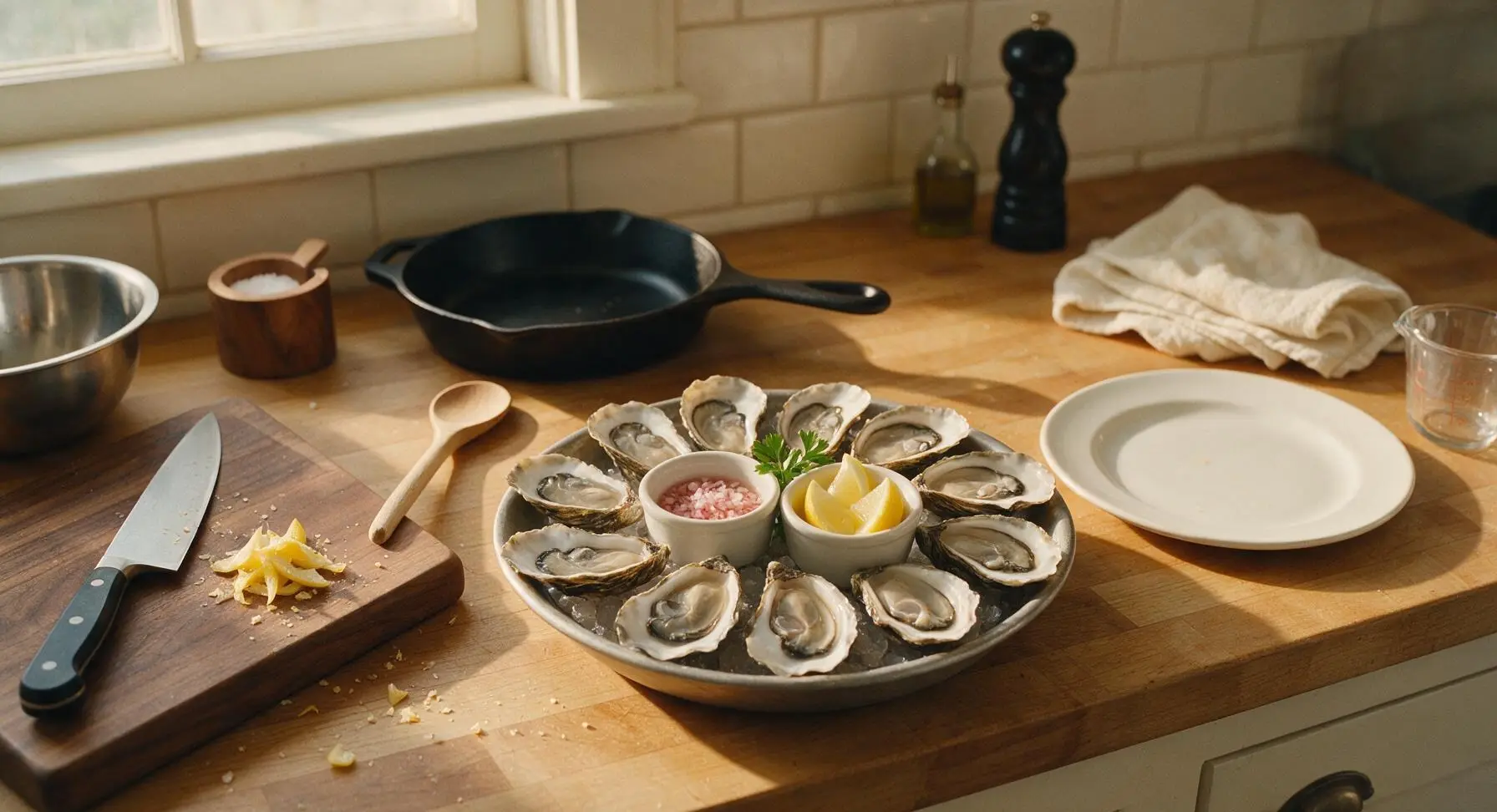
Step 6
step6:Add Sauce and Garnish

Tips

1.Never use a regular paring knife or flat-bladed knife to shuck oysters: the thick, tapered tip and integrated hand guard on a proper oyster knife prevent slips that can cause serious cuts, as wet oyster shells are extremely slippery and require firm pressure to open.
2.Never rinse shucked oysters under tap water: rinsing washes away the natural briny 'liquor' inside the shell that gives Pacific oysters their signature sweet, mineral-forward, slightly cucumber-like flavor, leaving them bland and watery.
3.Serve oysters within 20 minutes of shucking, kept on a thick bed of crushed ice: Pacific oysters lose their firm, creamy texture and bright briny taste if left to sit too long, and constant contact with ice keeps them at a food-safe temperature below 40°F (4°C) to prevent bacterial growth.
✨ You May Also Like

Snacks & Appetizers
🍜 Mexico

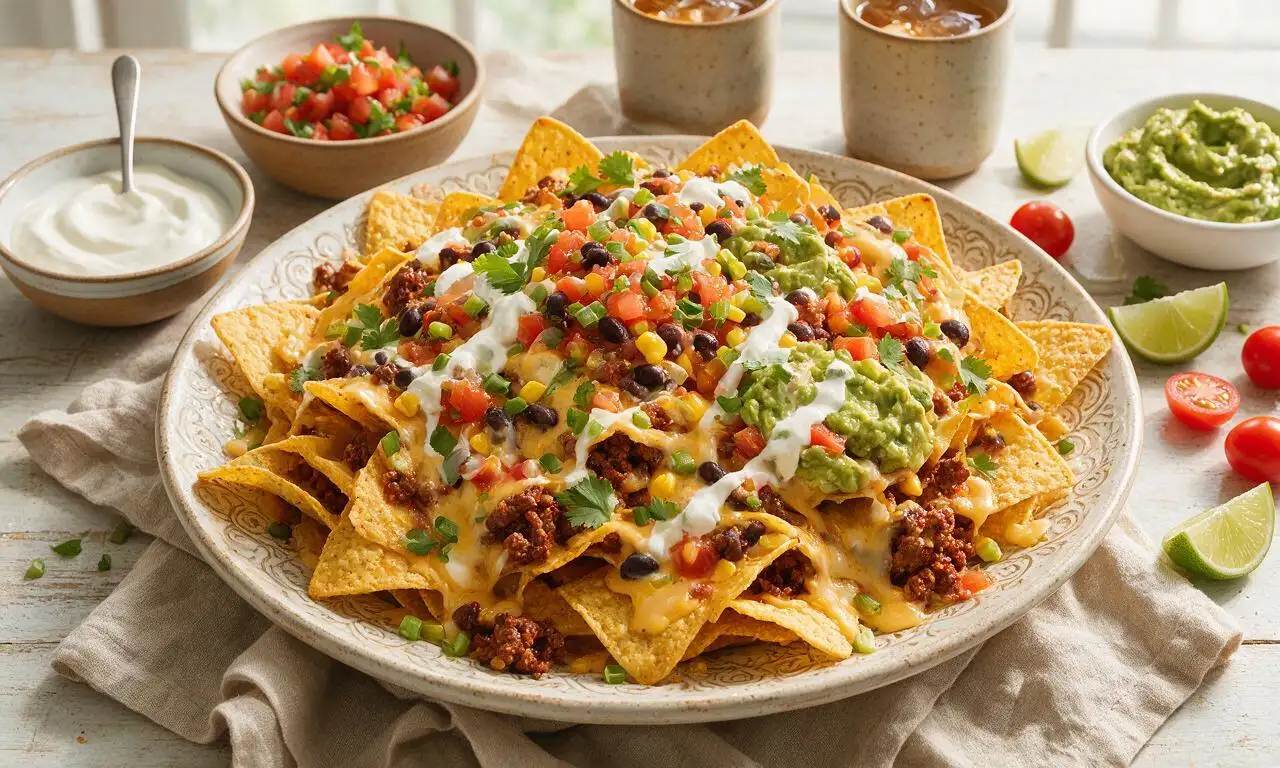
Crispy thick-cut tortilla chips piled high with seasoned beef, melted cheese, and bright fresh toppings for a shareable, crowd-favorite bite.

⏱️ 25 minuteSnacks & Appetizers ★ 4.8
Snacks & Appetizers
🍜 United States

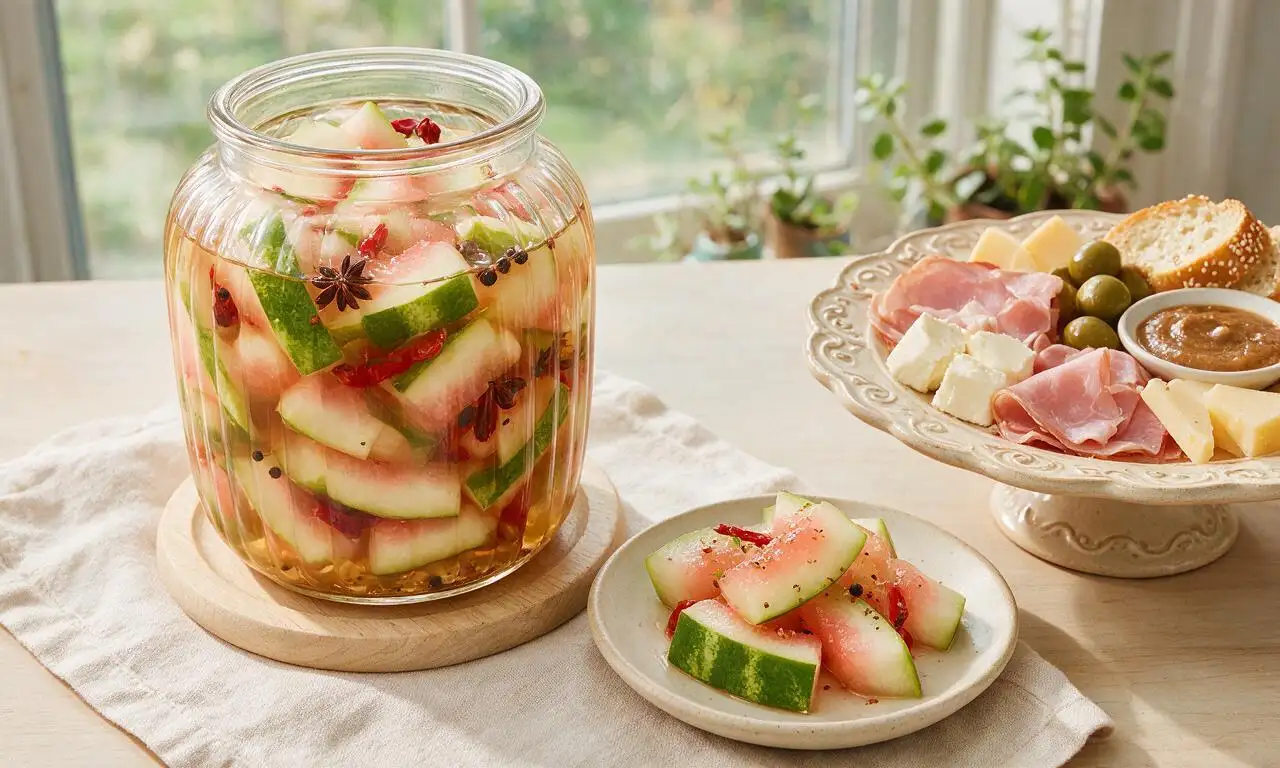
Crisp, sweet-tangy spiced pickled watermelon rind is a zero-waste summer staple, perfect with grilled meats, charcuterie, or eaten straight from the jar as a bright snack.

⏱️ 30 minuteSnacks & Appetizers ★ 4.6
Snacks & Appetizers
🍜 Germany

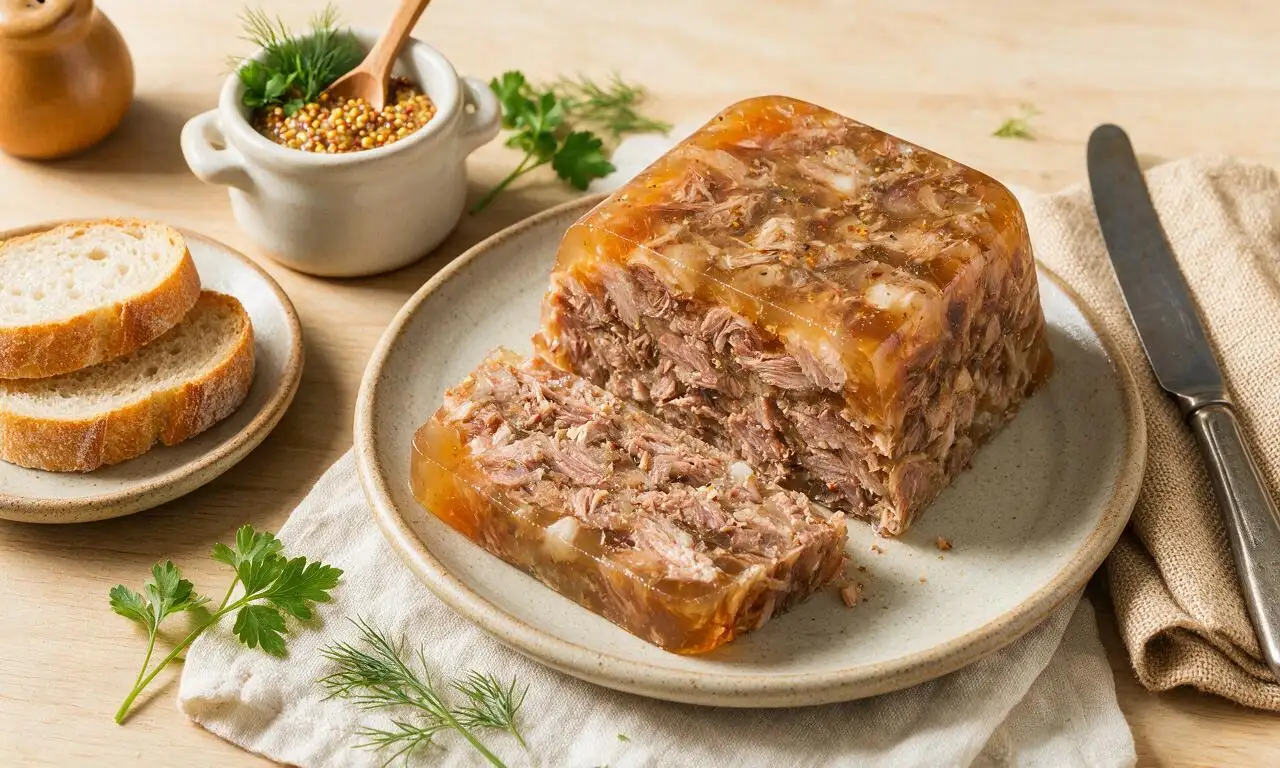
A tangy, jellied pork cold cut slow-simmered with aromatic spices, set into a firm sliceable loaf, served cold with mustard and crusty bread.

⏱️ 3 hours 4Snacks & Appetizers ★ 4.8
Snacks & Appetizers
🍜 United States

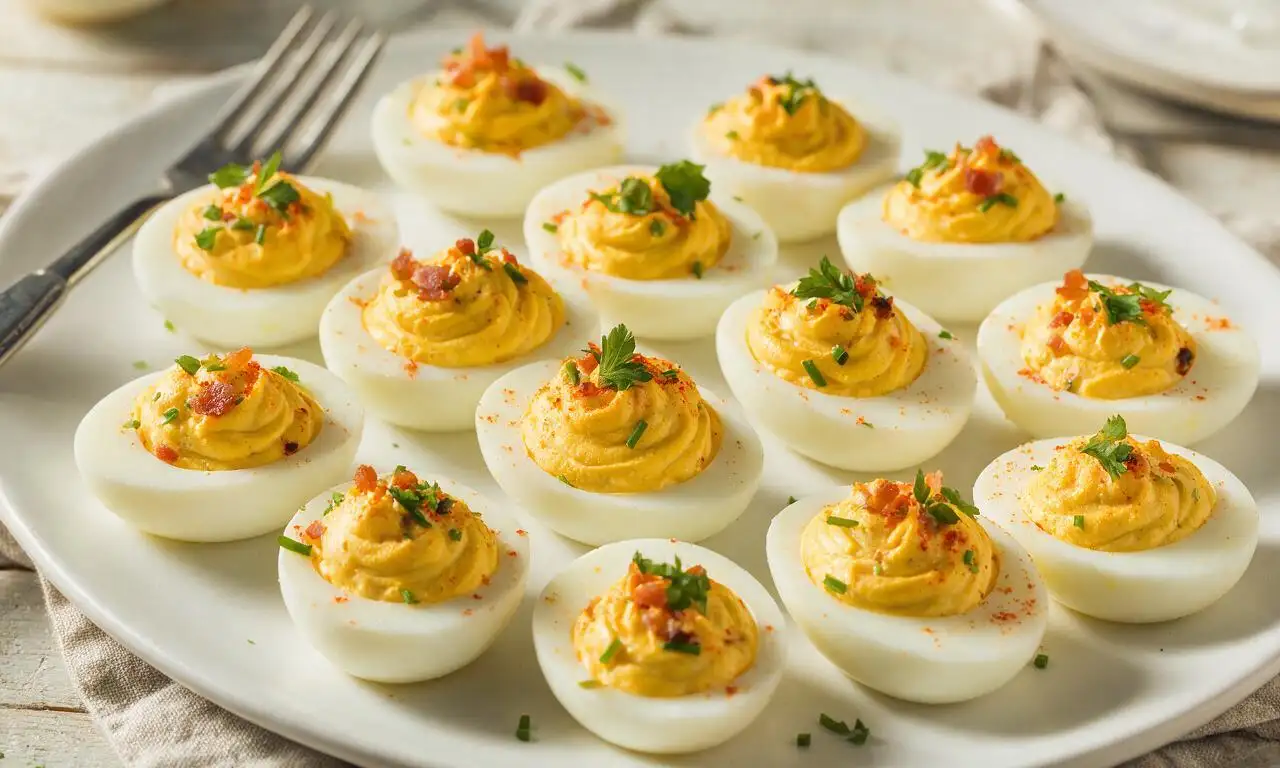
Creamy, tangy, perfectly seasoned hard-boiled egg halves filled with a rich, smooth yolk mixture, a timeless, crowd-pleasing bite for holiday and casual gatherings alike.

⏱️ 40 minuteSnacks & Appetizers ★ 4.8
Snacks & Appetizers
🍜 Russia

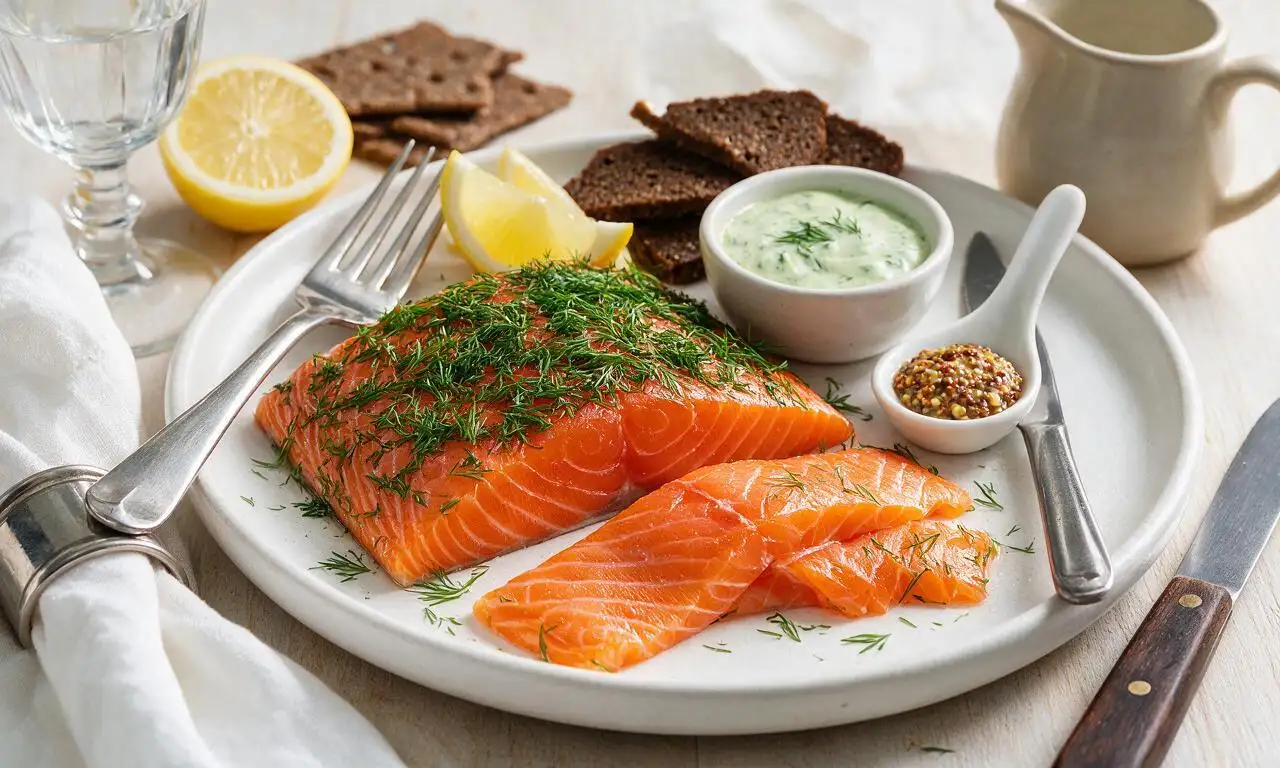
Silky, dill-forward no-smoke cured salmon, a Scandinavian classic with bright salty-sweet flavor, ideal for holiday starter platters and open-faced rye sandwiches.

⏱️ 48 hours Snacks & Appetizers ★ 4.7
Snacks & Appetizers
🍜 Japan

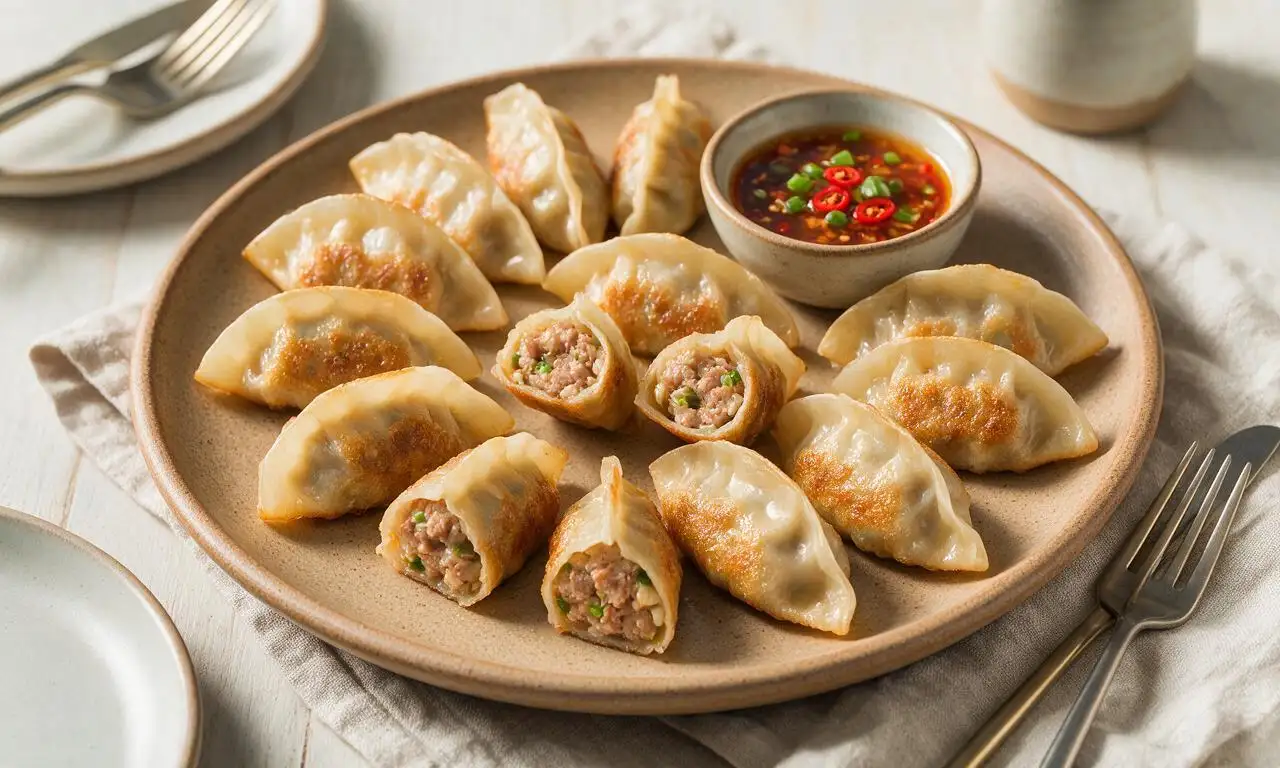
Crisp golden bottoms, juicy savory pork and vegetable filling, and tangy dipping sauce make these pan-fried gyoza a beloved shareable bite.

⏱️ 45 minuteSnacks & Appetizers ★ 4.8

Pacific Oysters:Frequently Asked Questions

1.How do I pick the freshest Pacific oysters for this recipe? ▾
Start by looking for oysters with tightly closed, unbroken shells—if a shell is gaping open, tap it firmly; fresh oysters will snap closed right away. They should smell like clean, cold ocean water, not strong or fishy. Ask your fishmonger for the harvest date, and aim for oysters harvested within the last 1 to 2 weeks for the best creamy, briny flavor.
2.Can I ask my fishmonger to shuck the oysters for me instead of doing it at home? ▾
You absolutely can, and it’s a huge time-saver! Just ask them to keep the curved bottom shells intact, nestle the shucked oysters back in those shells with their natural liquor, and pack them on ice for the trip home. Serve them within 2 hours of shucking for peak texture, and keep them chilled the entire time to avoid food safety risks.
3.What’s a good substitute for red wine vinegar if I don’t have it for the mignonette? ▾
Swap red wine vinegar for an equal amount of dry sherry vinegar or unseasoned rice vinegar for the closest bright, tangy match. Skip plain white distilled vinegar, which is harsh and overly sharp, and avoid thick, sweet balsamic vinegar—both will overpower the delicate, briny flavor of the Pacific oysters instead of complementing them.
4.How fine should I mince the shallot for the red wine mignonette? ▾
Aim for a uniform 1/8-inch fine dice (called a brunoise in chef terms) so you get tiny, bright pops of mild onion flavor with each bite, without big, crunchy chunks. If your shallot pieces are too large, their sharp raw bite will overwhelm the oyster’s creamy texture and throw off the mignonette’s balanced tang.
5.Do I have to use whole black peppercorns, or can I use pre-ground pepper? ▾
Always use whole peppercorns, cracked fresh right before making the mignonette! Pre-ground black pepper tastes flat, dusty, and stale compared to the bright, zingy kick of freshly cracked pepper. Crack them to a coarse texture with a mortar and pestle or the flat of a chef’s knife, rather than grinding to a fine powder, for little peppery bursts in every bite.
6.How far in advance can I prep the red wine mignonette? ▾
You can make the mignonette up to 3 days ahead of time! Store it in a sealed glass jar in the refrigerator, and give it a quick stir right before spooning it over oysters. Don’t make it more than 3 days in advance, though—the shallot will turn mushy and lose its bright edge, and the vinegar will mellow too much to cut through the oyster’s richness.
7.What’s the safest way to shuck oysters without cutting myself? ▾
First, wear a thick folded kitchen towel or cut-resistant oyster glove to hold the oyster, curved shell side down, with the pointed hinge facing you. Wedge a short, sturdy oyster knife into the hinge, twist firmly to pop the shell open, then slide the knife along the top shell to sever the muscle. Never use a thin paring knife—it slips far too easily.
8.Why do recipes always serve half-shell oysters on a bed of crushed ice? ▾
Crushed ice serves two critical purposes: First, it keeps oysters held at a safe 40°F or below to prevent foodborne illness, since raw shellfish spoils quickly at room temperature. Second, it holds the curved shells perfectly level so none of that precious briny oyster liquor or mignonette spills out before you take a bite.
9.Can I use a different oyster variety if Pacific oysters aren’t available locally? ▾
Absolutely! While Pacific oysters have that signature creamy, mildly sweet, gently briny profile that pairs perfectly with this mignonette, you can swap in fresh local options like Blue Point, Wellfleet, or Kumamoto oysters. Just note East Coast varieties tend to be firmer and brinier, so the tangy mignonette will still balance them beautifully.
10.Should I rinse oysters after shucking them? ▾
Skip rinsing shucked oysters entirely! That clear, slightly salty liquid inside the shell (called oyster liquor) is packed with the iconic briny, ocean-forward flavor that makes half-shell oysters so special, and rinsing washes it all away. If you spot a tiny shard of broken shell, just pick it out with the tip of your knife instead.
11.How much mignonette should I spoon onto each oyster? ▾
Stick to ¼ to ½ teaspoon of mignonette per oyster—less is more here! The goal is to add a bright, tangy, peppery accent that lifts the oyster’s natural flavor, not drown it. If you add too much, the sharp vinegar will completely mask the oyster’s delicate creamy, briny notes that are the real star of the dish.
12.What drinks pair best with this oyster starter? ▾
Reach for crisp, high-acid dry options like Muscadet, unoaked Chablis, or dry sparkling wine such as Champagne or Crémant—their bright citrus and mineral notes match the oysters’ brininess and complement the mignonette’s tang. If you prefer red, go for a light, chilled Beaujolais, which won’t overpower the delicate shellfish.
13.How long can shucked oysters sit out at a dinner party? ▾
For food safety, never leave raw shucked oysters out at room temperature for more than 2 hours. If your dining space is warmer than 70°F, cut that window to 1 hour max. Keep them nested on a deep platter of crushed ice the entire time they’re out, and discard any oysters that feel warm or have an off, fishy odor.
14.Can I make this recipe if I don’t like eating raw oysters? ▾
Sure! If raw oysters aren’t your preference, you can broil the half-shell oysters for 1 to 2 minutes, just until the edges curl slightly, then top with a tiny spoonful of mignonette and a squeeze of lemon. Just don’t overcook them—they’ll turn rubbery and tough if left under heat too long, losing their tender, sweet texture.
15.What type of salt works best for finishing these oysters? ▾
Stick to light, flaky sea salt (like Maldon) if you add any extra finishing salt at all—remember, oysters have natural brininess, so you won’t need much. Avoid coarse kosher salt or fine table salt here: they dissolve too fast and taste overly sharp, instead of adding that subtle, crunchy salty pop that makes each bite feel special.
16.Why do you serve lemon wedges alongside the mignonette? ▾
Fresh lemon wedges let diners adjust the flavor exactly to their taste. A quick squeeze of bright, tart lemon amplifies the oyster’s brininess, balances the vinegar’s sharp tang, and cuts through the rich, creamy notes of Pacific oysters for a perfectly bright, balanced bite every time, no measuring required.

Comments (6)

2 weeks ago

Brought these half-shell oysters to our neighborhood block party potluck last weekend and they were gone in 10 minutes flat! I lost count of how many people begged me for the recipe. I pre-made the red wine mignonette the night before and kept it chilled in a mason jar, which made day-of setup totally stress-free. Don’t sleep on this recipe, folks — it looks fancy but requires zero cooking, which is a total win for busy hosts!

1 week ago

I saw you rave about these on the neighborhood Facebook group! I made them for my book club meeting last week and everyone went crazy for them too. It’s such a fancy-looking appetizer that’s actually so low effort, I felt like a professional caterer lol

1 week ago

I was super skeptical about serving raw oysters at our backyard family cookout, but my cousin brought a couple dozen fresh Gulf oysters back from the coast so I decided to give this mignonette a shot. Let me tell you — even my two teen kids who turn their nose up at any seafood that isn’t fried tried these and went back for thirds! The sauce is tangy, not too sharp with vinegar, and doesn’t cover up that fresh, briny oyster taste. Total hit at the cookout, my kids loved it so much they asked me to make it for our next family dinner. Will absolutely be making this on repeat this summer.

5 days ago

Tried this recipe with Kumamoto oysters I picked up from the local fish market and wow, the red wine mignonette is chef’s kiss. I usually default to straight horseradish and cocktail sauce for raw oysters, but this is my new go-to for sure. It’s light, slightly fruity from the wine, and doesn’t overpower the delicate, sweet meat of the Kumamotos at all. SO good, I’ve already made it twice this week.

3 days ago

As someone who shucks a couple dozen oysters at least twice a month for family get-togethers up here in the PNW, this mignonette is a total game changer. I’ve stuck to the classic champagne vinegar mignonette for years, but the red wine adds such a nice deep, fruity note that pairs way better with briny Pacific oysters than I expected. One quick tip for newbies: make sure you dice your shallots super fine, no big chunky bits!

2 days ago

Thanks so much for the kind words, and that’s such an important tip about the finely diced shallots! Nobody wants a big, crunchy chunk of raw shallot overpowering the briny oyster flavor — a sharp knife and a slow, careful dice makes all the difference. So glad you’re enjoying the twist on the classic mignonette!

yesterday

OMG, this mignonette is PERFECT for Pacific oysters! I made these for my anniversary dinner with my husband last night and we both couldn’t stop raving. I was worried the red wine would be too heavy or overpowering, but the minced shallot and crack of black pepper balance it so beautifully. We paired it with a glass of the same Pinot Noir I used in the sauce and it was chef’s kiss. Will absolutely be making this for our next dinner party with friends!

2 hours ago

Totally agree! I added a tiny splash of fresh lemon juice to my last batch and it brightened the whole thing up even more, perfect for those extra-briny Willapa Bay oysters I picked up over the weekend. 10/10 recipe

30 minutes ago

Happy anniversary, so glad you two loved the recipe! That lemon juice addition from Kai is such a smart call — a little extra bright acid cuts the richness perfectly, especially when you’re working with extra-briny oyster varieties. Thanks for the great tip, Kai!

2 hours ago

First time ever making raw oysters at home and I was so nervous about shucking them, but this recipe made the whole process feel totally doable! The mignonette came together in literally 5 minutes, no cooking required which is perfect for a quick weeknight date night. My only hiccup: I used a bold Cabernet Sauvignon I had open and it made the sauce a little bitter? Any tips for fixing that for next time?

30 minutes ago

I made that exact same mistake my first time! Stir in a tiny pinch of white sugar and an extra splash of red wine vinegar, it cuts that tannic bitterness right out. Worked like a charm for me when I grabbed a too-heavy red by accident.

just now

Great tip from Rob! For future batches, stick to a light, fruity dry red like Pinot Noir or Beaujolais instead of a heavy, high-tannin wine like Cabernet Sauvignon to avoid that bitter kick. If you already mixed the sauce, Rob’s sugar and extra vinegar fix works perfectly to balance it out. So glad you gave the recipe a shot even with the shucking jitters!