Raw Oysters on the Half Shell

title 1
Raw Oysters on the Half Shell
⏱️ cook time 0 minutes
🍽️ servings 4
⚡ Difficulty medium

intro

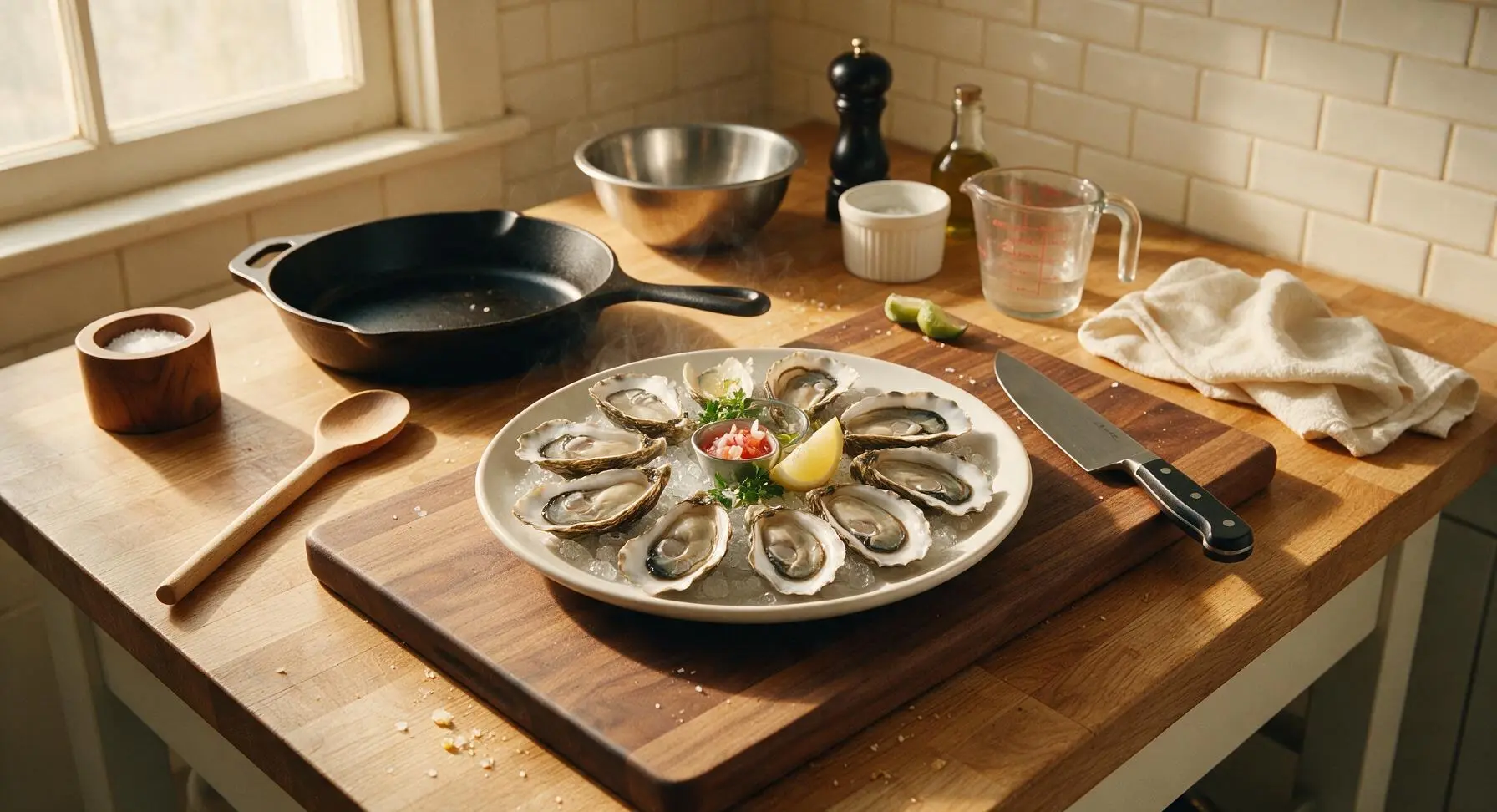
Briny, ice-cold fresh oysters on the half shell with bright, tangy classic accoutrements—an elegant, light starter that highlights the pure, ocean-sweet flavor of premium live shellfish.

Ingredients
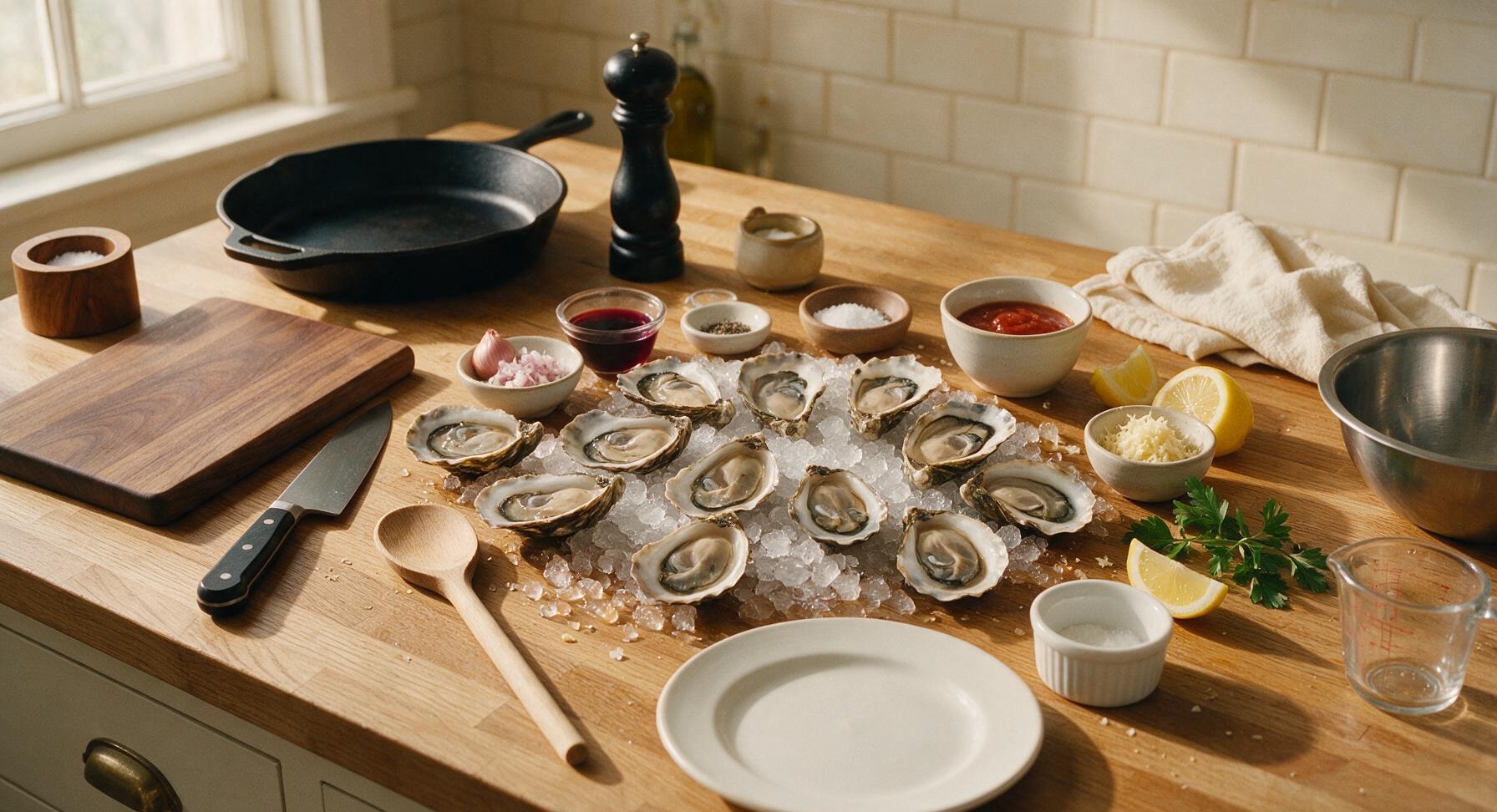
Live fresh oysters (in shell, assorted coastal varieties) 12 count
Crushed ice 1.5kg
Shallots 2 small (50g total, finely minced)
Red wine vinegar 60ml
Coarse kosher salt 1 tsp
Freshly ground black pepper 1/4 tsp
Prepared cocktail sauce 60g
Fresh horseradish root 30g (peeled, finely grated)
Fresh lemons 2 medium (cut into 8 wedges, seeds removed)
Fresh flat-leaf parsley 2 sprigs (for garnish)

Steps

1

Scrub Oyster Shells Clean

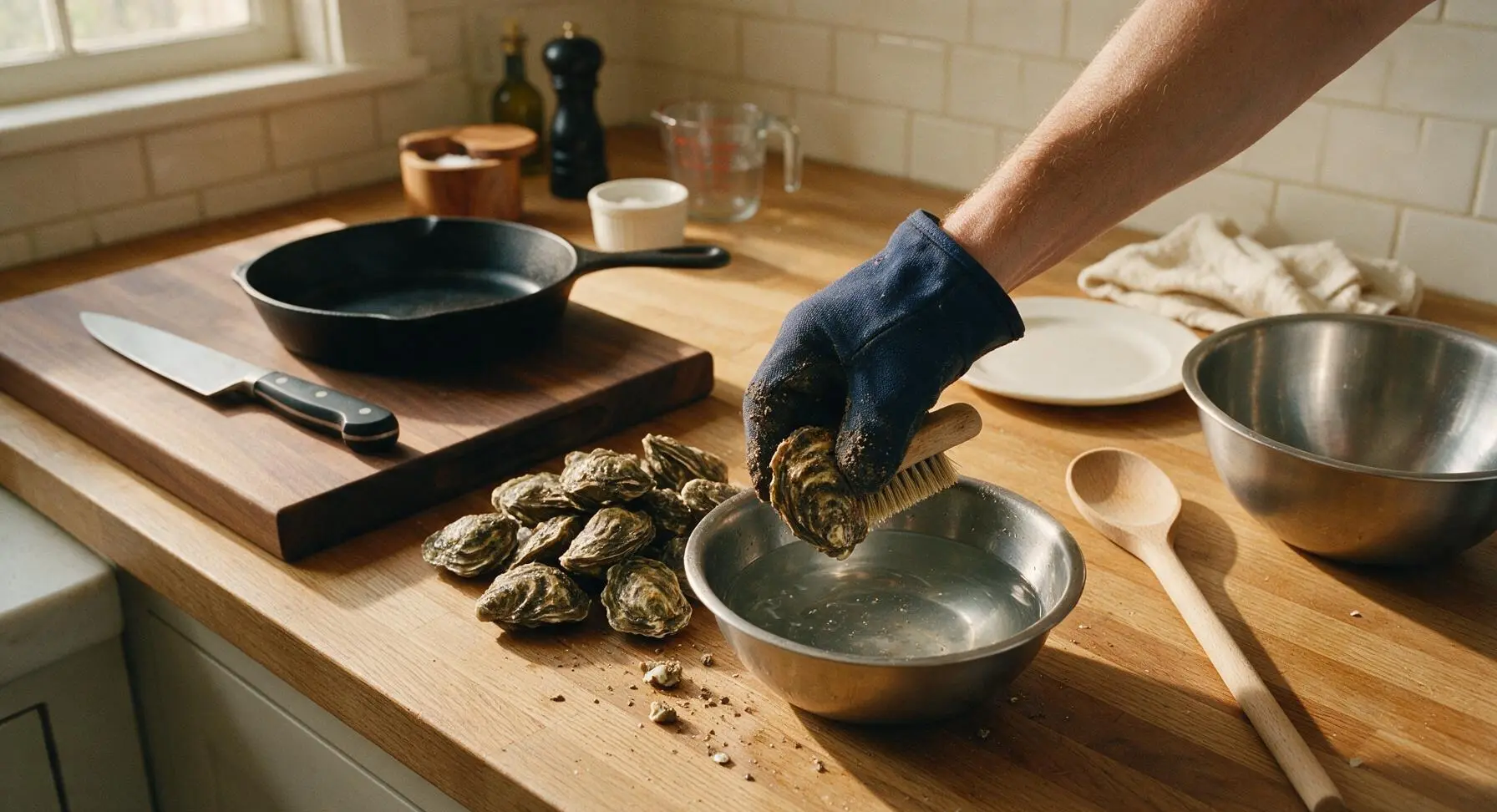
First, inspect all oysters: discard any with cracked shells, or that do not close tightly when tapped (these are dead and unsafe to eat). Pull on the navy canvas oyster shucking glove on your non-dominant hand, fill the small stainless steel mixing bowl with cold tap water, hold each oyster over the bowl, and use the stiff-bristle scrub brush to scrub away all mud, barnacles, and grit from the outer shell. Pat scrubbed shells dry briefly with the edge of the fixed linen towel. Timing: 8 minutes total, visual cue: shells are free of loose debris, no sticky mud remains when you run a finger across the surface.
Step 1
step1:Scrub Oyster Shells Clean
2

Mix Mignonette Sauce

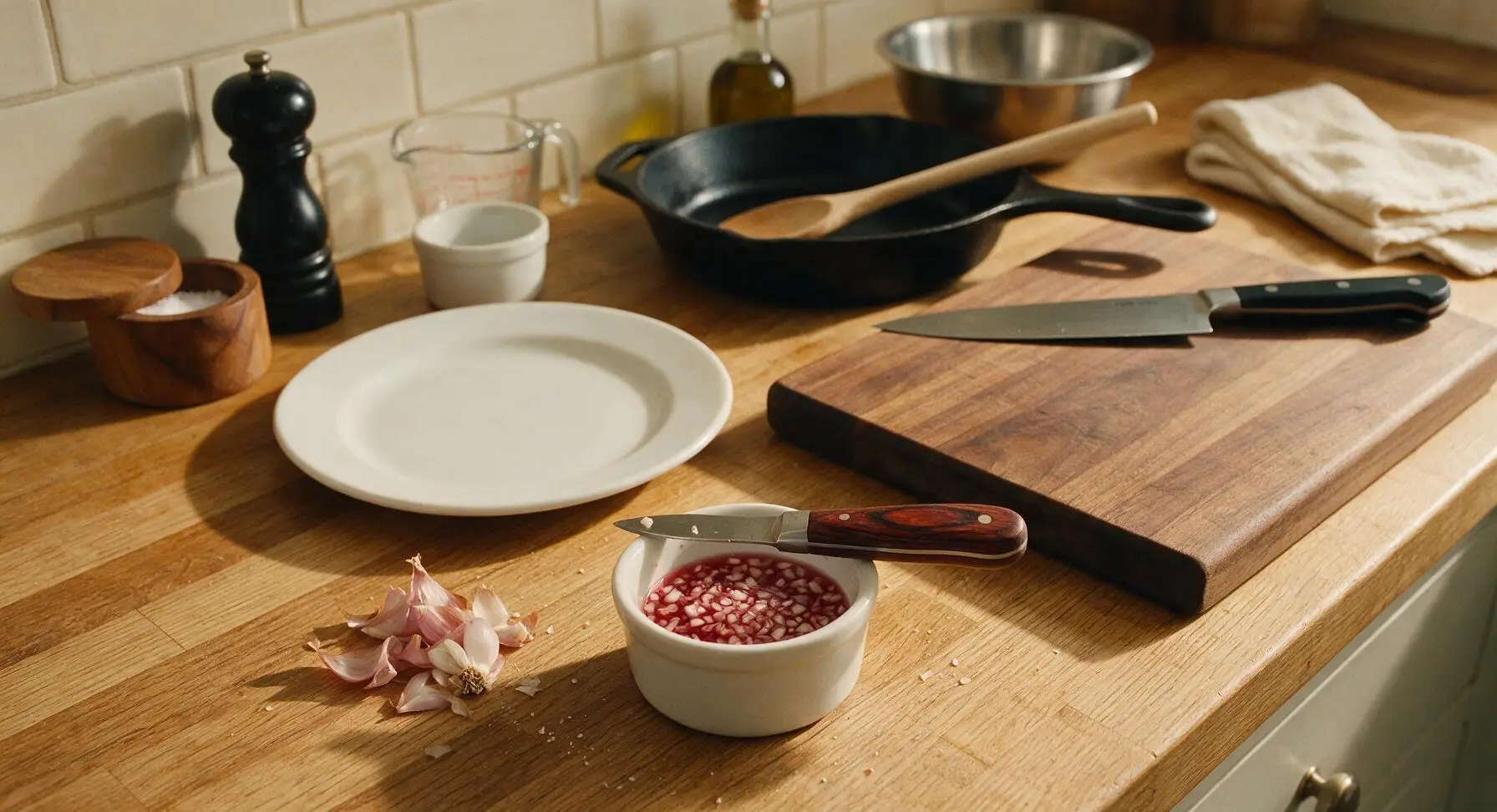
In one of the small matte white ceramic ramekins, combine the finely minced shallots, red wine vinegar, 1/4 tsp kosher salt (pinched from the acacia salt cellar), and a light twist of black pepper from the fixed pepper grinder. Stir gently with the tip of the oyster shucking knife to combine, then let rest at room temperature for 10 minutes to let the sharp shallot flavor mellow into the vinegar. Visual cue: shallots are evenly suspended in the deep ruby vinegar, no large clumps of minced shallot remain.
Step 2
step2:Mix Mignonette Sauce
3

Prep Sauce Accompaniments

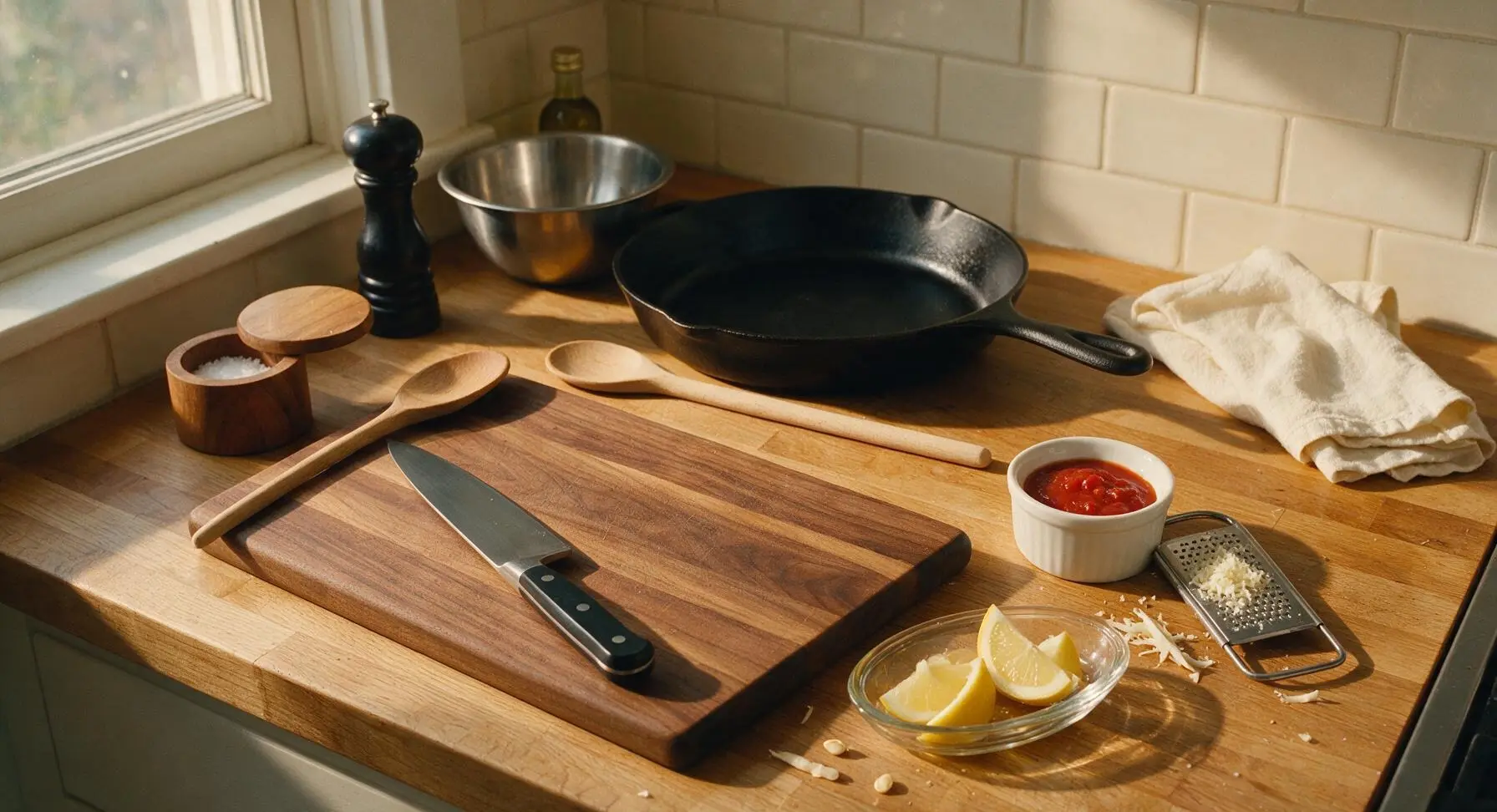
Scoop the prepared cocktail sauce into the second matte white ramekin. Peel the fresh horseradish root with the edge of a spoon, grate it finely using the mini stainless steel box grater, and pile the grated horseradish into the third matte white ramekin. Cut the lemons into 8 equal wedges, pick out all visible seeds with the tip of the oyster knife, and place the wedges in the small clear oval glass lemon dish. Timing: 5 minutes total.
Step 3
step3:Prep Sauce Accompaniments
4

Mound Ice On Platter

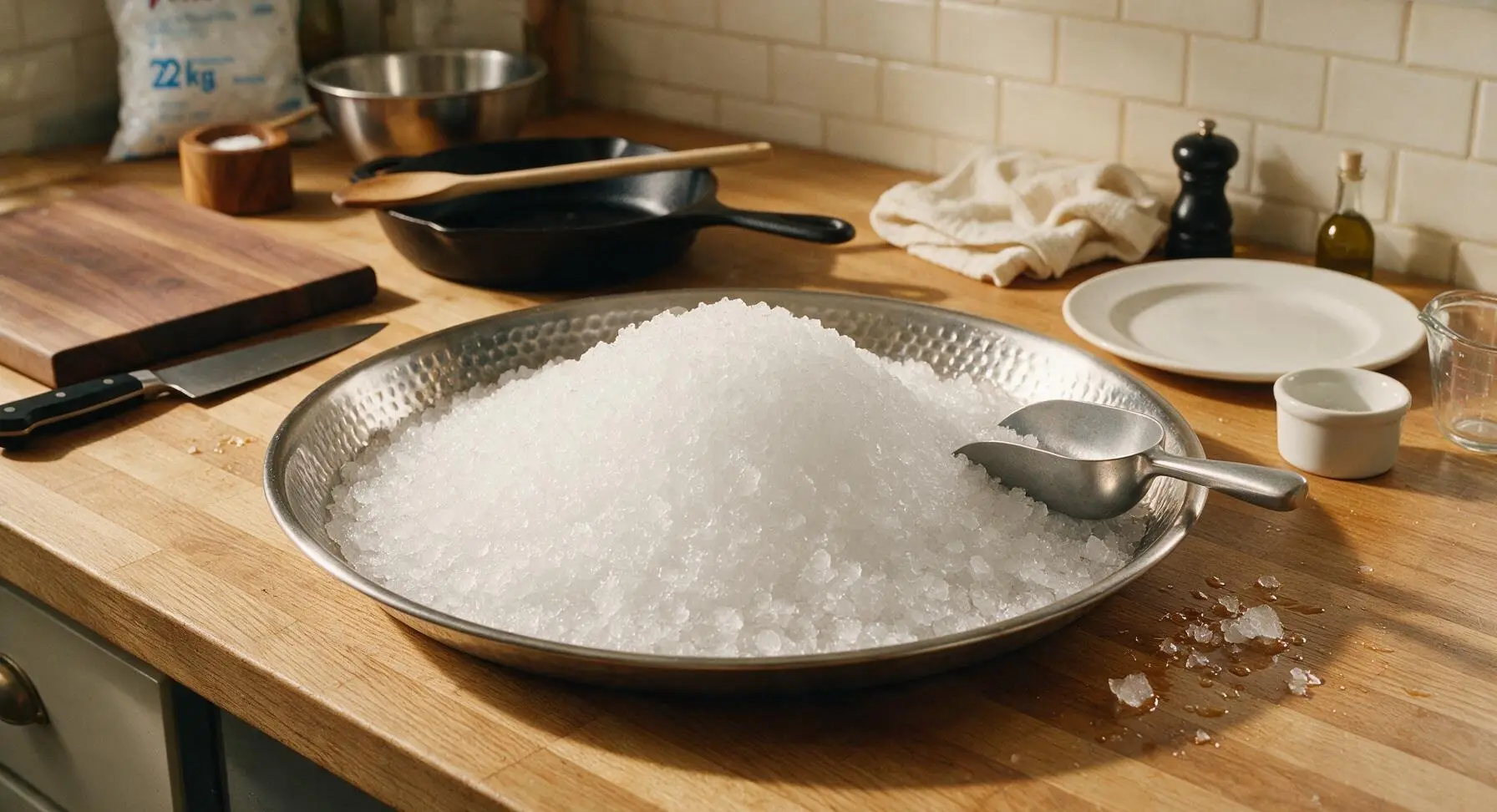
Use the brushed stainless steel ice scoop to transfer crushed ice from the fixed 2kg ice bag at back left onto the large hammered stainless steel serving platter, mounding it into a slight 5cm high dome across the center of the platter. Pat the ice gently with the back of the scoop to create a stable, even surface that will hold oyster shells level without tipping. Visual cue: ice covers the entire inner surface of the platter, no bare hammered metal shows through.
Step 4
step4:Mound Ice On Platter
5

Shuck Oysters Carefully

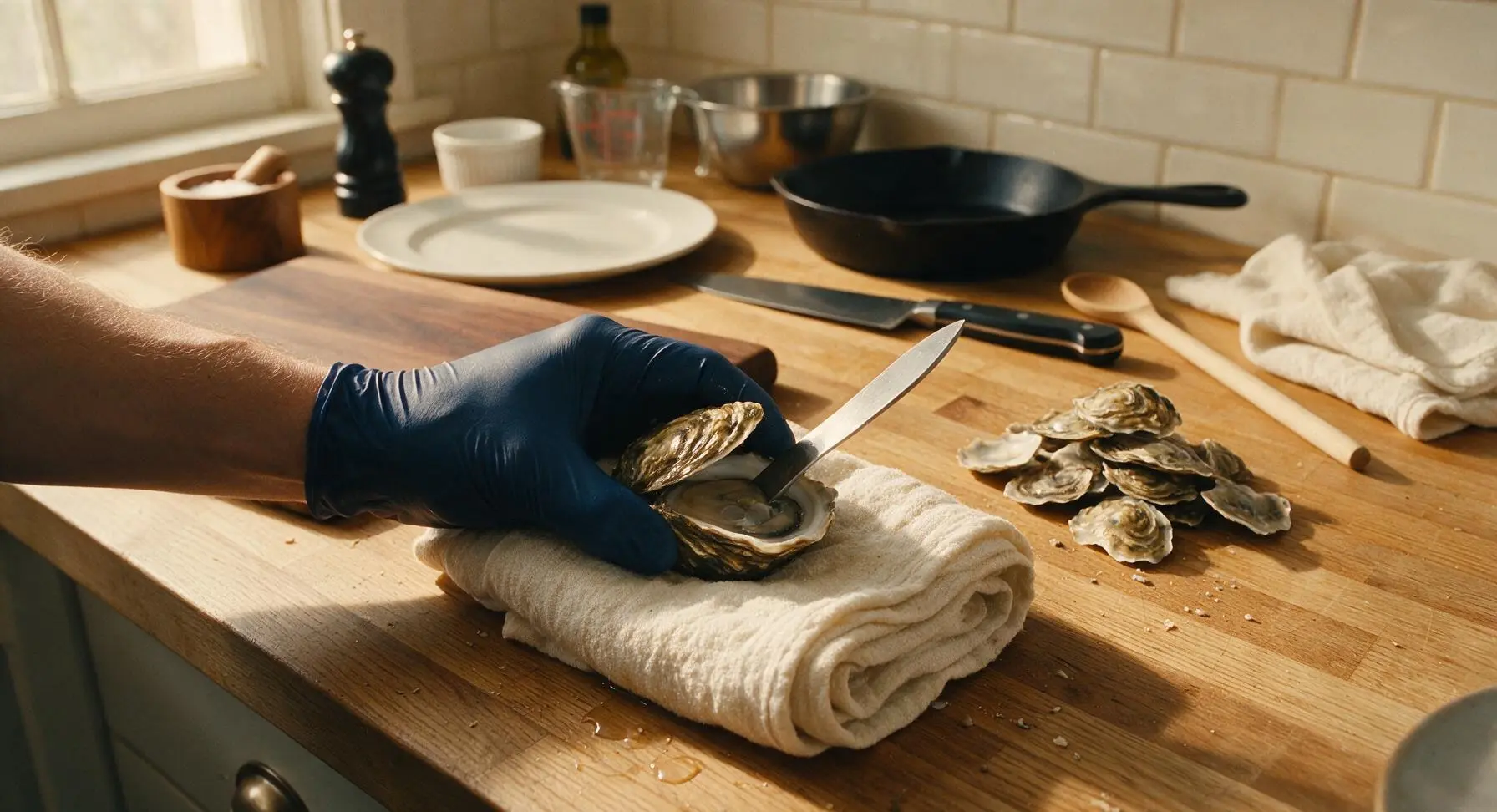
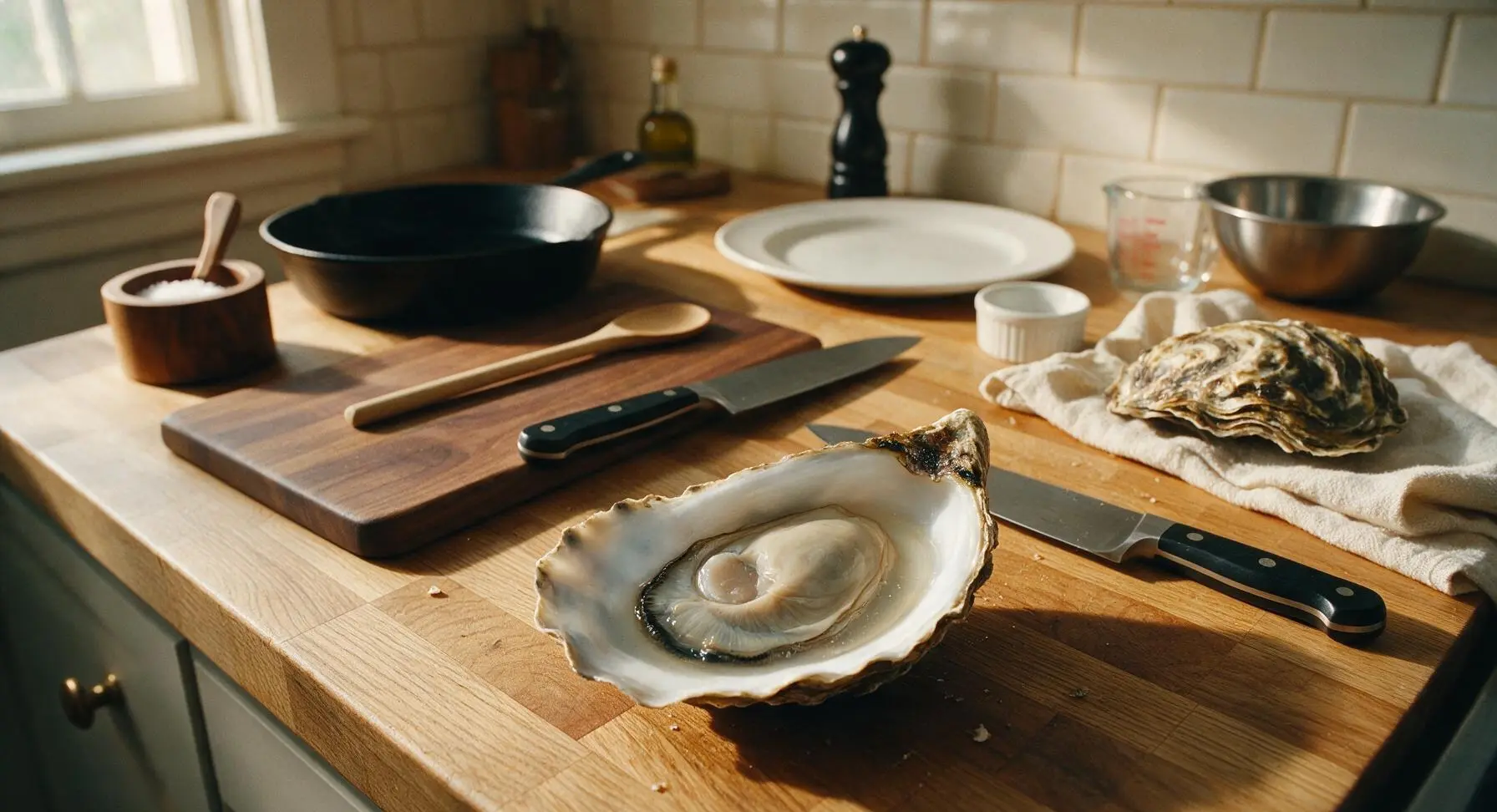
Fold the edge of the fixed white linen towel into a thick 10cm pad to protect your hand, hold a scrubbed oyster cup-side down (the deeper, curved shell half on the bottom) in the gloved hand, with the oyster's pointed hinged end facing outward. Wedge the sharp tip of the oyster shucking knife into the narrow hinge seam, twist firmly with a wrist motion to pop the shell seal, then run the flat of the blade along the inside of the top flat shell to sever the adductor muscle holding the shell closed. Lift off the top flat shell and discard it into a discard pile, then run the knife blade under the oyster meat in the bottom cup shell to release it from the shell, taking extreme care not to spill the clear, briny oyster liqueur inside. Use the knife tip to pick out any tiny broken shell fragments from the meat or liqueur. Safety note: never point the knife blade toward your gloved hand, and avoid applying excessive force that could cause the knife to slip. Timing: roughly 1 minute per oyster, 8 minutes total.
Step 5
step5:Shuck Oysters Carefully
Step 5
step5:Shuck Oysters Carefully
6

Arrange Oysters On Ice

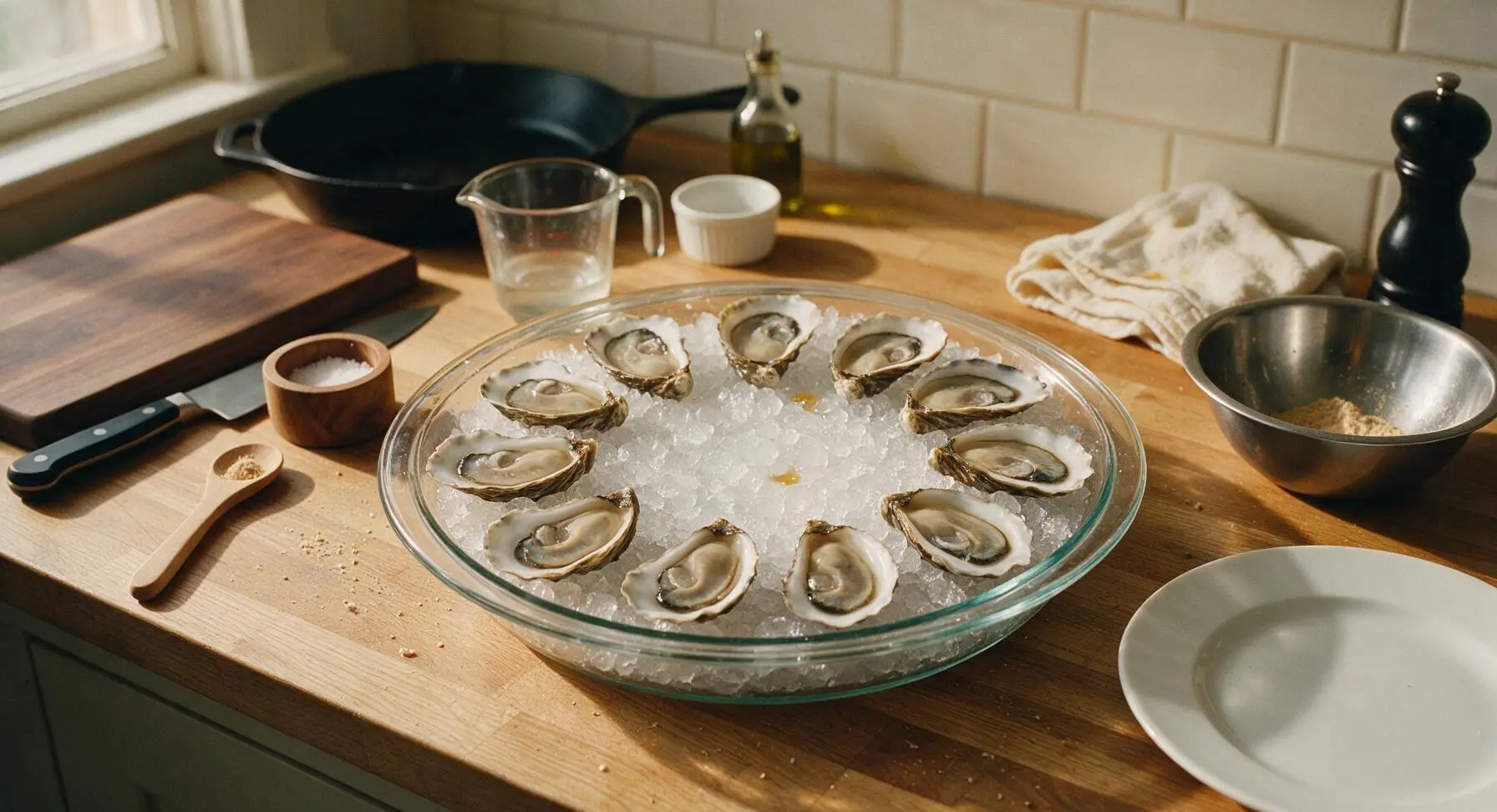
As each oyster is fully shucked and checked for shell fragments, nestle the cup shell firmly into the crushed ice on the serving platter, angling the shell slightly so the briny liqueur does not spill out. Arrange the oysters in an even, evenly spaced circle around the outer edge of the platter, leaving a 15cm clear space in the center for the sauce ramekins. Visual cue: all oysters sit completely level, no liqueur sloshing out onto the ice when the platter is gently nudged.
Step 6
step6:Arrange Oysters On Ice
7

Add Sauces And Garnish

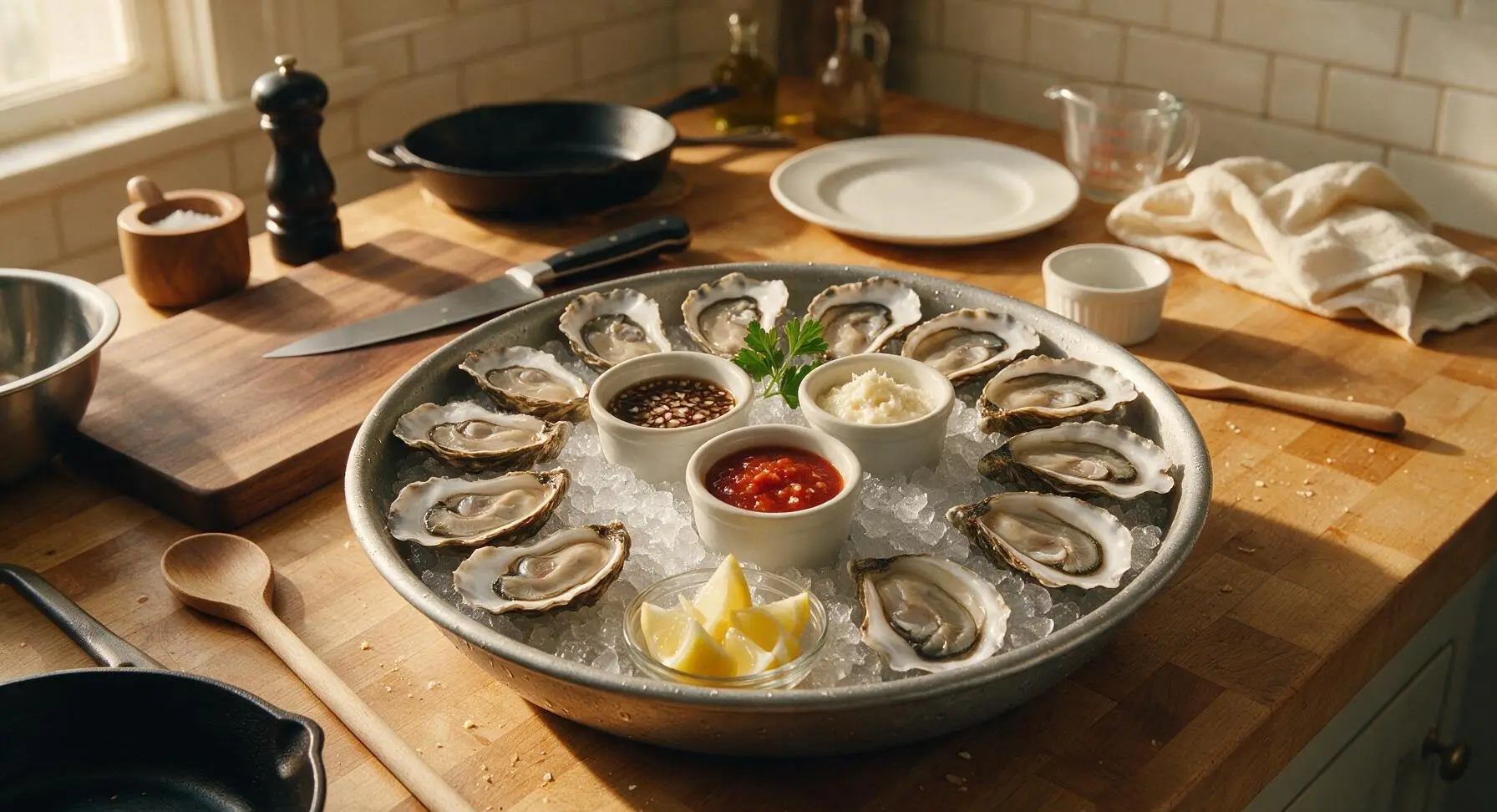
Nestle the three prepared sauce ramekins (mignonette, cocktail sauce, fresh horseradish) into the crushed ice in the clear center space of the oyster circle, pressing them down 1cm into the ice so they sit stable and stay cold. Place the clear glass dish of lemon wedges at the front 6 o'clock edge of the platter, tuck one small sprig of fresh flat-leaf parsley between two oysters for a subtle pop of green garnish. Serve immediately while oysters are ice-cold.
Step 7
step7:Add Sauces And Garnish

Tips

1.Purchase oysters the same day you plan to serve them, and store them in a breathable mesh bag in the coldest part of your refrigerator (not in an airtight container or submerged in fresh water) — oysters need to breathe to stay alive, and sealed storage will kill them quickly, creating food safety risk.
2.When shucking, always work with the oyster cup-side down to preserve as much briny liqueur as possible; if you flip the oyster over before removing the top shell, the flavorful liquor will spill out and leave the oyster tasting flat.
3.For the best flavor and texture, serve oysters within 10 minutes of shucking — while they are safe to eat for up to 2 hours held on ice, the meat becomes soft and less briny the longer it sits exposed after shucking.
✨ You May Also Like

Snacks & Appetizers
🍜 Mexico

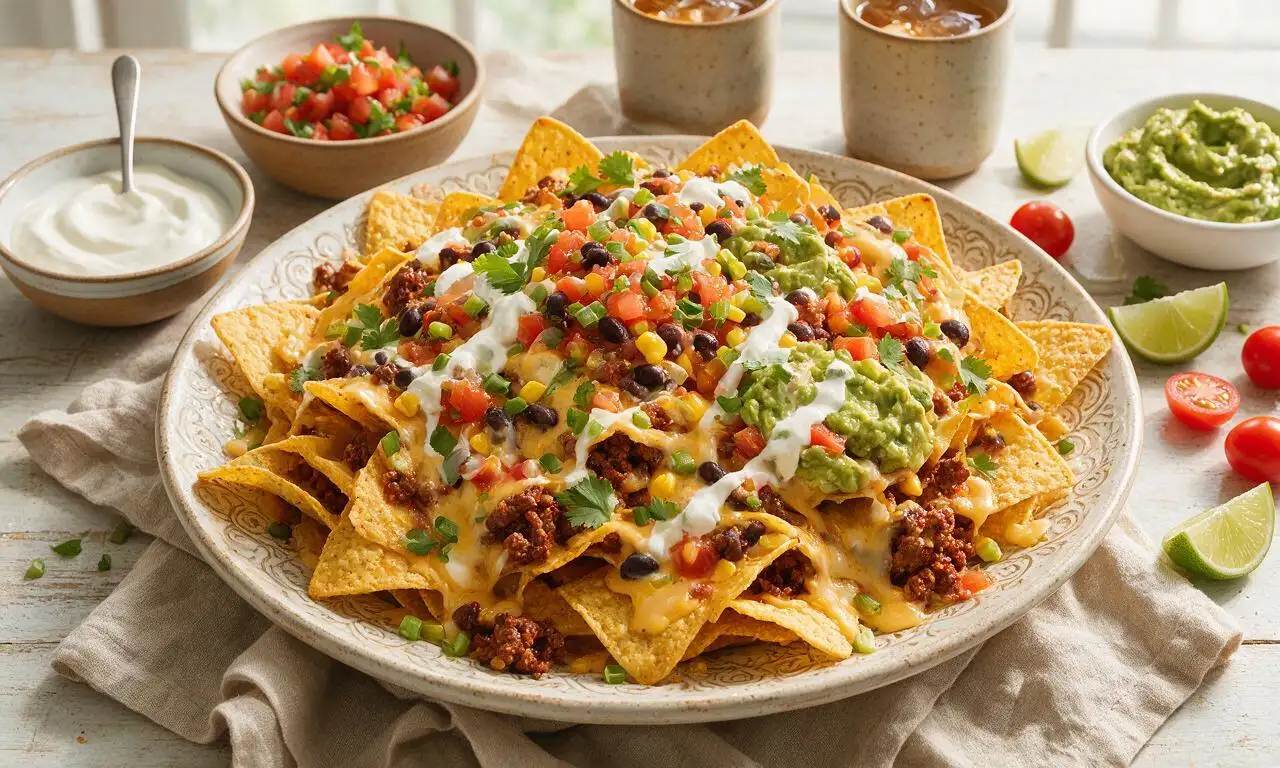
Crispy thick-cut tortilla chips piled high with seasoned beef, melted cheese, and bright fresh toppings for a shareable, crowd-favorite bite.

⏱️ 25 minuteSnacks & Appetizers ★ 4.8
Snacks & Appetizers
🍜 United States

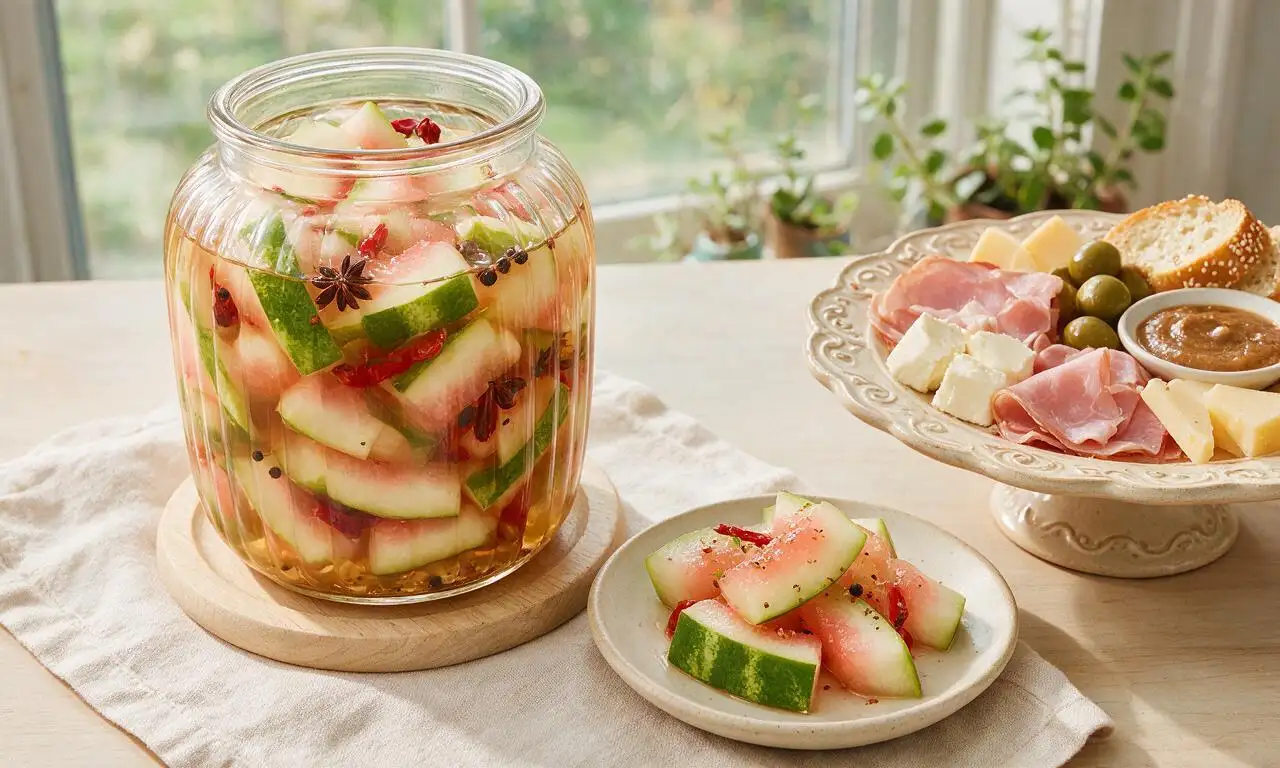
Crisp, sweet-tangy spiced pickled watermelon rind is a zero-waste summer staple, perfect with grilled meats, charcuterie, or eaten straight from the jar as a bright snack.

⏱️ 30 minuteSnacks & Appetizers ★ 4.6
Snacks & Appetizers
🍜 Germany

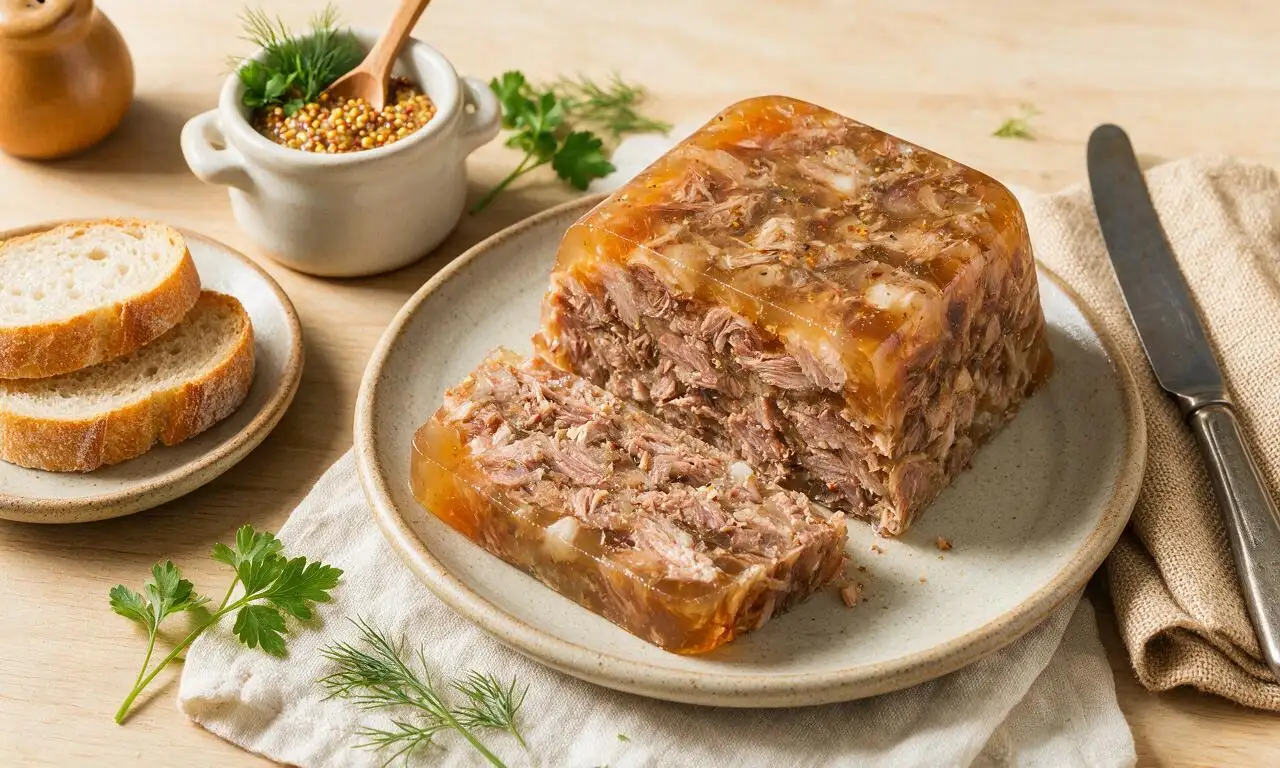
A tangy, jellied pork cold cut slow-simmered with aromatic spices, set into a firm sliceable loaf, served cold with mustard and crusty bread.

⏱️ 3 hours 4Snacks & Appetizers ★ 4.8
Snacks & Appetizers
🍜 United States

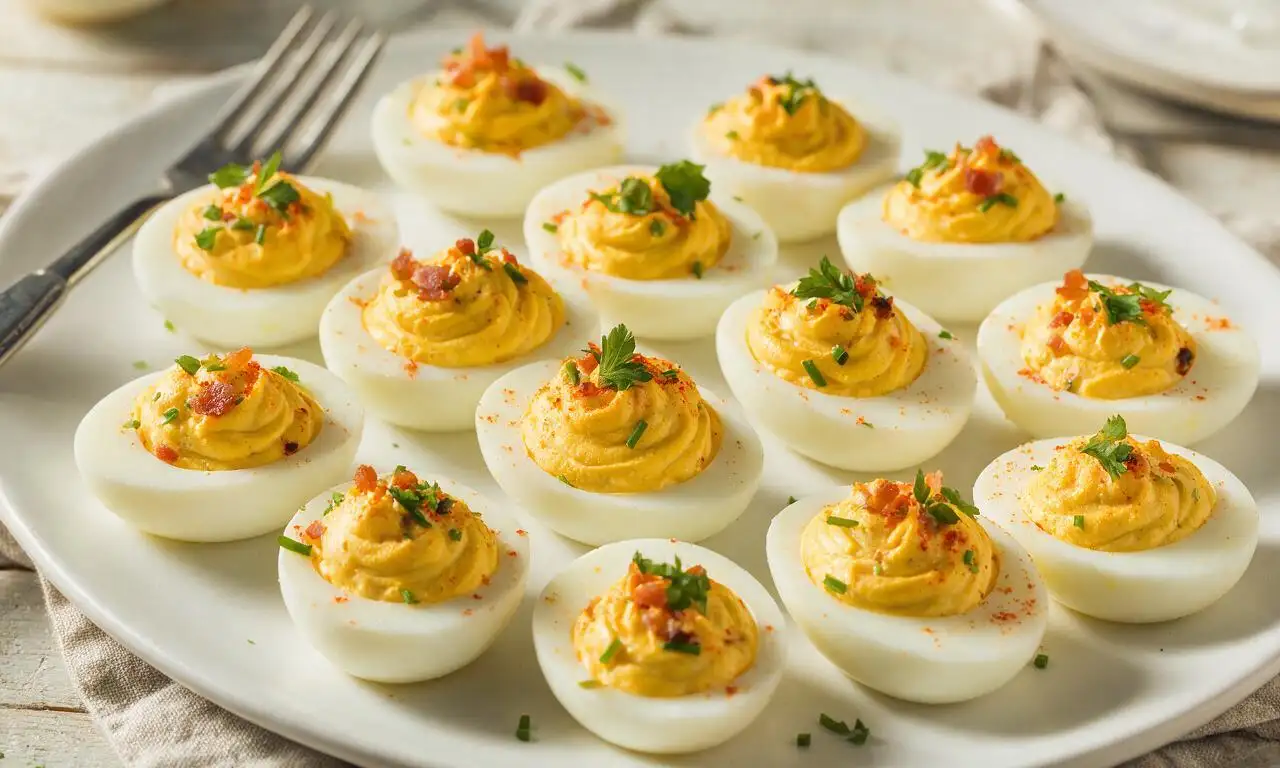
Creamy, tangy, perfectly seasoned hard-boiled egg halves filled with a rich, smooth yolk mixture, a timeless, crowd-pleasing bite for holiday and casual gatherings alike.

⏱️ 40 minuteSnacks & Appetizers ★ 4.8
Snacks & Appetizers
🍜 Russia

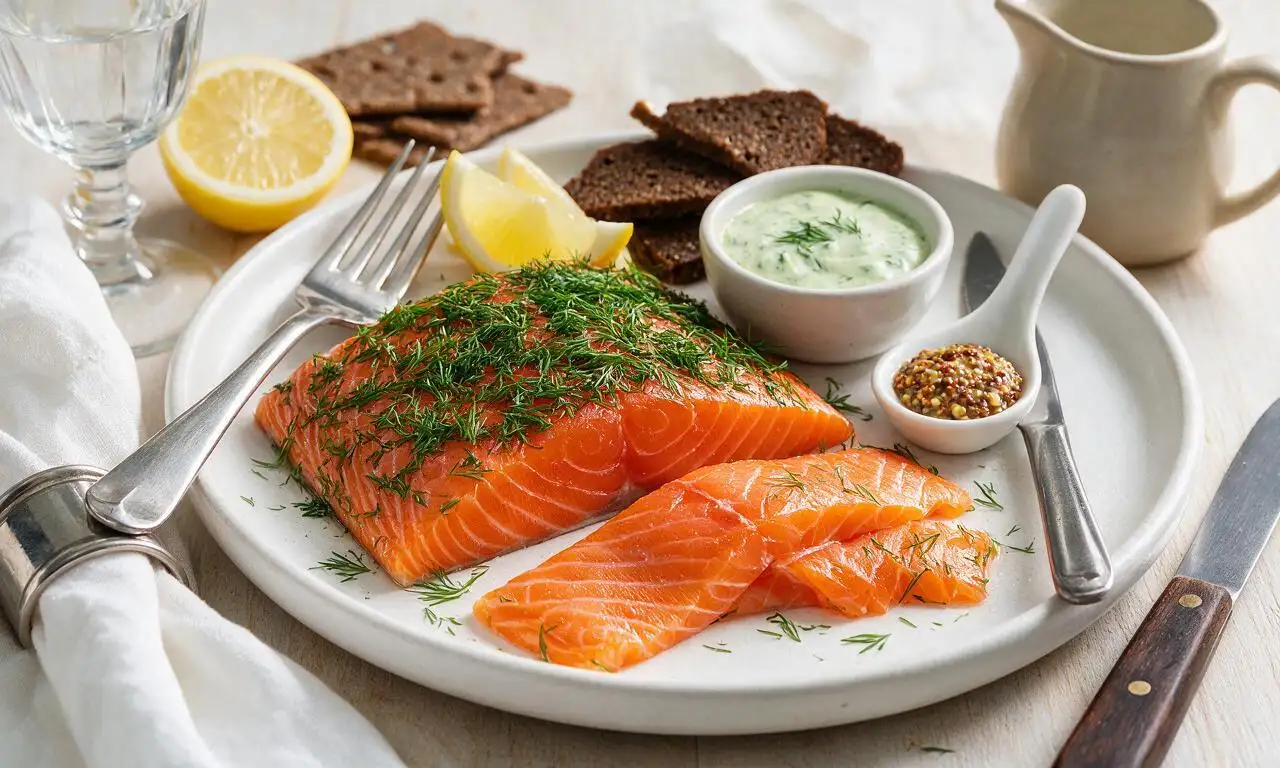
Silky, dill-forward no-smoke cured salmon, a Scandinavian classic with bright salty-sweet flavor, ideal for holiday starter platters and open-faced rye sandwiches.

⏱️ 48 hours Snacks & Appetizers ★ 4.7
Snacks & Appetizers
🍜 Japan

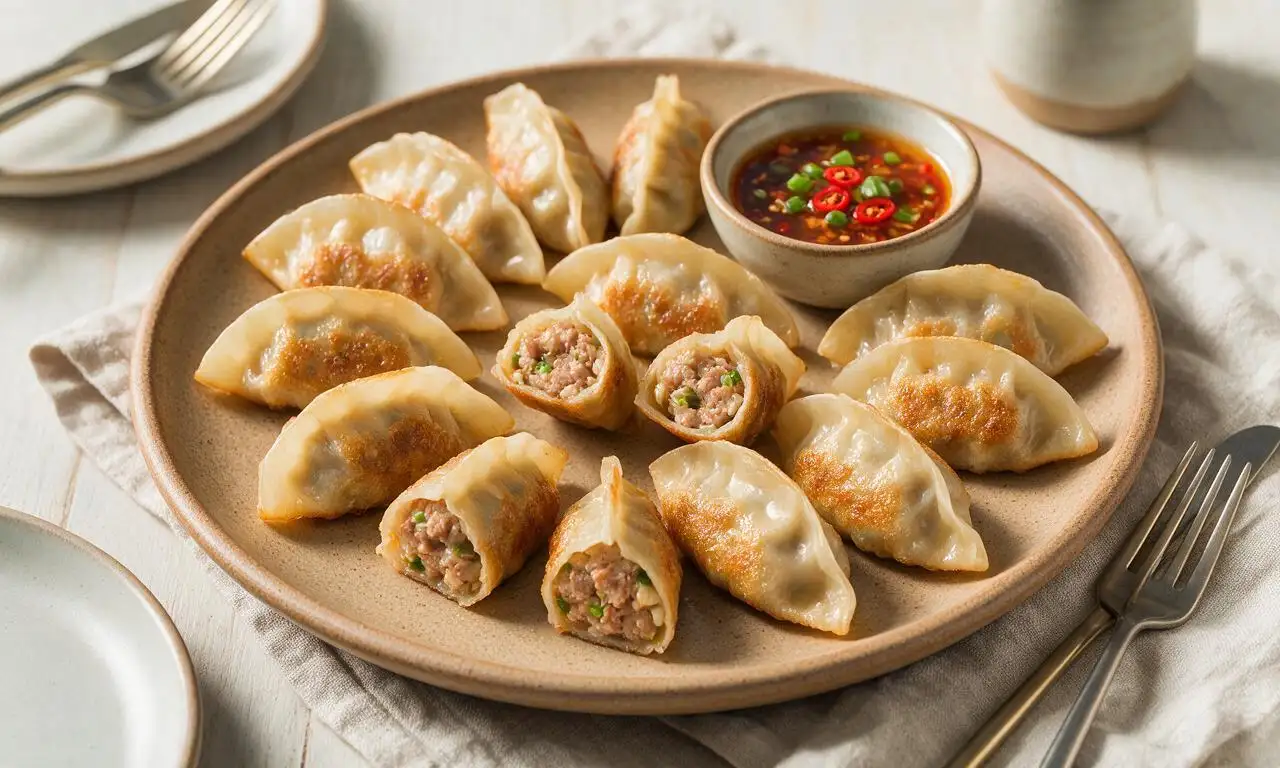
Crisp golden bottoms, juicy savory pork and vegetable filling, and tangy dipping sauce make these pan-fried gyoza a beloved shareable bite.

⏱️ 45 minuteSnacks & Appetizers ★ 4.8

Raw Oysters on the Half Shell:Frequently Asked Questions

1.How do I pick the freshest live oysters for this recipe? ▾
Look for tightly closed, unbroken shells that feel heavy for their size—tap any slightly open shells; if they snap shut immediately, they’re alive and safe to eat. Avoid cracked shells or oysters that don’t close when tapped, as those are dead and pose a food safety risk. Grab an assortment of coastal varieties to mix up brininess and sweet, oceanic flavor notes.
2.How long can I store live oysters before shucking and serving? ▾
Keep live oysters in a single layer, cupped-side down, on a tray lined with damp paper towels in the coldest part of your fridge (32–35°F) for up to 1 week. Never store them in airtight containers or submerged in fresh water, as that will kill them quickly. Discard any oysters that die before shucking to avoid risk of foodborne illness.
3.What’s the safest, easiest way to shuck oysters at home? ▾
Grab a thick, sturdy oyster shucking knife and a heavy kitchen towel to protect your non-dominant hand. Hold the oyster cupped-side down in the towel, wedge the knife tip into the narrow hinge end, twist to pop the shell, then slide the knife along the top to sever the muscle, keeping as much briny oyster liquor inside as possible.
4.Why do you serve raw oysters on crushed ice instead of a regular platter? ▾
Crushed ice serves two critical purposes: it keeps oysters ice-cold to preserve their bright, ocean-sweet flavor and firm, delicate texture, and it holds the curved half shells steady so they don’t tip over and spill their precious briny liquor or accoutrements. Mound the ice high right before serving for the best temperature hold and presentation.
5.How do I make the classic mignonette from the recipe’s shallots and red wine vinegar? ▾
It’s a simple, bright tangy sauce designed to cut through oysters’ rich brininess without overpowering their natural flavor: finely mince 2 small shallots, stir them into ½ cup good-quality red wine vinegar, add a pinch of coarse kosher salt, and let it rest 30 minutes at room temp to let flavors meld before serving. No extra sugar or herbs are needed for the classic version.
6.Can I make the shallot mignonette sauce ahead of time? ▾
Absolutely—you can make the red wine vinegar and shallot mignonette up to 3 days in advance, stored in a sealed glass jar in the fridge. The shallots will mellow slightly the longer they sit, which creates a smoother, less sharp tang. Give it a quick stir right before serving, and hold off on adding the pinch of kosher salt until you’re ready to use it.
7.Do I need to rinse oysters after shucking them? ▾
Skip a full rinse, as that washes away the natural, briny oyster liquor packed with that signature ocean-sweet flavor people love. If you spot tiny bits of broken shell in the oyster or its liquor, just pick them out with the tip of your shucking knife, or dab gently with a damp paper towel instead of running the oyster under tap water.
8.What other simple accoutrements pair well besides mignonette? ▾
Traditional, no-fuss pairings include fresh lemon wedges for a bright citrus squeeze, freshly grated horseradish for a sharp, sinus-clearing kick, and classic cocktail sauce for folks who prefer a tangy, tomato-forward bite. Keep accoutrements simple so they don’t overpower the pure, delicate flavor of the fresh raw oysters.
9.How many oysters should I plan per person for a light starter? ▾
For an elegant first course as part of a multi-course meal, plan for 3–4 oysters per guest. If oysters are the main star of a casual happy hour spread, bump that portion up to 6 per person. Offer a mix of mild, briny, and sweet coastal varieties so guests can sample different regional flavor profiles.
10.Is it safe to eat these raw oysters for people with compromised immune systems? ▾
No, raw shellfish carries a small but serious risk of vibrio bacteria, which can cause severe illness for immunocompromised people, pregnant people, young kids, and older adults. For those groups, cook oysters to an internal temperature of 145°F for 15 seconds before eating, instead of serving them raw on the half shell.
11.How do I keep oysters cold during a party so they stay safe to eat? ▾
Mound crushed ice on a large, deep serving platter, nestle the shucked oyster half shells firmly into the ice so they sit level, and keep the platter in the fridge until right before guests arrive. For longer events, set the serving platter inside a larger tray filled with extra ice to maintain a safe 40°F or colder temperature for up to 2 hours.
12.What’s the flavor difference between East Coast and West Coast oysters for raw service? ▾
East Coast oysters tend to be firmer, saltier, and brinier with a crisp, clean mineral finish, while West Coast oysters are usually softer, sweeter, with subtle notes of cucumber or melon and a milder brine. Serving a mix of both lets guests experience the full range of fresh oyster flavors without extra complicated prep.
13.Do I need to add extra salt directly to the raw oysters? ▾
You almost never need extra salt on fresh raw oysters—their natural briny liquor has the perfect delicate, salty ocean flavor. The coarse kosher salt in this recipe is primarily for seasoning the mignonette, though you can also spread a thin layer of it under crushed ice on your platter to help hold wobbly shells steady if needed.
14.What’s the proper, low-fuss etiquette for eating raw oysters on the half shell? ▾
Hold the half shell up to your mouth, tip it slightly, and slide the oyster and its briny liquor right into your mouth—no need to chew excessively, as a couple of quick chews lets you taste the full, sweet ocean flavor. It’s totally fine to slurp a little; that’s part of the casual, fun experience of eating raw oysters!
15.Can I shuck oysters ahead of time for a party to cut down on prep work? ▾
You can shuck oysters up to 1 hour before serving, as long as you keep them ice-cold the entire time. Nestle the shucked oysters in their half shells back on a bed of crushed ice in the fridge, covered loosely with a damp paper towel, to keep them from drying out. Don’t shuck them any earlier, as they’ll lose their bright, fresh flavor and firm texture fast.
16.Why do some oysters taste much more briny than others? ▾
Oyster flavor is totally determined by their growing environment—factors like water salinity, temperature, tidal flow, and coastal mineral content where they’re harvested all impact taste. Oysters from colder, saltier northern waters tend to be brinier, while those from milder, less salty southern or Pacific bays are sweeter and more mild.
17.What should I do if an oyster smells off right after shucking? ▾
Toss it immediately! Fresh, safe raw oysters should smell like clean, cold ocean brine—if an oyster has a strong, sour, overly fishy, or rotten sulfur smell after you shuck it, it’s spoiled and not safe to eat. Don’t taste it to check; even a small bite of a bad oyster can cause uncomfortable, fast-acting foodborne illness.

Comments (7)

2 days ago

OMG I was so nervous to shuck oysters at home for our anniversary dinner but this guide made it totally foolproof! The mignonette recipe paired with them is SO good, my husband kept raving the whole meal. Total game changer for date nights at home, no more paying $4 an oyster at the restaurant down the street!

yesterday

Wait did you use a regular oyster knife or a regular butter knife? I’ve been too scared to try shucking ‘cause I keep hearing horror stories about slipping!

5 minutes ago

So happy your anniversary dinner was a hit, Sally! Pro tip for anyone nervous about shucking: wrap the oyster in a thick kitchen towel to protect your hand, and always work slowly so you don’t slip. It gets way easier after your first 2 or 3 oysters!

1 week ago

Made these for our neighborhood potluck last weekend and they flew off the platter! I knocked off one star only because I messed up the first 3 oysters while shucking and got shell bits in them, but once I got the hang of it they turned out great. My kids even snuck a couple before the guests showed up!

5 days ago

Thanks for the honest feedback, Jill! Those first few shucks can definitely be tricky—we’ve all been there! So glad they were a hit at the potluck, that’s such a fun dish to share with neighbors.

3 days ago

Taste was great but wow shucking is way harder than the guide makes it sound, ended up going through two bandaids before I got through a dozen. Maybe I need more practice? The lemon and horseradish serving suggestion was chef’s kiss though.

yesterday

Hosted a little raw bar for my birthday brunch yesterday and these were the star of the show! I prepped all the garnishes ahead (mignonette, cocktail sauce, fresh lemon wedges, horseradish) and laid the oysters on a bed of crushed ice, everyone asked for the recipe nonstop. 10/10 will be making these for every gathering from now on!

2 hours ago

How far in advance can you shuck them before serving? I’m hosting a dinner party next Friday and don’t want to be stuck shucking while all my guests are hanging out!

30 minutes ago

Love this birthday spread idea! We recommend shucking them no more than 30 minutes before serving for the best texture and freshness—enlist a friend to help shuck while you prep the rest of the spread to make it go faster!

5 days ago

Grew up eating raw oysters down in the Florida panhandle and this recipe hits exactly the right notes. No fancy frills needed, just super fresh oysters, a little acid, and good company. Saved this to send to all my friends who keep asking how to make restaurant-style oysters at home.

3 days ago

Do you have a go-to spot to buy oysters if you don’t live near the coast? I’m in Denver and nervous about buying seafood that’s fresh enough to eat raw!

2 weeks ago

Made these for Father’s Day and my dad said they were better than the ones we get at our usual seafood shack! Only gripe is I wish there was a little more info on how to pick the best oysters at the grocery store, I stood in the seafood section for 10 minutes staring at all the different varieties.

1 week ago

So glad these impressed your dad for Father’s Day! Great note about picking oysters—look for ones that are tightly closed (no gaping shells!) and smell like clean ocean brine, no strong fishy smell. We’ll add that tip to the recipe soon!

just now

SO good, my partner and I did a little staycation date night last night and made these with a side of crispy fries and cold white wine, it felt like we were at a fancy waterfront restaurant without the 2 hour wait and huge bill. Will absolutely be adding this to our regular date night rotation!