Rocky Mountain Oysters

title 1
Rocky Mountain Oysters
⏱️ cook time 45 minutes
🍽️ servings 4
⚡ Difficulty medium

intro

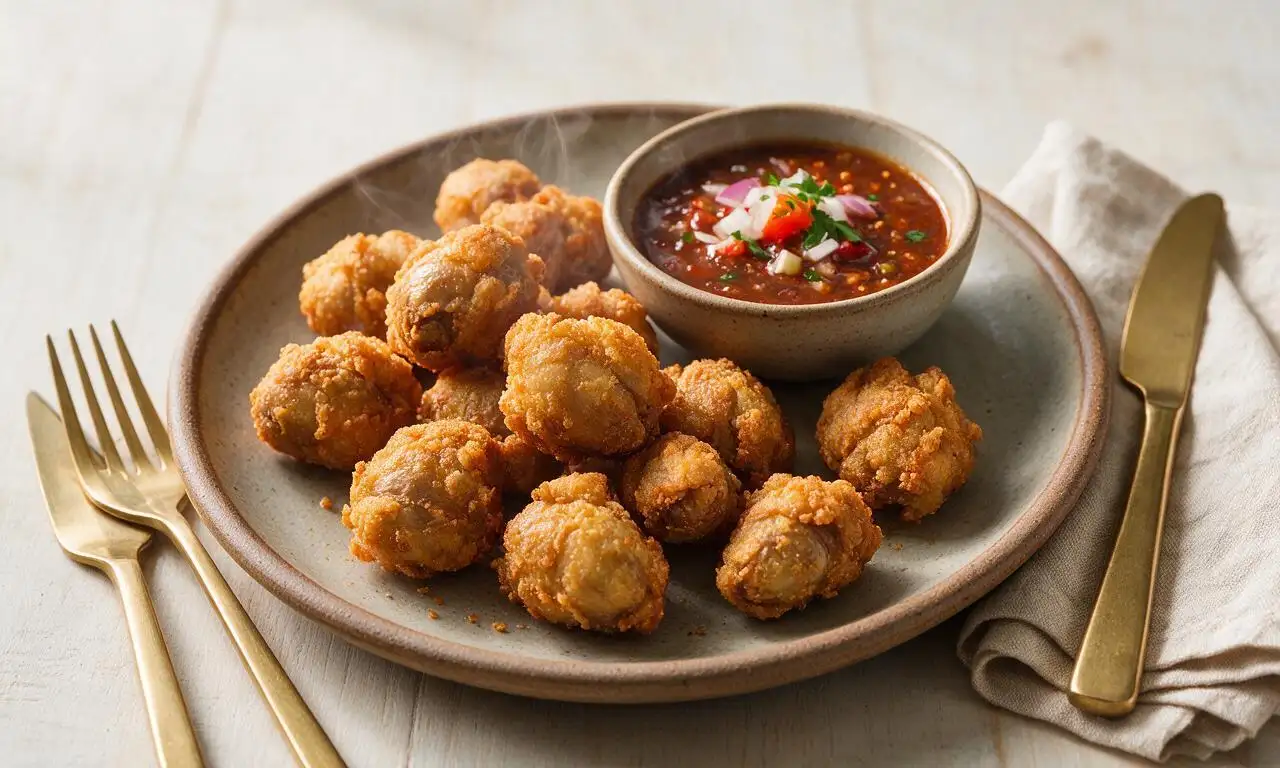
Crispy, savory deep-fried bull testicles, a beloved quirky Rocky Mountain regional specialty, served hot with tangy dipping sauce for casual, fun gatherings.

Ingredients

Rocky Mountain oysters (bull testicles) 900 grams (2 lbs)
Buttermilk 480 ml (2 cups)
All-purpose flour 180 grams (1.5 cups)
Fine yellow cornmeal 60 grams (0.5 cup)
Garlic powder 1 tablespoon
Smoked paprika 1 teaspoon
Cayenne pepper 0.5 teaspoon
Kosher salt 4 teaspoons (divided)
Ground black pepper 1 teaspoon
Vegetable frying oil 1.9 liters (2 quarts)
Hot sauce (for serving) 60 ml (0.25 cup)

Steps

1

Prep and blanch oysters

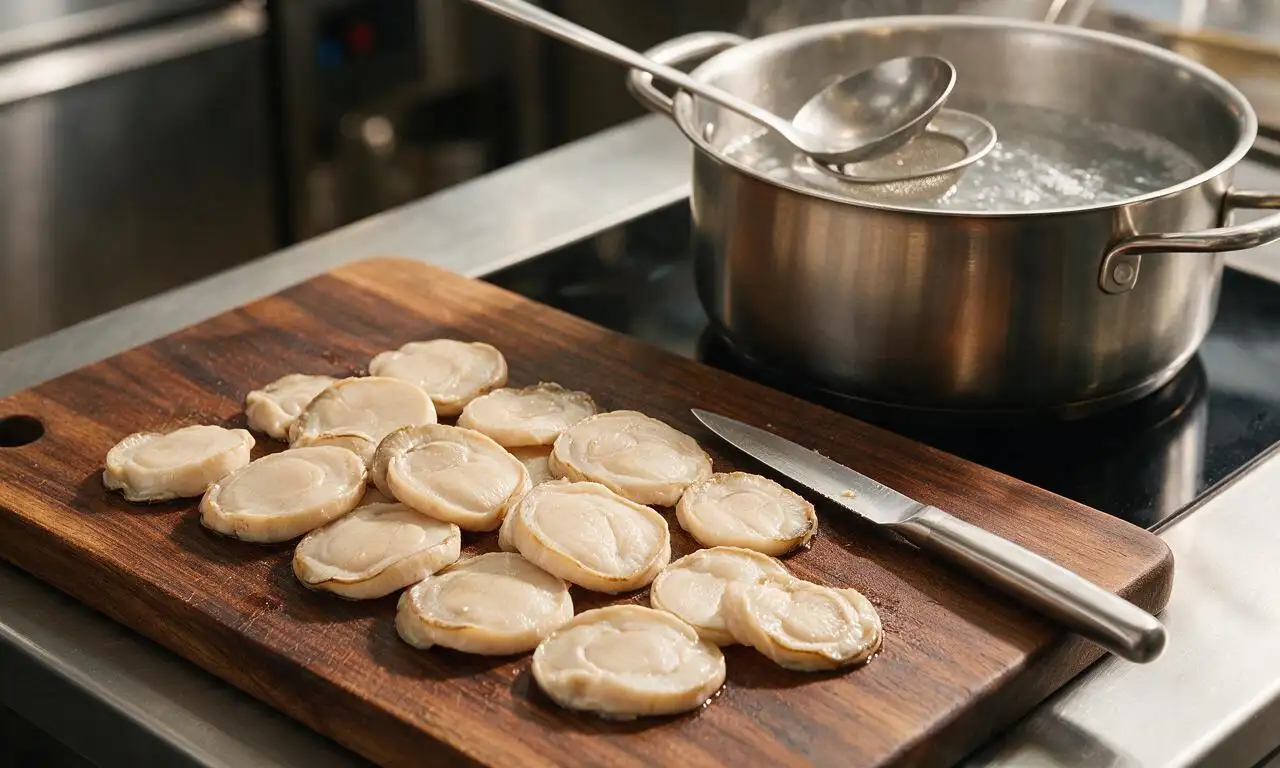
Bring 2 liters of water mixed with 2 teaspoons of kosher salt to a rolling boil over medium-high heat. Rinse 900g raw Rocky Mountain oysters under cold running water, add them whole to the boiling water, and blanch for 3 minutes. Use a slotted spoon to transfer oysters to a cutting board, let cool 3 minutes until safe to handle, then make a shallow 1cm slit through the now-loosened tough outer silver membrane of each, and peel the membrane away fully. Slice peeled oysters into uniform 1cm thick round medallions.
Step 1
step1:Prep and blanch oysters
2

Marinate in buttermilk

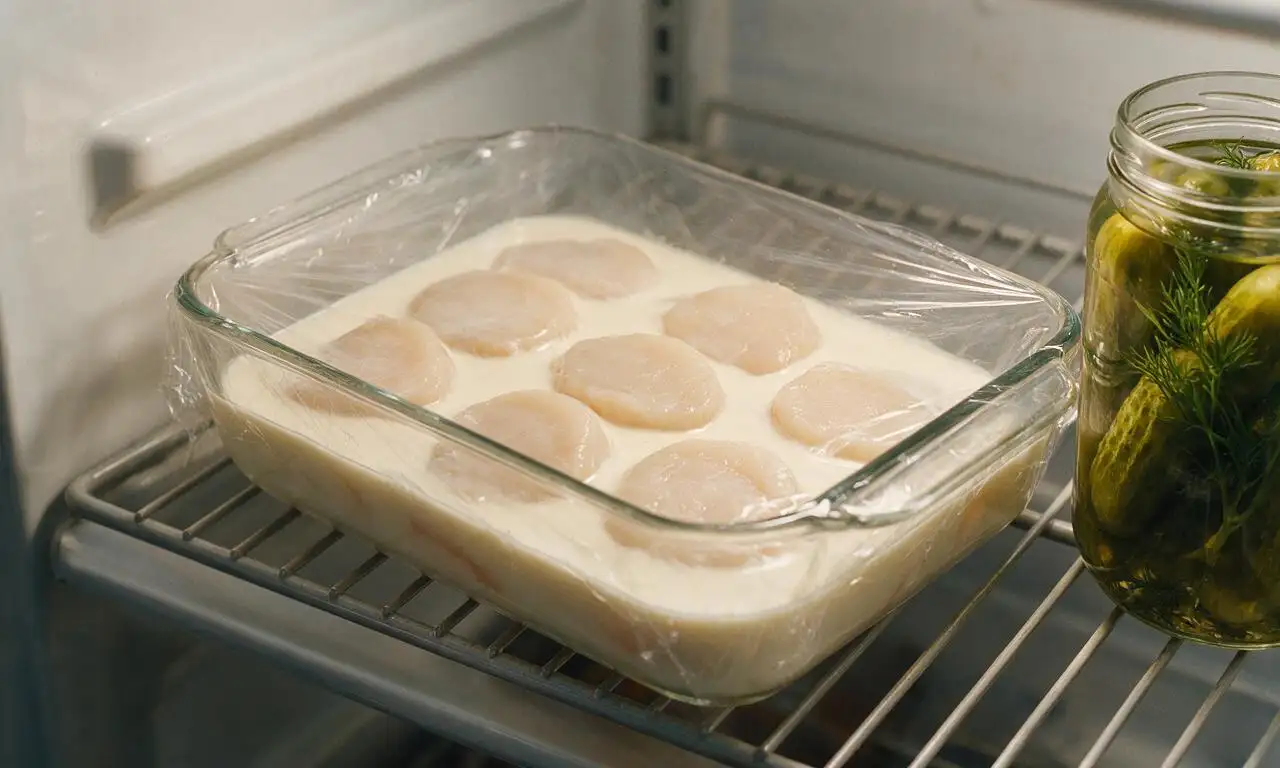
Place the sliced oyster medallions in a shallow 2L glass baking dish, pour 480ml cold buttermilk over the pieces, ensuring all medallions are fully submerged. Cover the dish tightly with plastic wrap, and refrigerate at 4C (40F) for 15 minutes to tenderize the meat and help breading adhere.
Step 2
step2:Marinate in buttermilk
3

Mix seasoned breading

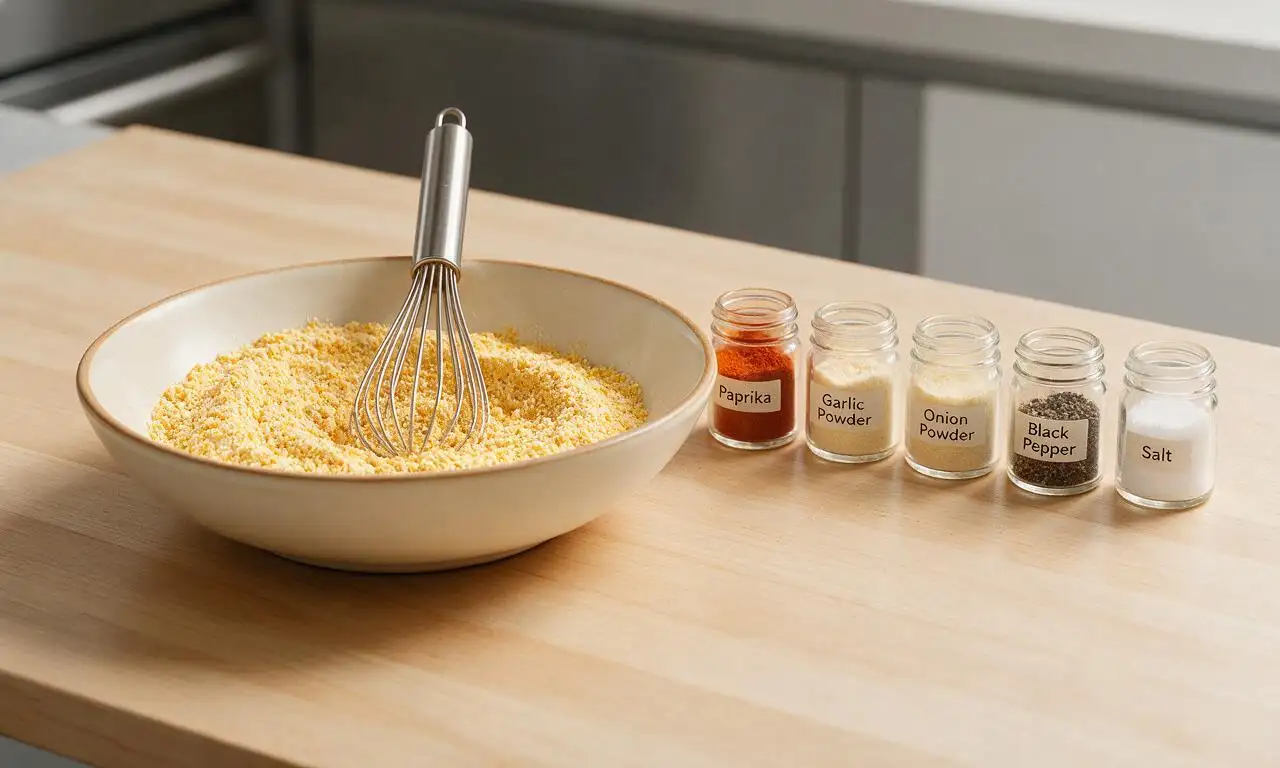
In a wide, shallow ceramic bowl, combine 180g all-purpose flour, 60g fine yellow cornmeal, 1 tablespoon garlic powder, 1 teaspoon smoked paprika, 0.5 teaspoon cayenne pepper, 1 teaspoon kosher salt, and 1 teaspoon ground black pepper. Whisk the dry mixture continuously for 30 seconds until all spices are evenly distributed with no clumps.
Step 3
step3:Mix seasoned breading
4

Bread oyster medallions

Remove the buttermilk-soaked oysters from the refrigerator. Working one piece at a time, lift each medallion from the buttermilk, letting excess liquid drip off for 2 seconds, then press firmly into the breading mix to coat all sides evenly. Set breaded pieces on a wire rack set over a rimmed baking sheet, and let rest 10 minutes to allow the breading to set.
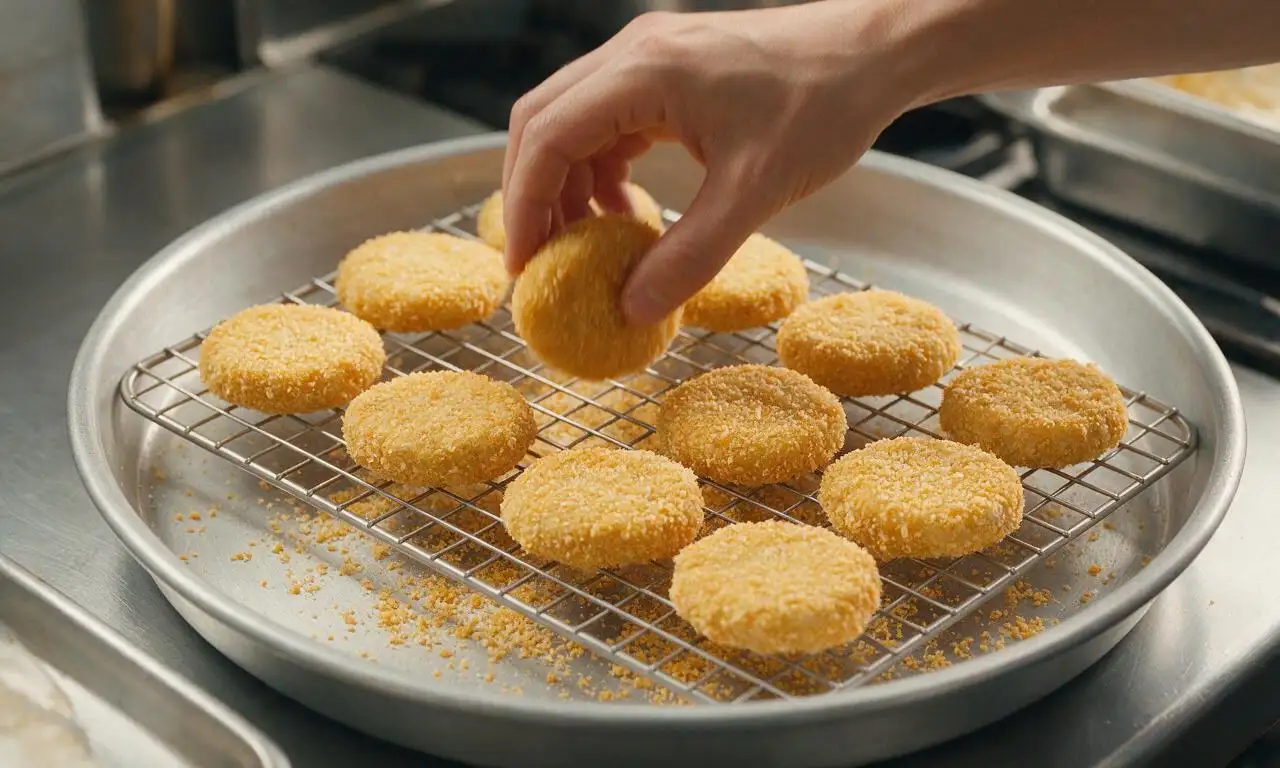
Step 4
step4:Bread oyster medallions
5

Deep fry to crisp

Pour 1.9 liters of vegetable oil into a heavy-bottomed 5L Dutch oven, attach a candy thermometer to the pot edge, and heat over medium heat until the oil reaches a steady 180C (350F). Working in batches of 5-6 pieces to avoid dropping oil temperature, carefully lower breaded oysters into the hot oil, and fry for 3-4 minutes per batch until deep golden brown and crispy, with an internal meat temperature of 74C (165F). Use a slotted metal spoon to transfer fried oysters to a paper-towel lined plate, and sprinkle immediately with the remaining 1 teaspoon of kosher salt.
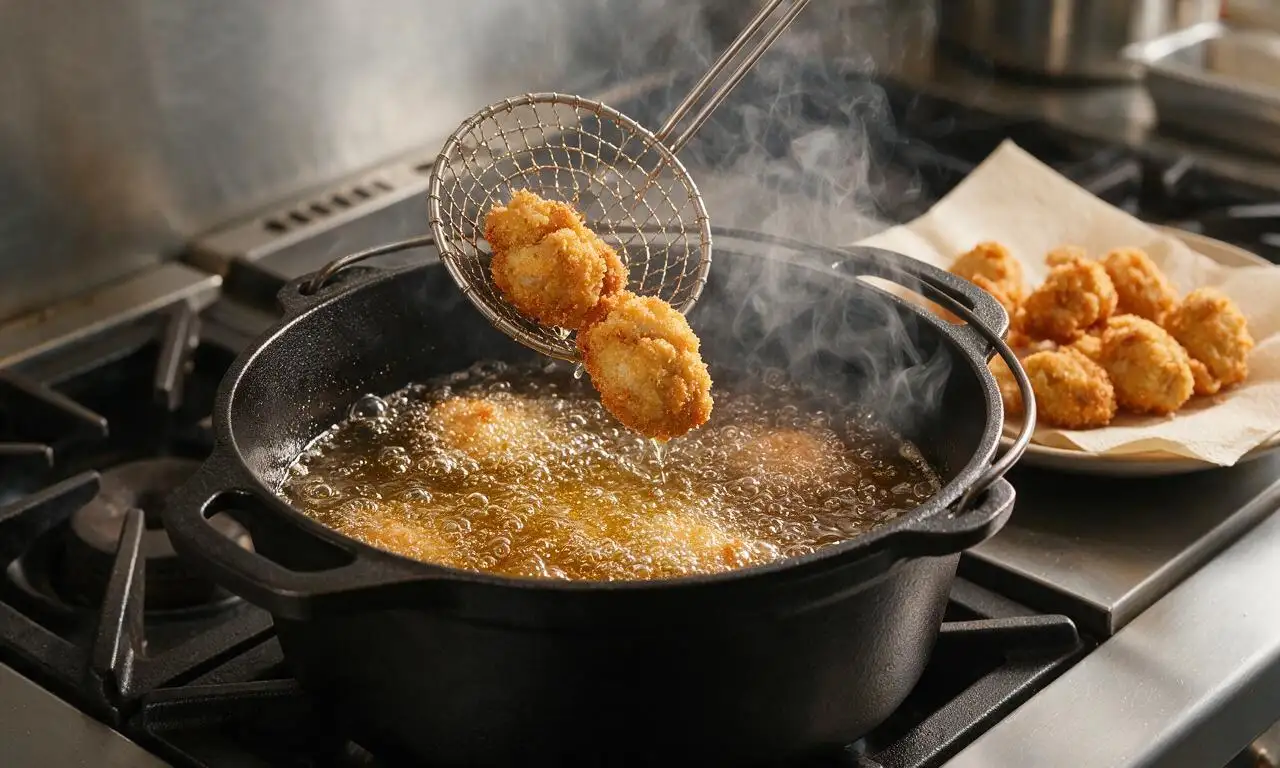
Step 5
step5:Deep fry to crisp
6

Serve hot with sauce

Arrange the hot, crispy Rocky Mountain oysters on a shared rustic serving platter, and place a small ramekin of 60ml hot sauce (or creamy horseradish sauce, if preferred) alongside for dipping. Serve immediately while the breading is shatteringly crisp and the meat is tender.
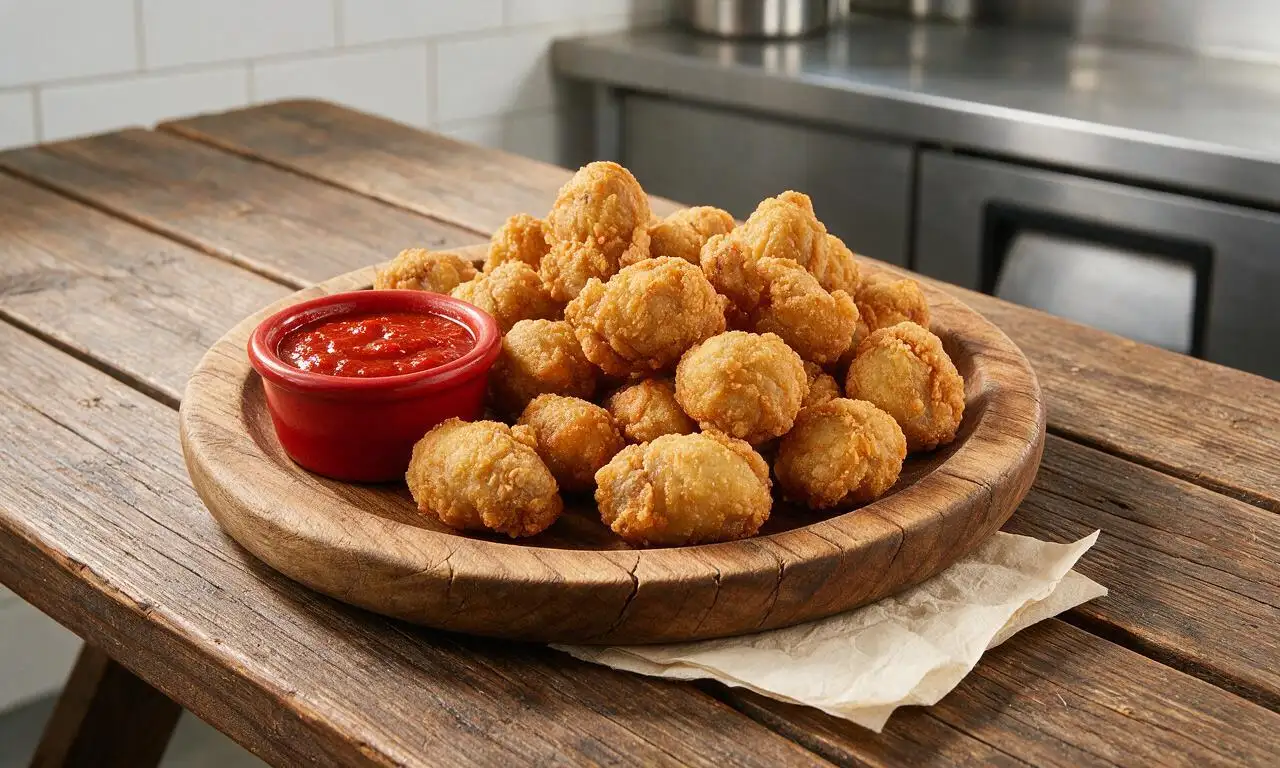
Step 6
step6:Serve hot with sauce

Tips

1.Do not skip peeling the tough, silvery outer membrane, even if it feels tedious; it becomes unpleasantly chewy and rubbery when cooked, and will ruin the texture of the dish.
2.Avoid overcrowding the frying pot, as this causes oil temperature to drop rapidly, resulting in soggy, oil-soaked breading instead of a light, crisp crust.
3.Let breaded medallions rest on the wire rack for the full 10 minutes before frying; this sets the breading so it does not slide off the meat while cooking in hot oil.
✨ You May Also Like

Snacks & Appetizers
🍜 Mexico

Crispy thick-cut tortilla chips piled high with seasoned beef, melted cheese, and bright fresh toppings for a shareable, crowd-favorite bite.

⏱️ 25 minuteSnacks & Appetizers ★ 4.8
Snacks & Appetizers
🍜 United States

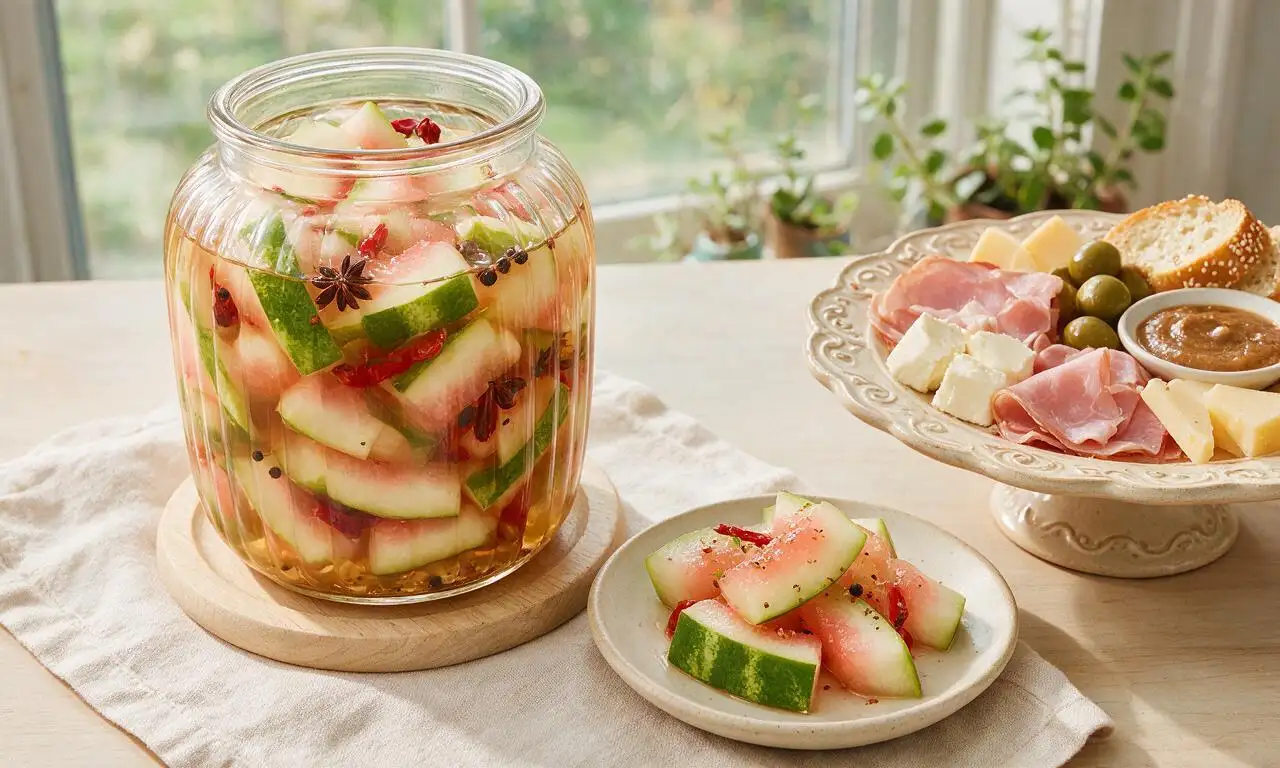
Crisp, sweet-tangy spiced pickled watermelon rind is a zero-waste summer staple, perfect with grilled meats, charcuterie, or eaten straight from the jar as a bright snack.

⏱️ 30 minuteSnacks & Appetizers ★ 4.6
Snacks & Appetizers
🍜 Germany

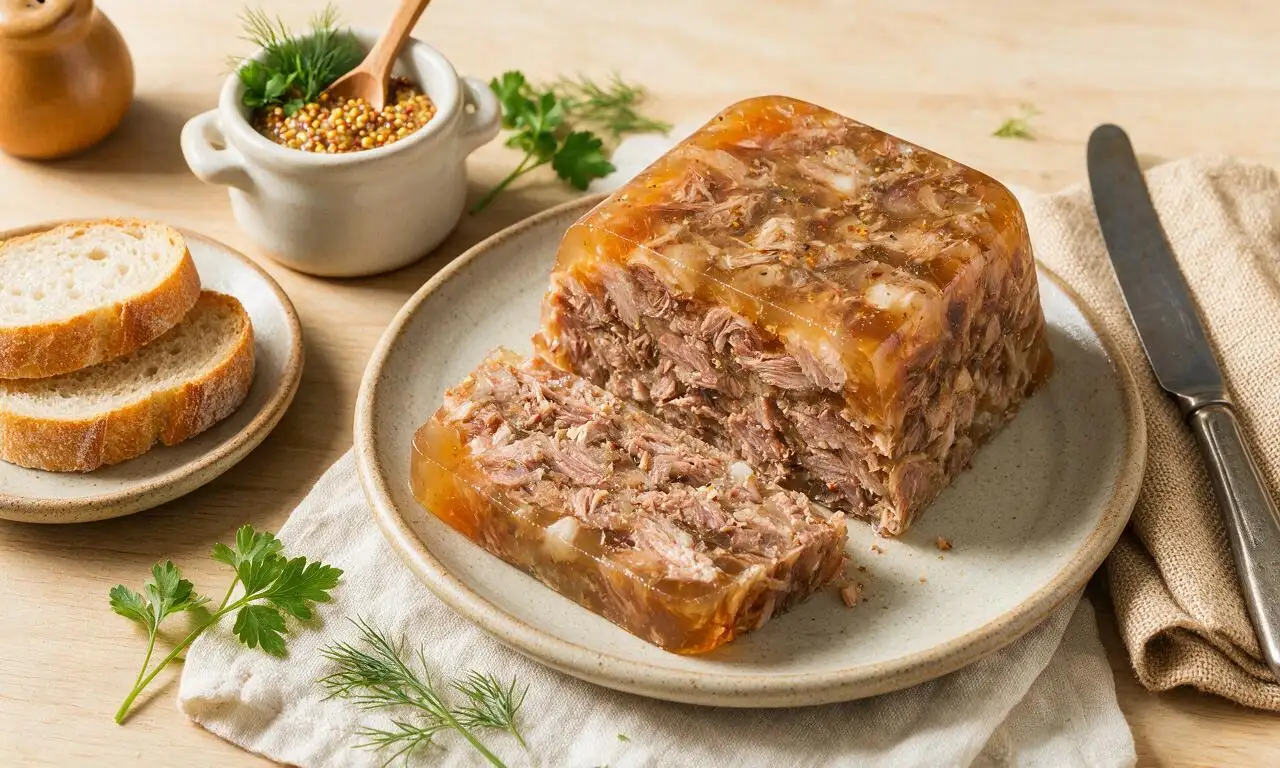
A tangy, jellied pork cold cut slow-simmered with aromatic spices, set into a firm sliceable loaf, served cold with mustard and crusty bread.

⏱️ 3 hours 4Snacks & Appetizers ★ 4.8
Snacks & Appetizers
🍜 United States

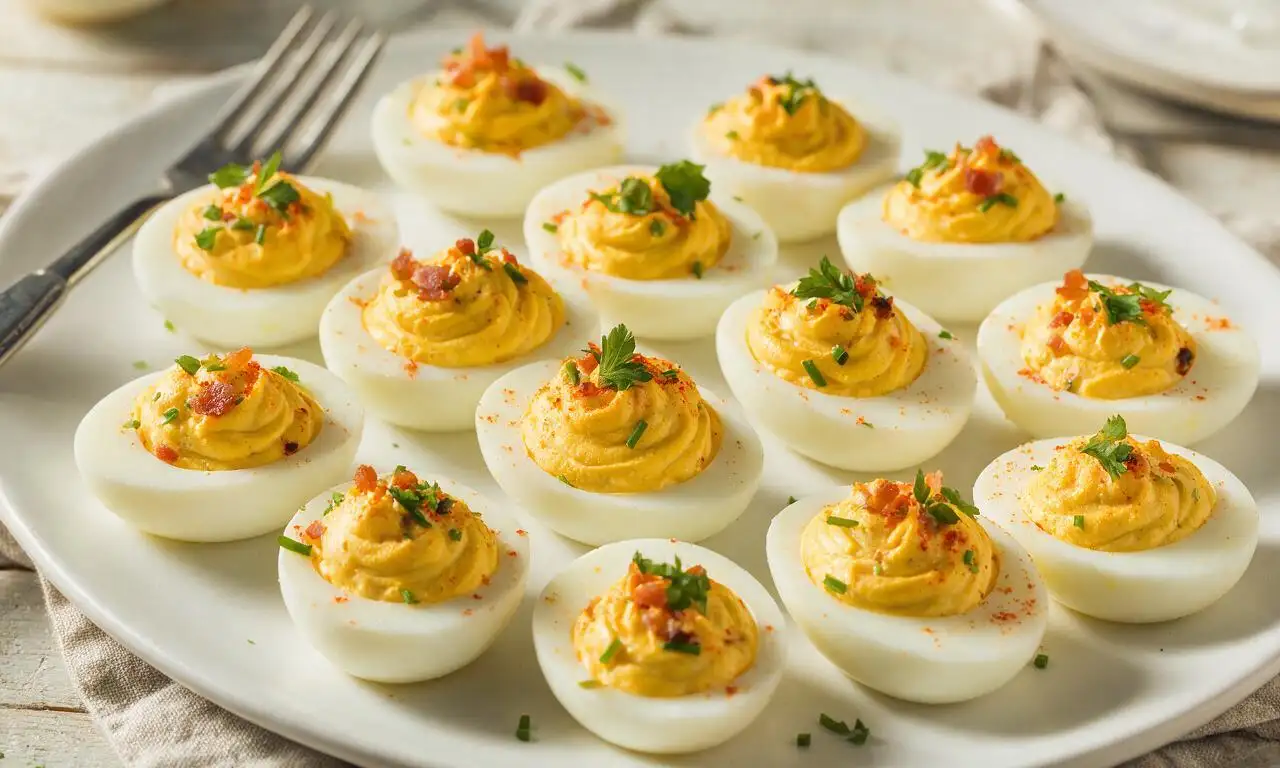
Creamy, tangy, perfectly seasoned hard-boiled egg halves filled with a rich, smooth yolk mixture, a timeless, crowd-pleasing bite for holiday and casual gatherings alike.

⏱️ 40 minuteSnacks & Appetizers ★ 4.8
Snacks & Appetizers
🍜 Russia

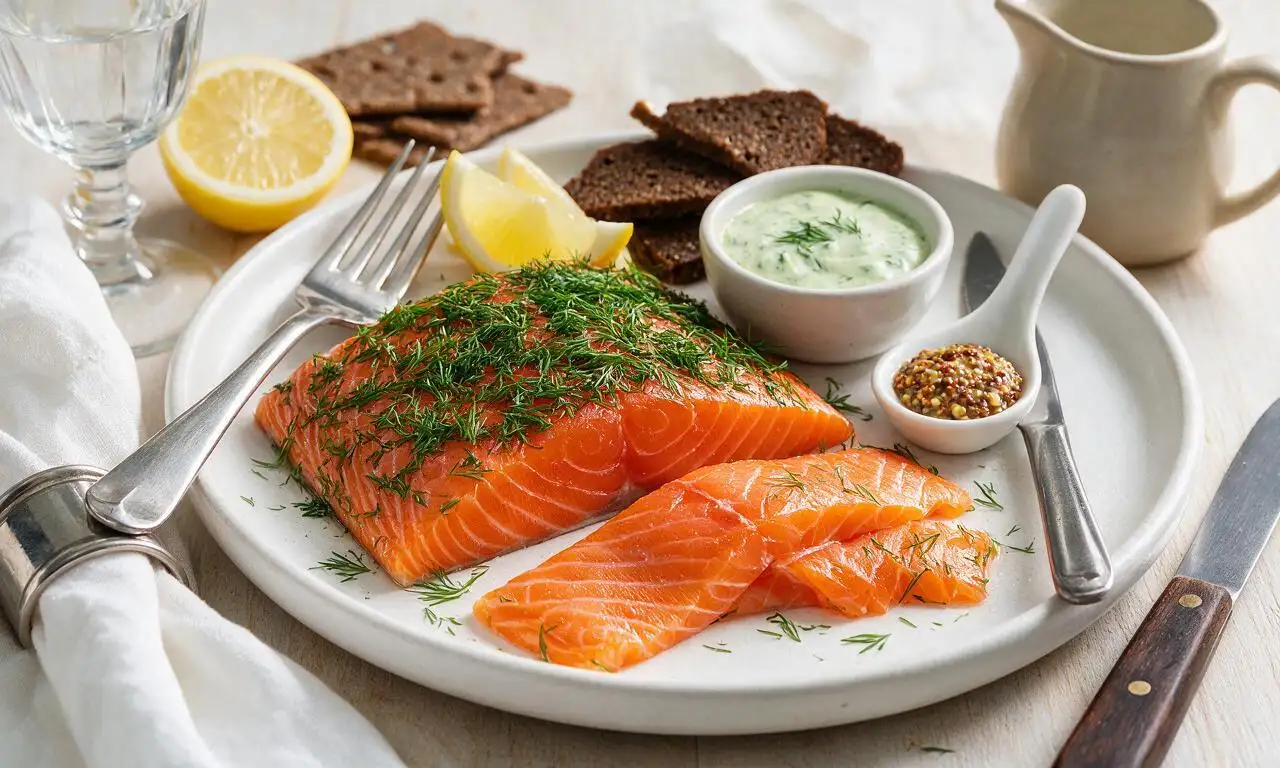
Silky, dill-forward no-smoke cured salmon, a Scandinavian classic with bright salty-sweet flavor, ideal for holiday starter platters and open-faced rye sandwiches.

⏱️ 48 hours Snacks & Appetizers ★ 4.7
Snacks & Appetizers
🍜 Japan

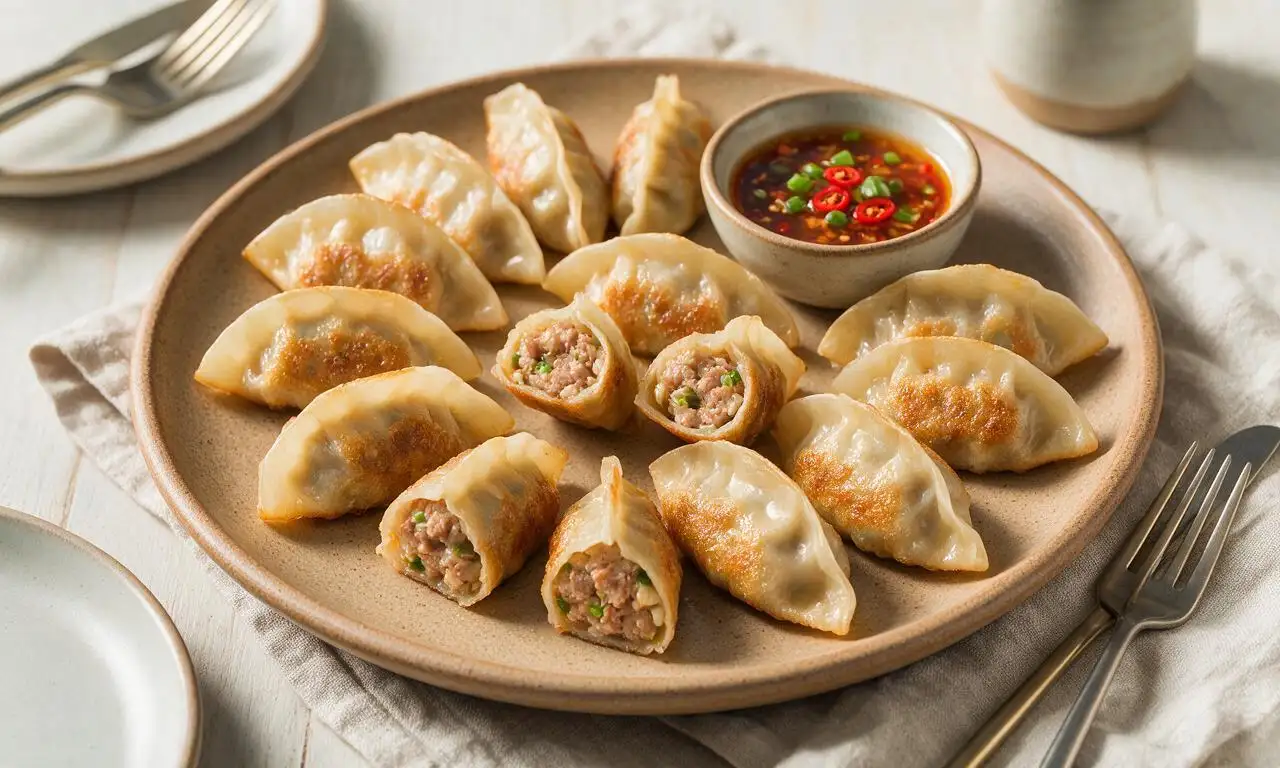
Crisp golden bottoms, juicy savory pork and vegetable filling, and tangy dipping sauce make these pan-fried gyoza a beloved shareable bite.

⏱️ 45 minuteSnacks & Appetizers ★ 4.8

Rocky Mountain Oysters:Frequently Asked Questions

1.What are Rocky Mountain oysters, anyway—they’re not actual seafood, right? ▾
Great first question—they’re not seafood at all! Rocky Mountain oysters are peeled, sliced bull testicles, a beloved quirky landlocked Rocky Mountain regional staple. The silly, misleading name dates back to early ranching days, when ranchers used every part of the animal during castration season, turning this cut into a crispy, savory fried treat served at rodeos, fairs, and casual cookouts.
2.Where can I source safe, good-quality Rocky Mountain oysters to make this recipe at home? ▾
Your best bet is a trusted local butcher that specializes in grass-fed beef, especially if you live in or near the Rocky Mountain states. Many high-quality butchers take pre-orders, and some well-stocked grocery stores with large meat departments carry them frozen. Always confirm they’re pre-peeled, or ask your butcher to remove the tough outer membrane to save prep time.
3.Why is buttermilk a key ingredient here, and can I substitute it if I don’t have any on hand? ▾
Buttermilk does two critical jobs: its mild lactic acid tenderizes the oysters and cuts any subtle gamey flavor, and it helps the breading stick tight for that perfect crispy crust. If you don’t have buttermilk, stir 1 tablespoon of white vinegar or lemon juice into 1 cup of whole milk, let it sit 5 minutes to curdle, and use it exactly as you would store-bought buttermilk.
4.Do I need to do any special prep work on the oysters before breading and frying them? ▾
First, make sure the tough, rubbery outer silver membrane is fully peeled off—if left on, it will turn unpleasantly chewy and tough when fried. Next, slice them into ¼-inch thick medallions, then soak them in the buttermilk for at least 2 hours (or up to overnight in the fridge) to tenderize them and mellow any strong, gamey notes before breading.
5.What’s the benefit of mixing fine yellow cornmeal with all-purpose flour for the breading? ▾
That blend creates the perfect shatteringly crisp, non-soggy crust we all love. All-purpose flour alone makes a softer, less crunchy coating that tends to slide off the meat, while straight cornmeal is overly gritty and heavy. The mix adds a subtle, toasty corn note too, which pairs perfectly with the savory meat and tangy dipping sauce.
6.What oil temperature works best for frying, and how do I know when the oysters are fully cooked? ▾
Heat your neutral frying oil (like canola or refined peanut) to a steady 350°F, using a clip-on candy thermometer to track temp so it doesn’t dip too low or spike too hot. Fry breaded oysters in small batches for 3 to 4 minutes total, until deep golden brown, and check for an internal temp of 160°F on an instant-read thermometer for food safety.
7.Why is garlic powder in the breading, and can I add extra seasonings to the mix? ▾
Garlic powder adds a warm, savory umami base to the breading that doesn’t burn during quick frying, unlike fresh garlic which can turn bitter fast at high heat. You absolutely can add extra seasonings! A pinch of smoked paprika, cayenne for heat, or black pepper works great—just don’t overdo it, so the mild, unique flavor of the oysters still shines through.
8.I’ve heard Rocky Mountain oysters taste super gamey—how do I make sure they turn out mild? ▾
Mellowing any gamey edge comes down to two simple steps: first, fully remove that tough outer membrane, which holds most of the strong, off-putting flavors. Second, don’t skip the long buttermilk soak! The mild acid in buttermilk gently tenderizes the meat and neutralizes strong, metallic notes, leaving a mild flavor similar to tender, lean pork or mild venison.
9.What kind of dipping sauce pairs best with classic Rocky Mountain oysters? ▾
Stick with bright, tangy sauces to cut through the rich, crispy fried coating, just like regional traditions call for. Classic picks include cocktail sauce with extra horseradish, tangy ranch spiked with hot sauce, or a simple creamy horseradish mustard dip. Skip heavy, sweet sauces—they’ll overpower the meat and make the crispy crust turn soggy fast.
10.Can I prep these ahead of time for a casual gathering, or do they have to be served fresh? ▾
They’re absolute best served hot and fresh right out of the fryer, when the crust is shatteringly crisp, but you can prep components ahead to make party day easy. Slice and soak the oysters in buttermilk 24 hours in advance, and mix your breading and dipping sauces a day ahead. Fry right before guests arrive, and hold them on a wire rack in a 200°F oven for up to 20 minutes.
11.What goes wrong if I fry these at too high or too low of an oil temperature? ▾
If your oil is below 325°F, the breading will soak up tons of excess oil, turning greasy, heavy, and soggy instead of crisp, and the meat will cook unevenly. If your oil climbs over 375°F, the outside breading will burn and turn bitter before the inside of the oysters is fully cooked, leaving you with a dark crust and chewy, underdone meat. Stick to a steady 350°F for best results.

Comments (6)

3 days ago

OMG y’all, I grew up eating these at county fairs but never tried making them at home and this recipe was PERFECT. Crispy on the outside, not gamey at all if you follow the prep steps, served them with horseradish dip at our family cookout last weekend and even my picky teen went back for seconds. SO good, total game changer for our summer potluck rotation!

2 days ago

Wait did you peel the outer membrane first? I tried making these last year and they were super chewy, wondering if I skipped that step!

yesterday

Great question! That outer membrane is definitely key to remove before slicing — it gets tough when fried if left on. We recommend peeling it off while the oysters are still slightly cold for easiest removal, that’ll cut down on chewiness a ton!

1 week ago

I was so nervous to make these for my partner’s bachelor party weekend (all his friends are from Wyoming and kept raving about rocky mountain oysters) but this medium difficulty recipe was way more doable than I expected! The 45 minute cook time was spot on, I didn’t have to stand over the stove forever. Only knock is I wish the recipe noted how much the oil pops when you first drop them in — got a little burn on my wrist! Still 4 stars though, everyone raved.

5 days ago

So glad these were a hit at the bachelor party! Great note about the oil pop — we recommend patting the sliced oysters completely dry with paper towels before breading to cut down on splatter, and using a deep pot with a splatter screen if you have one! Hope the wrist is feeling better!

2 weeks ago

Made these for our annual weird food potluck at work and they were the talk of the office! Half the people had no clue what they were eating until after they said how good they were, lol. The breading seasoning is chef’s kiss, I added a little extra paprika like I do for all my fried foods and it worked perfectly. Will definitely make again for next year’s gathering!

5 days ago

I’ve been making these for hunting camp trips for years and this recipe is hands down better than my old go-to. The trick of soaking them in buttermilk for a couple hours first? Total game changer, cuts any wild taste right out. My crew ate every last bite before the burgers even came off the grill. 10/10

3 days ago

Wait how long do you soak them in buttermilk for? The recipe says an hour but you said a couple—would 2 hours be too long?

2 days ago

Great question! You can soak them for up to 4 hours in buttermilk in the fridge if you want extra tender, mild flavor — just don’t leave them longer than that or the texture can get a little mushy. 1-2 hours is the sweet spot for most folks!

2 days ago

Wait I never thought these would work for meal prep but I made a big batch on Sunday, sliced them up to put on salads and wrap fillings for the week, and they held up way better than I thought! The crispy breading gets a little soft in the fridge but a quick 2 minute reheat in the air fryer crisps it right back up. My kids were even stealing pieces off the plate when I was packing them up, so that’s a win in my book.

2 hours ago

Oh that’s such a good idea! I’ve only ever made these fresh for parties, never thought to use them for weekday meals. Gonna try the air fryer reheat trick this week, thanks for the tip!

30 minutes ago

I’ll admit I was super skeptical about these because the idea of rocky mountain oysters freaked me out, but my roommate is from Denver and begged me to make them with him. Followed the recipe exactly, and they taste like really good, tender fried veal? No weird aftertaste at all! We dipped them in hot honey and that combo was insane. Already sent the recipe to my whole family.