1.What sets authentic Louisville rolled oysters apart from other Southern fried oyster recipes?
▾
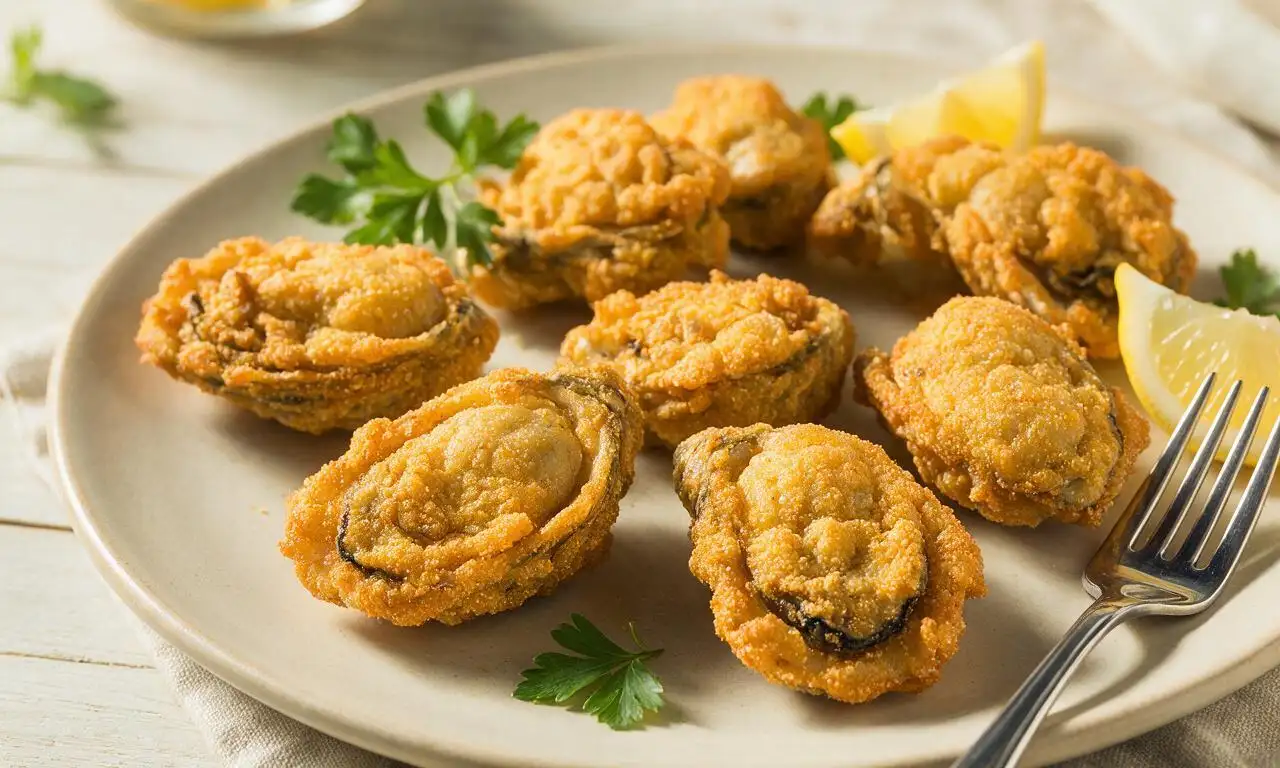
Great question! Unlike thin-dusted or panko-breaded fried oysters common across the South, Louisville-style uses a thick, leavened cornmeal batter that creates a shaggy, ultra-crunchy craggy crust around plump, briny large oysters. It’s a heartier, shareable appetizer that leans into sweet cornmeal contrast to oyster brine, with no heavy seasonings muddling that classic, simple flavor.
2.Can I use pre-shucked grocery store oysters for this recipe, or do I need to shuck my own?
▾
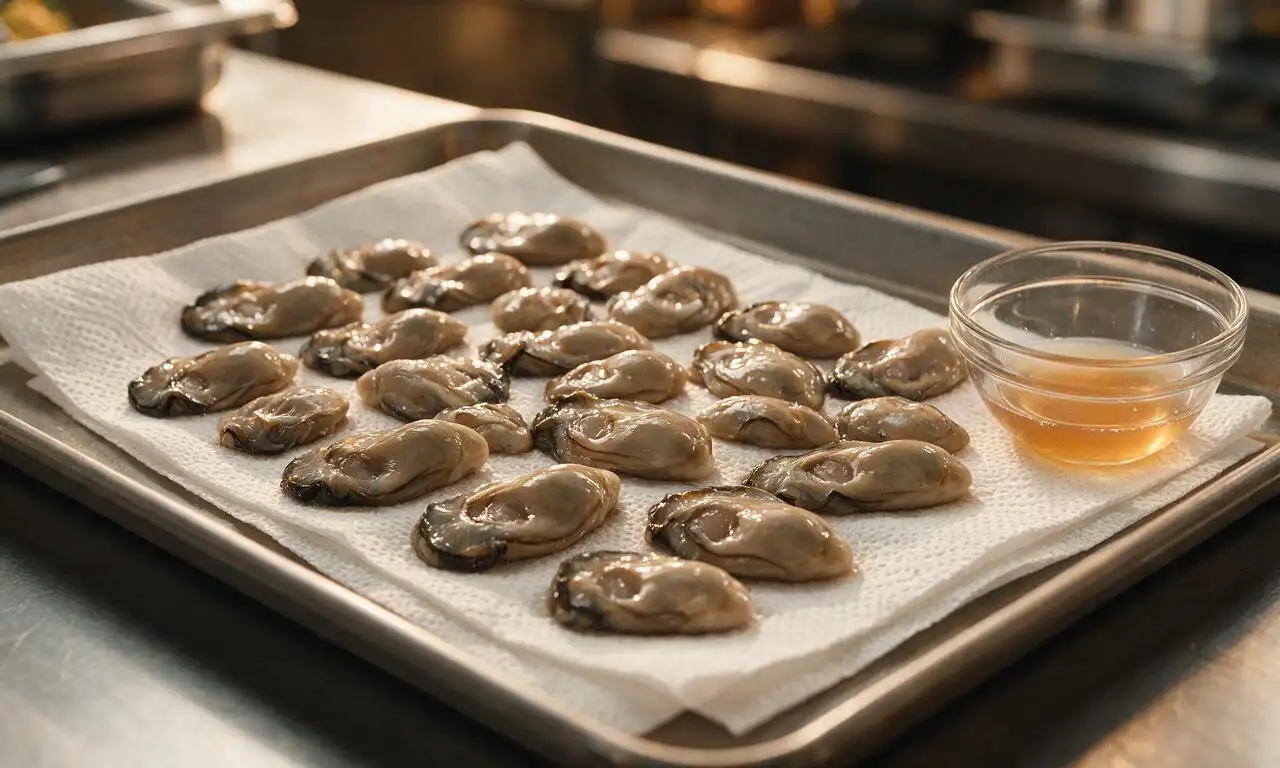
You absolutely can use high-quality refrigerated pre-shucked large oysters—no need to shuck your own if you don’t want to! Just drain them well before using, and be sure to reserve the oyster liquor from the tub. Skip tiny canned cocktail oysters, though; they shrink drastically when fried and won’t give you that plump, juicy bite the recipe is known for.
3.The recipe says to reserve oyster liquor—what is that, and what do I use it for?
▾
Oyster liquor is the clear, briny natural juice that comes with shucked oysters, and it’s total liquid gold here. If your cornmeal batter is a little too thick to coat oysters evenly, stir in a teaspoon of reserved liquor at a time to thin it instead of plain water; it adds subtle briny depth plain liquid can’t match. It also works great stirred into tartar or cocktail sauce for serving.
4.What type of cornmeal gives the most authentic, crispy crust for these oysters?
▾
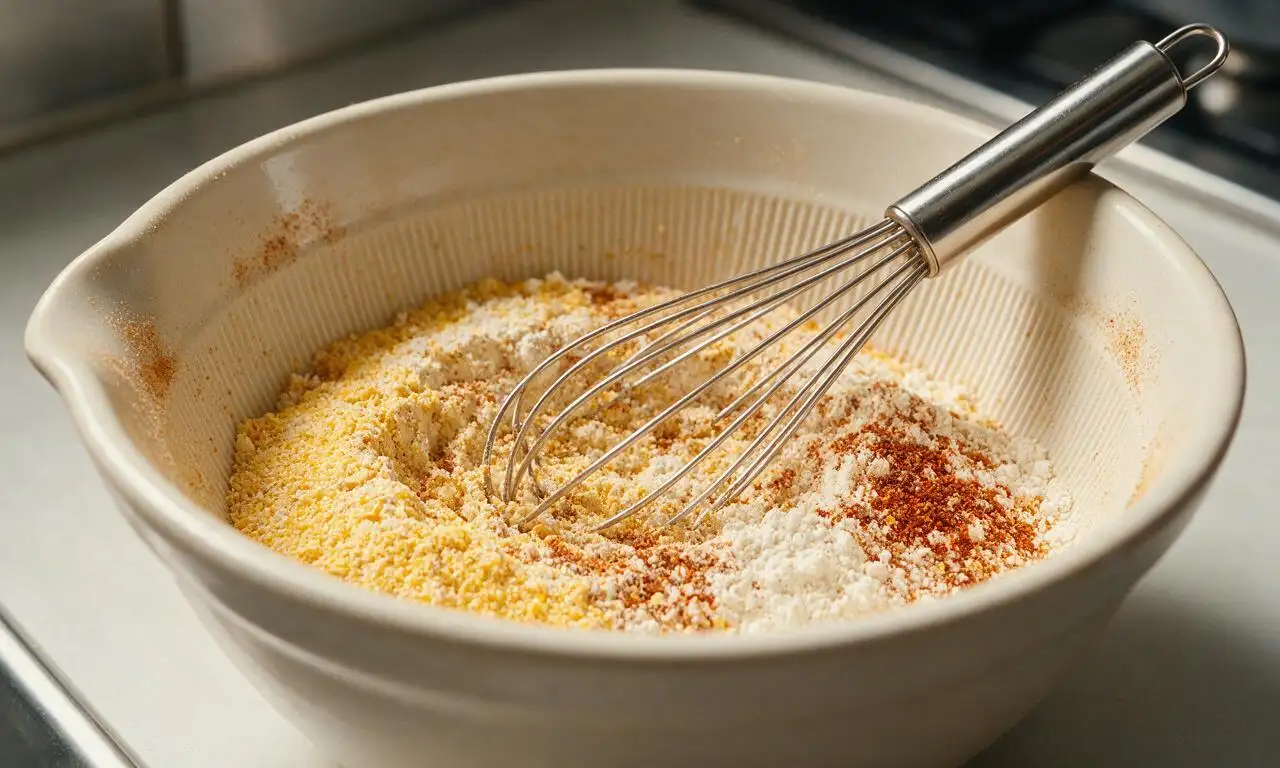
Stick to fine yellow cornmeal for the most authentic texture, just like iconic Louisville seafood shacks use. Fine grind creates a batter that sticks evenly without feeling gritty, and it toasts up to that signature golden, crunchy crust in the fryer. Skip coarse stone-ground cornmeal here—it makes the crust too rough and heavy, and won’t adhere as well to slippery oyster surfaces.
5.Why does the recipe specify spooning and leveling the all-purpose flour?
▾
Spooning flour into your measuring cup and leveling it off with a flat knife prevents you from packing too much flour into the batter, one of the most common home cooking missteps. Packed flour leads to a thick, gummy, dense batter that fries up tough instead of light and crispy. This small, quick step keeps the batter ratio perfectly balanced for that ideal shatteringly crisp crust every time.
6.What kind of oil should I use to fry these rolled oysters?
▾
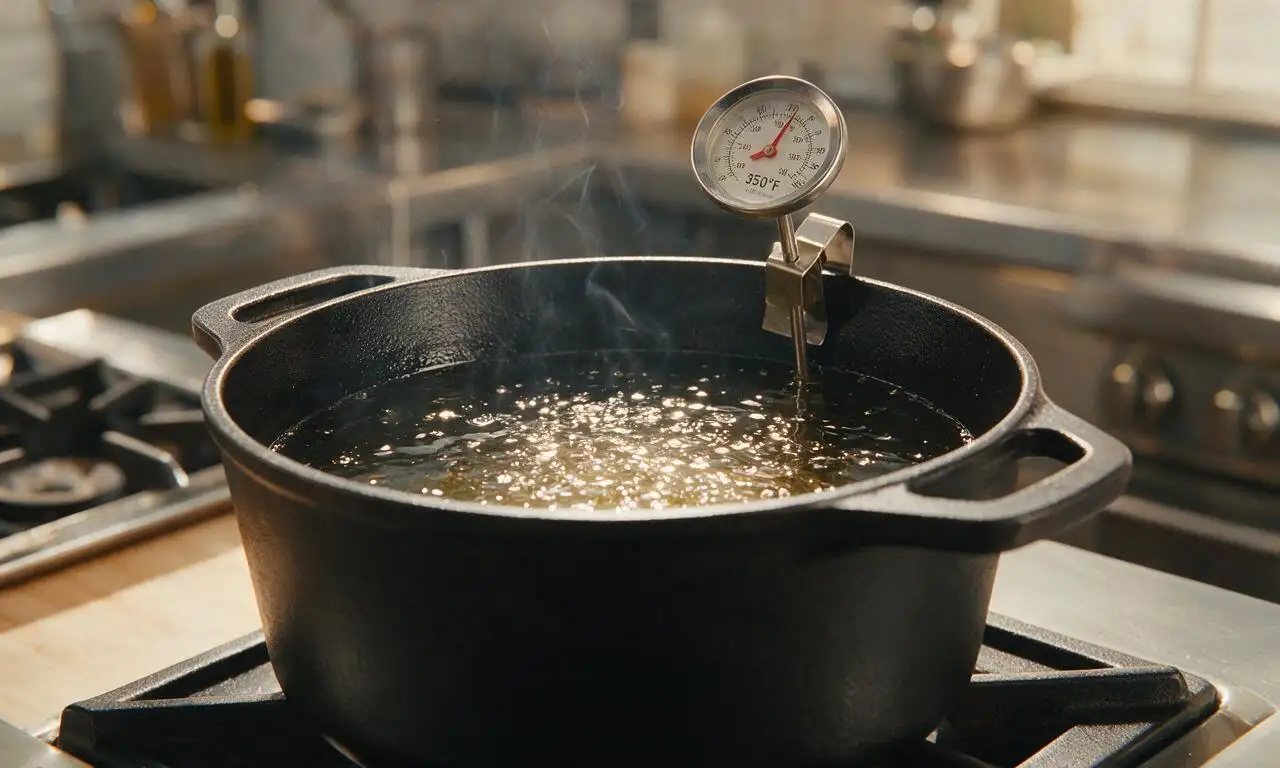
Reach for a neutral, high-smoke-point oil like canola, refined peanut, or regular vegetable oil for frying, since you’ll be heating it to 350°F. These oils don’t add off-flavors as they heat, and they crisp the cornmeal crust perfectly without burning before the oyster inside cooks through. Skip olive oil or butter here—their low smoke points lead to burnt, bitter crusts and greasy oysters.
7.What exact oil temperature gives the crispiest, least greasy rolled oysters?
▾
Hold your oil steady at 350°F for best results, using a clip-on candy thermometer to monitor it closely. If the oil is too cool, the batter will soak up excess grease and turn soggy; if it’s too hot, the cornmeal crust will burn before the oyster inside heats through. Fry in small batches so you don’t drop the oil temperature sharply when adding oysters.
8.How do I keep the batter from sliding off the oysters when I fry them?
▾
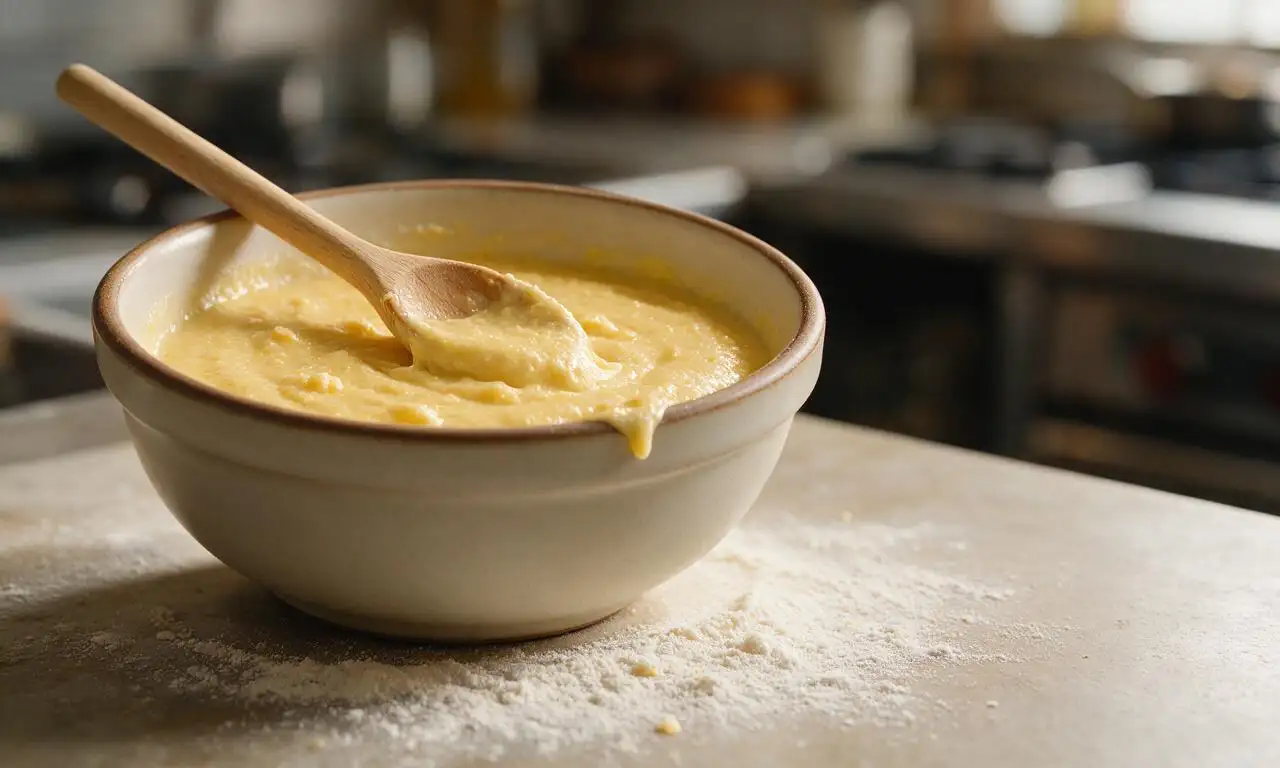
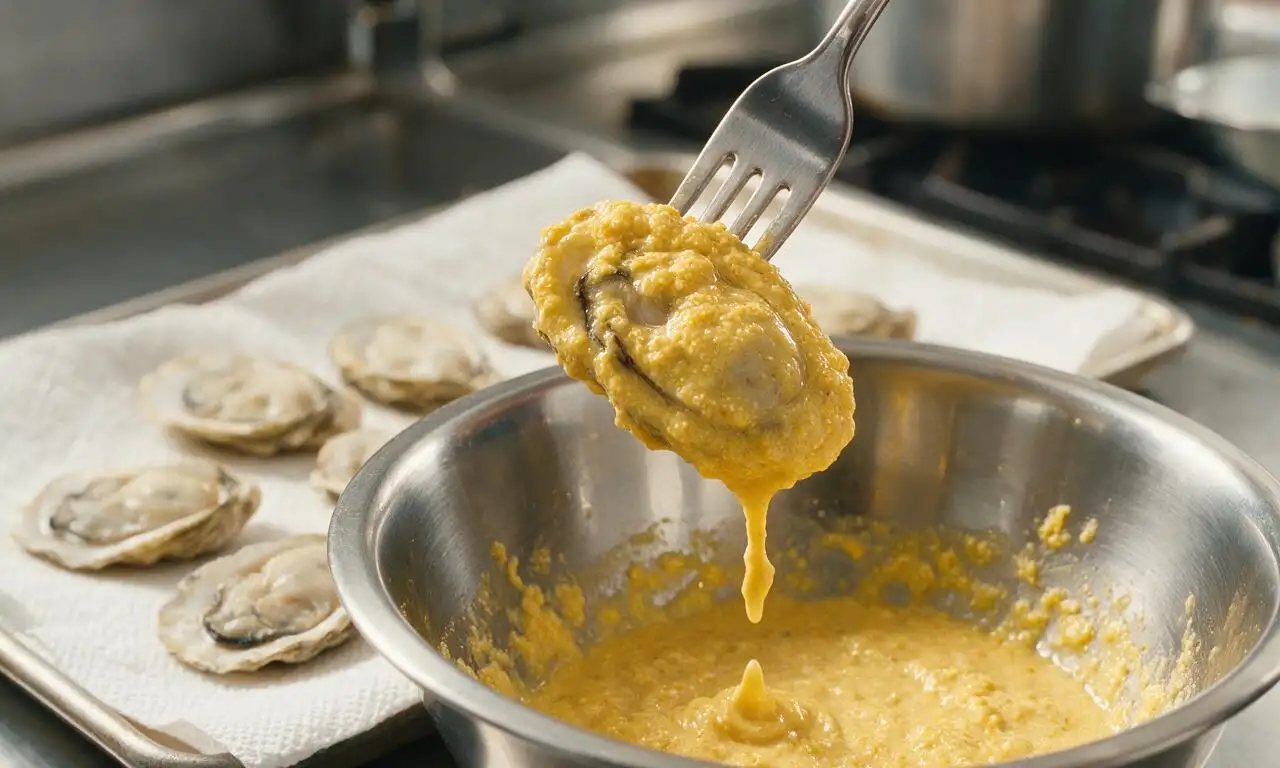
First, pat your drained oysters very dry with paper towels—excess surface moisture is the number one reason batter slides off slippery oysters. Your batter should be as thick as pancake batter, thick enough to coat the back of a spoon. Roll each oyster fully in batter, let excess drip off for 2 seconds, then lower it gently into hot oil to set the crust fast.
9.What purpose does the baking powder serve in the cornmeal batter?
▾
That small amount of baking powder is the secret to that signature light, shatteringly crisp crust instead of a dense, hard cornmeal shell. When the batter hits hot oil, the baking powder activates and creates tiny air bubbles, giving the coating that classic craggy, puffy texture Louisville rolled oysters are famous for, rather than a flat, tough outer layer.
10.How long do I need to fry the oysters so they’re cooked but not rubbery?
▾
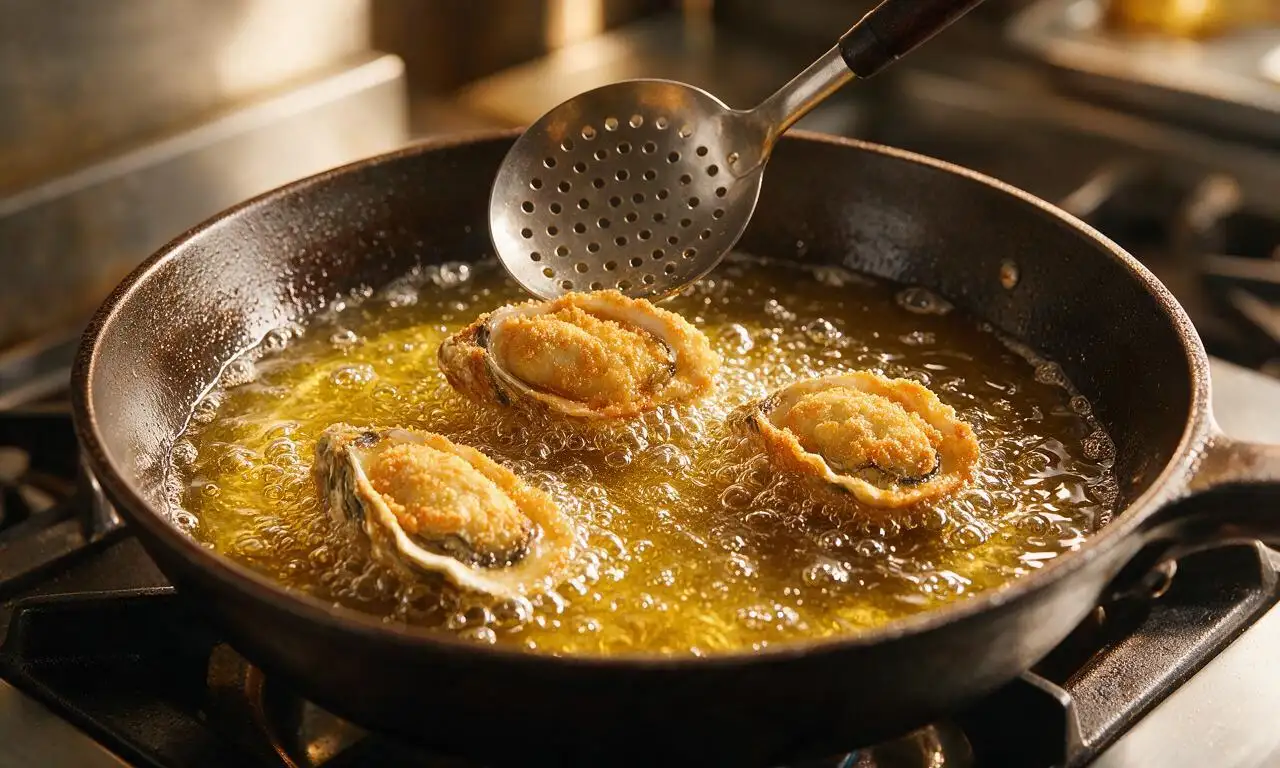
For large oysters, you’ll only need 2 to 3 minutes of total fry time, flipping once halfway through, until the crust is deep golden brown and crispy. The oyster inside will be just cooked through, plump and juicy, not rubbery. Resist the urge to fry longer—overcooked oysters shrink dramatically, turn tough and chewy, and lose their bright, briny flavor.
11.Do I need to brine or pre-season the oysters before battering them?
▾
You don’t need a separate brine at all! Fresh oysters are naturally briny, and the kosher salt in the batter plus the finishing salt sprinkle after frying is more than enough to amp up their flavor. Over-seasoning oysters ahead of time draws out too much moisture, making it harder for batter to stick and leading to less plump, slightly soggy fried oysters.
12.What are the traditional dipping sauces served with Louisville rolled oysters?
▾
Classic Louisville spots serve these crispy oysters with simple, no-fuss sauces that don’t overpower the briny oyster and toasty cornmeal flavor. Tangy homemade tartar sauce, zesty cocktail sauce, and a simple squeeze of fresh lemon are all standard. Many local spots also offer a side of spicy vinegar-based hot sauce to cut through the rich, fried crust.
13.Why do I need to sprinkle salt on the oysters right after they come out of the fryer?
▾
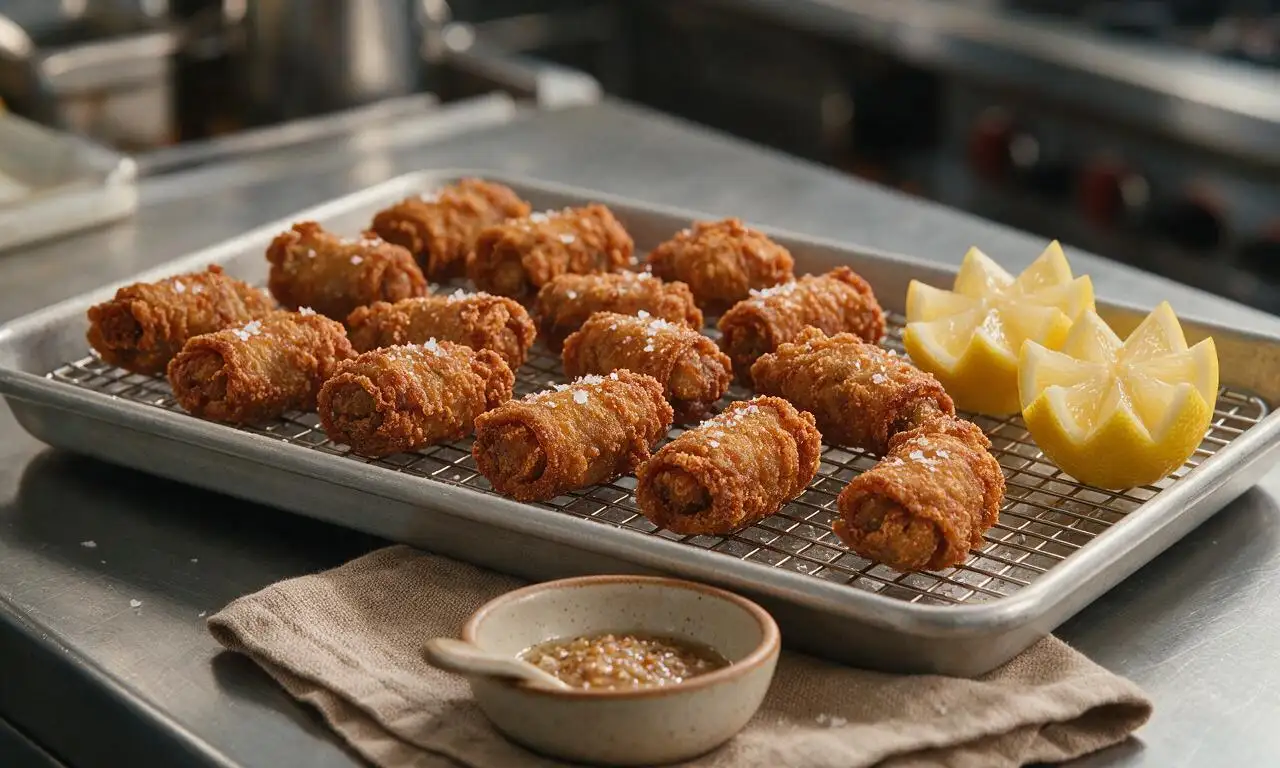
Sprinkling a pinch of kosher salt on oysters the second they leave the hot oil is critical for great flavor. The residual heat on the crispy crust makes the salt stick perfectly and dissolve evenly, so every bite is properly seasoned, instead of having salt roll off a cool, greasy surface. Transfer them to a wire rack after salting to keep the crust crisp.
14.My batter turned out really thick and clumpy—how do I fix that?
▾
If your batter is so thick it glops off in heavy clumps instead of coating oysters smoothly, you likely packed your flour too tight when measuring, or your cornmeal is extra absorbent. Fix it by stirring in 1 teaspoon of reserved oyster liquor (or cold water, if you’re out of liquor) at a time, until it reaches a thick pancake batter consistency that coats a spoon without running off too fast.
15.Can I make these rolled oysters ahead of time for a party or game day gathering?
▾
These oysters are at their absolute best served within 2 to 3 minutes of coming out of the fryer, when the crust is shatteringly crisp and the oyster is hot and juicy. You can prep the dry batter mix and drain your oysters up to 4 hours ahead, kept chilled in the fridge, but wait to batter and fry them right before serving—reheated fried oysters get soggy and rubbery fast.
16.How do I keep the fried oysters crispy while I cook the rest of my batches?
▾
Skip the paper towel-lined plate, which traps steam and turns crispy crusts soggy in minutes. Instead, set a wire rack inside a rimmed baking sheet, and place freshly fried, salted oysters on the rack in a 200°F oven while you cook remaining batches. The low oven keeps them hot, and air circulation under the rack keeps every crust perfectly crisp until serving.
17.Can I adjust this recipe to make gluten-free Louisville rolled oysters?
▾
You absolutely can! Swap the regular all-purpose flour for a 1:1 gluten-free all-purpose baking blend that includes xanthan gum, and double-check that your cornmeal and baking powder are certified gluten-free. The batter will perform almost identically to the original, giving you that same crispy golden crust and briny oyster center, so gluten-free guests can enjoy this Kentucky classic too.

OMG I made these for our family fish fry last weekend and everyone was begging for the recipe! I grew up going to Louisville to visit my grandma and these taste exactly like the ones she’d get from the old seafood stand on River Road. The cornmeal crust is perfectly crispy, not soggy at all even after sitting out for 20 minutes. 10/10, will be making these for every potluck from now on!
Taste was absolutely phenomenal, but I struggled a little with the breading sliding off half the oysters when I fried them. Cook time was spot on at 35 minutes total for me, maybe I just didn’t dry the oysters enough? Either way, the ones that turned out right were SO good, my roommate ate half the batch in one sitting.
Game changer! I was so tired of the same old fried shrimp for our weekly seafood night, so I swapped it for these rolled oysters and my kids loved it — even my pickiest 7 year old who swears he hates seafood asked for seconds! I served them with the remoulade sauce I had in the fridge and it was chef’s kiss.
I brought these to my neighborhood block party last Saturday and they were gone in 10 minutes flat! Multiple people came up asking where I got the recipe, and one person even said they were better than the oysters they had on a trip to Louisville last year. Medium difficulty was fair — I’m a pretty casual home cook and didn’t run into any snags.
Made these for my roommates for our game night spread and they were a hit! Only thing I changed was adding a little extra paprika to the breading because I love a smoky kick. Would’ve given 5 stars but I burned the first batch because my oil was too hot, oops. Definitely keep a thermometer handy if you’re a newbie like me!
I was a little intimidated because I’ve never made any kind of fried oyster before, but this recipe was so straightforward! 35 minutes total cook/prep was exactly right for me, no extra steps that felt unnecessary. The crust is so crunchy and flavorful, not greasy at all like some fried seafood recipes I’ve tried before.
Flavor was great, but I wish the recipe noted what size oysters work best. I used extra large oysters and they didn’t cook all the way through before the crust got too dark, so I had to pop them in the oven to finish. Still tasted good, just a little frustrating to troubleshoot mid-cook.
SO good! I was worried frying would make a huge mess in my kitchen, but the breading stayed put so there was barely any crumb burn in my oil. I served them with coleslaw and hushpuppies for a full Southern-style spread and my husband was seriously impressed — he’s already asked me to make them again for his birthday next month!
I’ve been searching for a solid rolled oyster recipe ever since I tried them at a Louisville-themed pop-up in Seattle last year, and this one nails it! The mix of cornmeal and a little flour in the breading is exactly the texture I remembered. Already texted the link to my whole seafood crew.
Great recipe! I prepped the breading and shucked the oysters the night before to cut down on cook time for a quick weeknight dinner, and it worked like a charm. Only note is I’d add a little more salt to the breading next time, but that’s just personal preference. My teenagers devoured them so that’s a win in my book.