1.Do I really need both bone-in, skin-on pork hocks and split pig feet to make classic pork souse?
▾
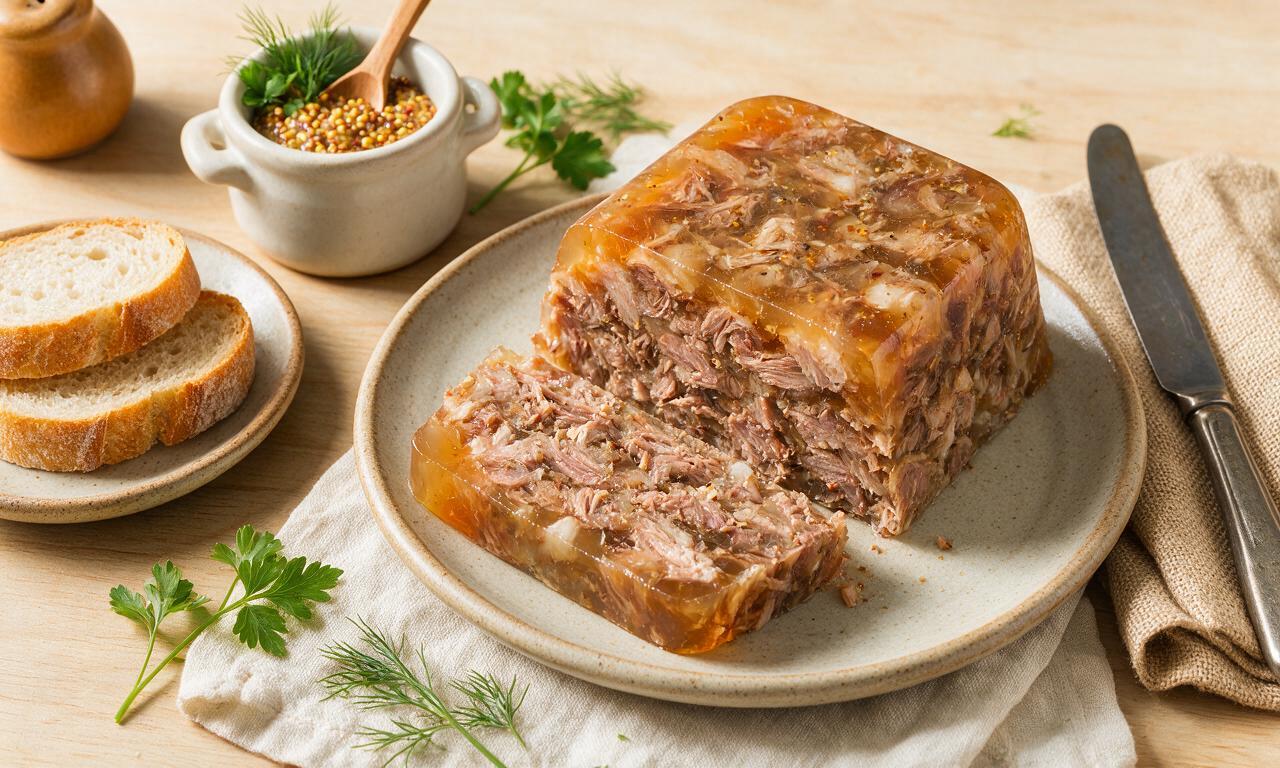
You do, for the perfect authentic texture and flavor. Skin-on pork hocks provide tender, savory, meaty bites and deep porky depth, while split pig feet are loaded with natural collagen that creates that signature firm, jiggly jellied base without added powdered gelatin. Skipping either leaves you with too little meat or a runny, unset final dish.
2.Why does the recipe call for cold water instead of hot water to start cooking the pork?
▾
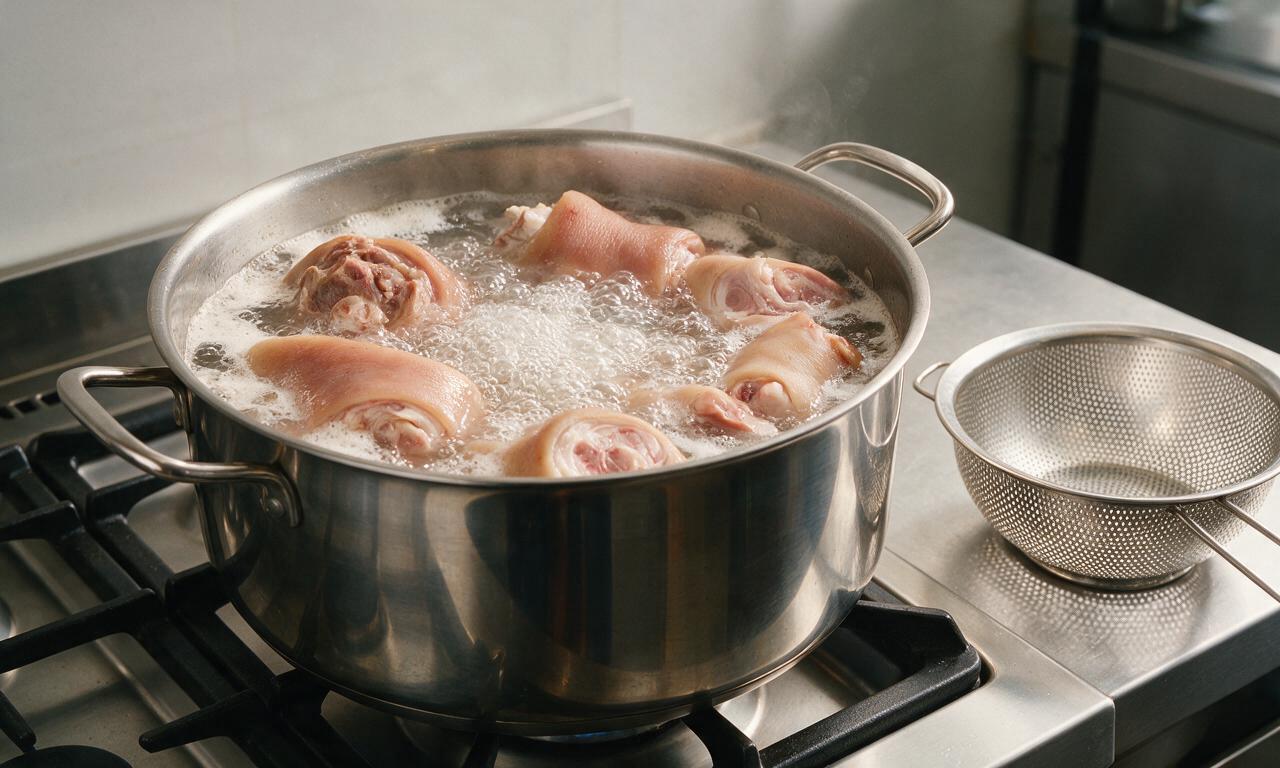
Starting with cold water is key for a clear, clean-tasting souse instead of a cloudy, murky final product. As cold water slowly comes to a simmer, it draws out excess blood and impurities from the pork bones and skin, which you can skim off easily. Hot water sears the pork surface immediately, trapping impurities for a dull, off-tasting result.
3.How much white distilled vinegar should I use to get that classic tangy flavor without it being too sour?
▾
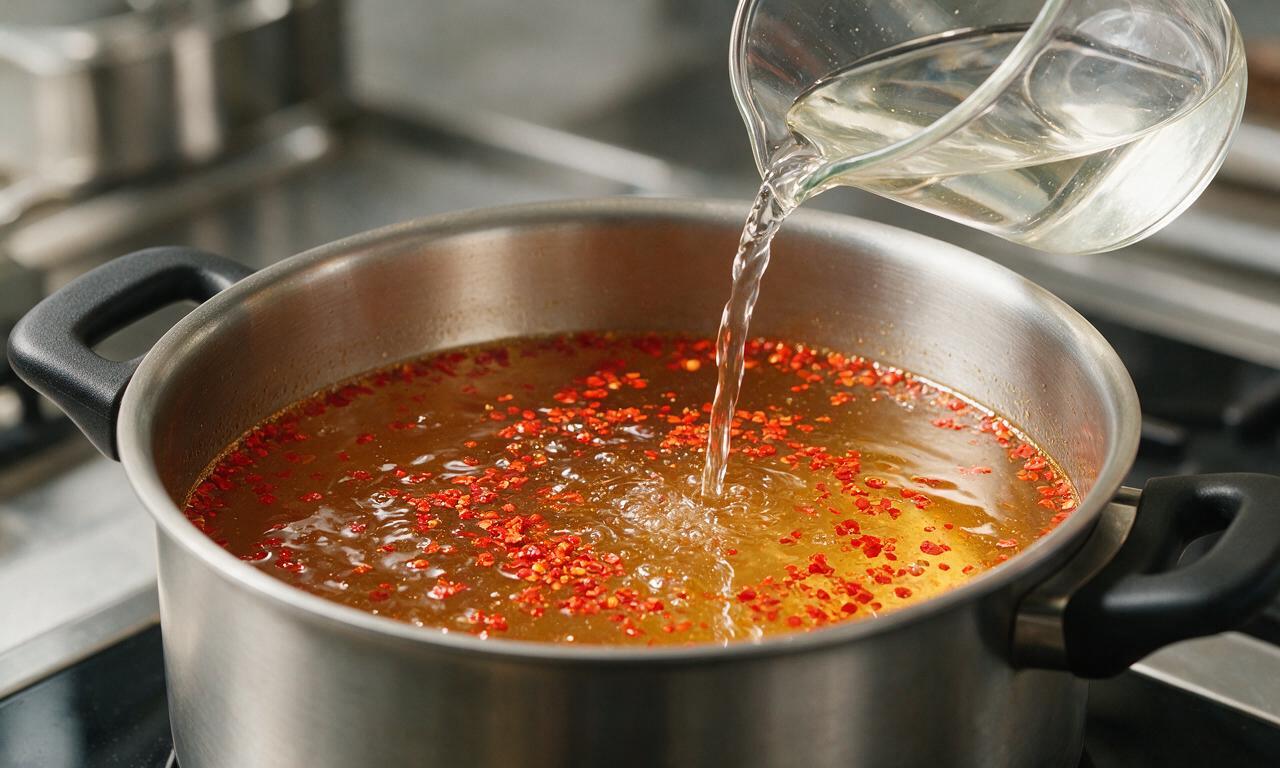
A reliable baseline ratio is 1 part white distilled vinegar to 3 parts cold cooking water, though you can tweak it slightly to taste. Keep in mind the tang will mellow a bit as the souse chills and sets, so err on the side of just a touch sharper than you want the final bite when tasting the warm broth before pouring.
4.Do I need to peel the yellow onion for this souse recipe?
▾
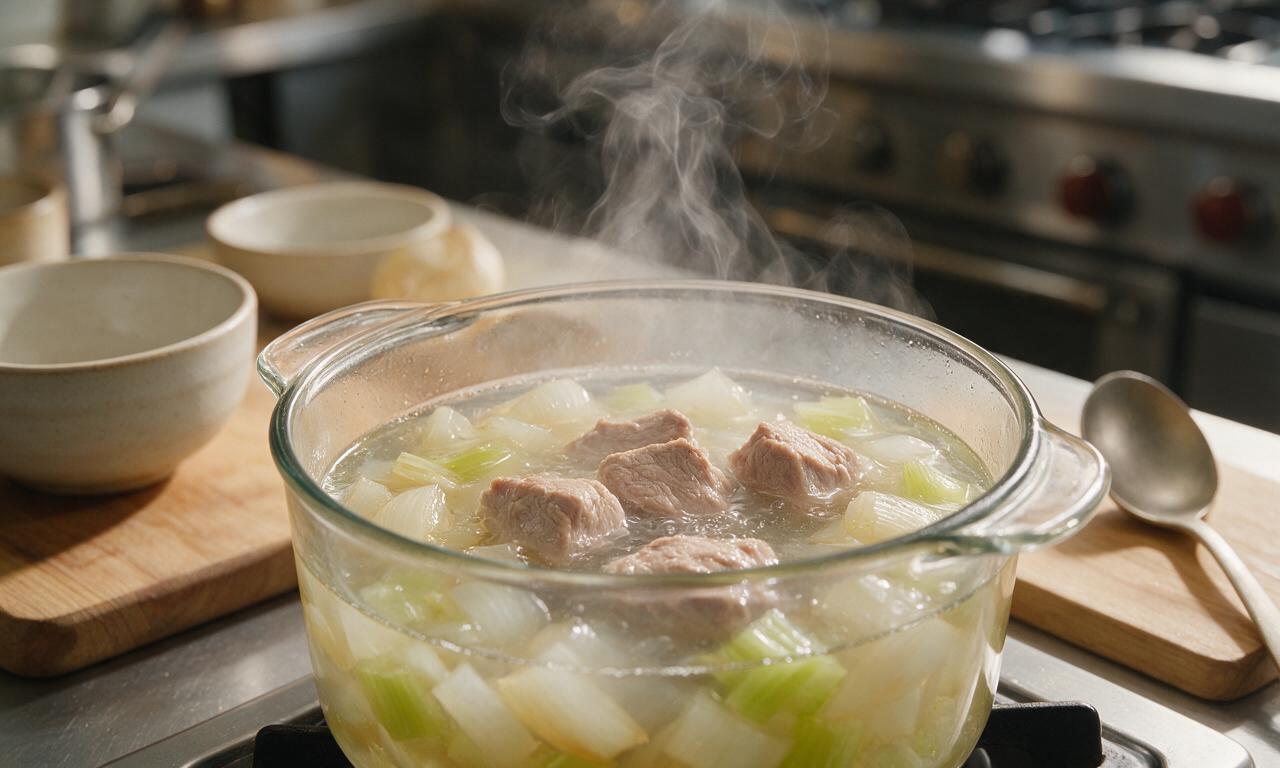
You can leave the thin, light brown outer papery skin on the yellow onion if you want a deeper, warm golden color to your finished souse—just trim off the root end and any tough, dirty outer layers. If you prefer a paler, clearer souse, peel the onion fully before adding it. Cut it into large wedges so it doesn’t disintegrate during the long simmer.
5.How long do I need to simmer the pork for it to be tender enough for souse?
▾
Plan for a slow, gentle simmer (not a hard, rolling boil) for 2 ½ to 3 hours total. You’ll know it’s done when the meat pulls easily away from the hock bones, and the skin on the pig feet pierces with a fork with almost no resistance. Boiling too hard makes meat tough and broth cloudy, so keep heat low once you hit a simmer.
6.Why is my souse not jelling properly even after chilling it overnight?
▾
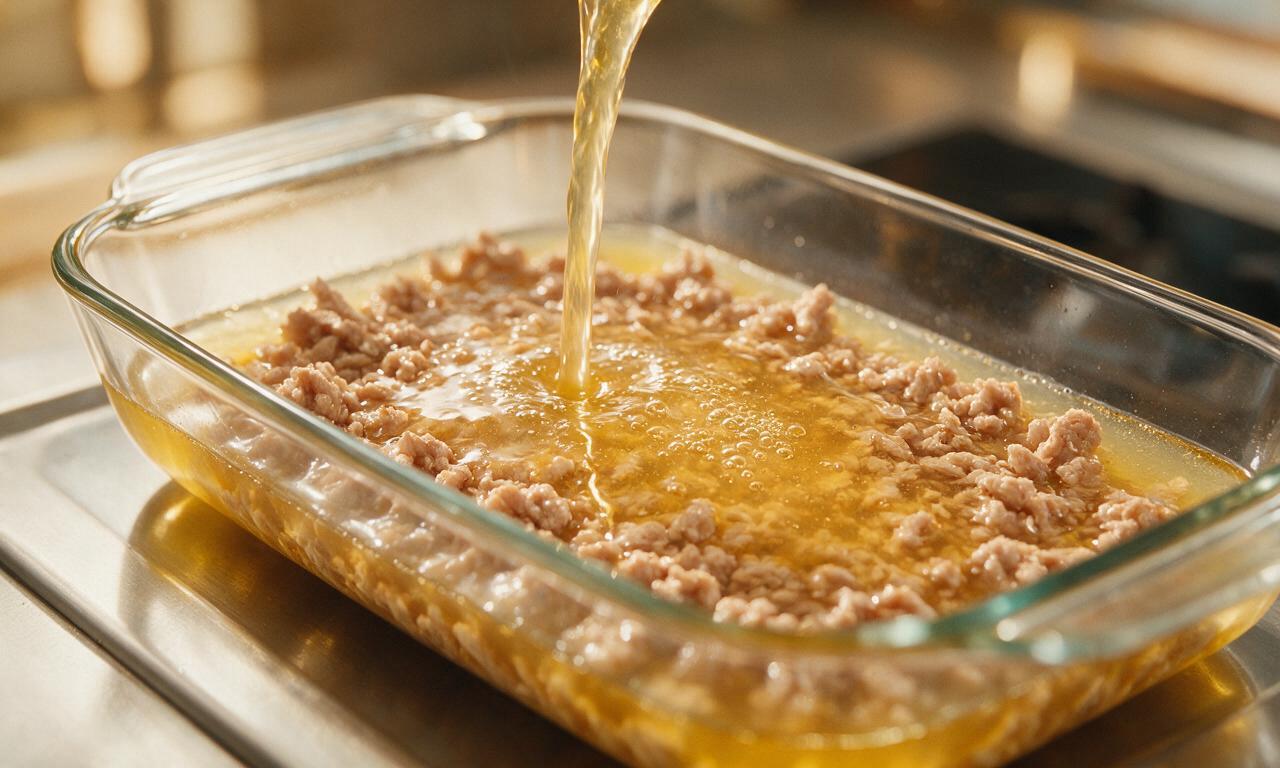
The most common culprit is not simmering the pig feet long enough to extract all their natural collagen, or diluting the broth too much with extra water. If your batch is runny, pour the whole mixture back into a pot, simmer 30 more minutes to concentrate collagen, then re-pour and chill. It will set firm once collagen is concentrated enough.
7.Should I remove the pork skin and fat from the hocks and feet before letting the souse set?
▾
That comes down to personal preference, but traditional souse includes small, tender bits of skin for extra texture and richness. If you don’t love chewy skin, pick it off after cooking and discard it, along with large, hard chunks of excess fat. Just don’t remove all fat, or your souse will taste flat and lack that classic savory mouthfeel.
8.What warm spices pair best with this tangy pork souse to match the classic flavor profile?
▾
Stick to simple, warm whole spices so you don’t overpower the bright vinegar and pork flavor: whole black peppercorns, a couple of bay leaves, a pinch of whole allspice berries, and a tiny bit of crushed red pepper for subtle heat work perfectly. Tie them in a cheesecloth sachet to remove easily before setting, so no one bites into a hard peppercorn.
9.How long do I need to chill souse before it’s ready to serve?
▾
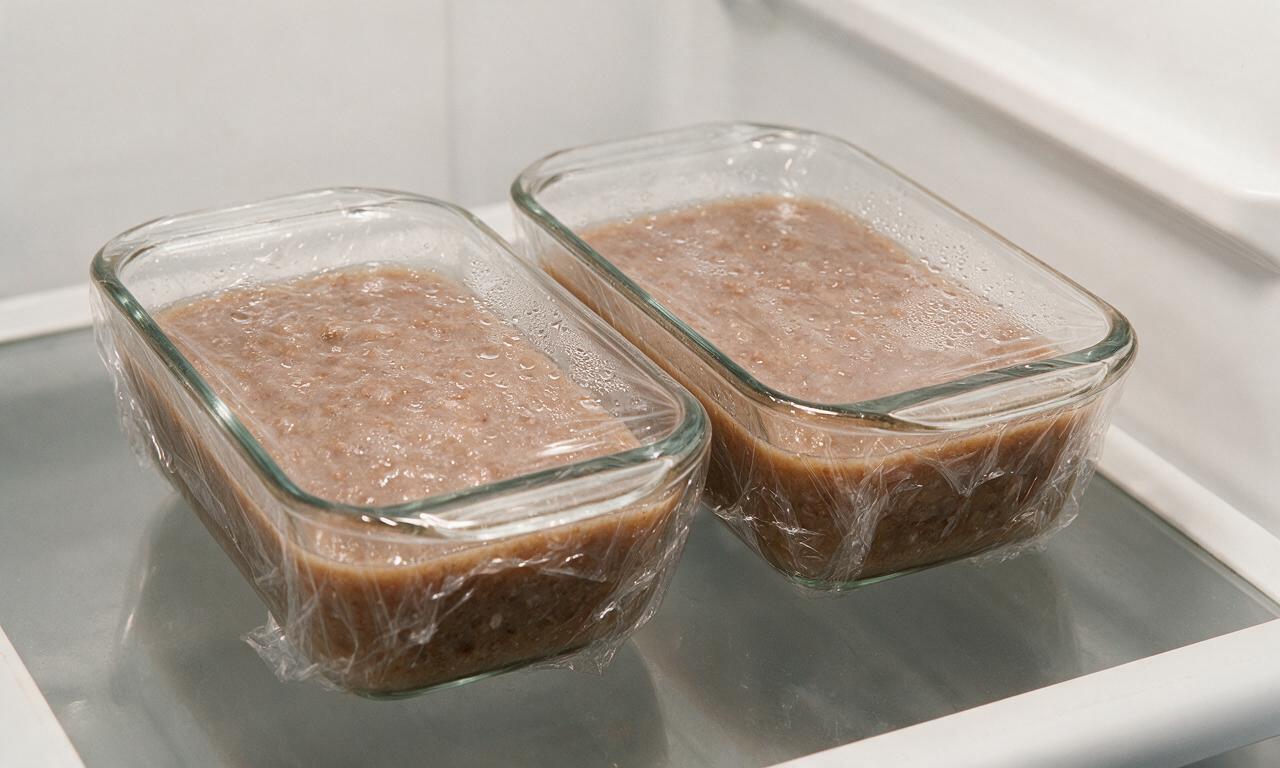
Once you’ve arranged picked meat and strained broth in your serving dish or loaf pan, cover tightly and chill for a minimum of 8 hours, though overnight is ideal. That gives collagen time to set into a firm, sliceable jellied texture, and lets vinegar tang and spice flavors meld evenly. Don’t rush it in the freezer, as that breaks the jellied texture when it thaws.
10.Can I make this souse in advance for a party or cookout?
▾
Absolutely—souse actually tastes better when made 1 to 2 days ahead, because the tangy vinegar and spice flavors have time to fully penetrate the pork and mellow out. Keep it tightly covered in the coldest part of your fridge, and don’t slice it until right before serving to keep it firm and fresh. It’s ideal for make-ahead cold spread menus.
11.How long will leftover pork souse stay safe and good to eat in the fridge?
▾
Properly stored in a tightly sealed, airtight container, leftover souse will stay fresh and safe to eat for 3 to 4 days in a refrigerator kept at 40°F or below. Don’t leave souse out at room temperature for more than 2 hours total, since it’s a meat-based cold cut that grows bacteria quickly in warm conditions. Freezing isn’t recommended, as it turns the jellied texture grainy and watery.
12.Is there a good substitute for white distilled vinegar if I don’t have any on hand?
▾
For the closest match to that classic bright, sharp tang, you can use unseasoned rice vinegar in a pinch, but skip darker, sweeter vinegars like apple cider vinegar, balsamic, or red wine vinegar—those shift the flavor and color too much, making souse taste more like pickled barbecue than the traditional bright cold cut. Taste and adjust for sharpness if substituting.
13.Do I need to add any extra powdered gelatin to make sure my souse sets firm?
▾
You won’t need any added powdered gelatin if you use split pig feet as written and simmer them long enough to extract all their natural collagen. Added gelatin gives souse a rubbery, artificial texture that doesn’t match the soft, jiggly, melt-in-your-mouth bite of traditional souse. The only exception is if you accidentally added too much water during cooking.
14.What’s the best way to serve classic tangy pork souse?
▾
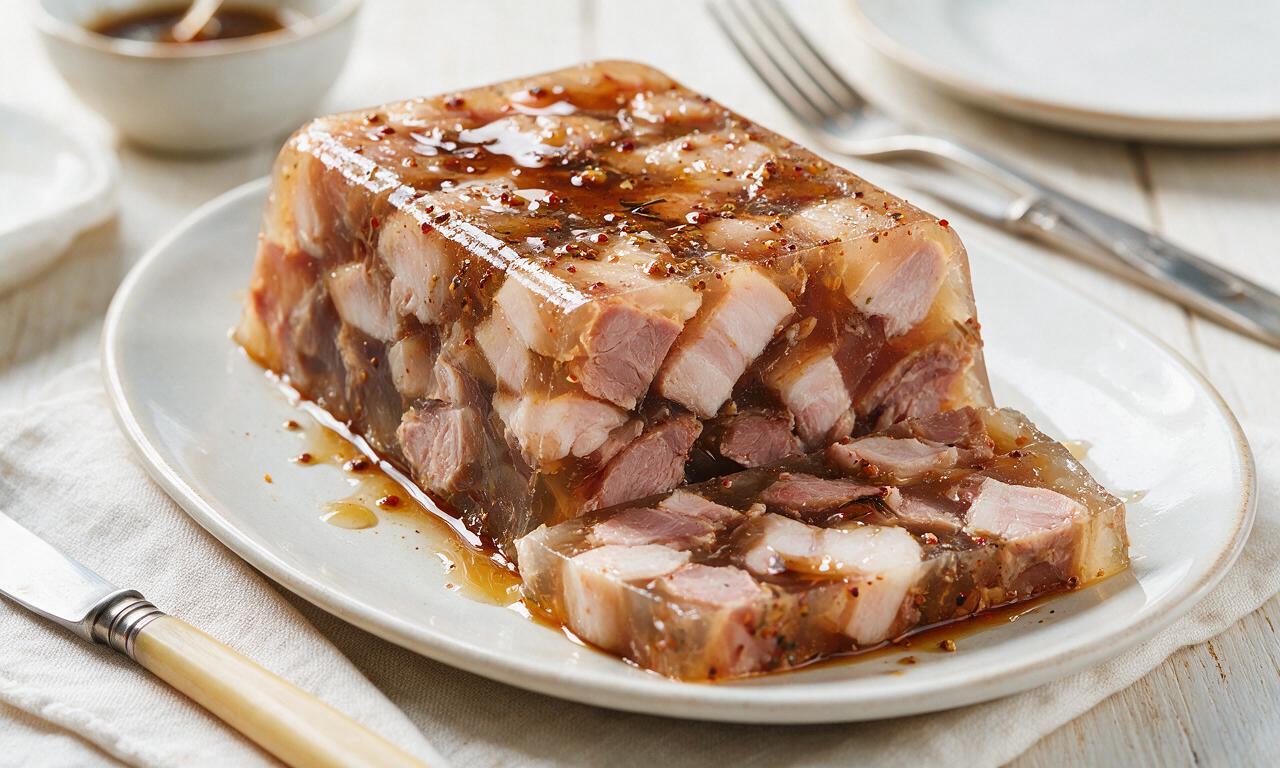
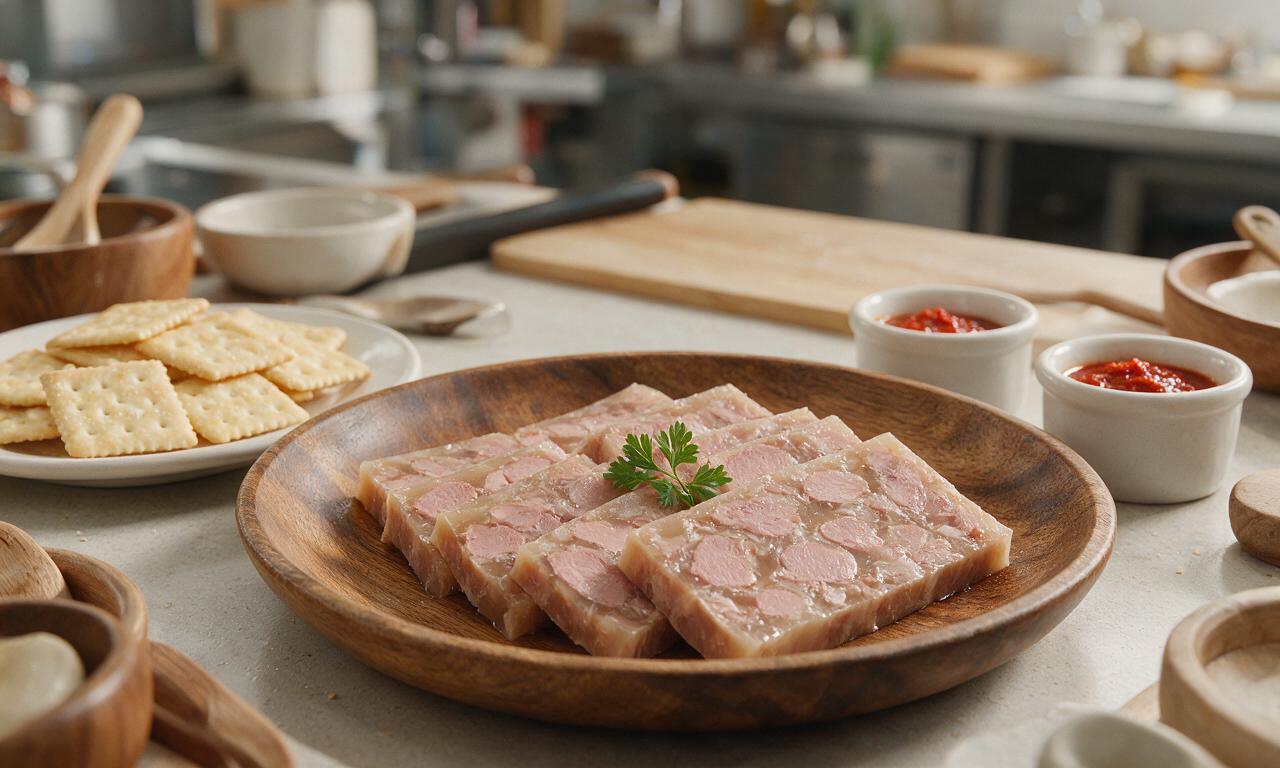
Serve it ice-cold, sliced thin just like any other cold cut. It’s perfect piled on crusty white bread with a swipe of yellow mustard and a slice of raw onion, served alongside crackers and sharp cheese for a charcuterie board, or eaten plain with tangy coleslaw and dill pickles for a classic Southern cold plate. Don’t let it sit out long, or it will soften.
15.Do I need to skim the foam off the top of the pot while the pork simmers?
▾
Yes, definitely skim that gray, foamy scum that rises to the top for the first 30 minutes of simmering. That foam is made of coagulated proteins and impurities from the pork, and leaving it in will make your final broth cloudy, murky, and slightly bitter. Use a fine mesh skimmer or slotted spoon to scoop it off every few minutes until no more foam rises.
16.Can I add other vegetables to the souse besides yellow onion?
▾
You can add a couple of large carrot chunks and celery stalks to the simmering pot for extra savory depth, just make sure to fish them out before you pour the souse to set—traditional souse doesn’t have suspended vegetable chunks, just clear jellied broth and tender pork. Avoid soft, watery veggies like cucumbers or bell peppers, which break down and make broth murky.
17.Should I debone the pork while it’s hot, or wait for it to cool down completely first?
▾
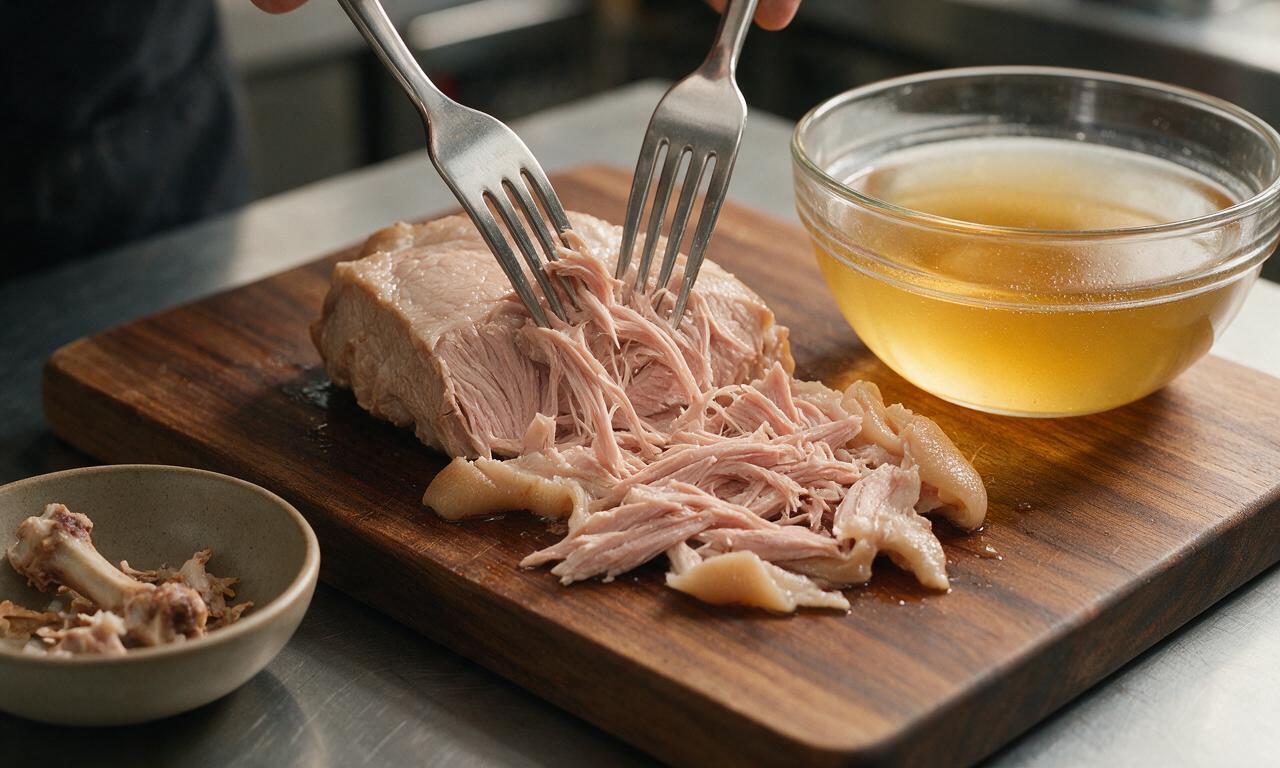
It’s much easier to pick the meat off the hocks and pig feet while the pork is still warm, right after simmering, because the meat pulls away from bones cleanly when hot. Let it cool just enough to handle without burning your hands (about 10 minutes out of the pot), then pull meat into bite-sized pieces, discarding small bones, gristle, and overly tough bits.




Tasted just like the souse my grandma used to make back in the 70s! Knocked a star off because I forgot to plan for the 12 hour chill time and had to push our family dinner back a day, but that’s totally my bad. The flavor is spot on, super tangy, not too salty. Perfect on saltine crackers like I remember.
Meal prepped a big batch of this for my backcountry camping trip last weekend and it held up perfectly in the cooler! High protein, super flavorful, way better than the boring jerky I usually bring. My trail buddies kept begging for bites, I ended up sharing half the container. Will absolutely make again for trips.
I’ll admit I was skeptical about making pork souse for the first time since it seemed intimidating (medium difficulty had me nervous!) but the step by step instructions were so easy to follow. Mine turned out a little more vinegary than I prefer, so next time I’ll cut the vinegar by a quarter cup, but overall really tasty.
Made this tonight after letting it chill since last night, holy cow it’s SO good. Served it with some pickled okra and cornbread on the side, my whole family raved. Even my teen who turns his nose up at everything ‘old fashioned’ went back for a third helping. 10/10, no notes.
Brought this to our church potluck last Sunday and so many people asked for the recipe! I added a bit of diced onion and celery to the pickling brine like my mom taught me, and it added such a nice fresh crunch. Can’t wait to make it again for our fall fish fry next month.
Flavor was great, but I ran into an issue where the meat didn’t set up right even after the full 12 hours chill. It was kind of soupy instead of that firm, sliceable texture I remember from souse I’ve had at delis. Not sure what I did wrong, any tips?
OMG I cannot believe how good this is! I’ve been buying pre-made souse from the grocery store for years and it never tastes half this fresh. The tang is bright, the pork is tender, it’s just perfect. Saved this recipe to my permanent dinner rotation, no question.
Meal prep win! I portioned this out into individual containers for work lunches this week and it’s been so nice having a quick, high protein lunch ready to grab. I paired it with some whole grain crackers and pickled veggies, super satisfying. Saved me so much money this week instead of getting takeout.
I’ve been making pork souse for over 50 years and I have to say, this recipe is right up there with my own! The ratio of vinegar to spices is exactly what I use, I was shocked. My granddaughter asked me for a souse recipe for her college cooking class and I sent her this one, it’s foolproof.
Pretty solid souse! I grew up eating this at Caribbean cookouts in Queens so I’m pretty picky about my souse, and this came really close to the flavor I know. I added a bunch of lime juice and a handful of chopped cucumber like I’m used to, which made it perfect for me. Cook time was spot on, meat was super tender.
Made this for my husband’s annual hunting camp weekend and the guys went crazy for it! I used a mix of pork shoulder and pig ears like the recipe suggested, and that texture was *chef’s kiss*. We ate it straight out of the tin with crackers around the campfire after a long day of hunting, best camp food ever.
This recipe is so budget friendly! I got all the pork cuts for under $10 at my local grocery store, and it made enough to feed my family of 5 for two nights. That’s unheard of these days! The tangy flavor was a hit with everyone, even my super picky toddler who usually refuses all meat. 10/10 for cost and flavor.
So happy this recipe is naturally gluten free! I’ve been looking for a good gluten free party food to bring to my friend’s game night, and this was perfect. No weird substitutions needed, it’s already GF as written. I served it with gluten free rice crackers and everyone ate it up, even the people who don’t eat GF.