

Bavarian Hefeweizen

title 1
Bavarian Hefeweizen
⏱️ cook time 2 hours 15 minutes
🍽️ servings 8
⚡ Difficulty medium

intro

Cloudy, golden unfiltered Bavarian wheat beer with signature banana and clove notes, fluffy white head, and crisp effervescent finish, ideal for warm summer sipping.

Ingredients
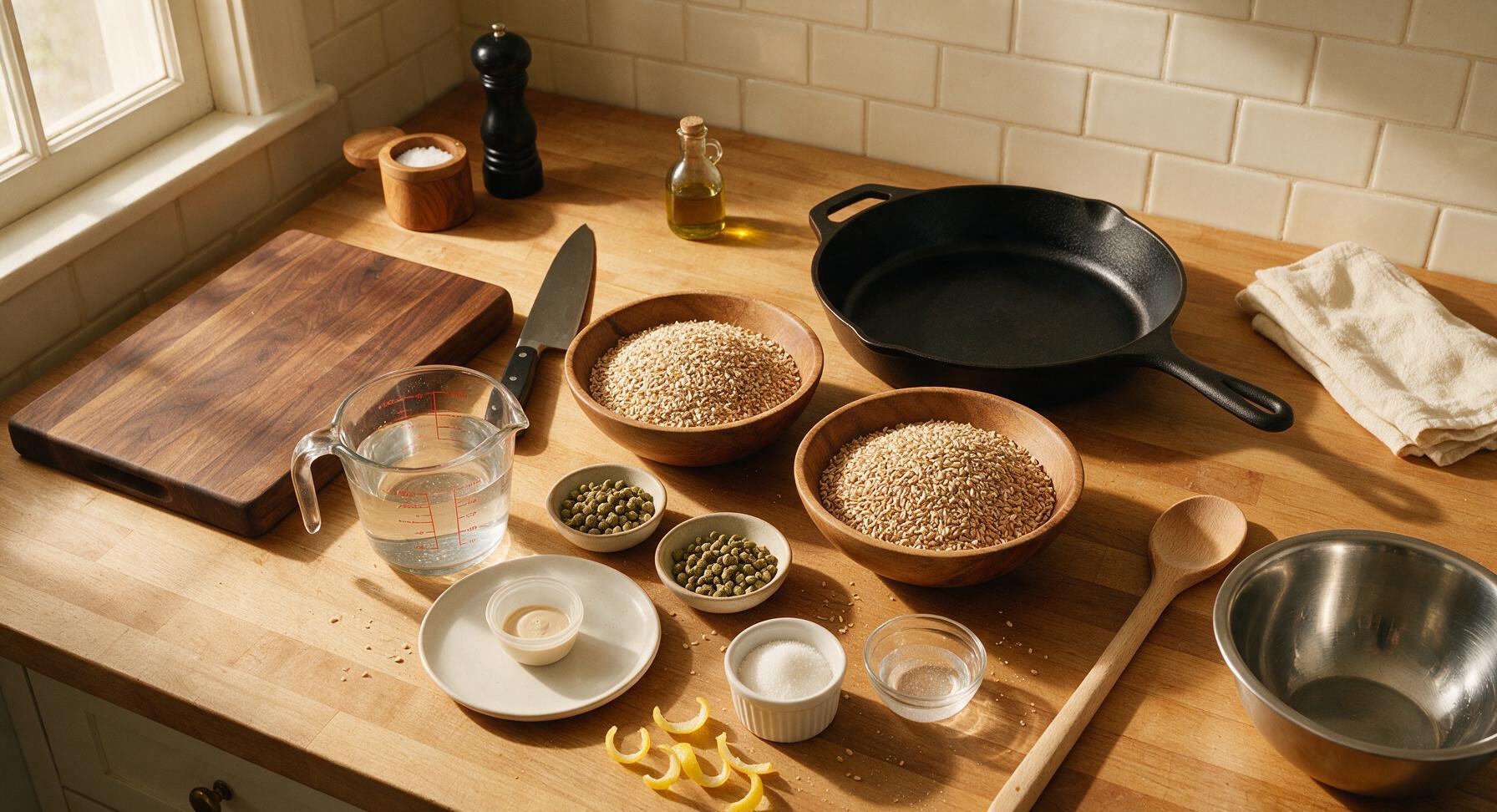
Filtered cold water 1.2 gallons
Crushed German pale wheat malt 2 lbs (907g)
Crushed German Pilsner malt 1.5 lbs (680g)
Hallertau Mittelfruh hop pellets 1 oz (28g), divided
Bavarian hefeweizen liquid yeast 1 standard packet (125ml)
Corn sugar (for carbonation) 4 oz (113g)
No-rinse brewing sanitizer 1 tablespoon
Fresh lemon peel (for garnish) 8 thin twists

Steps

1

Sanitize Brewing Equipment

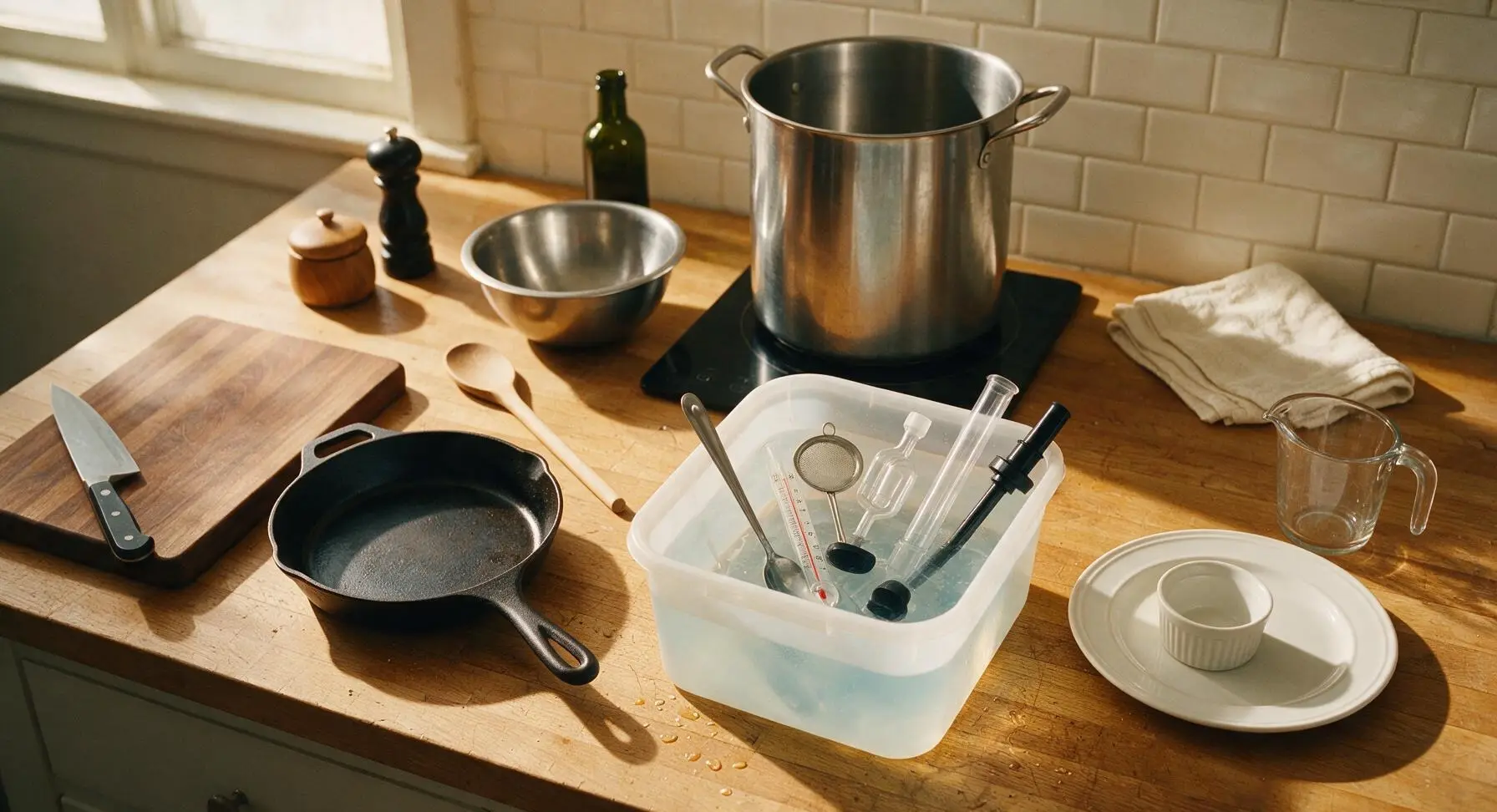
Fill the translucent white sanitizing tub with cool tap water, stir in 1 tablespoon of no-rinse brewing sanitizer until fully dissolved. Submerge the stirring spoon, thermometer, strainer, funnel, airlock, rubber stopper, auto-siphon, and bottling wand in the solution for 60 seconds. Remove tools and air-dry on the clean counter surface; do not wipe dry with a towel, as this can introduce lint or bacteria that cause off-flavors. Every surface that will touch cooled beer must be fully sanitized.
Step 1
step1:Sanitize Brewing Equipment
2

Heat Mash Water

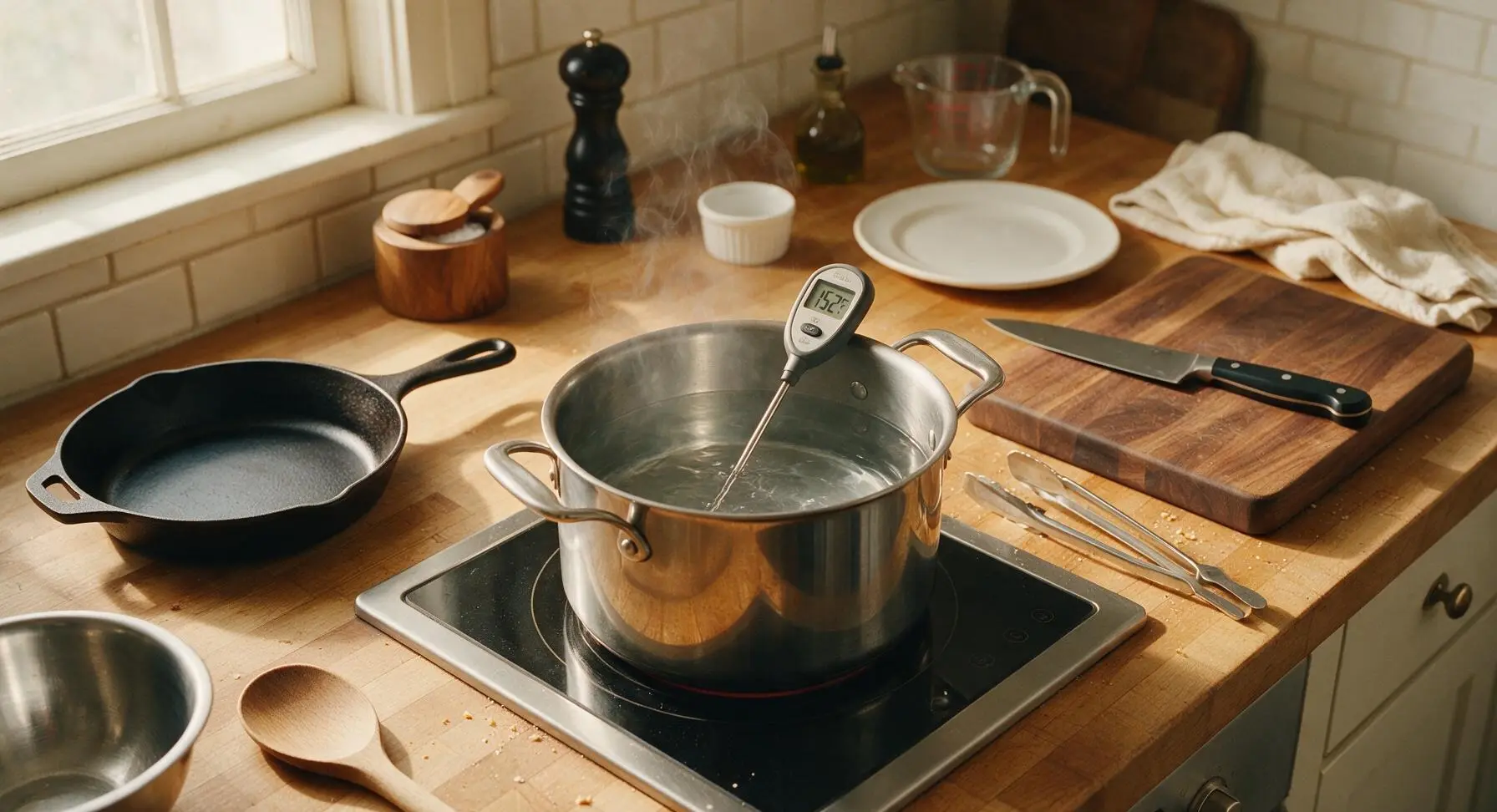
Pour 1 gallon of filtered water into the stainless steel brew pot, set the induction burner to medium heat, and warm the water to exactly 152°F (67°C), monitoring temperature with the instant-read thermometer. Adjust burner settings as needed to hold this temperature steady for 5 minutes before adding grains, to ensure consistent sugar conversion during mashing.
Step 2
step2:Heat Mash Water
3

Mash the Grains

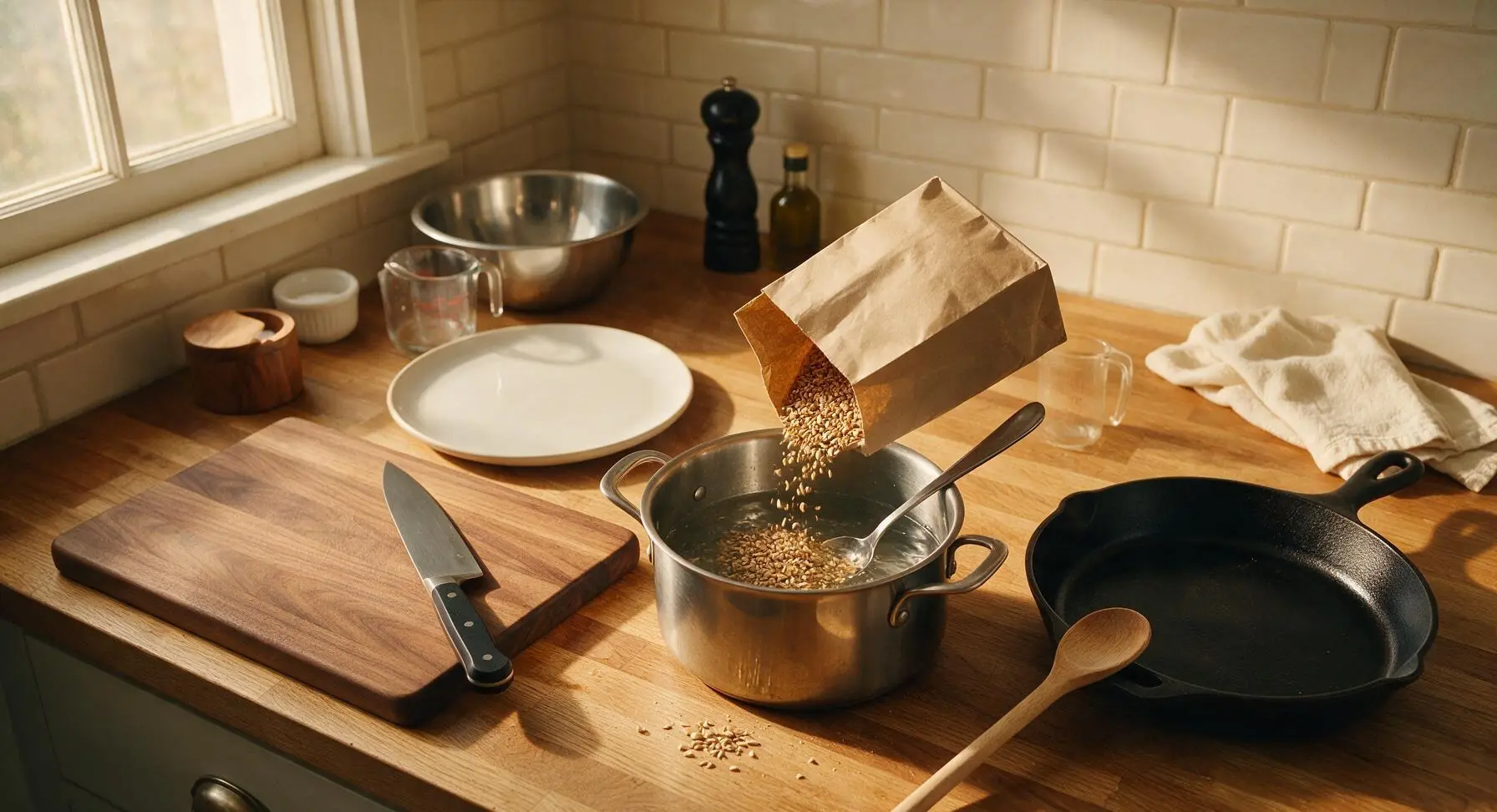
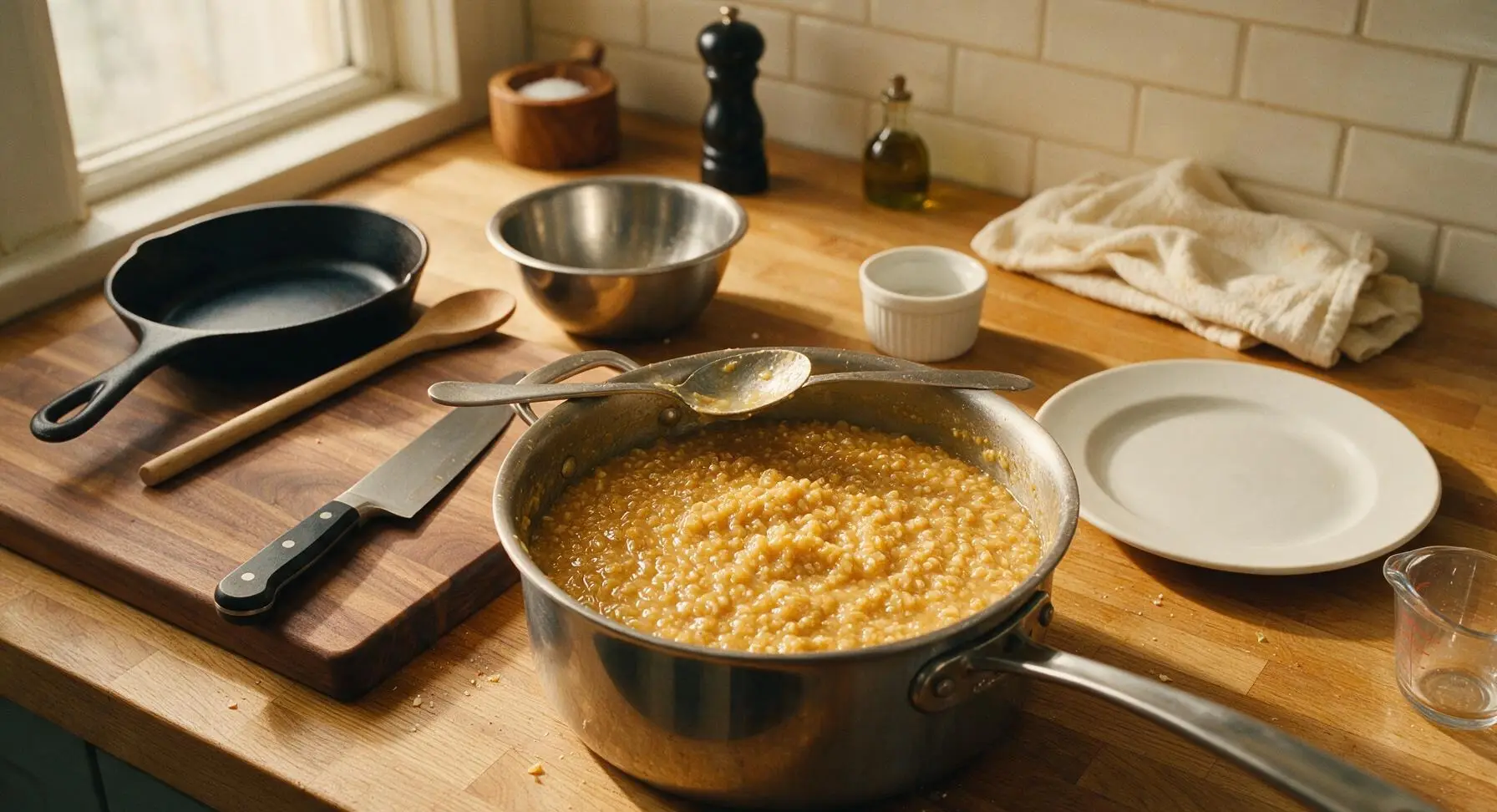
Slowly pour all crushed pale wheat malt and Pilsner malt into the 152°F water, stirring thoroughly with the stainless steel spoon to break up any dry clumps of grain. Cover the pot with a lid, hold the temperature steady at 148–152°F (64–67°C) for 60 minutes, checking temperature every 15 minutes to adjust the burner as needed. The finished mash will have a thick, porridge-like consistency and a sweet, warm bready aroma.
Step 3
step3:Mash the Grains
Step 3
step3:Mash the Grains
4

Strain and Boil Wort

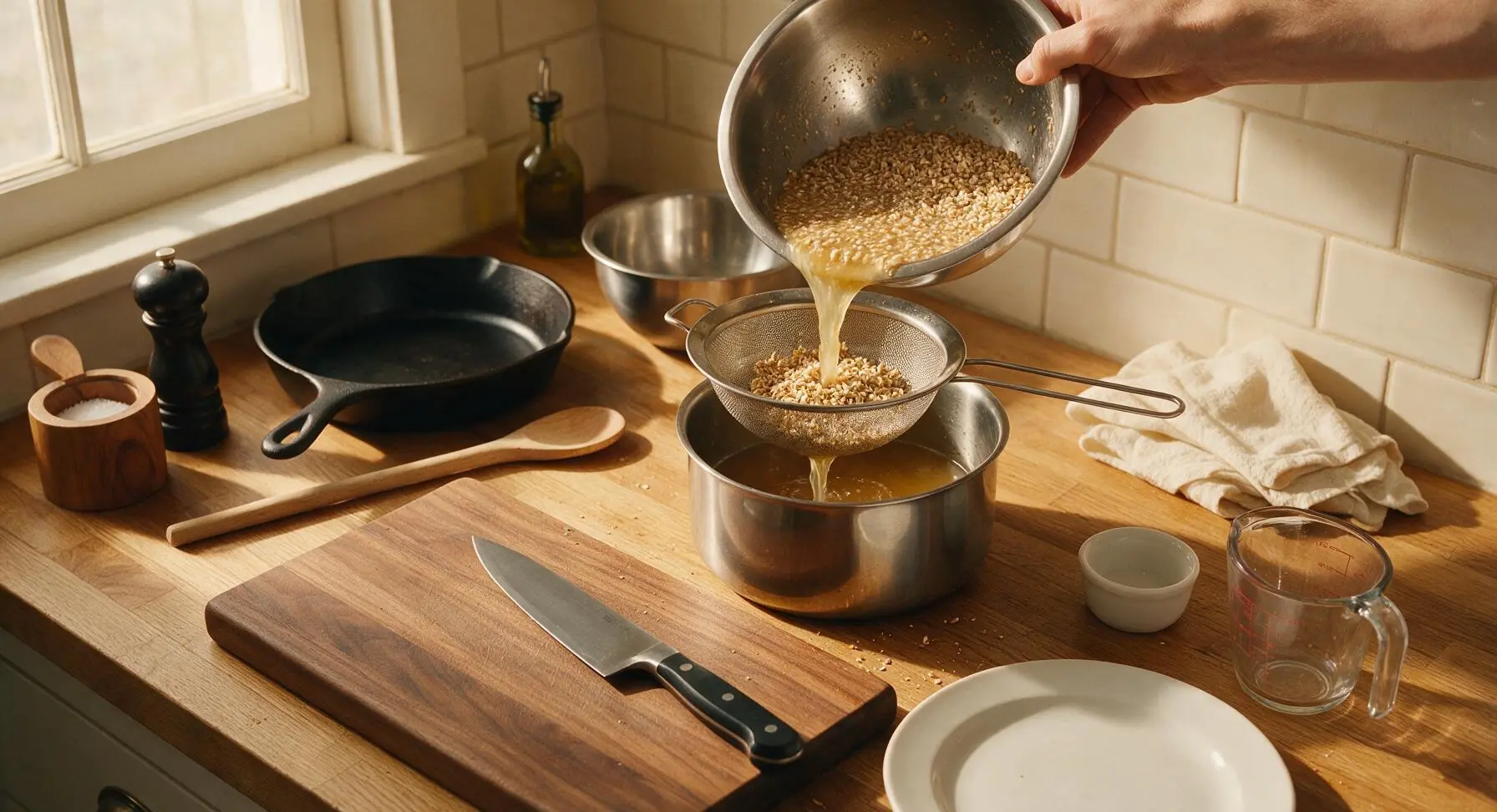
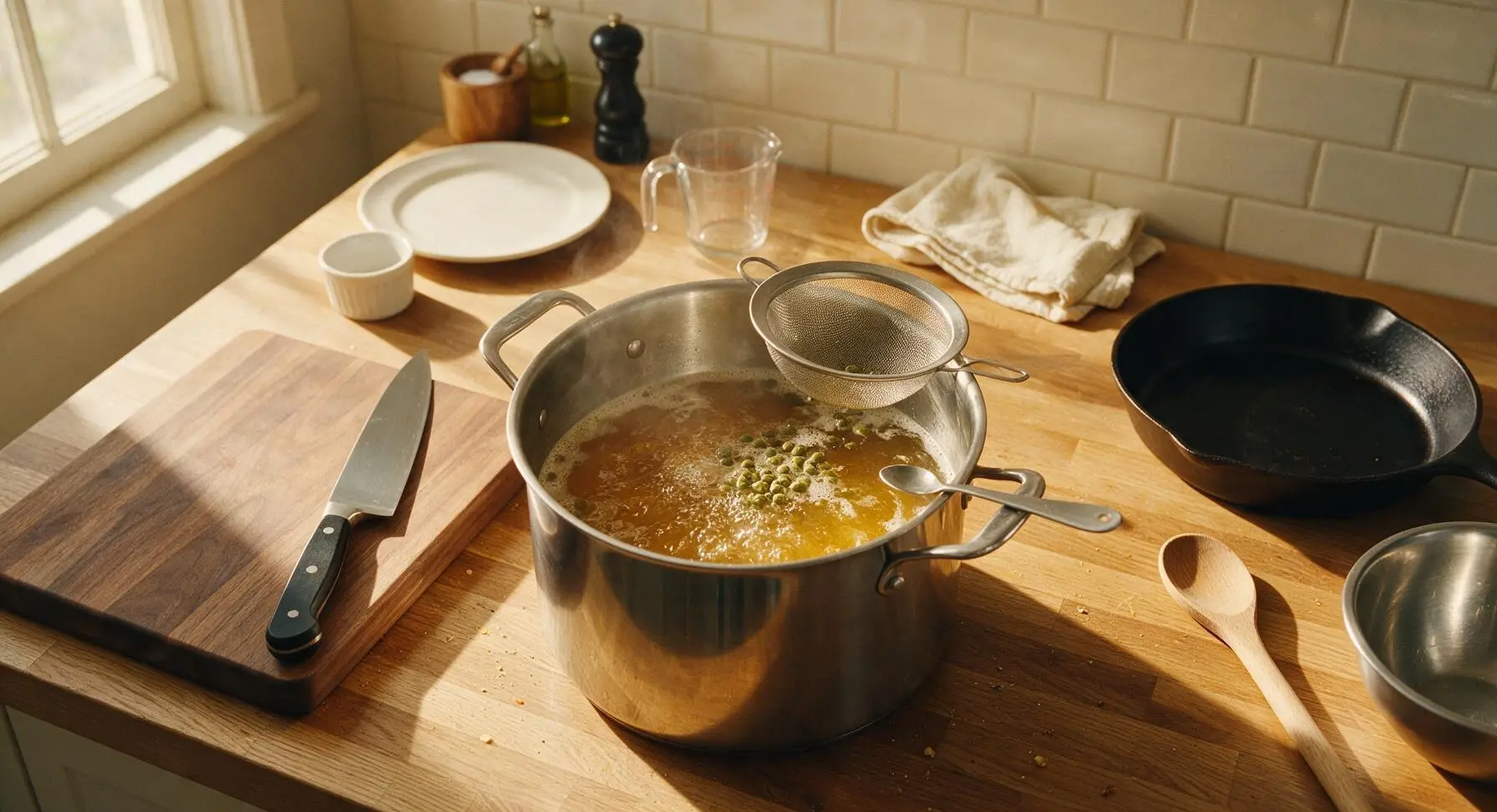
Set the fine-mesh stainless steel strainer over the top of the brew pot, then slowly pour the mashed grain mixture through the strainer to separate the sweet, golden wort from the spent grain husks. Discard the collected spent grains, return the pot of strained wort to the induction burner, and bring to a gentle, steady rolling boil. Once boiling, add 0.75 oz of Hallertau hop pellets for bittering, set a timer for 60 minutes, and stir occasionally to prevent hot wort from boiling over the pot edge.
Step 4
step4:Strain and Boil Wort
Step 4
step4:Strain and Boil Wort
5

Cool and Pitch Yeast

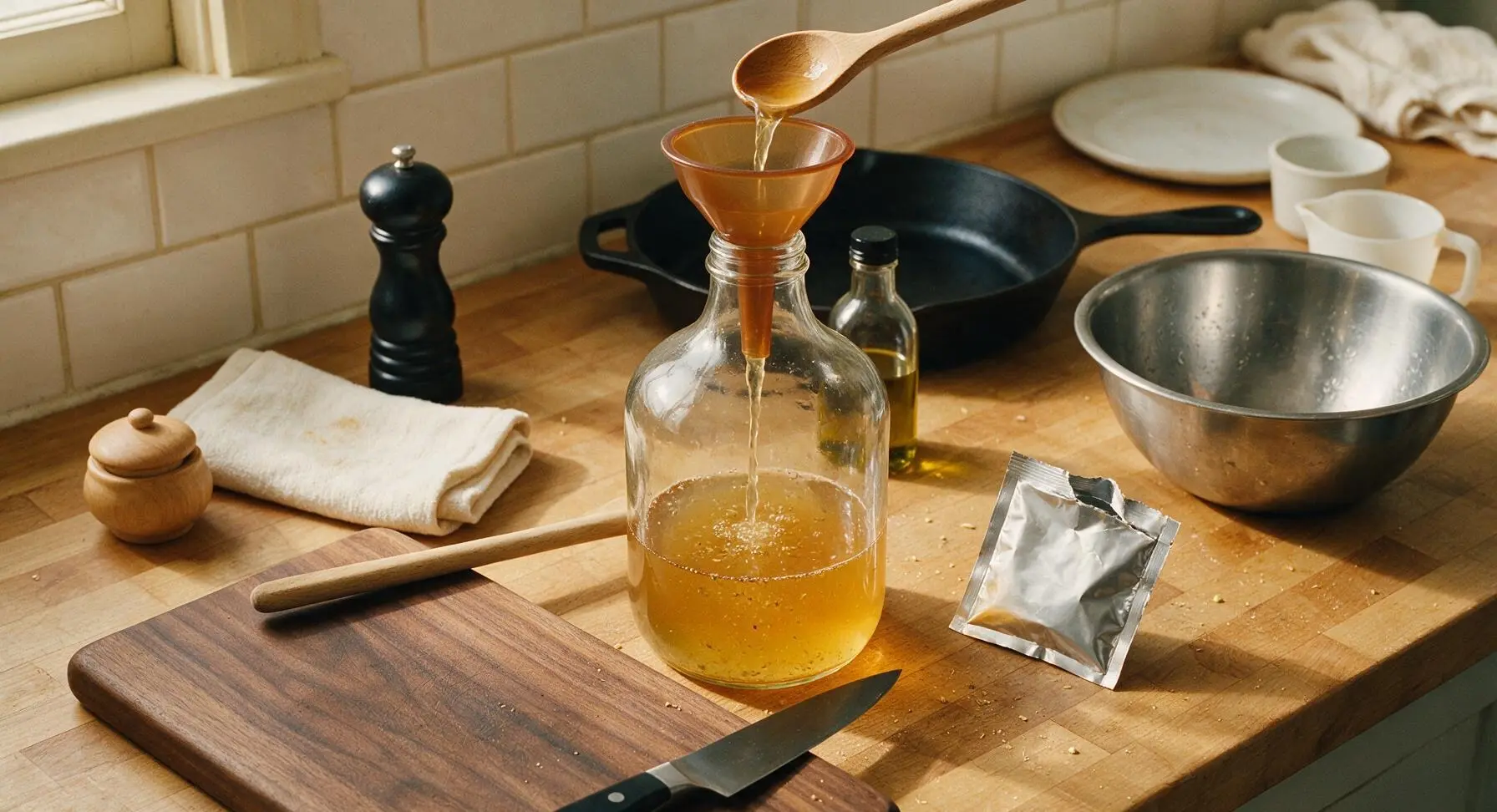
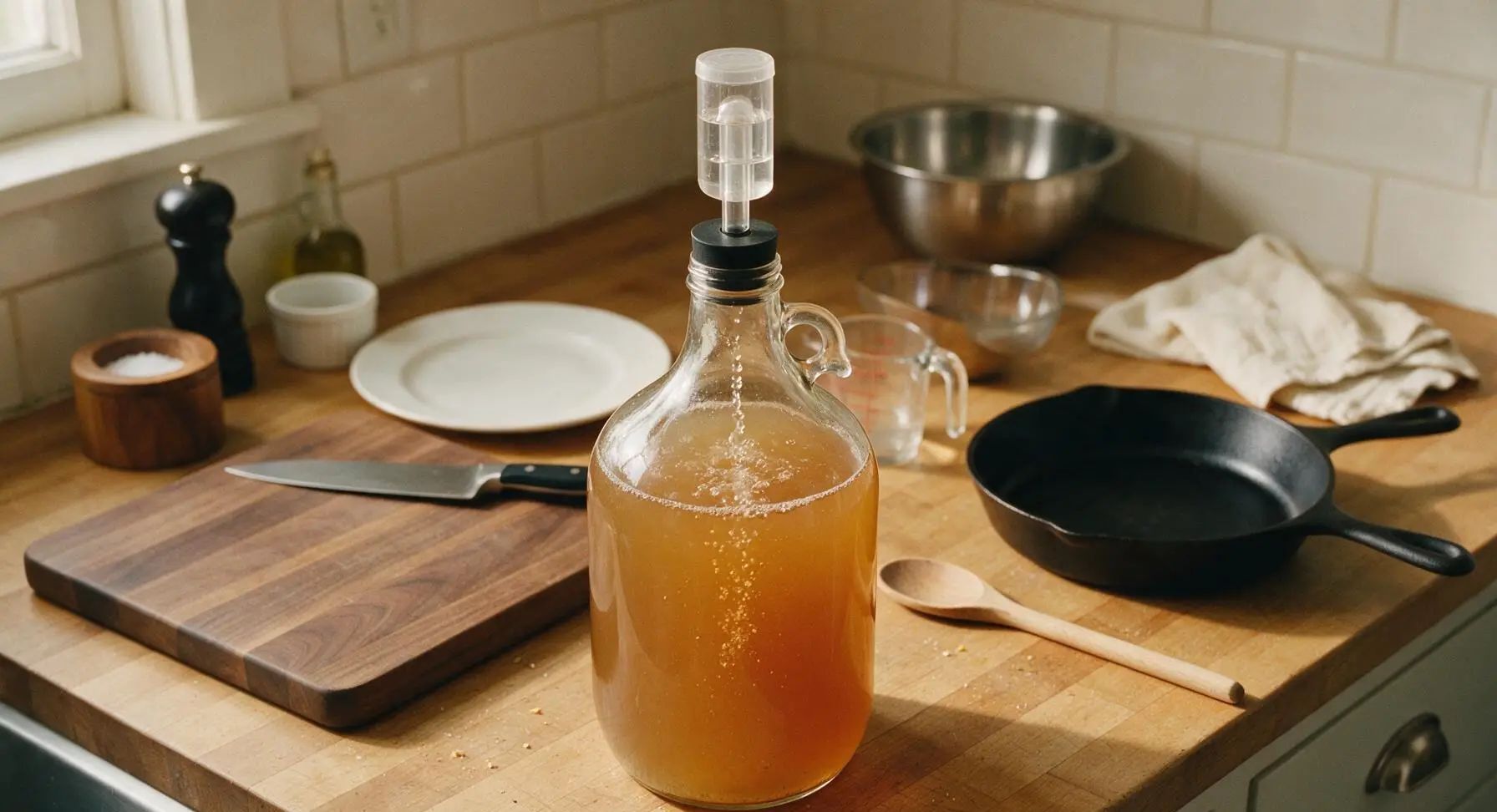
After the 60 minute boil, turn off the burner, add the remaining 0.25 oz of Hallertau hop pellets for bright, floral aroma, then cool the wort as quickly as possible to 68°F (20°C) (set the pot in a sink of ice water to speed cooling). Place the silicone funnel in the neck of the clear glass fermentation jug, pour the cooled, hopped wort through the funnel into the jug, then add the full packet of Bavarian hefeweizen yeast. Seal the jug neck with the drilled rubber stopper, fill the airlock halfway with clean water, and insert it into the stopper. Move the jug to a dark, temperature-stable 65–68°F (18–20°C) space to ferment for 2 weeks, until bubbling in the airlock stops completely.
Step 5
step5:Cool and Pitch Yeast
Step 5
step5:Cool and Pitch Yeast
6

Prime and Bottle Beer

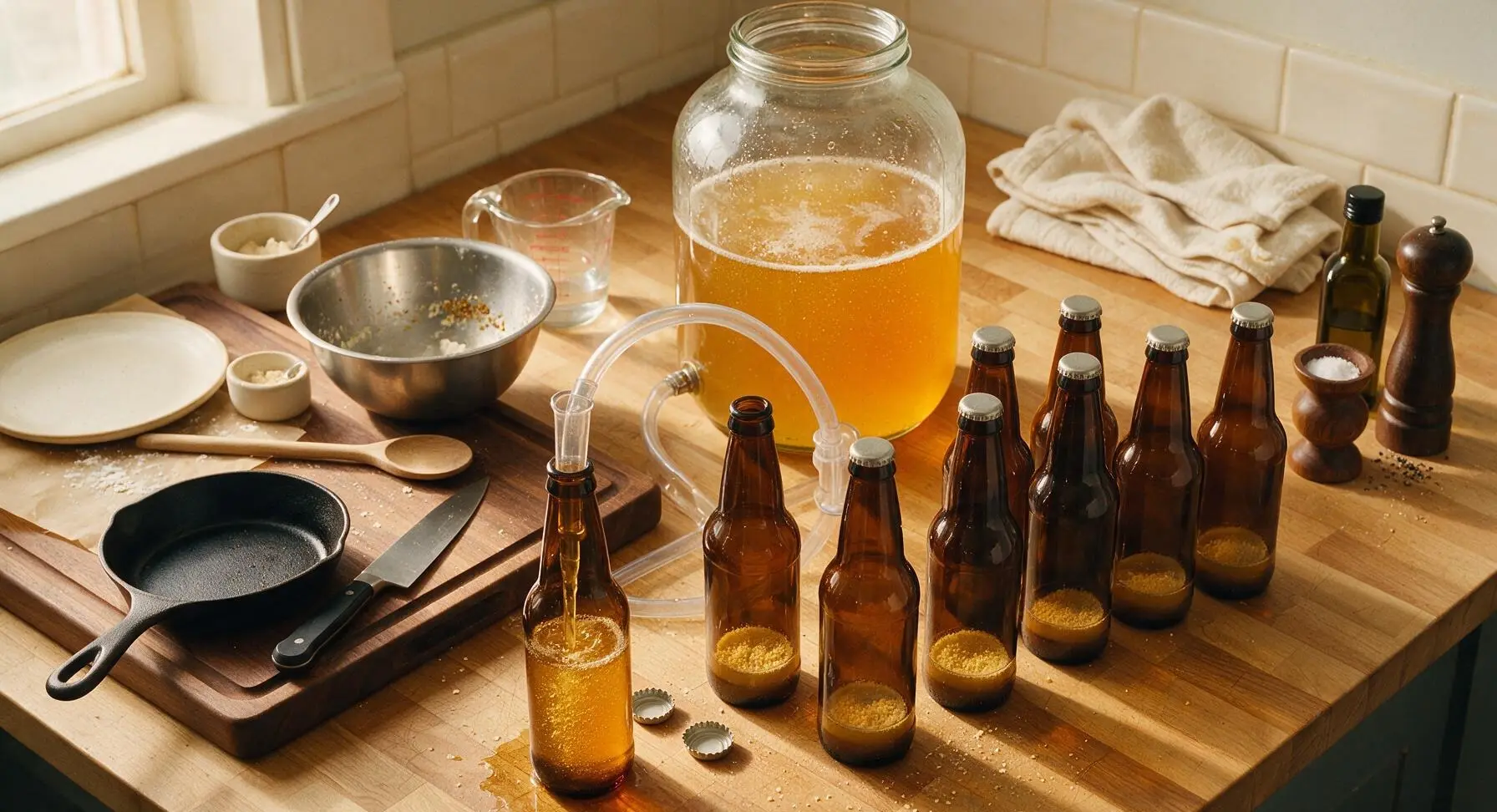
After 2 weeks of full fermentation, boil the 4 oz of corn sugar in 1/2 cup of filtered water for 5 minutes to create a priming solution, then cool to 68°F. Divide the priming solution evenly between 8 sanitized 12oz amber glass bottles. Use the auto-siphon and bottling wand to transfer the fermented beer from the jug into each bottle, leaving exactly 1 inch of headspace below the bottle rim to allow for carbonation. Cap bottles tightly, then store at room temperature (68–72°F) for 1 week to allow natural carbonation to develop.
Step 6
step6:Prime and Bottle Beer
7

Chill and Pour to Serve

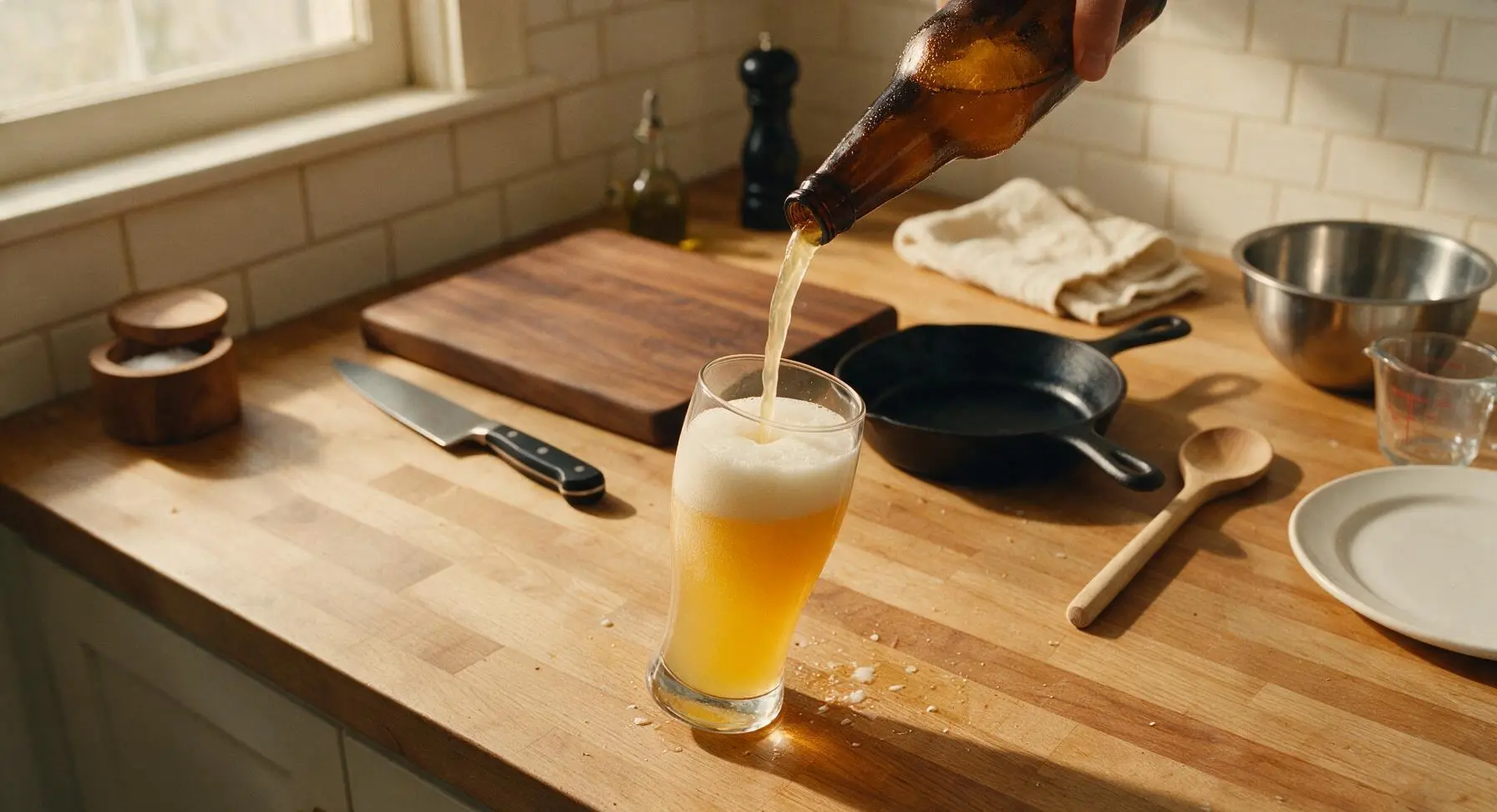
After 1 week of bottle carbonation, chill bottles in the refrigerator for 24 hours to reach a serving temperature of 40–45°F (4–7°C). When ready to serve, tilt the tall weizen glass to a 45-degree angle, pour the beer slowly down the inner side of the glass to preserve carbonation, then straighten the glass upright as it fills to build the signature thick, fluffy white head. Do not filter the beer; the hazy yeast is traditional to Bavarian hefeweizen, and contributes to its classic flavor and mouthfeel.
Step 7
step7:Chill and Pour to Serve

Tips

1.Avoid fermenting at temperatures above 70°F (21°C): higher temperatures produce harsh, solvent-like off-flavors instead of the soft banana and clove ester notes that define traditional Bavarian hefeweizen.
2.Do not over-stir after pitching yeast: a single gentle swirl of the fermentation jug to distribute yeast is enough, as excessive agitation can reduce ester production and lead to flat, flavorless beer.
3.For the most authentic experience, swirl the last 1/4 inch of beer in the bottle to suspend the yeast sediment before pouring; this adds a rich, bready depth of flavor, though you can leave the sediment behind for a clearer, smoother pour if preferred.


✨ You May Also Like

Drinks & Beverages
🍜 Mexico

A bright, balanced tequila-based cocktail with zesty fresh lime, smooth orange liqueur, and a signature salt rim, perfect for warm summer sipping.

⏱️ 5 minutesDrinks & Beverages ★ 4.9
Drinks & Beverages
🍜 United States

Thick, creamy, nostalgic classic vanilla milkshake with a rich, smooth texture, topped with whipped cream and a cherry for cool, sweet refreshment.

⏱️ 5 minutesDrinks & Beverages ★ 4.7
Drinks & Beverages
🍜 United States

A bright, golden strong ale with fruity banana-clove notes, subtle hop spice, and soft carbonation, brewed in classic Trappist Tripel tradition.

⏱️ 2 hours aDrinks & Beverages ★ 4.5
Drinks & Beverages
🍜 United States

A frothy, nostalgic American soda fountain treat pairing bubbly cold root beer with creamy vanilla ice cream, perfect for cooling down at warm weather gatherings.

⏱️ 20 minuteDrinks & Beverages ★ 4.8
Drinks & Beverages
🍜 United States

Tart, funky, effervescent American Wild Ale is a complex fruity craft beer brewed with wild yeast, delivering bright, zesty notes perfect for warm-weather sipping.

⏱️ 2 hours aDrinks & Beverages ★ 4.4
Drinks & Beverages
🍜 United States

Bright, bubbly copycat of the iconic American caramel cola, balanced with citrus and warm spice, perfect for sipping ice-cold on hot days.

⏱️ 15 minuteDrinks & Beverages ★ 4.8

Bavarian Hefeweizen:Frequently Asked Questions

1.Why is my homemade Bavarian hefeweizen cloudy instead of clear like a standard lager? ▾
That hazy look is completely intentional and traditional for this style! Unlike filtered lagers, hefeweizen is left unfiltered to hold suspended yeast and wheat protein particles that create its signature golden cloudiness, and those particles carry the classic banana and clove flavors that make the beer so distinctive, so skip extra clarifying steps.
2.How do I get those iconic banana and clove notes instead of a plain, neutral-tasting beer? ▾
Those signature flavors come almost entirely from proper fermentation temperature control for your Bavarian hefeweizen yeast. Keep your fermenter held steady between 62–68°F for the first 3–5 days: cooler temps in that range lean into soft clove notes, while temps closer to 68°F amp up that ripe, sweet banana character.
3.Can I substitute a different hop variety if I don’t have Hallertau Mittelfruh pellets? ▾
Hallertau Mittelfruh is ideal for its soft, earthy, gently floral low-bitterness profile, but if you can’t find it, swap in other noble German hops like Tettnang or Hersbrucker at the same weight. Skip bold, citrusy American hops—they will completely overpower the delicate wheat and yeast flavors that define this style.
4.Why is my hefeweizen missing that fluffy, long-lasting white head the recipe mentions? ▾
Poor head retention usually traces to two easy-to-fix issues: first, stick to the recipe’s blend of German pale wheat and Pilsner malt, and avoid over-rinsing grains during mashing, which strips away the wheat malt’s natural foam-stabilizing proteins. Second, skip any post-ferment filtering, and make sure your serving glasses are totally free of soap residue, which kills foam on contact.
5.Do I really need Bavarian hefeweizen liquid yeast, or can I use a cheaper dry yeast alternative? ▾
The specialized liquid Bavarian hefeweizen strain is formulated to produce that exact traditional balance of banana and clove, but if you need a dry alternative, pick a dry hefeweizen-specific strain, not generic ale yeast or bread yeast. Note that most dry hefeweizen strains lean more clove-heavy, so nudge fermentation temp a touch warmer to boost banana notes if needed.
6.How long should I let my hefeweizen condition before it’s ready to drink? ▾
Unlike heavy, high-alcohol beers that need months of aging, hefeweizen is designed to be enjoyed fresh! Let it ferment fully for 7–10 days, then bottle or keg it to reach that signature crisp, bubbly carbonation, conditioning for 1–2 weeks at cool cellar temp. Drink it within 3 months for the brightest flavor, as those signature notes fade quickly.
7.What’s the best serving temperature to get the most flavor out of this hefeweizen? ▾
Skip the near-freezing 32–35°F serving temps you’d use for light macro lagers! Serve your homemade hefeweizen between 42–48°F to let those delicate banana and clove yeast notes shine, while still keeping that crisp, effervescent, refreshing finish that makes it ideal for warm summer sipping. Too cold and you’ll mute all that signature character.
8.Do I really need to use filtered cold water for this recipe, or is regular tap water fine? ▾
Filtered cold water is best because it is free of chlorine and chloramine, which can create harsh, plastic-like or medicinal off-flavors that ruin hefeweizen’s delicate, soft profile. If you only have tap water, run it through a basic carbon filter first, or leave it out uncovered for 24 hours to let chlorine dissipate before brewing.

Comments (17)

2 days ago

OMG, this Bavarian Hefeweizen recipe is an absolute game changer! I’ve tried 3 other homebrew hefe recipes before and they always came out too bitter or missing that classic banana/clove note, but this one nailed it. Brought a growler to our neighborhood potluck last weekend and everyone was begging for the recipe. Paired perfectly with the grilled brats and soft pretzels we had too!

yesterday

Wait, how long did you let it ferment after the 2hr15min cook time? I’m about to bottle my first batch this weekend and don’t want to mess it up!

yesterday

Great question! After the initial boil/cook step, we recommend fermenting for 7-10 days at 62-68°F for that perfect balanced hefeweizen flavor before bottling. So glad you loved the recipe Jake!

3 days ago

SO good, but I definitely messed up the temperature step on my first try. The clove flavor was a little overpowering because I let the mash get too hot, oops. Second batch came out way smoother, though! Perfect for summer backyard cookouts with the family.

2 days ago

Temperature control is totally the trickiest part of this recipe, Molly! Great job troubleshooting and nailing the second batch — that’s the homebrew spirit. Next time try holding the mash right at 152°F for that ideal balance of banana and clove notes.

1 week ago

As someone who’s pretty new to homebrewing, I was intimidated by the medium difficulty rating but this recipe was way more approachable than I expected! Total cook time was almost exactly 2 hours 15 minutes like the recipe said, no random surprise steps. Already planning to make a double batch for our July 4th party.

5 days ago

My husband has been begging me to make a homemade hefeweizen ever since we went to that beer festival in Munich last fall, and this recipe did NOT disappoint. He said it tasted exactly like the ones we had at the beer gardens there! Even my teen nephew who says he ‘hates wheat beer’ asked for a second glass.

3 days ago

Oh my gosh, same! I had my first proper hefe in Munich a couple years ago and have been chasing that flavor ever since. Just ordered the ingredients to make this this weekend, your review got me so hyped!

1 week ago

Decent recipe, but I wish there was a note about what type of wheat malt to use! I grabbed the wrong kind on my first grocery run and had to make a last minute trip to the homebrew shop. Flavor was solid once I got the right ingredients, but that little heads up would’ve saved me 45 minutes of driving.

5 days ago

Pro tip: always do your ingredient inventory the night before brew day! I’ve made that exact same mistake more times than I can count, even with recipes I’ve used a dozen times.

3 days ago

That’s such a great callout, Matt! We just updated the recipe to specify using 2 lbs of German pale wheat malt for that authentic flavor. Sorry for the extra trip to the shop — appreciate you letting us know so we could make the recipe clearer for everyone!

2 weeks ago

Brought this to our office potluck last week and it was the hit of the whole spread! Everyone kept saying it tasted way better than the store-bought hefeweizen we usually pick up for events. Will absolutely be adding this to my regular rotation for summer gatherings.

2 weeks ago

Pretty solid recipe! The only reason I’m not giving it 5 stars is that I wish the instructions had a clearer note about sanitizing all your equipment beforehand. I almost forgot to sanitize my fermentation bucket and almost ruined the whole batch! Flavor was chef’s kiss once it was ready, though.

1 week ago

Thanks for the honest feedback! Sanitation is such a critical (but easy to skip) step for homebrewing, so we added a big bold note at the top of the instructions reminding folks to sanitize all surfaces and equipment that touches the wort. Appreciate you helping us make the recipe better!

3 days ago

Game. Changer. We served this alongside our smoked brisket and spicy sausage links last weekend for our family dinner, and even my dad who swears by cheap domestic beer said this was the best beer he’s ever had. That banana and clove aroma is unreal when it’s poured cold!

2 days ago

Wait, did you add any extra hops? I love a slightly hoppy hefe and was curious if this recipe holds up to a little extra late addition!

2 days ago

You can absolutely add a half ounce of Hallertau hops in the last 10 minutes of the boil if you want a subtle extra hoppy kick without overpowering that classic hefeweizen flavor profile. Sounds like that brisket pairing was *chef’s kiss*!

5 days ago

Me and my roommates made this last weekend for our pre-game before the football game and it was so much fun! The steps were easy to follow even for a bunch of guys who had never brewed anything before in our lives. Ended up with like 5 gallons of the smoothest hefe ever, way better than the cheap stuff we usually buy for game days.

3 days ago

Wait, did y’all do this in a tiny apartment kitchen? I have zero outdoor space and have been nervous to try homebrewing because I thought I needed a whole garage setup!

1 week ago

Great recipe! I swapped in a little rice hulls to help with the mash consistency since my setup is a little janky, and it turned out perfectly. The flavor is spot on for a traditional Bavarian hefe, not too sweet, not too bitter, perfect amount of that classic estery banana flavor. Will make again.

2 weeks ago

I’ve been homebrewing for over 30 years, and I have to say this is one of the most solid beginner-friendly hefeweizen recipes I’ve ever come across. The ratios are perfect, the instructions are clear, and the end result is exactly what you’d expect from a traditional Bavarian pour. Hats off to the team for putting this together.

1 week ago

Wow, that means the world coming from a seasoned brewer like you Tom! We tested this recipe over a dozen times to make sure it was accessible to new brewers while still being authentic enough to impress folks who’ve been drinking hefes for decades. So glad it got your seal of approval!

yesterday

Made this for my husband for Father’s Day and he was OBSESSED. He’s been talking about getting into homebrewing for years, so we did the whole brew day together as a family, even the kids helped measure out the grains (super closely supervised, obviously). The finished beer was so good we already bought ingredients for two more batches.

2 hours ago

That is such a cute Father’s Day idea! My husband has also been talking about homebrewing forever, I might have to steal this idea for his birthday next month!

30 minutes ago

That sounds like such a fun family day! So glad you all got to make memories together (and end up with delicious beer at the end of it). Pro tip: let the kids design custom labels for the bottles, it makes the finished batch feel extra special!

2 days ago

Tried this recipe after seeing a bunch of people rave about it on TikTok, and it did not disappoint! I was worried the medium difficulty meant I’d be in over my head, but the cook time flew by and I only had to stop once to look up a term I didn’t know. Poured my first glass last night with a big lemon wedge and it was SO good.

1 week ago

Really solid hefe recipe, but I found the carbonation was a little low when I followed the priming sugar instructions exactly. I added an extra half ounce of corn sugar at bottling time for my second batch and it had that perfect fluffy, creamy head that a good hefe is supposed to have. Flavor was spot on both times, though!

5 days ago

Great tip! Carbonation preferences can vary a lot, so we added a note in the bottling section about adjusting priming sugar up slightly if you prefer a fizzier, thicker head on your hefeweizen. Thanks for sharing your tweak with the community!

2 hours ago

Nothing hits better after a long day hanging out by the pool in 110 degree heat than an ice cold glass of this homemade hefeweizen! It’s light, refreshing, has that perfect hint of banana, and isn’t heavy like a lot of craft beers can be in the summer. My whole crew is hooked.

30 minutes ago

Ugh, tell me about it! I’m in Phoenix too and have been looking for a good light summer brew to make, this sounds exactly like what I need. Do you serve it with the yeast sediment mixed in, or pour it clear?

5 minutes ago

I do the traditional pour: leave the last little bit in the bottle to swirl up the sediment, then pour that on top for that extra cloudy, flavorful kick! It’s so good, you have to try it.

3 days ago

I live in a super small town where the only beer you can buy at the grocery store is big name macro stuff, so learning to make my own hefeweizen with this recipe has been a total game changer. It tastes like something I’d pay $8 a glass for at a fancy craft bar in the city, for a fraction of the cost!

2 days ago

Same! I’m 45 minutes from the nearest craft beer shop too, so I order all my grains online now. This recipe is so worth the wait for shipping, right? Nothing beats a cold homemade hefe after a long day working on the farm.

just now

Made this for our weekly game night with friends, and we paired it with homemade soft pretzels and beer cheese. Everyone was raving about how well the beer paired with the food, and half the group asked for the recipe before they left. 10/10, will be making this on repeat all summer long.



