
Dunkelweizen
intro
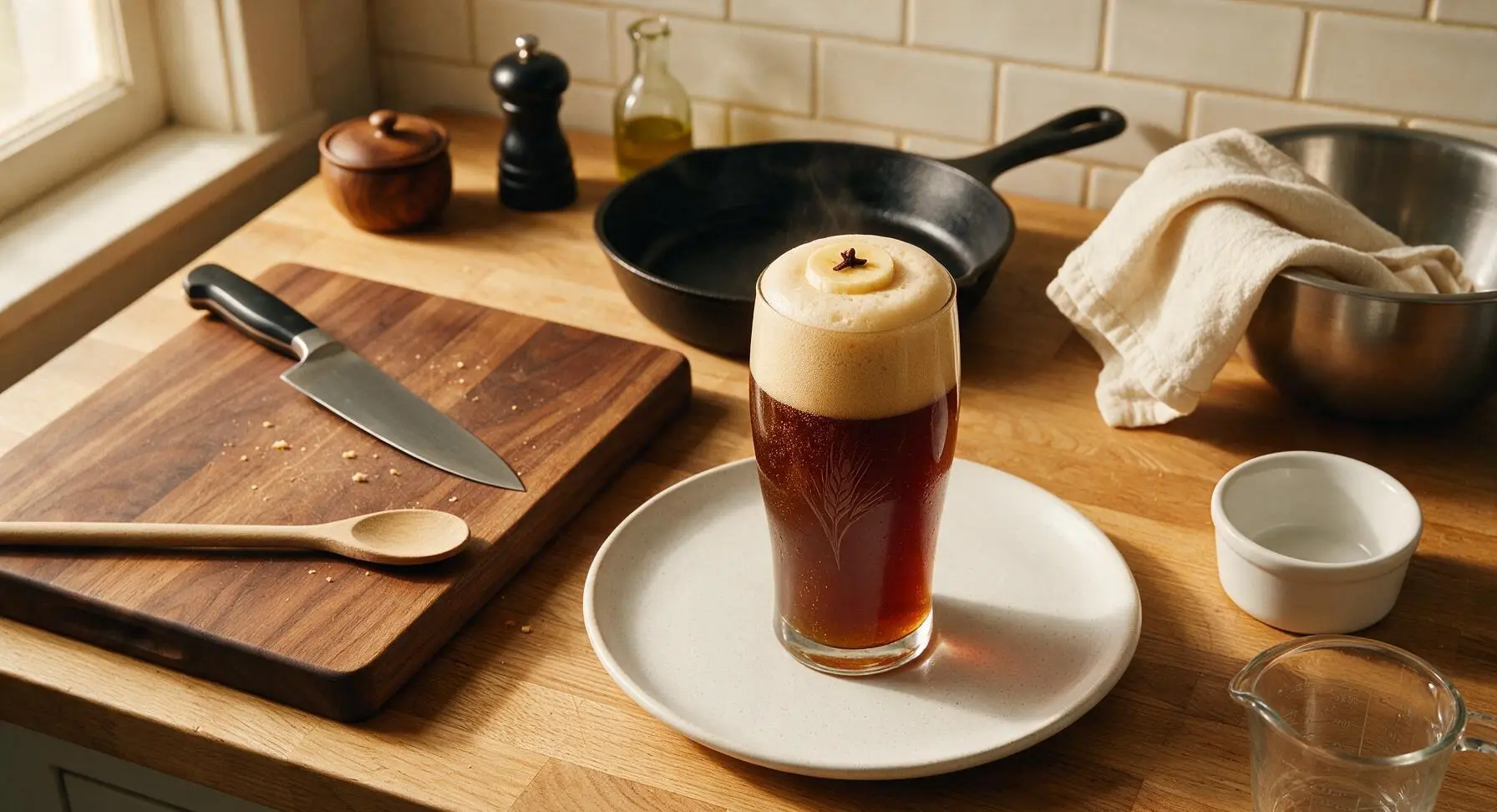
Traditional Bavarian dark wheat beer with rich notes of toasted rye bread, ripe banana, warm clove, and subtle caramel, smooth and creamy under a fluffy tan head.
Ingredients
Steps
Sanitize Brewing Equipment
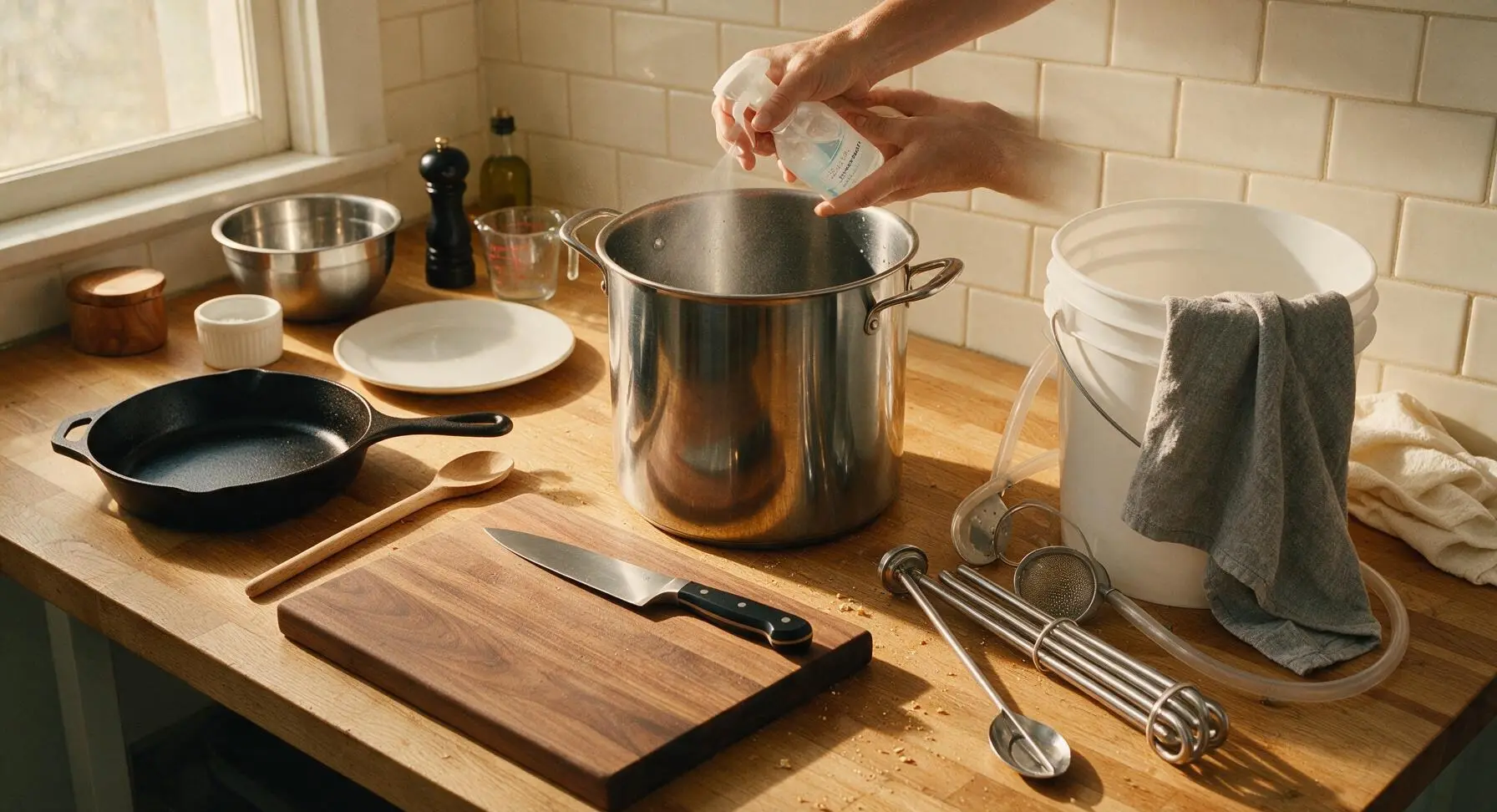
Start by spraying all food-contact surfaces of the brew kettle, stirring spoon, strainer, fermentation bucket, airlock, thermometer, and wort chiller with no-rinse food-safe sanitizer. Wipe surfaces thoroughly with the heather gray cotton towel, ensuring no sanitizer pools in crevices or under lid seals. Proper sanitization eliminates unwanted bacteria and wild yeast that can sour the finished beer; every tool that touches cooled wort must be fully sanitized before use.
Heat Mash Water
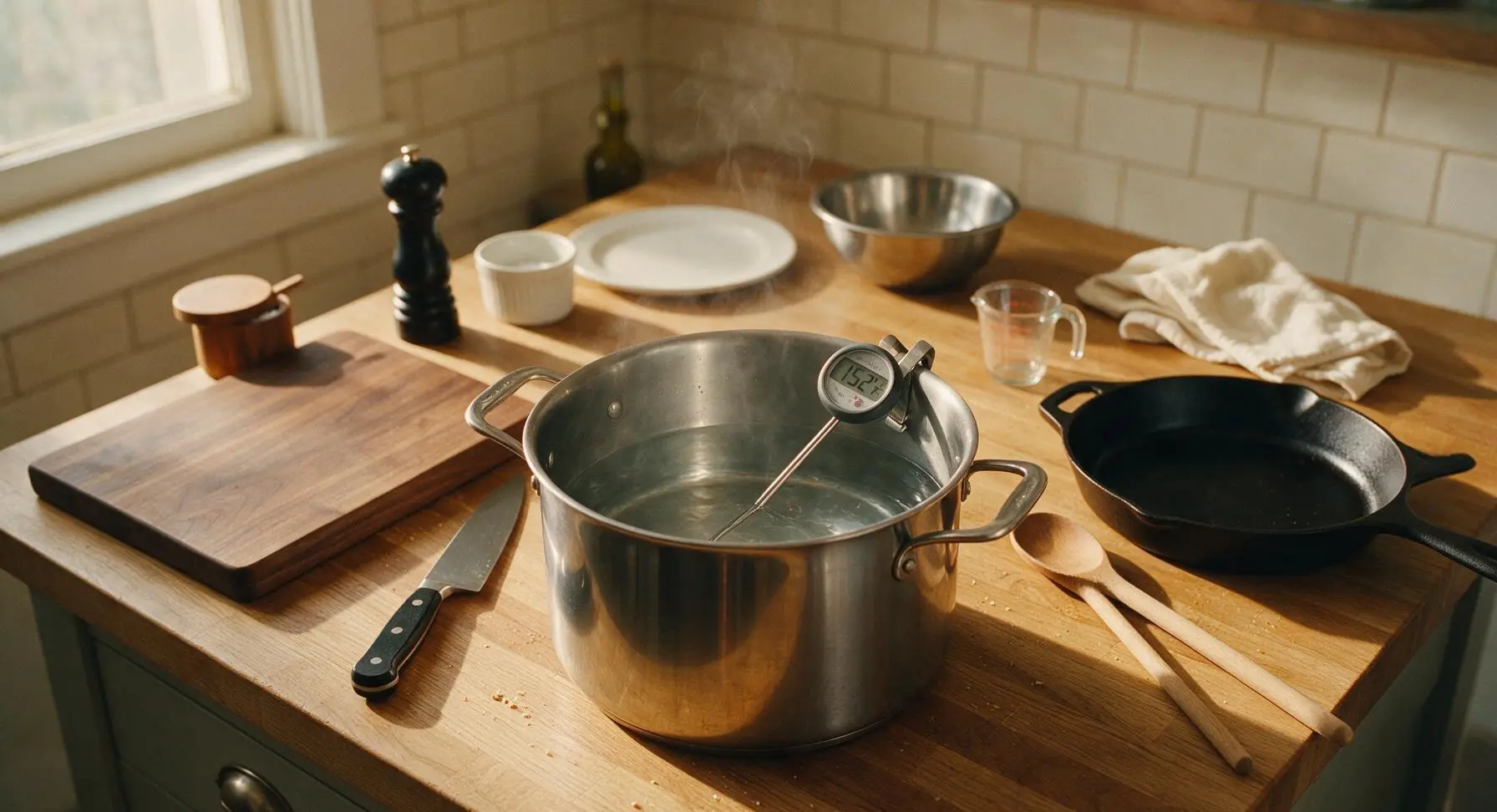
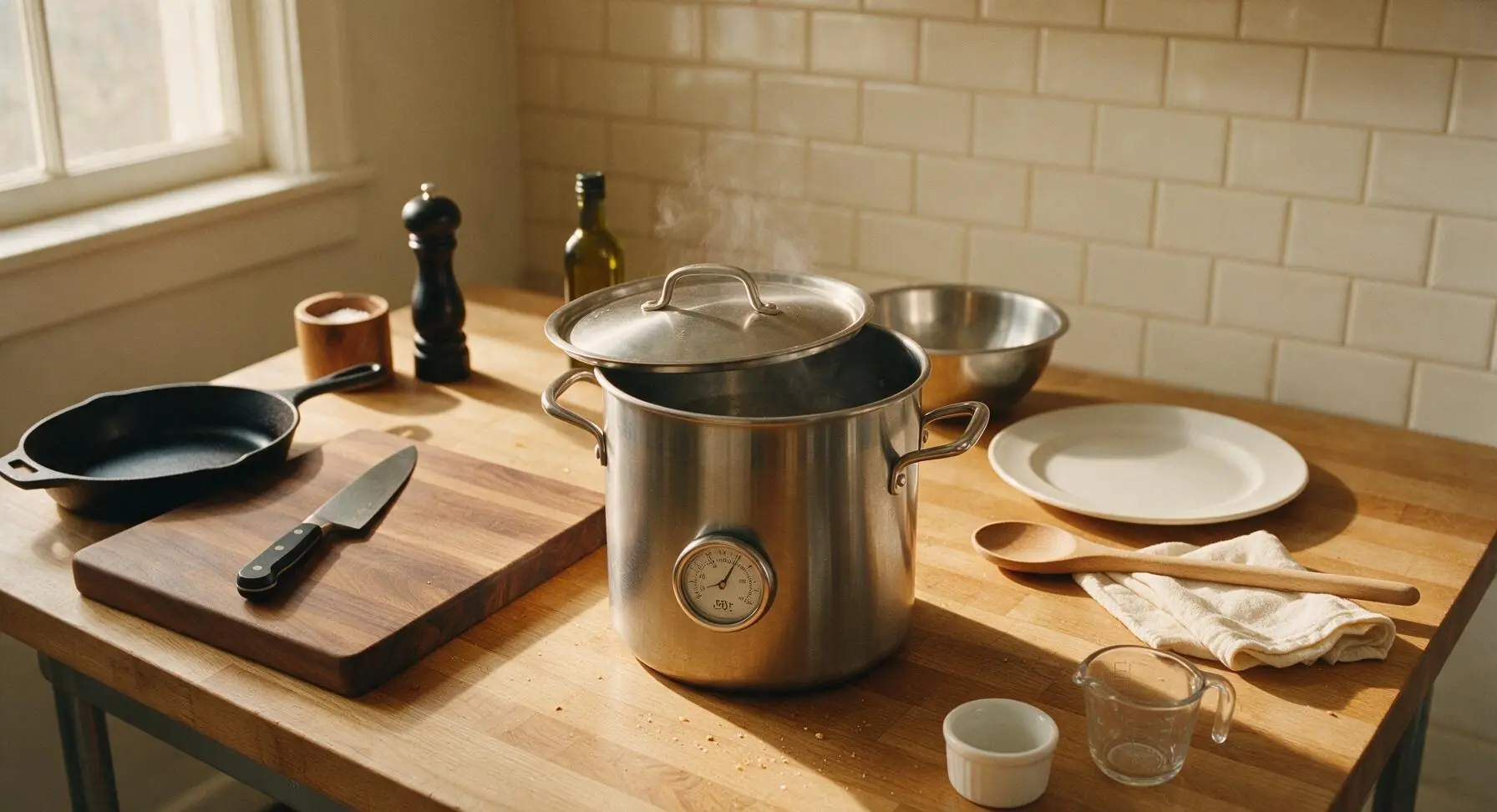
Pour 3 gallons of cold filtered water into the sanitized brew kettle. Place over medium heat, using the built-in kettle thermometer to monitor temperature until the water reaches a steady 152°F (67°C), the ideal temperature for wheat malt starch conversion. Do not bring the water to a boil at this stage.
Add Crushed Grains
Slowly pour all measured crushed grains (pale wheat, Pilsner, Munich, chocolate wheat) into the 152°F water, stirring continuously with the stainless steel spoon to break up any dry clumps. The resulting grain-water mixture (called mash) will have a thick, porridge-like consistency and a deep warm brown hue from the roasted chocolate wheat malt.
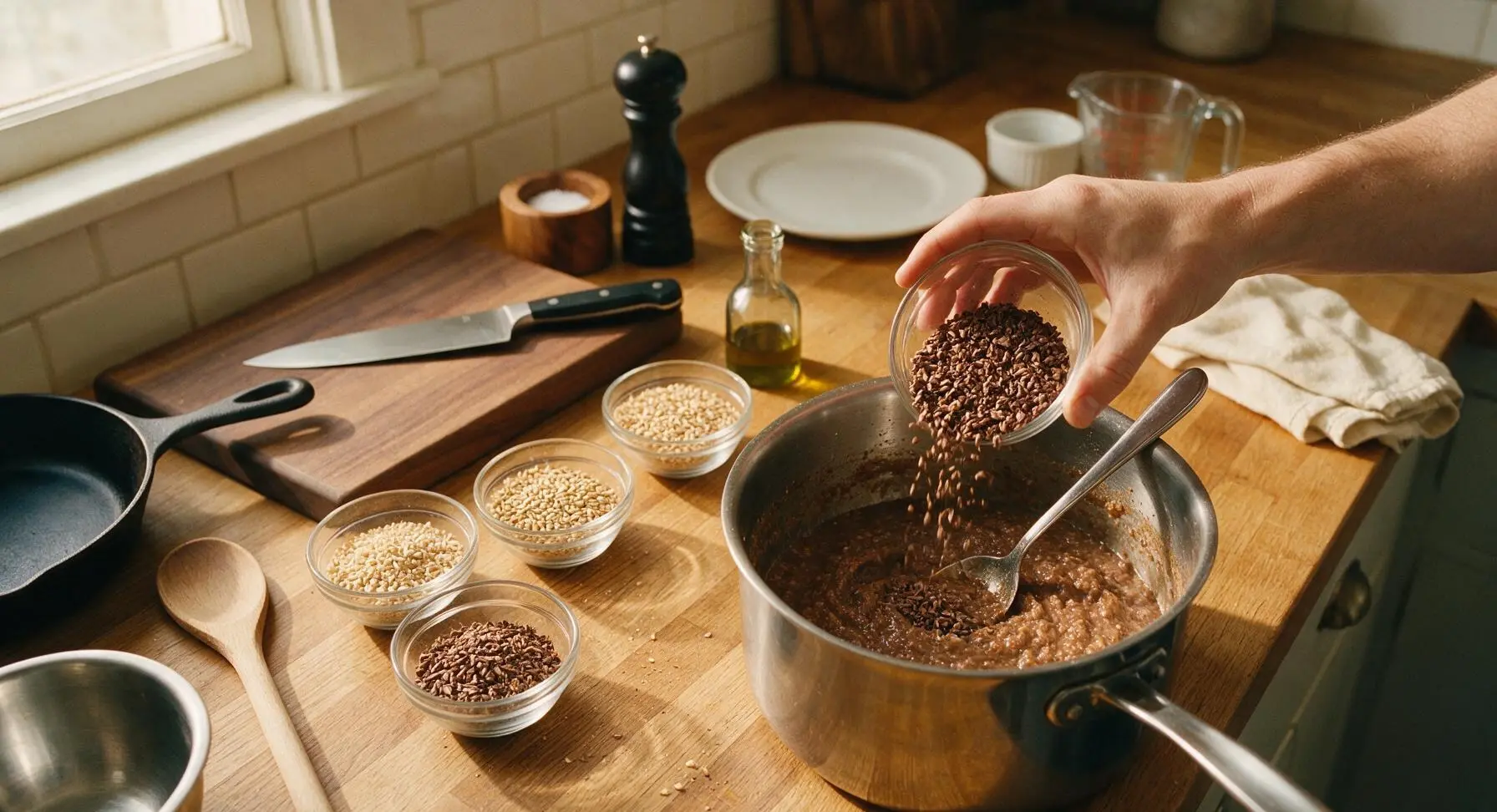
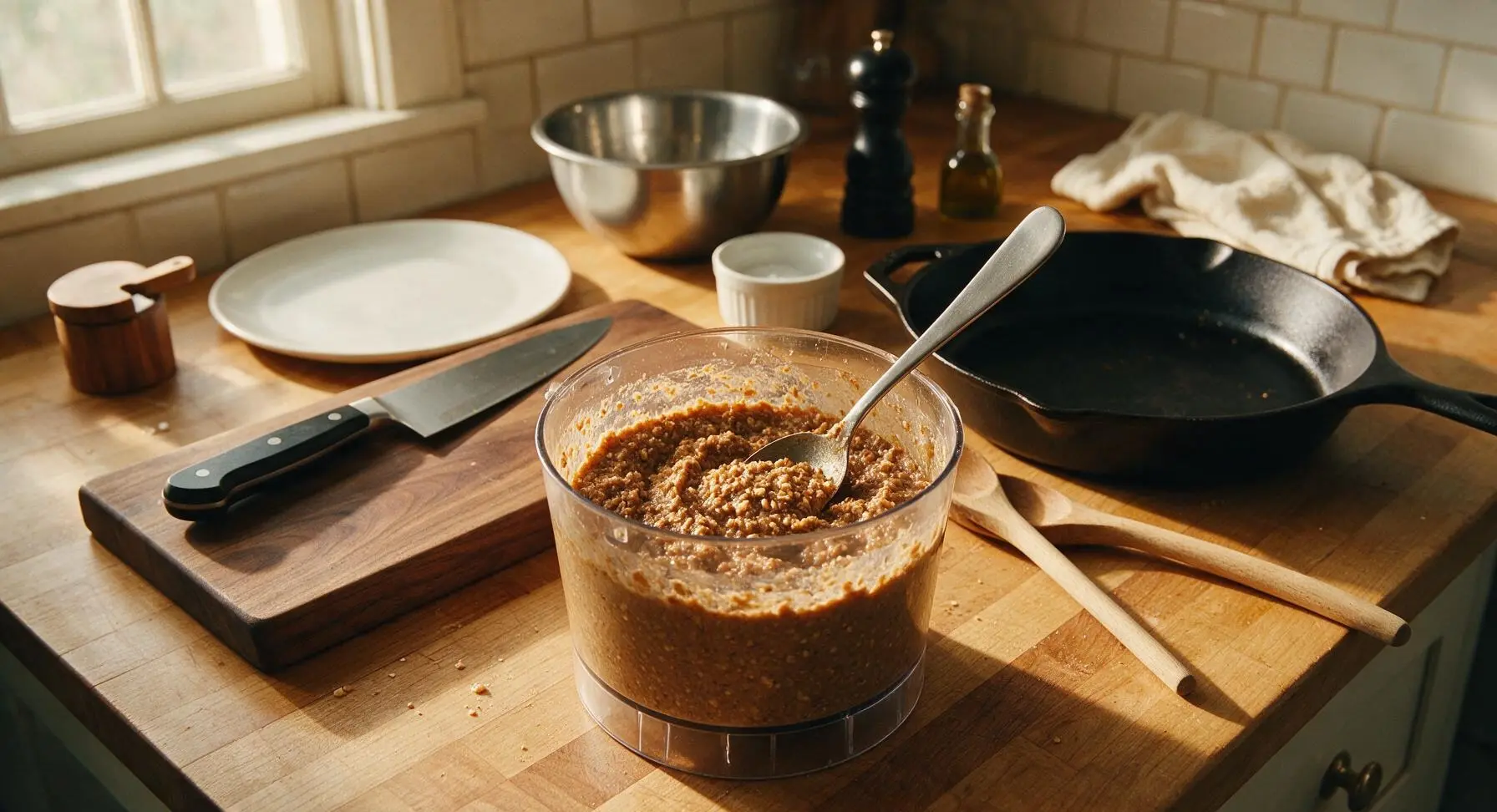
Hold Mash Temperature
Cover the kettle, reduce heat to the lowest setting, and hold the mash at a steady 148–152°F (64–67°C) for 60 minutes. During this rest, natural enzymes in the malt convert grain starches into fermentable sugars that will become alcohol and carbonation. Stir the mash every 15 minutes to prevent hot spots from burning grain on the kettle bottom. After 60 minutes, a small strained sample of wort will taste sweet and run clear, not cloudy.
Strain and Sparge
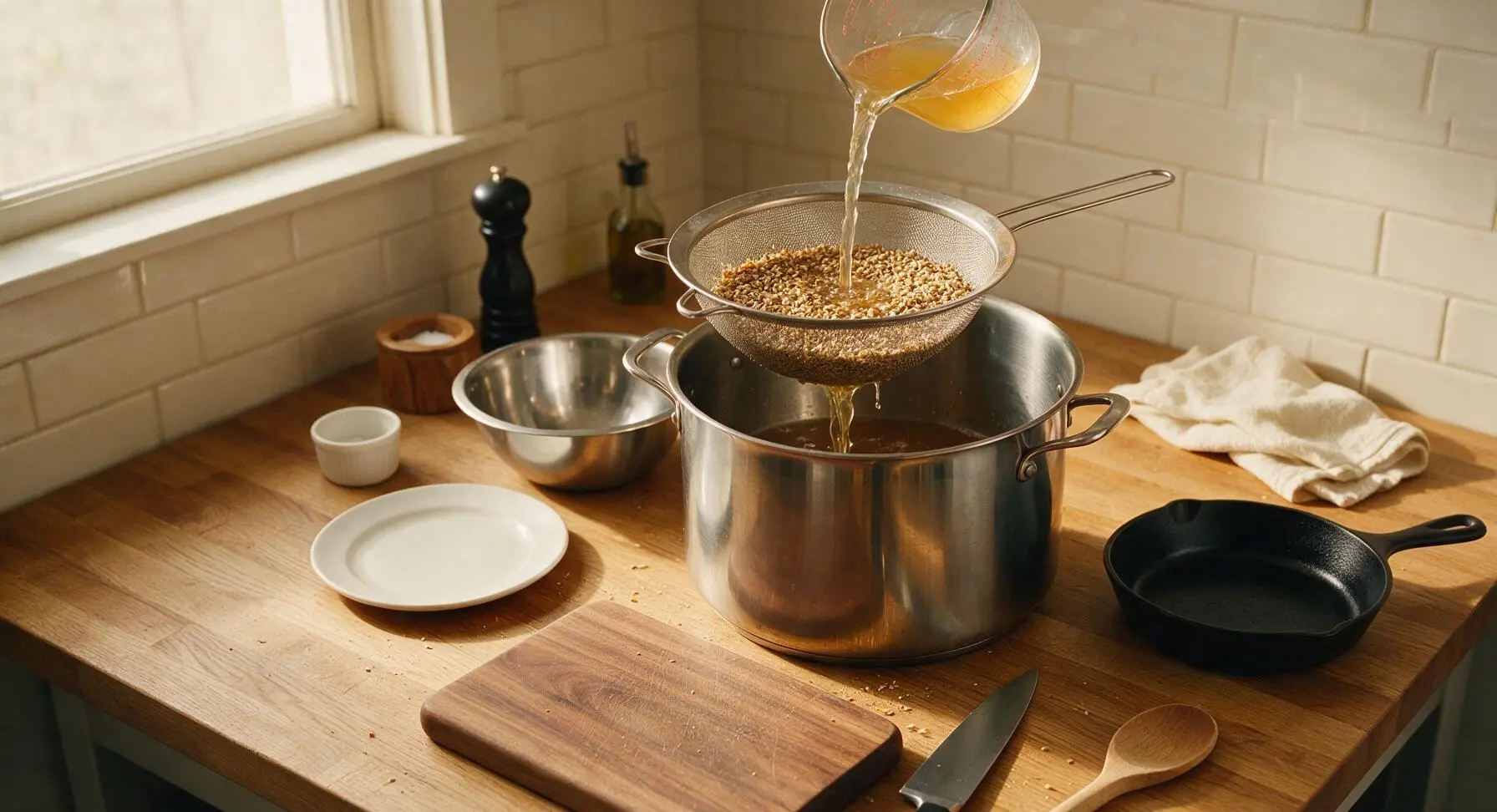
Place the fine-mesh strainer over the top of the kettle, then slowly pour the remaining 3 gallons of 170°F (77°C) filtered water over the grain bed to rinse residual sugars from the grains (this process is called sparging). Lift the strainer with the wet spent grains once all water has run through, allowing every drop of sweet amber wort to drain back into the kettle. Set the spent grains aside to compost or discard.
Boil the Wort
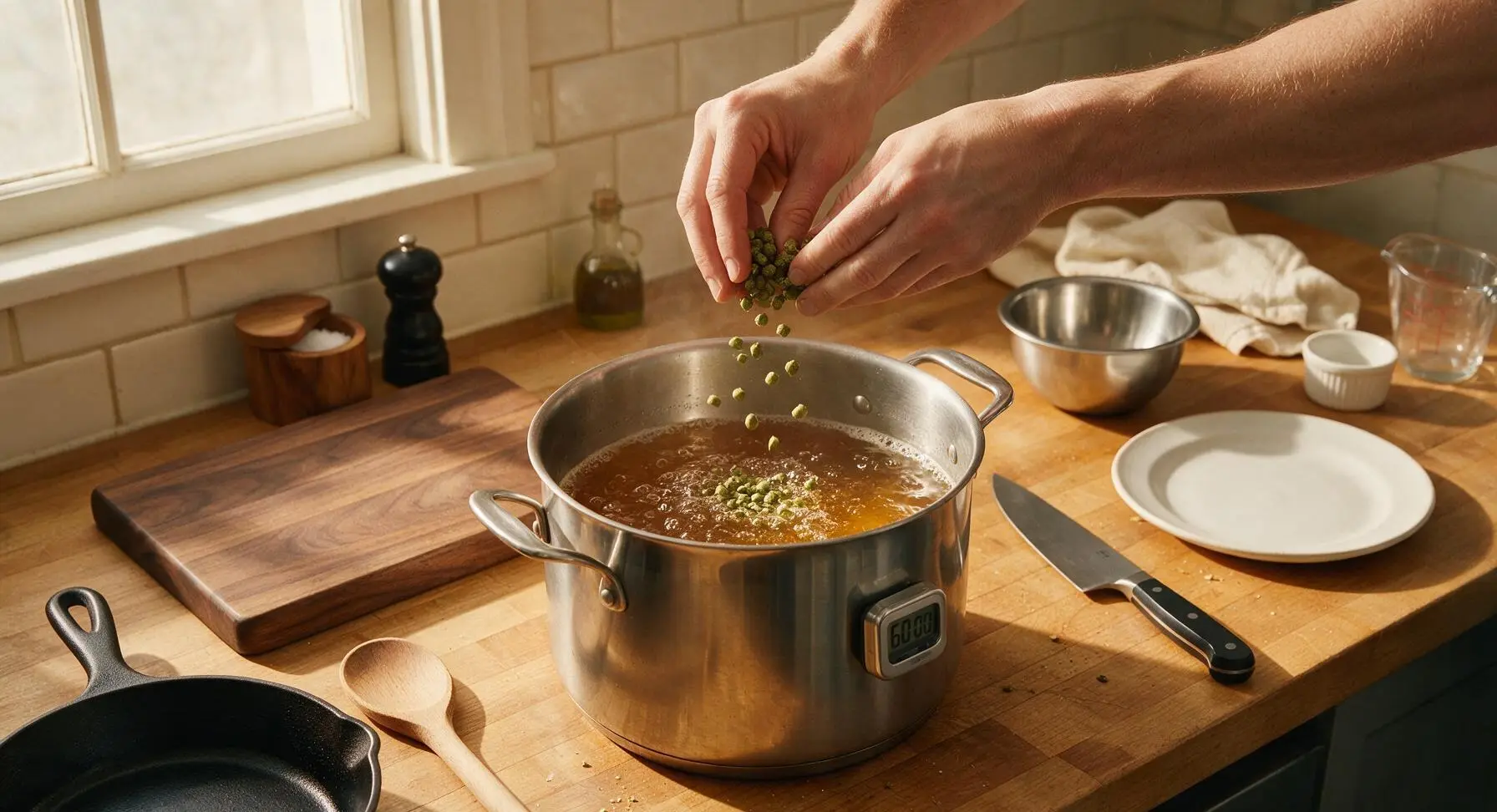
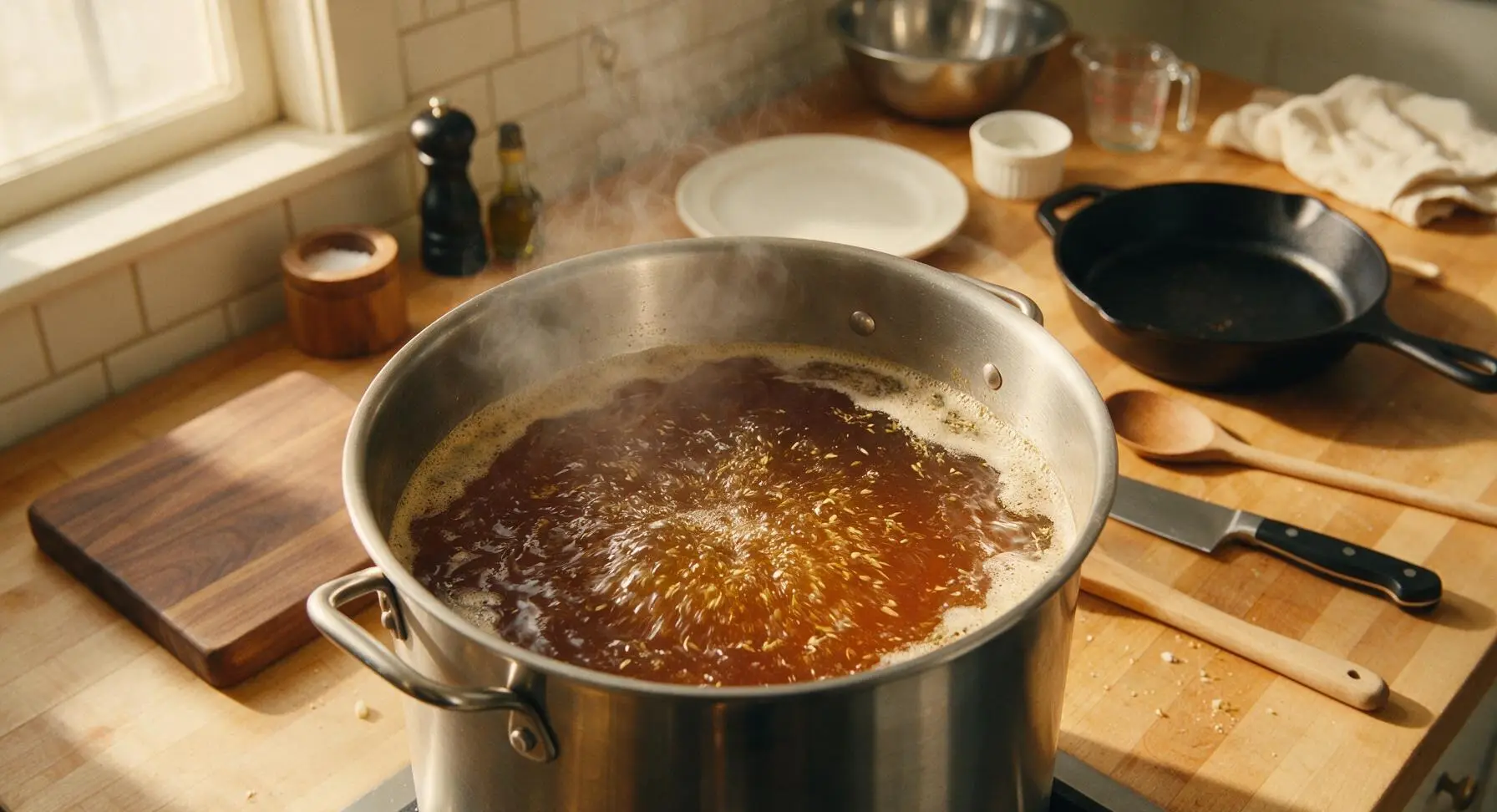
Bring the strained sweet wort to a rolling, gentle boil (212°F / 100°C) over medium-high heat, adjusting heat as needed to prevent sticky boilovers. Once a steady boil is reached, add 1 oz of Hallertau hop pellets, then set the 60-minute timer. Add the remaining 0.5 oz of Hallertau hops and 1 tsp of Irish moss with 15 minutes left in the boil. The wort will darken slightly and develop a rich, bready, floral aroma as it boils.
Cool the Wort
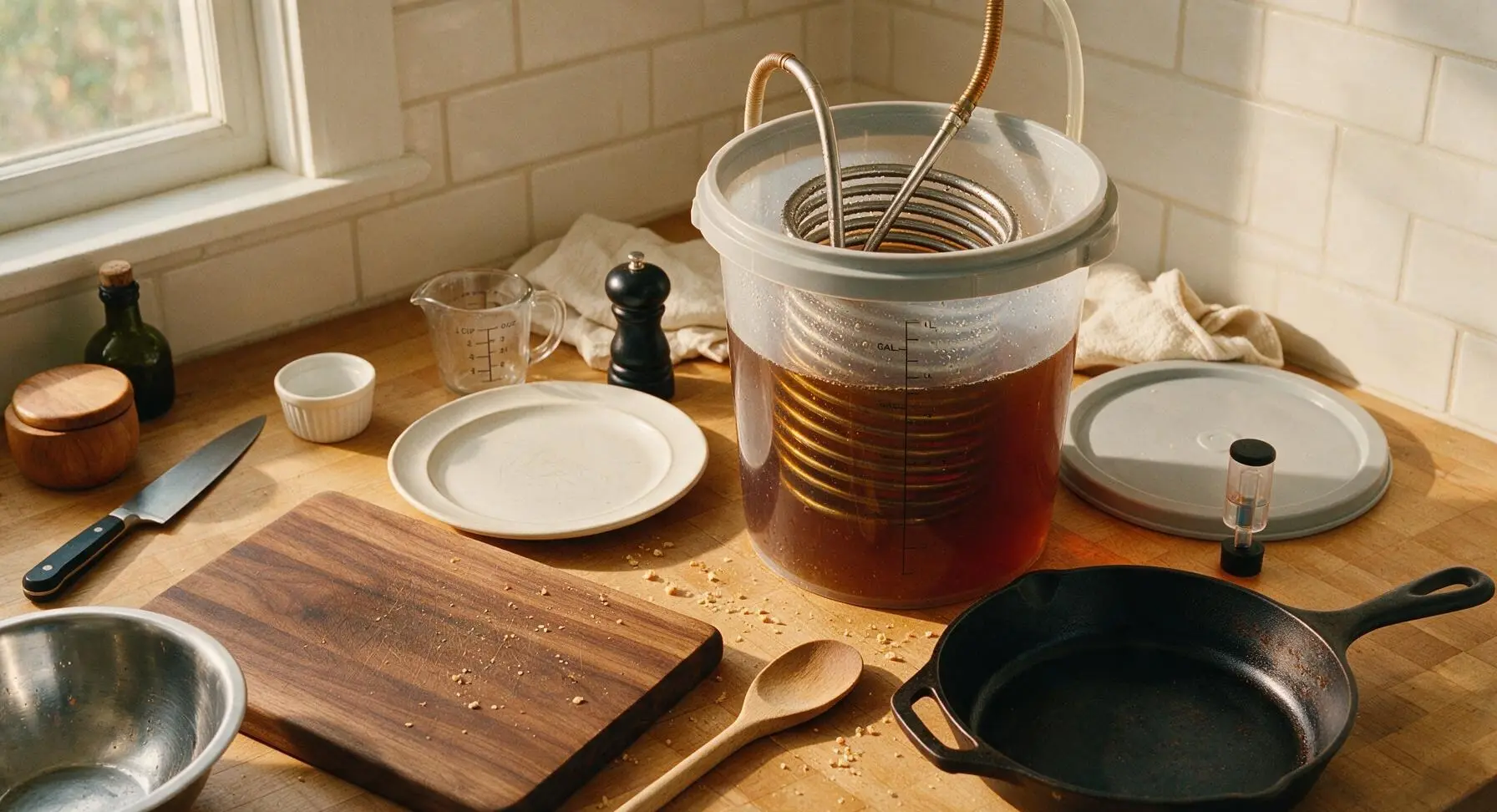
After the 60-minute boil completes, turn off the heat. Submerge the coiled stainless steel wort chiller into the hot wort, running cold tap water through the coils to rapidly cool the wort to 70°F (21°C) within 30 minutes (fast cooling prevents contamination and reduces off-flavors). Once cooled, pour the wort through the clean strainer into the sanitized fermentation bucket, pouring from a 12-inch height to aerate the wort and introduce oxygen needed for healthy yeast growth.
Pitch Yeast and Seal
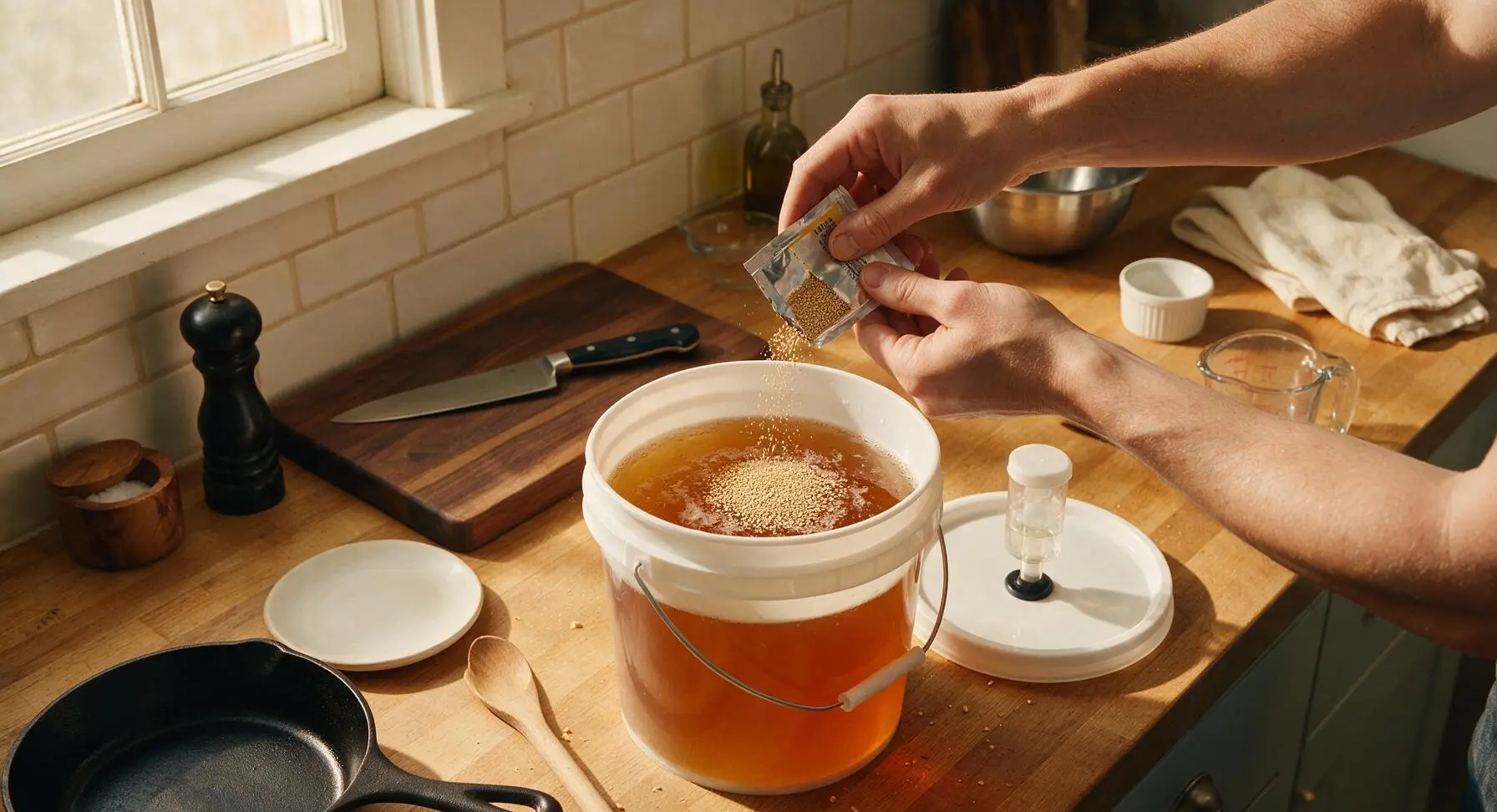
Sprinkle the entire packet of Bavarian wheat beer yeast evenly over the surface of the cooled, aerated wort in the fermentation bucket. Snap the airtight lid onto the bucket, fill the three-piece airlock halfway with sanitizer, and insert it into the drilled hole in the lid. Store the sealed bucket in a dark, temperature-stable space held at 65–68°F (18–20°C) for 14 days, until active fermentation ceases (no bubbles pass through the airlock for 48 consecutive hours). After fermentation, bottle with 3/4 cup corn sugar for natural carbonation, condition for 7 days at room temperature, then chill for 48 hours before serving.
Tips
2.Stick to the 4 oz measurement of chocolate wheat malt: adding more will introduce harsh, ashy burnt roast notes that overpower the delicate banana and clove esters from the wheat yeast, instead of the subtle dark bread and mild cocoa notes the style is known for.
3.Maintain a steady 65–68°F (18–20°C) fermentation temperature for the first 3 days: warmer temperatures cause the wheat yeast to produce harsh, solvent-like off-flavors, while steady cool fermentation brings out the soft, ripe banana and warm clove character that defines authentic Dunkelweizen.






OMG, this dunkelweizen recipe is an absolute game changer! I’ve been messing around with homebrew for 3 years and could never nail that classic banana-clove malt balance I remember from my trip to Munich. Followed this to a T, let it condition for 2 weeks, and brought a growler to my neighborhood BBQ last weekend — even my neighbor who swears he ‘only drinks IPAs’ asked for a second pour! 10/10 will be making this on regular rotation for game nights.
Really solid recipe! I was a little intimidated because I’ve only done extract brews before, but the step-by-step instructions made the partial mash process super approachable. My only note is that I felt the 2 hour cook time stretched a little longer for me because I had to troubleshoot my mash tun temp, but the end result is SO good. My whole book club loved sampling the first bottle when I brought it over last night.
As someone who grew up drinking my Opa’s homebrewed dunkelweizen in Wisconsin, I was skeptical any online recipe could live up to that memory. Y’all. This is it. That rich, bready malt, the subtle dark fruit note, the fluffy head that sticks around forever? I cried a little when I took my first sip. Brought a six pack to our family Sunday dinner and everyone said it tasted just like the beer we get at the German restaurant downtown.
Absolute home run. Brewed this last month, carbonated it naturally in the bottle, and brought every last bottle to our annual fall potluck. People were lining up to try it! I will say, I accidentally added a tiny extra bit of chocolate malt and it gave it this nice subtle cocoa finish that was chef’s kiss. Highly recommend for anyone who wants a crowd-pleaser brew that doesn’t require a ton of fancy equipment.
Decent recipe, but I ran into a stuck sparge halfway through the process and lost about a quart of wort, so my final batch came out a little boozier and less malty than I expected. Flavor is still good, but I wish there was a note about how to prevent stuck sparges for people who are newer to all-grain adjacent brews!
Just bottled my first batch of this last night! The sample I pulled during racking was incredible — smooth, malty, exactly that classic dunkelweizen flavor I’ve been craving. My kids thought the whole brewing process was so cool, they kept asking to help stir the mash! Can’t wait for it to carbonate so I can bring some to my friend’s Halloween party next weekend. Already planning my next brew day for this recipe in December!
I brew once a month to stock my fridge for weeknight dinners and casual hangouts, and this is going straight into my regular rotation! It’s so drinkable, not too heavy, pairs perfectly with bratwurst and pretzels which are our go-to weeknight fall meals. I knocked off one star only because I wish the ingredient list specified which wheat malt brand gives the most authentic flavor, but I used what I had and it still turned out great.
Game. Changer. I’ve tried 3 other dunkelweizen recipes online and all of them came out too thin or too bitter, but this one is spot on. The caramel malt addition is genius, it gives it that perfect depth without making it sweet. My wife, who usually hates wheat beers, drank two full glasses with our pizza night on Friday and asked when I’m making more.
Just finished the cook portion of this recipe! The house smells like warm bread and caramel, it’s absolutely heavenly. My granddaughter is coming to visit next month and she loves craft beer, so I can’t wait to surprise her with a cold glass of this when she gets here. Fingers crossed fermentation goes smoothly!
Super accessible for a total newbie! This was only my second ever homebrew, and I was so nervous about messing up the mash steps, but the instructions were written so clearly I didn’t get lost once. My first bottle had a little bit of sediment at the bottom, but that’s totally normal for wheat beer right? Flavor was chef’s kiss even with that.
Just pulled my first chilled bottle out of the fridge to test after 3 weeks of conditioning, and OH MY GOODNESS. That head retention is insane, the flavor is perfectly balanced, I can already tell this is going to be my go-to brew for tailgates this football season. Already texted all my homebrew group chat the link to this recipe!
SO good! I hosted an Oktoberfest themed potluck last weekend and brewed this as the signature drink for the party. Everyone kept asking where I bought it, they couldn’t believe I made it at home! I served it with soft pretzels and obatzda and it was the perfect pairing. 10/10, will be making this every fall from now on.
Wait, I know this is a beer recipe but hear me out — I used a little bit of this wort (before adding yeast) to make a beer cheese dip for our game night last week and it was INSANE. The rich, malty flavor made the best cheese dip I’ve ever had, and the finished beer paired perfectly with it. 10/10, versatile as heck!
Really great traditional recipe! I only gave it 4 stars because I found the carbonation level a little lower than I prefer for dunkelweizen, but that’s probably just because I bottled a day too early. The flavor is spot on, though — I brought a growler to my hiking group post-hang last weekend and everyone was raving about how smooth it was after a long trek.
Finally got around to making this after seeing it pop up on my feed a month ago, and I’m kicking myself for waiting so long! It’s the perfect cold weather beer — rich, malty, not too bitter, perfect for sipping around the fire pit in the backyard after raking leaves. My brother-in-law is a total beer snob who only imports German dunkelweizen, and he said this is better than most of the stuff he buys from the specialty shop. Absolute win!