Fasnacht

title 1
Fasnacht
⏱️ cook time 2 hours 15 minutes
🍽️ servings 6
⚡ Difficulty medium

intro

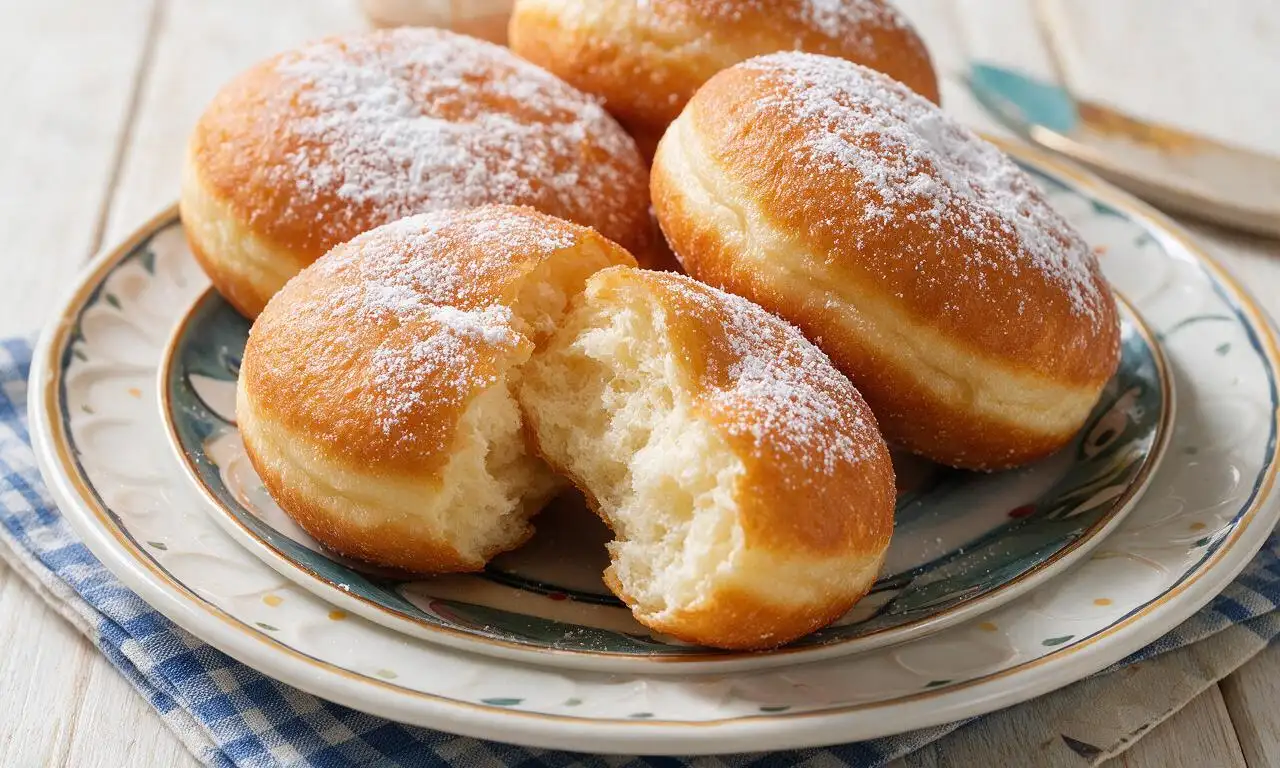
Pillowy golden fried doughnuts, a traditional pre-Lenten treat made to use up rich pantry staples, with a crisp crust and soft crumb dusted in powdered sugar.

Ingredients

All-purpose flour 480 grams (4 cups)
Active dry yeast 7 grams (2 1/4 teaspoons, 1 standard packet)
Whole milk 240 ml (1 cup), warmed to 43°C / 110°F
Granulated sugar 50 grams (1/4 cup)
Unsalted butter 57 grams (4 tablespoons, 1/4 cup), melted and cooled
Large eggs 2, room temperature
Fine table salt 5 grams (1 teaspoon)
Ground nutmeg 1/4 teaspoon
Vegetable frying oil 1.5 liters (6 cups)
Powdered sugar 120 grams (1 cup), for dusting

Steps

1

Activate the yeast

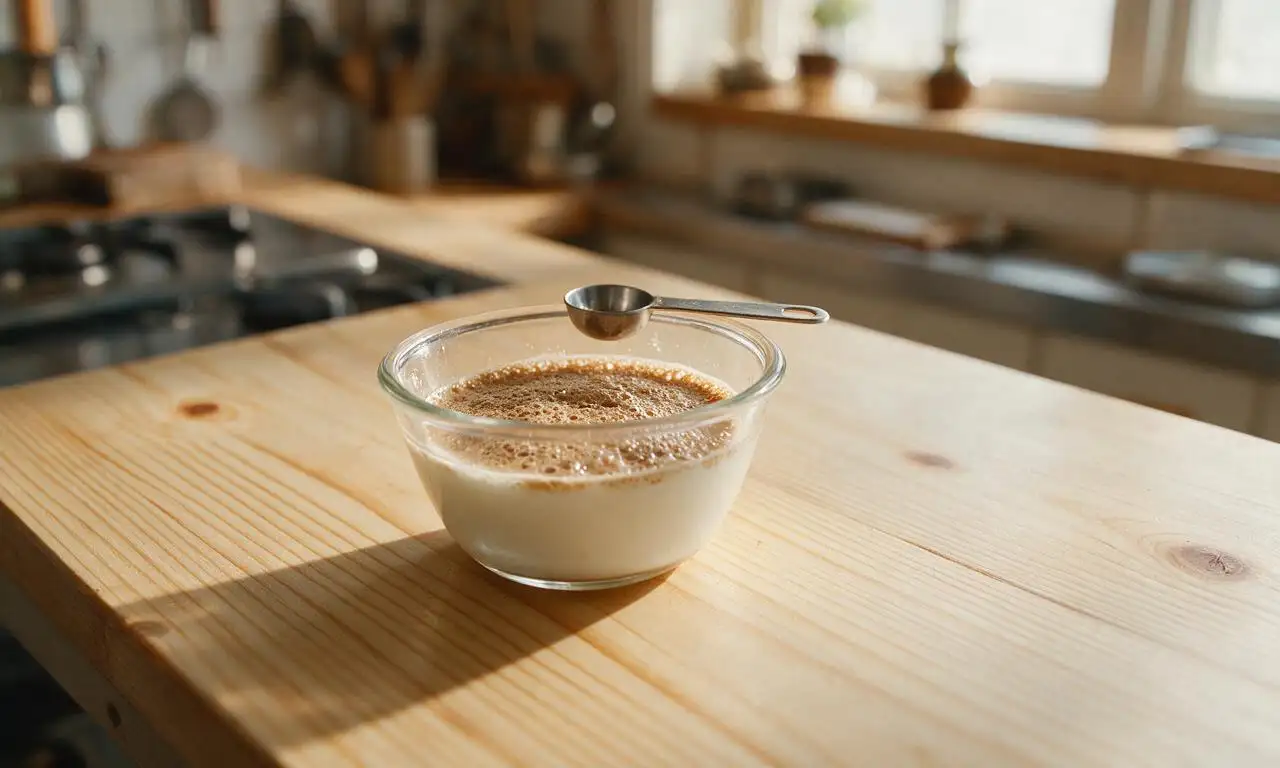
In a small bowl, combine warmed 240ml whole milk (110°F/43°C), 1 tablespoon (12g) of the measured granulated sugar, and 7g active dry yeast. Stir gently once to combine, then let rest for 5-7 minutes until the mixture forms a thick, foamy froth on top, confirming the yeast is active. If no foam forms after 7 minutes, discard the mixture and use fresh yeast to avoid dense, heavy fasnachts.
Step 1
step1:Activate the yeast
2

Mix the base dough

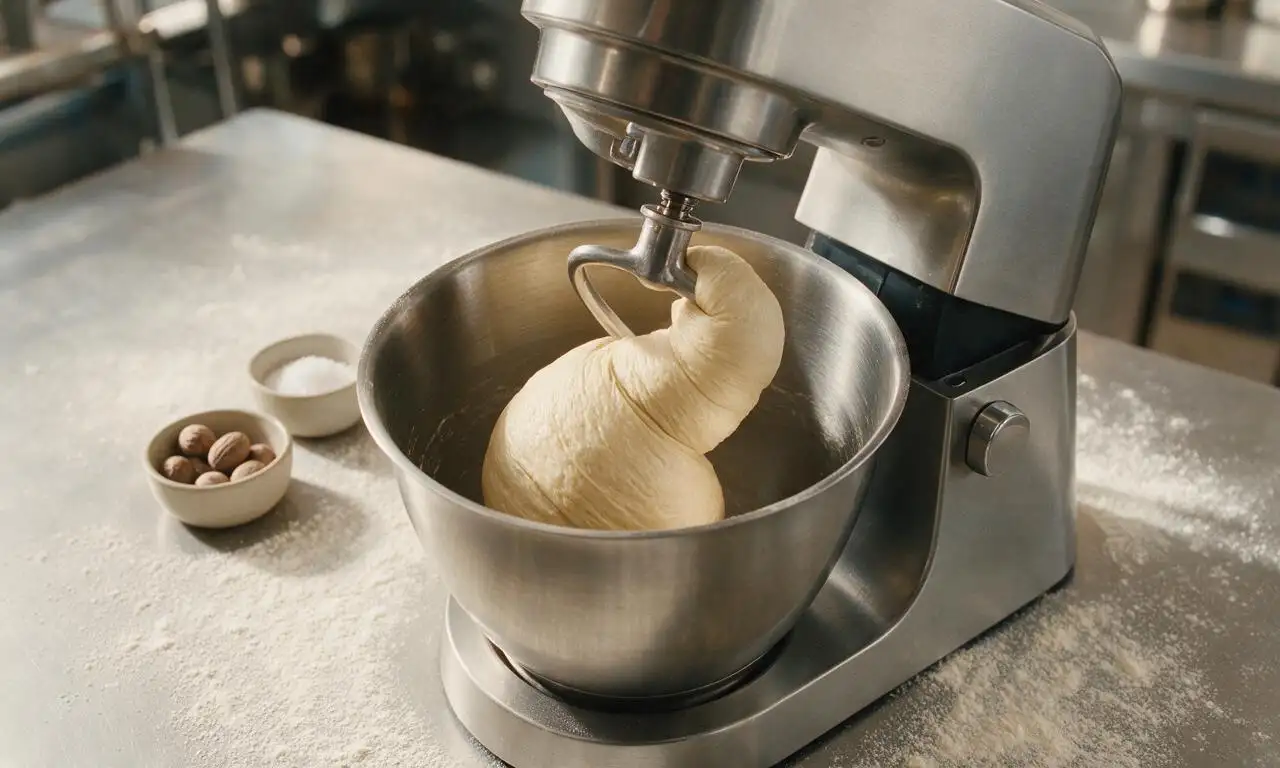
In the bowl of a stand mixer fitted with a dough hook, add 480g all-purpose flour, the remaining 38g granulated sugar, 5g fine salt, and 1/4 teaspoon ground nutmeg. Stir briefly to evenly distribute dry ingredients, then pour in the activated yeast mixture, 2 room-temperature large eggs, and 57g cooled melted unsalted butter. Mix on low speed (speed setting 2 on most household stand mixers) for 8 full minutes, until the dough pulls cleanly away from the bowl sides and forms a smooth, soft, slightly tacky elastic ball.
Step 2
step2:Mix the base dough
3

First dough proof

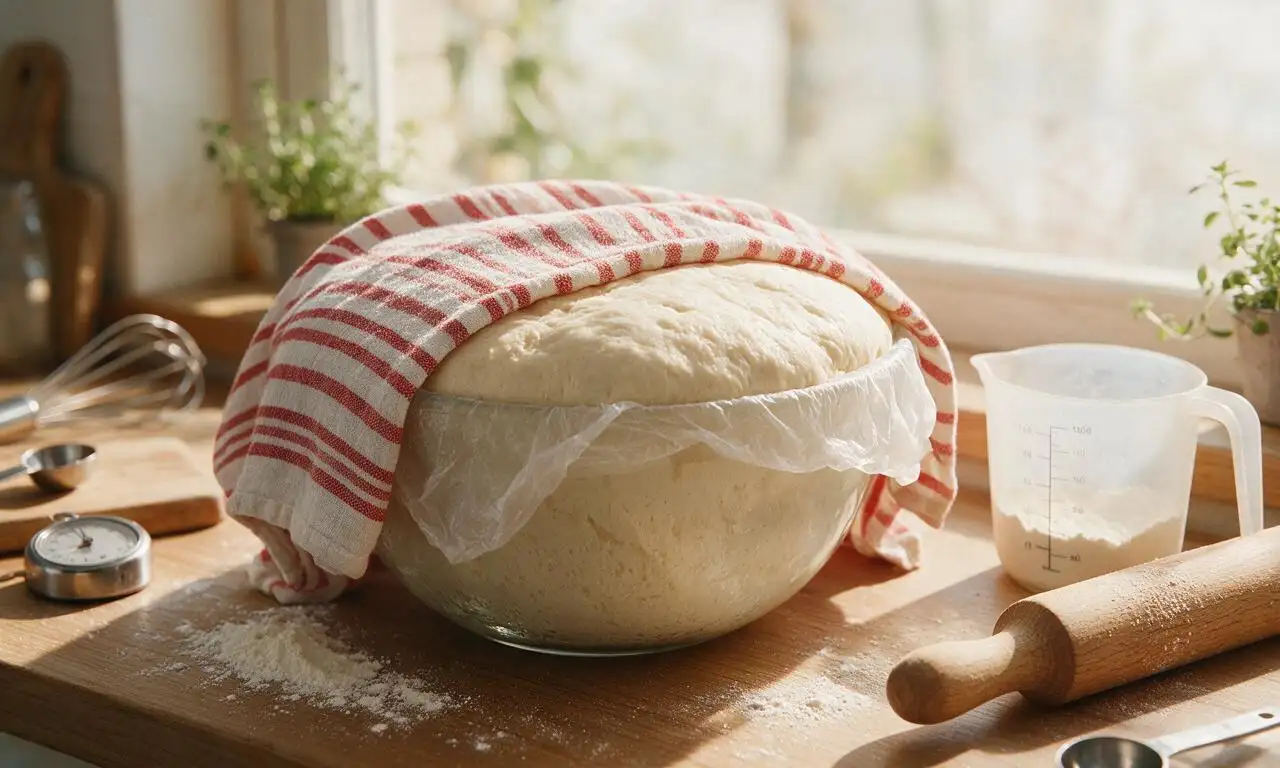
Grease a large 3-liter glass bowl with 1 teaspoon of vegetable oil, form the mixed dough into a tight ball, and place it in the bowl, turning once to coat the entire dough surface in oil. Cover the bowl tightly with plastic wrap and a clean cotton kitchen towel, then set it in a warm, draft-free spot (75°F/24°C) for 60 minutes, until the dough doubles in volume and leaves a slow-rebound indent when poked with a floured finger.
Step 3
step3:First dough proof
4

Cut and shape fasnachts

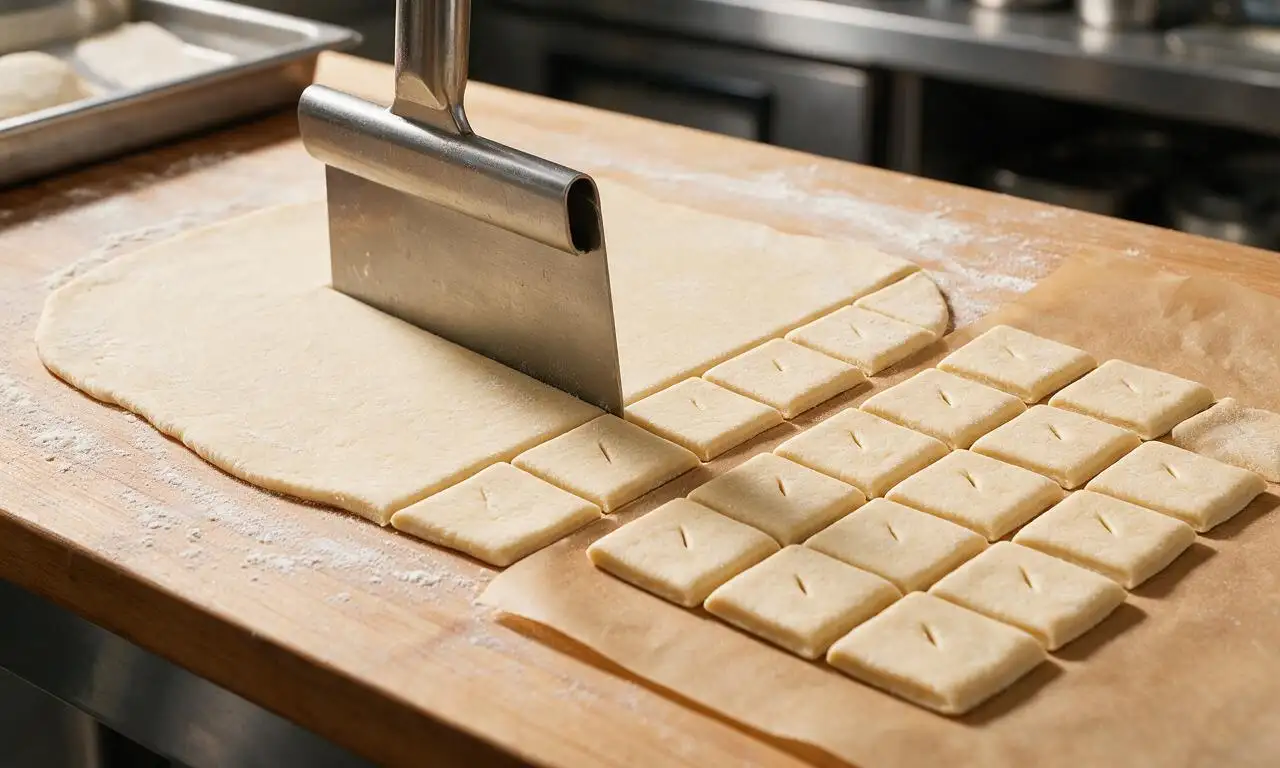
Punch the risen dough firmly in the center to release all trapped air, then turn it out onto a lightly floured countertop. Use a wooden rolling pin to roll the dough to a uniform 1/2-inch (1.25cm) thickness, then use a sharp bench scraper or knife to cut the dough into 3-inch (7.5cm) square pieces. Cut a 1-inch (2.5cm) vertical slit in the center of each square, then arrange the cut pieces 2 inches apart on a parchment-lined baking sheet.
Step 4
step4:Cut and shape fasnachts
5

Second short proof

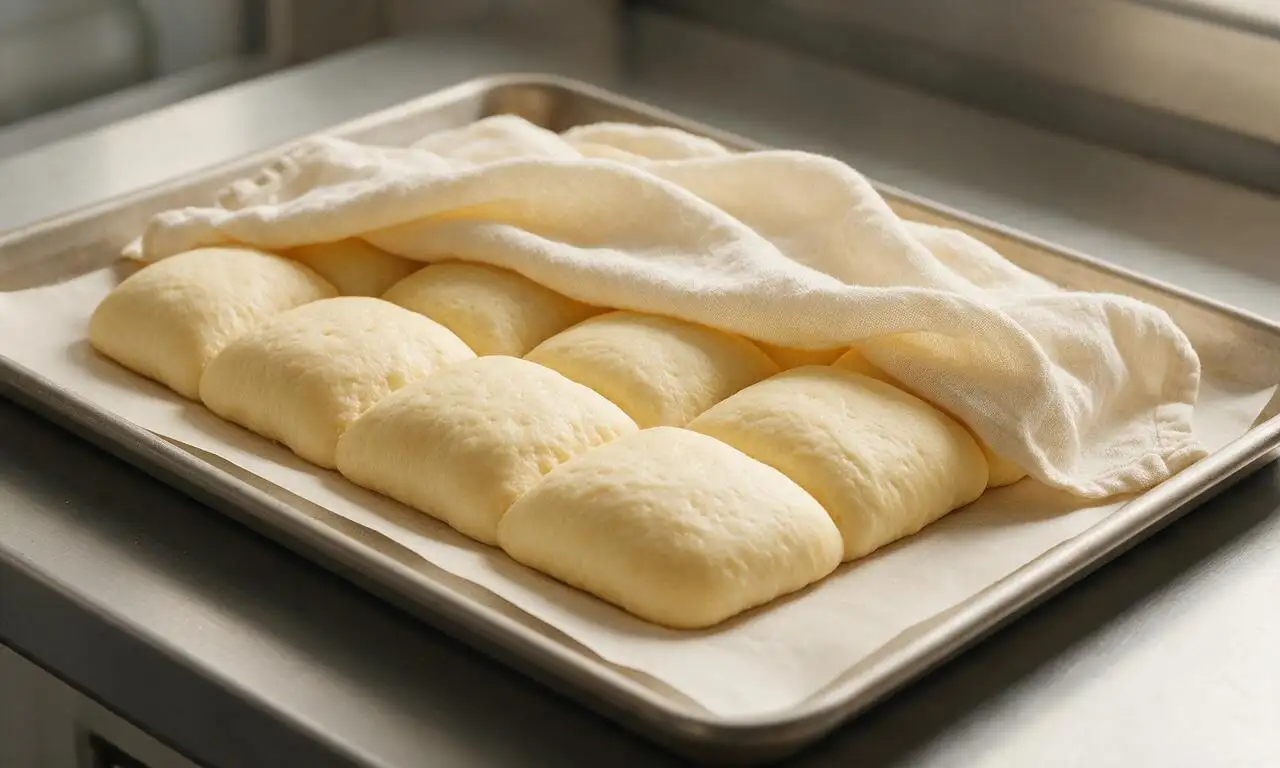
Cover the cut dough pieces loosely with a clean linen kitchen towel and let them rest in the same warm, draft-free spot for 25-30 minutes, until they puff up noticeably and feel light and airy to a light touch, rather than dense and firm. Do not over-proof the dough, as this will cause fasnachts to absorb excess oil and turn greasy while frying.
Step 5
step5:Second short proof
6

Fry to golden brown

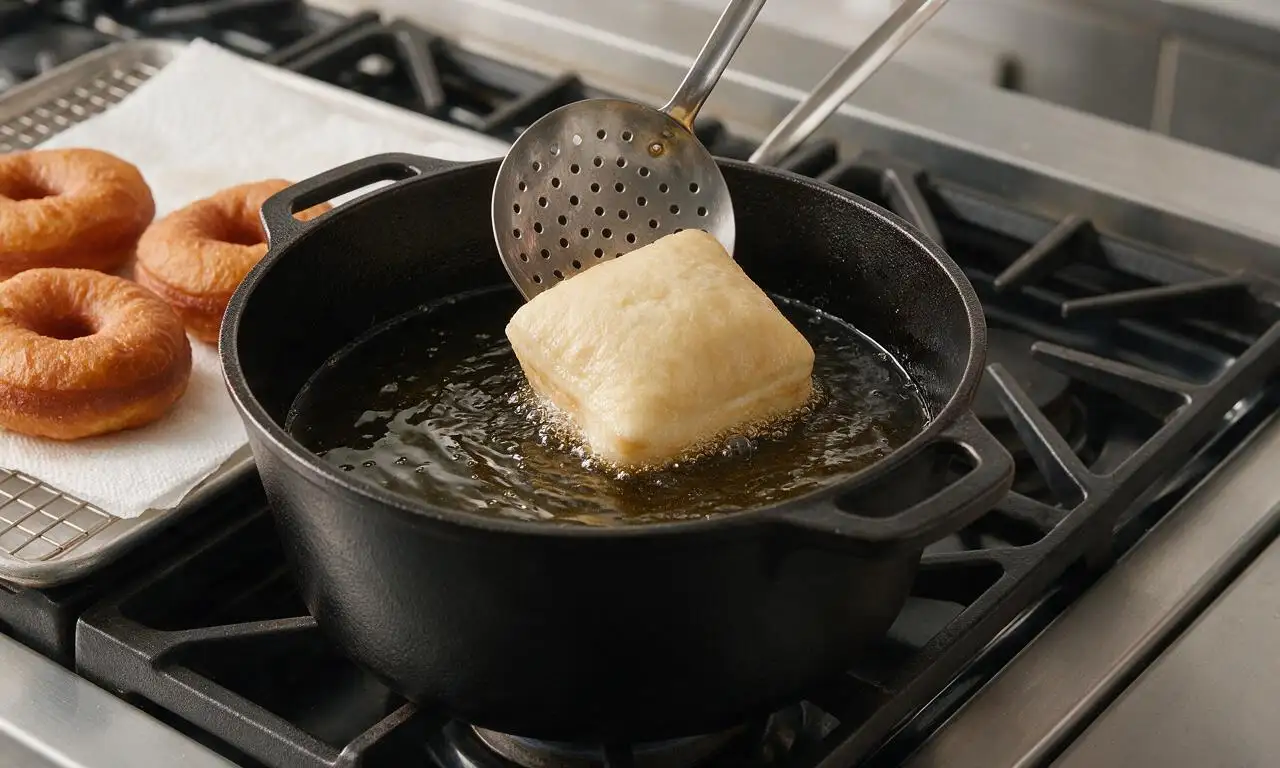
Heat 1.5 liters of vegetable oil in a heavy-bottomed 5-quart Dutch oven to 365°F (185°C), using a clip-on candy thermometer to monitor oil temperature closely. Working in batches of 3-4 fasnachts at a time to avoid dropping oil temperature too quickly, fry for 1.5 minutes per side until deep, even golden brown on both surfaces. Use a slotted metal spoon to transfer cooked fasnachts to a wire rack lined with paper towels to drain excess oil for 2 minutes, adjusting stovetop heat as needed to maintain oil temperature between 350-370°F (175-188°C) between batches.
Step 6
step6:Fry to golden brown
7

Coat and serve warm

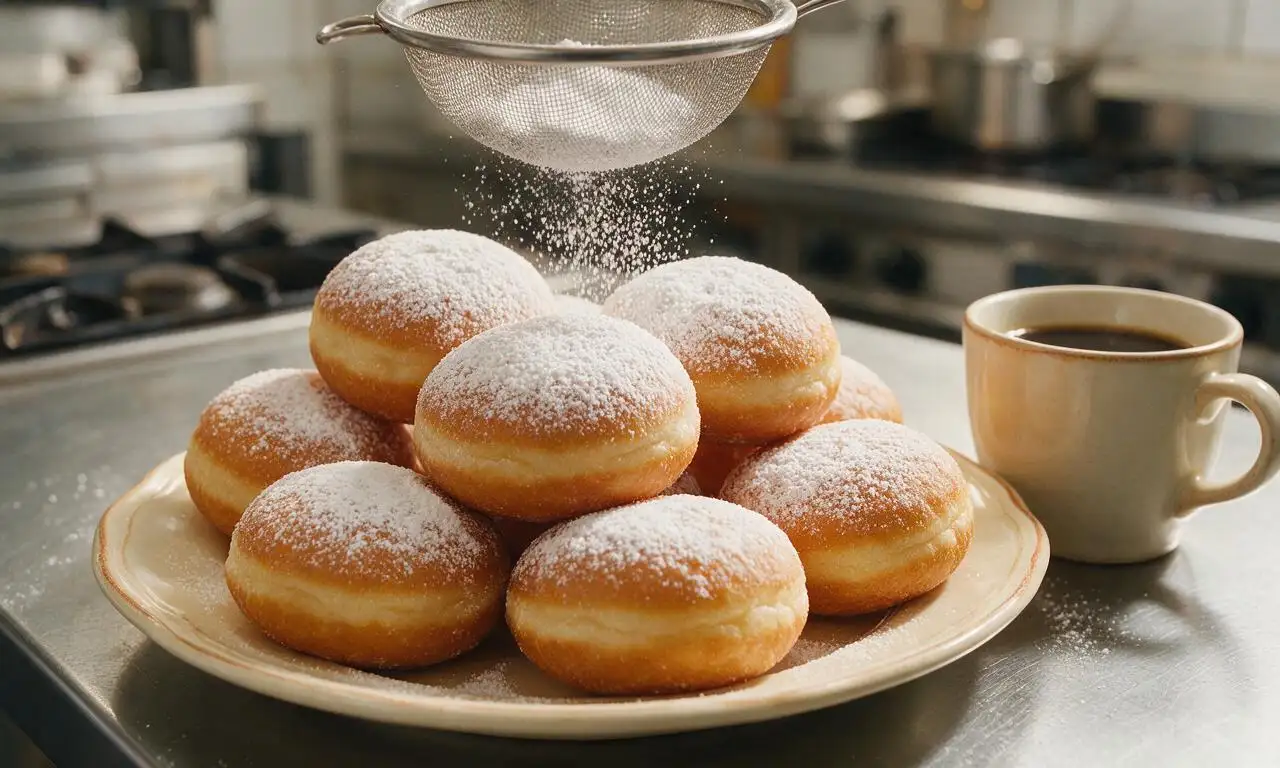
While the fasnachts are still slightly warm (around 120°F/49°C), place 120g powdered sugar in a large paper lunch bag, add 2-3 fasnachts at a time, and gently shake the bag for 10 seconds to coat the pastries evenly in a thick layer of sugar. For a lighter coating, dust the tops of the fasnachts generously with powdered sugar using a fine-mesh sieve. Serve immediately for the best soft, pillowy texture.
Step 7
step7:Coat and serve warm

Tips

1.Avoid overheating frying oil above 375°F (190°C), as this will burn the pastry exterior before the interior cooks through, leading to a bitter crust and raw, doughy center.
2.If you lack a warm, draft-free proofing spot, heat your oven to its lowest setting (around 170°F/75°C) for 1 minute, then turn the oven off completely before placing covered dough inside to rise.
3.Traditional fasnachts do not have a round center hole like classic American doughnuts; the small vertical center slit helps the dough expand evenly and cook fully through the middle during frying.

✨ You May Also Like

Desserts & Baking
🍜 Italy

Creamy, coffee-kissed classic Northern Italian no-bake dessert, with layers of rum-spiked mascarpone cream, soft ladyfingers, and a rich cocoa dusting.

⏱️ 4 hours 3Desserts & Baking ★ 4.7
Desserts & Baking
🍜 France

Flaky, shatteringly crisp, buttery French croissants with golden exteriors and soft, airy layered interiors, perfect for pairing with coffee for a special morning treat.

⏱️ 12 hours Desserts & Baking ★ 4.5
Desserts & Baking
🍜 United States

Warm, spiced baked apples topped with a fluffy golden biscuit crust, this cozy dessert pairs perfectly with vanilla ice cream for cool-weather comfort.

⏱️ 55 minuteDesserts & Baking ★ 4.6
Desserts & Baking
🍜 United States

A star-spangled classic American blueberry pie with buttery flaky crust and bright sweet-tart filling, perfect for summer patriotic gatherings.

⏱️ 1 hour 25Desserts & Baking ★ 4.7
Desserts & Baking
🍜 United States

A beloved no-bake regional Maine candy with a chewy coconut-potato center coated in rich dark chocolate, a New England holiday staple since the 1870s.

⏱️ 2 hours 3Desserts & Baking ★ 4.8
Desserts & Baking
🍜 France

Luxuriously creamy, floral frozen custard made with aromatic Tahitian vanilla beans, boasting a smooth, rich texture that melts slowly on the tongue.

⏱️ 3 hours 3Desserts & Baking ★ 4.5

Fasnacht:Frequently Asked Questions

1.What’s the difference between fasnacht and standard American glazed doughnuts? ▾
Great question! Unlike soft, hole-punched glazed doughnuts, traditional fasnachts are often square or triangular with no center hole, have a slightly sturdier, pillowy crumb, and originated as a pre-Lenten treat to use up rich pantry staples. They’re dusted with powdered sugar instead of dipped in sticky glaze for a simpler, less cloying finish.
2.Can I use instant yeast instead of active dry yeast for this recipe? ▾
Absolutely! Swap 1 ¾ teaspoons of instant yeast for every 2 ¼ teaspoons (one standard packet) of active dry yeast called for. You can skip the step of proofing the yeast in warm milk—just mix it directly in with dry ingredients, and cut the first rise time by 10 to 15 minutes, since instant yeast activates faster.
3.Why did my fasnacht dough turn out dense instead of light and pillowy? ▾
Dense dough usually traces back to three common issues: your yeast was expired and failed to leaven the dough, you added too much flour during kneading making the dough tight, or you didn’t let the dough rise fully in a warm, draft-free spot. Always make sure your proofing milk is 105–110°F to avoid killing yeast, too.
4.What oil is best for frying fasnachts to get that crisp, non-greasy crust? ▾
Reach for a neutral, high-smoke-point oil like canola, vegetable, or refined peanut oil, heated to a steady 365°F. Avoid olive oil or butter, which burn at low temperatures and leave off-flavors. If the oil is too cool, doughnuts will soak up excess grease; too hot, and the outside will burn before the center cooks through.
5.Do I have to use whole milk, or can I swap in lower-fat milk? ▾
For the richest, softest crumb that stays tender for days, whole milk is ideal because its fat content feeds the yeast and creates that signature pillowy texture. If you only have 2% or skim milk on hand, add 1 tablespoon of melted unsalted butter per cup of lower-fat milk to make up for the missing fat, to avoid drier, less fluffy results.
6.How long do I need to let the fasnacht dough rise for the best texture? ▾
Plan for two separate rises for perfect results. First, let the kneaded dough rest in a greased, covered bowl in a warm (75–80°F), draft-free spot for 1 to 1.5 hours, until it doubles in size. After cutting the dough into traditional shapes, let pieces rest a second time for 30 to 45 minutes, until puffy and light, before frying.
7.Can I make the dough ahead of time to save prep work on carnival day? ▾
Definitely! After kneading the dough, place it in a tightly covered greased bowl and refrigerate it for up to 12 hours. The cold slows yeast activity for a slow, flavorful rise. When you’re ready to cook, pull the dough out, let it come to room temp for 30 minutes, cut shapes, do the second rise, then fry as normal.
8.What’s the traditional shape for fasnachts, and do I need special cutters? ▾
Traditional fasnachts don’t require any special baking tools! Most are cut into 3-inch squares or rough triangles with a sharp knife or bench scraper, and they rarely have the center hole common to other doughnuts. The slightly irregular, homemade shape is part of their charm, so don’t stress over perfectly uniform pieces.
9.How do I know when the fasnachts are fully cooked while frying? ▾
Fry each side for 1.5 to 2 minutes until deep golden brown, then test the center of the first doughnut with an instant-read thermometer—it should read 190–200°F for a fully set, fluffy crumb. If you don’t have a thermometer, cut the first one open to check for no raw dough streaks and a fully cooked, soft center.
10.My powdered sugar keeps melting off the warm fasnachts—how do I fix that? ▾
That’s totally normal if you dust them straight out of the fryer! Let the fasnachts cool on a wire rack for 2 to 3 minutes so excess surface oil drains off and the exterior cools just slightly, then toss them in powdered sugar while they’re still a little warm. For extra staying power, add a second light dusting right before serving.
11.Can I bake these fasnachts instead of frying them for a lighter version? ▾
You can, but note that baked fasnachts won’t have that signature crisp, golden crust or the exact soft, rich crumb of the traditional fried version. If you bake, arrange the cut dough on a baking sheet, brush with melted butter, bake at 375°F for 12–15 minutes until golden, then dust with sugar as usual.
12.How should I store leftover fasnachts to keep them soft? ▾
Store fully cooled fasnachts in an airtight container lined with a paper towel (to catch excess moisture) at room temperature for up to 3 days. Avoid refrigerating them, as cold air will make the crumb go stale much faster. If they lose softness, warm them for 5 seconds in the microwave before eating to refresh the texture.
13.Why were fasnachts originally made for pre-Lenten carnival celebrations? ▾
Fasnachts date back to German pre-Lenten traditions, when households used up rich, indulgent staples like butter, sugar, and lard before the 40 days of Lenten fasting, when these rich foods were forbidden. Frying the dough into doughnuts was a delicious, efficient way to clear out those ingredients and enjoy one last festive treat.
14.Can I add fillings like jam or custard to these traditional fasnachts? ▾
Classic fasnachts are served un-filled, dusted only with powdered sugar, but you can absolutely add fillings if you’d like! Let the fried doughnuts cool fully, then use a piping bag fitted with a long narrow tip to inject raspberry jam, vanilla custard, or Nutella into the center. Filled fasnachts are best eaten the same day, as the filling can make the crust soggy over time.

Comments (16)

1 week ago

OMG I made these for our neighborhood Fasching potluck last weekend and people went absolutely crazy for them! I was a little nervous about the dough rising correctly since I’ve messed up yeast doughs before, but the instructions were so clear. Soft, pillowy, not too sweet – exactly the traditional fasnacht my Oma used to make when I was little. 10/10 will be making these every carnival season from now on!

5 days ago

Did you fill yours with jam or leave them plain? I’m making these for my kid’s school international day and can’t decide!

3 days ago

So glad these brought back fond memories of your Oma’s cooking! Both jam-filled and plain versions are totally traditional – if you go the jam route, we recommend a thick raspberry or apricot jam so it doesn’t run out when you bite in!

2 days ago

Tried these last night for my family’s Sunday dinner dessert and wow, SO good. I was worried about the medium difficulty rating meant I’d mess them up, but the timing notes for the fry temp were a game changer. No burnt doughnuts here! My kids loved dipping them in cinnamon sugar, my husband ate three before I even got the plates on the table.

yesterday

That’s awesome to hear, Tim! The fry temperature note is one we added after testing these half a dozen times – too hot and the outside burns before the inside cooks, too cool and they get greasy. So happy your family enjoyed them!

3 days ago

I swapped the all-purpose flour for a 1:1 gluten free baking flour and these turned out way better than I expected! The texture was a tiny bit denser than traditional fasnacht, but all my friends at our Mardi Gras get-together had no idea they were GF. Will definitely tweak the rise time a little next time to see if I can get them even fluffier.

yesterday

Wait, so are these supposed to be denser than regular glazed doughnuts? I made them yesterday and they tasted great, but they weren’t as light and fluffy as the ones I get at my local German bakery in Queens. Did I overwork the dough?

2 hours ago

I had the same issue my first batch! Turns out I wasn’t letting the second rise go long enough – I cut it 15 minutes short because I was in a hurry. Let them sit until they’re almost doubled in size before frying, it makes all the difference!

30 minutes ago

@NYCBeerGuy Great question! Traditional fasnachts are a little denser than light, fluffy raised glazed doughnuts, but if yours felt heavy it’s almost always either under-risen dough (like @BakingNerd92 mentioned) or frying at too low a temp. Next time, make sure your oil holds steady at 375°F the whole time you’re frying!

5 days ago

Made these for our church carnival bake sale and we sold out in 20 minutes! People kept coming back asking for the recipe, I told them I found it here. Rolled them in powdered sugar and served them with little cups of apple butter for dipping, chef’s kiss.

2 days ago

The apple butter dip is such a good idea! I’m making these for our youth group fundraiser next week and I’m totally stealing that.

2 weeks ago

Meal prepped a batch of these for our weekend backpacking trip and they held up way better than I thought they would! Hearty, not too messy, gave us the perfect sugar boost for those steep climbs. Who says trail food has to be boring?

1 week ago

Really solid fasnacht recipe! The only change I made was adding a little extra nutmeg and lemon zest to the dough, it gave it that extra little zing I remember from the fasnachts we’d get at the German American parade downtown. Definitely a repeat make.

5 days ago

Love that tweak, Fran! A pinch of nutmeg and lemon zest is such a classic regional variation, we’re glad it worked out for you. Thanks for sharing!

2 hours ago

Help! I tried making these today and my doughnuts absorbed so much oil they were basically greasy sponges. What did I do wrong? I followed the recipe exactly, I swear.

30 minutes ago

Oh no, that happened to me my first time too! My oil wasn’t hot enough – I didn’t let it preheat long enough, so when I dropped the dough in the temp dropped way down. Grab a candy thermometer next time, it’s a total lifesaver!

5 minutes ago

So sorry your first batch turned out greasy, Nate! @HomeCookHero is exactly right – low oil temperature is the number one culprit for greasy doughnuts. If you don’t have a candy thermometer, you can test the oil by dropping a tiny scrap of dough in: it should sizzle immediately and turn golden brown in about 60 seconds. Give it another try, we promise it’s worth it!

3 days ago

I made these for our Fat Tuesday dinner party and everyone was raving. I filled half with vanilla custard and half with blackberry jam, and honestly both were incredible. The dough had the perfect subtle sweetness, so it didn’t overpower the fillings at all. Already got three texts this morning asking for the recipe.

2 weeks ago

SO good! I’ve been looking for a solid fasnacht recipe ever since I moved away from Pennsylvania and couldn’t get them from the local fire department fundraisers every year. This tastes exactly like the ones I grew up eating. Rolled mine in granulated sugar just like the fire company does, perfect.

1 week ago

Oh my gosh, the fire department fundraisers! I miss those so much too. I’m originally from Lancaster and I’ve been chasing that fasnacht taste for years, can’t wait to try this recipe this weekend.

yesterday

My kids and I made these this afternoon for a fun snow day activity and it was such a hit! We had a flour fight while cutting out the dough shapes, but the end result was so worth the mess. Even my picky 7 year old ate two, which is basically a miracle.

2 hours ago

Snow day baking is the best! How long did the total process take you? I want to do this with my 5 year old twins next week but I need to plan around nap time lol.

30 minutes ago

Great question from @TwinMomTina! Total active work time is only about 30 minutes, but the two rise periods take about an hour and 45 minutes total. If you want to cut down on day-of wait time, you can let the first rise happen slowly in the fridge overnight – it makes the dough even more flavorful, too!

5 days ago

These were really tasty, but I felt like they needed just a touch more sugar in the dough for my taste. I know traditional fasnachts are supposed to be less sweet than regular doughnuts, but next time I’ll add an extra tablespoon of sugar to the dough. Otherwise, texture was perfect, fry time was spot on.

3 days ago

Totally fair, Jay! Traditional fasnachts are intentionally not super sweet because they’re made to use up rich ingredients before Lent, but there’s no rule that says you can’t adjust the sugar to match your taste preference. That extra tablespoon will be perfect!

1 week ago

I swapped the eggs for flax eggs and the dairy milk for oat milk to make these vegan, and they came out incredible! My German roommate said they tasted exactly like the ones his grandma makes back in Bavaria, which is the highest possible praise if you ask me.

2 days ago

These were great with my morning latte! I will say, the 2 hour 15 minute cook time felt a little long when I was making them on a busy weekday morning, but the end result was worth setting my alarm a little early for. Chewy, perfectly fried, not too heavy.

yesterday

Pro tip: make the dough on Sunday night, cut out the shapes, and keep them in the fridge, then fry them up fresh on weekday mornings! It only takes 2-3 minutes per batch to fry, so it’s super fast that way.

3 days ago

I’m so excited to make these, quick question first – has anyone tried baking these instead of frying them? I’m trying to cut back on fried foods but I’ve been craving fasnachts something fierce ever since I saw this recipe pop up on my feed. Would that work, or would the texture be totally off?

2 days ago

I tried baking them at 400°F for about 12 minutes last week! They’re definitely more like a soft dinner roll texture than a fried doughnut, but they still taste really good brushed with melted butter and rolled in cinnamon sugar.

yesterday

We love that baked hack from @HealthyBakeHacks! Traditional fasnachts are always fried for that signature chewy, crispy edge, but the baked version is a great lower-oil swap if that’s what you’re looking for. Just note they won’t have that same classic fried dough texture, but they’ll still taste delicious!

just now

Game changer! I brought these to my office Fat Tuesday potluck and every single person asked me for the recipe. My boss even said I should bring them in every month for team treats. The outside was perfectly crisp, the inside was soft and fluffy, 10/10 no notes.