Fasnachtsküchle

title 1
Fasnachtsküchle
⏱️ cook time 15 minutes
🍽️ servings 6
⚡ Difficulty medium

intro

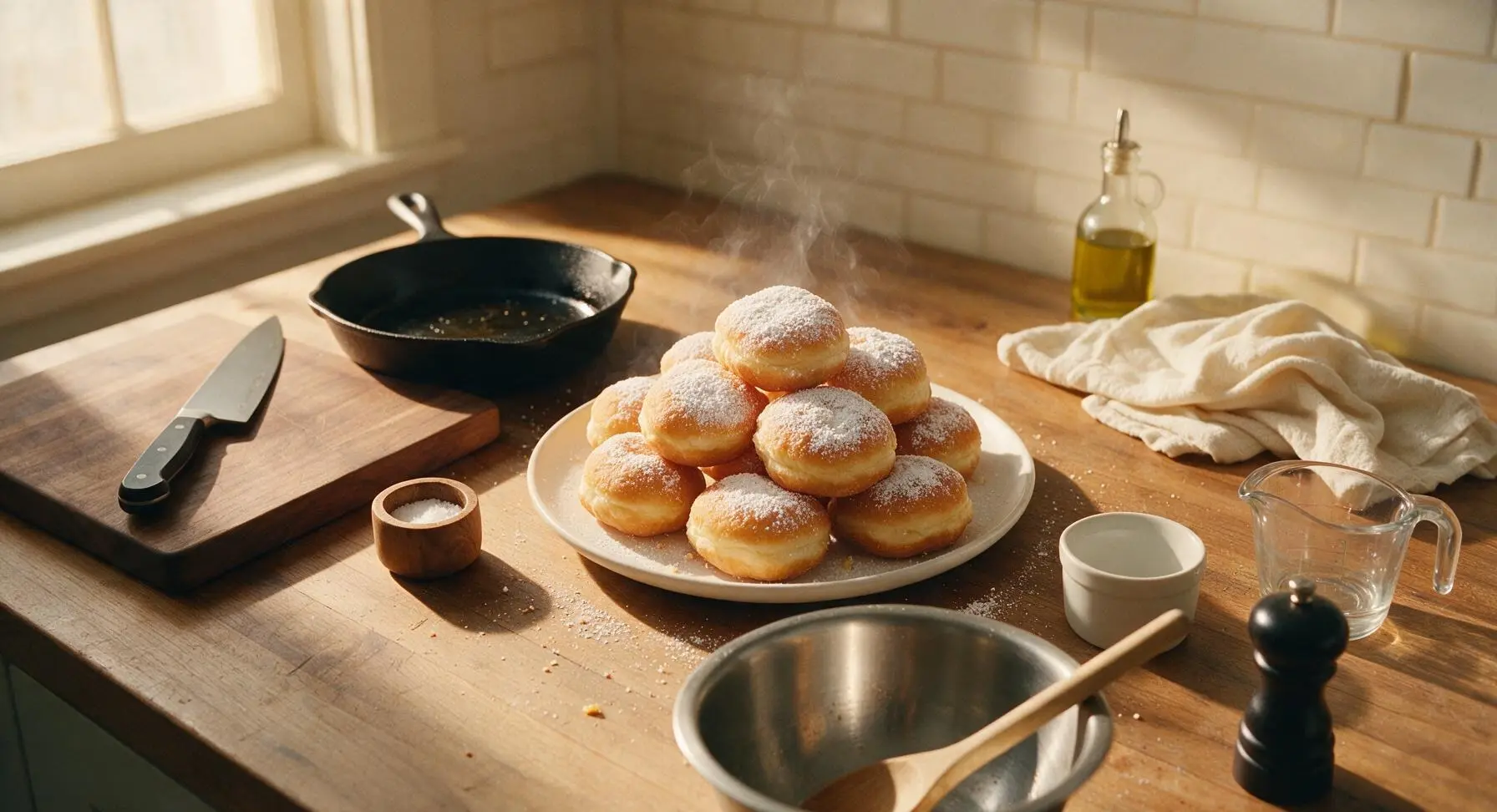
Light, fluffy golden fried yeast pastries dusted with snowy powdered sugar, a traditional Alemannic German Fasnacht (carnival) treat enjoyed to mark pre-Lenten celebrations.

Ingredients
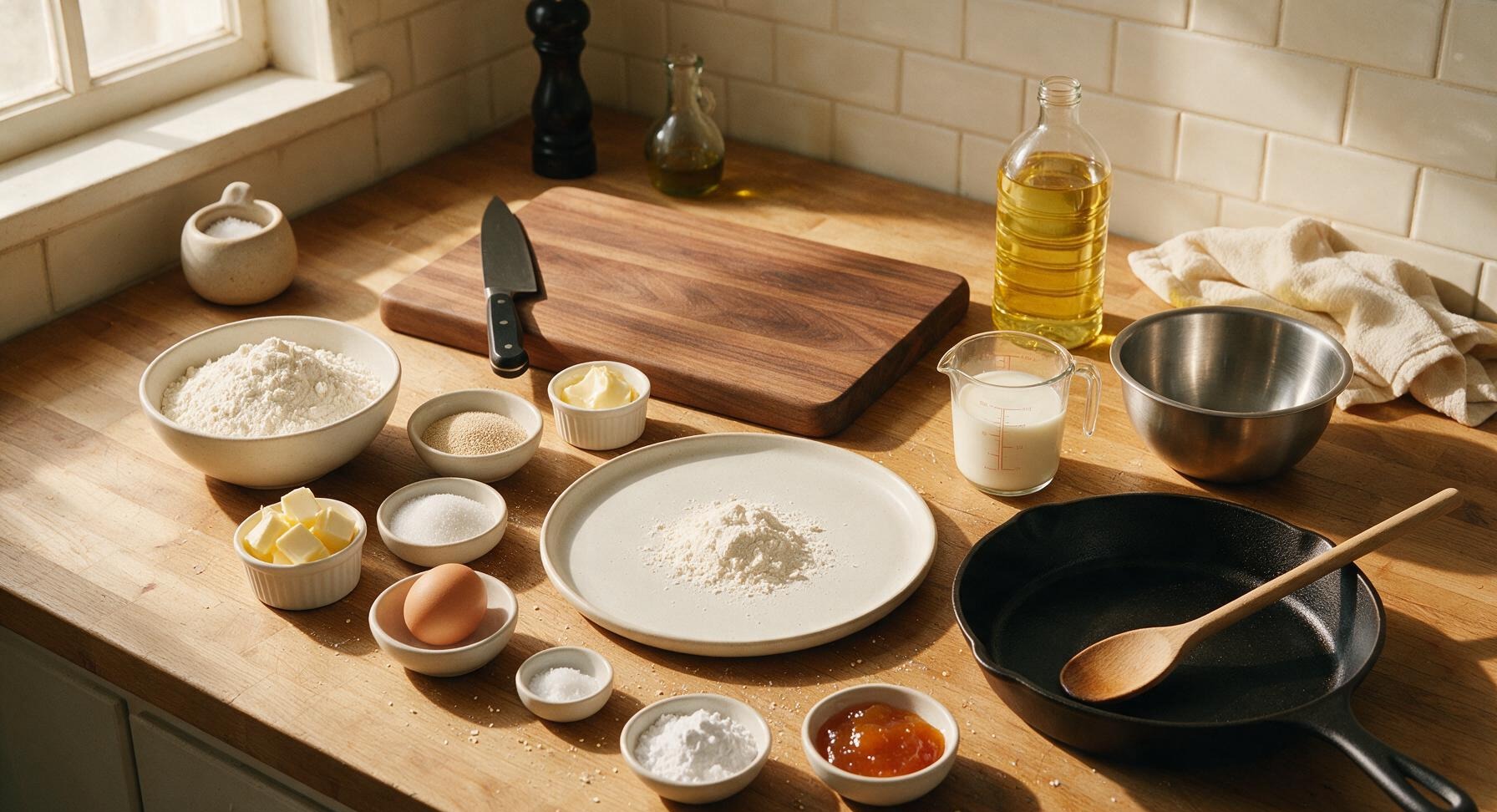
All-purpose flour 350g
Active dry yeast 7g (1 standard packet)
Whole milk, lukewarm 120ml
Granulated sugar 30g
Unsalted butter, softened 50g
Large egg, room temperature 1 unit (50g)
Fine sea salt 1/4 tsp (2g)
Neutral canola oil (for frying) 1L
Powdered sugar (for dusting) 80g
Apricot jam (for serving) 100g

Steps

1

Activate the Yeast

Pour 120ml lukewarm (38C / 100F, feels like warm bath water) whole milk into the large stainless steel mixing bowl. Stir in 1 teaspoon of the measured granulated sugar, then sprinkle 7g active dry yeast evenly over the milk surface. Let rest for 5-7 minutes until the mixture forms a foamy, frothy layer on top, confirming the yeast is active. If no foam forms, the yeast is dead and should be replaced before proceeding.
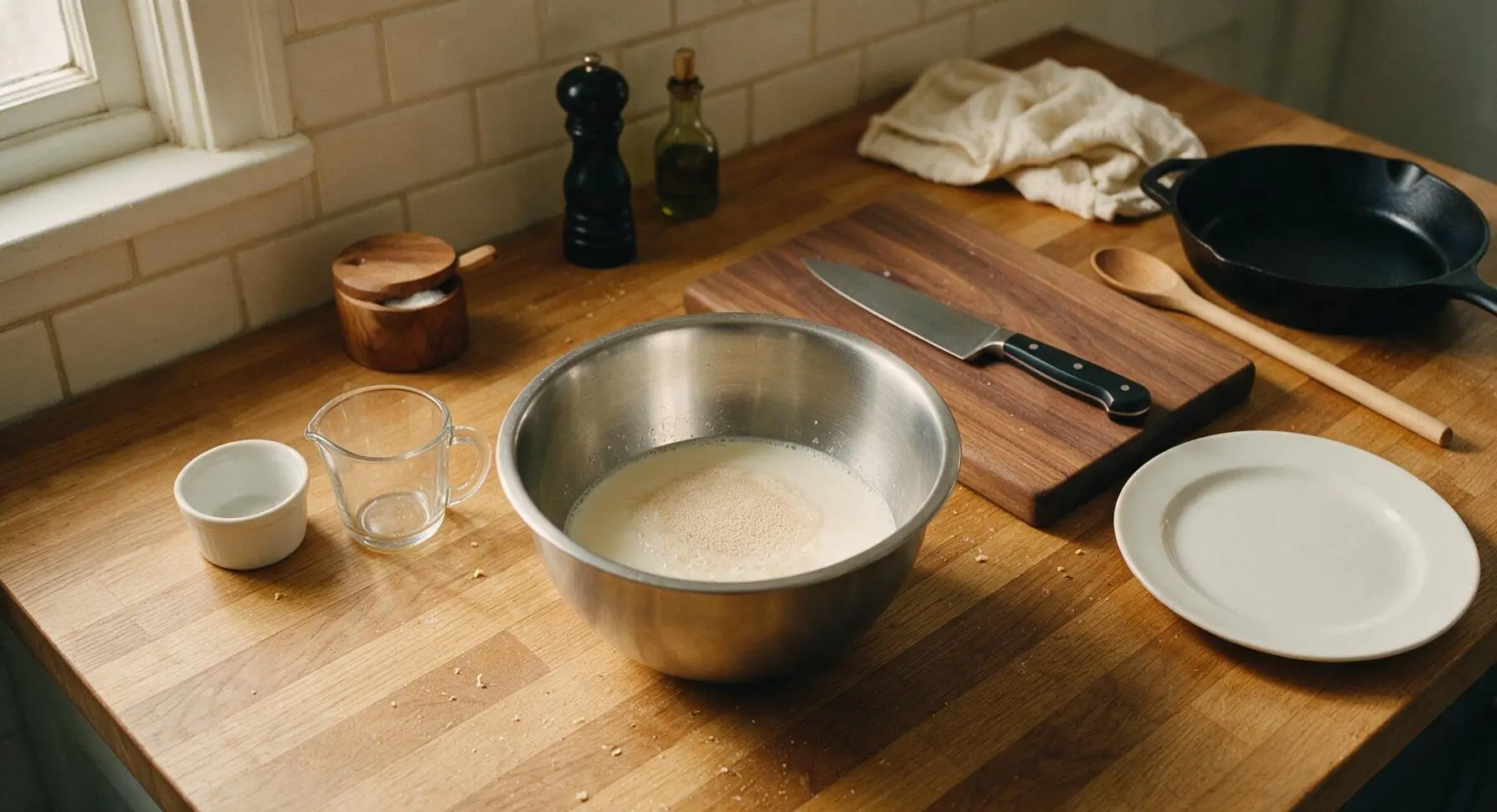
Step 1
step1:Activate the Yeast
2

Mix the Dough

Add the remaining granulated sugar, softened room-temperature butter, whole egg, fine sea salt, and 300g of the all-purpose flour to the activated yeast mixture in the mixing bowl. Use the wooden dough whisk to stir ingredients until a shaggy, sticky mass forms, then gradually add the remaining 50g flour 1 tablespoon at a time until the dough pulls away from the bowl sides. The finished dough will be soft, slightly tacky but not sticky enough to leave residue on clean fingers.
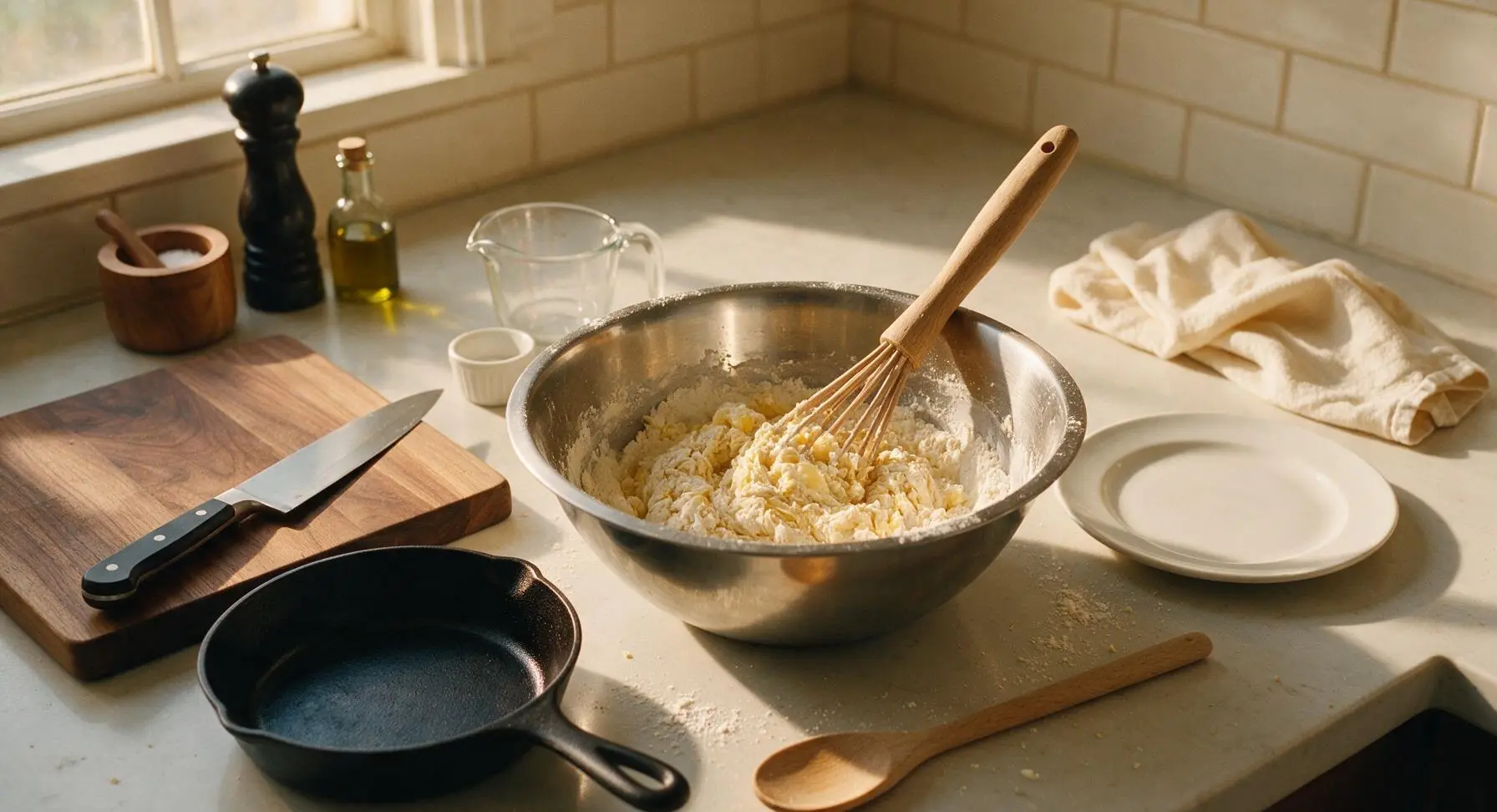
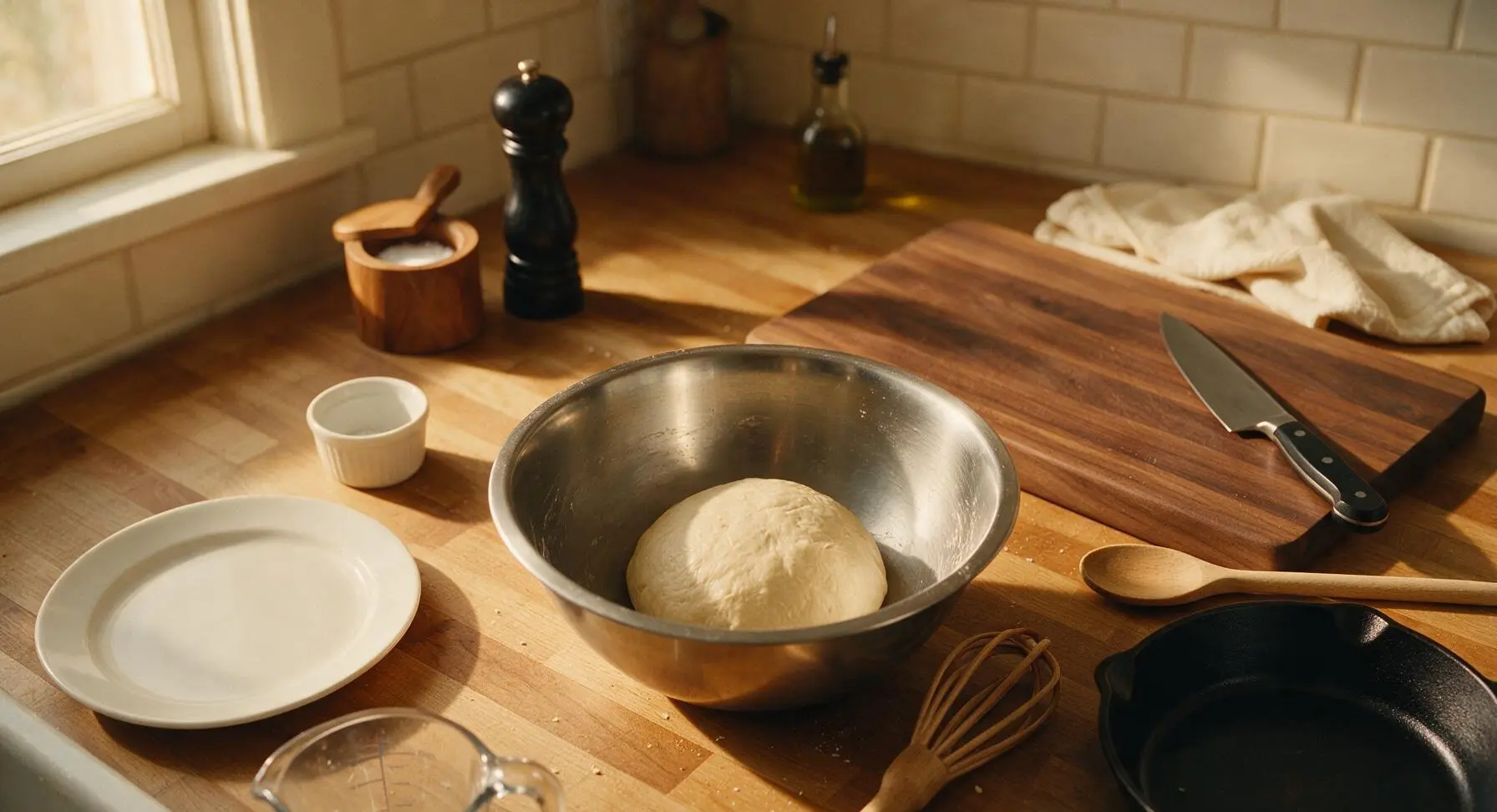
Step 2
step2:Mix the Dough
Step 2
step2:Mix the Dough
3

Let Dough Rise

Cover the mixing bowl tightly with the striped cotton tea towel. Place it in a warm, draft-free spot (24C / 75F) for 1 to 1.5 hours, until the dough doubles in size, and a finger pressed into the center leaves an indentation that does not spring back immediately.
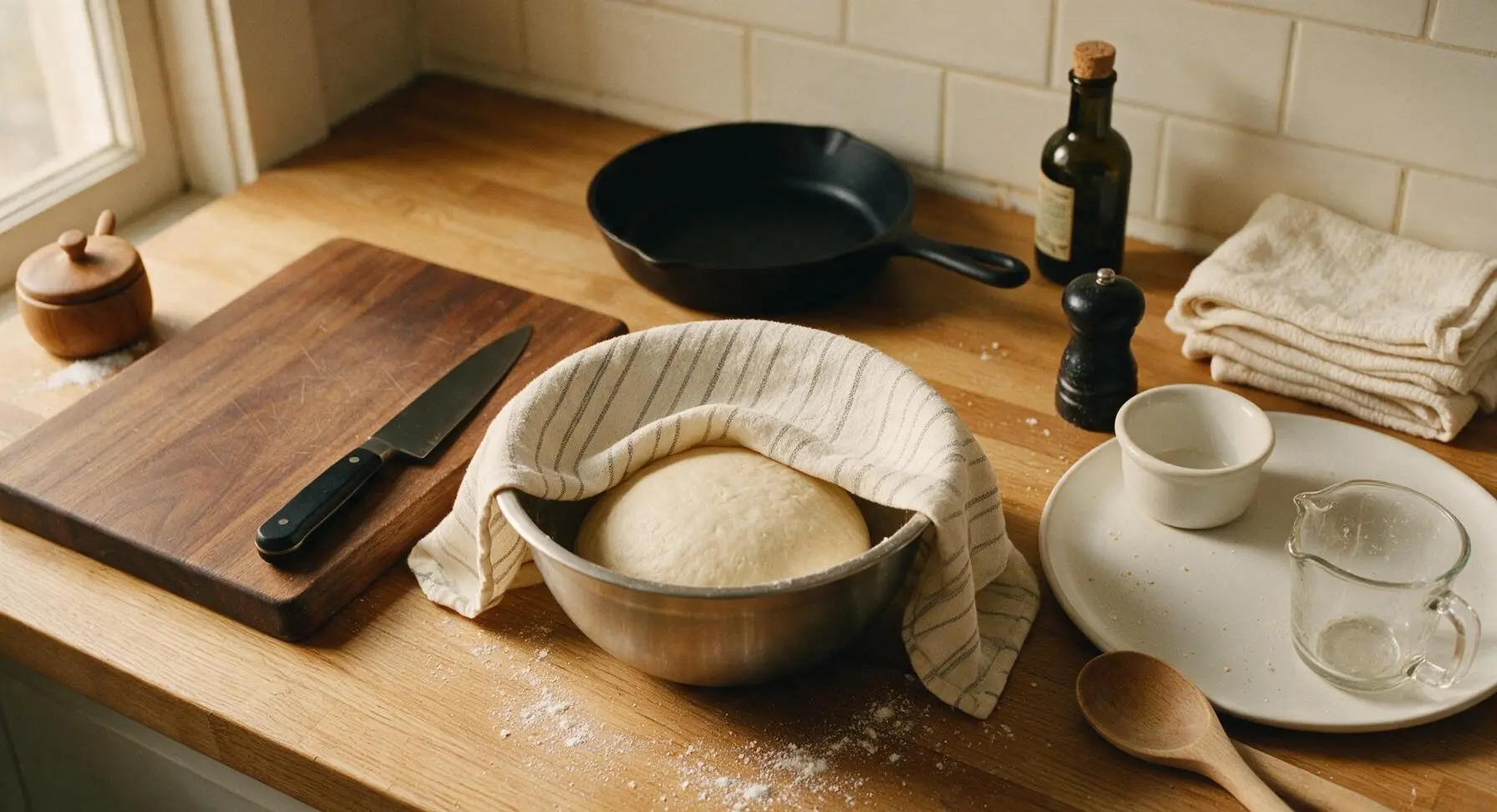
Step 3
step3:Let Dough Rise
4

Roll and Cut Dough

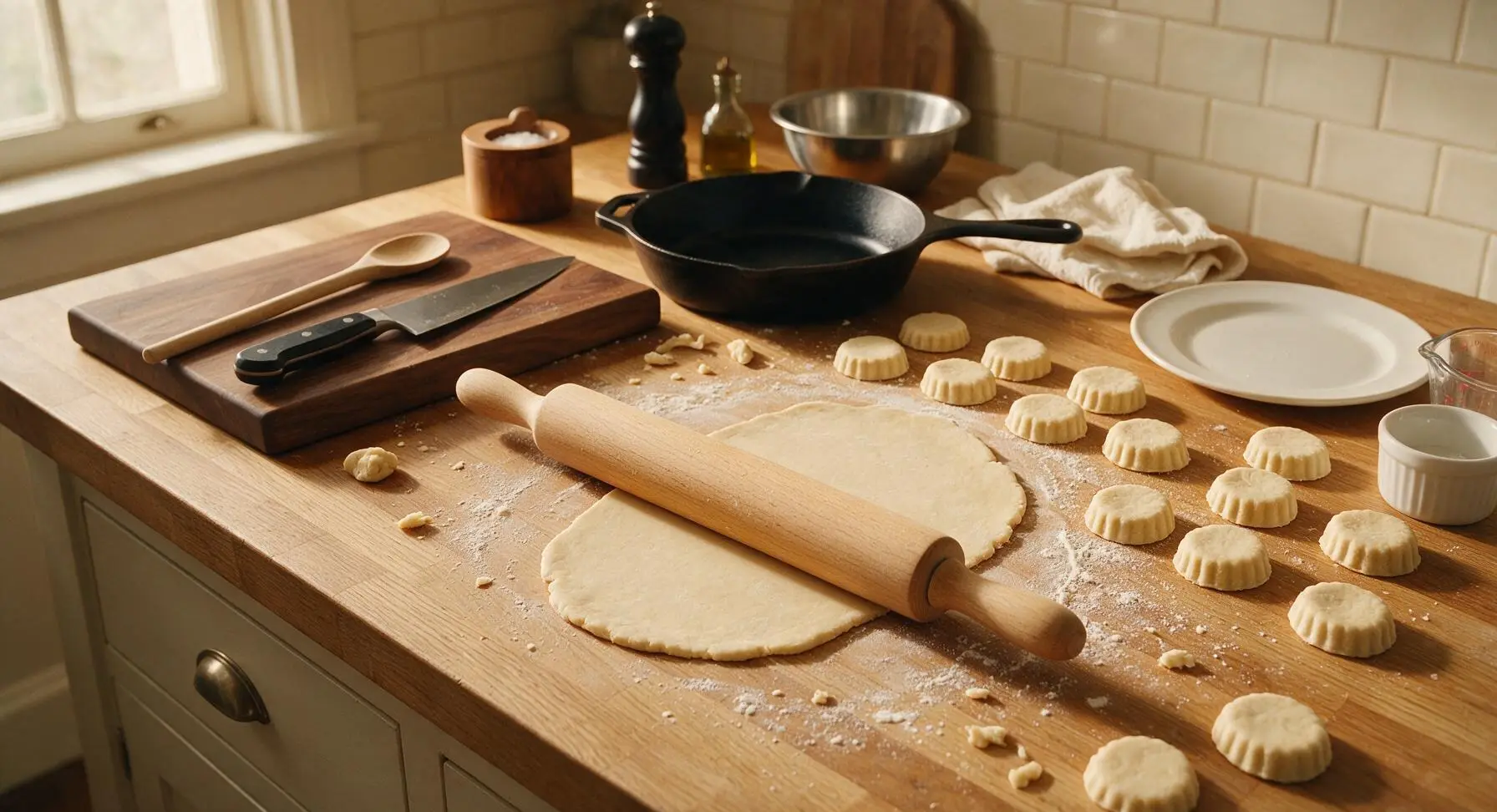
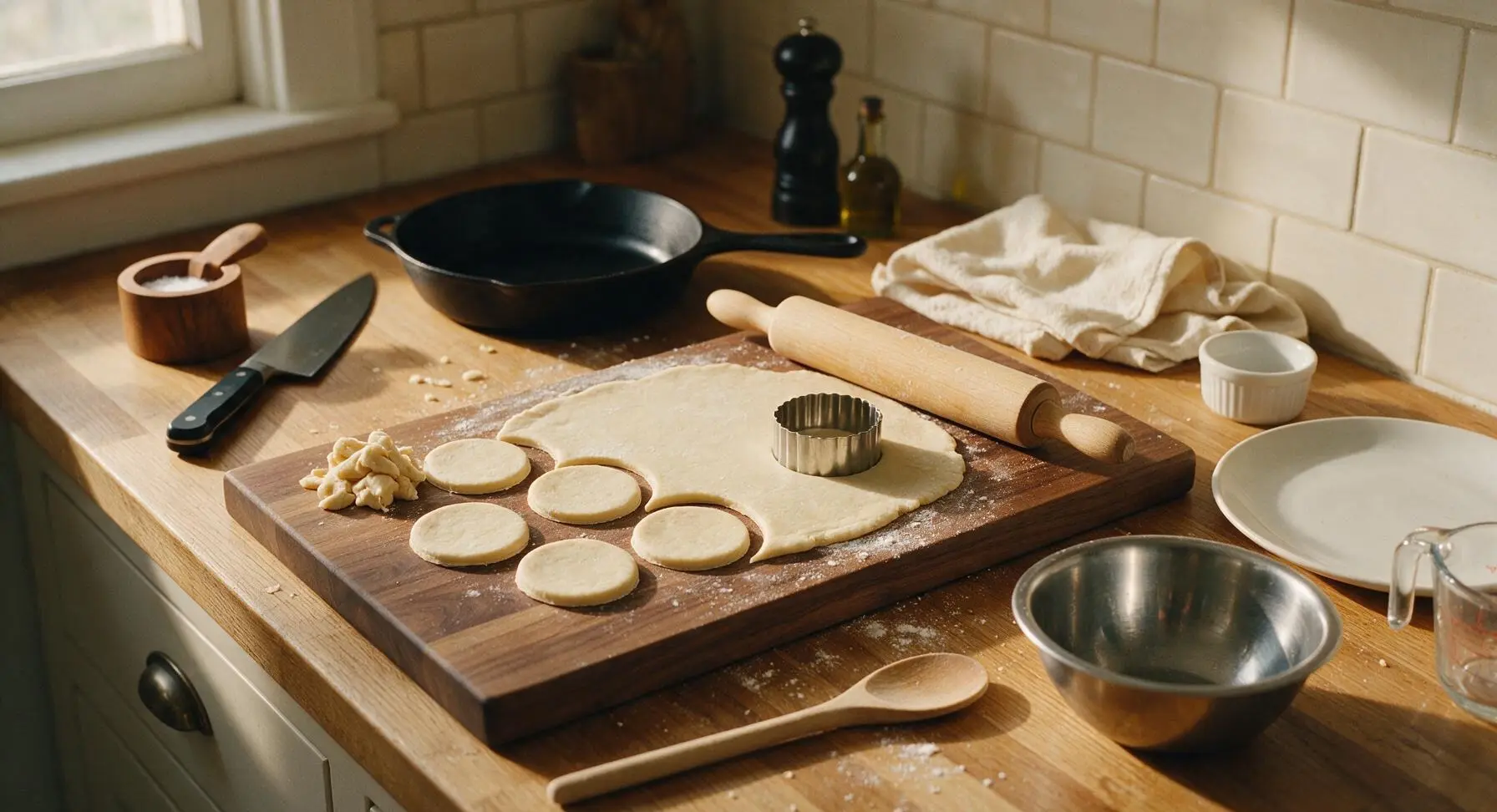
Once risen, punch the dough down firmly in the center to release trapped air. Turn it out onto a lightly floured section of the beech counter, then use the beech wood rolling pin to roll the dough to an even 1cm (1/2 inch) thickness. Use the 3-inch fluted round cookie cutter to cut out as many circles as possible, gathering and re-rolling scraps once to cut additional circles (do not re-roll more than once, as this will make pastries tough). You should yield 12 even dough rounds.
Step 4
step4:Roll and Cut Dough
Step 4
step4:Roll and Cut Dough
5

Proof Dough Rounds

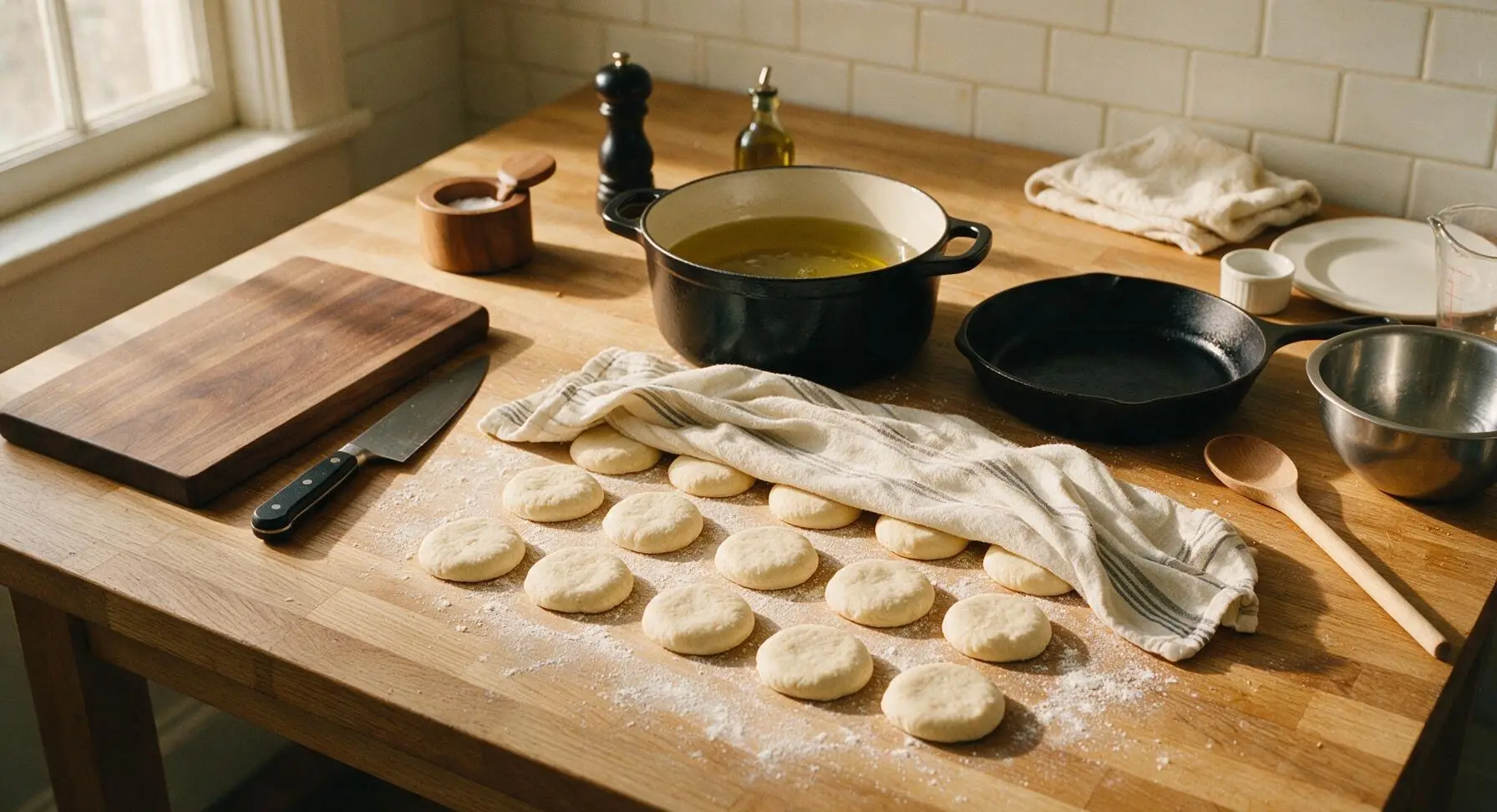
Arrange the cut dough rounds on a lightly floured section of the counter, leaving 2cm space between each. Cover loosely with the cotton tea towel and let rest for 20 minutes, until the rounds puff slightly and feel light when lifted gently. While the dough proofs, heat 1L of canola oil in the matte black Dutch oven to 175C / 350F, using a candy thermometer to confirm temperature (do not let oil smoke, as this will burn the pastries).
Step 5
step5:Proof Dough Rounds
6

Fry the Pastries

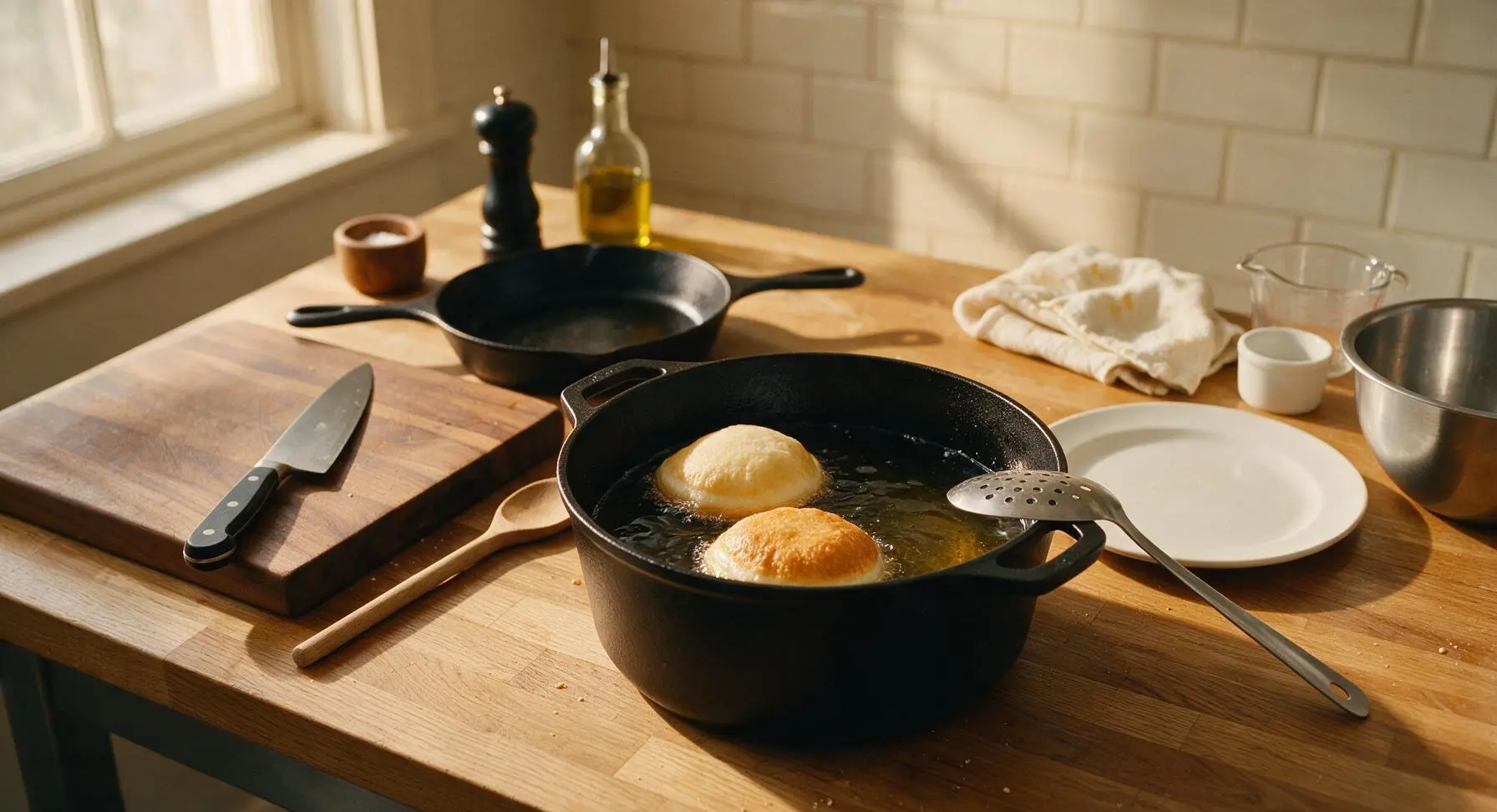
Carefully lower 2-3 dough rounds at a time into the hot oil, taking care not to overcrowd the pot (overcrowding drops oil temperature and makes greasy pastries). Fry for 1.5 minutes on the first side until deep golden brown, then use the slotted metal spoon to flip each pastry, frying for an additional 1 to 1.5 minutes on the second side. Cooked pastries will be evenly golden on both sides, with a slightly crisp outer shell.
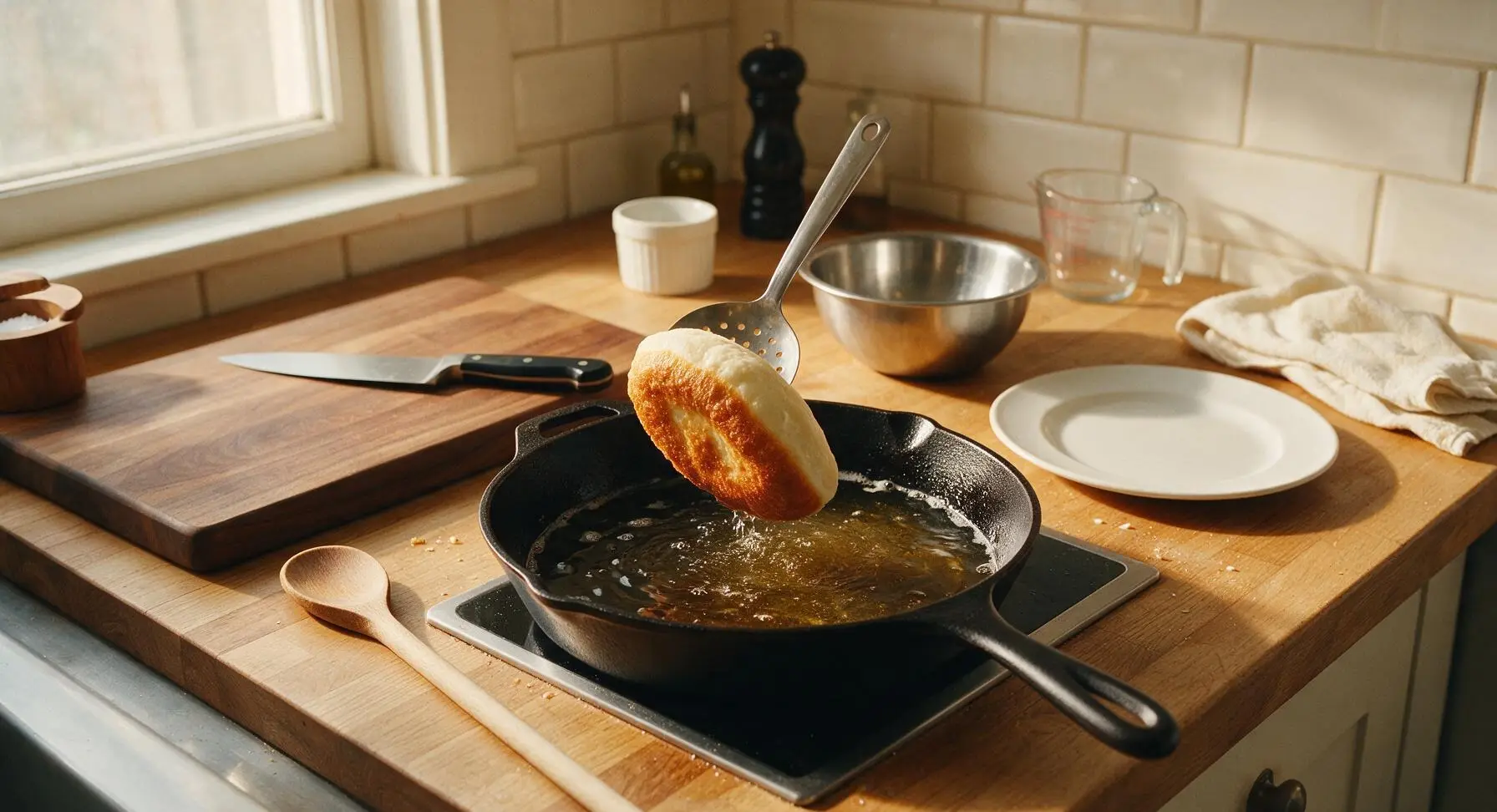
Step 6
step6:Fry the Pastries
Step 6
step6:Fry the Pastries
7

Drain Fried Pastries

Use the slotted metal spoon to lift each cooked pastry from the oil, holding it above the pot for 2 seconds to let excess oil drip off, then transfer it to the paper-towel lined wire cooling rack. Let pastries drain for 1 minute per side while you fry the remaining batches, maintaining oil temperature at 175C / 350F between batches.
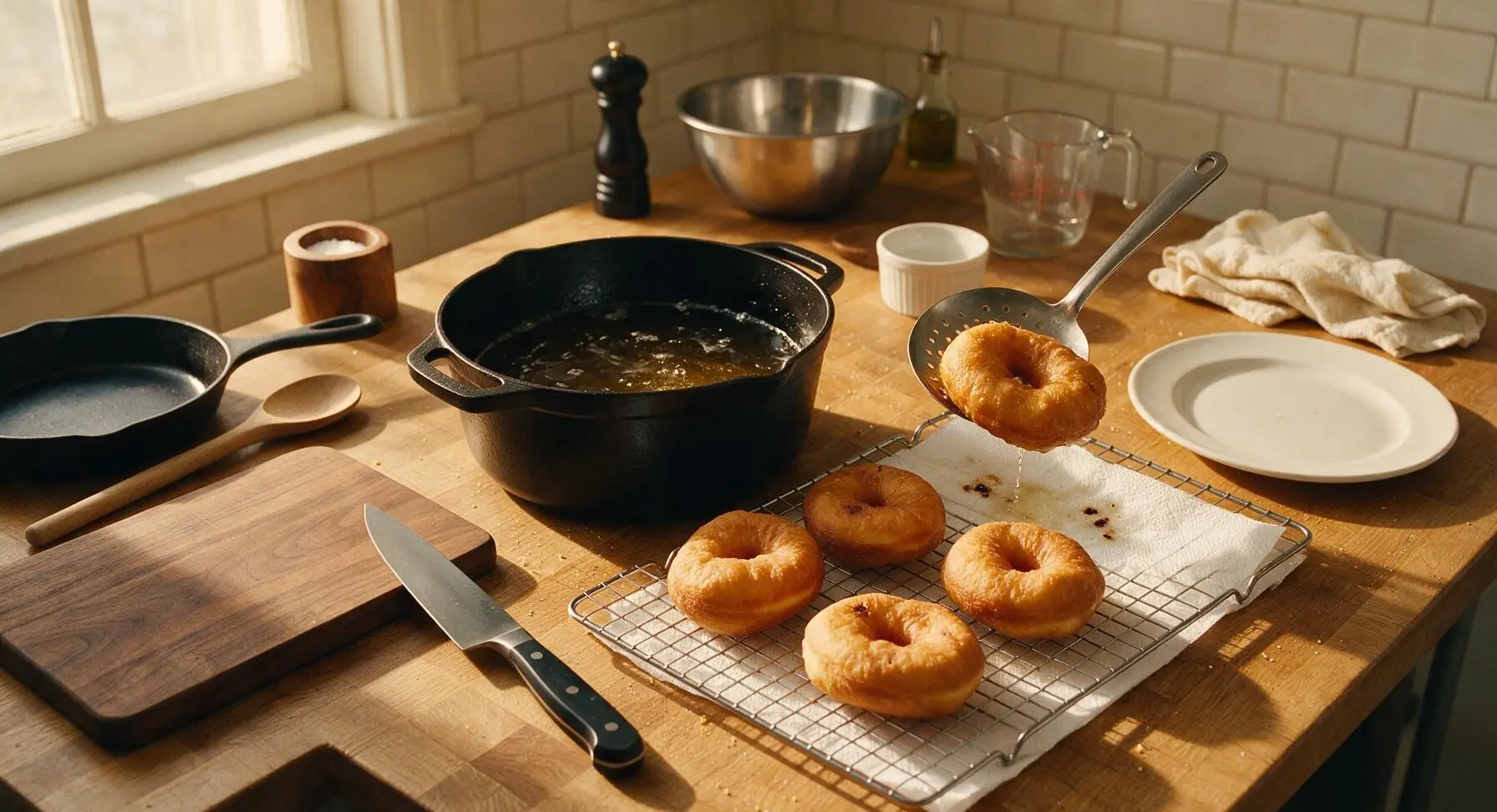
Step 7
step7:Drain Fried Pastries
8

Dust with Powdered Sugar

Once all pastries are fried and drained for 2 minutes (still warm, but not piping hot), arrange them on the cream ceramic serving platter. Place powdered sugar in the fine-mesh sieve, and tap the sieve gently over the platter to coat pastries in a thick, even layer of white powdered sugar. Serve warm, with apricot jam on the side for dipping if desired.
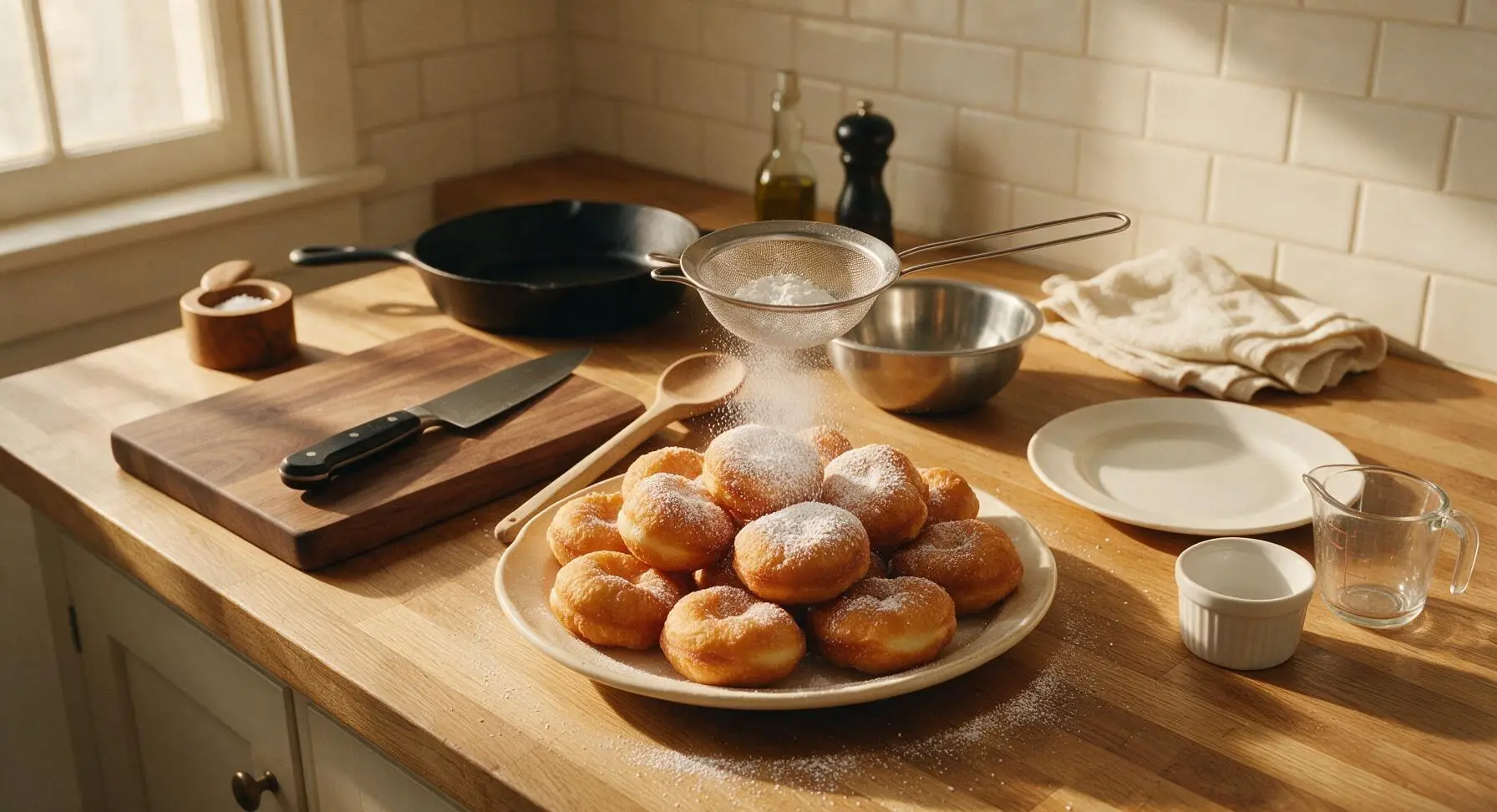
Step 8
step8:Dust with Powdered Sugar

Tips

1.Monitor frying oil temperature closely with a clip-on candy thermometer: oil above 180C (355F) will burn pastry exteriors before the fluffy interior cooks through, while oil below 165C (330F) will cause pastries to absorb excess oil and turn heavy and greasy. Let oil return to 175C (350F) between batches.
2.Do not re-roll dough scraps more than once: repeated rolling develops excess gluten in the flour, which will result in tough, dense pastries instead of the light, pillowy texture that defines traditional Fasnachtsküchle. Any remaining small scraps can be fried as tiny, bite-sized treats instead of re-rolling.
3.Wait 2 minutes after frying to dust with powdered sugar: if pastries are piping hot straight from the oil, the sugar will melt into a sticky, transparent glaze rather than forming the signature soft, snowy white dusted coating. If sugar melts, simply wait a minute longer and add a second light dusting.

✨ You May Also Like

Desserts & Baking
🍜 Italy

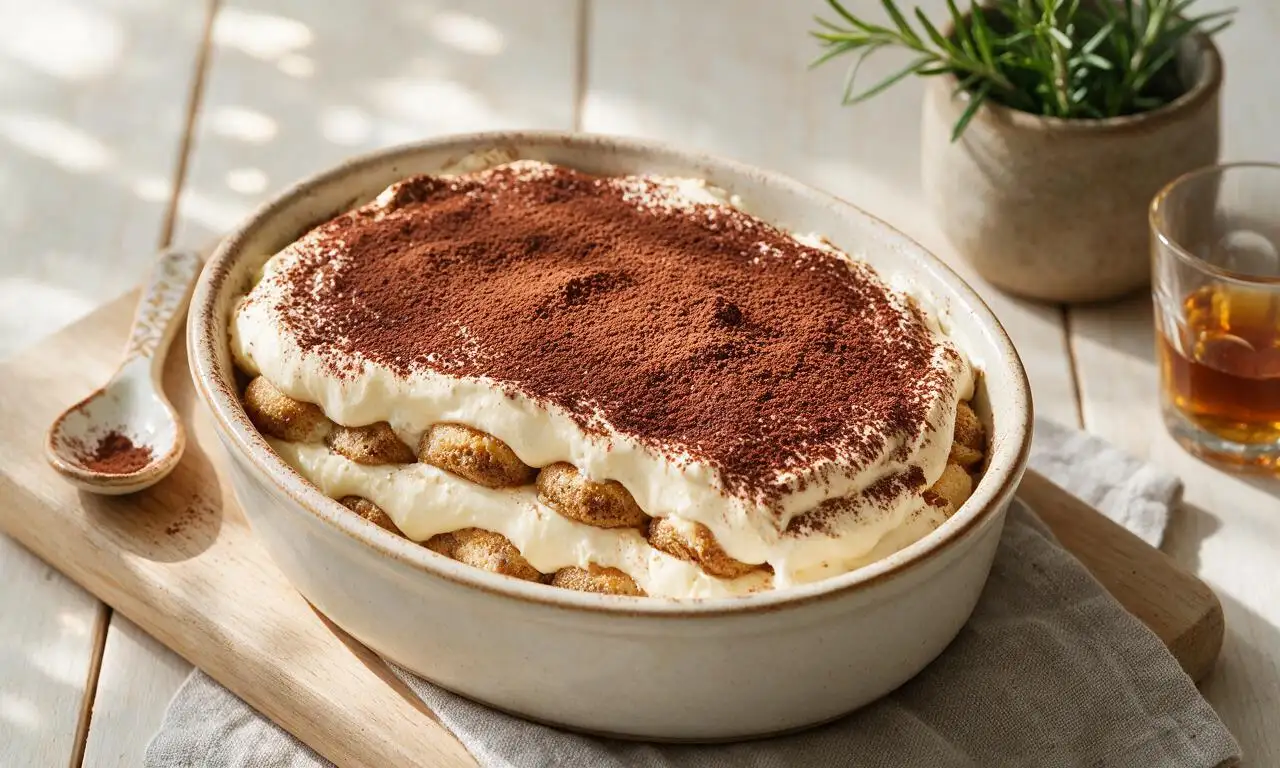
Creamy, coffee-kissed classic Northern Italian no-bake dessert, with layers of rum-spiked mascarpone cream, soft ladyfingers, and a rich cocoa dusting.

⏱️ 4 hours 3Desserts & Baking ★ 4.7
Desserts & Baking
🍜 France

Flaky, shatteringly crisp, buttery French croissants with golden exteriors and soft, airy layered interiors, perfect for pairing with coffee for a special morning treat.

⏱️ 12 hours Desserts & Baking ★ 4.5
Desserts & Baking
🍜 United States

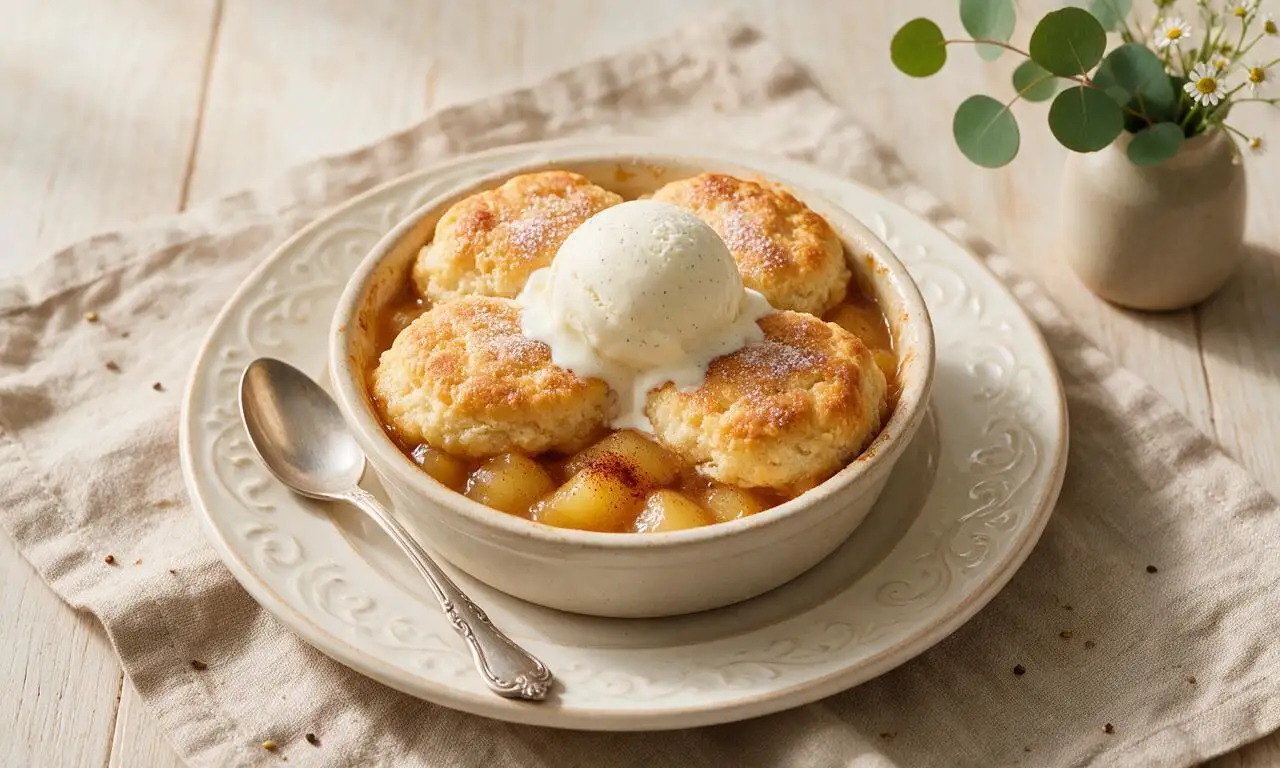
Warm, spiced baked apples topped with a fluffy golden biscuit crust, this cozy dessert pairs perfectly with vanilla ice cream for cool-weather comfort.

⏱️ 55 minuteDesserts & Baking ★ 4.6
Desserts & Baking
🍜 United States

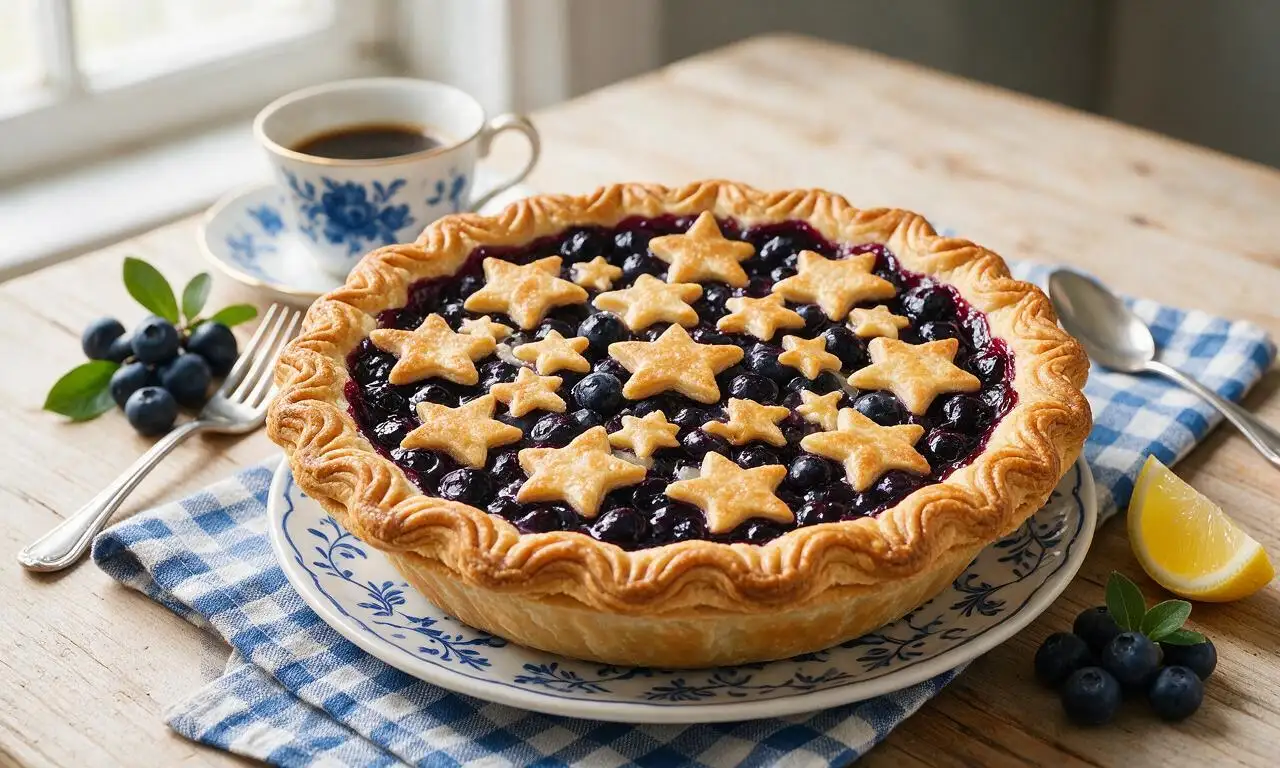
A star-spangled classic American blueberry pie with buttery flaky crust and bright sweet-tart filling, perfect for summer patriotic gatherings.

⏱️ 1 hour 25Desserts & Baking ★ 4.7
Desserts & Baking
🍜 United States

A beloved no-bake regional Maine candy with a chewy coconut-potato center coated in rich dark chocolate, a New England holiday staple since the 1870s.

⏱️ 2 hours 3Desserts & Baking ★ 4.8
Desserts & Baking
🍜 France

Luxuriously creamy, floral frozen custard made with aromatic Tahitian vanilla beans, boasting a smooth, rich texture that melts slowly on the tongue.

⏱️ 3 hours 3Desserts & Baking ★ 4.5

Fasnachtsküchle:Frequently Asked Questions

1.Can I use instant yeast instead of active dry yeast for this Fasnachtsküchle recipe? ▾
Absolutely! Use 25% less instant yeast than the active dry quantity the recipe calls for, and skip the initial 5–10 minute proofing step in lukewarm milk. Mix instant yeast directly in with your dry ingredients, then follow the remaining rise, roll, cut, and fry steps exactly for that signature light, fluffy, tender crumb.
2.What oil temperature works best for frying Fasnachtsküchle to avoid greasy, heavy pastries? ▾
Aim for a steady oil temperature of 350°F (175°C), measured with a clip-on candy thermometer. If oil is too cool, pastries will soak up excess oil and turn heavy; if too hot, the exterior will burn before the fluffy, yeast-raised interior cooks through. Fry 1–2 minutes per side until deep golden, then drain on wire racks set over paper towels.
3.How long does the Fasnachtsküchle dough need to rise for the lightest texture? ▾
Let the kneaded dough (made with softened butter, lukewarm whole milk, all-purpose flour, and sugar) rise in a warm, draft-free spot for 1 to 1.5 hours first, until it doubles in bulk. After rolling and cutting shapes, give them a shorter second rise of 15–20 minutes so they puff properly before frying—this step is key to avoiding dense, heavy pastries.
4.Can I prep Fasnachtsküchle dough ahead of time to save work on celebration day? ▾
Definitely! After the first bulk rise, punch the dough down, wrap it tightly in plastic wrap, and store it in the refrigerator for up to 24 hours. When you’re ready to cook, pull the dough out, let it come to room temperature for 30 minutes, then roll, cut, complete the short second rise, and fry as directed.
5.Is powdered sugar the only traditional topping for Fasnachtsküchle? ▾
Powdered sugar is the classic, most traditional topping, applied while pastries are still slightly warm so it sticks in that signature snowy coating. If you prefer, you can also dust them with a cinnamon-granulated sugar mix, or brush them with a thin vanilla glaze, though those swaps are less common for the traditional Alemannic carnival version.
6.Why did my Fasnachtsküchle turn out dense instead of light and fluffy? ▾
Dense pastries usually trace back to three common issues: you didn’t let the dough complete its full rise, your yeast was expired and didn’t activate properly in lukewarm milk, or you fried them at too low a temperature so they absorbed oil instead of puffing up. Always test yeast first to confirm it foams before mixing your full batch.
7.What thickness should I roll Fasnachtsküchle dough to before cutting and frying? ▾
Roll the dough to a uniform ¼-inch thickness before cutting out your pastry shapes. If you roll it too thin, pastries will turn crispy and cracker-like instead of soft and fluffy; if you roll it too thick, the center won’t cook all the way through before the outside browns, leaving raw, doughy bites in the middle.
8.How should I store leftover Fasnachtsküchle, and how long do they stay fresh? ▾
These pastries taste best the day they’re fried, when they’re at their lightest and fluffiest right after cooling from the fryer, but you can store fully cooled leftovers in an airtight container at room temperature for up to 2 days. Refresh them for 10 seconds in the microwave before serving, and re-dust with a little extra powdered sugar if needed.

Comments (10)

3 days ago

OMG these were SO good! My Oma used to make fasnachts every year for Fasching when I was little and I’ve been chasing that taste for decades. This recipe nailed it! I dusted mine with a mix of powdered sugar and a tiny bit of cinnamon, served them at our neighborhood Mardi Gras potluck and people were begging for the recipe before I even left. 10/10, will be making these every carnival season from now on!

2 days ago

Wait the cinnamon powdered sugar mix is such a good call! I did plain powdered sugar last time I made them and it felt like it was missing something, definitely trying that next batch

2 days ago

So happy this recipe brought back such warm family memories! The cinnamon powdered sugar twist sounds absolutely delicious – thanks for sharing that pro tip with the rest of the community!

1 week ago

Took me a minute to get the dough thickness right on my first try – I rolled it a little too thin initially so the first couple pastries puffed up weird. Once I got it to about 1/4 inch thick they came out perfectly! Crispy on the edges, soft and fluffy inside, not too sweet which is exactly what I wanted. Game changer for our Sunday family brunch.

5 days ago

Great note on the dough thickness! We recommend rolling to a consistent 1/4 inch to get that perfect light, fluffy interior – so glad you stuck with it and they turned out great for your brunch!

2 days ago

My kids went absolutely crazy for these! I let them help shake the pastries in a bag of powdered sugar after they cooled a little, and it was such a fun weekend activity. They kept asking for seconds (and thirds, oops). Already have the ingredients on the list to make again for my son’s class party next week.

5 days ago

As someone who grew up eating these at every carnival in southern Germany, I was super skeptical that an American recipe would get the texture right. Color me impressed! The only tweak I made was adding a tiny splash of rum to the dough like my mom always does, and it tasted exactly like home. So good, even my picky German roommate approved.

3 days ago

The rum addition sounds chef’s kiss! How much did you add? I don’t want to overdo it and make the dough too wet

3 days ago

Only about a tablespoon! It doesn’t make the dough boozy at all, just adds that nice subtle depth of flavor that cuts the fried oil taste a little

30 minutes ago

Full transparency, I’ve never deep fried anything in my life and I was so nervous I’d mess these up. The instructions were super clear though! I used a candy thermometer to keep the oil at the right temp and they came out golden and perfect on the first try. My whole house smelled like a carnival, it was amazing.

5 minutes ago

So proud of you for nailing your first deep fry project! A candy thermometer is such a smart tool to keep oil temp consistent – it makes all the difference for evenly cooked, non-greasy pastries. Great job!

yesterday

Brought these to my office Fat Tuesday potluck and they were gone in literally 10 minutes. Multiple people asked if I bought them from a fancy German bakery! Pro tip: don’t dust them with powdered sugar until right before you serve them, otherwise it gets kind of melty and sticky if they sit too long.

2 weeks ago

I’ve been making fasnachts for over 40 years for my family every Shrove Tuesday, and I tried this recipe this year to mix things up. The dough is so light and airy compared to my old heavy recipe! My grandkids said these were the best ones I’ve ever made, so I guess I’m switching permanently. Only thing I’ll note is the cook time was a little shorter for me – about 1 minute per side instead of 2, so keep an eye on them so they don’t burn.

1 week ago

Thanks for the heads up about the cook time! I always burn the first batch of fried things when I’m trying a new recipe, so I’ll make sure to watch them extra close

2 hours ago

Wait, has anyone tried making the dough ahead of time and refrigerating it overnight? I want to make these for an early morning carnival parade tailgate but I don’t want to wake up at 4am to let the dough rise. Would that work or would the texture get weird?

30 minutes ago

Great question! You can absolutely prep the dough the night before, let it do its first rise at room temp, then punch it down, cover tightly, and store it in the fridge for up to 12 hours. Just pull it out 30 minutes before you want to roll and cut it to take the chill off!

5 minutes ago

I did this last weekend for my kid’s soccer snack and it worked perfectly! The dough was even easier to roll out when it was cold, tbh. Saved me so much time the morning of

5 minutes ago

These are INSANE. I dipped half of mine in vanilla glaze after they cooled and it was *chef’s kiss*. Way better than the store-bought donuts I usually grab for weekend breakfast. 10/10, no notes, will be making these on repeat.

just now

Vanilla glaze? Why didn’t I think of that! I bet a little maple glaze would slap too, definitely trying that next time

just now

I swapped the regular all purpose flour for a gluten free 1:1 baking flour and fried them in avocado oil, and they still came out so light and crispy! My whole family (even the non-gluten free folks) loved them. Such a solid, forgiving recipe even for swaps.