Fastnachts (Fat Tuesday)

Fastnachts (Fat Tuesday)
⏱️ cook time 2 hours 30 minutes
🍽️ servings 6
⚡ Difficulty medium

intro

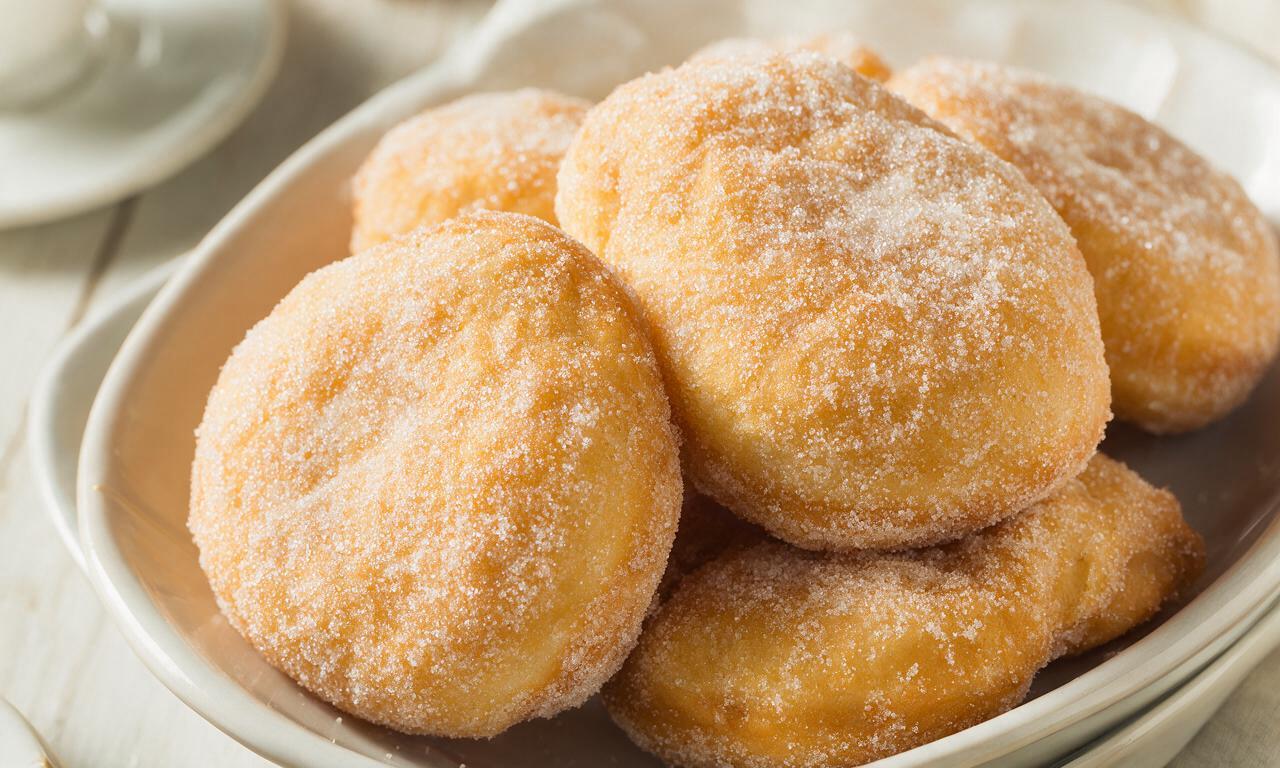
Light, airy yeast-raised fried dough treats made for Fat Tuesday to use up rich ingredients before Lent, coated in sugar for a sweet, indulgent bite.

Ingredients

All-purpose flour 488 grams (4 cups + 1 tablespoon, for dough and work surface dusting)
Whole milk 240 ml (1 cup), warmed to 110°F (43°C)
Active dry yeast 7 grams (1 standard packet / 2 1/4 teaspoons)
Granulated sugar 100 grams (1/2 cup, divided: 50g for dough, 50g for coating)
Unsalted butter 57 grams (4 tablespoons / 1/4 cup), melted and cooled
Large eggs 2, room temperature, lightly beaten
Fine sea salt 5 grams (1 teaspoon)
Neutral frying oil (canola/vegetable) 1.9 liters plus 5 ml (8 cups + 1 teaspoon, for frying and bowl greasing)
Ground cinnamon (optional) 2 grams (1 teaspoon, for sugar coating)

Steps

1

Activate the yeast

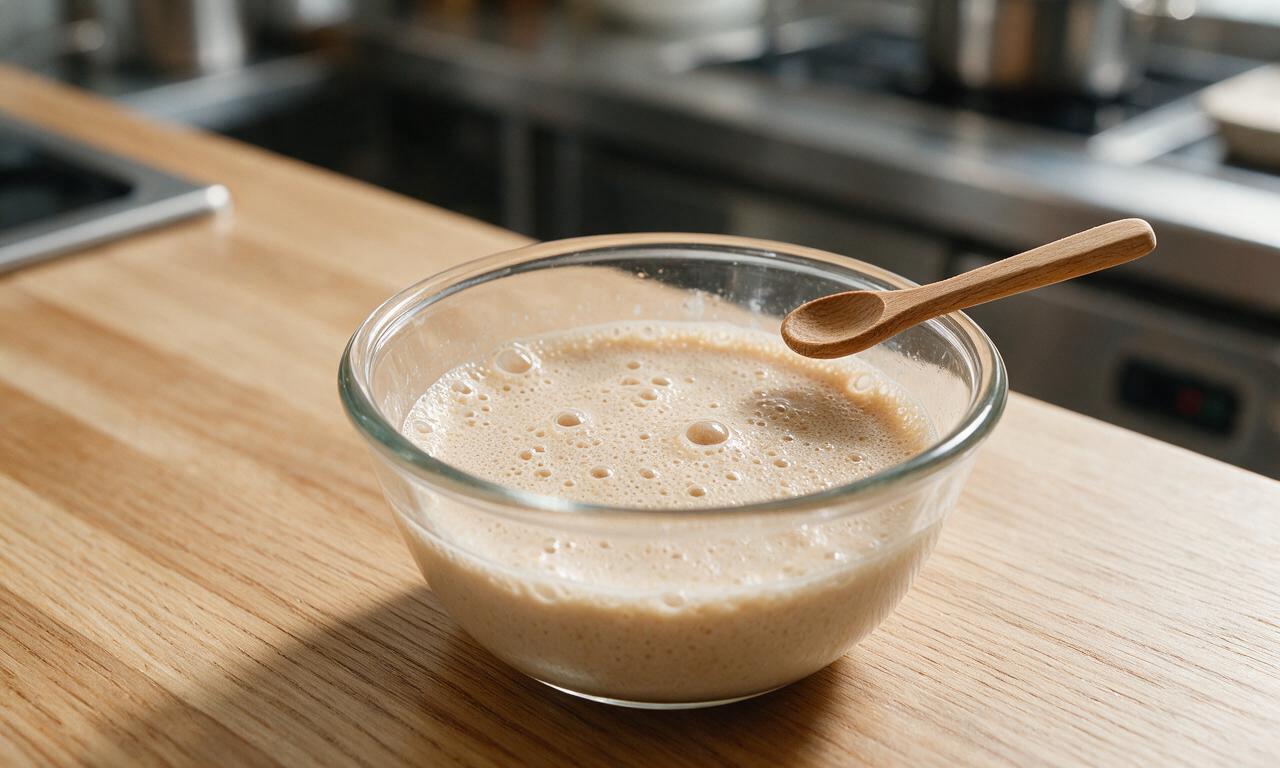
In a small bowl, combine warmed 240ml (1 cup) whole milk (110°F/43°C, no hotter to avoid killing yeast), 7g (1 packet) active dry yeast, and 5g (1 teaspoon) of the measured granulated sugar. Stir gently, then let rest for 5-7 minutes at room temperature until the mixture is foamy and fragrant, confirming the yeast is active.
Step 1
step1:Activate the yeast
2

Mix the dough base

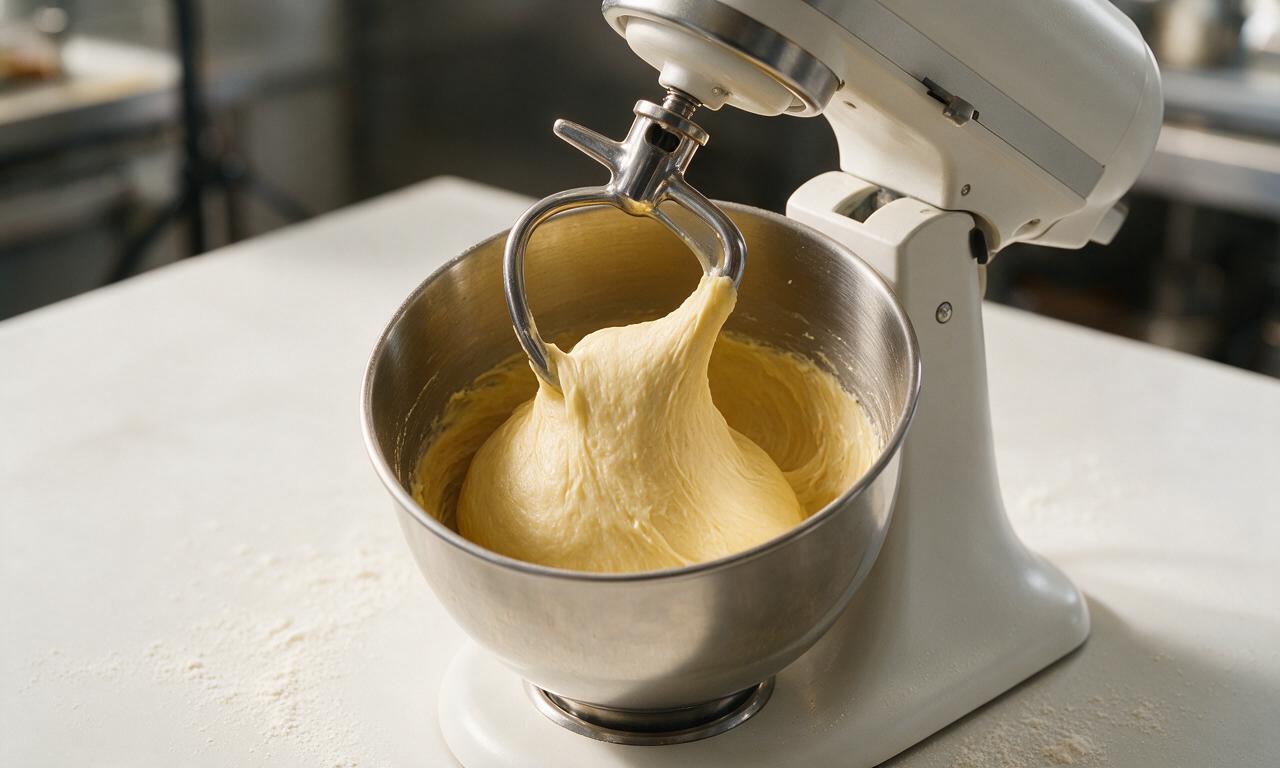
In a large stand mixer fitted with a dough hook, combine 480g (4 cups) of the all-purpose flour, remaining 45g granulated sugar reserved for the dough, 5g (1 tsp) fine sea salt, cooled melted 57g (4 tbsp) unsalted butter, 2 lightly beaten room-temperature large eggs, and the activated yeast mixture. Mix on low speed (speed 2 on most stand mixers) for 8 minutes until a smooth, soft, slightly tacky dough forms that pulls away from the bowl sides.
Step 2
step2:Mix the dough base
3

Let dough rise

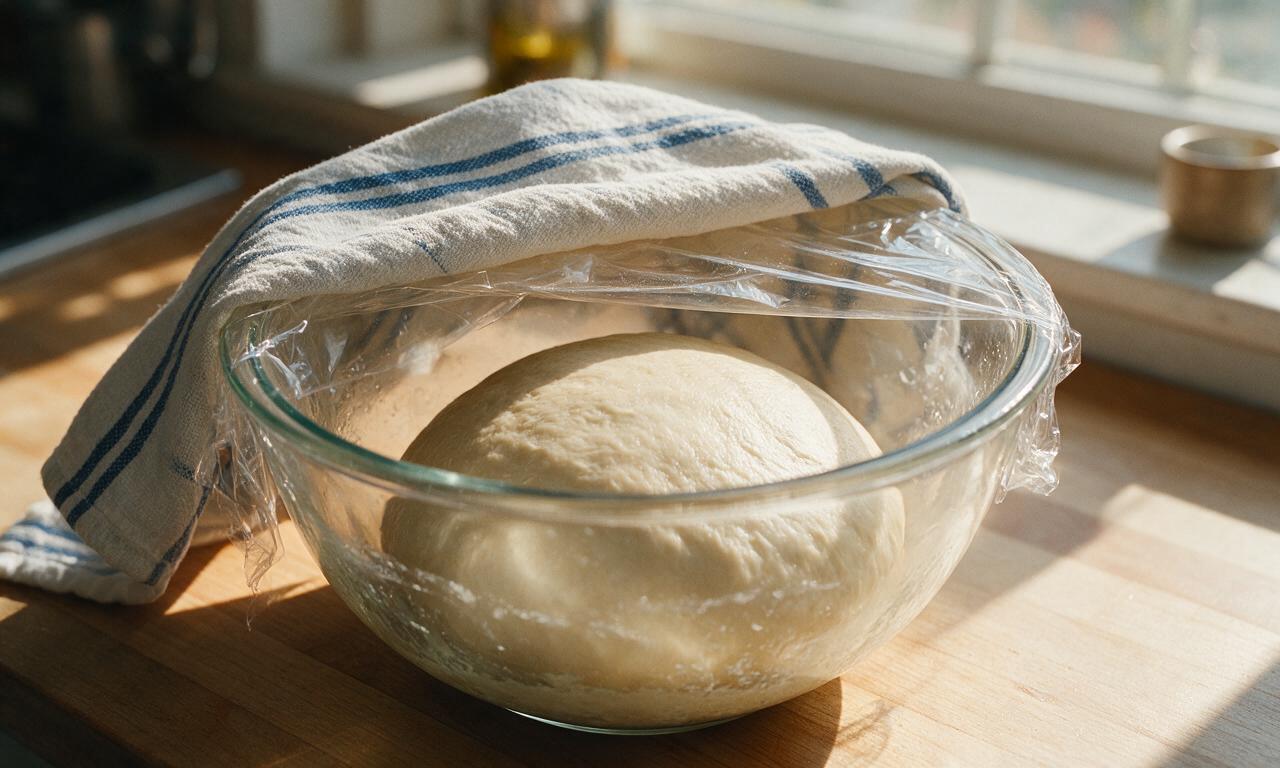
Lightly grease a large clean bowl with 5ml (1 tsp) of the neutral oil, form the mixed dough into a smooth ball, and place it in the bowl, turning once to coat the dough surface in oil. Cover the bowl tightly with plastic wrap and a clean kitchen towel, then set it in a warm, draft-free spot (75°F/24°C) for 60 minutes until the dough doubles in size.
Step 3
step3:Let dough rise
4

Shape individual fastnachts

Once risen, punch the dough down firmly to release all trapped air, then turn it out onto a work surface lightly dusted with the remaining 8g (1 tablespoon) all-purpose flour. Roll the dough to a uniform 1.25cm (1/2 inch) thickness, then use a 7.5cm (3 inch) round cutter to cut out circles, cutting a small 1cm (1/2 inch) slit in the center of each to prevent uneven puffing while frying. Gather scraps, re-roll, and cut until all dough is used, yielding about 12 pieces.
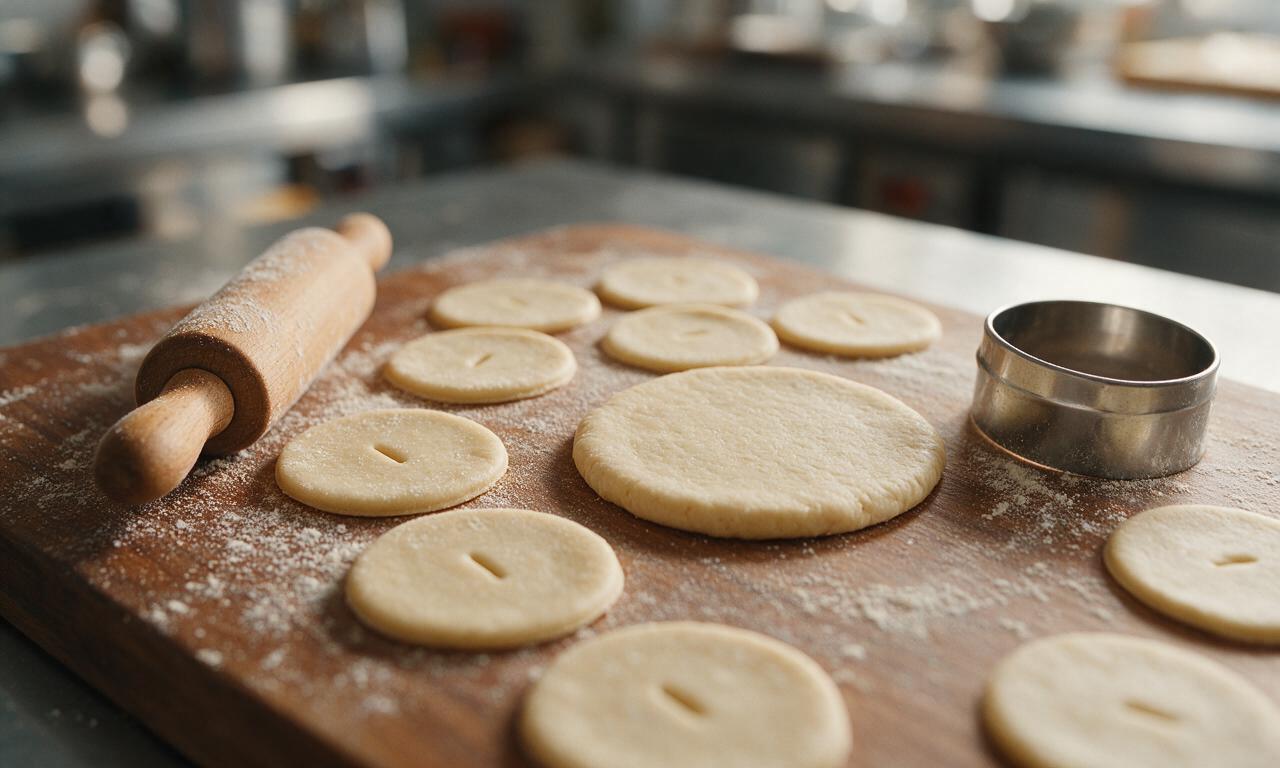
Step 4
step4:Shape individual fastnachts
5

Second rise for cut dough

Arrange the cut dough pieces on a parchment-lined baking sheet 2.5cm (1 inch) apart, cover loosely with a clean kitchen towel, and let rest for 30 minutes at room temperature until the pieces puff up slightly and hold a shallow indent when pressed gently with a fingertip.
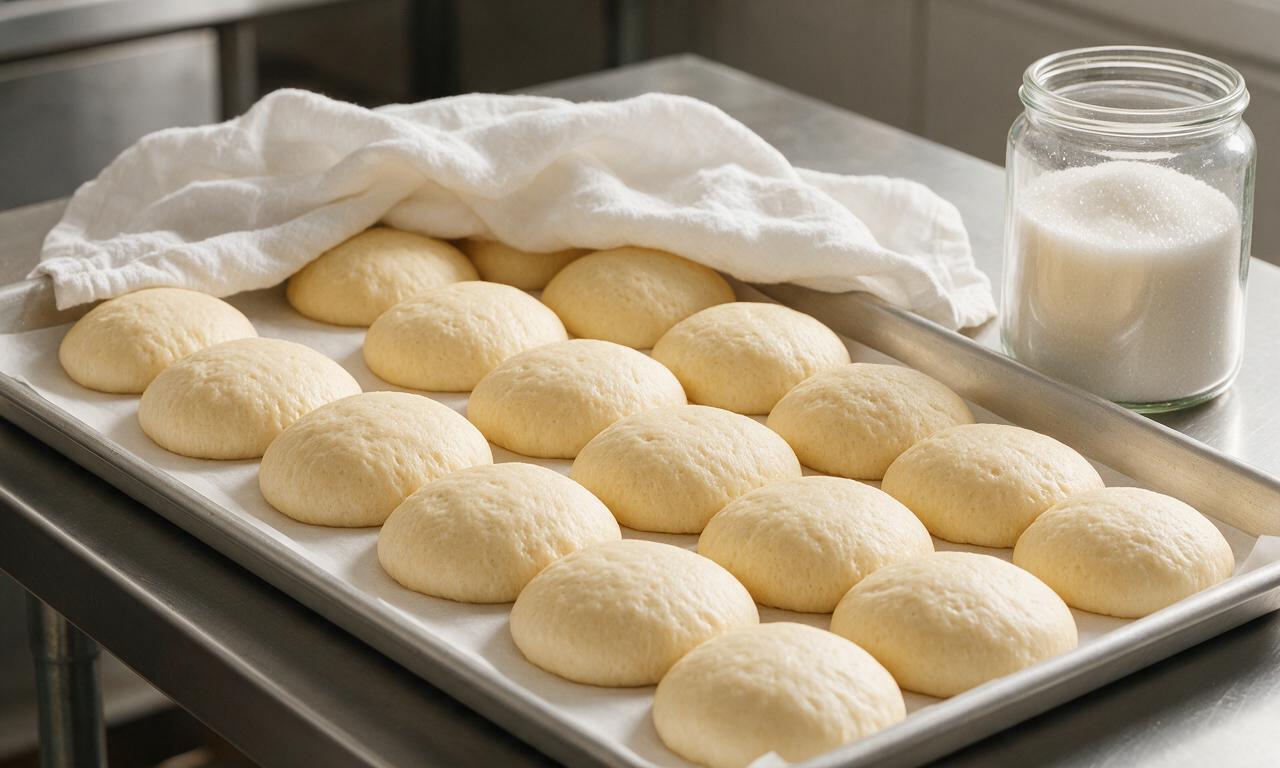
Step 5
step5:Second rise for cut dough
6

Fry the dough pieces

While the cut dough rests, heat the remaining 1.9L (8 cups) neutral oil in a large heavy-bottomed Dutch oven to 175°C (350°F), monitored with a clip-on candy thermometer. Working in batches of 3-4 pieces to avoid dropping oil temperature, fry each fastnacht for 90 seconds per side until deep golden brown on both sides, adjusting stovetop heat as needed to maintain a steady 350°F oil temperature.
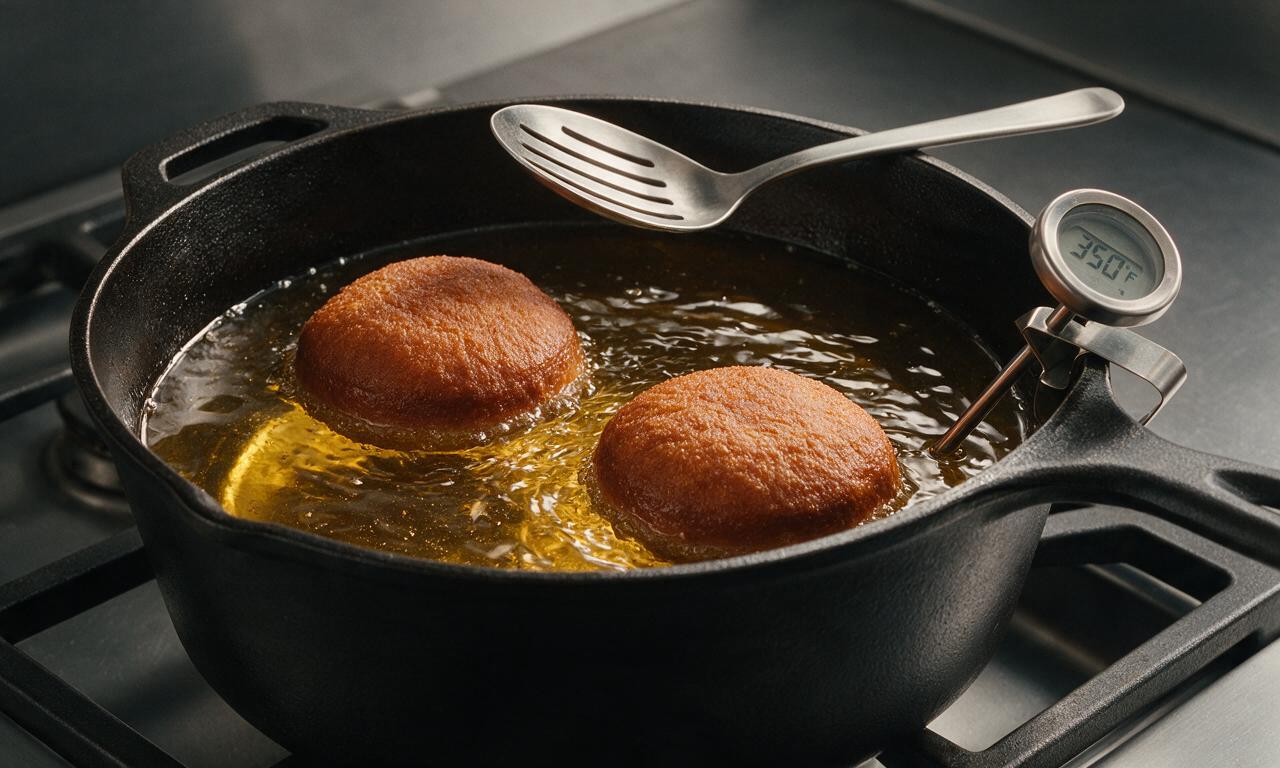
Step 6
step6:Fry the dough pieces
7

Coat and serve fastnachts

Use a slotted spoon to transfer fried fastnachts to a wire rack set over a baking sheet to drain excess oil for 2 minutes, while they are still warm. Toss each warm fastnacht in the remaining 50g (1/4 cup) granulated sugar (mixed with 2g/1 tsp ground cinnamon, if desired) to coat evenly, then serve immediately.
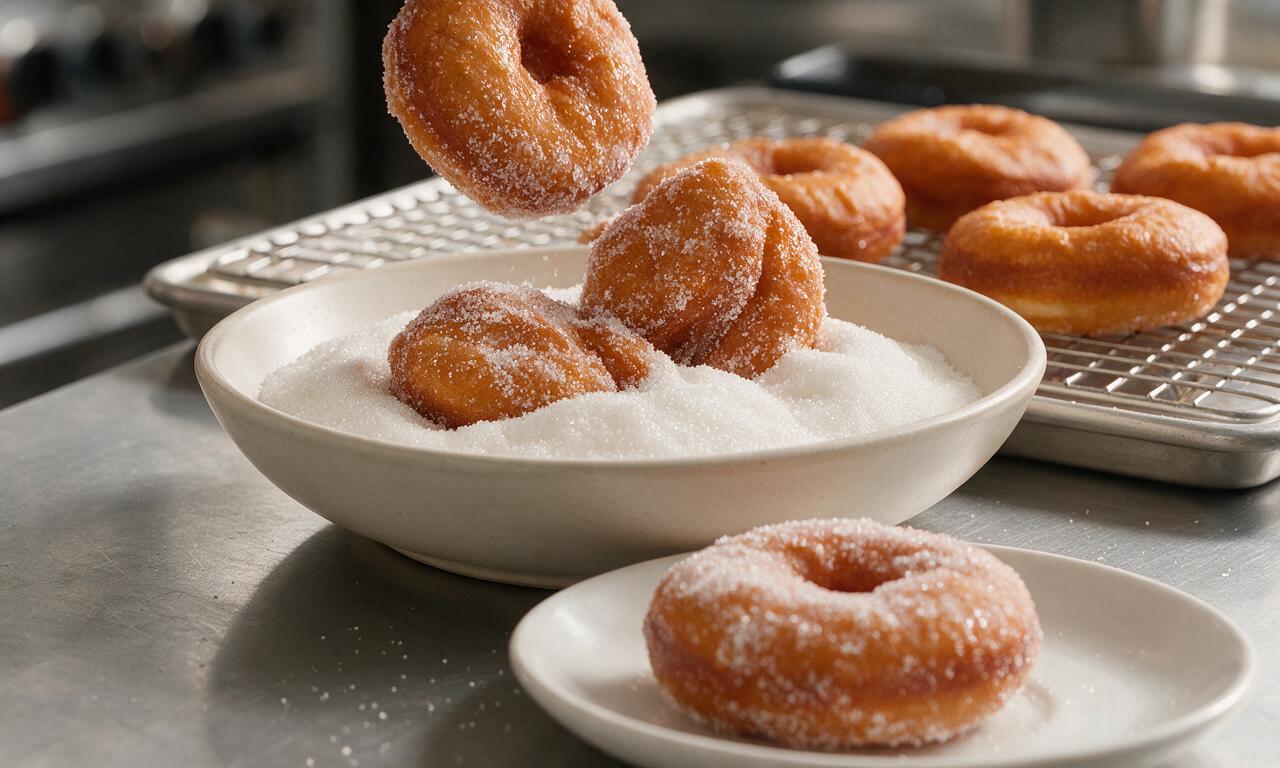
Step 7
step7:Coat and serve fastnachts

Tips

1.Always test milk temperature before adding yeast: liquid hotter than 115°F (46°C) will kill live yeast cultures, leading to dense, unrisen dough, while liquid cooler than 105°F (40°C) will fail to activate yeast properly.
2.Maintain a steady 350°F (175°C) oil temperature while frying: oil that is too hot will burn the pastry exterior before the interior cooks through, while oil that is too cool will cause fastnachts to absorb excess grease and turn soggy.
3.Do not skip the small 1/2-inch center slit in each dough piece: this allows built-up steam to escape during frying, preventing uneven, balloon-like puffing and ensuring the dough cooks evenly all the way through.

✨ You May Also Like

Desserts & Baking
🍜 Italy

Creamy, coffee-kissed classic Northern Italian no-bake dessert, with layers of rum-spiked mascarpone cream, soft ladyfingers, and a rich cocoa dusting.

⏱️ 4 hours 3Desserts & Baking ★ 4.8
Desserts & Baking
🍜 France

Flaky, shatteringly crisp, buttery French croissants with golden exteriors and soft, airy layered interiors, perfect for pairing with coffee for a special morning treat.

⏱️ 12 hours Desserts & Baking ★ 4.7
Desserts & Baking
🍜 United States

Warm, spiced baked apples topped with a fluffy golden biscuit crust, this cozy dessert pairs perfectly with vanilla ice cream for cool-weather comfort.

⏱️ 55 minuteDesserts & Baking ★ 4.7
Desserts & Baking
🍜 United States

A star-spangled classic American blueberry pie with buttery flaky crust and bright sweet-tart filling, perfect for summer patriotic gatherings.

⏱️ 1 hour 25Desserts & Baking ★ 4.8
Desserts & Baking
🍜 United States

A beloved no-bake regional Maine candy with a chewy coconut-potato center coated in rich dark chocolate, a New England holiday staple since the 1870s.

⏱️ 2 hours 3Desserts & Baking ★ 4.9
Desserts & Baking
🍜 France

Luxuriously creamy, floral frozen custard made with aromatic Tahitian vanilla beans, boasting a smooth, rich texture that melts slowly on the tongue.

⏱️ 3 hours 3Desserts & Baking ★ 4.6

Fastnachts (Fat Tuesday):Frequently Asked Questions

1.What exactly are fastnachts, and how are they different from regular donuts?
Fastnachts are traditional German-American Fat Tuesday yeast-raised fried dough treats created to use up rich dairy, sugar, and fat before Lenten fasting. Unlike standard cake donuts, they’re lighter, airier, less sweet on their own, and traditionally square or triangular with no hole, relying on a sugar coating for their signature sweet bite rather than a thick glaze.
2.Can I make fastnachts without active dry yeast?
You can substitute instant yeast 1:1 for active dry yeast with no rise time adjustment, but there’s no great non-yeast swap for this recipe. Baking powder-based fried dough will be dense, biscuit-like, and won’t have the signature light, airy crumb that defines traditional fastnachts, so yeast is non-negotiable for authentic, classic results.
3.Do I have to use whole milk for the dough, or can I swap in lower-fat milk?
Whole milk creates the rich, tender crumb fastnachts are known for, thanks to its higher fat content. You can use 2% milk in a pinch, but expect a slightly less soft, less flavorful end result. Avoid skim or thin non-dairy milks like unsweetened almond milk, as they lack the fat to build proper dough structure and richness.
4.How long do I need to let fastnacht dough rise for the best texture?
For the lightest, airiest fastnachts, let kneaded dough rise in a warm, draft-free spot for 1 to 1.5 hours first, until it doubles in size. After cutting the dough into shapes, let them rise a second time for 20 to 30 minutes until puffy—skipping this second rise leads to dense, heavy dough that won’t puff properly when fried.
5.What oil temperature prevents greasy, soggy fastnachts?
Heat your frying oil to a steady 375°F, using a clip-on candy thermometer to monitor temperature closely. If oil is too cool, dough will soak up excess oil and turn greasy; if it’s too hot, the outside will burn before the inside cooks through. Fry 2 to 3 at a time to avoid dropping the oil temperature sharply as you cook.
6.Can I bake fastnachts instead of frying them for a lighter option?
You can bake them at 375°F for 12 to 15 minutes on a parchment-lined baking sheet until golden, but note they won’t have the same crisp, indulgent outer texture or classic rich flavor as fried fastnachts. Brush baked versions with melted butter right out of the oven before coating in sugar to help the sugar stick and add traditional richness.
7.What kind of oil is best for frying fastnachts?
Opt for a neutral, high-smoke-point oil like canola, vegetable, or peanut oil for frying, as these won’t add off-flavors to the dough as they heat. Avoid olive oil, butter, or unrefined coconut oil, which have low smoke points that lead to burnt, bitter-tasting fastnachts, or strong flavors that overpower the dough’s mild, buttery taste.
8.How do I get the sugar coating to stick evenly to my fastnachts?
Toss fastnachts in granulated sugar as soon as you pull them out of the fryer, when they’re still hot and slightly glistening with residual surface oil. If you let them cool for more than a minute or two, the sugar won’t adhere properly. For an extra indulgent twist, you can roll them in a mix of granulated sugar and a pinch of ground cinnamon.
9.Can I make fastnacht dough ahead of time for Fat Tuesday morning?
Absolutely! After kneading the dough, place it in a greased airtight container and refrigerate it for up to 12 hours overnight. The cold will slow yeast activity, so pull the dough out 30 minutes before you plan to roll and cut it, then let cut shapes rise the full 30 minutes before frying for perfect, light results.
10.Why did my fastnachts turn out dense instead of light and airy?
Dense fastnachts usually stem from three common issues: you didn’t let the dough rise long enough to double in size, your yeast was expired and didn’t activate properly, or you fried them at too low a temperature so they didn’t puff quickly. Always test yeast in warm milk with a pinch of sugar first to confirm it’s foamy and active.
11.Do traditional fastnachts have a hole in the middle like regular donuts?
Traditional fastnachts don’t have a center hole! They’re typically cut into 3-inch squares or triangles, a practice dating back to early home cooking when bakers didn’t want to waste leftover dough scraps from cutting round shapes. The lack of a hole also creates the soft, pillowy center that’s a signature part of the treat’s texture.
12.How should I store leftover fastnachts to keep them fresh?
Store completely cooled leftover fastnachts in an airtight container at room temperature for up to 2 days. They’re best eaten fresh the day they’re made, but you can refresh day-old fastnachts by warming them for 10 seconds in the microwave before eating. Avoid refrigerating leftovers, as that will make the dough go stale and tough much faster.
13.Can I freeze cooked fastnachts to enjoy later?
Yes! Let cooked fastnachts cool completely (skip the sugar coating first), then wrap them tightly in plastic wrap and store in a freezer-safe bag for up to 3 months. Thaw them at room temperature, then warm briefly in the oven or microwave, and toss in granulated sugar right before serving for that just-made taste and texture.
14.What do I do if my dough is too sticky to roll and cut easily?
If your dough clings to your rolling pin or counter after the first rise, lightly dust your work surface and pin with a small amount of all-purpose flour—go easy, though, because adding too much extra flour will make finished fastnachts tough. Don’t knead extra flour into the dough itself; just use a light dusting on surfaces to prevent sticking.
15.Are there traditional toppings or fillings for fastnachts besides plain granulated sugar?
While plain granulated sugar is the classic coating, many regional versions use cinnamon-sugar, powdered sugar, or a light vanilla glaze. Some home cooks fill cooled fastnachts with jam, vanilla custard, or Nutella by poking a hole in the side and piping filling in, though traditional Lenten fastnachts are usually unfilled to keep the recipe simple.
16.How do I know when fastnachts are fully cooked all the way through?
A perfectly cooked fastnacht will be deep golden brown on both sides after 1.5 to 2 minutes of frying per side, and will float to the top of the oil within 30 seconds of being added. If you’re unsure, pull one out and cut into the center—it should be light, airy, and not doughy or raw, with no gummy, dense streaks.

Comments (3)

2 weeks ago

OMG these turned out SO good! I grew up eating fastnachts every Fat Tuesday with my grandma who was from Pennsylvania Dutch country, and I’ve been chasing that exact flavor for years since she passed. This recipe is dead on—fluffy, light on the inside, perfectly crisp golden outside, not cloyingly sweet. My kids devoured half the batch before I even got the powdered sugar sifted out, I had to swat their little hands away to save a few for my husband! The rise time took a touch longer in my cold kitchen but it was 100% worth the wait. This is going to be our new yearly Fat Tuesday tradition, no question.

1 week ago

Quick question—did you cut them into the traditional squares or use a round donut cutter? I’m making these for our neighborhood Fat Tuesday potluck next week and want them to turn out perfect!

1 week ago

Great question! Traditional fastnachts are typically cut into thick, rough squares with no center hole to keep them extra pillowy, but a round donut cutter works totally fine if that’s what you already have in your kitchen. Just be sure to keep your frying oil steady at 375°F to avoid soggy, greasy dough!

3 days ago

Super solid recipe, but I ran into a little hiccup with the dough being way too sticky to roll out after the first rise. I ended up kneading in almost an extra quarter cup of all-purpose flour to get it workable, and they still came out amazing! Pro tip for everyone: Toss the warm fastnachts in a mix of cinnamon sugar and a tiny pinch of nutmeg instead of plain powdered sugar, total game changer. I brought a batch into my office yesterday and every single person was hounding me for the link.

2 days ago

Thanks so much for sharing your tip! Kitchen humidity can make a huge difference in how much flour yeast doughs need, so adding a little extra to get the right texture is absolutely the right call. That cinnamon sugar and nutmeg coating sounds chef’s kiss— I’ll definitely be testing that variation on my next batch!

yesterday

Made these yesterday for our little Fat Tuesday brunch with my roommates, and they were such a hit! I was low-key nervous to fry dough for the first time (I usually stick to no-fuss baked treats for meal prep) but the step-by-step instructions were so clear even for a medium-difficulty recipe. I did a handful tossed in powdered sugar, a few filled with seedless raspberry jam, and OMG the jam-filled ones were insane. Only note for next time: I’m definitely doubling the batch, because these were gone in literally 15 minutes flat. 100% worth the 2.5 hour total time, no regrets.