1.What exactly is Traditional South Dakota Kuchen?
▾
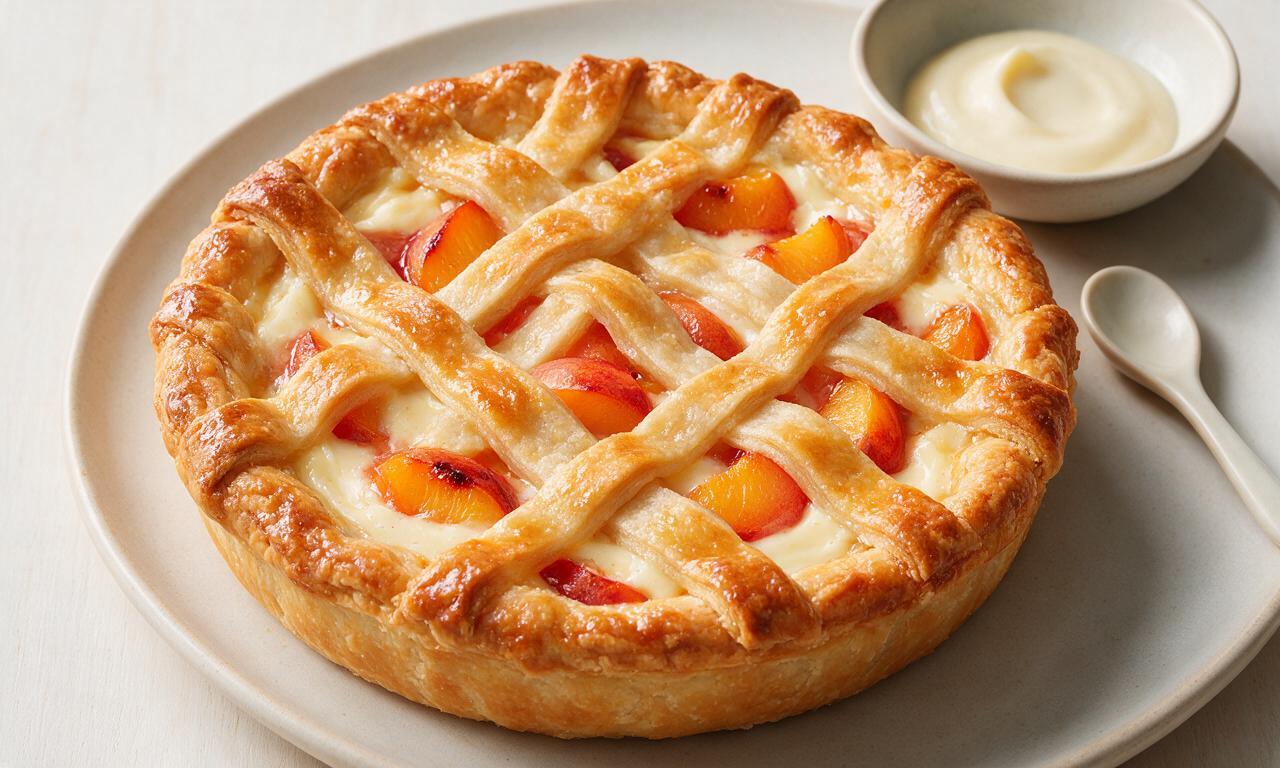
Traditional South Dakota kuchen is the official state dessert of South Dakota, with deep German-Russian immigrant roots across the upper Midwest. It’s a tender, buttery shortcrust tart filled with juicy fresh summer peaches and silky, not-too-sweet vanilla custard, commonly served at church potlucks, county fairs, and multi-generational family gatherings.
2.Why does the recipe specify cold cubed butter for the shortcrust?
▾
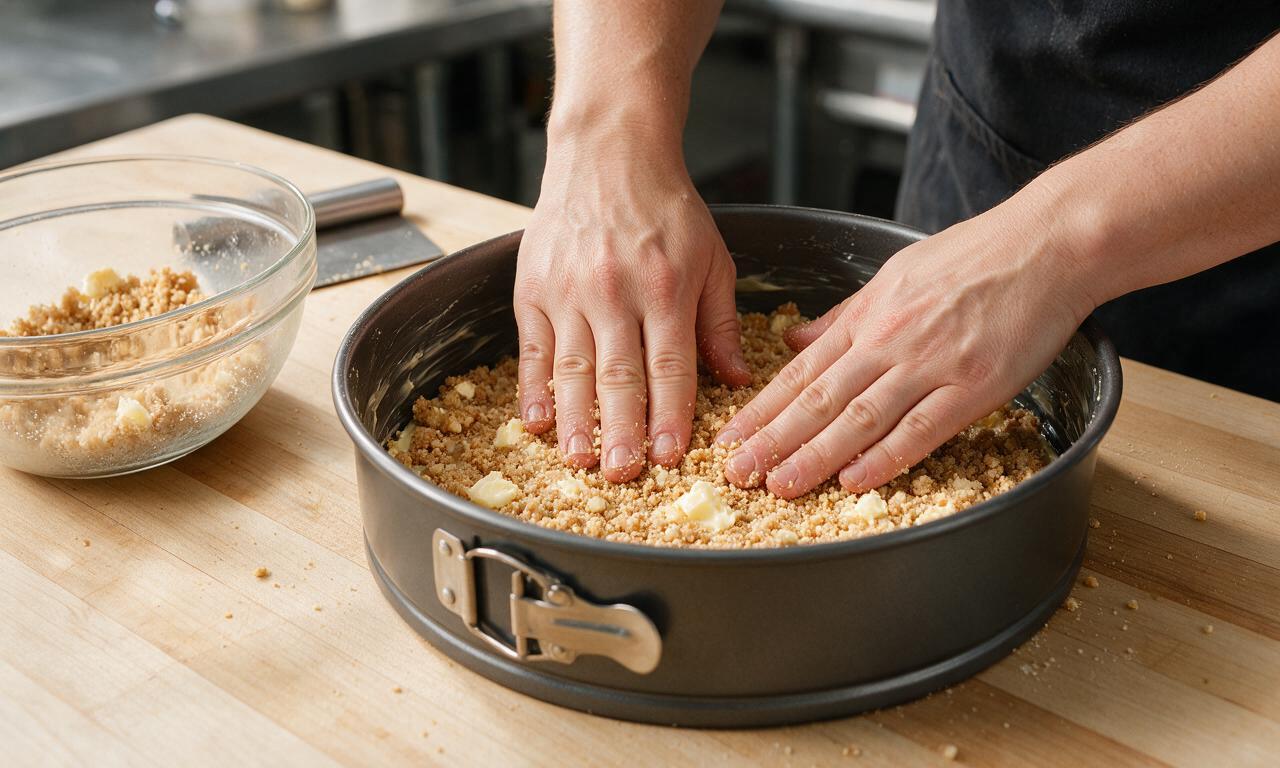
Cold cubed butter is non-negotiable for that perfect flaky, tender shortcrust. When cold butter hits the hot oven, it melts and releases steam, creating tiny, light, crisp layers in the crust instead of a dense, tough, greasy final texture. Cut it into the flour just until pea-sized crumbs form, and don’t overwork the dough.
3.Can I use frozen peaches instead of fresh summer peaches?
▾
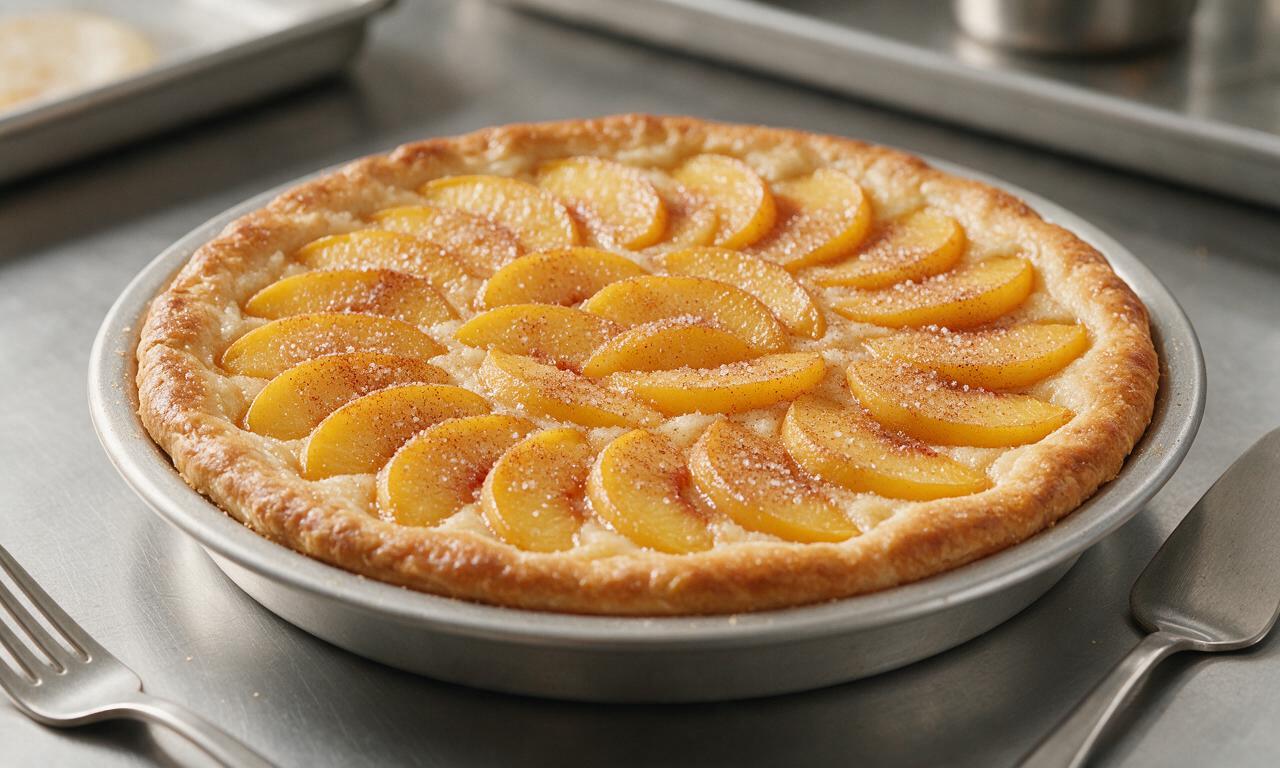
You absolutely can use frozen peaches if fresh summer peaches are out of season—just thaw them fully first and drain off all excess released juice before arranging them on the crust. Skipping this step will leave you with a soggy, watery custard that won’t set properly, so pat thawed peaches dry with paper towels for extra insurance.
4.What is the 1 tablespoon of melted butter used for?
▾
That 1 tablespoon of melted butter is for greasing your baking pan before you press in the shortcrust dough. It creates a thin, nonstick barrier that keeps the buttery crust from fusing to the pan as it bakes, and it adds a subtle extra golden, crisp edge to the crust bottom that cooking spray alone can’t match.
5.Do I need a special pan to make traditional kuchen?
▾
You don’t need a specialty kuchen pan to nail this recipe! A standard 9-inch springform pan, deep-dish pie plate, or even a 9-inch square glass baking dish works perfectly. Just make sure whatever pan you use is at least 2 inches deep to hold the crust, peach layer, and custard without bubbling over in the oven.
6.Can I make the shortcrust dough ahead of time?
▾
Absolutely—this shortcrust holds up beautifully when prepped ahead. You can wrap the tightly formed dough disk in plastic wrap and refrigerate it for up to 3 days, or freeze it for up to 3 months before using. Just let chilled dough rest at room temperature for 10 minutes so it’s soft enough to press evenly into your prepared pan.
7.Why does the recipe call for fine sea salt instead of regular table salt?
▾
Fine sea salt dissolves more evenly into both the shortcrust and custard than coarser salt varieties, so you get a consistent, balanced sweet-savory note in every bite without random salty bursts. If you only have table salt on hand, cut the measured amount by half, since table salt has a much sharper, more concentrated flavor.
8.How do I tell when the custard is fully set and the kuchen is done baking?
▾
You’ll know the kuchen is done when the outer 2 inches of custard are fully firm, and the very center 1-inch circle has a soft, jiggly wobble—like Jell-O that’s just set, not sloshy liquid. It will continue to set as it cools completely on a wire rack, so don’t bake it until solid or you’ll get rubbery, curdled custard.
9.Can I swap the peaches for other types of fruit?
▾
While fresh peaches are the classic South Dakota preparation, you can absolutely swap them for other in-season stone fruit or berries. Thinly sliced apricots, pitted sweet cherries, or tart fresh rhubarb tossed with a little extra granulated sugar all work beautifully—just avoid very wet fruit like canned pineapple unless you drain and dry it extremely well first.
10.Why is baking powder included in the shortcrust?
▾
The small amount of baking powder in this shortcrust gives it a slightly softer, more tender, cake-adjacent crumb than a standard flaky pie crust, which is the signature texture of traditional South Dakota kuchen. It keeps the crust from turning dense or hard after baking, even when loaded up with heavy custard and juicy fruit.
11.Do I need to blind bake the crust before adding the filling?
▾
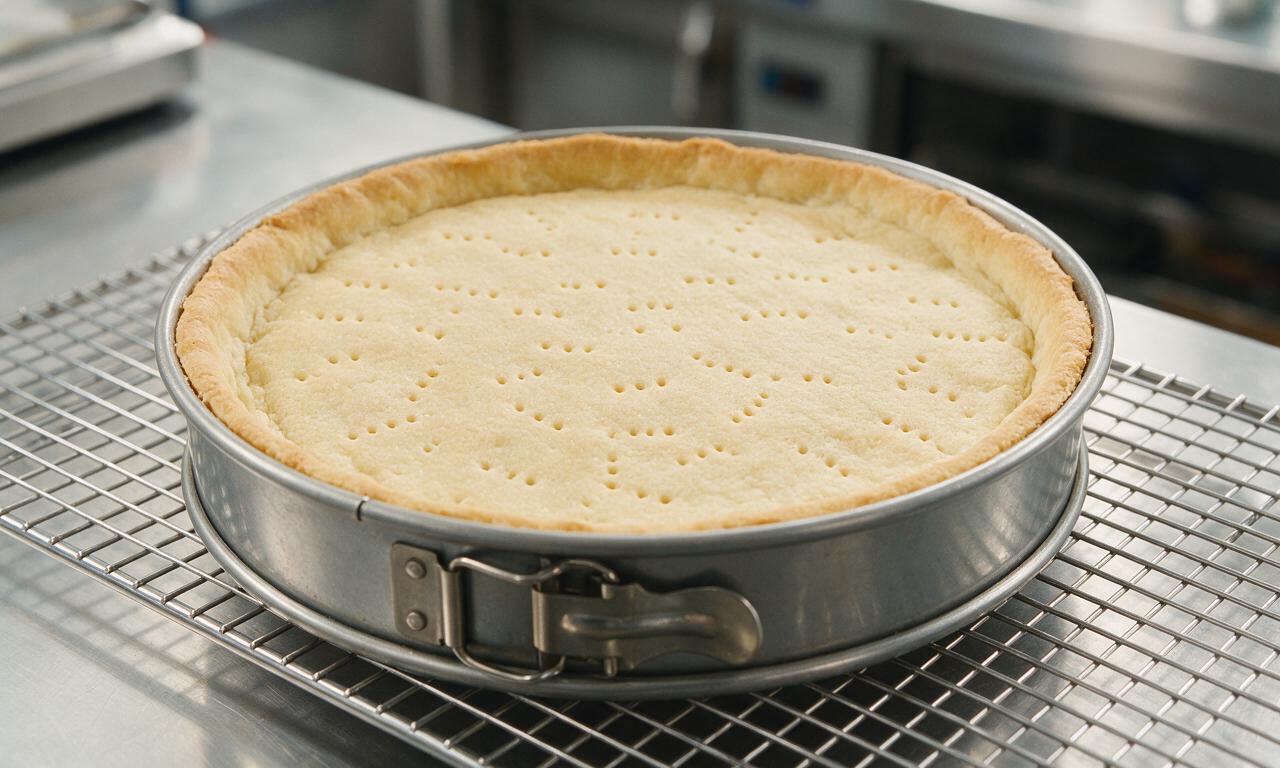
For this specific kuchen recipe, you don’t need to fully blind bake the crust, because the relatively low baking temperature and thick custard base don’t create the same sogginess risk as a very wet fruit pie. You do want to press the crust firmly up the pan sides to create a tight barrier that holds custard in as it bakes, though.
12.How long will leftover kuchen stay fresh?
▾
Leftover kuchen will stay fresh for up to 4 days when stored tightly covered in the refrigerator. The cold temperature keeps the custard food-safe and prevents the peaches from spoiling quickly. Let slices sit at room temperature for 10 to 15 minutes before serving to let the buttery crust flavor come through instead of tasting cold and muted.
13.Can I freeze fully baked kuchen for later?
▾
You can freeze fully baked, fully cooled kuchen for up to 2 months. Wrap it tightly in two layers of plastic wrap and one layer of aluminum foil to prevent freezer burn. Thaw it overnight in the refrigerator before serving, and don’t refreeze previously thawed kuchen, as the custard will separate and turn watery.
14.What’s the difference between South Dakota kuchen and traditional German kuchen?
▾
Traditional German kuchen covers a wide range of sweet, cake-like baked treats, but the South Dakota iteration brought over by 19th-century German-Russian immigrants is specifically a custard-filled, fruit-topped tart with a tender shortcrust. It’s sweeter and denser than many German kuchen varieties, adapted over generations to feature bright, ripe local summer peaches.
15.Can I use gluten-free flour instead of all-purpose flour for this recipe?
▾
You can swap the all-purpose flour for a 1:1 gluten-free all-purpose baking blend that contains xanthan gum to make this kuchen gluten-free. Avoid using single gluten-free flours like almond flour or coconut flour on their own, as they won’t create the same tender, sturdy shortcrust that holds up to the custard and peach filling.
16.Why is it important not to overwork the shortcrust dough?
▾
Overworking the shortcrust dough develops too much gluten in the flour, which will leave you with a tough, chewy crust instead of the tender, melt-in-your-mouth texture kuchen is known for. Mix the crust just until the ingredients come together into a shaggy dough, and press it gently into the pan instead of rolling it aggressively.
17.Is it okay to add spices like cinnamon to the peaches or custard?
▾
A light pinch of ground cinnamon or freshly grated nutmeg tossed with the peaches or stirred into the custard is a totally traditional, welcome addition! Just keep the spice amount very light—about 1/4 teaspoon total—so you don’t overpower the delicate vanilla custard and bright, fresh peach flavor that makes this dessert so beloved.
18.Should kuchen be served warm, cold, or at room temperature?
▾
Kuchen is most traditionally served slightly cool or at room temperature, not piping hot straight from the oven. Letting it rest for at least 1 hour after baking lets the custard set fully so it slices cleanly, and lets the flavors of buttery crust, sweet peaches, and vanilla custard meld together. A dollop of fresh whipped cream on top is always a nice touch.
19.What causes a soggy kuchen crust, and how can I prevent it?
▾
Soggy crust almost always stems from three common mistakes: using overly wet fruit that wasn’t patted dry, greasing the pan poorly so the crust sticks and absorbs excess moisture, or underbaking the kuchen so custard seeps into raw dough. Dry fruit well, use the specified melted butter for pan prep, and bake until edges are set to avoid this common issue.

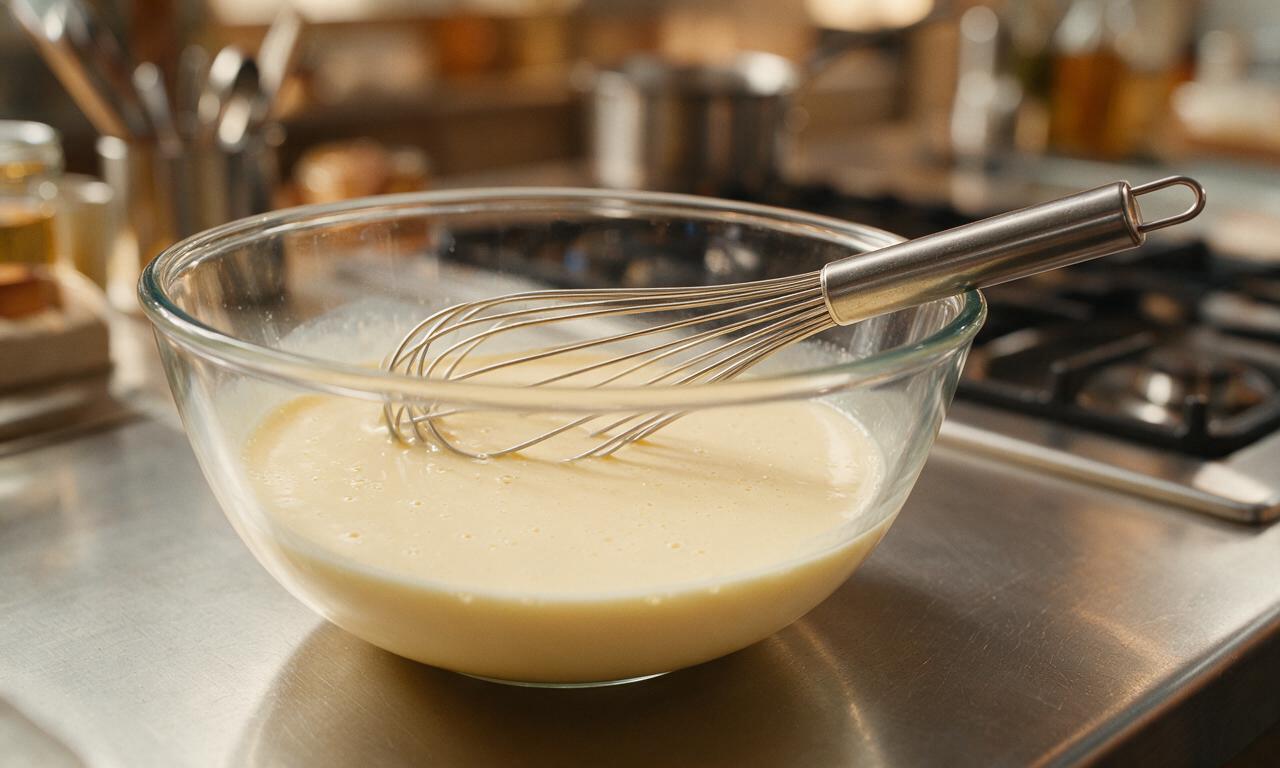
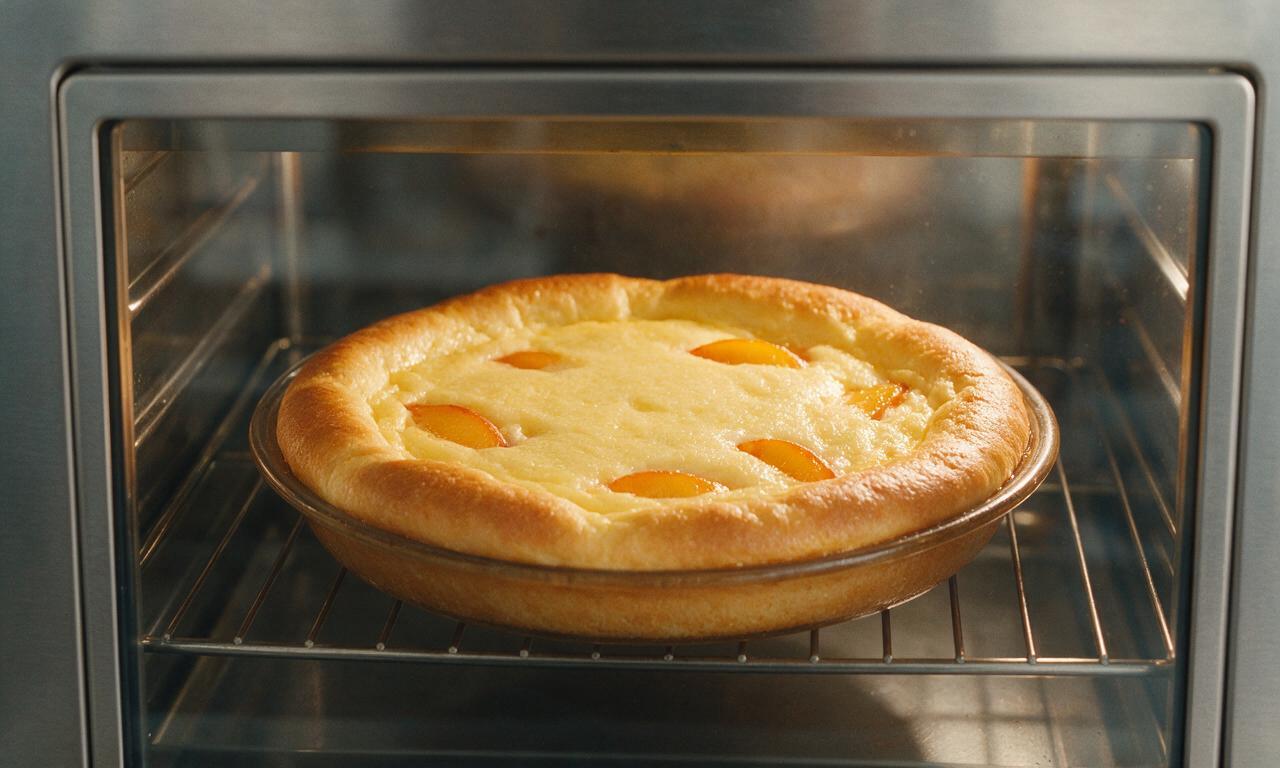
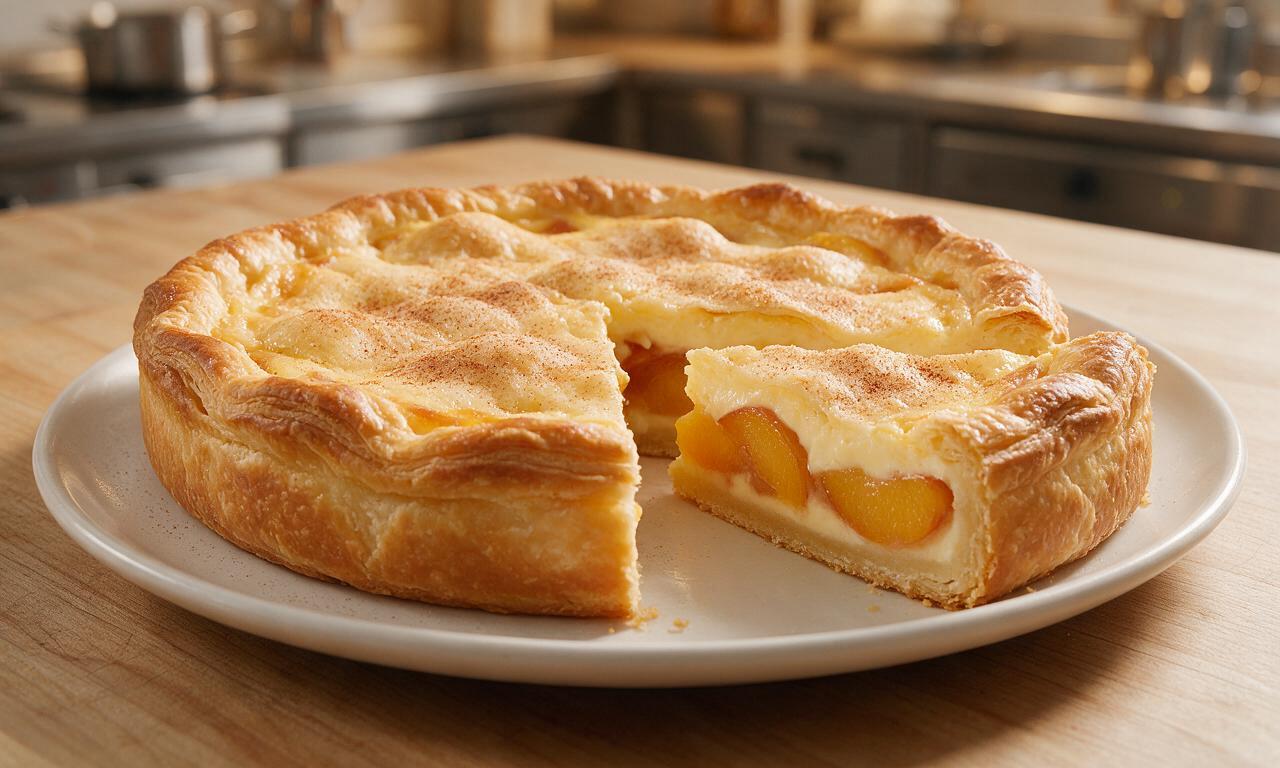

OMG, I’ve been looking for a kuchen recipe that tastes exactly like my grandma used to make when we visited her in Aberdeen every summer! This was perfect — the crust was tender not tough, the custard was silky, and I used fresh peaches from the farmers market like she always did. Brought it to my church potluck last Sunday and people were begging for the recipe before I even left. Total game changer for our family dessert rotation!
First off, this kuchen is SO good, but y’all weren’t kidding about the total time! I didn’t plan ahead enough for the dough rise time and almost missed my window to make it for our family dinner. Ended up nailing it though, did a cinnamon apple filling and even my super picky teen went back for a second slice. Just make sure you block off enough time, don’t rush the dough rise like I almost did!
Was worried a medium-difficulty recipe would be too much for me since I’m still pretty new to baking from scratch, but the step-by-step instructions were so easy to follow! I swapped in my go-to gluten free all purpose flour blend for the crust and it turned out perfectly. My kids loved it so much they asked if we can make it every Sunday for our after-church treat. 10/10, will be making again soon!
Tasted great when it was done, but I had a total mishap the first time I made this! I misread the oven temp and burned the edge of the crust on my first go, oops. Second attempt I turned the temp down 25 degrees like I usually do for my finicky old oven and it came out golden and perfect. Took the second batch to my neighborhood block party and it was gone in 10 minutes flat!
Wait, I had no idea kuchen was South Dakota’s official state dessert until I made this! I was meal prepping for the week and thought I’d give it a try since I had most of the ingredients already in my pantry. I did a mixed berry filling with frozen berries I had stashed in the freezer and it turned out chef’s kiss. So cozy for fall, perfect with a cup of coffee in the morning too!
Grew up on a ranch outside Rapid City and can confirm this is the real deal! I added a little extra nutmeg to the custard like my mom always did and it transported me right back to Sunday dinners after church. This recipe is so close to the family one I lost when we moved a few years ago, I could cry. Thank you so much for sharing this!