
Munich Helles
intro
Crisp, pale golden traditional Munich Helles lager, with soft bready malt sweetness, subtle noble hop aroma, and a clean, smooth finish perfect for warm weather sipping.
Ingredients
Steps
Sanitize Brewing Equipment
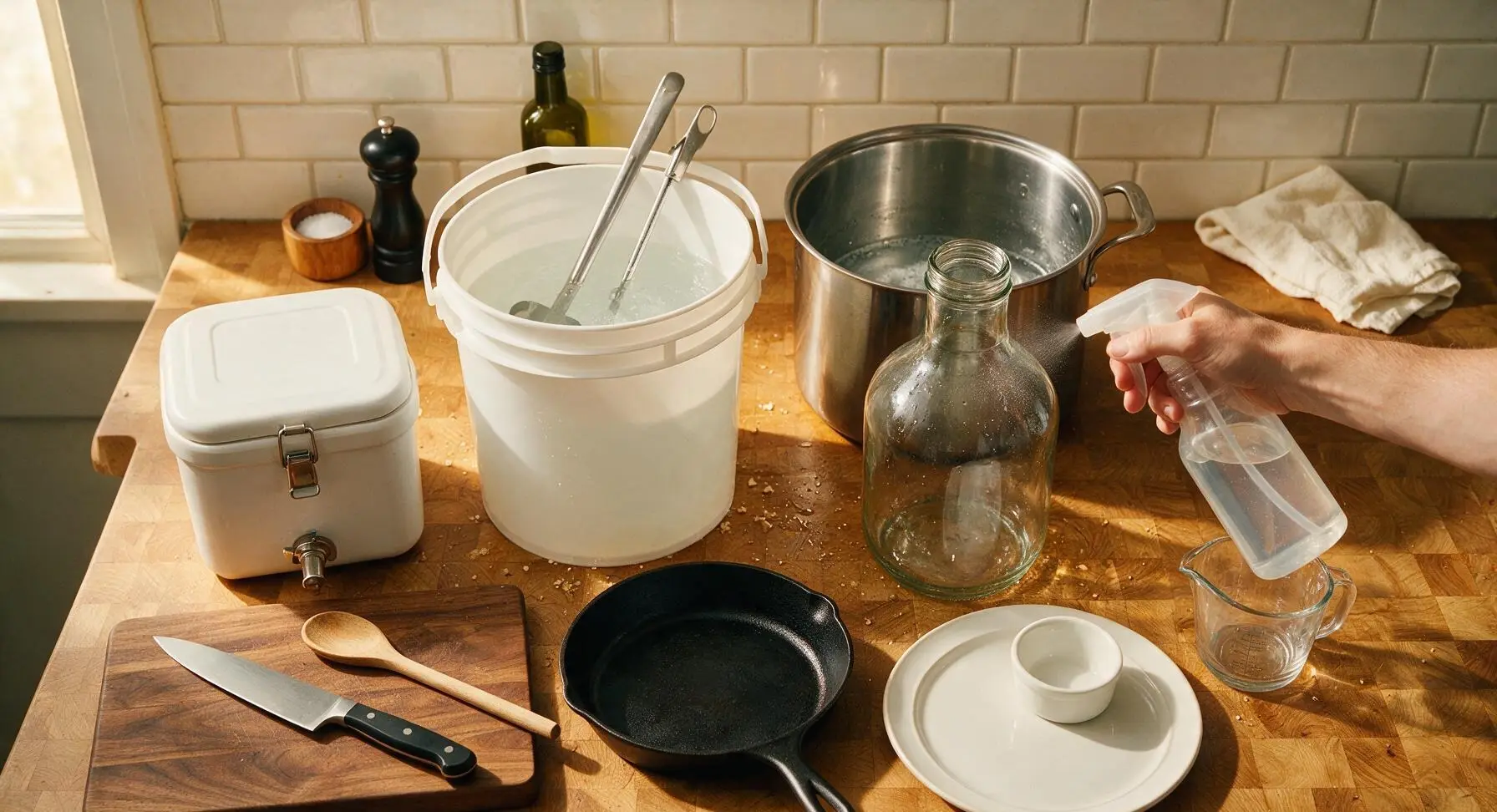
Dilute no-rinse brewing sanitizer according to package directions in the 5-gallon white sanitizing bucket. Submerge all brewing contact surfaces (mash tun, brew kettle spigot, stirring paddle, thermometer, auto-siphon, carboy, airlock, bottling bucket, bottles, and capper) for 2 minutes, then drain fully. No residual sanitizer suds should remain on surfaces, as leftover sanitizer creates off-flavors in finished beer. This step takes approximately 20 minutes.
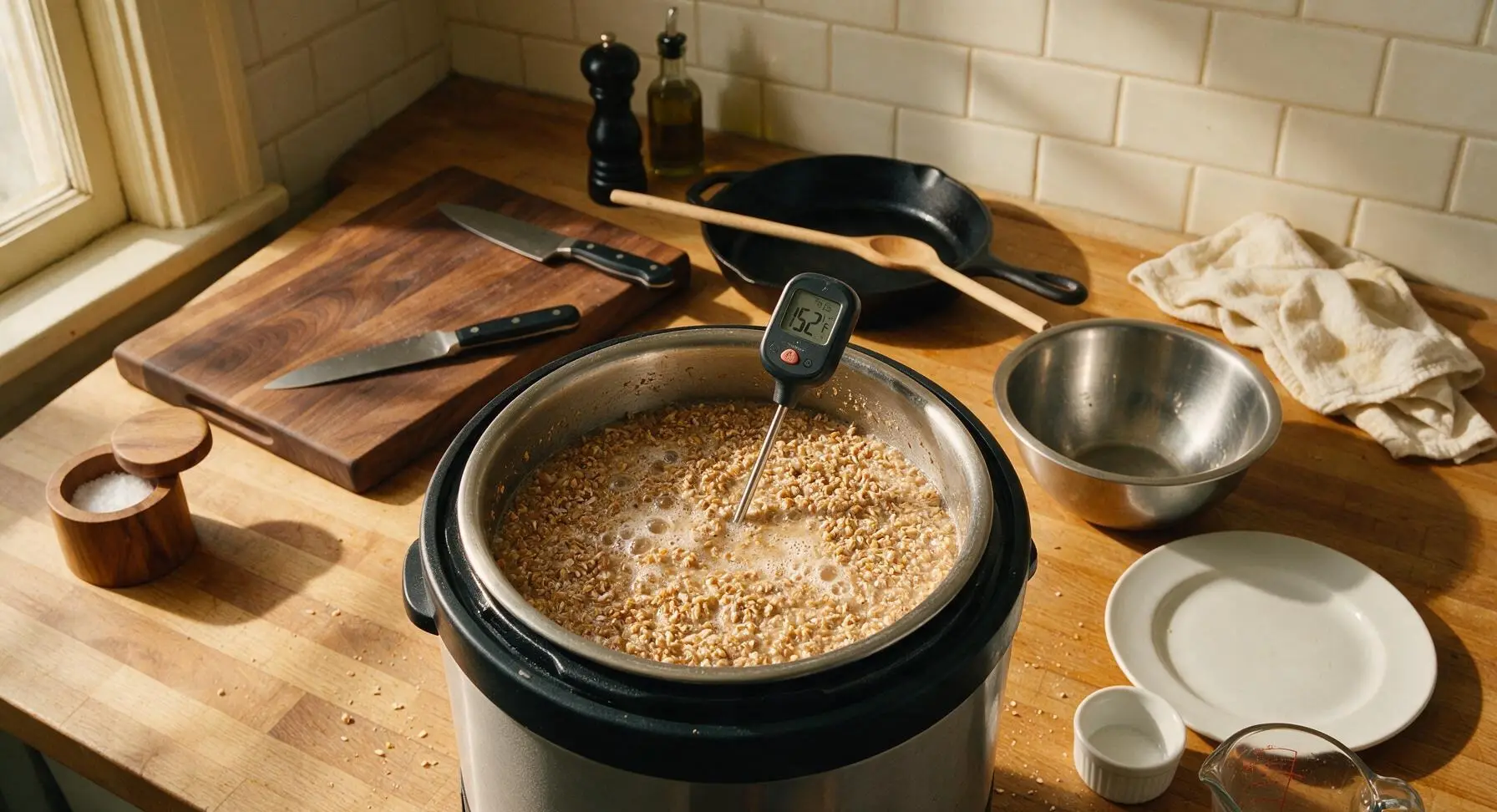
Perform Single-Step Mash
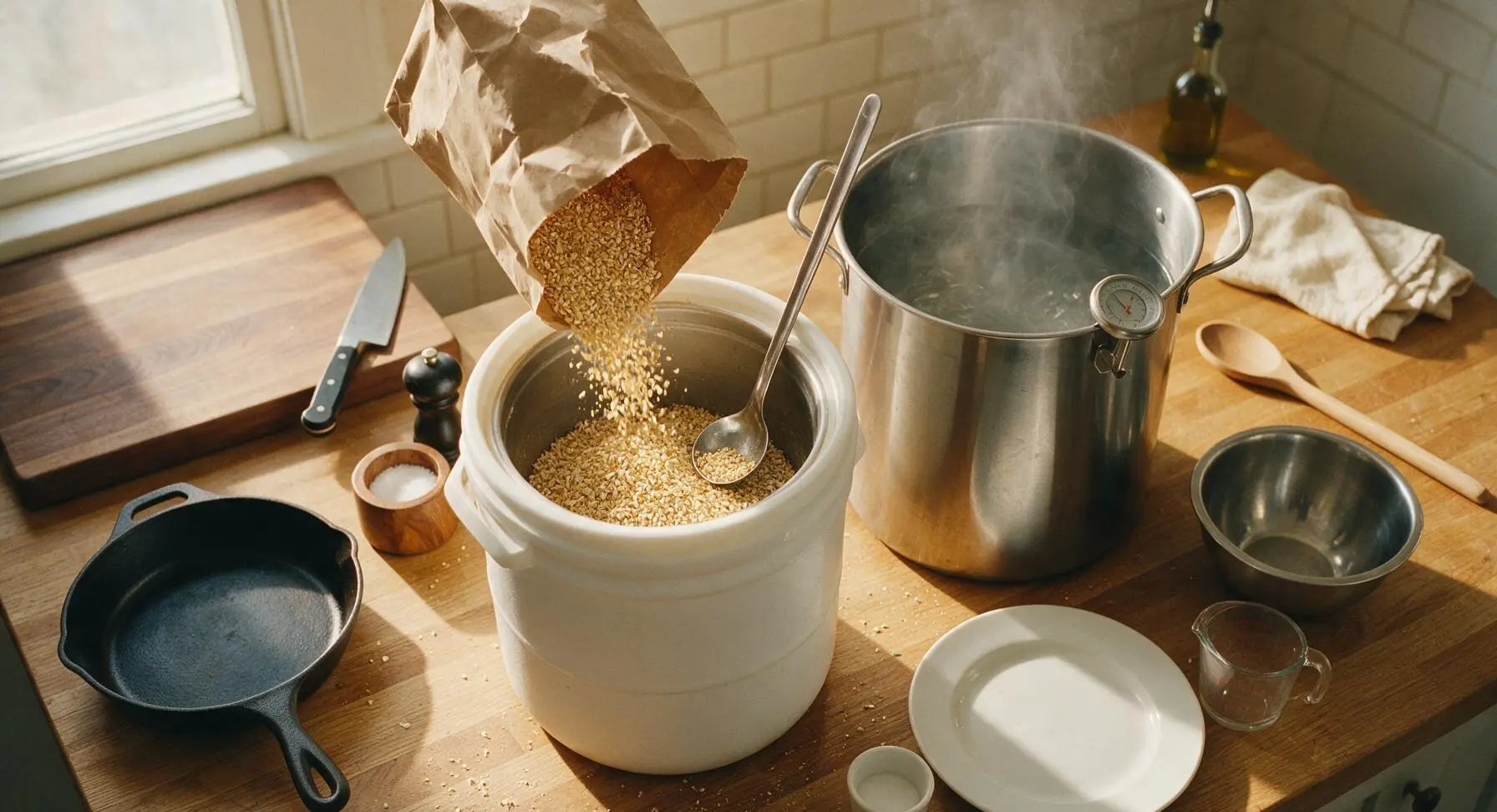
Heat 3.5 gallons of filtered water in the stainless steel brew kettle to exactly 152°F (67°C). Add crushed Pilsner and Munich malt to the insulated mash tun, then slowly pour the heated water over the grain, stirring thoroughly with the long stainless steel paddle to break up any dry clumps. Seal the mash tun lid and hold temperature steady at 150–152°F for 60 minutes. When complete, a small sample of wort will taste sweet and bready, with no raw, starchy grain flavor.
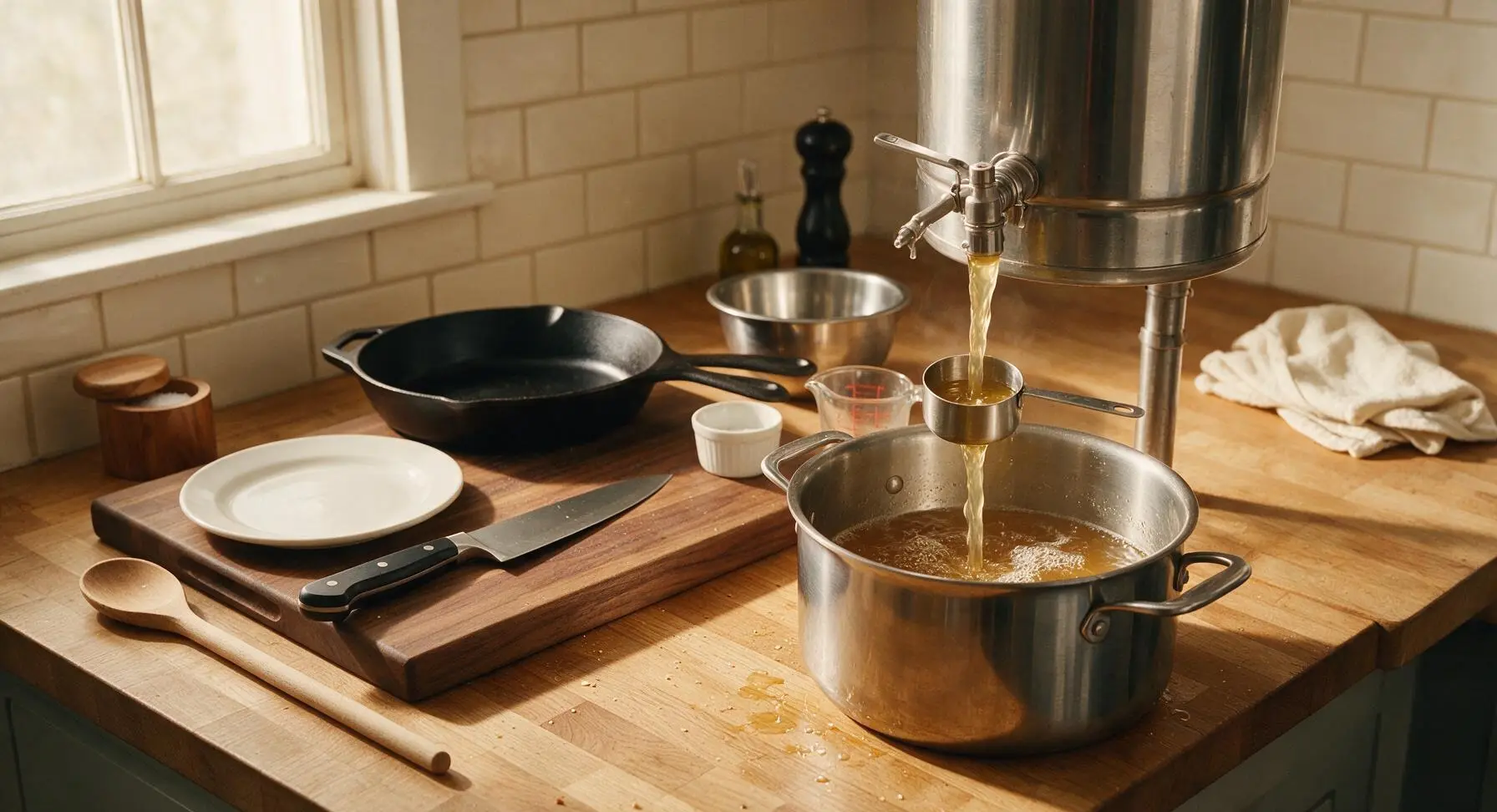
Lauter Sweet Wort
Slowly open the mash tun spigot to drain the initial sweet wort into the brew kettle, draining at a rate of 1 quart per minute to avoid compacting the grain bed. Heat an additional 3.5 gallons of filtered water to 170°F (77°C), then gently pour this sparge water over the top of the grain bed to rinse remaining fermentable sugars from the malt. Continue draining until you collect 6 gallons of clear, pale golden wort in the brew kettle. Spent grain will be pale and fluffy, with no sweet taste remaining when sampled.
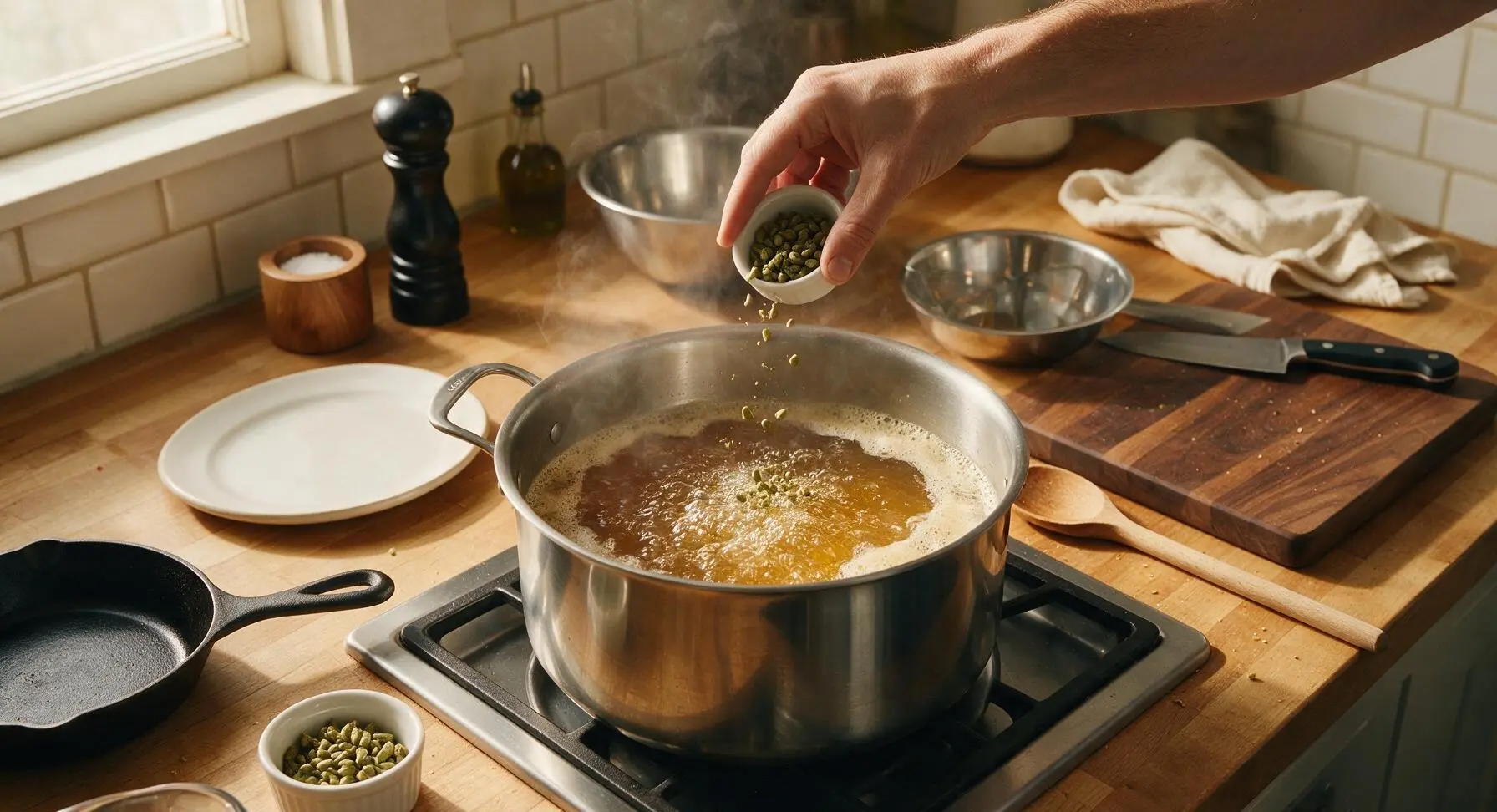
Boil Wort with Hops
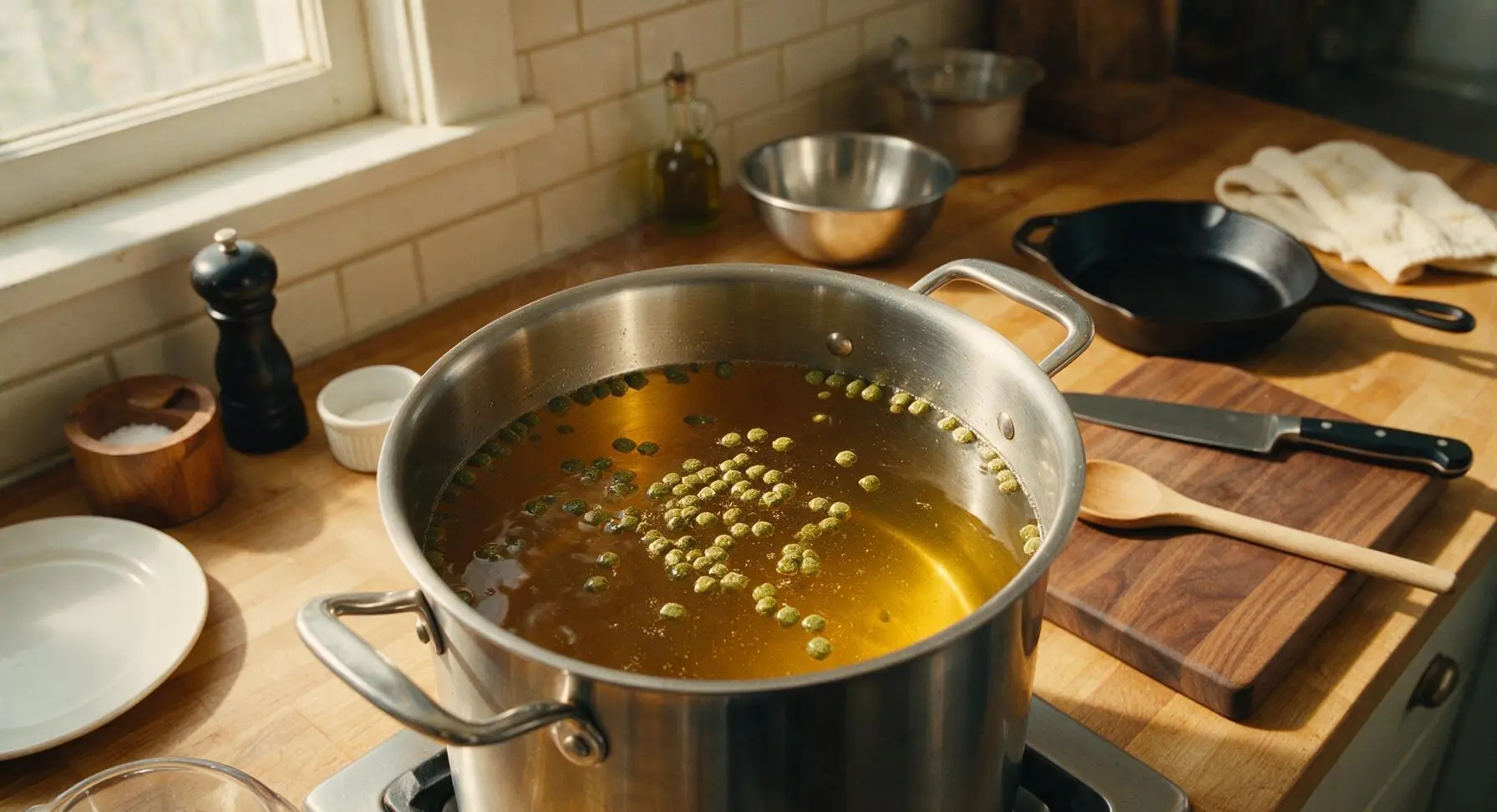
Place the brew kettle over high heat and bring wort to a gentle rolling boil, adjusting heat to avoid violent boilovers. Once a steady boil is reached, add 1.2 oz of Hallertau Mittelfruh hops and set a timer for 60 minutes. With 15 minutes remaining on the boil timer, add 0.4 oz of Hallertau hops. When the 60-minute boil ends, turn off heat, add the final 0.4 oz of Hallertau hops, and let rest 10 minutes to extract delicate hop aroma.
Cool and Pitch Yeast
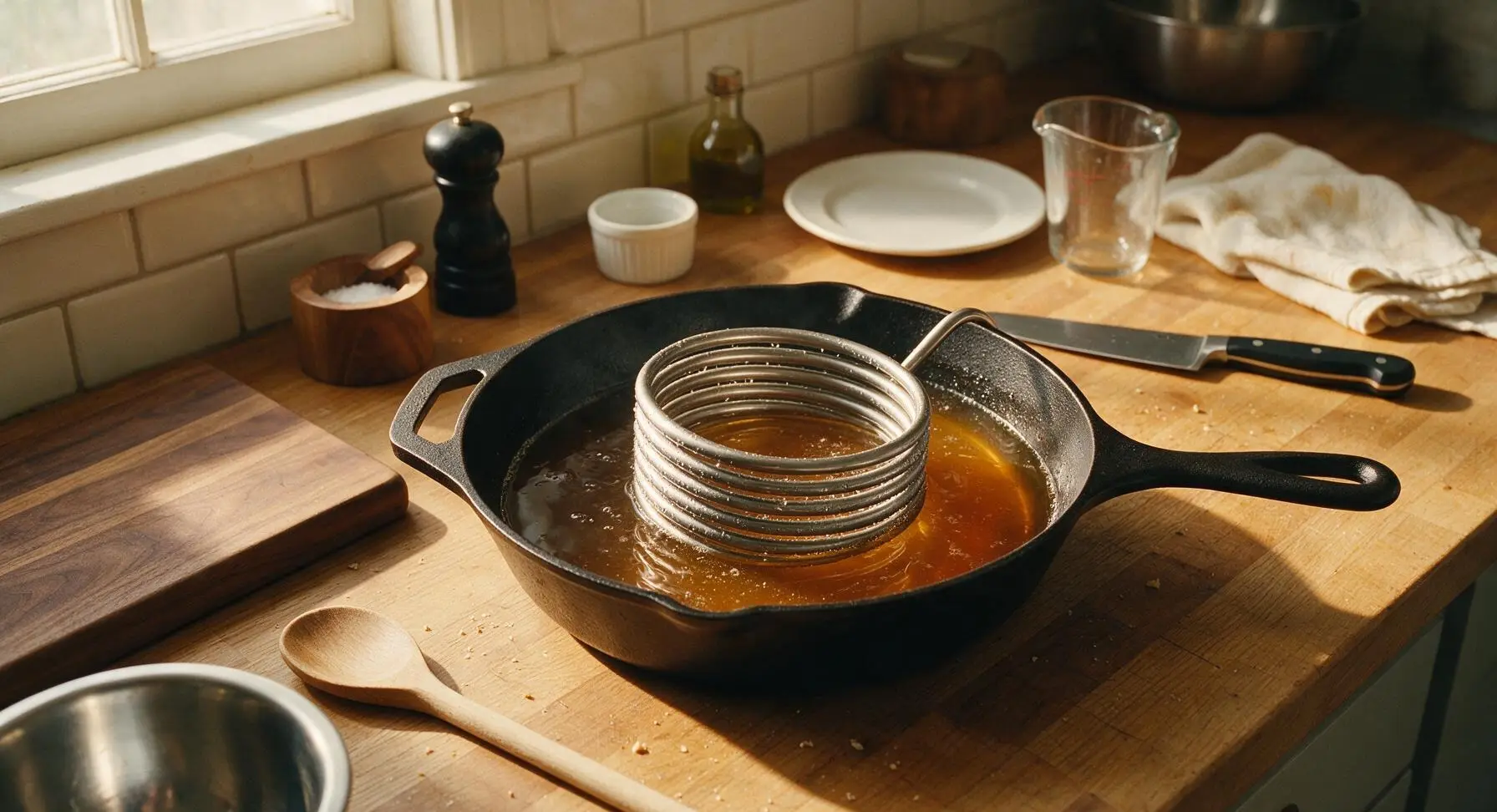
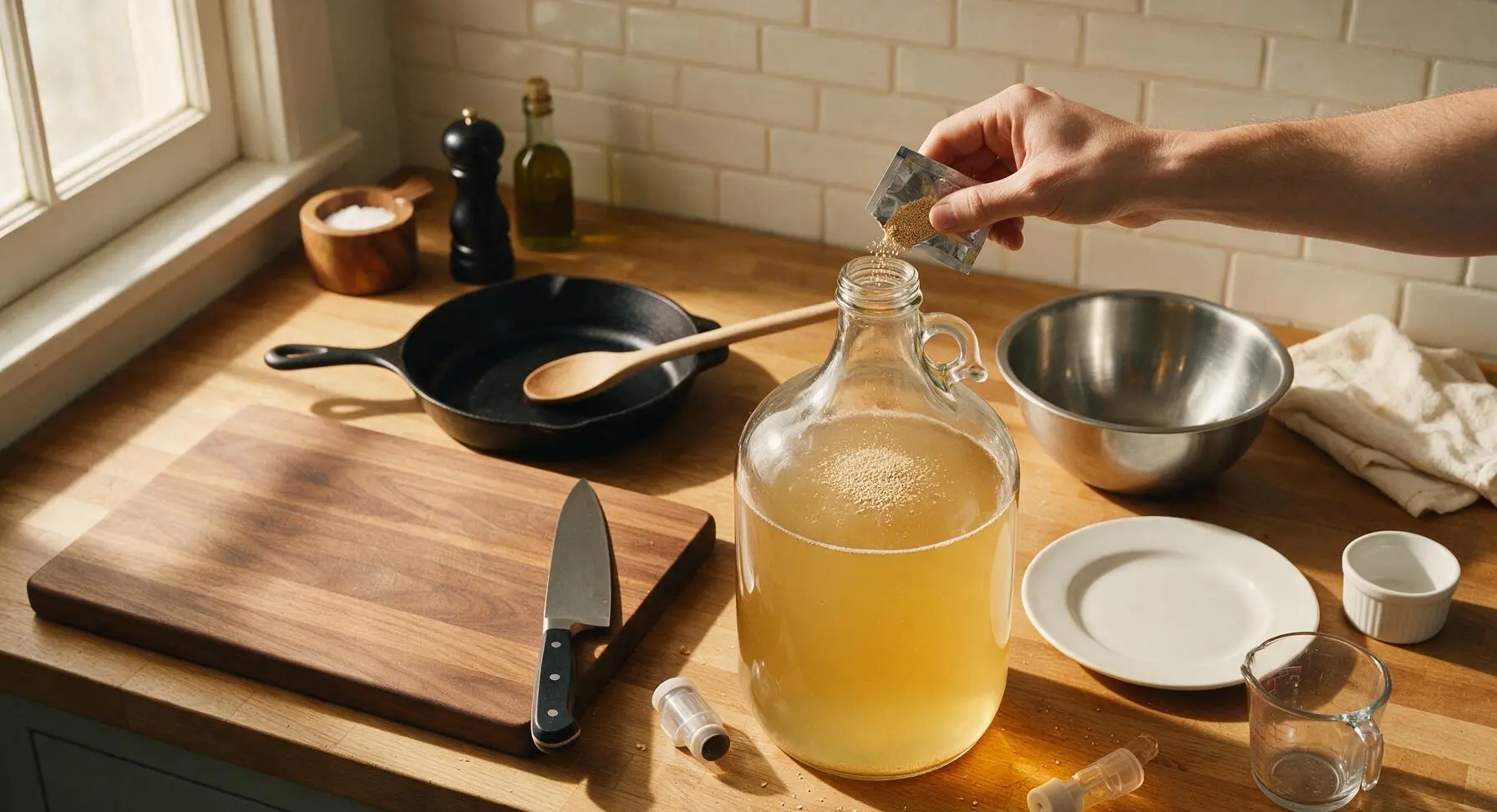
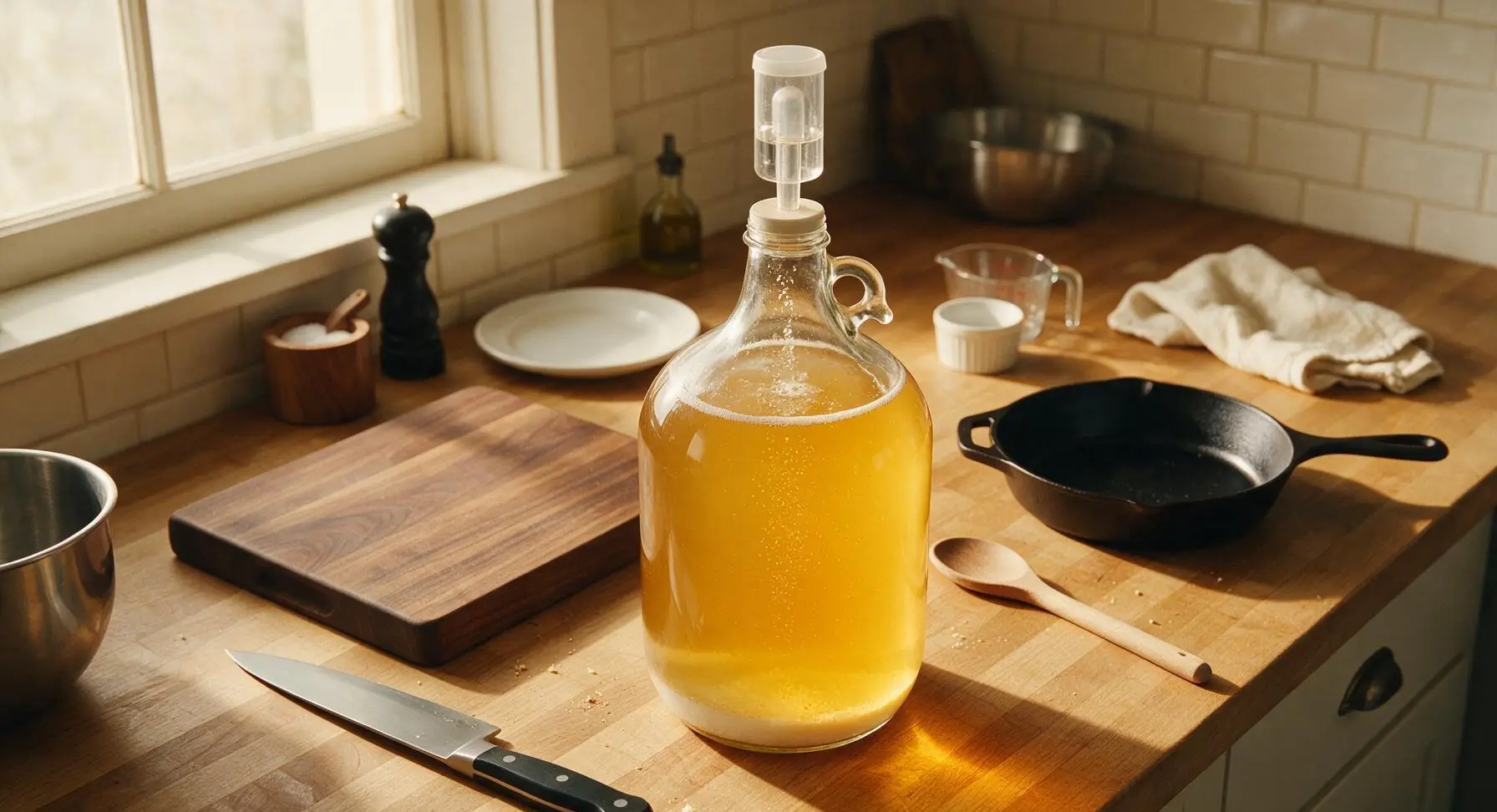
Submerge the coiled stainless steel wort chiller in the hot wort, connect to a cold water line, and run cold water through the coils until wort temperature drops to 50°F (10°C) — this takes approximately 25 minutes. Use the auto-siphon to transfer cooled, clear wort to the sanitized glass carboy, leaving heavy hop sediment and trub behind in the kettle. Aerate wort by gently shaking the sealed carboy for 30 seconds, then sprinkle the Bavarian lager yeast over the wort surface. Seal the carboy with the rubber stopper and airlock filled halfway with sanitizer solution.
Ferment and Condition
Move the sealed carboy to a dark, temperature-controlled space held steady at 50°F (10°C) for 2 weeks of primary fermentation, until bubbling in the airlock stops completely and the beer clarifies to a bright pale gold. After primary fermentation, raise temperature to 60°F (16°C) for 3 days for a diacetyl rest to eliminate buttery off-flavors, then drop temperature to 35°F (2°C) for 4 weeks of cold lagering to smooth flavor and clarify the beer.
Bottle for Carbonation
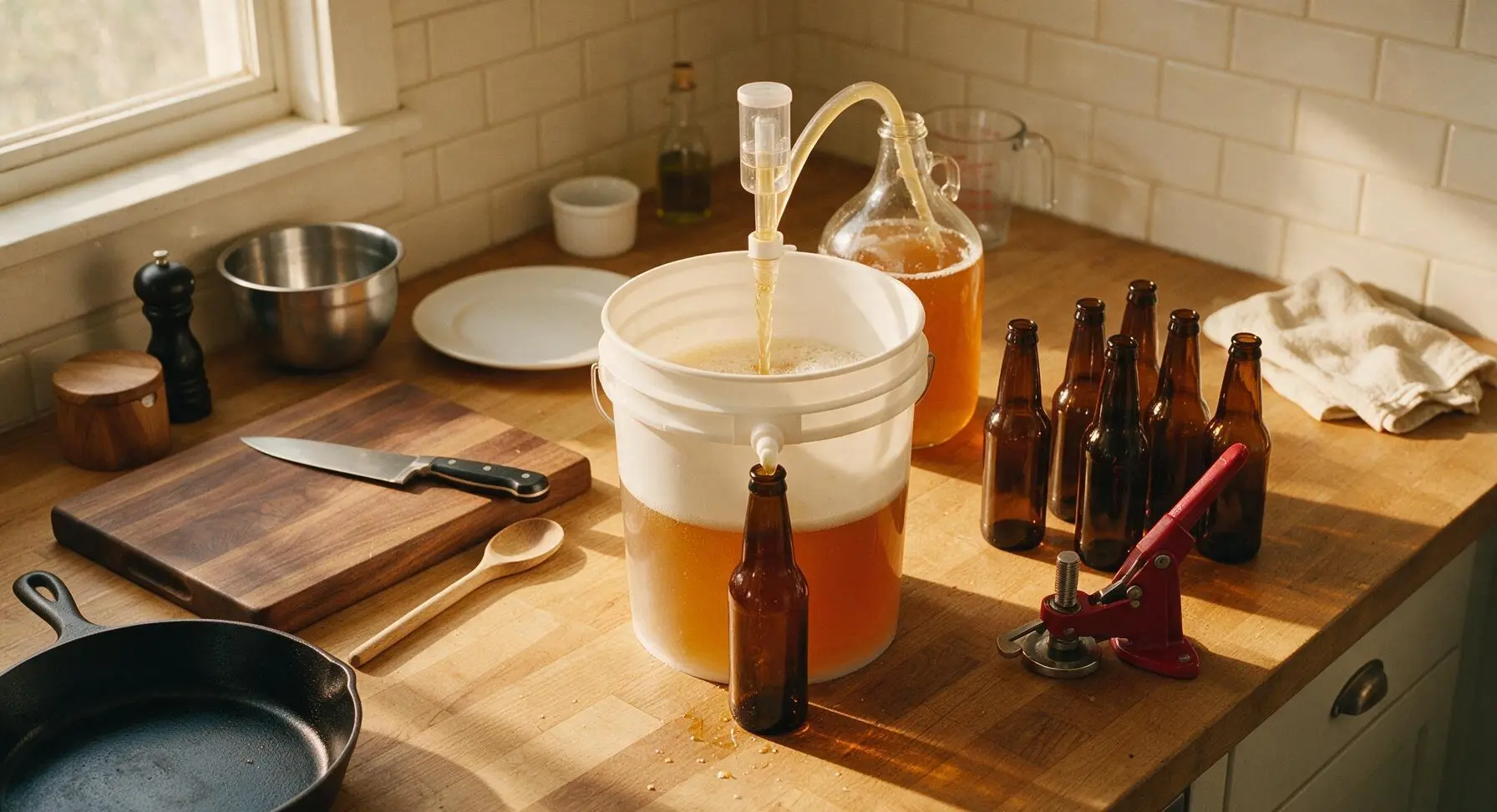
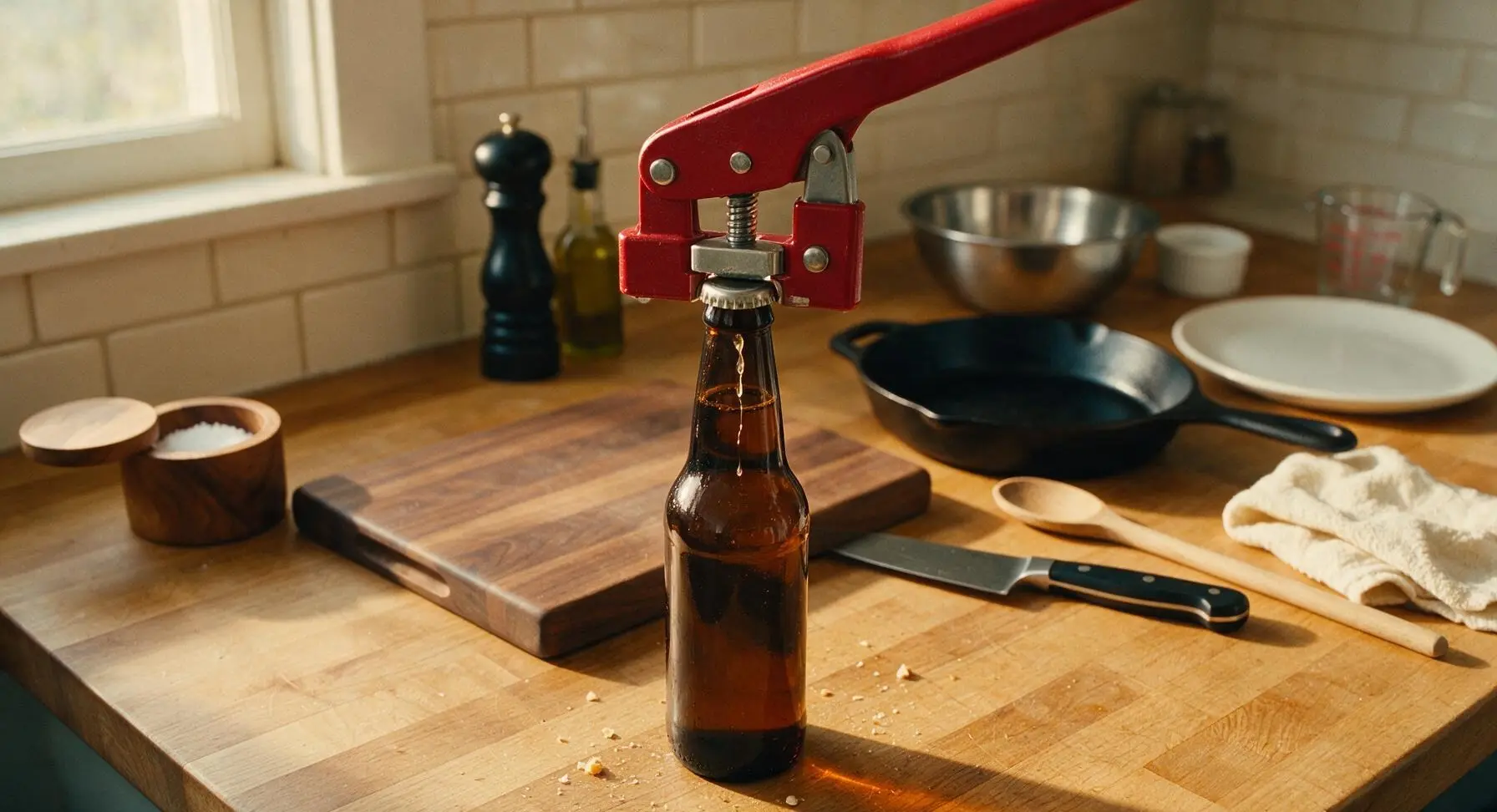
Boil 5 oz of corn sugar in 1 cup of filtered water for 5 minutes, cool to room temperature, and add to the sanitized bottling bucket. Siphon the fully lagered beer from the carboy into the bottling bucket, stirring gently to distribute the priming sugar evenly. Fill sanitized 12oz amber bottles to 1 inch below the rim, then crimp caps tightly using the red bench capper. Store sealed bottles at 65°F (18°C) for 2 weeks to allow natural carbonation to develop, then chill to 40°F (4°C) before serving.
Pour to Serve
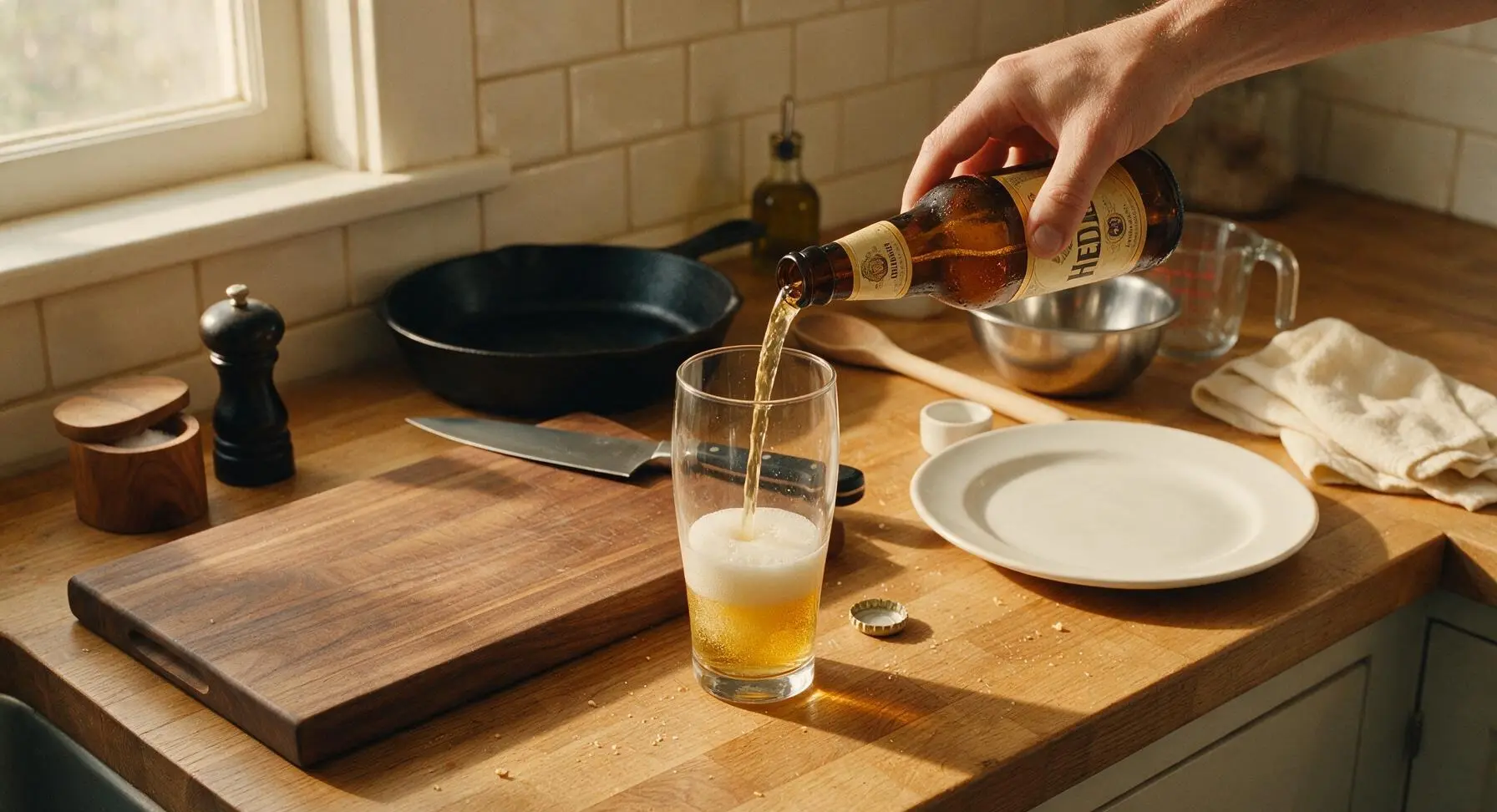
Remove a chilled bottle of carbonated Munich Helles from refrigeration. Tilt the tall clear pilsner tumbler at a 45-degree angle, pour beer slowly down the inner wall of the glass until it is two-thirds full, then straighten the glass and pour the remaining beer directly down the center to build a 1-inch thick, frothy white head. Serve immediately.
Tips
2.Maintain a gentle rolling boil rather than a violent, turbulent boil: this prevents caramelization of the pale Pilsner malt, which would darken the beer and add unwanted toasty, burnt sugar flavors that clash with Helles’ clean, bright profile.
3.Do not rush the cold lagering period: holding beer at 35°F for 4 weeks allows harsh yeast and hop flavors to mellow, creates crystal-clear clarity, and produces the signature smooth, dry finish that makes Munich Helles so drinkable.






OMG, this Helles recipe is an absolute game changer! I’ve been trying to nail that crisp, malty Munich lager taste for months and every batch came out too bitter or too watery until now. Brought my first finished keg to our neighborhood potluck last weekend and everyone was raving, even my picky brother-in-law who only drinks imported German beer. 10/10 will be making this on repeat for summer cookouts!
As someone who’s pretty new to all-grain brewing, I was nervous about the medium difficulty tag, but the step-by-step instructions were so clear! The 2.5 hour brew day flew by while I was jamming to my playlist, and the gravity readings hit exactly what the recipe predicted. My wife said it tastes better than the Helles we had at that beer garden in Milwaukee last fall. SO good!
Made this for our fantasy football draft party this year and it was gone in the first hour! I will say, make sure you have a big enough brew kettle – I almost had a boil over mess when I added the first malt addition, oops. Ended up with a super drinkable, smooth lager that even our light beer drinking friends loved. Will absolutely be brewing this again once my current tap frees up.
Wait, has anyone tried adjusting the hop schedule a little to make it a touch more floral? I love the base recipe so much, I’ve made it twice already, but I want to tweak it just a tiny bit for a batch I’m making for my sister’s wedding reception next month. Don’t want to mess it up though, since it’s already perfect as is!
Took me a second to get my mash temp dialed in on my new system, but once I did this came out flawless. That bready, slightly honeyed malt flavor is exactly what I look for in a Helles, no harsh aftertaste at all. My teenage son even snuck a sip (don’t tell his mom) and said it was way better than the cheap stuff his friends sneak at bonfires. Classic recipe, no fancy frills, just great beer.
First off, this recipe is chef’s kiss. I brought a growler of it to my monthly homebrew club meetup and it took first place in the lager category! Only note is that I’d recommend double checking your water profile if you have super hard tap water – I had to adjust my mineral additions a little to get that soft Munich mouthfeel, and it made all the difference.
I was a total dummy and forgot to pick up enough Pilsner malt on brew day, so I subbed about a pound of Vienna malt in on a whim and it still came out great! It had a little extra toasty malt note than a classic Helles, but my whole family loved it with our burgers at last Sunday’s dinner. I’m sticking to the exact malt bill for my next batch, but this turned out to be such a happy accident.
Game. Changer. I’ve been wasting money on overpriced imported Helles for years because I could never get my homebrew batches to match that clean, refreshing taste you get at the Munich beer gardens. Followed this recipe to a T, did a proper diacetyl rest, lagered it for 5 weeks, and wow – it’s spot on. Brought a six pack to my friend’s housewarming party and everyone thought I picked it up from a fancy local bottle shop.