Pils

Pils
⏱️ cook time 1 hour
🍽️ servings 8
⚡ Difficulty medium

intro

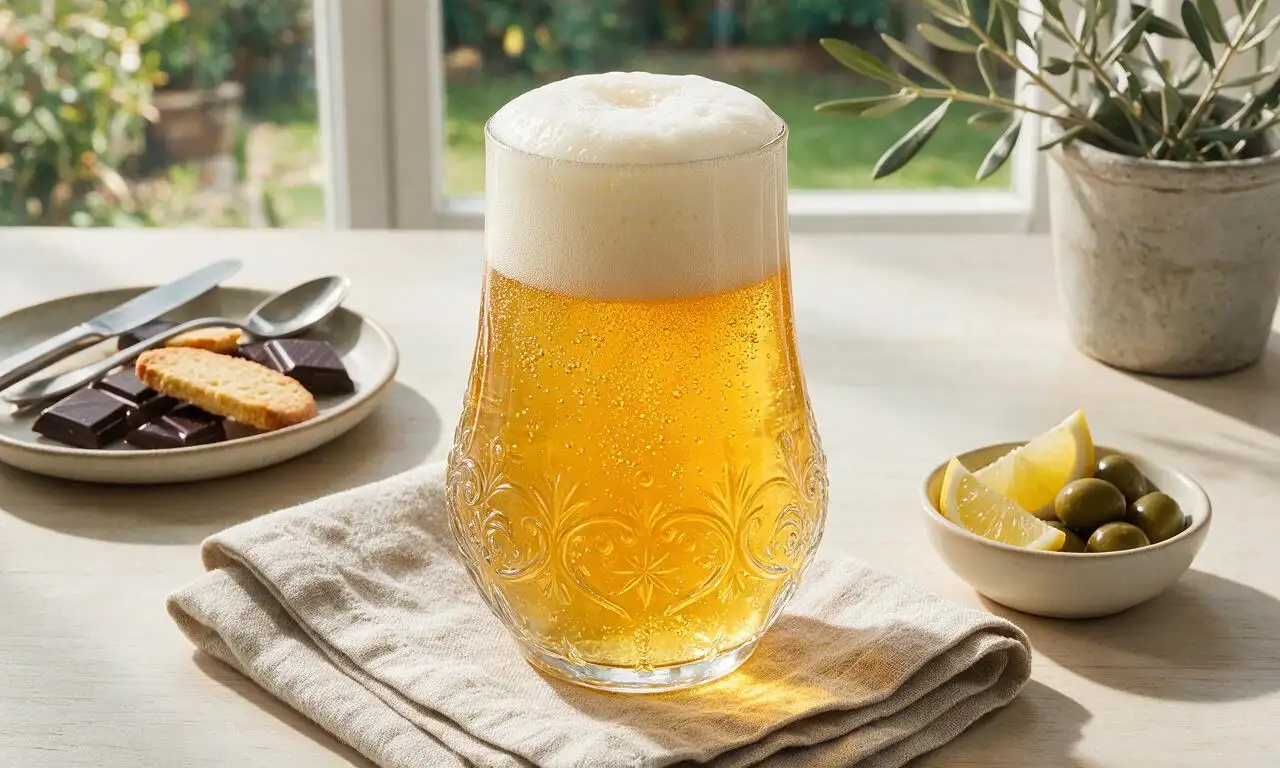
Crisp, golden, hop-forward homemade German-style Pils with a clean, dry finish—brightly carbonated, ice-cold, and made for sipping alongside grilled food on hot summer days.

Ingredients
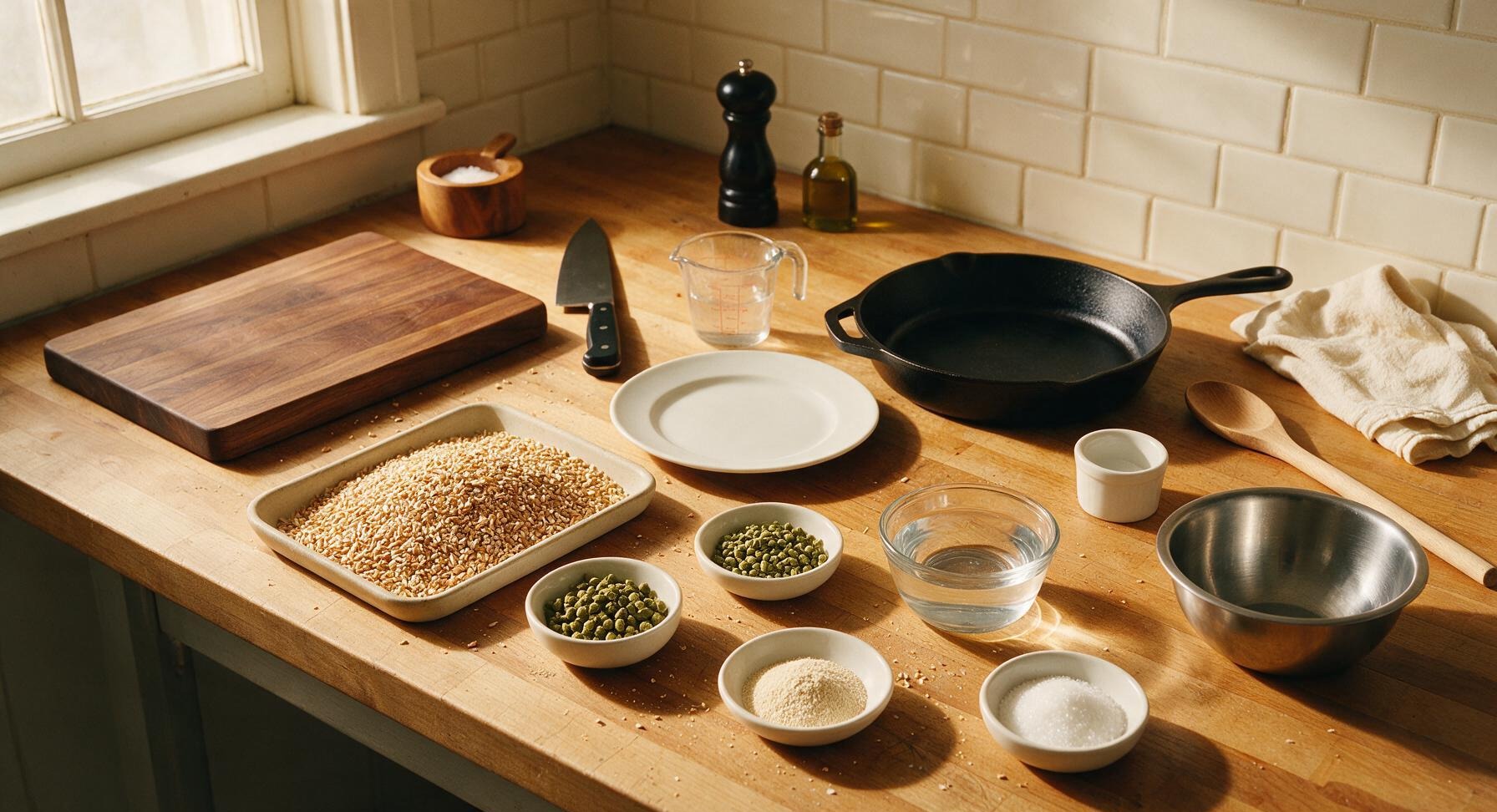
Crushed 2-row Pilsner malt 1 kg (2.2 lbs)
Hallertau Mittelfrueh pellet hops 10 g
Saaz pellet hops 5 g
Dry German lager yeast (W34/70 strain) 5 g (1 packet)
Filtered cold water 4 L (1.06 gal)
Corn priming sugar 25 g

Steps

1

Sanitize Brewing Gear

Start by spraying all contact surfaces of the induction cooktop, brew pot, stirring spoon, thermometer, strainer, fermentation jug, airlock, bottles, and bottle capper with no-rinse brewer's sanitizer from the fixed spray bottle. Let sanitizer sit for 60 seconds, then wipe excess moisture with a clean paper towel. Every tool that will touch cooled beer must be fully sanitized to prevent bacterial contamination and off-flavors.
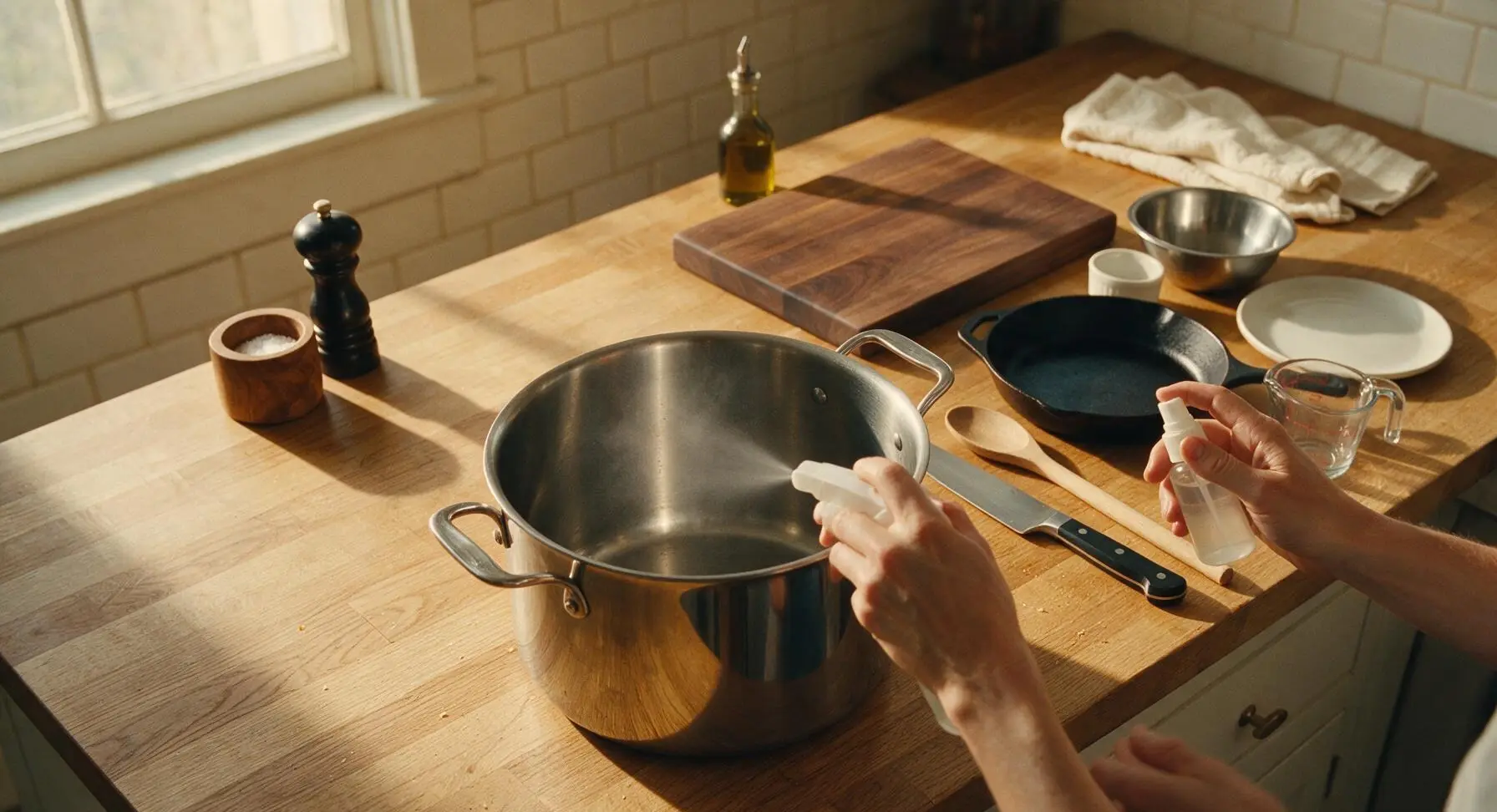
Step 1
step1:Sanitize Brewing Gear
2

Heat Mash Water

Place the brew pot on the induction cooktop set to medium heat. Pour 3 liters of filtered water into the pot, and clip the digital thermometer to the pot rim to track temperature. Heat the water to exactly 67C (153F), adjusting heat as needed to hold a steady temperature, avoiding boiling at this stage.
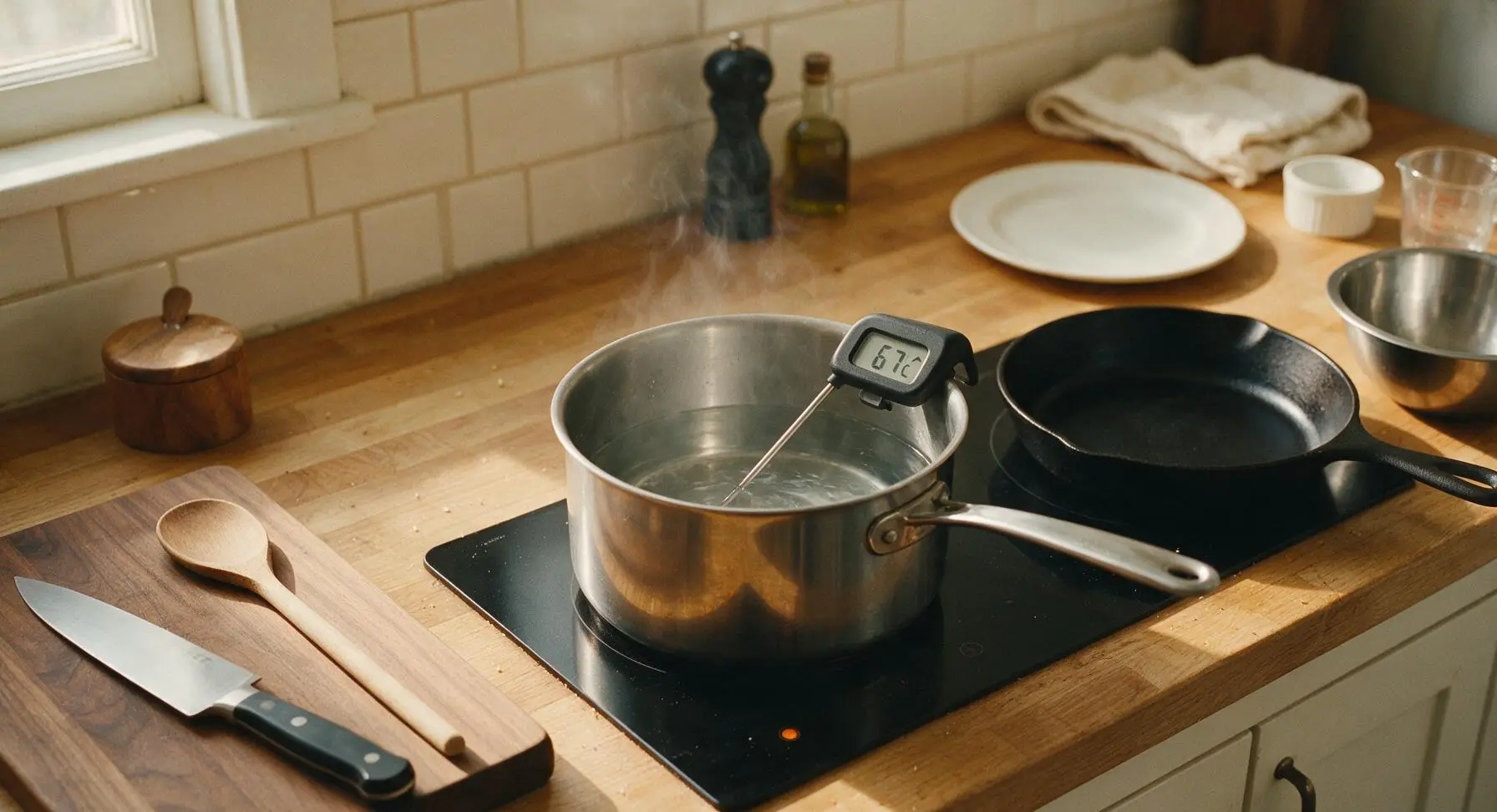
Step 2
step2:Heat Mash Water
3

Steep Crushed Malt

Slowly pour the crushed Pilsner malt into the 67C water, stirring gently with the slotted stainless steel spoon to break up any dry clumps of grain. Cover the pot with a lid, and hold the temperature steady between 65-68C (149-154F) for 60 minutes. As the grain steeps, starches will convert to sugar, turning the clear water into sweet, pale golden wort.
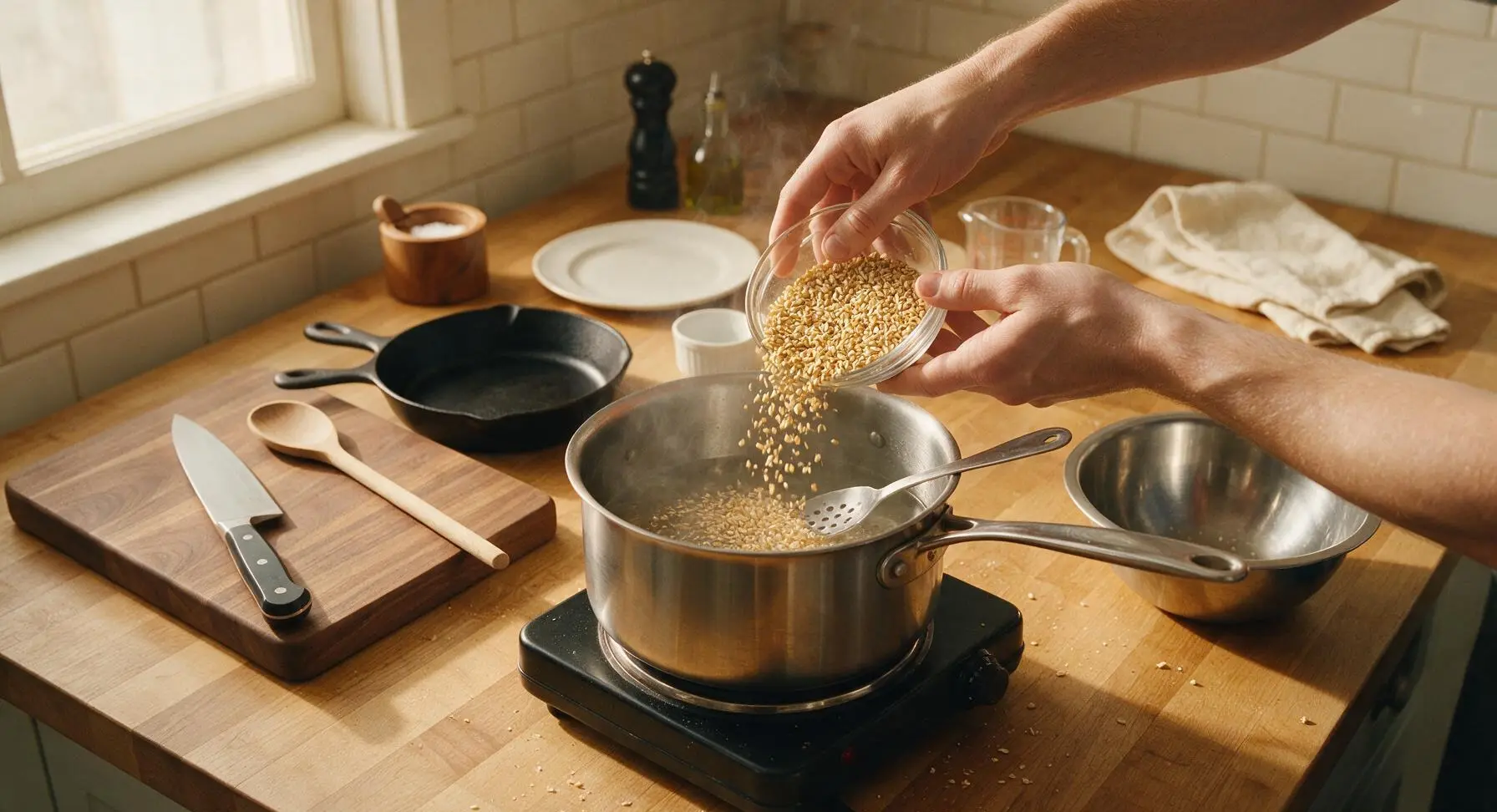
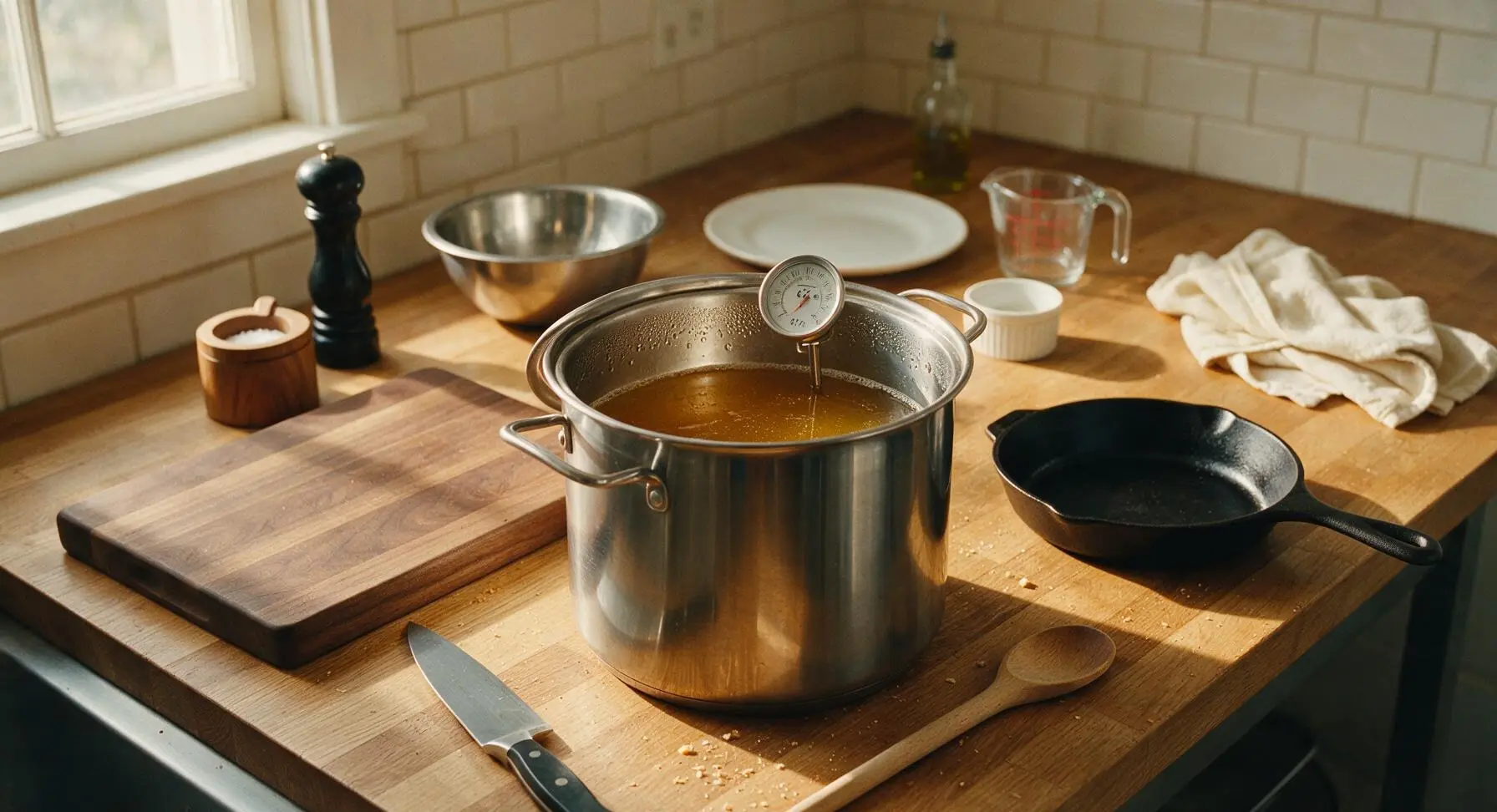
Step 3
step3:Steep Crushed Malt
Step 3
step3:Steep Crushed Malt
4

Strain and Boil Wort

Place the fine-mesh stainless steel strainer over the brew pot, and pour the remaining 1 liter of filtered water through the steeped grain to rinse residual sugar from the malt. Lift the strainer to remove all spent grain, discarding the solids. Turn the induction cooktop to high, bring the wort to a gentle rolling boil, and hold a steady boil for 45 minutes, adjusting heat to avoid boilovers.
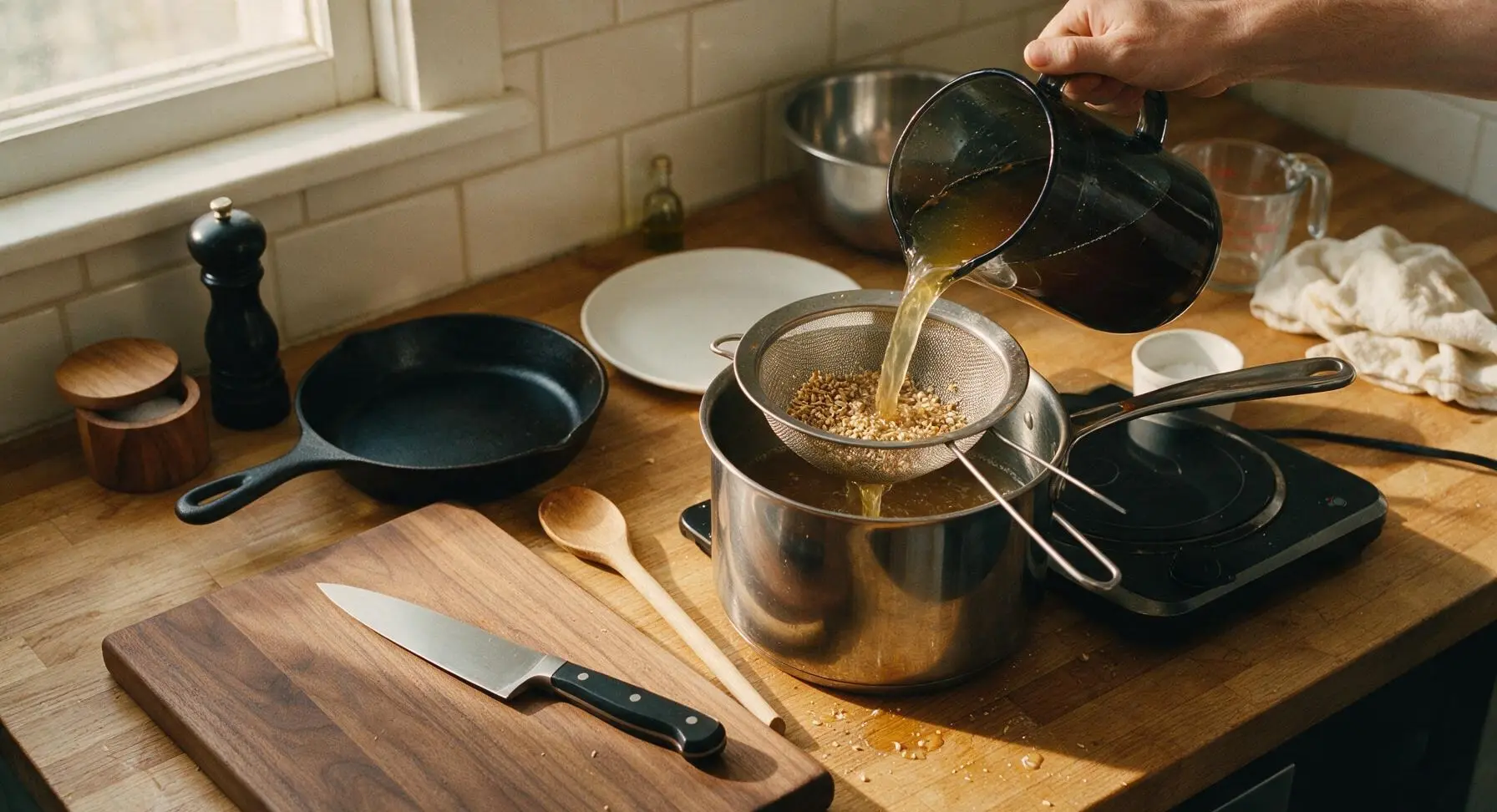
Step 4
step4:Strain and Boil Wort
5

Add Hops on Schedule

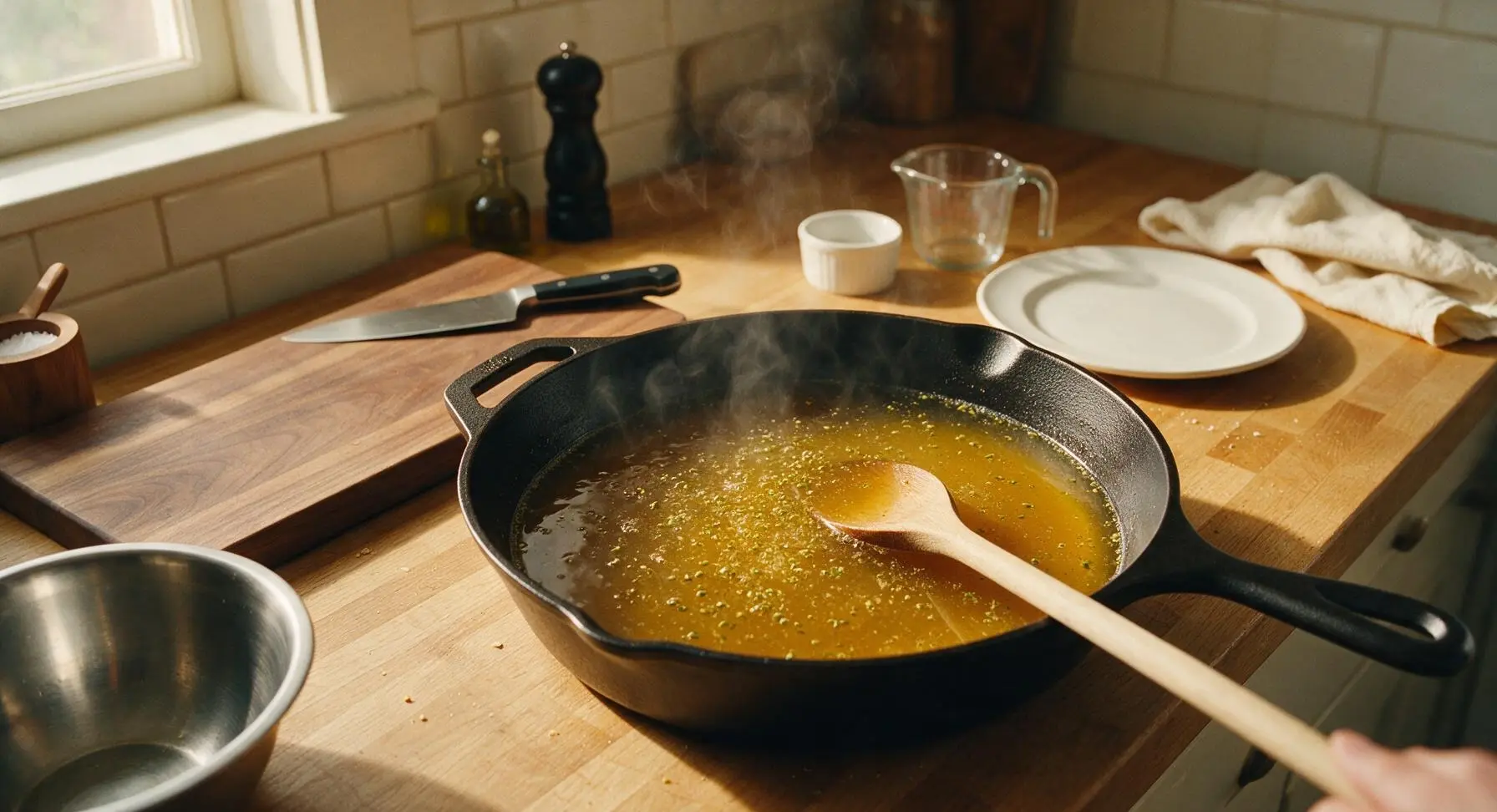
Add hops in three timed additions for balanced bitterness and aroma: at the start of the 45-minute boil, add 7g of Hallertau hops for clean bitterness; with 15 minutes remaining in the boil, add the remaining 3g of Hallertau hops for mid-boil flavor; when the 45-minute boil ends, turn off the heat and add all 5g of Saaz hops for bright, floral, spicy aroma. Stir gently with the slotted spoon after each addition.
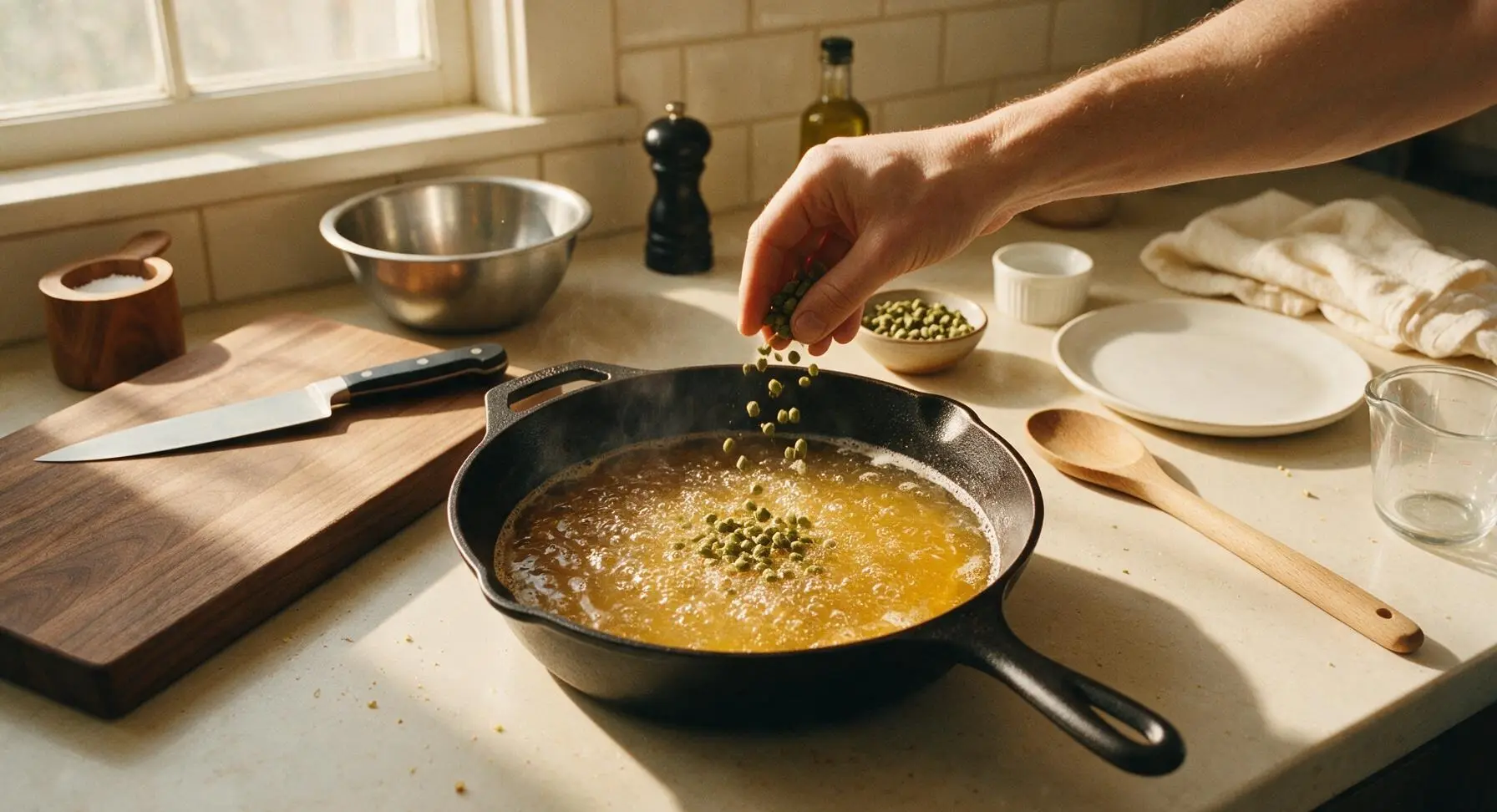
Step 5
step5:Add Hops on Schedule
Step 5
step5:Add Hops on Schedule
6

Cool and Transfer Wort

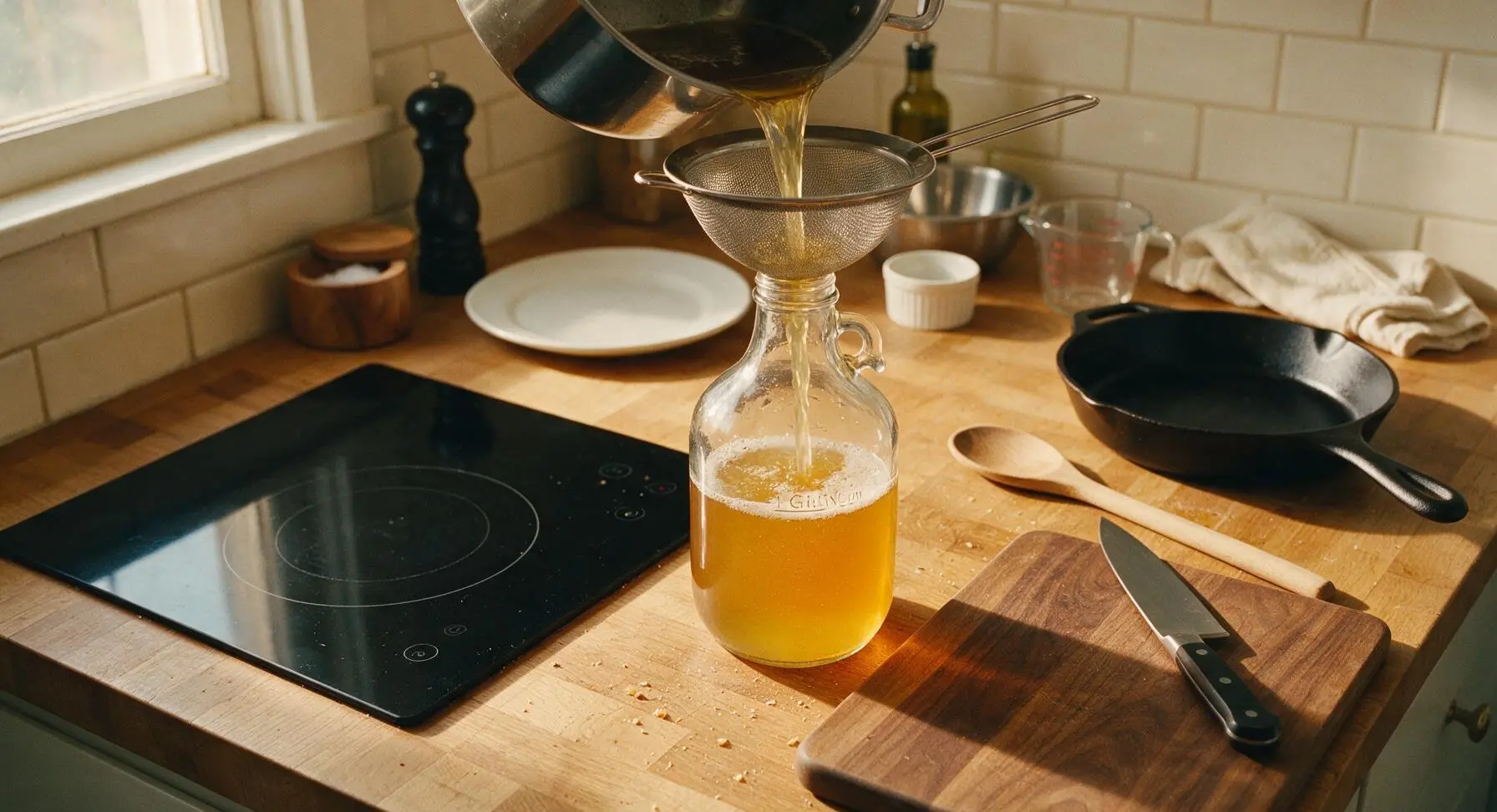
Carefully lift the brew pot from the induction cooktop and place it in a sink of ice water to cool the wort quickly to 21C (70F), approximately 15 minutes. Rapid cooling prevents off-flavors and reduces risk of contamination. Once cooled, place the clean strainer over the mouth of the glass fermentation jug, and pour the wort through the strainer to leave hop sediment behind in the pot.
Step 6
step6:Cool and Transfer Wort
7

Pitch Yeast and Seal

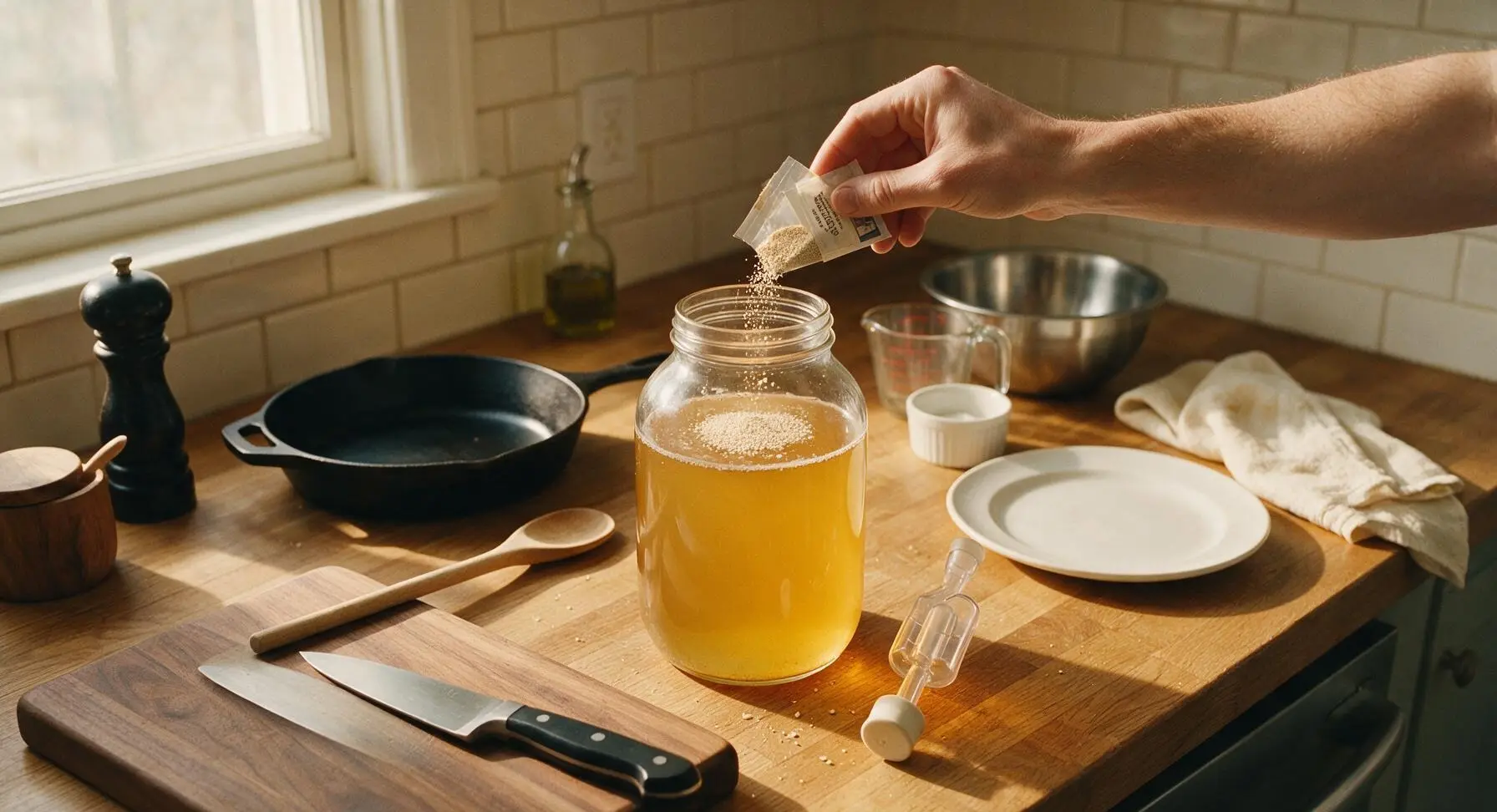
Sprinkle the dry lager yeast evenly across the surface of the cooled wort in the fermentation jug. Fill the 3-piece airlock halfway with sanitized water, fit it into the rubber stopper, and press the stopper firmly into the jug mouth to create an airtight seal. Gently swirl the jug for 10 seconds to evenly distribute the yeast through the wort.
Step 7
step7:Pitch Yeast and Seal
8

Ferment to Dryness

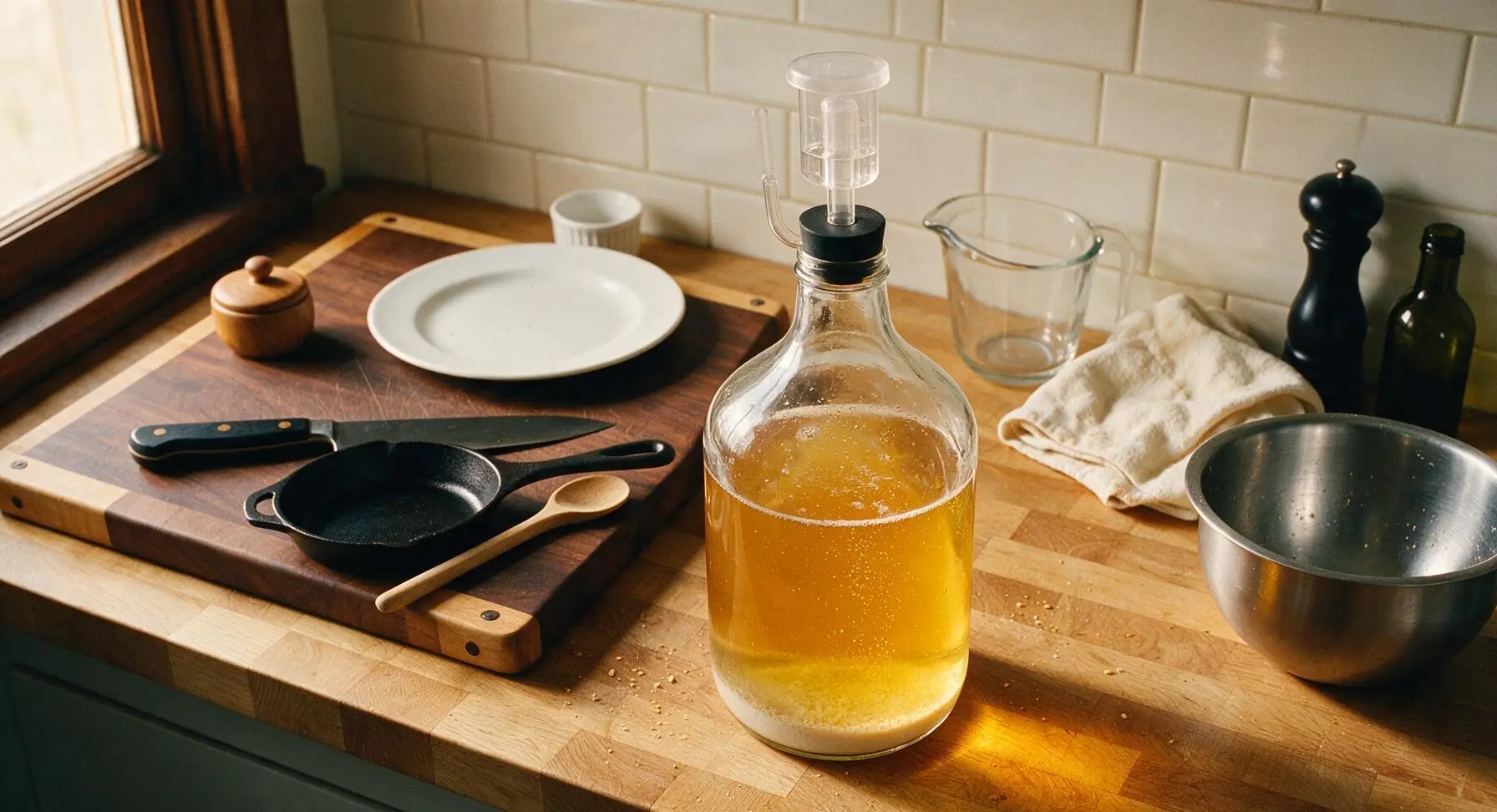
Leave the sealed fermentation jug in a cool, dark space held at a steady 12-13C (54-55F) for 2 weeks, until bubbles stop rising through the airlock and the beer clarifies fully, with a thin layer of pale yeast sediment settled at the bottom of the jug. After primary fermentation, move the jug to a 4C (39F) space for 1 additional week of cold conditioning to smooth harsh flavors.
Step 8
step8:Ferment to Dryness
9

Bottle and Carbonate

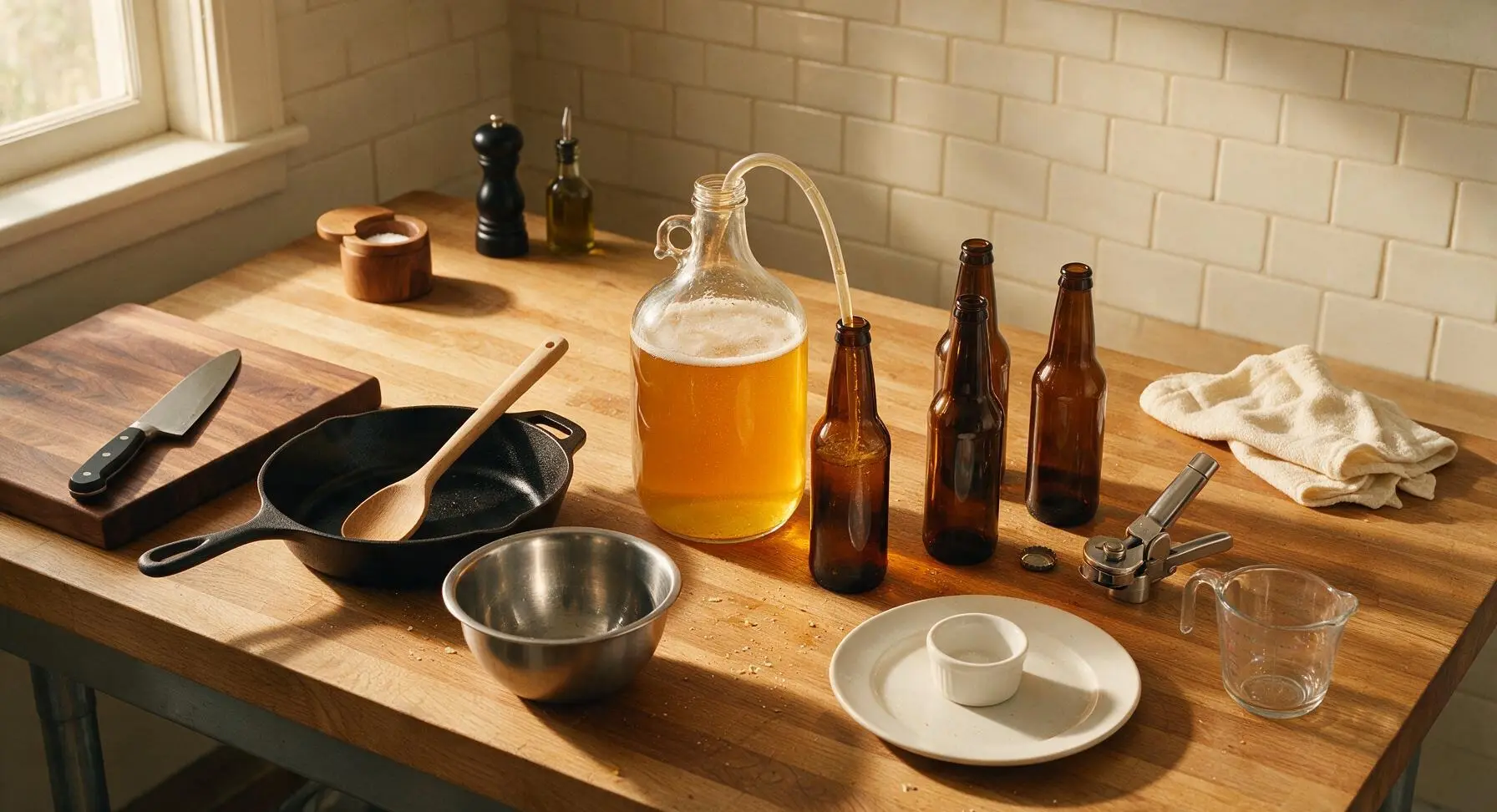
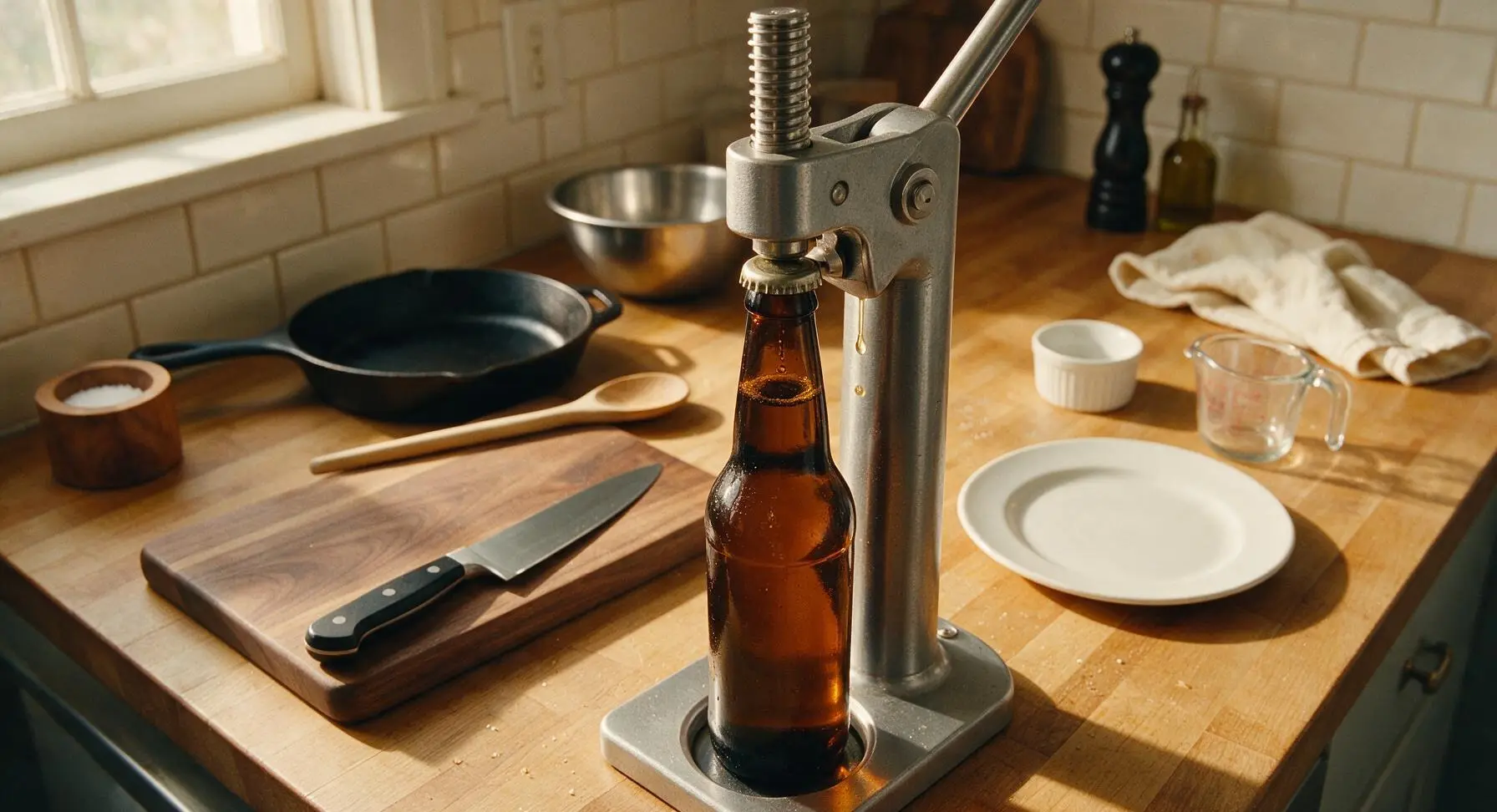
Boil the 25g of corn sugar in 50ml of water for 5 minutes, cool completely, and add evenly to the fermented beer to provide sugar for natural carbonation. Siphon the clear beer off the top of the yeast sediment into the sanitized amber bottles, leaving 2cm of headspace at the top of each bottle. Use the stainless steel bottle capper to crimp clean metal bottle caps tightly onto each bottle. Let sealed bottles sit at 18C (65F) for 2 weeks to build carbonation, then chill for 3 days before serving.
Step 9
step9:Bottle and Carbonate
Step 9
step9:Bottle and Carbonate

Tips

1.Never fill your brew pot more than ¾ full when boiling wort: the high sugar and protein content in wort creates fast-rising foam that can boil over in seconds, leading to lost volume, sticky burnt residue on your cooktop, and harsh caramelized off-flavors in your finished beer.
2.Wait until wort cools to 21C (70F) or lower before adding yeast: temperatures above 24C (75F) will kill delicate lager yeast, leading to stuck fermentation, harsh solvent-like off-flavors, and a flat, unbalanced final Pils.
3.Resist the urge to open bottles early during carbonation: a full 2 weeks at room temperature gives the yeast time to fully consume the priming sugar, creating consistent, fine carbonation and a stable, fluffy foam head that lasts through the entire pour.
✨ You May Also Like

Drinks & Beverages
🍜 Mexico

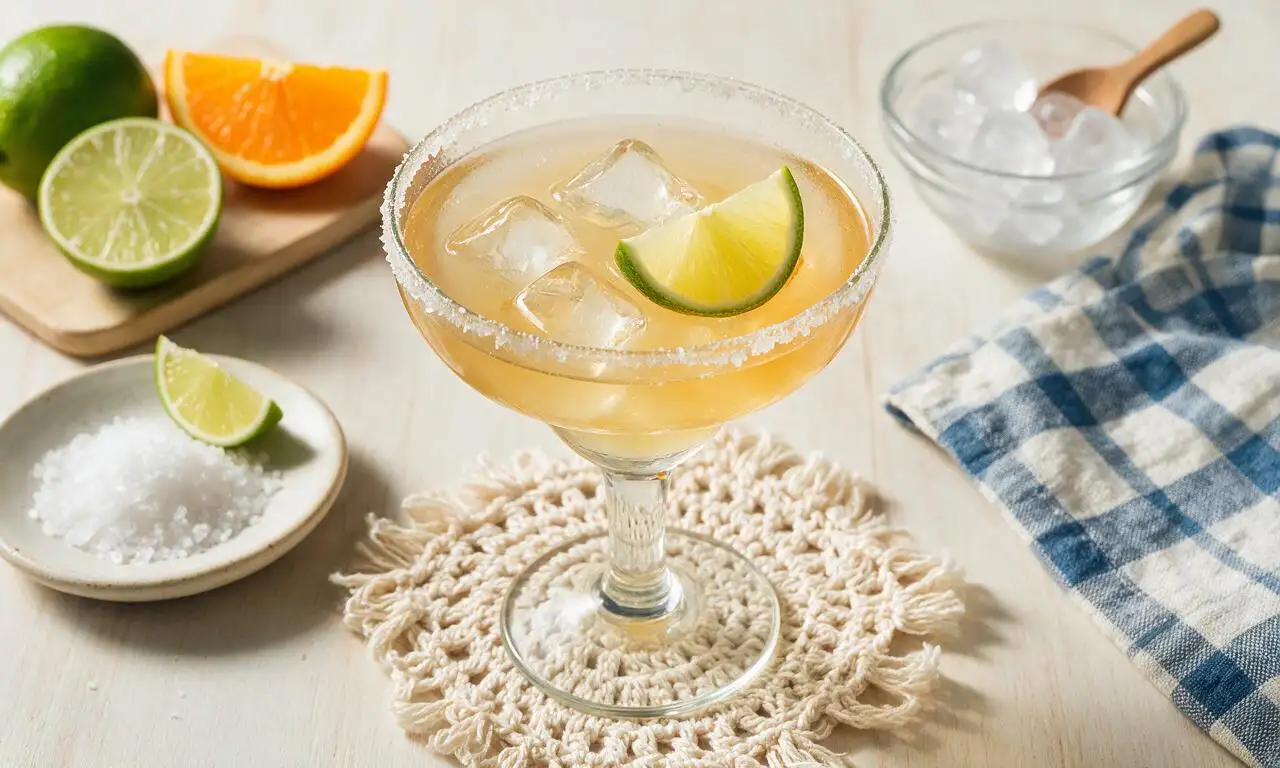
A bright, balanced tequila-based cocktail with zesty fresh lime, smooth orange liqueur, and a signature salt rim, perfect for warm summer sipping.

⏱️ 5 minutesDrinks & Beverages ★ 4.9
Drinks & Beverages
🍜 United States

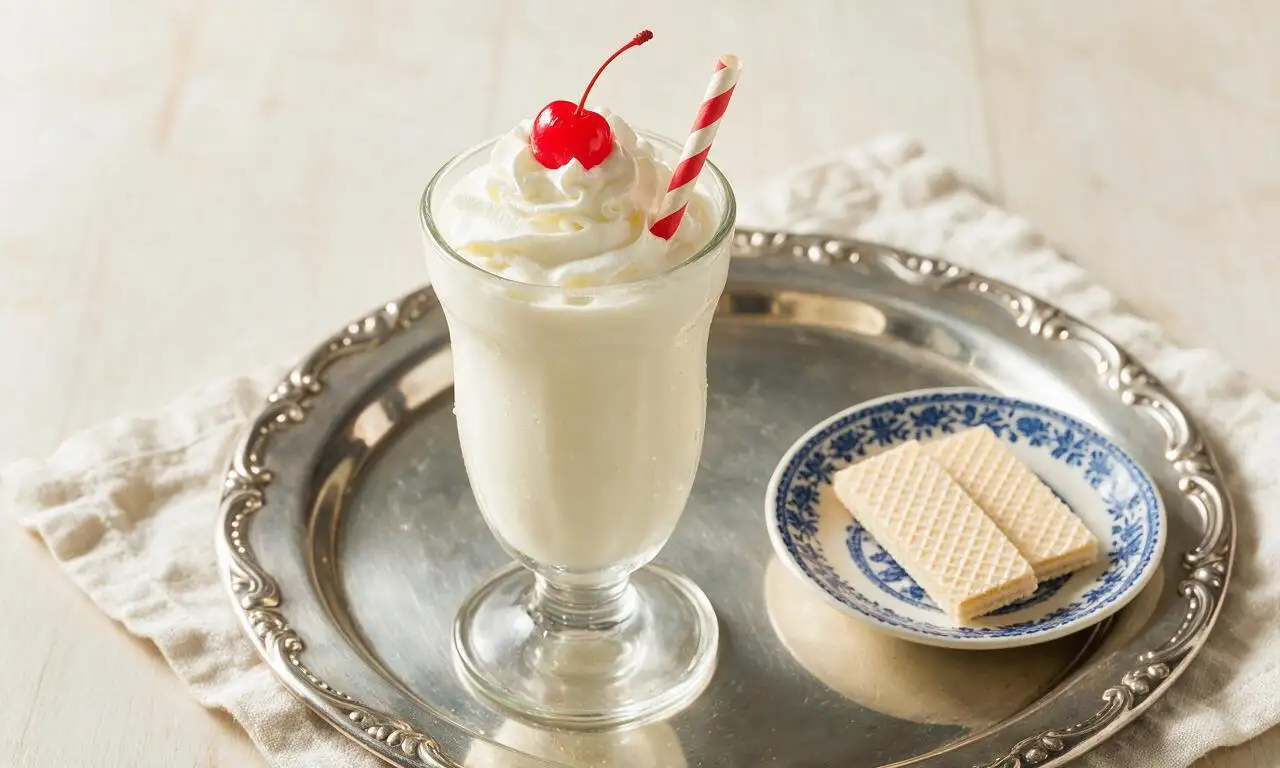
Thick, creamy, nostalgic classic vanilla milkshake with a rich, smooth texture, topped with whipped cream and a cherry for cool, sweet refreshment.

⏱️ 5 minutesDrinks & Beverages ★ 4.7
Drinks & Beverages
🍜 United States

A bright, golden strong ale with fruity banana-clove notes, subtle hop spice, and soft carbonation, brewed in classic Trappist Tripel tradition.

⏱️ 2 hours aDrinks & Beverages ★ 4.5
Drinks & Beverages
🍜 United States

A frothy, nostalgic American soda fountain treat pairing bubbly cold root beer with creamy vanilla ice cream, perfect for cooling down at warm weather gatherings.

⏱️ 20 minuteDrinks & Beverages ★ 4.8
Drinks & Beverages
🍜 United States

Tart, funky, effervescent American Wild Ale is a complex fruity craft beer brewed with wild yeast, delivering bright, zesty notes perfect for warm-weather sipping.

⏱️ 2 hours aDrinks & Beverages ★ 4.4
Drinks & Beverages
🍜 United States

Bright, bubbly copycat of the iconic American caramel cola, balanced with citrus and warm spice, perfect for sipping ice-cold on hot days.

⏱️ 15 minuteDrinks & Beverages ★ 4.8

Pils:Frequently Asked Questions

1.What sets this German-style Pils apart from a standard American Pilsner? ▾
Great question! Unlike many American pilsners that use corn or rice adjuncts for a softer, lighter profile, this version sticks to classic German ingredients: 100% 2-row Pilsner malt, noble Hallertau Mittelfrueh and Saaz hops, and traditional German lager yeast for that signature crisp, slightly spicy hop bite and bone-dry, clean finish with no cloying adjunct sweetness.
2.Do I need specialized professional brewing equipment to make this Pils? ▾
You don’t need a fancy pro setup, but a few key basics are non-negotiable: a 5-gallon brew kettle, fermentation vessel with an airlock, auto-siphon for racking, bottling bucket, and bottles or a keg setup. You’ll also need a way to hold consistent cool fermentation temps, which is critical for proper lager character and zero off-flavors.
3.Why do you specify W34/70 dry German lager yeast specifically? ▾
W34/70 is a workhorse classic German lager strain perfect for homebrewers because it’s reliable, ferments cleanly at slightly more accessible temps than fussier lager strains, and produces subtle, smooth malt character with zero fruity estery notes, letting the noble hop flavor and crisp Pils malt shine without distracting off-flavors.
4.Can I substitute Hallertau Mittelfrueh hops if I can’t find them locally? ▾
If Hallertau Mittelfrueh is out of stock, stick to other noble German hops for the most authentic profile—Hallertau Tradition, Tettnang, or Spalt are all great swaps used in the same quantities. Avoid bold, citrusy American hops like Cascade or Citra here, as they’ll overpower the delicate, spicy, floral balance that defines a classic German Pils.
5.What fermentation temperature do I need to hit for the best results? ▾
Pitch your W34/70 yeast at 50°F (10°C), hold that steady for the first 7–10 days of primary fermentation, then let the temp slowly rise to 55°F (13°C) for a 3-day diacetyl rest before lagering. Consistent cool temps prevent fruity off-flavors or harsh sulfur notes that can ruin that clean, crisp Pils profile.
6.How long do I need to lager this beer before it’s ready to drink? ▾
After primary fermentation wraps up, rack the beer off the yeast sediment and hold it at 35–40°F (2–4°C) for a minimum of 4 weeks, ideally 6, for that signature smooth, clean finish. This slow cold conditioning lets harsh bitter notes mellow, flavors meld, and remaining sediment drop out for that crystal-clear golden look.
7.Why is filtered cold water specified as an ingredient for this recipe? ▾
German Pils has a very delicate, clean flavor profile, so off-notes from tap water—like chlorine, heavy mineral content, or odd metallic tastes—will come through loud and clear. Filtered cold water free of chlorine and chloramine gives you a neutral base that lets the soft Pils malt and floral noble hops take center stage without distracting weird flavors.
8.How carbonated should this finished German-style Pils be? ▾
Aim for 2.5–2.7 volumes of CO2, which is the classic bright, snappy carbonation level for German Pils. That’s slightly bubblier than a standard ale, giving it that crisp, refreshing tingle on your tongue perfect for hot summer days, but not so fizzy that it feels like soda or masks subtle hop and malt flavors.
9.Can I make this as an ale instead of a lager if I can’t do cold fermentation? ▾
You can, but it won’t taste like a traditional German Pils. If you go that route, use a clean neutral ale yeast like US-05, ferment at 60–65°F to minimize fruity esters, and give it 2 weeks of cold conditioning after fermentation to mimic that smooth lager profile. It’ll be tasty, just not authentic.
10.What’s the ideal serving temperature for this homemade Pils? ▾
Serve it ice cold, right around 38–42°F (3–6°C), in a tall, narrow Pilsner glass to show off that bright golden color and fluffy, long-lasting white head. Too warm, and hop bitterness will come off as harsh; too icy, and you’ll mute the delicate floral hop notes and soft bready malt character that make it special.
11.Why use both Hallertau Mittelfrueh and Saaz hops instead of just one variety? ▾
That blend is classic for northern German Pils! Hallertau Mittelfrueh adds soft, earthy, floral notes for early bittering additions, while Saaz adds a subtle spicy, lemony zing in late additions for that bright, layered hop character that doesn’t come off as one-note or overly bitter on the dry finish.
12.How do I avoid getting a hazy Pils instead of the clear golden beer described? ▾
First, avoid splashing the beer when racking between vessels to prevent suspended sediment. Complete the full 4–6 week cold lagering period to let yeast and protein particles drop out, and you can add a small amount of Irish moss during the last 15 minutes of the boil if you want extra clarity without adding off-flavors.
13.What kind of grilled food pairs best with this Pils? ▾
Its bright carbonation and dry, hoppy finish cuts through rich, fatty grilled foods perfectly. It’s ideal with bratwurst slathered in spicy mustard, grilled chicken thighs, lemon-garlic shrimp, or simple cheeseburgers with sharp cheddar. The crisp hop bite cuts through grease, and the clean finish doesn’t overpower lighter grilled veggie sides either.
14.What ABV (alcohol content) will this finished Pils have? ▾
If you follow the recipe as written with the standard crushed 2-row Pilsner malt bill, you’ll end up with a beer right around 4.8–5.2% ABV, which is right in line with traditional German Pilsner strength. That’s sessionable enough for a few sips on a hot afternoon, but has enough body to feel satisfying, not watery.
15.Can I use liquid lager yeast instead of the dry W34/70 called for? ▾
Absolutely! A liquid German lager strain like WLP830 German Lager or 2124 Bohemian Lager will work beautifully, just make sure to make a proper yeast starter to ensure a healthy, strong fermentation, since liquid yeast has a lower cell count per package than dry W34/70. Hold the same fermentation temps for identical clean results.
16.Why is it important to use freshly crushed Pilsner malt for this brew? ▾
Crushing the malt fresh right before brew day preserves the delicate, bready, honeyed malt aromas that can fade if pre-crushed malt sits exposed to air for weeks. Aim for a nice coarse crush, not a fine powder, to get good sugar extraction during the mash without extracting harsh, astringent tannins from the grain husks.
17.How do I prevent that skunky, light-struck flavor common in some Pilsners? ▾
Skunky flavor happens when hop compounds react with UV light from sunlight or clear fluorescent bulbs. Use brown glass bottles instead of clear or green, store your fermenting and conditioning beer in a dark space, and keep finished bottled beer out of direct sunlight to preserve fresh, floral hop flavor with no weird off-notes.
18.Do I really need to do a diacetyl rest, and what purpose does it serve? ▾
Yes, that short 3-day warm up to 55°F at the end of primary fermentation lets the yeast reabsorb diacetyl, a compound that tastes like fake movie theater butter that can ruin a clean Pils. Skipping this step can leave you with a buttery, slick-tasting beer that lacks that crisp, dry finish you’re going for with this style.
19.How long will this Pils stay fresh after it’s carbonated and ready to drink? ▾
If stored cold in a dark spot away from temperature swings, it will stay crisp and flavorful for up to 6 months. The bright noble hop flavor will fade slowly over time, so it’s best drank within the first 3 months for that zesty, fresh hop kick. It won’t spoil after that, but it will lose that signature fresh Pils character.
20.I’m getting a faint sulfur smell during fermentation—did I mess up the batch? ▾
Don’t panic! A faint matchstick or light rotten-egg sulfur smell is totally normal when fermenting with W34/70 lager yeast, especially in the first week of primary. That sulfur will dissipate completely during the diacetyl rest and long cold lagering phase, so you won’t taste it in the finished beer as long as you don’t rush conditioning.

Comments (10)

2 days ago

OMG, I’ve been chasing that crisp, slightly hoppy German pils taste for months after my trip to Munich and this recipe nailed it! Brought a growler to our neighborhood potluck last weekend and everyone was begging for the recipe. SO good, even my brother who only drinks cheap macro lager went back for three pours.

3 days ago

I was nervous this would be too complicated for a first-time homebrew attempt since the difficulty is marked medium, but the step-by-step instructions were so straightforward! Total cook time was right at an hour like it said, no weird hidden steps. My husband said it tastes better than the imported pils we pick up at the specialty liquor store.

2 days ago

Made this for our college football tailgate last Saturday and it was a total game changer! Way smoother than the store-bought stuff we usually haul to the parking lot. Only note is I wish I’d made a double batch because we ran out before halftime, oops.

30 minutes ago

Quick question—does anyone know if I can substitute Saaz hops with the Czech Saaz I already have in my pantry instead of tracking down the German variety? I don’t want to mess up the flavor profile!

5 minutes ago

Great question! Czech Saaz is actually a super close substitute and will work beautifully here—you might notice just a tiny bit more earthy spice, but it won’t throw off that classic crisp pils flavor at all. Happy brewing!

1 week ago

I don’t homebrew often but I wanted to make something special for my husband’s birthday dinner with his friends, and this did not disappoint! My kids even thought the whole brewing process was super cool to watch, even if they can’t taste the final product yet.

5 days ago

I did this for my own birthday last month too! My teen son helped measure out the hops and now he’s begging to make a batch of his own, it’s such a fun weekend project.

yesterday

Wait, how long do you let this ferment after the 1 hour cook time? I feel like I missed that part of the instructions, I don’t want to end up with flat, weird-tasting beer!

2 hours ago

Thanks for reaching out! After the 1 hour boil/cook step, you’ll want to ferment it at a steady 50-55°F for about 2 weeks, then bottle condition for another 2-3 weeks for that perfect carbonation and crisp flavor. I’ll add that note more prominently to the recipe card to avoid confusion!

2 weeks ago

This is going to be my new go-to bring-along for all our summer cookouts! It’s light, not too bitter, and pairs so well with brats, potato salad, literally all the classic cookout foods. Game changer for sure.

1 week ago

Totally agree! I brought a batch to our Memorial Day cookout and it paired perfectly with the grilled brats I made, everyone kept asking where I bought it because they didn’t believe it was homemade!

5 days ago

First time ever attempting any kind of home brew and I was so intimidated by the medium difficulty rating, but this was way more approachable than I thought! My first batch came out a little cloudier than the photos but the taste is spot on. Did I do something wrong with the clarity?

3 days ago

Don’t stress about the cloudiness! I had that happen on my first batch too, it’s usually just from not letting the wort settle long enough before you transfer it to the fermenter. It doesn’t impact the taste at all, promise.

2 days ago

Great advice from Tim! A quick 20 minute cold break after the boil will help more sediment drop out if you want that crystal-clear classic pils look on your next batch, but cloudy pils is still totally delicious and safe to drink. So glad the flavor turned out for your first brew!

2 hours ago

Made this for my partner’s German-themed birthday dinner and he was obsessed! We paired it with homemade pretzels and schnitzel and it felt like we were back at the beer hall we went to on our first trip together. SO good, will absolutely be making this again.

30 minutes ago

Oh that sounds like the perfect date night menu! I’ve been looking for a good beer to pair with my homemade soft pretzels and beer cheese, this is going on my must-make list for this weekend.

just now

That pairing sounds absolutely perfect! The crisp, slightly hoppy bite cuts through the richness of schnitzel and salty pretzels so well, I’m so glad you two enjoyed it for such a special occasion.

3 days ago

I set aside an hour on Sunday to brew this as part of my weekly prep stash for when friends drop by, and it’s already almost gone! I love that I can make a big batch without spending all day in the kitchen, and it tastes way fancier than the effort it takes.

2 days ago

I do the exact same Sunday prep batch! It’s so nice having a nice cold homemade beer waiting for me after work all week, way better than grabbing a random six pack from the gas station on the way home.

yesterday

Love this approach! This pils stores great in the fridge for up to 3 months, so it’s perfect to have on hand for impromptu hangouts, game nights, or just a quiet weeknight drink after a long day.