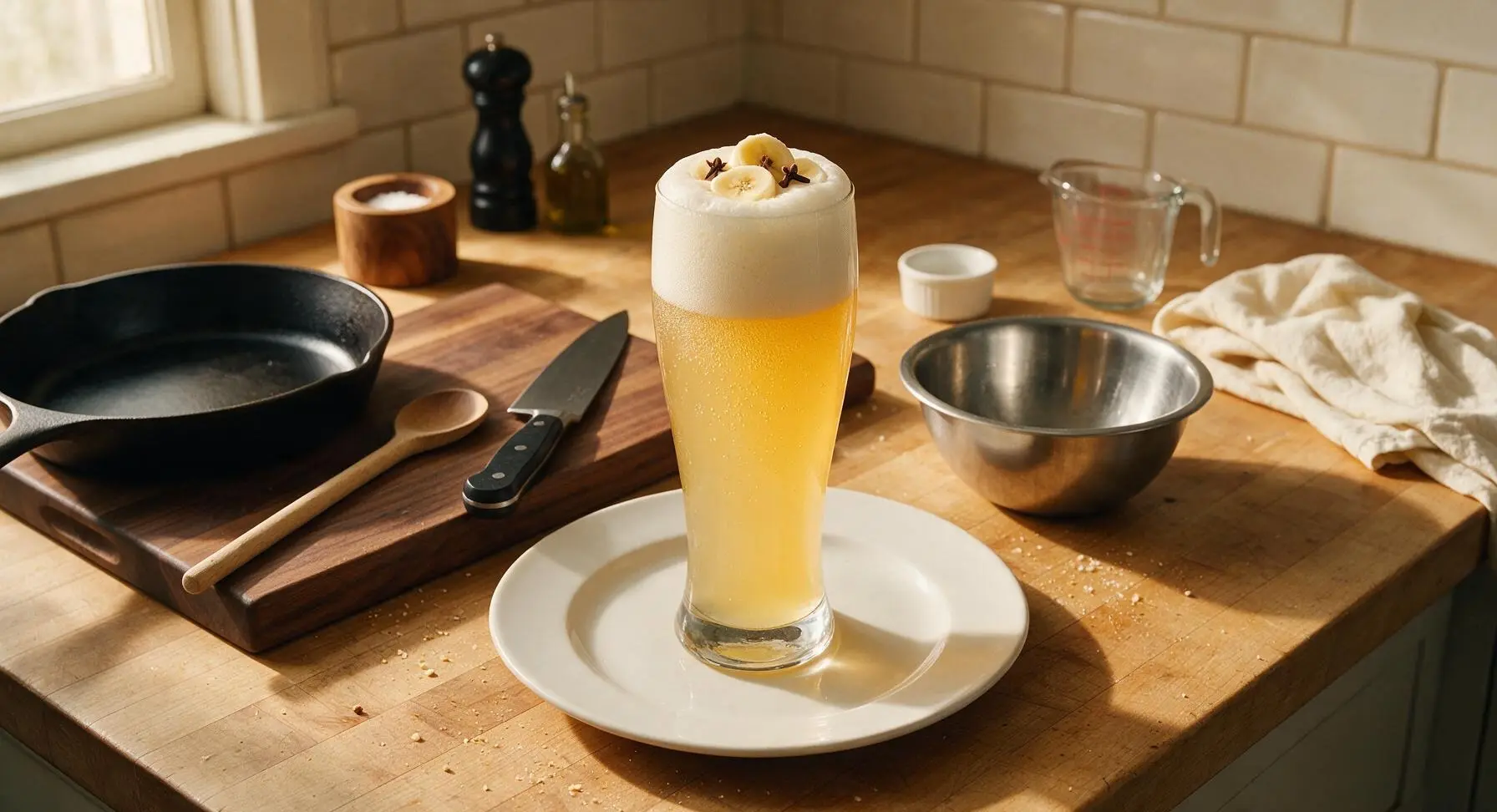
Weissbier

title 1
Weissbier
⏱️ cook time 3 hours 30 minutes
🍽️ servings 8
⚡ Difficulty medium

intro

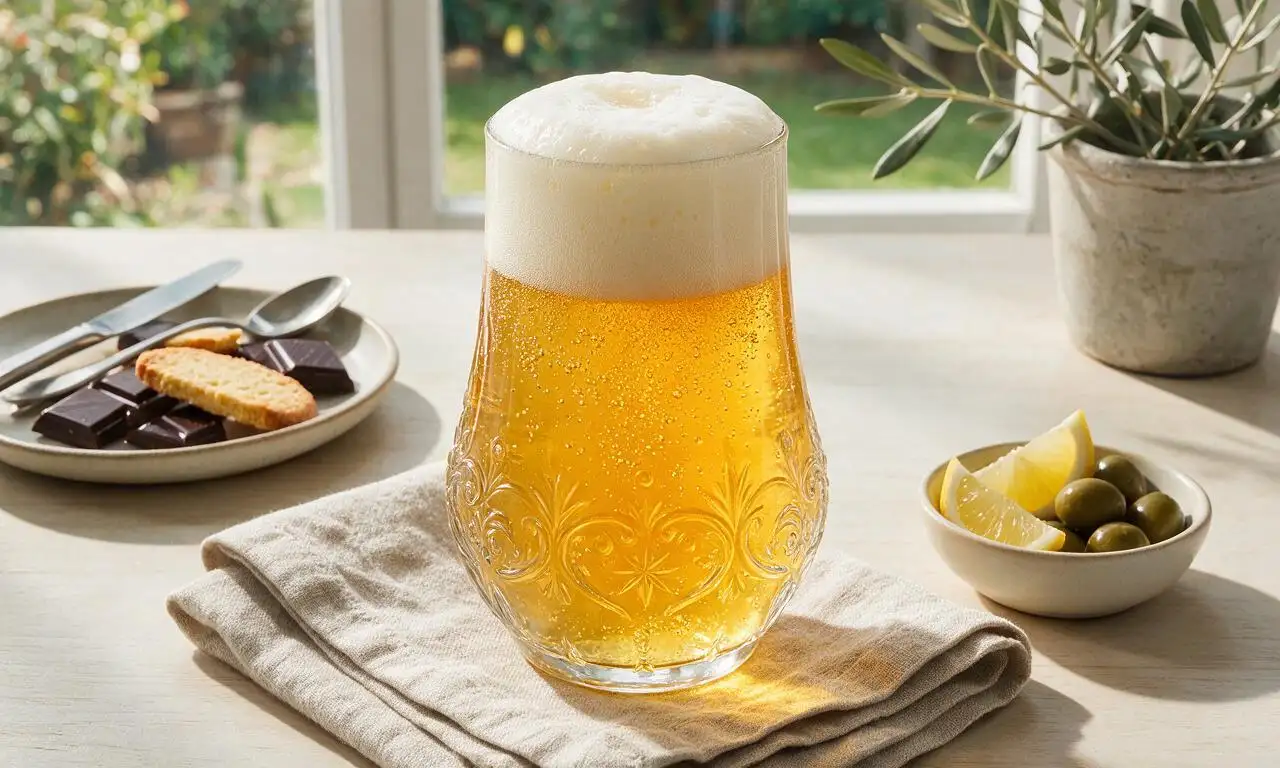
Traditional Bavarian cloudy wheat beer with bright banana and clove notes, a fluffy white head, and crisp effervescence, perfectly refreshing for warm summer gatherings.

Ingredients
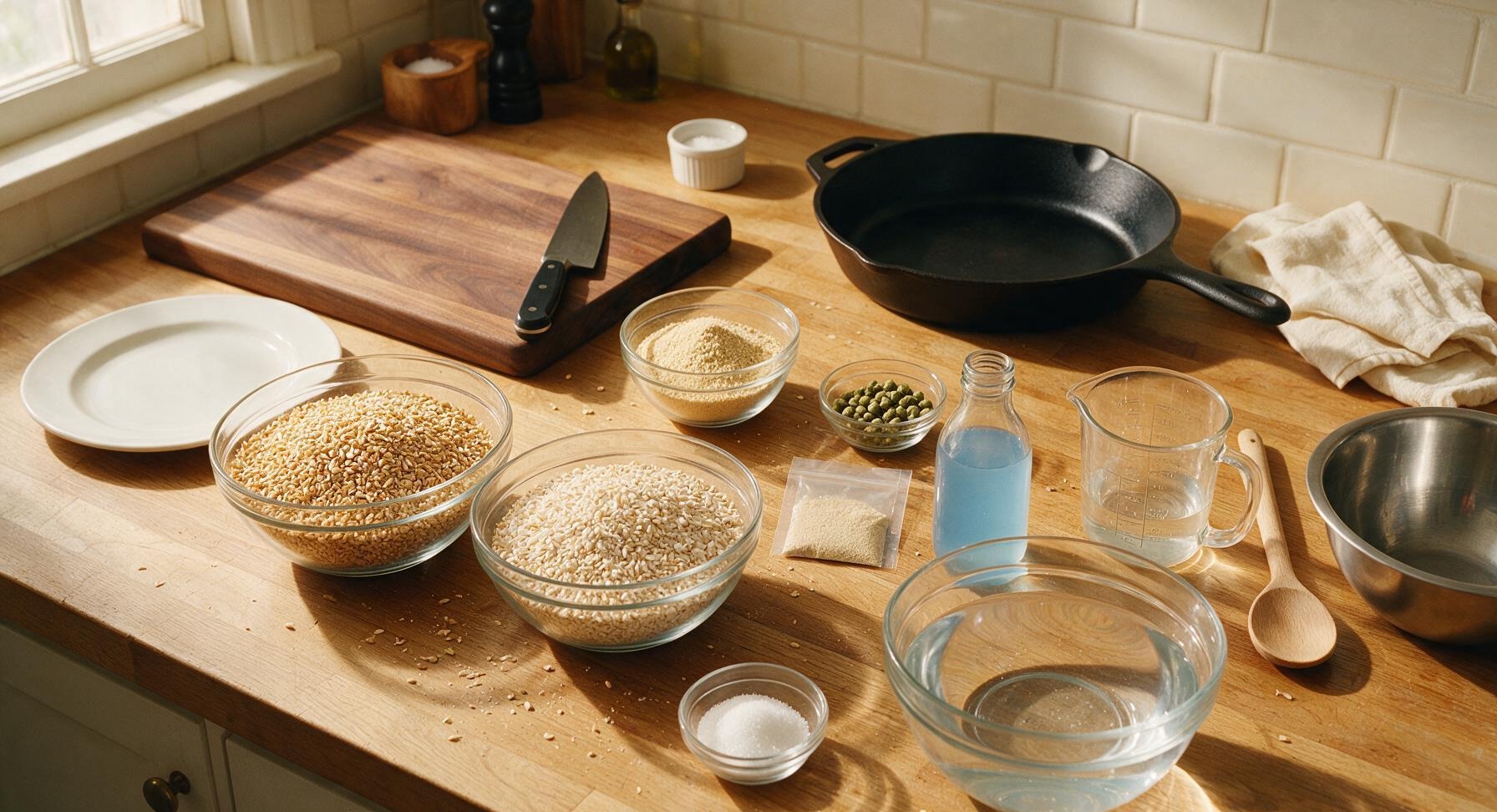
Crushed pilsner malt 900g
Crushed wheat malt 600g
Dry light wheat malt extract 150g
Hallertau hop pellets 15g
Bavarian weissbier dry yeast 1 packet (5g)
No-rinse brewing sanitizer 1 tbsp, mixed with 1L water
Corn sugar (priming) 50g
Filtered water 4L

Steps

1

Sanitize Brewing Equipment

First, mix 1 tablespoon no-rinse brewing sanitizer with 1L of cool filtered water in the 1-gallon fermentation jug. Swirl to coat all interior surfaces, then pour the solution through the auto-siphon, tubing, funnel, and into each of the 8 amber bottles. Spray all utensil surfaces (stirring spoon, strainer, thermometer, bottle capper) with sanitizer solution, then set all items on the cleaned counter to air dry for 5 minutes. Any surface that touches cooled wort must be fully sanitized to avoid off-flavors or bacterial contamination.
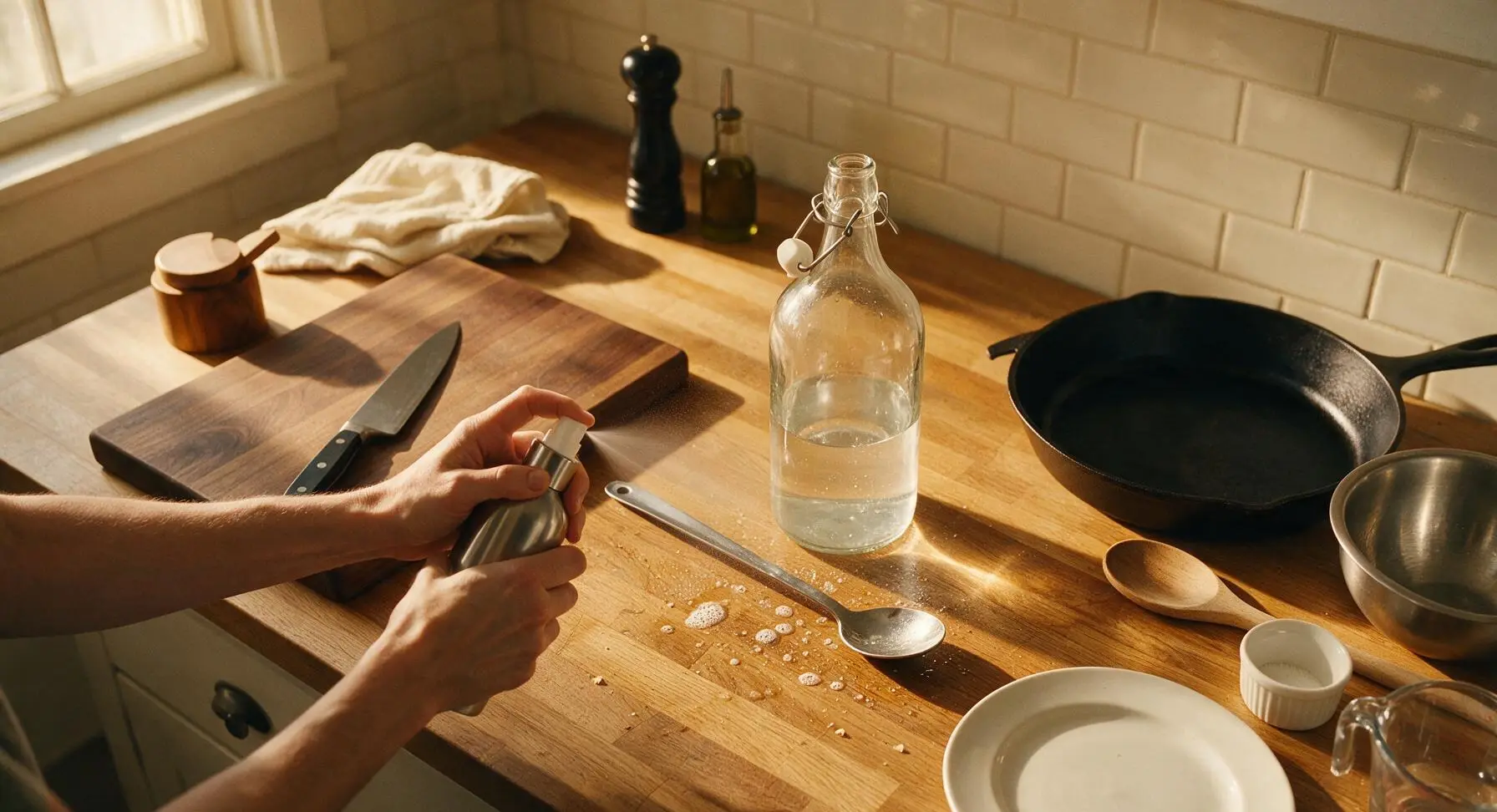
Step 1
step1:Sanitize Brewing Equipment
2

Heat Mash Water

Pour 3L of filtered water into the 2-gallon stainless steel brew pot set on the portable matte black induction burner at center counter. Heat the water to exactly 67°C (153°F), clipping the digital probe thermometer to the pot rim to monitor temperature. Hold this temperature steady, adjusting burner settings as needed, for 2 minutes before adding grain.
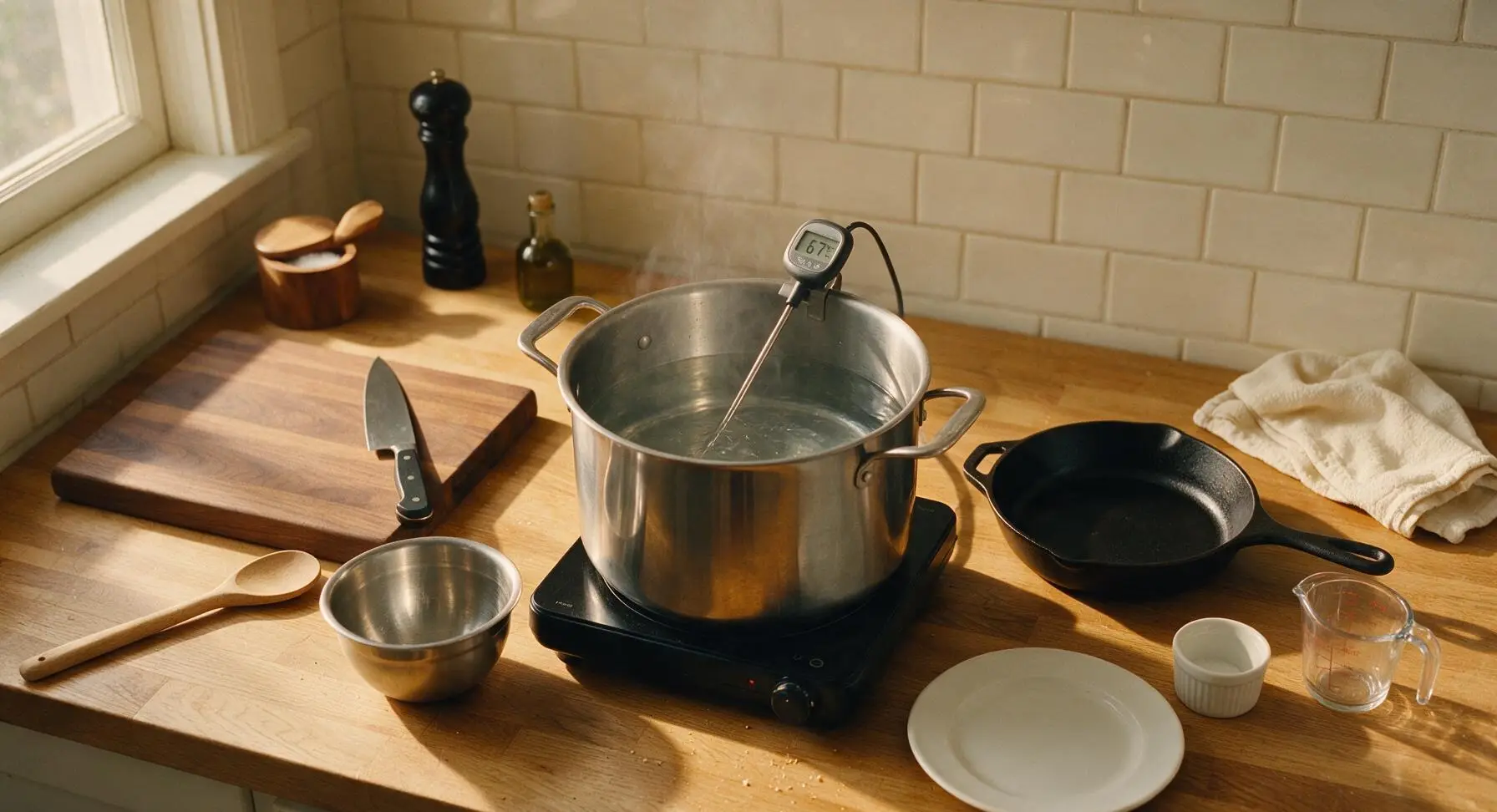
Step 2
step2:Heat Mash Water
3

Mash the Grain Bill

Slowly add all crushed pilsner malt and crushed wheat malt to the 67°C water, stirring thoroughly with the long stainless steel spoon to break up any dry clumps. The mixture will thicken to a porridge-like consistency. Hold the temperature steady at 65-68°C (149-154°F) for 60 minutes, covering the pot with its lid between stirs. This step converts grain starches to fermentable sugars, creating the sweet wort base for the beer.
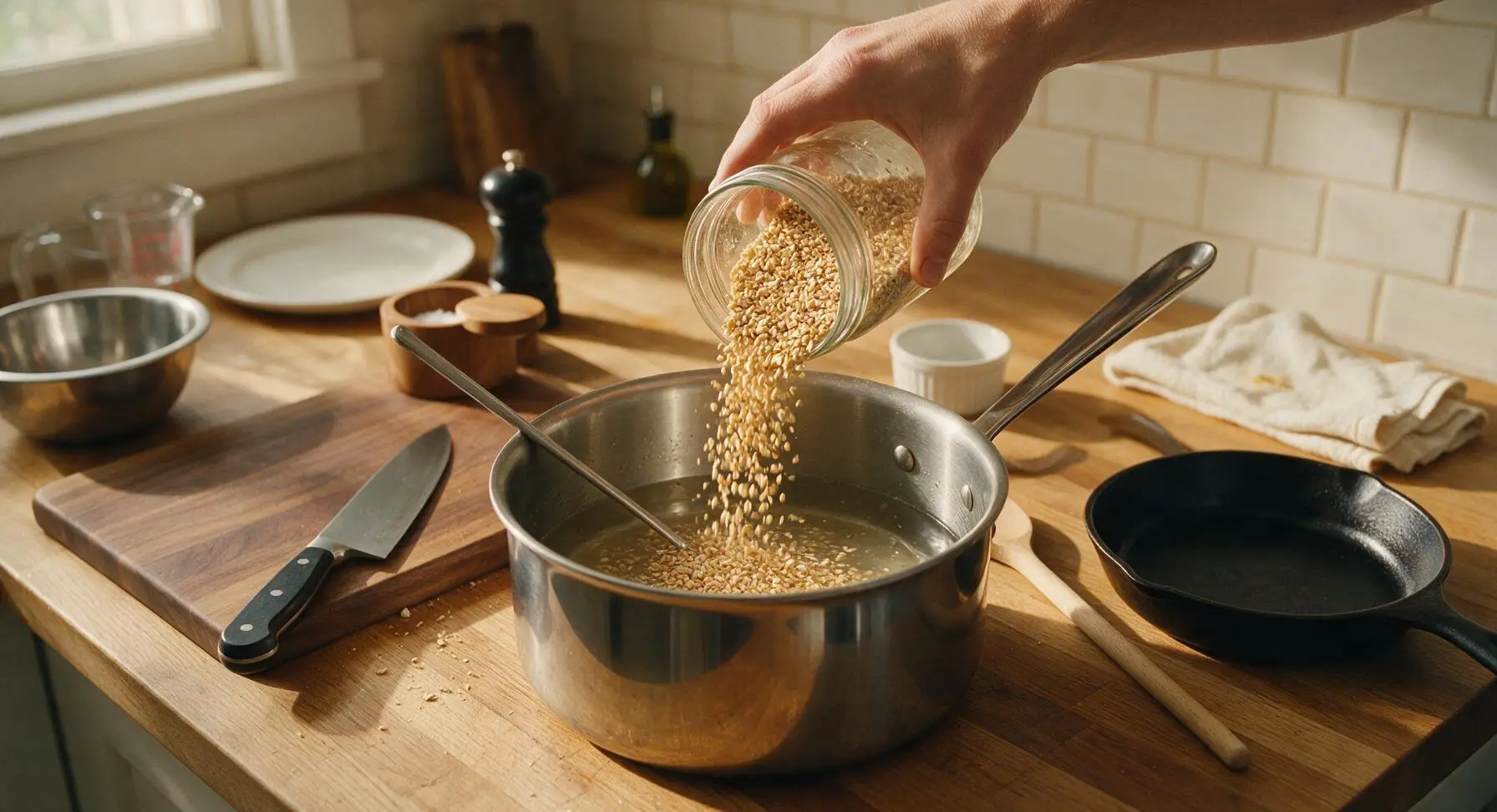
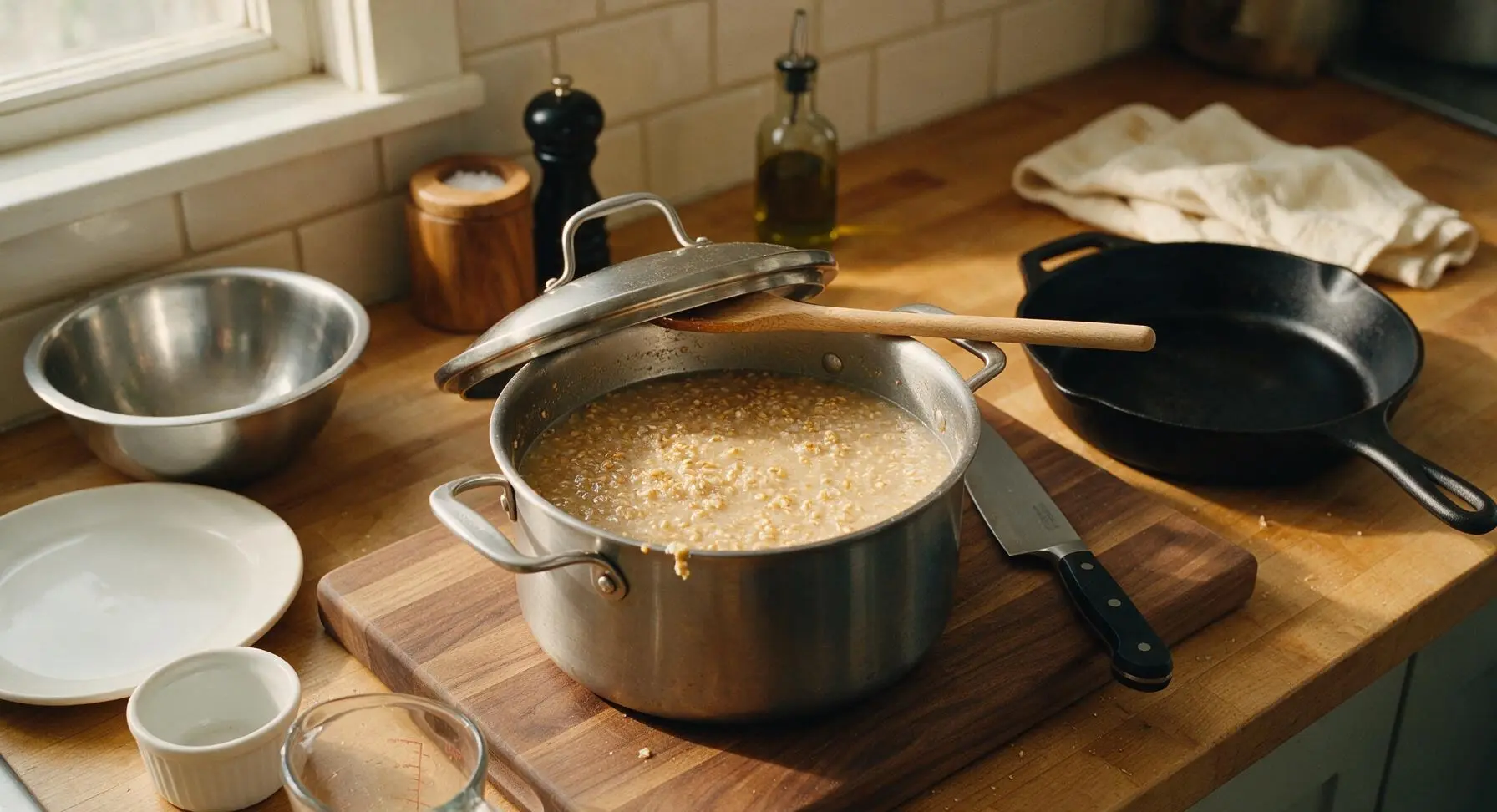
Step 3
step3:Mash the Grain Bill
Step 3
step3:Mash the Grain Bill
4

Boil Wort, Add Hops

After the 60-minute mash completes, heat the pot to bring the wort to a gentle rolling boil (100°C/212°F). Once boiling, stir in 150g dry wheat malt extract until fully dissolved. Add 10g of Hallertau hop pellets at the start of the boil, then add the remaining 5g of Hallertau hops during the final 5 minutes of the 60-minute boil. Keep the pot partially covered to avoid boilovers, stirring every 10 minutes. Early hop additions add subtle balancing bitterness, while late additions contribute soft floral, spicy aroma.
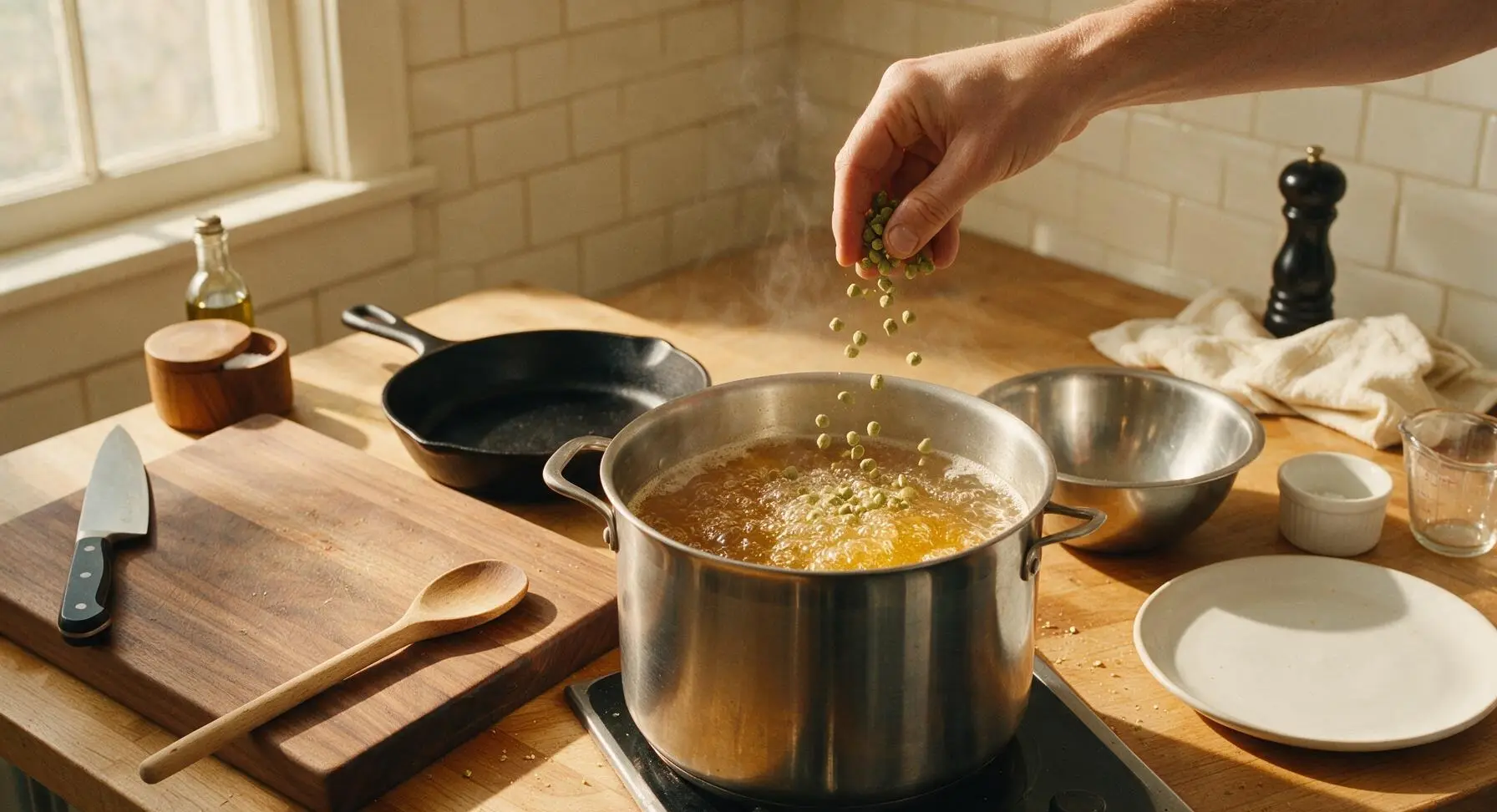
Step 4
step4:Boil Wort, Add Hops
5

Cool Wort, Pitch Yeast

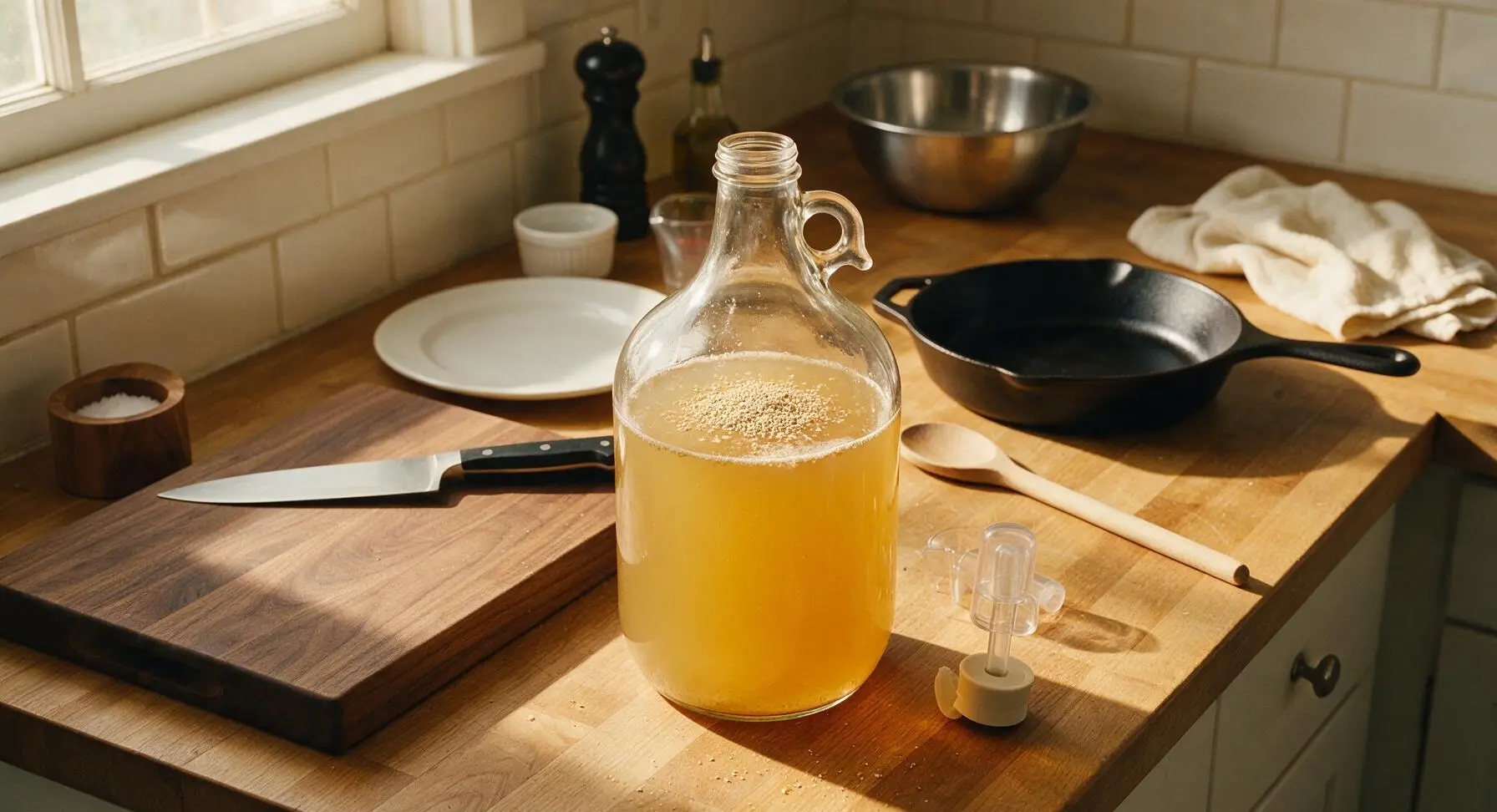
After the 60-minute boil ends, turn off the heat and place the covered brew pot in an ice bath to cool the wort quickly to 20°C (68°F), approximately 20 minutes. Pour the cooled wort through the fine-mesh stainless steel strainer into the sanitized 1-gallon fermentation jug, topping up with cool filtered water to reach the 4L mark if needed. Sprinkle the full 5g packet of Bavarian weissbier yeast onto the wort surface, then seal the jug with the sanitized rubber stopper and airlock (filled halfway with sanitizer solution). Store the jug in a dark, 18-20°C (65-68°F) space for 2 weeks to ferment, until bubbling in the airlock stops completely.
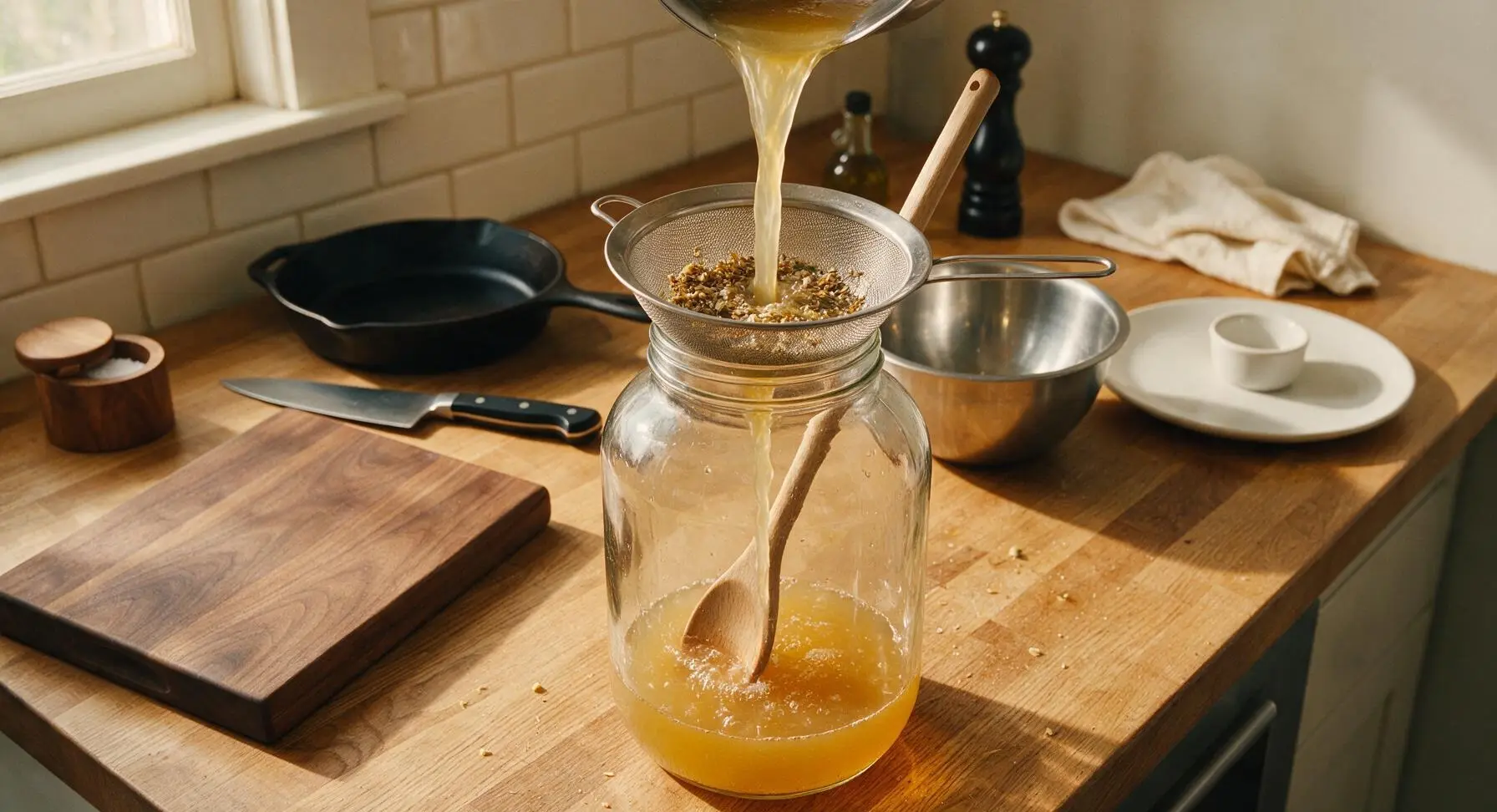
Step 5
step5:Cool Wort, Pitch Yeast
Step 5
step5:Cool Wort, Pitch Yeast
6

Prime and Bottle Beer

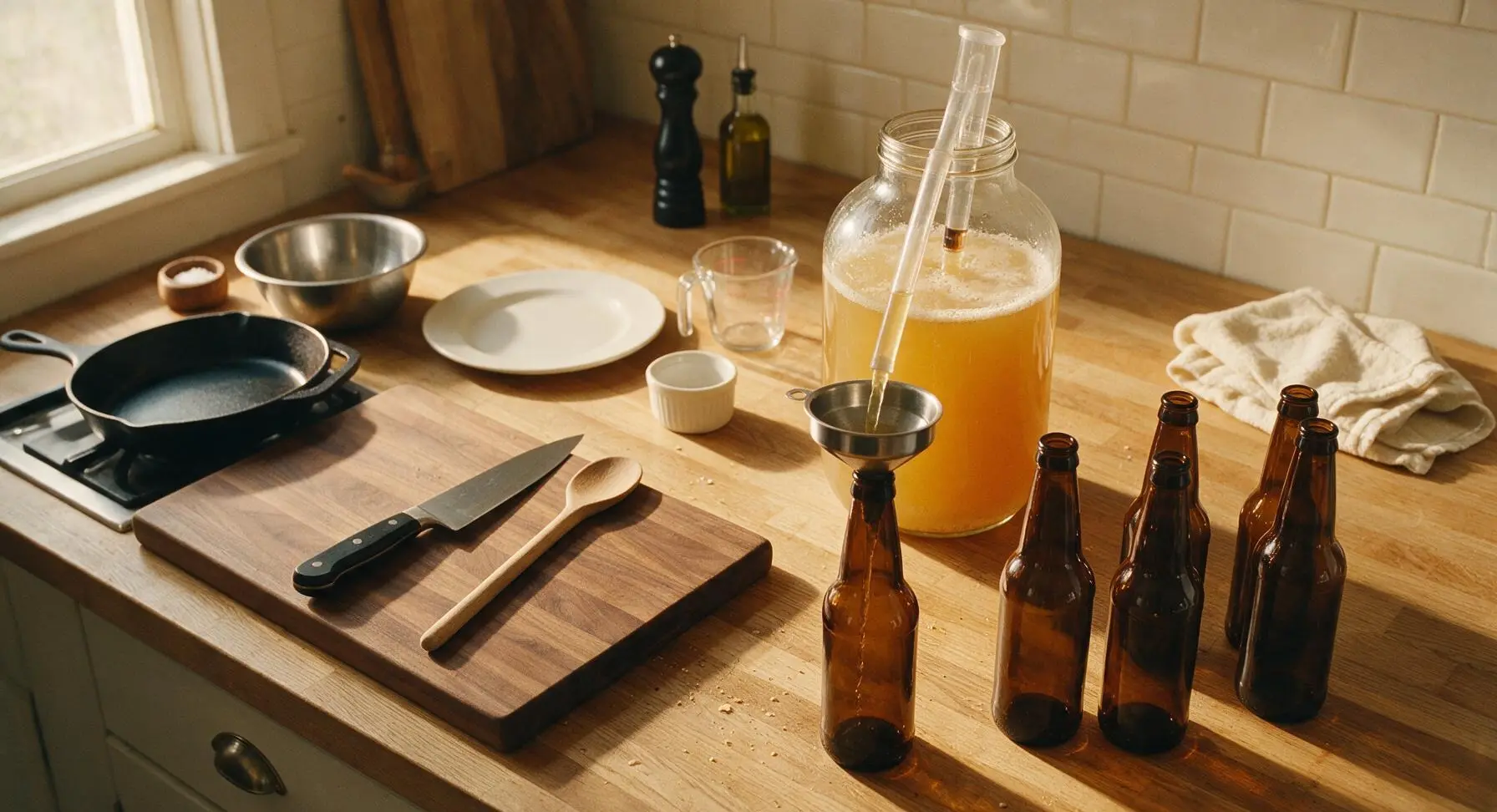
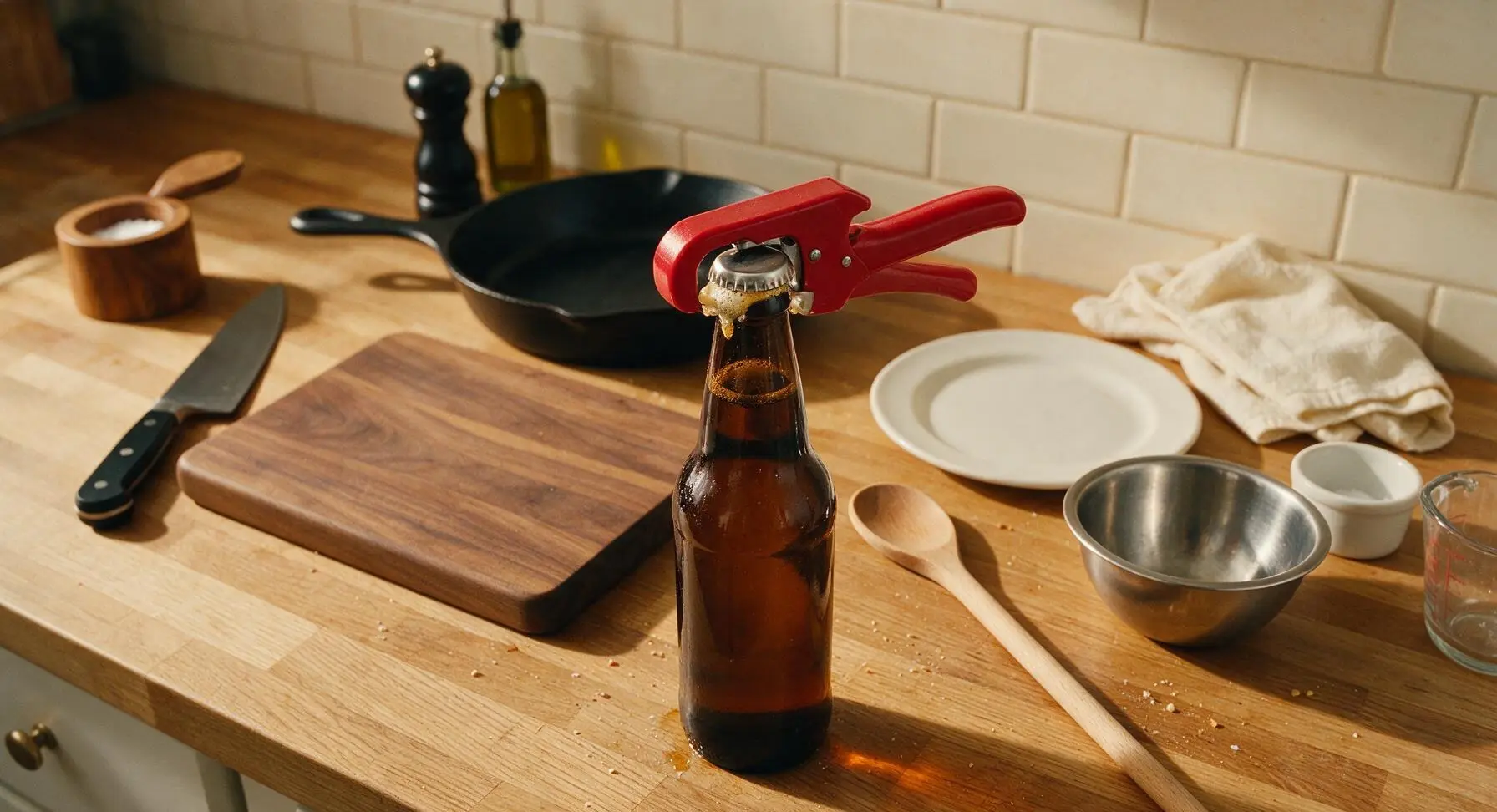
Once fermentation is complete (no airlock bubbles for 48 consecutive hours), dissolve 50g corn sugar in 100ml boiling water, cool to 20°C, and pour into a sanitized container. Attach the auto-siphon to the fermentation jug, siphon the fermented beer into the container, and mix gently to evenly distribute the priming sugar (this creates natural bottle carbonation). Rest the small stainless steel funnel in the mouth of each sanitized amber bottle, siphon beer into each bottle leaving exactly 2cm of headspace below the rim, then use the red handheld bottle capper to crimp a metal crown cap tightly onto each bottle. Store sealed bottles in a dark 20°C space for 1 week to carbonate.
Step 6
step6:Prime and Bottle Beer
Step 6
step6:Prime and Bottle Beer
7

Chill and Serve

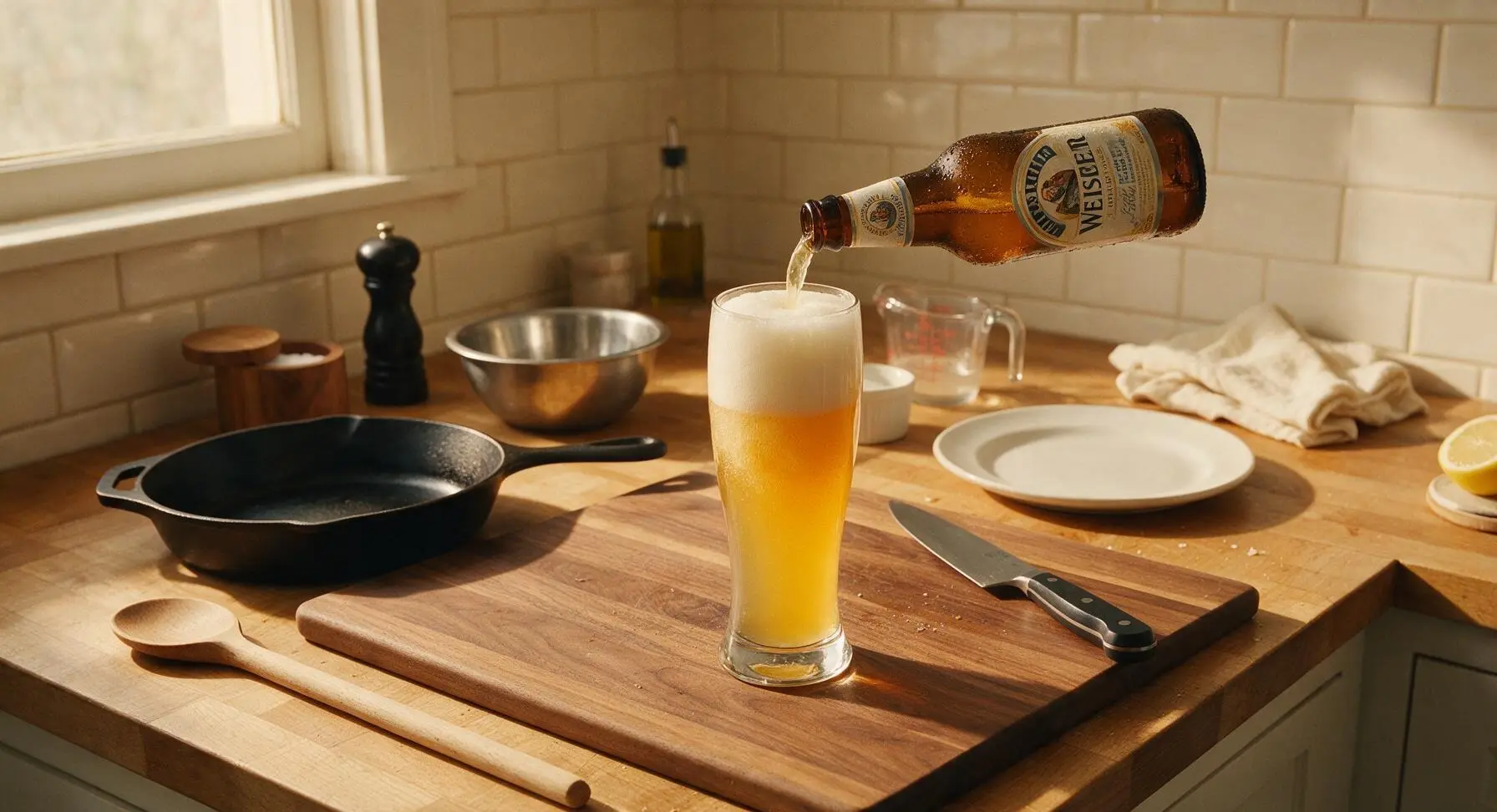
After 1 week of bottle conditioning at room temperature, move sealed bottles to the refrigerator to chill for at least 24 hours to 4°C (39°F). This cold conditioning helps settle remaining yeast sediment and creates the crisp, refreshing mouthfeel classic to Weissbier. Pour slowly into the tall weissbier glass, leaving the last 1cm of yeast-heavy beer in the bottle for a clearer pour, or swirl to rouse sediment for the traditional cloudy hefeweizen appearance.
Step 7
step7:Chill and Serve

Tips

1.Avoid using tap water treated with chlorine or chloramine, as these compounds react with malt phenols to create harsh, medicinal off-flavors that overpower Weissbier's delicate banana and clove notes; use filtered or spring water for the cleanest flavor.
2.Maintain a steady fermentation temperature between 18-20°C (65-68°F) for the full 2-week fermentation period; temperatures above 21°C (70°F) produce harsh solvent-like fusel alcohols, while temperatures below 16°C (61°F) stall yeast activity and create flat, off-flavored beer.
3.Do not skip the sanitization step for any equipment that touches cooled wort or beer; even small amounts of residual bacteria can create sour, vinegary off-flavors that ruin an entire batch, and no-rinse sanitizer requires no extra rinsing that could introduce new contaminants.
✨ You May Also Like

Drinks & Beverages
🍜 Mexico

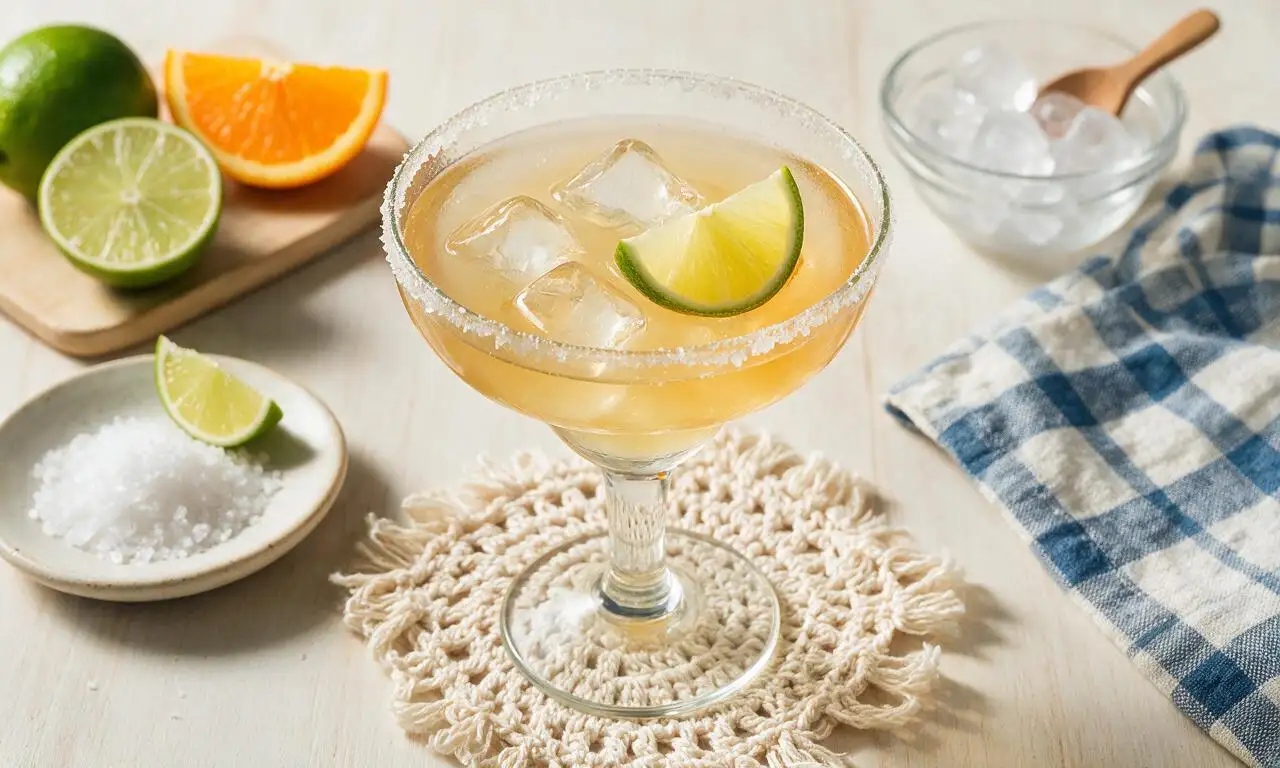
A bright, balanced tequila-based cocktail with zesty fresh lime, smooth orange liqueur, and a signature salt rim, perfect for warm summer sipping.

⏱️ 5 minutesDrinks & Beverages ★ 4.9
Drinks & Beverages
🍜 United States

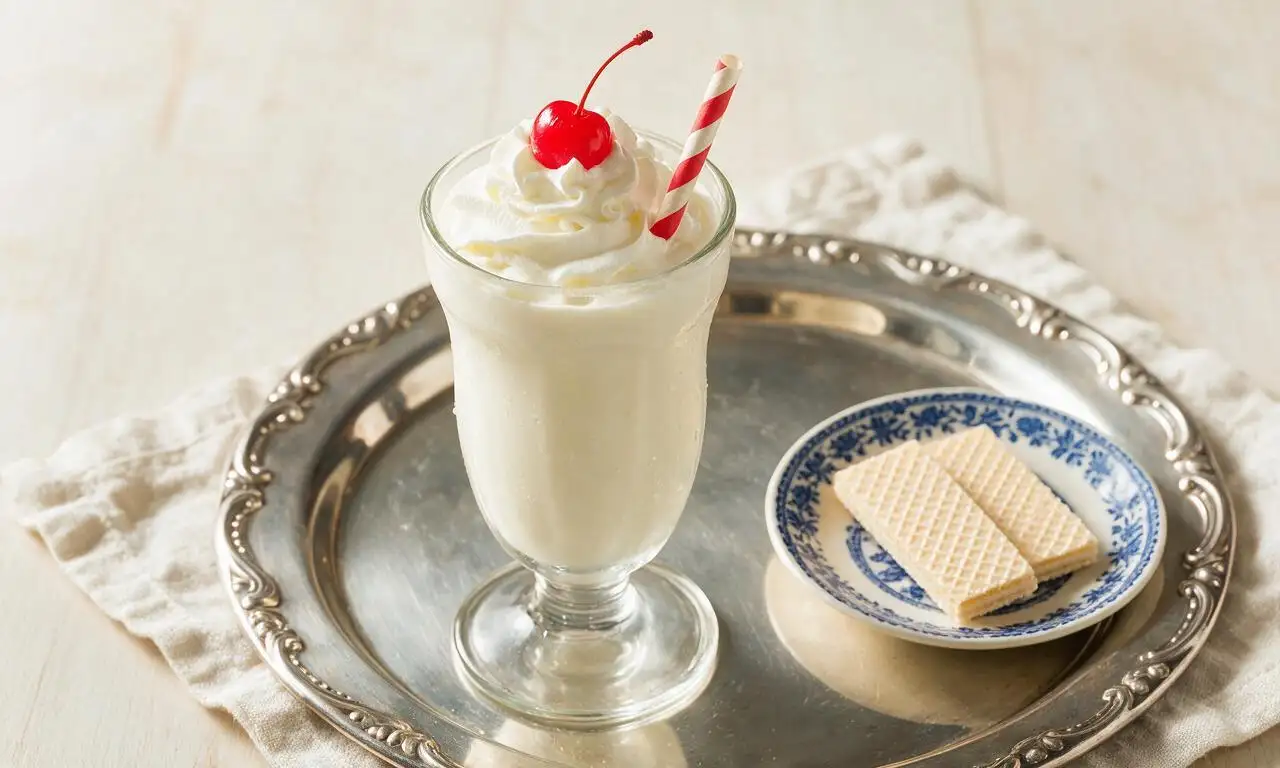
Thick, creamy, nostalgic classic vanilla milkshake with a rich, smooth texture, topped with whipped cream and a cherry for cool, sweet refreshment.

⏱️ 5 minutesDrinks & Beverages ★ 4.7
Drinks & Beverages
🍜 United States

A bright, golden strong ale with fruity banana-clove notes, subtle hop spice, and soft carbonation, brewed in classic Trappist Tripel tradition.

⏱️ 2 hours aDrinks & Beverages ★ 4.5
Drinks & Beverages
🍜 United States

A frothy, nostalgic American soda fountain treat pairing bubbly cold root beer with creamy vanilla ice cream, perfect for cooling down at warm weather gatherings.

⏱️ 20 minuteDrinks & Beverages ★ 4.8
Drinks & Beverages
🍜 United States

Tart, funky, effervescent American Wild Ale is a complex fruity craft beer brewed with wild yeast, delivering bright, zesty notes perfect for warm-weather sipping.

⏱️ 2 hours aDrinks & Beverages ★ 4.4
Drinks & Beverages
🍜 United States

Bright, bubbly copycat of the iconic American caramel cola, balanced with citrus and warm spice, perfect for sipping ice-cold on hot days.

⏱️ 15 minuteDrinks & Beverages ★ 4.8

Weissbier:Frequently Asked Questions

1.Why is traditional Bavarian weissbier cloudy instead of clear like most commercial lagers? ▾
That hazy appearance is totally intentional and core to the style! It comes from suspended wheat malt proteins and active Bavarian weissbier yeast that doesn’t fully settle out. Skip filtering or adding harsh finings to your batch if you want that classic look, creamy mouthfeel, and bold banana and clove notes that define authentic weissbier.
2.Can I skip the crushed pilsner and wheat malts and only use wheat malt extract for an easier batch? ▾
You technically can, but you’ll lose the layered, bready malt depth that makes traditional weissbier taste authentic. The crushed base malts add a soft, toasty grain backbone the extract alone can’t match. If you’re short on time, cut the crushed malt amount by half rather than eliminating it entirely to keep that classic profile.
3.Where do the signature banana and clove notes in this weissbier come from? ▾
Those iconic flavors don’t come from added fruit or spices—they’re produced by the specialized Bavarian weissbier dry yeast during fermentation! To amp up those notes, hold fermentation steady between 62–68°F; too warm creates harsh solvent flavors, too cold and those fruity, spicy esters won’t develop properly.
4.Why does the recipe call for Hallertau hop pellets instead of other common hop varieties? ▾
Hallertau is a classic German noble hop with mild, floral, slightly earthy notes that complement rather than overpower the yeast’s banana and clove character. Bold, high-alpha hops like Cascade or Citra will throw off the beer’s soft, balanced profile, so stick to Hallertau (or Tettnang as a backup) for authentic flavor.
5.How do I get that fluffy, long-lasting white head the recipe mentions? ▾
That pillowy signature head comes from the high protein content of the wheat malt in the recipe, plus proper carbonation for crisp effervescence. Aim for 2.5–3 volumes of CO2 when carbonating, and make sure serving glasses are completely grease-free—even a tiny bit of leftover soap will pop bubbles and ruin that fluffy top.
6.What’s a good substitute if I can’t find Bavarian weissbier dry yeast locally? ▾
If you can’t source dedicated Bavarian weissbier dry yeast, look for a Belgian witbier yeast as a close backup, though it will lean more toward citrus than classic banana and clove. Skip regular ale or lager yeast—those won’t produce the signature ester profile, and your batch will taste like generic wheat ale instead.
7.How long do I need to ferment this weissbier before it’s ready to drink? ▾
Primary fermentation usually takes 7–10 days at the recommended 62–68°F range, then you’ll want to let it condition for 1–2 additional weeks in the bottle or keg to let flavors mellow and carbonation build. This light, crisp weissbier is best enjoyed fresh, within 3 months of bottling for the brightest flavor.
8.Can I add fruit like bananas or citrus to this recipe for extra flavor? ▾
You absolutely can, but go light so you don’t cover up the natural yeast-derived banana and clove notes that make this beer traditional. Try adding 4–6 ounces of pureed banana or fresh lemon zest during the last 5 minutes of the boil, or in secondary fermentation, for a bright fruit kick without cloying sweetness.
9.What’s the ideal serving temperature for this weissbier? ▾
Skip the ice-cold serving temp you’d use for light mass-market lagers! This weissbier tastes best served between 45–50°F, which is cool enough to feel crisp and refreshing on warm summer days, but warm enough to let those delicate banana, clove, and bready malt notes come through instead of being muted.
10.Do I need a full all-grain homebrewing setup to make this recipe? ▾
No, you don’t need a fancy, expensive all-grain rig! The mix of crushed malts and dry wheat malt extract makes this a perfect partial-mash recipe for beginners. You only need a basic brew kettle, strainer, fermentation bucket, and airlock to make it—no specialized mash tun or pro gear required.
11.Why do the malts need to be crushed instead of used whole? ▾
Crushing the grains cracks open the tough outer hull to expose the starchy, flavorful inner endosperm, which creates the beer’s bready malt character when steeped. If you use whole, uncrushed malt, hot water can’t access those flavorful compounds, and you’ll end up with a thin, weak-tasting beer with none of that classic wheat depth.
12.How hoppy is this traditional weissbier supposed to taste? ▾
Authentic Bavarian weissbier is very low in bitterness, with just enough Hallertau hop addition to balance the sweet, bready malt so it doesn’t taste cloying. Expect around 10–15 IBUs, which means you’ll barely notice hop flavor—this beer showcases yeast character and soft wheat mouthfeel, not bold hop bite.
13.Can I brew this weissbier outside for summer gatherings, or does it need a controlled indoor space? ▾
You can absolutely prep the brew outside for a fun group activity, but move the fermenter to a temperature-stable indoor spot after pitching the yeast. Summer temperature swings over 70°F can make the yeast produce off-flavors like rotten fruit or harsh alcohol, so keep it cool and consistent during fermentation.
14.Why did my first batch turn out darker than the pale golden weissbier I expected? ▾
That almost always comes from steeping your crushed malts at too high a temperature, or boiling the malt extract for too long over high heat, which causes sugar caramelization. Keep your steep temp between 150–155°F, stir extract fully into the wort before boiling, and you’ll get that classic pale, hazy golden color on your next batch.

Comments (13)

2 days ago

OMG, this recipe is an absolute game changer! I’ve been homebrewing for 3 years and always struggled to nail that classic banana/clove weissbier note I remember from my trip to Munich. Followed the steps exactly, bottled it 2 weeks ago, cracked one open last night for our backyard BBQ and every single guest asked where I bought it. SO good, even my brother-in-law who swears he only drinks IPAs loved it. 10/10 will make again soon!

yesterday

Wait, did you do a step mash like the recipe says? I’m nervous I’ll mess up the temperature rests since I usually do single infusion mashes! Bought my ingredients last weekend but haven’t worked up the courage to start yet.

2 hours ago

Great question! The temperature rests are key for that classic weissbier profile, but as long as you use a reliable thermometer and check temps every 10 minutes during the rests, you’ll do great! If you don’t have a dedicated mash tun, a well-insulated cooler works perfectly too for holding steady temps.

1 week ago

Tried this last weekend for my husband’s birthday potluck with our neighbors, and I cannot believe how well it turned out for my first ever all-grain brew! I was so intimidated by the medium difficulty rating, but the instructions were super clear and didn’t skip any of the little details new brewers like me need. The only tweak I made was adding a tiny extra bit of wheat malt because I love that bready finish, and it was perfect. My kids even thought the house smelled like fresh bread the whole time we were brewing!

5 days ago

Wait how long did you let it ferment for? I started a batch 4 days ago and the airlock is still bubbling like crazy, I’m worried I messed up the yeast pitch temp!

3 days ago

So glad the whole family got to enjoy the process! Fermentation time can vary a bit based on the temperature of your fermentation space – if it’s a little cooler than 68°F (20°C), it might bubble for an extra 2-3 days. Just wait until bubbling slows to 1 bubble every 30 seconds or so before you take a hydrometer reading to confirm it’s done!

3 days ago

Honestly, I was skeptical a homebrew recipe could live up to the actual Bavarian imports I pick up from my local bottle shop, but wow. This is dead on. That creamy mouthfeel, the perfect balance of banana and clove phenols, none of that weird off-flavor I got from the last weissbier recipe I tried. Brought a six pack to my weekly trivia night and my whole team made me promise to share the link. Total win.

2 days ago

Did you use the specific yeast strain mentioned in the recipe? I have a pack of hefeweizen yeast in my fridge but it’s a different brand, wondering if I can substitute without ruining it!

yesterday

I used the exact Wyeast strain the recipe recommended, honestly I think that’s 90% of the flavor! I tried a cheap dry yeast once for a hefe and it tasted like banana candy, not the real deal. Worth grabbing the right yeast if you can!

2 weeks ago

Made this for our annual fall camping trip prep, and it was the perfect beer to sip around the campfire. Light, refreshing, not too bitter, went so well with the brats and potato salad we made. My only heads up is to block off more than the 3.5 hour cook time if you’re a slow brewer like me – I took almost 5 hours total because I kept stopping to chat with my roommate while we brewed. Worth every minute though!

1 week ago

Great tip about blocking extra time! We included the active cook/brew time for people who move at a steady pace, but it’s totally normal for brew days to run longer when you’re hanging out with friends – that’s half the fun! So stoked to hear it was a hit on your camping trip.

5 days ago

Oh that’s such a good call, I was planning to squeeze this in between errands next Saturday and now I’m definitely clearing my whole schedule. Brats + homemade weissbier sounds like the perfect weekend vibe, can’t wait.

5 days ago

Game. Changer. I’ve been trying to recreate the weissbier I had at a beer garden in Berlin for literal years, and this is the closest I’ve ever gotten. That fluffy, persistent head? The hint of vanilla? *Chef’s kiss* I already bought ingredients for a second batch to age for Oktoberfest this year.

3 days ago

So happy to hear you nailed that classic beer garden flavor! Aging it for 4-6 weeks in the bottle before Oktoberfest will make that flavor even smoother – you’re going to love it.

yesterday

Super excited to try this! Quick question for folks who’ve made it already: has anyone pulled this off with a partial mash setup instead of full all-grain? I don’t have a big enough mash tun yet for a full 5 gallon all-grain batch, but I’m dying to make this for my fantasy football draft party. Don’t want to waste my good wheat malt if it won’t turn out right!

2 hours ago

I did a partial mash version two batches ago! Used 3 lbs of wheat DME to make up for the smaller mash, followed the exact temperature rests for the grain I did use, and it turned out almost identical to the full all-grain batch I made last month. You’ve got this!

2 hours ago

SO good. I made this last month for my sister’s graduation party and we went through the entire 5 gallon batch in less than 2 hours. I had people texting me for days asking for the recipe. The only note I have is that if you ferment a little warmer, like 70°F, you get way more of that banana flavor, which is my personal favorite. Will be a staple in my brew rotation from now on.

30 minutes ago

Love that tip about fermentation temp! Warmer fermentation does amp up those banana notes (from a compound called isoamyl acetate), while a slightly cooler ferment will bring forward more of the clove character – it’s totally customizable to your taste! Thanks for sharing your hack.

30 minutes ago

I’m a total newbie to homebrewing, this was my very first batch ever and I was so nervous I’d mess it up! I followed every single step to the letter, even bought a new thermometer to make sure my temps were right, and it turned out better than any store-bought hefeweizen I’ve had. My roommate said it tastes like summer in a glass. 10/10, already feeling confident enough to try another recipe next month!

5 minutes ago

Wow, that makes our day! There’s no better feeling than nailing your first ever homebrew batch – huge congrats. So glad you decided to start with this recipe, can’t wait to hear how your next brew turns out!

5 minutes ago

Took this to a neighborhood potluck last weekend and everyone thought I picked it up from a fancy local brewery. The only thing I’ll do differently next time is make a double batch – 5 gallons was NOT enough. I even had a couple of the neighborhood dads ask if I’d sell them a six pack, ha! Worth every minute of the brew day.

just now

That’s such a mood! I made a single batch of an IPA last month and it was gone in two days, I’ve already learned my lesson to double everything for parties. Can’t wait to try this one next!

just now

Made this over the weekend and wow, that clove note is perfectly balanced, not overpowering at all like some hefeweizens I’ve made before. Poured it with a big lemon wedge like they do at the beer gardens and it was chef’s kiss. Perfect for these hot August afternoons working in the yard.

1 week ago

I was worried the 3.5 hour brew time would be too much for a weekend project, but it flew by! I put on a baseball game, had a couple of snacks, and the whole process was way more chill than I expected. The end result is crisp, flavorful, and way cheaper than buying imported weissbier from the liquor store. Already recommended this to my whole homebrew club.

2 weeks ago

My partner is obsessed with Bavarian weissbier, so I made this for our anniversary dinner at home, paired it with homemade pretzels and obatzda, and he said it was better than the beer we had on our trip to Munich last year. Total win, I’m getting major partner points for this one. 10/10 would make again for special occasions.

3 days ago

This was solid, but I ended up with a little more sediment in my bottles than I expected, probably because I rushed the bottling step. Flavor was spot on though, I just need to be more patient with the siphon next time. Good recipe overall, would recommend for people who have a couple brew days under their belt already.